Mini Cooper S Special Edition (2017) Specs & Price
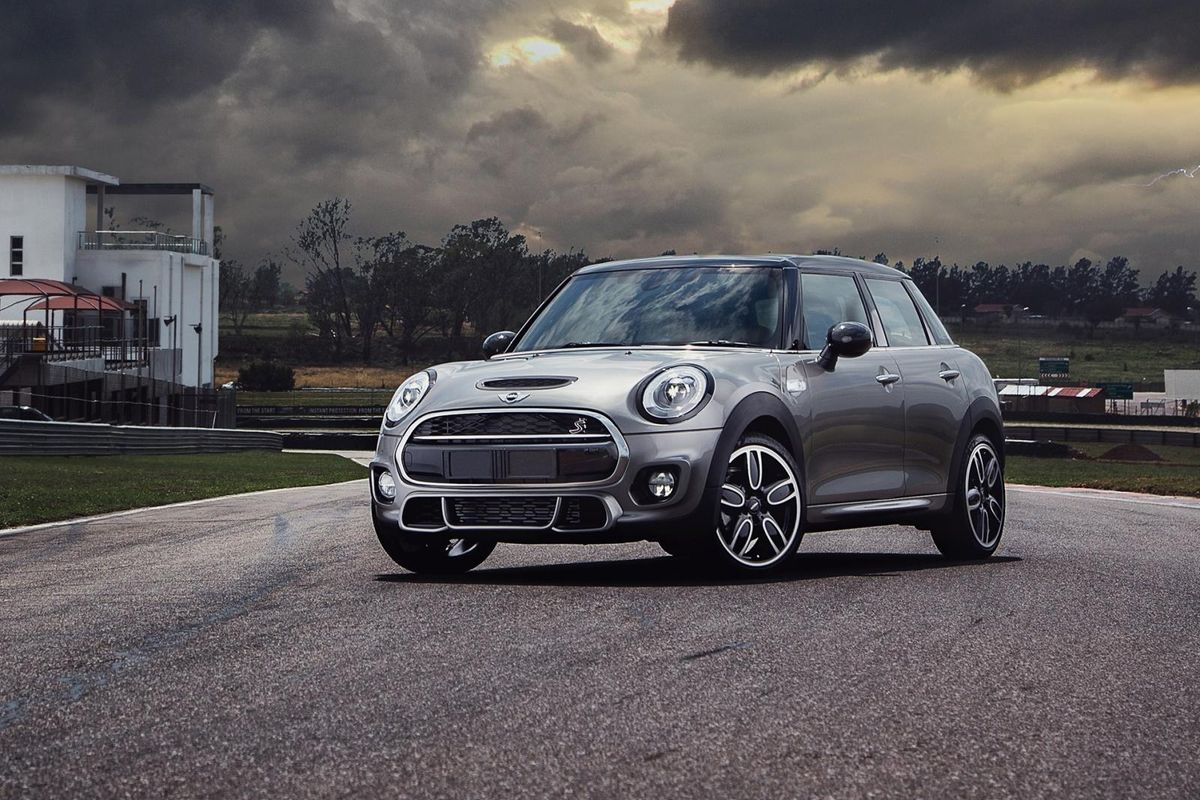
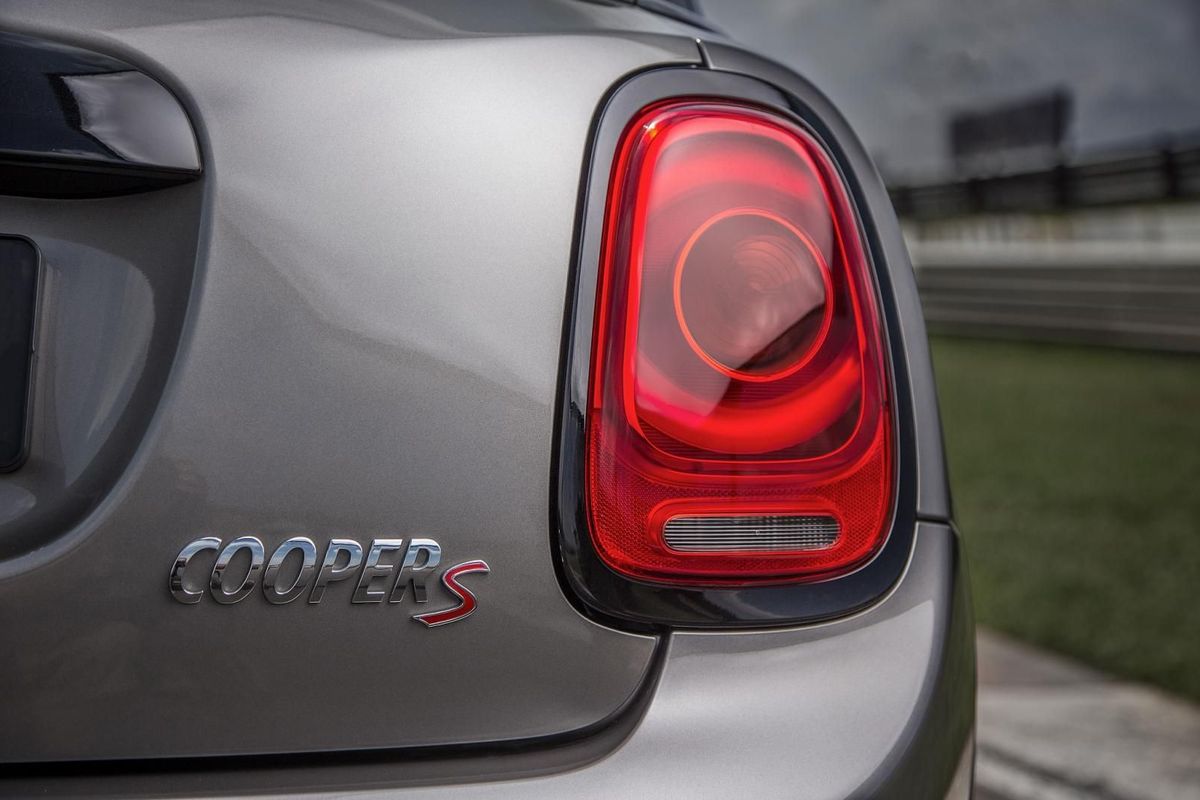
Mini South Africa has released a limited edition version of its 5-door Cooper S which comes with some special features. Take a look at what this special edition has to offer…
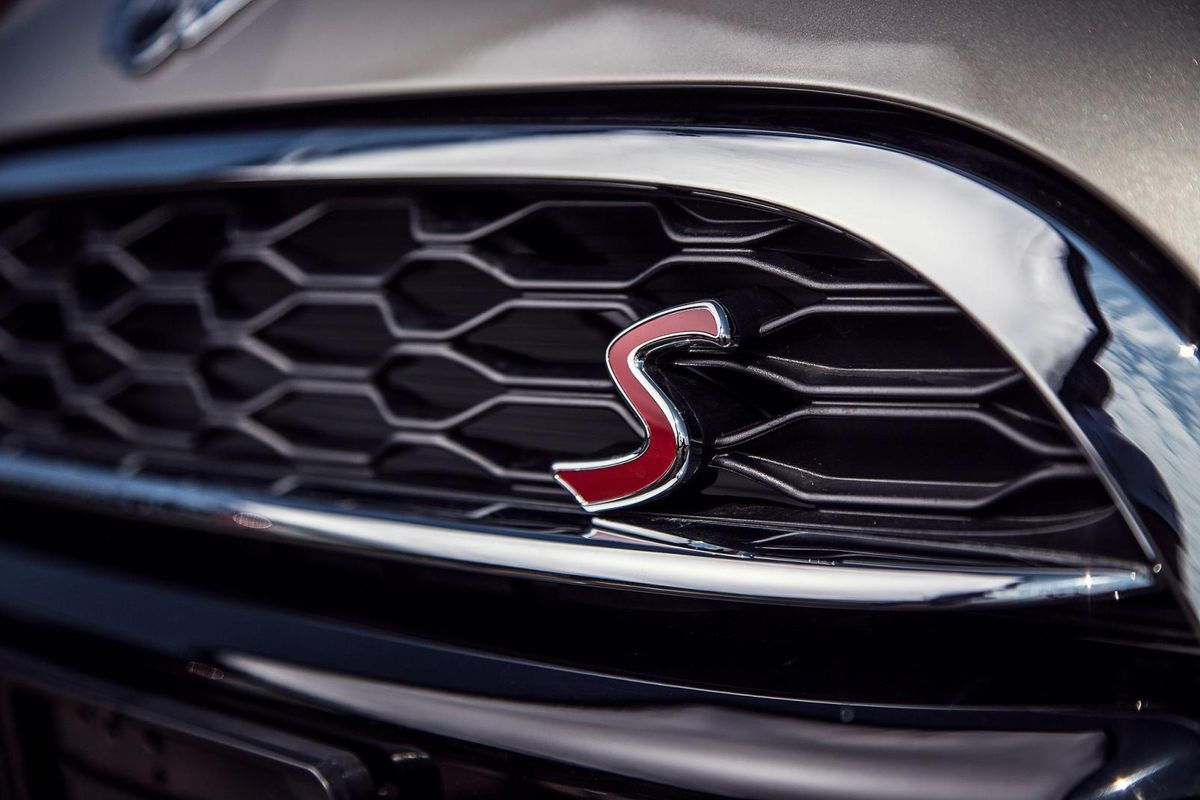
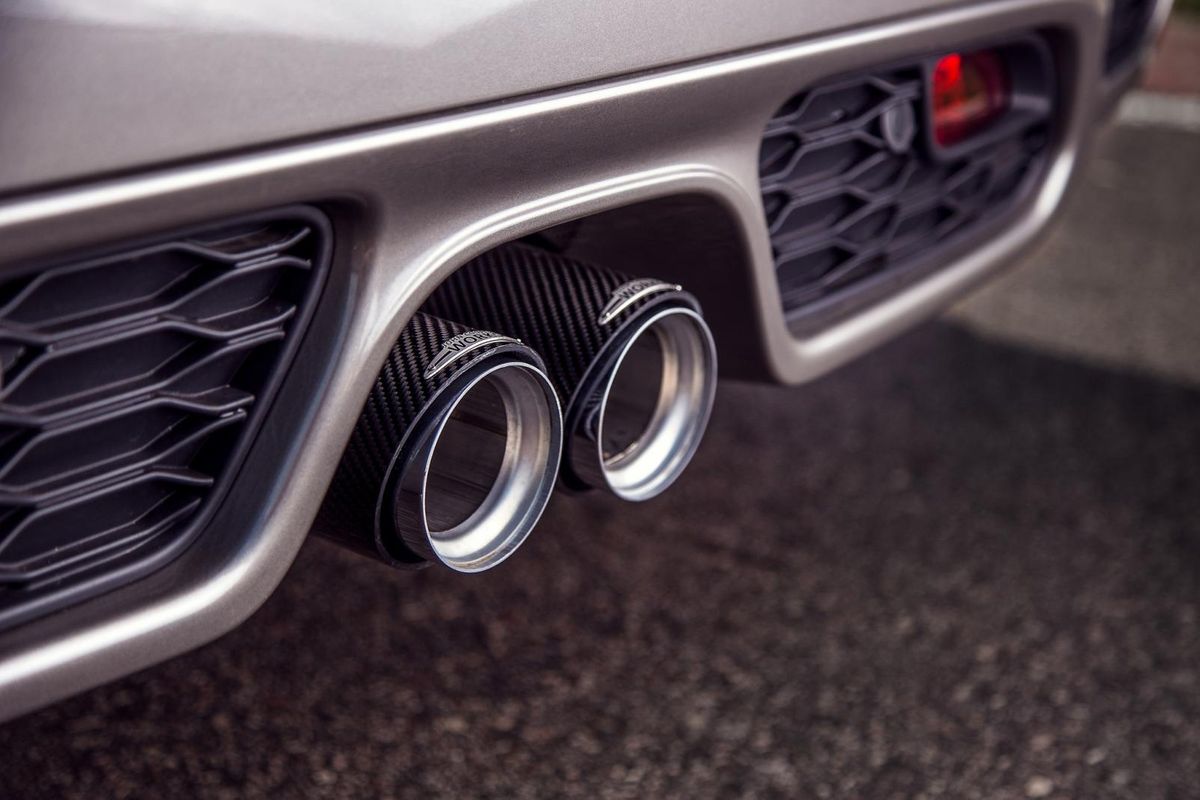
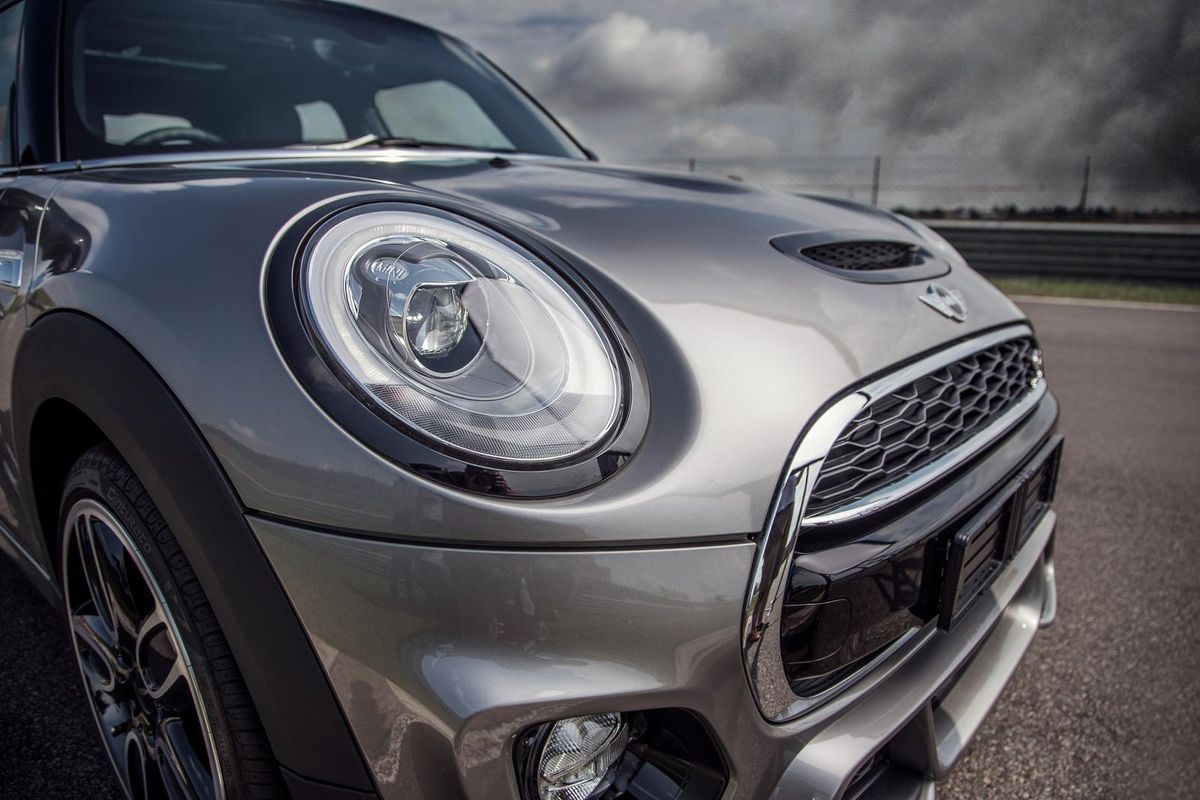
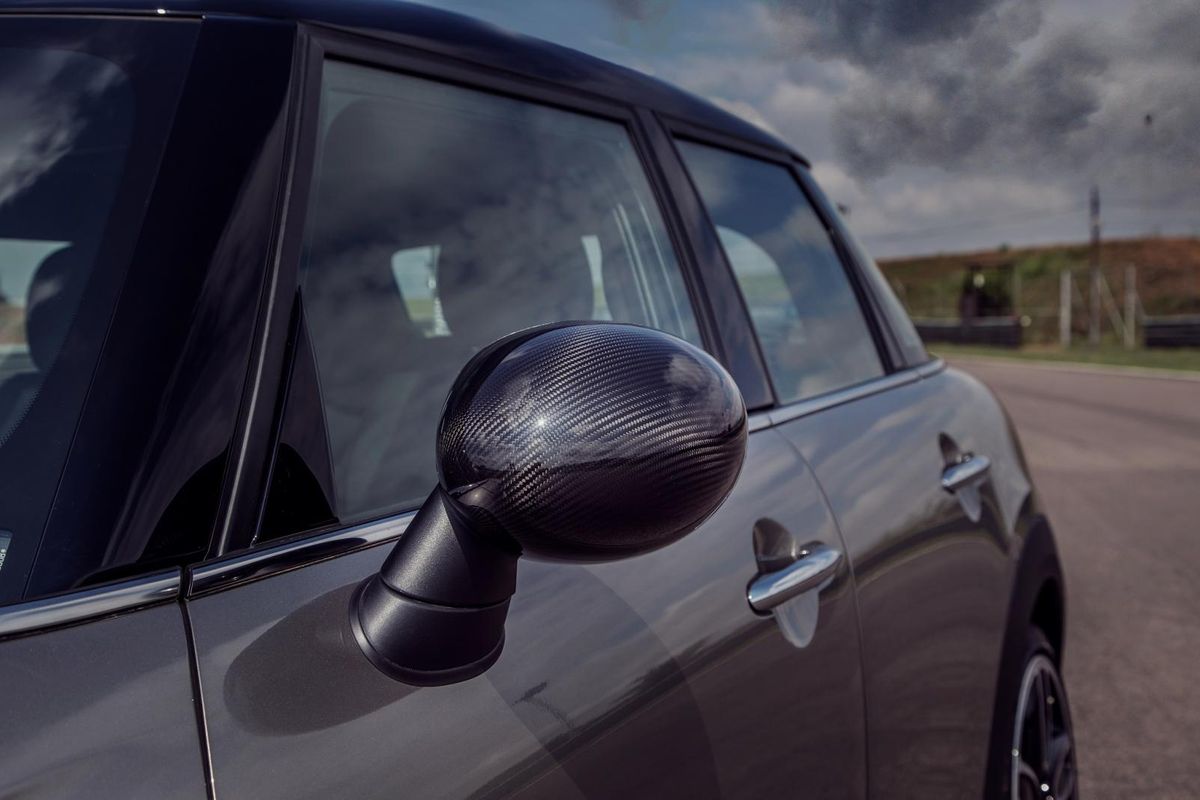
There will be just 20 of these Mini Cooper S 5-door Special Editions available for sale in South Africa. It comes in a Melting Silver paint finish and features some rather lovely Mini John Cooper Works accessories. The Special Edition Cooper S rides on 18-inch light alloy wheels with two-tone spokes and comes fitted with a panorama sunroof and carbon fibre mirror covers, inlet and exhaust finishers.
The changes aren't just skin deep either as the engine has been reworked to deliver more power. Outputs now sit at 155 kW and 300 Nm of torque, which is 14 Nm more than the standard Cooper S. A John Cooper Works sports exhaust and tuning kit has been fitted, which is responsible for the bump in power. Standard features include leather cross punch carbon black seats, John Cooper Works Interior package, John Cooper Works Exterior package, sport automatic transmission, black roof, park distance control and front and rear light surrounds in high gloss black.
Mini Cooper S 5-door Limited Edition Price in South Africa
There are just 20 of these vehicles for sale and they cost R514 700 including VAT and excluding CO2.
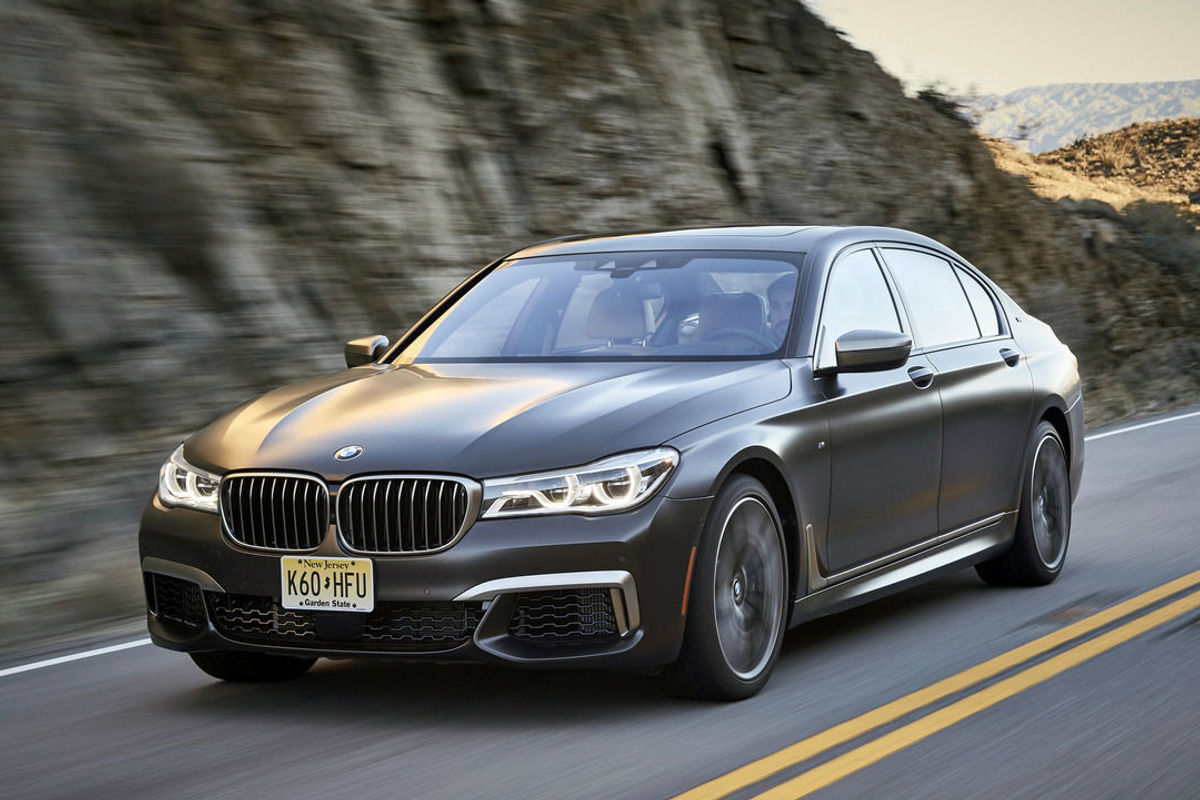
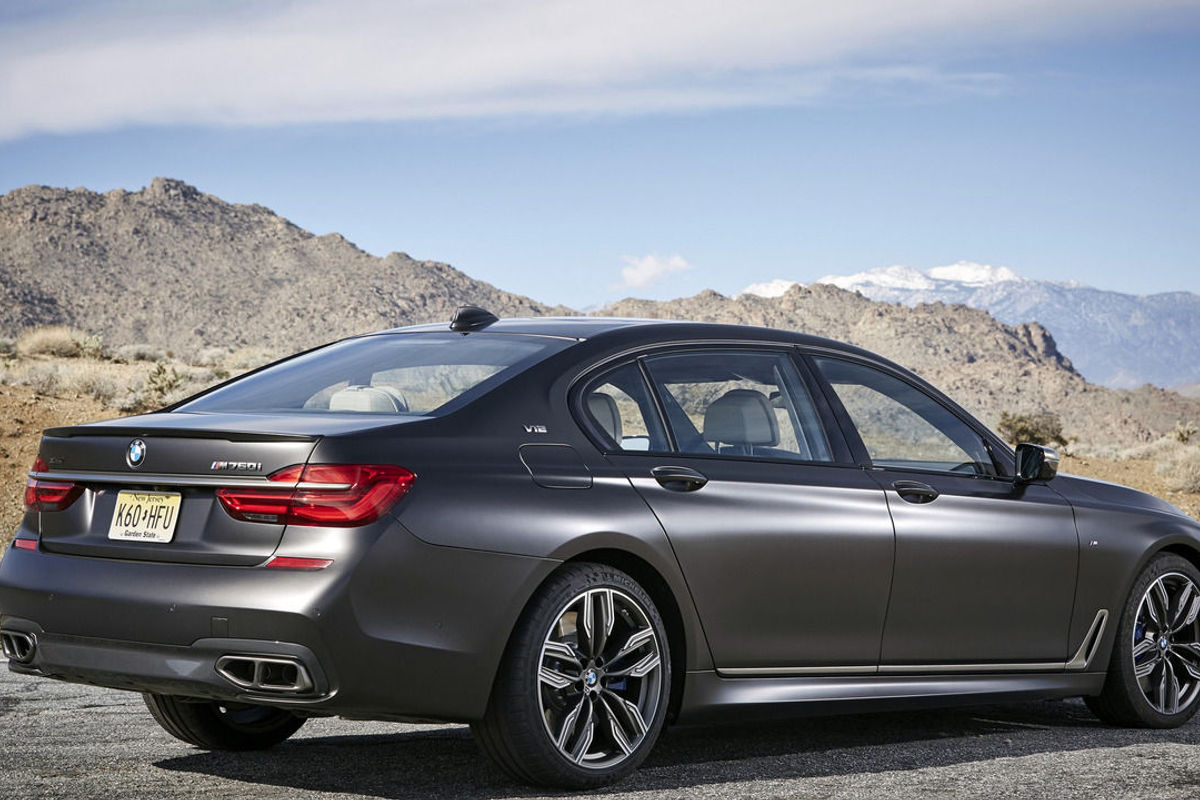
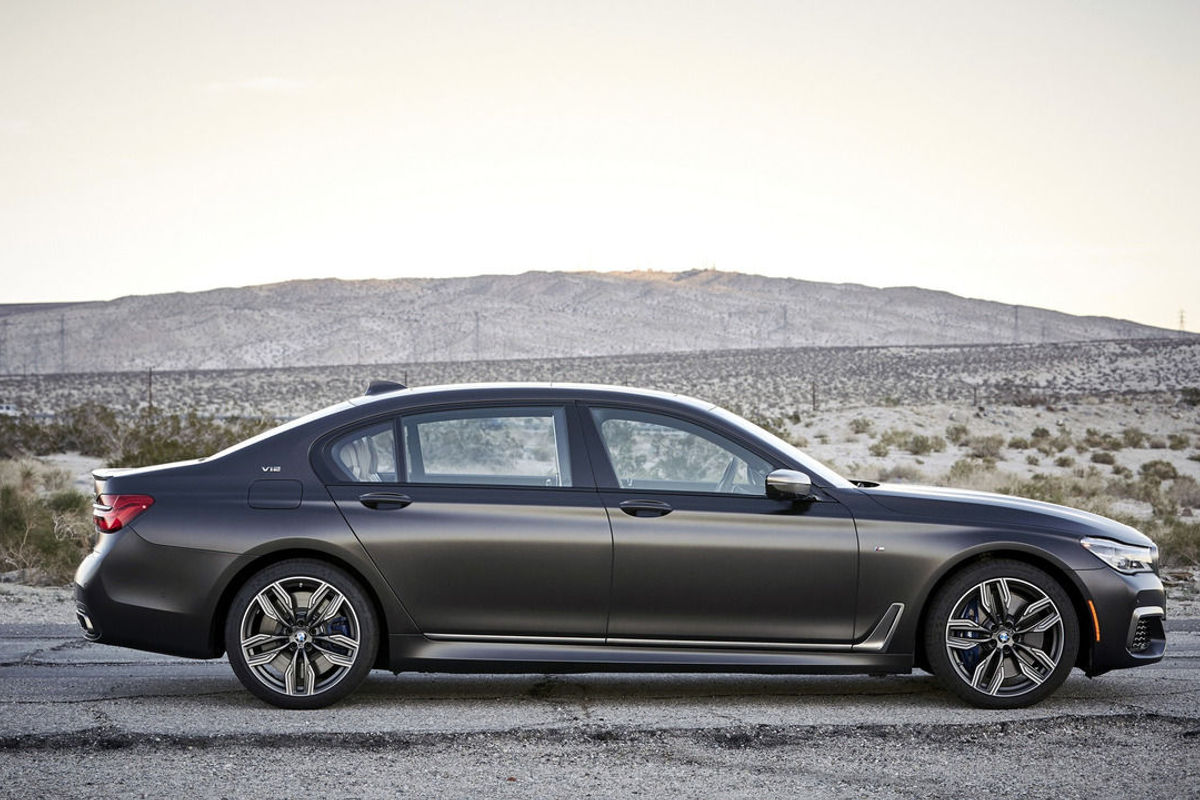
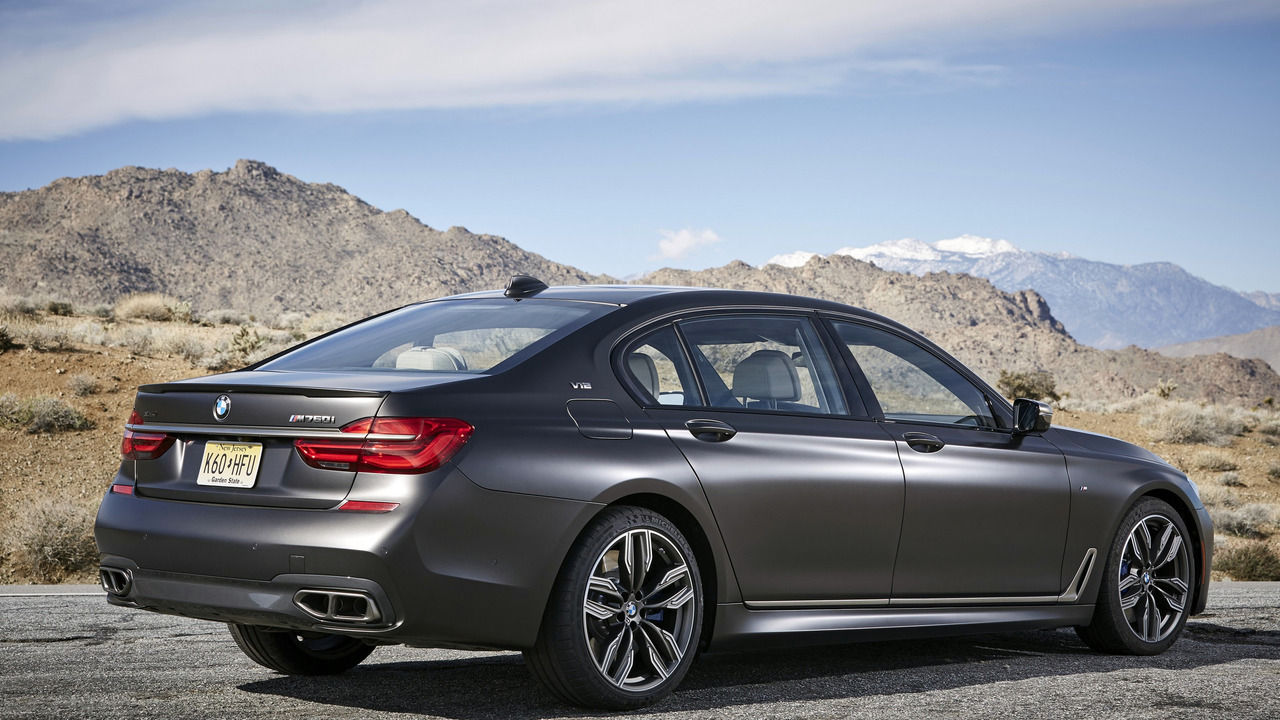
The Munich-based firm has now introduced a range-topping M Performance model called the M760Li xDrive and it’s due to arrive in South Africa in March 2017, with pricing starting from R2.2 million. Let’s take a look at what makes the M760Li xDrive so special…
Watch the 760Li xDrive indulge in wanton track driving action:
Powerful performance
The most exciting part of the M760Li xDrive is to be found in its engine bay, where a 6.6-litre V12 twin turbo engine lurks. This unit develops no less than 448 kW and 800 Nm of torque and is coupled with an 8-speed Steptronic Sport transmission and rear-biased all-wheel drive system, the M760Li provides notable performance thrills: BMW says that the M760Li xDrive can rocket from zero to 100 kph in 3.7 seconds before reaching a limited top speed of 250 kph. If you opt for the optional M Driver’s Package, top speed will increase to 305 kph.
Dynamic ability and ride comfort is enhanced with the Executive Drive Pro suspension system while active roll stabilisation reduces body movement. An Integral Active Steering system further enhances agility by adjusting the steering angle of the rear wheels, effectively reducing steering effort at low speed or during dynamic driving.
The BMW M760Li xDrive is equipped with a host of driver assistance systems including steering and lane control assistant, lane keeping assist with active side collision protection, cross traffic alert, rear collision prevention, traffic jam assistant and active cruise control with Stop&Go function. A new generation Surround View system, with 3D View or optional Panorama View, is optional.
Purposeful styling
The M aerodynamic package gives the BMW M760Li xDrive the car a more sporty look to complement its V12 powerplant.
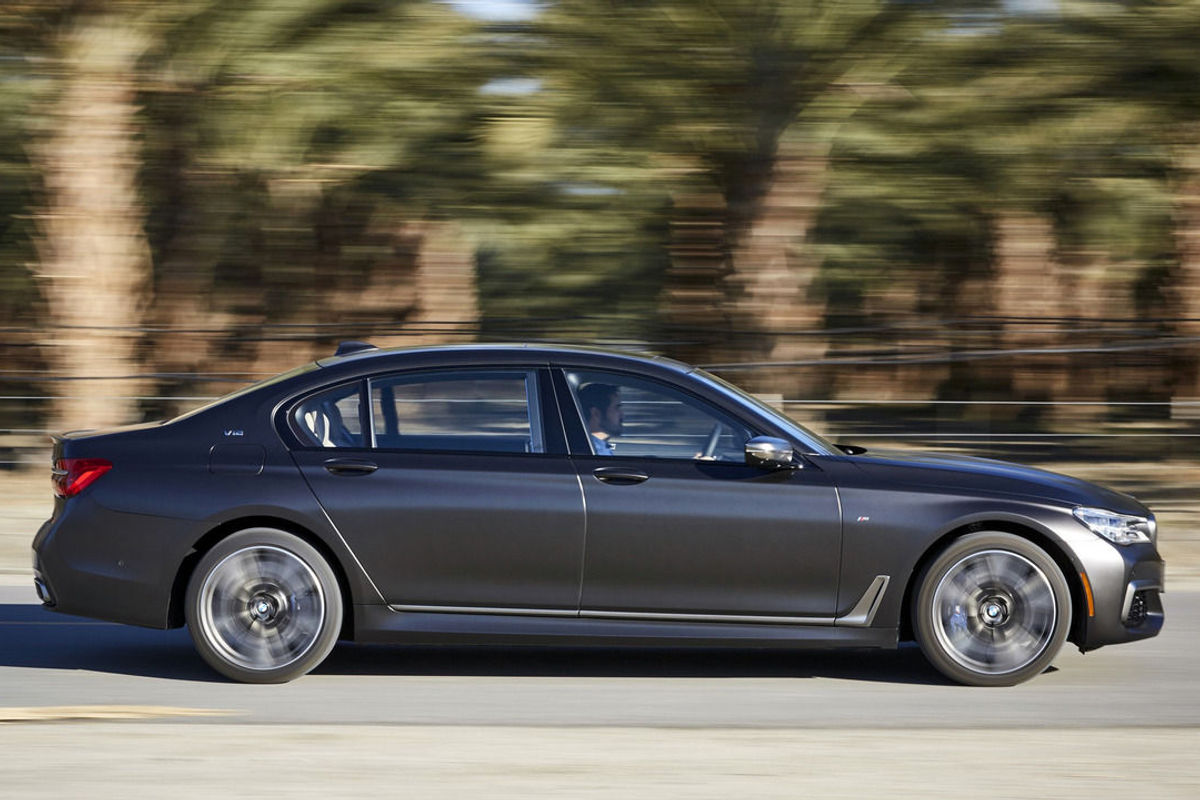
The M760Li xDrive features an M aerodynamic package that includes larger air intakes and exclusive 20-inch M light alloy wheels with a double-spoke design and finished in Cerium Grey. The mirror caps are also finished in Cerium Grey and a new M sports exhaust system, with galvanised Cerium Grey twin tailpipe finishers, add to the sportiness of the first class sedan when viewed from the rear. V12 badges are found on the C-pillars, while M logos are affixed to front fenders.
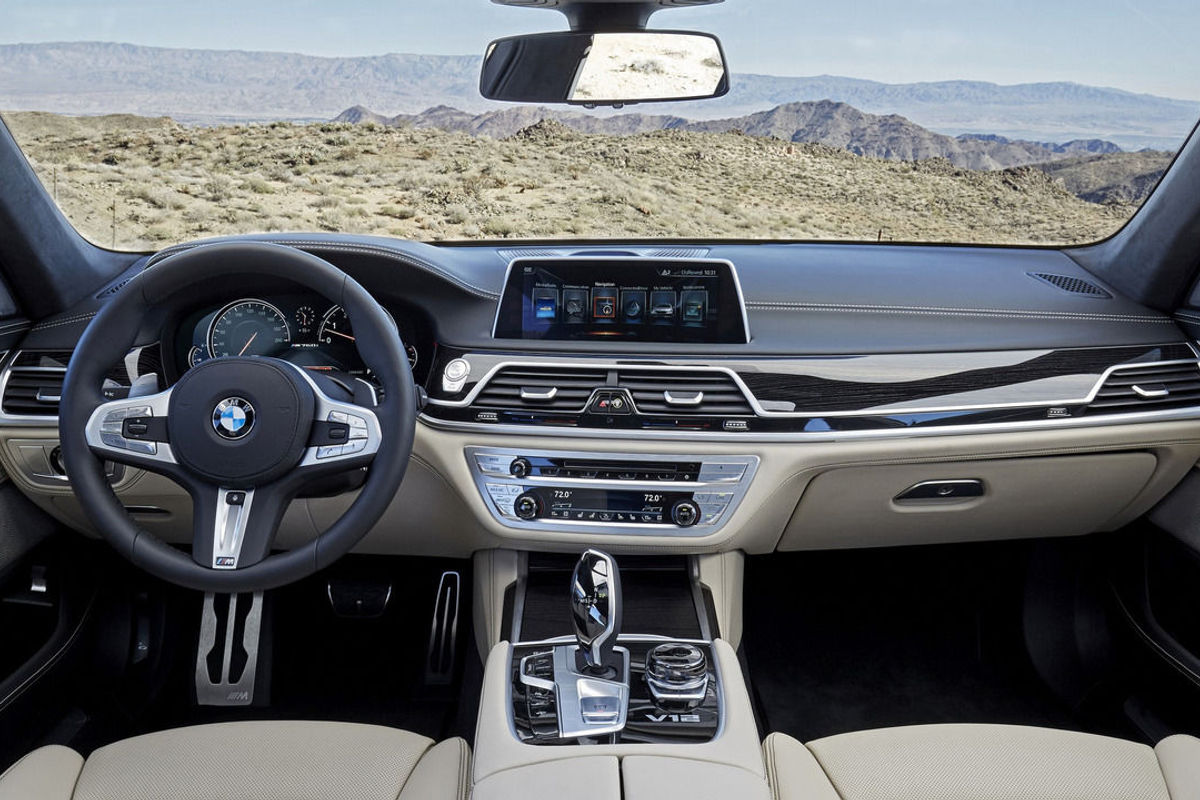
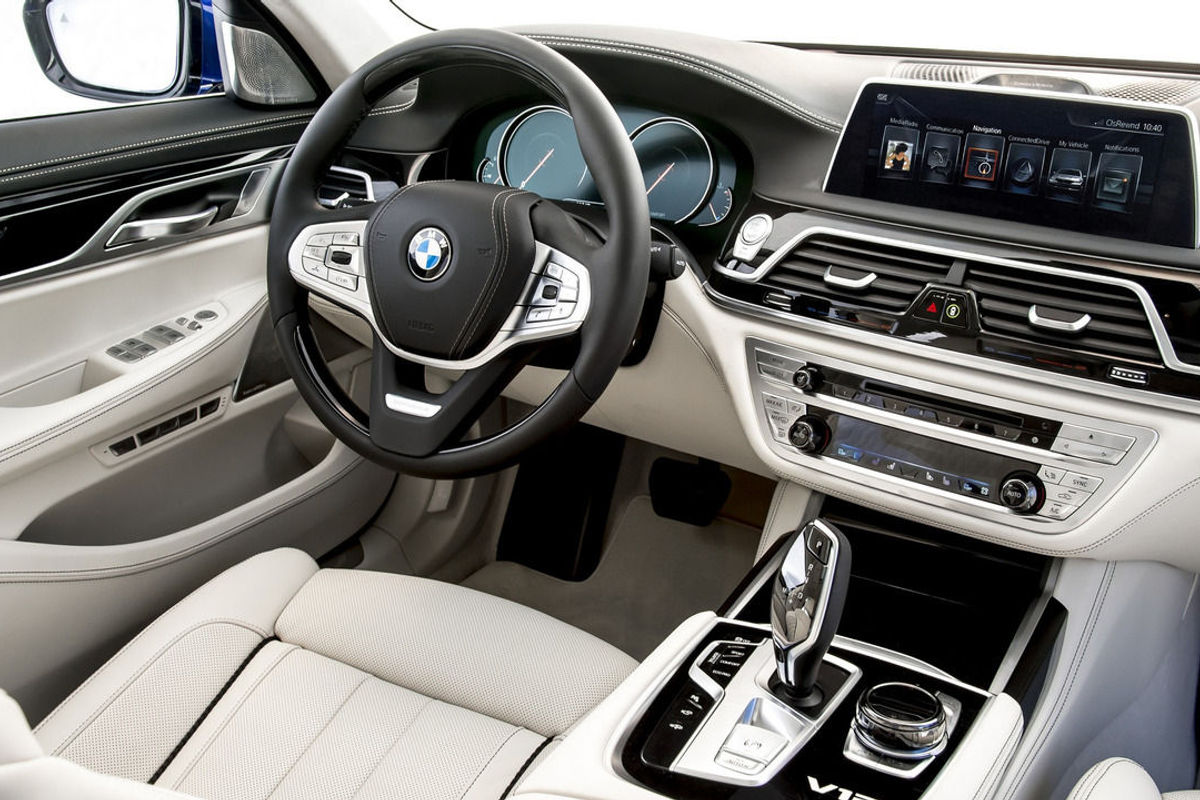
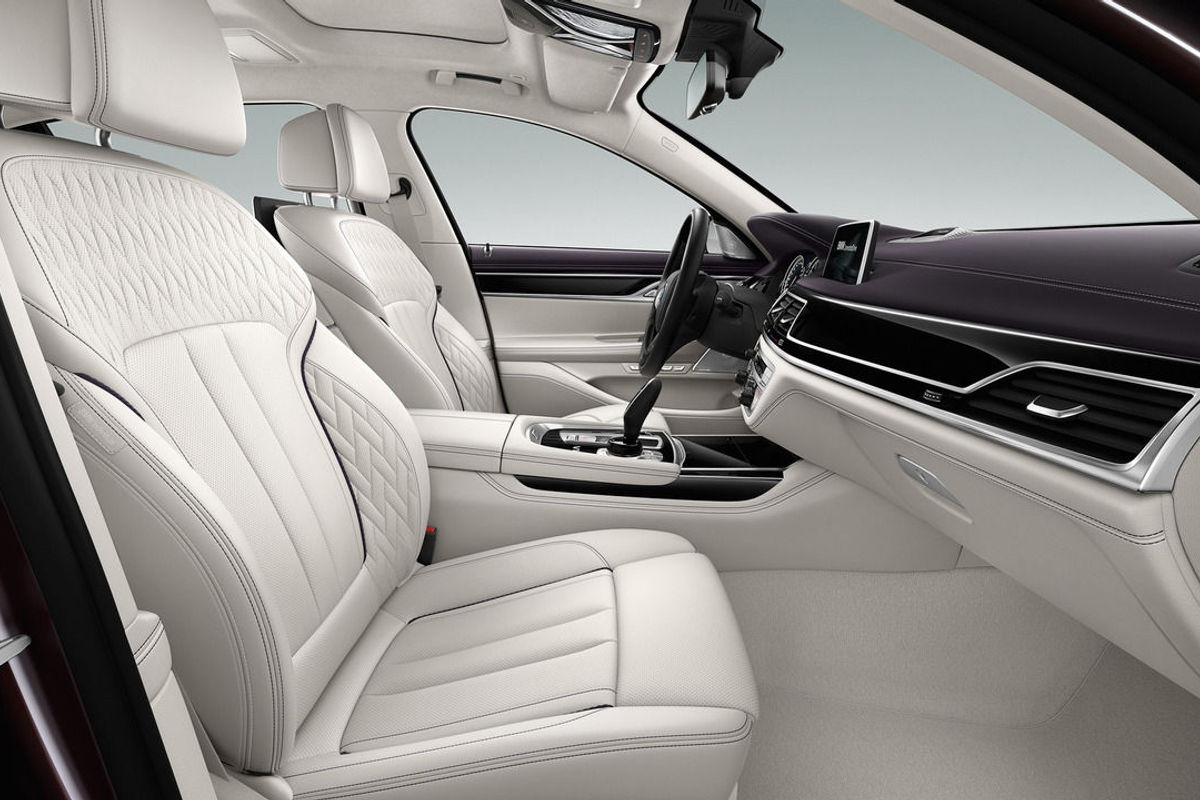
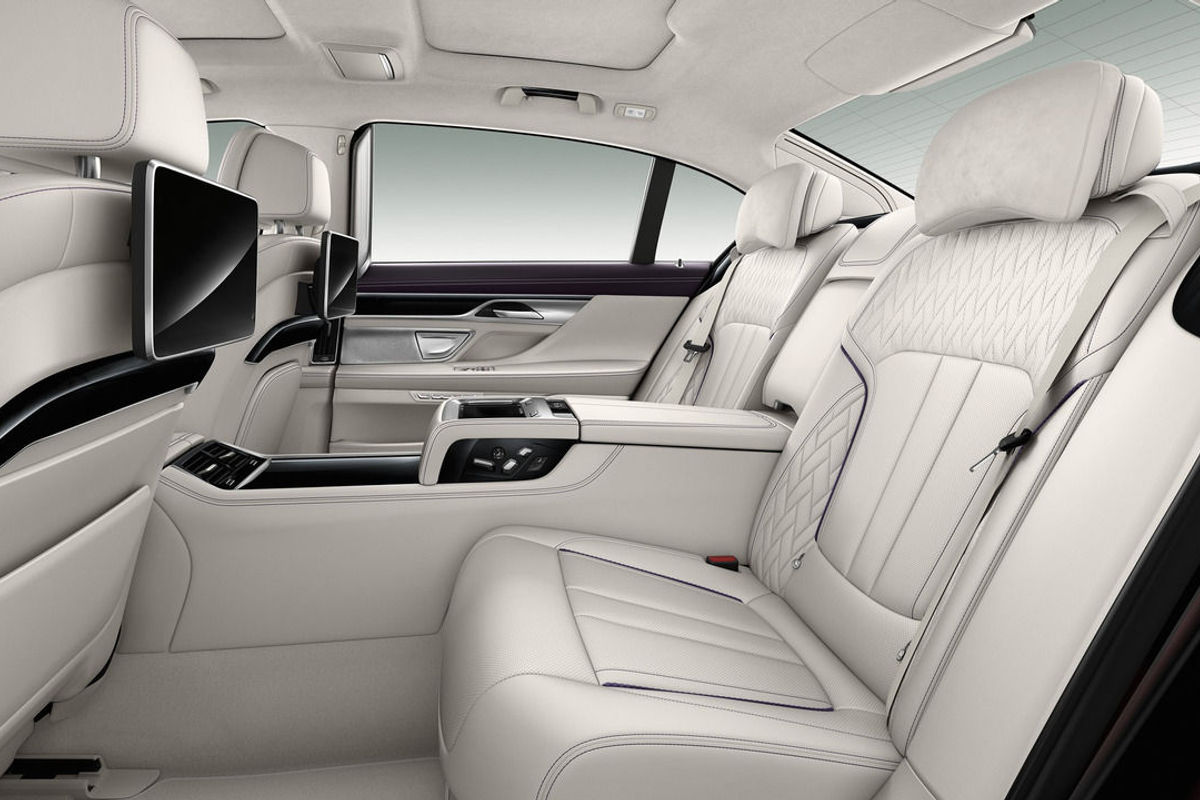
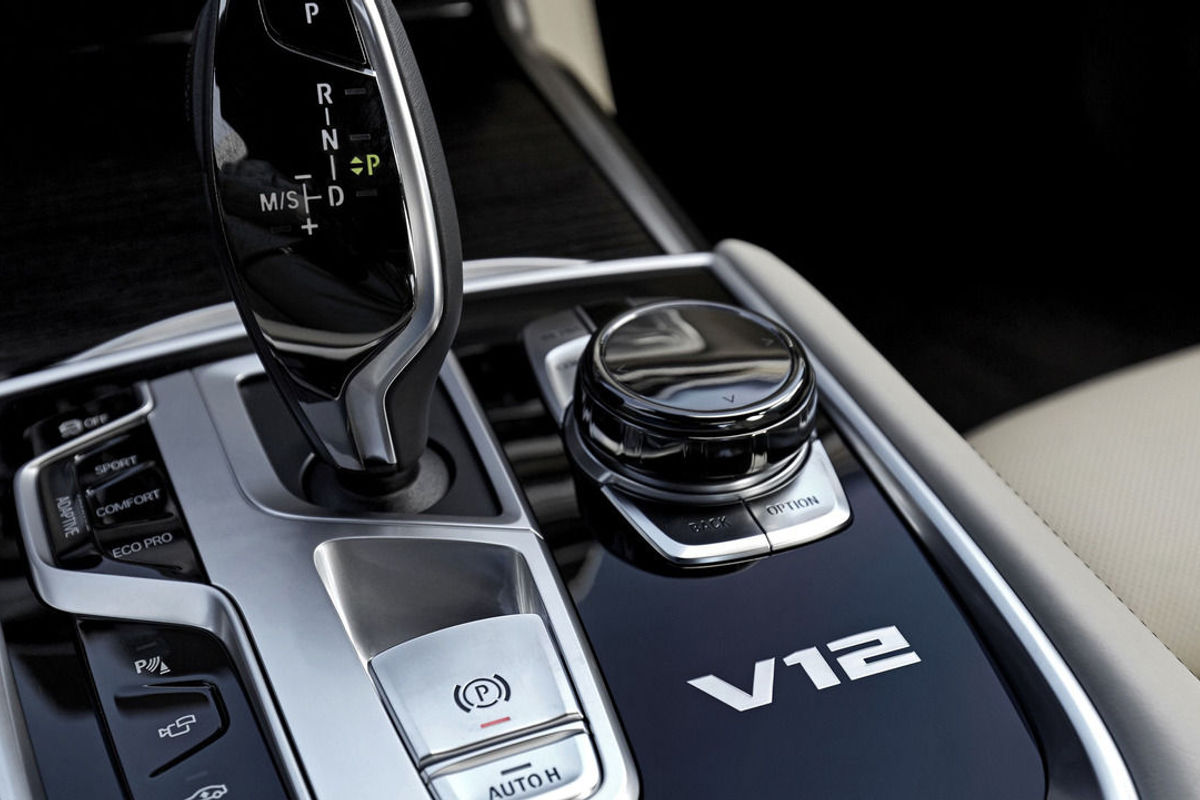
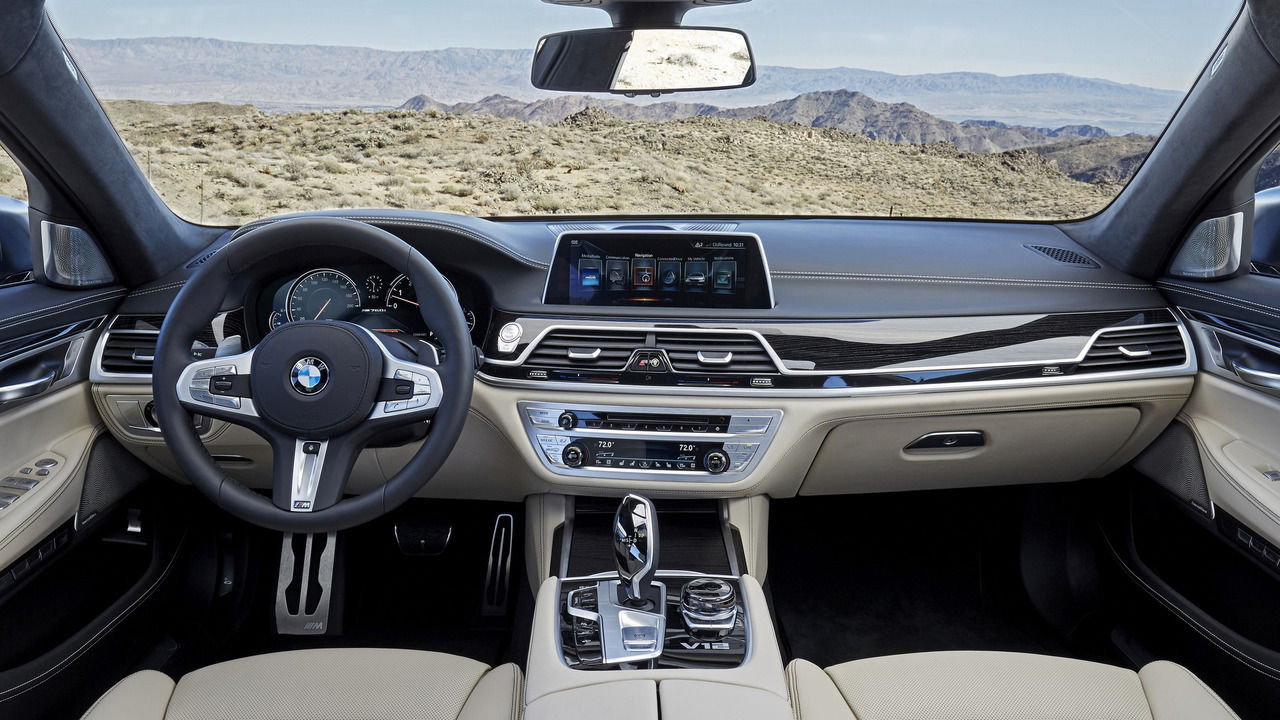
The interior exudes luxury with an Alcantara Anthracite headliner, deep-pile floor mats and trim elements in Fineline black fine wood with a high-gloss metal effect. Nappa leather features extensively on the seats, doors and armrests. An M leather steering wheel with Pearl Gloss Chrome multifunction buttons and shift paddles are fitted, while M pedals and M driver’s footrest add sporty touches to the 7's footwell. Additional V12 badging is found on the door sill plates and on the piano black inlay in the centre console.
The interior of the M760Li is packed with the latest technology from BMW.
For a luxurious and elegant look, customers can also opt for the BMW M760Li xDrive V12 Excellence derivative that does away with the M aerodynamic package and instead comes equipped with 20-inch W-spoke 646 design wheels with a high-gloss polished finish. A chrome bar extends across the upper section of the grille and the grille bars are finished in silver and chrome. Chrome is also used for the badging and this model also gets a V12 badge on the bootlid and additional chrome trim used around the tailpipes. This derivative is further distinguished with unique interior details such as wood inlays found on the steering wheel.
BMW’s iDrive system is navigated using a touchscreen display, as found in all 7 Series vehicles, and the system incorporates gesture control. The M760Li is also equipped with a new smartphone holder that’s integrated into the centre console and allows for wireless inductive charging.
A closer look at the M760Li xDrive V12 Excellence's interior:
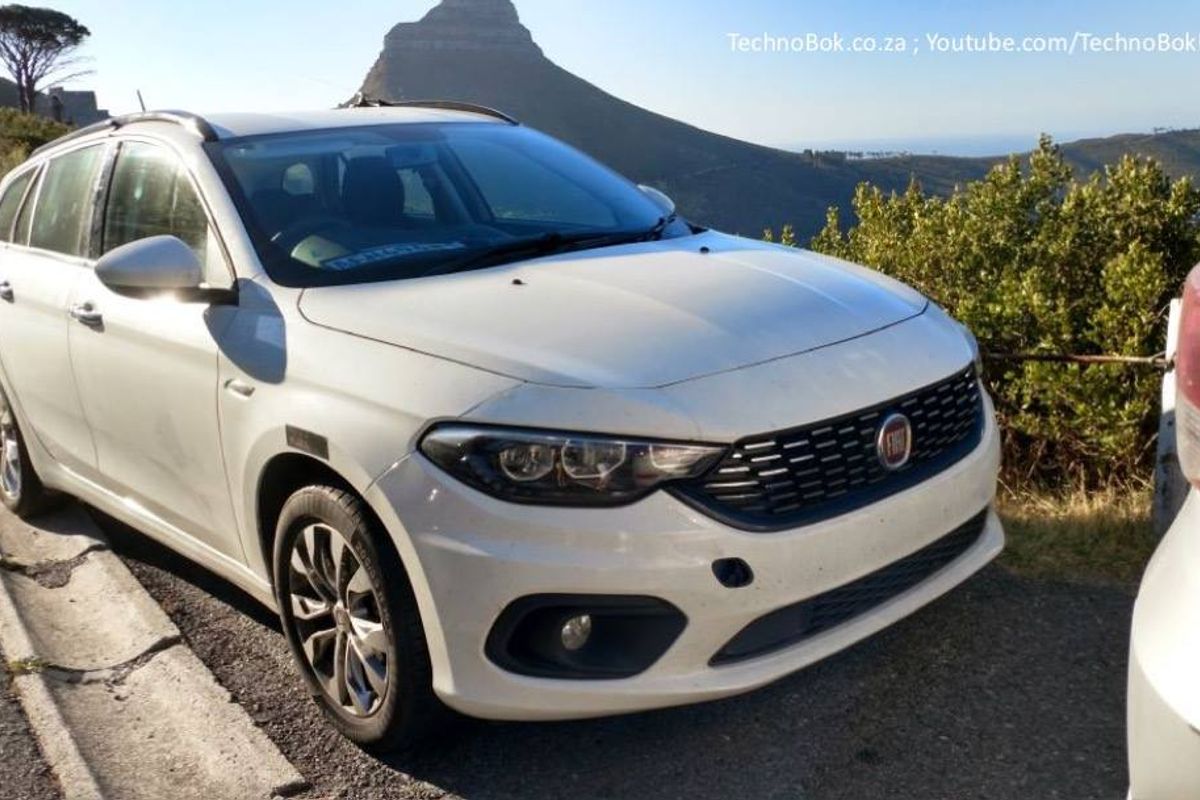
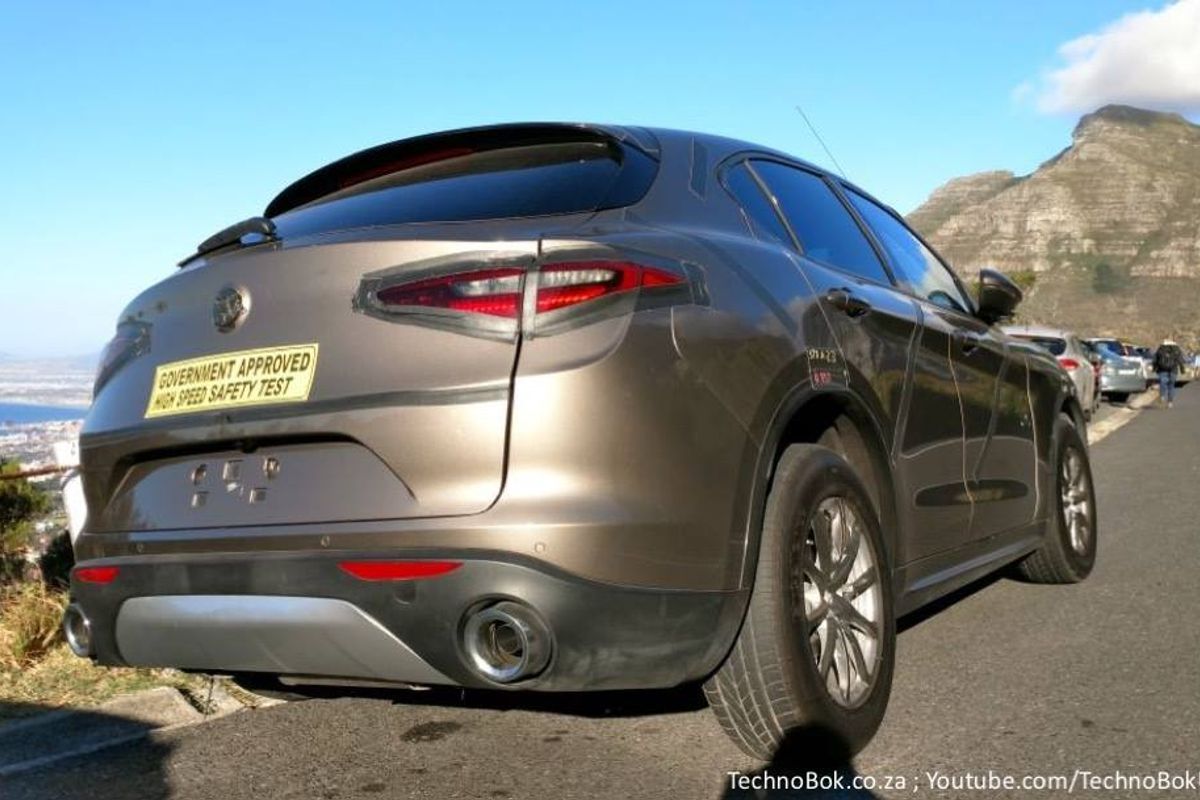
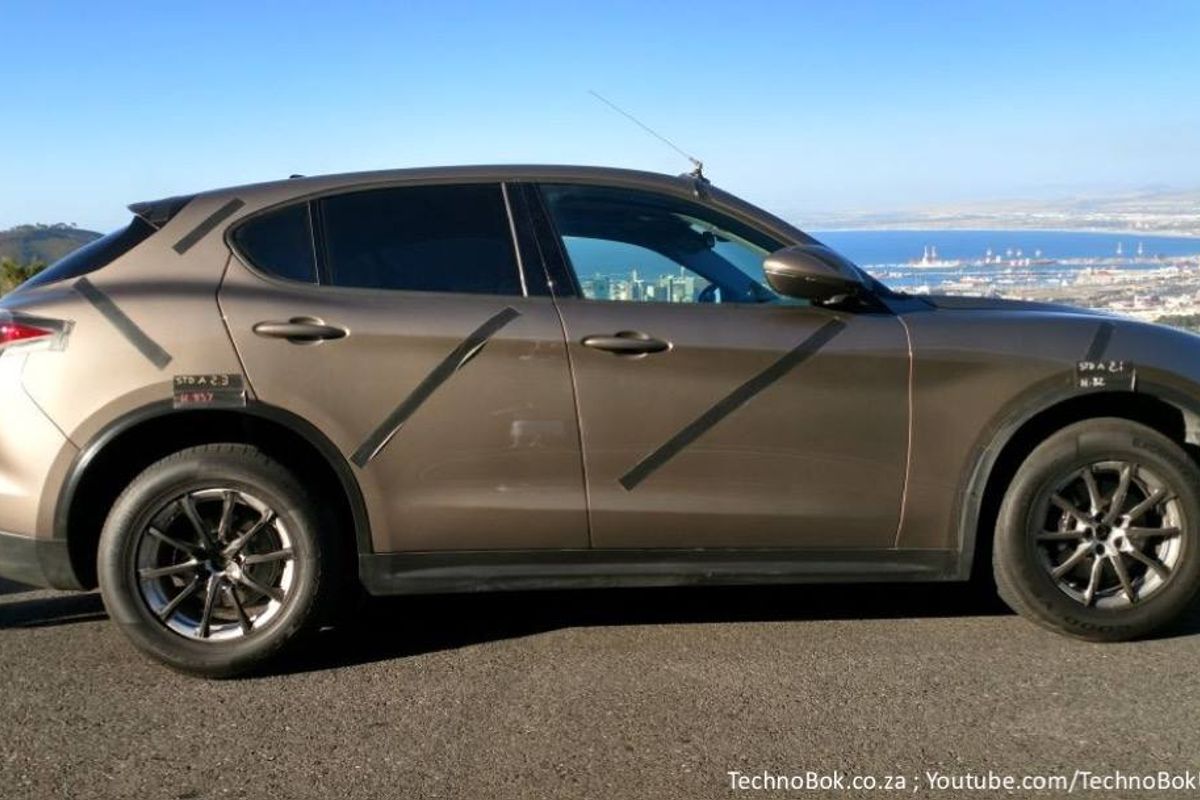
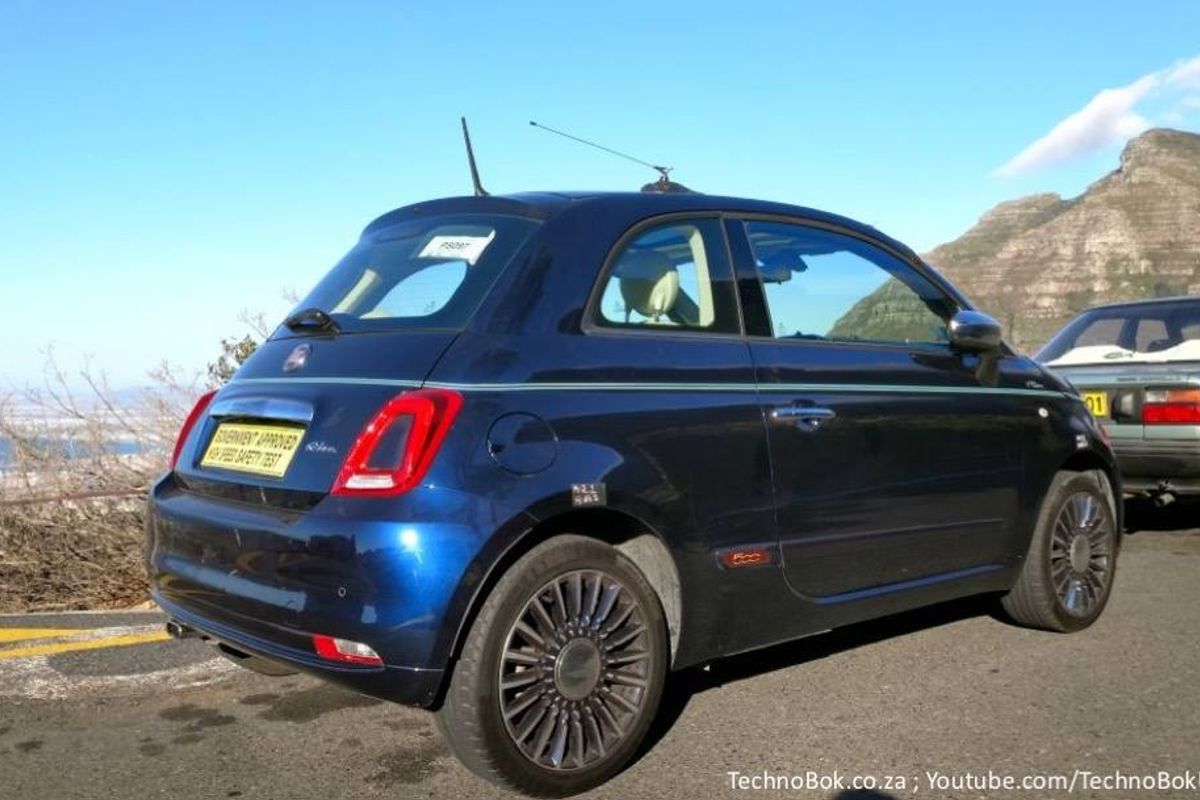
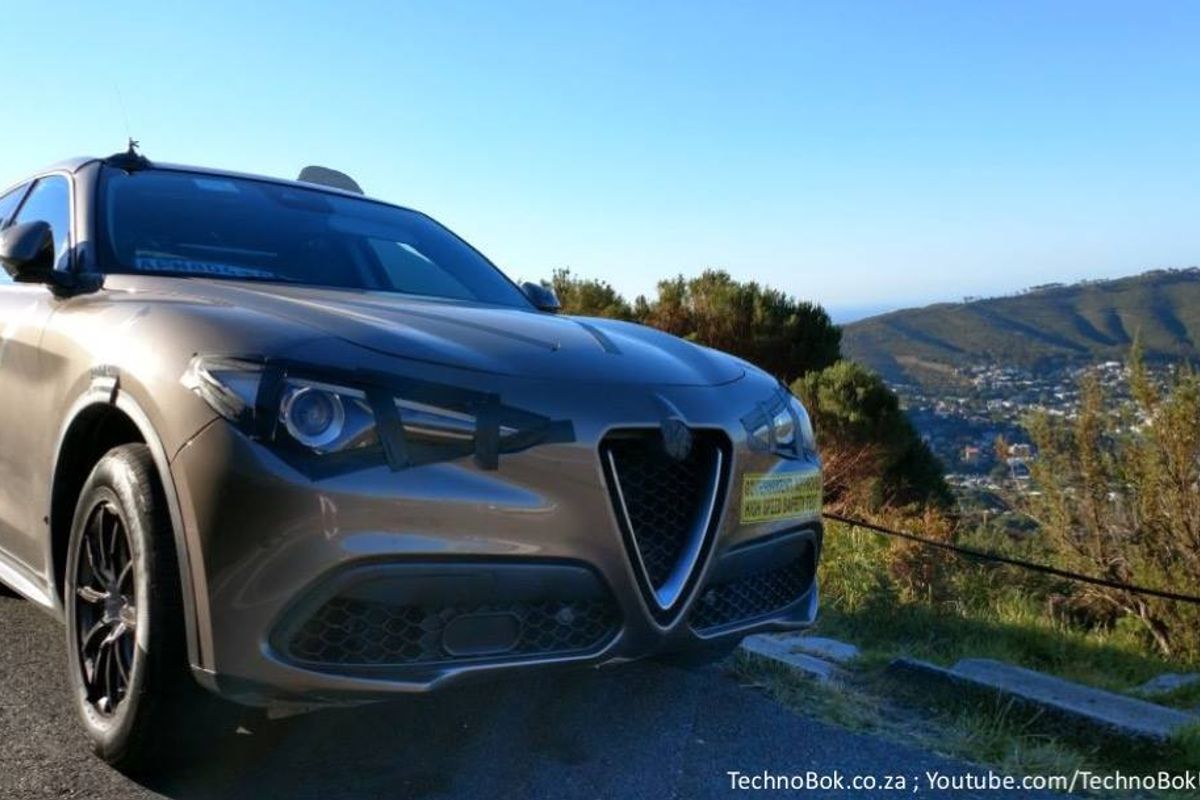
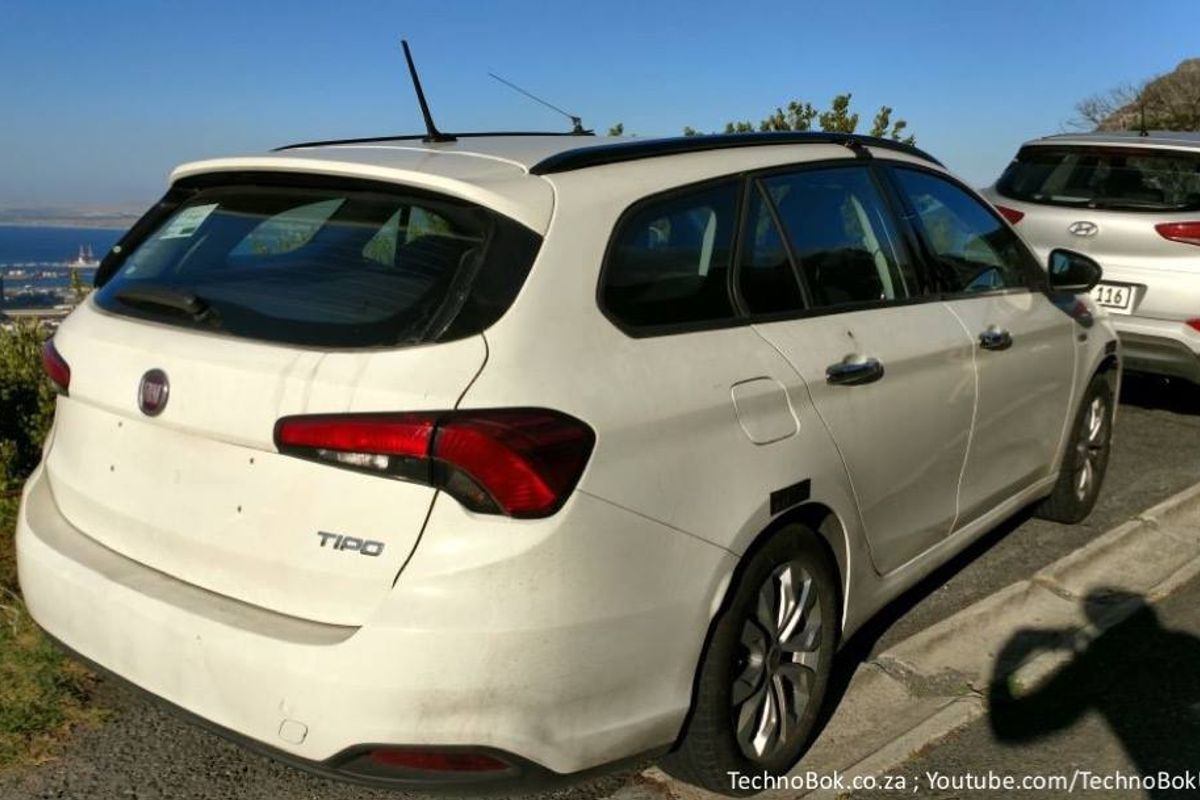
A fleet of pre-production and test Fiat and Alfa Romeo vehicles were spotted in South Africa over the weekend and gave us a first look at what's coming.
South Africa is often used as a venue for the testing of forthcoming vehicles. With our high average temperatures and altitude, vehicles are put through their paces to see if they can cope with the conditions. Our fuel is also under international scrutiny as the quality is often not up to scratch. Many brands come out here to test their wares and it won't be the last time either.
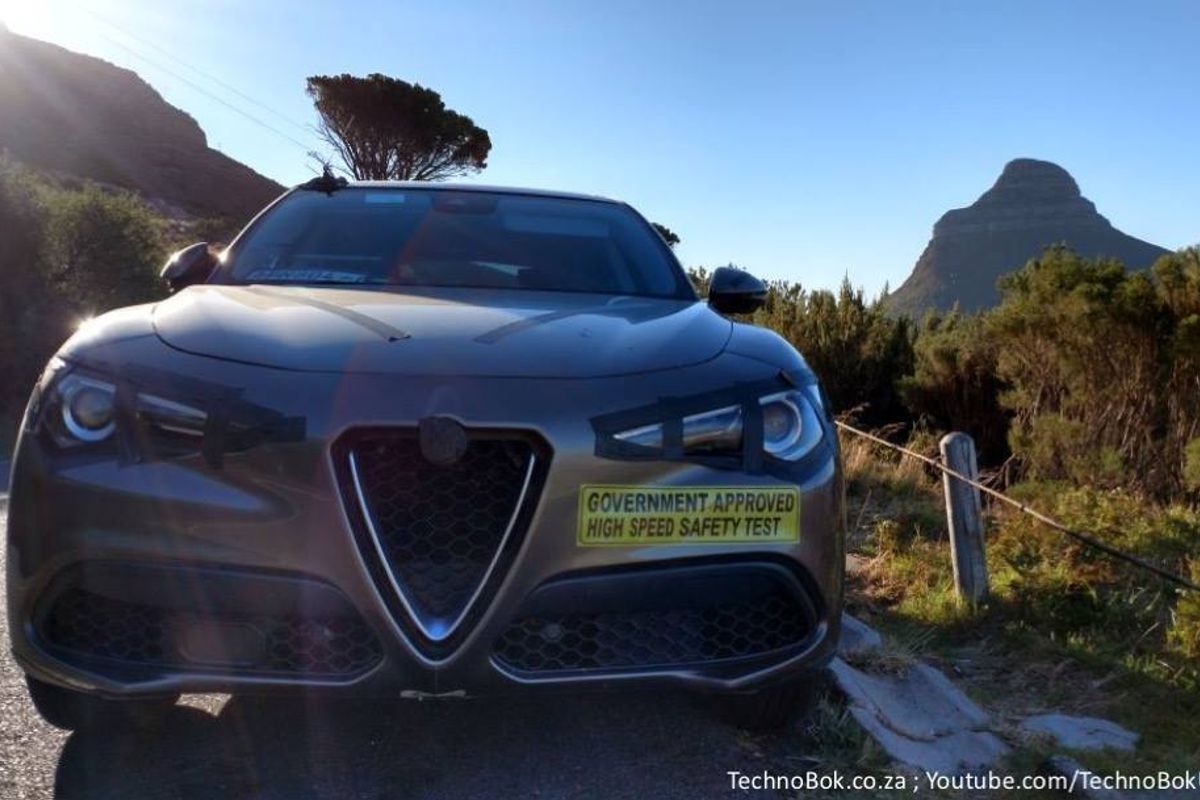
This time, a few of the Italian marques' pre-production vehicles were spotted in Cape Town. Some had their badges covered, but there was no mistaking which products they were. The new Alfa Romeo Stelvio SUV was the highlight of the group and despite it running on really small wheels with awkward coverings of duct tape, there was no mistaking the car's identity.
The next cars were from Fiat and comprised a Tipo Estate, as well as a limited-edition Riva 500. The Tipo is Fiat's answer to the Toyota Corolla and Chevrolet Cruze, and we drove the 1.3-litre Multijet diesel at its international launch in Italy in 2016.
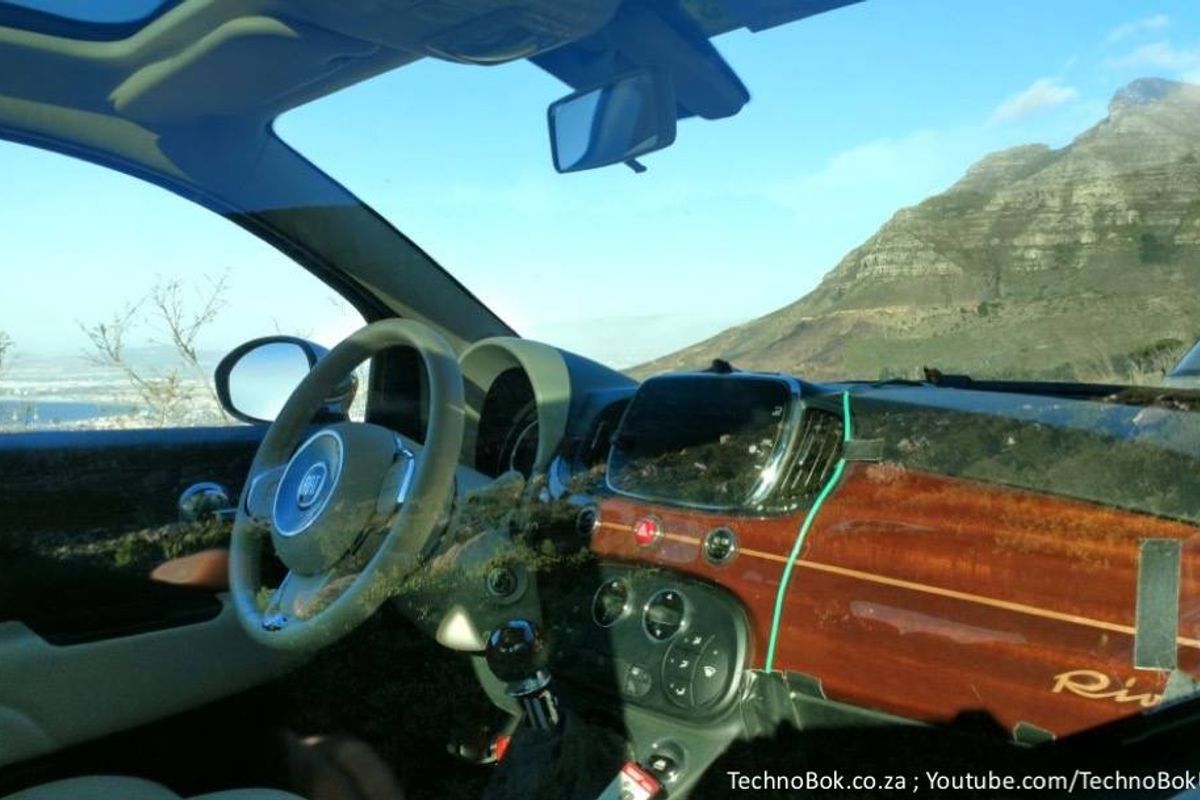
The Fiat 500 Riva Edition is a tie in between Fiat and the luxury boat maker Riva. The car features beautiful leather seats and a wooden dashboard. Also joining the group was a Fiat 500X, the Italian Jeep Renegade.
Thanks to Jason from TechnoBok.co.za for sending us these pics!
The annual American football Super Bowl has come and gone and with it some fine examples of advertising. Here are this year's 5 best car adverts.
The Super Bowl is America's biggest sporting event and the advertising real estate around the game is estimated to be some of the most valuable in television, let alone all forms of media. Many car brands take this opportunity to unleash the creative juices in either 30 or 60-second slots. These advertising slots don't come cheap as a 30-second advert can cost over $5-million (R66 million), but when you consider the reach and audience of the event to be estimated be over 114 million people, it starts to look like a "great investment". Car companies have been using the Super Bowl as a platform to showcase new products, features and ways of thinking. Here are our 5 favourite car adverts from the 2017 Super Bowl.
Alfa Romeo
Italian carmaker Alfa Romeo had no fewer than 3 adverts during the 2017 Superbowl, but it was the second titled "Dear Predictable" which piqued our interest. It encapsulated everything that the Milanese marque stands for: driving, passion and plenty of driving cliches. Cue gratuitous Alfa Romeo Giulia QV driving scenes.
Kia
Korean manufacturer Kia partnered with comedienne/actress Melissa McCarthy to suggest that being an eco warrior is so tough that it's easier to drive an eco-friendlier car like the Niro.
Audi
Audi avoided the driving cliches and humour for its 2017 Super Bowl advert and instead tackled gender equality. The advert is all about a girl who is participating in a cart race while her father thinks about equality. The tag is Progress for Everyone and while it raises an important issue, people on Twitter have pointed out that Audi's board of directors are all male. The advert has raised the ire of many, but tell us what do you think of it?
Toyota
Keen to promote its hydrogen fuel cell car, the Mirai, Toyota highlighted how the emissions of normal cars hurt the environment by showing a daisy slowly dying of exhaust pollution. A Toyota Mirai pulls up and thanks to its emission being water, its able to resuscitate the flower. It's cute, simple and effective.
Mercedes-AMG
The new AMG GT Roadster is here and Mercedes-AMG has gone the route of using a famous face in its advert. Straight from the legendary 1969 cult film Easy Rider comes Peter Fonda and a killer soundtrack. It's a gritty, emotional advertisement and we love it!
Audi South Africa has bolstered its TT coupé line-up with some additional models, including a more affordable entry-level derivative.
When the all-new Audi TT coupé was launched in the South African market back in 2015, it immediately made an impact – it even bagged a Fun Car of the Year trophy in the inaugural Cars.co.za Consumer Awards. What was not to like? It introduced a dramatically improved chassis, a responsive powertrain and an interior that would make Ikea proud. The downside was that the range was limited, with just a 2.0-litre turbocharged four-cylinder petrol powering either a front-wheel drive or a quattro all-wheel drive derivative. For the (well-heeled) performance-car fan, there is the 210 kW/380 Nm Audi TTS.
Now Audi South Africa has expanded the TT coupe range. Kicking off the range is a new engine: a 1.8-litre turbocharged four-cylinder petrol motor. Power is rated at 132 kW, with torque set at a healthy 250 Nm. Power reaches the road through the front wheels via Audi's rather good dual-clutch transmission. Audi claims this entry-level TT 1.8 will hit 100 kph in 7 seconds dead and it will only run out of steam at 241 kph. It is the most frugal model in the Audi TT lineup, too, with a claimed consumption of 5.7 L/100 km. It's interesting to note that this S-tronic unit in the 1.8-litre has 7 speeds, as opposed to the 6-speed transmission in the 2.0-litre.
The other addition to the Audi TT range is a faster and more powerful TTS. The updated TTS features the same 2.0-litre turbocharged engine as before, but in this application, power has been increased to 228 kW, while torque remains the same at 380 Nm. The 0-100 kph sprint time has dropped from 4.8 down to 4.6 seconds.
Audi TT Price in South Africa
The Audi TT comes standard with a one year / unlimited kilometres warranty and a five year / 100 000 kilometres maintenance plan.
TT 1.8 TFSI R563 500
TT 2.0 TFSI R601 000
TT 2.0 TFSI quattro R691 000
TTS 2.0 T quattro R743 000
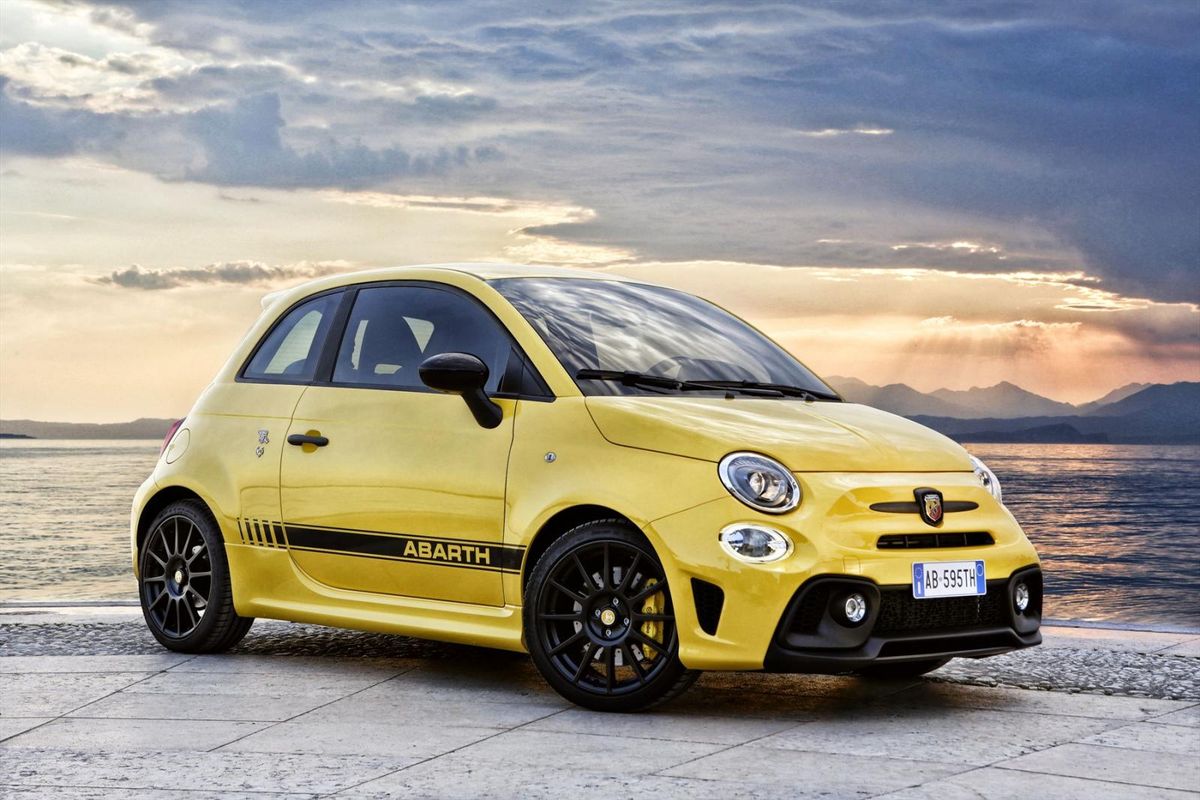
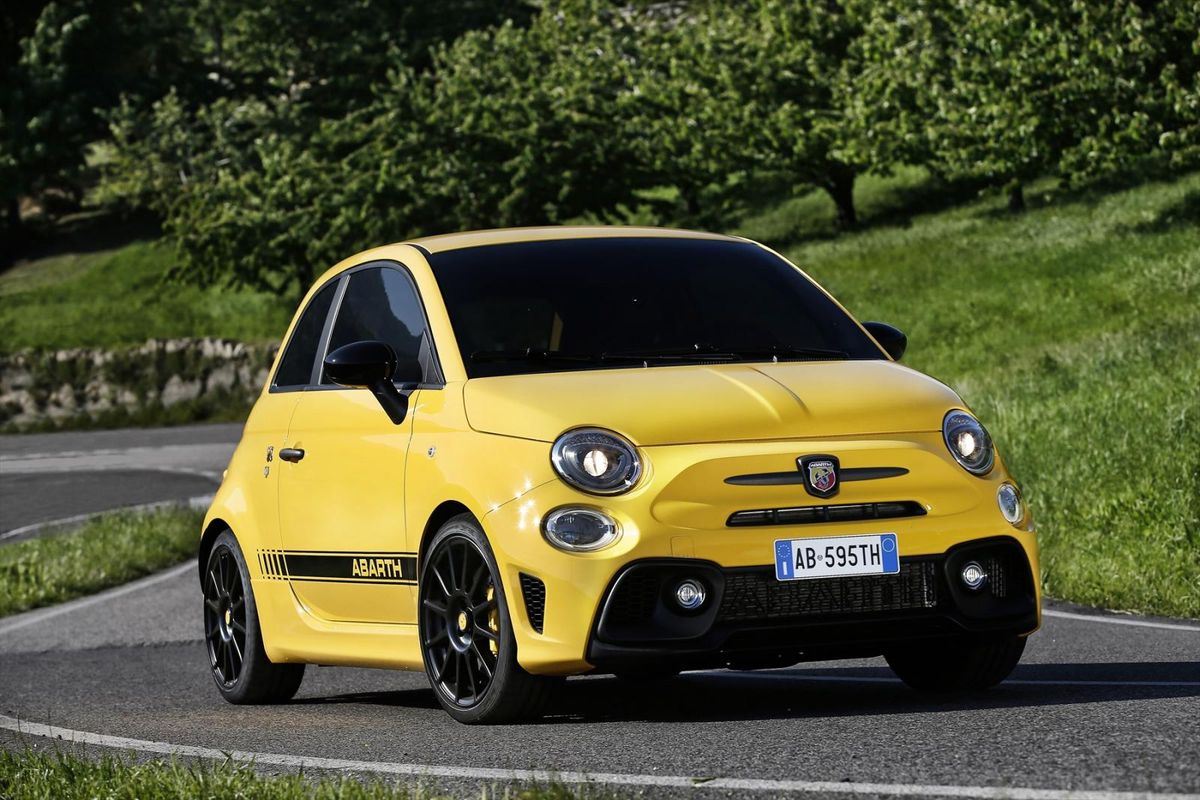
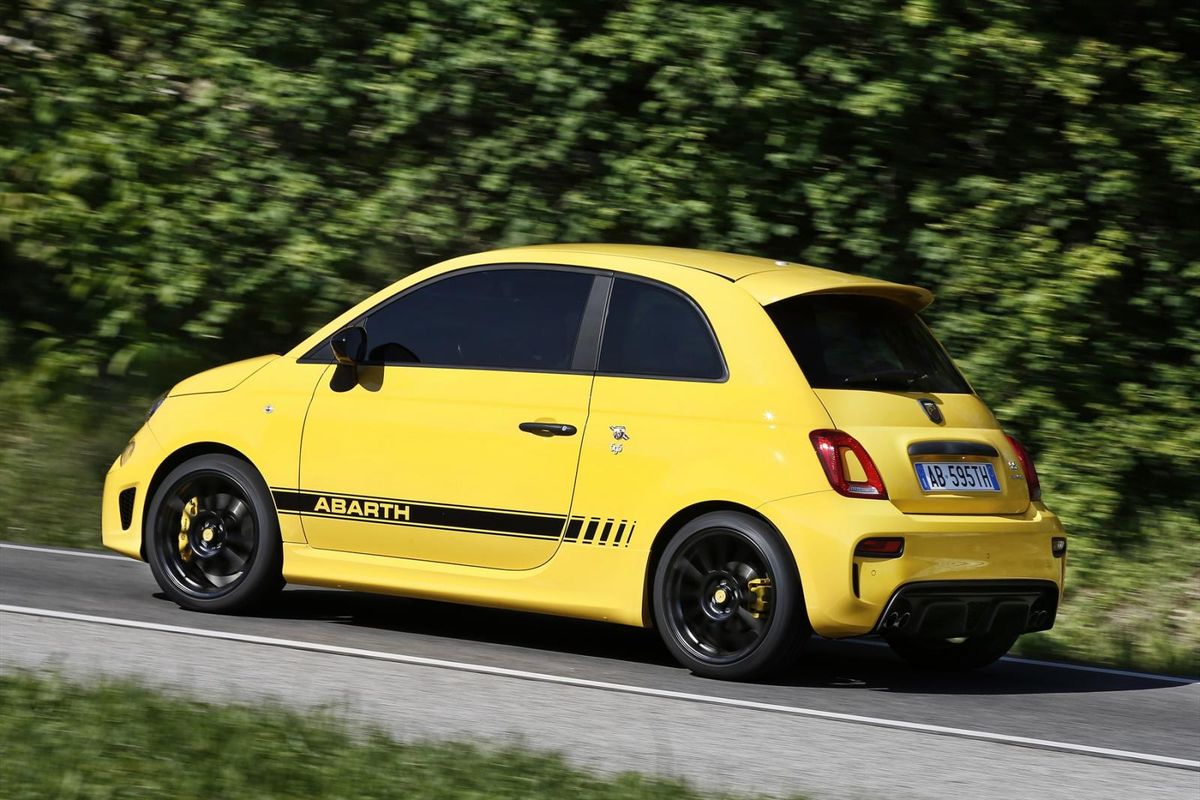
Fiat performance fans have a lot to talk about this year… the Abarth range in South Africa has been expanded by the addition of new 595 derivatives. Pricing and specifications below.
On the back of the recently introduced Abarth 124 Spider – Fiat's answer to the Mazda MX5 – comes updated performance versions of the 500. We've had experience of Abarth-fettled 500s before, but these are the all-new models. The new Abarth 500 comes in three derivatives: 595, 595 Turismo and 595 Competizione, with two body styles; Coupe and cabriolet.
Powerplant
All of the Abarth 595 models are powered by the Fiat 1.4-litre turbocharged engine, but each derivative comes with its own specific outputs. The standard Abarth 595 engine produces 106 kW of power and 206 Nm of torque, the 595 Turismo engine produces 121 kW of power and 230 Nm of torque, and the top-of-the-range 595 Competizione engine produces 132 kW of power and 250 Nm of torque. All are front-wheel drive and you have the choice of manual transmissions or sequential robotised automatic transmissions.
Abarth Styling
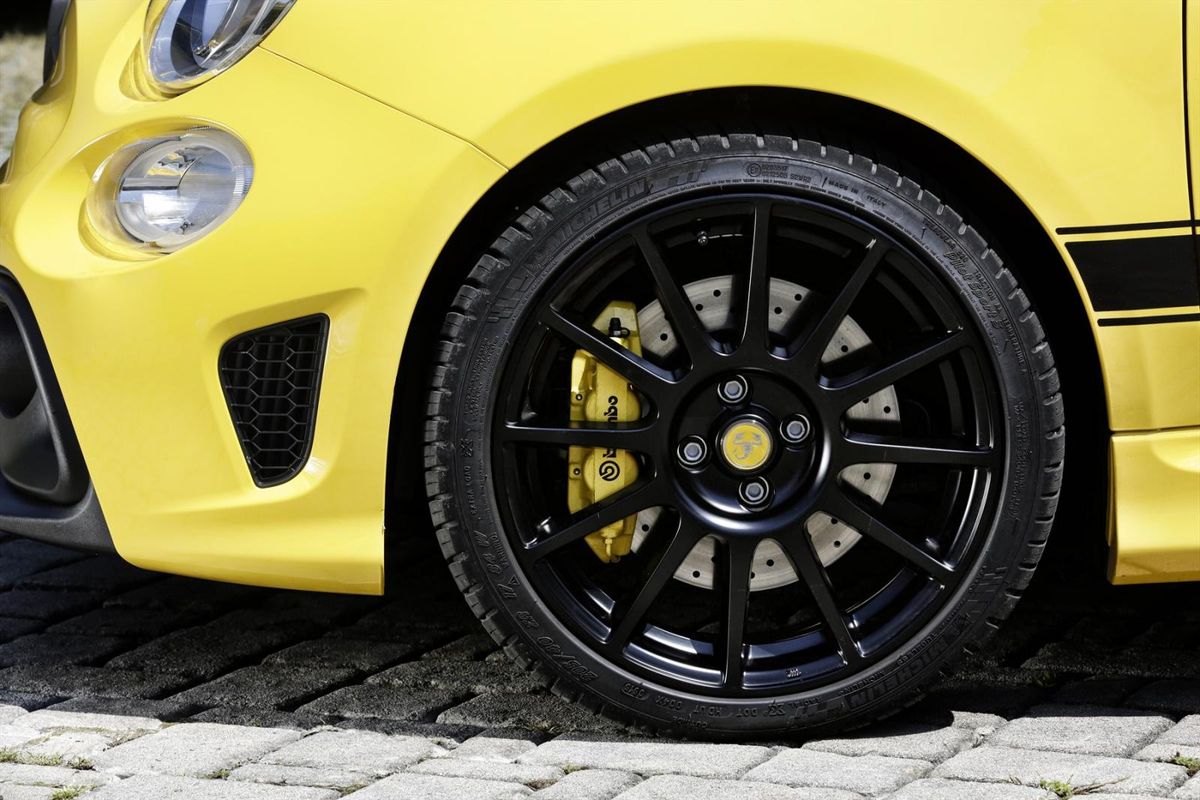
The Abarth 500 is visually a lot different compared to its mainstream siblings. These Abarths certainly look the part and there are 15 different exterior paint shades in solid, metallic and bi-colour schemes as well as colour-coded front and rear bumper inserts. There are mirror covers and decal sets in either white, black or red and the front and rear light clusters are also new. There are eleven wheel designs with the choice of either 16- or 17-inch. The Turismo and Competizione come with 17-inch alloys as standard.
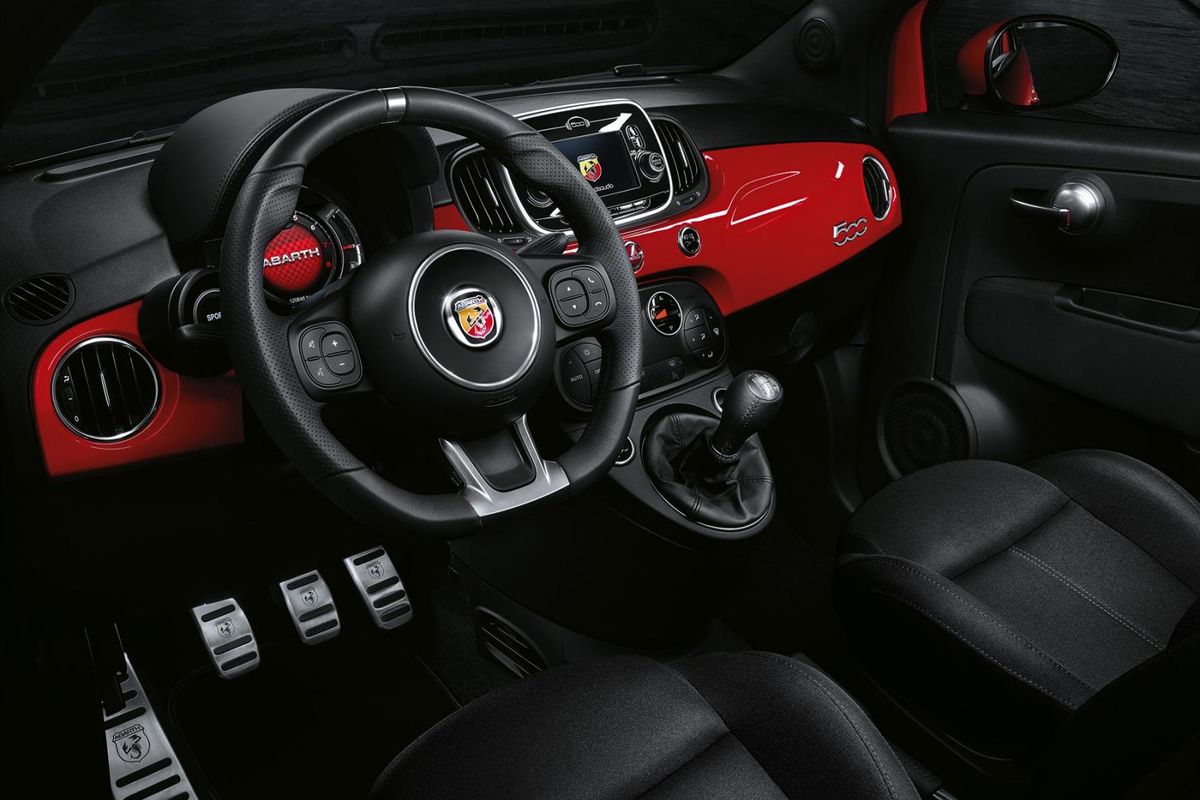
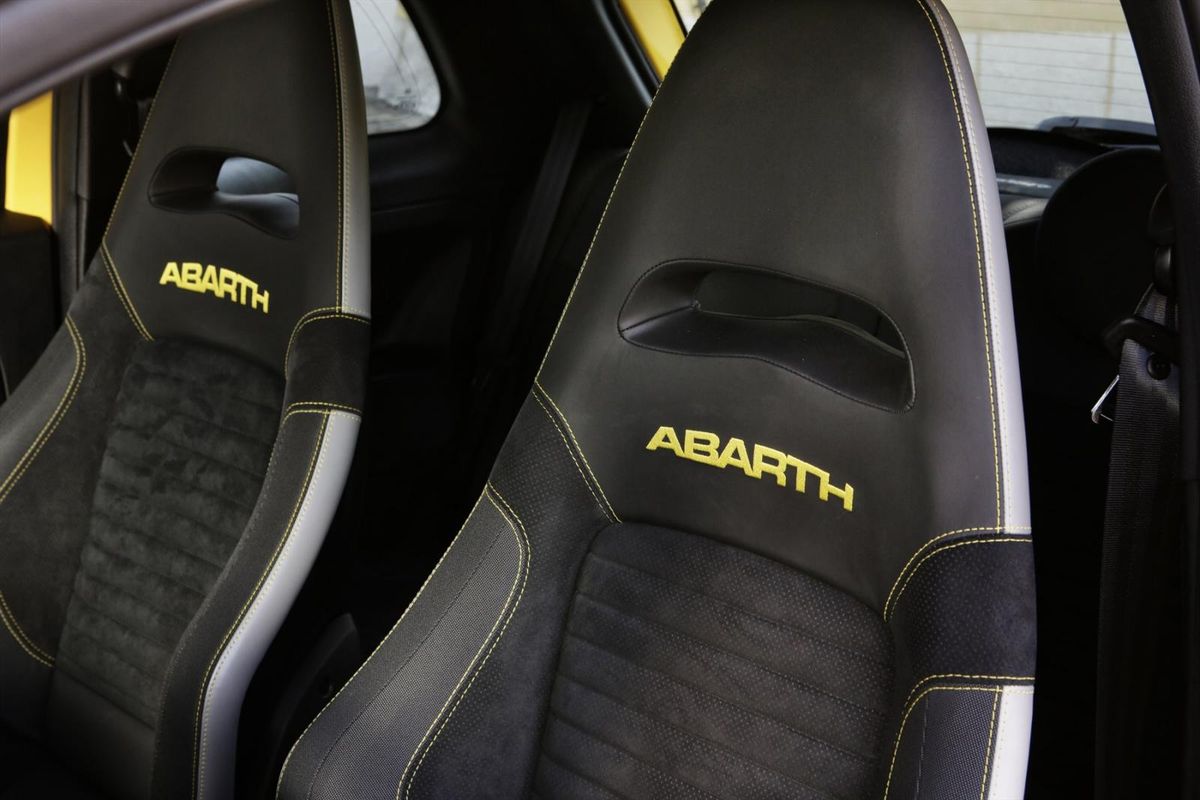
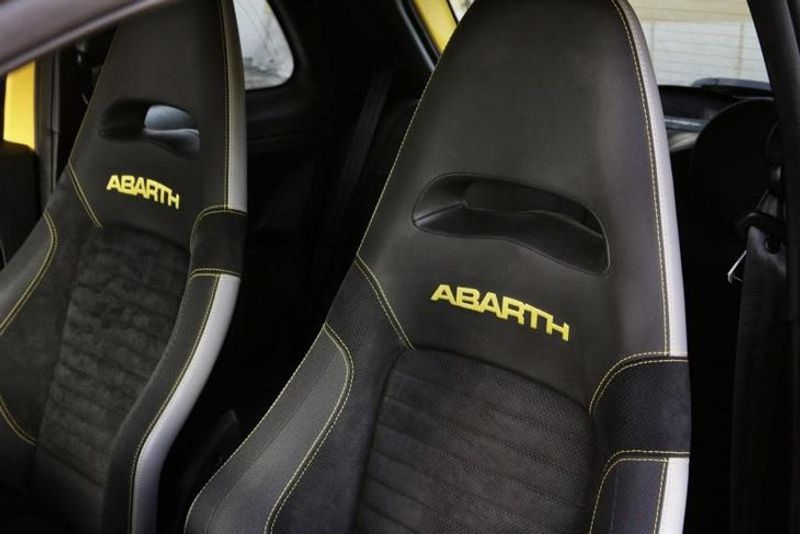
The sporty theme is carried through the interior. There are 7 trim levels with fabric or leather, or leather alcantara combinations. If you opt for the Performance Pack on the Abarth 595 Competizione, you gain Sabelt leather/Alcantara seats with carbon fibre shells.
Standard Features
Sabelt leather/Alcantara seats with carbon fibre shells seats are available if you opt for the Performance Pack
All Abarth 595 models come with air-conditioning (climate control on the Turismo and Competizione), electric windows and central locking with remote function, 7-inch TFT digital display with advanced Sport mode and Uconnect 5-inch radio hands-free Bluetooth integration and steering wheel controls. A BeatsAudioTM system with 7 speakers is optionally available and has a total output of 440W and features a digital 8-channel amplifier, 2 dome tweeters installed in the front pillars, a pair of 165 mm mid woofers in the front doors, a pair of 165 mm full-range speakers in the rear side panels and a single 200 mm subwoofer in the middle of the luggage bay (in the spare wheel compartment). In terms of safety, you get 5 airbags, ABS with electronic brake distribution (EBD), electronic stability control (ESC) and anti-slip regulation (ASR) with Hill Holder function and tyre pressure monitoring system (TPMS).
The Abarth mechanical limited-slip differential is part of the new Performance Pack – available only on the new Abarth 595 Competizione with manual transmission, replete with 17-inch Supersport wheels, Sabelt leather/Alcantara seats with carbon fibre shells, and a 595 carved-aluminium badge on the roof.
Abarth 595 Price in South Africa
Note that the Abarth 595 Competizione version has been imported in limited numbers with additional cars available on special order. Every 595 comes with a 3-year/100 000 km warranty and maintenance plan.
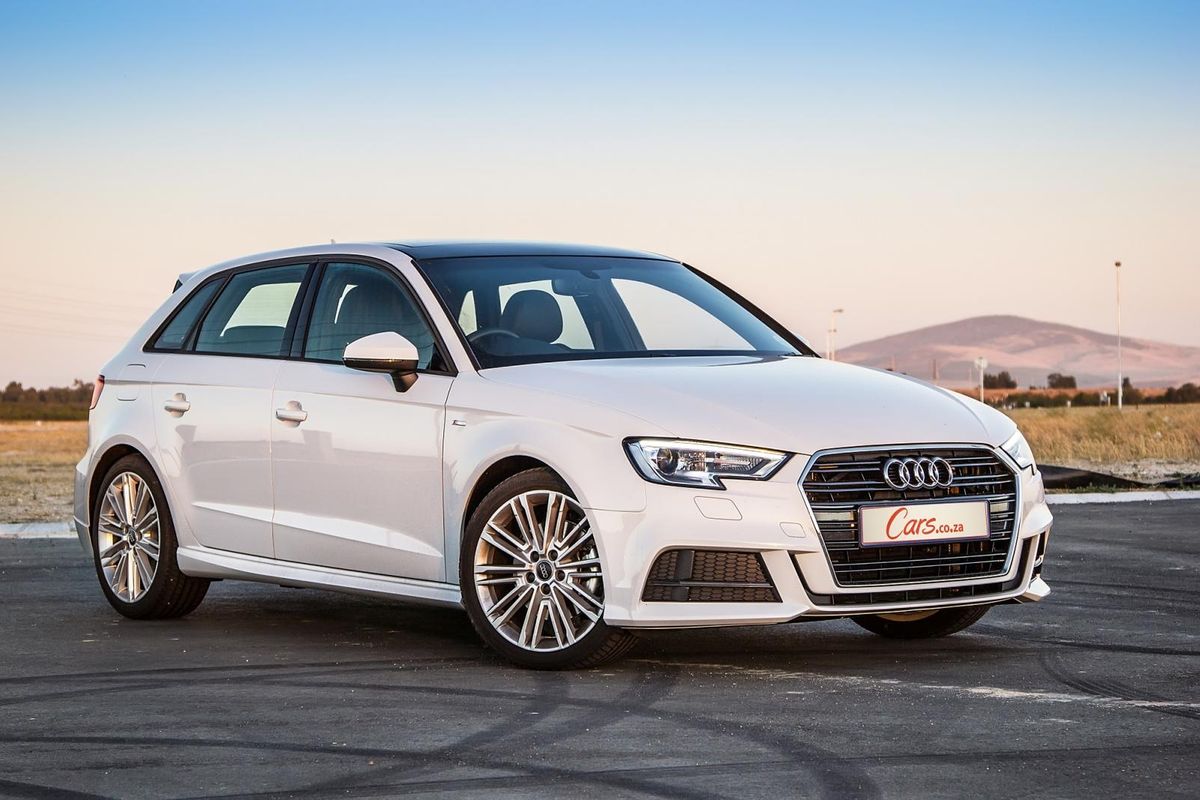
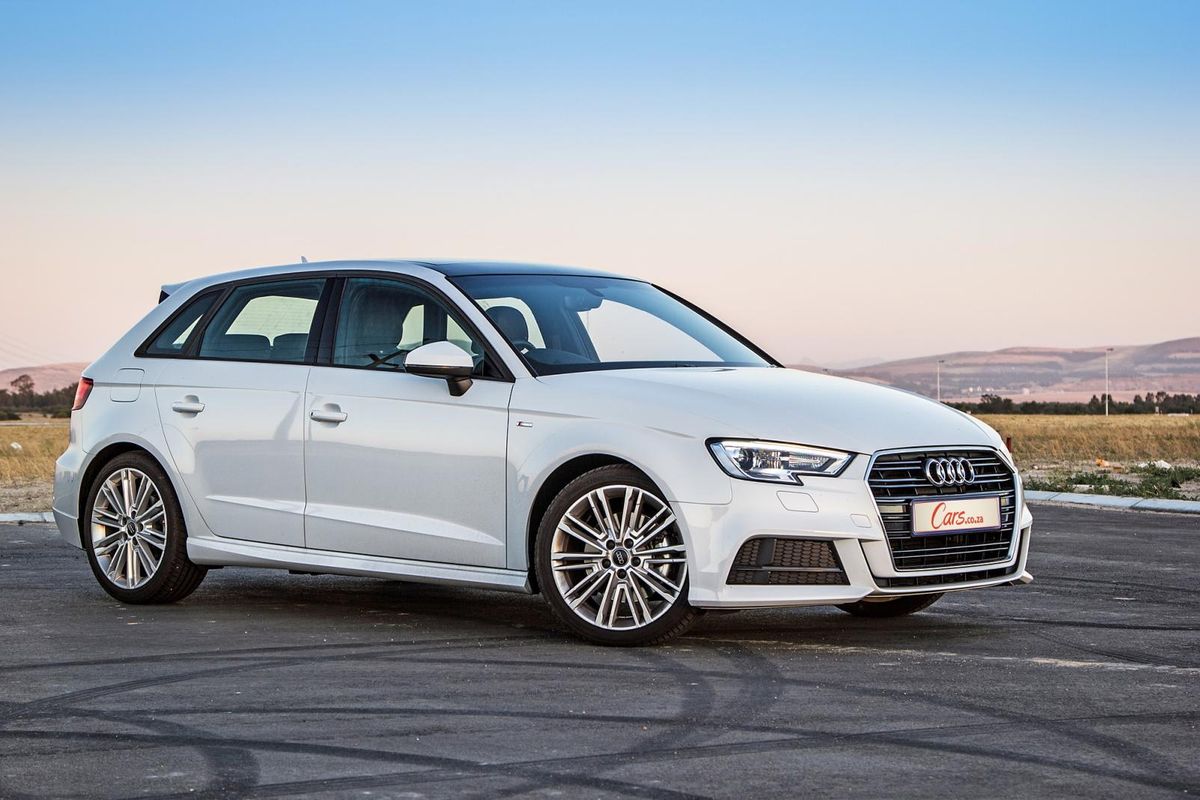
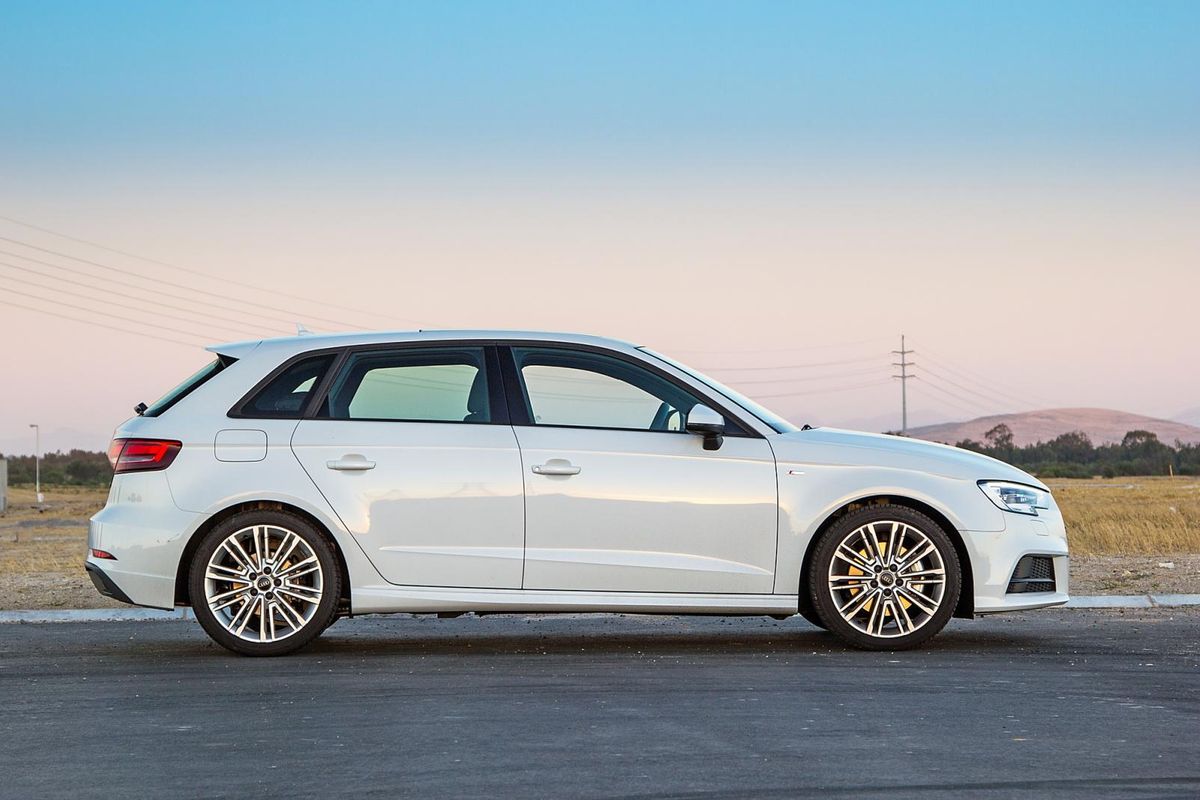
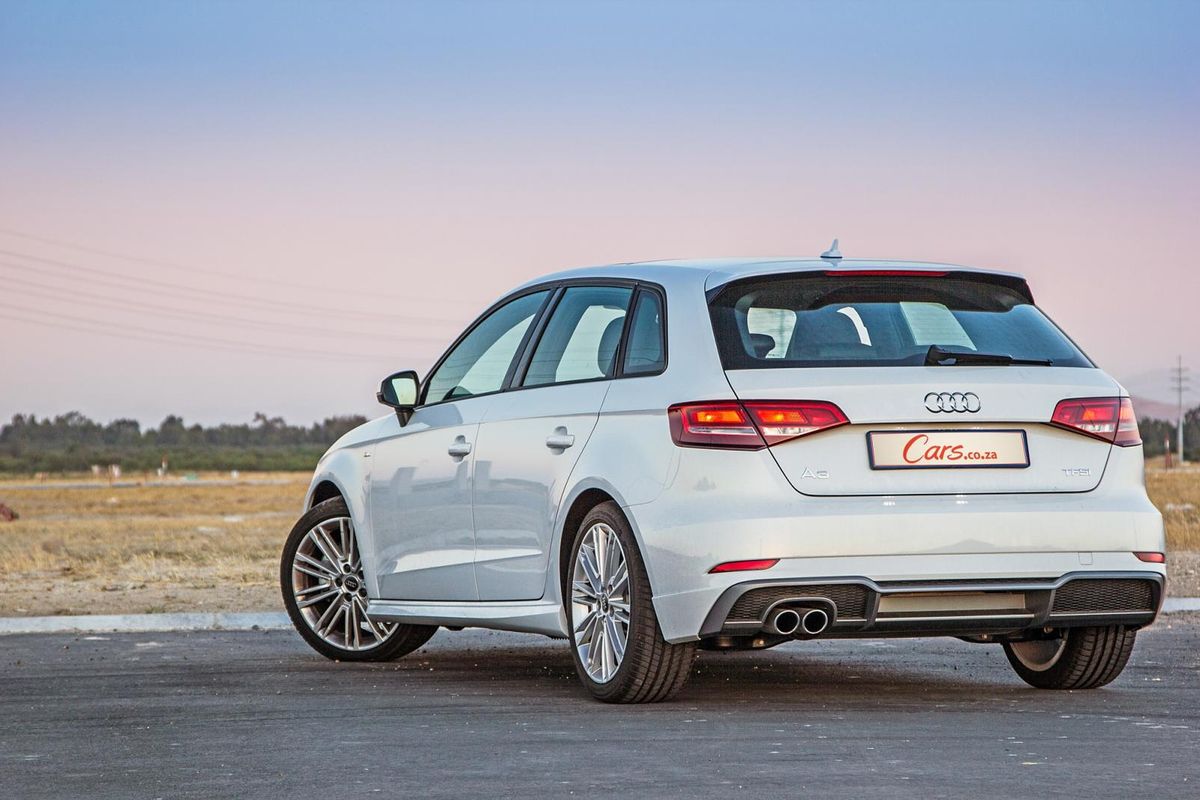
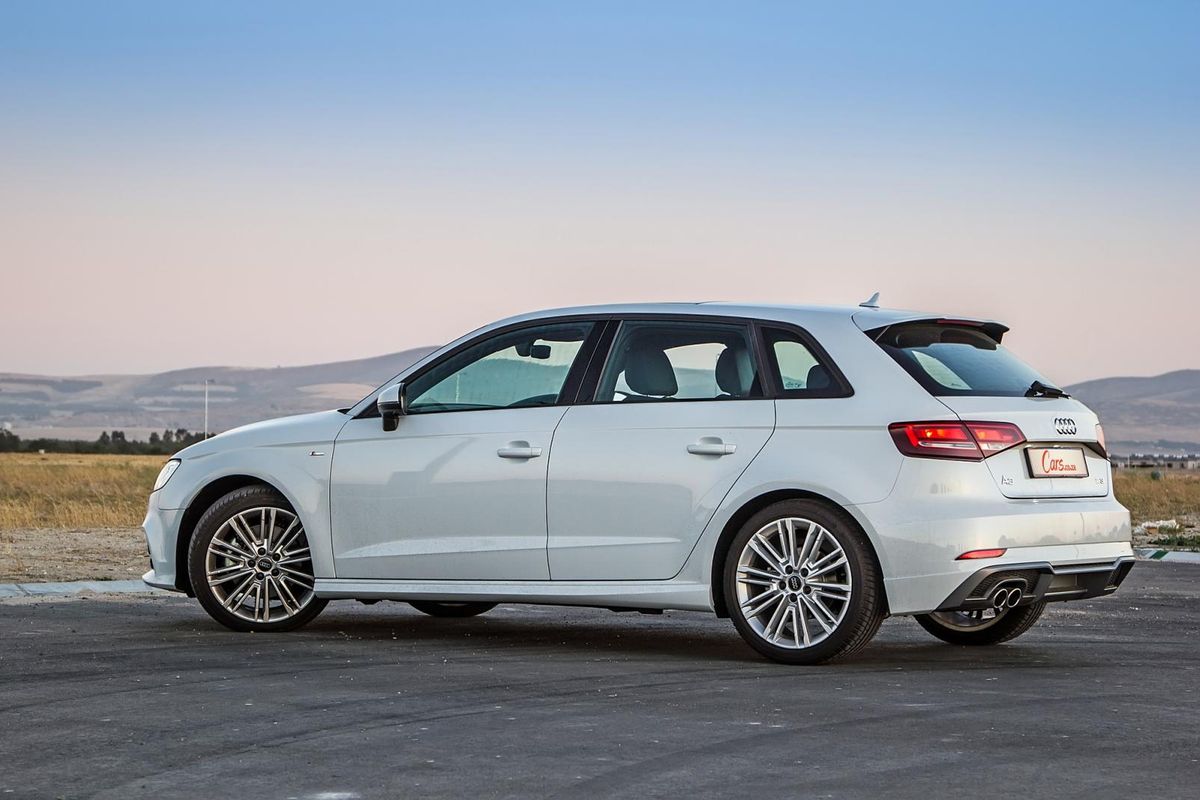
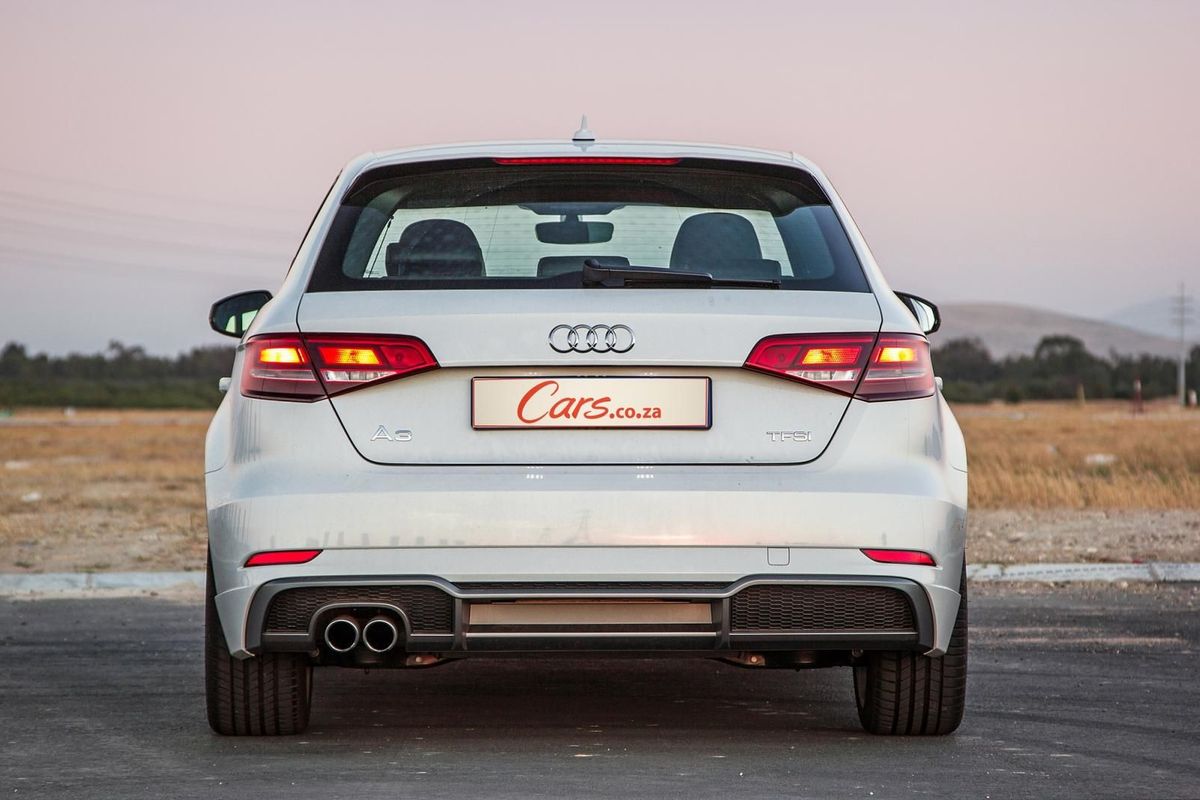
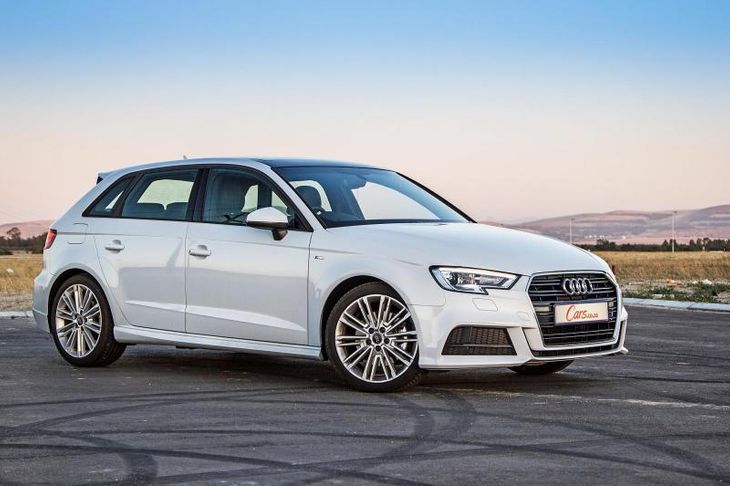
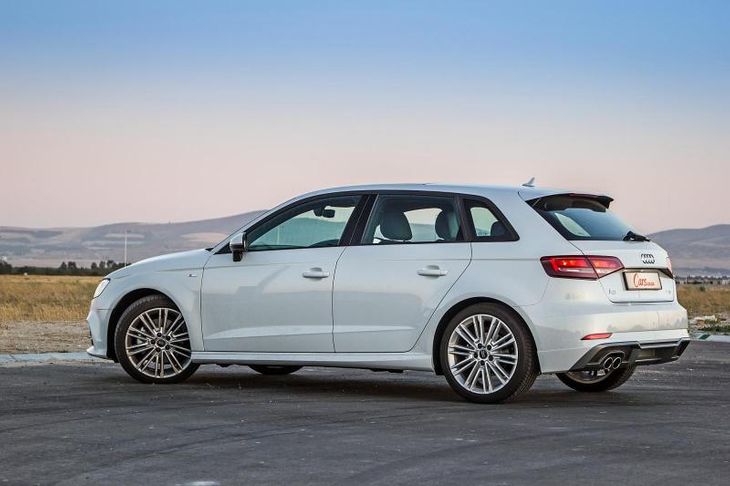
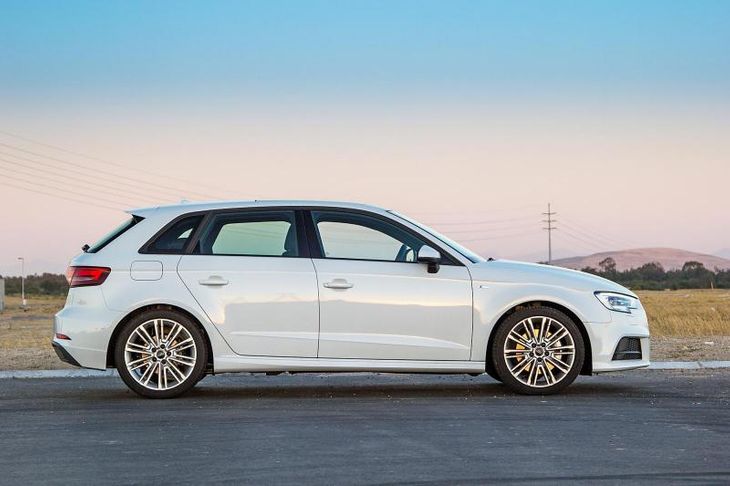
The facelifted Audi A3 Sportback forges ahead where its predecessor left off by providing luxury, comfort and refinement in a compact premium hatchback package. We get to grips with the 2017-spec A3 Sportback, tested here in 2.0T automatic guise.
We like: Premium feel, superb build quality, ride quality and refinement.
We don’t like: Pricey, confusing number of extras and options.
Alternatives:
For something sportier: The rear-wheel-driven and much improved BMW 120i M Sport Auto promises much, but is outgunned by the Audi A3 2.0T Sportback in terms of performance and refinement. Still a really good offering.
For A-game presence: The Mercedes-Benz A200 Style Auto. Sometimes criticised for its overly firm ride (especially in AMG Line spec), the facelifted Merc A-Class has been improved and remains a stylish, desirable choice. Standard cabin appointments are less than generous and the luggage capacity is meagre.
For Swedish flair: The Volvo V40 T4 Inscription is stylish, sophisticated and safe. There's not much to fault the other than a dated cabin and a small boot.
The Audi A3 Sportback is a premium compact hatchback that has won many accolades over the years. Recently refreshed with a mildly-revised look, some engine updates and the addition of new technology, we were anxious to see if this popular model can carry on where the outgoing model left off. The pre-facelift A3 Sportback set the bar high and its rivals, despite their best efforts, just couldn't beat the Ingolstadt hatchback's levels of comfort and refinement.
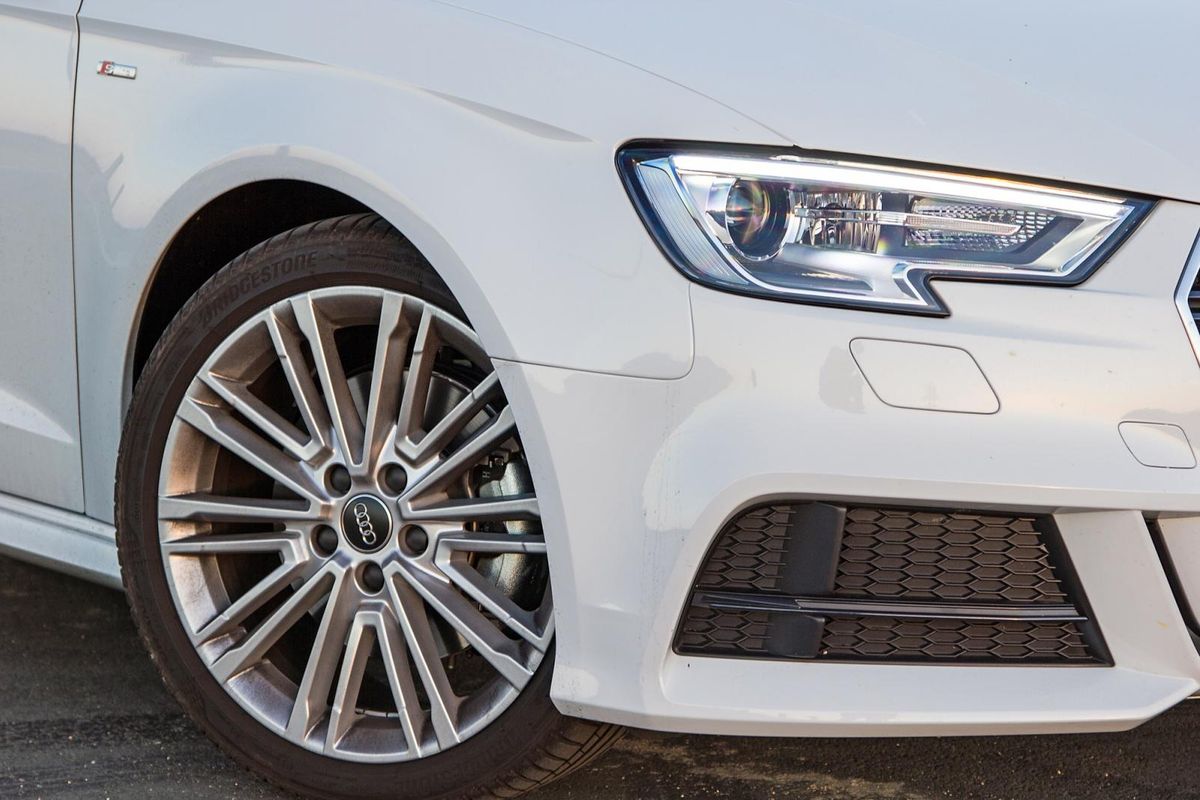
For this new model, Audi introduced some small exterior styling changes, but you'd only notice these if you were to view the old and the new A3 Sportback side by side. The new-look headlights now feature matrix LED headlights as an option, while the front grille has been subtly redesigned. The design has not changed dramatically, and you'll find most revisions under the bonnet and in the level of standard specification.
Our media evaluation unit came with optional alloy wheels and a sportier S Line exterior package, enhancing the visual appeal of the vehicle. At R20 500 and R20 000 respectively, they make the car look more purposeful, but also inflate the price tag significantly!
How does it fare in terms of…
Performance?
The headline news for the new-look Audi A3 is in terms of the variety of powerplants on offer. There's a 1.0-litre 3-cylinder turbocharged petrol engine that kicks off the range, followed by a 1.4-litre 4-cylinder turbocharged petrol and the engine you see here, the 2.0-litre turbocharged 4-cylinder petrol. Other notable engines include the S3's mighty 2.0-litre turbopetrol engine, which produces 228 kW and 440 Nm of torque, as well as a 2.0-litre turbodiesel motor.
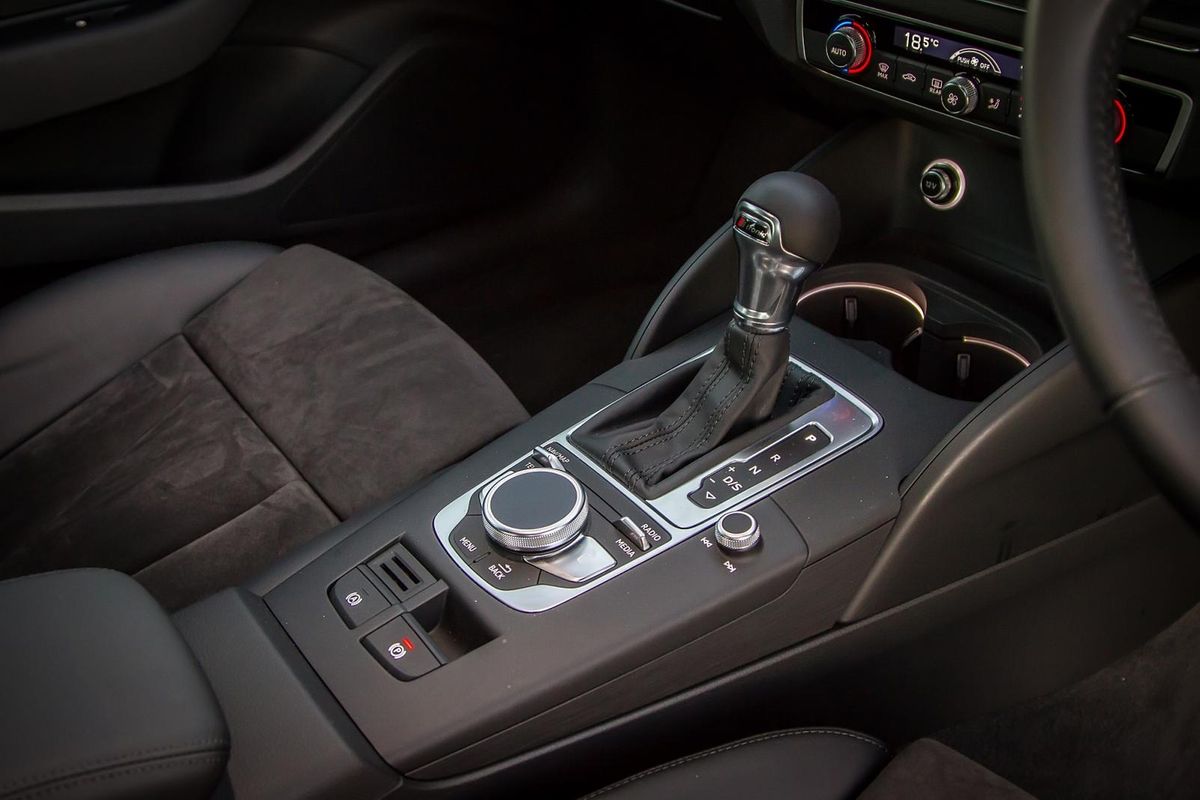
This 2.0-litre engine is mated with a 7-speed dual-clutch transmission. With outputs of 140 kW and 320 Nm, this Audi A3 certainly has a performance bent to it. This "hint" becomes apparent upon completion of a 0-100 kph sprint, which will be dispatched in approximately 7.0 seconds. Gear shifts are effortless and smooth, and you have the option of tipping the transmission selector into manual mode, where you can actuate shift by yourself. We would have appreciated steering-wheel-mounted shifters, but those are optional nice-to-haves.
With the car set in comfort driving mode, shifts are geared towards fuel efficiency and providing you're not the kind to treat the accelerator pedal like an on/off switch, credible returns are possible. While Audi claims an optimistic 5.7 L/100 km, a more realistic figure of around 7.5 L/100 km is more likely.
Ride and refinement?
This is an area where the outgoing Audi A3 excelled, and the good news is that the new model is just as good. While there's just a smidge of turbo lag from the spritely motor, it'd take a considerable amount of effort to find it as the responsive, dynamic transmission does an admirable job of keeping the motor in its sweet spot, thus masking slight boost hesitations.
Make use of Audi's Drive Select and the S-Line sports suspension (both optional) and the Audi A3 delivers a composed, if slightly firm, ride. On smooth stretches of tarmac, the ride is comfortable and fair, but the moment there are rough patches and bumps, you'll start to feel and hear them reverberating in the cabin. By switching from Eco to Comfort to Sport, you can feel the car's attitude change.
Sport mode does "what it says on the tin" (as the saying goes) and induces some sharper throttle responsiveness from the engine and quicker shifts from the already lightning-quick transmission. We found that Comfort was the best mode for general use because it prioritised a relaxed driving style with a slant towards economy. The Individual mode is one of those that owners will appreciate in the long run as it allows them to set the car up to suit their needs. We found a sportier throttle response, with a pliant ride quality was a good compromise.
The drive experience is excellent, courtesy of a relaxed driving position and the optional S sports leather seats (R9 000) as they are of superb quality. The rear passenger space, especially legroom, will only suit smaller people. It's adequate for children, but tall adults won't be comfortable on longer journeys. However, the luggage bay is generously sized at a claimed 380 litres and the rear seatbacks can be folded down in a 60:40 arrangement to free up utility space.
Technology and features?
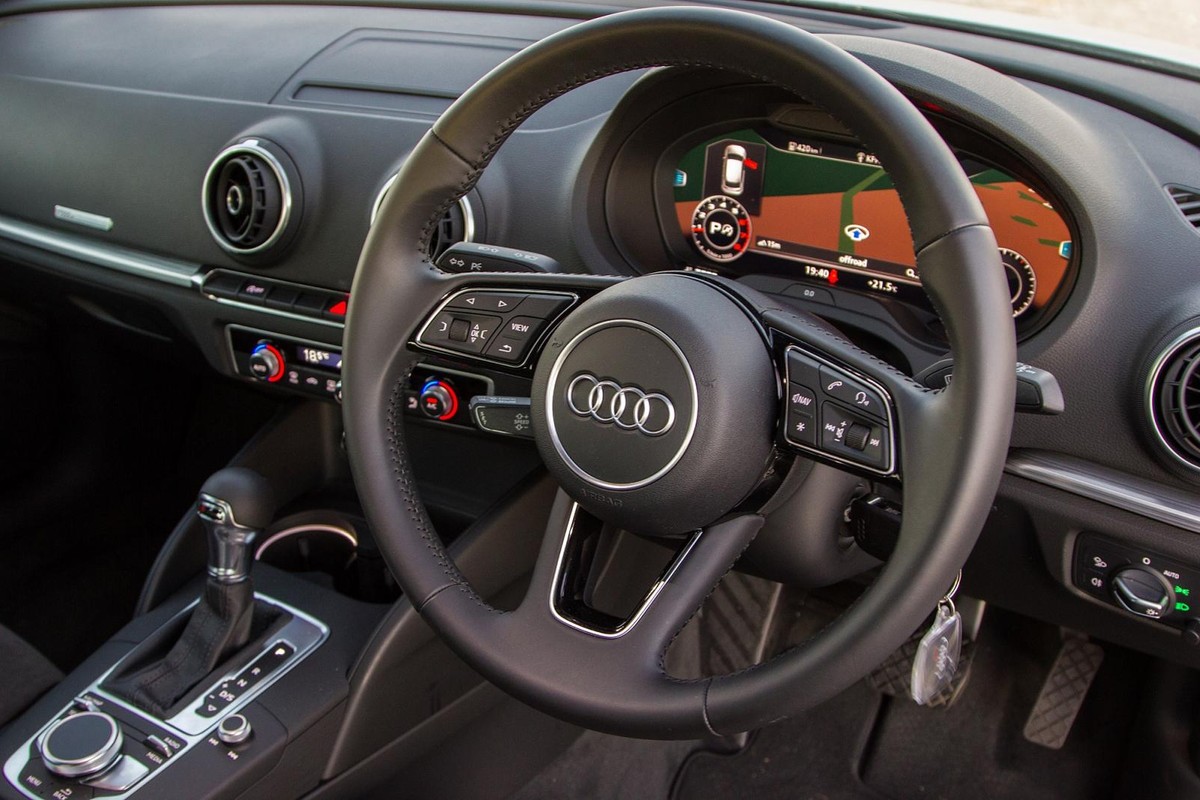
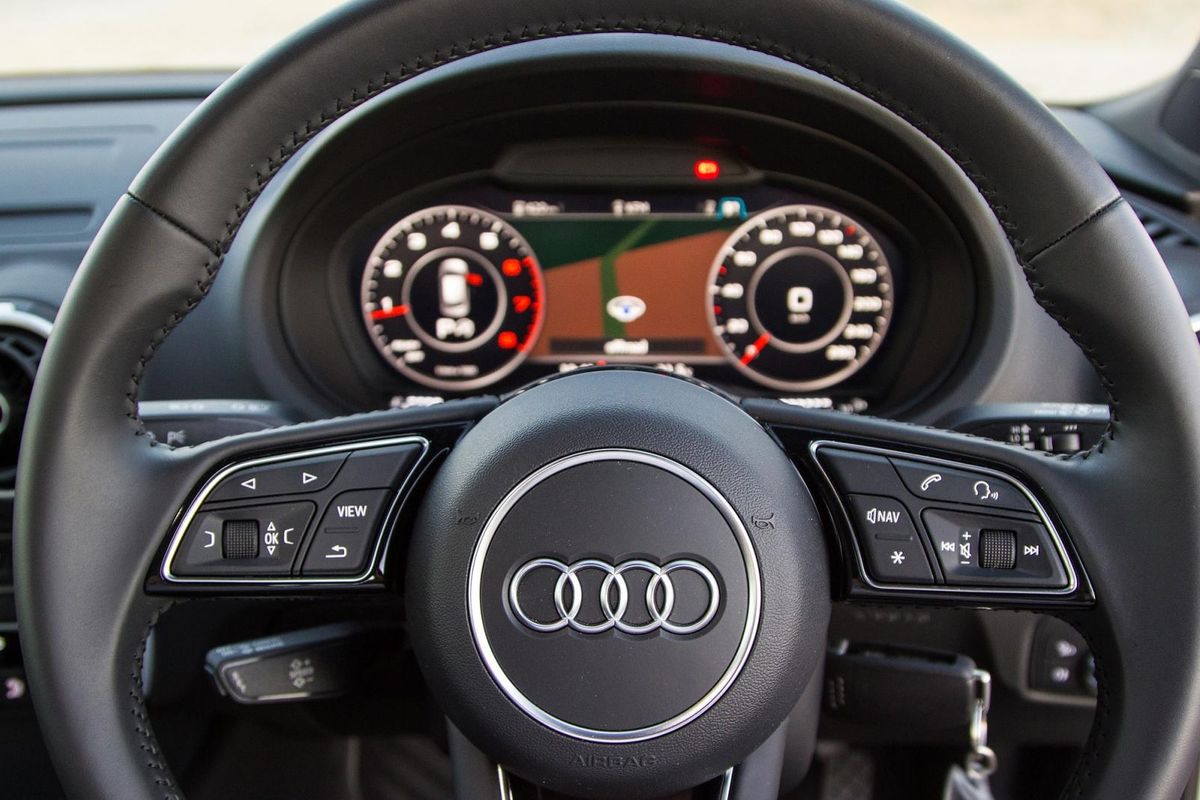
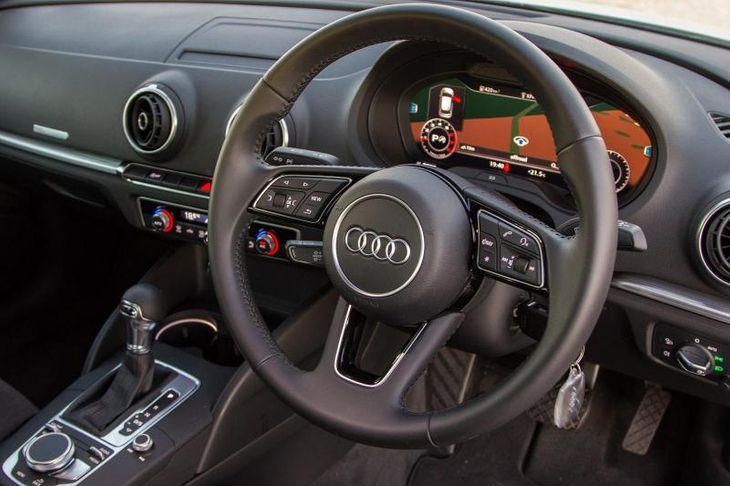
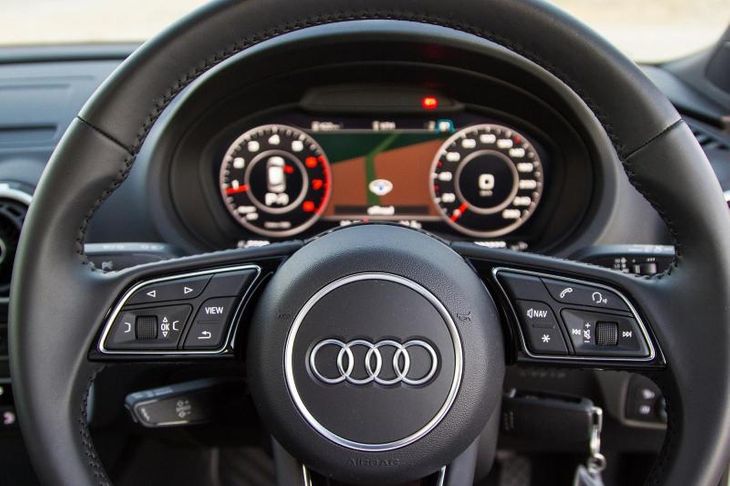
The cabin is another area where the new Audi A3 shines. The fully digital instrument cluster (Virtual Cockpit) has made its debut in the new Audi A3 Sportback and you can specify it as an option. However, there's a catch. It must be selected in conjunction with the Audi MMI satellite navigation, which is fair enough as the two systems work hand-in-hand. It offers a level of customisation such as making the speedometer and rev counter different sizes, overlaying the GPS map and it can even display the car's system menus.
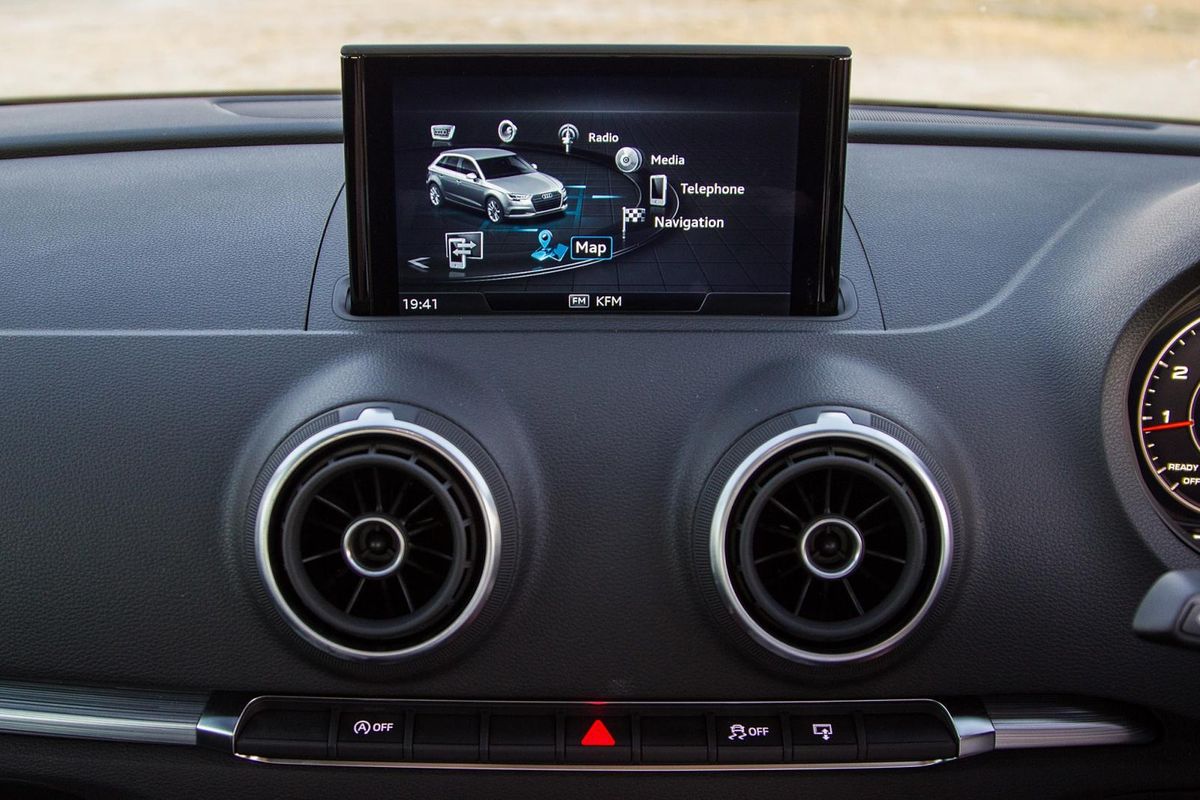
Despite its complexity and intricacy, it's an intuitive technology to use and although the A3 Sportback comes with a dashboard-mounted display screen, the car could easily function without it. During the Audi's tenure in Cars.co.za's test fleet, we found ourselves regularly pushing the button to make the central screen disappear gracefully into the dashboard.
Pricing
The Audi A3 Sportback 2.0T FSI S tronic retails for R455 500, with our particular test unit coming with extras bringing the price to R588 760. The vehicle comes with a 1-year/unlimited km warranty and a 5-year/100 000 km maintenance plan.
Verdict
The Audi A3 Sportback is one of those cars, where we as testers wonder how the next-generation model is going to turn out, given that the predecessor is just so good. How does a manufacturer make something so accomplished even better? Somehow, Audi has done just that with the new A3. It is a shame that this model's introduction date did not coincide with the second iteration of the Cars.co.za Consumer Awards – powered by WesBank. While that particular category was won by the Volkswagen Golf GTI for the second year running (the 2016/17 programme), we believe that this Audi A3 would probably have run the best-of-the-best close in that particular segment.
The changes are barely headline-grabbing, but the Audi A3 continues to be one of those premium offerings that continue to impress. Not only does it feel like money well-spent thanks to exquisite build quality and refinement, but the driving experience it offers pushes the segment forward considerably. Despite recent updates to the BMW 1 Series, Mercedes-Benz A-Class and Volvo V40 ranges, the Audi A3 Sportback seems to have its nose in front. The next-generation Volkswagen Golf, which is imminent, might have something to say about that.
Reports suggest that Alfa Romeo will be showcasing a two-door coupe version of its Giulia sedan at the Geneva Motor Show in March 2017. Also, here are more details about the South African introduction of the new Alfa Romeo Giulia range!
Italian carmaker Alfa Romeo will be showing off a two-door version of its Giulia sedan at the 2017 Geneva Motor Show. It'll go head-to-head with some serious rivals in that segment such as the BMW 4 Series coupe, the new Audi A5 coupe and Mercedes-Benz C-Class coupe. Alfa Romeo is keen to make the most of its Giorgio platform, and this coupe will be the second model in the Giulia lineup and third new model from the brand. The second being the Alfa Romeo Stelvio SUV, named after the famous mountain pass in Italy.
The coupe version will likely share powerplants with the Giulia five-door sedan and this will include the mighty 2.9-litre twin-turbocharged V6 petrol engine. With a monstrous 375 kW and 600 Nm on tap, it'll hurtle to 100 kph in under four seconds and go onto a top speed of over 300 kph, unlike its German rivals which max out at a limited 250 kph. The most important news about the Giulia coupe is that the Sprint name will likely make a comeback.
Alfa Romeo has massive plans over the next few years. Sure, they've been delayed somewhat, but the intention is there. There will be more Giorgio chassis-based models and these include a replacement for the 166 large sedan, a rear-wheel drive replacement for the Giulietta hatchback, a Giulia convertible and two more SUVs.
Alfa Romeo Giulia and South Africa
At the time of writing, we were made aware that some cars had already landed in South Africa and that dealerships were offering test drives in the Giulia Quadrifoglio. In international markets such as Australia, the demand has outstripped supply and the car is sold out. There have been many presold already and it appears that the initial allocation for South Africa is sold out, so you're going to have to wait if you're wanting one of the hot ones. Speaking of hot ones, there are two. There's the Quadrifoglio Race Edition and then you get the Launch Edition. The cars are mechanically identical, but the differences lie in the wheels, braking (one has ceramic brakes) and paint.
The launch of the Alfa Romeo Giulia takes place in the second week of March 2017, so keep your eyes peeled on Cars.co.za for more information.
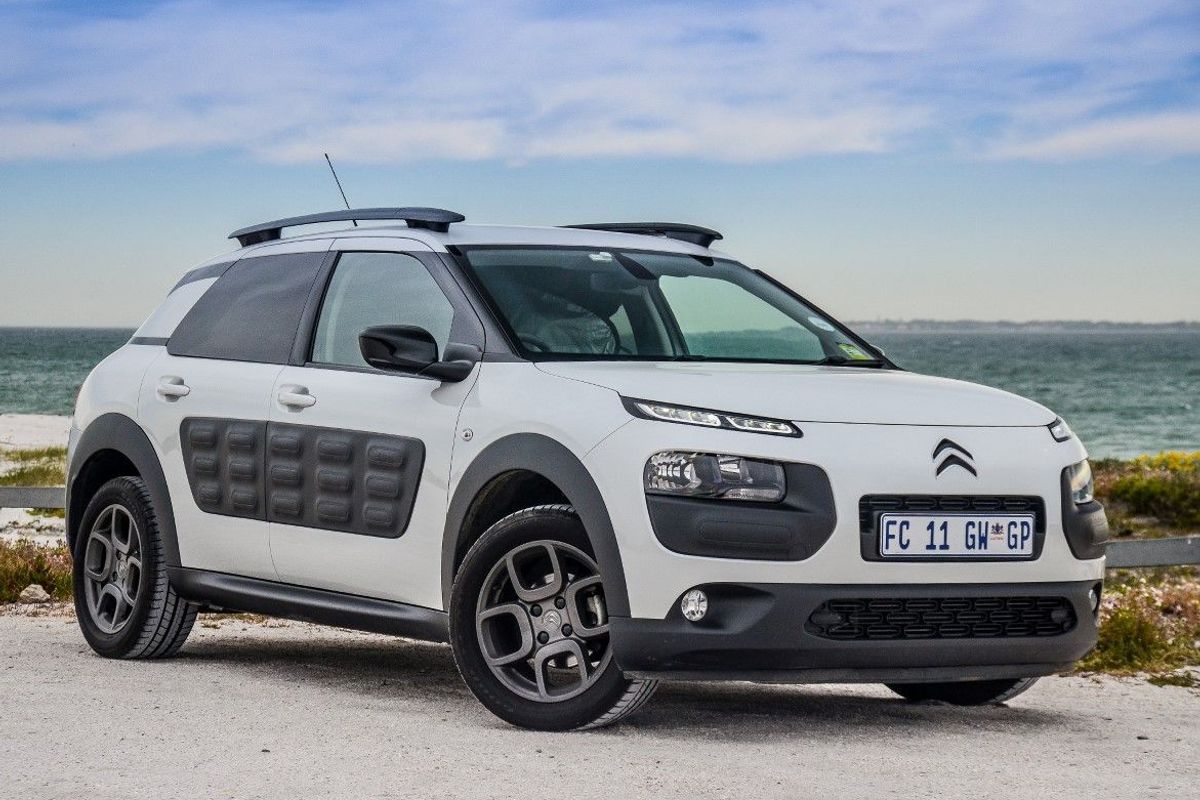
When Peugeot Citroen South Africa announced that it would no longer import Citroen products late last year, the quirky French brand's small but loyal customer base was disappointed, but there were sound business reasons for the decision. Does that mean that buying a product such as the C4 Cactus should best be avoided? If you are looking for excellent value, a modicum of versatility and oodles of fun, quite the contrary….
Citroen is renowned for its Gallic flair and quirky designs and the C4 Cactus compact family car/crossover is no exception. First shown in concept form at the 2007 Frankfurt Show (that's right, almost a decade ago), the production version of the C3/DS3 based contender was launched in South Africa scarcely 2 years ago… how's that for a protracted gestation period?
Judging by the public attention that the Citroen garnered during its month-long tenure in the Cars.co.za test fleet, it probably attracts more adoring eyes per Rand spent than many luxury cars. In an age of cookie-cutter designs, this is crossover that is truly distinctive, it may be based on the C3's platform, but that's about as derivative as it could be. When it was listed on the new vehicle price list, the asking price for the 1.2L PureTech Turbo 81 kW Shine was R314 900; now retailing as part of Peugeot outlets' "Pre Owned Citroen" offers, the same derivative costs R249 900, with the same after-sales support (warranty and service plans) as was available before.
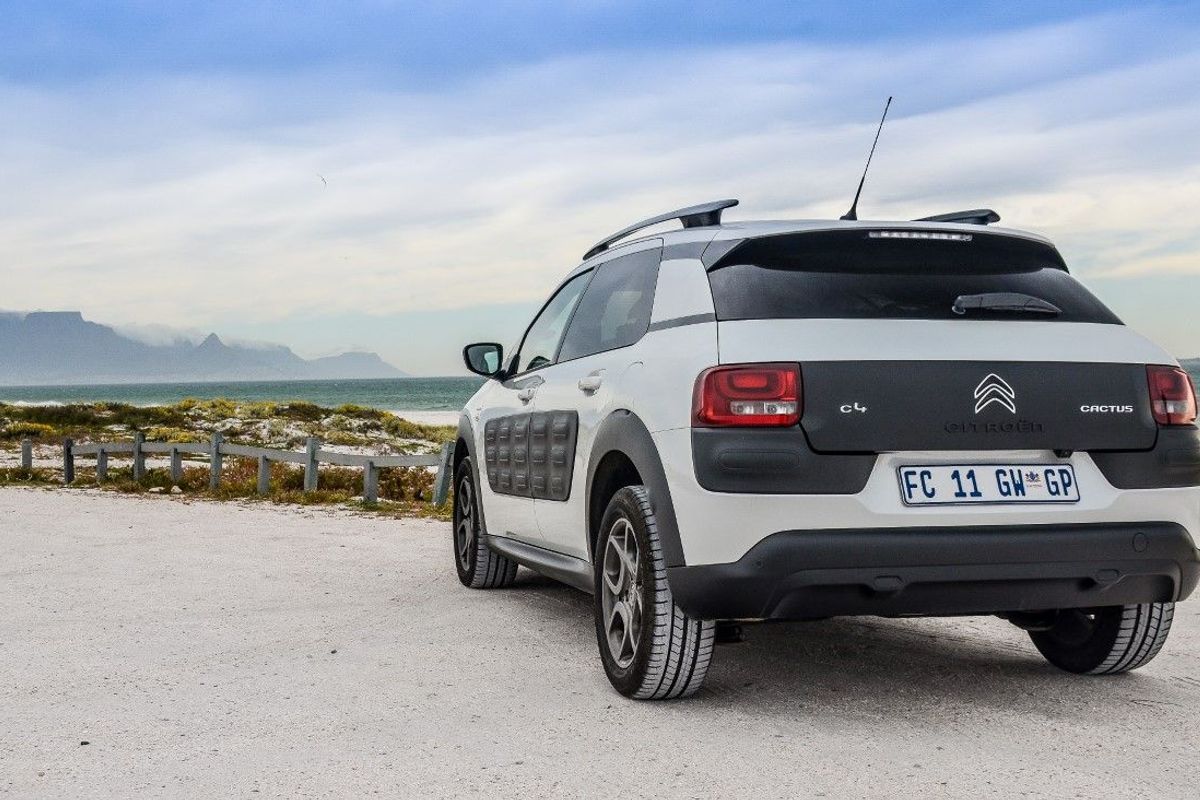
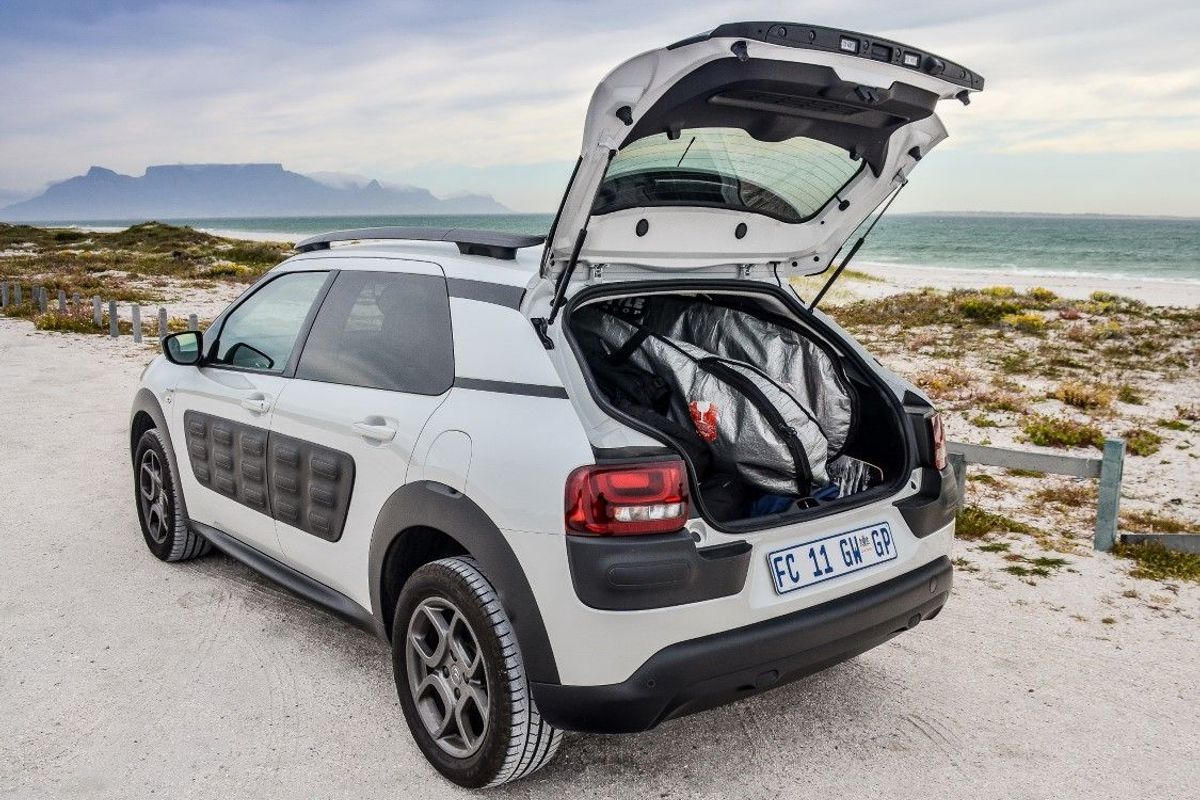
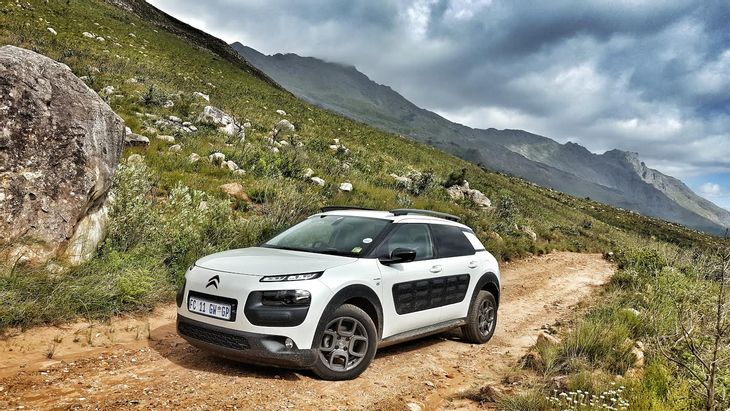
The C4 Cactus on one of several dirt road excursions; although it is an urban runabout, it dealt with unsealed surfaces reasonably well.
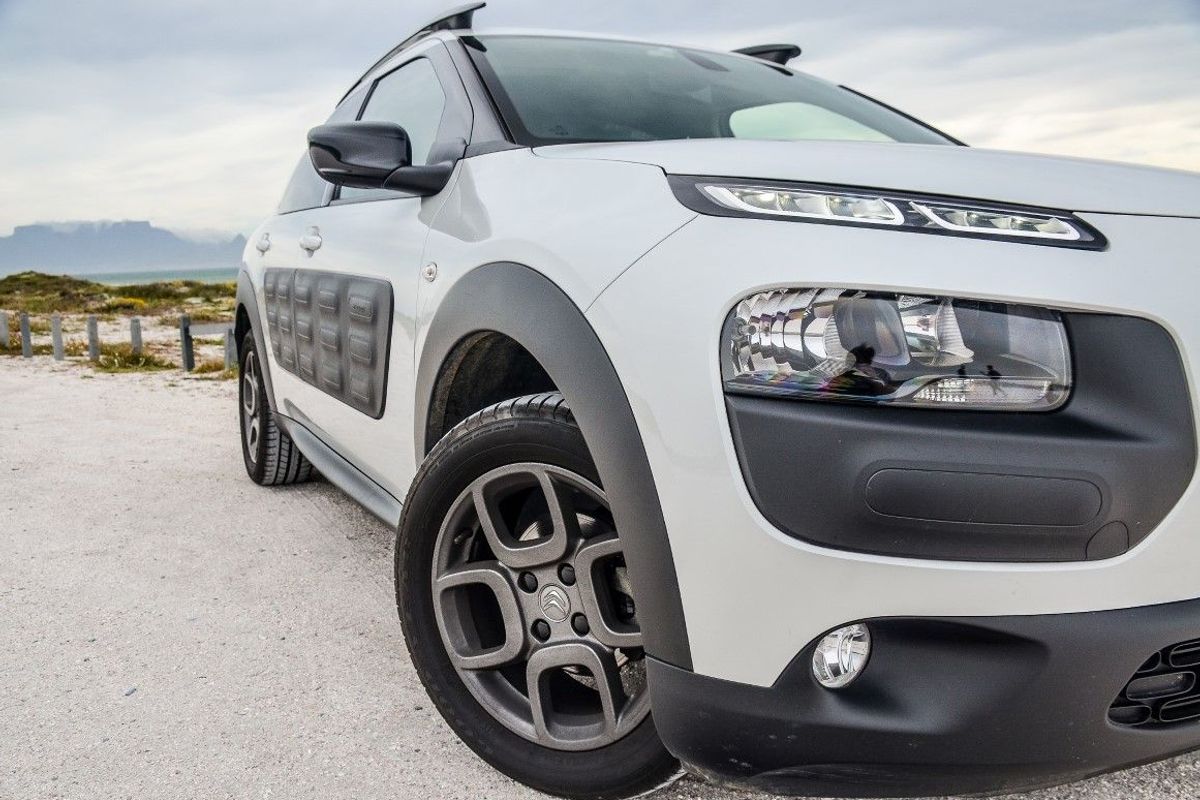
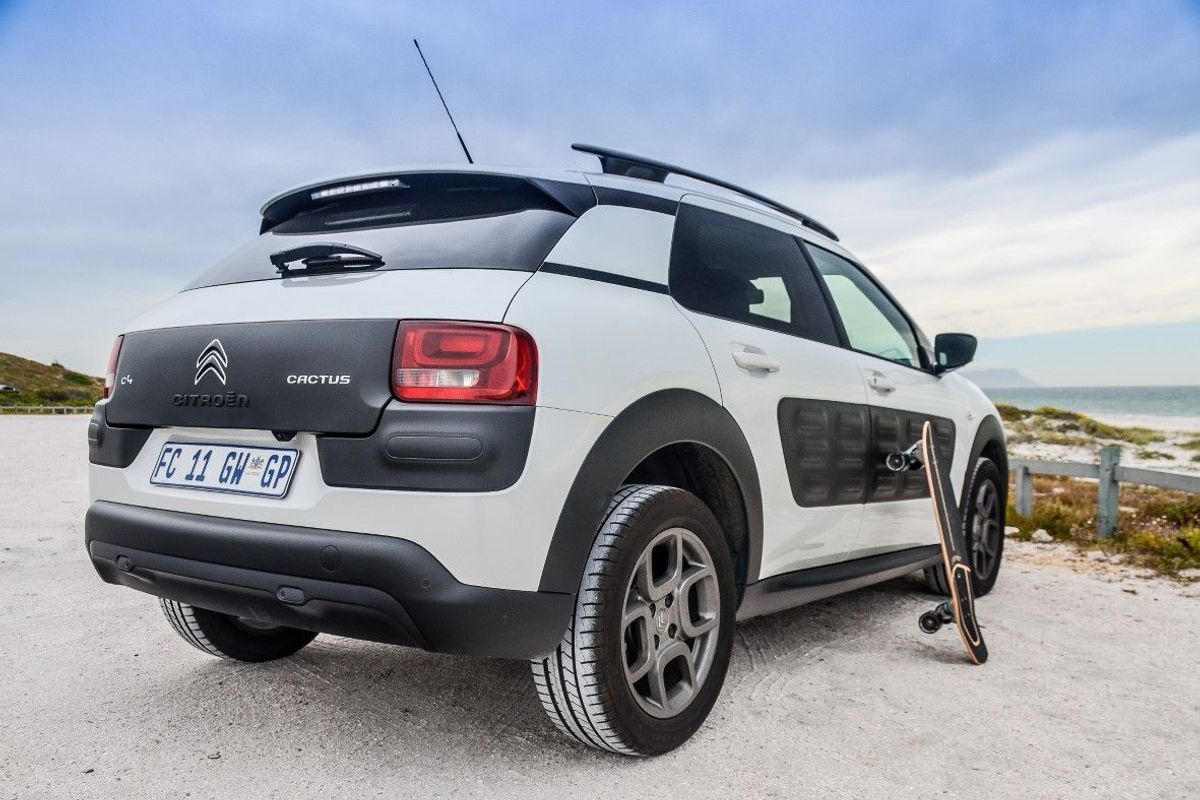
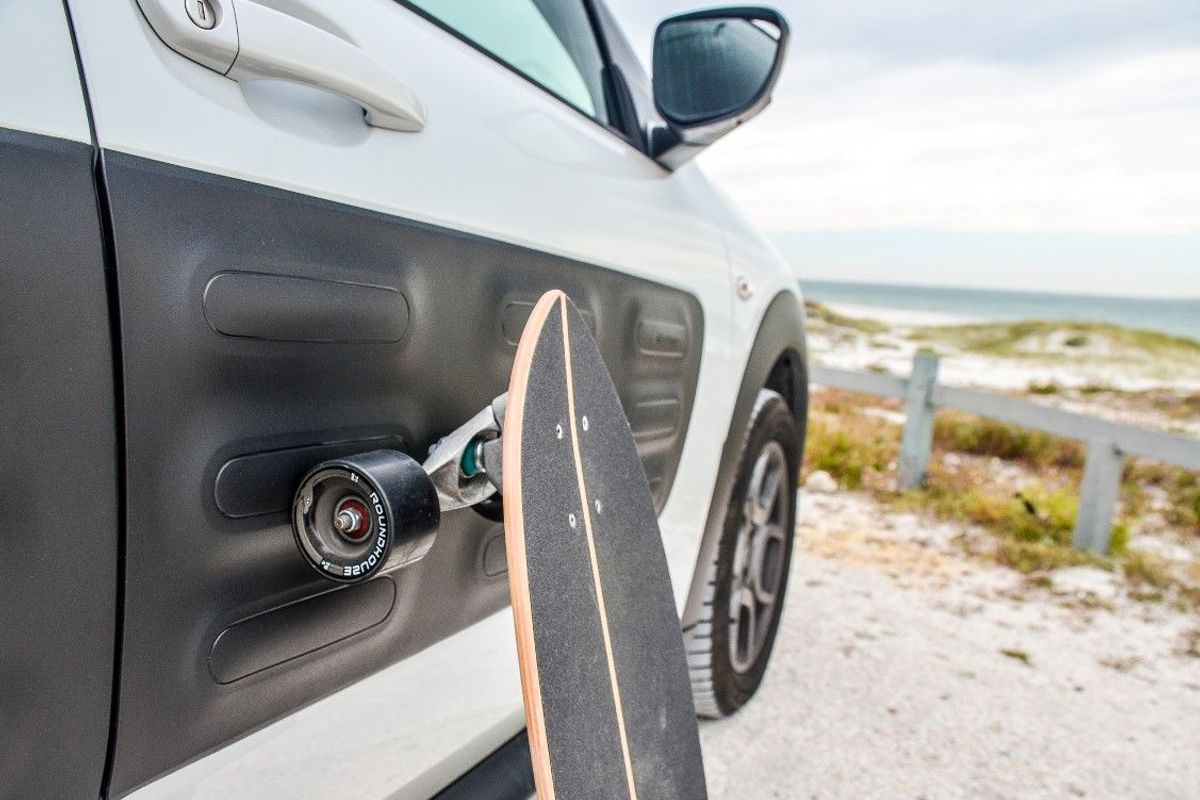
At just under R250k, the 1.2L PureTech Turbo 81 kW Shine is lavishly equipped compared with what is positioned around it in the new vehicle market. In terms of its exterior appearance, the Citroen draws attention by virtue of its 16-inch anthracite alloy wheels, LED daylight running lamps, front foglights with cornering function, tinted rear windows, and roof rails. Oh, and don't forget the quirky but completely functional Air Bumps, which ably protect the doors from those dreaded car parking-area bumps and scrapes.
If the exterior is grand, cabin conveniences abound: a multifunction steering wheel, cruise control, a 7-inch colour touchscreen with satellite navigation, hi-fi audio system with auxiliary inputs, Bluetooth connectivity and audio streaming, heated- and electrically folding door mirrors, front armrest, LED mood lighting, a reverse-view camera with rear parking sensors…
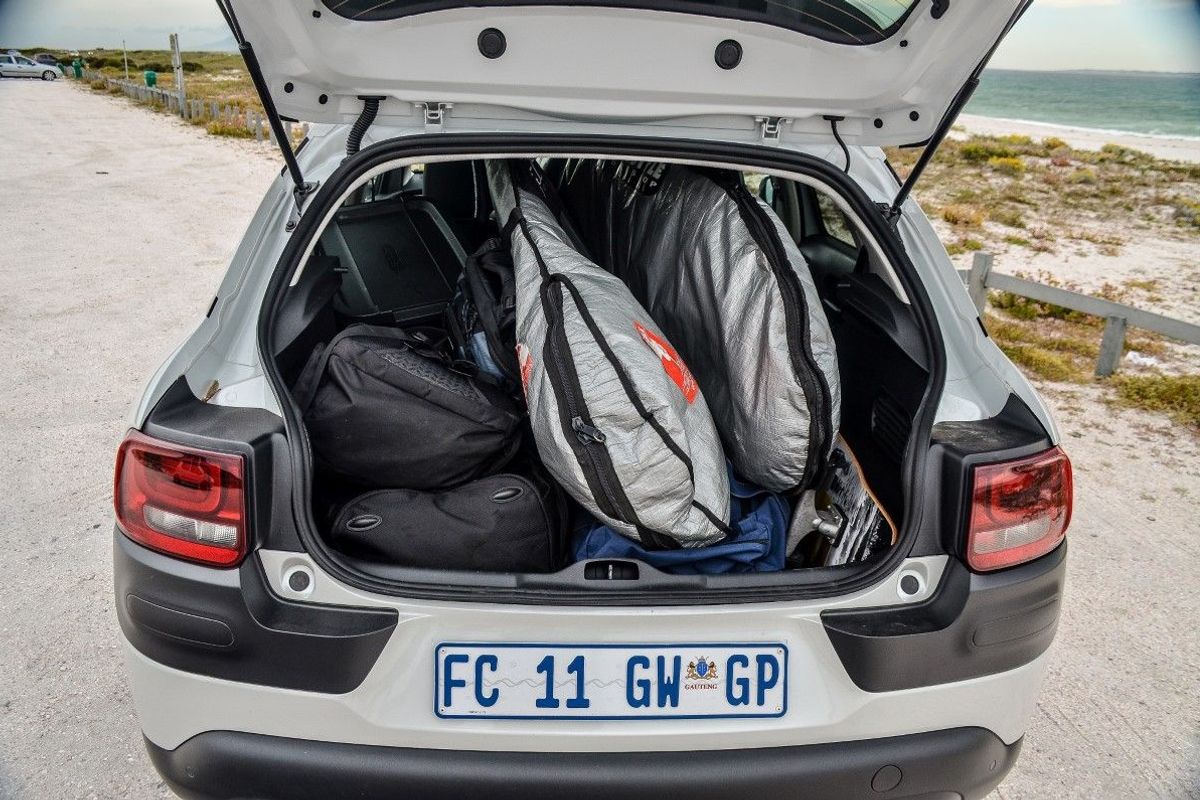
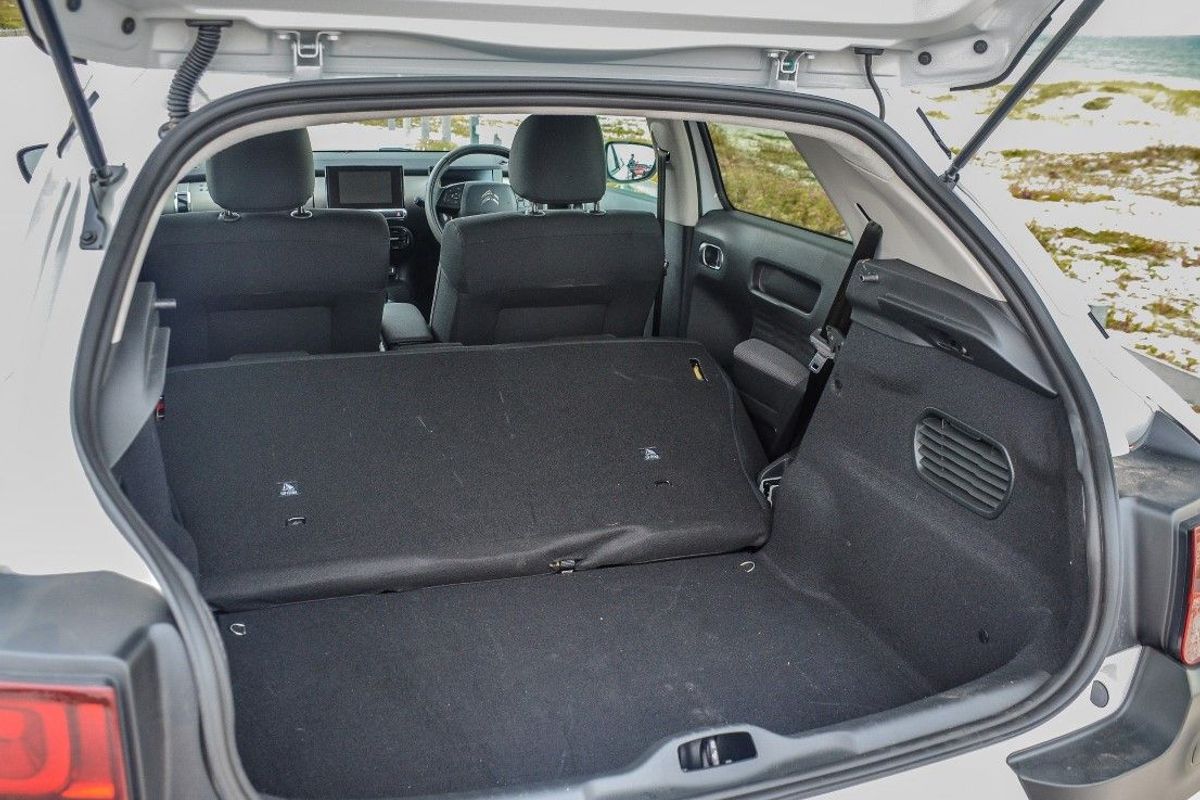
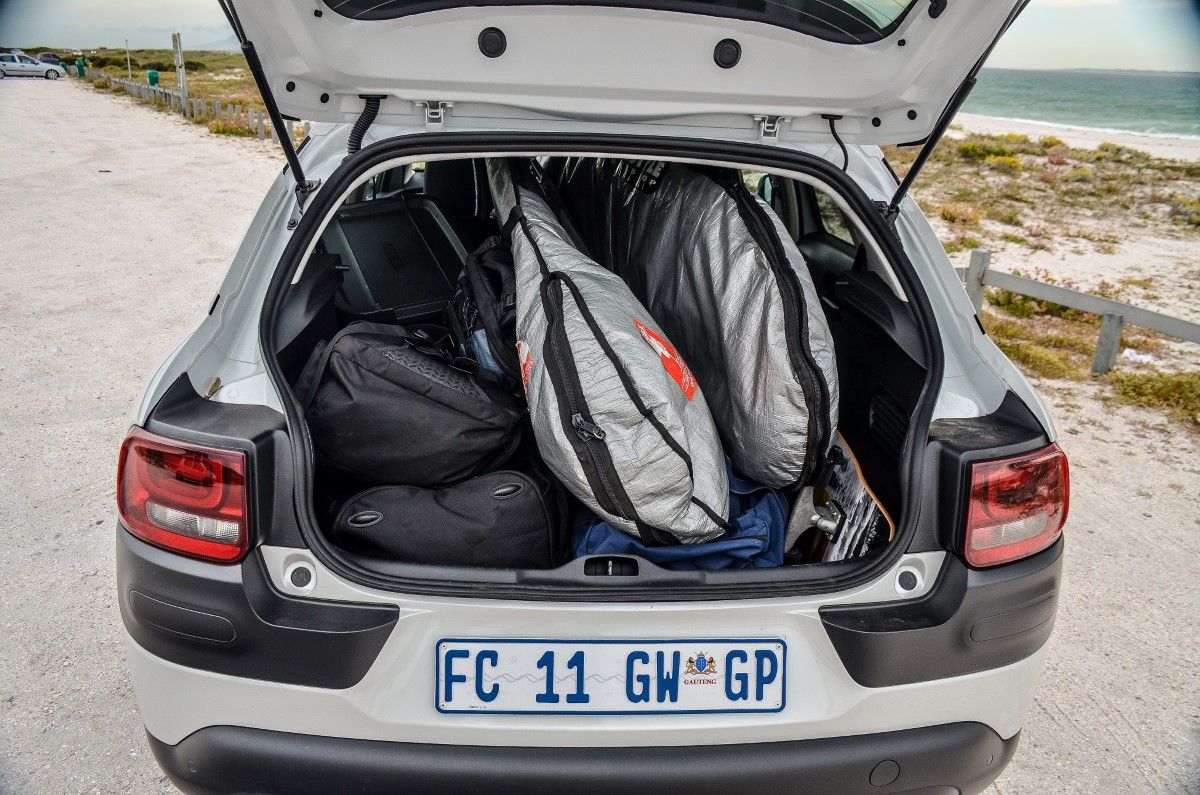
The shape of the loading aperture is a little… unconventional, but bulky surfing gear was accommodated with ease.
The positives:
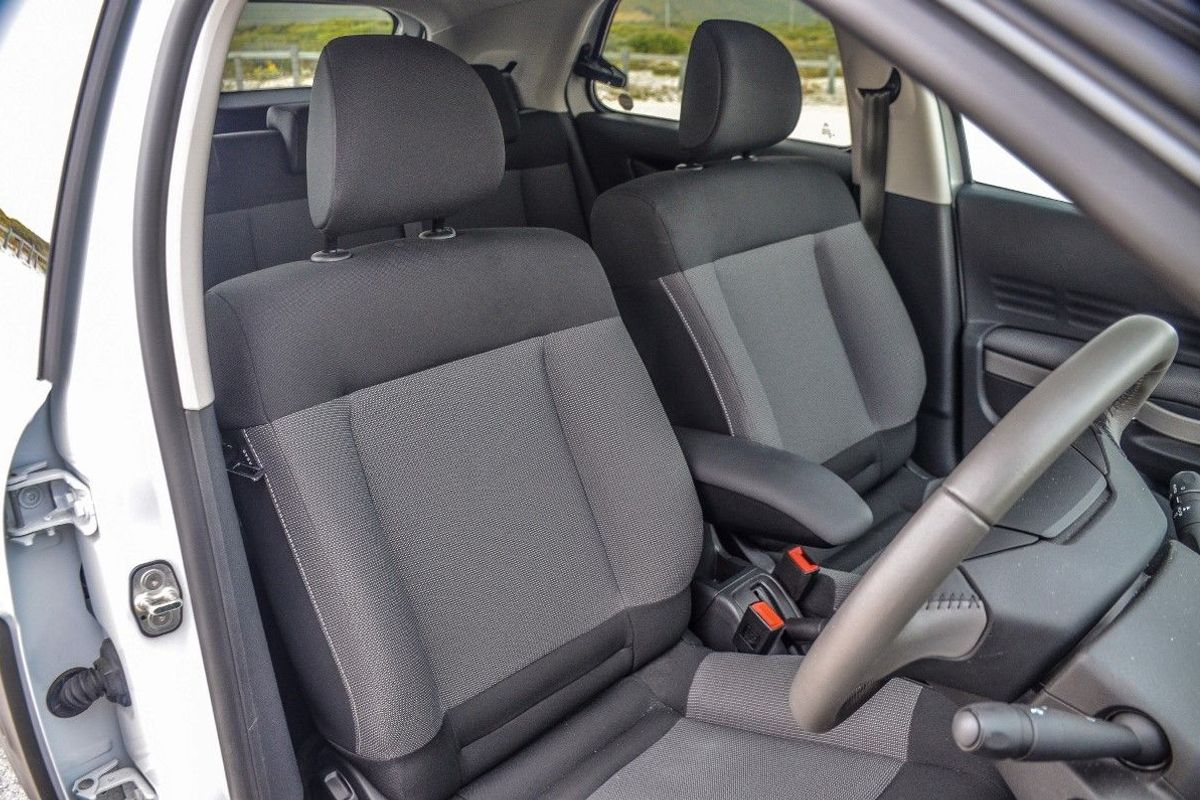
The C4 Cactus is a post-modern car in the most charming way, the interior is supremely comfortable, the front seats cossetting, almost sofa-like in terms of comfort. The lack of reach adjustment on the steering column was a small drawback, but few testers complained about it.
The driving experience is comfortable too, courtesy of quick sharp steering, a pliant ride quality, a soft, long throw to the 5-speed manual transmission and operating the clutch pedal feels like you’re stomping on pillow (but in a good way)
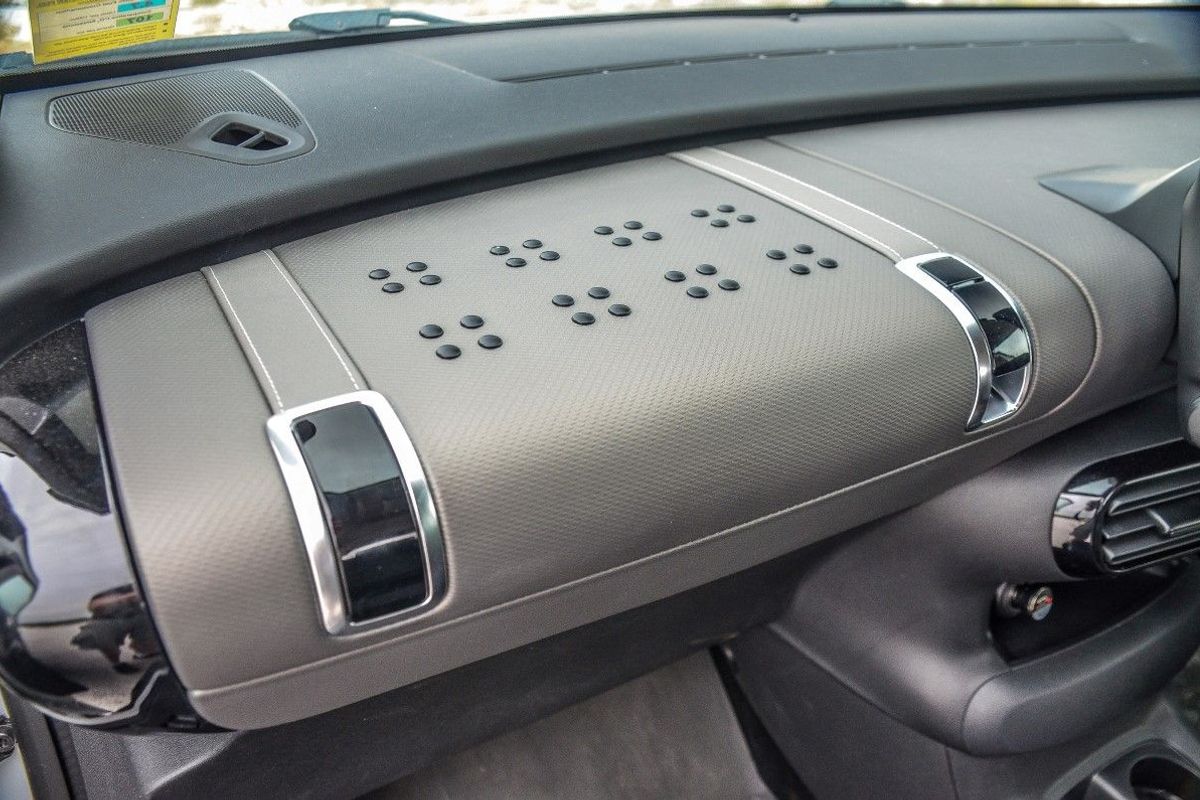
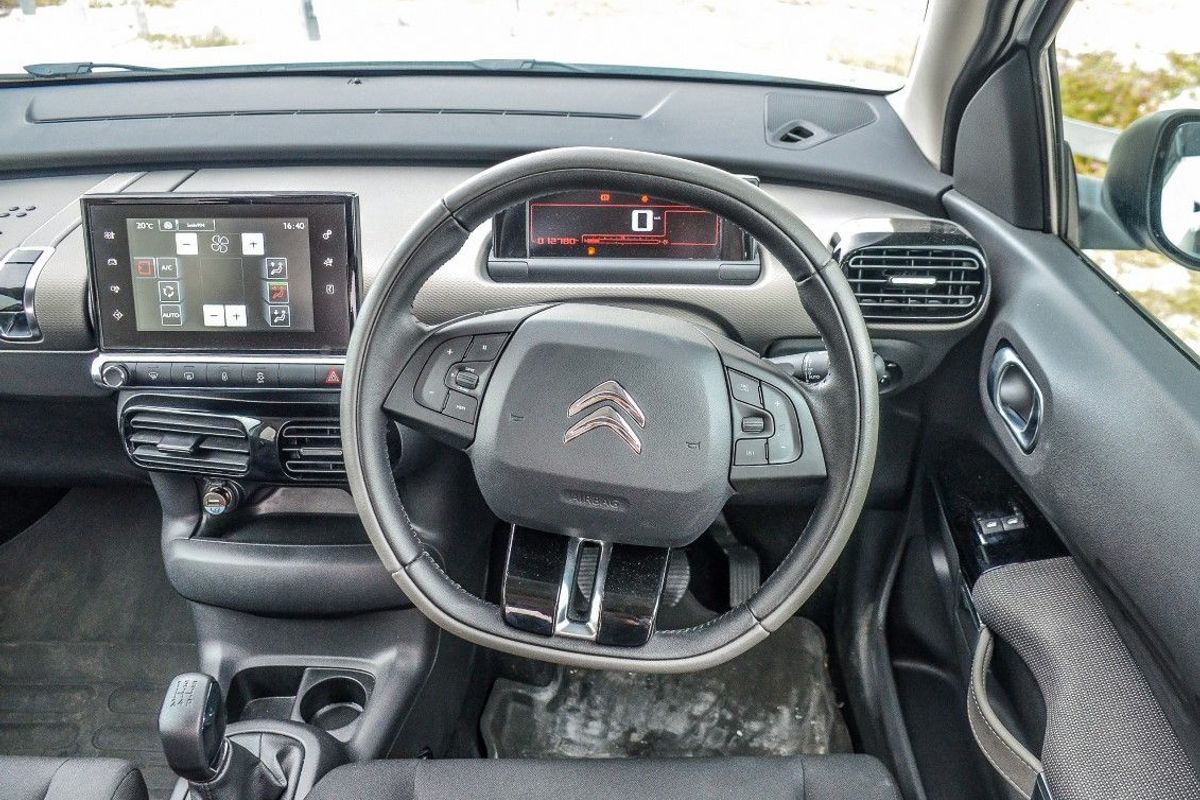
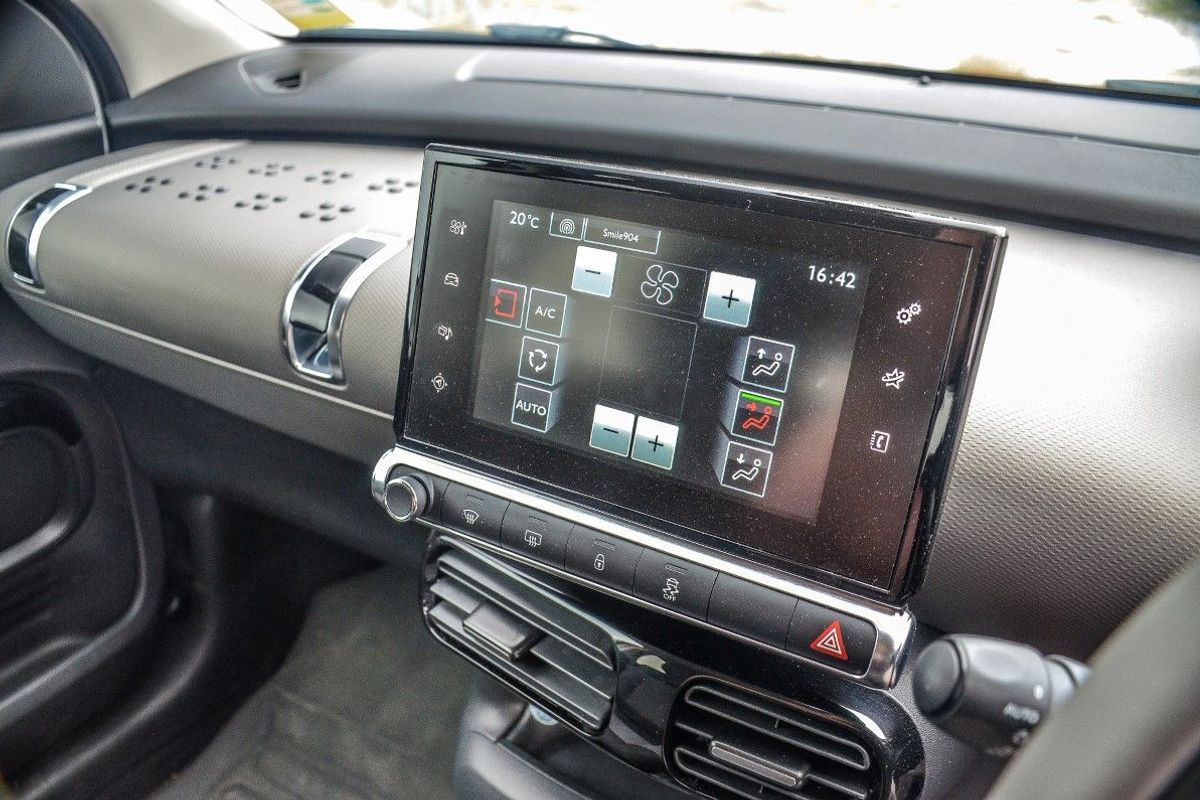
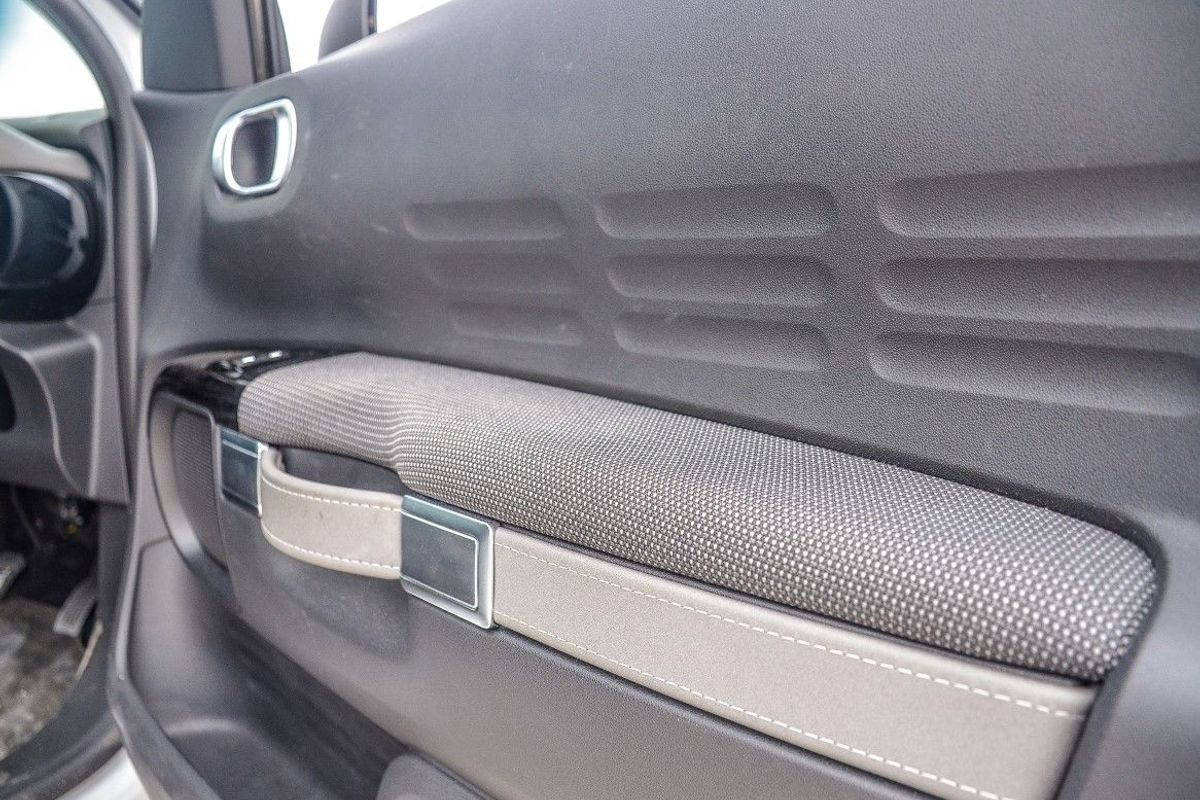
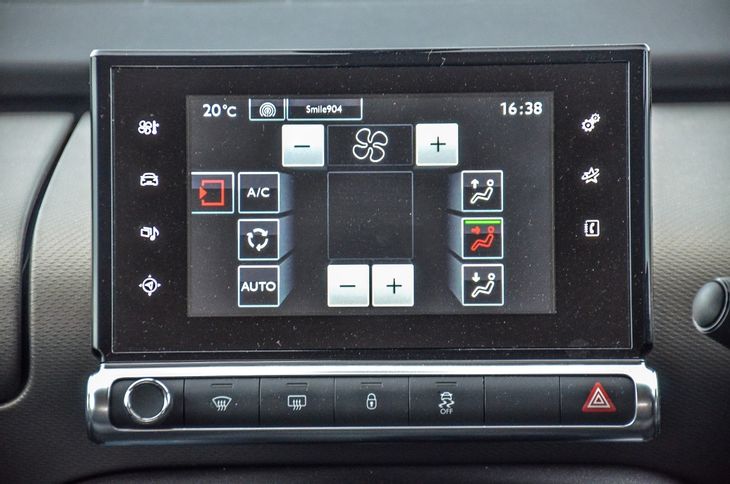
Then there's that French quirkiness, in the forms of the aforementioned Air bumps, the vintage briefcase-style glovebox, the rear windows that open to the sides and most of all, there are no buttons on the fascia with which to adjust the temperature or fan speed of the automatic air con… All those functions are adjustable via the touchscreen interface. And when you close the door behind you, you pull on a leather strap, not a cold, gormless plastic handle.
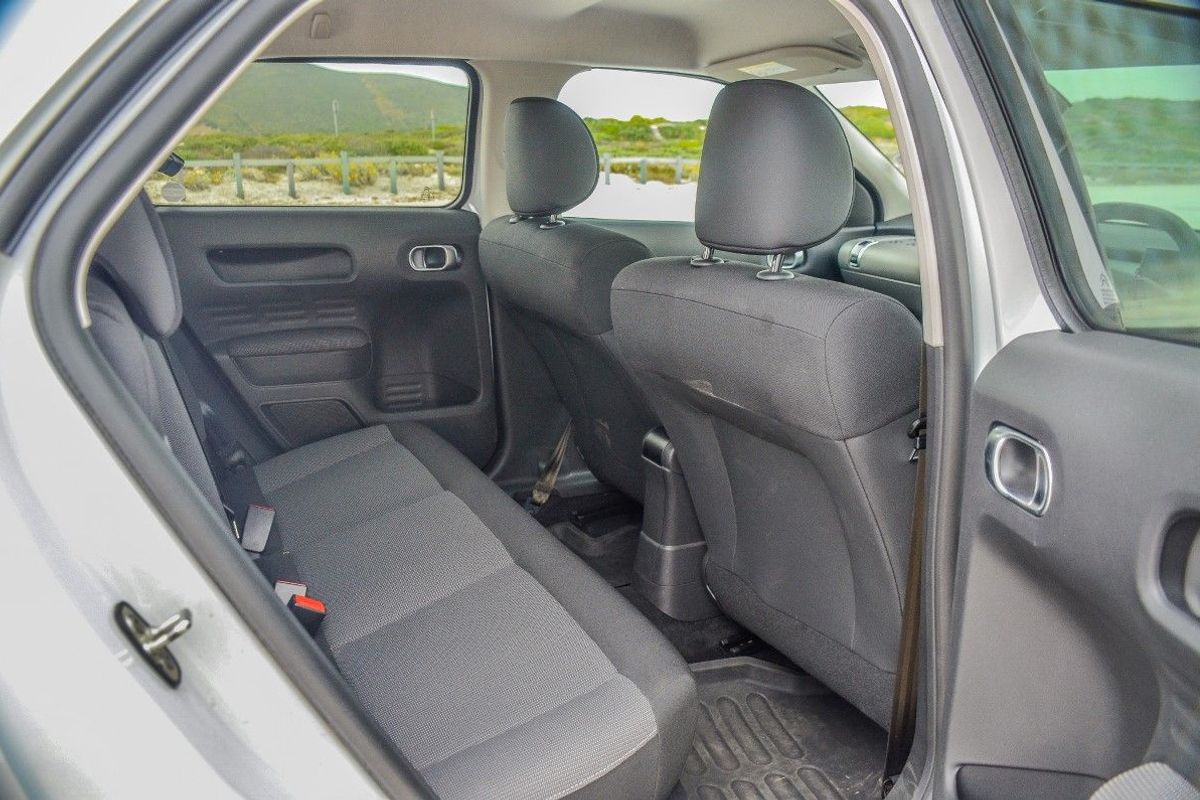
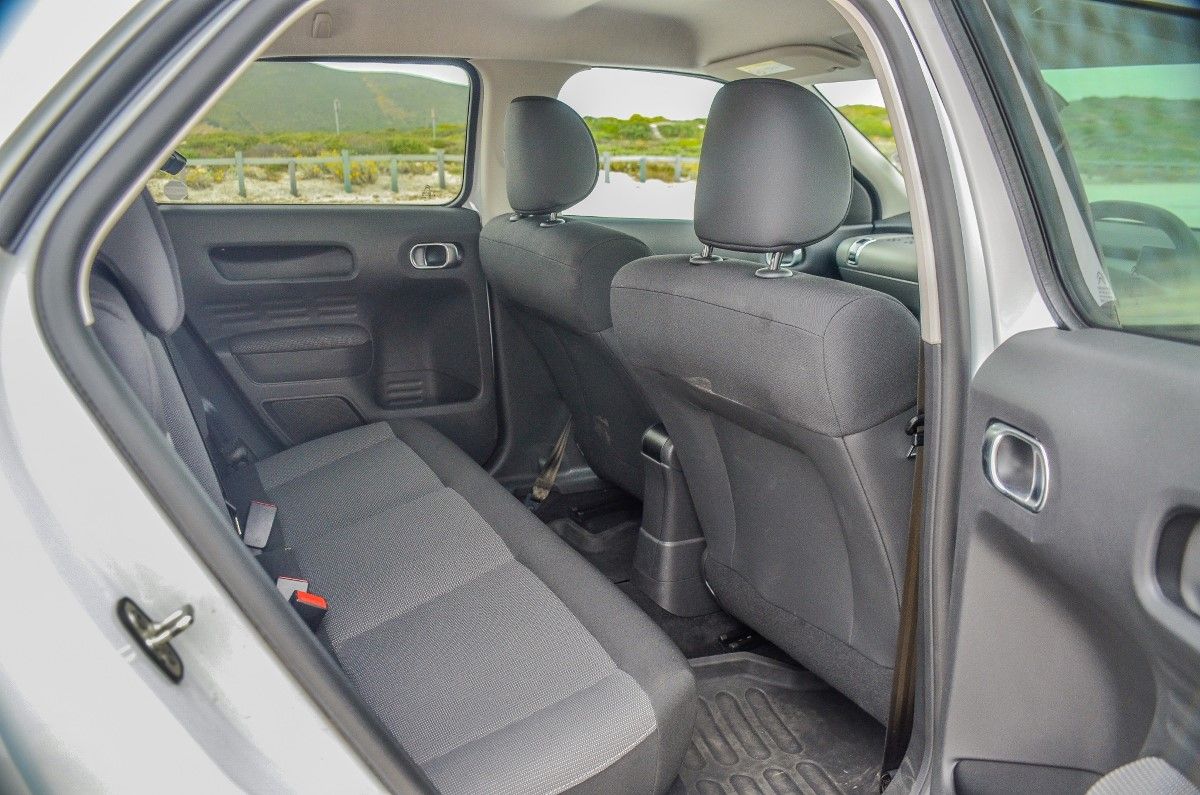
Rear legroom was better than we expected, although a few testers remarked that the side-opening windows were quirky.
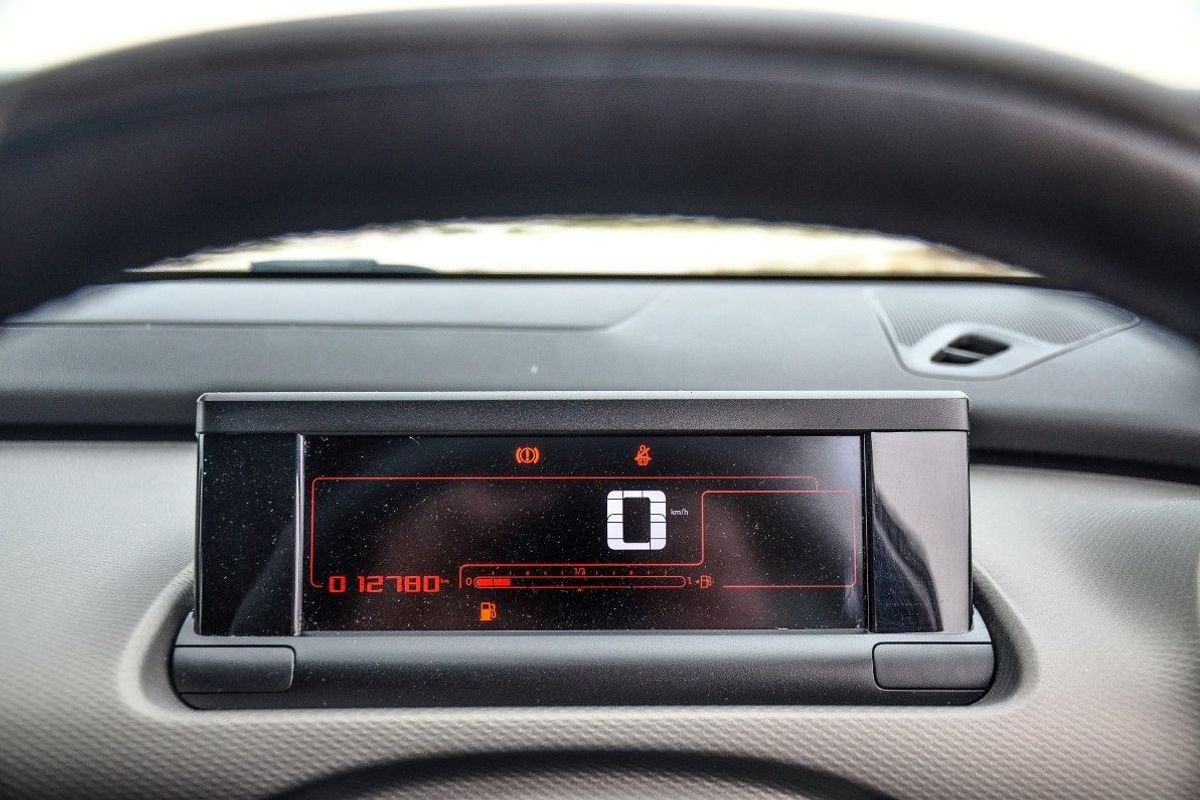
Everything about the Cactus' fascia looks and feels space-age, from the digital instrument cluster with its red and white lettering, to flicking through the menus with your fingertips.
And a lot of the technology you can’t see. This is a vehicle for a small family and its safety specification reflects that well. In addition to ABS with EBD and brake assist, hill assist and electronic stability control, there are front, side and curtain airbags, seat belt warning on all seats and a pair of ISOFIX mounting points on the rear bench.
And, as if to contrast the relaxed, long-throw shift action, the C4 Cactus has a spirited 1.2-litre 3-cylinder engine that produces 81 kW and 205 kW. The car feels sprightly and eager off the line in town, replete with an eager growl, yet the car does not feel short-geared at the national speed limit. For all its fashionable packaging, funky trimmings, and electronic addenda, the Citroen’s petrol motor is, mechanically speaking, the highlight of the car.
Moreover, the C4 Cactus sipped fuel even though testers loved making its triple motor spin enthusiastically. After 5 100 km, it averaged just 6.5 L/100 km
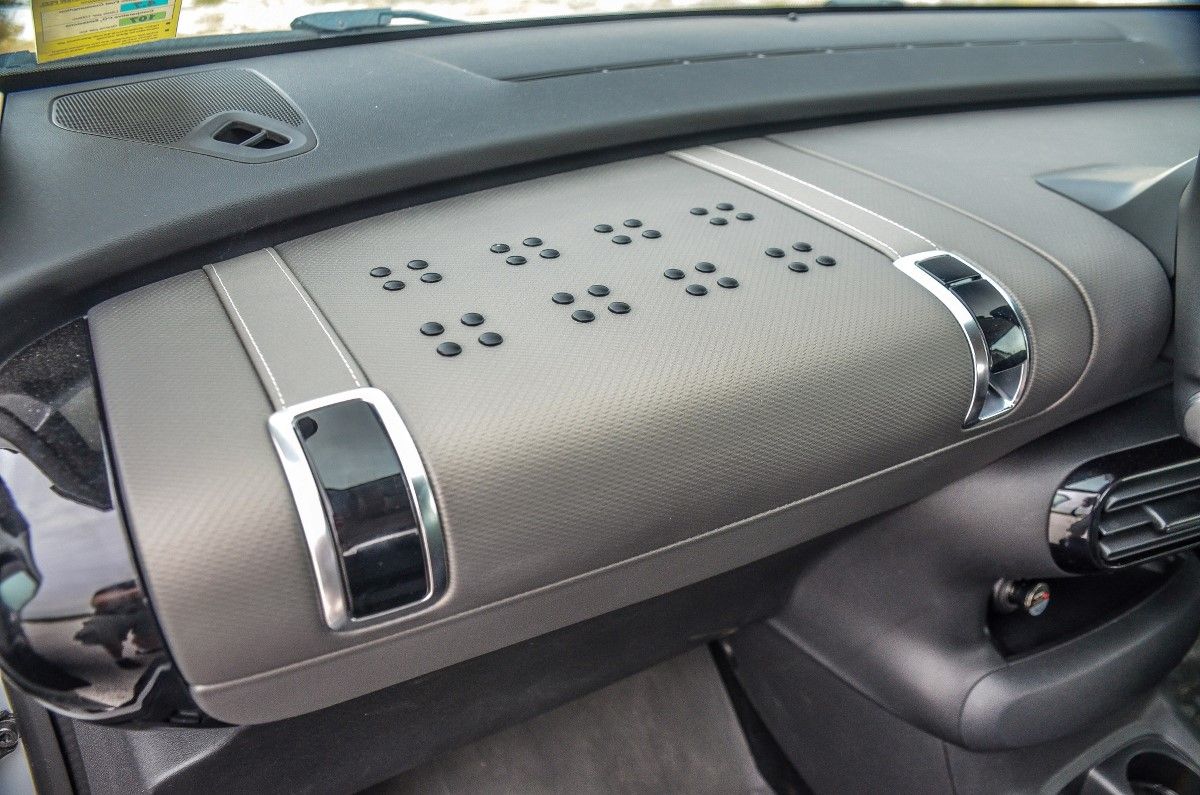
The ornate briefcase-style glove compartment was one of our favourite "Cactussy" interior adornments.
The negatives:
The first drawback of the C4 is a veiled compliment. Curiously, given the C4 Cactus’ crossover flavour, the rear seatback folds forward, but not in a split configuration, which effectively means that if you’d like to transport anything that’s too bulky to fit in with the rear seats in place, will instantly transform the car into a 2 seater. Fortunately, however, the luggage space is spacious as it is, so for everyday use, the rear seatback should remain in situ.
From an everyday driving point of few, the Citroen is softly-damped and it absorbs uneven or rough road surfaces calmly… takes things in its stride. However, sudden hard bumps tend to unsettle especially the rear suspension momentarily, which is a startling, uneasy experience.
Want to change the C4 Cactus' ventilation settings? There are no knobs for that, but the touchscreen interface is easy to use.
Furthermore, Gallic flair, which the C4 Cactus has in generous supply, is all fine and dandy, but there are a number of characteristics that could deter undecided buyers. We’ve already mentioned the solid rear seatback, but what of those rear windows that don’t open conventionally, that could unnerve some buyers.
Similarly, there is no rev counter; okay, you should know when to change up or down the gearbox by listening to your ear or looking at the shift indicator, but what if you are blasting music and forget to change up in time? No-one likes "bouncing off the rev limiter"…
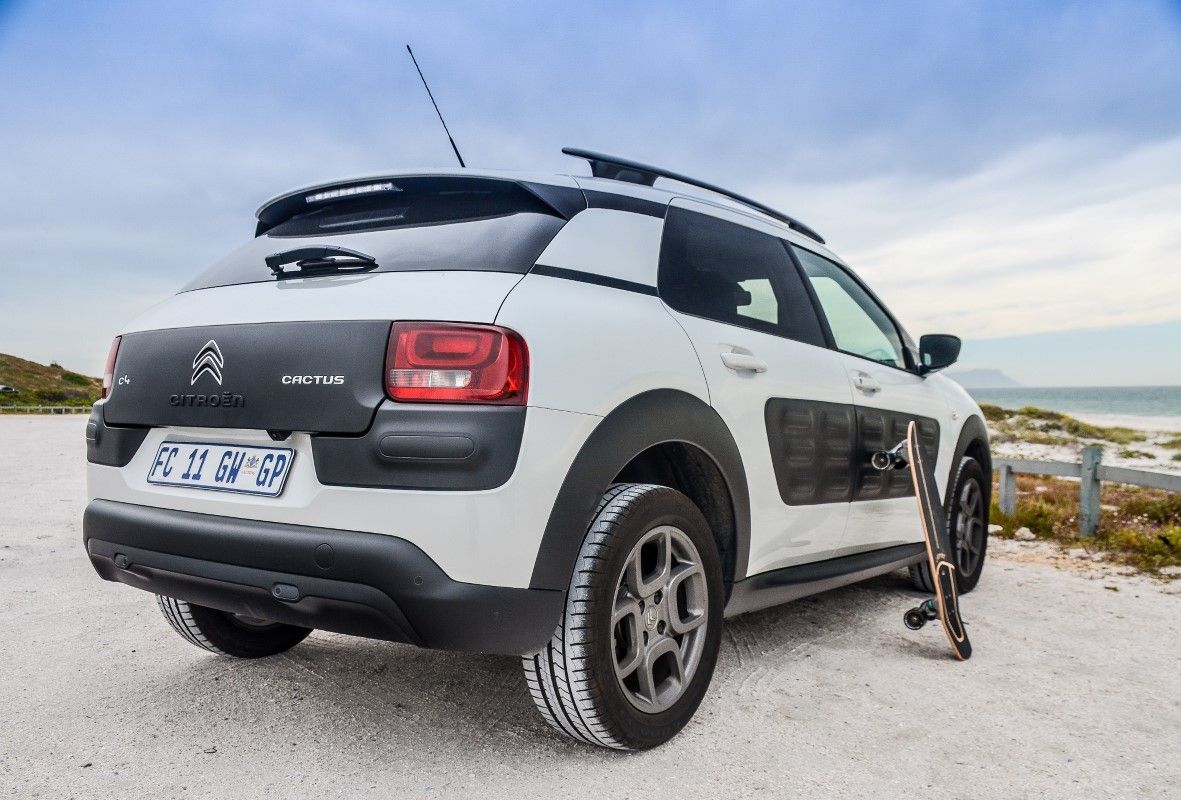
One of the Air Bumps' unexpected uses was as a handy skateboard stand…
Summary
Even though the C4 Cactus no longer features on new vehicle price lists, it was undoubtedly one of the most endearing/easily likeable products that Citroen offered in South Africa. It was clearly not designed to please fuddy-duddies: the Citroen celebrates individualism and creative expression in an almost innocent, playful way and is the antithesis to boxy, po-faced crossovers (probably better than many of them too, if not at least more intriguing).
Having said that, although there is no doubt about the validity of the car's warranty/service back-up (courtesy of the existing Peugeot franchise network) or justifiable fears that spare parts will become unavailable in the near future, common sense suggests that, like Volkswagen's offshoot SEAT, which left the local market following a brief foray a decade ago, trade-in values of new or recently bought Citroens will suffer badly as a result of the brand's local distribution coming to the end of last year.
However, that certainly does not disqualify the C4 Cactus as a value proposition, especially as a used buy. Some buyers want something unconventional and, for the lack of a better word, spunky. Citroens are not for everyone, certainly, but of those models that didn't receive the uptake they truly deserved when they graced new-car showrooms, the C4 Cactus is up there.
New car sales in South Africa reflected a positive start to 2017, but tough times lie ahead for the local automotive industry. Take a look at this new car sales summary for more insight…
The South African automotive industry has been under severe pressure over the last year and another tough year lies ahead for 2017. Despite the gloomy outlook, new car sales figures for January 2017 released by the National Association of Automobile Manufacturers of South Africa (NAAMSA) indicates marginal year-on-year gains for the first time in 14 months, thanks in part, to a strong contribution from the rental car industry. Exports, however, declined fairly substantially due to factory refurbishment work at BMW’s Rosslyn plant in preparation for local production of the X3 SUV.
Toyota had a strong sales month and is currently South Africa’s best-selling car brand. The Toyota Hilux, a vehicle that regularly tops the sales chart locally, had a marginally month in January and was the fifth best-selling vehicle in the country. The Volkswagen Polo Vivo came out on top as the best-selling car for the month, closely followed by the Polo and popular Ford Ranger.
Here is a quick summary of new car sales in South Africa for January 2017.
Aggregate new car sales of 50 333 up by 3.7% (1 819 units) compared to January 2016.
New passenger car sales of 36 794 up by 4.7% (1 661 units) compared to January 2016.
New Light Commercial Vehicle (LCV) sales 11 790 up by 1.6% (187 units) compared to January 2016.
Export sales of 11 659 down by 10.3% (1 342 units) compared to January 2016
Top 5 Car Brands in South Africa for January 2017
Brand
Total Sales
Market Share
Toyota
12 252
24.3%
2. Volkswagen
8 454
16.8%
3. Ford
6 634
13.2%
4. Nissan
4 295
8.5%
5. GMSA
3 005
6.0%
Top 5 Best-Selling Cars in South Africa for January 2017
According to NAAMSA, the medium-term economic outlook shows promise for improvement with factors such as easing drought conditions, global economic growth of 3.4% and a strengthening Rand expected to contribute positively to new vehicle prices and ultimately new car sales going forward. Similarly, exports are expected to increase in light of projected improvements in the global economic environment. NAAMSA predicts improvements in domestic sales in 2017 with anticipated aggregate annual volume increases of about 3.5%.
Furthermore, WesBank anticipates that Vehicle Price Inflation and interest rates will remain stable over the course of 2017 and should restore consumer confidence somewhat. Rising fuel prices, however, will continue to put pressure on consumers in 2017.
WesBank also notes that demand for used cars remains strong according to used car finance applications, which grew by 7.3% in January compared to the same period in 2016.
Wesbank’s Head of Brand and Communications, Rudolf Mahoney, said that “Our advice to consumers looking at entering the car market is to budget carefully and factor in all costs associated with owning and operating a car. This includes not just the monthly instalment and insurance, but also variable expenses such as fuel and maintenance. Planning for these will alleviate pressure on household budgets, especially as those costs increase over time.”