Toyota Prius Hybrid (2016) Review

Toyota recently introduced the fourth-generation Prius to the South African market and we put it to the test to see if the petrol-electric hybrid is as effective at being a fuel-saver as it is a family sedan…

We like: Fresh styling, spacious cabin, good ride quality, low fuel consumption

We don’t like: Pricey, annoying beeping while reversing

Alternatives: 

  • Other hybrids: Consider the Toyota Auris hybrid priced at R403 400. It's not as spacious as the Prius, but it offers 100 kW and 142 Nm of torque. The Lexus CT 200h comes in at R484 500, also with 100 kW and 142 Nm of torque on offer (from the same engine as the Auris Hybrid). For something bigger and more upmarket, you can consider the Infiniti Q50 S Hybrid priced at R669 700 with 261 kW and 536 Nm. Similarly, the Lexus 300h EX offers 151 kW and 213 Nm and is priced at R599 800. 
  • Similar-sized fuel-sipper: The Volkswagen Golf SV is similarly packaged to the Prius and is a very practical vehicle. The top-spec 2.0TDI Comfortline automatic derivative is priced at R402 700, produces 81 kW and 250 Nm of torque and is claimed an average of 4.6 L/100 km. 

Compare the Toyota Prius with the Volkswagen Golf SV and Toyota Auris Hybrid

The new Toyota Prius is a vastly improved product with notable improvements in fuel consumption.

What is it?

The second-generation Prius was the first hybrid vehicle to hit the local market way back in 2005, but whereas the Toyota has been very successful in some foreign markets, it has never really taken off in South Africa – similar products from marques such as Honda and Lexus sell in small numbers too.

Let’s face it, hybrids aren’t particularly popular in South Africa because of consumer ignorance (although that is gradually changing as more petrol-electric cars join the market), they're less effective outside of congested urban areas and consumers generally struggle to match the cars' claimed fuel consumption figures. Meanwhile, major improvements in petrol and diesel technology eg. "downsizing" has made it easy to overlook hybrids (such as the Prius) and, unfortunately, the “awkward-looking and boring treehugger's car" stigma remains.
However, with the introduction of the latest Prius, Toyota has gone to great lengths to challenge perceptions and prove a Prius can be a fun-to-drive practical family car. We recently had the new Prius on test to see if it delivers beyond general expectations.

How does it fare in terms of…

Kerb appeal?


The Prius exhibits sharper and sportier styling compared to its predecessor. 

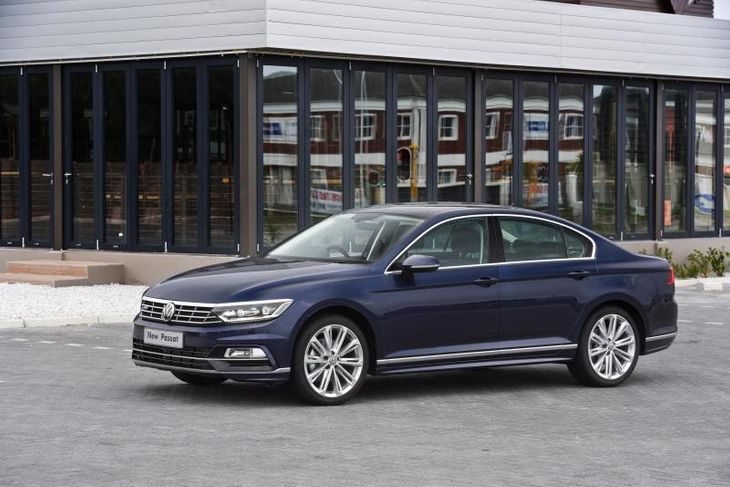
Toyota has infused some positive changes to the latest Prius to make it appear more attractive and “athletic” while retaining its instantly recognisable silhouette. Built on the Toyota New Global Architecture (TGNA), the Prius is longer and wider than its predecessor and sits 15 mm lower, enabling it to slice through the air more efficiently. Slim headlights and angular lines give the Prius a striking, modern appearance while 15-inch alloy wheels, in conjunction with a wider track, offer better road-holding.

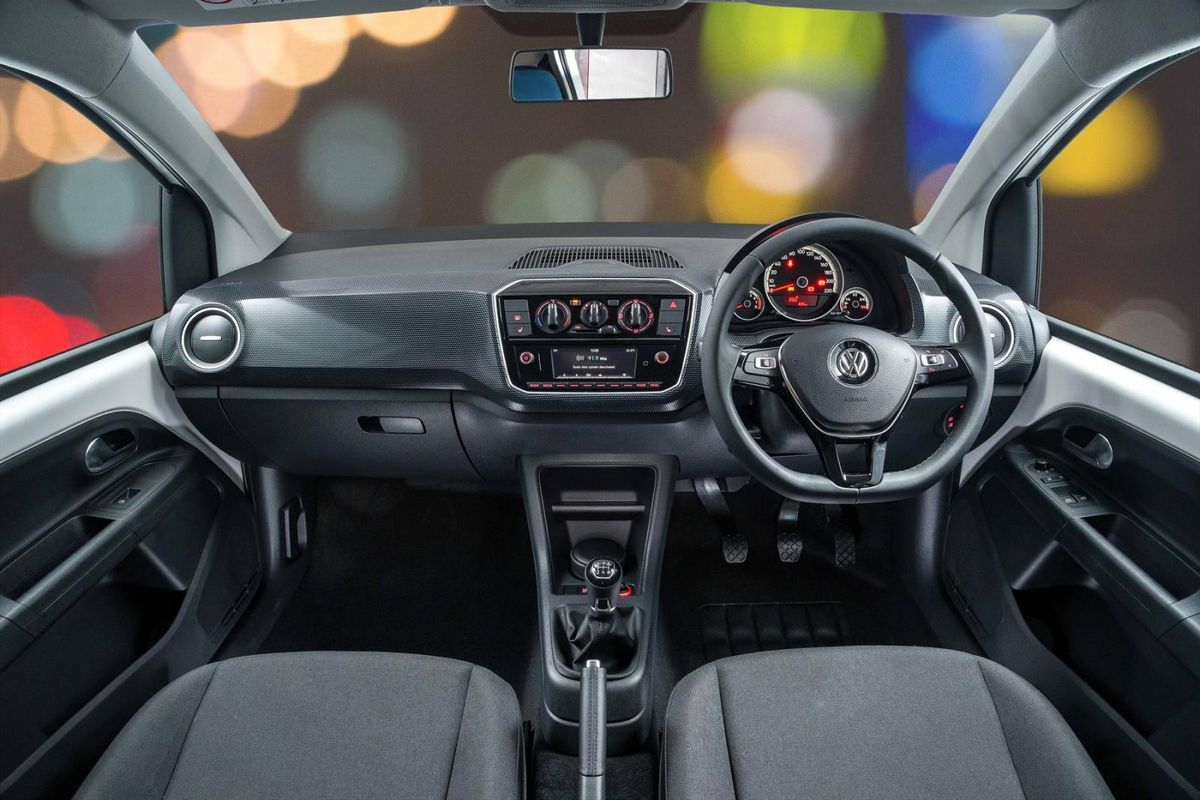
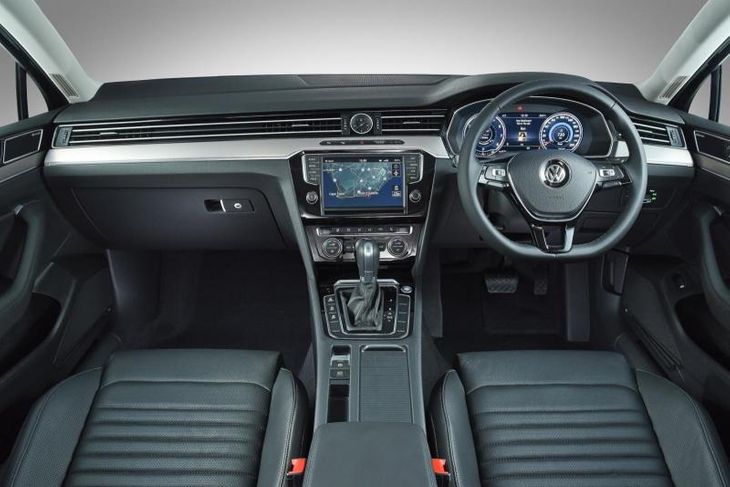
The interior has a futuristic, airy feel to it. The integrated heated leather-trimmed seats look sporty and are particularly comfortable to sit in. Contrasting white trim on the steering wheel and the expansive centre console also add much-needed zest to an otherwise dark cabin.

In the looks department then, the Prius is certainly more attention-grabbing than before and its fresh styling also enhances overall aerodynamic performance to improve efficiency. Styling is always a subjective matter and if you never liked the Prius, this latest version may just sway your opinion. Love it or hate it, the Prius' progressive styling should broaden its appeal.

Performance and fuel consumption?


Low fuel consumption figures are easy to achieve in the new Toyota Prius. 

In an effort to improve efficiency and performance of the Prius, substantial changes have been made to its hybrid powertrain, which is now lighter and more compact. The 1.8-litre Atkinson cycle motor is carried over from its predecessor, but it’s been extensively revised to achieve better efficiency. The petrol engine works in conjunction with two lightweight electric motor-generators (one serves as a primary generator, while the second is a drive motor) and the total system (powering the front wheels through a CVT transmission) produces 90 kW and 142 Nm of torque. A revised and faster-charging nickel-metal hydride battery is stored beneath the rear seats and it’s able to store energy more efficiently than before.

The Prius comes to life in total silence and when in reverse or travelling at low speed, the car runs in full electric mode. As the vehicle's speed increases, the engine kicks in and the motors take on an auxiliary role. We found the Prius' EV mode particularly useful in heavy, slow-moving traffic conditions, but bear in mind that it can only be engaged at lower speeds and for short distances at a time (it all depends on the battery's state of charge).  

To get the most satisfying performance out of the Prius, a gentle and measured driving approach is required. With even, yet firm, pressure on the accelerator, the Prius builds momentum quickly and smoothly and it has no trouble keeping up with traffic flow or overtaking. The driver can also select between three additional driving modes, including ECO (emphasises fuel efficiency), Normal (balances efficiency and drivability and Power (for quicker throttle responses). The Prius is not fast by any means, but it’s well suited for commuting within the city.

How much fuel does the Prius consume? The answer will largely depend on you. In EV mode, no fuel is used, but with the engine engaged in most situations, consumption varies greatly depending on your driving style. Toyota claims 3.7 L/100 km and we averaged about 4.5 L/100 km (the lowest figure we achieved was an astonishing 2.8 L/100 km). Achieving low consumption figures is relatively easy in the Prius, providing you adapt your driving style… it can be fun to see how high you can raise the onboard ECO Score (out of a hundred).   

Ride & handling?


Ride quality in the Toyota Prius is good and it handles well in the corners too.  

The cumulative effect of the new rear (double wishbone) and revised front (McPherson strut) suspension, upgraded steering system and increased body rigidity is noticeably improved ride and handling characteristics. The suspension is supple and effectively absorbs the majority ruts and bumps in the road surface, while the steering wheel provides good feedback to the driver and the Prius feels relatively solid, confident and surefooted while cornering… it's not a sports sedan, but anything but a coach!

The cabin is also well insulated and perceived build quality is good. Only a small degree of wind noise is noticeable when travelling at highway speeds; otherwise, the Prius delivers a smooth and comfortable drive and the heated leather driver's seat provides additional comfort on longer journeys. The mid-mounted rear spoiler does, however, impinge on rear visibility.

Practicality?


The Prius offers good boot space, which expands considerably with the rear seats folded flat. 

Stepping inside the Prius, you will notice a short, stubby drive lever positioned on the lower section of the dashboard. It may look awkward, but it frees up storage space below it, where you will find a large, white storage tray and two cupholders for the driver and front passenger. A USB port, auxiliary port and 12V socket are placed nearby for convenience.  

Buyers looking to purchase a new Prius will be happy to know that it offers ample space for rear passengers, making it particularly suitable for transporting a family. Leg-, head- and shoulder room is generous and the 60:40 split rear seat also features a central armrest with two cupholders. ISOfix mounting points are also present in the rear to secure child seats.

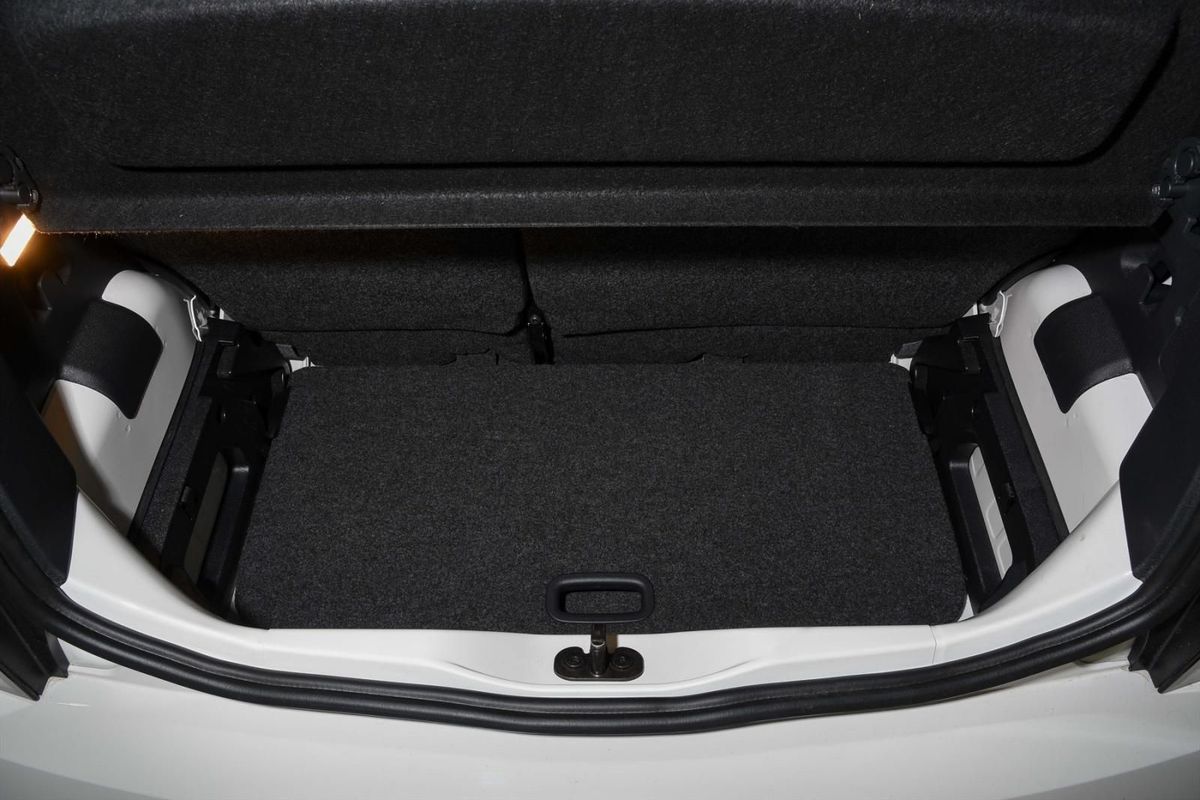
The boot offers a sizeable 502 litres of space, which increases substantially with the rear seats folded flat. The boot aperture is wide and low making loading items easy. It must be noted, however, that the sloping rear windscreen does cut into the boot space, and with a flat boot floor, the area is longer, not taller. A full-sized spare wheel is found beneath the boot floor.

Standard features?


The interior of the Prius is modern and comfortable with a decent level of specification. 

The Prius is generously equipped with features. A 7-inch touchscreen has a sharp resolution and simple, intuitive design. It allows you to operate a number of onboard functions and is Bluetooth-compatible, but, unfortunately, navigation is not offered. Like most touchscreens, fingerprints are visible after excessive use; it will require regular cleaning.

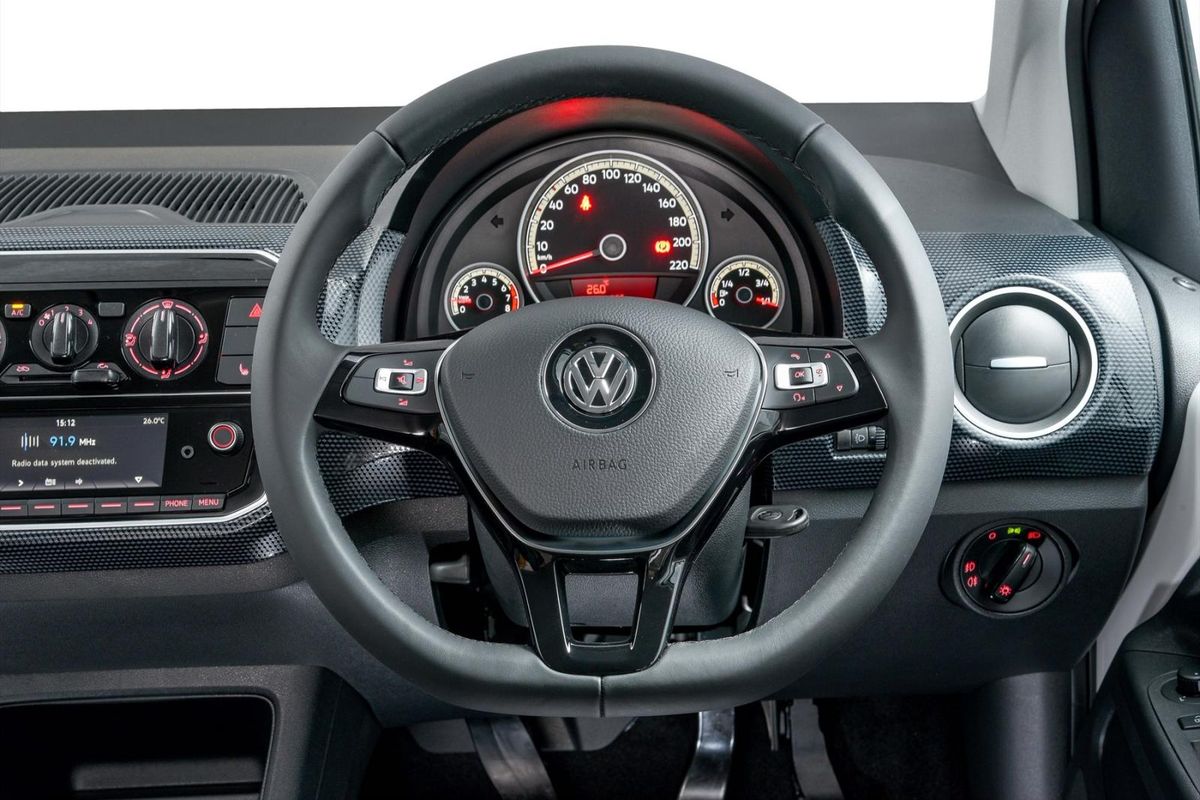
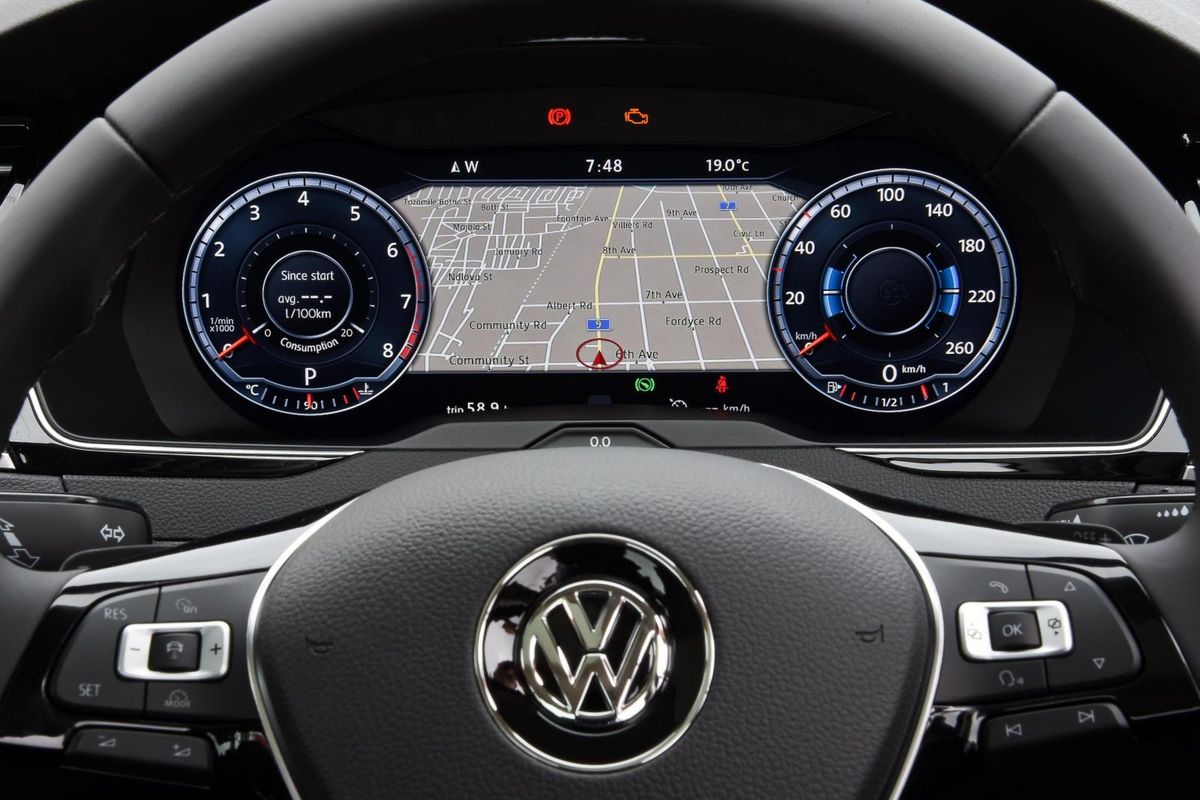
The top of the dashboard is home to a dual 4.2-inch TFT display that provides a host of useful information to the driver such as speed, fuel gauge, odometer, trip meter, fuel consumption, air temperature and so forth. A second display shows information pertaining to the hybrid system and also communicates driving tips to the driver to improve efficiency. The climate control air conditioning and media settings can also be adjusted on this screen via buttons on the steering wheel. A configurable head-up display and cruise control are also standard.

The windows and side mirrors are electrically operated while the heated front seats are manually adjustable with electric lumbar adjustment for the driver. In terms of safety, the Prius is well equipped with seven airbags, ABS with EBD, traction control and stability control. A rear reversing camera is also fitted, improving safety when backing out of a parking bay.

Pricing & Warranty

The Toyota Prius is priced from R427 200 and is sold with a 3-year/100 000 km warranty and 5-year/90 000 km. The hybrid battery carries an 8-year/195 000 km warranty. Service intervals are set at 15 000 km.

Search for a new / used Toyota Prius on Cars.co.za

Verdict

The Prius impresses with its refined on-road demeanour and spacious, comfortable and upmarket cabin. It’s a good overall product that's perfectly suited for life in the city and owners should be able to achieve relatively low fuel consumption figures on a daily basis. It may be efficiency-oriented, but it feels fun to drive and although not fast, it's not sluggish either.

Despite this praise, the Prius’ price point places it among a host of other family-friendly products with strengths of their own. A wide range of practical and strong performing vehicles (sedans, crossovers, SUVs) are available at or below the Prius’ asking price. Excellent fuel consumption is a major reason for anyone to consider the Prius, but when you factor in the asking price, the benefits of burning less fuel become less pressing. Nonetheless, should you settle behind the wheel of a Prius, many comfortable and frugal kilometres lie ahead of you.

Toyota Prius Hybrid – Quick Specs

Interested in buying a Toyota Prius?

Find a used example for sale on Cars.co.za

South Africa’s 5 Coolest Car Configurators

Online car configurators have come to the fore and the principle is simple: you customise your car to suit your style and budget, then sit back in eager anticipation while the manufacturer builds it. For South Africans the wait can be quite long, but as you'll shortly see, the degree of personalisation on offer is staggering (and addictive). We choose five of the best. Have fun!

Car manufacturers are increasingly promoting the concept of individualisation, with the idea being that no two cars should be the same. This is a rapidly growing trend worldwide and no longer restricted to only quirky or top-end cars. In South Africa there is even an online configurator for the Volkswagen Vivo! While some people will just pick a unique colour scheme for their vehicle in an effort to stand out from the crowd, manufacturers have gone to great lengths to ensure that you can really customise your car to new levels of crazy!

An online car configurator is a great way to start. Simply log onto the manufacturer's website, select a model and then the words 'Build' or 'Configure' are likely to appear. You'll be presented with a basic shell of a car and you can change the vehicle's colour, size and design of the wheels and then add on some features that you really like, but don't come standard with your vehicle. Some manufacturers even give you the option for custom decals and a key in your choice of colours. Once the car has been ordered, it gets built and some brands even offer customers the opportunity to track the assembly process.

We've had some fun trawling the world of online car configurators and enjoyed digitally building our dream wheels. The degree of customisation is simply mind blowing and if you follow through and land up taking delivery of your vehicle, there's a good chance it will be a one-of-a-kind package. While this all sounds great, be mindful that piling on the extras will add a considerable number of Rands onto your final bill.

Land Rover Discovery Sport

Land Rover South Africa's website takes you to a dedicated configurator server and visually you can play with alloy wheel design and colours as well as exterior colours. The cabin configurator has simplified items into packs so you don't have to be meticulous and go through each and every feature. Sadly the one fault of this configurator is that there's no pricing and you're going to have to make contact with a dealer to find out the final cost. 

Visit the configurator for Land Rover line-up here.

Porsche 911 Carrera S

Porsche's configurator is simple to use and comes with a crisp layout. You can play with colours, choose one of five wheel designs,  throw in some extra features and even listen to "your" car's engine sound. It's interesting to note that you can delete the badging on your Porsche at no cost. Perhaps the best part is that you can tick the box called 'Factory collection' which means you can fetch your car as it rolls off the production line in Germany. We started off with a R1 559 000 vehicle and landed up with this beauty costing R1 764 120.

Visit the Porsche configurator here.

Mercedes-AMG GT S

The Porsche 911 rival from Mercedes-AMG features a neat configurator which is effortless to use. We 'built' this AMG GT in about a minute and then spent ten minutes admiring our handiwork. The only downside here is the price of the options. R7 000 for red seat belts? R125 000 for AMG Solarbeam paint? Our vehicle costs R2 142 600 as standard and we landed up with a bill of R2 271 700. 

Visit the Mercedes-AMG GT/S configurator here.

Mini Cooper JCW

Mini's pint-sized little rocket ship is a joy to pilot and fun to configure. Mini's configurator reflects the brand: fun, quirky and like a toy. There are animations showing the car being jacked up and new wheels being bolted on, for example. It's a little confusing to navigate your way around the configurator and there are a few options that can't be selected individually, meaning you have to purchase something else along with it which adds to the cost. Still, we feel that our JCW is unlike any other JCW out there. Success! The Mini JCW retails for R439 000 and after we were done, we'd jumped the price to R467 050.

Visit the Mini configurator here.

Ferrari 488 GTB

This configurator is the daddy of them all! Ferrari is proud of what it can offer to customers in terms of options and variations, with likely only Rolls-Royce surpassing the Italians. We got stuck into building a Ferrari 488 GTB and were blown away. For colours you get solid, metallic and can even dip into the historical colours used by the classic cars. The configurator allows you to adjust the angle of the sun to see how the light and reflections will make your car look. Talk about attention to detail!

You can pick wheel design, wheel colour and brake calliper colour and Ferrari plays you an animation of what that wheel looks like while the car is moving. It gets even more detailed when you customise the cabin. You can choose the colour of the stitching used on the leather and there are five seat designs to choose from. It's eye opening how many accessories and personal touches can be selected, but at the price you're paying for a Ferrari, you expect this attention to detail. Doesn't our Giallo Modena 488 look lovely? 

Visit the Ferrari configurator here.

Any views or opinions expressed in this article are solely those of the author and do not represent those of Cars.co.za or its editorial content team.

Is The Golf Segment Dying?

While much has been said and many long tears cried (mostly by yours truly) over the death of the station wagon and the decline of the sedan, there appears to be another vehicle type on the brink of the abyss in South Africa: the so-called “Golf class”.

The seemingly unstoppable rise of the crossover/SUV has resulted in a number of high-profile casualties in the past decade. First, this “new” type of vehicle essentially wiped an old family favourite – stations wagons – off the map in South Africa… Only a handful estate derivatives remain available locally, and those are niche or expensive vehicles such as the crossover-oriented Subaru Outback and Volvo V60 Cross Country, or the Mercedes-Benz C-Class and Audi RS6 Avant.

Next to fall was the MPV (multi-purpose vehicle), once the darling of the car world; models such as the Renault Scenic and Opel Zafira scooped awards (and sales) around the globe. But these days, traditional MPVs are few and far between and most have also morphed into more niche/expensive offerings, such as the BMW 2 Series Active Tourer and Mercedes-Benz B-Class, or utility-vehicle based vehicles like the VW Caddy and Ford Tourneo Connect. At least, that's the case in South Africa.

And what of compact (known in the industry as C-segment) sedans, once the staple of the South African market? At the moment most of those vehicles are sold to fleets, rental agencies or Uber operators.

The rise in prominence of the crossover/SUV has evidently had a dramatic effect on buying trends and product offerings. I spent some quality time with data supplied by Lightstone recently and noticed some startling shifts.

Rise of the crossover


Crossovers such as the Ford EcoSport basically didn't exist 15 years ago, now they rule the sales charts.

In 2000, the compact SUV/crossover segment accounted for only roughly 1.7% of the total passenger vehicle market in South Africa. It’s not hard to believe, as there were very few players back then. Fast forward to 2015, however, and the situation is starkly different. Last year the compact crossover/SUV segment (only those fitting roughly in the Golf-sized segment, or competing on price), represented nearly 15.5% of the total passenger vehicle market. From less than 2% to more than 15% in 15 years…

Sales statistics show that the growth has come at the cost of the aforementioned segments, but that's not the end of it…

The bigger surprise is the shift that’s happening in the traditional C-segment hatchback market –  a development that can only partly be explained by the rise of the crossover/SUV. This is where popular vehicles such as the Volkswagen Golf, Ford Focus, Auris (previously RunX and Corolla/Conquest), Nissan Tiida, Mazda3, Opel Astra and others compete.

No love for the traditional hatchback?


The Golf and Astra are old foes, but in non-performance (GTI vs OPC) trim face a bigger battle – survival.

In the year 2000, this segment accounted for nearly 9% of the total passenger vehicle market. Of that 9%, approximately 38% of the share belonged to the Volkswagen Golf, making it a comfortable market leader, way ahead of the second-placed Opel Astra/Kadett and third-placed Renault Megane.

And what is the situation now? Last year C-segment hatches accounted for roughly 6.5% of the total passenger car market in South Africa, but bear in mind that it represent a more significant decline as it appears on the surface, seeing that in excess of 150 000 more passenger vehicles were sold locally in 2015 than in 2000…

The Golf remains the comfortable segment leader, with just over 28% of that market.

But let’s look a little deeper for a moment…

Performance and prestige

If you strip away the premium-badged C-segment vehicles (Audi A3, BMW 1 Series, Mercedes A-Class, Lexus CT200h and Volvo V40), the remainder of the competitors only account for 4.1% of the total market. And let’s not take into account the predominantly performance-oriented offerings (such as GTI/R, OPC, RenaultSport, MPS etc) as well… then the market share drops down to an astonishingly low 2.9%. Do the same exercise in 2000 and the market share was 6.5%.

It is clear, then, that the “meat-and-potato” offerings of these model ranges no longer find favour in the South African car market. Consider this: in 2015 Volkswagen sold more GTI and R-badged models, than traditional Golf derivatives in South Africa. So, even the Golf, as a mainstream hatchback, is in decline, with a segment share (without performance derivatives/premium badge offerings) of 27% as opposed to around 40% in 2000.

What do I see happening as a result of all of this?


The popular BMW 1 Series appears to perfectly encapsulate where this segment is headed.

Your move, VW and Toyota…

Before I start, just a note of caution. I do not have access to similarly detailed sales statistics of other world markets. And one must always keep in mind that South Africa is a small market and that the products sold here are not necessarily developed with our own unique demands in mind. In my view, South Africans have just been particularly accepting of the crossover genre, and the highly competitive local market perhaps previews major shifts yet to come in the world markets.

Firstly, and based on the above, the current emphasis on performance derivatives in the Golf line-up is completely understandable. As compact crossovers continue to erode the appeal of the Golf as a traditional family/do-everything car, the Golf will continue to move upmarket and more performance derivatives will be pursued. We are also likely to see further splintering (the Golf SV is an interesting and excellent offering, but given the crossover obsession of our local market, arguably not what buyers are looking for). Instead, a more compact VW crossover (below the Tiguan) makes a lot of sense. Volkswagen knows this and is working on a solution: enter the Taigun. It should do very well indeed in South Africa.

In a way, Volkswagen is in a fortunate position as it already occupies a near-premium positioning, so moving up the ladder is easier. For other brands, those stuck in the heartland of the C-segment, the chances for success appear slim.

Behind the Golf, the German premium offerings from Audi, BMW and Mercedes-Benz demand a giant share of the market, with only Ford (Focus) and Mazda (3) achieving reasonable sales. And keep in mind that Focus sales are significantly inflated by ST derivatives and that there have been major sales incentives for both those models. You have to feel for the product planners at the likes of Peugeot, Renault, and other fringe brands. They have brilliant products to offer in this segment, but seemingly a fast-shrinking pool of buyers – plus, they lack the size of the big brands' dealership networks.

I predict that more brands will follow the "Nissan approach", which is to abandon the segment altogether. We are unlikely to see successors to the Almera hatch and Tiida; Nissan now focuses on its crossover/SUVs (Juke, Qashqai and X-Trail) and is doing well. You could say Nissan anticipated the market shift better than its rivals, including Volkswagen and Toyota.

The latter (Toyota), has a lot riding on the prospects of the upcoming C-HR crossover, but seeing as it is likely to be priced relatively close to the RAV4, making it a Nissan Qashqai rival, there is a clear opportunity for a smaller (and cheaper) Juke/Renault Captur/Ford EcoSport offering. After all, as good a car as the Auris is, it not achieving the market penetration of its RunX/Conquest predecessors and, at the same time, Toyota is not yet cashing in on the crossover boom.


The upcoming C-HR will do wonders for Toyota, but what is needed is another crossover, positioned below it.

Verdict

So, to answer the question posed by the headline… Is the Golf segment dying in South Africa? I’d say “no”, but that it is dying as a source of mainstream/relatively affordable do-it-all motoring. As executive sedans become increasingly expensive and unfashionable, and performance cars few and far between at this price level, the “executive performance hatchback” appears to be an apt description of the niche where this once dominating segment’s future lies. So let's just call it the GTI class from now on…

Any views or opinions expressed in this article are solely those of the author and do not represent those of Cars.co.za or its editorial content team.

Related articles:

New Car Sales in South Africa for June 2016

New Car Sales in South Africa for May 2016

New car sales in South Africa for April 2016

New Car Sales in South Africa for March 2016

New Car Sales in South Africa for February 2016

Used car sales climb in tough market conditions

Ferrari LaFerrari Spider revealed

How does the idea of a 700 kW convertible grab you? Ferrari has turned its hypercar into a convertible and sold every one of them.

These are the first images that have been released of Ferrari's ultimate convertible creation. Official details and specifications will be revealed at the Paris Show later this year.

Creating the Ferrari LaFerrari Spider seems to have been quite a difficult task. The convertible roof has to be removed from the car manually and doesn’t fold away like most droptops. Apparently, this is due to the compact design of the hypercar and snug fit of the V12 engine. The removable roof is available as a carbon-fibre hard- or soft top piece.

Particular attention was paid to maintaining the Spider's torsional rigidity… Ferrari claims that it maintains the same level of rigidity as the Coupe and, courtesy of a few aerodynamic modifications, it has the same drag coefficient as well.

The 6.3-litre V12 engine and battery pack perform deliver a total of 708 kW. Ferrari hasn’t said how many it is going to build, but already confirmed that they are all sold out.

Interested in buying a used Ferrari?

Find one for sale on Cars.co.za

Renault Unveils Facelifted Clio RS

Renault's performance division RenaultSport has announced a facelifted version of the Clio RS hot hatchback. What's new for this yellow pocket rocket?

From its introduction, customers will be able to choose from 3 types of chassis and either a 147 kW or 162 kW version. The previous 1.6-litre turbocharged 4-cylinder has been retained, but there's a more potent derivative that packs 15 kW extra and will sprint from zero to 100 kph in a claimed 6.6 seconds. Power reaches the front wheels through a 6-speed dual-clutch gearbox and while we weren't particularly enamoured with the first incarnation of this 'box, this transmission has received some tweaks and we understand that it has been improved.

The car doesn't look radically different to the outgoing model – the single biggest change is the addition of the daytime running lights that were lifted straight from the Renault Clio RS 16 concept car that made an appearance at the 2016 Monte Carlo Grand Prix. The new Renault Clio RS will still be well-equipped (at least when compared with its traditional rivals) and it will feature launch control, a trio of driving modes as well as the RS application, which is a brilliant tool for those obsessed with performance driving data.


The new Renault Clio is available in Sport, Cup and Trophy derivatives. Power options include 145 kW and 162 kW.

In terms of "chassis", you can opt for Sport, Cup or Trophy, with each version becoming a little more hardcore and track-focused. The Sport is best suited for daily driving, Cup has a sportier suspension setup, with Trophy being ideal for the driver who likes to visit race tracks on weekends. Sport comes with 17- or 18-inch alloy wheels, Cup comes with a revised chassis with 18-inch wheels, while Trophy comes with big wheels and the entire car sits lower to the ground. The front has been dropped by 20 mm while the rear is 10mm closer to the ground. Meanwhile, the Trophy can be specced with an Akaprovic exhaust system that will save a bit of weight and also sound fantastic.

We'll be seeing the new-look normal Renault Clio launch in South Africa by the end of 2016, while this performance model should be here in 2017.

Related Content

Watch the Renault Clio RS take on the Peugeot 208 GTI (Video)

Grab a used Renault Clio RS here.

Read a review of the outgoing Renault Clio RS200 Cup here

Aston Martin and Red Bull Make a Hypercar

British supercar maker Aston Martin has teamed up with Formula One team Red Bull to create a hypercar called the AM-RB 001.

Aston Martin claims that this vehicle has been engineered to be a road-going car, but will have the performance cachet to decimate its rivals on a race track. Aston Martin is also claiming that this vehicle's performance will be similar to 2016 Le Mans racecars, which if the Gaydon-based manufacturer is to be believed, is sensational. While details are scarce for now as its technically a concept, we know that it will be powered by a big naturally-aspirated V12 in a mid-mounted position. The vehicle will also be very light thanks to a carbon-fibre construction and will feature state of the art aerodynamics which will give it levels of downforce normally associated with full-on race cars. 

The AM-RB 001 is the result of Red Bull Racing's Adrian Newey, Marek Reichman from Aston Martin and Aston's David King who joined forces and shared knowledge. The vehicle will be assembled at Aston Martin's Gaydon plant in the United Kingdom. As it stands, between 99 and 150 cars will be built for the road, while 25 will be assembled for racing duties. The first vehicles will reach customers in 2018 and will carry a projected price tag of around £2.5-million, which comes to just under R50-million.

Check out used Aston Martin stock here.

Watch our video review of the Aston Martin Rapide

BMW M2 Coupe Auto (2016) Review

BMW’s adoption of turbocharging technology ushered in a new era for the brand’s M cars, but not everybody, not least aficionados, is a fan of the new wave of forced-induction motors. As the spiritual successor to the incomparable 1M Coupe, the M2 aims to present a performance BMW in its most distilled, nimblest form. It has many expectations to live up to — and, as we found, exceeds them with ease.

We like: Driver involvement, distinctive engine sound, forgiving handling, searing pace

We don't like: much more expensive than new M240i, unimaginative interior detailing, thirst

Alternatives:

  • For the ultimate small sportscar pedigree: Although we've yet to test it, judging by its lineage, the Porsche 718 Cayman S PDK might be pricey, but is unlikely to disappoint.
  • For explosive performance, with 4 doors: The Mercedes-AMG CLA45 may not be as visceral as the M2, but the Benz's extra pair of doors on this "coupe" are a boon.
  • For more practicality: Although the Mercedes-AMG A45 certainly has more kerb appeal than the Audi RS3, the latter is more than quick enough… and suitably family friendly.
  • For similar looks, but better affordability: BMW is about to replace the M235i, with the 250 kW M240i, which, in top-spec, will cost (only) R653 002 when it becomes available.
  • A considered second-hand option: This M2 derivative, as tested, costs more than R900k… you could buy a barely-used BMW M4 for that money.


Ever since the BMW 1M Coupe made its brief appearance, enthusiasts have eagerly awaited the M2.

What is it?

Following the introduction of the limited-run 1M (it was not called the M1 because that was BMW’s first and only supercar) and after the production run of the first-generation 1 Series had ended, the Munich-based manufacturer opted to rename the coupe, MPV and convertible variants of the current hatchback the 2 Series. Until recently, the M235i (soon-to-be M240i) was the top-of-the-range 2 Series Coupe derivative, offering 240 kW (250 kW) fed to the rear wheels via an electronic limited slip differential. It certainly has its fans, but given the enthusiastic response received by the 1M, it stood to reason that there would eventually be a double-cream M version of the 2 Series.

This time, it would be a series production car. With a 3.0-litre straight-6 motor that churns out 272 kW and 500 N.m, the M2 incorporates elements that helped establish BMW at the forefront of the compact sportscar market. So now that the M3 is a sedan and costs in excess of R1 million (and its M4 Coupe sibling is even more expensive), is this the M car that informed driving enthusiasts should reasonably aspire to own? Does it deliver a visceral and involving driving experience that does an M car justice? Does it make the all-wheel-driven hot hatch brigade seem as if they’re trying just too darn hard? And, lastly, will it make Porsche regret fitting 4-cylinder motors in its 718 Cayman range?*

How does it fare in terms of…


The detailing of the M2 is relatively subtle. Note the fins in the bumper and the 19-inch double-spoke wheels.

Design & Packaging?

Given that the M235i set the bar for a pint-sized two-door performance machine pretty high (there is nothing apart from a Kia Koup(!), Porsche Cayman and Mercedes-Benz CLA to compare it with), the M2’s exterior treatment is musclebound and handsome (it’s particularly good-looking in profile and the aerodynamic addenda are eminently tasteful), but the Bimmer falls short of being a classical beauty… Its compact dimensions just don’t lend themselves to expanses of svelte sheet metal.

Having said that, the Long Beach Blue paint finish (one of only four colour options) lends the M2 a sense of theatre, which is helped by those eye-catching 10-spoke two-tone 19-inch rims and the quartet of burbling exhaust ends. It’s a pity, then, that the interior is very derivative of the 1 Series/2 Series cabin, with “carbon-weave” trim, dashes of Alcantara (on the door cards) and contrast stitching being the most obvious supplementary adornments, apart from strategic M lettering.

The M2 comes well equipped, but an automatic anti-dazzle function for the rear-view mirror, rear PDC and electric seat adjustment are somewhat irksome optional extras. The driving position is excellent, it must be noted, and testers universally praised the circumference and thickness of the wheel. In the interests of overall comfort, BMW resisted the urge to fit seats with chunky bolsters; we think it’s a worthwhile compromise, there’s always the M Performance parts and accessories catalogue…       


The lush sound of the M2's quad pipes reverberated on Cape Town's Boyes Drive during our photoshoot. 

Performance & drama?

BMW M engines owe much of their reputations to tractable powerplants that deliver their peak outputs linearly and in crescendos at higher revs. The advent of turbocharging (with the current M5/M6, from around 2011, more recently the X5 M and X6 M) and M3/M4 changed all that; force-fed motors deliver maximum torque in a wide band from low revs, but aren’t as free-revving, nor as sonorous as their predecessors’ V8s and straight sixes (as detractors of BMW’s Active Sound engine-note enhancement technology on the aforementioned models will quickly point out).  

The M2 proves that you can, as the saying goes, have your cake and… devour it. It might be based on the M235i’s single-turbo N55 engine, but updated internal components borrowed from the S55 (in the M3/M4) make the newcomer’s motor nothing short of a revelation. Not only does the powerplant emit a marvellously memorable straight-6 baritone right from start-up, but the revolutions cascade seamlessly to the redline (you can hear the M2's exhaust note in the post below). 

Full torque of 500 Nm is available from 1 400 to 5 560 rpm (less than 1 000 rpm before peak power of 272 Nm is availed) and if ever the hair-trigger 7-speed dual clutch transmission seems tantamount to offering trays of delectable desserts to otherwise stuffed banqueters, the M2 M-DCT makes a case for its driver simply selecting a challenging piece of road, setting the ‘box in Sport Plus mode, and focusing their concentration on steering and pedal inputs. That’s tractability for you.  


A video posted by Cars.co.za (@carssouthafrica) on

Ride quality & handling ability?

If you haven’t reviewed Cars.co.za road test editor Ashley Oldfield’s expert opinion on the M2’s on-track prowess (be sure to watch his video commentary as well), please do so now, because for the purposes of this review, we will focus on the car’s performance as an everyday driving machine.

A popular opinion of recent M and M-fettled cars is that to find an optimal balance between dynamic damping and overall ride comfort an adaptive active suspension is a must-have option, but, it can be argued the M2 demonstrates that, forgive us, less can be more. Sure, expert pilots can toggle the steering settings and throttle sensitivity to their tastes – and even set the stability control system to facilitate indulgent (but-not-too-leery) tail-slide action – but, as a budding enthusiast’s driving tool, the M2 seems docile, as if well confident within its (sizeable) performance envelope. By contrast, the M3/M4 can startle an uninitiated driver by dishing out its torque quite abruptly…

One would expect that the relatively truncated wheelbase would make the M2 feel slightly on edge near the limits of adhesion, but its chassis palpably inhibits twitchiness. That, or perhaps the Bimmer communicates the interplay between its front/rear ends and terra firma so articulately (through the rim of the steering wheel and the base of the driver’s seat) that well-judged braking and steering inputs become almost instinctive to an absorbed M2 pilot. Whatever the root of this trait, the newcomer lays down its power with alacrity; it’s tailor-made for the age of instant gratification.  


A superb driving position and grippy, 3-spoke steering wheel are the biggest highlights of the M2's interior.

Value for money?

With an asking price of just over R900 000 (in self-shifting M-DCT guise), the reasonably comprehensively specced BMW M2 is somewhat expensive compared with the sub-R800 000 Mercedes-AMG A45 and Audi RS3, but better matched with the Mercedes-AMG CLA45 (R838 714) and more affordable than the Porsche 718 Cayman S PDK (R984 000 with 5-year maintenance plan).

Even though the CLA45 offers the advantage of an extra pair of doors (plus the most powerful 2.0-litre engine in series production) and the Cayman S could prove to be a more scalpel-like precision sportscar than the M2*, one fact is indisputable: Neither offer a characterful and soul-stirring straight-6 motor, nor, by virtue of the path laid by its predecessor, the BMW’s “Son of 1M” status.

In many ways, the M2’s biggest competitors hail from within the BMW stable. Can the M2 M-DCT (R913 910) justify its price difference over an M240i M-Sport AT (R653 002)? Is the extra 22 kW (the cars’ torque outputs are the same) worth it? If you cannot afford an M2 and see an elemental driving experience as secondary in importance to performance, luxury and a marquee image, then no. Also consider that, given that the first consignment of M2s were sold even before they landed in South Africa, an M2-level of performance can only be procured (in the BMW stable) by way of a used M3 or M4 – but for a similar price (or perhaps less) and there are many examples available.


The M2 is provisionally sold out (only 50 were availed to SA in 2016), but there will be another shipment next year.

BMW M2 M-DCT price in South Africa

The model costs R913 910 (including CO2 emissions tax). A 5-year/100 000 km maintenance plan is standard.

Verdict

Motoring scribes and BMW brand enthusiasts (who claim to know their M cars better than their spouses), have bemoaned the fact that the reputation of the “M3” nameplate, once synonymous with BMW’s most elemental and involving sportscar, has been steadily eroded by recent products that seem defined by “electronic complexity” and “newfangled powertrain technology”. “The latest M3 is a sedan” is a moan we’ve often overheard.

Be that as it may, the facts are thus: the automotive world has moved on and BMW has its reasons for its latest model-naming strategy and product positioning. Whereas the 1M was a visceral, eleventh-hour 1 Series Coupe stuffed full of E90/E92/E93 M3 bits that thrilled and delighted, it was a limited-run Frankensteinian masterpiece that merely set the scene for the introduction of the M2.

And what an entrance! Compared with the M2, the Mercedes-AMG A45/CLA45 siblings, meteoric as they are, stop short of offering utter driver involvement because they seem too tightly wound, from their suspension settings to their engine/transmission calibrations and their exterior appointments. Then there’s the Audi RS3, which offers accessible and abundant all-wheel-driven performance, but its understated hatchback body seems to blend with the scenery… it cannot match the M2’s moxie.  

That leaves us with the question: has the BMW M2 superseded the BMW M3 and M4? In terms of interior packaging, the M2 has its limitations and, arguably, in terms of dynamic ability, the latter cars’ bigger outputs, wider tracks and longer wheelbases make them ultimately superior. But, the biggest compliment we can pay the little M is that in terms of a “just get in and give it a go” driving experience, replete with that unfiltered straight-6 wail, it makes its brothers blush.    

The M3 and M4 remain accomplished products, if not as characterful as previous M3s, but if you are looking for a provocative sportscar that offers oodles of driver involvement in an easily-accessible package, one that’s docile enough to instil confidence in novices but offer plenty in reserve for driving purists, the M2 is superb: rapid, but deft, pin-sharp, but forgiving, soulful, sonorous and utterly desirable.  

Yes, it costs as much as a low-mileage second-hand M3 or M4 and due to a tiny initial allocation of units, is as scarce as hen’s teeth, its interior is a trifle plain and it’s not nearly as fuel efficient as BMW claims (the firm suggests 7.9 L/100 km; we averaged well over 10.0 L/100 km, unsurprisingly), but If you want to know which BMW M car is the purest/best, count down from 6 and stop at 2. The M2 redefines what a BMW sportscar should be.

* We can’t tell you that yet, but we’re dying to find out. We’ll bring you a Review of a 718 Cayman/Cayman S as soon as we can.

Quick facts of the BMW M2 Coupe Auto:


Related articles:

BMW M2 vs Mercedes-AMG A45 vs Audi RS3 vs Honda Civic Type-R: On-track analysis (Video)

Track Race: Audi RS3 vs Merc-AMG A45 vs Honda Civic Type R vs BMW M2 [Video]

Drag Race: BMW M2 vs Mercedes A45 AMG [Video]

5 Things We Learned about the BMW M2

BMW M2 Coupe (2016) First Drive

Interested in buying an M2, M235i or M4?

Click here to enquire from a dealer

Search for a used M235i on Cars.co.za

See used M4 models advertised on our site   

Isuzu KB 250 X-Rider (2016) Specs & Pricing

Isuzu South Africa has announced a new budget-busting model to its light commercial line-up. Meet the KB X-Rider, which is based upon the 250 HO Hi-Rider 4×2, which is available in extended and double-cab guises.

This special edition boasts a number of visual upgrades – diamond-cut 18-inch alloys, black side steps, LED daytime running lights and X-Rider decals set this model apart from lesser Isuzu KB models. Under the skin, there's an upgraded towbar (now with a 2.1-ton towing capacity), while cabin gains some enhancements in the form of red stitching on the gear lever, steering wheel and seats (an X-Rider logo has been embroidered on the front headrests).

Under the bonnet is the 2.5-litre common rail direct injection turbodiesel motor that produces peak outputs of 100 kW and 320 Nm. 

Brian Olson, the Vice President of Vehicle Sales, Service, and Marketing at General Motors South Africa, says: “Our aim with the X-Rider is to offer real value and individuality in a brand that is well known for toughness, reliability and comfort. The X-Rider follows on the success of special-edition models of the past, such as the Midnite and Serengeti. The X-Rider continues the tradition, but at a lower price point, providing added exclusivity and exceptional value for money.”

The X-Rider is offered in three colours: Summit White, Switchblade Silver or Maranello Red and it will be reaching General Motors showrooms from the first week of July 2016.

Isuzu KB X-Rider Price in South Africa

Isuzu KB 250 HO X-Rider Extended Cab R 355 900

Isuzu KB 250 HO X-Rider Double Cab R 366 380

More Isuzu content:

See how the Isuzu KB fared against the best of South Africa's bakkies in a comparative review

Want to buy an Isuzu KB?

Check out our stock here.


Mercedes-Benz C350e in SA

Mercedes-Benz has introduced the C350e plug-in-hybrid to the local market and it’s manufactured in South Africa!

The Mercedes-Benz C-Class range has expanded with the addition of the C350e plug-in-hybrid model. The C350e is produced at the Mercedes-Benz plant in East London for local and export markets.

“The successful manufacture of the C350e sedan at our award winning Mercedes-Benz East London plant to exacting world-class standards, is another milestone in our illustrious 68-year history of engineering excellence,” says Arno van der Merwe, CEO Mercedes-Benz South Africa & Executive Director Manufacturing.

What is it?

In short, the Mercedes-Benz C350e is a high-performance plug-in hybrid sedan. The C350e combines a four-cylinder 2.0-litre turbopetrol engine (155 kW/350 Nm) with an electric motor (60 kW/340 Nm) to produce a combined output of 205 kW and 600 Nm of torque. A 7-speed automatic transmission drives the rear wheels with four modes available to the driver including Individual, Sport+, Sport, Comfort and Economy. In addition to this, the driver also has the choice of four driving modes including Hybrid, E-mode, E-save and Charge.

The electric motor supports the combustion engine to deliver the necessary performance, but it’s also able to convert braking energy into electrical energy, storing it in a 6.2 kWh lithium-ion battery. The battery can be charged using an external power source and weighs about 100 kg. The battery unit is stored under the rear axle and takes about 1h45min to induce a full charge using a 230V/16A wall-box or up to two hours using a 230V/13A standard domestic socket.

Despite the presence of the battery, the C350e still offers 335 litres of boot space. In terms of performance, the derivative can travel a distance of 31 km in all-electric mode and can sprint from zero to 100 kph in 5.9 seconds before reaching a top speed of 250 kph. Mercedes-Benz claims a fuel consumption figure of just 2.1 L/100km.

Standard Features

The Mercedes-Benz C350e plug-in-hybrid features the sporty Avantgarde exterior equipment line as standard. If you wish, the Exclusive and AMG-line treatments are available. Meanwhile, the C350e is fitted with H7 halogen headlights as standard, while two LED variants can be had as an option (static LED and LED Intelligent Light System). For added comfort, while driving, Airmatic air suspension with self-levelling is standard too.

The C350e is fitted with a wide range of safety and assistance features typically found on other C-Class models. Attention Assist and Collision Prevention Assist Plus is fitted as standard. The infotainment system offers Internet, Bluetooth and telephony functionality.

Mercedes-Benz C350e – Price in South Africa

Customers are free to order the C 350 e from any Mercedes-Benz dealership in South Africa and customer deliveries can be expected in August 2016.

Mercedes-Benz C350e R804 900

The price includes a 2-year/unlimited warranty and a 6-year/100 000 km maintenance plan. 

Search for a new / used Mercedes-Benz C-Class

Related Content: 

BMW X5 xDrive40e (2016) First Drive

Volvo XC90 T8 Twin Engine (2016) First Drive


Ford Focus RS (2016) First Drive

The Mustang may make a bold statement, but if you are looking for the ultimate performance Ford, all you need is a pair of letters. The hottest Focus has drifted its way onto our shores and we were there to drive it. 

RS is a very special badge in Ford circles and it’s used sparingly on the Blue Oval's vehicles. RS models are exceptionally desirable, fast and, most importantly, personify everyman appeal. While many people dream about exotic machinery, an RS-badged Ford has traditionally been regarded a working class hero. South Africa has seen its share of RS Cosworth derivatives through the years, and more recently, the second-gen Focus RS.

The aforementioned RS was a real hit – virtually every unit produced during a limited production got snapped up immediately and South Africa received only a handful, anyway. Matching outrageous performance (from a big turbo’d 5-cylinder motor) with a striking green paint finish, that front-wheel drive hooligan hatch did exactly what it said on the tin. It was a joy to drive and neighbours of owners had to endure numerous turbo whistles and exhaust backfires.

Fast forward to 2016 and one of the year's most-anticipated performance machines has finally landed. The third-generation RS is a wild-looking machine, especially in the Nitrous Blue launch colour. You can also get a white paint scheme as well as Stealth Grey, Shadow Black, and Magnetic Dark Grey.

The blue looks sensational, especially with the no-cost optional blue Brembo callipers. There’s no mistaking the RS for lesser Focus models. The big wing, the cannon barrels doubling as exhausts ends and numerous wings and vents are all giveaways. The 19-inch alloy wheels are available in two colours; silver and gunmetal grey.

Engine and powerplant

The iconic 2.5-litre 5-cylinder of the previous car is gone and in its place is a new 2.3-litre 4-cylinder turbopetrol unit. Anoraks will point out that it’s the same motor as found in the Mustang Ecoboost, but while this is fundamentally true, there are some modifications to the unit found in the Focus RS that give it a tad more power. The exhaust system, for example, has been substantially reworked and at full tilt the RS' engine sounds deliciously meaty.


A video posted by Cars.co.za (@carssouthafrica) on

As for the numbers, you’re looking at 257 kW and 440 Nm. Zero to 100 kph is dispatched in a claimed 4.7 seconds and if the road is long enough, it’ll top out at 266 kph. Power reaches all four wheels through a 6-speed manual gearbox and there’s launch control available (although we didn’t get to try it out on the launch). Ford claims the RS will consume 7.7 L/100 km.

Specification

Ford South Africa was eager to point out that the Focus RS comes well equipped in terms of standard features. Being the top-of-the-range model and costing almost R700 000, you’d expect that it would come with all the bells and whistles. You get bi-Xenon HID headlamps with adaptive front lighting, Recaro sports seats (RS Recaro shell seats are available as an option), SYNC 2 connectivity, an 8-inch touchscreen, flat-bottomed multifunction steering wheel, Sony 9-speaker audio, two USB ports, auto headlamps, auto wipers and a trip computer.

Safety is well catered for too and there are 6 airbags, traction control, stability control, hill assist and there are ISOFIX mounts in the rear for child seats.

The drive

The launch consisted of numerous activities that were set up so that the media could get to know the new Focus RS a little better. Our first taste consisted of a short drive on a public road. The roads around the launch venue were not in good nick and the RS' sporty suspension took a beating. There are adaptive dampers, which are activated via a button on a stalk, but even in their softest setting, drivers are in for a firm ride on bad roads. However, on the smoother sections (in Normal mode), the ride quality was pliant enough for daily commuting.

Once back on the closed roads of the launch venue, we could put the Focus RS to the test on a tight handling track that felt like it belonged in one of those Ken Block Gymkhana videos. Oh, here's a fun fact: Ken Block was hired by Ford to consult on the development of the new RS! 

There was an interesting strategy to build us up to the RS… First we drove the other performance vehicles in Ford’s arsenal, starting from the Fiesta ST (which was an absolute joy on the tight circuit) to the Mustang 5.0 V8 (it sadly felt cumbersome in such a confined performance environment), then climbed into the Focus RS.

Engage Track mode, which sharpens everything up and the safety net traction control is less intrusive. The sound from the engine sharpens up and while there’s some artificial noise piped through the speakers, the induction roar, turbo flutter and exhaust backfires from this performance motor are delightful.

The Focus RS with its manual gearbox and all-wheel-drive setup is a real handling machine, and the best part of the package is its ease of use. It’s effortless to drive quickly and feels rewarding to pilot. The steering is pin-sharp and the shift action is pleasant. The seats are race-spec and you feel nicely cocooned in them.

The driving position is good, but the seats are not height adjustable. Fortunately, you can get reasonably comfortable by adjusting the steering column's rake and reach. The pedal feel will please driving purists and the car responds zealously to precision inputs. The Brembo anchors are some of the best in the business and stopping power is exceptional.

And then, to top it all off, there’s drift mode…

Watch former Stig Ben Collins explain the driving modes

Drift Mode

We’ve devoted an entire section of this First Drive to the RS' Drift mode because of the sheer lunacy of the function. While manufacturers are purposely engineering cars to be neutral, fair and tame, Ford’s RS division has gone in the opposite direction and imbued the Focus RS with something very special. Push the Drive Mode button and see the selection move from Normal to Sport to Track to Drift. This mode tells the car to send all the grunt to the rear wheels and the car becomes a tail-happy drift machine.

With what’s technically negligible drift experience under this author’s belt, it took just 5 minutes of instruction on the skid pan to achieve big slides. Some more practice and soon the Focus RS was behaving like a purpose-built slide machine with some big angle drifts around the entire circular skid pan. It’s unbelievably easy to control and it takes just a quick Scandinavian flick to start the drift, then driving through the passenger windows takes over. Drift mode is definitely not for the public road system and the quest to find more skidpans and circuits where one can drive the Focus RS safely sideways has begun.

To think that a team of engineers (and the subsequent managers who approved this) have purposely tweaked a car’s powertrain to provide some rear-wheel drive fun is incredible. It’s probably one of the last driver-fun-focused features to come from a car manufacturer in an age where self-driving autonomy is heading for mainstream adoption. Long live the fun!

Verdict


A photo posted by Cars.co.za (@carssouthafrica) on

We were eagerly anticipating the Focus RS and, after a day’s worth of driving, we believe it lives up to the hype. While the Drift mode is subjectively an indulgent (but nevertheless entertaining) gimmick, the newcomer delivers performance that will please enthusiasts. Underneath that blue paint and outlandish body kit is a Ford Focus, so it can still do the commute and comfortably seat 4 people. The derivative is built in Germany, while its 2.3-litre engine is assembled in Spain. Build quality is good and the car feels solid inside and out.

It goes head to head with the Audi RS3 and Mercedes-AMG A45, and while those German contenders boast more power, more prestige and higher price tags, they feel a trifle too serious and single-mindedly executive. They’re a pair of management-types in business attire, whereas the Focus RS is a spirited football fan who gets reprimanded for spontaneous anti-social behaviour. Uncouth? Yes. Fast? Definitely. The RS badge has an illustrious and passionate heritage, and if this launch was anything to go by, the new RS is certainly worthy. 

Ford Focus RS price in South Africa

The Ford Focus RS has a recommended retail price of R699 900. The options are scarce as the car is fully inclusive, but for R1890 you can get the Recaro shell seats, a power sunroof will set you back R6870, metallic paint costs R750 while RS blue Brembo brake callipers and gunmetal alloy wheels are both no-cost options. Ford South Africa is bringing 300 units and based on one day's drive, the car is worth every cent. 

The vehicle comes with a 4-year/120 000 km warranty,  5-year/unlimited kilometre corrosion warranty, 3 years’ worth of roadside assistance and there’s a 5-year/100 000 km service plan with intervals every 20 000 km.

Looking for a Focus RS? 

There are still previous-generation Focus RS units floating around and still represent a great buy. Find them HERE.