Volkswagen South Africa is now offering a turbodiesel engine for the Passat sedan and the range has also been updated to include additional standard features.
When this iteration of the Passat was launched in South Africa a year ago, it was an all-petrol affair with a choice of either a 1.4- or 2.0-litre turbopetrol engine on offer.
Now, Volkswagen South Africa welcomes a 2.0-litre TDI engine to the Passat range with peak outputs of 130 kW and 350 Nm of torque. This engine is mated with a 6-speed DSG transmission, allowing for acceleration from 0 to 100 kph in 8.2 seconds before reaching a top speed of 228 kph. Volkswagen claims a fuel consumption figure of 5.0 L/100 km.
Additional standard features
The Passat is now offered with two equipment lines, namely Luxury and Executive (previously Comfortline and Highline). The Passat Luxury is offered with LED headlights, 3-zone Climatronic air conditioning and Vienna leather heated seats as standard.
The Passat Executive adds additional standard features such as App Connect, Nappa leather seats, LED headlights with cornering lights and LED daytime running lights. This derivative is also fitted with an R-Line Styling Package and 18-inch Marseille alloy wheels as standard.
Optional packages include:
Tow Package – Towbar, trailer assist and park assist
Safety Package – Adaptive cruise control and head-up display
Park Package – Keyless access, automatic boot, rear view camera and park assist
Park Package with Area View – Area view, keyless access, automatic boot and park assist
Luxury Package – Electric front seats, electric folding mirrors, DynAudio sound system, ambient lighting and 230V socket.
SA Ratings Downgrade: What It Would Mean for the Motor Industry
The dreaded credit rating downgrades of South Africa by the influential ratings agencies may, or may not, happen… but suffice to say the motor industry will adapt and prevail. Whereas economic factors preclude a recovery in the new vehicle market in the short term, used car sales are expected to keep climbing as consumers seek out good value – especially in the under-R200 000 segment of the market
The tectonic plates of the automotive industry are shifting…
Hope, so they say, springs eternal – and it is simply not in my nature to pen negativity. You could even draw on quantum physics to propound that penning doom will ensure doom – although when it comes to that level of science I have to admit to being more than just a little out of my depth.
More to the point, the question on South Africans' lips right now is: will we or won't we. Have a credit rating downgrade in early December, that is.
Now let's just hypothetically presume the worst and say that those 3 all-powerful ratings agencies – Standard & Poor, Moody's, and the Fitch Group – do downgrade us. Well, it won't ensure quite the carnage that's predicted in the automotive industry. At least not immediately as most manufacturers and OEMs take forward cover for up to 6 months.
'The worst-case scenario is unthinkable'
But I am sticking my head on a block and saying that it won't happen. I'll go one further and say that this time next year we'll see not the R30 to the dollar that's predicted by the doom-mongers. No, we'll see R12 to the dollar. The thought of the worst happening, and up to a predicted trillion Rand in investment leaving our shores is, well, unthinkable.
Now bear in mind that I'm writing this in mid-November, and that the political and economic landscape is changing – and seismically so – on a daily basis.
Already we've seen the NPA drop charges against Finance Minister Pravin Gordhan, and while promulgating those charges has been estimated to have cost between R50 and R100 billion in lost investment and capital outflow, the Rand rallied a little on this news. In the same week that former Public Protector Thuli Madonsela's report entitled State of Capture was released, the rand again rallied against major currencies. And as a social media commenter quipped: that report will be downloaded more times than the latest Kardashian sex tape.
Now it's true that the economy is not currently in the best of shapes. Consumers are heavily indebted, and the cost of living continues to soar above levels of salary increases. So it's not rocket science to predict that new car sales – already substantially down over last year's, by over 18% in dealer channels – will continue to tumble. At least for the time being.
Demand will drive up used car sales
At the same time, used car sales will continue to soar, and we find ourselves in a remarkably unique position where used or pre-owned vehicle sales are on the rise, driven by customer demand.
Another trend is that more new and used vehicles are being financed below the average of R200k. The fact that consumers are displaying a preference for affordability is an indication that value for money now far surpasses the need to drive the latest, most prestigious car, and dealerships really do need to take heed of this movement.
What's more, we now find ourselves not only in a contracted market, but we have more vehicle derivatives on our showroom floors than ever before. This gives the South African market an absurd number of new models proportional to market size.
The blind pursuit of volumes
Another worrying – no, despicable – trend is that dealerships have become like ducks force-fed to produce foie gras. This mindless pursuit for volumes simply has to stop.
It's crystal clear that trying to push for, shall we say, 800 000 units in a 600 000 unit market brings about some unintentional and undesirable consequences. One of these is dealers selling cars for little or no profit while their overheads continue to climb, driven by bloated staff numbers and flashy, expensive dealerships.
It’s time for those dealers to realise that consumer patterns have changed, and it's of crucial importance that dealers invest more in the training and development of their staff, and in understanding consumer needs.
It's equally imperative that dealerships stop carrying dead wood in terms of surplus staff and stock. Otherwise, there will be blood on the floor with some dealerships being forced to close their doors – and perhaps even some OEMs ceasing to trade on the market.
Common sense will prevail
But common sense will prevail, the motor industry will live to see another day, and we will not see a downgrade to junk status – we just need to be more attuned to current market conditions.
To sustain the longevity of this beautiful industry and to sustain profit we must seek solutions sooner rather than later. But I am no prophet of doom and can see a strengthening of vehicle sales in around 12 to 18 months.
I also sincerely believe that sanity will prevail and that the powers that be will encourage direct foreign investment to stimulate economic activity – and hopefully deal with pressing issues such as chronic unemployment, crime, and the myriad economic ills we face.
Above all remember: together we stand, divided we fall. I’ll never stop dreaming that one day all South Africans will be one big happy family, loving and understanding each other, not looking backwards to the past but only to the future (adapted from La-Toya Jackson).
Ford Ranger 2.2 XLS 4×4 Automatic (2016) Video Review
The introduction of 2.2-litre TDCi double-cab automatic Ranger derivatives has created a stir in the bakkie market, because the XLS 4×4 appeals strongly to family vehicle buyers who want a vehicle with off-road ability, the convenience of a self-shifting transmission, but can't afford one of the 3.2-litre versions.
Cars.co.za correspondent and Consumer Awards judge Juliet McGuire gets to grips with the mid-spec Ranger to see if it offers enough refinement and specification to warrant consideration over its bigger brothers. It's worth keeping in mind that Ford is unique in offering its smaller turbodiesel double-cab with 4×4 and in automatic!
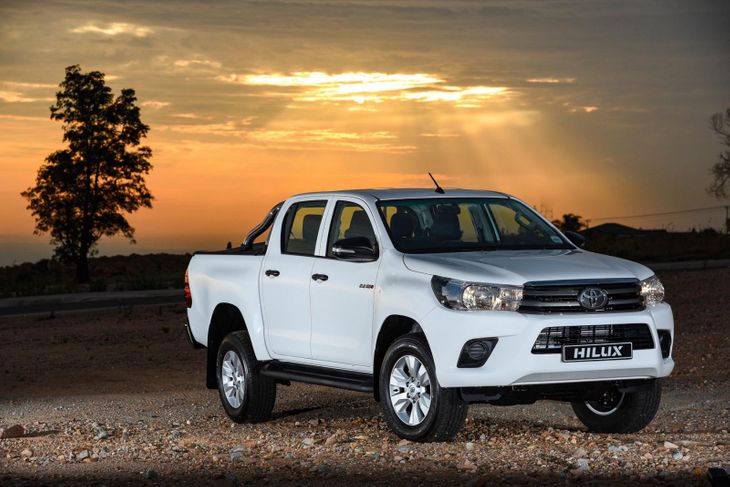
Toyota has announced a number of subtle changes to its Hilux SRX and Fortuner models aimed at upping their appeal to leisure-oriented buyers.
With more than 30 000 units sold since its introduction in February, Toyota's venerable Hilux remains a South African darling. Its SUV sibling, the Fortuner, is also a firm favourite. But the competition is heating up and market trends are changing. Based on months of in-depth research, Toyota has now announced a slightly revised product offering that is said to be more in tune with leisure buyers' requirements.
Toyota Hilux SRX
Hilux SRX now features the Raider models' wider stance and alloy wheels.
Ford has been doing brisk business with the more stylish derivatives of its Ranger 2.2-litre turbodiesel model, and it is arguably those vehicles that are most in Toyota's sights with the enhanced Hilux SRX offering. The SRX now features the wider body of the Raider models, so gains 55 mm in width courtesy of the more muscular over-fenders as well as a wider front bumper. Interestingly, this change applies to Double-Cab and Single-Cab SRX models – Xtra-Cab derivatives already offer this bold look. Also now included in the package are stylish 17-inch wheels instead of the previous steel wheel design. These wheels are the same as featured on the Raider derivatives and are shod with 265/65/R17 all-terrain rubber.
Watch a brief clip of the Hilux SRX in action:
The Hilux SRX is available with Toyota's smooth and powerful new 110 kW 2.4-litre turbodiesel engine, or the 2.7-litre petrol.
The pricing of the Hilux SRX models have been adjusted upwards slightly. For latest pricing, go here.
Toyota Fortuner
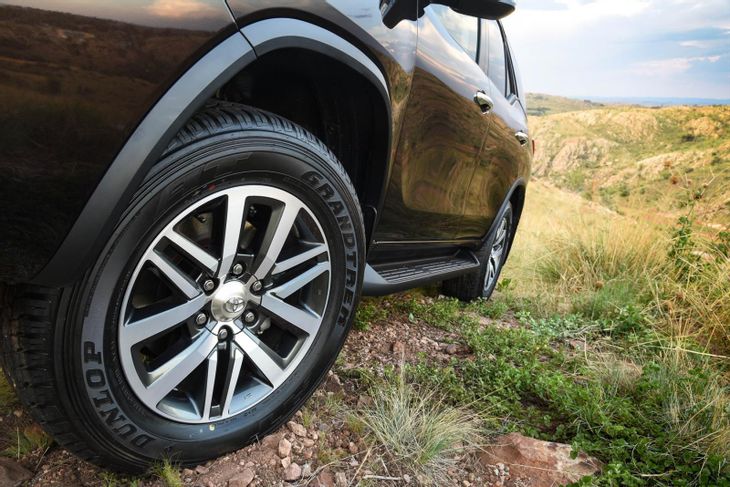
Stylish new 18-inch wheels for top-spec Fortuners are now standard.
On the Fortuner front, where the brand faces a challenge from an expanded Ford Everest offering, Toyota has added stylish 18-inch wheels shod with 265/60/R18 tyres to the standard specification of its 2.8 GD-6 and 4.0 V6 derivatives. The 2.4 GD-6 and 2.7-litre petrol offerings continue with their 17-inch wheels, but gain leather upholstery instead of the previous cloth trim.
The pricing of the majority of the affected Fortuner models has very slightly increased. For the latest pricing, go here.
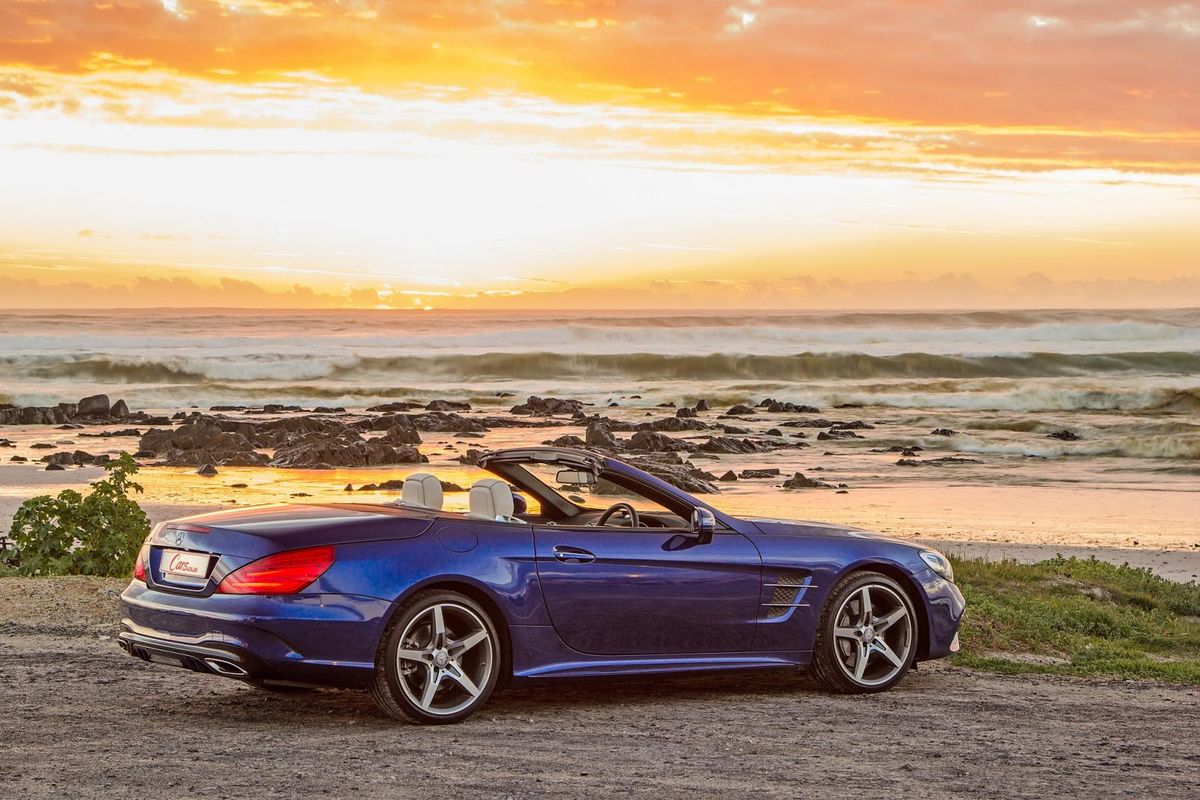
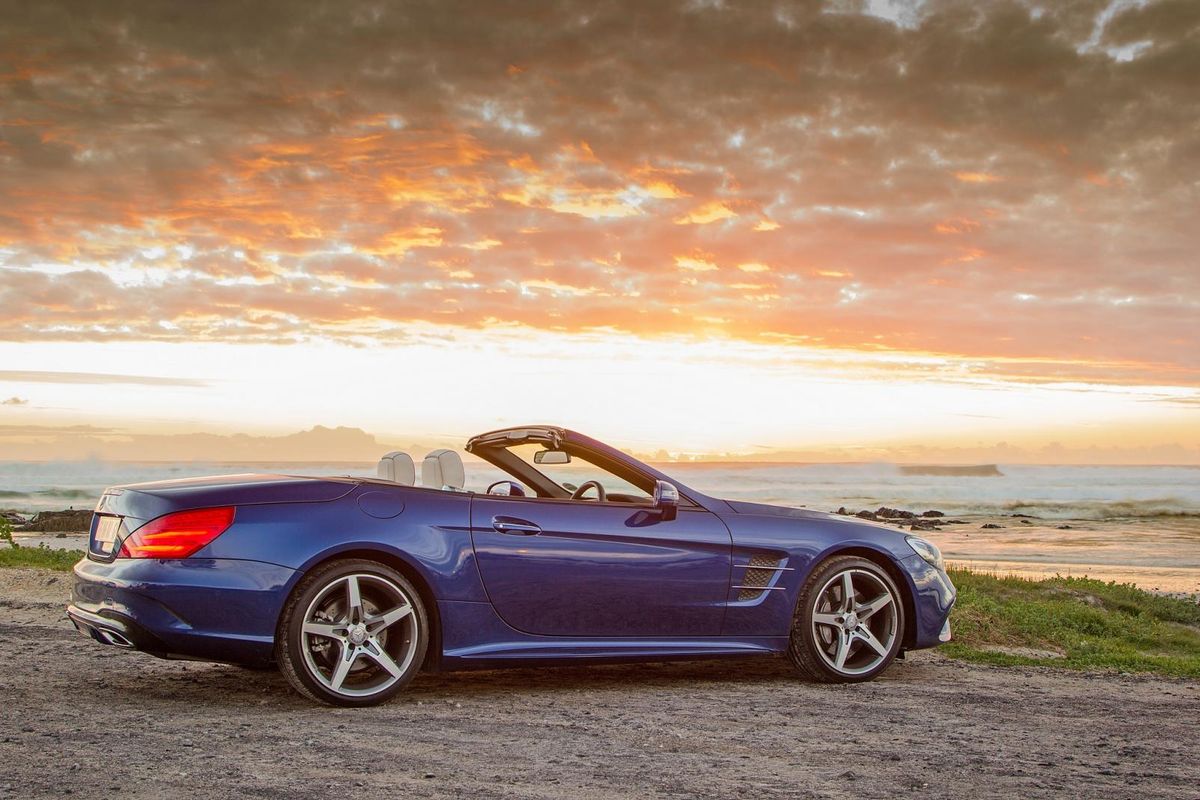
The SL500 (previously known as 500SL) must be one of the most iconic badges to grace the bootlid of a Benz. The nomenclature has been a fixture in the marque’s iconic luxury roadster line-up since 1980 and is utterly desirable, but has the SL, which recently received a facelift, kept up with the times?
We like: Sharper, more purposeful looks, sophisticated drivetrain, enhanced onboard technology
We don't like: expansive exterior dimensions make the SL cumbersome round town, it's a sporty grand tourer – not a sportscar
Alternatives:
For a little more practicality: The BMW 650i Convertible M Sport doesn’t have the SL’s pedigree/snob appeal, but it’s a handsome car, somewhat sportier than the Benz and offers additional seating for two (although there is not much in the way of rear legroom).
For a lither sportscar experience: The Jaguar F-Type R Convertible is powered by a supercharged V8, has lively dynamics and is arguably one of the most beautiful road cars in production. It’s got a minuscule boot, however, and although it’s adept at cruising, it's more suited to spirited driving.
More exotic (second-hand) options: For the asking price of the SL500 or, at times significantly less, have a look at 3- to 4-year-old examples of the Maserati GranCabrio and Aston Martin DB9 Volante.
The Mercedes-Benz SL is an automotive icon. The ancestry of the car you see pictured here dates back to the Sindelfingen-based company producing a road version of its racing car in the 50s, which led to the introduction of the evocative 300SL Gullwing and its roadster sibling, followed by the exquisite “Pagoda” SL of the 60s and “Der Panzerwagen” or “Bobby Ewing SL” of the 70s and 80s.
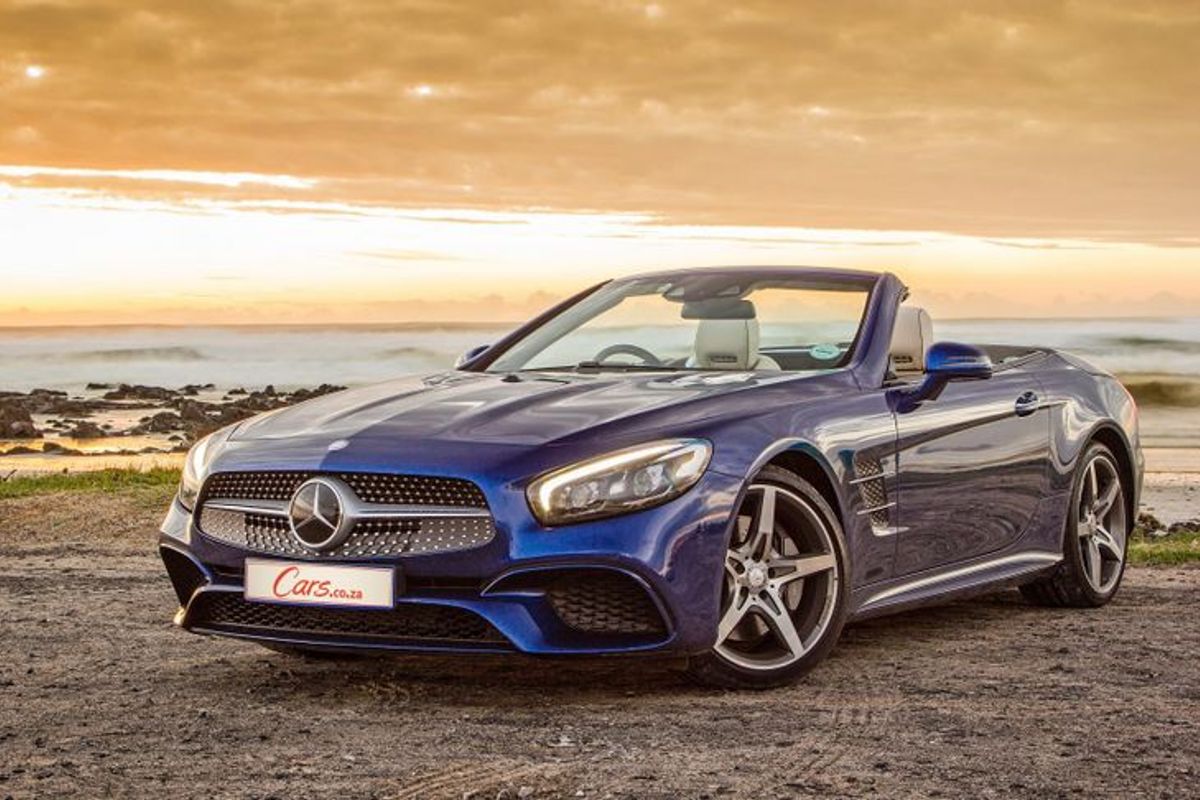
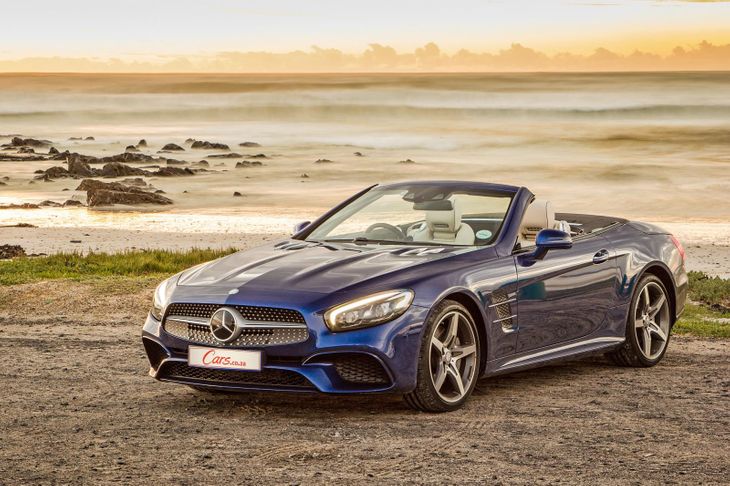
Sportier front end detailing in the grille and bumper (courtesy of the AMG Line) has given the SL a more purposeful visage.
Since the 90s, however, Benz’s SL range has evolved from a compact roadster to an open-topped boulevard cruiser. The introduction of the retractable hard top R230 version at the beginning of the millennium seemed to underline that; irrespective of the introduction of potent AMG versions, the SL had morphed into a softly-sprung and somewhat portly, if undeniably classy, grand tourer.
The current (6th generation) SL, which was introduced 4 years ago, was even longer and wider than its predecessor, even though it featured weight-saving technology, a plethora of luxury on-board features and adaptive damping. What’s more, the world’s automotive media was not singularly impressed with the sinewy roadster’s somewhat bluff front-end treatment… What’s more, Benz’s traditional rivals still resist the temptation to build a large roadster with a folding metal roof… They prefer to stick to fabric tops, which are more compact and allow for 2+2 cabriolet configurations.
A recent facelift saw the introduction of an aesthetic styling upgrade and the adoption of several features from the super-luxurious S-Class Coupe. But now that Mercedes-Benz offers a more practical (and newer) cabriolet version of the aforementioned S-Class, does the SL still make sense?
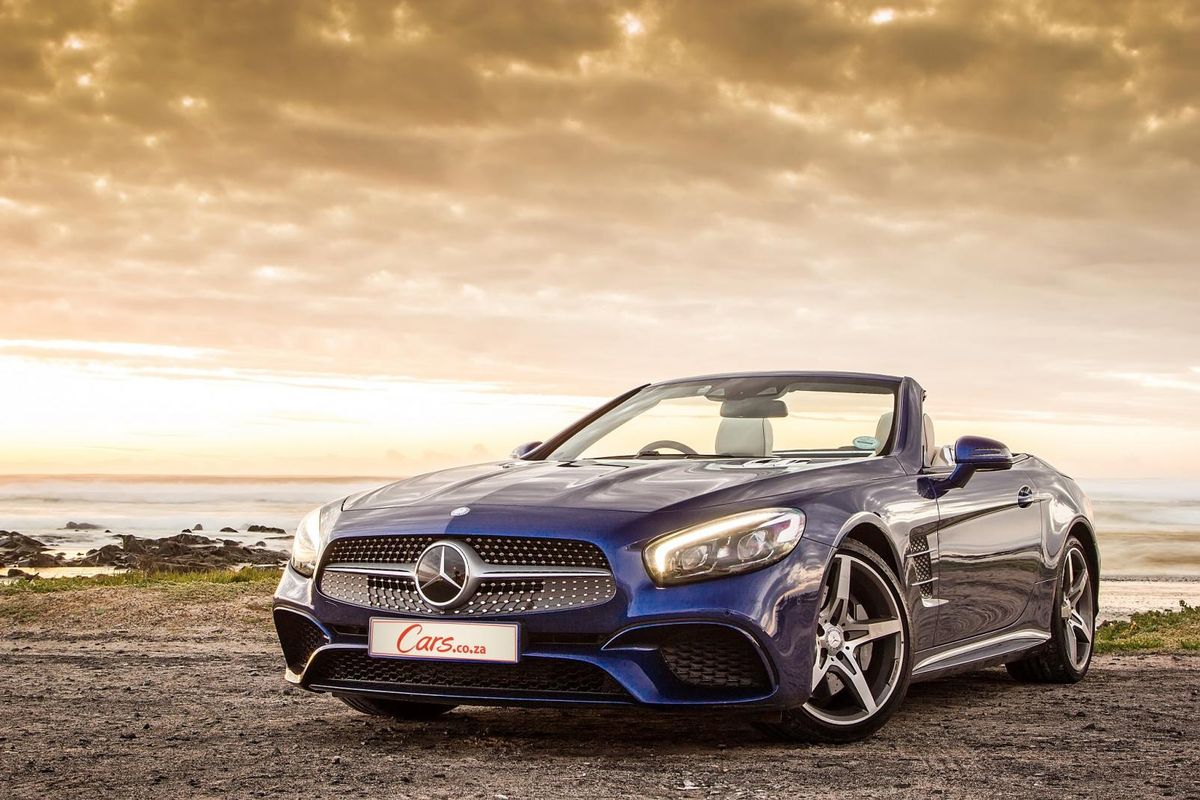
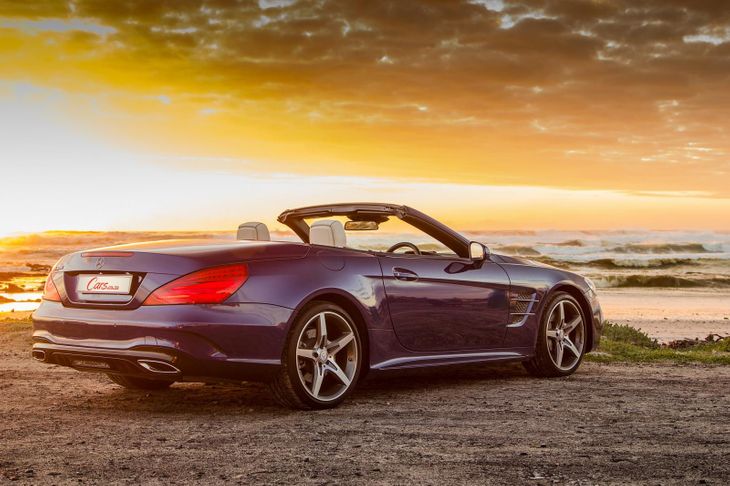
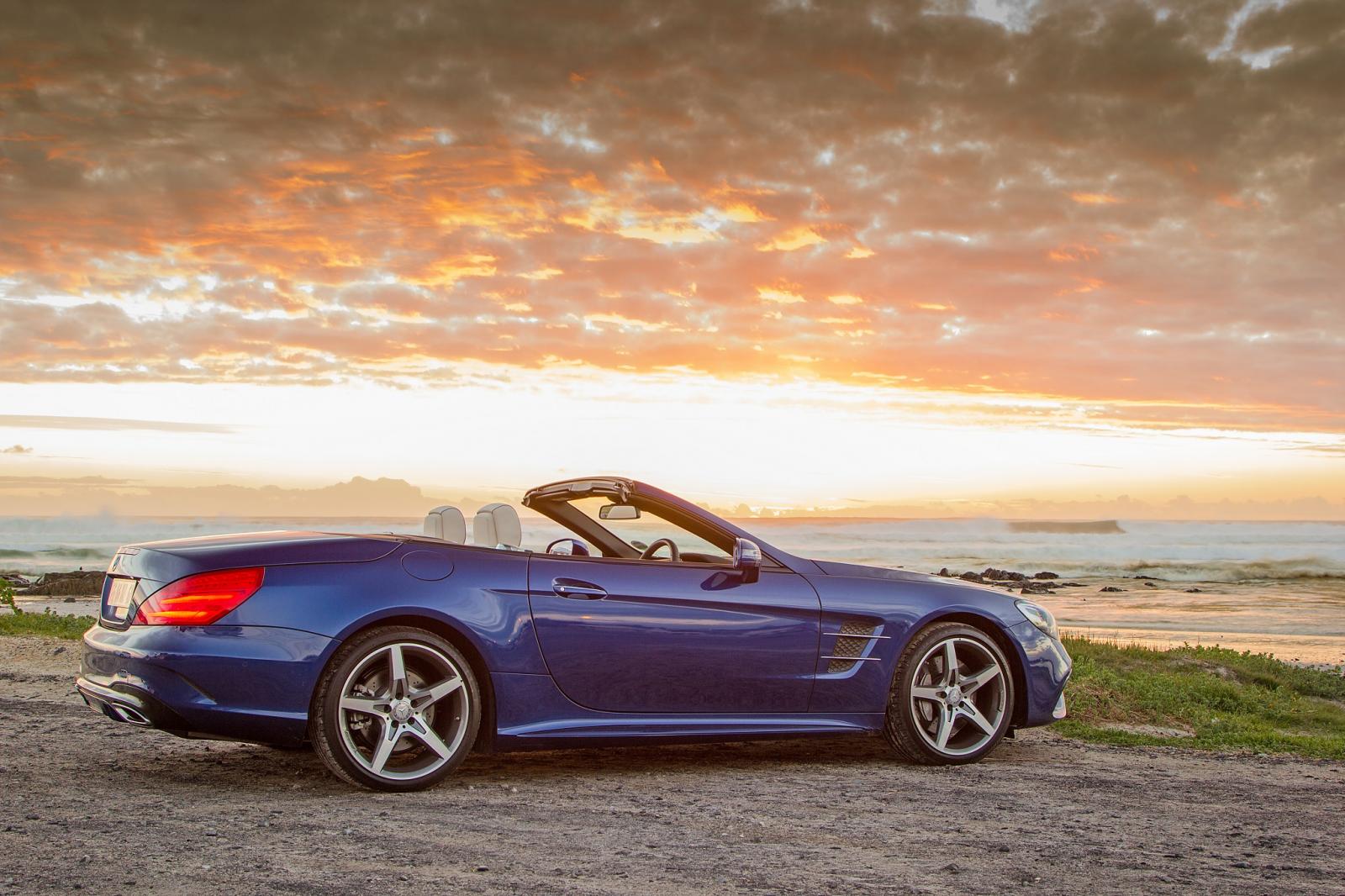
The SL500's metal-folding (vario) roof can open/close at speeds of up to 40 kph.
How does it fare in terms of…
Kerb appeal?
It is, perhaps, telling that the Mercedes-Benz offers the SL range in South Africa replete with an AMG Line exterior package. Whereas some may have suggested that the pre-facelifted standard version seemed a little bland considering the bold style statements made by its forebears, the low-slung torpedo-shaped Benz gets a characterful pointy snout courtesy of a provocatively shaped front bumper, a bold diamond-pattern grille and elongated headlamps with standard-fit LED Intelligent Light System. The eagle-eyed observer will notice the bonnet now sports a pair of bulging power domes!
In terms of head-turning ability, the SL’s appearance is undeniably distinctive. At almost 4,6 metres in length and just under 1,9 metres in width, the roadster has oodles of parking bay-filling presence… which is a boon if you’re blissfully admiring your ride from a distance, but the brawny dimensions prove frustrating when you are trying to manoeuvre the Benz in a congested urban centre. The SL’s elongated bonnet makes it difficult to judge where to stop when crawling into a parking space (thank heavens for distance sensors… but bear in mind that the Parking Pilot system is standard, so electronic assistance is available). The elongated doors need to be opened carefully to avoid contact with vehicles parked near the Benz’s flanks and the old-school “dead” accelerator pedal, which requires a strong prod to prompt the car into motion (but is fine thereafter) requires familiarisation.
The ABC adaptive suspension (if specified) can raise the SL's ride height on rougher roads, and lower it (for better aerodynamics) at speed.
Ride and handling?
Yes, the SL can feel cumbersome on a run to the shops, almost infuriatingly so, but a relaxed Sunday afternoon drive along a winding, scenic route finds the Benz resplendent in its element. Propelled by a burbling 335 kW 4,7-litre V8 engine masterfully matched to a 9-speed automatic transmission, the SL500 offers muscular (arguably surfeit) performance in combination with a (mostly) loping gait.
As the AMG Line is standard, the ride height is lowered by 10 mm, but the test unit also came equipped with Active Body Control (ABC) adaptive suspension with a curve tilting function. ABC works in conjunction with the respective Dynamic Select transmission modes: Curve (CV), which strategically applies a maximum of 2.65 degrees of tilt in the speed range from 15 to 180 kph to optimise occupant comfort, Comfort (C), Sport (S), Sport Plus (S+) and, lastly, Individual (I), which allows individual adjustment of the various parameters to suit the driver's requirements.
We found that the SL was particularly adept at coping with variable road conditions; its body control is admirable given the roadster’s heft, but on the most uneven surfaces the Benz still felt a trifle uneasy, probably due to its sizeable wheels and low profile rubber. And, to be honest, the steering setup is, if not quite vague, a little insular in feel, which means that although the SL500 is quite capable of delivering a brisk turn of speed, one feels disinclined to pitch it into corners with gusto.
360° video drive in the SL along the Californian coastline:
Still, given the Benz’s character, and the (assumed) urbane sophistication of its target market, relaxed and engrossing top-down motoring is the SL’s forte. We would not be surprised if Benz sold the bulk of its SLs in the well-heeled coastal cities: as a lifestyle-minded proposition, it still delivers.
What’s more, the ability to manually adjust the ride height was deeply appreciated. At the press of a button, it's possible to raise the ride height by up to 50 mm, which is a godsend when negotiating steep on- or off-ramps with a vehicle that has such generous overhangs.
Luxurious cabin?
There is most certainly an upshot to the SL’s dimensions and that is superb interior comfort by roadster standards. The large, cossetting seats offer a host of features, such as an extensive range of electric adjustment, heating or cooling functions, plus a selection of massage functions.
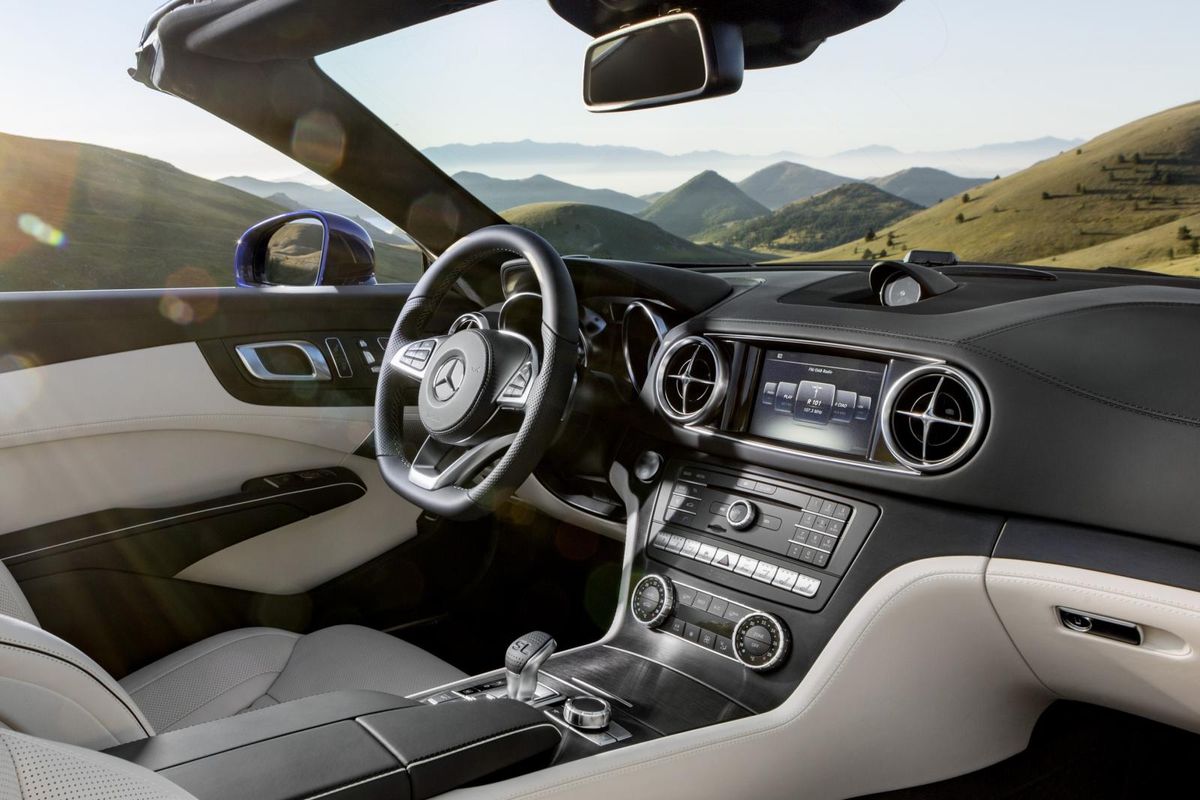
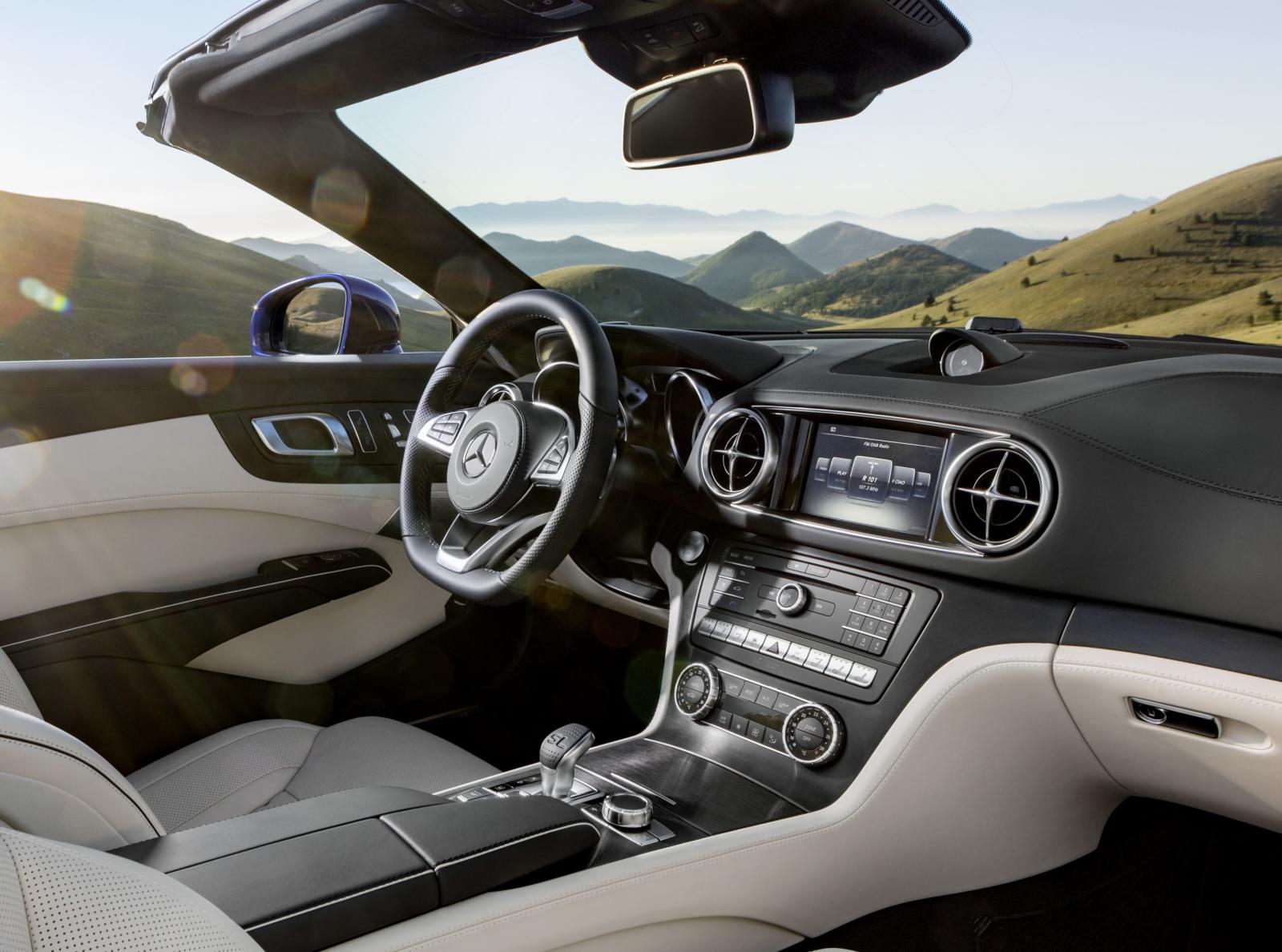
A tasteful upgrade of the Benz's 2-tone cabin has brought the interior up to date with the marques' top-end cars.
The interior’s layout is, if perhaps not as elegant as that of the S-Class, classically classy, replete with sumptuously stitched leather trim and tasteful metallic accents on the switchgear.
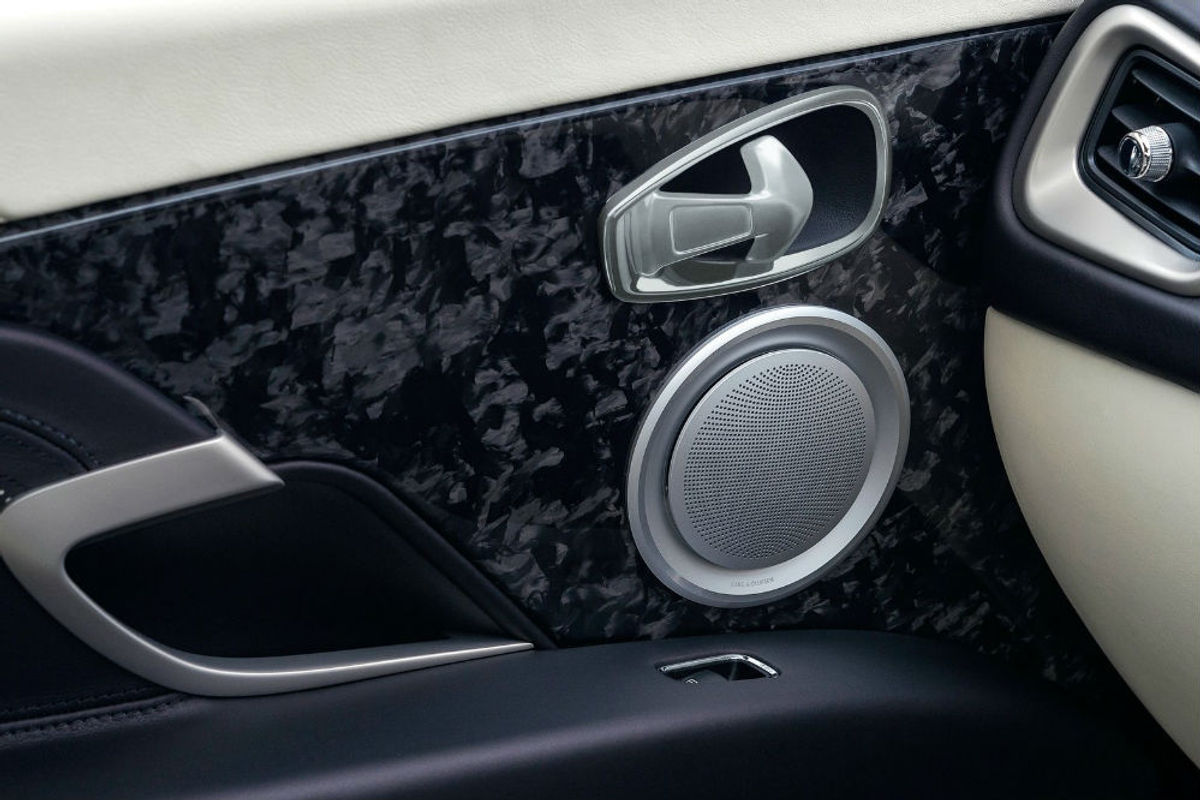
Audiophiles can specify the Harman Kardon Logic 7 surround sound system with a 10-channel DSP amplifier, total output of 600W and 11 speakers including Frontbass, which utilises free installation space in the aluminium cavities in front of the footwell as resonating chambers for the bass speakers. Not fancy enough? You can also spec the Bang & Olufsen BeoSound AMG sound system with a 16-channel DSP amplifier with a total output of 900W and a dozen speakers!
And even though comprehensive luxury is expected on a car that costs close to R2 million, the SL still offers a few surprise and delight features, including Magic Vision Control, which dispenses with windscreen water jets and neatly pipes washer fluid through the Benz’s wipers, and, if specified, the Magic Sky Control system can make the glass panel in the panoramic vario-roof change from dark to transparent or vice-versa within just a few seconds.
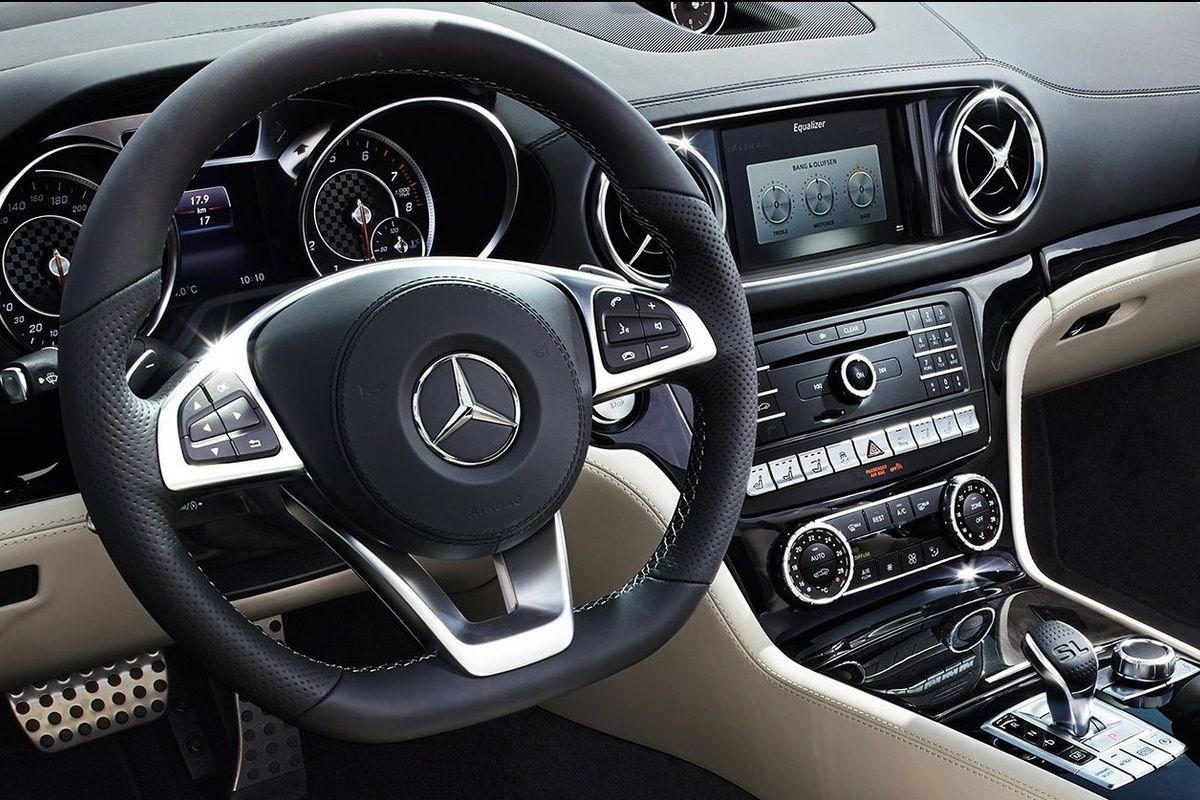
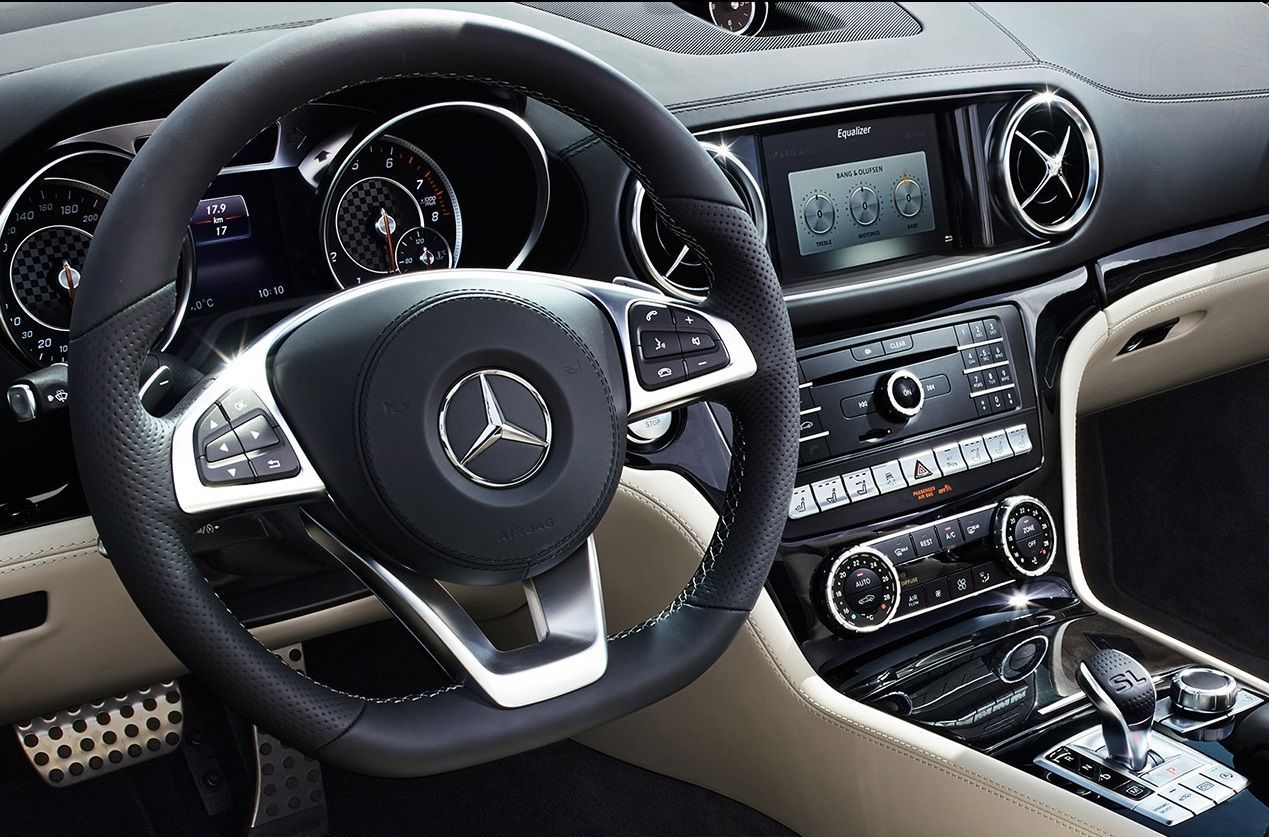
The flat-bottomed steering wheel and ornate instrument-dial cylinders underline the SL's sporty heritage… and pretensions!
On the topic of the electrohydraulic folding-roof function, we note that the open/close process can be completed at speeds of up to 40 kph, which is handy when you want/need to pull away from a traffic light or intersection before the roof’s machinations are completed. Having said that, opening or closing of the roof needs to be initiated when the car is stationary… In other words, you cannot activate the roof mechanism by simply coasting to speeds of under 40 kph or a crawl, for example.
SL500 AMG Line price in South Africa
As standard, the SL500 retails for R1 776 621, which includes a 6-year/100 000 km maintenance plan.
Verdict
Sixty years since the Mercedes-Benz SL made an indelible mark on the automotive world, the SL500 and its brethren (the SL400, SL63 AMG and SL65 AMG) continue as the only large luxury roadsters amid rivaling 2+2 seater cabriolets and exotic, grand tourer soft-tops. Perhaps Mercedes-Benz’s rival manufacturers have not developed a direct rival to the SL out of respect of its iconic status, but we believe it's more likely that the market for vehicles of its kind is very niche and “not worth exploiting”.
Remember that in the absence of an S-Class Cabriolet, which has now returned after being discontinued 44 years ago, the SL has effectively needed to fulfill the roles of roadster and grand tourer, which explains why it has become a bit of a, forgive us, luxobarge. We’ve driven the new S-Class Cabriolet; it offers more practicality, sophistication and, arguably, prestige than its roadster sibling. Fans of the SL will be quick to point out that the S500 drop-top costs R500k more than the SL, which is big a premium if you don’t intend to use the extra seats and bigger boot often, however.
Be that as it may, sources suggest that the next SL, which should arrive around 2018/19, will have more compact packaging and feature a fabric roof and will ostensibly span the divide between where the current SLC and SL sit in Benz’s product line-up. What the SL500 is then, is the SL at the high point of its large luxury cruiser phase of the iconic range’s evolution. It may not be for everyone and, yes, it now seems an anomaly in terms of the overall vehicle market’s product offering, but for those who admire what the SL is and has always stood for, few vehicles warrant a direct comparison.
Watch the Mercedes-Benz SL go on a hunt for the perfect mile along the Pacific Coast Highway in California:
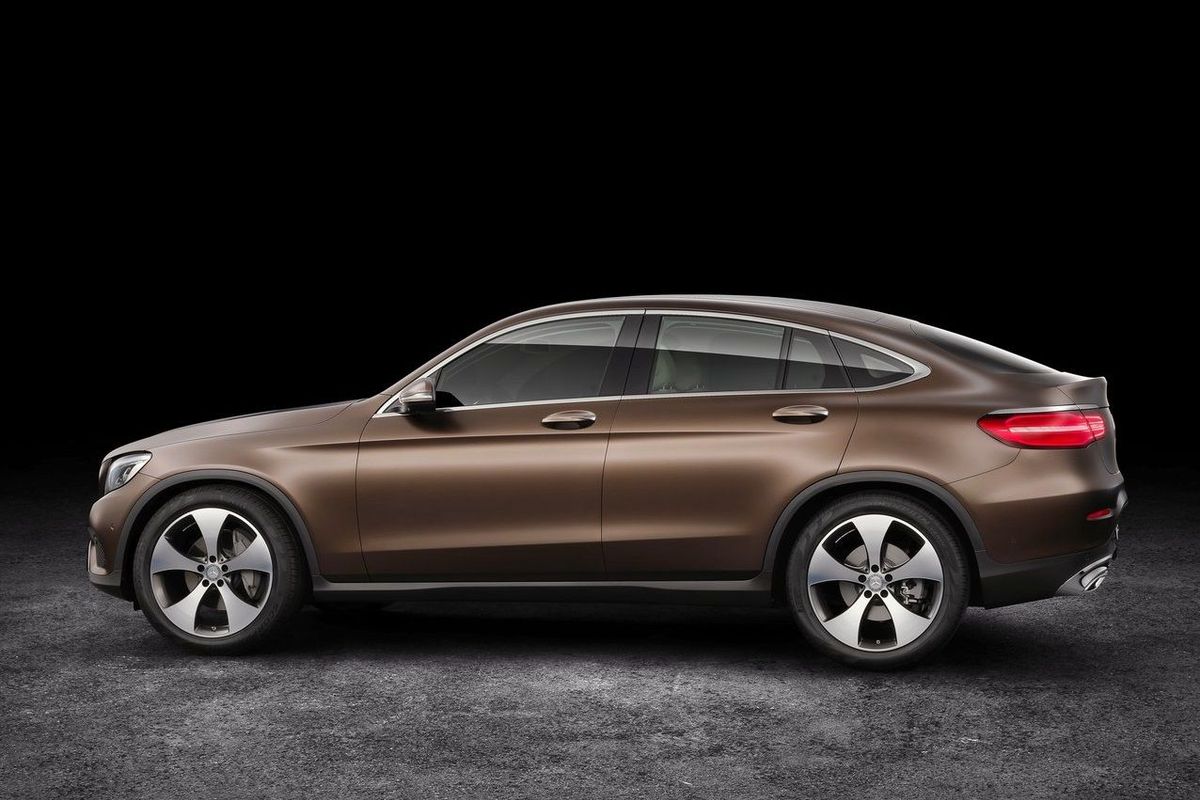
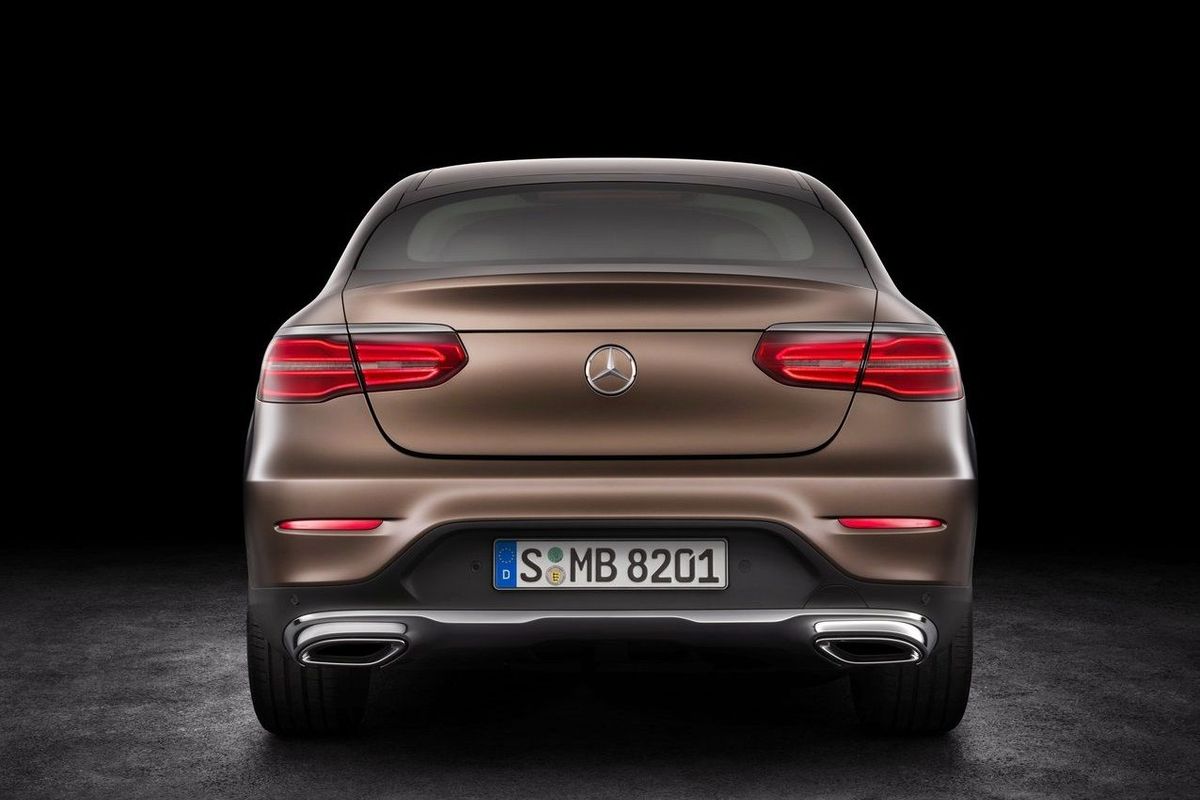
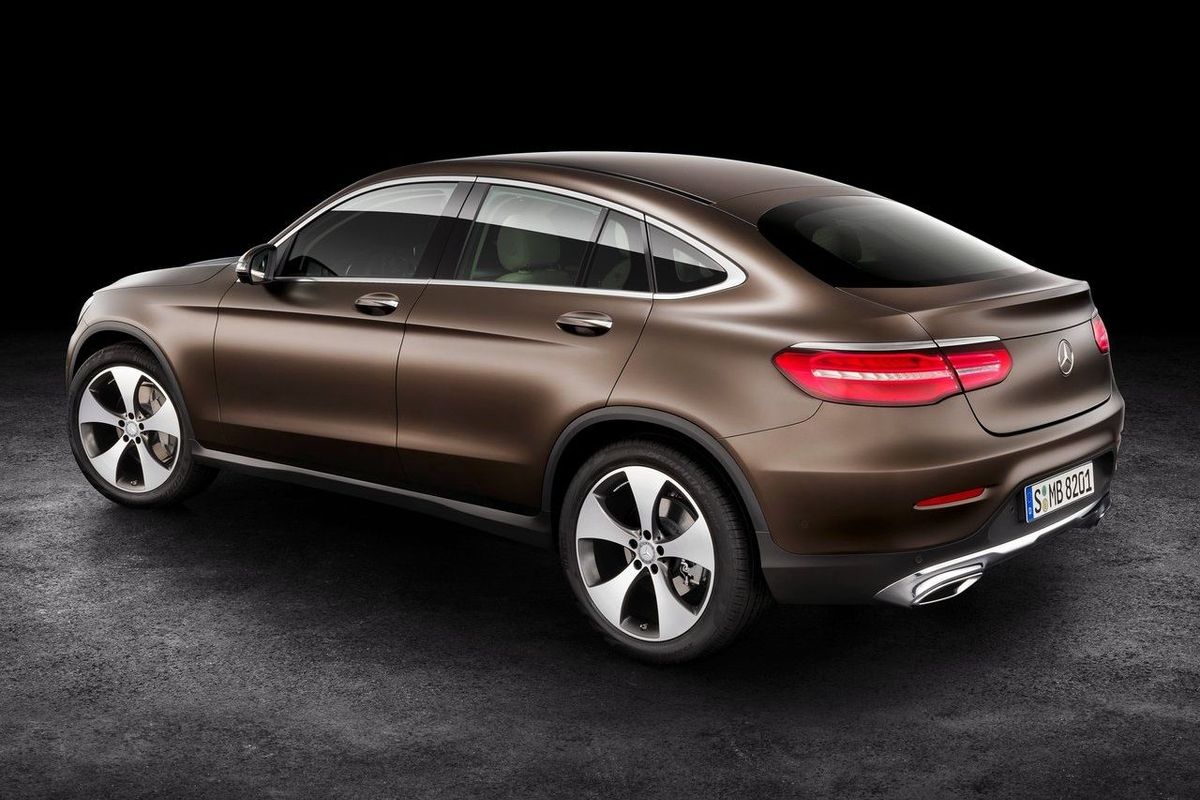
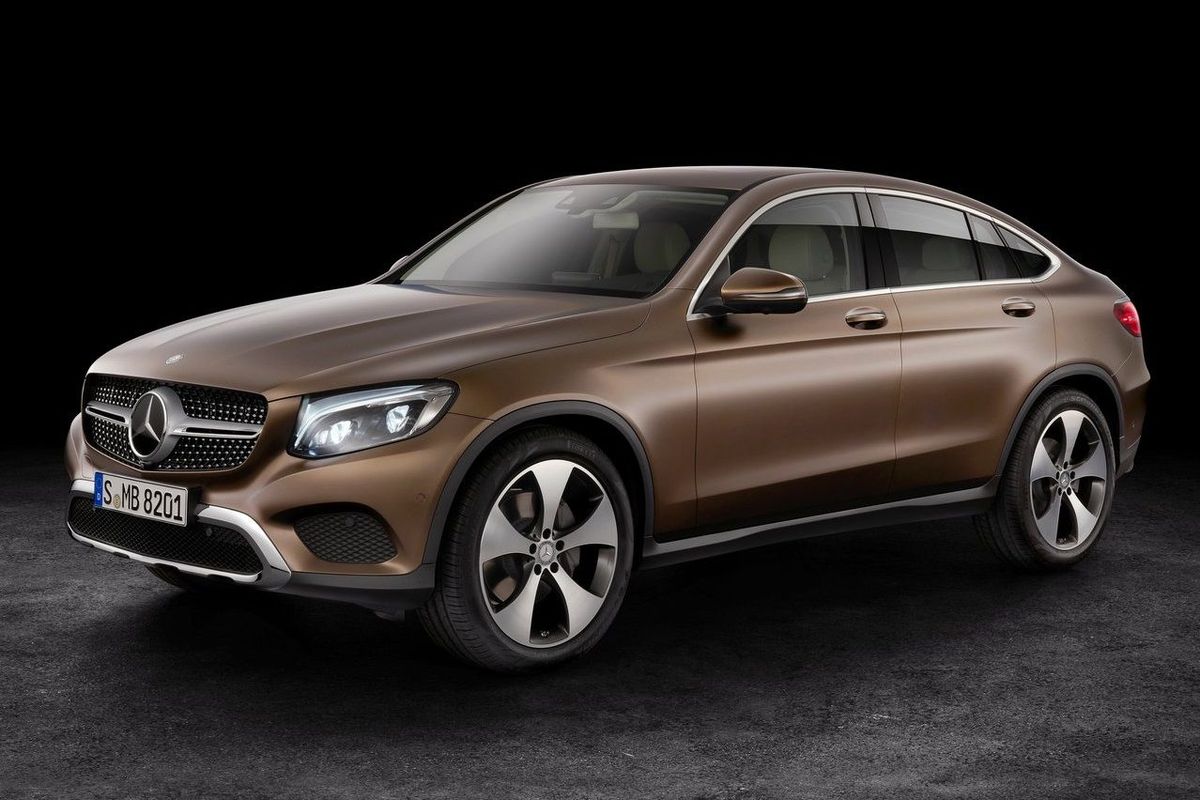
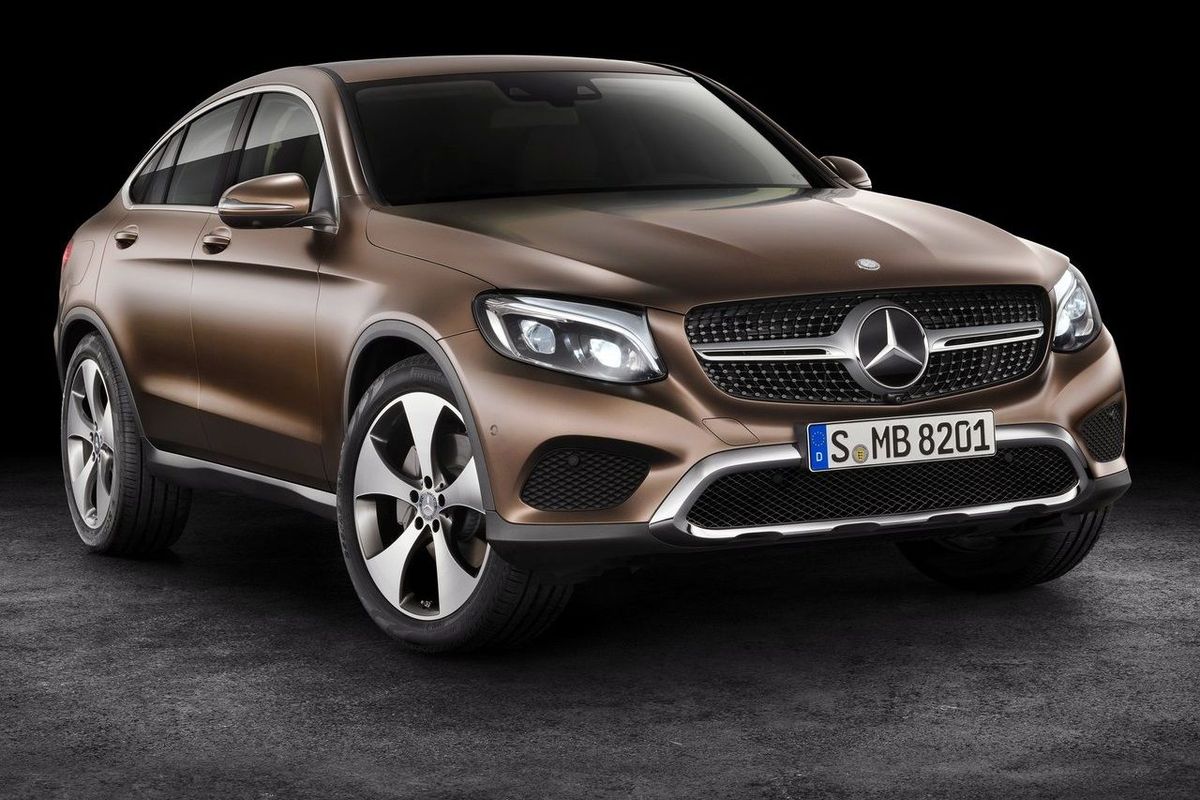
The "4-door coupe" version of Mercedes-Benz's GLC SUV is now available in South Africa. Herewith specification and pricing details of the range…
The Mercedes-Benz GLC Coupe is a direct rival to the BMW X4, Range Rover Evoque and Lexus NX. The range, which sits alongside the standard GLC SUV, comprises 6 models, with a brace of turbodiesels at the start and ending off with the mighty GLC 43.
The line-up begins with the GLC 220d with a 2.1-litre 4-cylinder turbodiesel engine that produces 125 kW and 400 Nm. Then you get the GLC 250, which offers a sporty 155 kW and 350 Nm (courtesy of a 2.0-litre turbocharged 4-cylinder petrol motor) and then there is the GLC 250d, which utilises the same engine as its 220d sibling, but produces higher engine outputs (150 kW and 500 Nm). The GLC 350d boasts a mighty turbodiesel V6 with 190 kW and all diesel-fed powerplants feature AdBlue injection to reduce emissions.
On the turbopetrol side there's a GLC 300 4MATIC Coupé with 180 kW and the flagship GLC 43 AMG, which Mercedes-Benz claims will accelerate from zero to 100 kph in just 4.9 seconds, courtesy of its meaty biturbo V6 engine that pumps out peak outputs of 270 kW and 520 Nm of torque.
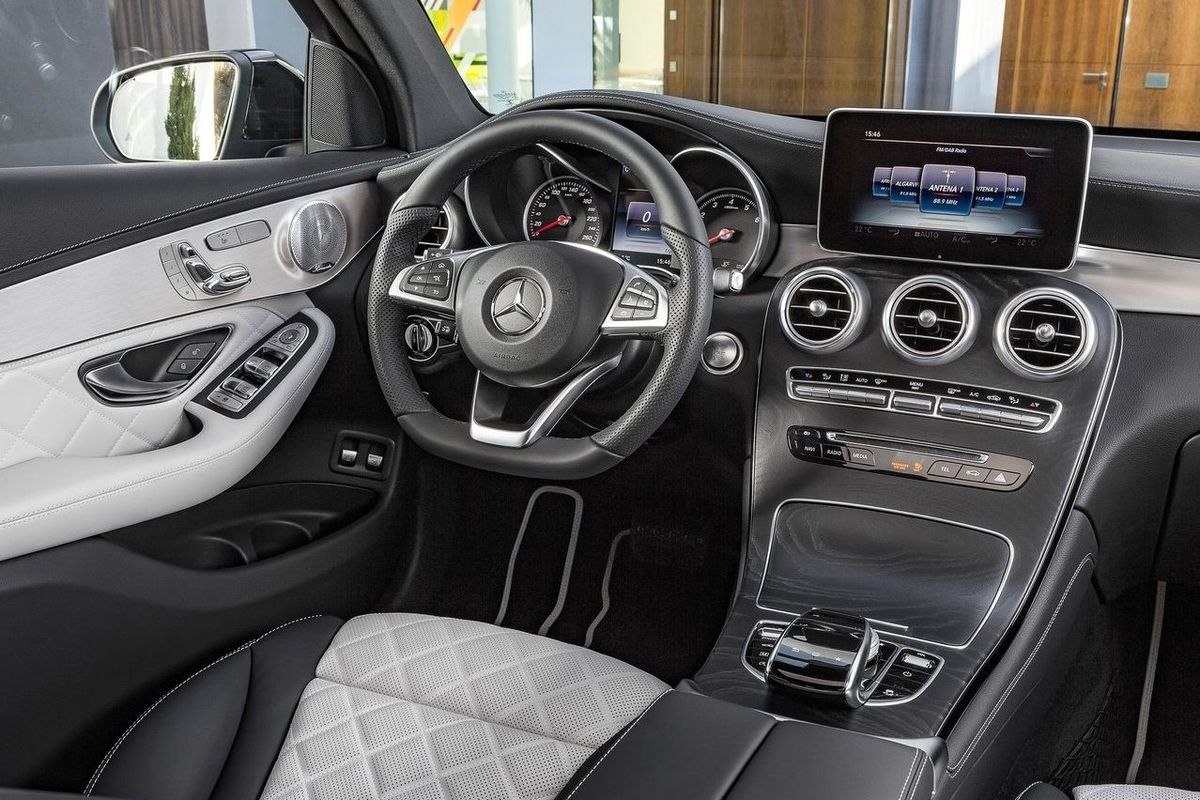
All models come equipped with Mercedes-Benz's 4Matic all-wheel drive technology and, as is customary with luxury German vehicles, the GLC Coupe can be specified to heart's content with optional features that will make your GLC coupe stand out from the rest.
Mercedes-Benz GLC Coupe prices in South Africa (February 2017)
Based on unaudited mid-month data, the Automobile Association (AA) says that fuel prices in South Africa are likely to decrease in December 2016.
Motorists in South Africa can expect some relief at the fuel pumps come December 2016 as a result of lower international oil prices and a stronger Rand/US Dollar exchange rate during the month of November.
Commenting on unaudited mid-month data, the AA said "International oil prices remained stable throughout October, but have been in decline since November began. The Rand / US dollar exchange rate firmed over the same period, making a welcome contribution to the picture”.
The data suggests a petrol price reduction of 45 cents per litre while the price of diesel could be slashed by as much as 38 cents per litre.
However, the recent US election result 'Trumped' and weakened the Rand/US Dollar exchange rate and the AA warns that “if the local currency did not return to its previous levels, the fuel price picture could be quite different at month-end.” The Rand/US Dollar exchange rate is currently at R14.209.
The potential reduction in the fuel price in December should be viewed with caution as other significant factors such as possible ratings downgrades could affect the future outlook negatively. "In addition to short-term fluctuations, the rand remains exposed to a possible ratings downgrade in South Africa," the AA commented.
Although a potential fuel decrease will be welcomed during the festive season, general volatility could have a negative impact on fuel prices in the short to medium term.
The Mercedes-Benz X-Class is due for introduction in 2017, but don’t expect to see an AMG version. Here’s why…
The reveal of the Mercedes-Benz X-Class Concept just about "broke the Internet" a few weeks back and South Africa is one of the markets that will receive the X-Class later in 2017/2018, but If you were hoping that a high-performance AMG X-Class derivative was in the works, you will sadly be disappointed.
According to reports, Tobias Moers – the boss of Daimler's AMG division – has offered some reasoning as to why you won’t see an AMG X-Class on the road.
Demand is the biggest issue standing in the way of an AMG X-Class becoming a reality. There is simply not enough demand to justify the existence of such a model and market analysis by Mercedes-Benz seems to confirm this fate.
Also, it must be remembered that the X-Class is based on the Nissan Navara. It will even be built by Nissan in Barcelona, Spain. Production is also set to kick off in Renault’s Cordoba factory in Argentina come 2018, which will serve Latin American markets. It seems AMG isn’t too keen on developing a model that isn’t of pure Mercedes-Benz descent.
Moers also raises the issue of AMG branding conflict and that an AMG X-Class won’t fit the current brand image of Mercedes-Benz.
Although an AMG X-Class won’t see the light of day, Mercedes-Benz will in all likelihood offer a styling pack that will beef up the looks of the X-Class, but that's as far as the rabbit hole goes, for now.
We will keep you updated as more information on the Mercedes-Benz X-Class becomes available, so stay tuned.
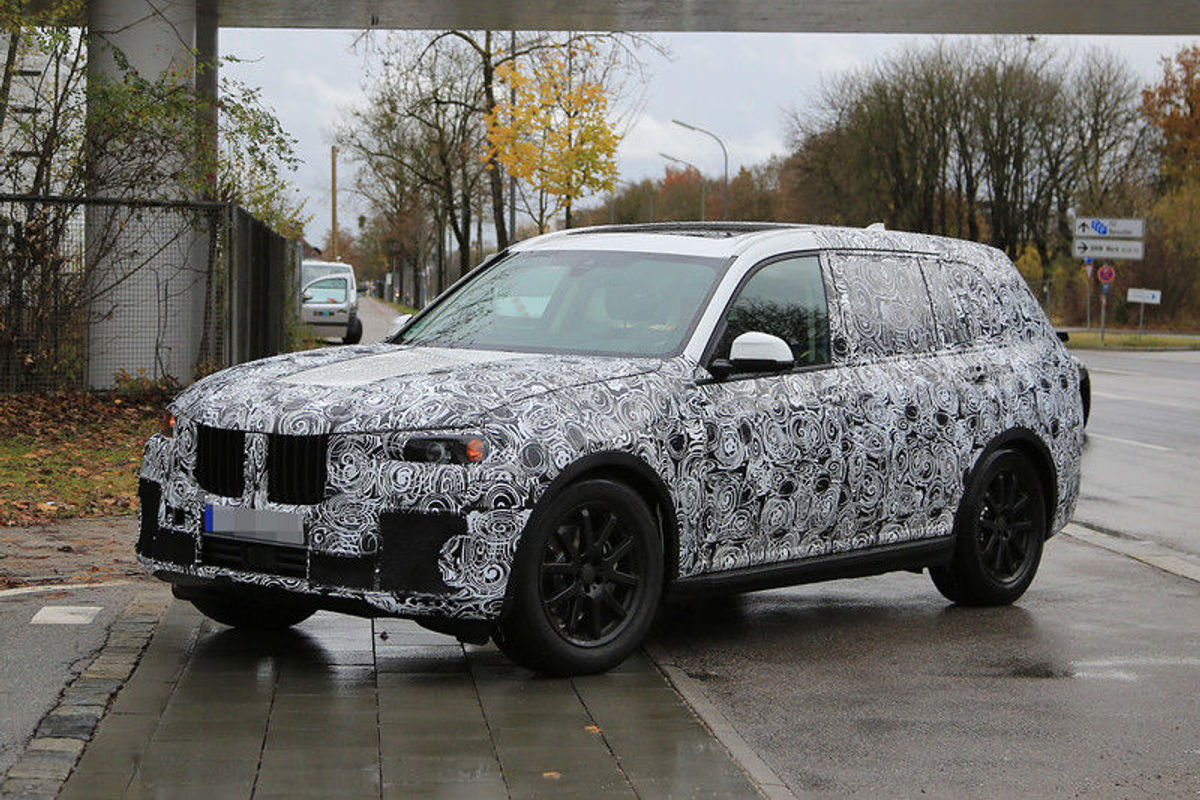
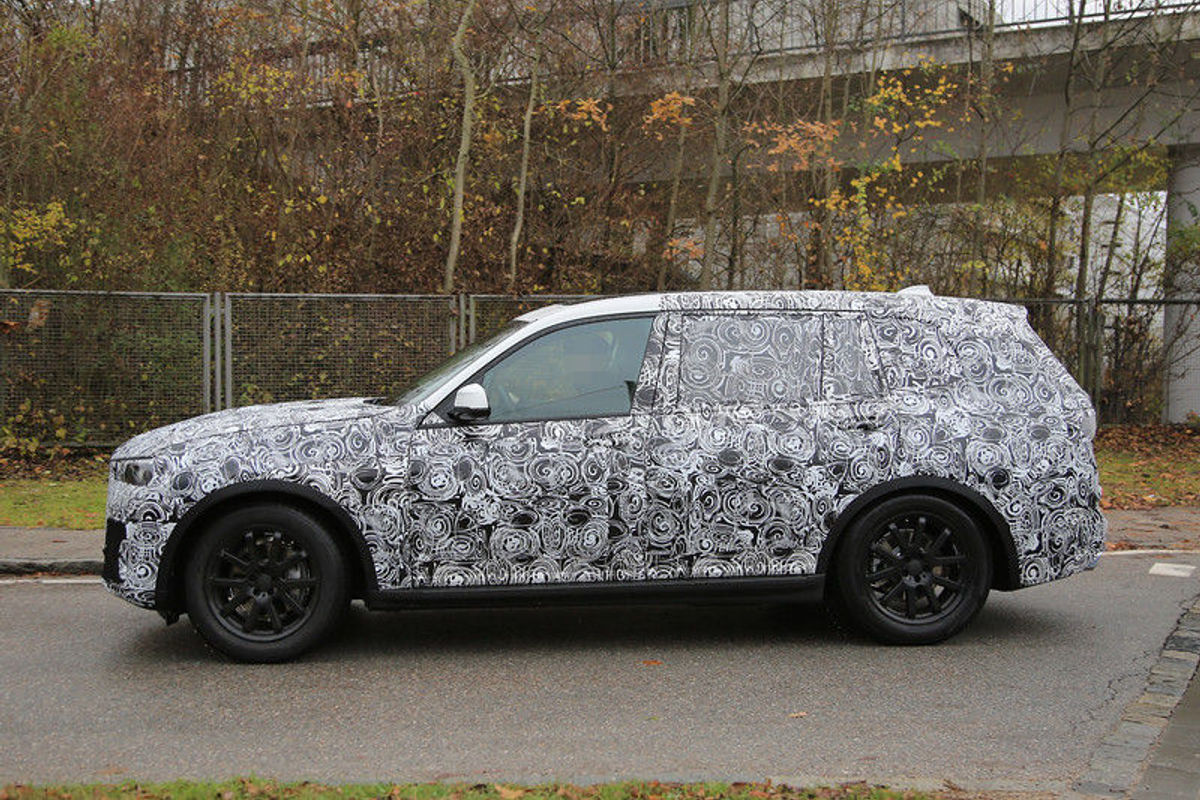
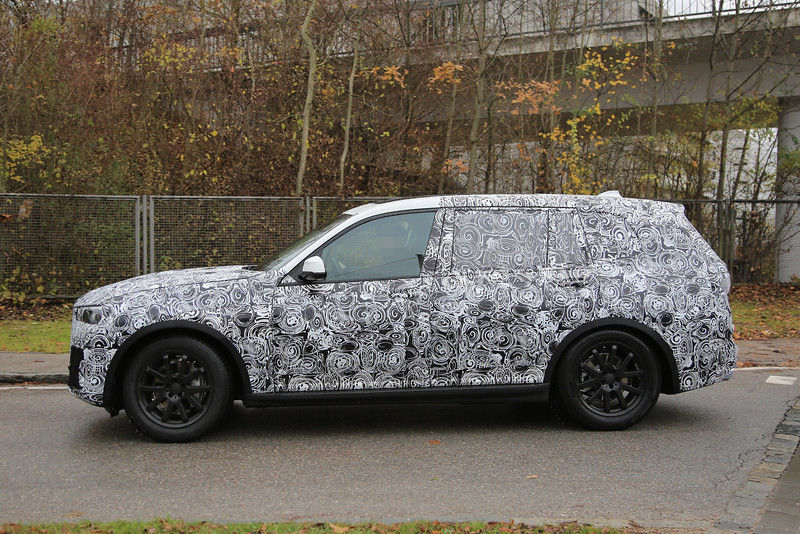
Our German spy photographers have spotted a BMW X7 prototype undergoing testing and the Munich-based marque's new flagship SUV is due for introduction in 2018.
Picture credit: S. Baldauf/SB-Medien
BMW’s new flagship X7 SUV is under development and when it finally hits the streets, it will rival the likes of the Mercedes-Benz GLS and Range Rover. The spy shots reveal a new body design for the X7, which will be markedly different to the next generation X5. The large front-end features a new bonnet design; the X7 is noticeably taller and longer than the X5. To accommodate a third row of seating the new X7 will be over 5.0 metres long.
Engines for the X7 have yet to be confirmed, but reports are suggesting 6-, 8-cylinder options as well as a plug-in hybrid version. As for luxury appointments, the X7 will be packed with useful technology and is expected to trump the BMW 7 Series in this regard, so you can expect awesome technological wizardry from the Munich-based firm.
We will keep you updated as more details become available.
BMW X7 prototype – note the extended rear for additional seats. Picture credit: S. Baldauf/SB-Medien
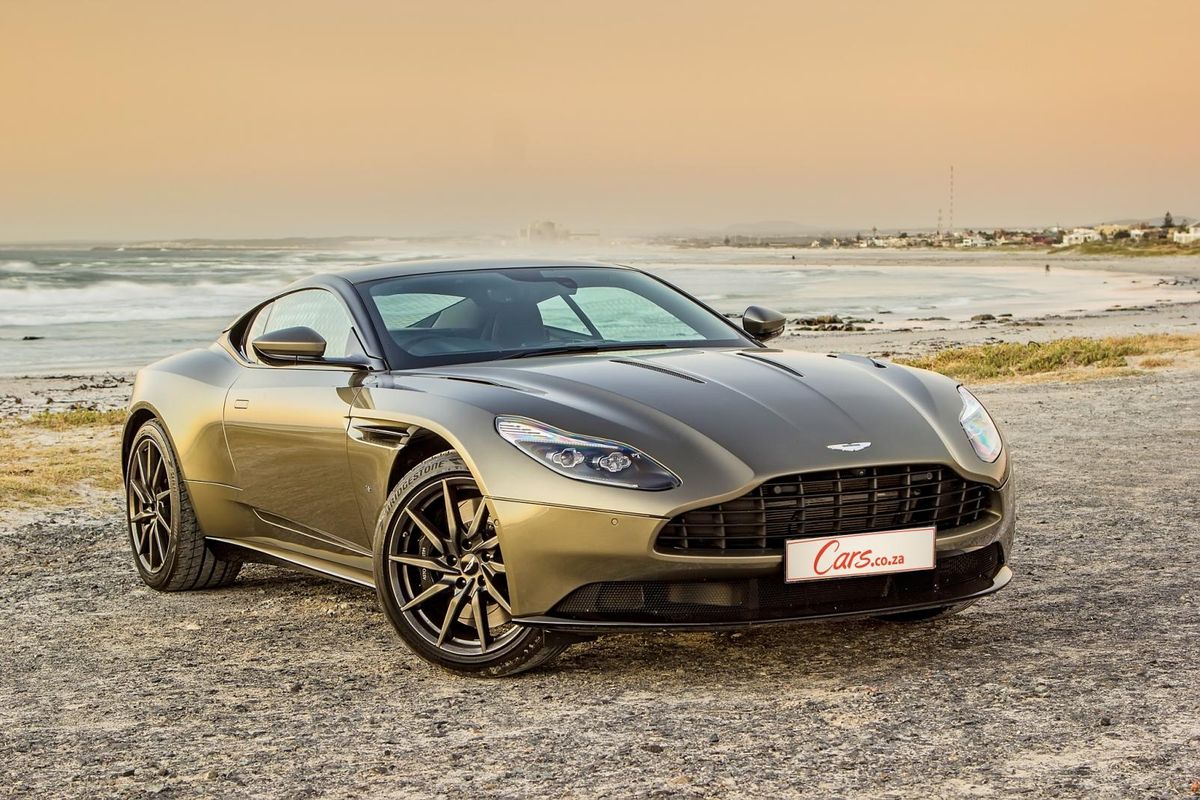
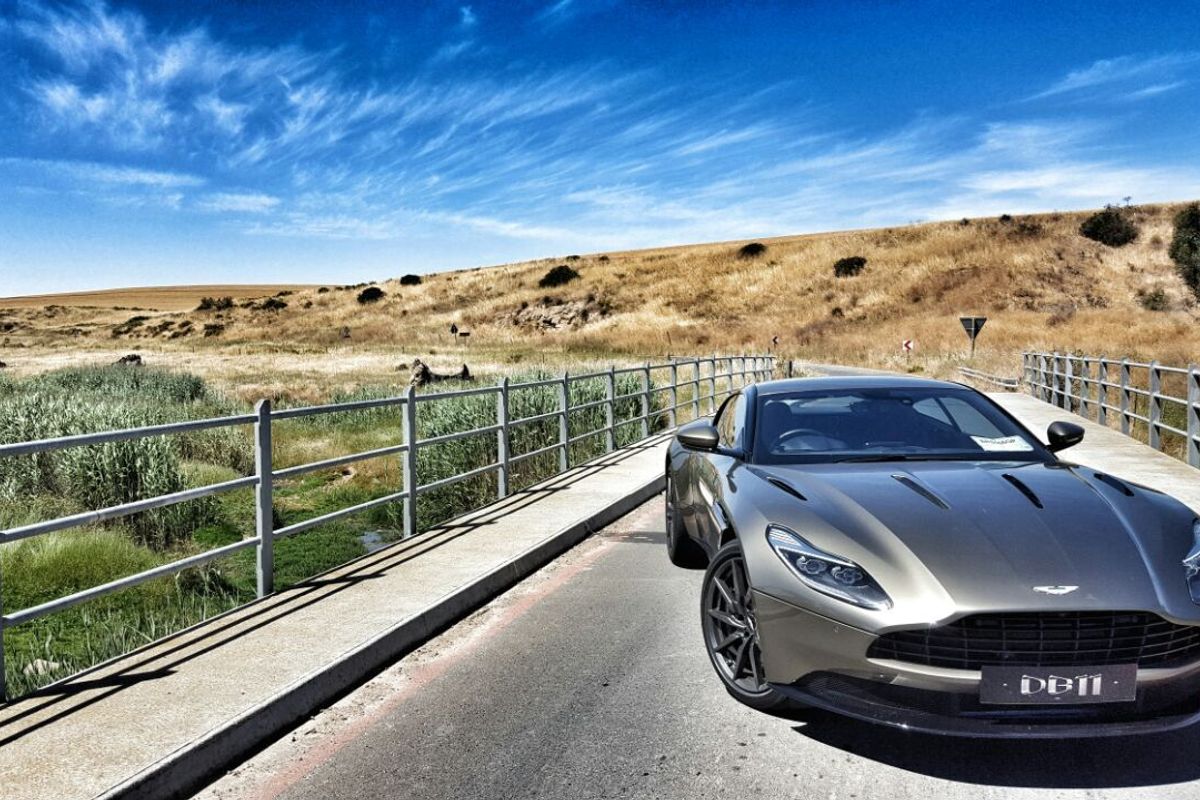
Aston Martin's eagerly awaited new grand tourer, the DB11, has arrived in South Africa and Cars.co.za was offered an exclusive opportunity to sample the newcomer first… Can a road machine with such evocative styling deliver a driving experience that will match its head-turning kerb appeal? Ciro de Siena investigates.
I don’t see myself as particularly suave or sophisticated. I’m happiest when I am wearing a pair of jeans and a T-shirt and the most sophisticated thing about me is that I can tell the difference between a chardonnay and a sauvignon blanc in a blind tasting.
And so it was with some trepidation that I accepted the assignment of filming the brand new Aston Martin, the DB11 (look out for the feature video on Cars.co.za and our Youtube channel soon). Through its association with the James Bond film franchise, Aston Martin has become a household name, synonymous with alpha males such as Sean Connery and Daniel Craig.
Would I find the new DB11 overwhelming? Or would it cosset me in rich, sporting luxury, making me appear simultaneously wealthy and more attractive?
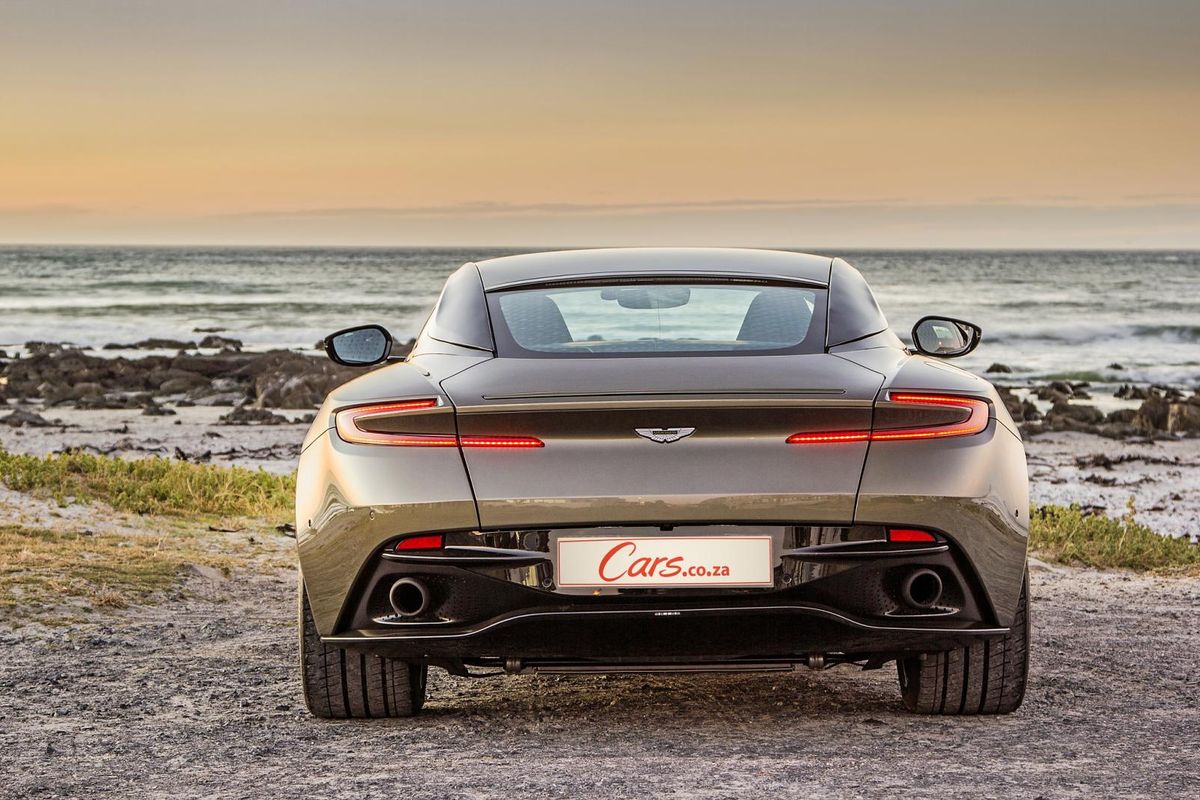
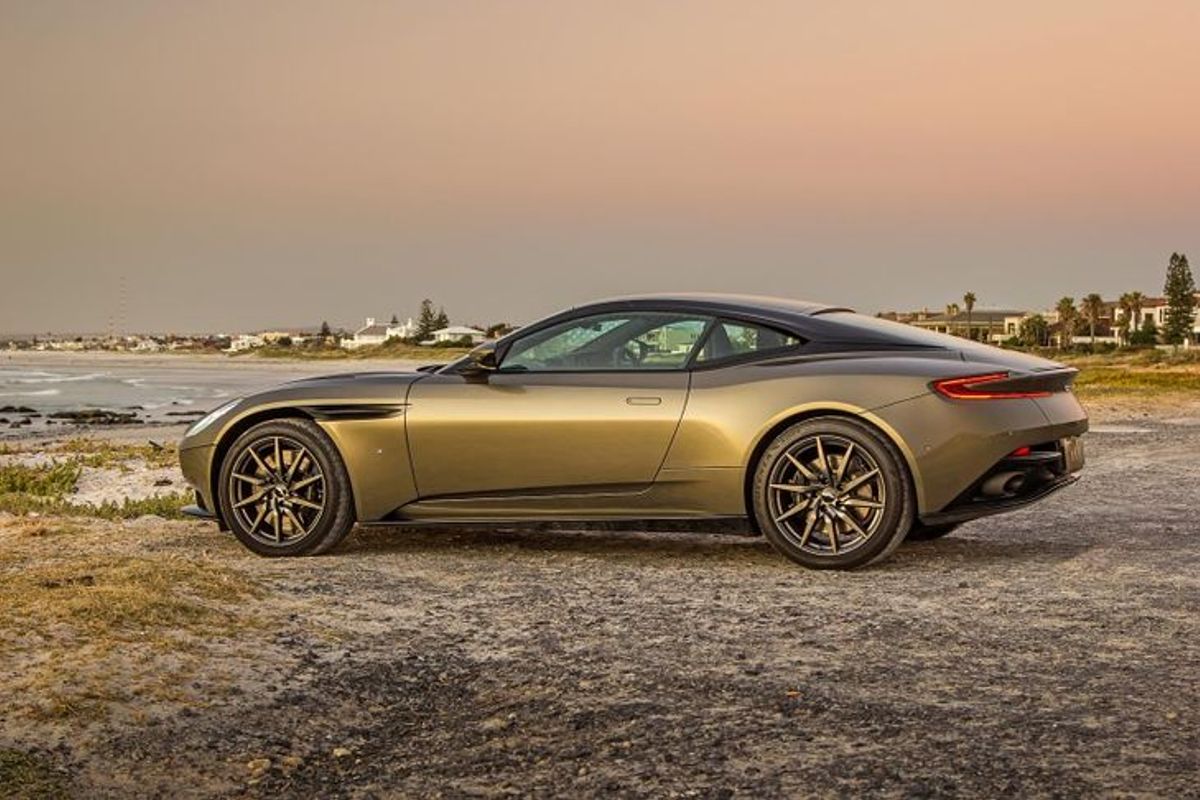
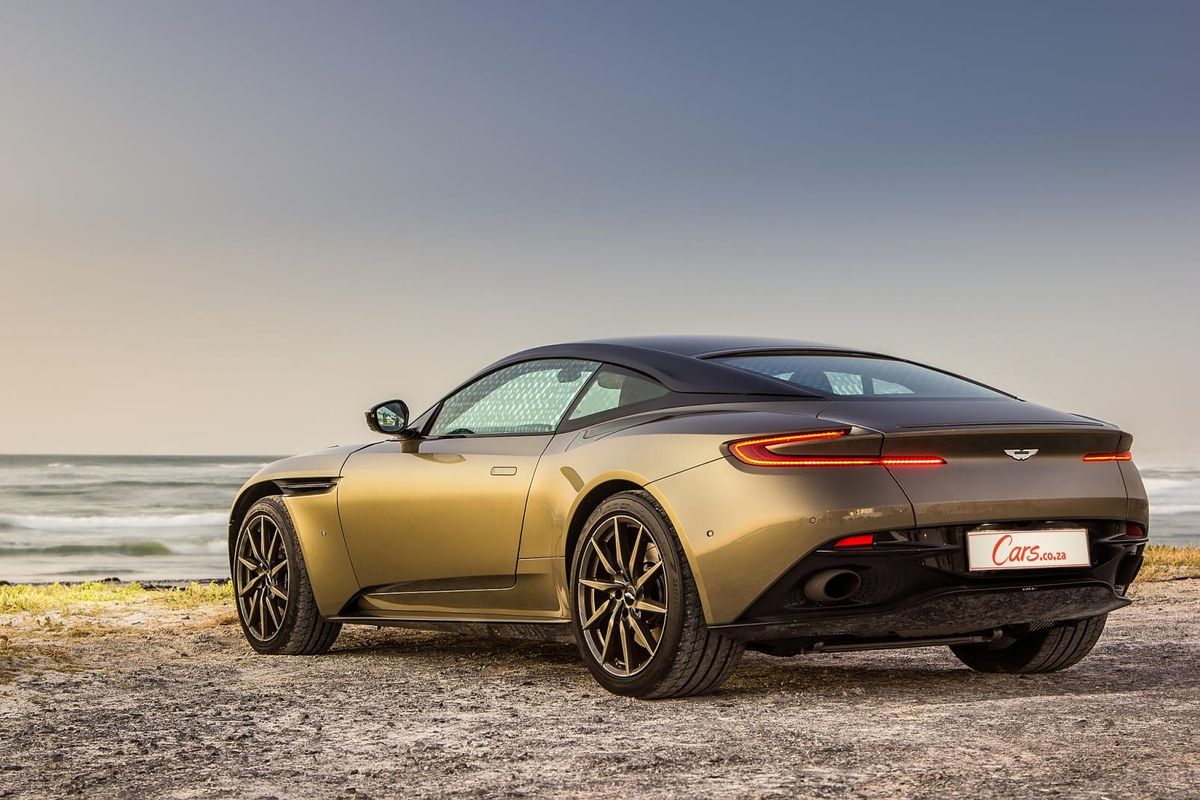
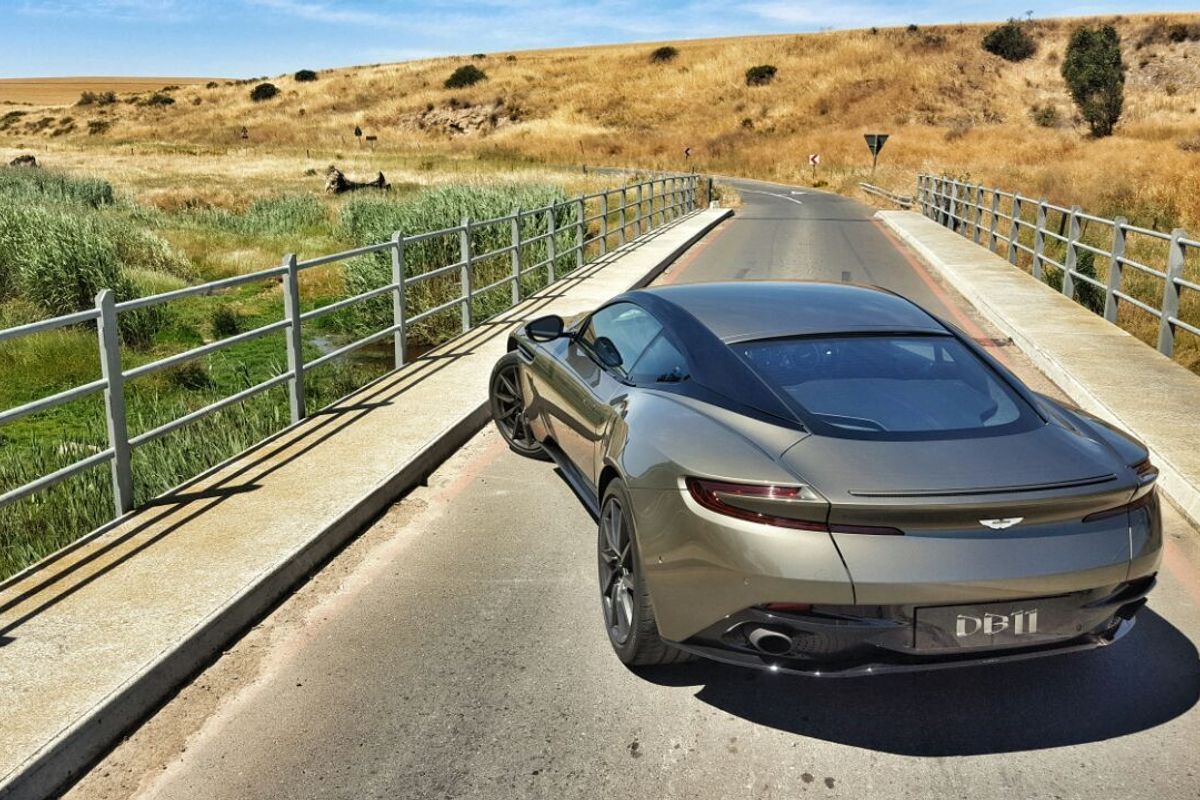
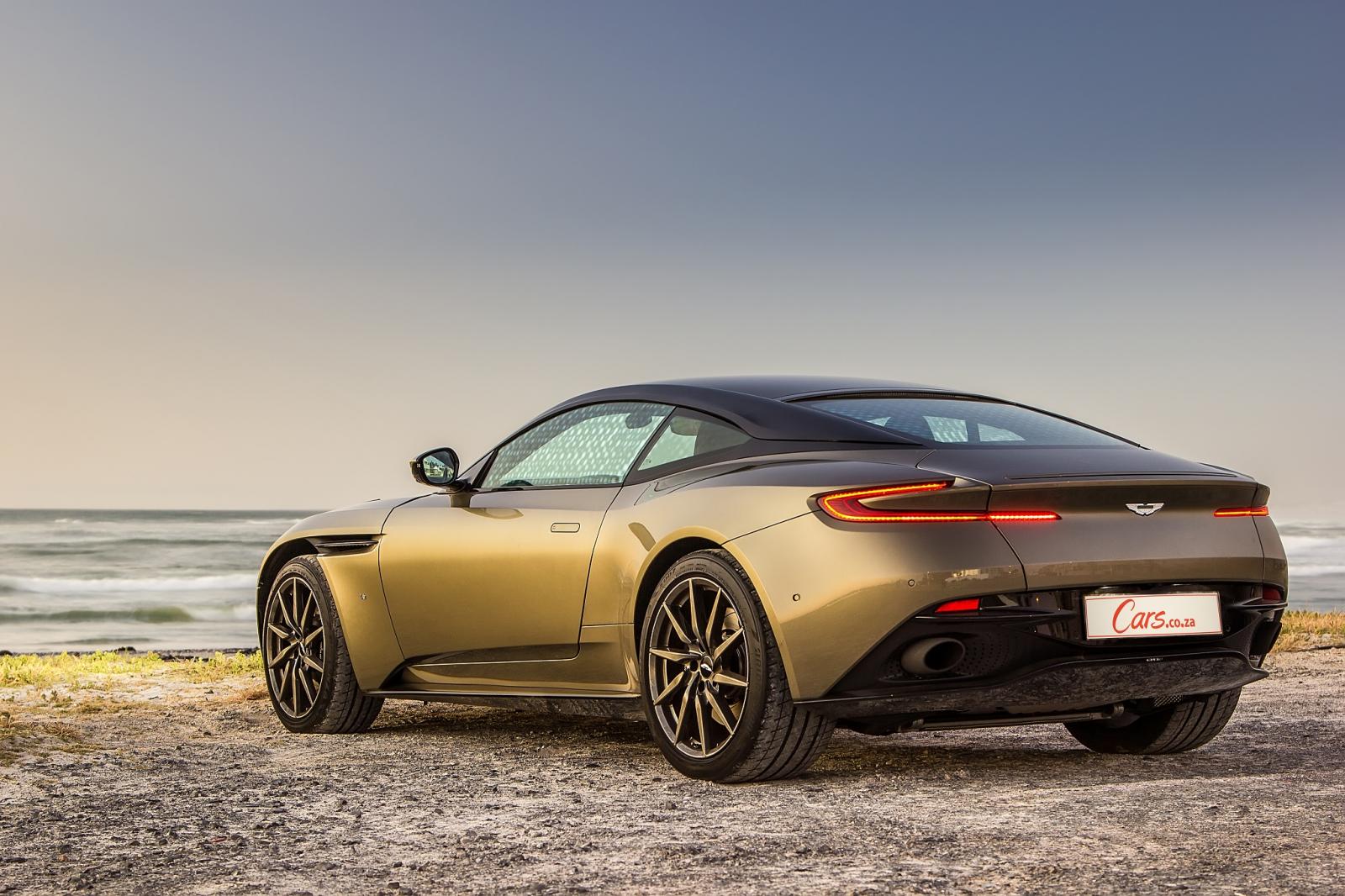
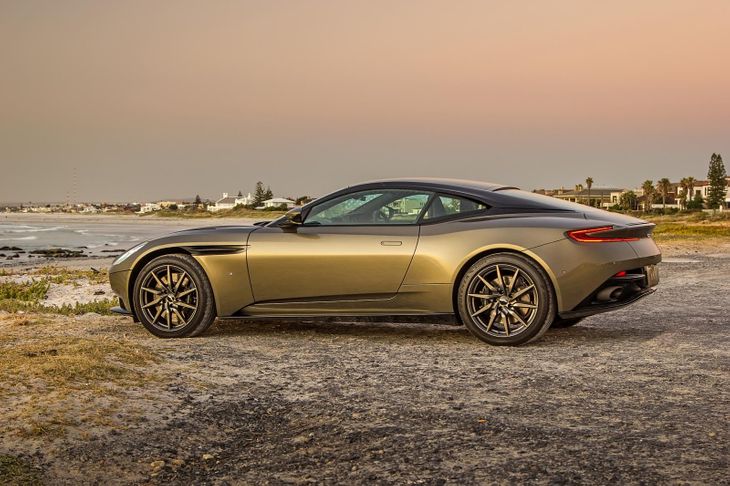
The voluptuous rear fenders and sculpted rear bumper of the BD11 are exquisite design details.
Disarmingly docile
Having never driven an Aston Martin DB9 (the DB11's predecessor), I arrived at Cape Town’s Aston Martin dealership admittedly a little excited. After an introduction to the car by the sales executive, I was handed the grand tourer's bulky key and sent on my way.
And then… absolutely nothing out of the ordinary happened. This is the incredible thing about modern supercars; they may have in the region of 500 kW on tap, but they’re as easy to drive as most passenger cars on the market.
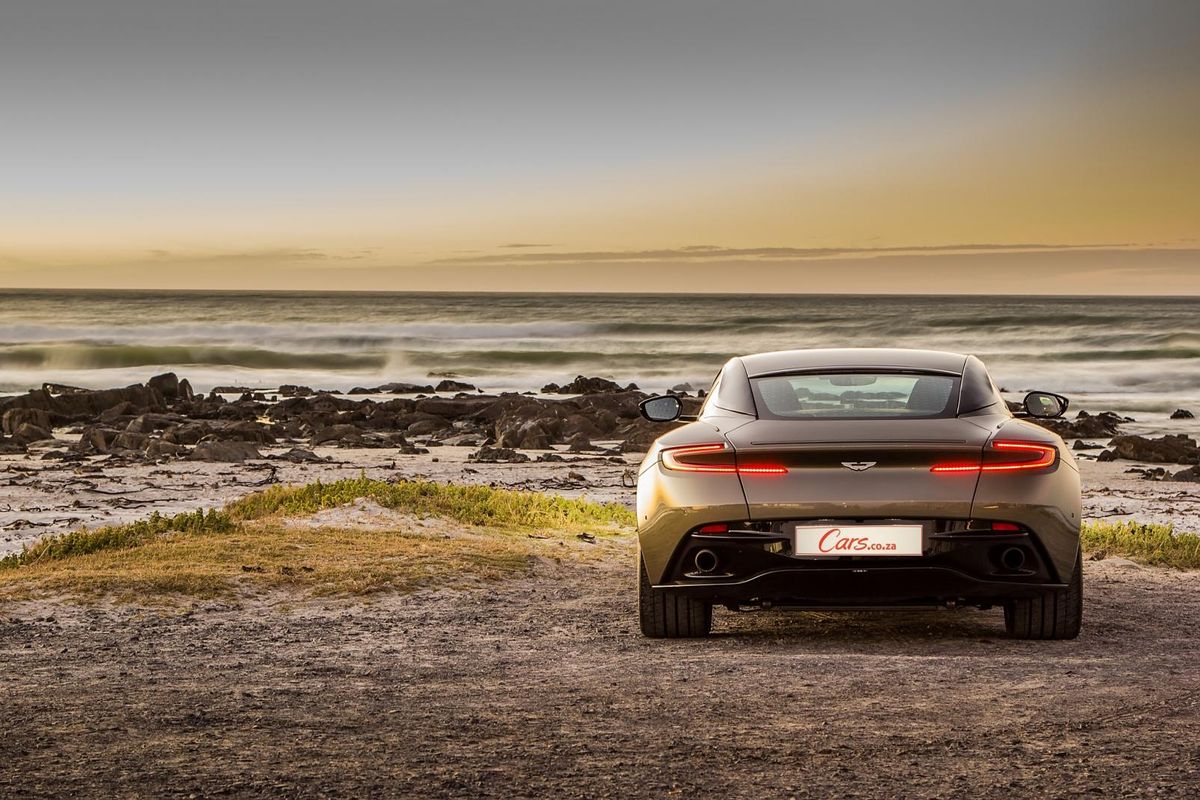
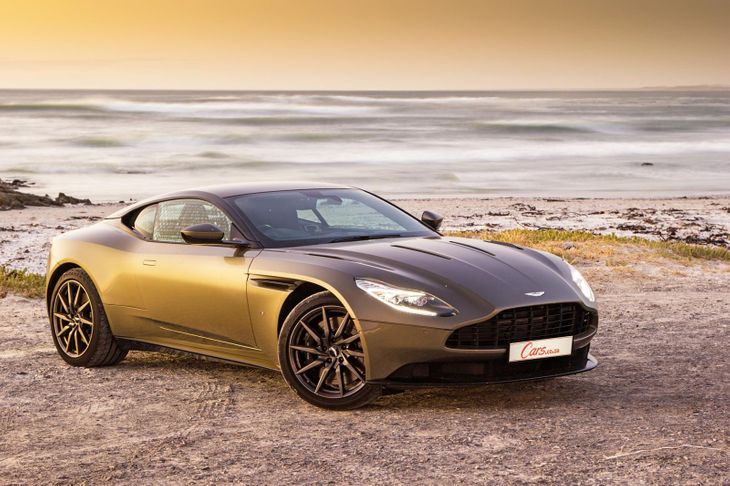
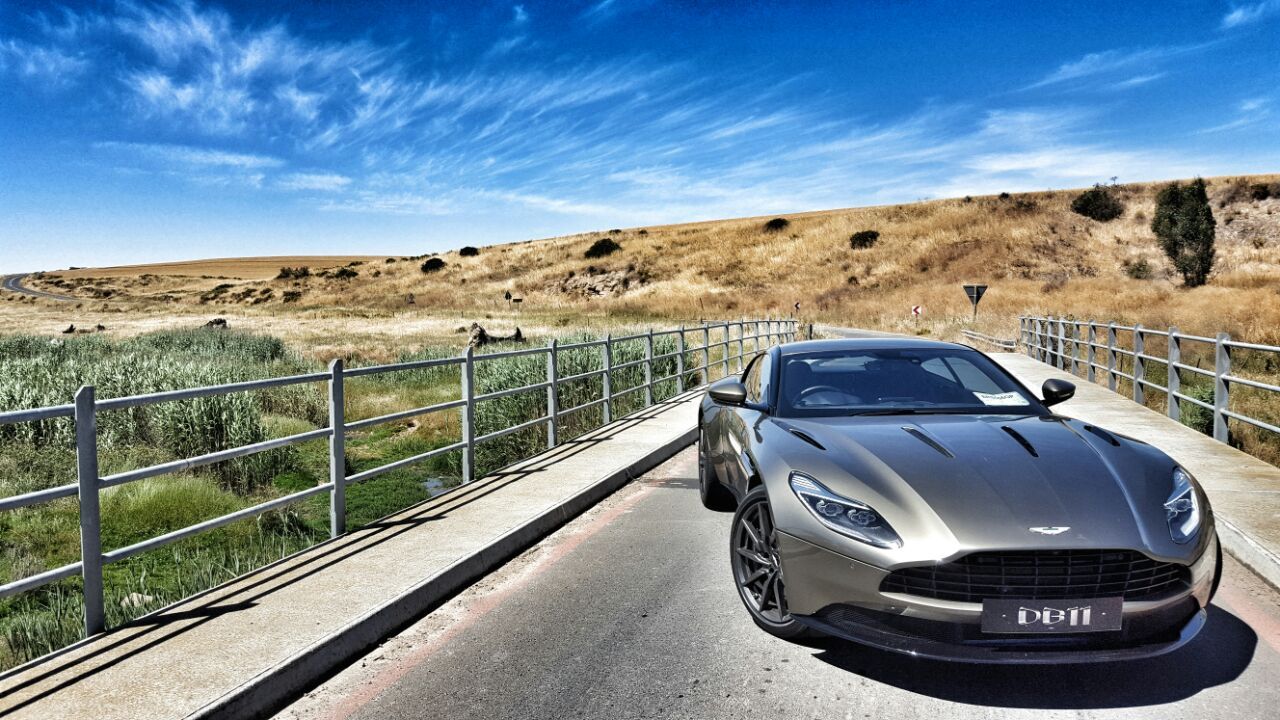
While driving through Cape Town's inner city area the DB11 and I attracted a lot of attention. This may be, in no small part, because the DB11 looks like it was sent here from the future! With styling cues from the rather bonkers Aston Martin 0ne-77 hypercar, the DB11 is a thoroughly modern and muscular evolution of the achingly pretty DB9. The rear aspect, in particular, draws many a stare – it is particularly shapely, wide and dramatic.
The biggest compliment that one can pay the Aston's exterior execution is that the car looks purposeful from virtually every angle.
Filming the car, however, would prove to be particularly undramatic. Usually, supercars make my life quite difficult. They’re not easy to manoeuvre and usually they don’t have such niceties as park distance control or a decent camera assistance system. And when you’re on your 323rd U-turn of the day, because the cameraman “wants another one”, you tend to miss these rather mundane features.
Awash with modern conveniences
Aston Martin must have realised at some point in the recent past that the Gaydon-based firm was good at building pretty cars with soulful engines, but that its onboard technology was lagging behind. And so Aston's reps went over to Germany to knock on the door of Mercedes-Benz, and politely asked if they could please borrow a few things, such as a reverse-view camera, an infotainment system and, for some reason, an indicator stalk.
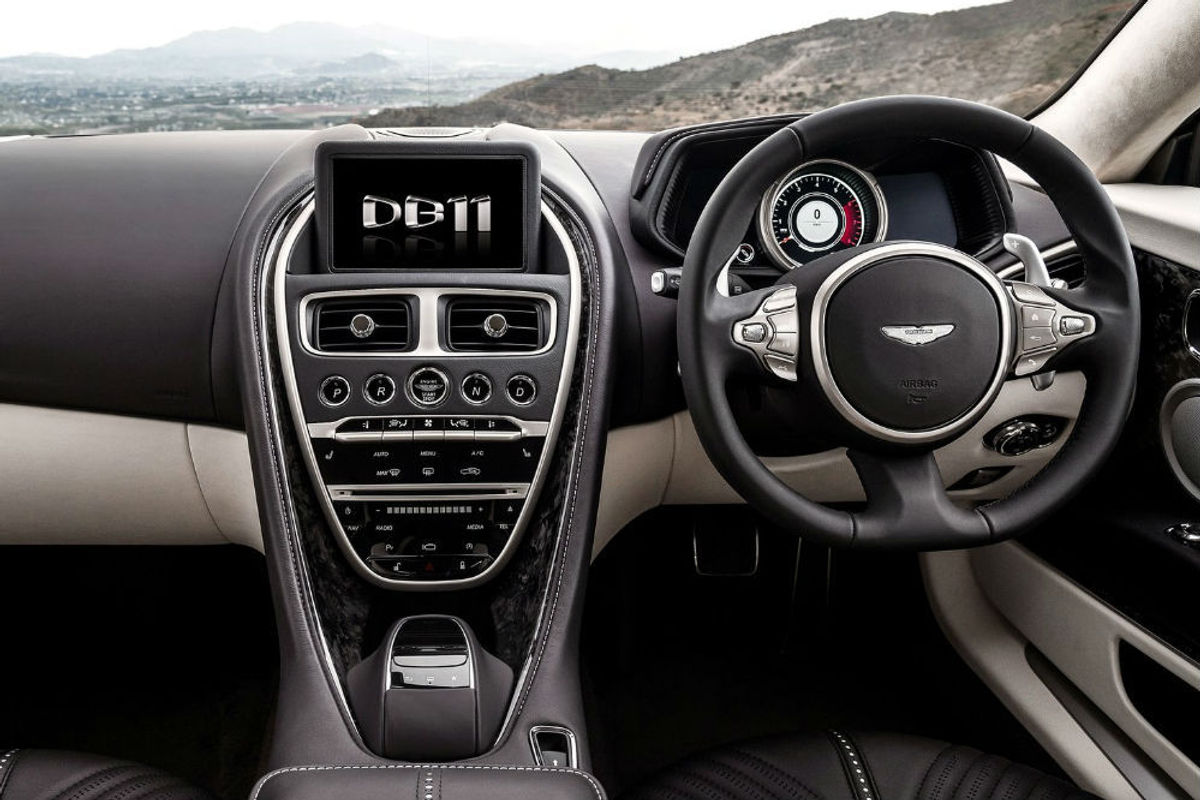
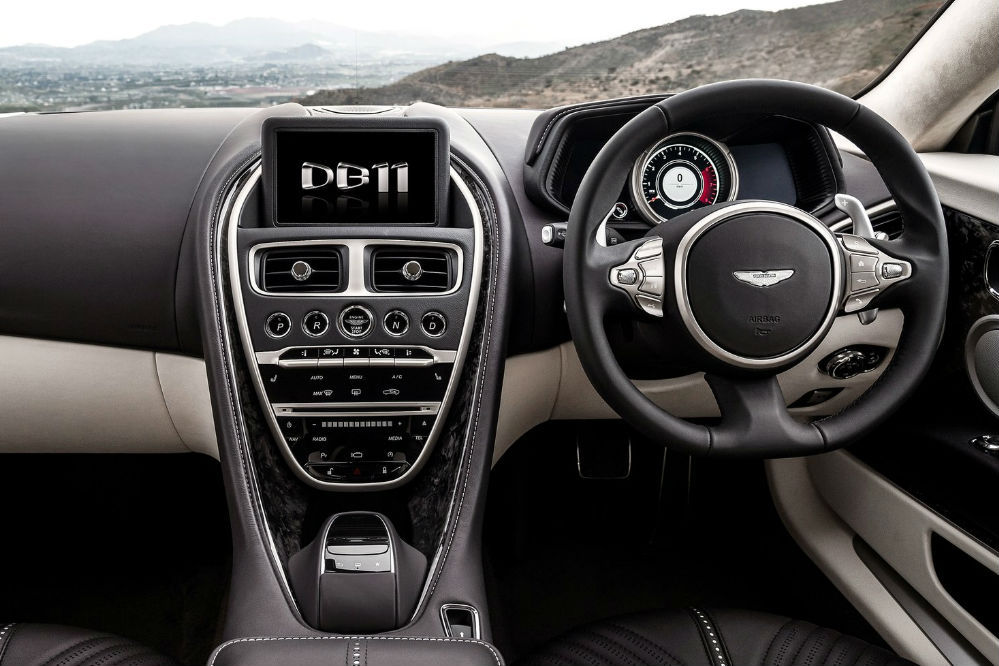
A floating fascia, touchpad controller and largely digital instrument cluster evidence the advancement of the DB11's interior.
This was a good move. Thanks to the British marque's enthusiastic new technology partner, all the clever bits of hardware and software that make modern cars so feature-rich are now present in the DB11. So, the infotainment system is straight from Benz, as is the brilliant 360-degree parking system, as is, indeed, the Aston's indicator stalk. The only reason I know this is because I’m a motoring journalist and therefore a car nerd, and I recognise all the Benz bits. But you probably won’t, and you’ll just think Aston Martin has finally built a properly modern interior.
But the partnership with Mercedes-Benz isn’t limited to the cabin. All future Aston Martins that require a V8 powerplant will feature engines from Germany, or AMG's facility in Affalterbach, to be more precise. However, for the DB11, Aston have created something special.
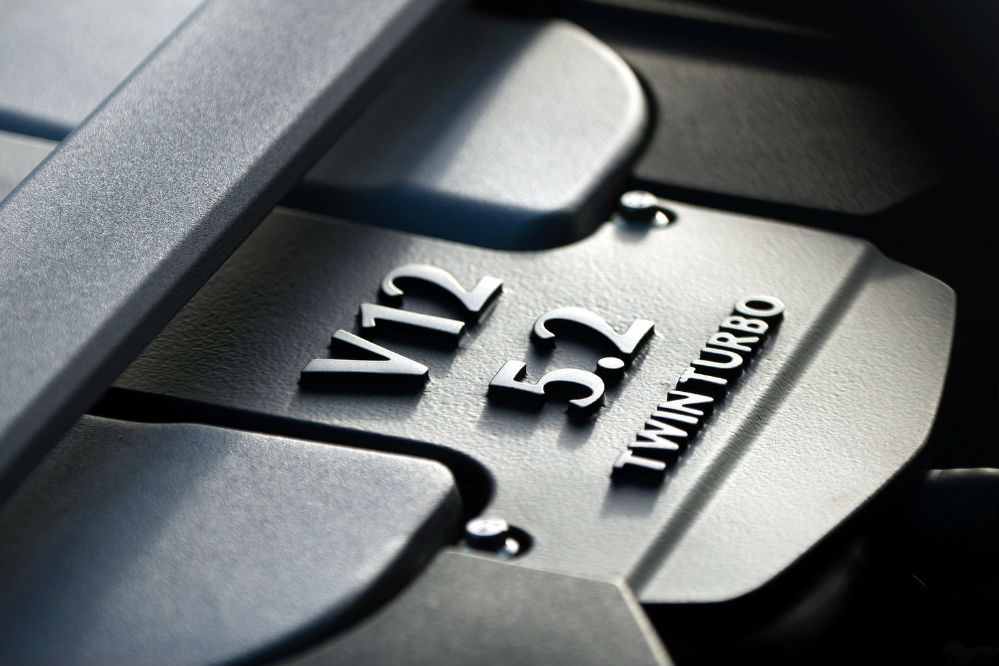
While retaining the characteristic V12 smoothness, twin turbochargers have made the DB11's motor very responsive and flexible.
Charge of the turbo brigade
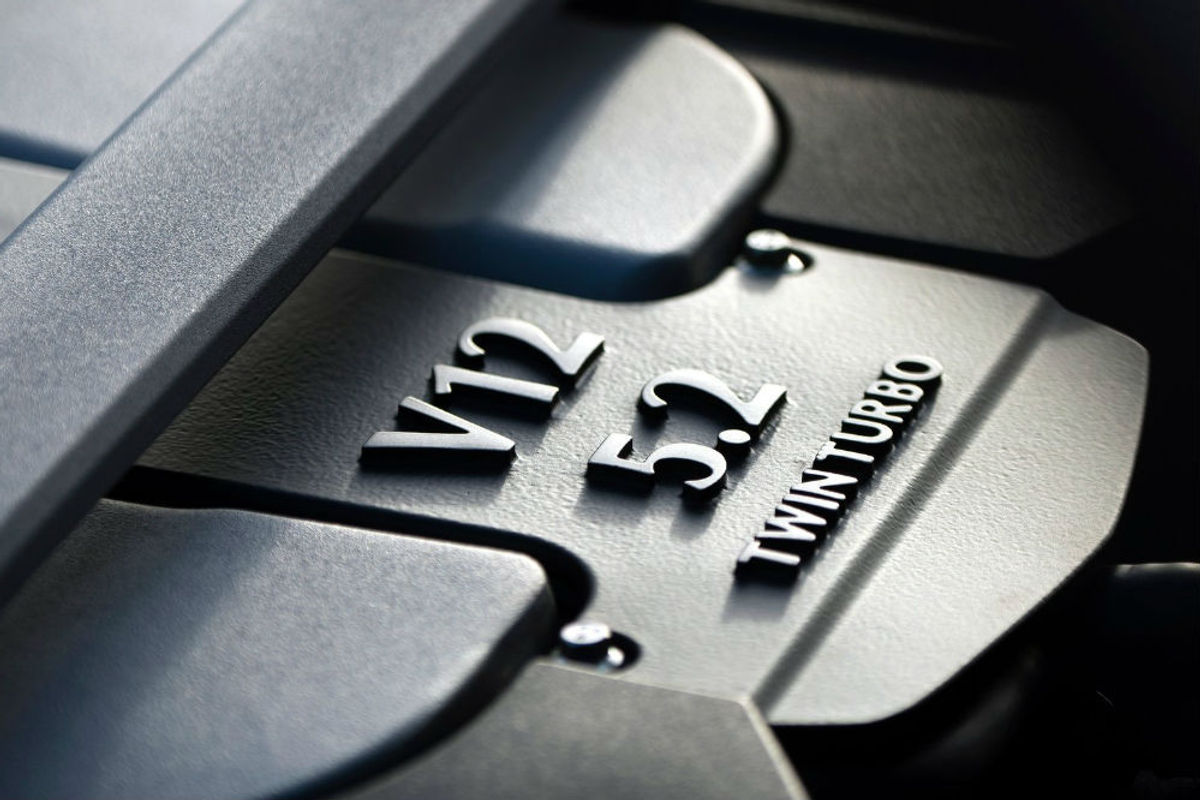
Designed and built in-house, the new 5.2-litre V12 marks a departure for Aston – a firm that has reportedly never built a turbocharged engine before. And so they’ve twin-turbocharged this one, for good measure. The result is a silky smooth powerplant that delivers impressive power: 447 kW is a commendable output, but it’s the torque figure that is just remarkable. At 700 Nm, that’s the sort of torque you’d expect from a large turbodiesel engine. To put it in perspective, the Lamborghini Huracan has roughly the same power output, but only 560 Nm of torque.
And that makes for a very different sort of performance. The Aston feels big-engined. Sure, it doesn’t rev as freely as the Huracan but the wave of torque available is almost unsettling. It’s a car that doesn’t catapult off the mark (although 0-100 kph in 3.9 seconds isn’t exactly slow), but once you have momentum, it feels like you’re being pulled down the road by some sort of otherworldly force. The 200 kph mark comes up very quickly and the engine's surge of acceleration shows no sign of relenting.
The smoothness of the DB11's ride quality was particularly evident on less than perfect country roads.
This, coupled with an unbelievably smooth ride quality (considering that it's a sportscar), makes the DB11 a sumptuous grand tourer (GT). The comfortable, plush leather seats (with heating and cooling functions), the endless power, the decent boot space…yes, it’s a GT of the highest order.
Large performance envelope
However, while the DB11 can mimic a sledgehammer in terms of on-road drama, it can also feel like an electric razor. Thanks to 3 driving modes and a matching number of suspension settings that adjust the behavour of the car's adaptive Bilstein suspension, the Aston's damping can be firmed up, the engine response sharpened, the steering made quicker and, most importantly, the exhaust made louder.
In Sports+ mode, the dials turn an angry red and the V12 howls. The throttle is more sensitive, each gear change is more aggressive and suddenly you’re driving something that doesn’t feel like a GT car at all. Maybe I wasn’t going much quicker, but the car certainly felt more alive – and so did I.
After 2 days with the car, I was very confused as to what the DB11 was trying to be. Aston Martin calls it a “sports GT” so maybe the Gaydon-based firm itself is not exactly sure what the DB11 really is…
Summary
Perhaps it is no longer enough for a car to serve a single purpose, even one as exquisite and exclusive as the DB11. Perhaps Aston’s engineers felt pressure from cars like Ferrari’s 488, Audi’s R8 and more affordable (but no less potent) cars like the Mercedes-AMG SL63. Perhaps the firm sought to create a car that gives you the best of all worlds: a super-sportscar when you want it to be, and an ultra-comfortable cruiser when you don’t.
Using the latest in adaptive drivetrain technology, this is increasingly possible and I think Aston Martin has come very close to building "the complete car". But in trying to be all things to all people I think the DB11 loses something – a clarity of purpose. I think that in Europe, the GT-nature of the car will be highly appreciated, but that nature might be slightly lost on South African buyers. Local buyers might want a supercar that is less compromising in its approach to performance. Even though the engine is scintillating, the DB11 remains quite a heavy, large vehicle.
But part of me feels that none of these reservations really matter. There will undoubtedly be more powerful and faster DBS, Virage and Vanquish versions of the DB11 in due course, which should appease performance aficionados. Suffice to say the car looks fantastic and makes you feel a little bit like a movie star when you are behind its wheel. And that alone is probably worth the Aston's R4-million price tag…
The DB11 is virtually guaranteed to feature in future Bond films, but in which guise? Watch this space, 007.