Volvo S90 (2016) First Drive

Volvo has set itself an enormous task: take on the luxury establishment and beat the Swedish marque's rivals at their own game. The S90 is a bold new executive sedan with its targets set firmly on the German opposition. We travelled to Spain for our first drive of the Swedish newcomer.
The South of Spain might seem a curious place to launch a Swedish car. But set against the backdrop of earthy Spanish architecture, the latest Volvo, in an unearthly metallic blue, stands out as chiselled, confident and thoroughly modern.

“When we split from Ford in 2010 (Volvo had formed part of the multinational's Premier Automotive Group), as a company we had nothing… no chassis, no cars. We started with a clean sheet of paper, and this is the result,” says Kent Falk, the man in charge of the “90” cluster of vehicles.

The S90 benefits from the same engine technology and modular, highly flexible platform (known as SPA) that underpins the XC90. It has the same rear suspension and is also built to be hybrid-ready – South Africa will receive the potent 300 kW T8 Hybrid model in 2017. This approach is paying dividends, Volvo is able to develop and launch cars quicker than ever. In fact, in 3 years’ time, the XC90 will be the oldest car in the brand's stable!

Design

Scandinavian design is renowned for its striking simplicity; objects should appear as if they have been carved from one solid piece of material. This S90 achieves this thanks, in part, to a strong shoulder line which runs the length of the car, connecting headlights to taillights. It is without a doubt the boldest expression yet of everything this resurgent company believes in.

The front-end design is familiar, obviously resembling the XC90. However, Volvo has successfully translated the SUV’s styling for the sedan, with an oversized grille, “Thor’s Hammer” headlight clusters and a very short front overhang. And it works. In a segment where buyers are looking to make a statement with their choice of vehicle, the S90 is genuinely distinctive.

While the looks of competitors (such as the new Mercedes-Benz E-Class) draw heavily from their siblings (C- and S-Class, in the case of the former), the Volvo S90 is very much its own car. It attracts much attention, but in an almost polite manner.

Explore the Volvo S90 exterior design with this 360-degree video:

Local model line-up

In 2017, Volvo will launch the more affordable front-wheel-drive D4 and T5 models, as well as the R-Design edition, with the T8 Hybrid to follow at a later stage.

This year will see the arrival of only two models, both of which are all-wheel driven. The T6 petrol features a 2.0-litre twin-charged engine (compressor and turbocharger) – which offers a hearty 235 kW and 400 Nm – and those are impressive outputs from an engine of that displacement. The other model that will be offered initially will be the D5 turbodiesel. This features a turbocharged 2.0-litre motor with 173 kW and 480 Nm and sees the debut of Volvo’s patented PowerPulse technology, but more on that later. The T6 and D5 were the two models that we sampled on the launch. There was an opportunity to drive the V90 Estate, but for reasons about to be explained, there was no reason to.

Strange estate of affairs

South Africans certainly like one kind of estate, the sort where you’d play a round of golf or keep a horse. But motoring consumers in this country simply do not buy station wagons, and so Volvo has seen no reason to bring the V90 Estate into the country. We think this is an enormous pity; the V90 looks elegant and offers hugely-increased practicality.

However, we will see the Cross Country version of the estate, which will feature a toughened exterior and a raised ride height. Expect this to be an even more luxurious and spacious version of the Volvo V60 Cross Country that we currently have on long-term test.

The driving experience


The S90 has a hewn-from-solid design and the theme extends to the sedan's refined driving experience.

While the XC90 has garnered much praise since its launch, it has suffered one consistent criticism: a ride quality which is “not Volvo-y” enough. I’m paraphrasing here, but the complaint is that the firmer nature of the XC90’s setup was a big departure from what most Volvos were known for: a comfortable and smooth ride quality.

It is immediately noticeable that things have changed for the S90, although it must be said that all test units on this launch were fitted with optional air suspension. The S90’s ride quality is an improvement on the XC90's. It manages to walk that tricky tight rope of offering a compliant, cloud-like ride while not wallowing in the corners. I don’t think I would describe the handling as overtly sporty, but body-roll is kept in check and enthusiastic driving is quite rewarding, especially in the powerful T6 turbopetrol model.

I posed the question to Roger Wallgren, head of suspension development for Volvo. “We’ve learnt a few things since XC90,” he says, allowing himself a slight smile. “Although many components are shared between the cars, we have worked to make the S90’s setup as bespoke as possible to the vehicle.”

He goes on to explain that sedans are easier to work with; there’s a lower centre of gravity and it is much easier to keep the car’s lateral loads under control.

Whatever the methodology, the effort on the part of the Volvo engineering team seems to have paid off. The result is a car that feels more like a GT car than a large sedan. It handles road imperfections very well and embodies the necessary characteristics to devour long journeys, replete with minimal road noise intrusion and a comfortable interior.

While it will be possible to order an S90 without air suspension (it is a R26 000 option), we would argue that it’s well worth the extra outlay. Especially for a car in this price range, the extra comfort that the system will provide throughout your years of ownership should be well worth the price. 

Power from both engines runs through an 8-speed automatic gearbox, which, for the record, was the best kind of gearbox: I barely knew it was there. Shift paddles are not available.


On-road, the S90 feels more like a GT than a sedan, it's well-suited to long-distance journeys.

Pilot Assist

Volvo has upgraded their autonomous driving system to now operate at speeds up to 130 kph without a lead vehicle. The system is happiest when the road markings are clear, but on the long, winding highways of Andalucia, we found that the system worked well – and consistently – for long stretches. Combined with radar-guided cruise control, the system senses slower moving vehicles with enough time to brake gently and bring the car to a safe following distance. Once you’ve executed a lane change, the system restarts quickly.

It is a very clear indication of where this technology is headed, and the Volvo representatives freely admitted that its fully autonomous cars are in the very final stages of testing – essentially they’re ready to go, but discussions with governments around the world concerning legislation and liability are proving lengthy and in some cases difficult. Regardless, Volvo will run a fleet of 100 fully autonomous cars in Gothenberg in 2017 as a pilot project.

PowerPulse

Debuting on the S90 D5 is a new technology from Volvo that aims to eliminate, or at least reduce, one of the more frustrating aspects of driving modern diesel engines: turbo lag. An electrically powered (not belt driven) compressor, fed by filtered air from the air intake, pumps compressed air into a 2.0-litre tank, hidden beneath the engine. When the system senses a quick depression of the accelerator pedal, either from standstill or at any speed under 100km/h, it shoots a pulse of air in the turbo’s direction. This highly pressurised air mixes with the exhaust gases which are already rushing through the turbo, helping to spin up the turbo quickly at low engine revs.

In theory, it’s brilliant, and Volvo says it is cheaper and more energy-efficient than electrically-aided turbochargers which other manufacturers are pursuing. In practice, there is a notable smoothness to the acceleration of the vehicle. In some instances it even felt naturally aspirated. From my experience, I would say the system works best while on the move, say from 60 kph, which, importantly, makes overtaking much easier and smoother. From standstill, the effect of PowerPulse is noticeable, but less so.

The interior

The super-supportive, super-comfy front seats are carried over from the XC90 into the sedan. They are a highlight: offering a wide range of adjustment and no fewer than 4 massage functions, the seats provide near-perfect lumbar support. It feels like a team of physios, rather than engineers, designed them…

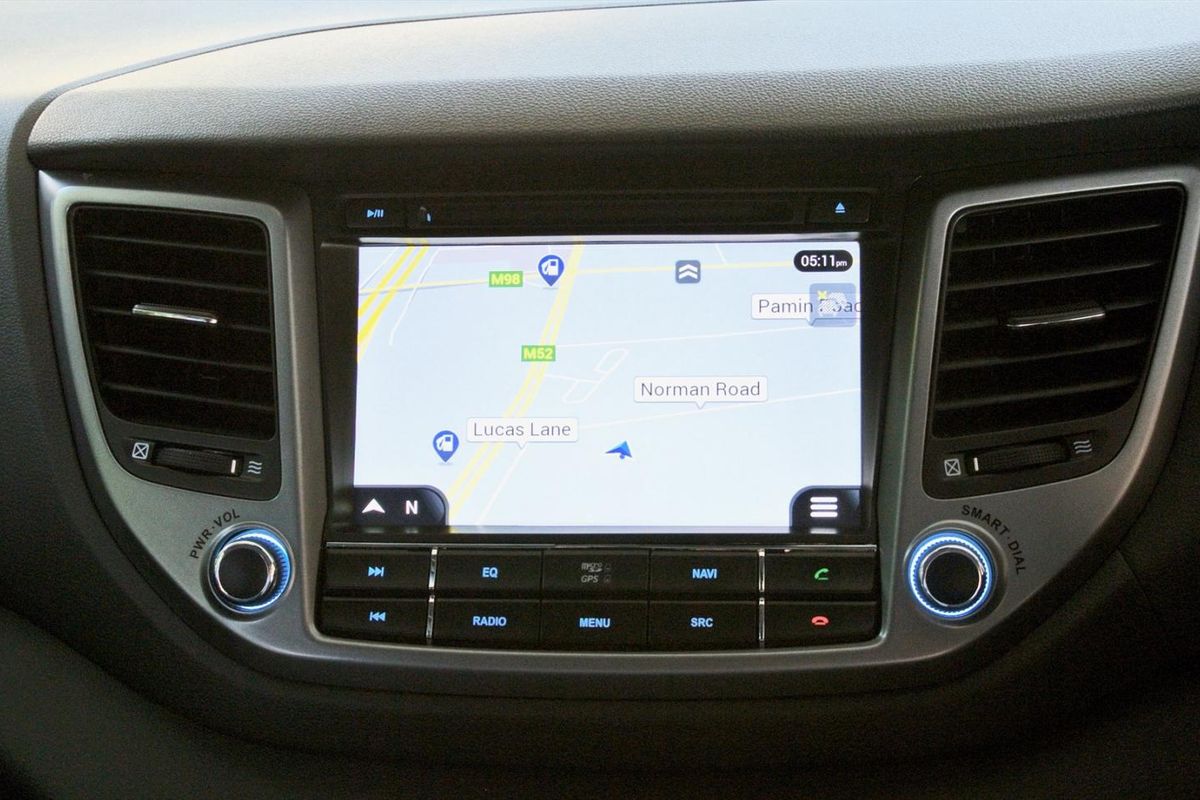
The dashboard design will be familiar to anyone who has peered into or driven an XC90 – the same steering wheel, instrument binnacle and uncluttered fascia are present, as well as a slightly smaller version of the revolutionary vertically-orientated touchscreen. However, where the vast expanses of the XC90’s dash are high-quality plastic, in the S90 the same space is covered with leather, which is finely stitched at the edges and really adding to the premium feel.

The driver feels positively enveloped: the screen is angled inwards towards you and is placed a comfortable distance away. Operating the screen does not at all feel like a chore, but when on the move it becomes a little difficult to successfully jab the desired button without taking your eyes off the road. I suppose with familiarisation will become less of an issue.

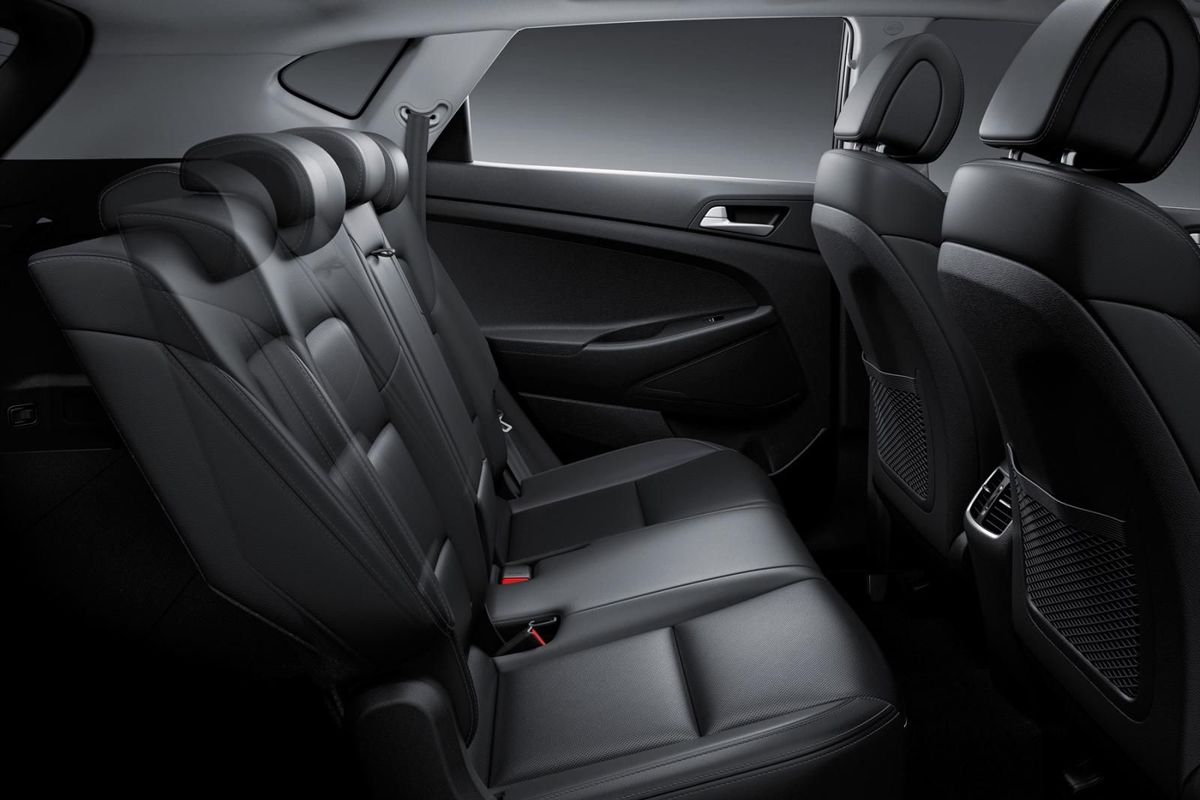
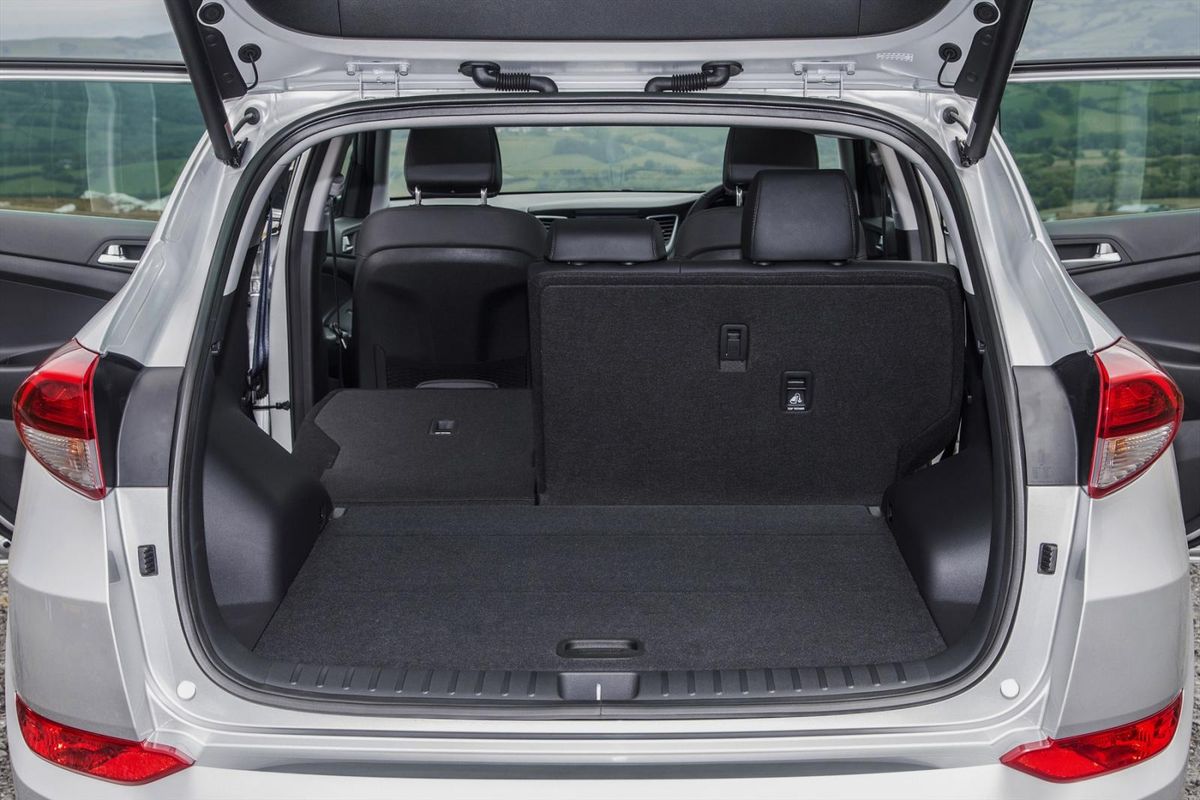
Rear legroom is vast. Incredibly vast. Behind my co-driver, who was just over six-foot tall, there was an almost comical amount of legroom. I have just driven BMW’s latest 7 Series and I believe the S90 has double the rear legroom of the BMW. The boot also benefits from the suspension's design. Due to the flat transverse leaf spring arrangement, there are no suspension towers that jut into the boot area and eat into load space. The boot is deep and wide enough to easily swallow two full-size suitcases, with space above and in front to spare.

Volvo S90 pricing and South African market arrival

Volvo will be launching the S90 in South Africa in October 2016. The media was only supplied with indicative pricing for the South African market. Initially, the model range will be limited with prices ranging from “mid R600 000 to R900 000”, the firm's spokesman said.

The S90 will certainly have its work cut out for it. It faces competitors such as the Jaguar XF, Lexus GS, Mercedes E-Class, Audi A6 and BMW 5 Series. The Volvo might make some headway while we await the arrival of the new 5 Series, and in South Africa at least, smaller sales of the XF and GS should not be of huge concern. No, the S90 is definitely gunning for the new E-Class and, fortunately, we have the Benz on test right now. Meanwhile, we look forward to testing the new S90 on local roads later this year.

Related content:

Volvo S90 R-Design Coming to SA in 2017

Flagship Volvo S90 Revealed

Interested in buying a Volvo?

Search for one on Cars.co.za

Lexus RC 200t (2016) Specs & Price

Lexus has announced the price and specification for its RC 200t – the entry-level model in its sporty two-door range

When the RC was launched last year, the range comprised a 3.5-litre V6-powered RC 350 F-Sport and while it is a satisfying vehicle in many ways, the range needed more variety, not least an entry-level derivative. Enter the RC 200t, a 4-cylinder turbopetrol-powered Lexus that comes in cheaper than its bigger brother, but offers a not-too-dissimilar coupe experience. 

Glenn Crompton, Vice President of Marketing for Lexus is very candid about the role the new RC plays in the local Lexus line-up: “Cars like the RC exist not as volume cars, but as aspirational products designed to draw in the young and the young at heart. The 2.0-litre four-cylinder turbo provides an accessible point of entry for lifestyle buyers who want the statement of a luxury coupé balanced with the efficiencies afforded by a smaller capacity powerplant.

“In this context, the new RC 200t fits the brief perfectly – it’s stylish, refined, frugal and generously stocked with a pleasing athleticism to it. It boasts an emotional draw too – key among them striking looks – and some creditable dynamic skills. With a price tag of R699 100, it’s also certain to appeal to wallet-conscious buyers.”

200t engine and performance

The Lexus RC 200t is powered by the 8AR-FTS 2.0-litre twin-scroll turbocharged petrol engine that we first experienced in the Lexus NX 200t crossover. This engine is mated with an 8-speed Direct Shift automatic transmission with shift paddles. Drive Mode Select varies throttle response and engine performance characteristics, and the driver can choose Sport, Eco and Normal. This smart 2.0-litre can switch between the fuel-saving Atkinson cycle and the conventional Otto cycle. This engine produces a healthy 180 kW and 350 Nm, and is claimed to reach 100 kph from zero in 7.5 seconds, going on to a top speed of 230 kph. It's claimed to be reasonably fuel efficient too, and will sip 8.0 L/100km, while emitting 186 g/km of CO2. 

RC 200t Features 

The RC 200t comes with a generous selection of standard equipment. The exterior is adorned with LED lights (headlights, tail lights, fog lights & DRLs), rear fog lights, headlamp washers, heated- and retractable side mirrors and a sunroof. Step inside the cabin and you'll find leather upholstery, front seat heater and ventilation, power front seats, two-way driver seat lumbar support, electric power steering (EPS), multifunction steering wheel with cruise control, full-colour infotainment display, satellite navigation and Bluetooth. In terms of safety, you're well covered with 4-sensor anti-lock braking system (ABS) with Brake Assist (BA) and Electronic Brake Force Distribution (EBD). You also get vehicle stability control, traction control and hill start assist. For manoeuvring around tight spaces, there's park distance control and a reverse-view camera. Seven airbags round off the safety features. 

Lexus RC 200t Price in South Africa

The new Lexus RC 200t is priced at R699 100 (incl. VAT) and comes standard with a 4-year/100 000km and Lexus Distance Plan Plus maintenance plan. The RC 350 F Sport carries a price tag of R787 600 (incl. VAT).

More Content

Lexus RC 350 F-Sport reviewed

Lexus NX 200 t reviewed

Interested in buying a Lexus RC?

Find one for sale on Cars.co.za

Peugeot 308 1.2 GT Line Auto (2016) Review

Peugeot’s accomplished 308 compact hatchback has gained an automatic transmission. Does the self-shifting derivative improve the 308 as an ownership proposition?

We like: Smooth transmission, comfy ride, upmarket feel

We don’t like: Pricey, simple functions require too many prods at the touchscreen

Alternatives

For a more generic choice: Volkswagen Golf 1.4TSI Comfortline – it's the go-to car in the segment, well-built, spacious and comfortable.

For a bit more grunt: Opel Astra 1.4T Sport Auto – the new Astra is feature-packed and the 1.4 turbo packs a decent punch.

For another stylish option: Volvo V40 T3 Momentum Automatic – it's due to be facelifted soon, but the V40 remains the most stylish hatchback in the segment.

For something less expensive: Ford Focus 1.5T Trend Automatic – the Focus is impressively priced and offers the best value for money.

For something not turbocharged: Mazda3 2.0 Astina – reliable, naturally aspirated engine delivers steady motoring in a very capable chassis.

What is it?

The Peugeot 308 has claimed multiple international awards, including European car of the year 2015. However, it hasn’t made much of an impact on the South African market and it’s hard to tell why. The new automatic option has just hit the market and the French marque hopes that the newcomer will garner a few more sales in the local market.

How does it fare in terms of…

Refinement?

To put in bluntly: by virtue of its automatic gearbox, this is the best example of the 308 to date. Unlike some small-engined autos, the Peugeot maintains its smooth and refined nature whether it is trundling around town or dealing with traffic at freeway speeds. There is a tendency with small-engined auto boxes to be quite clunky between shifts and impede cut-and-thrust performance, but the 308 auto is surprisingly smooth, even when pushing on. There’s a separate button next to the gear lever for Sports Mode in which cog swaps are delayed until higher engine revolutions and downshifts are engaged earlier. Normal mode was more than a match for a variety of driving conditions and it saves fuel in the long run.


Good looks and comfortable ride make the 308 a solid choice

As far as the ride quality is concerned, there’s more praise to be heaped on the Pug. The 17-inch wheels with 225/45 profile tyres combine a sleek look with impressive levels of comfort over all road surfaces. Just when you think there’s going to be a loud thud or clunk from the suspension, the dampers quietly absorb them and the 308 shrugs it off calmly. In spite of having just a 1.2-litre turbopetrol motor the 308 feels like it has substantial power and premium acceleration delivery. Like the manual model, there’s 96 kW and 230 Nm available.

Economy?

There’s no point to downsizing engine capacity if it's not going to realise better fuel economy… Peugeot claims the 1.2-litre auto will average 5.2 L/100 km, making it one of the most fuel-efficient cars in its class. We weren’t able to match the claimed figure – and our test culminated in a 7.8L/100 km readout, which is very similar to the figure we achieved with the Opel Astra we had on test in May 2016 .

Practicality?

The Peugeot 308’s dimensions are smaller than the competition's, but not by much. The effects aren’t noticeable in terms of luggage capacity, which, at 370 litres, is bang on class standard, but rear passengers have to endure a little less legroom. The seats are trimmed in leather and suede and look and feel more comfortable than those of its rival compact hatchbacks. The contoured seats do make loading car seats (child seats) in the back a bit harder and the headrest needs to be removed.


There should be more space to store oddments in the cabin considering the lack of buttons on the dashboard.

Despite almost all of the dashboard buttons being moved to the touchscreen system, Peugeot has missed a trick by not creating more hidey-holes in the cabin. There’s only one cupholder and not nearly enough space to throw house keys and other bits and bobs. With few buttons taking up space on the fascia, Peugeot could have offered a more practical cabin.

Specification and safety?

In GT Line specification the 308 is just about fully loaded with all the modern conveniences. The touchscreen takes care of all functions, including climate control – which is a bit of a hassle and would be easier to operate via a set of buttons on the dashboard. Bluetooth, USB and auxiliary connectivity are standard as are front and rear parking sensors.

There’s no reverse-view camera option, but the sensors are good enough. Cruise control gets the nod as well as hill-assist and automatic wipers and lights. We would probably choose a heating- over the massage function for the seats if there was a choice, but Peugeot doesn’t offer the former in SA. You will be hard-pressed to find a comparable compact hatchback with a better standard specification on the market and once you spec up the competition, the Peugeot’s price is competitive. Navigation is the only optional extra available at R10 000.

On the safety front, the 308 scored 5 stars on the EuroNCAP crash test rating, scoring particularly highly in adult and child occupancy safety. There are 6 airbags installed as standard and the passive safety list includes ABS, EBD and traction control, including stability control.


The 308 remains underrated in SA despite selling well in Europe.

Pricing and service plan

The Peugeot 308 1.2 GT Line auto is currently available for R371 900, which includes a 3-year/100 000 km warranty and a 4-year/60 000 km service plan.

Verdict

It’s still hard to understand why the 308 isn't more popular. It offers a smooth and comfortable ride quality paired with a hassle-free automatic box that’s a match for Volkswagen and Audi's class-leading dual-clutch transmissions. There’s adequate space for passengers and the interior finish, attention to detail and material quality is top-drawer. It’s an underrated vehicle that certainly deserves more success than current sales figures suggest. Regrettably, the stigma of bad resale value and poor reliability, which pertains to a generation of Peugeots that precede the 308 by several years, appears to hamper the brand to this day. Based on the merits of the 308, at the very least, that stigma no longer seems justified. 

Quick specs of the Peugeot 308 1.2T GT Line auto:

Related content:

Peugeot 308 GT Review

Buying advice: Peugeot 308 pricing and rivals video

Browse for second-hand 308s on Cars.co.za

Second-gen Porsche Panamera (2017) Revealed

Porsche has announced the arrival of an all-new Panamera luxury performance sedan. Let's explore the (much better-looking) second iteration of this surprisingly popular model.

The Porsche Panamera has been a fairly popular model and since it's launch back in 2009, more than 150 000 units have been sold. This model will hopefully carry on this success story and it features a design, new tech and new engines. The new model will be built at Porsche's Leipzig plant and Porsche has invested 500 million Euros into the facility. The design has not changed dramatically and there's no mistaking it for anything else. The rear in particular now looks a lot more modern and fresh, and there are styling cues which are a nod to the 911 sports car. The new car is longer, wider and taller than the outgoing Panamera.

The cabin of the new Porsche Panamera even gets a new name. The Porsche Advanced Cockpit has emphasis on the smartphone/tablet generation and things such as the number of hard buttons and analogue instruments have been reduced. Touchscreens and touch-sensitive panels and configurable displays replace these and the cabin is dominated by a large infotainment screen in the middle. 

Engines and Handling

To go with the new Porsche Panamera are a series of redesigned engines. These motors are more powerful, yet emissions and economy are reduced. There are three new twin-turbocharged direct injection engines and these power the Panamera Turbo, the Panamera 4S and the Panamera 4S Diesel. All three models (including the diesel) can be equipped with all-wheel drive as well as an all-new Porsche PDK dual-clutch gearbox. Power outputs for the three new engines are 404 kW / 770 Nm for the Panamera Turbo, 324 kW / 550 Nm for the Panamera 4S, while the diesel-powered Panamera 4S Diesel has a V8 with 310 kW and 850 Nm. The turbochargers of the engines have been moved to within the cylinder banks in what's known as a Hot V configuration. The Turbo S will be the fastest of the lot and can do 306 kph. It will sprint to 100 kph in just 3.8 seconds, but if you tick the Sport Chrono Package, that time is dropped by 0.2 seconds.


The new Porsche Panamera is larger, wider and offers more powerful yet efficient engines.

Being a Porsche, it's expected to perform well and the new Panamera will do just that. While a Panamera is being marketed as a combination of sporty driver's car and luxury grand tourer, it will still be able to deliver driving thrills. The new air suspension features three-chamber technology as well as Porsche Active Suspension Management which handles the electronic damper control. Porsche's Dynamic Chassis Control Sport with torque vectoring, anti roll stabilisation and a new electromechanical steering system are also fitted. The braking system has also been improved.

Technology

It's in the technology department where the Porsche Panamera really shines. Some of these systems are standard, some are optional, and all will make your life as a Panamera owner easier. First up is night vision assistance which can detect people and animals when its really dark. Then you get Porsche InnoDrive which is an advanced version of adaptive cruise control. This system will use the navigation data to provide the optimal acceleration and deceleration for the next three kilometres. The car will take corners, inclines and descents as well as speed limits into account, and will drive the route using the least amount of fuel as possible. 

There are two 7-inch displays that are directly in the driver's line of sight. Between these two electronic displays is an analogue tachometer. The 12.3-inch touchscreen is the highlight of the cabin and has features such as online navigation, the online functions of Porsche Connect, smartphone integration via Apple Car Play and a new voice control system. The rear can be specified with a similar system in the rear. 

The Porsche Panamera will reach German dealerships on the 5th November 2016. This model will most likely come to South Africa, but as soon as we have more info on local availability, we'll update.


Extended Test: Mazda CX-3 2.0 Individual auto [Video]

We’ve conducted a month-long test of the CX-3 small crossover to see if it blends style, sophistication and practicality as well as Mazda claims. Could this fashionable compact family car serve many purposes… is the automatic economical… and what's it like to live with? Let’s find out.

Subscribe to our Youtube channel

Related content

Crossover Comparison: Honda HR-V vs Mazda CX-3
Mazda CX-3 Detailed Review (Video)
Mazda CX-3 (2015) First Drive

Interested in buying a Mazda CX-3?

Find one for sale on Cars.co.za

VW Golf GTI Clubsport (2016) Specs & Price

Update: Local specs and official pricing for Volkswagen Golf GTI Clubsport

The Volkswagen Golf GTI Clubsport will be launched in South Africa on 1 July 2016. We will be attending the launch so keep a look out for our upcoming First Drive soon thereafter.

This bespoke model was created to honour the iconic Golf GTI and it does so beautifully. The GTI Clubsport is fitted with a 2.0-litre turbocharged engine that churns out 195 kW with an overboost function that pushes that output up to a heady 213 kW for short periods of time. The extra boost of power is activated by pushing the throttle right to the floor, engaging the kickdown function. Volkswagen claims it will generate the extra kilowatts for up to 10 seconds. Torque is also slightly increased during this boost phase from 350 Nm to 380 Nm. Zero to 100 kph is dispatched in 5.9 seconds and it will top out at 249 kph. Volkswagen only offer the DSG gearbox in the Clubsport model in conjunction with its electronic differential. The Clubsport is also fitted with its very own launch control system that automatically sets the revs at 3 000 rpm before launching it off the line.

The Clubsport takes the Golf GTI's sport chassis one step further by specifically tuning the dampers and springs for improved handling. The aerodynamics have also been fettled with in order to improve agility, stability and improve grip in corners. As an option, drivers can spec the dynamic chassis control system. The system further enhances the electronics in order to improve the Clubsport's handling and precision in the corners. Other options include the Discover Pro Radio with satellite navigation system, Light Assist with dynamic high beam control, DynAudio Excite sound system, Keyless Access – keyless locking and engine starting system, panoramic tilt sunroof, Park Distance Control (Rear),19-inch alloy wheels, Clubsport racing bucket seats, Velour/cloth sport seats with GTI logo on backrest and Rear View camera. 

In terms of styling, the GTI Clubsport gains sportier front and rear bumpers with new side sills (embossed with the word 'Clubsport'), diffuser and rear spoiler. Other details include a black trim stripe down the side of the car, dark red LED tail lights and chrome-plated exhaust tips.

Golf GTI Prices

2.0 TSI 162 kW Manual R465 500
2.0 TSI 162 kW DSG R481 500
2.0 TSI 169 kW Performance Pack DSG R501 500
2.0 TSI 195 kW Clubsport DSG  R540 200

The new Golf GTI Clubsport comes standard with a 5-year/90 000km service plan and 3-year/120 000km warranty.

Previously…

Volkswagen looks set to introduce a facelifted Golf 7 in Europe this year and will also unveil the production version of the Golf R400 concept.

Before you get too excited, though, Volkswagen South Africa has not yet confirmed that these developments will have an impact on the local market in 2016… but has, however, committed to launching the Golf GTI Clubsport, probably around mid-year.

Volkswagen Golf facelift

Exterior changes to the Volkswagen Golf are expected to be relatively minor and you can expect to see revised bumpers and the adoption of more LED technology throughout the car. The biggest changes will occur inside the cabin and it’s here where Volkswagen will, in all likelihood, spruce things up a bit with updated material and colour combinations. The facelifted Golf is expected to feature a fully digital instrument cluster, similar to the Active Info Display system that was introduced in the latest Volkswagen Passat.

Volkswagen’s new MIB infotainment system with a 9.2-inch touchscreen and voice control will provide higher resolution, better graphics and faster processing speeds. Last year, the Wolfsburg-based firm confirmed the facelifted Golf would feature intuitive Gesture Control Technology that enables the driver to operate a variety of onboard functions with basic hand gestures. The technology first featured in the Golf R Touch Concept, which was displayed at the 2015 Consumer Electronics Show.

On the engine front, not much is expected to change, at least initially, but Volkswagen has confirmed that it will be replacing the familiar 1.4 TSI engine with a turbocharged 1.5-litre engine featuring cylinder deactivation. A lighter, more fuel efficient 1.5-litre turbodiesel engine will replace the 1.6 TDI in Europe with a rollout expected sometime in 2017. 

Volkswagen Golf R420

Based on the current Golf R, the Golf R400 Concept was first shown at the 2014 Beijing Motor Show and Volkswagen is preparing to introduce the Golf R420 production version this year. Engine details for the production version have yet to be confirmed but the Golf R400 Concept was fitted with the same four-cylinder 2.0-litre turbopetrol engine as the Golf R, but with a modified turbocharger and a 6-speed DSG transmission.

Outputs for the concept were no less than 294 kW and 450 Nm of torque. Of course, Volkswagen may also opt to utilise the five-cylinder 2.5-litre turbo engine that powers the Audi RS3 (270 kW and 465 Nm of torque), but we will just have to wait and see.

In terms of performance, the Golf R420 with 4MOTION four-wheel drive will be able to dash from zero to 100 kph in about 3.9 seconds, which is a full second quicker than the Golf R.


Mitsubishi Pajero Legend II in SA

Mitsubishi South Africa has introduced the Pajero Legend II limited edition to market and it will be available from dealers at end of June 2016.

Mitsubishi’s popular Pajero SUV line-up has been bolstered with the addition of the Pajero Legend II limited edition, which follows in the footsteps of the Pajero Legend 30-Years that launched locally in 2012. The Legend II will be offered with both long and short wheelbase variants and will be fitted with numerous off-road appointments that will appeal to 4×4 enthusiasts.

“The Pajero has become synonymous with an adventure lifestyle and it remains unique, thanks to its combination of modern luxuries and tried-and-trusted mechanics. It is Mitsubishi’s legacy model and it will remain a mainstay of the brand’s product offering to off-road and adventure enthusiasts,” says Braam Faul, Marketing Manager of Mitsubishi South Africa.

Extra features, more value

The Pajero Legend II LWB is derived from the current top-of-the-range Exceed derivative and comes fitted with R50 000 worth of extra equipment including a under-body protection plate, rock sliders and dual-purpose Yokohama Geolander tyres on 18-inch rims.

The Pajero Legend II SWB gets the same treatment but the rock sliders don’t feature on this variant. A total of R40 000 of extras are fitted to this derivative.

Both models are also fitted with a heavy-duty Bosal tow bar and a chrome Pajero-stamped nudge bar.

On the inside, the Pajero Legend II is equipped with a Garmin nüviCam (with magnetic mount and built-in dash cam) and a Tracks4Africa off-road map. A full set of hard-wearing mats is also included.

If you wish to customise your Pajero Legend II even further, a host of additional features are available to you such as shock absorbers (Tough Dog), roof racks (Front Runner), discharge headlights (Light Force), air compressor, snatch recovery kit, Caska navigation and infotainment system, headlight projectors, bonnet guard and a cooler fridge.

All additional parts are fitted by Mitsubishi technicians and carry the brands’ respective warranty and will not compromise the Pajero’s 100 000 km warranty.

The range of off-road accessories are sourced from reputable overland specialists, Opposite Lock (Australia) and Front Runner South Africa, with cosmetic accessories sourced from Mitsubishi’s catalogue.

Standard Features

The Pajero Legend II is fitted with heated leather seats. The driver’s seat is electrically adjustable, while the front passenger seat is also electrically adjustable in the long wheelbase version. The steering wheel is a combination of wood and leather with mounted controls. A Bluetooth and USB compatible touchscreen infotainment system along with a reverse camera is included, as is parking sensors. The interior also benefits from a double-volume glass sunroof and rear privacy glass.

Safety features include six airbags, ABS with EBD, brake assist, traction control, and stability control. ISOFIX mounts are included to mount child seats in the rear.

Engine Power

A proven 3.2-litre turbodiesel engine does service in the Pajero Legend II and offers 140 kW and 441 Nm of torque. A five-speed automatic transmission powers the rear wheels under normal driving conditions, while Mitsubishi’s Super Select II 4WD system offers additional driving modes such as 4H, 4HLc and 4LLc to tackle rough terrain. A rear differential lock further improves the off-road ability of the Pajero Legend II.  

Mitsubishi Pajero Legend II – Price in South Africa

Mitsubishi Pajero Legend II LWB – R759 900

Mitsubishi Pajero Legend II SWB – R659 900

Price includes a 3-year/100 000 km warranty and 5-year/100 00km maintenance plan. Service intervals are se at 10 000 km. 

Related content:

Mitsubishi Pajero Sport 2.5 Shogun Auto (2015) Review

Mitsubishi Pajero LWB: All You Need to Know (Video)

Mitsubishi Pajero LWB (2014) Review

Interested in buying 

Search for a new / used Mitsubishi Pajero on Cars.co.za

5 Cars We Want To See for Sale in SA

There are plenty of brands and models to choose from in the South African new vehicle market, but the rest of the world also has some special cars that we’re itching to get our hands on…

Tesla Model S/X

The hype around these vehicles is massive and while the rest of the world cruises around in the assortment of Model S and Model X Teslas, we’re left with… nothing. Tesla is setting up an office in South Africa and the company's founder Elon Musk did recently say the new Tesla Model 3 will be offered in our market, but we’re going to have to wait a long time. We predict the earliest the 3 would make landfall in South Africa would be 2020…

Read more on the all-new Tesla Model 3 here

Dodge Charger Hellcat (or any other muscle car for that matter)

The Ford Mustang landed in South Africa towards the end of 2015 and local enthusiasts are positively enthralled by this American muscle car icon. However, there’s more than one musclecar manufacturer in the world. Chevrolet Corvette and Camaro? Dodge Challenger and Charger? We’d love to see them here too. A Hellcat would quite easily be one of the most powerful vehicles sold in South Africa…

Like muscle cars? Read our Mustang V8 and Mustang EcoBoost reviews

BMW xDrive hatchbacks, sedans and coupes

BMW’s all-wheel drive xDrive technology is available in SA, but only in SUVs and crossovers. In Europe, you can purchase an xDrive-equipped hatchback (1-Series), sedan (3-,5- and 7 Series), coupe (2-, 4- and 6-Series). An xDrive-equipped BMW will be a little faster in terms of acceleration, but the real benefit would be additional traction in low-grip conditions, which will benefit handling and, importantly, safety. Overseas there’s a majestic product called the BMW M550d xDrive. Imagine having a tri-turbodiesel all-wheel-drive Autobahn-storming sedan like that?

We've evaluated a number of BMW xDrive-equipped SUVs over the years. Read the reviews here.

Ford F150

The best-selling American pickup truck is colossal, musclebound and offers oodles of kerb appeal. The range offers a number of (petrol-engined) derivatives and there’s a hot twin-turbo’d V6 performance version called the SVT Raptor. We’d love to see it become available in South Africa, but right-hand drive conversion would be an issue and it would probably steal a large percentage of sales from the Ford Ranger.

See how the new Ford Ranger compares with the Toyota Hilux.

SEAT

Forget about specific products, what about a brand? SEAT vehicles were sold in South Africa, but then they were withdrawn because the market's downturn at the end of the previous decade and price positioning. The SEAT product line-up is parallel to that of Volkswagen's, but it's edgier… each of the Spanish marque's products have a sporty disposition. They also happen to look rather dynamic. A sportier and flamboyant Volkswagen/Audi – what's not to like? 

We have a number of used SEAT vehicles available. Check them out here.

Jaguar XF 3.0 S (2016) Review

In the absence of a full-blown "R" derivative, this XF S currently headlines Jaguar's executive sedan line-up. It's quite a looker, but does it have the go to match the show?

We like: Attractive looks, ride/handling balance

We don’t like: Price, cabin doesn't look/feel special, down on performance

Alternatives:

  • For better performance: With a zero to 100 kph time of 4.4 seconds, the Audi S6 quattro is probably the swiftest sedan of this size (and cost) that you're likely to find. By comparison, the Jaguar's claimed acceleration time of 5.3 seconds looks unimpressive, but there's still fun to be had – it is quite responsive to throttle inputs.
  • For a racier look and feel: At the price, you'll be hard-pressed to match this Jaguar for making a visual statement. There isn't a suitable AMG Sports derivative of the dashing new Mercedes-Benz E-Class yet. The Audi S6 quattro is the quintessential Q-car (flies under the radar). And the BMW 5 Series, even with the M-Sport package, can't quite hide its age. So… if you want your large executive sports sedan to turn heads, off to Jaguar you go.
  • For greater value: It's hard to argue against the numbers – the XF S is the most expensive (yet the least powerful) of the three cars listed here (BMW 550i M-Sport and Audi S6). It is the newest though, and offers the best ride/handling balance. Your priorities will ultimately dictate whether this car is worth the extra outlay. 

What is an XF S?


The XF S is a striking sports sedan that offers buyers a variety of personalisation options.

Jaguar's still-fresh XF has, perhaps predictably, been warmly received in its home market (the UK). There are a number of very good reasons for this. Firstly, it is British-made, and the UK media traditionally favours wares produced in Blighty. Secondly, it is somewhat short on direct rivals – Mercedes-Benz is still rolling out its E-Class line-up; a successor to BMW's ageing 5 Series will be shown soon; the next Audi A6 is not too far off, either. And, perhaps most importantly, it is priced "logically" in the UK. 

In South Africa, the plummeting value of the Rand has put Jaguar South Africa in a difficult position. Consequently, the XF's pricing positions it for a direct fight with the German premium brands that have traditionally been favoured by the local car buying public. So… the XF has to be brilliant to overcome this brand/image/pricing dilemma. And thus far, in our experience, it has only been partly successful. 

In our first test of the XF 20d Prestige, we were quite impressed with the improvements Jaguar has made in terms of spaciousness and efficiency. At the price, we consider that derivative to have some merit. The sportier and pricier 25t R Sport was less successful, with its engine failing to deliver enough excitement and efficiency.

This brings us to the subject of this test, the current flagship "S" model. At a price of more than R1,2 million, does it offer the performance, excitement, luxury and exclusivity that it should?

How does it fare in terms of…

Performance?


"S" badge indicates presence of supercharged V6, delivering 280 kW.

Jaguar is already developing a ferocious "R" derivative of the XF, but until that derivative arrives, this "S" is as feisty as the XF gets. It is powered by a 3.0-litre V6 engine sporting a so-called "twin-vortex" supercharger. It pumps out 280 kW and, more importantly, 450 Nm of torque, at 4 500 rpm. These figures appear mighty impressive in isolation, but the reality is that the V8 in (cheaper) Audi S6 churns out a crushing 331 kW and 550 Nm, while the (also cheaper) 550i M Sport's V8 pushes out 330 kW and 650 Nm! So, even though the new XF makes use of a multitude of lightweight materials in its construction (it is up to 190 kg lighter than before), it still gets drilled in the benchmark 0-100 kph sprints. Jaguar claims a time of 5.3 seconds (compared with 4.4 and 4.6 for the Audi and BMW respectively). All three cars' top speeds are electronically limited to 250 kph.

Game over, then, for the XF S? Well, if you live your life one traffic light dice at a time, then yes. But there's some excitement to be had with the XF S, even though it is comparatively down on power. As ever, Jaguar's drivetrain engineers have managed to tune the car to be impressively responsive. It will dawdle along in quite a relaxed fashion all day, courtesy of that slick 8-speed ZF transmission, but once you've pressed a button or two and selected the more "enthusiastic" driving modes, the XF S tenses up noticeably and becomes super sensitive to throttle inputs… which makes it feel more powerful than it is. Using the 'shift paddles behind the steering wheel to access the spread of torque is quite enjoyable – it's just a pity the exhaust note isn't a bit more exciting. 

Ultimately, then, you are possibly going to lose the race… but you may end up having more fun, not only because of the S model's responsive nature, but also because the XF offers arguably the best chassis in this segment…

Ride & handling?


Athletic looks for a superbly agile machine. The XF thrills on the road.

Recent Jaguars have been dynamically impressive, offering crisp steering and engaging handling without compromising ride quality. It is a marriage of talents that even the best (including the Germans) often struggle to achieve. For a model such as the XF S, it is vital that Jaguar continues in this tradition. And they have done exactly that!

As we've reported before, the new XF is considerably lighter than its predecessor, and stiffer by 28%, too. Plus, while overall length has gone down, it sports a longer wheelbase. The biggest news, however, is the rear suspension which is borrowed from the XE. This new "Integral Link" rear axle has a fifth, vertical link that is claimed to separate the longitudinal and lateral forces that are at odd in a car's suspension, especially when cornering. Consequently, the XF S offers class-leading ride and handling. In fact, even on the large 19-inch alloy wheels and low-profile rubber, the way the XF manages to offer up a supple ride around town, yet remain resistant to roll in the corners, is quite unique. This S model also features Jaguar's Adaptive Dynamics variable dampers as standard.

And as we've come to expect from Jaguar, the attention to detail in the dynamic setup is superb. The electrically assisted steering is beautifully precise and offers lovely weighting. Overall, it is hard to criticise anything about the XF S in the way it steers, rides and tackles corners. In fact, it is so entertaining when driven in an enthusiastic manner that it even manages to make up for the disappointment of the power deficit.

Cabin and features?


Cabin design is largely borrowed from the smaller XE. Trim and detailing could be improved.

Logically, the higher up one goes in the XF model range, the more special the cabin should feel and appear. Sadly, the fascia design and general fit and finish of this Jaguar's interior remain some of our biggest concerns with the second-generation XF. Visually, it appears to be lifted straight out of the smaller XE, so while some nice details (the rising gear selector, rotating outer ventilation outlets) remain, it simply doesn't feel and look special enough from behind the steering wheel. It is perhaps unfair to expect Jaguar to have made such a dramatic leap as it did when the first-generation XF arrived, but nevertheless (at the price) we feel the XF S is deserving of a bit more drama inside. Besides, the quality of some of the materials, as well as the trim detailing, is not exactly going to give the German rivals sleepless nights.

Those flaws are a pity, because there is quite a lot about the XF's cabin that right, too. With its longer wheelbase there is appreciably more space, especially for those seated in the back, and the driving position is sublime. It is also clear when one looks down at those traditional deep-set instrument dials that this Jaguar's product positioning car is somewhat different to Mercedes-Benz (E-Class) and the others. Yes, while the XF S offers a modern touchscreen and an extra digital display between its (standard) analogue dials, this car is decidedly sportier in its pitch, and it was designed to reflect that. It is when one starts appreciating this distinction and positioning, that the XF makes more sense. But note that, should you wish to add more tech to the cabin of your XF S… you can do so because Jaguar offers a very wide selection of appetising features, including digital instrumenation, head-up display, automated parking etc.

Highlights on the standard features list include a 380W Meridian sound system, 10-way electrically adjustable front seats, dual-zone climate control, navigation and an eight-inch touch-screen infotainment system.

Pricing and Warranty

The Jaguar XF S sells for R1 226 200 and comes backed with a 3-years/100 000 km warranty and 5-years/100 000 km maintenance plan. Jaguar claims an average fuel consumption of 8.3 L/100 km, which is better than its eight-cylinder rivals. However, during our test period it proved quite difficult to keep the overall consumption below 10 L/100 km.

Verdict

If one is to judge the XF S purely on what is measurable, it would fall short in a number of areas. At the price you can buy more powerful and faster luxury sedans from more widely popular German prestige brands. Also, at the price, the cabin isn't "wow" enough, especially when one considers the tech-focused direction that the Germans are taking without sacrificing their hard-won reputations for supreme quality and attention to detail. At the price... Well, it would appear that the price is simply too high a hurdle for the XF S to clear…

And yet there is something deeply charming about this car. It may not ultimately be as fast as its rivals, but it offers such delicate dynamics that it almost doesn't matter. And while the cabin falls short on quality and detail, its exterior makes head swivel. Ultimately, then, the XF S is for a buyer who craves good looks, individuality and driving enjoyment. (Even) at the price, the XF S won't disappoint on those fronts…

Compare the Jaguar XF S with the BMW 550i M-Sport and Audi S6 quattro

Related content:

Jaguar XF 25t R Sport (2016) Review

Jaguar XF 20d Prestige (2016) Review

Jaguar XF (2016) First Drive

Interested in buying a new/used Jaguar XF?

Search for one on Cars.co.za

Mercedes-AMG Unleashes Hottest AMG GT R

We've seen numerous spy pics and a teaser video of the Mercedes-AMG GT R, but this is the real deal. Delivering 430 kW and equipped with a host of upgrades, not to mention an outlandish paint finish, the GT R is the most track-focused series production Benz to date. 

The striking AMG "Green Hell Magno" paint finish is bound to make onlookers do a double take. The name of this paint is the key to this vehicle's origin: Green hell is the nickname for the Nurburgring racetrack that manufacturers use to test vehicles. It's punishing and only the most hardcore race-tuned vehicles can post benchmark times around this iconic circuit.

Compared with a standard Mercedes-AMG GT there are wider front and rear wings to compensate for an increased track width, which facilitates more grip and faster cornering. The adapted front grille and rear spoiler (replete with double diffuser) optimise aerodynamics and lightweight alloy wheels with high-performance rubber add to the on-track performance. The stopping power has also been improved with high fade-resistance internally-ventilated and perforated brake discs. Ceramics are available as an option.

On the mechanical front, an adjustable traction control system, active rear-wheel steering and adjustable coil-over suspension are fitted. The 7-speed dual clutch transmission has been updated to cope with the power hike: whereas the standard engine in the AMG GT S pushes out 375 kW from a 4.0-litre biturbo V8, the GT R pumps out 430 kW and 700 Nm (the turbochargers on this model boost more than the standard car's and the management software has been remapped). 

The newcomer further features an all-new exhaust system, which not only gives the car a much louder engine note but reduces its kerb weight by 6 kg. The design of the exhaust has changed slightly – it now has two infinitely variable exhaust flaps that open and close depending on which driving mode has been selected. In Sport Plus and Race modes, you get the "full artillery barrage" aural effect, while in Comfort the sound is more muted, but evocative nonetheless.

Being the ultimate incarnation of the AMG GT, performance has to be eye-opening – and it is. It'll go from zero to 100 kph in 3.6 seconds and hit 318 kph if the Autobahn is long enough. However, this vehicle's real purpose is to pound race tracks. 

Mercedes-AMG GT R availability in South Africa? 

The Mercedes-AMG GT R will go on sale on 21 November 2016, the firm says, and the market launch in Europe will be in March 2017. At this stage we're not sure if this new performance product will make it to South Africa, but, provided units are allocated to the local market and given how popular this sub-brand is, we'd be surprised if it wasn't confirmed.

Watch a Mercedes-AMG GT R video below:

Related content:

Read a review of the Mercedes-AMG GT S

Interested in buying a Mercedes-AMG GT model?

Find one for sale on Cars.co.za