Volvo S60 Polestar (2016) Review

The new performance version of the Volvo S60 is now available in South Africa. We quite enjoyed the first-generation Polestar and much is expected of its smaller-engined successor. So, is it any good? We take the rapid Swede for a drive.

We like: Downsized engine delivers tremendous punch, easy to drive, looks the part, boasts respectable practicality and refinement.

We don’t like: We miss the old 3.0-litre 6-pot's noise, 8-speed ‘box is not as quick-shifting as modern twin-clutch units, S60 is showing its age

Alternatives

The S60 Polestar rivals products made by the German performance divisions, but at this price point there aren’t any M, AMG or RS sedans to choose from.

  • Something fast, but mainstream: The BMW 340i is the complete package. It’s fast, yet overwhelmingly competent in many departments.
  • Minus two doors, but still turbo’d and all-wheel drive: The Audi TTS comes close to the performance nature of the Volvo S60 Polestar, but at the cost of a pair of doors. An S4 version of the A4 sedan is in the pipeline, however.
  • Fast and vociferous: Subaru has been at the 4-door, 4-wheel drive game for many a year and the latest Subaru WRX STI Premium is still a formidably quick machine. However, it appeals to a more "hardcore" clientele than the S60 Polestar. 

See how these rivals stack up against the Volvo S60 Polestar here

What is it?


With more Polestar badges than we could count, Rebel Blue Paint and big wheels, the S60 Polestar is unmissable

Herewith a brief history lesson. Volvo Motor Cars made an outright purchase of the Polestar Cyan Racing (which spearheads the Swedish marque's touring car exploits) and the expertise the team gained over the years was transferred to Volvo HQ. The idea is simple, take a standard S60 sedan, bolt on some performance parts, add a splash of vivid blue paint, as well as some Polestar badges and you land up with a performance product that is the poster child for Volvo's new division. It’s a crudely simplified tale; we don't mean to mock the tremendous work undertaken by Polestar to make the S60 the machine it is.

We’ve come to expect Volvo to continue being one of the leaders in the field of safety and we admire the Gothenburg-based firm's determination to keep people (drivers, passengers and pedestrians) safe on the roads, but what is this Polestar business? This is a new and very much welcome direction for Volvo and given how popular Audi’s Quattro, Mercedes’ AMG and BMW’s M divisions are, it makes perfect sense to target those brands' customer bases.

We’ve already had some experience with Polestar. Some of the team drove the Polestar-fettled C30 hatchback and we all had a go in the 2015 S60 Polestar sedan. Now the S60 Polestar has been updated and features numerous changes in the 2016 model.

How does it fare in terms of…

Performance?


2.0-litre turbocharged and supercharged engine produces excellent power and still happens to sound fruity

The previous-generation S60 Polestar’s motor was, for the lack of a better description, a guilty pleasure – the motor delivered 258 kW of 3.0-litre inline-six goodness courtesy of a big turbocharger. It made a wonderful and soulful noise, which dramatically increased in decibels when you stomped the accelerator while the car was in Sport mode. This new model does away with the six-pot and utilises a 4 cylinder motor instead. The new 2.0-litre Drive-E engine sounds like something from an eco-biased car, but the good people of Polestar have done substantial work to ensure the go matches the show.

This particular engine features turbocharging and supercharging; an engineering feat that attempts to negate the effects of turbo lag. Some would suggest that turbo lag was invented to give naturally-aspirated motors a chance, but if that’s the case, this new-generation motor annihilates them in terms of responsiveness. Polestar has imbued this engine with goodness in the form of a bigger turbocharger, improved intake system as well as a bigger exhaust. It all translates into big numbers for a 2.0-litre four-cylinder engine. How does 270 kW and 470 Nm grab you? That’s just 10 kW shy of AMG’s claim of most powerful production 2.0-litre engine (in the A45 and CLA 45)…

Interestingly, those outputs fare well compared to the previous model and Volvo claims its new Polestar will hit 100 kph from standstill in 4.7 seconds. After activating launch control, it shot out of the blocks, but didn’t feel that quick – we’d estimate it’ll dispatch the sprint in about 5.5 seconds in general conditions.

Acceleration sprints are just a tiny part of a performance vehicle’s repertoire and the S60 Polestar is not a one-trick pony. One of the other key changes is the transmission. The old 6-speed automatic has been replaced by a new 8-speed transmission with shift paddles. The steering and brakes have also been revised and you’ll appreciate how well the Polestar turns in. You can even adjust the weighting of the steering, which should please driving enthusiasts.

Ride and handling?

 
Franschhoek Pass + Volvo S60 Polestar = Fun with a capital F.

As a source of daily transport, the S60 Polestar is composed. The ride quality is firm, but not bone-jarringly hard, the throttle response lively, but not hypersensitive, and the transmission shifts prudently in Normal driving mode. The real test, however, awaited in the mountains and we took the S60 Polestar out to the Franschhoek Pass – a ribbon of road well frequented by performance machines – where we engaged Sport mode and unleashed the Volvo… 

First thought? The brakes are very potent and inspire you to lean on the anchors. Second thought? The chassis and steering are tuned for the average driver. This is a vehicle that is satisfying to drive at a moderately brisk pace; it looks fast, feels fast and you're thoroughly entertained without needing to achieve breakneck speeds. It’s one of those rare vehicles that will encourage and flatter the novice, while impressing those familiar with performance driving.

The marketing material for the newcomer makes excessive mention of racing heritage and Volvo’s own racing drivers are said to have a hand in its development. "Racing people" prioritse hard suspension and stiff chassis setups and, yes, the 60 Polestar has those, but they’re not harsh enough to make you feel any discomfort. At one point, we had 3 passengers on board and all commented on how comfortable the S60 Polestar was on the open road.


New alloy wheels and big brakes can be found in the Volvo S60 Polestar. Braking power is excellent

The key thing is here is to utilise the S60 Polestar's Sport mode. The vehicle has enough on-demand grunt when in Normal mode, but to get the best out of the Polestar, you’ll need to flick the transmission level to the left (when in Drive) to engage Sport, when then the car instantly becomes livelier/far more responsive. Furthermore, the noise emanating from the exhausts is a lot more pronounced and if you’re listening carefully during hard acceleration, the whine of the supercharger and whistle of the turbocharger are distinct. Change gears with the paddles and lovely dull artillery-like thuds can be heard.


Polestar badging and blue stitching are striking, but there's no hiding the aged S60 cabin and dashboard

Features?

Volvo has done a stellar job with its S60 Polestar in terms of packaging and features. Some highlights include heated sports seats for all four passengers, a heated steering wheel for those cold winter mornings, satellite navigation, Harmon Kardon audio system and adaptive cruise control.

The safety aspect of the Volvo has not been ignored either. The derivative features 6 airbags and most of the brand's safety system acronyms than you can think of. Blind spot information system and Cross traffic alert are 2 features that we really appreciated.

The cabin is a tidy place to be. While the dashboard and infotainment cluster is clearly from the long-serving S60, there are some sporting touches in the form of blue stitching and Alcantara. The boot is generously sized and will take a fair amount of cargo.


The interior is a nice place to be with a focus on safety and comfort. Heated seats all round and a heated steering wheel will be ace in Winter.

Verdict

The newer Volvo S60 Polestar makes an interesting case for itself. While the South African market is limited to just 45 examples, there’s something so exotic and desirable about a fast Volvo – an enthusiast who manages to bag one will not be dissatisfied. Volvo is one of those brands that isn’t actively trying to snaffle its rivals' customers. Sure, the Polestar has enough going for it to entice them, but most clients will be from a pool of existing Volvo owners.

The Volvo S60 Polestar is refreshingly different and the Swedes are to be applauded for making something which offers performance and sensibility in one well-rounded package. At R749 500 and with these low volumes, the Volvo S60 Polestar is never going to trouble the likes of BMW, Audi or Mercedes-Benz. It’s a great platform from which to build the performance arm of Volvo and if the on-track successes of Polestar Cyan Racing are anything to go by, we’re going to be seeing some seriously fast and entertaining Polestars in the coming years. Just do us all a favour and make sure you get a blue one, okay?

Check out details specifications and pricing of the S60 Polestar here

Related Content

Read a review of the older Volvo S60 Polestar here
Audi TTS 2.0T FSI
quattro (2016) Review
BMW 340i vs Jaguar XE S Driving and Interior Comparison [Video]

Interested in buying a Volvo S60 Polestar?

Find a used Volvo for sale

Facelifted Isuzu KB (2016) First Drive

Isuzu has introduced the facelifted KB to the South African market and we spent 6 days in the harsh Namib Desert to put the KB through its paces.

The launch of the facelifted Isuzu KB took place in Walvis Bay, Namibia last week. The area around Walvis Bay and Swakopmund are known worldwide for their vast sand dunes and some of the largest sand dunes on earth are found here. The terrain is unforgiving, providing the ultimate proving ground for 4×4 enthusiasts. How well did the Isuzu KB fare in these challenging conditions? Read on to find out.


The facelifted KB poses near an abandoned ruin somewhere in Namibia.

Click here for 2016 Isuzu KB Specs and Pricing

Isuzu KB design details

Much of the changes to the 2016 Isuzu KB are cosmetic and looking at the KB you will notice a newly designed grille, bonnet and fog lamps. The KB also features projector headlights with integrated LED Daytime Running lights and at the rear you will find a newly designed tailgate (extended cab and double cab only) with the rear parking camera now positioned next to the tailgate handle. The rear parking camera is fitted as standard on all LX double cab derivatives and newly designed 18-inch alloy wheels are also fitted as standard.


The facelifted Isuzu KB offers enhanced styling and revised suspension for improved ride quality.

On the inside, changes are limited to a new instrument cluster that now features improved functionality and incorporates a gear shift indicator for manual derivatives. Additional live surround sound speakers are also fitted to enhance the sound quality delivered by the sound system.

Isuzu has also revised the suspension of the KB to deliver a smoother ride and Hi-Rider 4X2 models feature new front and rear dampers while 4X4 models benefit from revised rear dampers.

Engines and transmissions

The engine and transmission offering remains unchanged and buyers have the choice between a 100 kW/320 Nm 2.5-litre or 130 kW/380Nm 3.0-litre turbodiesel engine .The top-of-the-range 3.0-litre turbodiesel engine is claimed to consume 7.9 L/100 km for 4×4 double cab and extended cab models, while 7.7 L/100 km is claimed for the KB 4×2 versions.
 
There are also two workhorse models on offer (250 Base Single Cab and 250 Fleetside single cab) and they are powered by a four-cylinder 2.5-litre diesel engine developing 58 kW and 170 Nm of torque with a claimed fuel consumption figure of 7.9 l/100 km.

In terms of transmissions, a 5-speed automatic is available on KB300 LX double cab and extended cab derivatives only, while a 5-speed manual transmission is available across the KB range.

Isuzu KB conquers Namibia


The Isuzu KB proved to be more than capable in tough conditions in the Namib Desert.

Upon arrival at Walvis Bay airport, the media contingent were briefed and introduced to the facelifted KB. The KB launch fleet included 4×4 LX double cabs and 4×4 LX extended cabs in both manual and automatic guises.

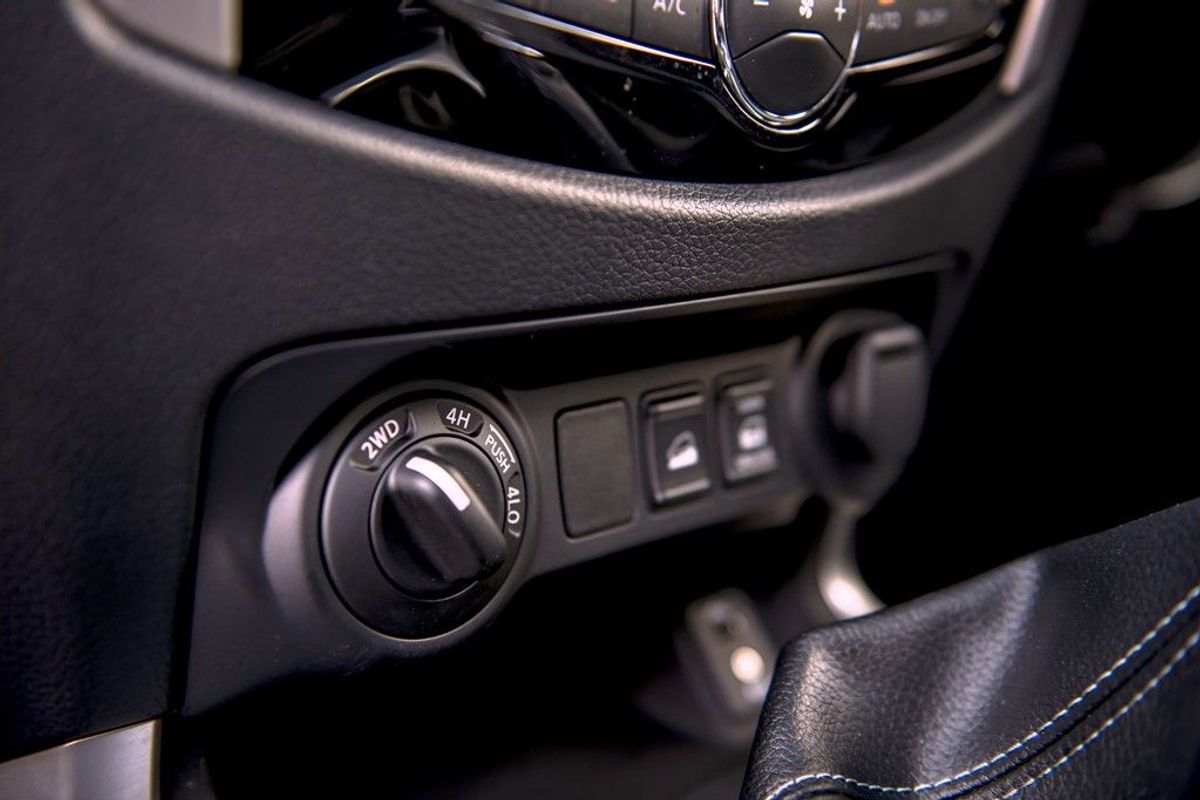
We started our journey in the KB 4×4 LX extended cab and the launch route took us south of Walvis Bay to an area known as Rooibank, where we ventured into the sand dune belt found there. The Isuzu KB 4×4 derivatives are equipped with a rotary dial on the centre console that allows the driver to easily switch between 2H, 4H and 4L, depending on the driving situation. In the sand dunes and in most cases, 4H was adequate and 4L was only required in extreme situations. A rear differential lock can also be engaged when it’s required.


The rotary dial in the Isuzu KB allows for easy selection of driving modes for various conditions. 

If you are driving in the desert, you are bound to get stuck but with knowledge and applying the correct techniques, you can recover in most cases, even if the situation looks dire. We were mightily impressed with the KB’s ability to navigate the tricky (and often) soft sand without much hassle at all.

The next day took us along the coast south of Walvis Bay in the KB 4×4 LX double cab where we were met with even larger, daunting dunes. The KB convoy progressed slowly as all the vehicles had to navigate the challenging dunes before moving on. Driving skills were put to the test and many vehicles got stuck as a result of drivers making ill-judged gear changes in the manual derivatives. That said, the automatic transmission was much easier to drive on the sand, whereas the manual transmission required perfect timing to prevent losing momentum.

Positives and negatives


The Isuzu KB was able to carry a variety of items, including surfboards, luggage and filming equipment.

We also spent additional time in Namibia exploring the coast in search of waves suitable for surfing. We had two KB 4×4 LX double cabs that were used to transport surf gear and filming equipment. The crew was hugely impressed by the capability and comfort offered by the Isuzu KB.

The crew found the following features useful:

  • The infotainment system is comprehensive and offers navigation, internet, smartphone integration and other multimedia features via a 6.5-inch touchscreen. The crew particularly enjoyed watching their surfing footage after the surf using the SD card slot.

-=
Navigation is standard on the KB 4×4 LX double cab and the infotainment system is comprehensive.

  • With the additional live surround speakers installed in the KB, the audio system' sound quality was good and the crew enjoyed pumping their favourite music tracks as we traversed the desert in search of waves.
  • With its improved suspension setup, the Isuzu KB delivered a good ride quality; the crew found the KB easy and comfortable to drive on tar.
  • The Isuzu KB proved to be quite spacious and managed to transport 7 crew members with luggage, film equipment and surfboards with relative ease. The load bay in the KB is large enough to carry bulky and long objects, such as surfboards.

The crew found the following things somewhat annoying:

  • The sticky doors – for the duration of the trip, there was almost always a door that wasn’t closed properly, which proved to be an annoyance, particularly for the driver. You have to use some force to close the doors properly.
  • The USB/Aux inputs – the USB and auxiliary covers are difficult to open without long nails or a sharper object and this caused frustration among the crew. A cover with a raised edge would have provided easier access to the USB and auxiliary ports.

Summary


The KB 4×4 LX double cab comes well-specced and is competitively priced against its rivals. 

The Isuzu KB proved its capability in harsh and often compromising situations and more importantly, it delivered a smoother ride on tar thanks to its revised suspension. The stylistic changes have also emboldened the overall design of the KB and we feel the KB actually looks quite aggressive and confident. In terms of features, the KB is well-equipped and we like the fact that navigation is offered as standard on the KB 4×4 LX double cab derivatives, something its rivals don't offer.

Critics may be inclined to criticise the KB for its seemingly dated interior design, but the reality is that the interior is well-built and capable of withstanding lots of abuse. More than this, the Isuzu KB 3.0 4×4 LX double cab is now offered with electrically adjustable leather seats, a tow bar, sports bar and roof rails as standard while beating the Toyota Hilux, Ford Ranger and Volkswagen Amarok on price. We think the Isuzu KB is a solid offering that’s worth consideration if you are looking for a capable and reliable double cab 4×4. It never let us down…

The Isuzu KB300 4×4 LX double cab automatic is priced from R563 500 and is sold with a new standard 5-year/120 000 km, 5-year/ 90 000 km service plan, 5-year/120 000 km roadside assistance and 5-year/unlimited mileage anti-corrosion warranty. Service intervals are set at 15 000 km. 

Look out for our Isuzu KB in Namibia video coming your way soon!

Compare the Isuzu KB 3.0 4×4 LX double cab automatic with the Toyota Hilux 2.8GD-6 4×4 double cab Raider automatic and the Ford Ranger 3.2 4×4 XLT automatic.

Related content:

Isuzu KB 250 X-Rider (2016) Specs & Pricing
Toyota Hilux vs Ford Ranger vs Isuzu KB vs Volkswagen Amarok (2016) Comparative Review
In-Depth Comparison: New Hilux vs Ranger vs KB vs Amarok (video)
Drag Race: Hilux vs Ranger vs Amarok vs KB
Isuzu KB 250 D-TEQ Double Cab 4×4 LE (2015) Review
Comparison: Isuzu KB vs GWM Steed 5E

Want to buy an Isuzu KB?

Find a new or used Isuzu KB on Cars.co.za

World Car Awards 2017 – The Candidates Announced

The prestigious 2017 World Car Awards has kicked off with the announcement of all nominations in 5 categories at the Paris Motor Show.

The World Car Awards (WCA) organisation used the Paris Motor Show as a platform to reveal the nominations of the 2017 WCA programme. 73 International motoring journalists, including Cars.co.za's Hannes Oosthuizen, the only South African representative, will now have until February to evaluate as many of the vehicles as possible, before voting to determine the Top 10 in each of the World Car of The Year, World Luxury Car of the Year and World Performance Car of the Year categories. Experts will also nominate the top five in each of the World Green and World Design categories.

The top 10 finalists in the major categories will be announced in February, with the identities of the top 3 in each category to be revealed by KPMG at the Geneva Motor Show in March 2017 before the winners are announced New York International Auto Show in April.

World Car of the Year

In total 22 vehicles are in the running for this prestigious, overall award. The current World Car of the Year is the Mazda MX-5. The nominations for 2017 are;

World Luxury / Performance Car

The nominations in these two categories have been pooled. The current World Luxury Car of the Year is the BMW 7 Series and the reigning World Performance Car of the Year is the Audi R8 Coupe.

World Urban Car

In this new category, the focus falls on compact, ultra-efficient vehicles.

World Green Car

The current World Green Car of the Year is the Toyota Mirai (hydrogen fuel-cell car).

  • Audi Q7 e-tron 3.0 TDI quattro
  • BMW 740e iPerformance
  • Chevrolet Bolt
  • Chevrolet Malibu hybrid
  • Honda Clarity Fuel-Cell Car
  • Hyundai Ioniq
  • Kia Niro hybrid
  • Mercedes-Benz GLC 350e plug-in hybrid
  • Tesla Model X
  • Toyota Prius Prime
  • Toyota RAV4

World Car Design of the Year

All the World Car of the Year entries automatically are also considered for this award, but an addition is the Mercedes-Benz S-Class Cabriolet. The current World Car Design of the Year is the Mazda MX-5.

You may also be interested in;

Cars.co.za Consumer Awards – powered by WesBank: Semi-Finalists Announced?

South Africa’s Best-Selling Family Sedans

Once the darlings of small families, the market for so-called C-segment sedans has been eroded by the rise of the compact crossover. But… there are still good cars on offer in this segment, so if you're not too concerned about automotive fashion and the perceived advantages of a higher seating position, the following models still warrant attention. Plus… there are several attractive newcomers in the pipeline.

For the purpose of this article we have concentrated on the medium-sized sedan market. The cars competing here occupy a difficult niche between cheaper, smaller and less sophisticated offerings, and the entry-level versions of the premium brands – not to mention various crossovers competing at the same price level. Our popularity ranking is based on sales figures provided by Lightstone.

Also read: South Africa's Best-Selling SUVs

Not so long ago, however, this segment was big business, with the likes of the Toyota Corolla, Volkswagen Jetta and Opel Astra being arguably the most prevalent on our roads. These days the sales volume are significantly lower, but the Corolla and Jetta still rule the roost, with the Ford Focus, Chevrolet Cruze and Mazda3 rounding up the top 5. Let's have a closer look at what's on offer…

Toyota Corolla


With more than 3 700 units sold in the first 8 months of the year, the Corolla is still SA's favourite C-segment sedan.

With a range that includes 1.3-, 1.6- and 1.8-litre petrol engines, as well as a 1.4-litre turbodiesel, the Corolla line-up is extensive. If you need an automatic derivative, however, you'll have to settle for either the 1.6 Prestige or 1.8 Exclusive. The local market favourite is the 1.6 Prestige (manual), with the CVT-equipped version being in the runner-up position.

In its latest guise, and keeping in mind the target audience, the Corolla remains hard to fault — the cabin is well made and even offers a "dash" of style. Rear legroom is very good and the boot capacious (though not as large as the Jetta's).

Toyota doesn't offer more fashionable turbopetrols, so the naturally aspirated 1.6-litre engine does feel a little flat-footed in some circumstances, and also can't compete (on paper at least) with the fuel economy claimed for some rivals. In reality, however, it is clear that South Africans are not too concerned about this, and may actually prefer the fuss-free long-term reliability that is likely on offer here.

You may also be interested in:

Interested in buying a new / used Toyota Corolla? Find one on Cars.co.za!

Volkswagen Jetta


The Jetta offers upmarket finishes and a very spacious cabin and boot.

As is the case with most Volkswagen models, the Jetta is positioned slightly more upmarket than its perceived mainstream rivals. It is offered in South Africa with a large variety of powertrain and specification options, starting with a relatively sparsely equipped (and the only naturally aspirated model) 1.6-litre Conceptline. The top-seller in the line-up is the 1.4-litre Comfortline, which offers a good blend of power and economy as well as features. The DSG-equipped variant of the 1.4 Comfortline is also a strong seller locally. If you wish to prioritise fuel economy, then either of the 1.6- or 2.0-litre turbodiesel models will suffice. The latter is only offered in flagship Highline specification and coupled with the DSG transmission.

The Jetta is one of the larger cars in this segment and it shows inside, where there is stretch-out space for rear passengers as well as one of the biggest boots (510 litres) in this class.

You may also be interested in:

Interested in buying a new/used Volkswagen Jetta? Find one on Cars.co.za!

Ford Focus


The Ford Focus is competitively priced and good to drive.

Refreshed last year and now featuring a lineup of exclusively turbocharged petrol and diesel engines, the Focus is South Africa's third most popular sedan in this segment. The extensive line-up is powered by Ford's award-winning EcoBoost petrol engines (in 1.0- and 1.5-litre guises) as well as a very economical 1.6-litre turbodiesel. Only the petrol engines are available with an automatic transmission. The top-seller is the entry-level 1.0T Ambiente, which is comparatively sparsely equipped, but Ford's options are extensive and not that exorbitantly priced.

The Focus sedan is a little more compact than its rivals from Toyota and Volkswagen, and consequently is marginally less spacious with a smaller – but still very capacious – boot (421 litres).

You may also be interested in;

Interested in buying a new / used Ford Focus? Find one on Cars.co.za!

Chevrolet Cruze


One of the most underrated cars on the local market, the Cruze is a solid all-rounder.

Based on the previous-generation Opel Astra, the sedan remains a challenger in this segment courtesy of its solid build, extensive features and value-for-money pricing. The line-up is fairly limited, however, with only a 1.6-litre naturally aspirated petrol engine, or a 1.4-litre turbopetrol on offer. The latter impresses with its power and efficiency but it is the base-model 1.6 L that is the top seller. The flagship model is the 1.4T LS, coupled with an automatic transmission. If you can stretch your budget to the LS, we'd highly recommend the more powerful, more frugal 1.4T LS model, especially as it is less than R10 000 more than the similarly equipped 1.6-litre derivative.

You may also be interested in:

Interested in buying a new / used Chevrolet Cruze? Find one on Cars.co.za!

Mazda3 sedan


Stylish and well made, the Mazda3 is seen as a more upmarket alternative.

Rounding out our top 5 is the recently refreshed Mazda3. This stylish sedan prioritises premium finishes and sophisticated design and represents arguably the most aesthetically pleasing of the contenders. Mazda persists with its naturally aspirated engines, whereas most rival brands have moved to turbopetrols.

Nevertheless, using the brand's SkyActiv technologies, the Mazda3's engines (both in 1.6- and 2.0-litre guises) are reasonably frugal. The market favourite is the 1.6 Dynamic, with the automatic derivative of this model in second place. Dynamic specification appears to hit the sweet spot in terms of features, boasting such items as cruise control, auto lights, rain-sensing wipers, leather upholstery and 6 airbags. It does, however, lack an electronic stability system.

Compared with its main rivals, the Mazda3's design does compromise interior space to some degree, and the boot is the smallest of the top 5 sellers, though probably still big enough for most, measuring in at 408 litres.

You may also be interested in:

Interested in buying a new / used Mazda3? Find one on Cars.co.za!

Alternatives


The new Honda Civic has moved upmarket in terms of specification and technology, and also price.

A number of rival vehicles are offered in South Africa, including the underrated Kia Cerato, Nissan Sentra and aging contenders from Hyundai (Elantra) and Opel (Astra sedan). Looking ahead, you can expect new or updated offerings to come from Chevrolet (all-new Cruze), while Hyundai is yet to confirm its new Elantra for South Africa. Already on sale is the new Honda Civic – an appreciably more upmarket offering than its predecessor – while you may also want to consider a vehicle such as the spacious and decently specified Suzuki Ciaz at a lower price point. The latter is a bit light on safety spec (only 2 airbags and no ESP), but most of the mod-cons are accounted for.

Further reading;

Interested in buying a new/used Honda Civic? Find one on Cars.co.za!

Ford Starts Building Everest SUV in South Africa

Ford South Africa has announced that production of the Everest SUV has commenced at its Silverton plant in Gauteng, South Africa.

Ford's Silverton Assembly Plant in Gauteng has started production of the Everest SUV and the big news is that the facility now produces two vehicles (Ranger and Everest), for export and local consumption. Ford South Africa exports the Ranger to 148 markets around the world.
 
“The start of local production for the Ford Everest is another major milestone for FMCSA’s Manufacturing division in implementing Ford’s Global Facility and Process Standards,” says Ockert Berry, VP Operations. "We are confident that the locally produced Ford Everest will deliver outstanding results for us, our employees and, most importantly, our customers,” said Berry.

Ford Everest range to expand in SA

The Everest will be produced for the South African market, and exported to countries across Sub-Saharan Africa and forms part of a R2.5-billion investment plan, which has created at least 1 200 new jobs. Now that the Ford Everest is being made in South Africa, the SUV's range will be expanded with an additional six models. Customers will have the choice between two engines, manual and automatic gearboxes and three trim levels. Both two- and four-wheel drive options will be available. You can also look forward to the Everest 2.2 TDCi XLS and XLT being introduced before the end of the year. This motor produces 118 kW and 385 Nm of torque and can be had with either a manual or automatic transmission. 

“The Ford Everest has been a very popular addition to our local line-up, but thus far has only been available in the two high-specification 4×4 models which were fully imported from Thailand,” says Tracey Delate, General Marketing Manager, FMCSA. “Local production has now enabled us to expand the offering with an additional six model derivatives, two engine choices, three trim levels, the option of manual and automatic transmissions, as well as two and four-wheel drive versions. The addition of the 2.2 TDCi XLS and XLT models will appeal to family and lifestyle buyers, offering exceptional value for money matched to an outstanding level of standard safety features, smart technologies and proven all-terrain capability,” Delate adds.

We'll have more details regarding  pricing and specification closer to the launch before the end of 2016. 

Further Reading

Read a review of the Ford Everest here

Find a Ford Everest for sale

Watch the Toyota Fortuner take on the Ford Everest here


Opel Mokka X (2017) First Drive

Opel’s small crossover, the Mokka, has only been available in South Africa for a year and a half, but a facelifted version is due soon. Why? It’s because the Mokka has been on sale in Europe since 2012, where it has sold particularly well. Replete with a significantly upgraded interior and more onboard technology, X could mark the spot for the second-generation Mokka, which will be available in South Africa in early 2017. Our UK-based correspondent shares his impressions…  

A little more than 600 000 units of the Korean-built compact crossover have found homes across Europe during the past 4 years, but time waits for no man (or small crossover, for that matter): today the Mokka faces a plethora of strong rivals (more than it did when it was new), including the Renault Captur, Mazda CX-5, Honda HR-V, Suzuki Vitara, just to name a few…

When it made its debut at the 2016 Geneva Motor Show, the Mokka X became the first Opel model to introduce the “X” segment identifier for the Russelsheim-based firm’s future SUV and crossover vehicles. As before, it’s versatile, capable and practical, plus now, it’s slightly better looking and comes with upgraded connectivity, a nicer cabin and more efficient and quieter engines.


Whereas the pre-facelift Mokka has a somewhat generic appearance, the new one’s appreciably more eye-catching.

No more meh

The compact proportions of the new Mokka X – it’s only 4.28 metres long – mean it’s larger than a Nissan Juke, but smaller than a Qashqai. The newcomer’s designer, Mark Adams, endowed the X with a stronger, bold look courtesy of a wing-shaped horizontal front grille and the dominant, sharp double-wing signature of the LED daytime running lights. At the rear is another double wing signature in the tail light clusters (LEDs are optional).

On the inside, the Mokka X has a completely new dashboard inspired by the latest Astra with far fewer buttons. Fortunately, the heating, ventilation and aircon controls have been kept away from the interactive touch screen and stand intuitively alone mid-dash. Otherwise, with there being no changes to the body structure, it’s pretty much as it was.

Four tall adults can be carried in reasonable comfort. The window design remains poor, with the usual unfortunate effect on visibility. In the back, the rear seats benefit from wide opening doors that simplify the fitment of a child seat, though that sharply rising waistline is likely to restrict the view out for smaller occupants. As for luggage, there’s no high boot lip to negotiate and beyond it is a useful 356 litres of carriage space  about the same as you’d get in a Mini Countryman, but 30% more than you’d get in a Nissan Juke…


Opel took a major leap in terms of infotainment with the introduction of the Astra and does so again with the Mokka.  

On the technology front, Opel SA could introduce “adaptive forward lighting” LED headlamps, which adapt automatically to common driving situations, on top-of-the-range derivatives. The latest IntelliLink information-entertainment system, which will be available with either the 7- or 8-inch touchscreen display, is well worth the wait. The upgraded infotainment system will also feature Apple CarPlay and Android Auto compatibility, as well as (at least as far as the European market is concerned) Opel OnStar security, guidance, emergency and protection services.

Advanced safety features include forward collision alert, following distance indication, traffic sign assistant, lane alert and lane departure warning.

Targeted at the “lifestyle” set

Mokka X buyers are most likely to be lifestyle enthusiasts rather than car enthusiasts. They will care little that this car isn’t quite as sharp and wieldy as a compact hatch, nor that it isn’t as practical as a compact SUV/Crossover. Instead, the Opel offers a potentially pleasing compromise between the two.


Whereas the standard luggage capacity is useful, the Mokka X’s utility space is particularly impressive.

More good news for Mokka X buyers is that there’s an all-new 1.4-litre direct injection turbocharged motor that produces peak power of 112 kW. The engine is available with either a 6-speed manual or automatic transmission.

Meanwhile, the newcomer’s on-road behaviour is reasonable enough. The automatic gearbox acts unobtrusively and the manual operates smoothly although the throw is a little long. The steering is precise and firm without being too heavy.

The ride quality varies according to road conditions, but Opel could have devoted more attention to the damping at higher speeds; on bumpy tarmac the car is a trifle bouncy. Apart from that, it’s up to the job, managing to mask the car’s high centre of gravity to a reasonable extent.

Nevertheless, on country roads, no matter how smooth, there’s still too much body roll through the twisty bits carried over from the old model. To experience the Mokka X at its best you’ll need to drive it on dual-carriageways or in town, which is where most owners will use the car most of the time, anyway.


In terms of exterior execution, the Mokka X treads the fine line between SUV machismo and urbane sophistication.

Summary

The Mokka X isn’t going to be the new crossover class-leader – indeed, far from it. The quality of the ride and corresponding handling won’t find many mainstream competitors shaking in their veldskoene but is worth adding that, should General Motors South Africa choose to specify the newcomer as liberally as it did with the new Astra, at least from a connectivity/infotainment point of view, the Opel could trump its rivals in that regard.

Price-wise, it should remain an attractive proposition with reasonably generous specifications. As is often the case, the best value will be found at the less expensive end of the local Mokka X line up, even though traditionally, the small crossover range has been rather limited.

Early models are rolling off the production line at its factory in Zaragoza, Spain; expect the newcomer in local showrooms around mid-January 2017.

Related articles:

Opel Mokka 1.4T Cosmo Automatic (2015) Review
Renault Captur Sunset (2016) Review
Extended Test: Mazda CX-3 2.0 Individual auto [Video]
Crossover Comparison: Honda HR-V vs Mazda CX-3
Ford Ecosport 1.0 Titanium (2013) Review
Suzuki Vitara 1.6 GL+ (2016) Review

Interested in buying an Opel Mokka?

Search for one on Cars.co.za

Volkswagen Polo Beats Pricing in SA

Earlier this year, Volkswagen showed a special edition Polo Beats model at the Geneva Motor Show. Local pricing has been announced.

The Volkswagen Polo small hatchback is hugely successful in South Africa and it’s consistently in the Top 5 best-selling cars in the country every month, alongside its sibling, the Polo Vivo. The Polo is well-known for its reliability and no-fuss, go-anywhere credentials, making it a popular option for young and older buyers alike. In contrast to its success, there are the nay-sayers who believe the Polo is unexciting, boring and ordinary. Well, the Polo Beats is singing a different tune and the naysayers will just have to fall into tune and groove to the music.

What is the Polo Beats?

Yes, on the face of it, this is a standard Polo, but with a twist. The special edition Polo Beats will certainly appeal to younger, trendy buyers and it’s kitted out with various exterior styling features to make it stand out from its Polo siblings. Notable features include a snazzy set of new 16-inch ‘Portago’ alloy wheels, red side mirrors, dark red tail lights, decorative decals along the skirts as well as a Beats badge on the B-pillar.

The most impressive feature however, is found inside. Beats Electronics, founded by famous American rapper / musician, Dr Dre, has gone to town in the Polo Beats, offering a powerful 300-Watt audio system to keep heads bopping on every drive. The Beats sound system includes an 8-channel amplifier with a digital signal processor and seven high-end speakers including two tweeters in the A-pillars, two woofers in the front doors, two broadband speakers in the rear as well as a subwoofer placed in the spare wheel well in the boot. The Polo Beats is also standard with the composition Media Radio with USB – interface for iPod/iPhone, AUX-in jack, Bluetooth connectivity and App Connect.

If that’s not music to your ears then the Polo Beats will also offer other unique interior features including specially designed Beats sports seats and door trims, as well as coloured seatbelts and a leather steering wheel.

What will the Polo Beats cost?

Official pricing has just been confirmed with the Polo Beats being based on the Polo 1.2 TSI Comfortline (R246 700). That means the Polo Beats will offer 66 kW and 160 Nm of torque from its 1.2-litre engine with a claimed fuel consumption figure of 4.9 L/100 km. 

Being a special edition model, there's a slight premium on the price tag. The Polo Beats is priced at R260 700. Volkswagen also noted that the up! will also be launched with a Beats model later this year.

Interested in a new Volkswagen Polo? Click here
Looking for a used Volkswagen Polo? Search for one on Cars.co.za

Car Prices 2016 vs 2015: How Much More Are You Paying?

How much more are you paying for your car in 2016 vs the same time last year?

Car prices are determined by many factors such as inflation, exchange rates and manufacturing costs. It’s unlikely that we’ll ever see car prices decrease, but it’s interesting to see which manufacturers have increased their prices more than others.

It seems that after a year of weakenings in the exchange rates the rand has rallied back to the same level it was 1 year ago (R13.80 to the US dollar and similarly 15.50 to the Euro). Most of our imports are paid for in these two currencies – even Japanese and Chinese imports are often traded in US Dollars so it’s a reasonable comparison to make for most manufacturers.

Manufacturers that produce vehicles locally (Toyota, Nissan, Ford, Volkswagen, BMW, Mercedes-Benz and GM) have a little shelter from the exchange rate as they benefit from the Automotive Production and Development Programme (APDP) incentive scheme, so you would expect their prices to not have inflated as much.

However, there are many intricacies and dealings that go on behind the scenes that have an effect on vehicle pricing for each manufacturer, so these figures don’t tell the whole story. It is, however, still interesting to see how much more cars are today than they were a year ago. We have chosen cars that sell reasonably well on the local market and have been on sale for a year and haven't been through a facelift in that period.

2015 vs 2016 car prices

Volkswagen Polo Hatch 1.2 TSI Comfortline

2015 price – R223 700

2016 price – R246 700

+ R23 000 (+10.3%)

Related articles

Volkswagen Polo Beats Grooving into SA
Best Compact Hatches Under R250 000

Interested in buying a Volkswagen Polo?

Search for one on Cars.co.za

Volkswagen Polo Vivo Hatch 1.4 Trendline

2015 price – R159 600

2016 price – R179 500

+ R19 900 (+12.5%)

Related articles

Volkswagen Polo Vivo GTS (2016) Review
Volkswagen Polo Vivo (2016) Specs and Prices
Volkswagen Polo Vivo Street Edition in SA

Interested in buying a Volkswagen Polo Vivo?

Search for one on Cars.co.za

Chevrolet Spark 1.2 LS

2015 price – R140 900

2016 price – R158 900

+ R18 000 (+12.8%)

Related articles

Best Budget Cars in South Africa
SA’s 5 Top-Selling Budget Hatchbacks
Chevrolet Spark 1.2 LS (2014) Review

Interested in buying a Chevrolet Spark?

Search for one on Cars.co.za

Suzuki Swift Hatch 1.2 GL

2015 price – R143 900

2016 price – R164 300

+ R20 400 (+14.2%)

Related articles

Best Budget Cars in South Africa
Extended Test: Suzuki Swift 1.4 GLS [Video]
Suzuki Swift and DZire Updated
Comparison: Kia Picanto 1.2 vs Suzuki Swift 1.2

Interested in buying a Suzuki Swift?

Search for one on Cars.co.za

Renault Sandero 66 kW turbo Dynamique

2015 price – R152 900

2016 price – R157 900

+ R5 000 (+3.3%)

Related articles

Best Budget Cars in South Africa
Facelifted Renault Sandero and Stepway revealed
Renault Sandero Expression – Best Budget Car

Interested in buying a Renault Sandero?

Search for one on Cars.co.za

Opel Corsa 1.0T Enjoy

2015 price – R216 200

2016 price – R234 800

+ R18 600 (+8.6%)

Related articles

Best Compact Hatches Under R250 000
Opel Corsa Sport (2015) Review
Opel Corsa Sport 1.4T (2015) First Drive
Opel Corsa 1.0T Enjoy (2015) Review

Interested in buying an Opel Corsa?

Search for one on Cars.co.za

Hyundai i20 1.4 Fluid

2015 price – R207 900

2016 price – R249 900

+ R42 000 (+20.2%)

Related articles

Best Compact Hatches Under R250 000
Hyundai i20 1.4 Sport (2016) Review
2015 Hyundai i20 Automatic – Quick Review
Hyundai i20 1.2 Motion (2015) Review

Interested in buying a Hyundai i20?

Search for one on Cars.co.za

Honda Jazz 1.5 Dynamic

2015 Price – R257 300

2016 price – R280 800

+ R23 500 (+9.1%)

Related articles

New Honda Civic Sedan (2016) First Drive
Honda Jazz (2015) Review
Best Compact Hatches Under R250 000

Interested in buying a Honda Jazz?

Search for one on Cars.co.za

Land Rover Discovery Sport SD4 SE


2015 price – R640 320

2016 price – R727 366 (new engine for 2016)

+ R87 046 (+13.6%)

Related articles

All-New Land Rover Discovery Revealed
Land Rover Discovery Sport SD4 SE – Best Leisure Vehicle in SA
Land Rover Defender Heritage Edition Video Review

Interested in buying a used Discovery Sport?

Search for one on Cars.co.za

Mazda CX-5 2.0 Active auto

2015 price – R329 300

2016 price – R371 900

+ R42 600 (+12.9%)

Related articles

Extended Test: Mazda CX-5 2.2DE AWD Akera [with Video]
Mazda3 2.0 Astina Plus Automatic (2016) Review

Interested in buying a Mazda CX-5?

Search for a used one here

Nissan Qashqai 1.2T Acenta

2015 price – R317 800

2016 price – R345 900

+ R28 100 (8.8%)

Related articles

All-new Nissan Micra Revealed in Paris
Nissan Navara EnGuard Concept [with Video]
Nissan Kicks [2018] First Drive

Interested in buying a Nissan Qashqai?

Search for a used one on Cars.co.za

BMW 320i auto

2015 price – R461 900

2016 price – R525 056

+ R63 156 (+13.7%)

Related articles

BMW previews X2 compact crossover in Paris [with Video]
BMW M3 Competition Pack (2016) Review
BMW 330d (2016) Review

Interested in buying a BMW 3 Series?

Search for one on Cars.co.za

Mercedes-Benz C200 auto

2015 price – R478 129

2016 price – R516 154

+ R38 025 (+8%)

Related articles

Mercedes-Benz Generation EQ Concept Shows Electric Future [with Video]
Mercedes-Benz C350e (2016) First Drive
Mercedes-Benz C300 Coupe (2016) Review

Interested in buying a C-Class?

Search for one on Cars.co.za

Toyota Corolla Quest 1.6

2015 price – R183 900

2016 price – R207 500

+ R23 600 (+12.8%)

Related articles

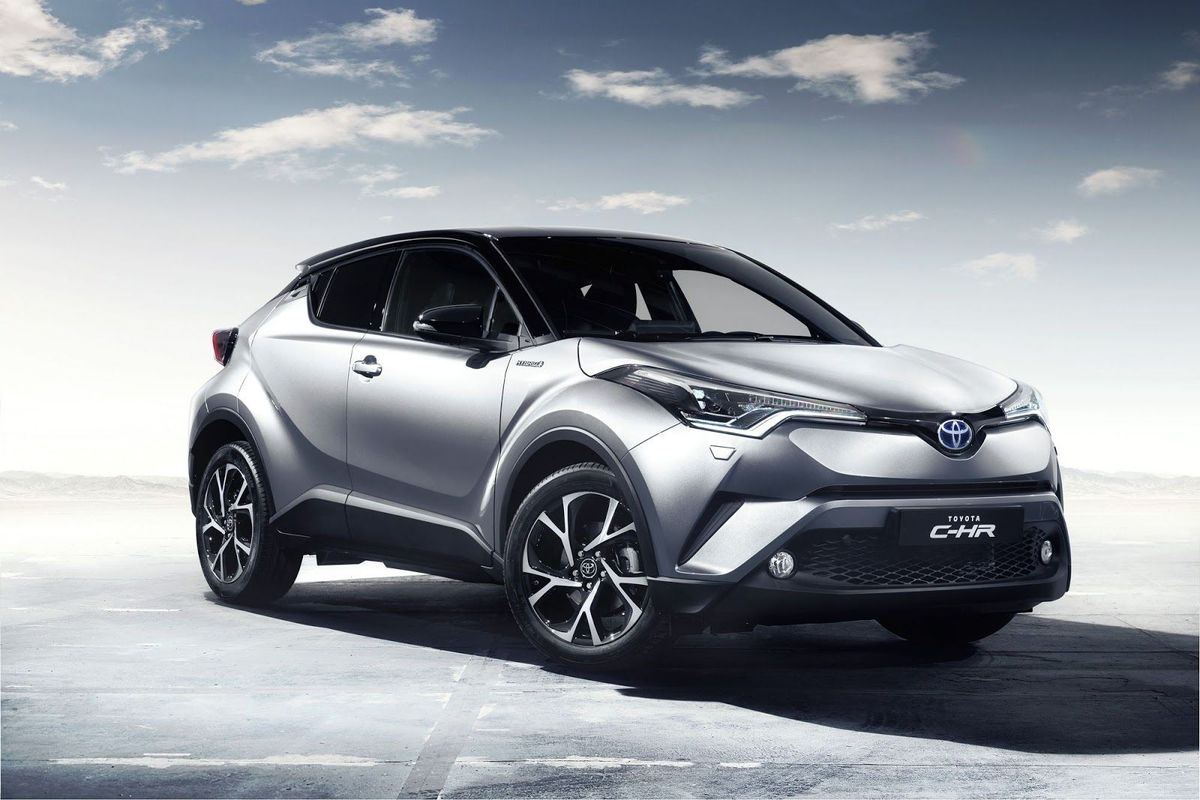
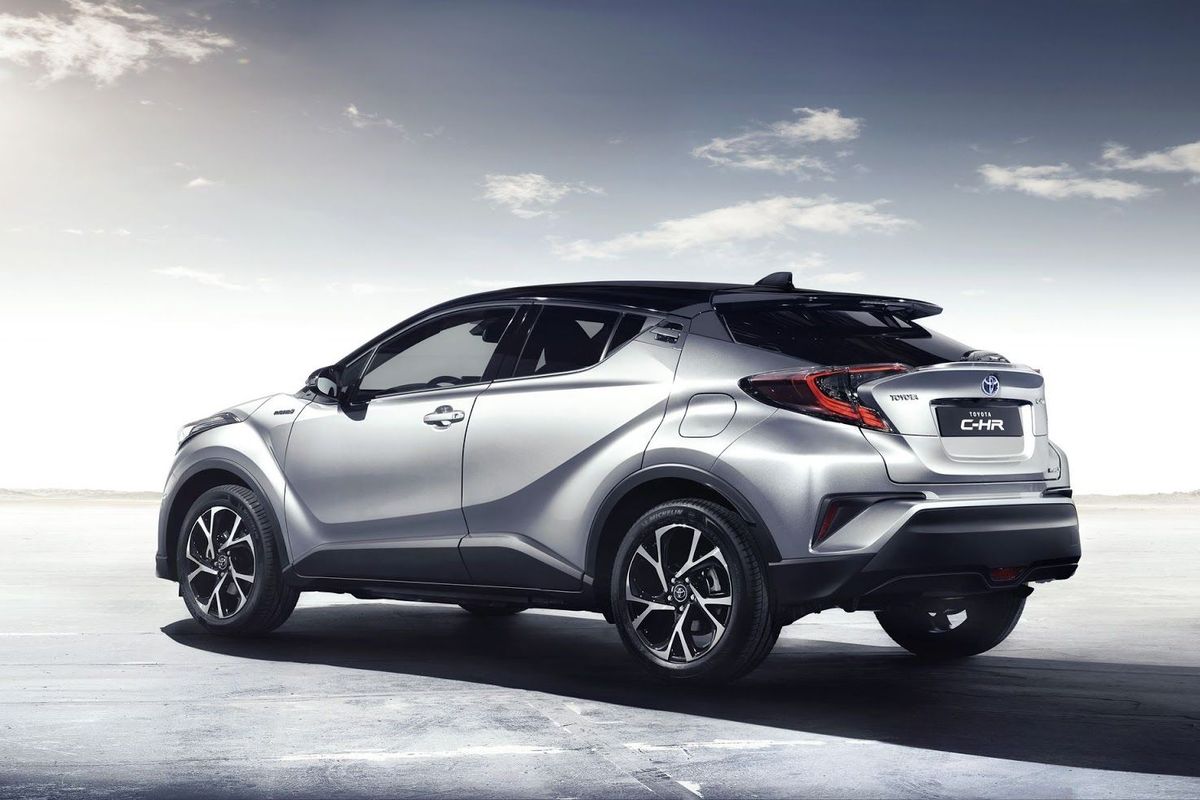
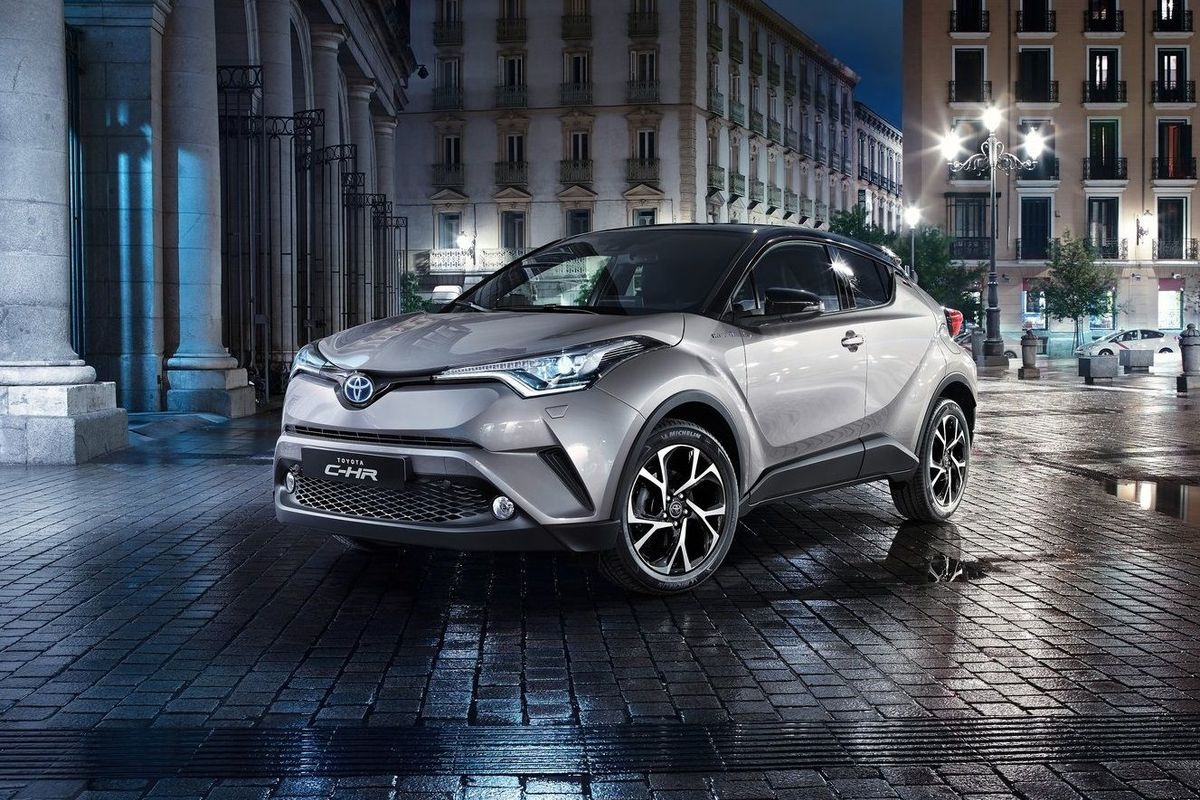
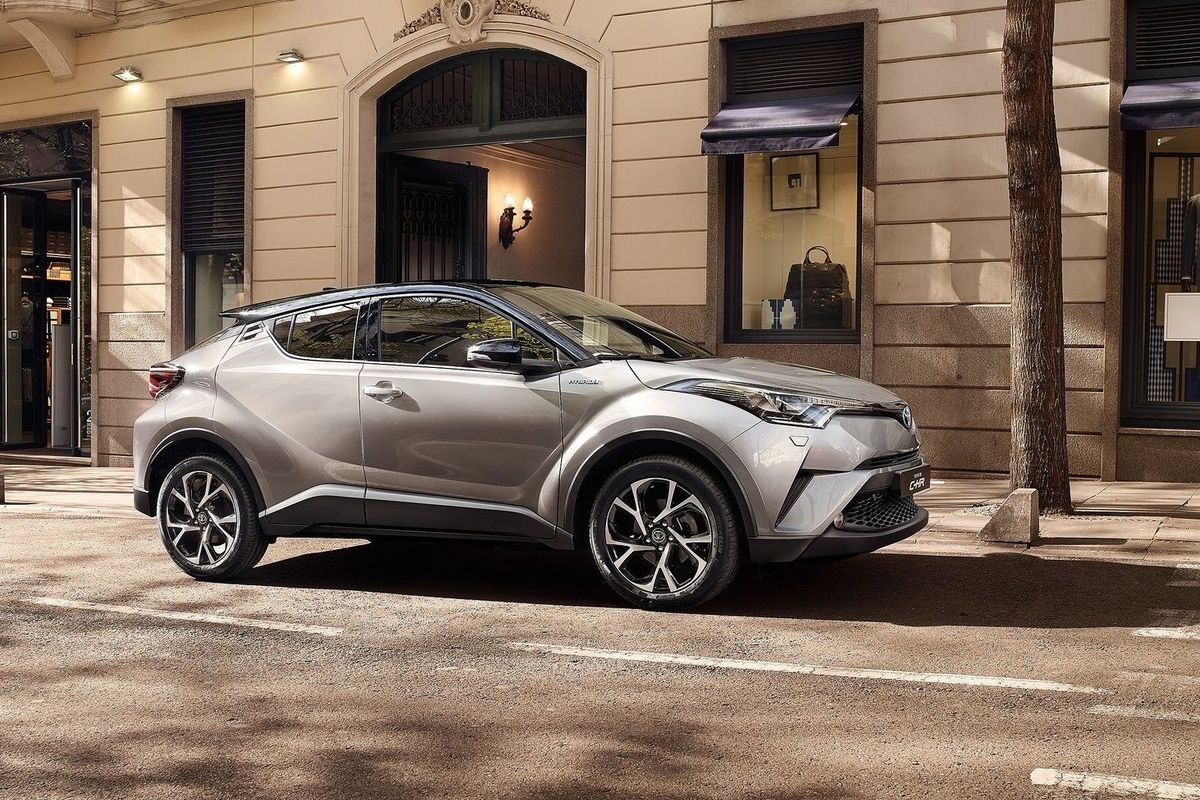
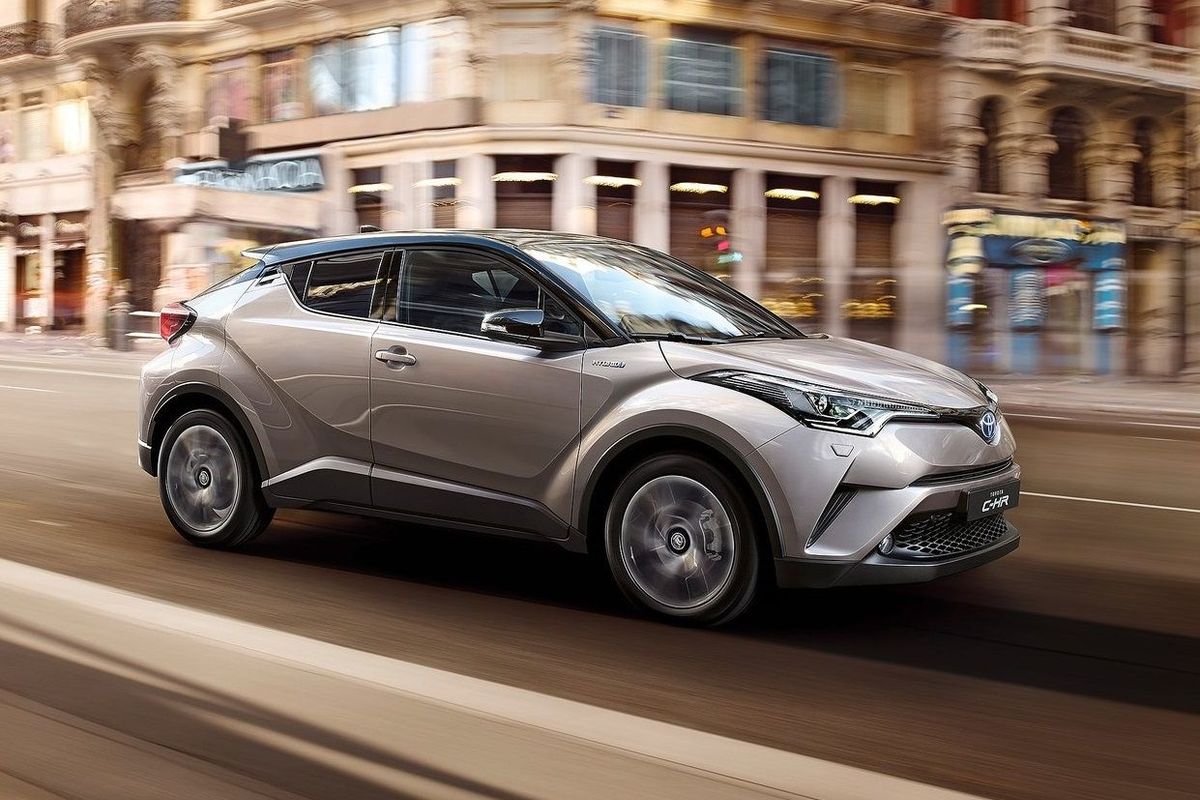
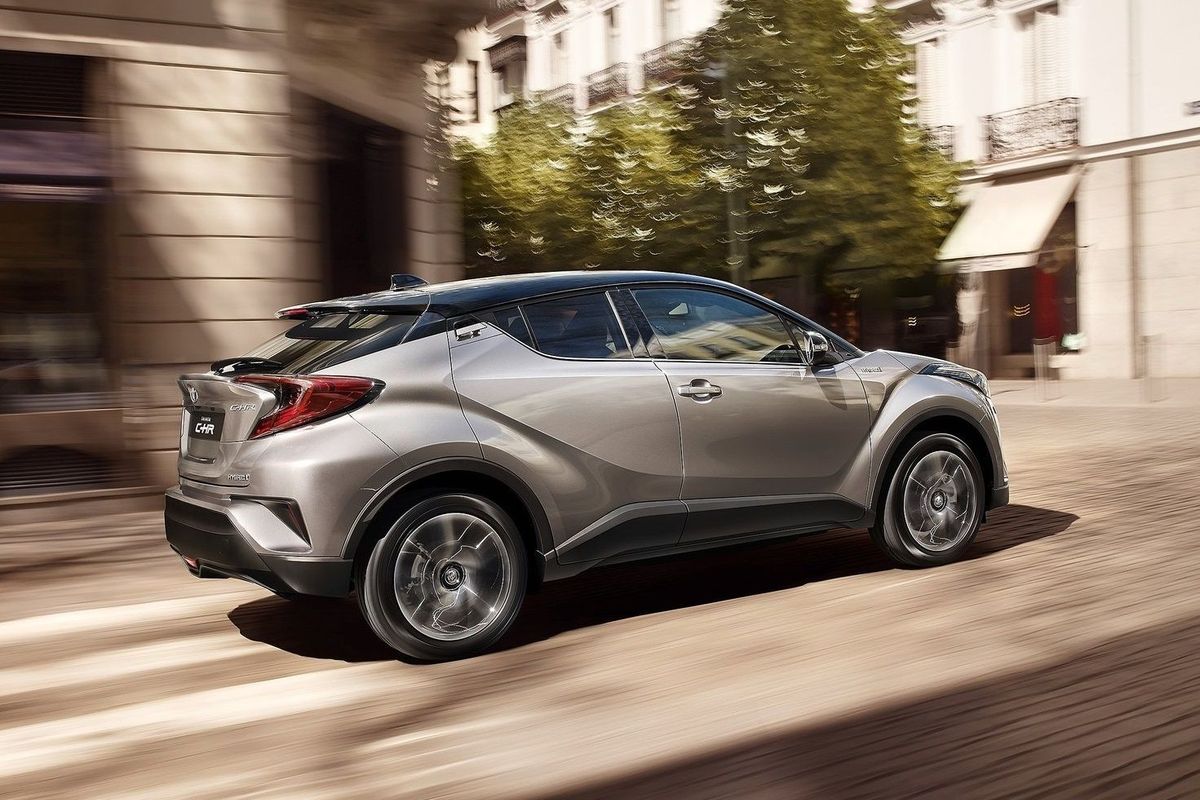
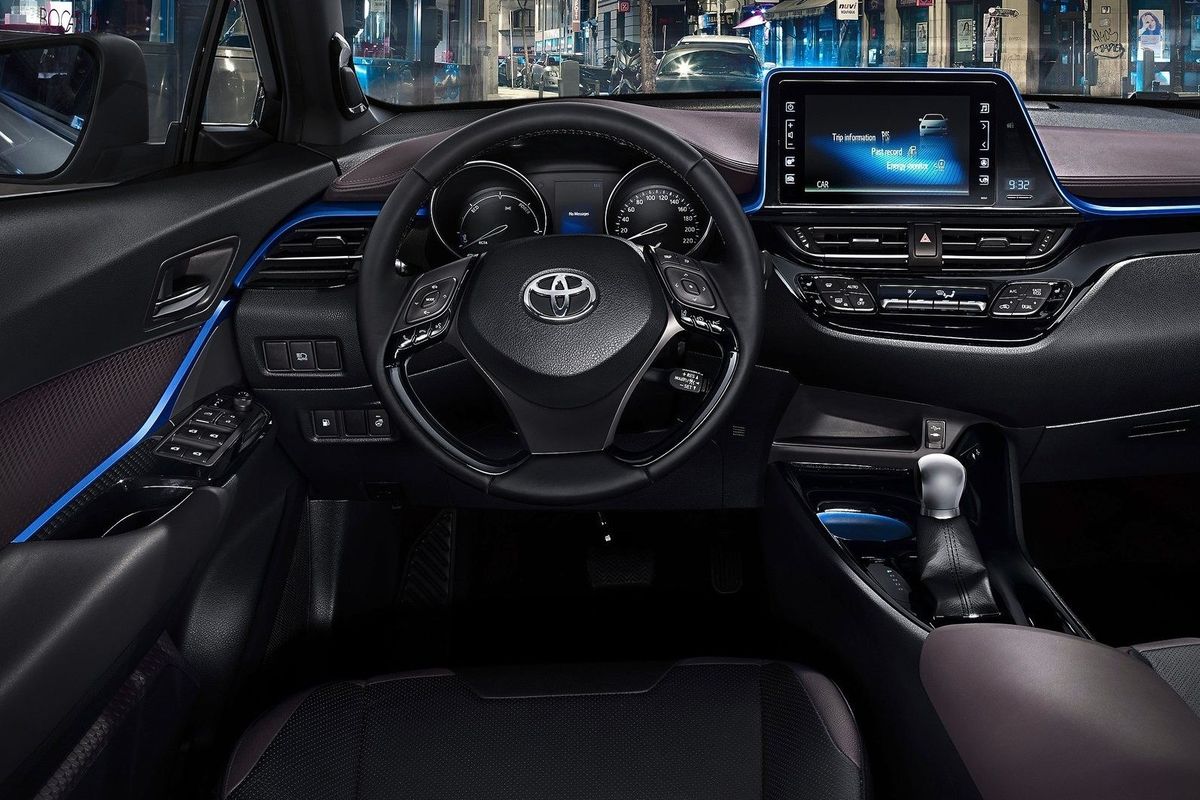
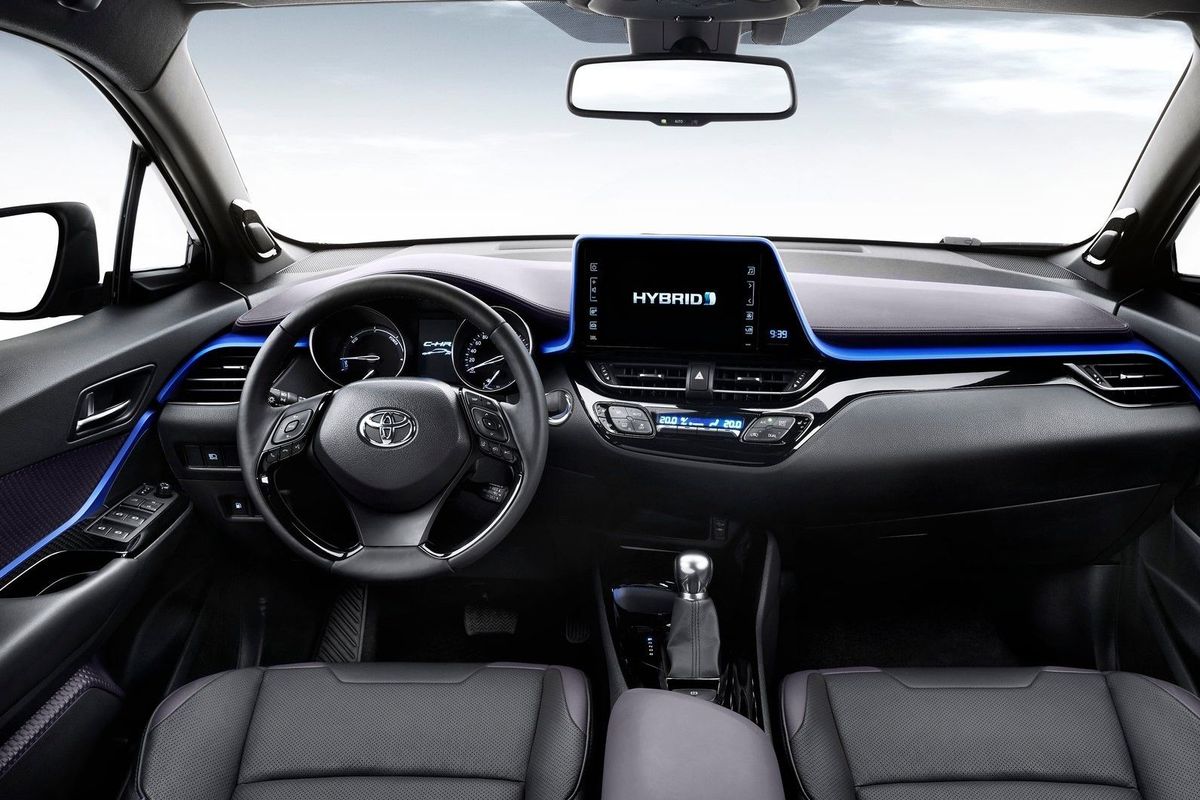
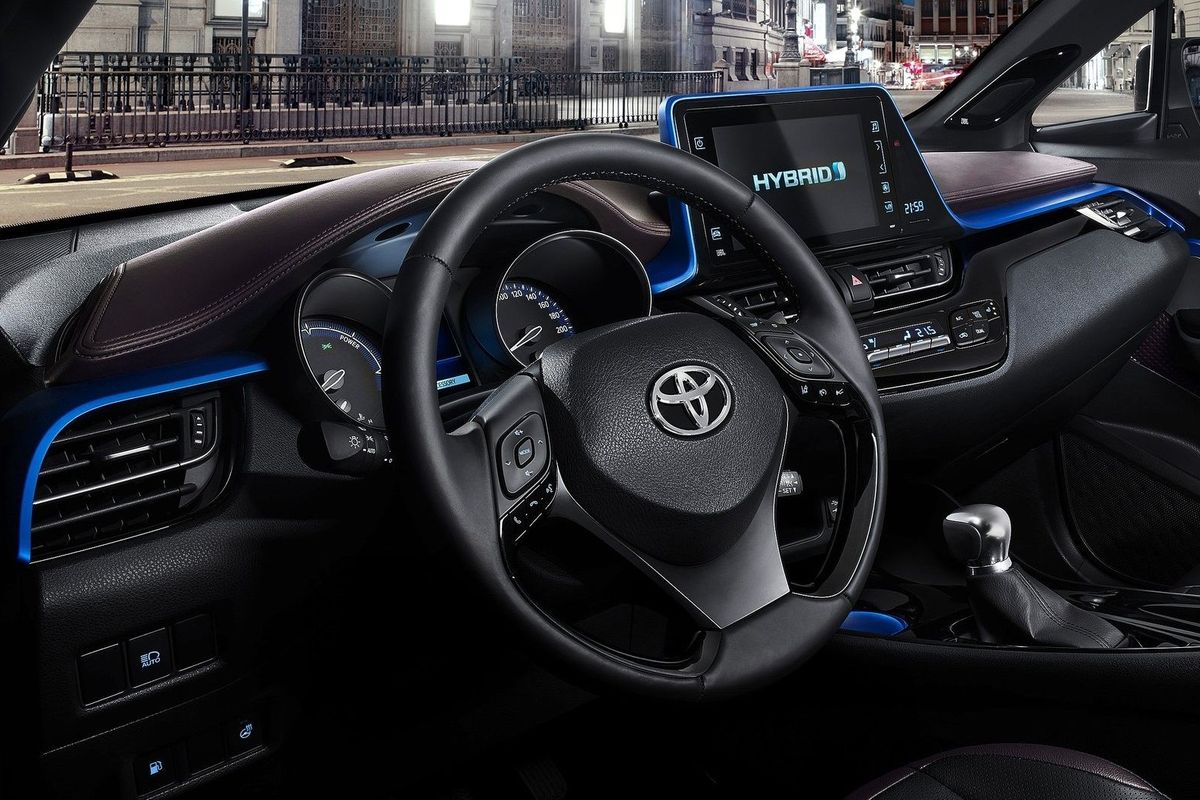
Toyota C-HR: Officially Debuts in Paris
Toyota Fortuner 2.4GD-6 (2016) Review
Toyota Corolla Quest enhanced for 2016

Interested in buying a Corolla Quest?

Search for one on Cars.co.za

Toyota Corolla 1.6 Prestige

2015 price – R256 700

2016 price – R287 400

+ R30 700 (+12%)

Related articles

Toyota RAV4 2.2D AWD GX (2016) Review
Toyota Corolla Sprinter (2015) Review

Interested in buying a Corolla?

Search for one on Cars.co.za

Peugeot 308 1.2T GT Line

2015 price – R329 900

2016 price – R357 900

+ R28 000 (+8.5%)

Related articles

Peugeot 308 1.2 GT Line Auto (2016) Review
Peugeot 308 GTI (2016) Video
Buying Advice: Peugeot 308 – Pricing & Rivals (Video)

Interested in buying a 308?

Search for one on Cars.co.za

Kia Picanto 1.2 EX

2015 price – R149 995

2016 price – R178 995

+ R29 000 (+19.3%)

Related articles

Kia adds new 1.2 entry-level Picanto
Comparison: Kia Picanto 1.2 vs Suzuki Swift 1.2

Interested in buying a Picanto?

Search for one on Cars.co.za

Ford Kuga 2.0TDCi AWD Trend

2015 price – R424 900

2016 price – R489 900

+ R65 000 (+15.3%)

Related articles

Extended Test: Ford Kuga 1.5T Trend Automatic [with Video]
New Ford Kuga Revealed
SUV Comparison: Ford Kuga vs Honda CR-V vs Subaru Forester

Interested in buying a Kuga?

Search for one on Cars.co.za

Ford Focus Hatch 1.5T Trend

2015 price – R265 900

2016 price – R307 900

+ R42 000 (+15.8%)

Related articles

Ford Focus RS (2016) Review
Ford Focus range expands in SA
Ford Focus 1.0T Trend – Best Compact Car

Interested in buying a Focus?

Search for one on Cars.co.za

Extended Test: Foton Tunland 2.8 double cab 4×4 Luxury [with Video]

Foton is a relative newcomer to the bakkie market and therefore many buyers still compare buying a Tunland to taking a leap of faith. But how big a leap does it need to be? We found the top-spec Chinese bakkie old-school in some ways, and pleasantly luxurious in others

Foton Tunland 2.8 Double Cab 4×4 Luxury – Quick Specs

  • Price: R409 995
  • Engine: 2.8-litre, 4-cylinder turbodiesel
  • Transmission: 5-speed manual
  • Power: 120 kW
  • Torque: 360 Nm
  • Fuel Consumption: 8.3 L/100 km (claimed)
  • Load Bay Capacity: 965 litres

Eye-catching presentation

Lifestyle family car buyers favour double-cabs for a variety of reasons, not least value for money and utility. While the competition in the segment grows tighter by the day, manufacturers realise that exterior paraphernalia, colloquially known as “bakkie bling”, represent extra value to showroom visitors, many of whom would probably want to specify some “off-roader bits” at extra cost anyway.


Distinctive looks are supplemented by sporty adornments such as a chrome-look roll bar and running boards.

The bold, colourful plastic body wrap (applied by the Foton’s distributor for marketing purposes) helped the otherwise plain-white Tunland draw admiring glances throughout its tenure in Cars.co.za’s extended test fleet, but the Luxury’s “bakkie bling” will be of most interest to prospective buyers… 

Standard fog lights, running boards, colour-coded mirrors and door handles (the former with integrated indicator lenses, the latter amended by chrome accents), a chrome-look roll bar, as well as a tonneau cover gave the Foton good kerb appeal. Why a chrome-look nudge bar, which would have complemented the roll bar beautifully, was not fitted remains a mystery, but check with local dealers to see if there are Tunland demonstration units that might already have them fitted.


The dark faux wood interior inserts and shiny trim strips aren't garish, but arguably out of fashion…

If you are considering purchasing a double cab, note the relatively sparse exterior specifications of other bakkies listed as new for around R410k and compare it with the Foton’s standard fitments, as well as…

An interior awash with nice-to-haves  

Whereas “luxury” and “SUV” are commonly associated with one another, “luxury” and “bakkie” sit together less comfortably, especially at the value end of the double-cab market. Some offerings have basic steering wheels, cloth/vinyl seats and basic radio/CD/MP3 audio systems (if standard), but the Tunland comes equipped with leather upholstery (with adjustable lumbar support for the front seats), a leather-wrapped multifunction steering wheel, electrically folding side mirrors (with a demisting function) as well as rear PDC system (with audible warnings); quite a comprehensive package.


Streaming music from a smartphone via Bluetooth is just as easy as… loading a CD into the audio unit! 

However, bakkies that are of a newer design than the Foton certainly have comparatively more “car-like” interiors. The Tunland’s fascia and dashboard designs are rooted in the bakkie’s commercial vehicle origins and although that shouldn’t ultimately deter too many buyers, it does show up the Chinese firm’s attempts to make the interior look more upmarket, because chrome-look trims and faux wood are a bit passe nowadays, let alone in a bakkie cabin. Exposed screw heads in the door handle housings and steering column are obtrusive: why not hide them under plastic caps, for example? 

Having said that, the Foton’s cabin quality held up well (for the most part) during the test. We initially judged the audio system on its plain appearance (it still has a CD slot!), but it offers USB and auxiliary inputs and can stream music from a smartphone via Bluetooth, plus it’s easy to set up and use. Furthermore, the multifunction steering wheel’s controls work well and the integrated handsfree system’s microphone (mounted on the inside of the A-pillar) relays clearly audible dialogue. 


The rear seats in the Tunland don't offer generous legroom, but can accommodate 3 adults at a squeeze.

The front seats are comfy and the cabin is spacious enough to accommodate up to 5 adults at a squeeze, even if the rear legroom is comparatively tight. Voluminous cupholders in the centre console are big enough to accommodate a pair of large takeaway coffees, the lidded oddment storage spaces (at the bottom of the fascia) is ideal for storing sunglasses and other valuables from prying eyes.

But a one-touch up/down function on the driver's window and more than one 12V outlet would not have gone amiss. The only glitch we encountered was with the ventilation control knob, which stopped working toward the end of the test. We also noted that the shift-on-the-fly 2H/4H/4L push button console did, at times, refuse to obey inputs (yes, we adhered to the maximum speed limit for shifting between 2H and 4H). Switching the ignition off and on again “resolved” the problem.


Lugging detritus? The load bay easily swallowed a quartet of bar stools. 

Willing to work hard

The Foton was one of the first vehicles to join Cars.co.za’s extended-test programme and its arrival was perfectly timed to facilitate a staffer’s house move (and the repeated loading/loading it requires). It’s a sizeable bakkie, which is advantageous in terms of its spacious cabin and broad, deep loading area.

Removing the standard tonneau cover requires loosening 4 g-clamps, lifting the cover’s frame and a pair of braces off the load bay’s edge and sliding the cover out of a groove behind the rear screen. One person can do it, but refitting it is much easier with assistance. We were impressed with the quality of the cover’s components and installation, although as the pictures of a trip to a hardware store suggest, the tonneau' does not limit practicality in all scenarios.


With a load bay capacity of 965 litres, the Foton easily hauled a load of building supplies.  

We did notice sporadic creaks emanating from the left rear suspension (it could have been caused by the load bed straining against the chassis), but otherwise the Tunland performed dutifully. As a source of everyday transport, however, the bakkie’s exterior dimensions were, as expected, disadvantageous in congested parking lots, where the wide turning circle made parking a bit tricky. Having said that, the manoeuvrability problem is not limited to the Foton, but endemic to most modern double cabs.

Old school motor, but frugal

The 2.8-litre Cummins engine at the heart of the Foton is a proven quantity, but it’s neither as refined, nor significantly more powerful, than its (smaller-capacity) competitors. Apart from the somewhat noisy engine, the bakkie’s 5-speed transmission is notchy, especially from a cold start and we found that when trundling below the urban speed limit (60 kph), we’d flit between the second and third gears of the Tunland just to keep the motor “on the boil”. The motor always performed tirelessly, however.


The instant consumption readout isn't particularly helpful, but L/100 km is a click of the trip computer button away.  

An extra ratio would undoubtedly have facilitated cruising in freeway conditions, but, having said that, Foton’s claim of an average consumption figure of 8.3 L/100 km is quite conservative. The highest indicated figure we saw was 8.1, which was most impressive (if the trip computer is accurate). In addition to the frugal performance, the bakkie rides as comfortably as any product of its generation, the road-holding is relatively neutral and predictable and the “snatchiness” of the brakes at low speed (to which we alluded in the review of this Tunland derivative) did not require all that much familiarisation.  

Meanwhile, the Foton offers more than capable off-road capability. We’ve already praised the bakkie’s shift-on-the-fly functionality, but a diff-lock is conspicuous by its absence… It suggests that Foton conceived the bakkie as an urban-based family vehicle that will only be called into action as a 4×4 lifestyle vehicle now and again. It is rated to tow braked trailers of up to 2 500 kg, incidentally.


The rightmost (ventilation control) knob felt a little flimsy to operate; the shift-on-the-fly buttons are chunky.

Verdict

Underpinned by a prudent design and reasonable build quality, the Foton Tunland 2.8 double cab 4×4 Luxury is undeniably an attractively-packaged bakkie, especially insofar as aesthetic accoutrements and luxury interior features are concerned. After all, in a market where other fringe players that are priced below it don't feel as substantial, and more sophisticated/newer products priced above it feel relatively stripped down, a generous standard specification undoubtedly adds to showroom appeal.

However, the Tunland isn’t flush with features in every respect. On the safety front, auto-locking doors, front airbags and ABS with EBD are standard, but that’s not a class-leading specification (there’s neither traction- nor stability control).


When the time came for the Tunland to make its video star turn, the bakkie didn't hesitate to make a splash.

Then factor in Foton’s limited dealer footprint compared with those of top-selling bakkie brands, the military medium 3-year/100 000 warranty and limited (albeit 5-year) 70 000 km service plan and one could not begrudge conservative, brand-loyal buyers (especially in the bakkie market) for favouring used examples of established products over the newcomer.

Yet this test highlighted that Foton deserves to be considered based on its new-out-of-the-box proposition. Apart from the annoying ventilation knob malady and shift-on-the-fly quirk, the Tunland “did not put a wheel wrong”. If this product is a harbinger of future Foton products, even those that incorporate incremental improvements, the brand deserves to grow its presence in the cutthroat double-cab market. Dismissing the Tunland as just an astute used buy would be patently unfair.  

Related content: 

Foton Introduces Tunland Granite Special Edition in SA
Foton Tunland 2.8 Double Cab 4×4 Luxury (2016) Review
Renault Duster Oroch Double Cab (2016) First Drive
Best Leisure Double-Cab Bakkies in SA
6 New Double Cabs to Look Out For
5 Cheapest Automatic Double-Cab Bakkies in SA
5 Most Fuel-Efficient Double-Cab Bakkies in SA (2016)
5 Cheapest Family Double-Cab Bakkies in South Africa
Interested in buying a Foton Tunland?

New? Check our Car Specials page for the latest deals
Used? Browse Cars.co.za stock for available vehicles

Isuzu KB (2016) Specs & Price

Isuzu has announced a facelifted version of its Isuzu KB bakkie and here are some details about this model.

The facelifted version of the Isuzu KB bakkie has gone on sale and while we attended its launch in Namibia (look out for a First Drive report of the newcomer soon), here are some key facts and details about this new vehicle. 

What's new?

  • New front fascia design including changes to bonnet, radiator grille and fog lamps
  • Redesigned headlamps with projector and integrated LED day time running lights on LX models
  • Updated tailgate styling on extended and double cab models.
  • Reverse-view camera integrated to tailgate handle on LX double cab models
  • 4×4 decal on load box
  • LX models get new-look 18-inch alloy wheels
  • 16-inch styled wheel features on the rest of the range
  • Instrument cluster design with improved functionality and shift indicator for manual models.
  • Rear park assist camera is now integrated into the rear tailgate handle on all LX double-cab derivatives.

“The new KB looks a lot sleeker and streamlined with a new instrumentation cluster design, improved sound system while maintaining all the key Isuzu characteristics we have come to love. In addition to the new look, 3.0 4×4 LX Double Cab customers will benefit from additional value as these models now come standard with a towbar, sportsbar, roofrails and power adjustable leather seats,” says Brian Olson, vice President Vehicle Sales, Service, and Marketing General Motors Sub-Saharan Africa.

In terms of engines, the trusty 2.5-litre and 3.0-litre diesel engines continue to be offered. The top-of-the-range 3.0 pushes out 130 kW and 380 Nm, while consuming 7.9 L/100 km for 4×4 double cab and extended cab models, dropping to 7.7 L/100 km for the 4×2 versions. The single cab 4×2 also returns a figure of 7.7L/100 km, with the 4×4 single cab version consuming 8 L/100 km. The second engine is the 2.5-litre which has  100 kW and 320 Nm. Both workhorse 250 modes come with the Direct Injection 4 Cylinder 2.5 Diesel engine which produces 58 kW and 170 Nm and fuel consumption is rated at 7.9 L/100 km.

Another important change is a refined suspension which helps deliver a smoother ride. This change comes from over 100 000 km of testing completed by local engineers. Hi-Rider 4X2 models receive new front and rear dampers while 4X4 models received revised rear dampers only.

Isuzu KB Price in South Africa (February 2017)

Isuzu has a complete customer care programme aimed at giving customers peace of mind by covering all aftersales related worries under one programme. Isuzu Complete Care covers:
  • All routine maintenance, regular servicing and roadside emergencies
  • New Vehicle Warranty – Standard 5 Year or 120 000km
  • Roadside Assistance for 5 Years or 120 000km
  • 5-year/ unlimited mileage anti-corrosion warranty and,
  • 5-year/ 90 000 km service plan. Service intervals are 15 000 km or twelve months for all derivatives.

Click here for the latest  Isuzu KB Pricing in South Africa

Single Cab

KB 250 BASE SINGLE CAB (LEED)

R 236 500


KB 250 FLEETSIDE SINGLE CAB (LEED)

R 258 800


KB 250 FLEETSIDE (SAFETY)

R 285 600


KB 250 SINGLE CAB LE

R 334 500


KB 250 4X4 SINGLE CAB LE

R 392 700


KB 300 4X4 SINGLE CAB LX

R445 100


Extended Cab

KB 250 EXTENDED CAB HI-RIDER

R 337 400


KB 300 EXTENDED CAB LX

R 418 200


KB 300 EXTENDED CAB LX (AUTO)

R 432 200


KB 300 4X4 EXTENDED CAB LX

R 479 200


Double Cab

KB 250 DOUBLE CAB HI-RIDER

R 358 400


KB 250 Double Cab LE

R 439 600


KB 250 Double Cab 4×4 LE

R 462 000


KB 300 Double Cab LX

R 384 200


KB 300 Double Cab LX (Cloth)

R 486 900


KB 300 Double Cab LX (Auto) (Cloth)

R 501 200


KB 300 4×4 Double Cab LX

R 549 800


KB 300 4×4 Double Cab LX (Auto)

R 563 500