Volkswagen Polo Vivo GTS (2016) Review
Considering the strong market support for the preceding Polo Vivo 1.6 GT derivative, it is clear that the Volkswagen budget offering’s appeal is not only restricted to the entry-level models. We tried out the new GTS flagship to discover why.

Should you buy a 2016 Volkswagen Polo Vivo GTS? This review will help you make an informed buying decision!

We like: Solidity, spaciousness, grip, cabin detail

We don’t like: Coarse engine, ride

Alternatives:

  • For better performance: While a zero to 100 kph time of 10.6 seconds is pretty good at this price level, the GTS is beaten by the entry-level Mazda2 1.5 Active (8.7 sec). Another entry-level offering, the Opel Astra 1.0T Essentia, is also slightly quicker. And let’s be honest… acceleration times account for only part of an overall performance package. The naturally aspirated Mazda has a sweeter revving engine compared with the coarse Volkswagen, and the Opel’s power is spread across a wider engine range courtesy of turbocharging. So, if you want performance and don’t mind relatively “mundane” looks, both the Opel and Mazda are strong alternatives.
  • For a racier look and feel: This is where the Polo Vivo GTS arguably excels. With its lowered suspension, fat tyres and gunmetal-coloured alloy wheels it doesn’t only offer plenty showroom appeal, the suspension and tyres actually contribute to a sportier feel on the road and through the steering wheel. At the price, it can’t be beaten in that regard, seeing as most of its rivals (on price) are the entry-level derivatives of their respective model ranges.
  • For greater value: Whether the Polo Vivo GTS constitutes good value depends greatly on what you’re after. If you want something relatively spacious that is also sporty-looking and includes a reasonable number of features, the GTS is hard to beat. At this price the Corsa 1.0T Essentia is attractive, but it is the base-model Corsa and lacks a few features, which will bump up the price. And the Mazda2, which certainly has the performance, is also a base model, so may not offer sufficient desirability.  

What is a Polo Vivo GTS?

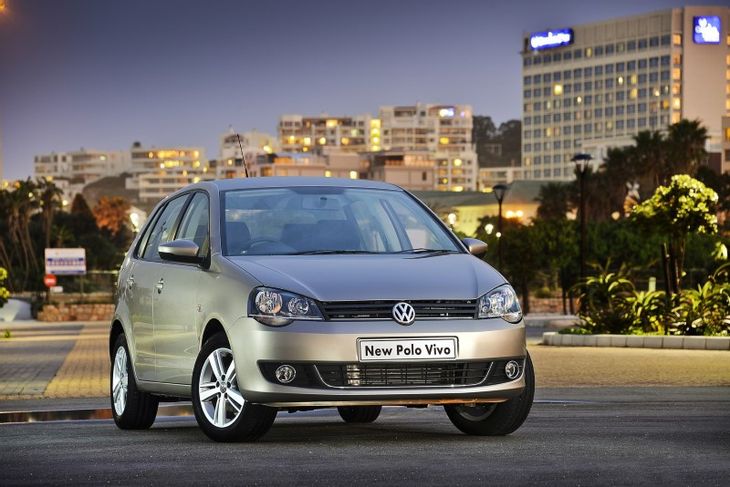
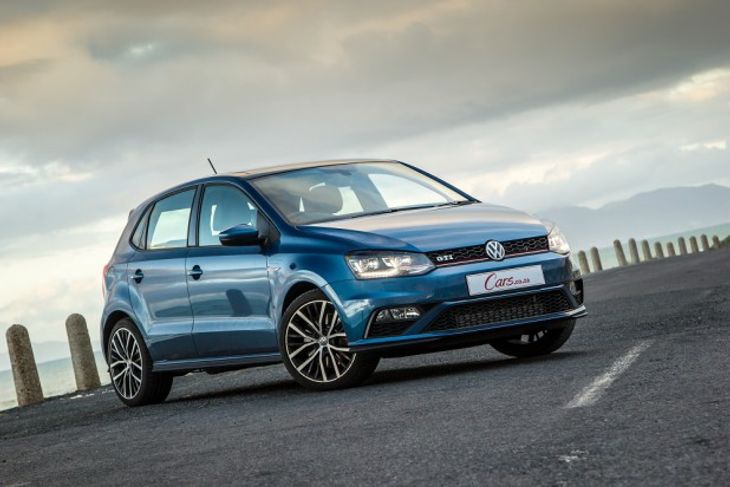
For the past few years, Volkswagen has been doing reasonably brisk business with a sporty “GT” version of the Vivo. Compared with a standard Vivo 1.6-litre, the GT (and the new GTS) merely offer racy visual addenda over and above a widely loved package. With the GTS, this concept has been refined, so you can feast your eyes on a roof painted in black, side mirror housings in gloss black, striking 16-inch Rivazza alloy wheels in a grey metallic gloss finish, two-tone GTS side decals and a few other GTS-specific details. It is also offered in five colours; besides the Reflex Silver of our test unit, Pure white, Flash red, Sunset red and Pepper gray are also available.

So, if you’ve got around R200 000 to spend and you want something that looks a bit racy, but can’t afford to sacrifice the convenience of 5 doors and good cabin features, then the Vivo GTS may very well be a good fit for you.

How does the Polo Vivo GTS fare in terms of…

Desirability?


The previous-generation Polo’s design has dated well, so Vivo remains an attractive offering.

It’s hard to believe, but one of the main reasons why a buyer would consider this particular Vivo derivative is… desirability. After all, there are more modern offerings around at the same price. There are safer choices, too, as there are more spacious and more feature-packed ones… the list goes on. However, during our test period with the GTS one thing became clear –South Africans, of all ages, genders and races – seem to be drawn to this model, and often enquired about what makes it a GTS derivative. 

The basic Vivo design (or, let’s be honest, old Polo design), still clearly holds plenty of appeal, and Volkswagen’s racy add-ons appear to have hit a sweet spot. Park a GTS next to a late previous-generation Polo, or even an early Vivo, and you’ll be amazed at the extent of the design detail that Volkswagen has introduced since the Vivo made its debut. 

The GTS’ lowered ride height is particularly apparent; it looks quite purposeful as it crouches on those dark, 16-inch wheels. At the rear there are double chrome-tipped exhaust outlets and a subtle spoiler. Interestingly, there is not even one Polo or Vivo badge to be found on the car’s exterior… 

Inside, the changes are similarly tasteful and effective. The leather-wrapped, three-spoke steering wheel is particularly attractive and nice to hold, while the chequered cloth upholstery has a lovely retro look to it. And then there’s the build quality. Volkswagen’s Uitenhage factory (where the Vivo is built) recently came out on top when compared with a dozen other Volkswagen factories world-wide, and it shows. The Vivo didn’t squeak or rattle once during the test, and the soft-touch fascia finish remains a nice-to-have at this price level.

So, while some may think that these additions are not enough to make a humble Vivo “desirable”, in reality, at this price level, there isn’t really anything else that would offer similar showroom appeal to an enthusiastic young car buyer. 

Performance and handling?


Lowered ride height and fat tyres contribute to high grip levels and a sporty feel.

Let’s deal with the handling part first… Like the GT before it, this GTS boasts a slightly lowered ride (by 15 mm). It also gets 16x7J alloy wheels shod with some pretty wide (205/45) Bridgestone rubber. To drive, it has quite a different feel to a standard Vivo. It rolls much less in the corners and grip levels appear to be signficantly higher too. Consequently, it’s a car that can corner with a surprising degree of exuberance. There’s still not much feel from the steering wheel, but at least it is nicely weighted and pleasingly direct. A slight downside of the impressive dynamic showing is the ride quality. Due to the suspension’s sporty setup, the going can get quite bumpy over poor surfaces.

In terms of performance, the news is not as positive. The GTS uses the same well-proven 1.6-litre 4-cylinder engine as its Vivo siblings. The unit develops 77 kW and 155 Nm of torque, which is competitive with the smaller-capacity vehicles priced around it. So the performance is there. Unfortunately, you have work the engine quite hard to extract optimal performance, which wouldn’t have been such a problem if only this powerplant wasn’t so coarse. It’s not particularly keen to rev and the sound it emits while doing so is somewhat pained. 

The engine is mated with a 5-speed manual transmission that offers that typically Volkswagen “notchy” shift quality, which is loved by fans of the brand, but loathed by others. A potentially bigger problem (over an extended period of time) than the coarse engine could be the gear ratios. Yes, the short ratios give the GTS spirited sprint performance, but when you’re not churning the ‘box enthusiastically, the resultant engine drone can become tiresome. Cruising at around 120 kph in top gear results in quite a lot of engine noise in the cabin.

Standard features & comfort?


Not an unattractive interior for such an old design!

Volkswagen has specified the Vivo GTS with a younger “enthusiast” in mind. As such, there is a definite focus on things that look and sound nice. Besides the aforementioned attractive interior trim, the star of the show for many will be the comprehensive sound system. It offers 6 speakers and Bluetooth, SD card and USB functionality from a neatly integrated interface. 

Also included as standard are: front fog lamps, electric front windows, air-conditioning, power steering, dual front airbags and ABS with EBD. As is to be expected, there is no traction control. You also have to adjust the side mirrors manually, which is a bit of a pain. Cruise control can be specified at extra cost.

Still, comfort levels are reasonably good, ignoring (for a moment) the noisy/strained engine note at higher cruising speeds. The seats are superb, with especially the front sports seats receiving plenty of praise for their combination of comfort and support. 

Practicality?


Five-door body and relatively capacious boot make the Vivo GTS a practical daily driver.

Whereas the Vivo GT was initially offered in 3-door guise, the GTS is available only in practical 5-door form. This means that, notwithstanding its racy looks, the GTS still offers a healthy dose of daily-driver practicality. The boot is similarly sized to those of its (price) rivals, and decently shaped to accommodate bulky objects as well. A space-saver spare wheel is fitted underneath the boot floor. A slight downside is the single-piece rear seatback, where most rivals offer a 60:40 split/fold design. Should you require space for bulky objects that necessitates the folding of the rear seat, the Vivo is therefore immediately transformed into a two-seater.

Rear legroom is acceptable for what the car is and proved more than enough to transport young children in comfort. The news is good in front, too. The driver gets a rake- and reach-adjustable steering wheel, as well as a height-adjustable seat. And it is quite surprising (given the age of the design), to note that the Vivo can teach modern rivals a thing or two about oddments storage. There is a convenient shelf that spans the width of the cabin underneath the fascia and a multitude of other smaller hidey holes.  

Pricing and Warranty

The Vivo GTS sells for R199 900, which includes Volkswagen’s usual 3-years/120 000 km warranty. A service plan is optional and service intervals are scheduled for every 15 000 km.

Buy a used Volkswagen Polo Vivo on Cars.co.za

Verdict

With decent sales figures in its first two months on sale, it would appear that Volkswagen has judged the local market perfectly once again. In theory, the Vivo GTS should not succeed. After all, it is based on the previous-generation Polo, which was never a dynamic superstar. And to turn it into a Vivo, Volkswagen had to strip out many of the things that made the previous Polo feel like such an upmarket vehicle.

And yet… at the price, the Vivo GTS offers a desirable mix of look-at-me styling, sharper handling, spaciousness and a classy, well-made cabin. There is no direct competitor at around the R200 000 mark, so the facts that the engine is too coarse and that the GTS badge doesn’t come with extra performance are likely to have precious little impact on its appeal. 

Compare the VW Polo Vivo 1.6 GTS with the Mazda2 1.5 Active and Renault Clio Blaze

Frequently Asked Questions

Is the Volkswagen Polo Vivo a good car to buy in South Africa?

The Volkswagen Polo Vivo has a strong reputation in South Africa and is a consistent top-seller. It is often considered a reliable, affordable, and practical choice for everyday driving, with a strong focus on build quality. Its popularity also means there is a good market for used models and parts are readily available.

Where is the Volkswagen Polo Vivo manufactured?

The Volkswagen Polo Vivo is proudly manufactured in South Africa at Volkswagen’s plant in Kariega (formerly Uitenhage), Eastern Cape.

What are the engine options for the Volkswagen Polo Vivo in South Africa?

The Polo Vivo range in South Africa is available with several engine options, including naturally aspirated 1.4-litre and 1.6-litre petrol engines. The top-of-the-range GT model features a 1.0-litre turbocharged TSI petrol engine.

What is the Volkswagen Polo Vivo’s safety rating?

The Volkswagen Polo Vivo has a 4-star Global NCAP safety rating for Adult Occupancy Protection and a 3-star rating for Child Occupancy Protection. Key safety features include driver and passenger airbags, ISOFIX mounting points, and in some models, Electronic Stability Control (ESC) and side airbags.

Related Content 

VW Polo Vivo (2025) Specs & Price 

Reviews 

Volkswagen Polo Vivo (2018) Review

Volkswagen Polo Vivo GT (2018) Review

Volkswagen Polo Vivo GTS (2016) Review
Volkswagen Polo Vivo (2014) Review

Comparisons

New Polo Vivo vs Old Polo: How different are they?

VW Polo Vivo: 5 Good Alternatives to Consider

Rolls-Royce Showcases Vision Next 100 Concept


Rolls-Royce has showcased an outrageous concept to celebrate the BMW Group's centenary. It's using this concept to predict what the future of luxury motoring will be like.

It's officially called the 103EX Vision Next 100 Concept and it's claimed to represent a glimpse into Rolls-Royce's future. If you transported yourself forward by 100 years, is this what you'd see in the local Rolls-Royce dealership? Rolls-Royce says it is rejecting the idea of anonymous, utilitarian and bland modes of mobility in the future and that suggests that cars of the future will be autonomous, yes, but also spacious and beautiful. Cars will not be mainstream, but each vehicle will be customised to suit the needs of individual customers. 

This 103EX Vision Next 100 is fully autonomous and comes with its own digital assistant who also drives the car. She's called Eleanor and she's able to tell owners about their appointments and help them to schedule tasks while they travel in luxury. Powering the Rolls-Royce 103EX won't be the BMW-sourced V12 engine as the brand expects that large-capacity engines, let alone internal combustion ones, will probably not exist in 2116. Expect some form of (eminently refined) zero-emission propulsion in this breathtaking machine. 

Watch our video of the Rolls-Royce Ghost Series II

Check out our selection of Rolls-Royce models here

Mercedes-Benz SLC300 (2016) Review

With a new nomenclature, an updated powerplant and a revised exterior design, the Mercedes-Benz SLC is set to continue the legacy of the German marque's compact roadster (with a folding metal roof). Let’s get under its skin.

We like: stylish and classy, build quality, refined cruiser

We don’t like: cramped for taller folk (some testers had to set the driver seat all the way back)

Alternatives:

  • For similar money: BMW Z4 sDrive28i M Sport auto.The arch-rival to the Mercedes-Benz SLC. It offers more enthusiasm and six-cylinder engines, but it is getting on in years.
  • For more performance: Porsche 718 Boxster PDK. Porsche’s new four-cylinder roadster has arrived. The Boxster has a reputation for being the driver’s choice, but it is a tad more expensive than the Benz and BMW. We haven't tested it yet…
  • For more exclusivity: Jaguar F-Type convertible. The F-Type offers glorious noise and breathtaking looks, but it’s considerably more expensive than the SLC.

See how the SLC300 stacks up against the BMW Z4 and Porsche 718 Boxster PDK.

A rose by any other name…

The Mercedes-Benz SLK was one of those iconic vehicles that oozed style and presence. While petrolheads scoffed at the lack of outright performance from the non-AMG models, there was something oh-so-appealing about a fashionable boulevard-cruising compact Benz roadster. Now for 2016, Mercedes-Benz has rung the changes.. beginning with the name.

This may appear to be an SLK, but it's the Mercedes-Benz SLC300 AMG-Line, to give its full title. Much like the rest of Benz’s line-up, names are changing as part of a new strategy. GLK became GLC, GL became GLS and so on. The Mercedes-Benz SLK itself is not an old product, with a recent revision taking place back in 2012. The SLC is, therefore, not an all-new model, but rather an extensive facelift. The local line-up consists of three petrol engines; SLC200, SLC300 (tested here) and the twin-turbocharged Mercedes-AMG SLC43. 

How does it fare in terms of…


A new name, a new engine and a new face make the SLC distinct from its older SLK sibling.

Style?

The new look is undoubtedly easy on the eye. The front end receives new headlights, a redesigned grille and a reworked bumper. The diamond-style grille, in particular, is a classy touch and drew several admiring glances from observers. This unit came with a striking red paint job, and the standard 18-inch five-spoke alloy wheels further bolstered the SLC's visual appeal.

The cabin has also received some Botox and there are some youthful touches dotted around the interior. There’s a new-look steering wheel, the instrument cluster has been updated, there is a raft of shiny aluminium accents are the gear selector is embossed with SLC letting. The seats are sporty and supportive, and the cabin offers more space than the compact exterior dimensions would suggest. However, if you’re nearly 2.0 metres tall (which is the case with a couple of our testers), you’ll find yourself sliding the driver’s seat all the way back before you’re comfortable. This results in the leather seat then rubbing against the bulkhead which makes an irritating squeaking noise.


The redesigned dials lend a racy edge to the SLC's instrument binnacle.

Performance?

The 2.0-litre direct-injection turbopetrol motor that we’ve recently experienced in both the C-Class sedan and C-Class coupe again does duty in this SLC300. We've previously noted that the motor feels considerably restrained and, at times, felt an unwilling participant in situations that were conducive to enthusiastic driving. Thankfully, Mercedes-Benz has tweaked the powertrain for its application in the SLC and given it a sportier note and attitude, which is evident when Sport+ mode is activated… the exhaust has a perceptibly deeper tone to it. 

Most modern 4-cylinder engines sound a bit bland (it was the Volkswagen Audi Group who engineered that characteristic gearshift blip) and the Mercedes-Benz is no different; it is only when you press on that the SLC300's motor sounds somewhat sporty. However, you have to ask yourself how many SLC models are going to be driven hard? We’d bet very few…

With 180 kW and 370 Nm that reaches the rear wheels through a 9-speed automatic transmission, the roadster is no slouch and can deliver commendable straight line performance should one need to push on. Benz claims the 300 will hit 100 kph from standstill in under 6 seconds, which gives it enough pace to embarrass pretenders in their "warm" hatches.

Enthusiastic driving is not the Mercedes-Benz SLC’s modus operandi though. Given the SLC's genteel and mature target market, the Benz is endowed with refined road manners. With the roof down, your favourite music playing through the audio system and a scenic road stretched out in front of you, the SLC is a calm, eminently premium mode of transportation.


Cross-drilled brakes are very effective, but the chances are you won't be going that fast in the first place.

The driving modes comprise Comfort, Eco, Sport, Sport+ and Individual. Eco and Comfort turn the engine mapping to its most conservative- and suspension to its softest setting respectively. Sport+ does the exact opposite in both regards, but, in that extreme mode, the SLC lands up crashing over the slightest imperfections in the road. And, on tight, winding sections of road, the SLC isn’t the most nimble of performers – it's not ponderous, by any means, but one does sense that in such conditions it is outside of its comfort zone.

As good as the transmission is, we feel the 9G-tronic transmissions has one ratio too many. However, the purpose of this transmission was to enhance fuel economy and when you’re not pressing on/enjoying a relaxed drive, the 'box shifts smoothly and without hesitation. It’s quick to shift up under normal circumstances; it is not uncommon to find yourself driving at 80 kph with the SLC ambling along in 7th gear. When you gradually put your foot down, the ‘box doesn’t hesitate to drop a gear, but if you put your foot flat, it will drop two or even three ratios. You can use the steering wheel gearshift paddles to swop cogs yourself, but that felt like overkill in this refined cruiser.

Gadgetry and tech


From roof up to roof down in around 20 seconds. When in position, the folding metal provides good noise insulation.

The SLC's folding metal roof goes up (and can fully retract) in around 20 seconds, but unlike some convertibles, you have to come to a complete stop to activate it. Generally, a folding metal roof adds considerable weight to a vehicle, but the insulation and noise reduction properties of the feature offset the penalty, at least in our opinion. You can also opt for the clever sunroof which goes from opaque to transparent at the touch of the button.

The roof folds tidily into the boot, but you will lose luggage space when it’s down. With the roof up, there’s enough space for two tog bags and about four laptop bags, but when it's down the aperture shrinks considerably. In practice, it is best to put the roof up before loading cargo in the boot and then lowering the roof again. It's a drag, but a necessary compromise.  


Suave interior features plenty of brushed aluminium. Gear selector is neatly sized and allows for manual override.

The SLC has the entire Mercedes-Benz arsenal of technology and gadgetry at its disposal and you can specify the roadster liberally. Standard specification at this price point is what you’d expect: solid. There’s a multifunction steering wheel, comprehensive trip computer, cruise control, Bluetooth connectivity, aux input, USB input, tyre pressure monitor, automatic wipers and automatic headlights. It has safety well covered with 6 airbags, ABS with brake assist, stability control and Benz's PreSafe does a fine job of sensing the road ahead of you.

The options list is lengthy. Features that are worth considering are the Airscarf neck-level HVAC (R7 000), heated front seats (R4 000) – both of which are essential for all year round top-down motoring. An upgraded Harmon Kardon audio system (R13 000) is available too, as is satellite navigation through Mercedes-Benz’s Comand interface.

Mercedes-Benz SLC Price in South Africa

The SLC range starts from R684 476, with this SLC300 retailing for R756 136. The price includes a 6-year/100 000 km maintenance plan.

Our red SLC300 test unit had some extras fitted and using the Mercedes-Benz online configurator, we came to an estimated total of R794 400.

See how the SLC300 stacks up against the BMW Z4 and Porsche 718 Boxster PDK.


Relaxed and refined is what the SLC does best. If you want a fast one, go for the AMG. This is a fine cruiser.

Verdict

Cars of the shape and profile of the SLC are assumed to be elemental sportscars, but, in truth, Mercedes-Benz's pint-sized roadster is an unabashed lifestyle vehicle and that rang true for the SLK and its predecessors. The SLC is a classy premium product that will make its owners very happy. It offers adequate performance with enough poke to provide some thrills, but that is not the SLC’s game at all. Tick the options marked heated seats and Airscarf and enjoy a relaxed top-down drive all year round. This is what the compact roadster does best: a gentle drive with the top down that tells other road users that you’ve made it and that you enjoy living a good life. Business as usual then for the SLC. The SLK is dead, long live the SLC.


Find a used Mercedes-Benz SLC / SLK here

Hyundai Tucson 1.6 Turbo Executive Manual (2016) Review

In a segment where style and sophistication are becoming just as important as practicality, the new Hyundai Tucson has a real chance of being the market's darling. Has Hyundai done enough to continue where the successful and popular iX35 left off, however?

We like: Impressive ride and build quality, good looks, interior space, warranty

We don’t like: Price tag, slightly dull interior, awkward rear seat folding mechanism

Alternatives

  • For better value: Comparatively, the Nissan Qashqai 1.6T Acenta is R40 000 cheaper than this Tucson, and doesn’t lack any of the specification. While it's slightly down on power compared with the Tucson, we don’t think you’ll really notice. It also has a better overall warranty at 6-years/150 000 km.
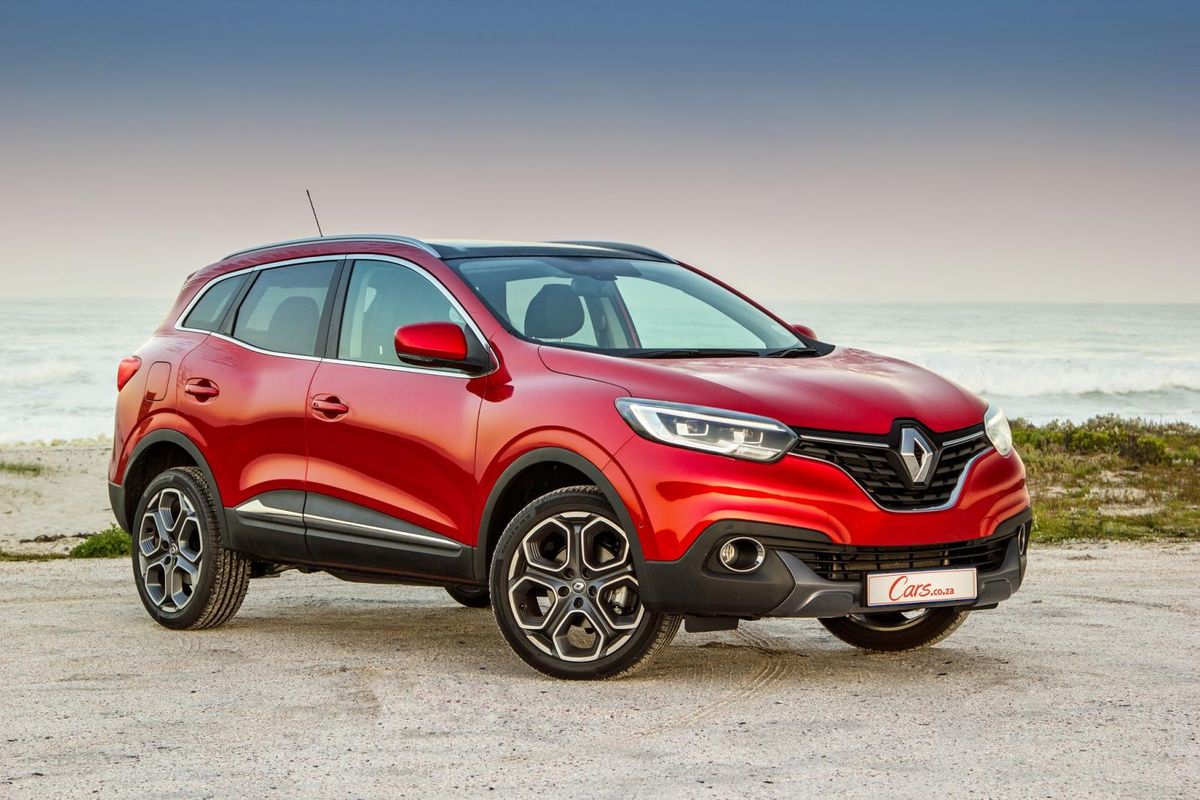
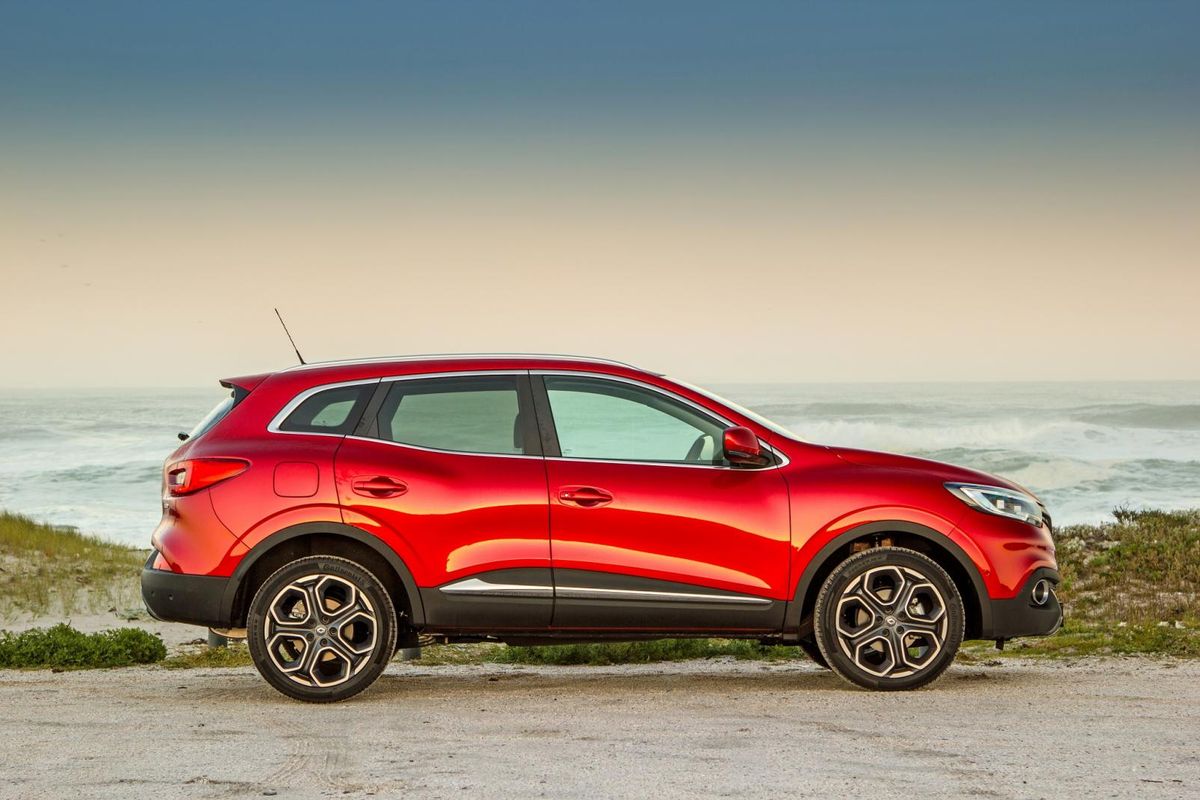
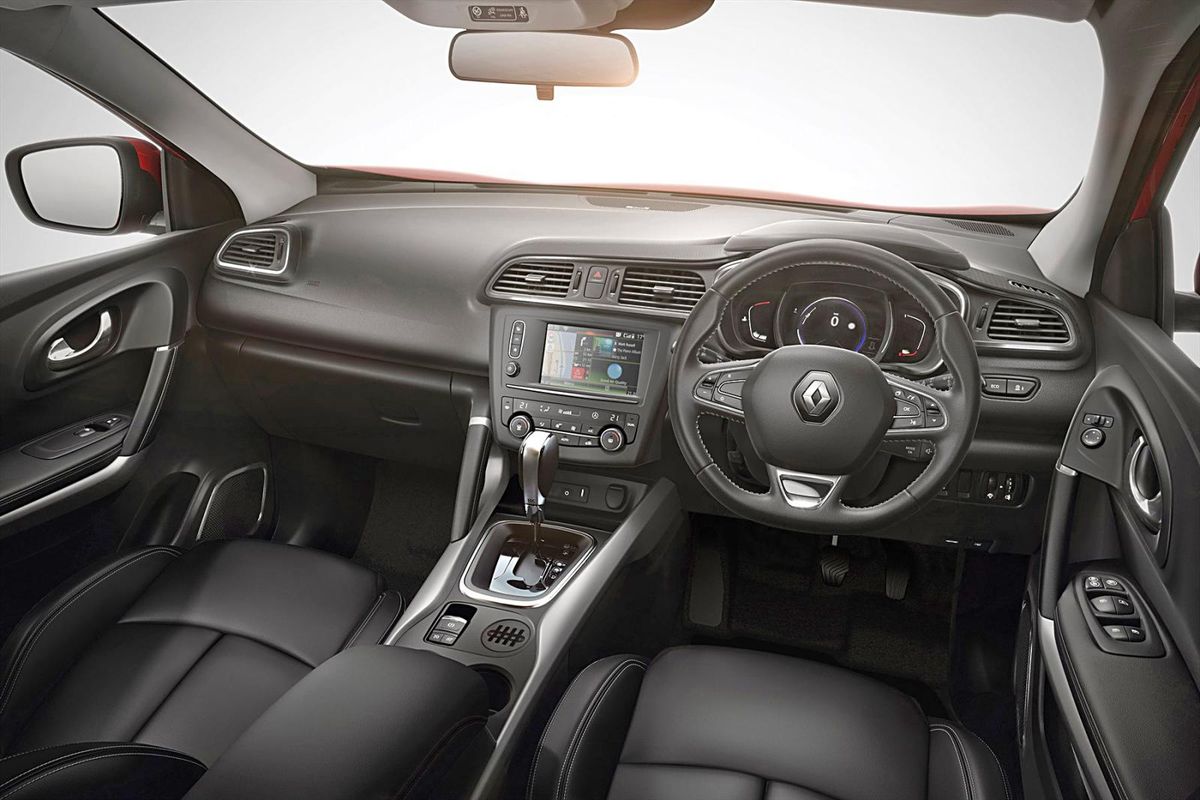
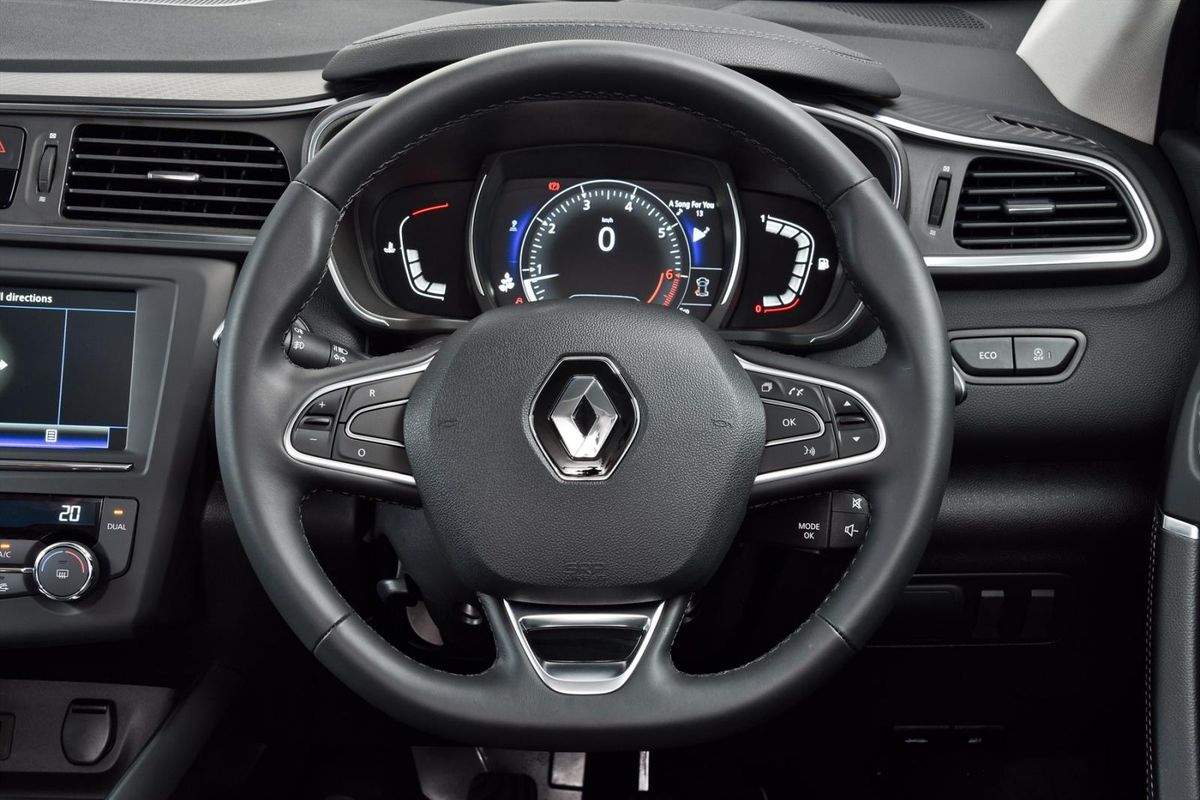
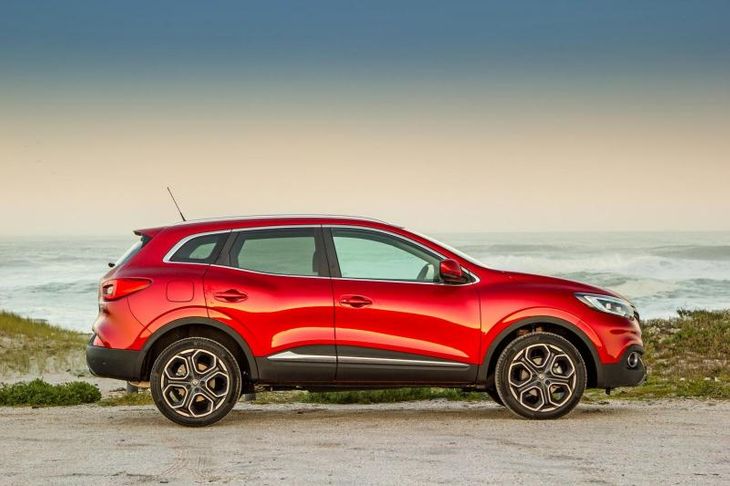
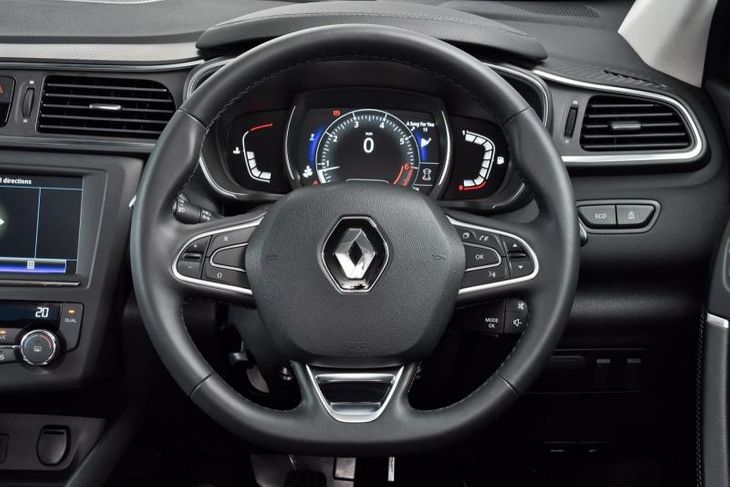
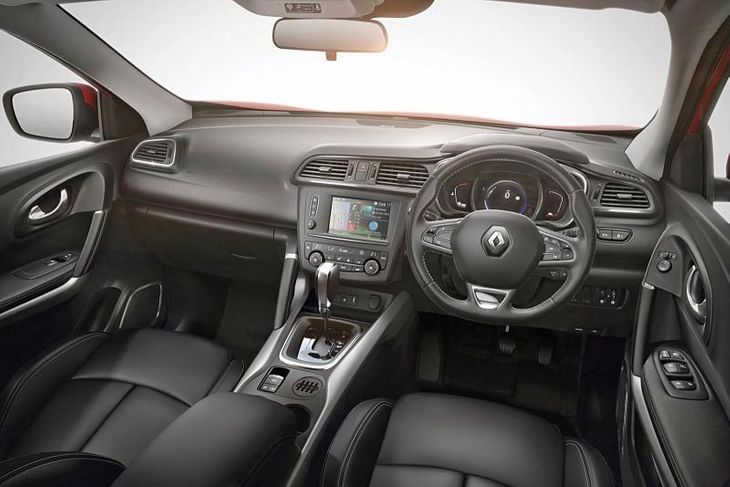
  • For more tech: The new Renault Kadjar has a futuristic interior featuring two digital screens. The ease of use of the infotainment screen and the customisable nature of its advanced operating system make the Tucson’s interior feel old.
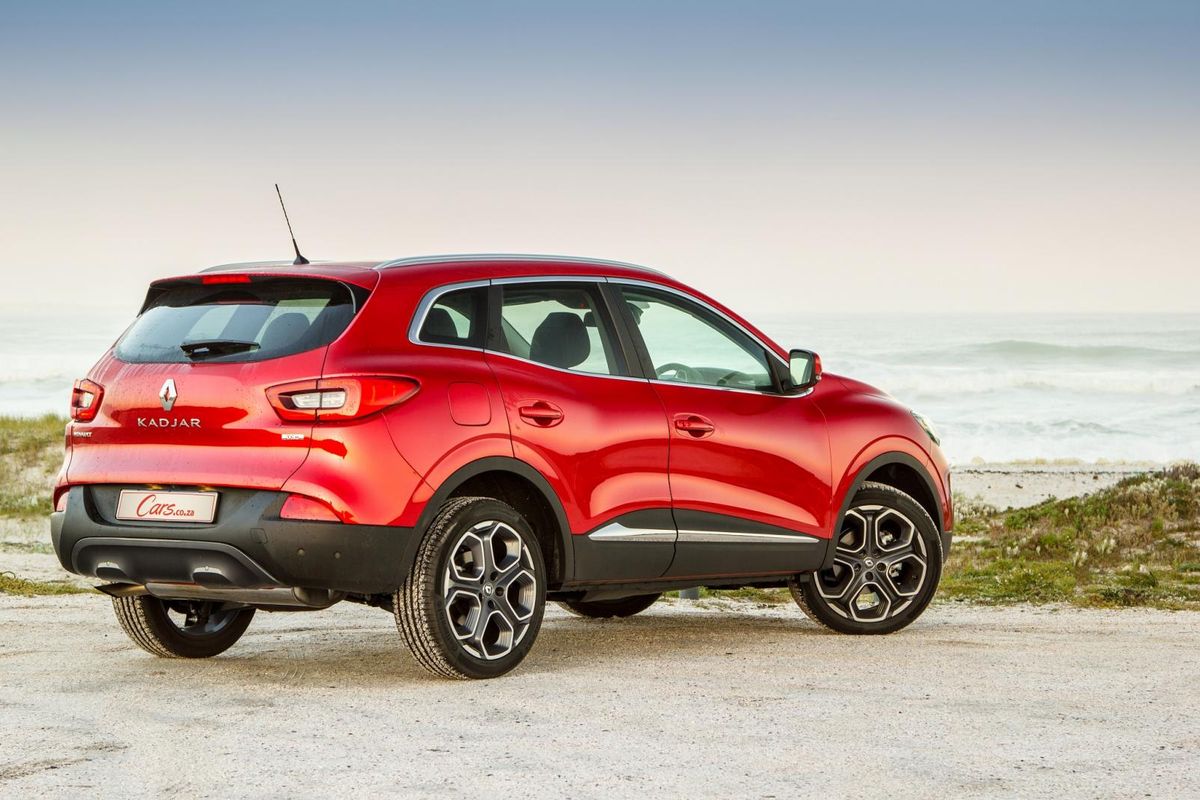
  • For more style: The Kadjar isn’t perfect as we discovered in our video review, but in terms of style, sophistication and flair, we think it might be a segment leader. It’s a bold car from the French manufacturer.

Compare the Hyundai Tucson with the Nissan Qashqai and Renault Kadjar

Is style enough?


If style matters to you, then the Hyundai Tucson is worth consideration. 

A style assessment is always subjective, but we think it’s safe to say that the Tucson is a looker. Borrowing lines from the larger Santa Fe, it embodies some of the best expressions of Hyundai’s current design language with its large wrap-around headlights, a bold, Audi-esque grille and a high waistline that creates a sporty stance. Of course, all of that is just waffle; suffice it to say the Tucson will certainly stand out in the school parking lot. A Job well done, Hyundai…

How does it fare in terms of…

Standard comfort and safety features?

With 6 airbags and stability control as standard on this model, the Tucson is well equipped in terms of safety features, both to prevent you FROM being involved in an accident (ABS, EBD, ESP) and minimising harm should a crash be unavoidable. The higher ride height and elevated driver's seat add to its occupant's sensation of being slightly safer and, as opposed to when sitting in some full-sized SUVs, it strikes a nice balance between a commanding road view and an engaging driving position.   

While the fascia is rather uninspiring to look at (more on that later), the car is well equipped. Carried over from the iX35 is the reverse-view camera (built into the rear-view mirror). It’s completely invisible until the reverse gear is selected, which is a neat trick. The reality, however, is that the screen area displayed is much smaller, making it more difficult to spot objects in your path.

In addition, Bluetooth telephony, an MP3-compatible audio system equipped with a USB port and auxiliary socket, a handy 12V outlet, electric front seats, a multifunction steering wheel and a rake- and reach-adjustable steering wheel are standard features. While the leather looks and feels real, it's worth noting that it's actually artificial. We would recommend the black and grey colour scheme, it not only looks more premium but also aids in making the "leather" seem as genuine as possible. It certainly fooled me.

Performance and economy?


The front-wheel drive 1.6 Tucson delivers a smooth and refined ride, but an automatic transmission is only offered on the top-spec AWD version. 

This 1.6-litre turbopetrol engine mated with a 6-speed gearbox with front-wheel drive is a smooth combination. Thanks to a peak power output of 130 kW, it's actually quite a brisk car, capable of sharp bursts of acceleration and cruising effortlessly on the highway. However in today’s day and age of heavy traffic and urban, stop-start commuting, I can’t imagine why they don’t offer this engine with an automatic ‘box and front wheel drive; only the naturally aspirated 2.0 and 1.6 Turbo AWD derivatives are available with a self-shifting 'box. There’s also no turbodiesel engine on offer either, but Hyundai is currently testing whether its advanced and efficient 1.7-litre turbodiesel engine can cope with the fuel available at our pumps.

This presents a quandary: the naturally aspirated 2.0-litre engine will feel sluggish at highveld altitudes, and for many buyers, the extra R80 000 required to purchase the AWD automatic might be a stretch too far. If you don’t mind the manual transmission, then this could be the sweetspot in the range, but it might be worth waiting for the turbodiesel alternative considering that the engine in the iX35 was particularly fuel efficient.

With regards to fuel economy, Hyundai claims 8.5 L/100 km, which is, interestingly 25%, worse than the 6.2 L/100 km claimed by the Nissan Qashqai using the same-sized engine.

Packaging?


The Tucson's interior isn't sophisticated but it is well-built with a premium feel. 

The phrase “boring but bulletproof” very aptly describes the fascia and dashboard of the Tucson. There’s no getting around the fact that it's dull; the entire affair is one shade of grey and the lack of any screens (besides the small monochrome radio screen) makes it look dated compared to its rivals.

However, it does feel extremely well put together. There’s a solidity to the entire cabin which is noticeable and reassuring. Despite its shortcomings, the interior still exudes a premium feel.

Interior space in the Tucson is generous. For front passengers, there is ample head-, shoulder- and legroom. Rear space is also more than satisfactory and will comfortably seat two large adults, with space for three adults with a bit of a squeeze.

The rear seats do fold flat to open up a large, usable load area. On a Saturday home-improvement mission, I found myself in need of a new door – a standard sized interior door. The helpful man at the hardware store was sceptical but with the seats down, we easily slid the door into the car, without intruding on the front passengers’ seating area. Note, the seats only fold flat and do not tumble forward.

The mechanism to fold the seats, however, is unnecessarily frustrating to use. There are two release loops which need to be pulled, one on either side of the car, located near the rear passenger’s hip. A simple button or release on top of the seat would have much more convenient. You can view a demonstration of this system in our video below.

With the rear seats in place, the luggage capacity compares favourably with those of its rivals'. At 488 litres, its more than 100 litres larger than the Kadjar's, and nearly 60 litres larger than the load space officially offered by the Qashqai. In English, this means it will easily cope with kit bags, hockey sticks, school bags and the dog. Possibly all at the same time.

Ride and handling?

What is immediately impressive is how quiet the cabin is. Not much noise from the road or engine bay permeates to the interior. It speaks to the refined build quality of the entire car, which is communicated to your ears as whisper quiet progress and to your backside as a very comfortable ride. The Tucson’s suspension setup treads the fine line between pliant and sporty, erring slightly towards the softer side. However, it does feel confident; poised enough to push through corners at speed, which is frankly unnecessary – this is a family car after all.

The Executive model rides on 17-inch wheels with appropriately tall sidewalls, which adds to the comfort created by the suspension. While the range-topping Elite Auto looks dashing with its 19-inch wheels, as Mike Fourie found out in his test drive, it does result in a bumpier ride over anything but smooth surfaces. We would say the 17-inch wheels are the preferred option in terms of wheel size in the Tucson range.

Price and warranty

The Hyundai Tucson 1.6 Turbo Executive has a suggested retail price of R419 900 and comes standard with a 5-year/150 000 km warranty. While Hyundai is making a big noise about its new 7-year/200 000 km warranty, the reality is that this only applies to certain drivetrain components, notably the engine and gearbox.

Verdict

There's no doubt that the Hyundai Tucson is a well-built, comfortable compact SUV/crossover. We think it looks terrific and it will appeal to many people. It's practical and spacious too, which makes it a solid choice for families, especially for those who aren’t in the market for a 7-seater. This 1.6 Turbo Executive would be our pick of the range.

However, we think buyers in this segment are looking for a drive that’s as hassle-free as possible and without an automatic available on this more powerful, more desirable 1.6 turbo front-wheel drive model, Hyundai might lose potential buyers.

Additionally, the relative lack of technology, particularly in the infotainment area, might result in buyers looking elsewhere for something more modern and sophisticated.

While the Tucson certainly represents progress over its predecessor, it might be worth waiting until more engine and gearbox options become available. 

Search for a new / used Hyundai Tucson on Cars.co.za

Hyundai Tucson 1.6 Turbo Executive Manual – Quick Specs


Related content:

Hyundai Tucson 1.6 Turbo 4WD Elite (2016) Review
2016 Hyundai Tucson – In-Depth Review, pricing and specs [Video]

Interested in buying a Hyundai Tucson?

Find one on Cars.co.za

Looking for a used Hyundai ix35? Click here


Maserati Quattroporte Receives Midlife Facelift


The Maserati's first class sedan, the Quattroporte, has received a number of exterior and interior updates and the Italian marque's South African distributor expects to take first deliveries of the updated version in the fourth quarter of 2016. 

The current incarnation of Maserati’s big sedan made landfall in 2013 and has always been regarded as a classy alternative to the wares of the Teutonic trio, Mercedes-Benz, BMW and Audi, as well as the Jaguar XJ. Alluring exterior styling, involving dynamics and characterful powerplants made the QP an exclusive choice in a technology-dominated segment.

For 2016, the Maserati Quattroporte gains a redesigned front bumper with matte black detailing. The enlarged Maserati grille is more prominent than before and now features an adjustable air shutter, which automatically opens and closes to help regulate engine coolant temperature and reduce aerodynamic drag.

The cabin also gains some upgrades. There are two trim options: GranSport and GranLusso and, apart from the introduction of an all-new high-res touchscreen infotainment system (with Android Auto and Apple CarPlay connectivity), the console sports redesigned switchgear. An air quality sensor and a nifty area to store your mobile phone have also been added.

In terms of safety equipment, there is driver assistance technology such as adaptive cruise control, a 360-degree camera view, forward collision alert, and lane departure warning.

The engine line-up hasn’t really changed, but some of the current engines have gained a tad more power, while top speed has been increased slightly. 

The GTS model has a 3.8-litre twin-turbocharged V8 from Ferrari, the S comes with a 3.0-litre twin-turbocharged V6 and there’s a turbodiesel-powered derivative powered by a 3.0-litre V6 turbo. All Maserati Quattroportes come with a ZF eight-speed gearbox. Local pricing will be confirmed closer to the launch date…


Related content:

Maserati Ghibli S (2016) Review
Maserati Levante: Italy's Super SUV

Maserati Ghibli S At The Red Line – Video Review
Interested in buying a Maserati?

Check out new and used examples here

Volkswagen Golf GTI Clubsport S not confirmed for SA


Having famously beaten the Honda Civic Type R’s Nürburgring lap record, Volkswagen will produce limited numbers (only 400 units) of the Golf GTI Clubsport S, but, whereas the Clubsport version of the GTI is due in SA soon, the S version's arrival hangs in the balance…  

Volkswagen South Africa will be expanding its Golf GTI offering in the local market with the introduction of the Golf GTI Clubsport Edition in early July 2016. The Golf GTI Clubsport celebrates the 40th anniversary of the GTI and its 2.0-litre turbocharged engine produces 195 kW and 350 Nm of torque. More than that, additional power will be made available with an overboost function that will see the Clubsport's power figures creep up to 213 kW for ten seconds. The Golf GTI Clubsport is sure to keep GTI fans happy when it arrives…

Also see: Volkswagen Golf GTI Clubsport S is official [Video]

Will we see the Volkswagen Golf GTI Clubsport S in South Africa?

But, although many GTI fans are eagerly awaiting the launch of the Golf GTI Clubsport, hot hatch aficionados must be frothing with excitement at the chance of the uprated, record-breaking Golf GTI Clubsport S being offered locally as well. The Clubsport S is powered by a retuned version of the turbocharged 2.0-litre engine in the standard Clubsport, but offers 228 kW and 380 Nm of torque. As opposed to the standard Clubsport, the S version is a 3-door and doesn’t have rear seats, which shaves about 30 kg off its total weight (1 360 kg).

We spoke to a local Volkswagen spokesperson who confirmed that there were no plans (at present) to offer the Clubsport S in South Africa. However, this could change subject to units being availed to VWSA and the "resolution of homologation issues", should there be any. Let’s hope Volkswagen South Africa can make it happen.

The Clubsport S is currently the fastest front-wheel drive car to lap the Nürburgring with a time of 7 minutes 49.21, beating the previous record set by the Honda Civic Type R by 1.4 seconds. Autocar.co.uk recently took the Golf GTI Clubsport S for a drive around the Nürburgring and you can watch the video below to see how the car performs:

Would you like to see the Volkswagen Golf GTI Clubsport S in South Africa? We certainly would…

Related content:

VW Golf GTI Clubsport & Facelift Coming (Updated with Pricing)

Updated: Volkswagen Golf GTI – Which one should you buy?

Volkswagen Golf GTI DSG – Best Premium Hatchback

Volkswagen Golf GTI Heartbeat Concept Shown

Interested in buying a Golf GTI?

Find one on Cars.co.za!

BMW M5 Pure Metal – The Most Powerful M5 Ever Made [Video]


The M5's production run will end soon, but, don't worry, BMW will release a next-generation version in 2018. Until then, Bimmerphiles will have to make do with the Pure Metal edition – a last hurrah for the F10-generation of BMW’s iconic performance sedan and the most powerful version ever made.

However, if you live anywhere other than South Africa, the closest you might get to driving this car is watching this video. That’s because this limited edition, of which only 20 will ever be made, will only be sold in South Africa.

Find out this and other amazing facts by watching our video…  

Subscribe to your Youtube channel here

Interested in a used BMW M5? Find one on Cars.co.za

Or perhaps a brand new M5 is more appealing

Renault Duster Explore Edition (2016) Lands in South Africa


Renault South Africa has quietly introduced a limited edition version of its small Duster SUV. Let’s see what the Explore derivative is all about.

The Duster has proven quite popular in our market and, on average, a few hundred new examples leave local Renault showrooms every month. The range varies from petrol front-wheel drive versions to turbodiesel 4x4s, so there are quite a few options to choose from. One of the Cars.co.za team members recently spotted a car transporter truck loaded with half a dozen blue Dusters bearing discrete Explore badges. Subsequent investigation revealed that the limited-edition Renault Duster Explore derivative is now available in South Africa.

What’s special about it?

The Renault Duster Explore is available in four colours: white, platinum silver, black and blue, which are not available on the standard Duster. The Duster Explore features bespoke rugged-looking 16-inch alloy wheels, black protective wheel-arch cladding, Explore badges and a stainless steel nudge bar.

The vehicle also gains a reverse-view camera, rear park assist and cruise control, which makes it appear to be more comprehensively equipped than the current top-of-the-range 1.5dci 4×4. It also features a touchscreen multimedia system with built-in navigation.

Powering the Renault Duster Explore is a 1.6-litre petrol motor that produces 77 kW and 148 Nm. Power is directed to the front wheels through a 6-speed manual transmission and the fuel economy figure is a claimed 7.6 L/100 km. Like its siblings, the Duster Explore also features the same level of safety and comes with 4 airbags and ABS-equipped brakes.

Renault Duster Explore Price in South Africa

The Renault Duster Explore costs R258 900 and this price includes a 3-year/45 000 km service plan, 5-year/150 000 km warranty and a six-year anti-corrosion protection.

View a Renault Duster Video:

Interested in buying a new/used Renault Duster?

Look for one on Cars.co.za

Top 10 Green Performance Cars in SA (2016)


Responsible (read: efficient) performance has become the major selling-point for car manufacturers over the last decade or so. Every newcomer to the market claims better performance and lower emissions, but which car is best at getting the most performance out of the least amount of fuel?

Our eco performance index lists cars that accelerate from zero to 100 kph the fastest relative to how little they are claimed to consume on the combined fuel test cycle. It requires a bit of mathematics and applying a formula, but the results reveal the best vehicles for your money if you seek “green performance”.

Over the last year or so there has been an increase in hybrid and plug-in hybrid cars in the South African market and many of them are powerful, as well as extremely fuel efficient. These vehicles do skew the results slightly as they have the ability to run in a full-electric mode where they use zero fuel.

For this top 10, we haven’t set a price barrier and it shows. If you want the best of both worlds, you have to be prepared to fork over a heap of cash. We set the minimum entry for performance at 7.5 seconds from zero to 100 kph.

Top 10 Eco Performance Cars in SA

1. BMW i8 eDrive Coupe


BMW's futuristic, low-slung and carbon-fibre infused petrol-electric hybrid sportscar ramps up the power with its 1.5-litre 3-cylinder turbopetrol engine and lets the electric motor deal with the economy part of things. When in full flight, the two motors produce 266 kW and an impressive 570 Nm of torque. Zero to 100 kph takes just 4.4 seconds and BMW claims an average fuel consumption figure of just 2.1 L/100km, making the Bimmer the perfect combination of performance and economy on sale in SA. It does cost R1 871 500, though.

Read: BMW i8 First Drive in SA

Search for a used BMW i8 here

2. BMW i3 eDrive


Despite using absolutely no fuel, the all-electric BMW is said to take 7.2 seconds to get from zero to 100 kph. Charging up an i3 technically does use “fuel" (electricity, generated by coal-fired power stations, no less, isn't free), but, if you charge at certain BMW charging stations, it won’t cost you anything to "juice up" your i3. The electric i3 has a maximum range of 160 km and can be 80% charged (from depleted) in 2.5 hours from a BMW-supplied wall box. The i3 eDrive doesn’t come cheap, however, as the EV costs R556 500.

Watch: Drag Race: BMW i3 vs VW Polo GTI

Search for a used BMW i3 here

3. Volvo XC90 T8 Twin Engine AWD


It’s crazy to think that an SUV can be a high-performance family car as well as a frugal fuel sipper. The Twin Engine XC90 packs 300 kW on board and has no less than 640 Nm of torque on tap thanks to its supercharged and turbocharged engine backed up by an electric motor. Due to its nifty plug-in petrol-electric configuration, the XC90 T8 is said to consume just 2.1 L/100 km on the combined cycle and will launch from standstill to 100 kph in 5.6 seconds. The T8 costs just north of a million bucks at R1 053 400.

Read: Volvo XC90 T8 First Drive

Watch: Volvo XC90 vs Audi Q7

Search for a used Vovlo XC90 here

4. Mercedes-Benz S500e L


This luxury sedan is ideal for the CEO who’s particularly environmentally conscious and wary of provoking the ire of environmentalists. The S500e L makes use of a 3.0-litre 6-cylinder petrol engine in combination with an electric motor to churn out 325 kW and 650 Nm. Zero to 100 kph comes up in 5.2 seconds and Benz claims the limousine will consume just 2.8 L/100 km. R1 875 500 should be enough to get you behind the wheel (or at least ensconced on the back seat) of one of these machines.

Read: Mercedes-Benz S500 – Best First Class Car

Search for a used S-Class here

5. Porsche Panamera S eHybrid


The Porsche Panamera S eHybrid (R1 551 000) follows the same philosophy as the aforementioned Benz – it is powered by a 3.0-litre 6-cylinder that works in conjunction with an electric motor. The eHybrid packs 306 kW and 590 Nm, which will shove it to 100 kph in 5.5 seconds, and is claimed to sip just 3.1 L/100 km. The electric motor alone can propel the Porsche for up to 35 km.

Read: Spy shots of the 2017 Porshe Panamera

Search for a used Porsche Panamera here

6. Porsche Cayenne S eHybrid


The Cayenne utilises identical running gear to the Panamera S eHybrid, but due to its higher kerb weight is a little slower from zero to 100 kph (5.9 seconds) and slightly thirstier (3.4 L/100 km). It’s still a great combination in an SUV package, but, as with most of the cars above, the Porsche (at R1 517 000) is only for the well-heeled few.

Search for a used Porsche Cayenne here

7. BMW X5 xDrive 40e eDrive


This plug-in hybrid BMW X5 derivative was recently launched in South Africa. There’s a 2.0-litre 4-cylinder engine under the bonnet, which, when working in tandem with the electric motor, generates peak outputs of 230 kW and 450 Nm. That’s good enough to move the X5 from 0 to 100 kph in 6.8 Seconds. Fuel economy is claimed at 3.3 L/100 km. R1 097 500.

Read: BMW X5 xDrive 40e first drive

Search for a used BMW X5 here

8. BMW 330d


The first non-hybrid, non-electric car to make this list comes from Bavaria. The facelifted 330d was launched in the local market towards the latter end of 2015. Its 3.0-litre turbodiesel is both powerful and frugal… The 6-cylinder engine develops 190 kW and 560 Nm of torque, which help to propel the 330d from zero to 100 kph in 5.6 seconds. With a claimed average fuel consumption of 4.9 L/100 km and a list price of R624 026, it’s one of the better-value options here.

Read: BMW 330d Review
Search for a used 330d here

9. BMW 640d Coupe


From here on, it’s just a list of BMW turbodiesels that prove to be extremely efficient, but also rapid in the acceleration department. The 640d also uses a 3.0-litre turbodiesel engine, but has more power and torque than the 330d. With 230 kW and 630 Nm on tap, the 640d is faster to 100 kph (5.3 seconds), but thirstier at 5.4 L/100 km. R1 171 622.

Read: BMW Reveals 6 Series updates

Search for a used 6 Series here

10. BMW 535d


The BMW 535d and Audi A7 Sportback 3.0TDI are tied for the 10th spot, but the 535d is a touch more affordable and therefore claims the 10th spot. Acceleration and fuel economy are nearly identical in this sedan (5.4 L/100 km and 5.5 seconds to 100kph) to its 640d Coupe sibling. The most powerful turbodiesel 5er costs R1 026 052.

Read: Spy shots – 2017 BMW 5 Series

Search for used BMW 5 Series' here

Related content:

The Problem With Electric Mobility

Bentley Bentayga Lands in SA


Its gestation period was extremely long, but now the Bentley Bentayga has arrived in South Africa.

The Bentayga is now officially available and, if you’re wealthy enough to order one, the new Melrose Arch dealership is the only place in the country where you can view the new Bentley.
The Bentayga is Bentley’s first attempt at an SUV. In typical Bentley fashion, it’s not only opulently luxurious but offers more than enough pace to scare off even the fastest saloon cars. Bentley has developed an all-new 6.0-litre twin-turbo W12 for the Bentayga that develops 447 kW and a whopping 900 Nm of torque. Zero to 100 kph is ticked off in 4.1 seconds and it will carry on accelerating until 301 kph.
Inside, the Bentley sports what is claimed to be the world’s finest SUV interior. There is a mixture of metal, wood and leather crafted together with painstaking attention to detail.

Pricing in South Africa

The Bentley Bentayga commands a hefty price tag at R3 987 000. We're pretty certain that makes it the most expensive SUV officially on sale in SA.  

Interested in buying a Bentley? Find a used one on Cars.co.za