In Part 2 of our supercar showdown, we put the Audi R8 and the McLaren 570S through the toughest test yet: a standing start hotlap of Killarney Racetrack.
With more power and all wheel drive, on paper, the Audi looks like it has this showdown wrapped up. But the McLaren, feeling a bit like the underdog can hit back with its razor sharp handling and an incredibly stiff chassis.
We lined them up for one last challenge, with Ashley Oldfield at the wheel.
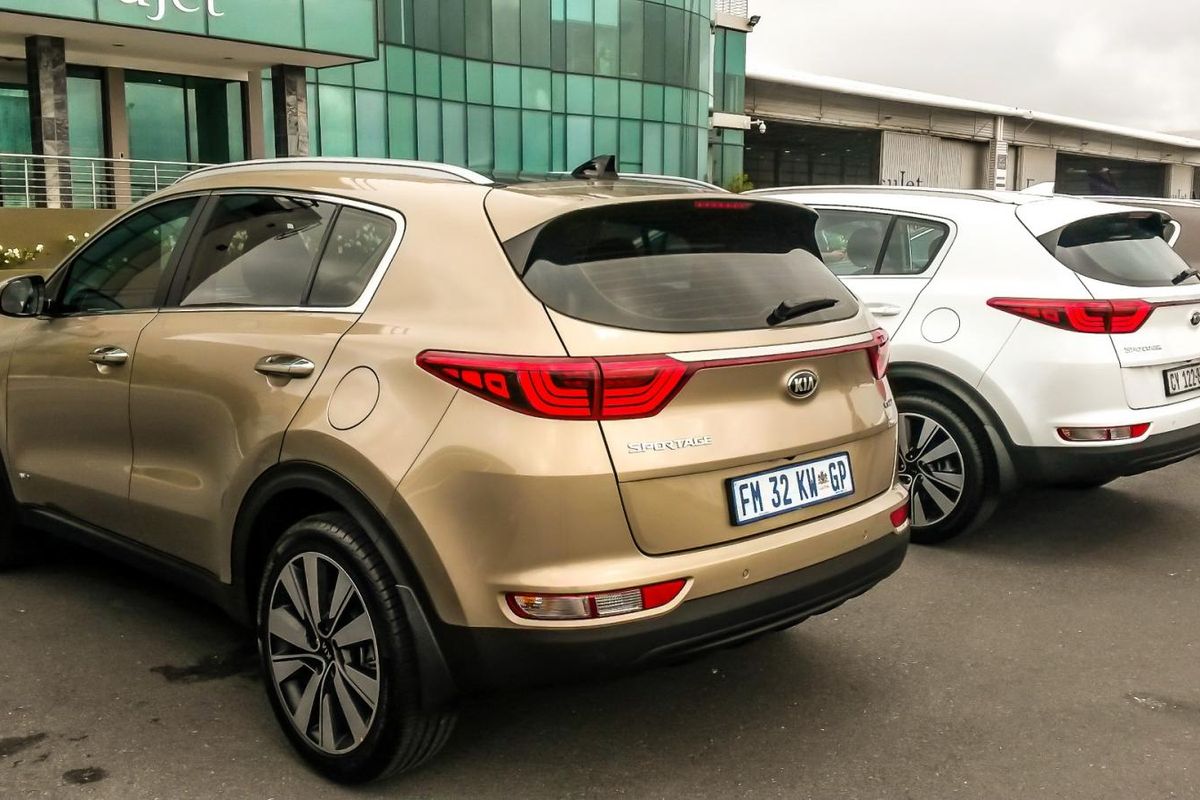
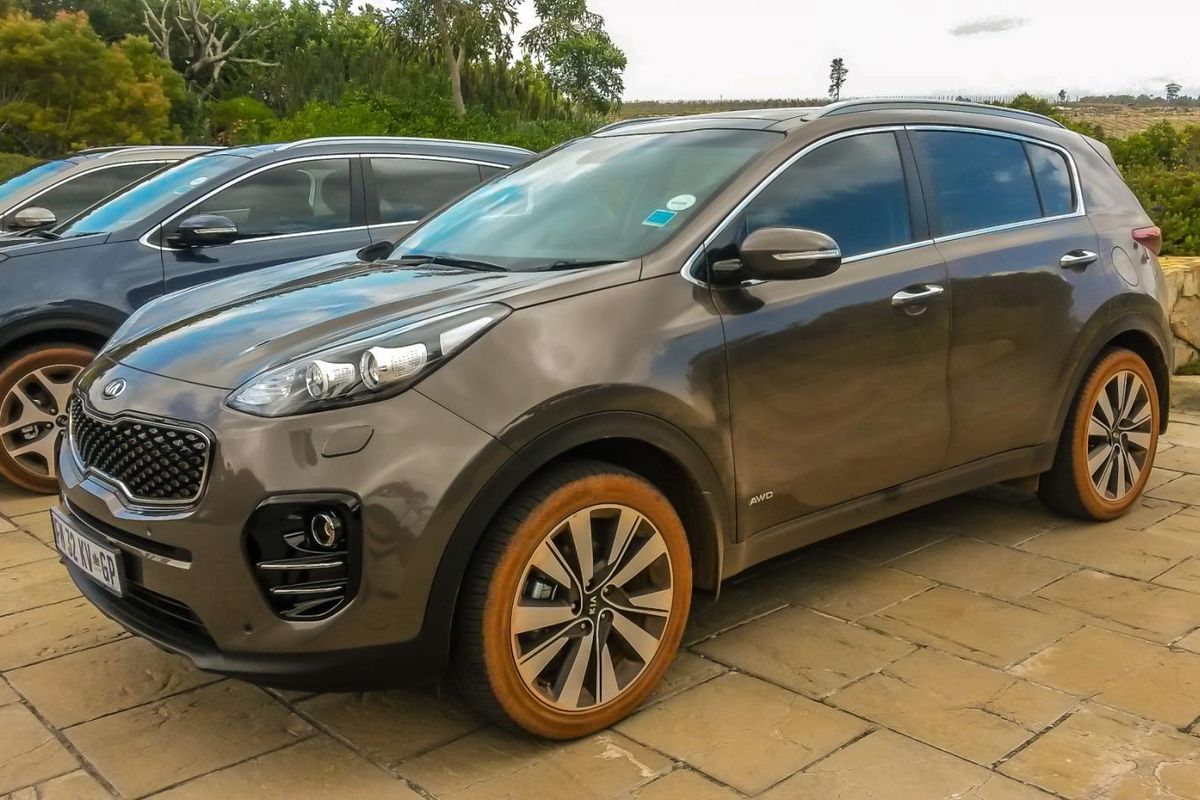
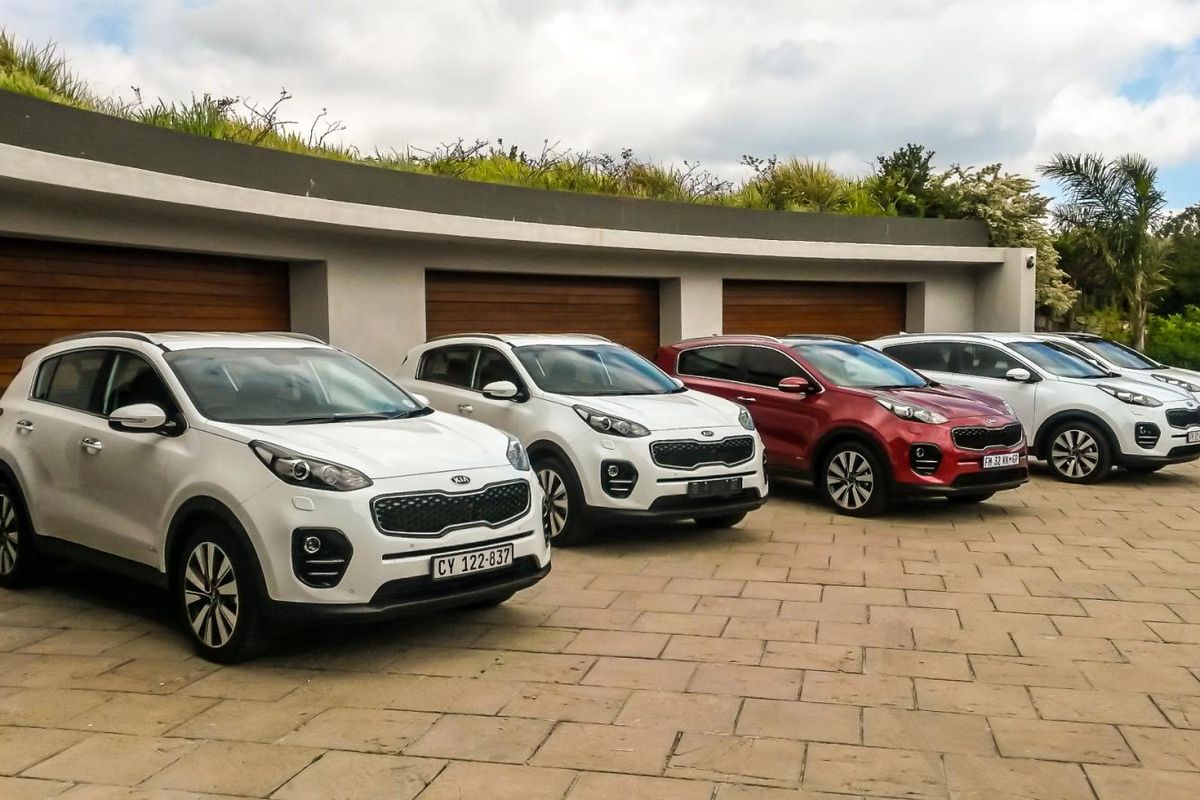
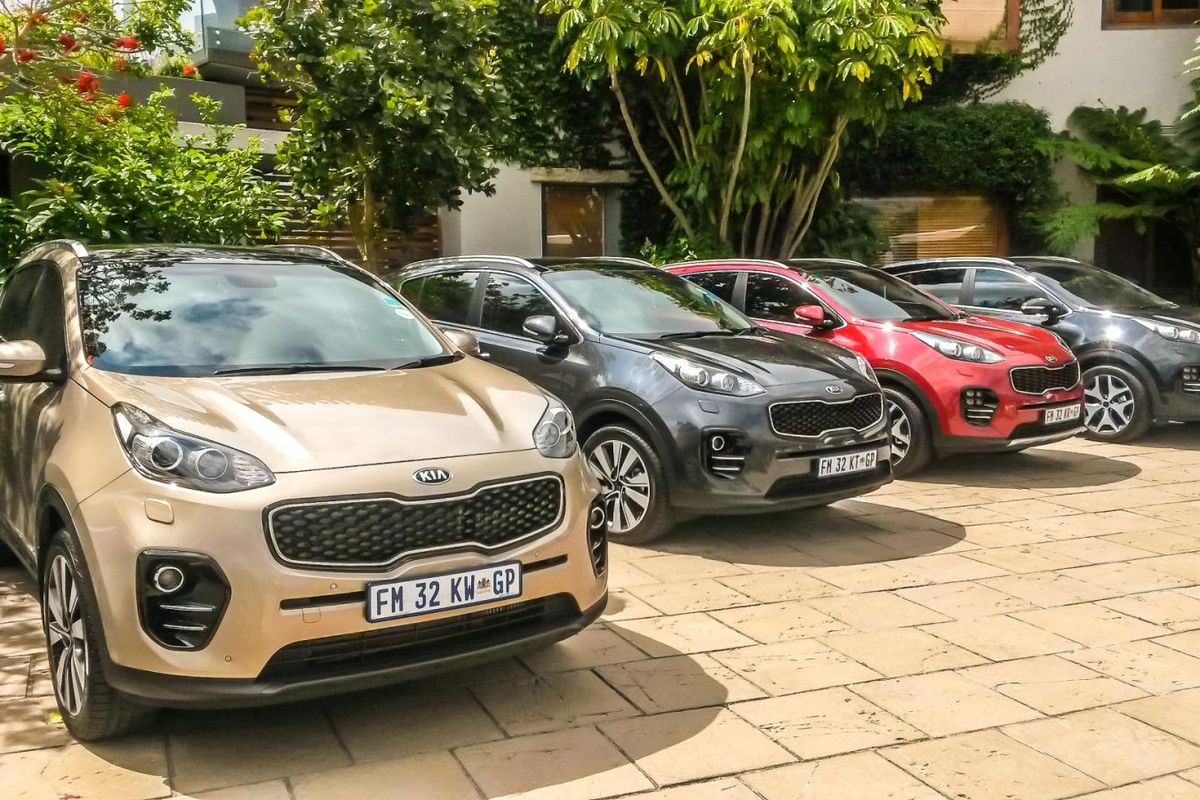
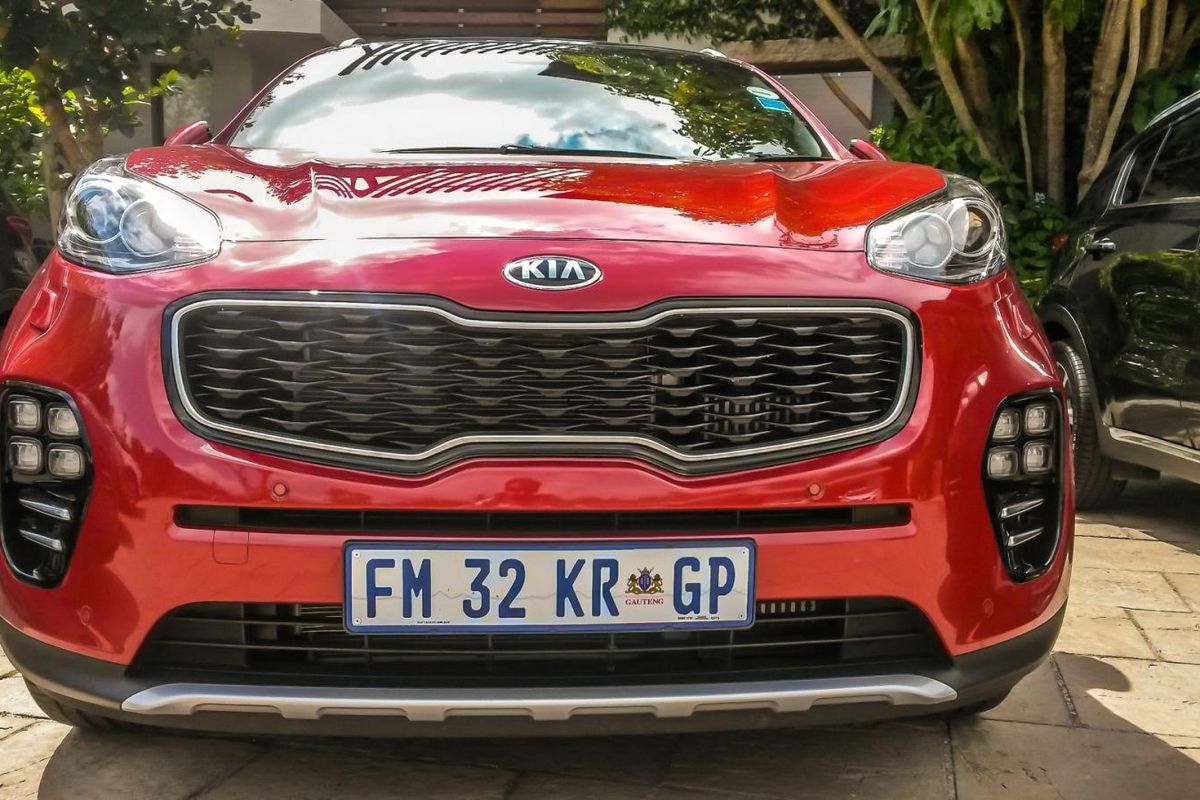
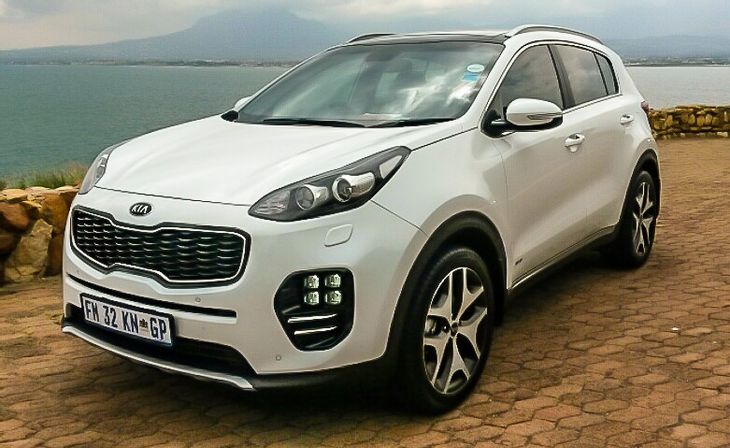
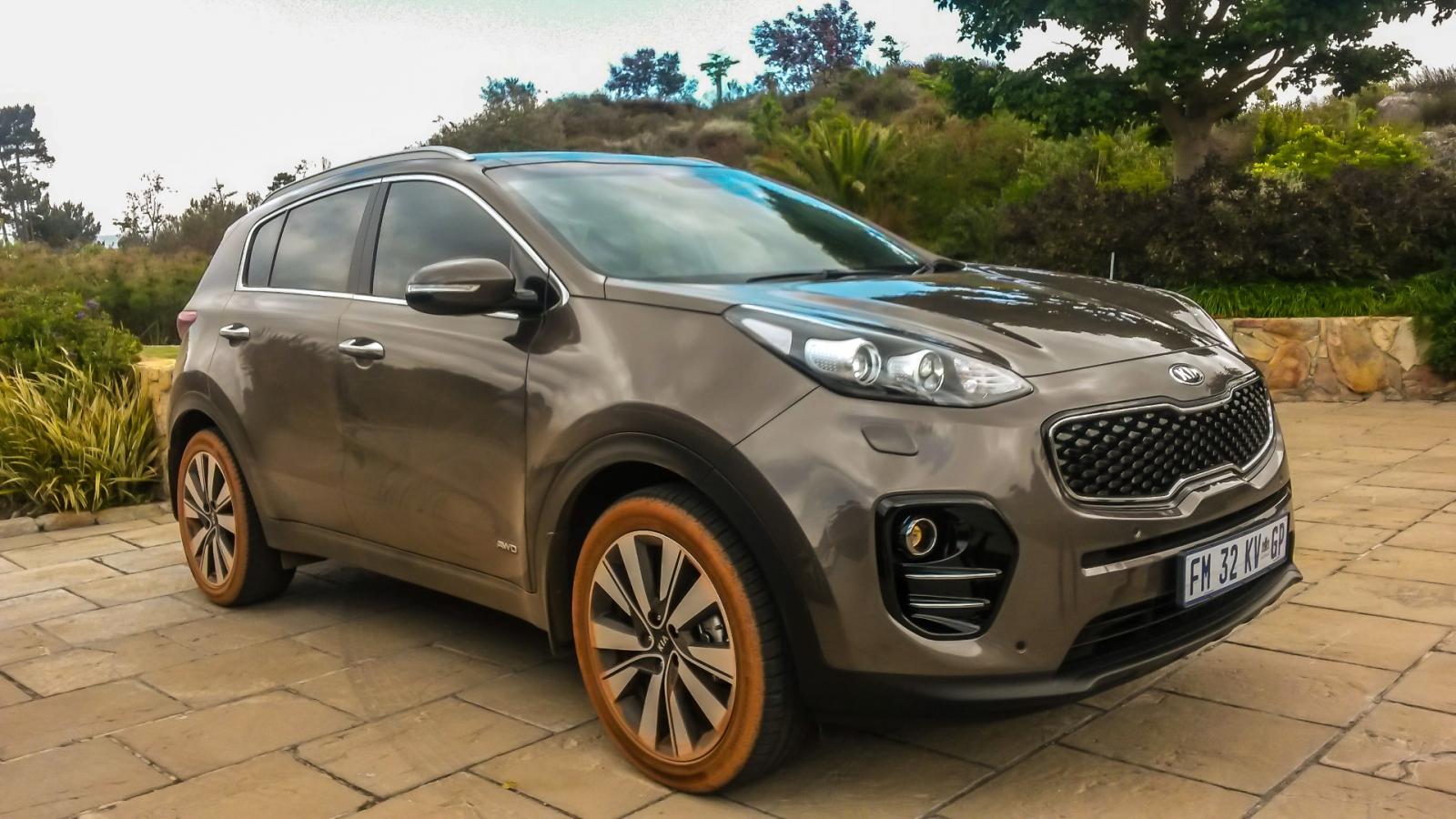
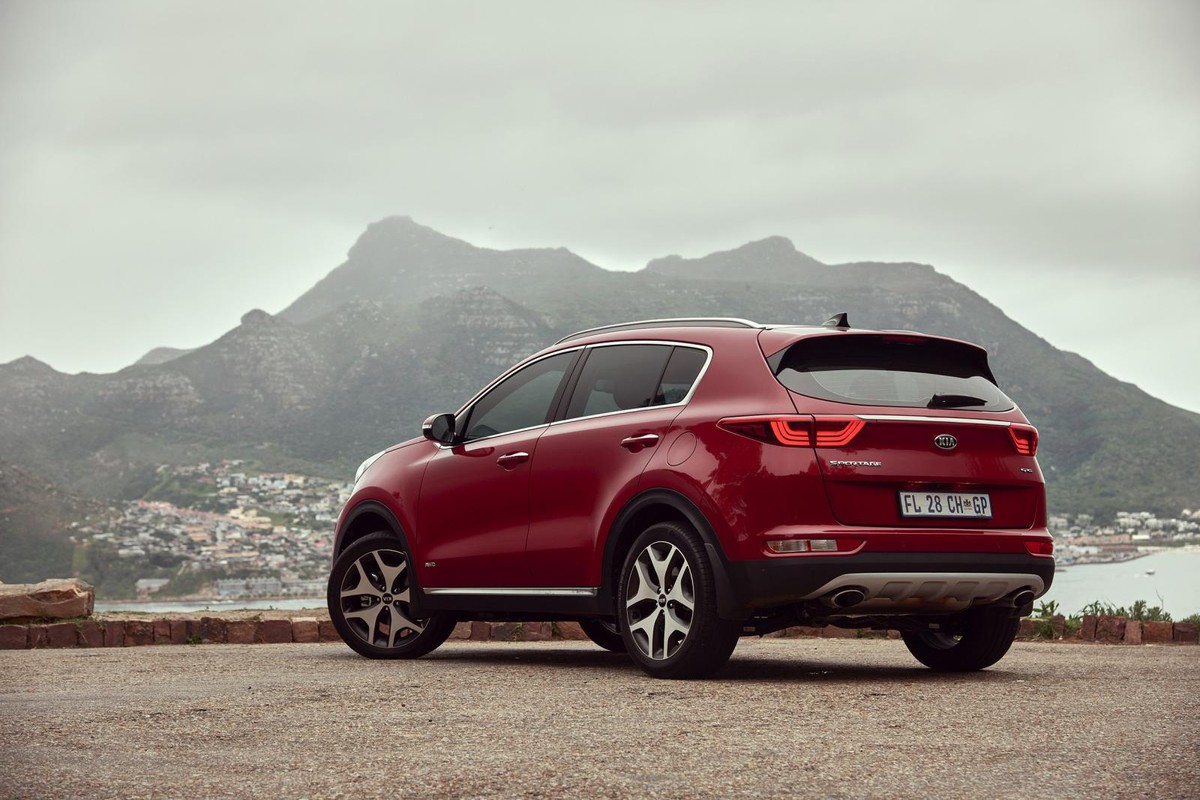
The all-new 4th generation Kia Sportage is now available in South Africa and we took it for a drive at the launch in Cape Town. Take a look at what the new Sportage has to offer…
The Kia Sportage competes in the compact SUV/crossover segment against products such as the Toyota RAV4, Nissan Qashqai, Hyundai Tucson, Ford Kuga, Mazda CX-5 and the recently introduced Volkswagen Tiguan, to name only the major players. It’s a hugely popular segment of the market and Kia’s all-new Sportage has been improved in key areas to strengthen the Korean brand's product offering in South Africa.
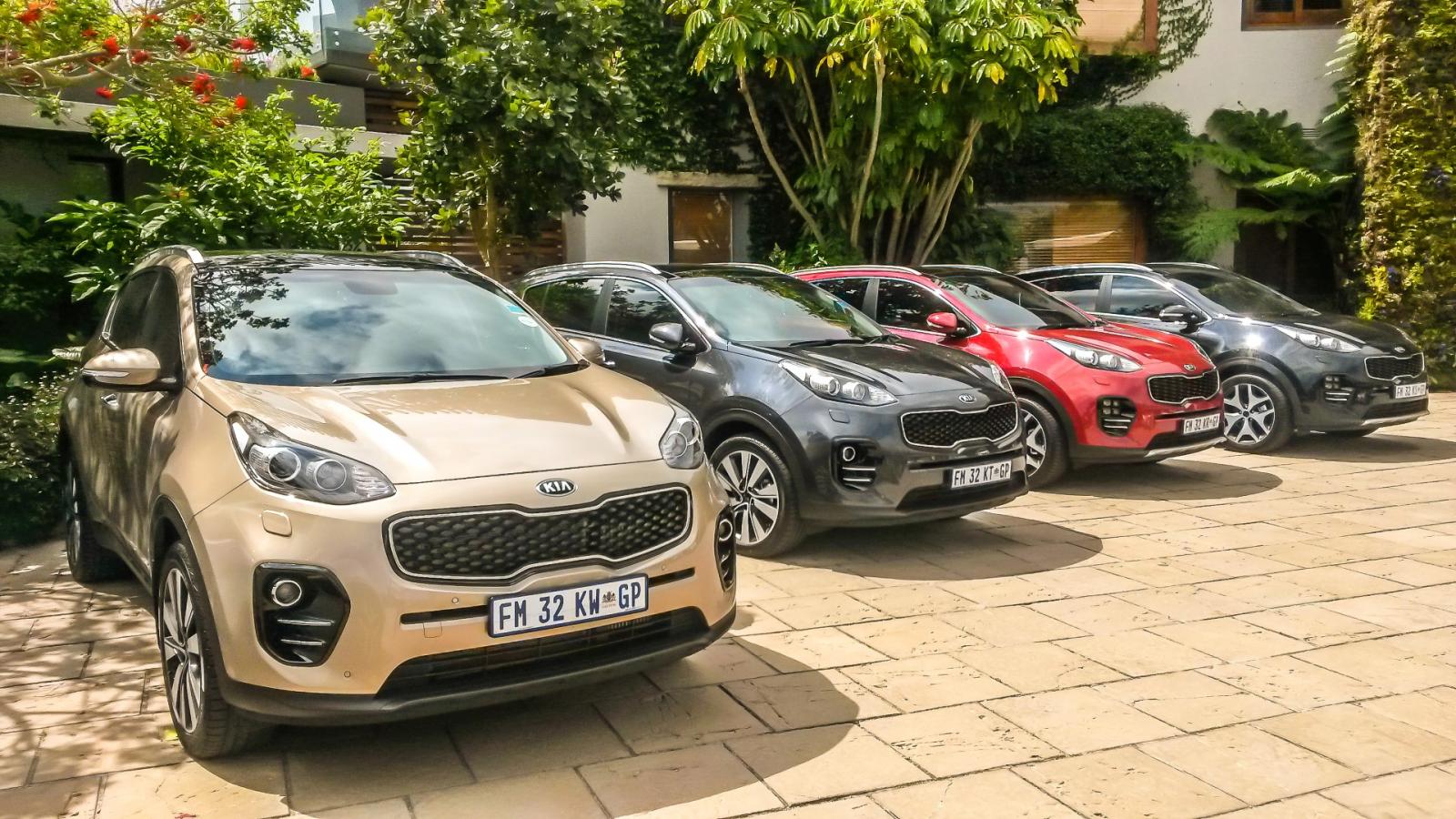
We attended the launch of the new Sportage in Cape Town and had the chance to sample 2 of the 5 Sportage derivatives now available in our market.
Key design features
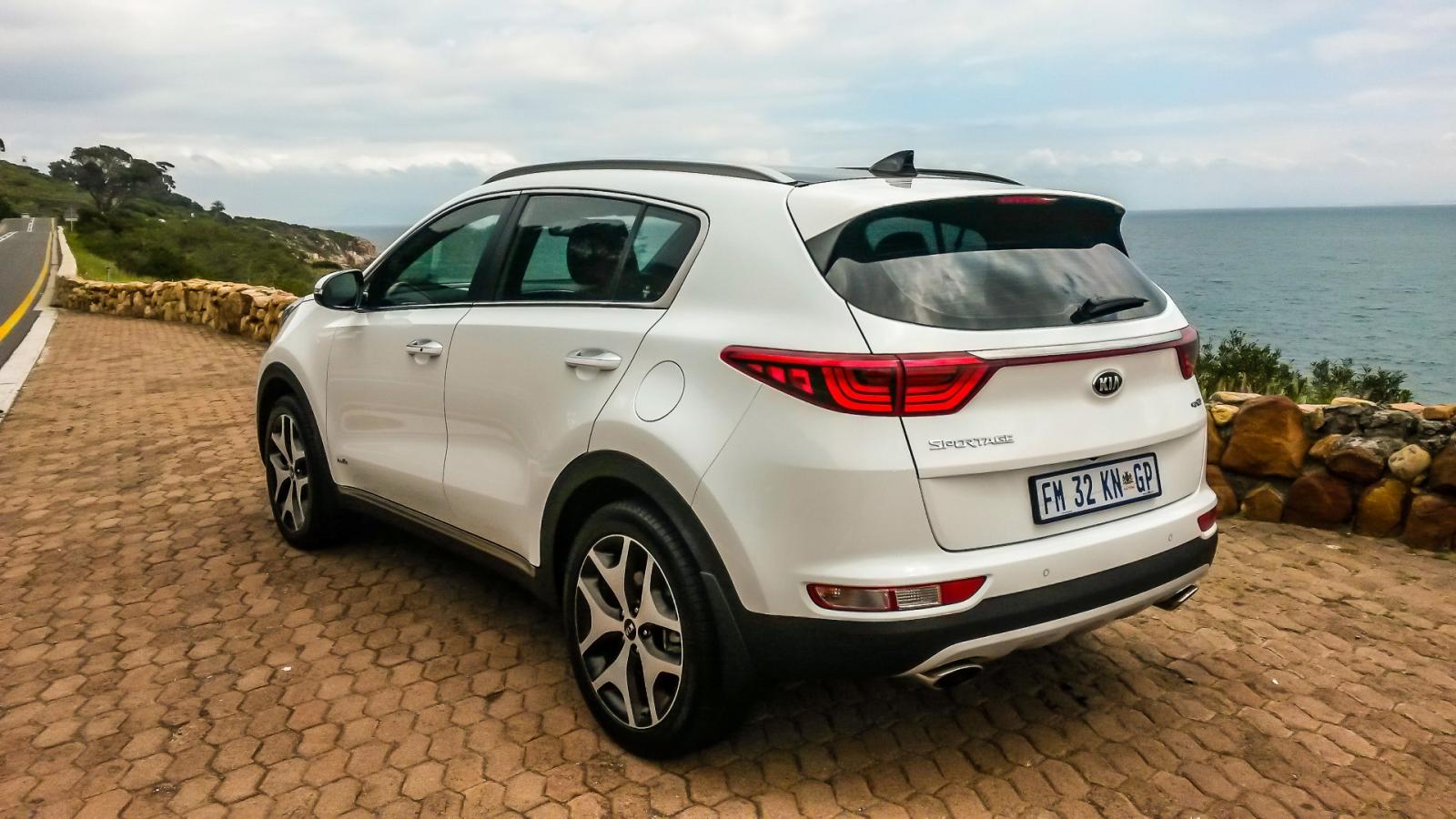
Compared with its predecessor, the new Sportage is 40 mm longer and its wheelbase has increased by 30 mm. The rear overhang has been shortened by 10 mm, while the front overhang has grown by 20 mm. The height and width of the Sportage are identical to that of the outgoing model.
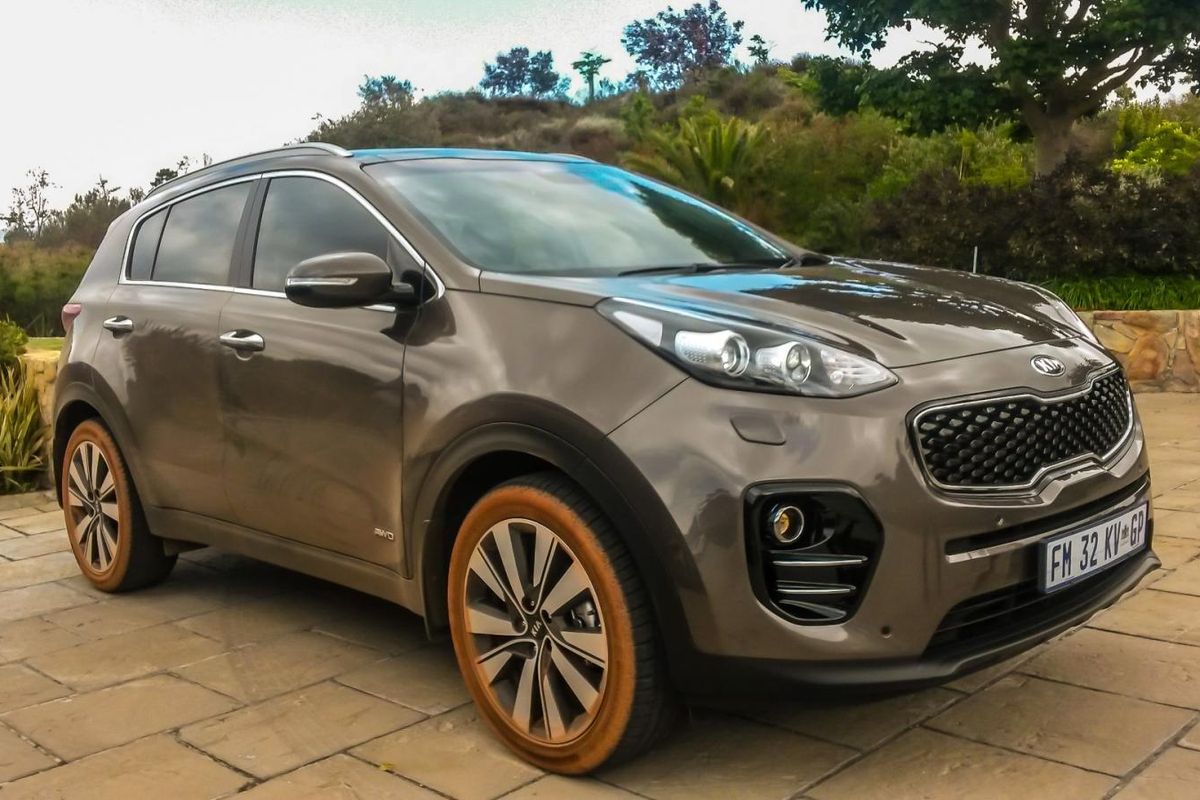
The 4th-generation Kia Sportage is attractive on the outside and the interior is completely new.
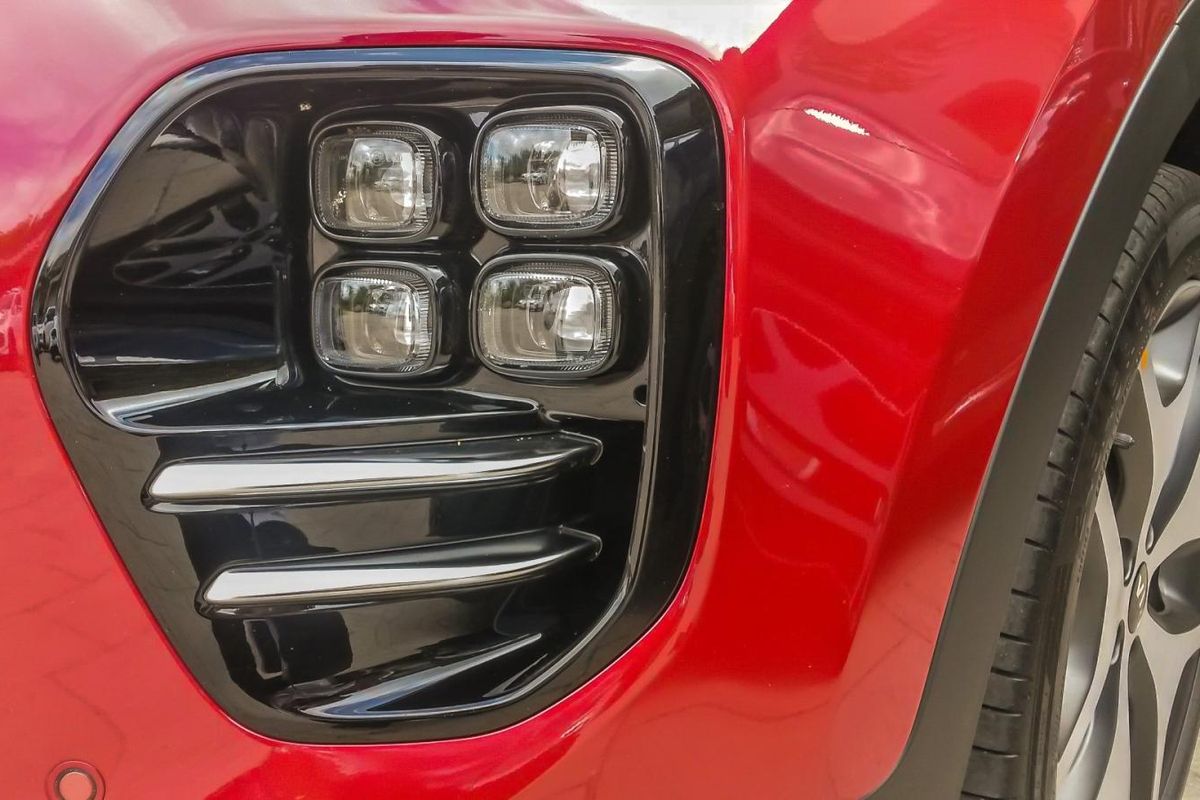
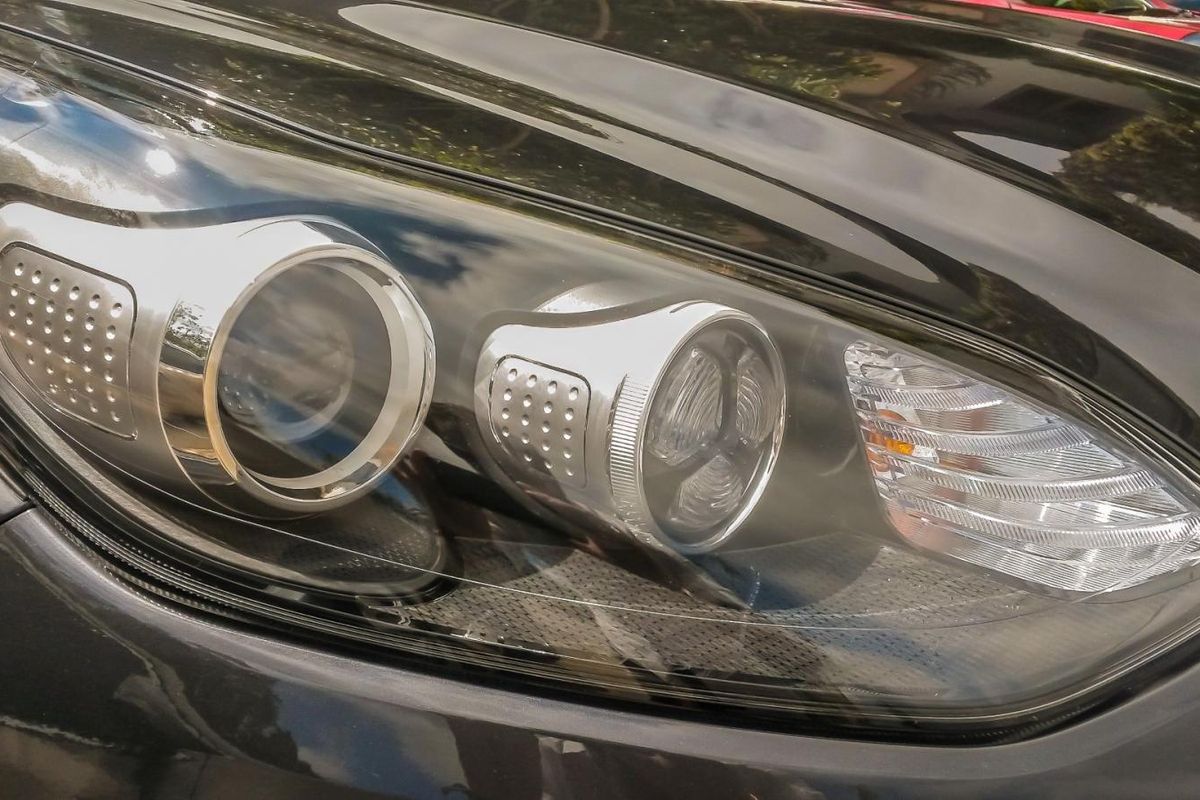
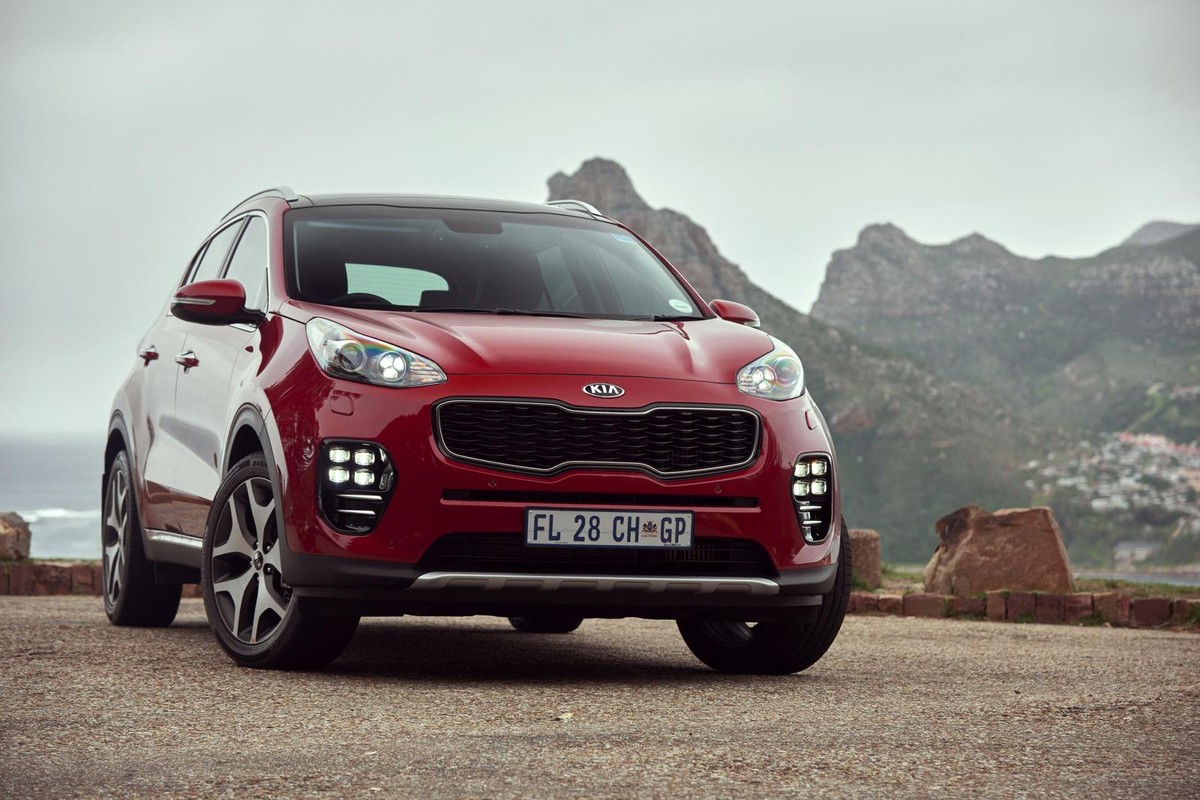
The new Sportage is certainly attractive from the outside; it exhibits a more distinctive design compared with its predecessors and the front end, featuring a highly detailed bumper with ornate quad-foglight clusters, really stands out. Buyers have the choice between 16-, 17- or 19-inch alloy wheel designs while the GT Line derivative is fitted with 19-inch alloy wheels as standard.
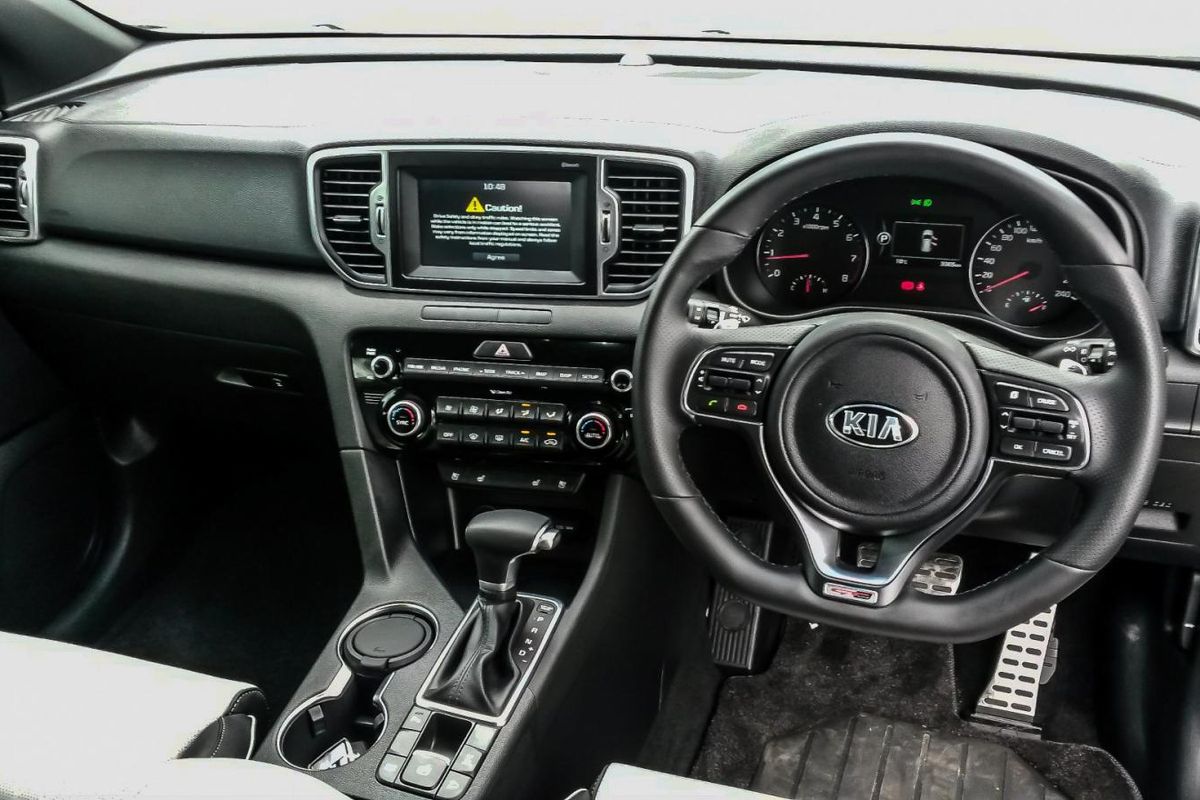
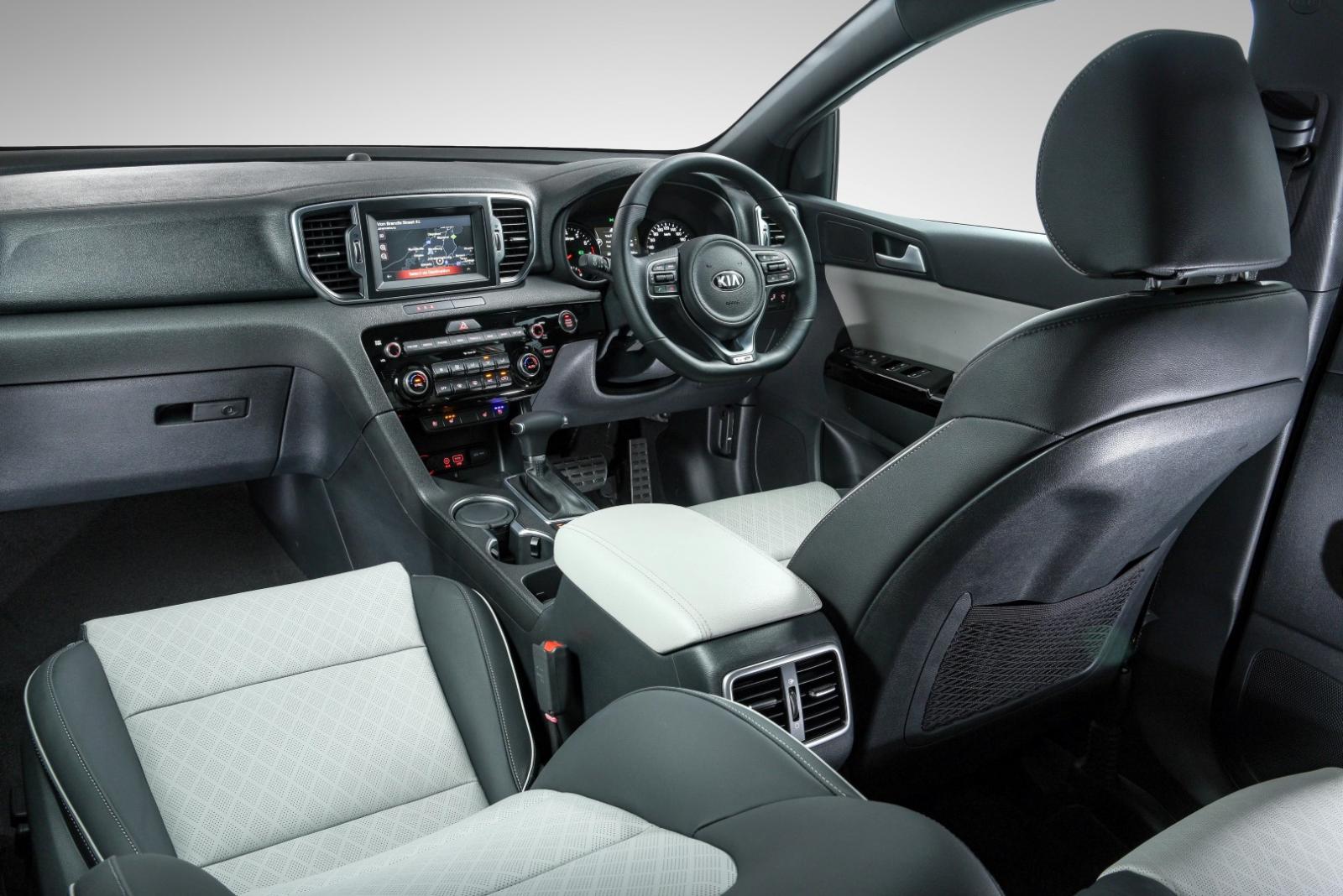
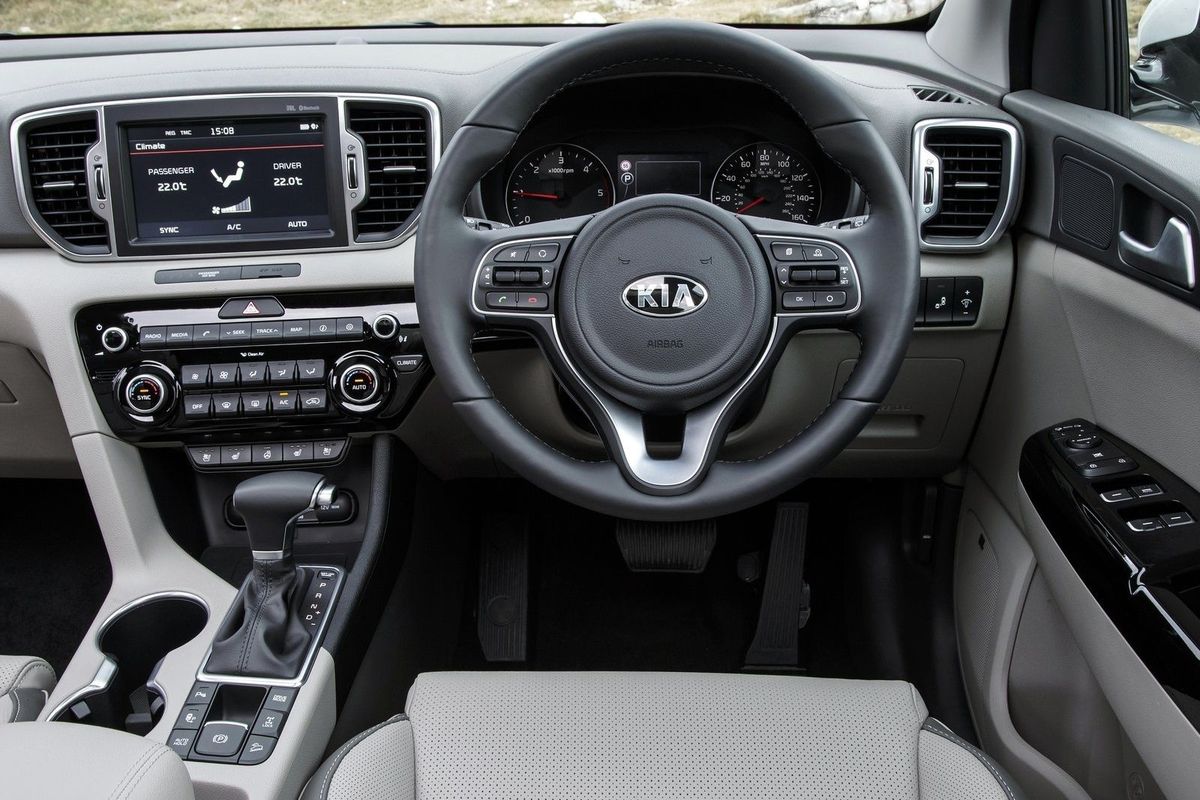
Perhaps more importantly, the Sportage’s interior has been completely redesigned and now appears to be more upmarket with a quality material finish. The Korean carmaker has also improved NVH levels with increased insulation to keep road and engine to a minimum. Buyers who opt for the GT Line derivative can choose between two-tone interior colour options in either Dark and Light Grey or Black and Canyon Beige at no additional cost.
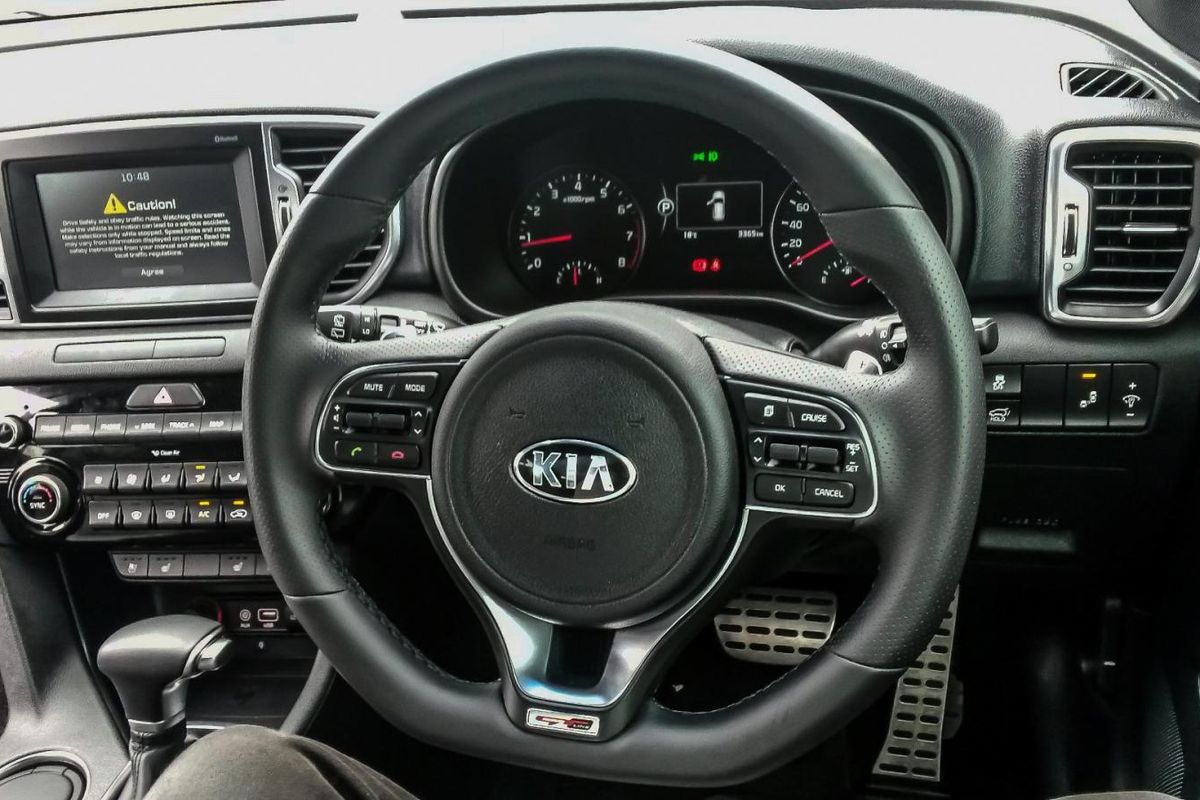
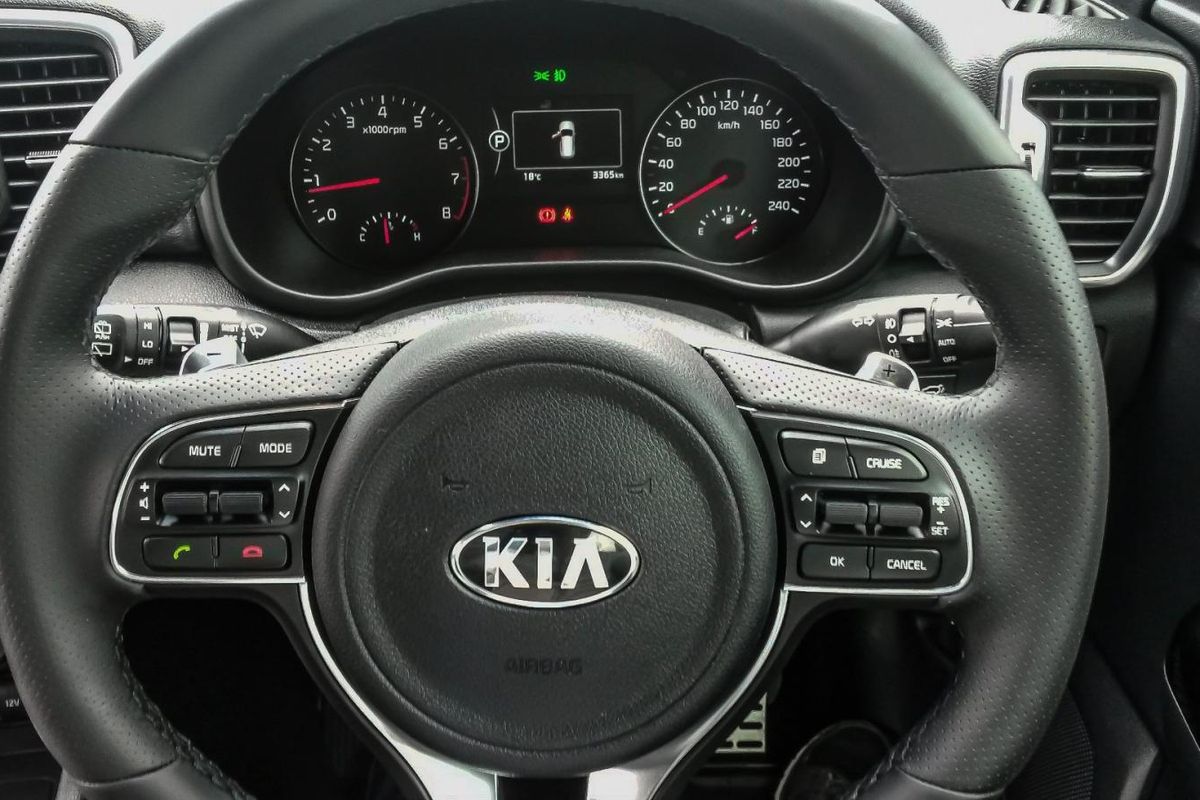
Regardless of which interior colour you choose, the console is black and all Sportage derivatives come standard with a black interior. The GT Line also gains sportier appointments in the form of a D-Shaped leather steering wheel, piano black fascia and aluminium alloy pedals.
Kia has modernised the Sportage's interior to be more comfortable with improved ergonomics.
In terms of interior space, the Sportage offers more headroom and legroom for front and rear passengers. Luggage space has grown from 465 litres to 503 litres and when the seats are folded down, a claimed 1 455 litres of utility space is at your disposal. The aperture of the luggage bay is also some 35 mm wider than before and the sill has been lowered by 47 mm to make the loading of heavy items easier. Fuel thank capacity has also increased to 62 litres.
Sportage buyers have the choice between petrol or diesel engines with 5 derivatives to choose from.
There are 5 derivatives in the range. The base model is the Sportage Ignite and it’s powered by Kia’s revised 4-cylinder 2.0-litre petrol engine that develops 114 kW and 192 Nm of torque, powering the front wheels via a 6-speed manual transmission. Kia claims a fuel consumption figure of 7.9 L/100 km for this derivative.
The Sportage EX derivative is fitted with a 2.0-litre turbodiesel engine offering 130 kW and 400 Nm of torque. This engine is now 5 kg lighter than before and has been enhanced for optimum performance. Like the Ignite derivative, the Sportage EX is available in front-wheel drive only but makes use of a 6-speed automatic transmission. Fuel consumption for the EX is rated at 6.8 L/100 km.
For buyers seeking all-wheel drive capability, there are two Sportage SX derivatives on offer in both petrol and diesel guise. The diesel Sportage SX is powered by the same 130 kW/ 400 Nm 2.0-litre engine found in the Sportage EX. The petrol-powered Sportage SX is new to the range and comes fitted with Kia’s familiar 2.4 GDI engine, developing 135 kW and 237 Nm of torque and with a claimed fuel consumption figure of 8.5 L/100 km. Both SX derivatives feature a 6-speed automatic transmission.
The new top-of-the-range Sportage 1.6 turbopetrol GT Line offers 130 kW and 265 Nm of torque and comes equipped with Kia’s new 7-speed dual-clutch transmission sending power to all-four wheels. This is the same, albeit detuned, engine found in the Cerato 1.6T Koup. Claimed fuel consumption for the Sportage GT Line is 7.5 L/100km.
What’s the new Kia Sportage like to drive?
The Sportage 1.6 turbopetrol GT Line offers sporty features and come well-equipped with comfort and safety features.
The launch route totalled about 150 km and our first drive began behind the wheel of the Sportage 1.6 GT Line. We were met with a smart-looking leather interior featuring the optional two-tone Black and Light Grey colour scheme, which actually provides a nice contrast to the interior.
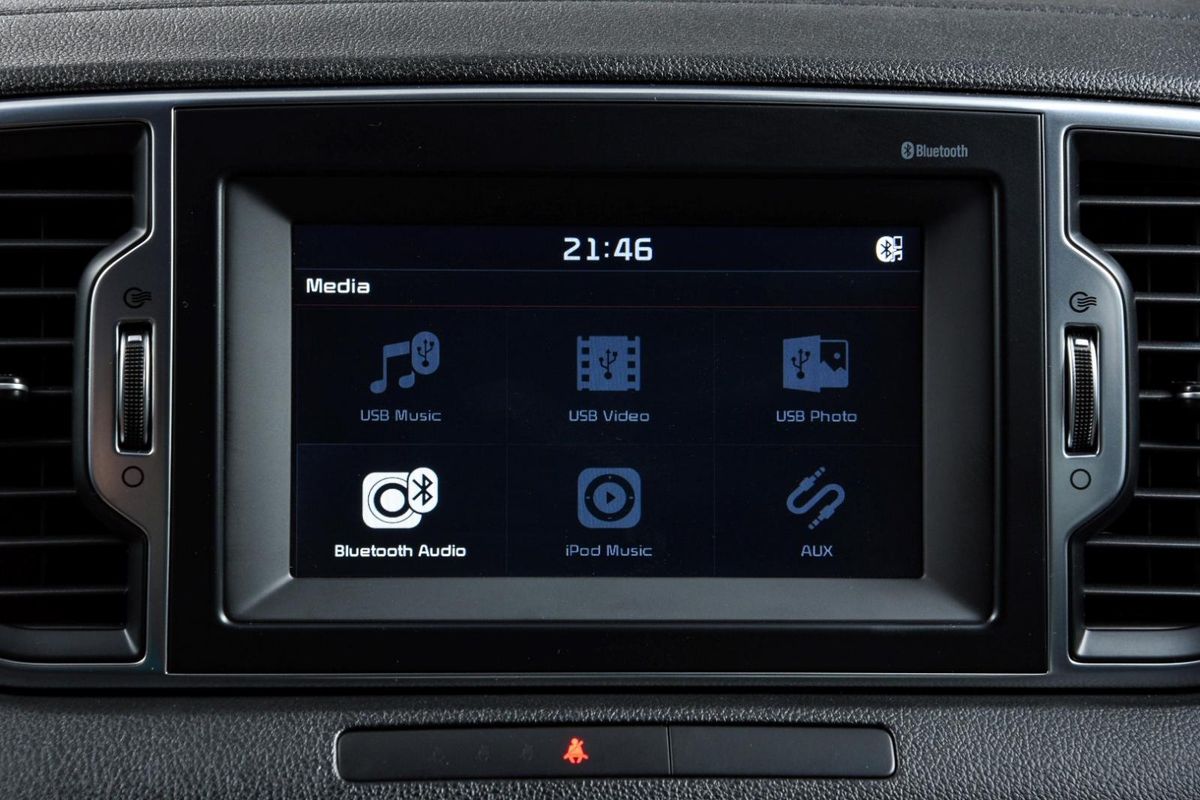
We were also treated to a host of comfort features such as fully electric and heated seats as well as a panoramic sunroof (standard). Other notable interior features included a 7-inch touchscreen infotainment system with integrated navigation, Bluetooth connectivity and two USB ports (front and rear) for charging devices. There’s also a wireless charging pad ahead of the transmission lever where you can wirelessly charge your phone, provided that it’s compatible. The interior was well equipped with safety features too, including blind spot detection and lane change assist.
Out on the road, the Sportage 1.6 GT Line delivered good performance and the turbopetrol engine seemed to provide adequate power on the highway and the ride quality was decent too. The driver can choose to drive in either Eco or Sport mode, and despite a hint of turbo lag, the engine and transmission work reasonably well together to extract the most performance from the engine. A number of curvy bends did little to unsettle the Sportage and it remained composed and confident, even in tighter turns. Apart from the sportier appointments of the GT Line, its performance wasn't as sprightly as we had expected.
We then stepped into the Sportage 2.0-litre turbodiesel SX derivative. This engine’s performance impressed us more. With 130 kW and 400 Nm of torque, the Sportage SX seemed to be more willing and able to push on than its turbopetrol sibling. The additional torque is definitely beneficial on the open road and overtaking manoeuvres were easily executed. The 6-speed automatic transmission also delivered smooth, virtually imperceptible, shifts.
The Sportage 2.0 SX turbodiesel provided good performance and coped well in the dirt.
Our destination was Lothian Vineyards near Rockview Dam and somehow we managed to get lost. This mishap did, however, give us the opportunity to test the Sportage’s suitability to dirt roads. The Sportage managed to deliver a surprisingly smooth drive over what seemed to be a poor quality surface and its suspension had no problem in ironing out bumps and ruts.
We also noticed a confusing quirk in the Sportage SX 2.0 turbodiesel. The opposing power/volume dial and tuning dials for the audio system are clearly marked, yet their functionality was reversed. So, when you turn up the volume, you are tuning to a radio station and the tuning dial serves as a power and volume button instead. Kia Motors SA, assures us, however, that the problem was limited to that unit and that its dealers have been alerted in case there are any other units that need to be rectified.
Summary
Based on our driving experience at the launch of the Sportage, we felt that the 2.0-litre turbodiesel SX derivative was particularly impressive in terms of performance and it should return more favourable fuel consumption figures compared with the petrol derivatives.
Although the Sportage now offers more space, it's still smaller inside than products such as the Toyota RAV4, Volkswagen Tiguan and Hyundai Tucson, and it's pricier too. For example, the range-topping Sportage 1.6 GT Line is priced at a lofty R599 995 and although it has all the bells and whistles, it's considerably more expensive than the rivalling Ford Kuga 2.0T AWD Titanium (R507 900) and Toyota RAV4 2.5 AWD VX (R513 000).
Kia is seemingly offering a more sophisticated and upmarket product in the new Sportage, but its pricing (especially of the AWD derivatives) will, in all likelihood, force many buyers to consider more affordable options in the market first. It's a smartly-packaged and fashionable Korean product, but, as is so often the case, the best value is to be found at the lower end of the range.
We should have the new Kia Sportage on test soon, so look out for a thorough evaluation in the near future. In the meantime, take a look at what you can expect to pay for the new Kia Sportage below.
Mercedes-Benz Bakkie Teased Ahead of Launch [Video]
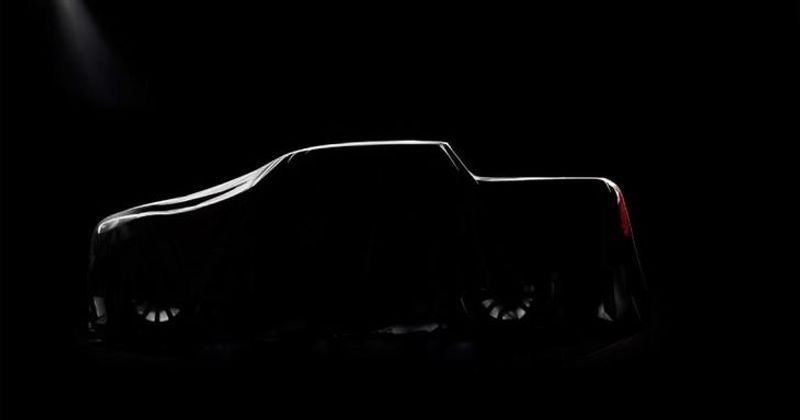
We're just days away from seeing a production version of the Mercedes-Benz double-cab bakkie. With the international reveal about to happen, the Germans have released a teaser video to whet our appetites.
Rumours are rife that this new model from Mercedes-Benz will be called the GLT, but nothing has officially been confirmed. It will be built on the new Nissan Navara platform, but will feature luxury appointments and technology. Mercedes-Benz commercial vehicle division head Volker Mornhinweg revealed last year at the 2015 Frankfurt Motor Show that the “GLT” will be produced in 3 specification levels and only as a double-cab. It is expected that turbopetrol and –diesel powerplants will be offered in 4- and 6-cylinder guises and that there will be a choice between 6-speed manual and 7-speed automatic transmissions.
The Mercedes-Benz bakkie will be assembled at the Daimler-owned and Renault-Nissan Alliance plants in Spain and Argentina, and will go on sale in 2017. Target markets include Australia, Europe, Latin America and South Africa.
BMW Films has released its latest short film, The Escape, and it features the new BMW 5 Series driven by none other than Clive Owen. Watch it now!
If you were awake in the early 2000’s, you might recall a series of films released online by BMW Films called The Hire, featuring big-name actor Clive Owen who played The Driver. Owen was accompanied by other top Hollywood actors and the best action directors ensured impressive viewing. BMW created 8 short films and each featured a specific BMW model that The Driver would use in his escapades and the series racked up over 100 million views in four years.
BMW Films has now released its latest short film, The Escape and Owen returns as The Driver, behind the wheel of the new BMW 5 Series. The Escape, starring Clive Owen, Dakota Fanning, Jon Bernthal and Vera Farmiga is full of action and the film is directed by South Africa’s own Neill Blomkamp, who also directed District 9 (2009), Elysium (2013) and Chappie (2015).
The 4th generation of the Kia Sportage has landed in South Africa and we have the specs and pricing for this Korean compact SUV.
The Kia Sportage has proven particularly popular in our market; on the back of more than 1.6 million sales of the 3rd-generation model (globally) comes an all-new model that features a completely redesigned interior with upgraded materials and improved build quality, as well as better practicality and a range of technologies to improve comfort, convenience, connectivity and safety. A range of new and updated engines and transmissions results in enhanced efficiency and performance, while ride quality, handling and refinement are claimed to have been improved. This new Sportage is manufactured in Slovakia.
“The Sportage is a car of ‘firsts’ for the Kia brand,” says David Sieff, Marketing Director of Kia Motors South Africa. “It was one of the first Kia models to receive multiple global design awards, and one of the first Kia models to revolutionise its segment, a feat that was thought impossible for a Korean brand up until the launch of the third generation model in 2010. The all new 4th-generation Sportage carries that award-winning legacy forward with significant improvements in tactile quality, overall refinement, and driver enjoyment.”
The design of the new Sportage was led by Kia’s European design studio in Frankfurt, Germany, with input from the brand’s design centres in Namyang, Korea and Irvine, California. Its wheelbase is 30 mm longer (now at 2 670 mm) and its body has been lengthened by 40 mm overall (to 4 480 mm). It's not just about the attractive looks, however, as the drag has been reduced from 0.35 to 0.33 Cd, to the benefit of fuel consumption. You can opt for 16-, 17- or 19-inch aluminium alloy wheels, depending on the spec level, while the GT Line specification comes with a unique 19-inch wheel design as standard.
More upmarket interior
Inside, there's a focus on material quality with the extensive application of soft-touch plastics and cloth or leather trim with smart-looking stitching to create a more luxurious ambience. All Sportages come standard with a classic black interior, but for the first time, customers who purchase the GT Line model can specify either a Dark and Light Grey or Black and Canyon Beige two-tone interior (the Black and Canyon Beige two-tone interior is also available as an option on SX models). The console is finished in black, for a classy, stylish appearance, regardless of the chosen interior colours. Buyers specifying the new GT Line ill a cabin with a slightly sportier feel, with a D-shaped leather steering wheel, high-quality piano black fascia and aluminium alloy pedals.
The claimed luggage capacity of the Sportage has increased from 465 to 503 litres, while the purported utility space is up from 740 to 868 litres. The cabin has also undergone considerable development in terms of noise, vibration and harshness (NVH) control. Cabin- and road noise are said to be reduced thanks to the introduction of new rear suspension bushings that isolate road noise, and more sound-absorbent materials in the Sportage’s wheel arches. Wind noise is also reduced as a result of thicker windshield glass, a new dual-lip seal for the panoramic sunroof and additional soundproofing in the doors.
Safety equipment and stand-out features
Thanks to an even stronger bodyshell, a wide array of passive safety equipment and the latest active safety technologies, the new Sportage scored 5 stars in the Euro NCAP crash tests. Six airbags are fitted, as are ISOFIX child-seat tether and anchor points.
In terms of the driver assistance technologies, features such as electric motor-driven power steering, ABS with EBD and brake assist are complemented by Electronic Stability Control (ESC) and Vehicle Stability Management (VSM) systems. Buyers of the new Sportage GT Line will also benefit from Blind Spot Detection (BSD) with Lane Change Assist (LCA).
Furthermore, the GT Line model features a new wireless charger for mobile devices. The Sportage also features 2 USB charging points, one in the front and one in the rear, to allow all occupants to charge their mobile devices while on the move. High specification models in the Sportage range are also equipped with a 7-inch colour touchscreen with satellite navigation as standard. They also feature a rear-view parking camera and Kia’s Smart Power Tailgate.
Engines and transmissions
At the entry point of the range is the Sportage Ignite, powered by a 2.0-litre engine, producing 114 kW at 6 200 rpm and 192 Nm torque at 4 000 rpm. This engine has seen some mild tweaks to improve efficiency and this model is available with a 6-speed manual transmission and front-wheel drive. The next model is the EX, which is front-wheel driven and has a 2.0-litre turbodiesel engine. It produces 130 kW at 4 000 rpm and 400 Nm of torque between 1 750 and 2 750 rpm. The 2.0 CRDi EX, by contrast, is only available in front-wheel drive configuration in combination with a 6-speed automatic transmission.
Next up are two SX models, both of which feature all-wheel drivetrains. Customers can choose between diesel and petrol power here, with one motor being the same 130 kW, 400 Nm 2.0-litre turbodiesel engine. The new engine is the 2.4-litre GDI petrol motor, which produces 135 kW of peak power at 6 000 rpm and maximum torque of 237 Nm at 4 000 rpm. Both SX models are paired with a smooth-shifting 6-speed automatic transmission and Dynamax on-demand all-wheel drive, and feature the 7-inch colour touchscreen with integrated satellite navigation as standard.
Finallly, the top-spec model is the 1.6 T-GDi GT Line, which features a number of exclusive interior and exterior design features, such as unique machine finished alloy wheels, quad LED "ice cube" front fog lights, silver metal skid plates front and rear, as well as 2-tone interior options. More importantly, the Sportage GT Line features a sportier, more responsive, and more dynamic engine and transmission pairing for increased driver enjoyment.
It is powered by an even further refined version of Kia's 1.6-litre turbocharged GDI (Gasoline Direct Injection) engine, which develops 130 kW at 5 500 rpm, and 265 Nm of torque between 1 500 and 4 500 rpm. This engine is mated with Kia’s new 7-speed DCT (dual clutch transmission) for smooth, quick gear changes, leading to quicker acceleration, as well as improved fuel consumption.
Two-tone Black and Canyon Beige upholstery is available as a no-cost option on SX AWD and GT Line models, while GT Line models are also available with a 2-tone Black and Light Grey interior as a no-cost option. A panoramic sunroof is available as a R12 500 option on SX AWD models, and is standard on the range-topping GT Line model. All Sportage models ship as standard with Kia’s 5-year/unlimited km warranty, 5-year/unlimited km roadside assistance as well as a 5-year/90 000km service plan.
Introducing Episode Two of the Cars.co.za Fortuner Challenger.
In last week's episode, our contestants faced a technical 4×4 challenge, which saw them experience the abilities of the new Toyota Fortuner on an off-road course.
In this week's episode, our contestants face 3 challenges: first, they'll have to brush up on their knowledge of the Fortuner for the Rapid Fire Quiz, then they'll sharp shoot in our soccer and rugby challenge, and lastly the versatility of the Fortuner will be tested in our Pack the Fortuner Challenge.
If you missed out on competing in the Fortuner 4×4 Challenge, you can still win a brand new Fortuner by backing your sporting hero in the finals. Click here to choose your hero and enter the competition:
Be sure to subscribe to our channel so you don't miss the third and final episode, where the fifth and final challenge will push our contestants to their physical limits.
Volkswagen Tiguan 1.4 TSI 110 kW DSG (2016) Review
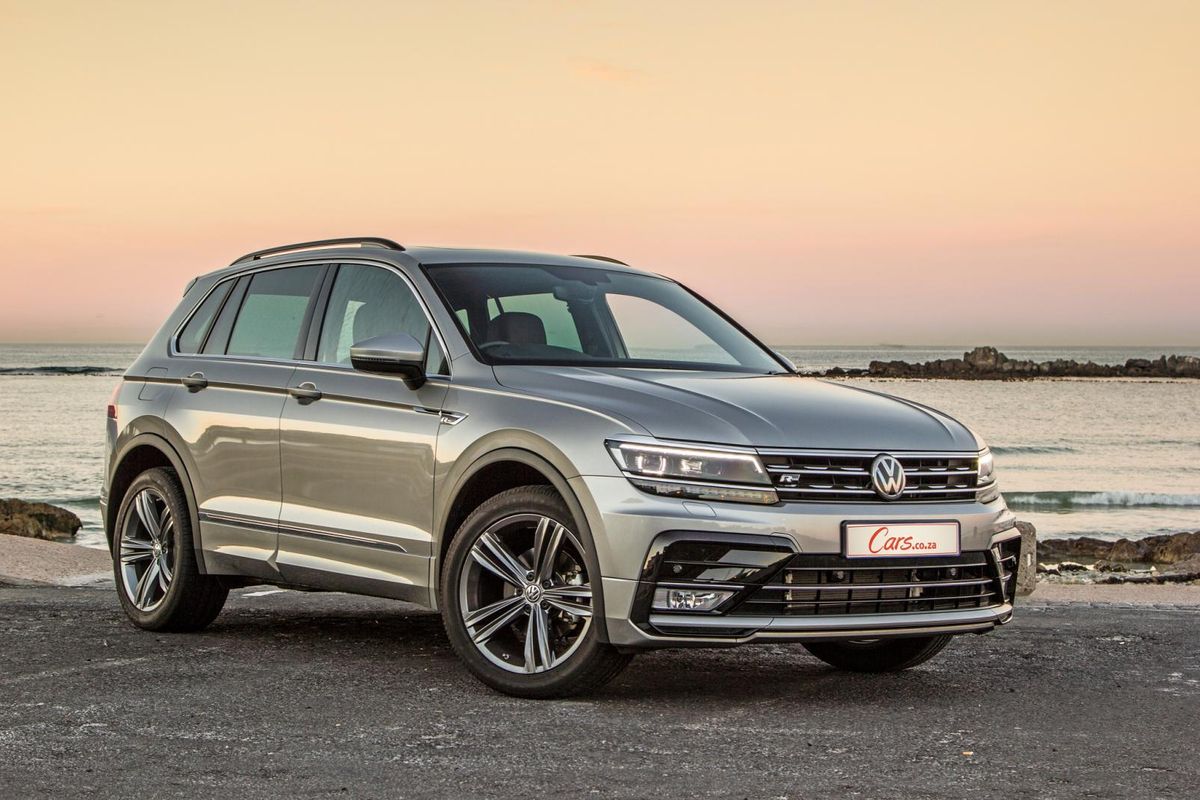
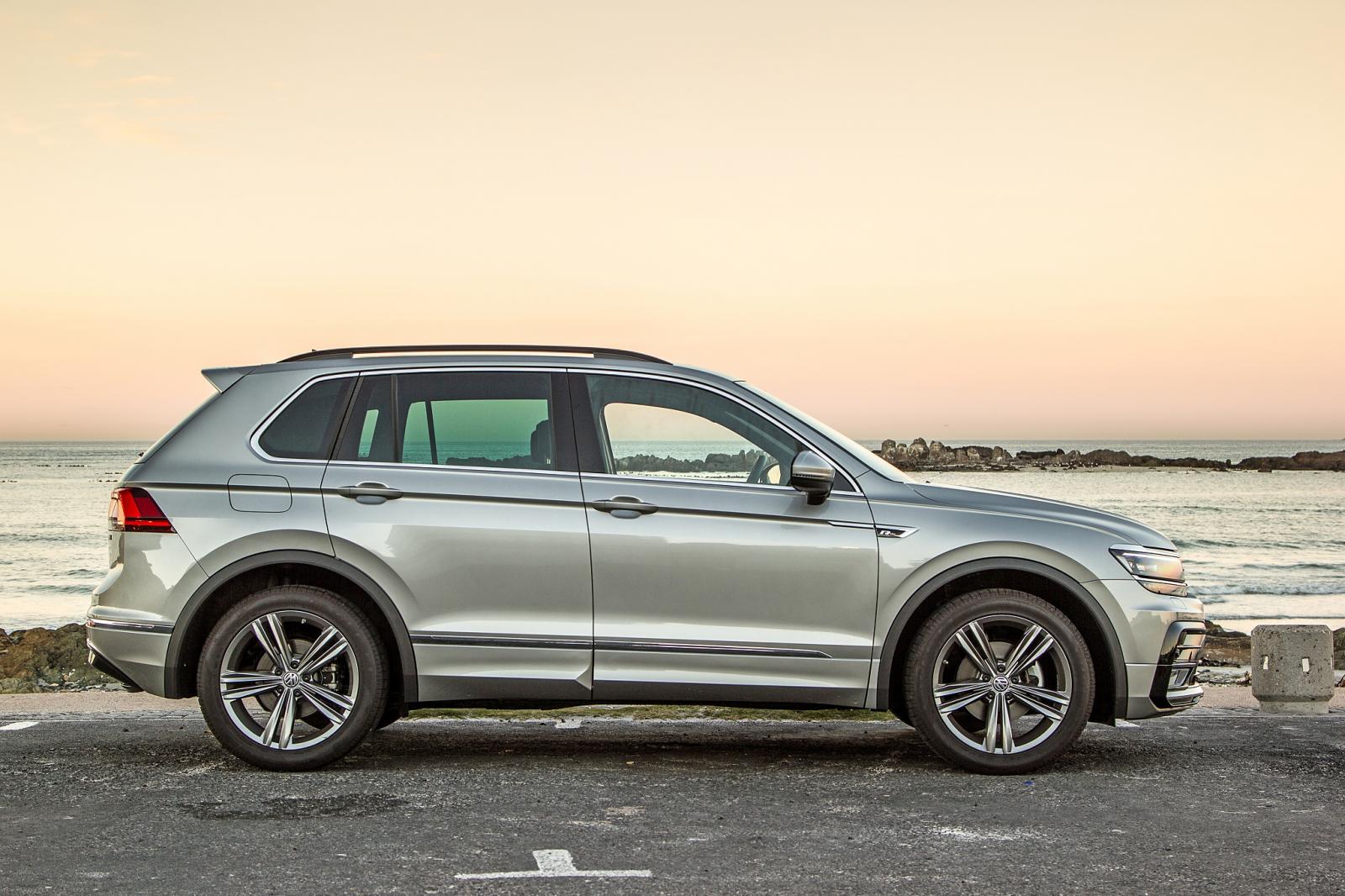
Volkswagen’s latest SUV seems to be on the lips and shopping lists of compact SUV buyers in South Africa. Is the Tiguan now the default choice in the segment? We look underneath its sexy R-Line kit to see if beauty is more than skin-deep.
We like: Upmarket feel, trendy exterior, superb build quality
We don’t like: More turbo lag than we expected, ride quality not as pliant as we have come to expect from VW
Alternatives:
For better value: Mazda CX-5 2.5 Individual offers more equipment as standard and has a sportier drive (if that’s what you want from your SUV). It’s a bit smaller inside than the Tiguan though. The Mazda CX-5 2.5 Individual is priced from R468 300.
For a stylish alternative: Hyundai Tucson 2.0 Elite auto is closest to equalling the VW on exterior style, but its 2.0-litre engine proves to be quite thirsty and it lacks torque, which is particularly useful when there is a full load aboard. The Tucson 2.0 Elite auto is priced from R454 900.
For something else German: BMW X1 sDrive 18i is priced close enough to tempt those looking for a more premium badge on their bonnet. It's not particularly well-specced at its base price, so review the options list closely. The BMW X1 sDrive 18i is priced from R476 742.
A style revision
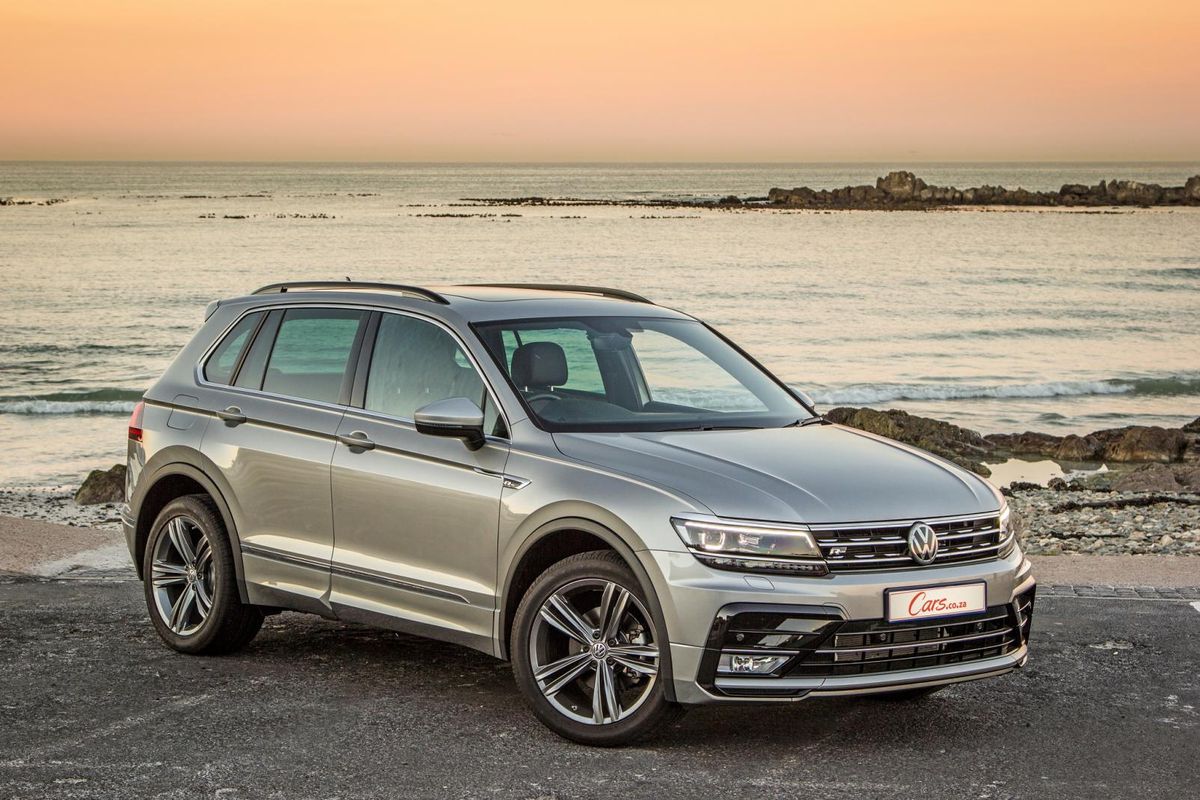
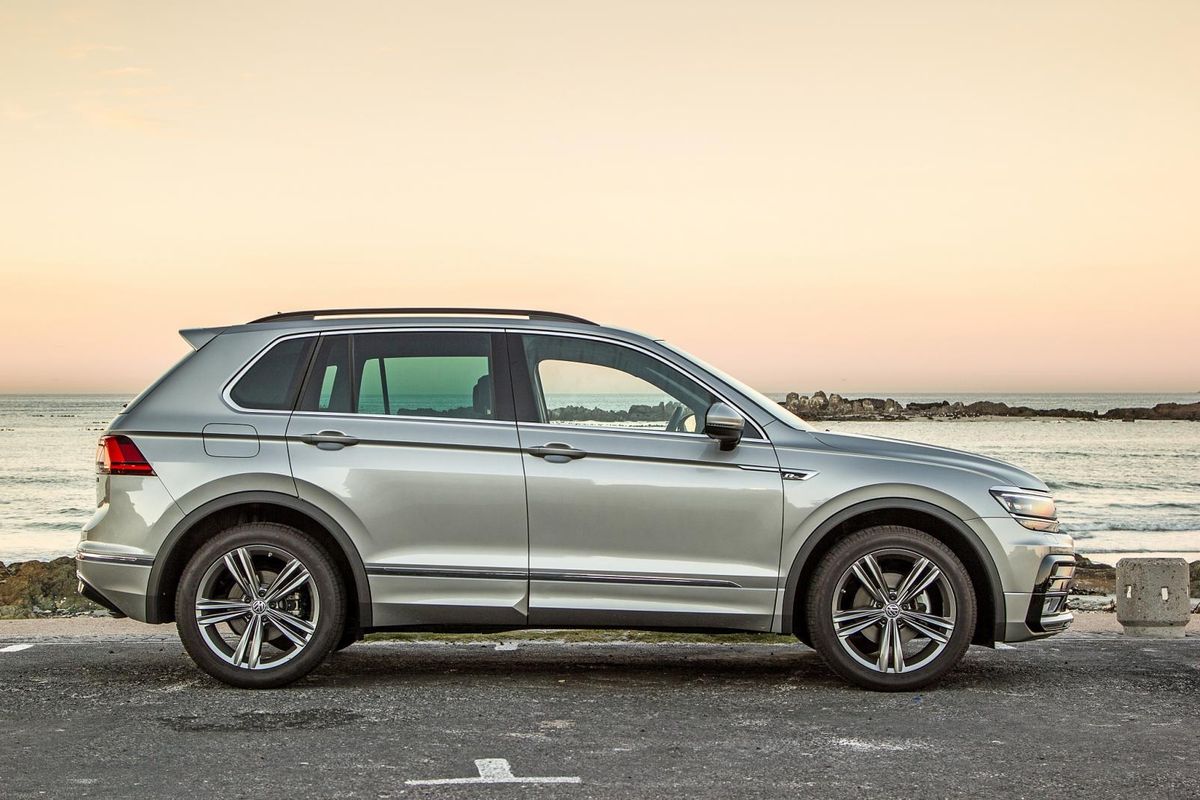
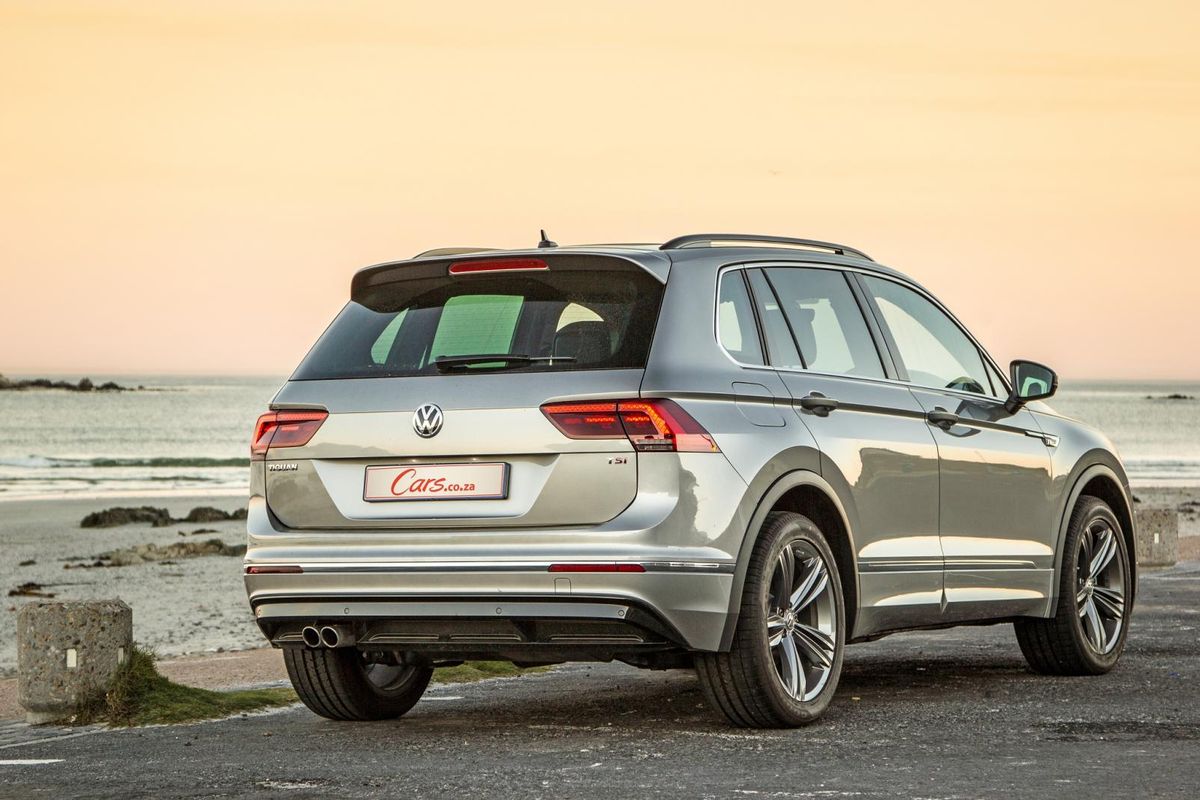
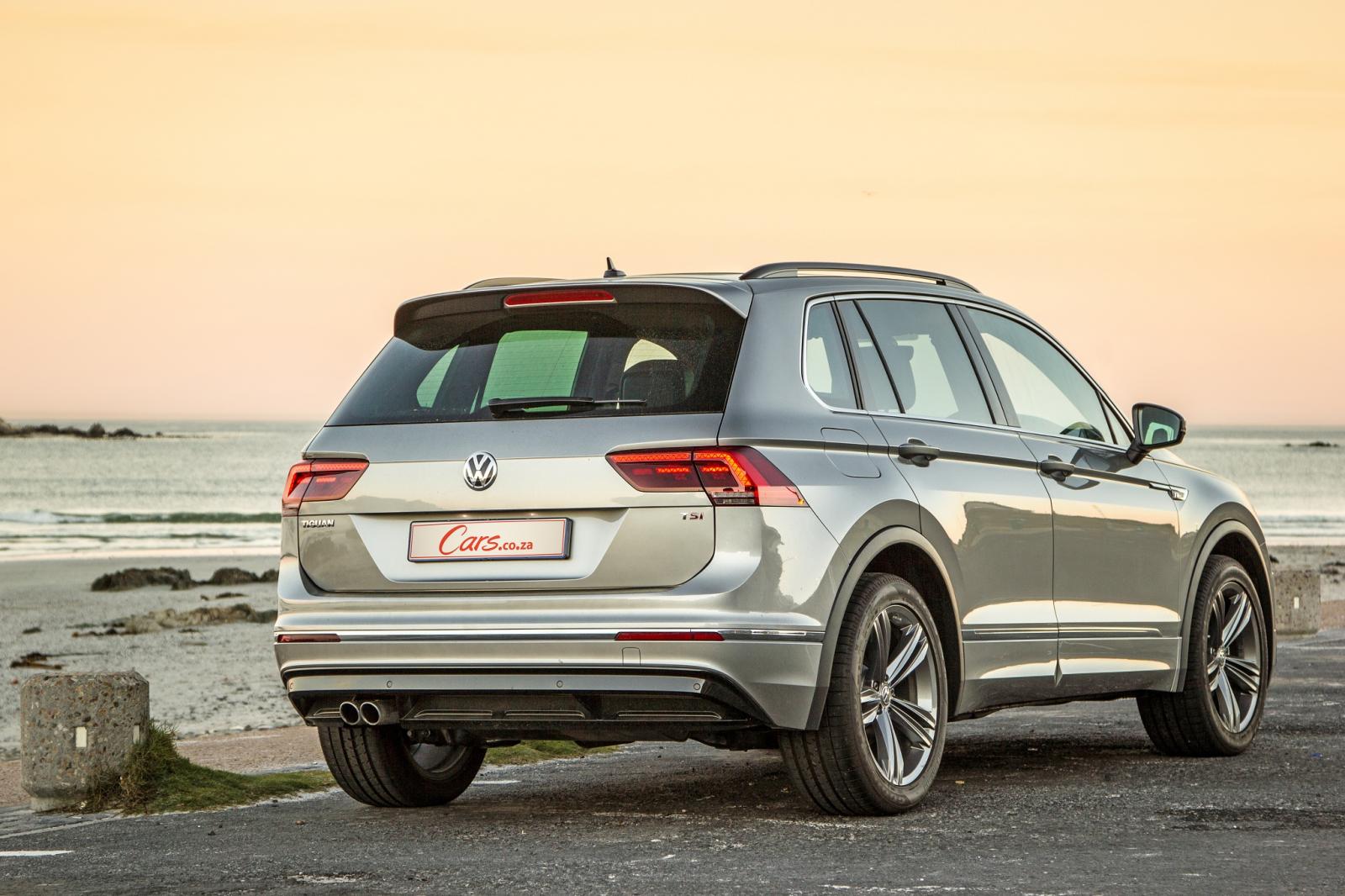
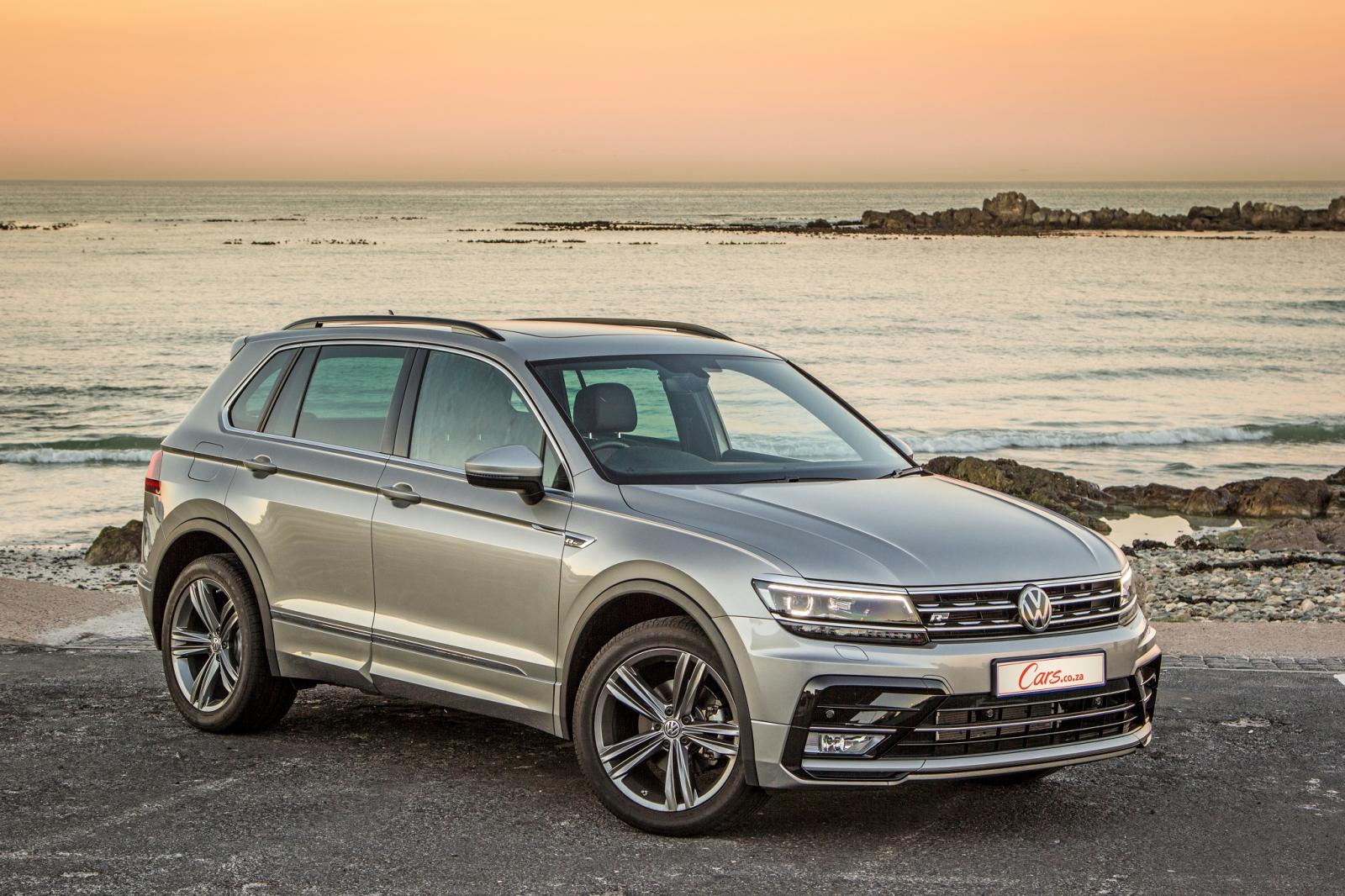
The new Tiguan represents a major style upgrade from its predecessor and has gained great road presence. We were occasionally chased through parking lots, plus called out to in traffic and forced to answer rapid-fire questions about the Tiguan’s availability, something that’s more of a rare occurrence than you would think. The Tiguan pictured here is fitted with an R-Line body kit, which is an R18 000 option. Having seen some Tiguans without R adornments, we would highly recommend paying the premium. Beyond the exterior, there have been vast improvements to the interior quality and practicality.
Tiguan's proportions, in tandem with optional R-Line kit, make it a very attractive SUV.
How does it fare in terms of…
Space and practicality?
As you’d expect with a new model, it’s bigger inside, but without actually being physically all that much bigger than before. Length wise, it’s a touch longer, but height-wise it’s shorter and has less ground clearance than before. The wheelbase has been extended, which helped to free up additional interior space.
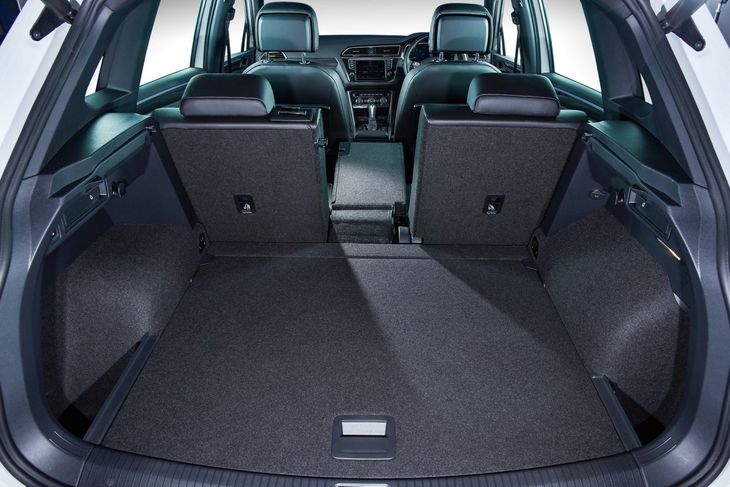
The luggage capacity is vastly bigger than before – by over 100 litres, in fact. Consequently, the Tiguan has one of the largest loading areas in its class: you can haul 520-litres in the back before you need to fold the rear seats down. The electric tailgate fitted to our model is an optional extra but the ability to open the hatch remotely (via a press of a button on the key fob) is a handy feature when your hands and arms are occupied with shopping. What's more, the shopping hooks fitted to the corners of the bay are also useful for keeping your cargo from moving around in the back while you are driving.
The boot capacity of the new Tiguan is 520-litres, that's more than 100-litres bigger than the previous Tiguan!
The back seats offer ample legroom, even for tall adults, and you won’t be bumping your head on the roof either, as headroom is generous. The aeroplane-style table trays are practical, especially the pull-out cup holders that keep rogue splashes of drinking yoghurt from turning the cabin into a Jackson Pollock.
Meanwhile, the front door pockets can accommodate large bottles and the centre tunnel has two retractable cup holders. There is also more than enough space available around the fascia to store your clutter.
Ride and drive?
The new Tiguan is based on the MQB platform, which underpins a variety of the Volkswagen Group's compact products. We’ve repeatedly praised the ride quality of "MQB cars", but the Tiguan may be an exception because the newcomer seems a little firmly sprung for local road conditions.
The rear suspension, for example, thuds harshly on bigger road imperfections, at least more than you would expect, and the car's overall ride characteristics appear less composed than those of a Golf or Audi Q3. The 19-inch 45-profile tyres that come with the R-Line kit arguably contribute to the slightly firmer ride, so we'd recommend buyers stick with 17s or 18s. That said, the Tiguan's not the worst riding car in its class, it just doesn't meet VW's lofty standards.
As for the driving experience, it’s very good. The Tiguan's steering is nicely weighted and progressive. It corners well, dealing with changes in direction quickly and with little body roll. It’s a very easy car to jump in and get to grips with and you’ll feel confident from the second you set off on your journey.
R-Line kit comes with 19-inch wheels that exacerbate a harsher ride quality. There are 17s and 18s on offer.
Performance?
This Tiguan uses the uprated 1.4 TSI turbopetrol engine, which means that it produces peak outputs of 110 kW and 250 Nm of torque. The power is sent to the front wheels via an excellent automatic 6-speed DSG (twin-clutch) transmission that performs shifts almost unnoticeably, as if in the distant background. Freeway acceleration during overtakes feels ample and it will happily cruise at the national speed limit with plenty power in reserve if you need it.
In town, we felt the engine had too much turbo lag at pullaway. If you’re turning right at an intersection, it’s tricky enough without having to worry about being stranded at the intersection because there wasn't enough poke from the motor to make the turn before the traffic light filter arrow goes out. When the boost does kick in, you’ve mashed your right foot almost to the floor and mid-intersection wheelspin ensues. It’s not the finest driving moment you’re likely to have in a car and something you need to be mindful of with this engine…
The 1.4 TSI turbopetrol suffers from turbo lag on pull off but once up to speed, it has plenty of torque for overtaking.
Our model also seemed to be prone to holding onto gears too long – something very unusual for a DSG gearbox that aims to get into the high gears as quickly as possible. We would occasionally find the gearbox in 3rd or 4th with the revs quite high up and no shift in sight. A quick manual shift seemed to reset the gearbox and it would go about normal duties again. This obviously had an adverse effect on the fuel consumption as we couldn't get close to the 6.1 L/100 km claimed figure and returned the car after our test with 9.1 L/100 km showing on the onboard computer.
Interior refinement?
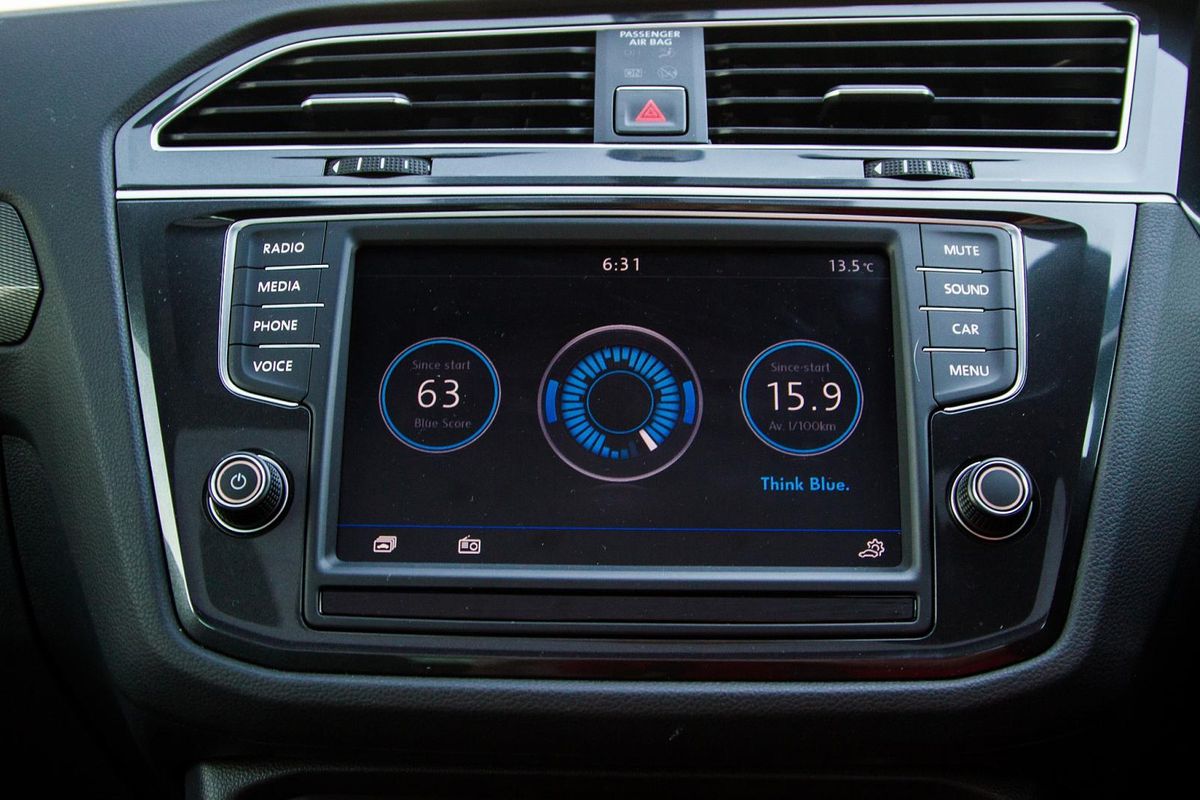
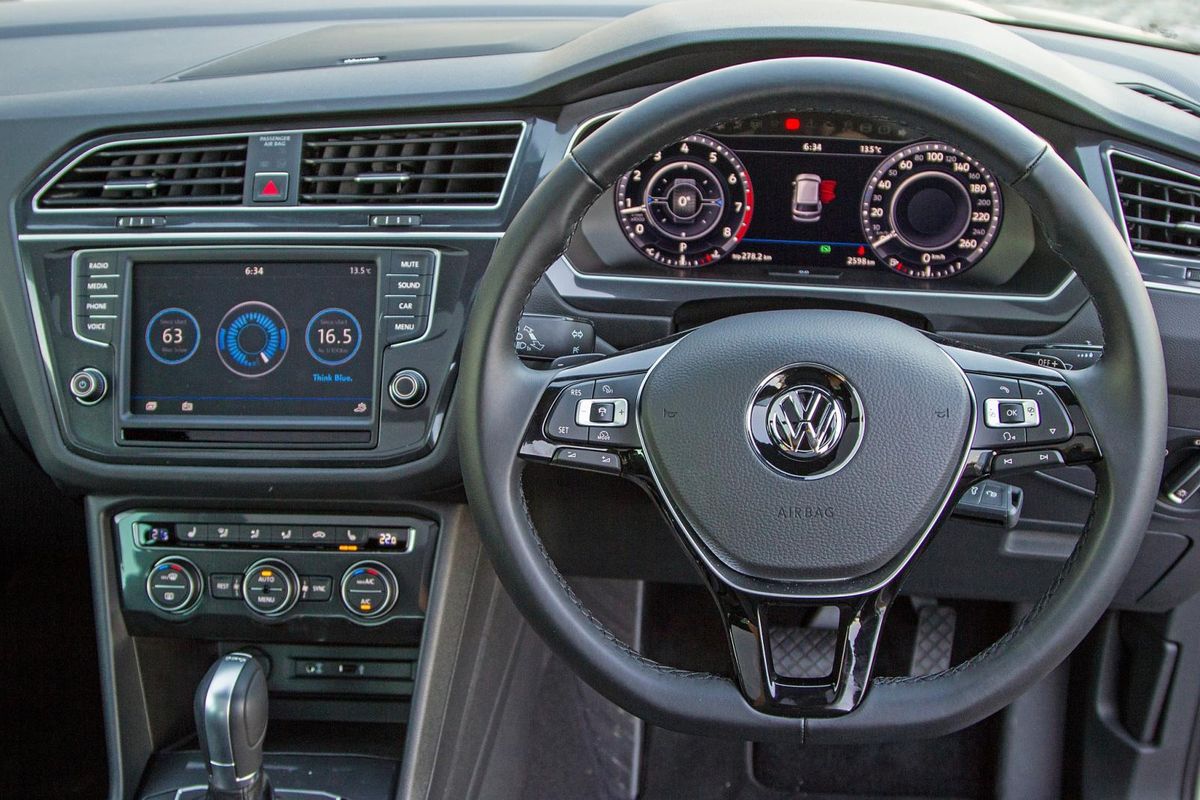
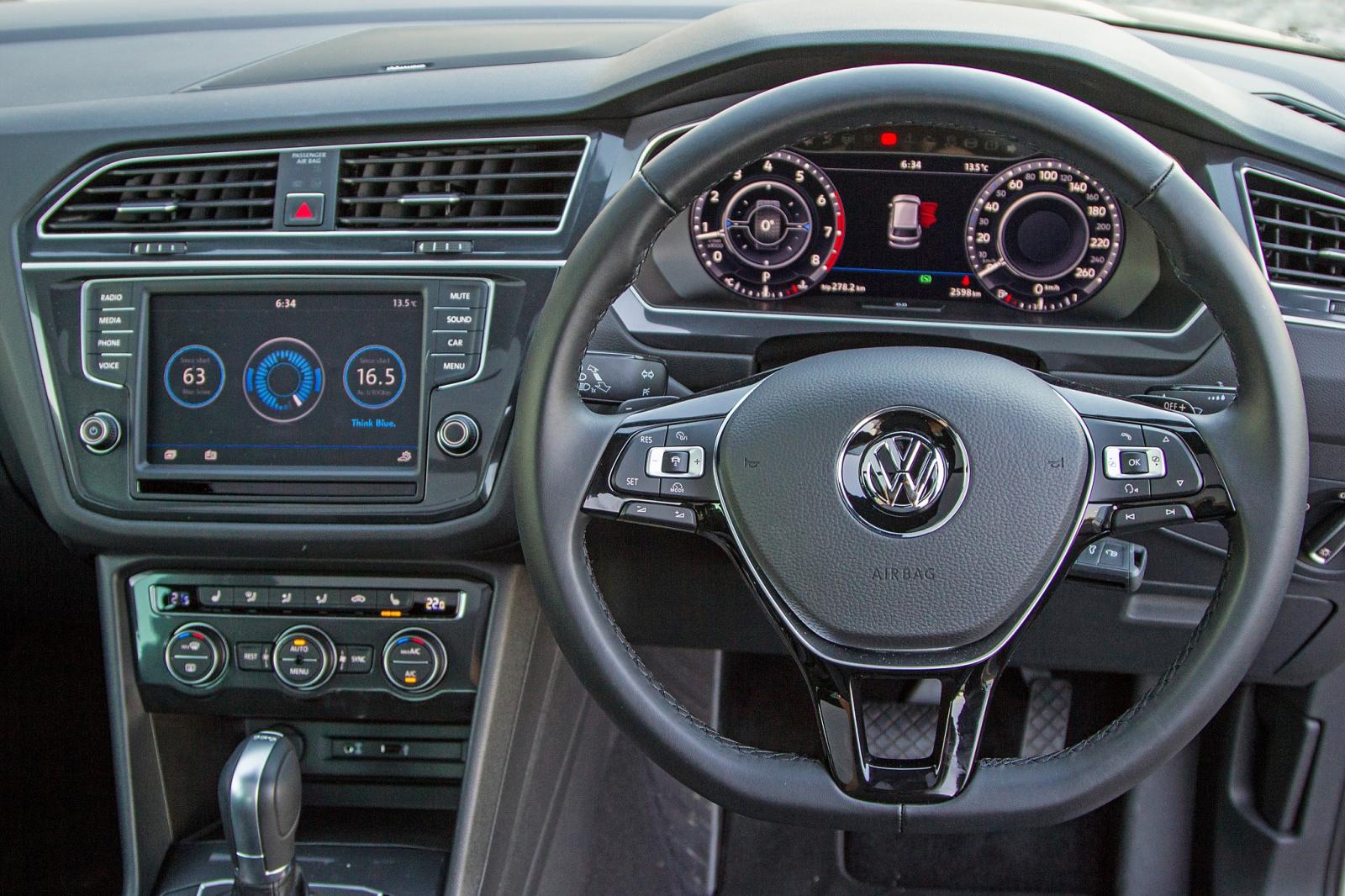
Volkswagen has certainly upped the standard of cabin quality availed in a family SUV. The Tiguan's interior exudes quality and upmarket simplicity. While the leather-trimmed cabin appears quite dark/sombre, the tasteful aluminium accents give the fascia and assorted switchgear that fancy corporate boardroom feel. The infotainment system has been upgraded and can optionally be fitted with App Connect, allowing for full Smartphone integration for Apple CarPlay and Android Auto. The infotainment system is responsive and its display is relatively hi-res. It takes a bit of time to figure out the intricacies of navigating the system: many of the buttons have double tap menus that open up more features.
Interior and refinement and quality are top class and the digital display is a must-have.
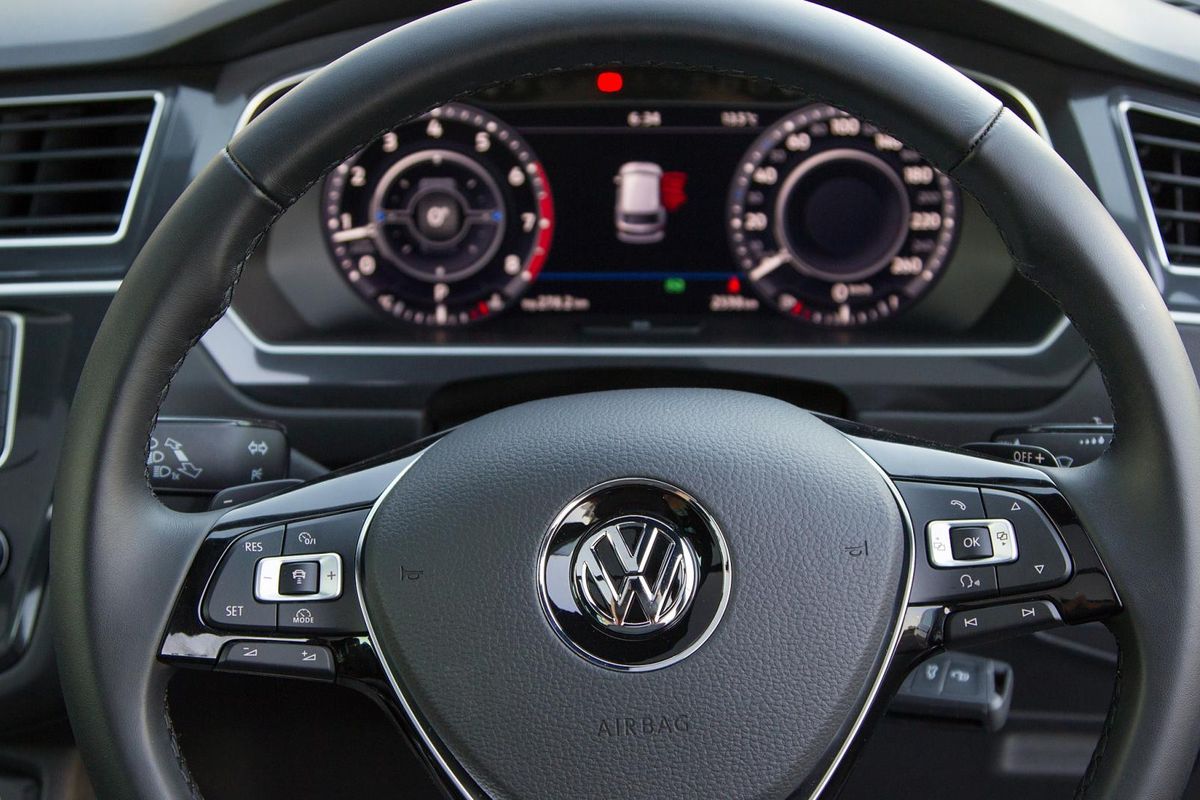
Additionally, the new Tiguan can be fitted with the Active Info display. It’s a stunning upgrade for the instrument cluster that makes everything digital, easy to read and crisp. We first used it on the Passat and it’s very similar to Audi’s Virtual Cockpit, but it’s probably a little bit better if we’re entirely honest. Volkswagen certainly knows how to get the mix of family practicality and upmarket comfort spot on.
Verdict
It’s very easy to be swooned by the new Tiguan. Its attractive exterior, thanks to the R-Line kit, makes it stand out from the raft of family SUV offerings. The spacious interior is also a cut above with superb build quality and finishes and a fantastic, albeit optional digital instrument cluster. Dig a little deeper and it’s not all roses. The ride on 19-inch wheels is jittery, the low-speed turbo lag can be frustrating in traffic and the sporadically erratic transmission behaviour of the test unit detracted from a generally superb product. It's a product that will sell strongly based on its sheer desirability and, to be fair, merit, but once you’ve considered all the extra-cost options you'll want, you're looking at an asking price of more than R500 000 – that’s pricey for a small turbopetrol when there are torquey 2.0-litre turbodiesel rivals available (from new) around the same price.
In Part 1 of our Audi R8 V10 Plus vs McLaren 570S head to head, we take a detailed look at the cars, get to grips with each car's unique character and then finally, line them up for a good ol' fashioned quarter-mile drag race.
Don't miss Part 2 for the final decider, a track race where each car will run one standing-start hot lap of the Killarney Racetrack, with Ashley Oldfield behind the wheel. Will the more powerful Audi claim victory, or can the 570S with it's racing pedigree steal a win from its German rival?
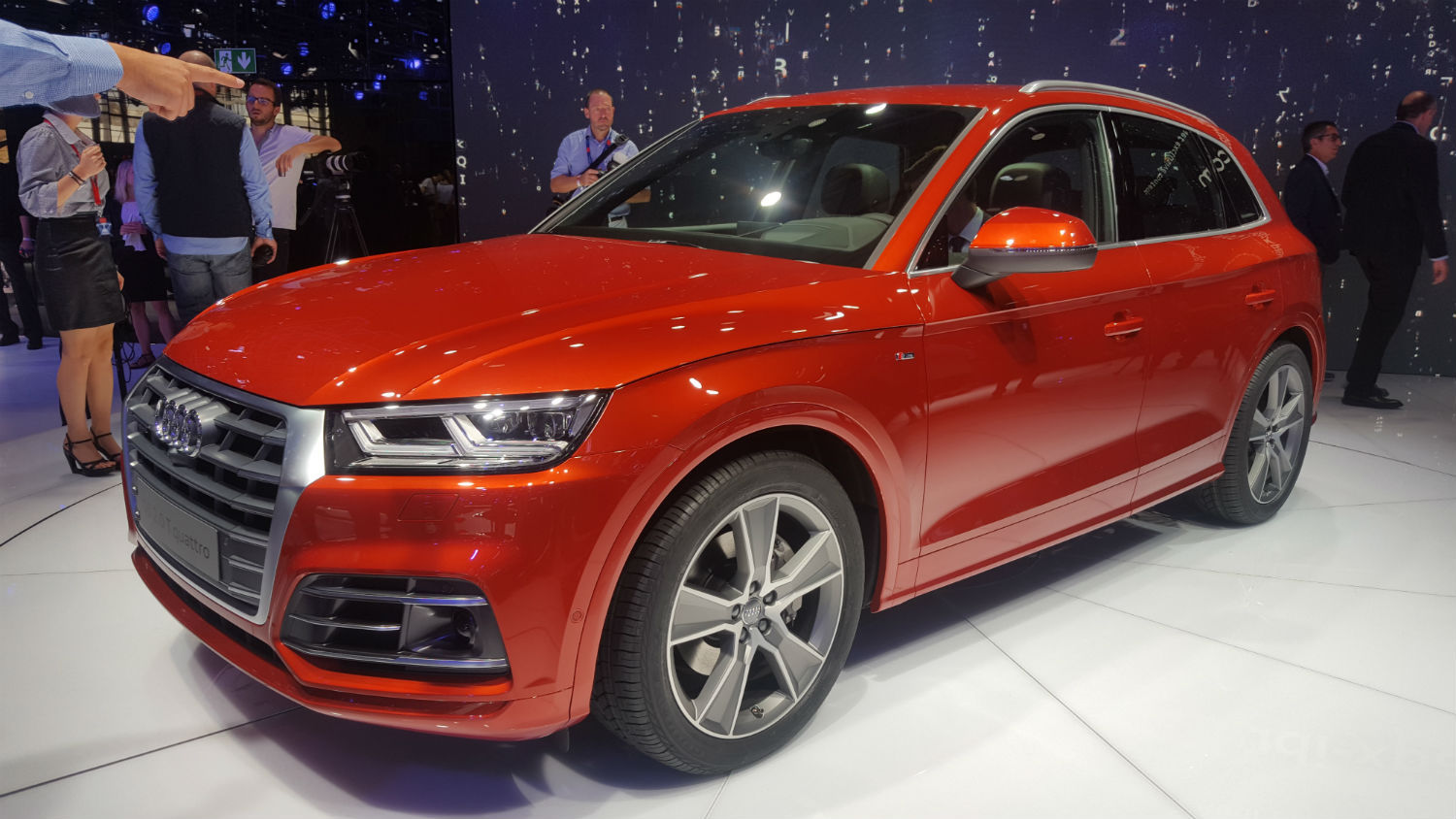
We recently walked the halls of the Paris Motor Show where many important new models were shown to the media and the public for the first time. The 13 cars listed here are all production ready and should find their way to South African dealerships in the next few months.
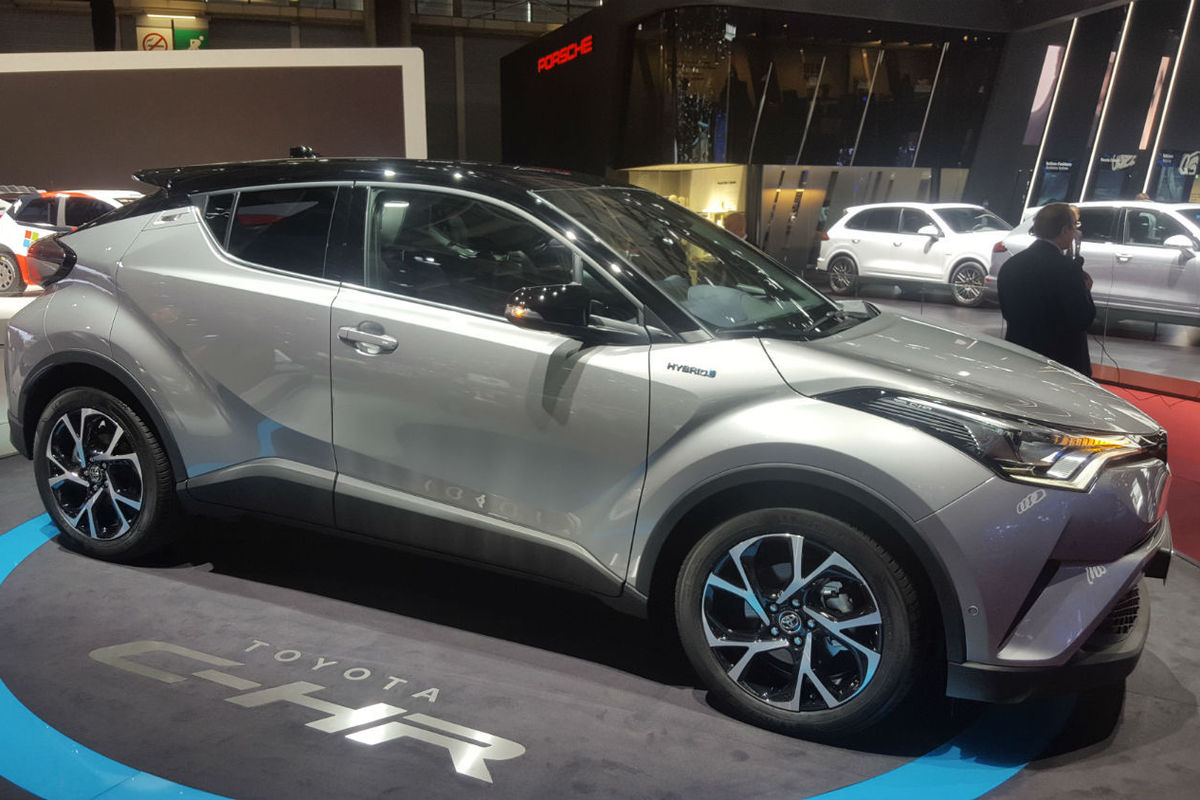
While the world may currently be going through what can be described as a "rough patch" and the economic outlook isn't particularly rosy, the globe's carmakers are not slowing down on the product development front. So, inbetween the futuristic headline-grabbing concepts and bullish talk of autonomy, electrification and digitalisation, there were numerous production-ready new cars on display at the Paris Motor Show, and many of these will be available in South Africa very shortly. From chirpy cheapies such as the Suzuki Ignis and Nissan Micra, to stylish crossovers like the Peugeot 3008 GT and Toyota C-HR, and stretching all the way to the glamorous Lexus LC500h, there was something for everyone in Paris.
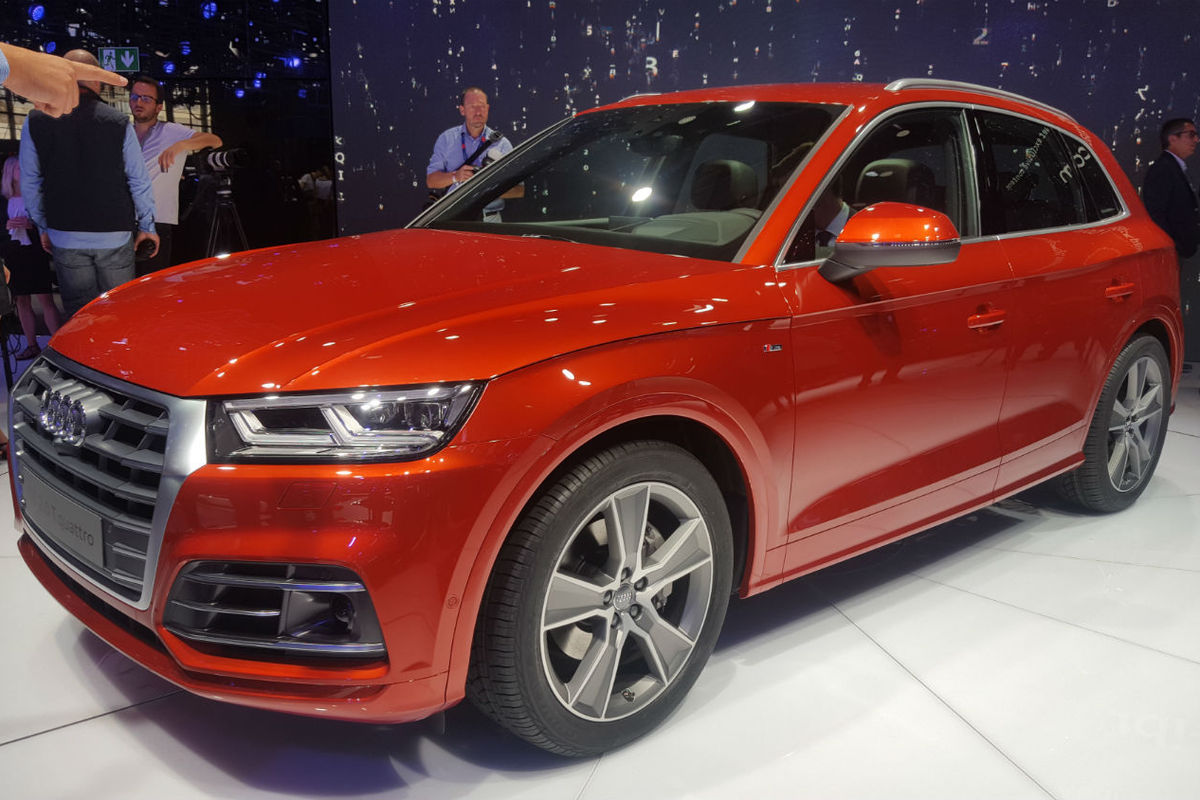
Audi Q5
The second-generation Q5 made its debut in Paris and features an evolutionary design that won't offend anyone, except perhaps those who may have wanted something a bit more adventurous from Audi. I think existing fans of the brand and current model will like it, however, because the detailing is quite superb, especially inside where it get the minimalistic facia design of the latest A4, including the completely digital instrumenation. As per usual, the quality levels are arguably class-leading – the Q5 feels, looks and smells like a very expensive product inside.
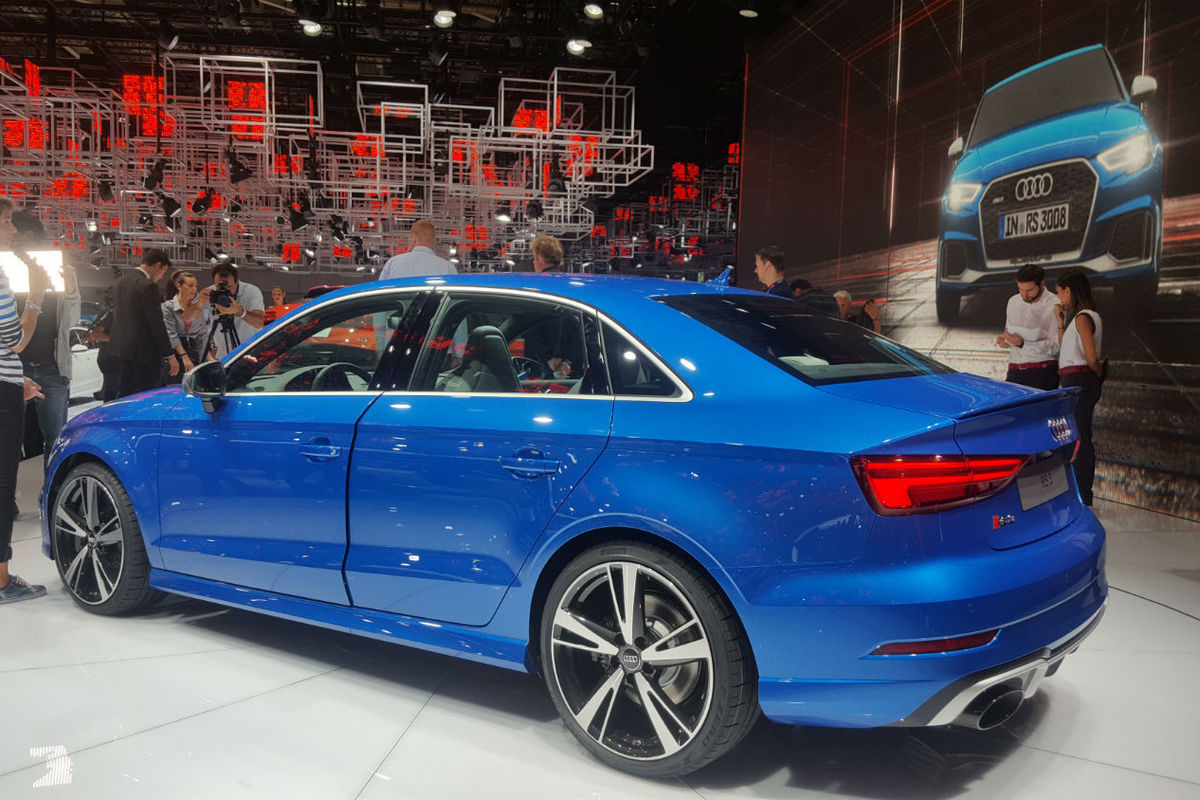
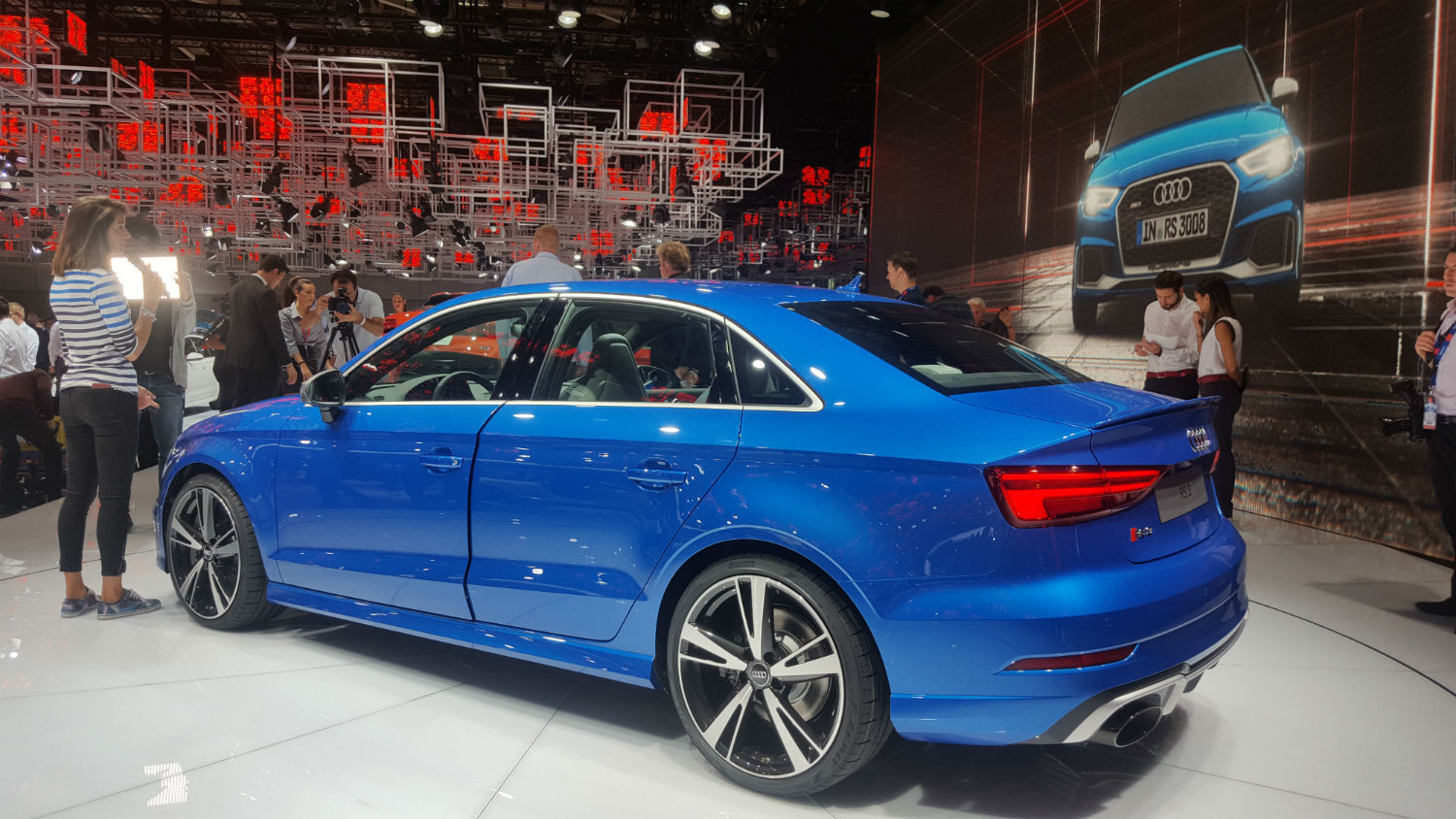
A surprise reveal at the Paris Motor Show was the hottest version of the A3 sedan line-up, the RS3 Sedan. With its compact dimensions, chiselled lines and wheelarch-filling alloys, the RS3 Sedan is a real looker in the metal. The 2.5-litre turbocharged engine under the bonnet delivers a whopping 294 kW, so the performance will be sizzling.
Audi South Africa has confirmed that the RS3 Sedan will come to South Africa but that the exact timing is still to be finalised. A spokesperson has told us that the second quarter of 2017 is most likely. Read more about the new Audi RS3 Sedan here.
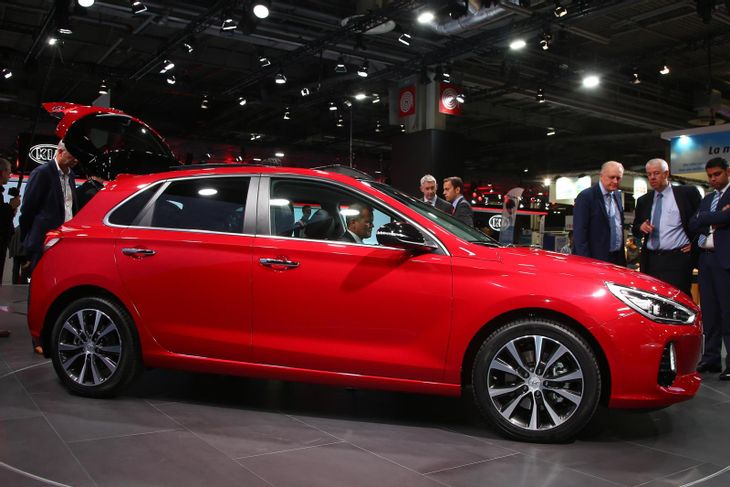
Hyundai i30
The all-new Hyundai i30 made its world-debut in Paris and is said to major on connectivity and info-tainment for "today's digital natives". It features a conservative, but neat exterior design and a cabin that represents a significant jump in tactile quality and design. In that sense, it seems to mirror the Golf's approach and it is therefore less of a surprise that Hyundai boldly describes it as the "new people's car".
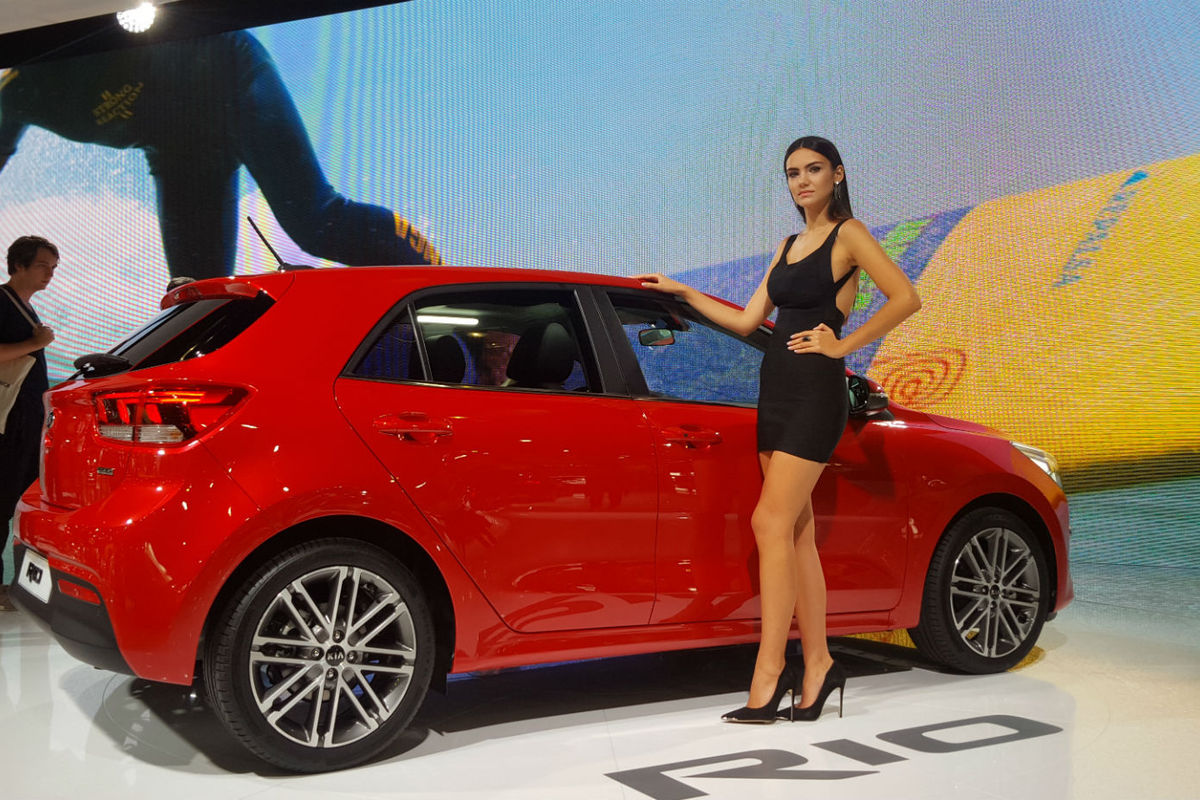
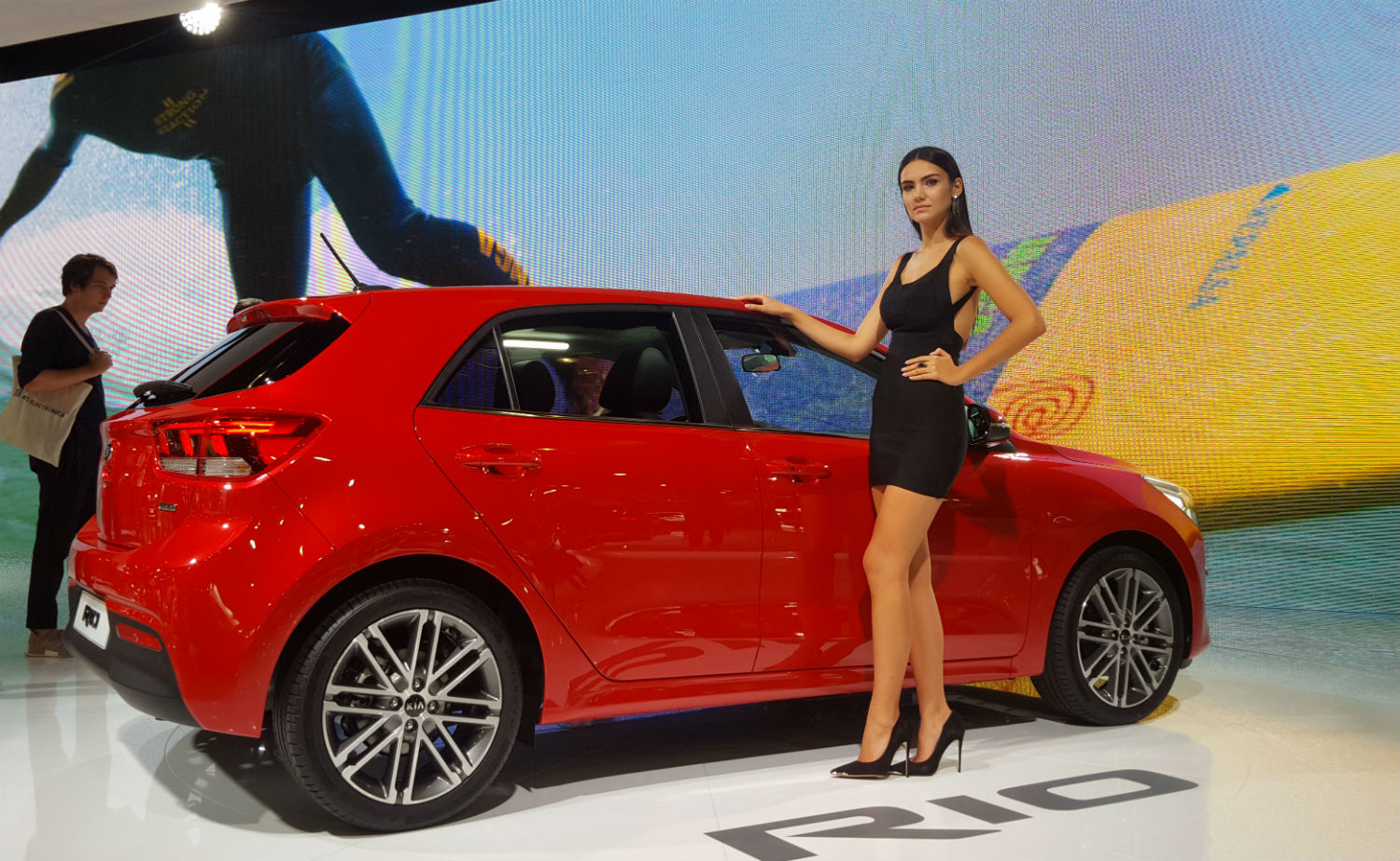
Another stylish and beautifully finished Korean at the Paris Motor Show was the new-generation Rio, a car which has quite big boots to fill as the current model remains an appealing proposition. The new model features a careful evolution of the design of its stylish predecessor, but make no mistake, it's all-new from the ground up. The more spacious cabin features premium finishes and a neat layout, which includes a trendy "floating" info-tainment touch-screen system.
The exact timing of the Rio's local launch has not been confirmed yet, but it is a definite for South African launch in 2017. Read more about it here.
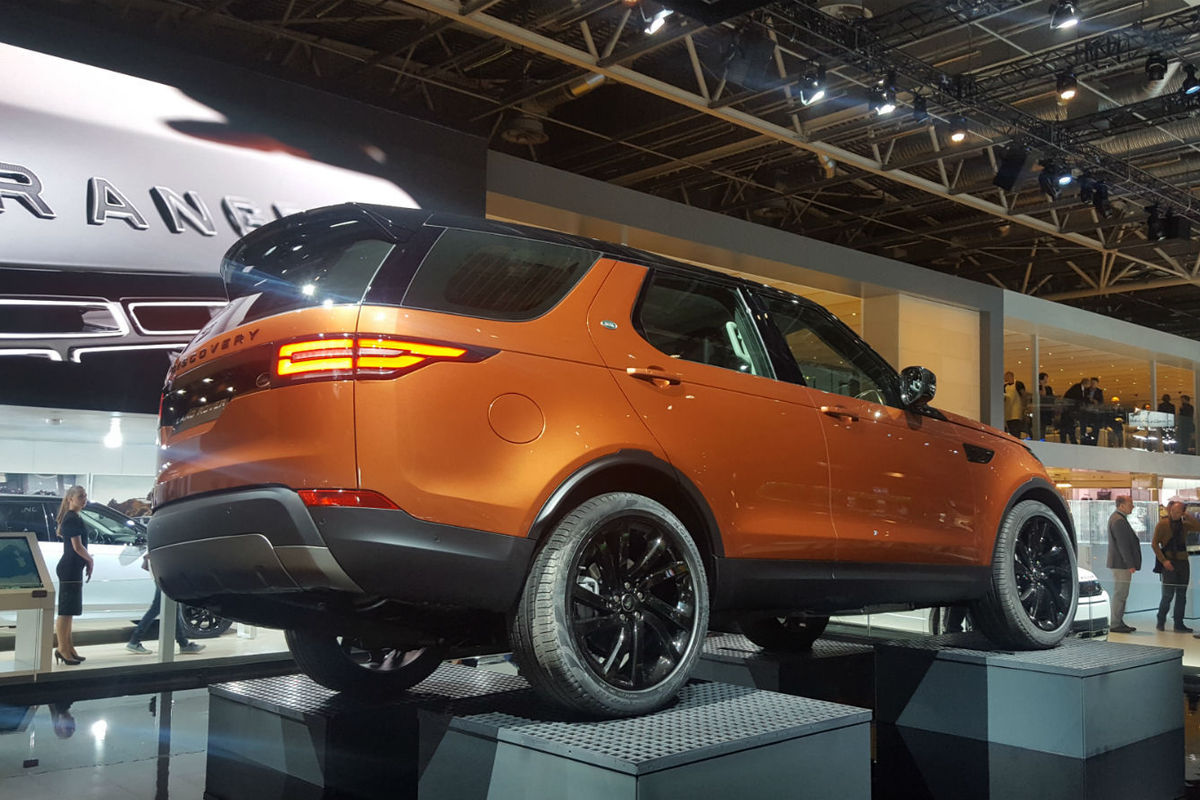
Land Rover Discovery
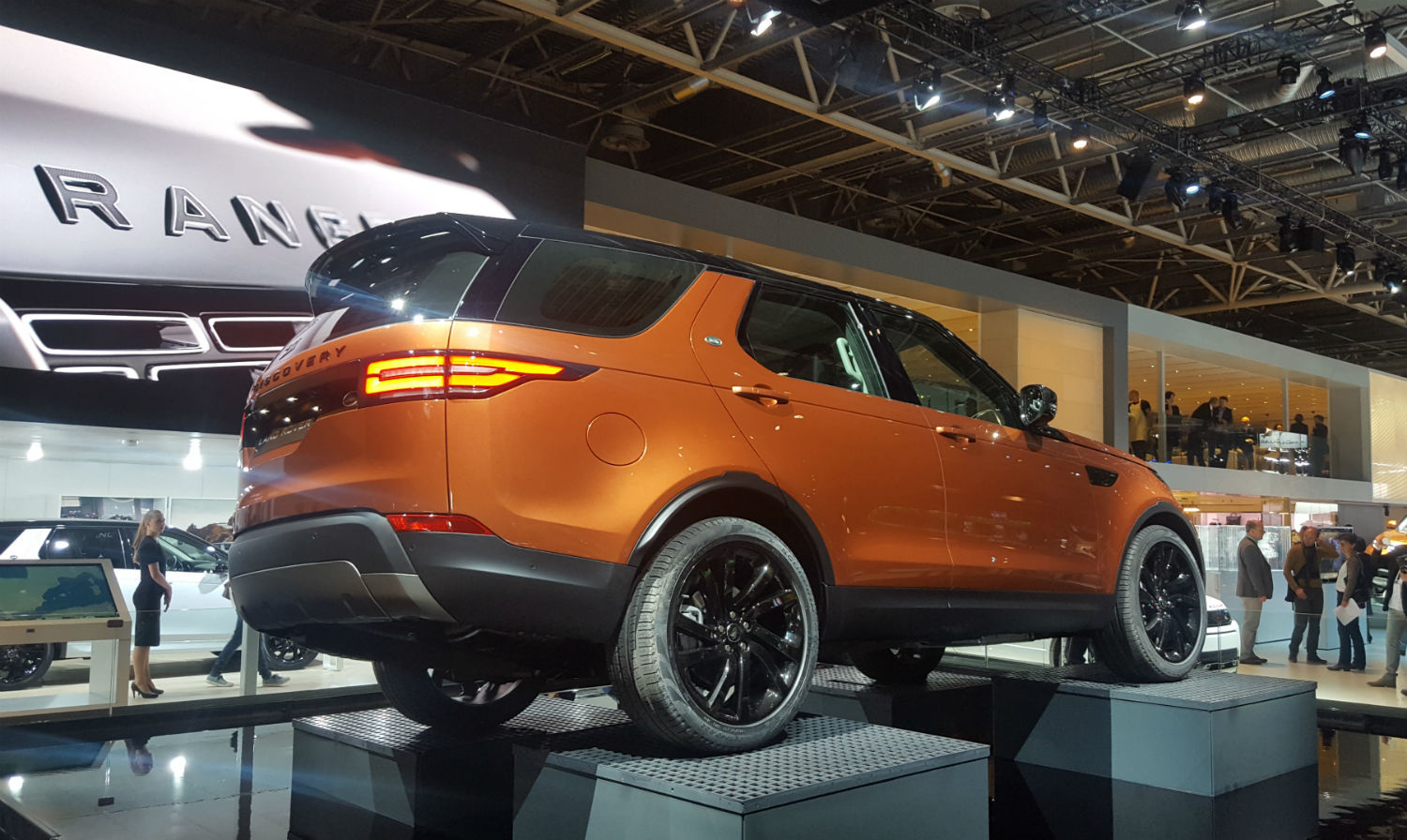
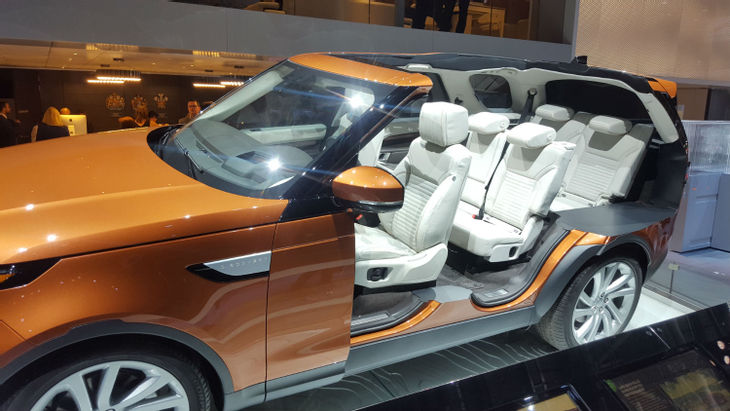
From a South African perspective the new Land Rover Discovery is a much-anticipated product. The current Discovery has been on the market for a very long time – since 2004 if you regard the Discovery 3 as the genesis of the current offering – and in that time it has become a firm favourite. The newcomer, Land Rover says, is even more spacious and practical than its predecessor, yet offers more advanced features and is still a very capable off-roader. In the metal, it is a lot larger than it appears on images, and the styling is now very much from the new Land Rover design language, which will please many, but not those who regarded the outgoing model as such a design icon.
The new Discovery will arrive in South Africa during the first half of 2017. Find out more here.
Lexus LC 500
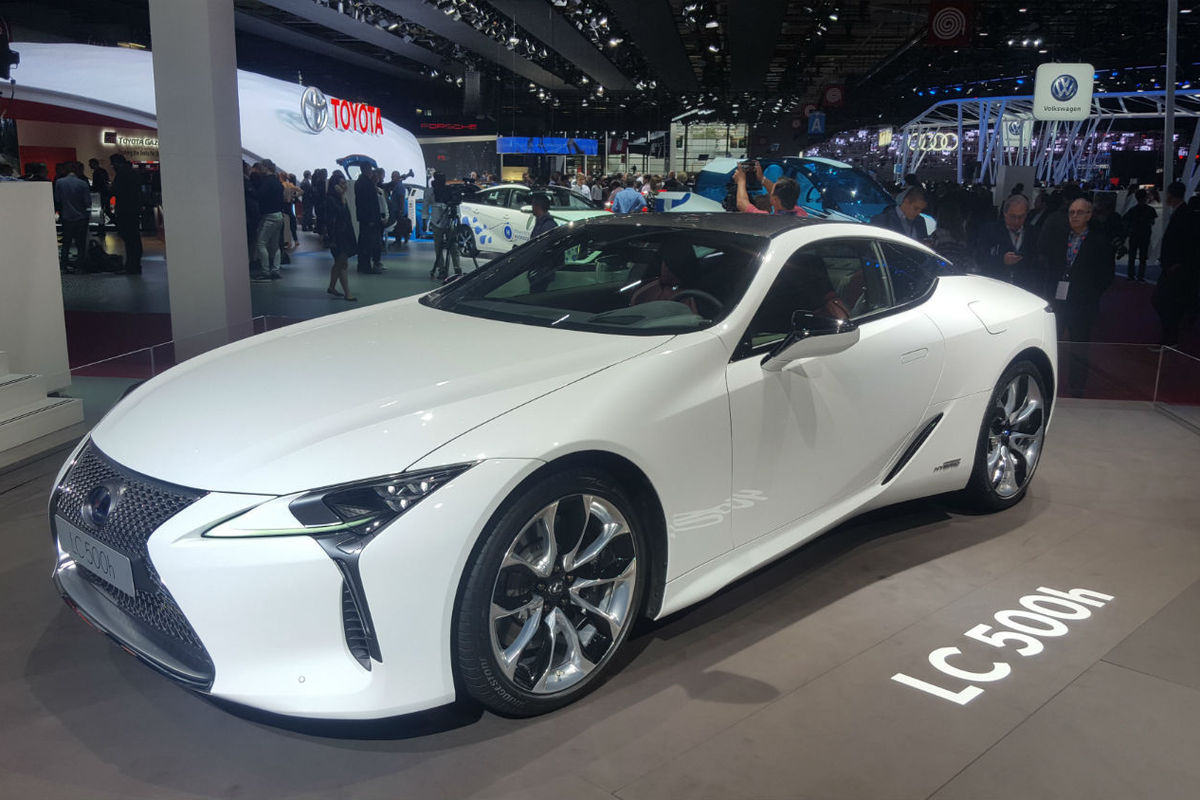
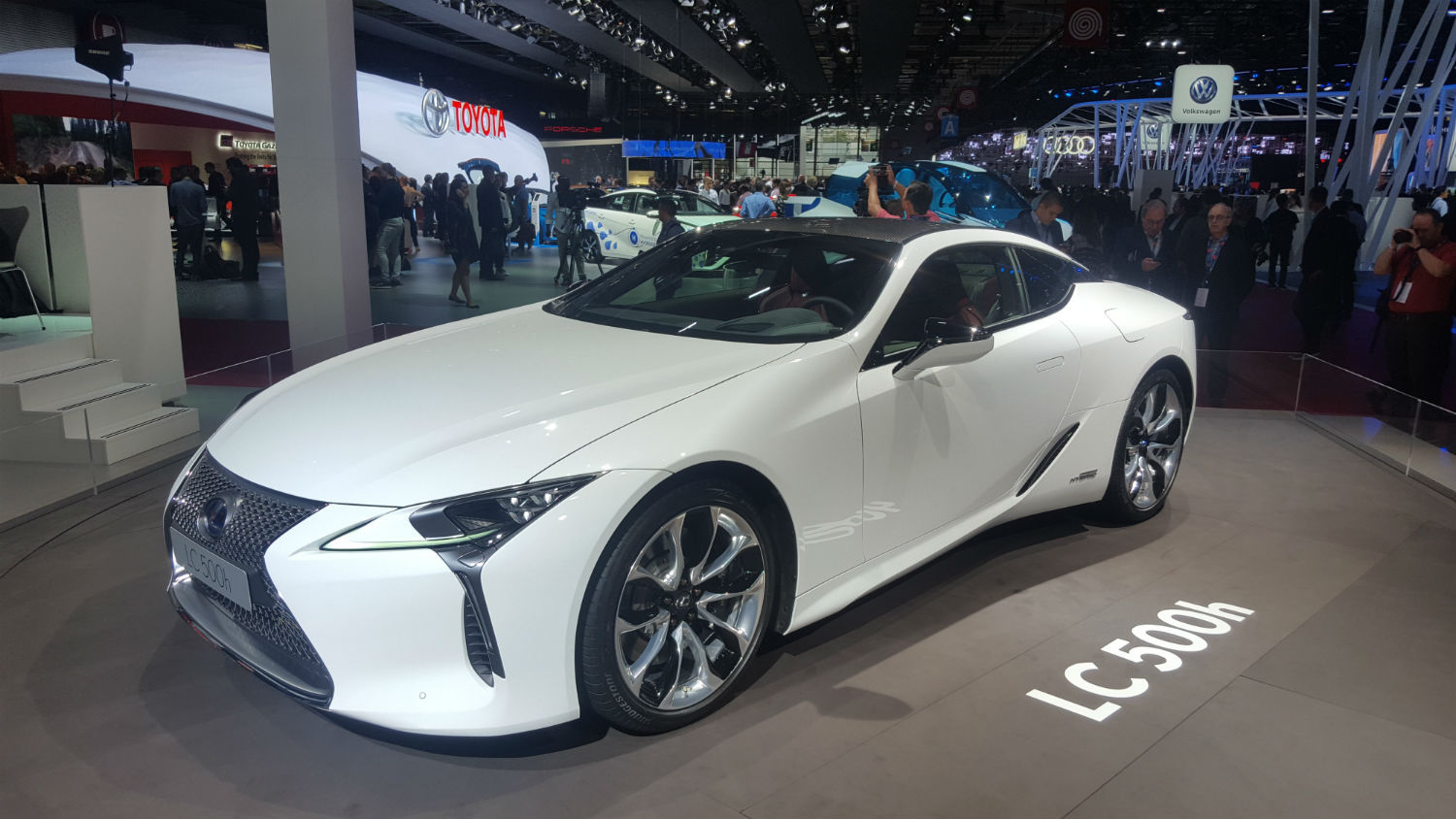
The big new Lexus sports coupe has already been confirmed for a South African debut early in 2017. Shown in Paris was the LC 500 h, claimed to offer the world's first multi-stage hybrid system specifically developed for performance vehicles. We're not yet sure whether this model, with its 3.5-litre V6 engine and powerful electric motor will reach South Africa, but we're pretty confident that it will. Besides, it looks near identical to the 5.0-litre V8-equipped LC 500, and the Paris Motor Show was our first opportunity for a closer inspection. It is a beautifully proportioned car with hints of muscle car in its shape. We will be driving it before the year is out, so watch out for more information soon.
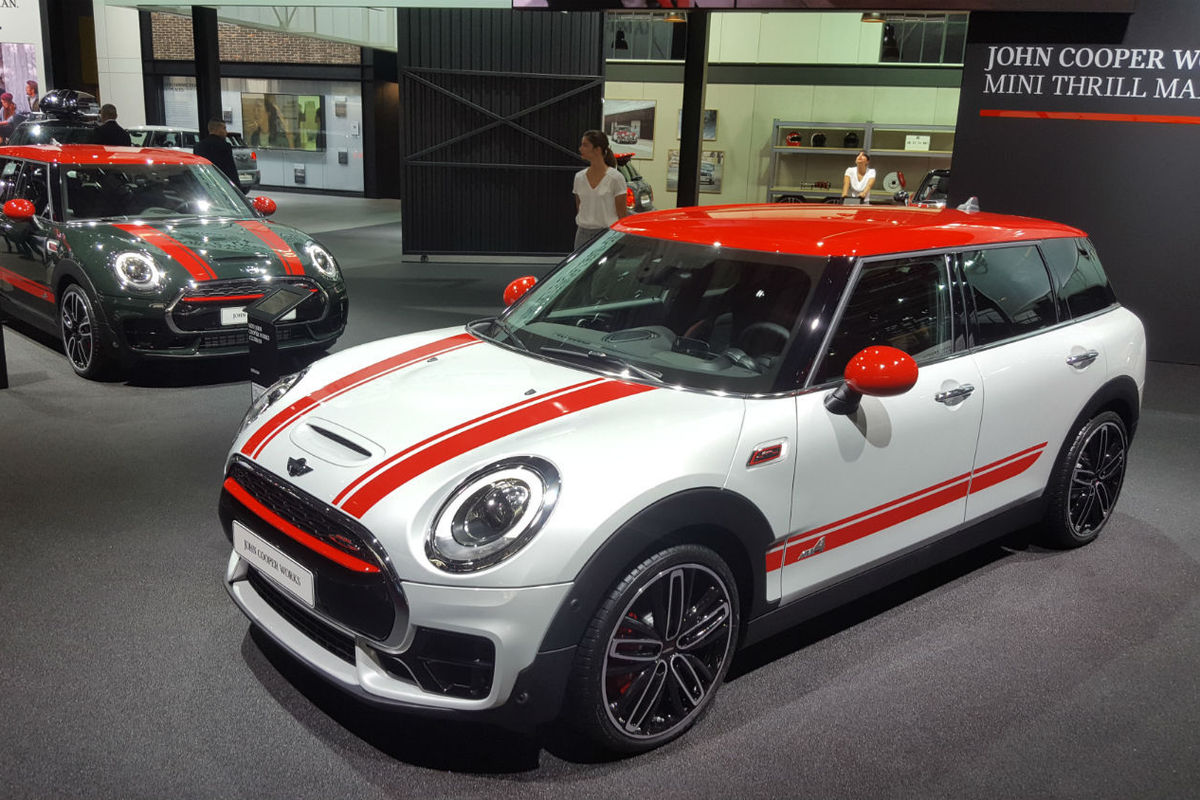
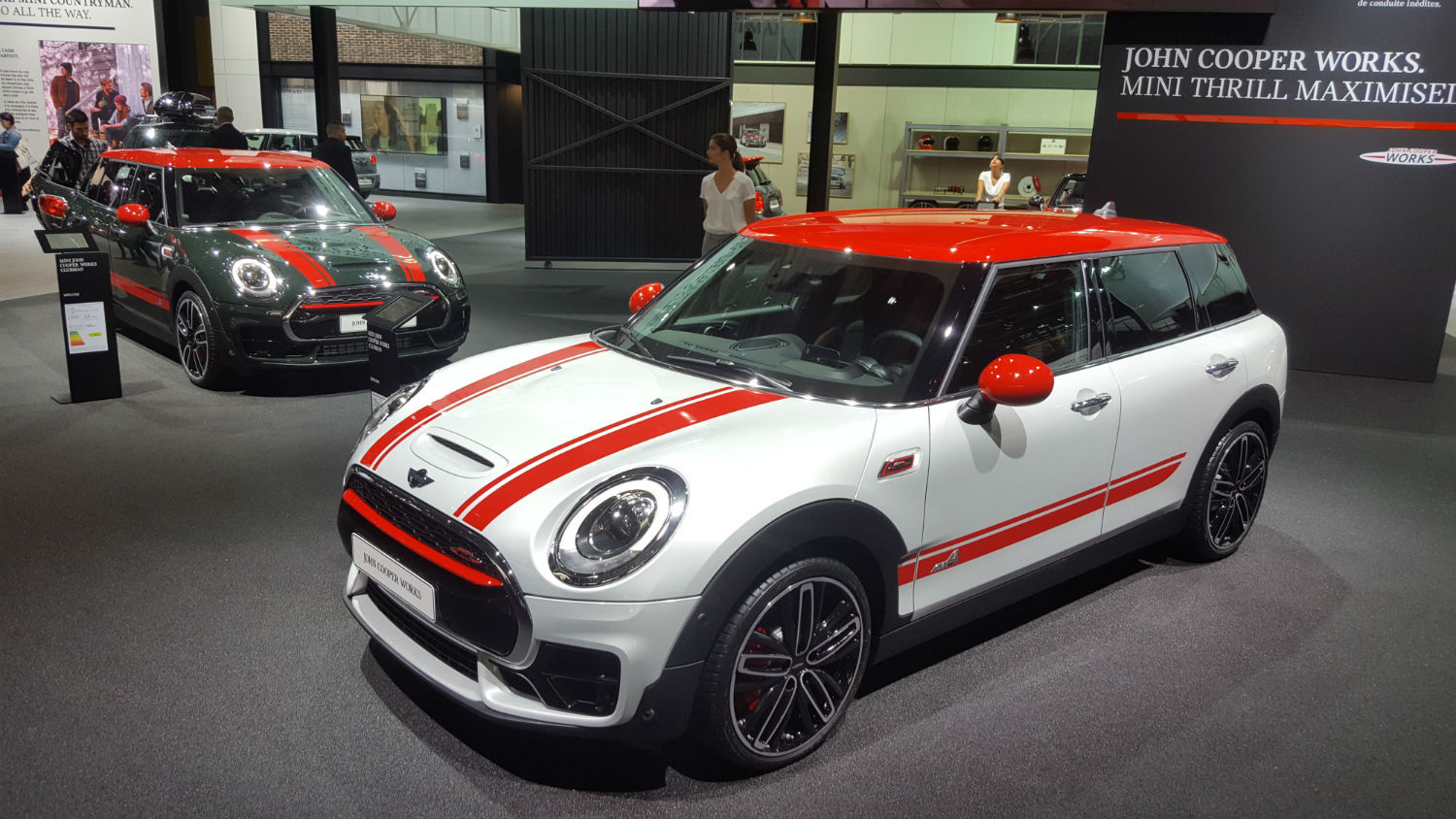
Another of the Paris show stars that will reach South Africa during the second quarter of 2017 is the Mini Clubman JCW. At Cars.co.za we are big fans of the Clubman model, as it adds a healthy measure of practicality to the Mini recipe without robbing it off too much quirk. Plus, it looks really good in JCW trim and can be pesonalised to your heart's content. Interestingly, the Clubman was launched with an all-wheel drive system, so it should very effectively put all of its 170 kW onto the tarmac.
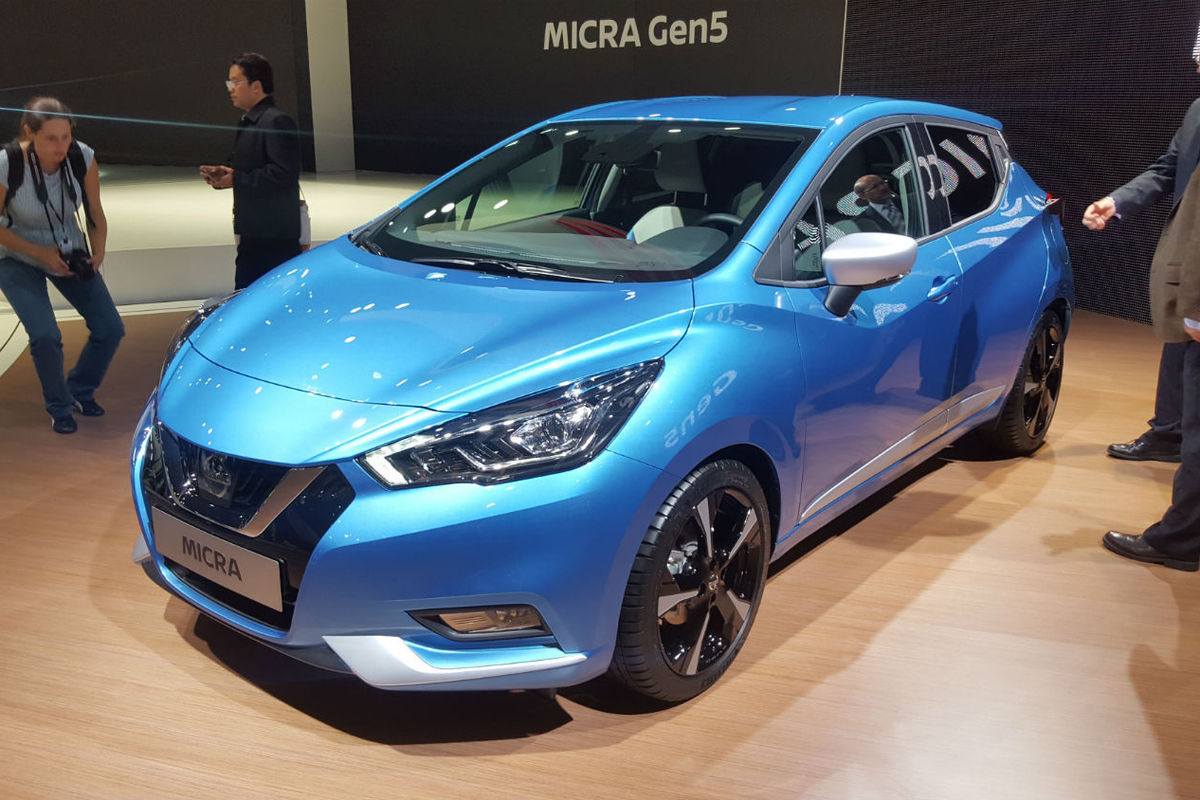
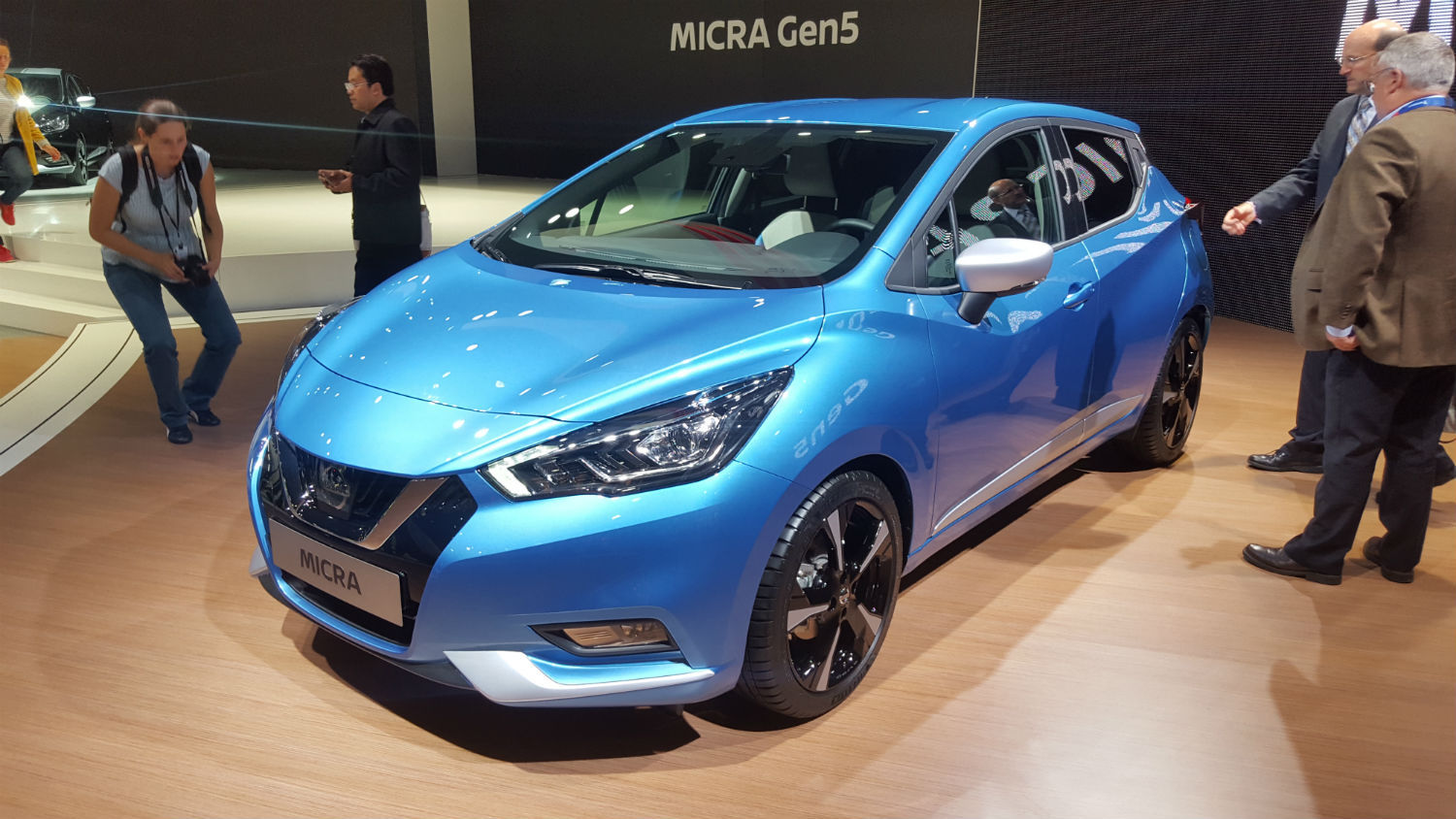
The fifth-generation Micra was one of the real-world stars of the Paris Motor Show. It represents a total transformation, and has made big steps forward in terms of not only design, but also cabin finish and features. Unlike its predecessor, which targeted the lower – more affordable – end of the B-segment, the new Micra looks set to storm the upper B-segment, where vehicles such as the VW Polo, Mazda2 and Opel Corsa do battle. Just on first appearances, it certainly appears to have the tools to do just that.
The new Micra is not yet confirmed for South African launch, but we've been told that its chances look good. We predict a local introduction around mid-2017. Read more about the new Micra here.
Opel Mokka X
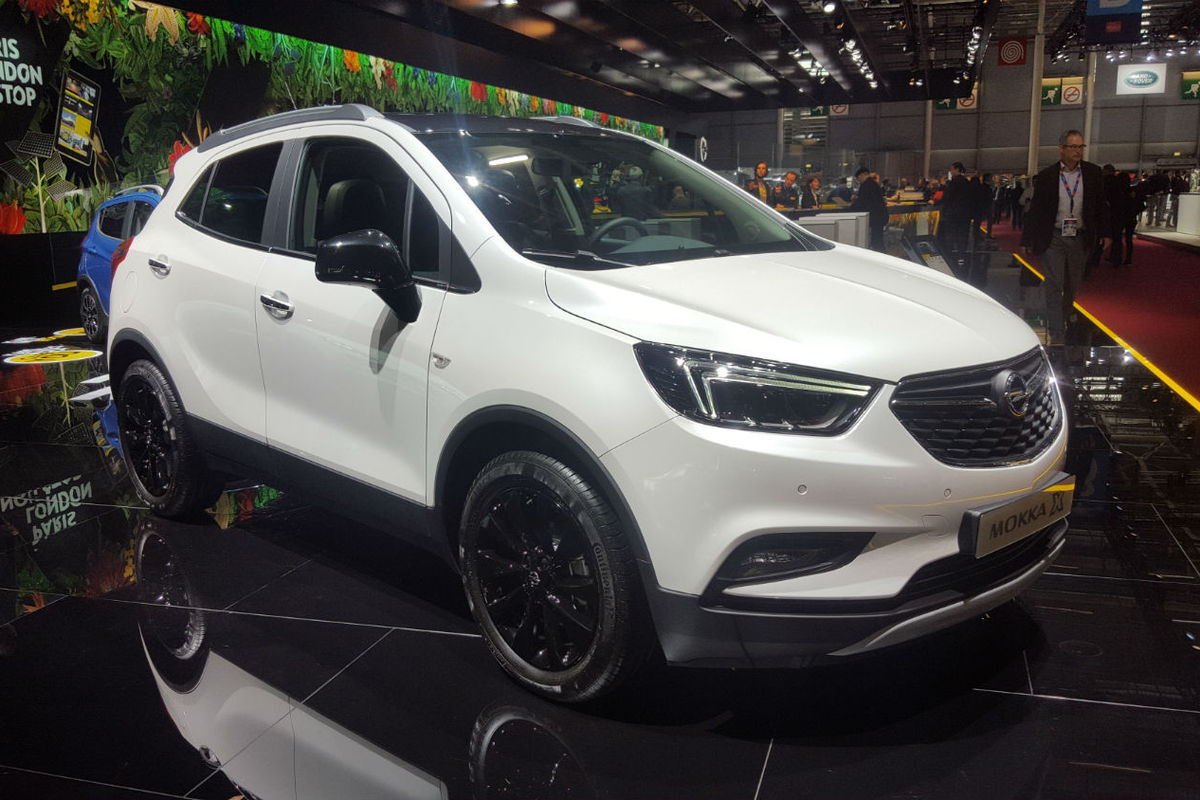
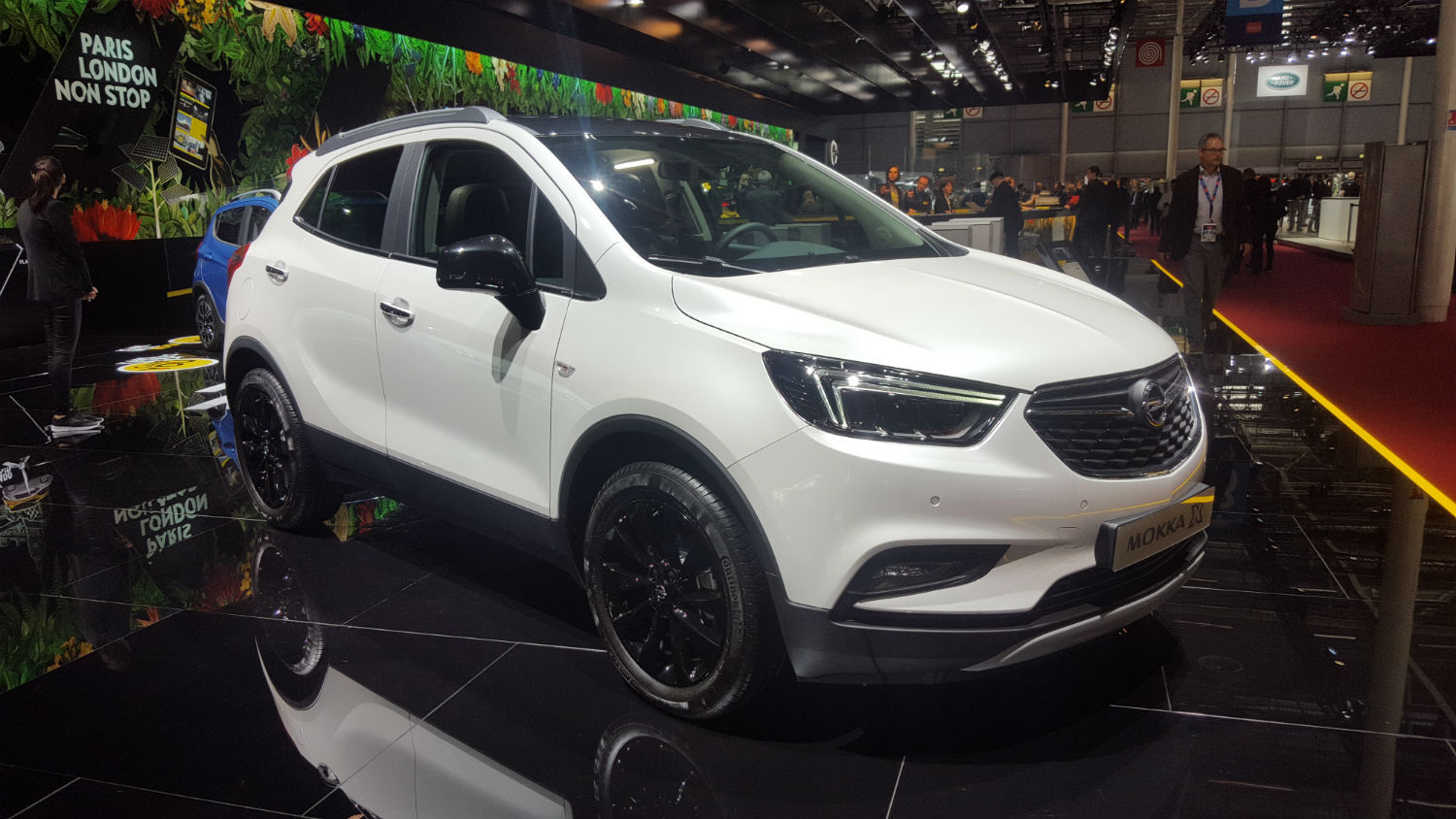
The Paris Motor Show was all about the electric Ampera-e for German brand Opel, but seeing as that model is not yet confirmed for South Africa, my attention turned to the Mokka X, which will arrive in South Africa before year-end. The current Mokka is an attractive, premium offering, but due to its age mostly, has fallen behind in certain respects, particularly when it comes to ergonomics. The Mokka X addresses this very effectively with a smartly designed new facia and up-to-date info-tainment capabilities. It should do wonders for Opel's chances in this very popular segment of the South African market.
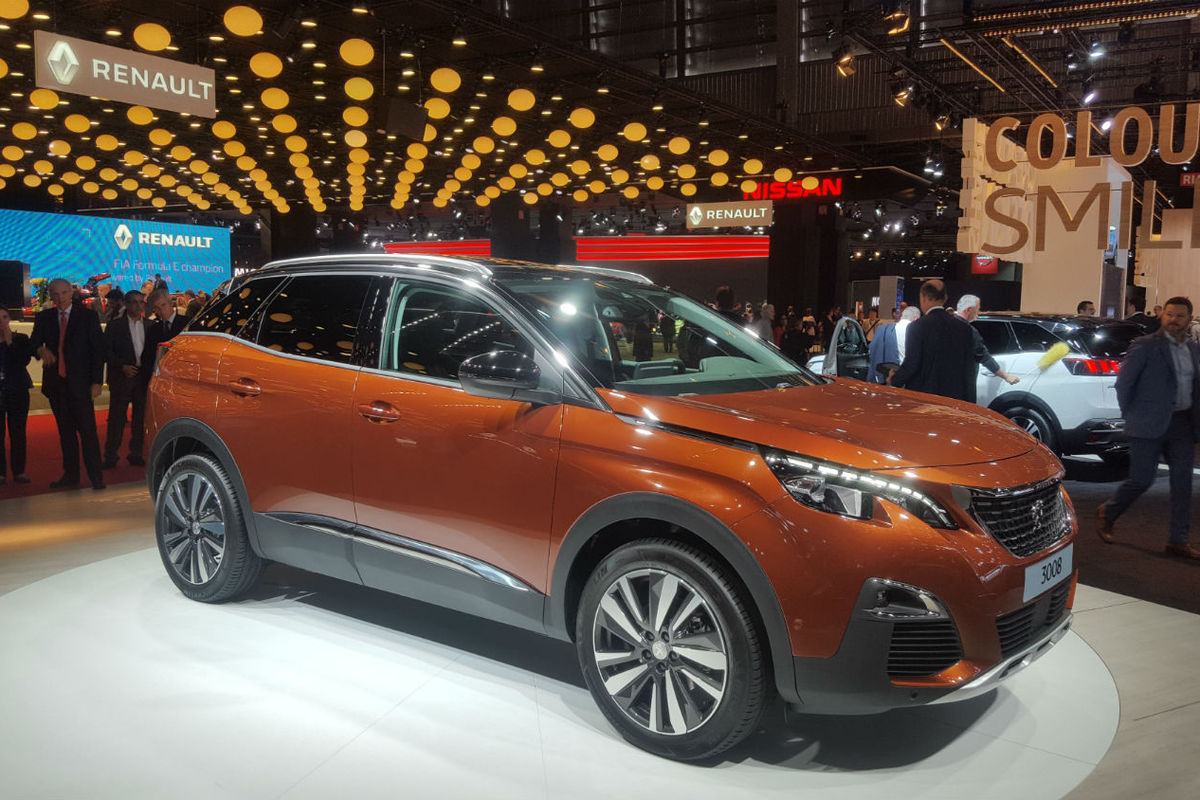
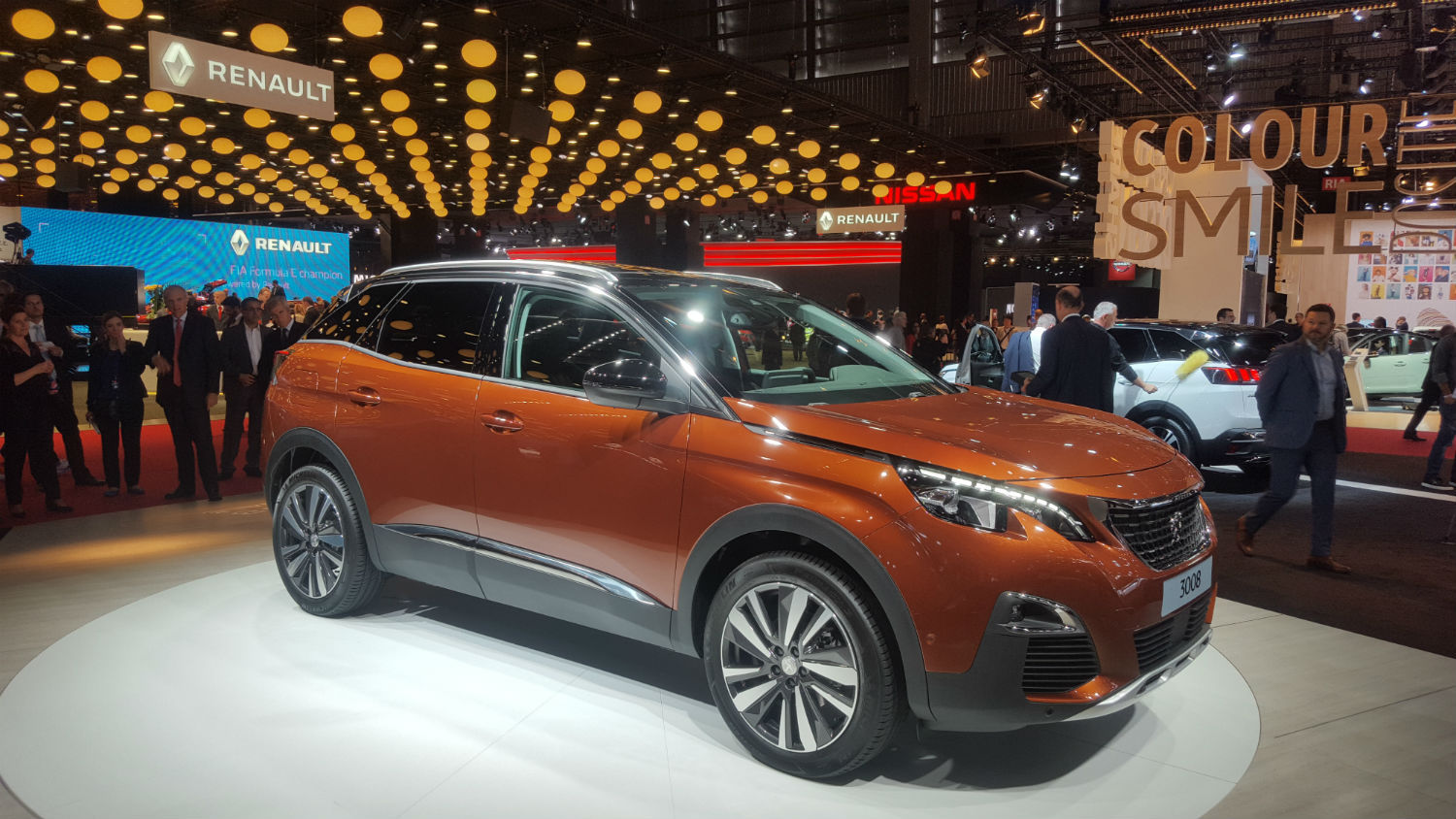
Peugeot seemingly had one of the busiest stands at the Paris Motor Show, with its new 3008 and 5008 crossovers being there in numbers and attracting lots of attention – I returned to the stand several times but never could quite get the photo I wanted! The company has already made an impressive turn-around in Europe and the recovery looks set to gain further momentum with the striking new 3008 and 3008 GT models. The previous 3008 was impressive in many ways, but ungainly in appearance and more MPV, when the market preferred sporty SUVs. The newcomer is very attractive, and boasts an interior that may just give the German brands serious nightmares. As an aside, the bigger 5008 (an X-Trail rival) was also on the stand and was similarly impressive, but this model has not yet been confirmed for South Africa.
The 3008 and GT flagship arrives in South Africa early in 2017. Look out for a first drive report later this week, but until then you can find more information here.
Renault Alaskan
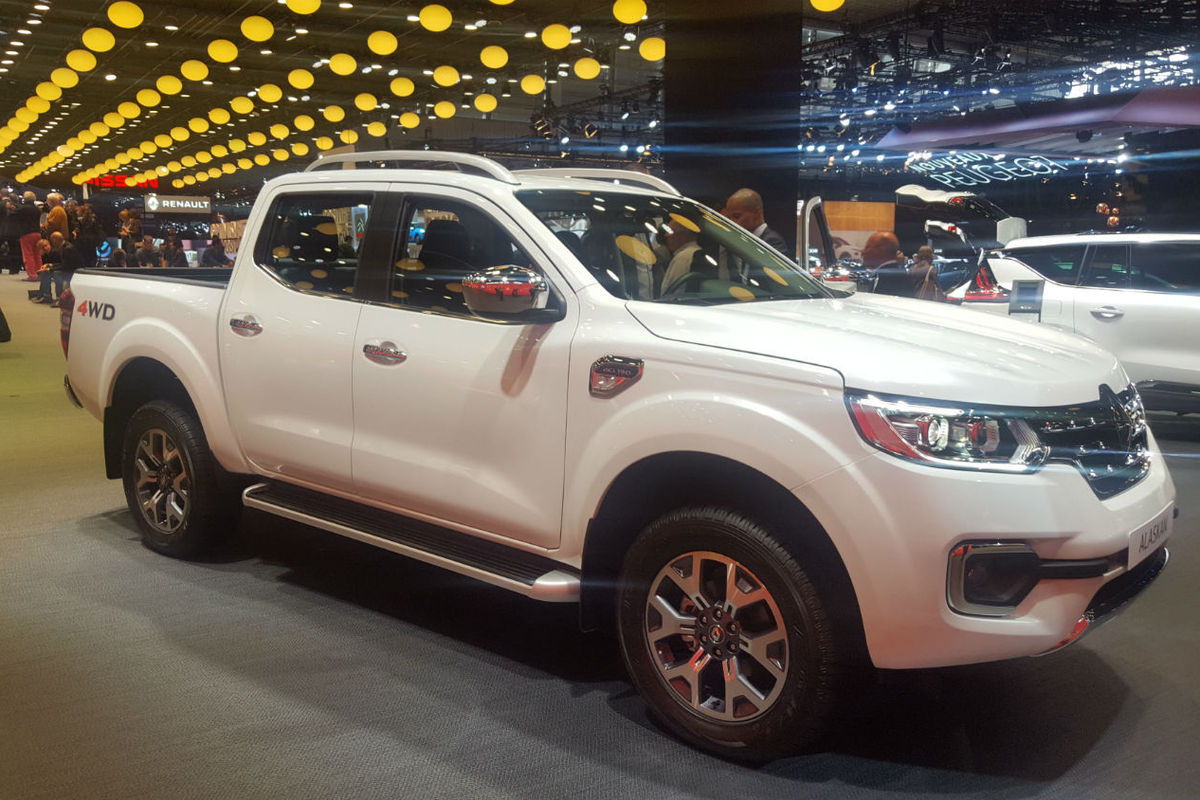
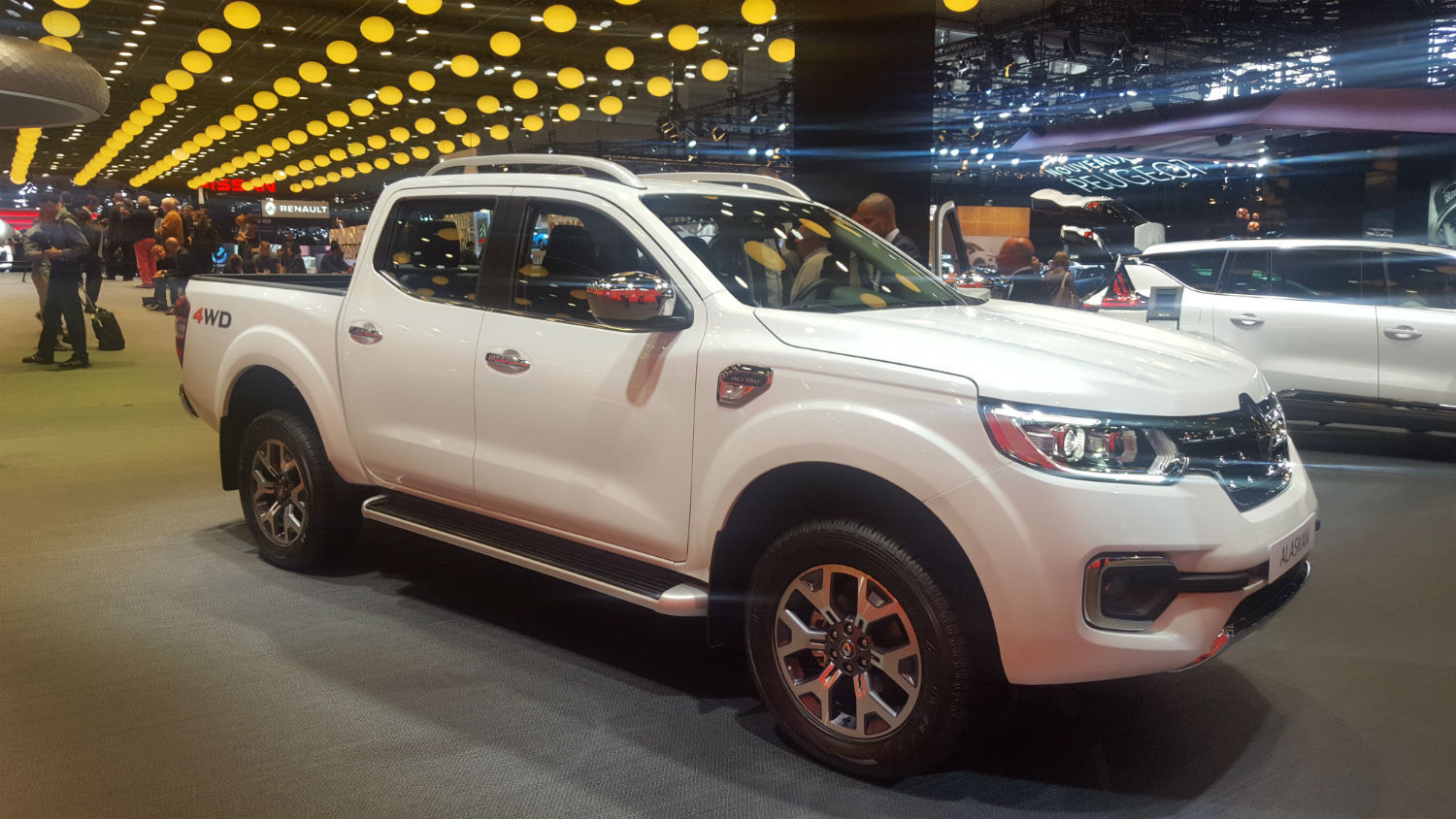
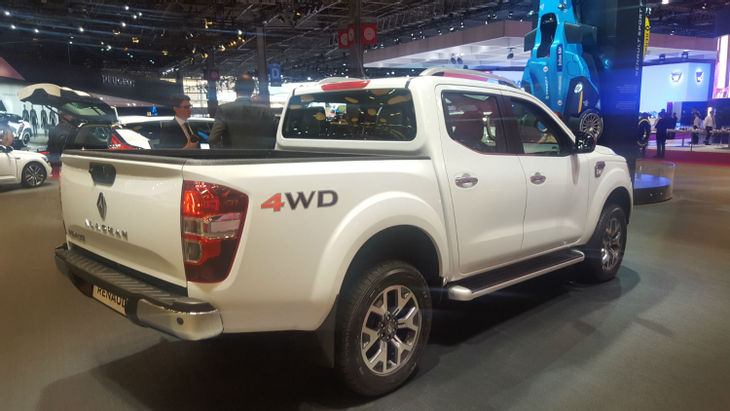
It was probably the first time that I've seen a significant pick-up presence at the Paris Motor Show. Industry analysts predict that this is a segment that will boom in Europe in the coming years, so not only did Volkswagen show its new V6 Amarok, but Nissan had its new Navara and Renault its Alaskan. The Alaskan (a development of the Navara) has not yet been confirmed for the South African market, but we're confident enough that it will to include it in this list. It's a very attractive vehicle, and somehow manages to appear less bulky than other recent new arrivals.
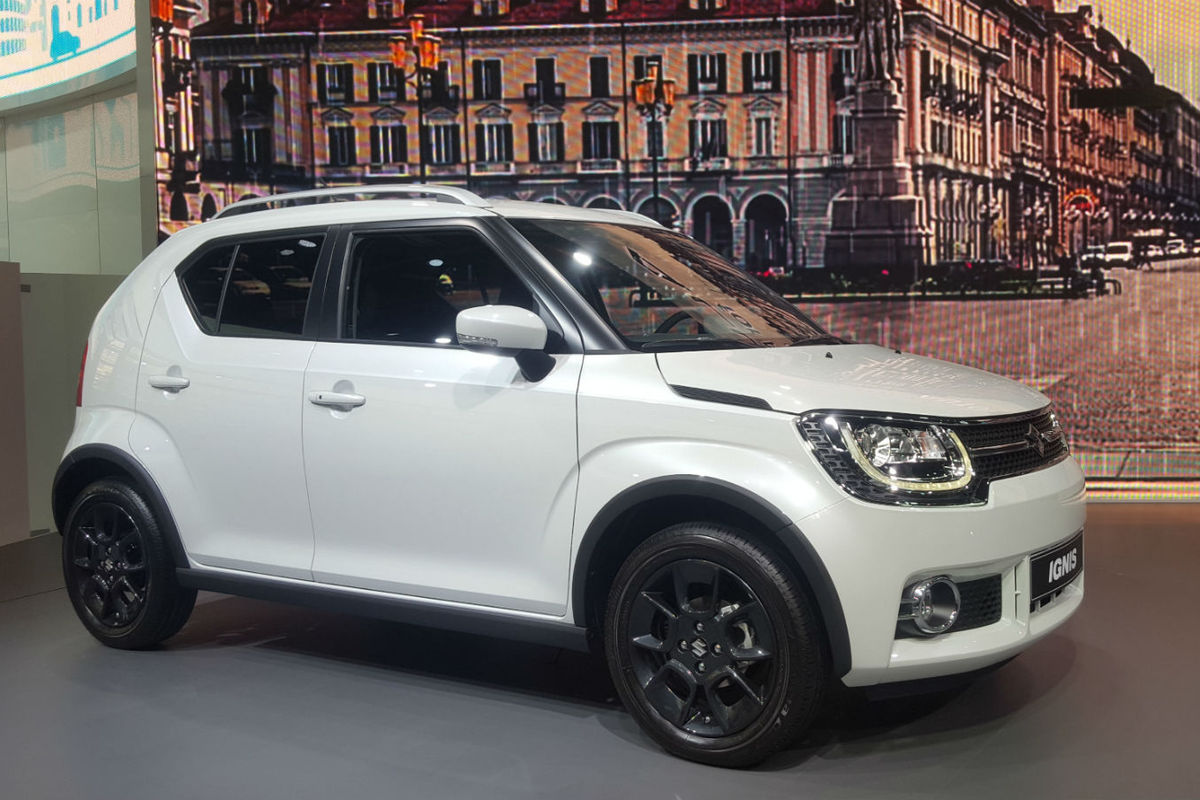
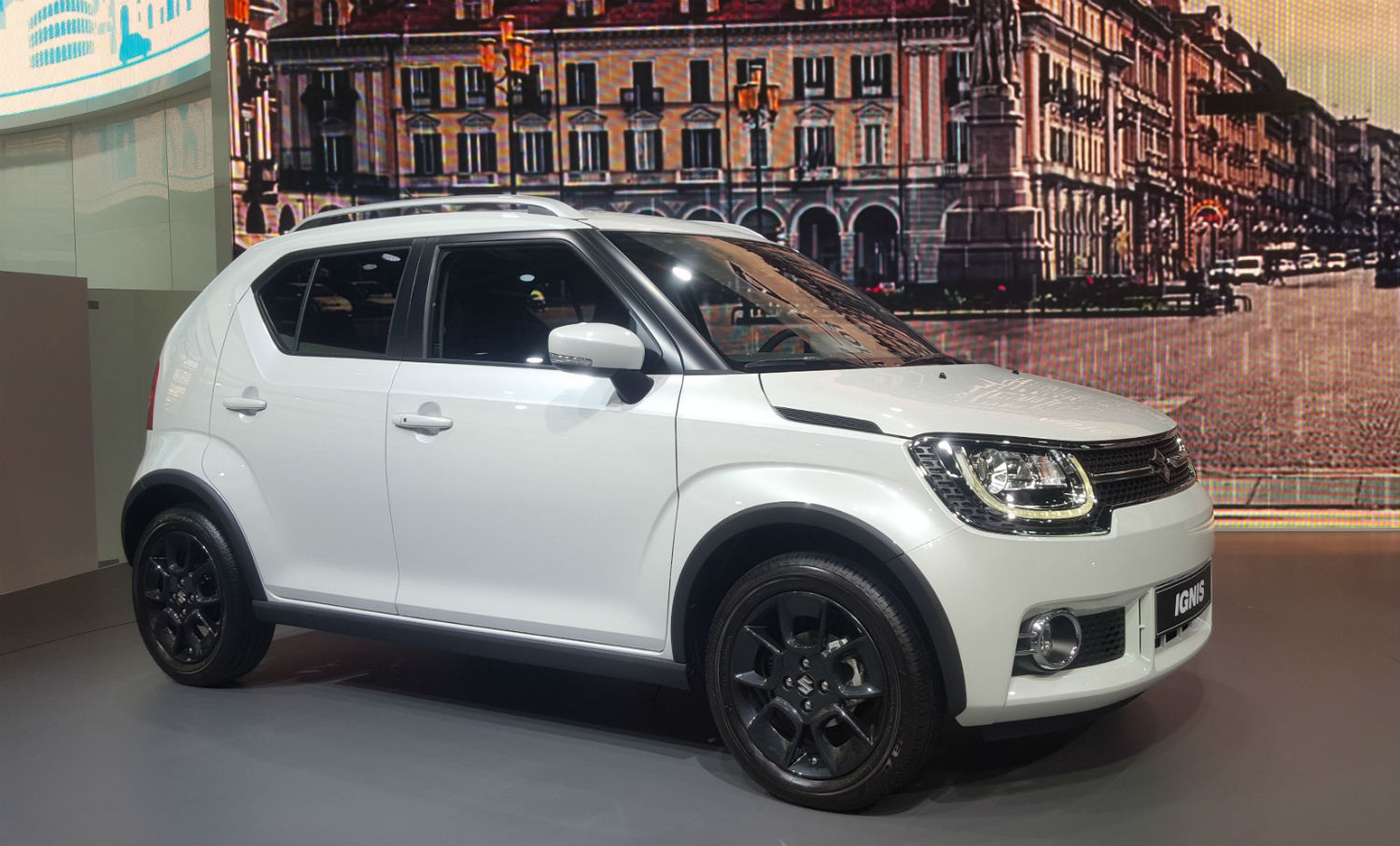
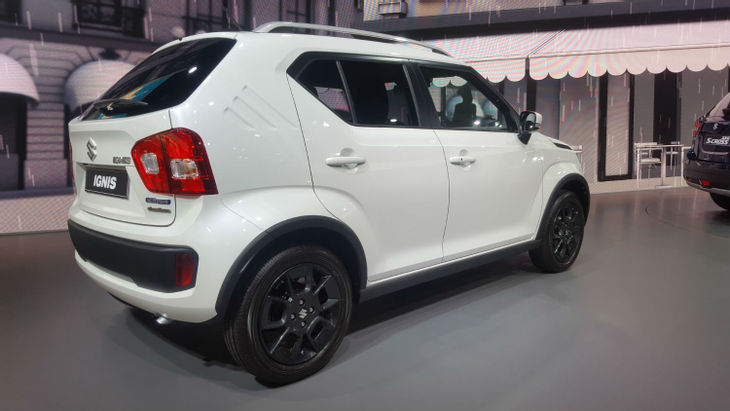
One of the unexpected stars (for yours truly) of the Paris Motor Show was the Suzuki Ignis. This quirky little urban crossover offers an appealing blend of modern and retro design, inspired by the little SC 100 coupe from the '70s. It will be offered in 2- and 4-wheel drive guise and power comes from either a 1.2-litre petrol engine, or the new 1.0-litre turbopetrol "Boosterjet" powerplant. It is not a replacement for the Jimny, but is positioned similarly to the Fiat Panda 4×4 of old. We've been told that the Ignis could go on sale in South Africa as early as April 2017, but this timing remains unconfirmed.
Toyota C-HR
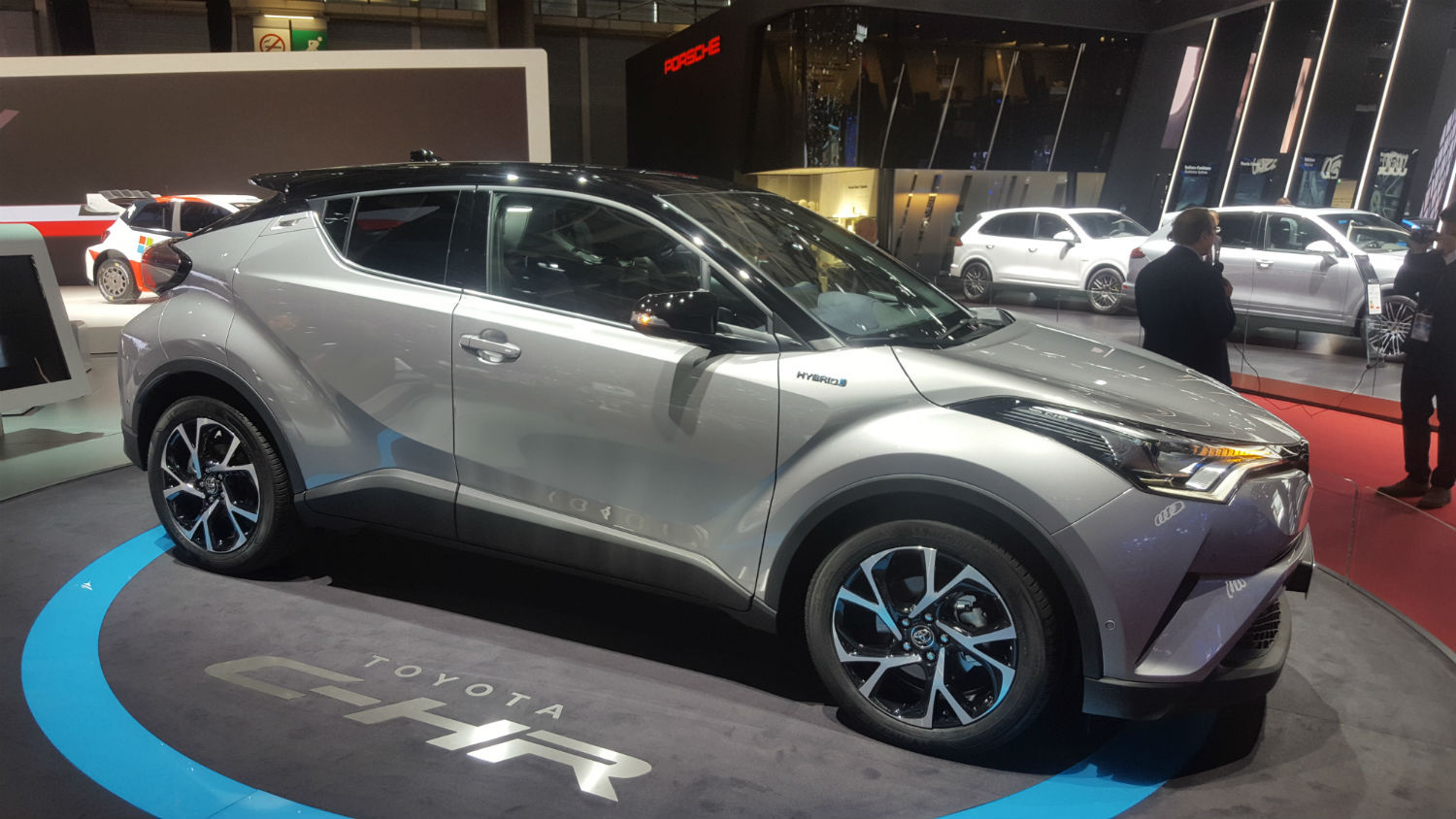
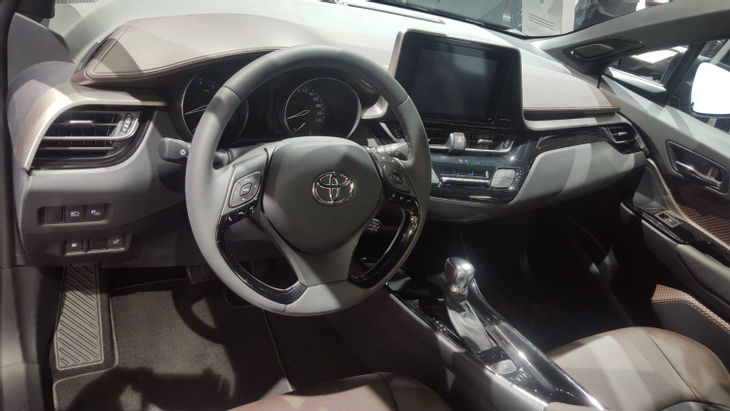
The Paris Motor Show afforded us our first close look at Toyota's eagerly awaited sub-RAV4 crossover, the C-HR. Initially most industry commentators had expected the new Toyota to be a direct rival for the Nissan Juke, but in reality it appears likely to be positioned closer to the larger Qashqai. It's a very quirkily styled vehicle, and certainly eyecatching. Inside, I was impressed by the quality fittings and the youthful design – you can sense that the designers and product planners were very keen to position the C-HR at the upper end of its intended segment.
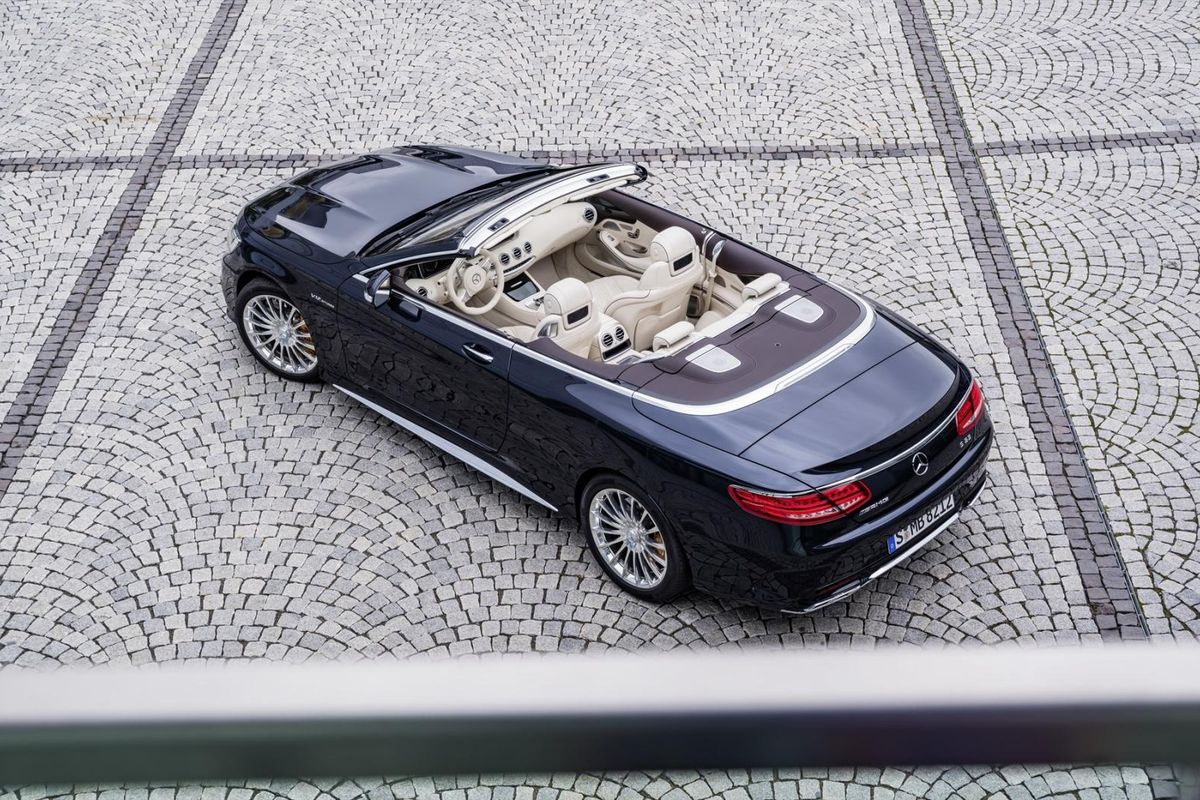
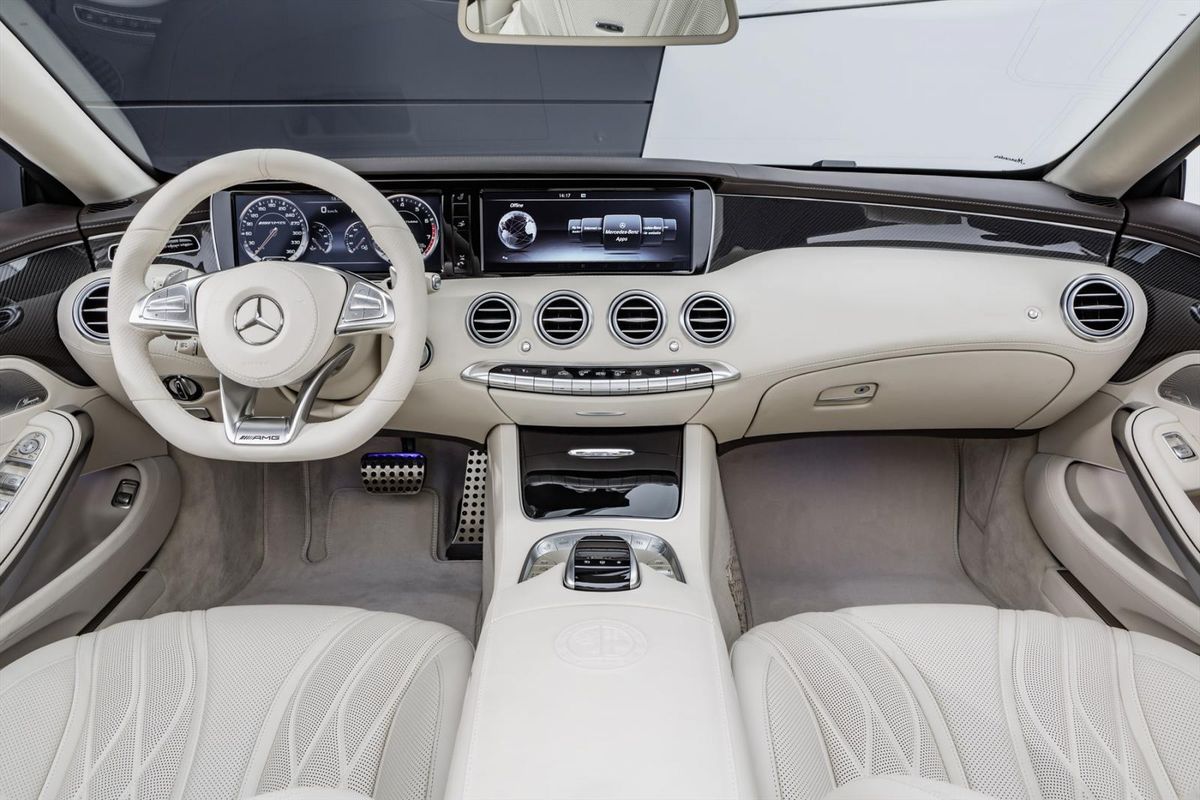
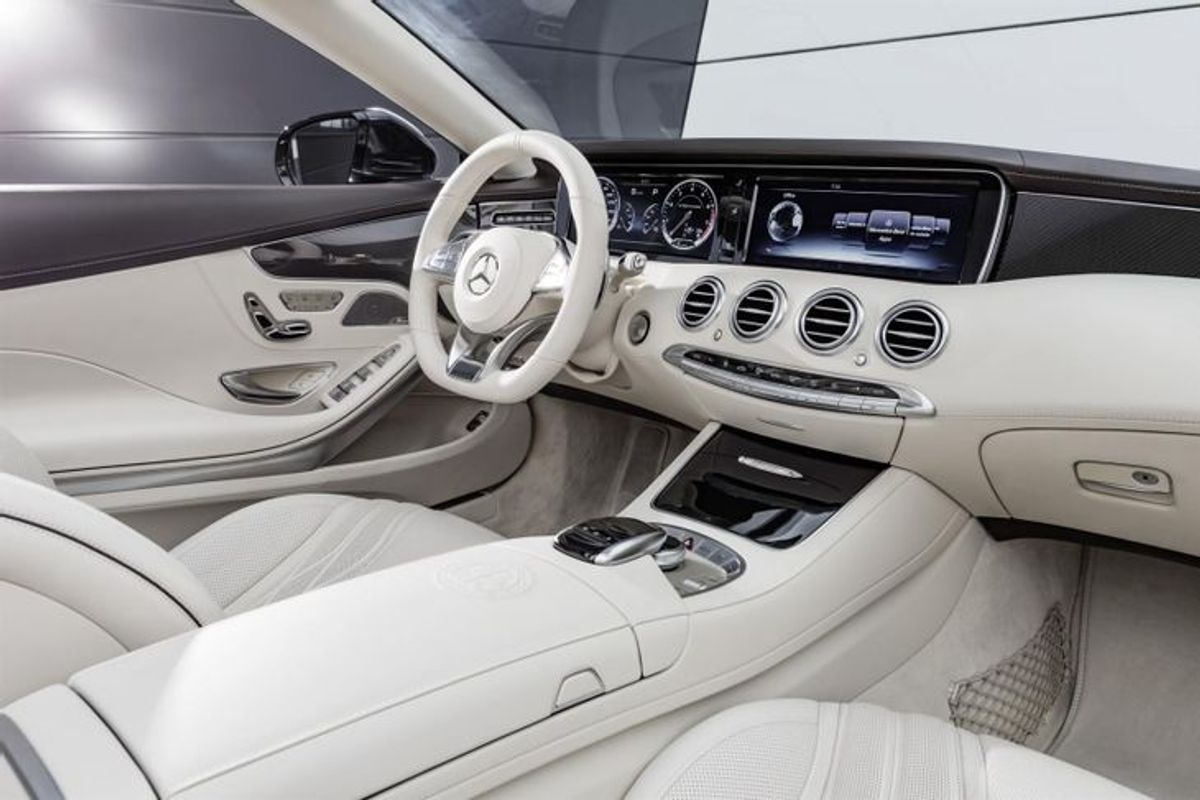
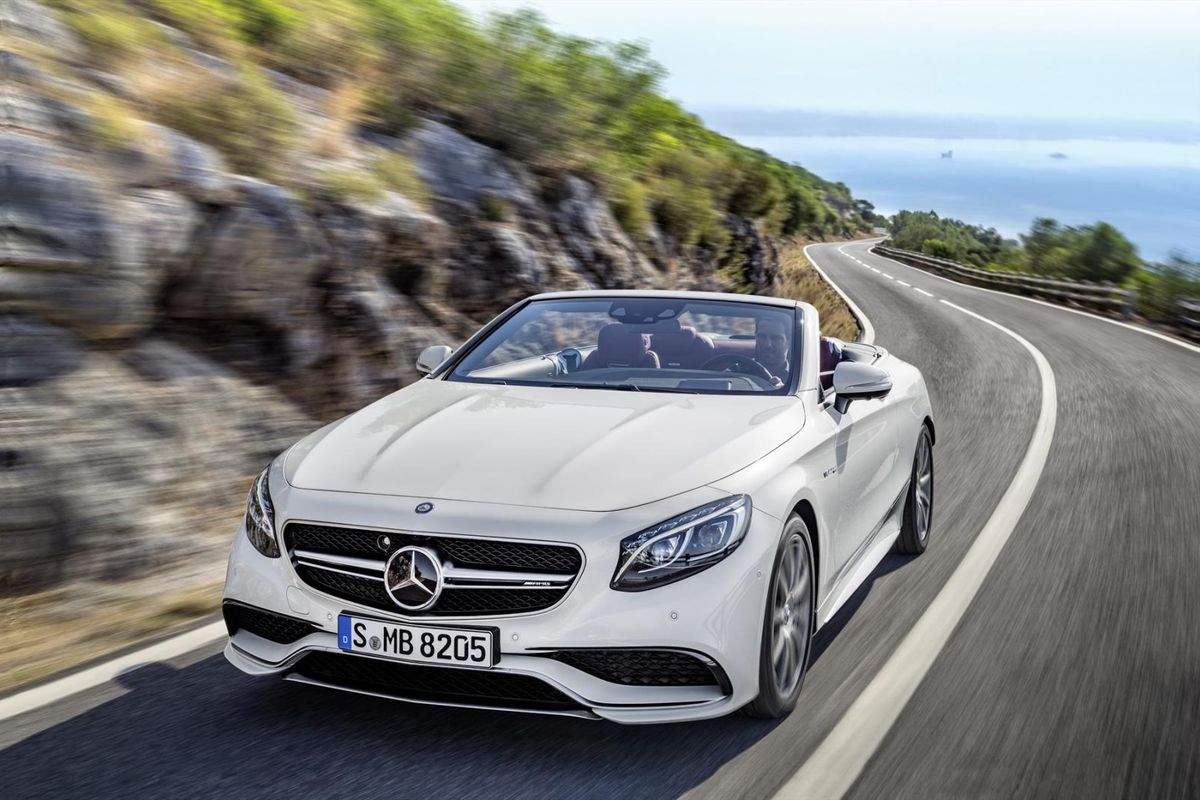
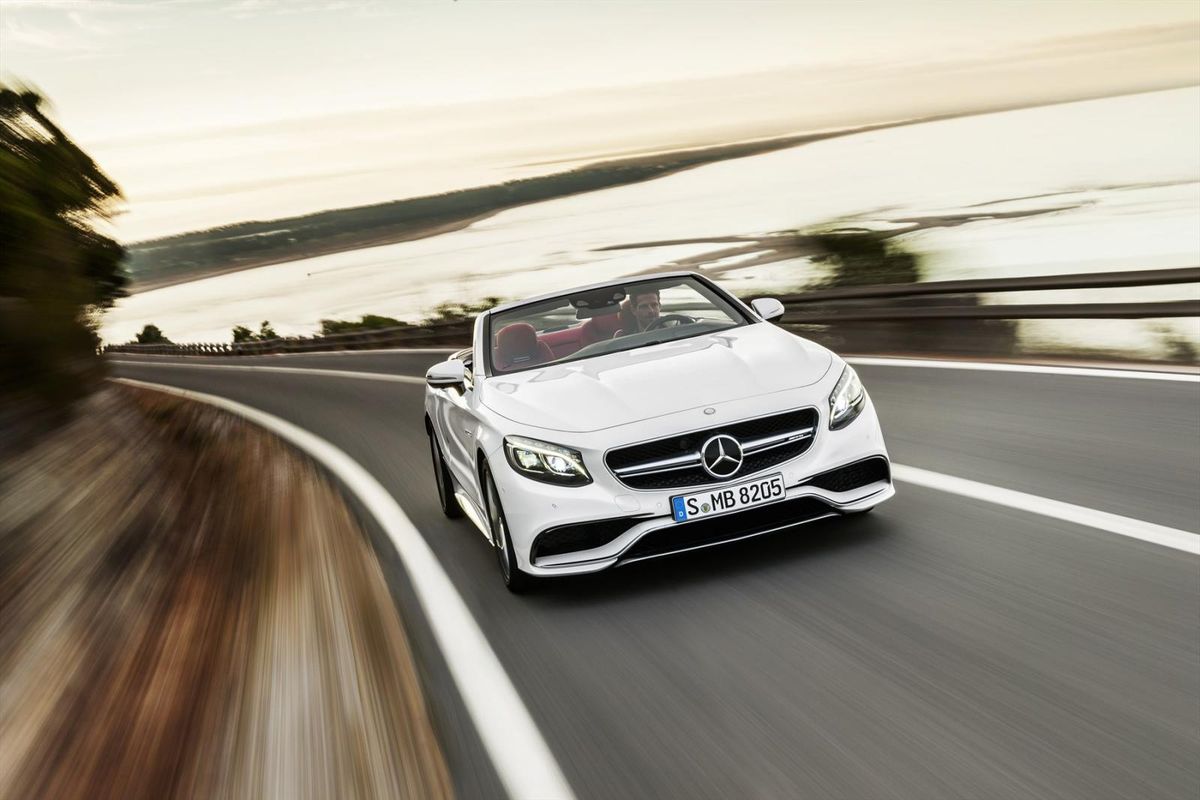
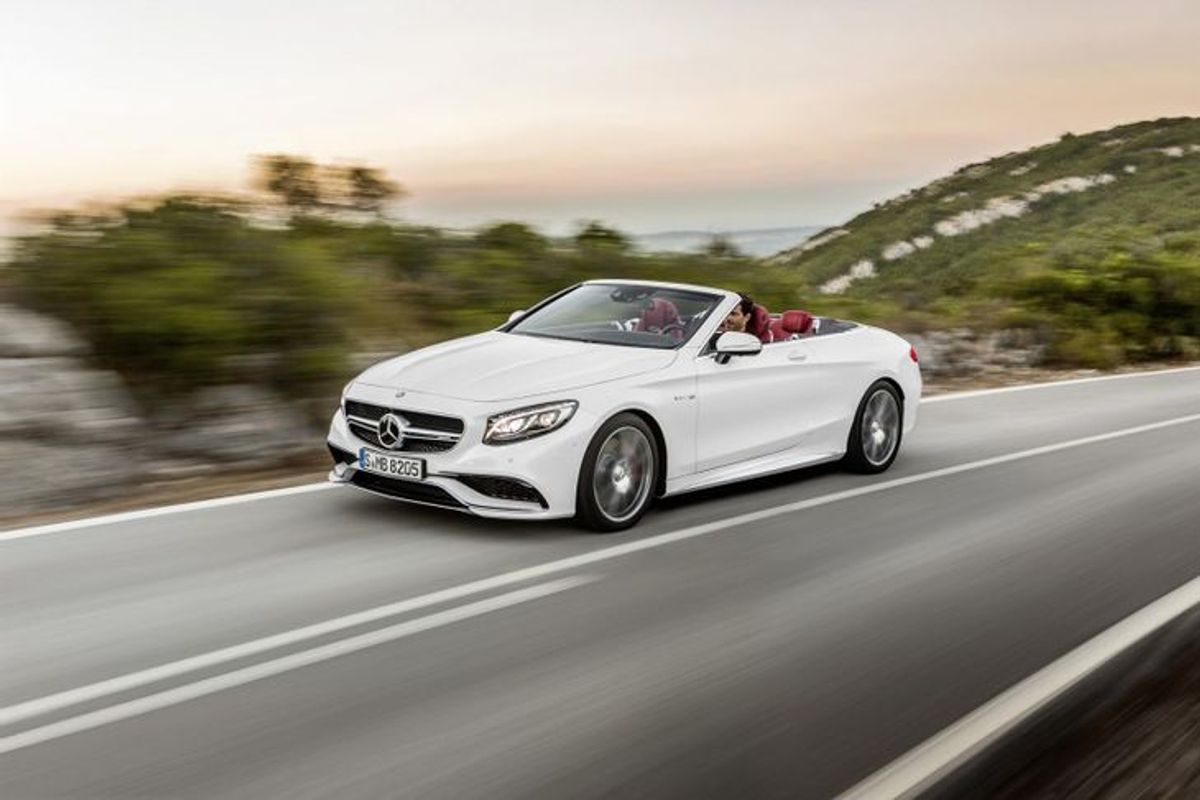
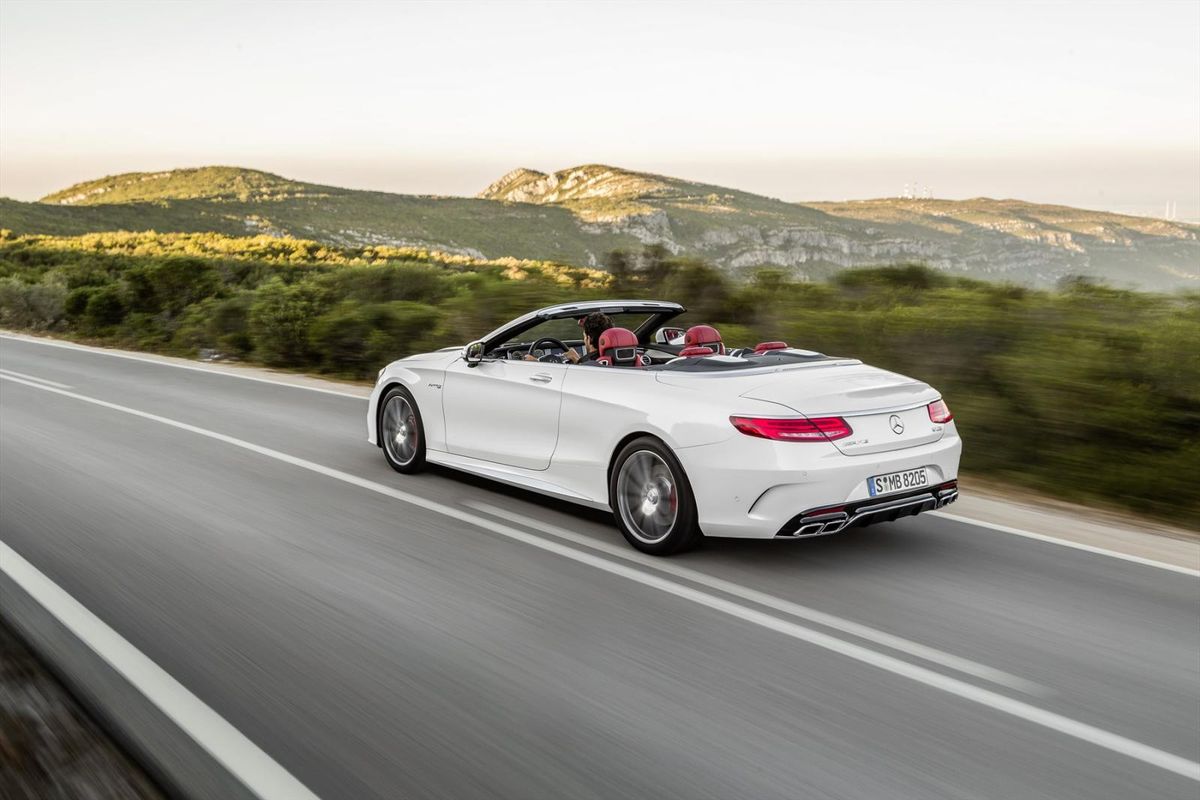
Mercedes-Benz has introduced a host of new cabriolet products in South Africa including the C-Class Cabriolet and S-Class Cabriolet. Let’s take a closer look at what the S-Class cabriolet has to offer.
Summer is here and Mercedes-Benz has timed the launch of its new C-Class Cabriolet and S-Class Cabriolet perfectly. The C-Class and S-Class Cabriolet ranges are being launching in South Africa this week and we will be driving them, so look out for our first drive impressions later this week.
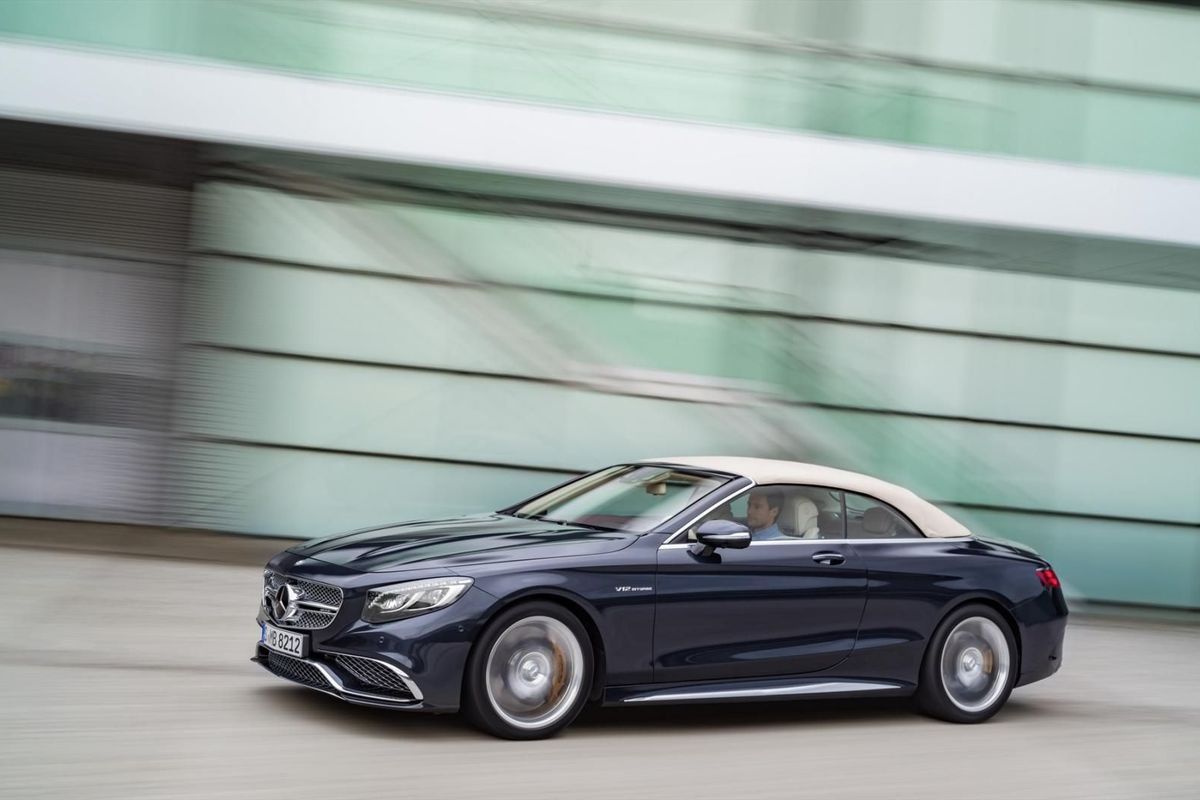
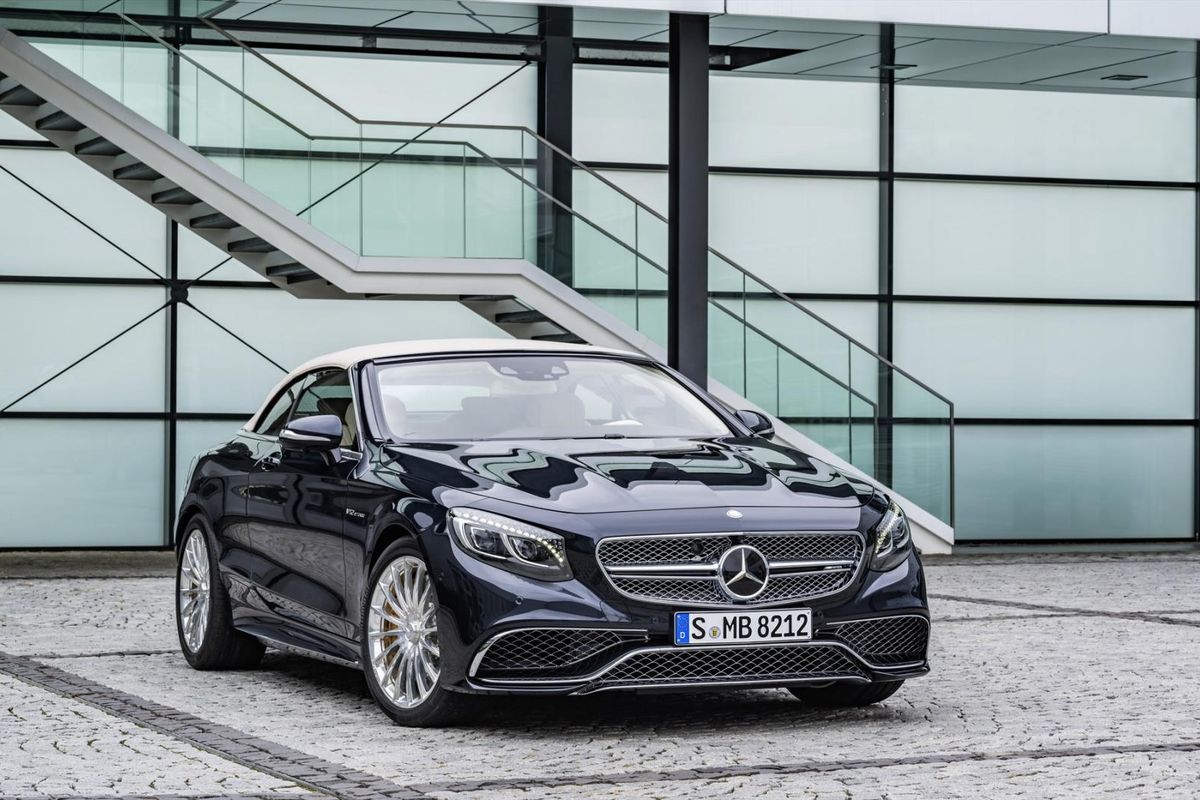
The Mercedes-Benz S-Class Cabriolet has been dubbed as the world’s most comfortable convertible and is the sixth variant in the S-Class range and the first first-class four-seater convertible to come from the Stuttgart-based firm since 1971.
Take a look at specs and pricing for the S-Class Class cabriolet below.
Mercedes-Benz S-Class Cabriolet – engine offering
The S-Class cabriolet range comprises of three derivatives, including the S500, S63 AMG and the S65 AMG.
The S500 is powered by a 4.7-litre bi-turbocharged V8 engine that develops 335 kW and 700 Nm of torque, using a 9G-TRONIC automatic transmission. The S500 is capable of sprinting to 100 kph in 4.6 seconds and has a top speed of 250 kph. Mercedes-Benz claims a fuel consumption figure of 8.5 L/100km for the S500.
The more powerful S63 AMG is fitted with a 5.5-litre bi-turbocharged V8 engine with 430 kW and 900 Nm of torque and mated to an AMG SPEEDSHIFT MCT 7-Speed sports transmission. Acceleration is brisk, with the S63 AMG capable of achieving 4.2 seconds in the dash to 100 kph before reaching a top speed of 250 kph. Claimed fuel consumption is rated at 10.4 L/100 km.
The range-topping S65 AMG delivers even more power and torque, with 463 kW and 1 000 Nm of torque on offer from its 6.0-litre bi-turbocharged V12 engine. The S65 AMG makes use of an AMG SPEEDSHIFT PLUS 7G-TRONIC automatic transmission to lay power down and it can crack 100kph from standstill in just 4.1 seconds before reaching its speed limit at 250 kph. Mercedes-Benz claims a fuel consumption of 12.0 L/100km on the combined cycle.
Outstanding features
The S-Class Cabriolet is fitted with a semi-active AIRMATIC air suspension system as standard. Safety and driver assistance systems include Pre-Safe Brake with pedestrian detection, Distronic Plus with Steering Assist and Stop&Go Pilot, Brake Assist Plus with Cross-Traffic Assist, Active Lane Keeping Assist, Adaptive Highbeam Assist Plus and Night View Assist Plus. Collision Prevention Assist Plus is also included as standard.
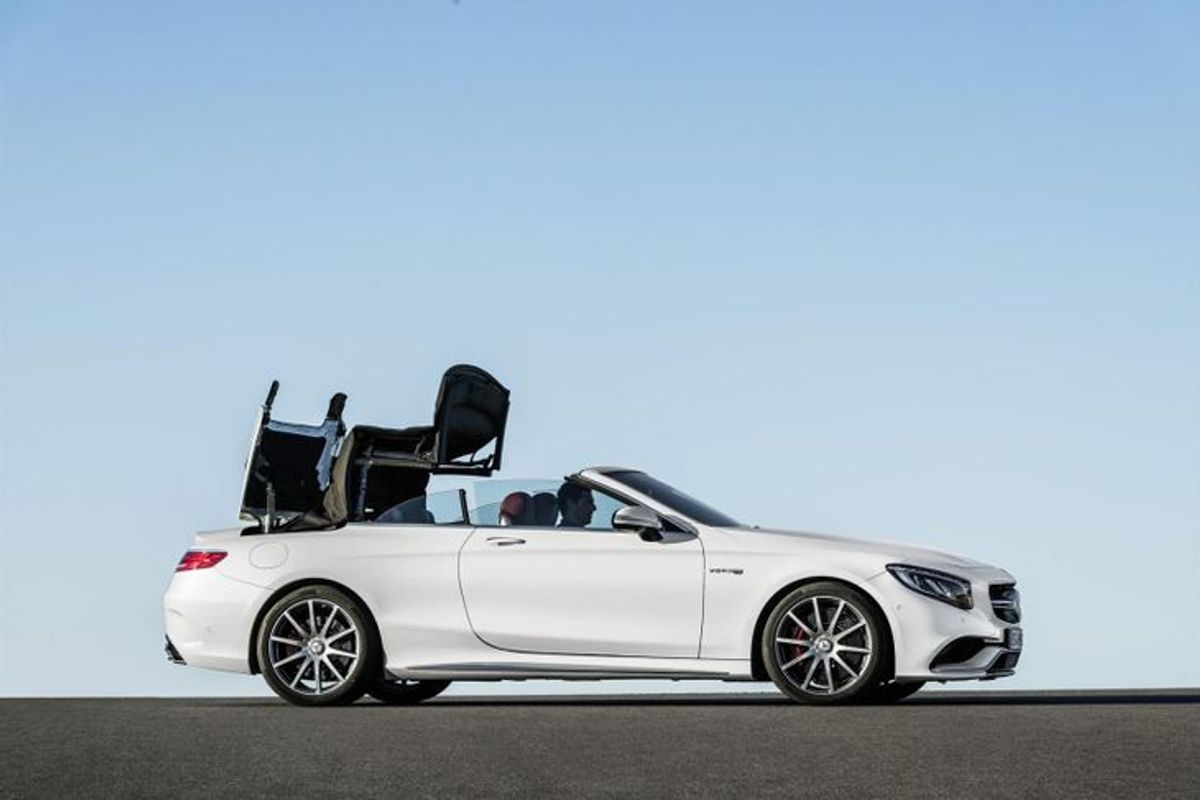
A switch in the centre console is used to open and close the soft top roof and this action takes less than 20 seconds to complete at speeds up to 60 kph. The roof can also be opened or closed using the key fob from outside the vehicle.
The S-Class Cabriolet is fitted with an electrically-operated AIRCAP wind protection system that reduces air turbulence in the cabin while you are driving with the top down. The AIRSCARF neck-level heating system as well as heated armrests, seat heating and intelligent climate control ensures maximum comfort in the S-Class cabriolet.
Mercedes-Benz S-Class Cabriolet – Prices in South Africa
Mercedes-Benz S500 Cabriolet R2 299 900
Mercedes-AMG S 63 Cabriolet R2 899 900
Mercedes-AMG S 65 Cabriolet R3 499 900
The Mercedes-Benz S-Class Cabriolet is sold with a 6-year/100 000 km PremiumDrive maintenance plan as standard.