2016 Kinsey Report: The Cheapest Cars to Service and Repair
Which are the cheapest cars to service and repair? The annual Kinsey Report is out now!
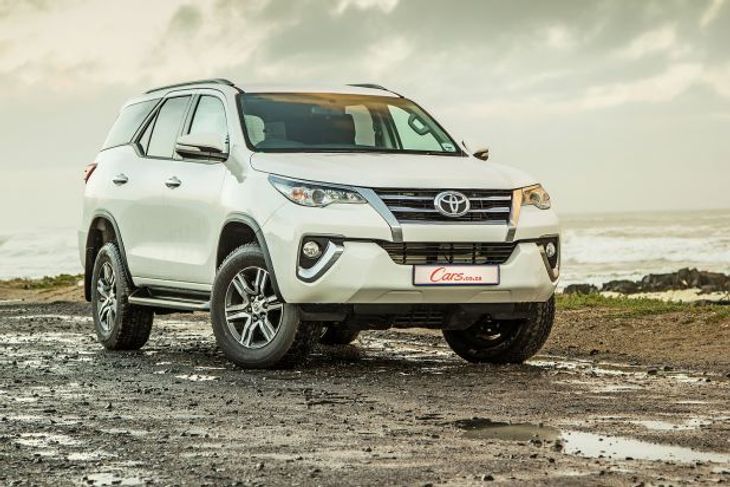
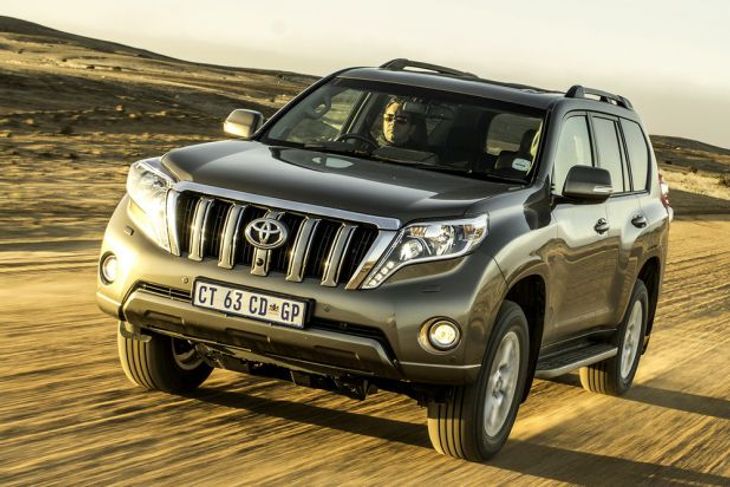
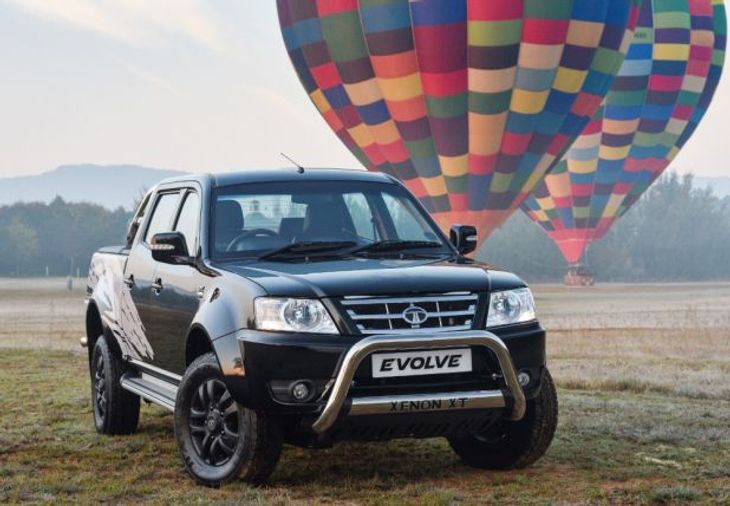
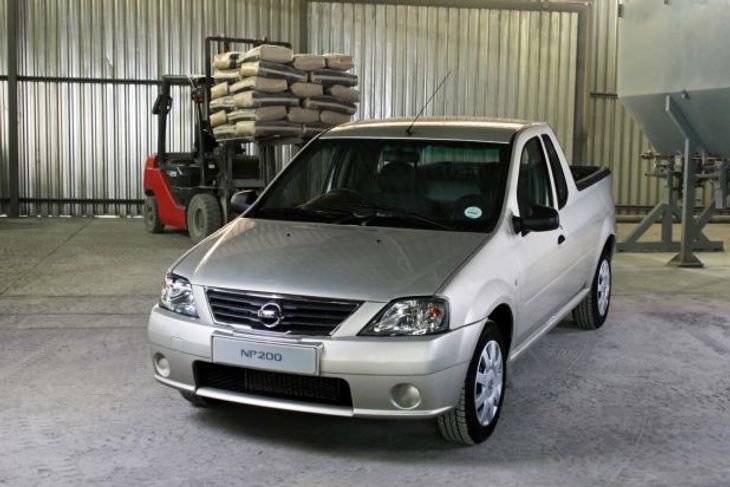
The Kinsey report for 2016 has been revealed. The report aims to give the consumer an idea as to how much it costs to service or replace parts on your vehicle. Winners in each category are determined by costs of servicing parts (filters, spark plugs, wipers and brake pads), repair parts (cam belt, shocks, clutch plate, flywheel and fan belt) and finally crash parts (doors, fenders, bumpers, glass, lights and wheels etc.). The winner is the cheapest in the 3 categories combined. While the report does its best to provide the consumer with accurate information, it does state that shopping around for parts can be beneficial. The Kinsey report sources prices from dealers around the Durban area over the course of a single month.
Is it time to send the old naturally aspirated engine to an early grave as modern engines adopt the turbocharger?
I love a good naturally aspirated (NA) engine, especially on a high-performance model. The high-revving nature of the motor and the unfiltered sound from the exhausts are addictive, but non-turbo engines may have had their day…
A naturally aspirated engine has fewer moving parts than a turbocharged motor, therefore many will expect its proven technology to hold the edge in terms of reliability. What's more, a century's worth of engine efficiency development and driver education has rendered the free-breathing engine economical to operate as long as a measured driving style is the order of the day. However, despite improvements in engine technology, such as the introduction of variable valve timing, to name but one example, naturally aspirated (petrol) engines cannot match their turbocharged (petrol) counterparts in terms of delivering maximum torque at low rpm. And it's an impression borne from driving turbo- and non-turbo vehicles randomly, as we motoring journalists do.
My average daily drive features a mix of start/stop traffic. There's a hustle-and-bustle dual carriageway that requires ducking between stopped buses and taxis and a short stint on the freeway. I imagine this is not too dissimilar to most people’s average commute. I’ve driven hundreds of different cars down this stretch of road during the past 6 years and I can tell you I dread having to drive a car with a naturally aspirated engine, especially in short succession to a turbocharged (petrol) motor. Now, I’m not talking about high-performance naturally aspirated engines (such as those in Lamborghinis), those still have their place in sportscars and supercars (more on this later), what I’m talking about is the run-of-the-mill 1.2, 1.6, 2.0-litre and all the variants in between.
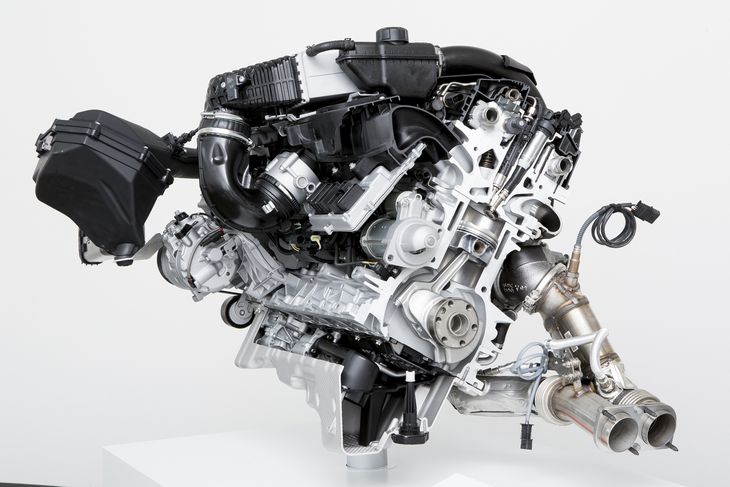
Even BMW M engines have moved into the realm of the turbo
Most people know that in order to keep fuel consumption down you need to change gears at low revs, use smooth throttle inputs and generally keep the engine rotating as few times per minute as possible. It’s very easy to do, shift early, maintain speed and become a pro at predicting traffic lights. Of course, you still have to compromise between how slow you’re willing to go and how late you intend to be. I try to maintain a decent compromise but, unsurprisingly, err towards the faster side of things, while trying to stay to the speed limit as best as possible.
This is where the naturally aspirated engine is found wanting. Keep a low rpm and try and accelerate quickly and… nothing happens. Work the gearbox down a couple gears, get the engine spinning at mid to high rpm and you get some kick. It’s a hard graft having to do that over and over on a commute. It’s not much better on the freeway either, if you lose a bit of momentum behind another car, you’re back to working the box and revs to get back up to speed. It’s not just about having to work the gearbox – you can get an automatic to do that for you if you want, it’s the aforementioned vital torque statistic that lets it down as well. By contrast, a car with a smaller-capacity turbocharged engine can produce the same (or more) torque lower down in the rev range.
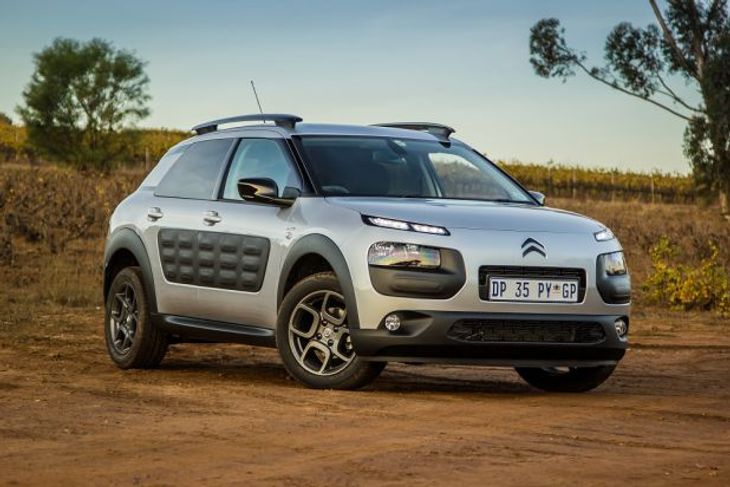
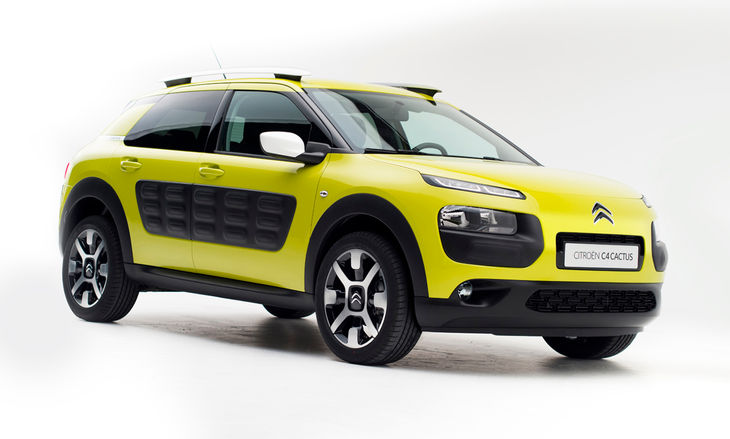
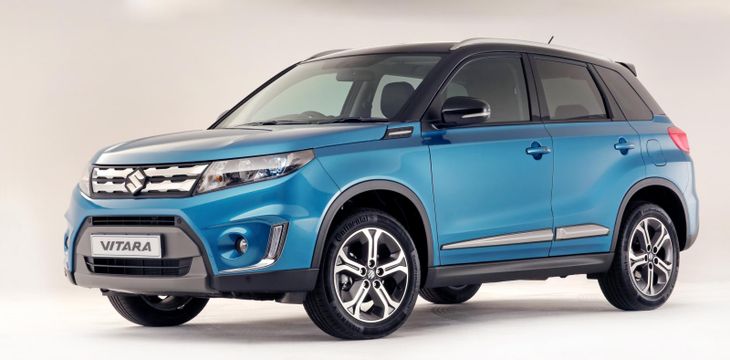
Here’s a quick comparison between a pair of small crossovers that we had in our fleet at the same time: the Suzuki Vitara's 1.6-litre naturally aspirated engine produces 86 kW and 151 Nm – a decent power output, but maximum torque is at 4 000 rpm. A 1.2-litre 3-cylinder turbocharged Citroen C4 Cactus produces 81 kW and 205 Nm of torque, where maximum torque kicks in at 1 500 rpm. That means, as long as you’re travelling in the teens in terms of engine speed (revs), when you put your foot down, you get maximum torque – without needing to shift gears or spin up the motor.
Citroen Cactus uses a 1.2-litre turbo motor
Then there’s the fuel economy factor. The official claimed fuel consumption figures of small-capacity turbocharged engines seem very optimistic and are usually better than those for similarly-powerful, bigger-capacity petrol motors, but I’m not a big believer in the former numbers. I’ve found that turbo-engined compact cars do tend to use more fuel than what their manufacturers claim, but in the case of the Citroen, the higher consumption (relative to the crossover's performance characteristics/general drivability) was quite acceptable. Let me explain: We reset test cars' trip computers when they arrive at our office and monitor the fuel efficiency readouts of their onboard computers (granted, this is another can of beans waiting to be opened) so that we can record readings upon completion of the tests. The Suzuki, after 3 800 km, averaged 6.7 L/100 km and the C4 Cactus, after 5 100 km, averaged 6.5 L/100 km.
It’s a reasonable comparison: both cars were driven by the entire test team on long and short journeys. The funky Citroen is 55 kg lighter than the more practically-packaged Suzuki and its indicated consumption figure is 1.8 L/100 km higher than what its manufacturer claims; the Suzuki proved anything but thirsty (we achieved a figure just 0.9 L/100 km higher than what the Japanese firm says it should be). However, given that the indicated consumption figures of the cars were within a whisker of one another, and the C4 Cactus offers more responsive and flexible performance, I prefer its engine to the Vitara’s.
Suzuki Vitara features a 1.4-litre turbopetrol motor in the UK. I have driven one and its engine performance is much perkier.
It’s not like turbocharging is new. As far as petrol engines in South Africa are concerned, the technology went on hiatus for a couple of decades. However, whereas the turbopetrol motor was synonymous with performance in the '80s, these days it's the flagbearer for downsized efficiency, especially in compact cars. It started locally with the Ford Ecoboost 1.0-litre engine, then came the Renault 0.9-litre 3-pot and since then it has crept through to just about every manufacturer. Even the premium brands have adopted turbocharged triples: BMW has a 3-cylinder powering a 3 Series and Audi has a 1.0-litre A3.
What is apparent, however, is that the Japanese and Korean manufacturers have been less eager to introduce small turbocharged engines in their line-ups, especially on the local market. There are a number of factors to consider: those firms pride themselves on reliability/low warranty claims and turbocharged engines, which are more complex and mechanically stressed than their tried-and-trusted naturally aspirated counterparts, present a higher risk of failure (and would be expensive to fix if/when they break). The extra complexity adds to the production costs of turbopetrol motors and, therefore, the units in which they're installed. And, needless to say, the profit margins are tight in the as-much-spec-as-possible compact hatchback and small crossover segments.
But the market never stands still. Hyundai and Kia have selectively rolled out the 1.6-litre turbocharged GDI motor, Honda recently introduced a 1.5-litre turbopetrol in the Civic sedan, Toyota (having introduced a forced-induction 2.0-litre in its Lexus line-up) has a 1.2-litre turbopetrol in the pipeline that might debut in the C-HR small crossover. Meanwhile, Mazda is sticking to its guns with its SkyActiv engine efficiency technology and as for Suzuki, the upcoming Baleno compact hatch may be offered with a 1.0-litre turbopetrol motor – at some point, but that remains to be seen.
Audi's R8 V10 is possibly the last bastion of the naturally aspirated engine
Yes, not every single petrol engine needs to be turbocharged, but I would argue that most of them do. Just as technological advancements in smartphones (and the data networks through which they operate) have raised users' expectations of their handsets to such an extent that their consumption patterns are based on market activity rather than their actual needs, "the turbo era" is breeding a generation of motorists who want instant torque and good efficiency.
The disadvantage of a naturally aspirated engine is that although conservative buyers will duly expect excellent reliability from it, a test drive in a "free-breathing" car directly after one in a direct "turbo'd" rival will leave them feeling somewhat short-changed. Drivability/driving satisfaction may not be equally important to all consumers, I realise, but once naturally aspirated engines are in the minority, they will seem increasingly undesirable to car buyers who are all too happy to leave worries about reliability to the companies that underwrote the (often lengthy) warranties that come included with brand new cars.
I do believe naturally aspirated engines have their places. One is in bare-bones budget cars and the other is where they can deliver the maximum enjoyment and the fewest drawbacks – high-performance machines. A naturally aspirated motor that can be revved until it bounces off a limiter north of 7 000 rpm is a treat and, for a petrolhead, few sounds can match the V10s or V12s built by supercar producing firms whose wares can bring tears to grown men’s eyes. These "free-breathers" should either bring mobility to the masses or joy to enthusiasts. But in an everyday car or family car? No thanks, I’ll stick with the turbo.
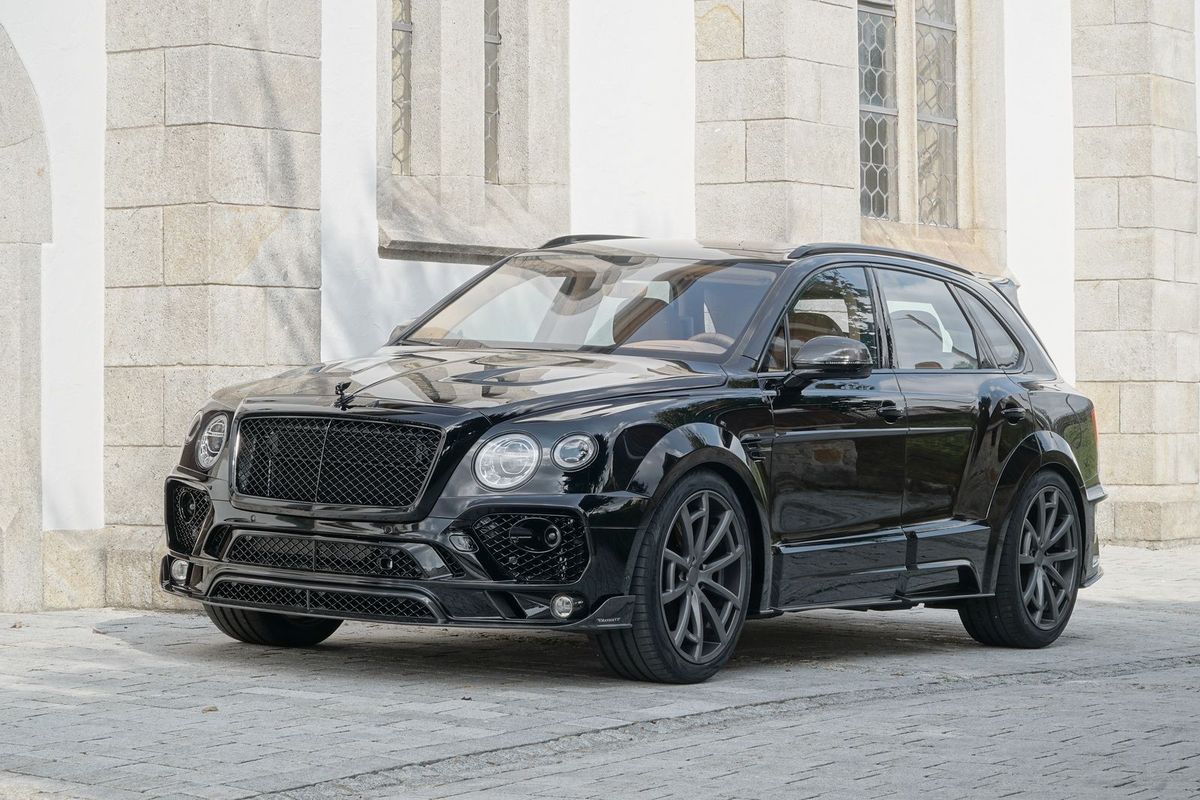
The Bentley Bentayga has its critics, but now, there’s an even more ostentatious model to cast your eyes on.
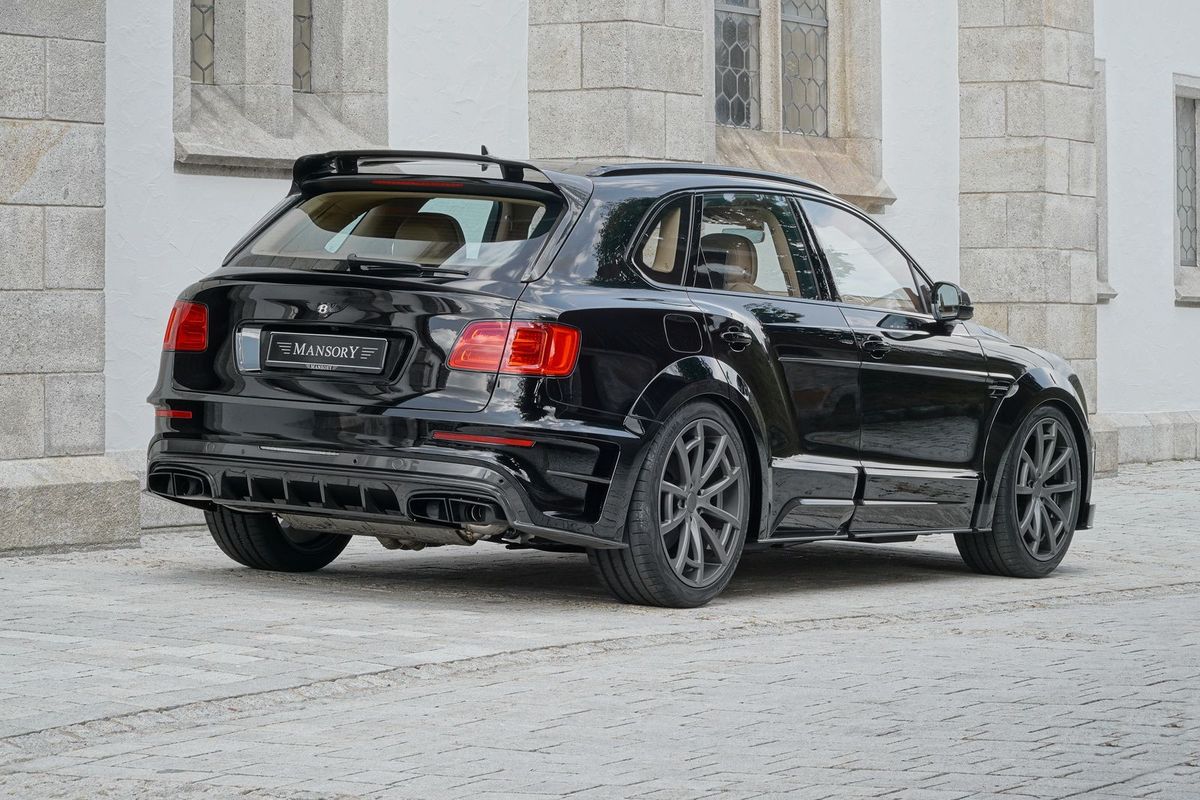
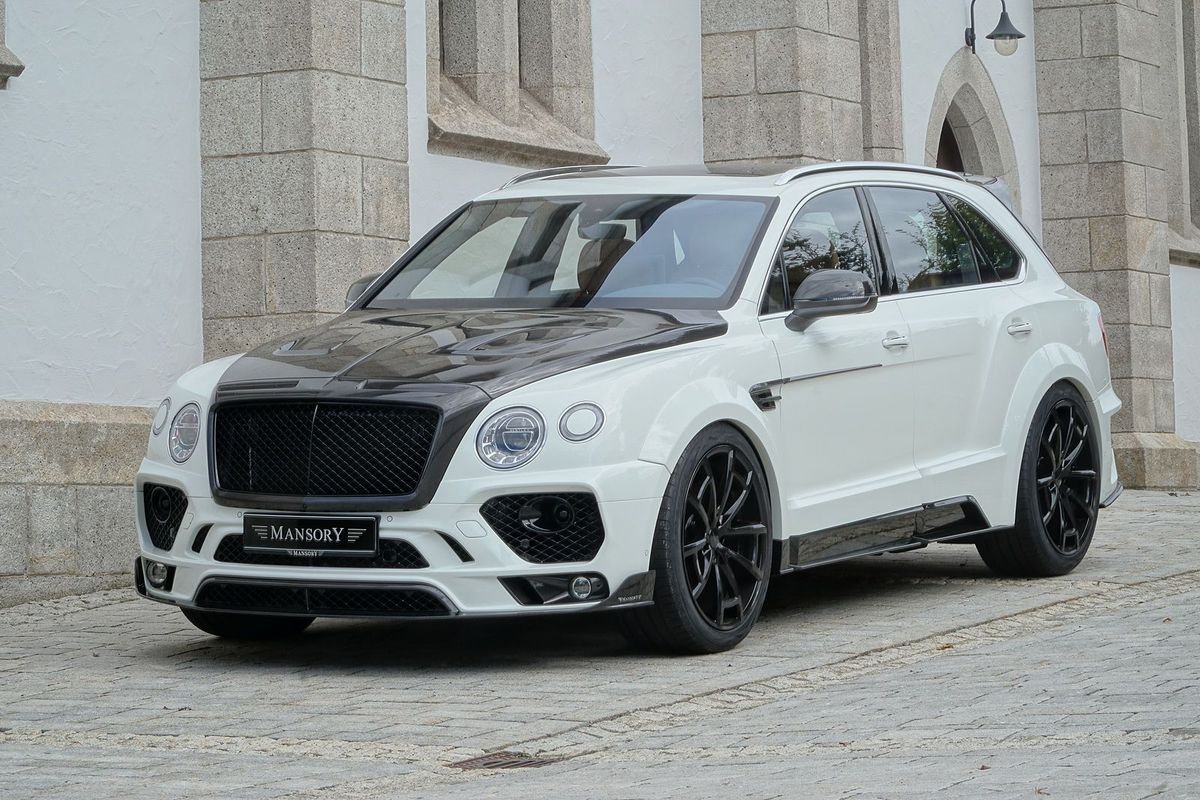
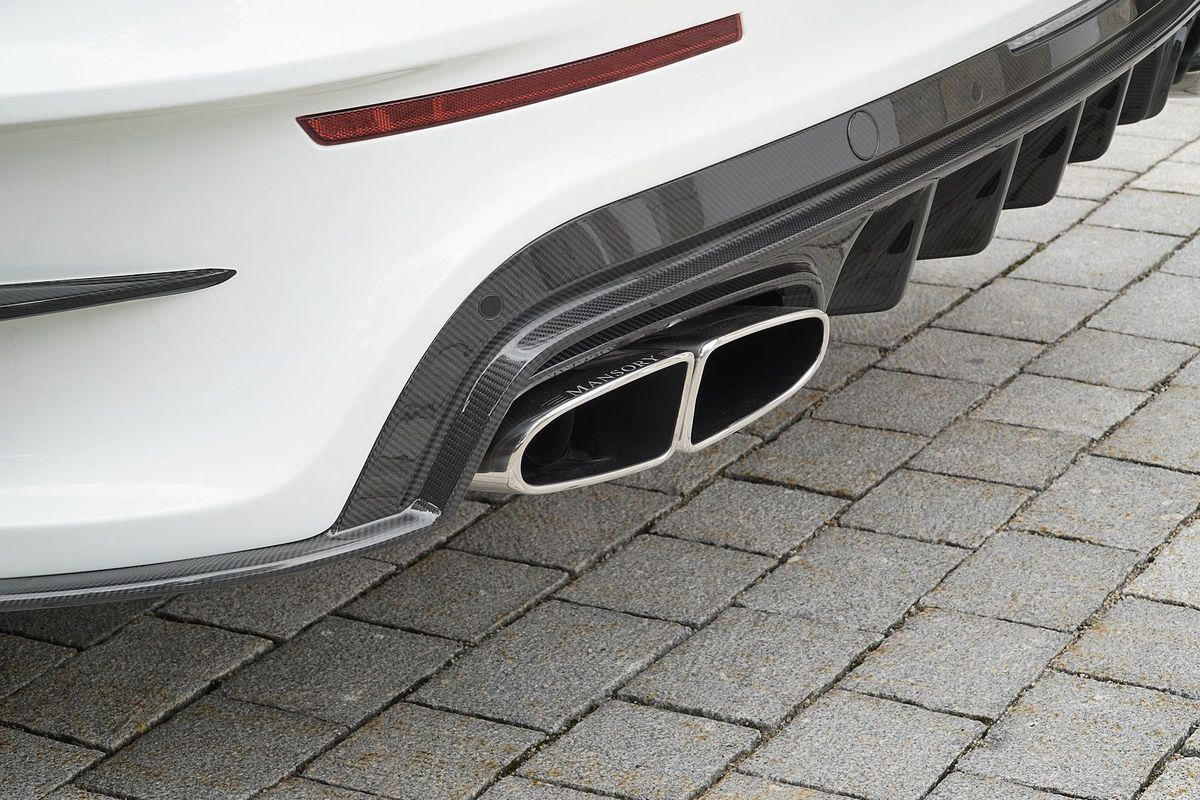
German car tuning company, Mansory, got their hands on a Bentayga and went to town on turning it into a pimp-mobile. The end result seems to be a far stretch from the prim and proper image the British brand is synonymous with.
Nevertheless, Bentley may be moving with the times. Many of its cars feature in rap videos and lyrics by the likes of 50 Cent, T.I and The Game. Mansory has gone above and beyond with this Bentayga and it will be officially revealed at SEMA later in November 2016.
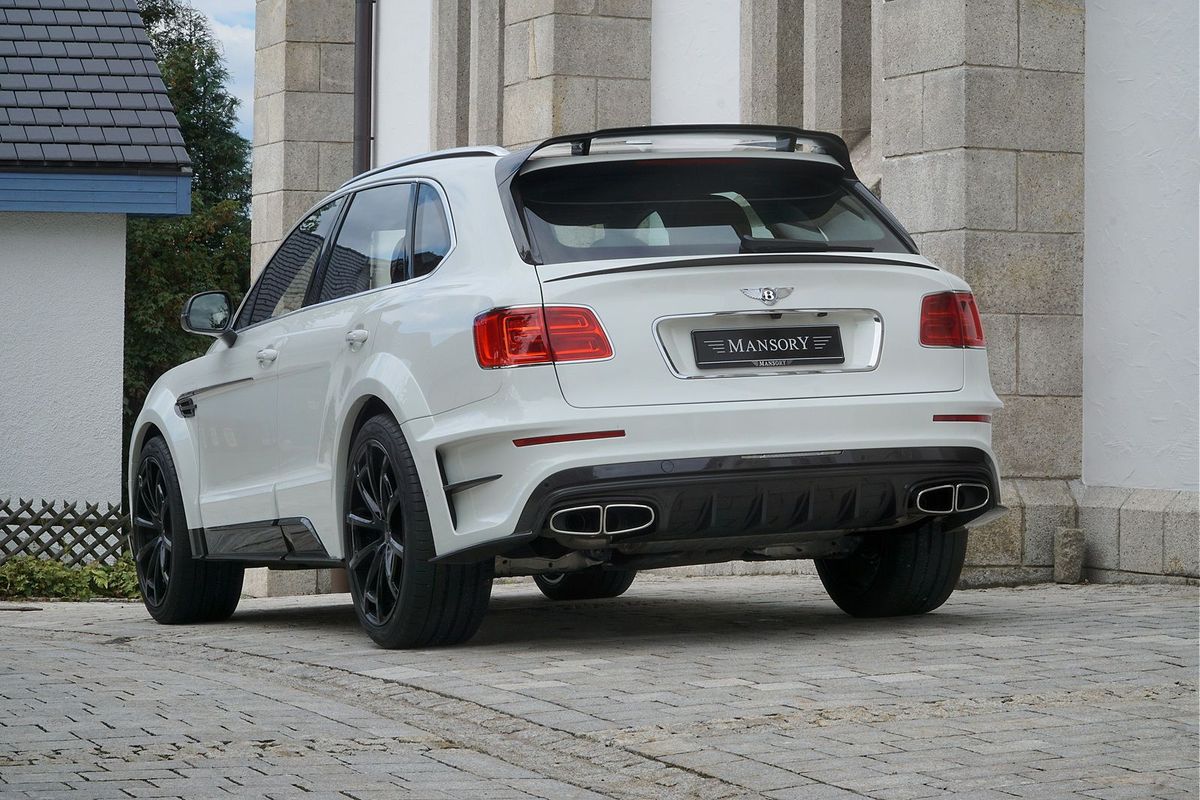
The Mansory Bentayga features a seriously wide body kit with loads of extra bits of carbon fibre around the nose, front splitter, rear bumper and side skirts. Large 23-inch wheels are fitted with an option of 22-inch wheels if the ride is too jarring.
The Bentayga's performance has been beefed up somewhat with the addition of a new exhaust system and fine-tuning of the engine. Mansory has managed to crank out 515 kW and 1 050 Nm of torque from its 6.0-litre W12 biturbo engine.
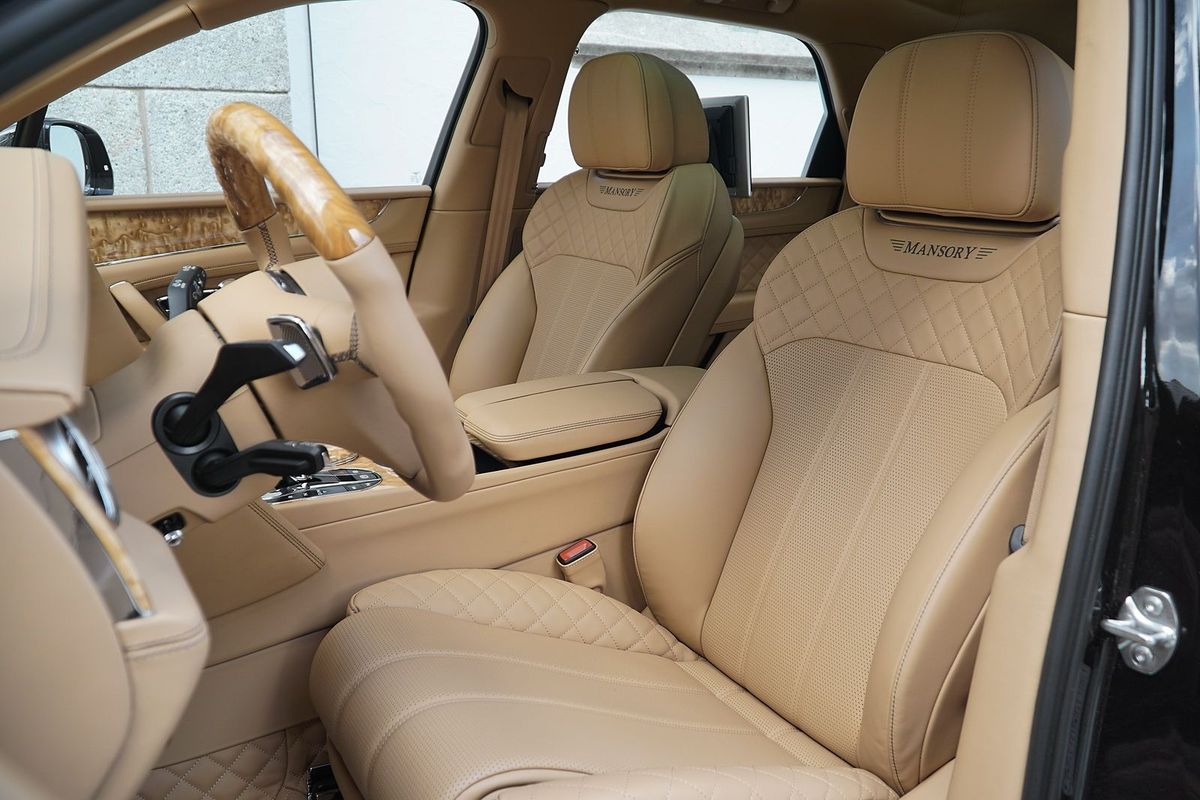
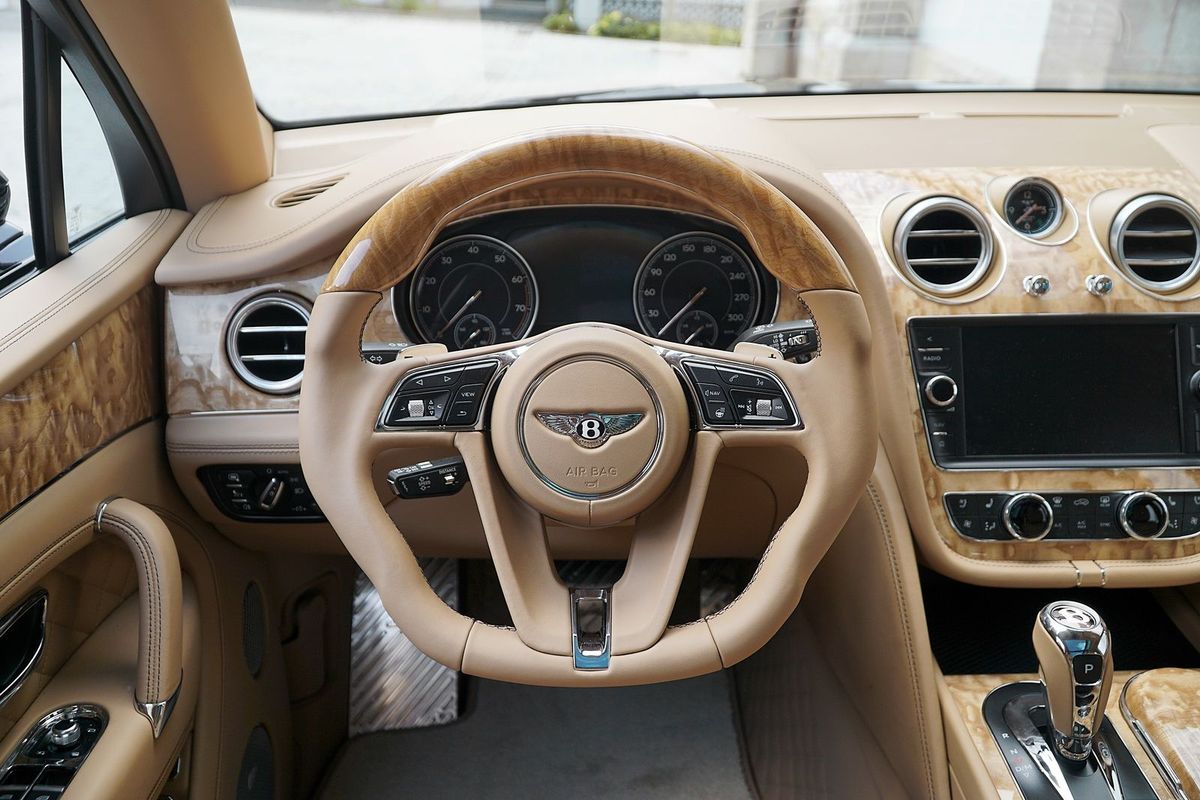
The interior also has a few unique touches in the form of new leather upholstery, aluminium pedals and bespoke floor mats.
The Mansory Bentayga may not seduce the traditional Bentley enthusiast, but it may appeal to those who want to make a bold statement. Would you like to own this Mansory Bentayga? Share your thoughts with us…
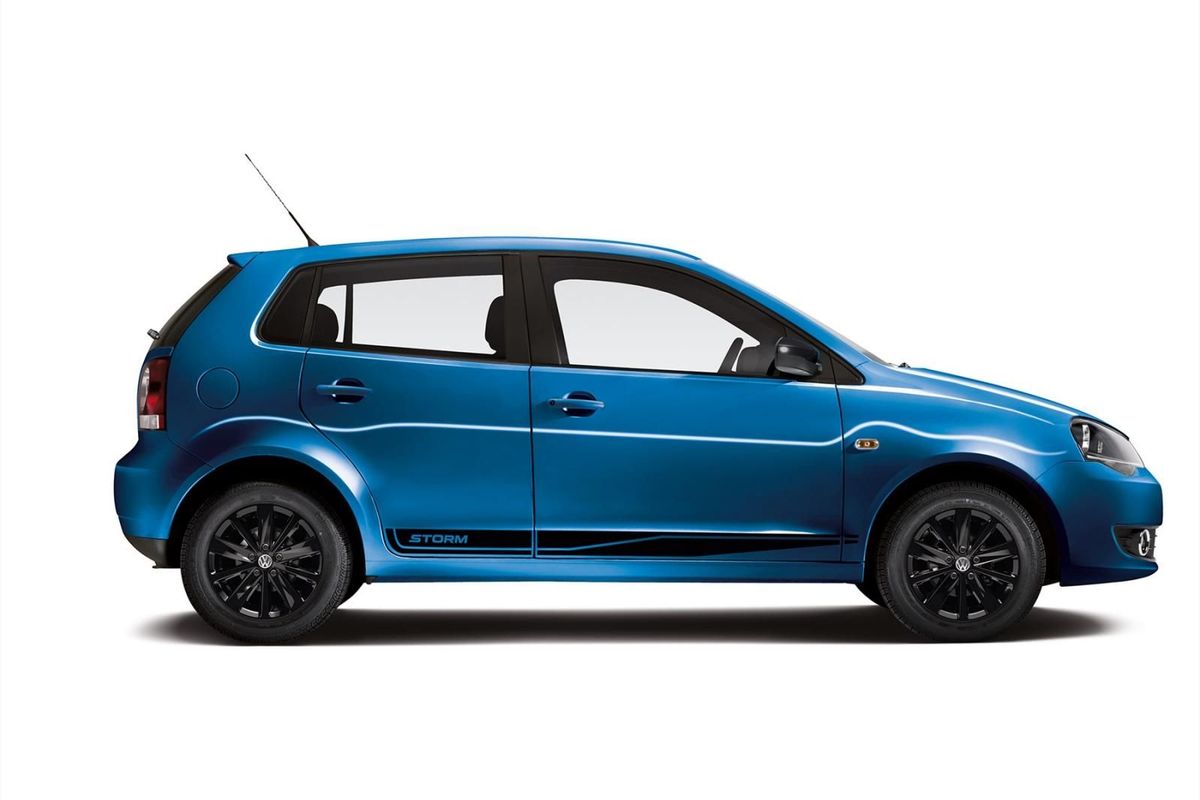
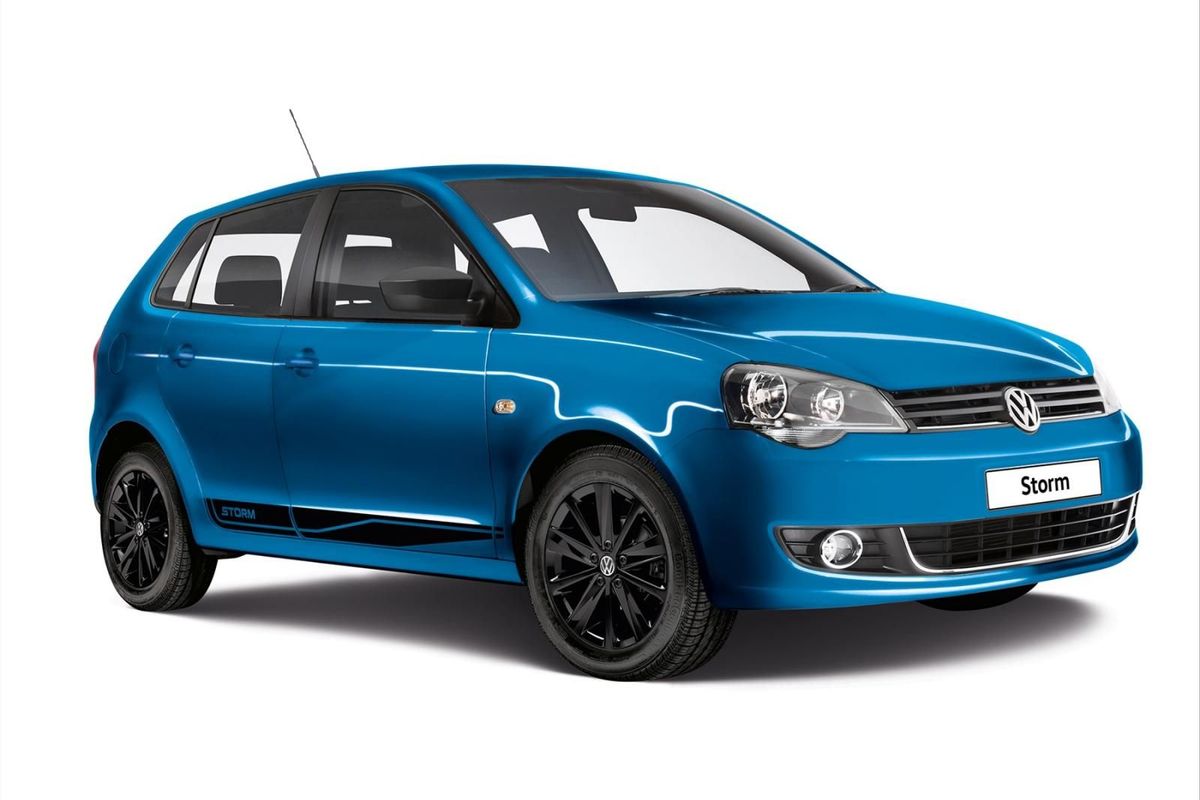
The popular Volkswagen Polo Vivo has a new member in its family. Meet the eye-catching special edition Polo Vivo Storm!
Since its launch back in March 2010, the locally made Volkswagen Polo Vivo has been a runaway success. The Polo Vivo has been a top-selling passenger vehicle in South Africa and to date, nearly 220 000 Vivo's have been sold. To further the success of the Polo Vivo, VWSA has now introduced a special edition Storm derivative to the local market and its based on the Polo Vivo 1.4i Trendline.
It looks much sportier than the standard Volkswagen Polo Vivo and features front foglights with chrome surrounds, black metallic 15-inch Tosa alloy wheels, glossy black side mirrors and black decals. Furthermore, the rear is completed with chrome-tipped double exhaust pipes. The cabin also receives a makeover and gets a two-tone dashboard, while the steering wheel, gear gaiter and hand brake lever are all in leather with grey stitching. The seats are covered in three-tone trim while the roof lining is coloured in anthracite adding to the visual appeal of the interior. Nice-to-have features include a CD/Radio with Bluetooth connectivity, SD Card, USB port and six speakers as standard.
Volkswagen Polo Vivo Storm Price in South Africa
Polo Vivo Storm retails for R189 700, including VAT and emission tax (February 2017).
Which is better: Volkswagen Polo Vivo or the Volkswagen Up?
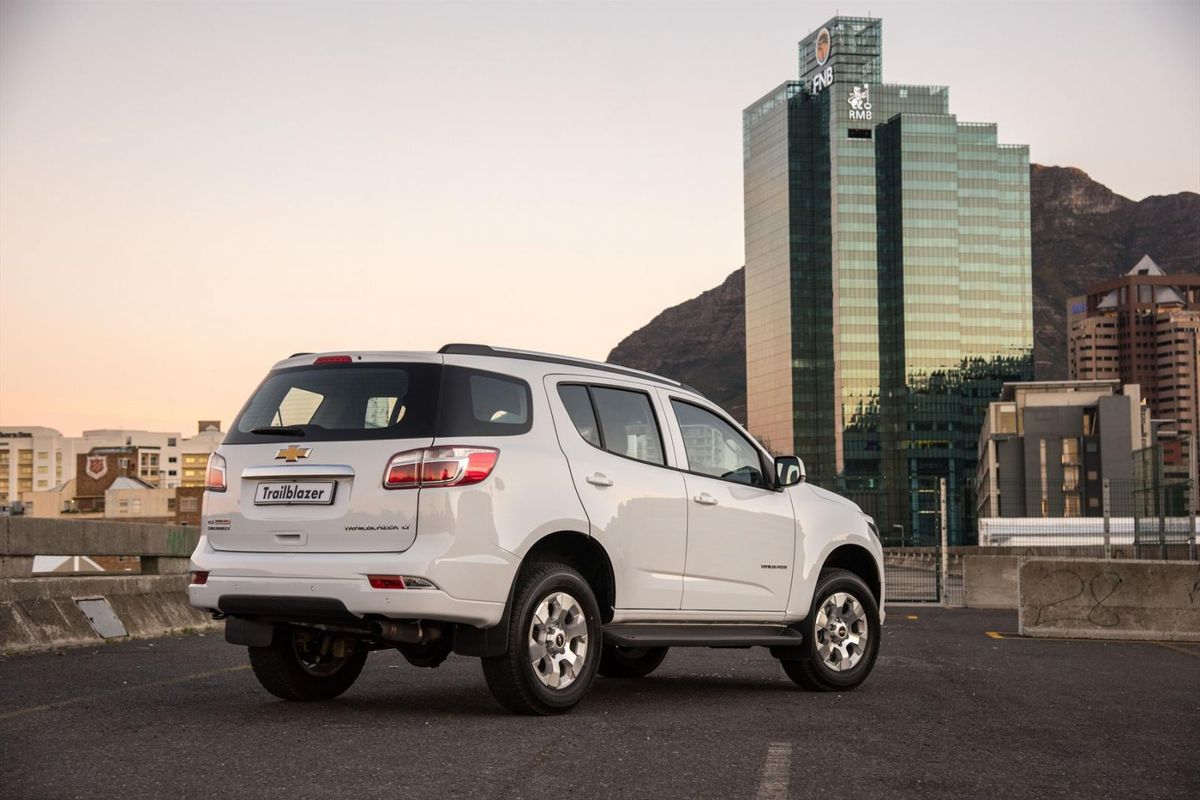
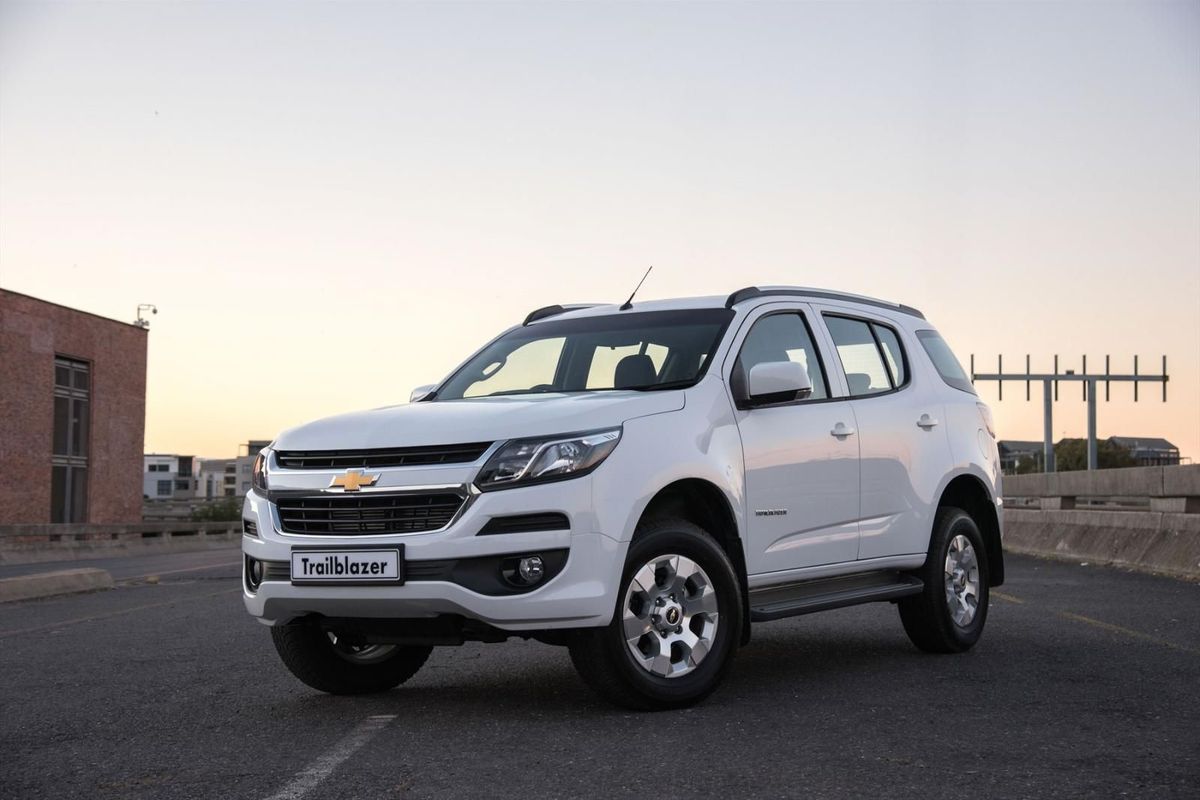
2016 Chevrolet Trailblazer (2016) Specs & Price
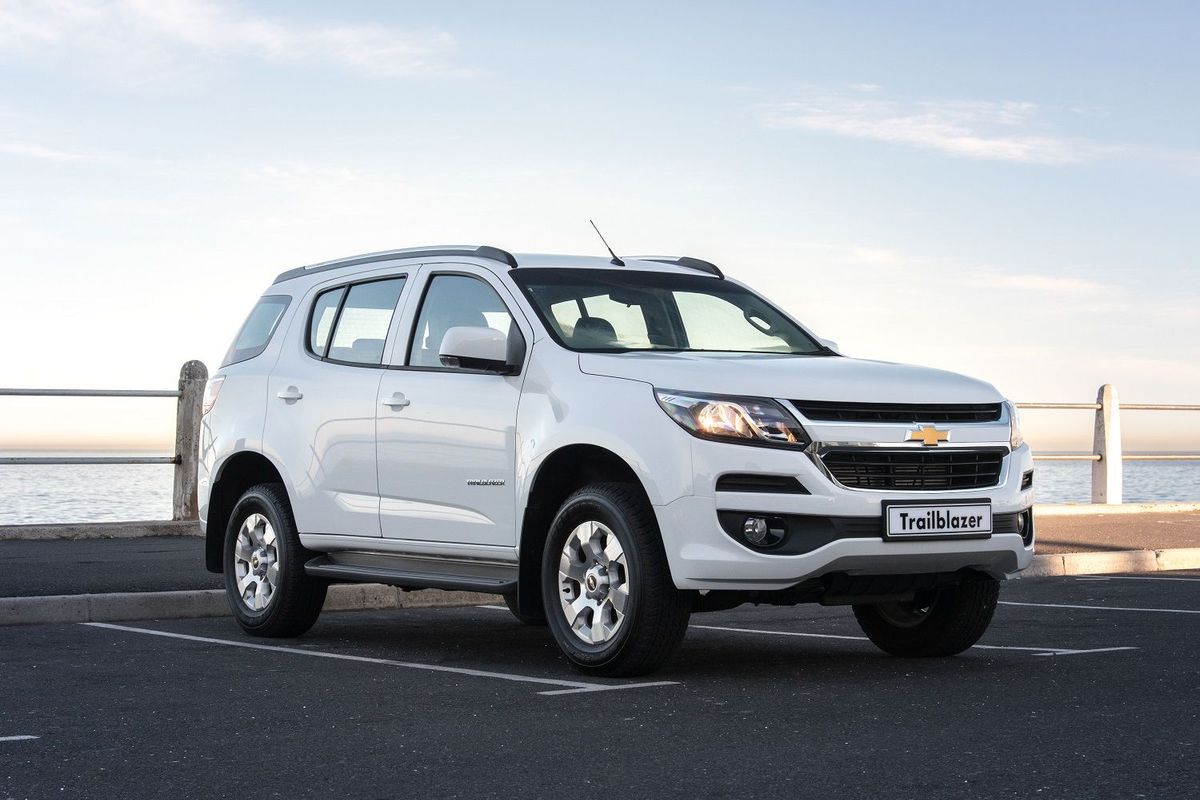
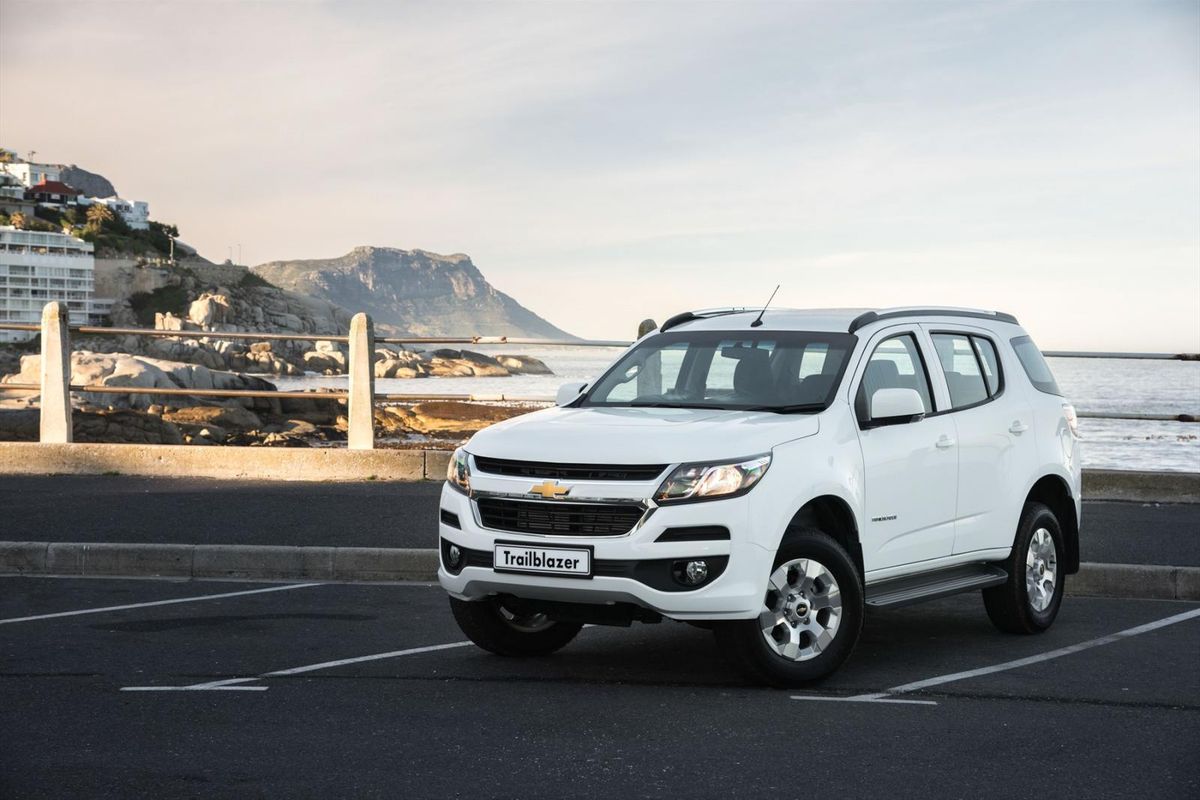
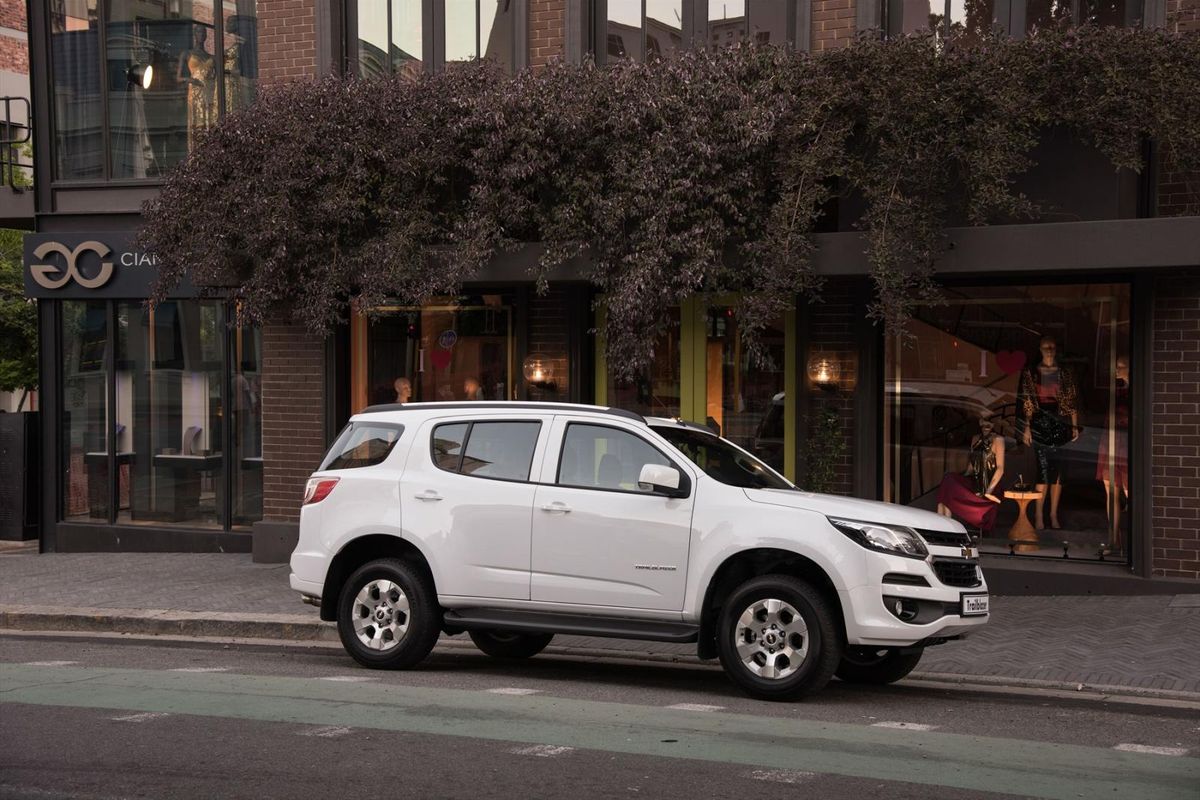
The bakkie-based SUV market has been quite competitive since a new version of the Toyota Fortuner and an updated Ford Everest landed in South Africa. Not to be outdone, Chevrolet has facelifted its Trailblazer and adjusted the range's lineup. Here are the specifications and pricing of the new Chevrolet Trailblazer.
The Chevrolet Trailblazer is a 7-seater lifestyle SUV and for the 2017 model year, General Motors has reworked the range to now consist of five derivatives, including manual and automatic versions of the rear-wheel-drive 2.5-litre LT, rear- and four-wheel-drive automatic versions of the 2.8 LTZ and a new flagship in the shape of the Z71, which is a blinged-up version of the LTZ 4×4.
“The new Trailblazer brings together superior levels of refinement, styling, comfort and technology with class-leading performance and drivability to meet the versatile needs of increasingly discerning customers,” said Brian Olson, vice president vehicles sales, service and marketing General Motors Sub-Saharan Africa.
Quick facts
New 2.5-litre LT model is fitted with a 6-speed automatic transmission. Upgraded Duramax engine for this auto model rated at 132 kW and 440 Nm.
Improved management of noise, vibration and harshness (NVH) reduces cabin noise by more than half (4 decibels).
Driver aids such as lane departure warning and blind spot alert for LTZ trim level models.
Bolder front end treatment with new bonnet and headlights and redesigned lower valance, while retaining the distinctive horizontal bar that splits the upper and lower grilles.
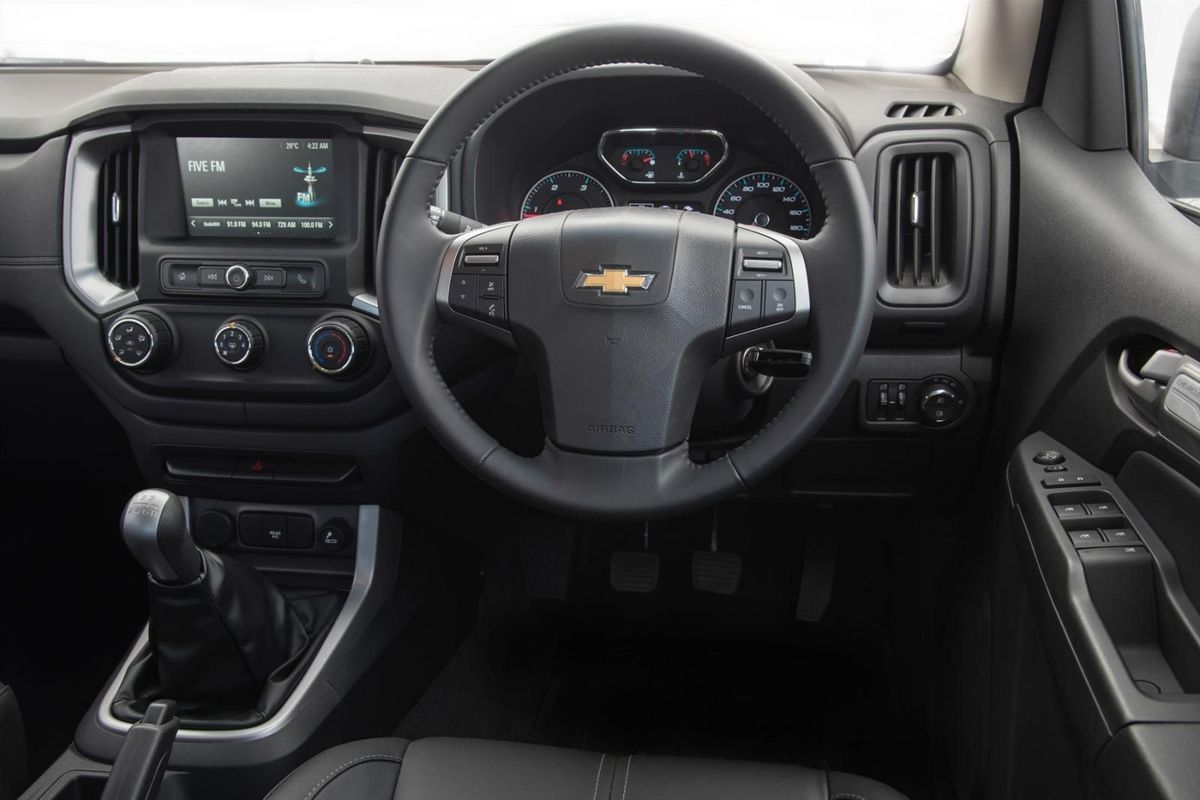
Next generation MyLink 2.0 multimedia interface, fully compatible with both Apple Carplay and Android Auto.
Daytime running lights (LED on the LTZ) for heightened visibility.
New LTZ Z71 flagship gets "blacked-out" wheels, door handles and mirrors along with a unique decal treatment.
Upgraded engines/technical specs
The Trailblazer engine range consists of 2 motors; a 2.5-litre turbodiesel and a 2.8-litre turbodiesel. The 2.5-litre now delivers 132 kW and 440 Nm when paired with an automatic transmission in the LT model. Chevrolet is claiming the 2.5-litre automatic Trailblazer will consume 8.6 L/100 km and it will accelerate from zero to 100 kph in 11 seconds. It has a limited top speed of 180 kph. The standard 2.5-litre turbodiesel motor does duty in the 2.5-litre LT when paired with a 6-speed manual gearbox. It produces 120 kW and 380 Nm, will take 11.8 seconds to reach 100 kph and is claimed to consume just 7.6 L/100 km.
The other engine is a 2.8-litre turbodiesel 4 cylinder with peak outputs of 144 kW and 500 Nm. Chevrolet claims that this 6-speed automatic Trailblazer will accelerate from zero to 100 kph in 10.4 seconds.
Meanwhile, the 2.5-litre manual has a tow rating of 2 515 kg, while the rest of the range can pull a braked trailer weighing up to 2 965 kg. The 4-wheel drive LTZ models are equipped low range transfer cases, with two-high, four-high, and four-low drive modes just a turn of a console dial away. Other changes include a new electronic power steering system, which is said to be smoother in feel and more responsive to inputs.
New MyLink infotainment system
The new infotainment system comes in the form of a second-generation MyLink that is compatible with Apple CarPlay and Android Auto. This system allows smartphone connectivity as well as USB and Bluetooth connections. One great feature of this is that phone-based navigation such as Google Maps can be displayed on the screen, while top-spec LTZ models feature built-in satnav.
Safety-wise, all derivatives are equipped with ABS with EBD and brake assist, HBFA (hydraulic brake fade assist), 7 airbags (including a driver's knee airbag), pre-tensioning seatbelts, ISOfix child seat anchors and front park assist. LTZ models benefit from the addition of Stabilitrak electronic stability/traction control, HDC (hill descent control), TSC (trailer sway control) and a rear-mounted camera parking assistance system, but now features forward collision alert, lane departure warning, blind-spot monitoring, rear cross traffic alert and tyre pressure monitoring too.
In terms of after-sales backup, every derivative comes with a 5-year/120 000 km warranty as well as a 5-year/90 000 km service plan.
Chevrolet Trailblazer prices in South Africa
Trailblazer 2.5D LT 4×2 MT R464 000
Trailblazer 2.5D LT 4×2 AT R481 800
Trailblazer 2.8D LTZ 4×2 AT R552 800
Trailblazer 2.8D LTZ 4×4 AT R613 200
Trailblazer Z71 2.8D LTZ 4×4 AT R623 200
Is Mercedes-AMG Building a More Potent C63 Coupe? [Video]
Is Mercedes-AMG building a faster and more track-focused C63 Coupe in an effort to match the BMW M4 GTS? Check this video out.
The BMW M4 GTS is one very special machine. Take one standard M4 and imbue it with only the finest Motorsport kit, bolt on a mighty wing and crank up the power output, and the result is a devastatingly quick and agile track specialist's car. Right now it's peerless and for BMW's rivals, that just won't do. While Audi is some way away from launching an all-new RS5 Coupe, Mercedes-AMG has been developing a hotter, louder C63S Coupe at the Nurburgring. Rumours suggest it will have AMG C63 R designation, eliminating the possibility of a hardcore Black Series derivative.
This prototype certainly sounds the part, and just look at that rear wing! Much like the aerofoil that's bolted to the BMW M4 GTS, it'll provide masses of downforce at speed, which in turn increases stability. Let's not forget that cool factor associated with big spoilers either… In terms of powerplant, we know that the 4.0-litre twin-turbocharged V8 motor can handle substantially more power as witnessed with the forthcoming AMG GT R.
That green monster produces 430 kW, while the standard C63S has 373 kW. You can expect a power increase as well as a noise increase on this new model and, at this stage, we'd estimate that this hotter C63 R will produce just under 400 kW. It would be encroaching on the forthcoming E63 AMG if it is pushing 400 kW and besides, it's rivals' outputs haven't yet matched those of the standard C63S'.
If this vehicle comes to fruition, you're likely to see it at the 2017 Geneva Motor Show.
The local introduction of the second-generation Volkswagen Tiguan was eagerly awaited. So, now that we've driven it, how does the newcomer fare in terms of refinement, features and practicality? Over to you, Juliet…
Cars.co.za Consumer Awards guest judge Juliet McGuire has made another video for Cars.co.za. She gets to grips with the smart-looking Volkswagen Tiguan 1.4 TSI 110 kW DSG with an R-Line kit and does a thorough assessment of how it drives and what the interior is like.
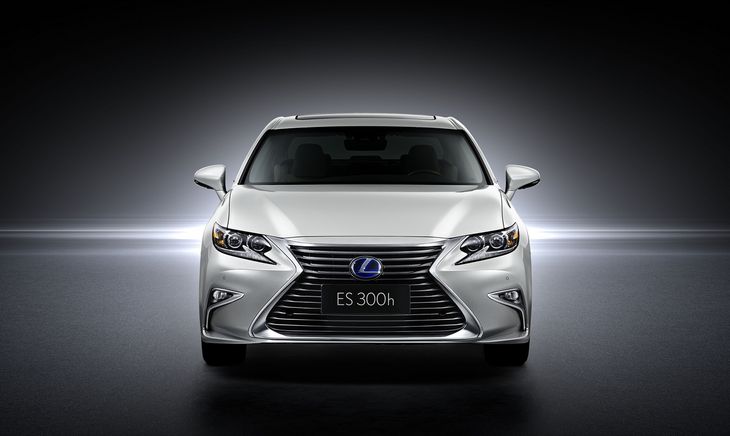
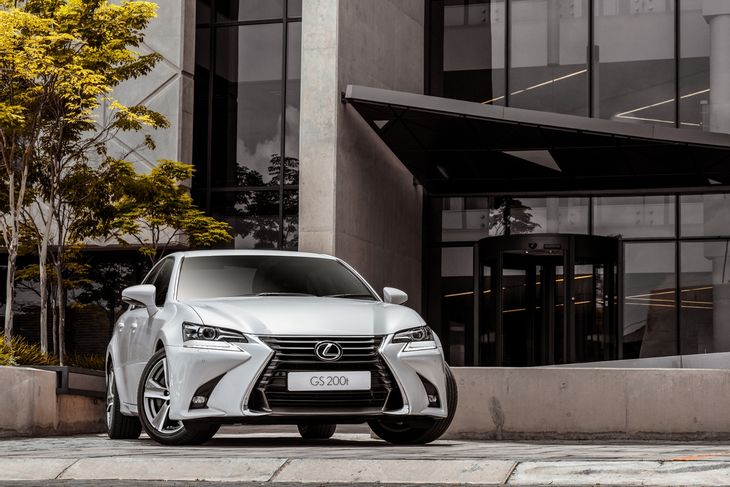
The Lexus GS has had some safety additions with the GS 350 F Sport no available with lane change assist, blind spot monitoring and rear cross traffic alert.
Pricing:
Lexus GS 200t EX R745 200
Lexus GS 350 F Sport R854 700
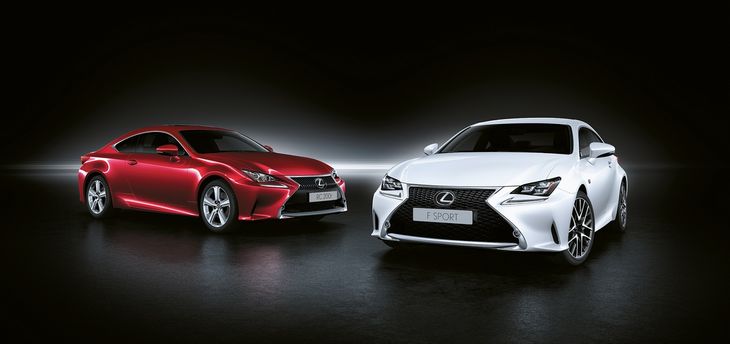
The sporty-looking Lexus RC also gets a safety update with lane change assist and rear cross traffic assist as standard. There’s also a new wheel design for both models.
Pricing:
Lexus RC 200t EX R745 200
Lexus RC 350 F Sport R854 700
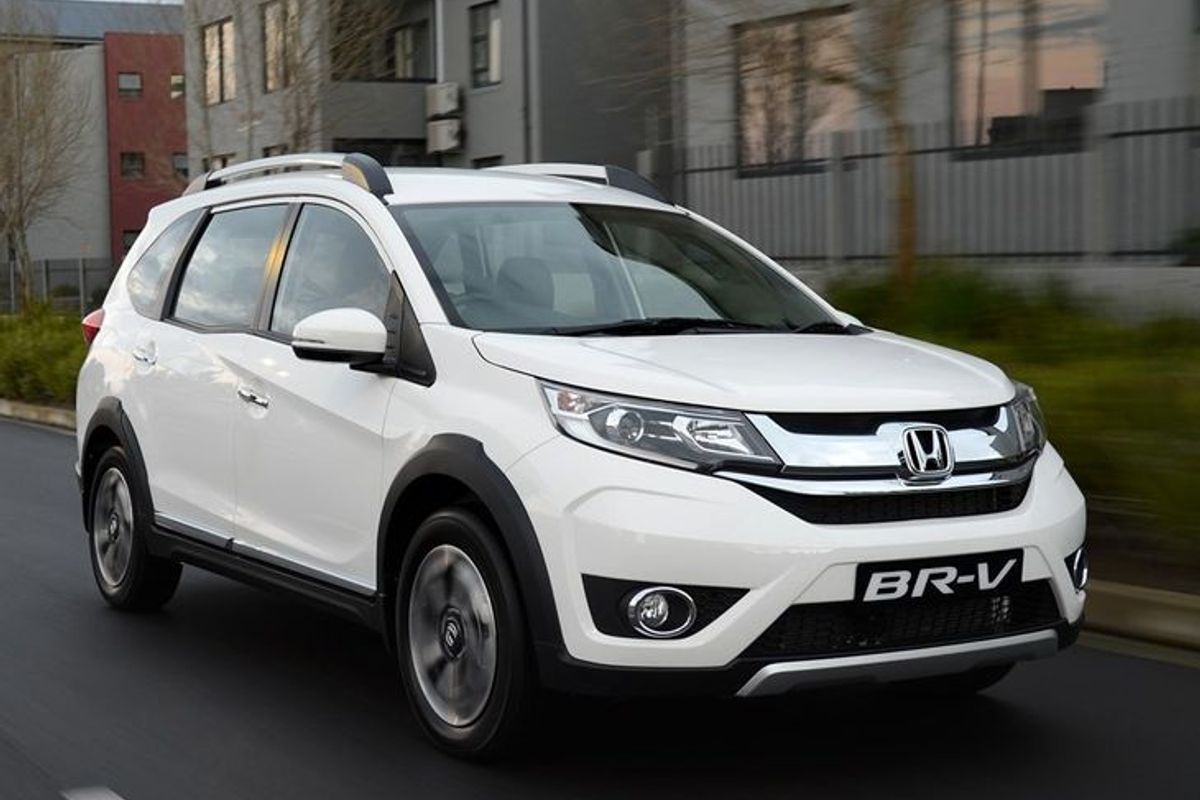
Honda has augmented its crossover/SUV line-up in South Africa with the introduction of the BR-V. Here are specifications and pricing for the newcomer…
With more consumers opting for SUVs and crossovers to meet their familial needs, a flurry of new products are on offer and Honda has now expanded its SUV offering with the launch of its BR-V. Until now, Honda has offered the larger CR-V and the mid-size HR-V in South Africa and the BR-V will now slot in below the HR-V, offering seating for up to 7 passengers. The BR-V is built on the same platform as the Mobilio MPV and Brio hatchback.
Exterior & interior styling
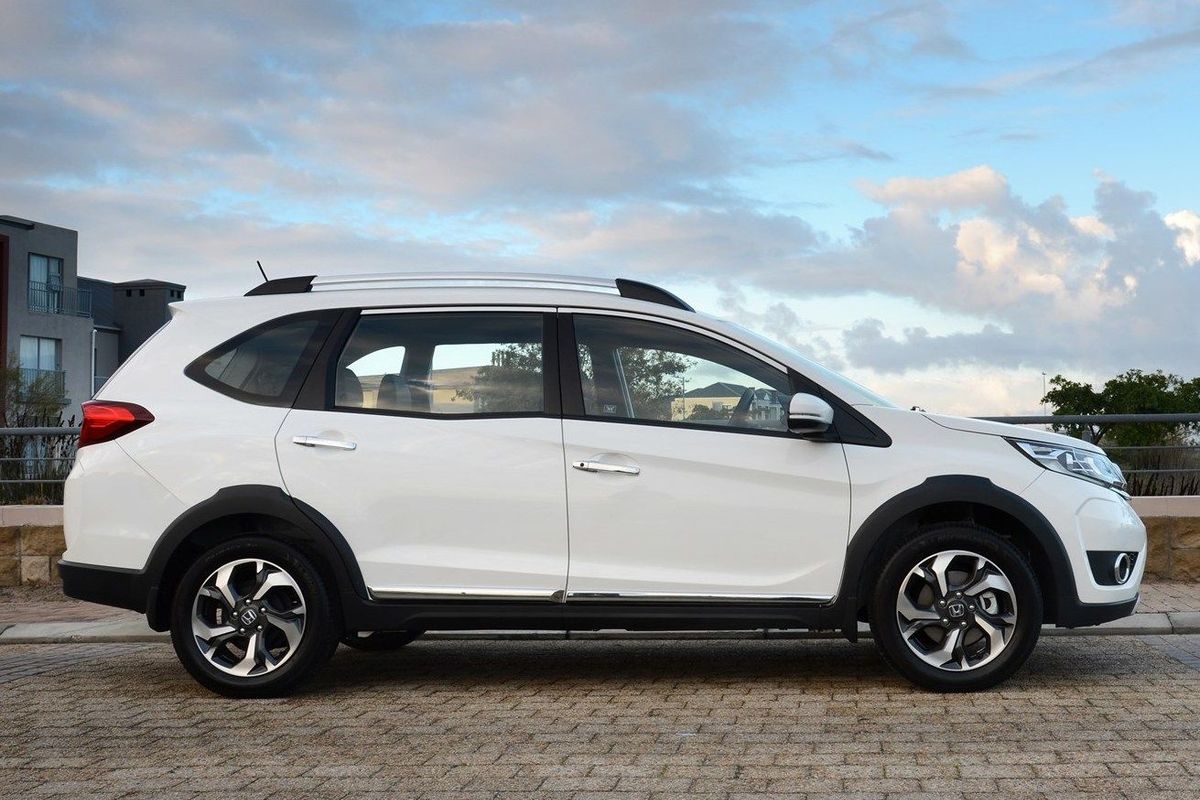
The exterior styling of the new BR-V includes Honda’s familiar chrome cross bar on the nose, accompanied by sleek-looking headlights. Being a small SUV, the BR-V features a raised ride height as well as front and rear bumper trim for added ruggedness. The BR-V is fitted with roof rails and 16-inch wheels are standard.
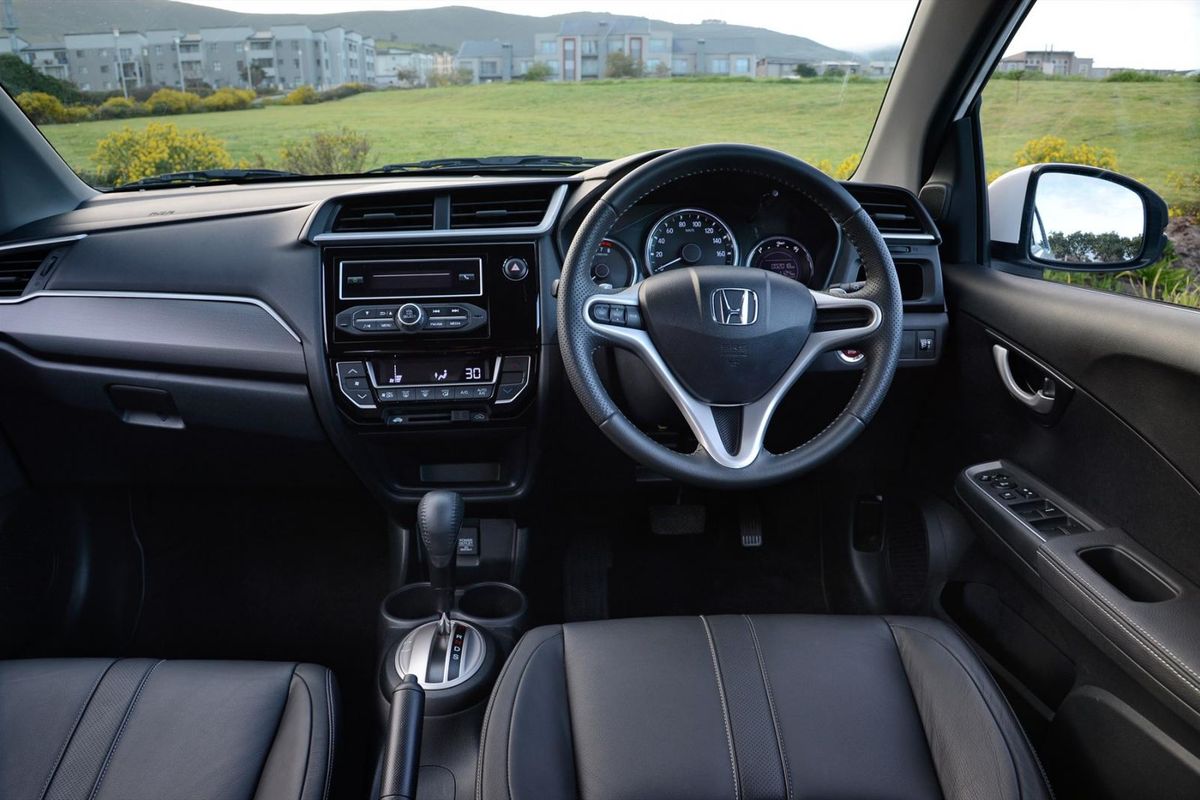
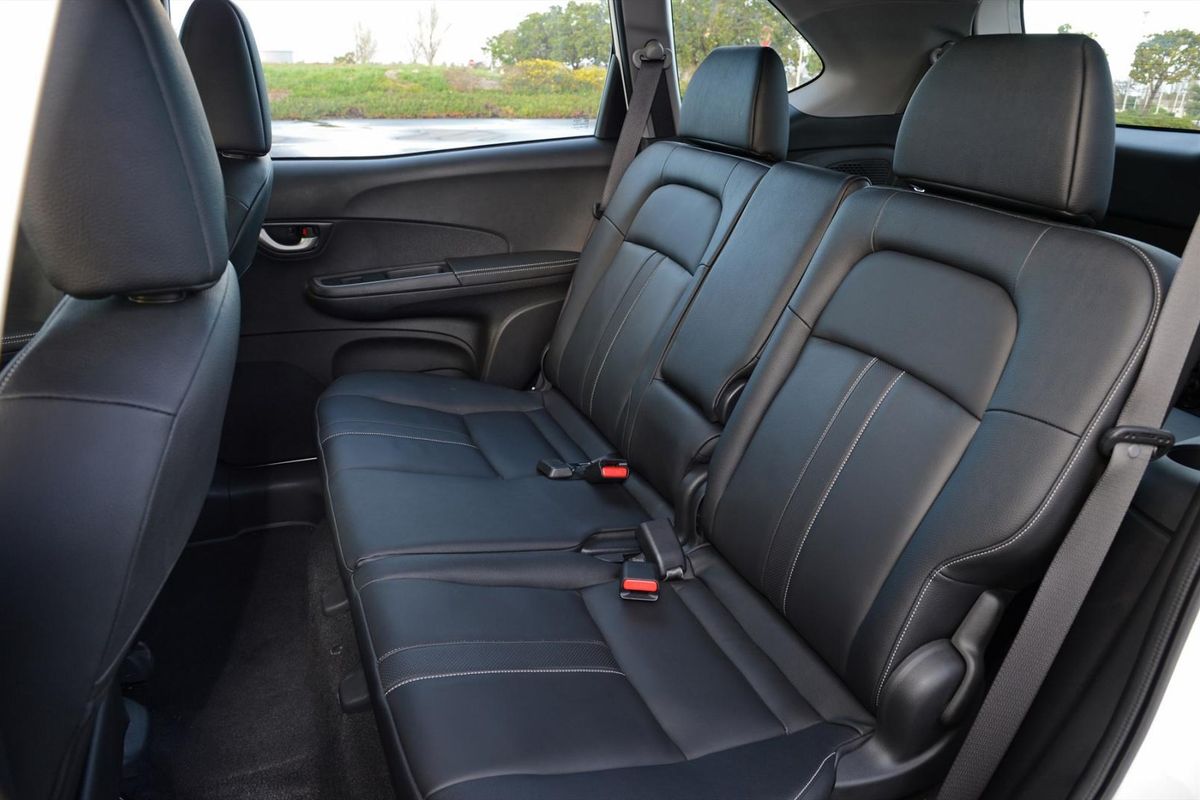
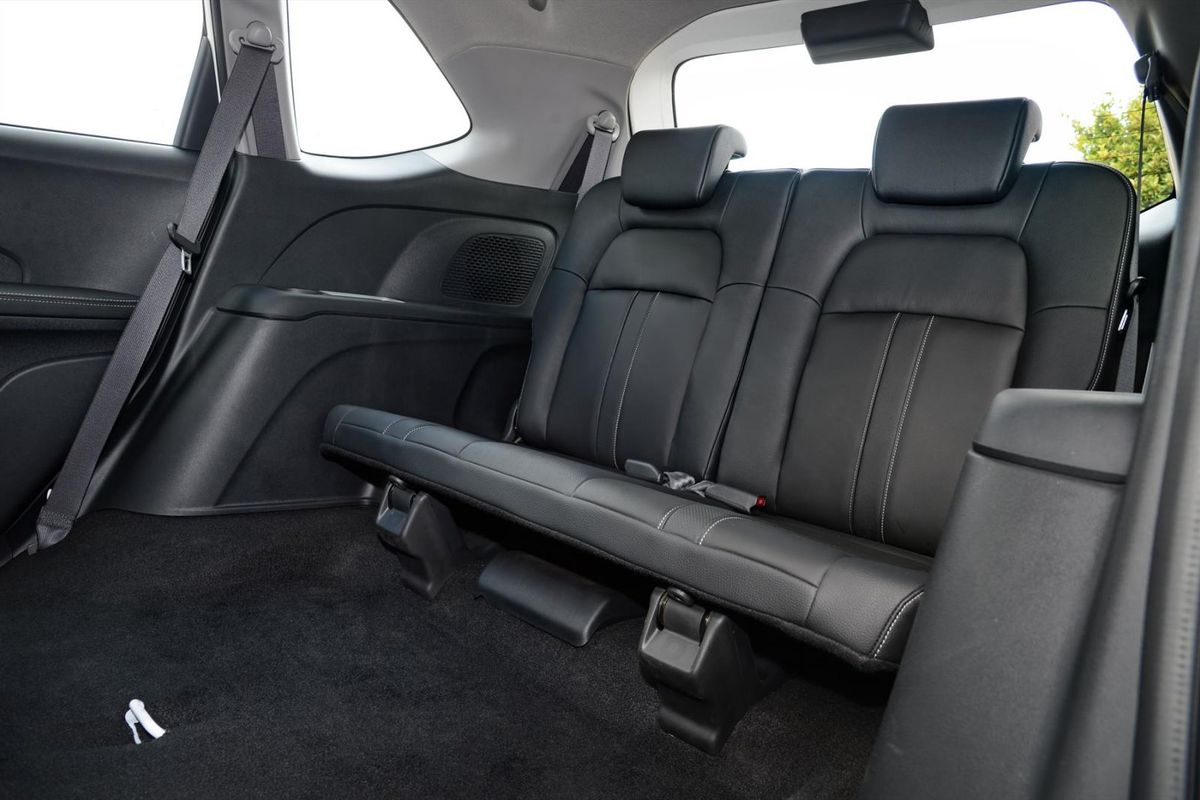
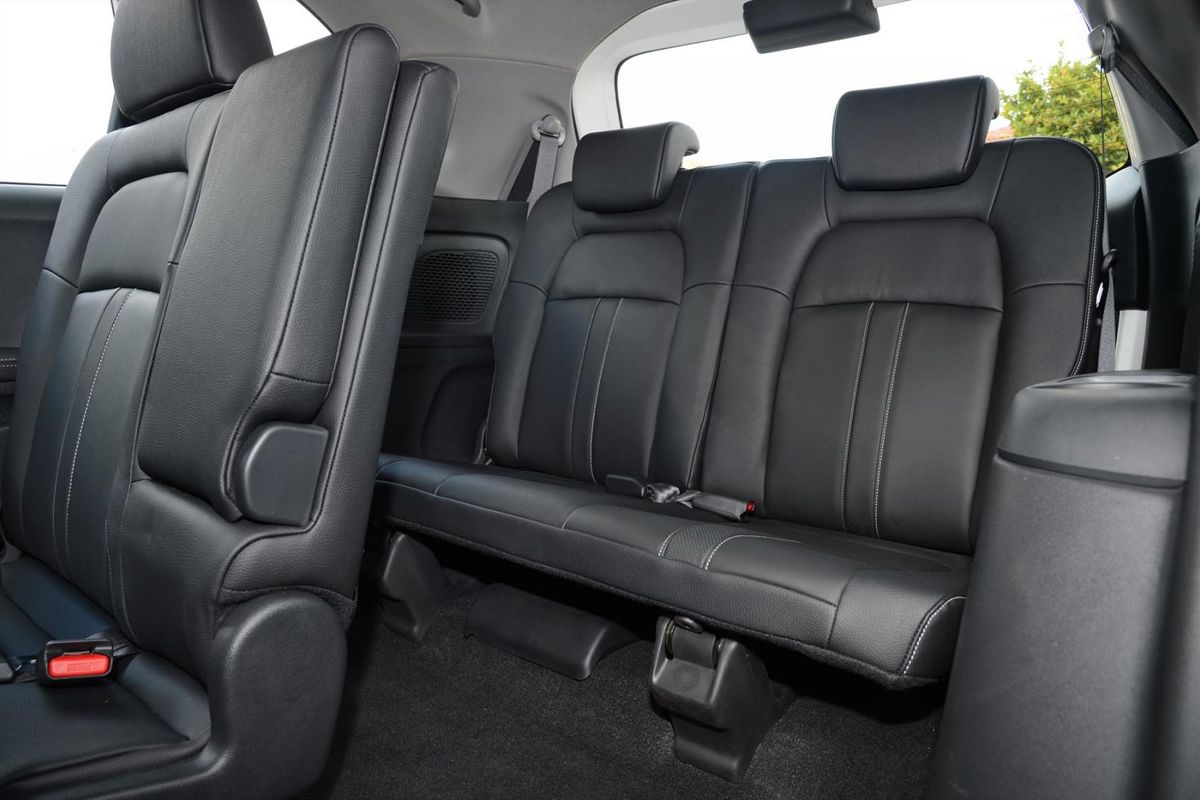
On the inside, the BR-V features a third row of seating that takes the maximum passenger capacity up to seven. Access is made easy with split seats that can be tumbled at the pull of a lever. Buyers can configure seating positions according to their passenger and luggage requirements and the BR-V is offered with three trim levels to choose from including Trend, Comfort and Elegance.
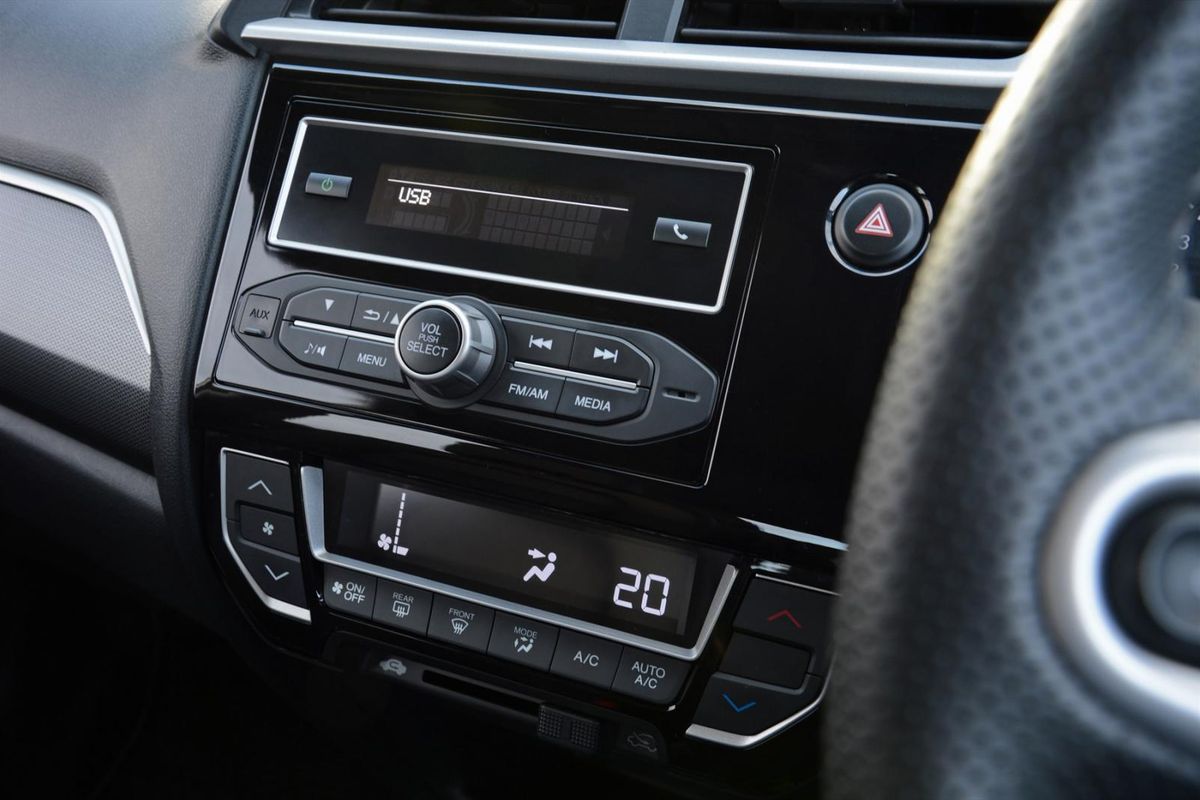
The BR-V in Trend trim offers air-conditioning, front and rear electric windows, keyless entry, four-speaker sound system, USB port and Bluetooth as standard.
The BR-V compact SUV is available in four colours including White Orchid, Urban Titanium, Alabaster Silver and Carnelian Red.
Engine Power
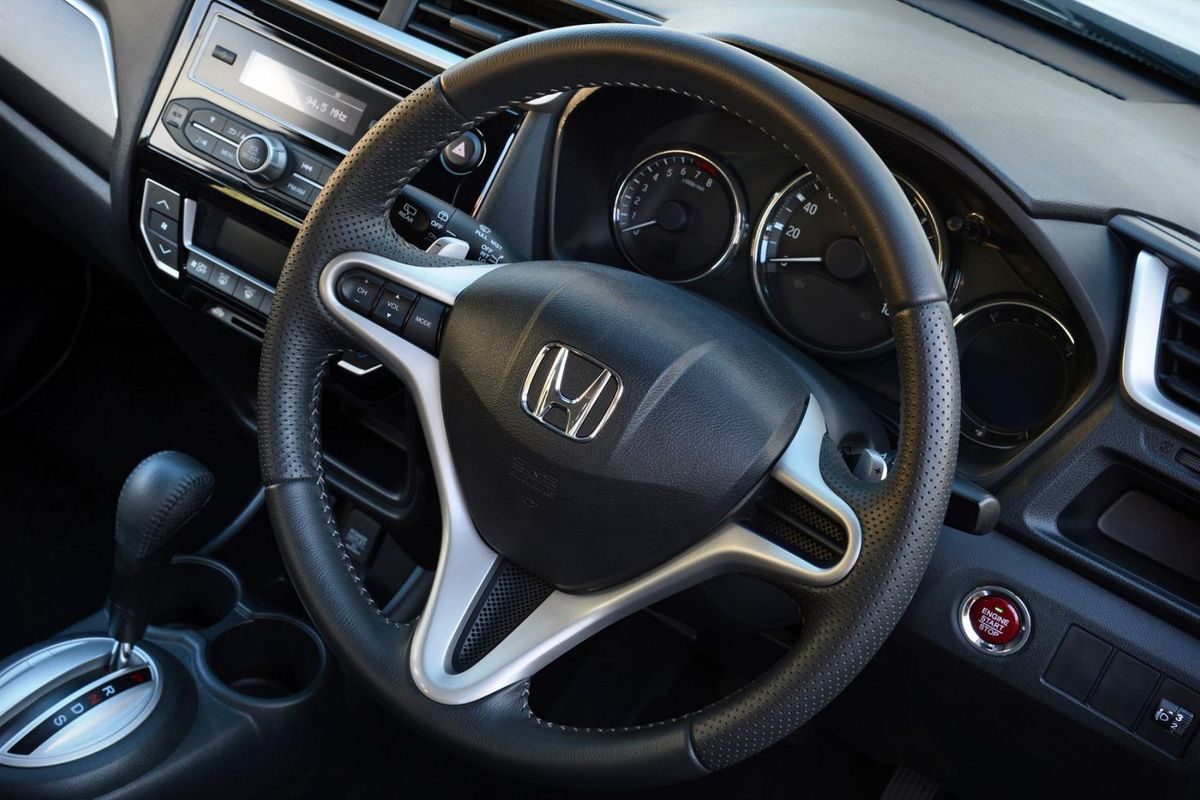
All BR-V derivatives are powered by the same four-cylinder 1.5-litre engine with 88 kW and 145 Nm of torque on offer. In terms of transmissions, buyers can choose between a 6-speed manual gearbox or opt for the Continuously Variable Transmission (CVT). The CVT comes with steering-mounted shift paddles, allowing the driver to manipulate the CVT’s ratios.
Safety features for the BR-V include ABS and dual front airbags.
Look out for our Honda BR-V first drive report coming your way this week!
Pricing includes a 5-year/200 000 km warranty and 3-year Roadside Assistance. Comfort and Elegance models benefit from a 2-year/30 000 km service plan with services set at 15 000 km.
The new performance version of the Volvo S60 is now available in South Africa. We quite enjoyed the first-generation Polestar and much is expected of its smaller-engined successor. So, is it any good? We take the rapid Swede for a drive.
We like: Downsized engine delivers tremendous punch, easy to drive, looks the part, boasts respectable practicality and refinement.
We don’t like: We miss the old 3.0-litre 6-pot's noise, 8-speed ‘box is not as quick-shifting as modern twin-clutch units, S60 is showing its age
Alternatives
The S60 Polestar rivals products made by the German performance divisions, but at this price point there aren’t any M, AMG or RS sedans to choose from.
Something fast, but mainstream: The BMW 340i is the complete package. It’s fast, yet overwhelmingly competent in many departments.
Minus two doors, but stillturbo’d and all-wheel drive: The Audi TTS comes close to the performance nature of the Volvo S60 Polestar, but at the cost of a pair of doors. An S4 version of the A4 sedan is in the pipeline, however.
Fast and vociferous: Subaru has been at the 4-door, 4-wheel drive game for many a year and the latest Subaru WRX STI Premium is still a formidably quick machine. However, it appeals to a more "hardcore" clientele than the S60 Polestar.
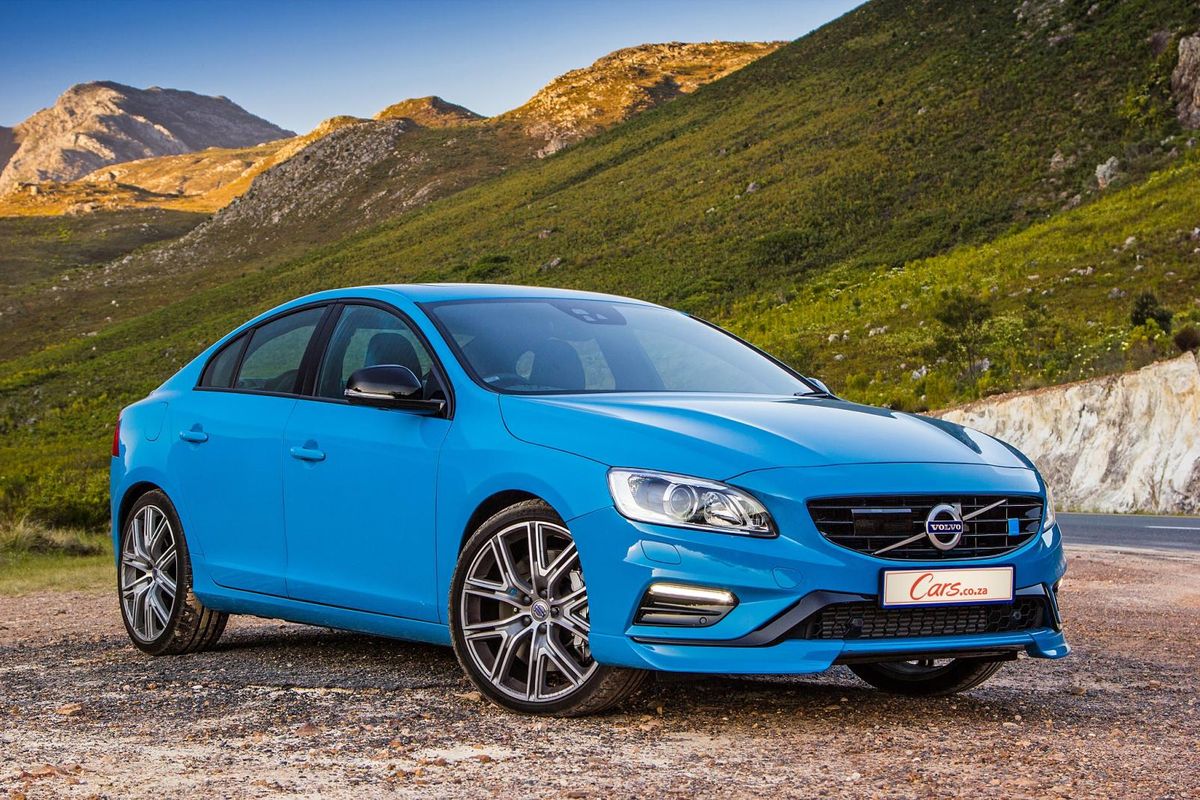
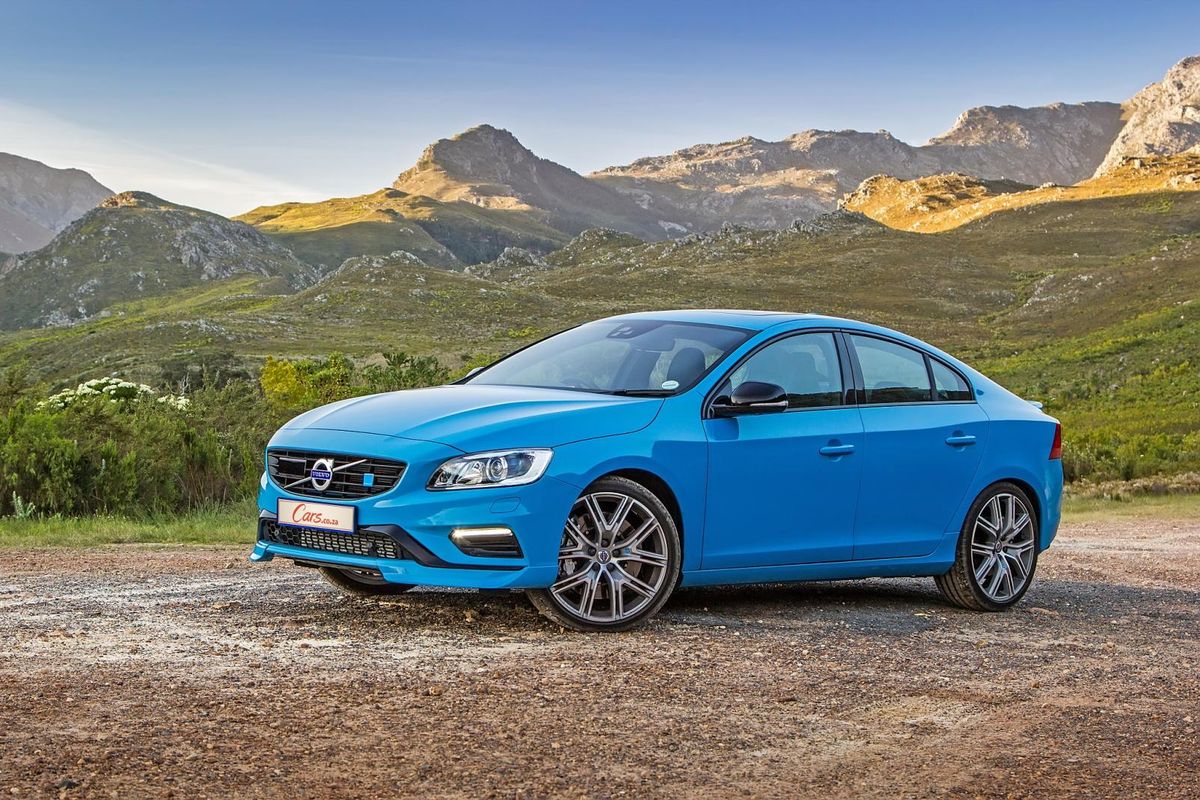
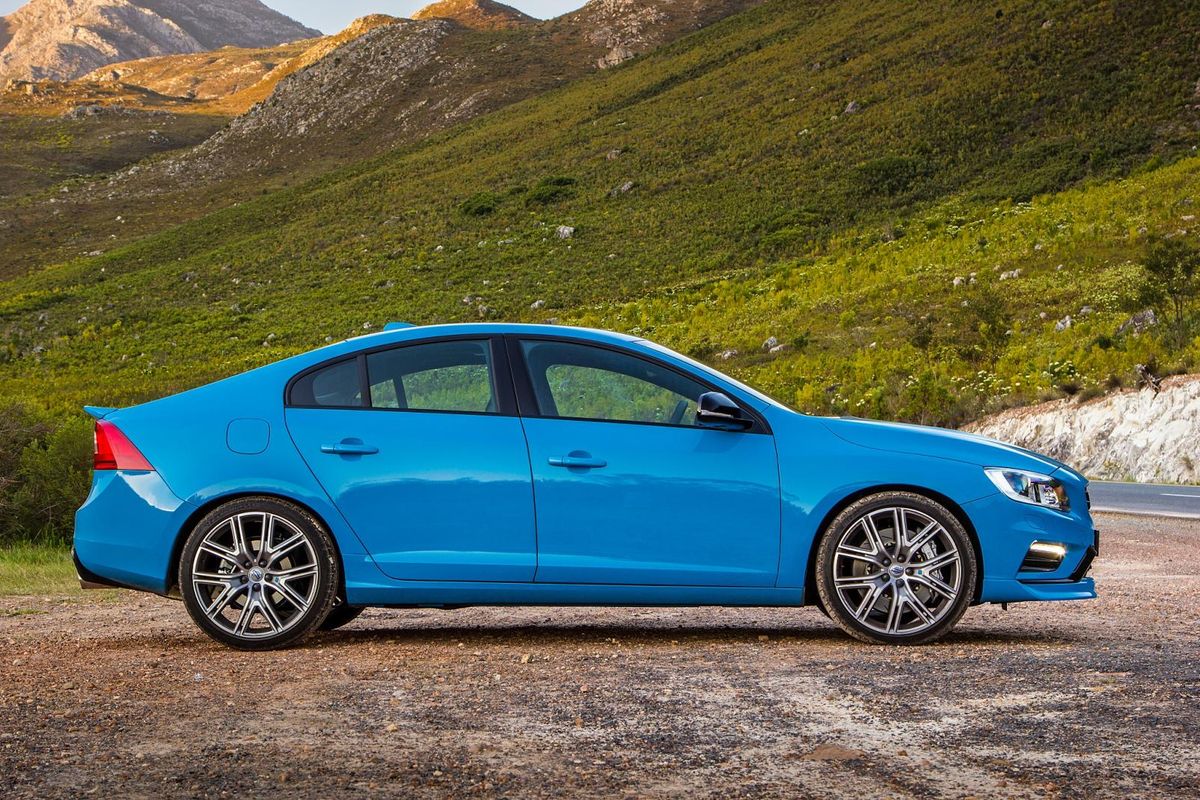
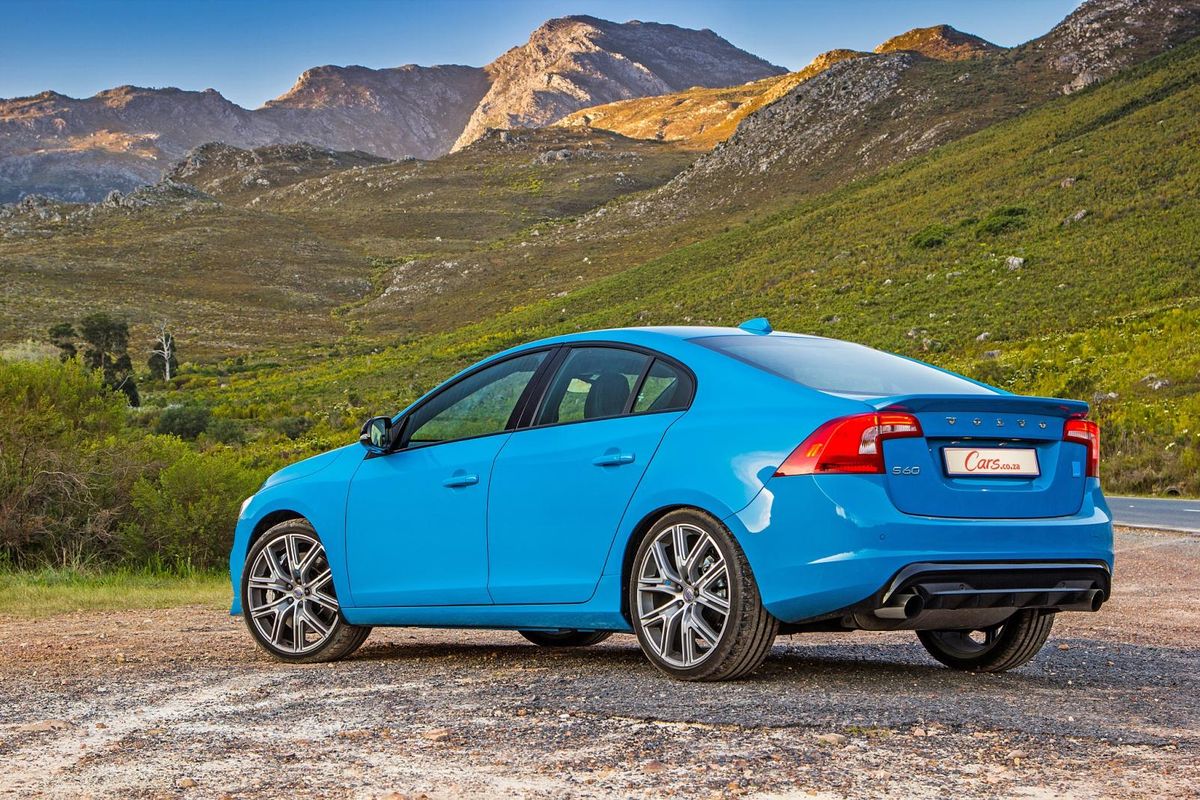
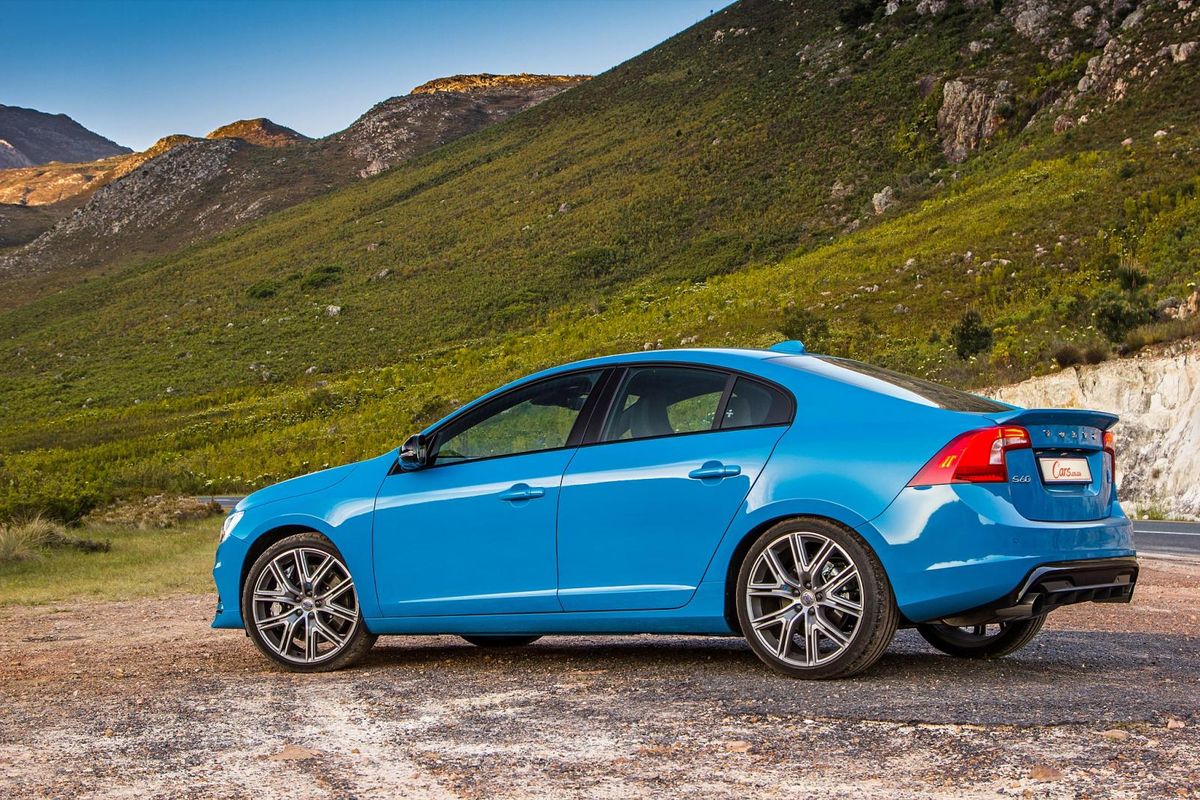
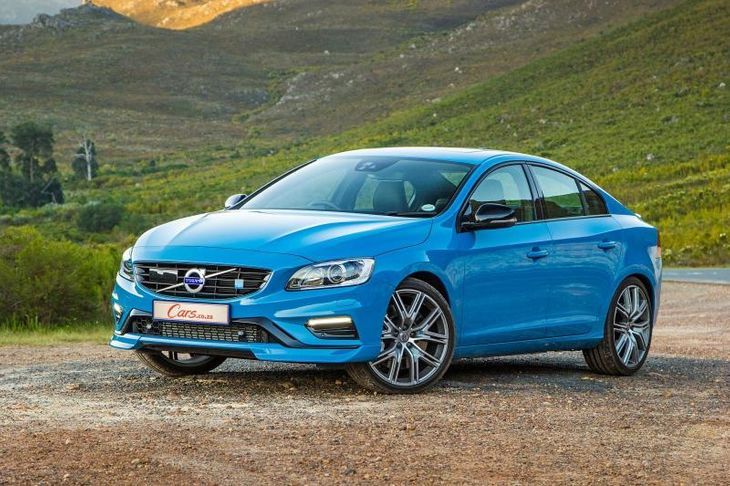
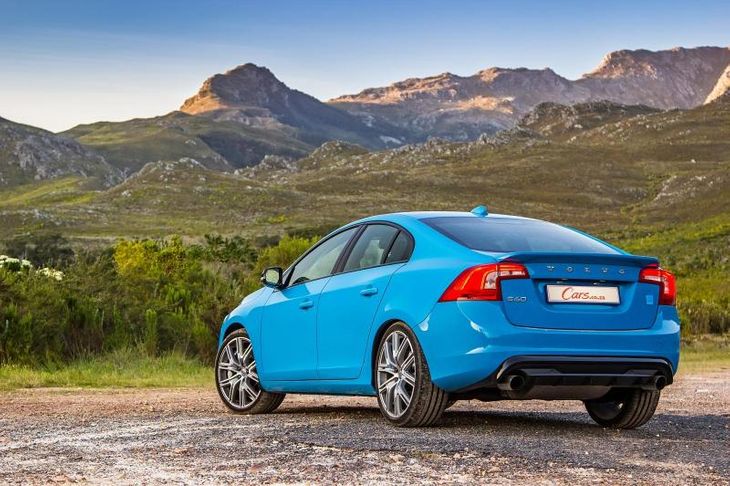
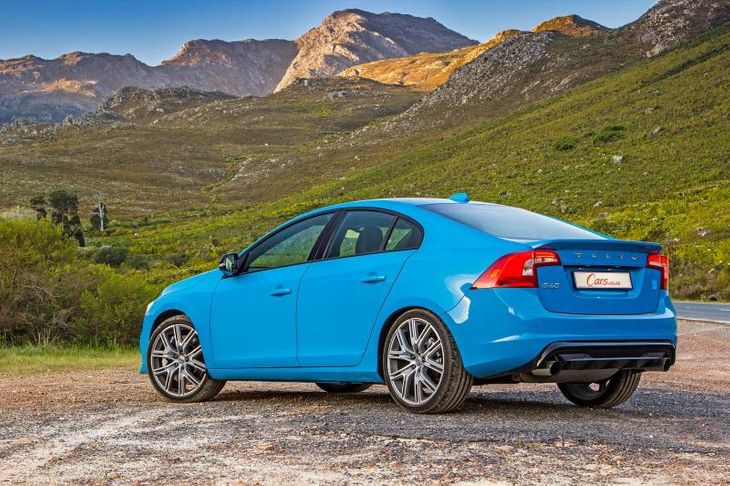
With more Polestar badges than we could count, Rebel Blue Paint and big wheels, the S60 Polestar is unmissable
Herewith a brief history lesson. Volvo Motor Cars made an outright purchase of the Polestar Cyan Racing (which spearheads the Swedish marque's touring car exploits) and the expertise the team gained over the years was transferred to Volvo HQ. The idea is simple, take a standard S60 sedan, bolt on some performance parts, add a splash of vivid blue paint, as well as some Polestar badges and you land up with a performance product that is the poster child for Volvo's new division. It’s a crudely simplified tale; we don't mean to mock the tremendous work undertaken by Polestar to make the S60 the machine it is.
We’ve come to expect Volvo to continue being one of the leaders in the field of safety and we admire the Gothenburg-based firm's determination to keep people (drivers, passengers and pedestrians) safe on the roads, but what is this Polestar business? This is a new and very much welcome direction for Volvo and given how popular Audi’s Quattro, Mercedes’ AMG and BMW’s M divisions are, it makes perfect sense to target those brands' customer bases.
We’ve already had some experience with Polestar. Some of the team drove the Polestar-fettled C30 hatchback and we all had a go in the 2015 S60 Polestar sedan. Now the S60 Polestar has been updated and features numerous changes in the 2016 model.
How does it fare in terms of…
Performance?
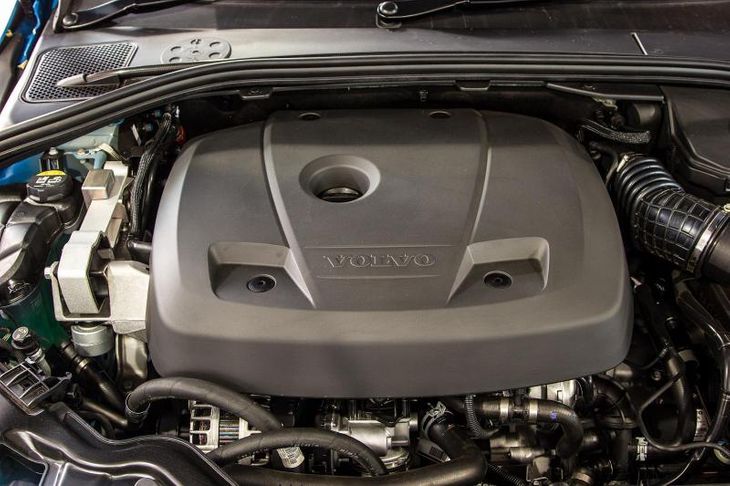
2.0-litre turbocharged and supercharged engine produces excellent power and still happens to sound fruity
The previous-generation S60 Polestar’s motor was, for the lack of a better description, a guilty pleasure – the motor delivered 258 kW of 3.0-litre inline-six goodness courtesy of a big turbocharger. It made a wonderful and soulful noise, which dramatically increased in decibels when you stomped the accelerator while the car was in Sport mode. This new model does away with the six-pot and utilises a 4 cylinder motor instead. The new 2.0-litre Drive-E engine sounds like something from an eco-biased car, but the good people of Polestar have done substantial work to ensure the go matches the show.
This particular engine features turbocharging and supercharging; an engineering feat that attempts to negate the effects of turbo lag. Some would suggest that turbo lag was invented to give naturally-aspirated motors a chance, but if that’s the case, this new-generation motor annihilates them in terms of responsiveness. Polestar has imbued this engine with goodness in the form of a bigger turbocharger, improved intake system as well as a bigger exhaust. It all translates into big numbers for a 2.0-litre four-cylinder engine. How does 270 kW and 470 Nm grab you? That’s just 10 kW shy of AMG’s claim of most powerful production 2.0-litre engine (in the A45 and CLA 45)…
Interestingly, those outputs fare well compared to the previous model and Volvo claims its new Polestar will hit 100 kph from standstill in 4.7 seconds. After activating launch control, it shot out of the blocks, but didn’t feel that quick – we’d estimate it’ll dispatch the sprint in about 5.5 seconds in general conditions.
Acceleration sprints are just a tiny part of a performance vehicle’s repertoire and the S60 Polestar is not a one-trick pony. One of the other key changes is the transmission. The old 6-speed automatic has been replaced by a new 8-speed transmission with shift paddles. The steering and brakes have also been revised and you’ll appreciate how well the Polestar turns in. You can even adjust the weighting of the steering, which should please driving enthusiasts.
Ride and handling?
Franschhoek Pass + Volvo S60 Polestar = Fun with a capital F.
As a source of daily transport, the S60 Polestar is composed. The ride quality is firm, but not bone-jarringly hard, the throttle response lively, but not hypersensitive, and the transmission shifts prudently in Normal driving mode. The real test, however, awaited in the mountains and we took the S60 Polestar out to the Franschhoek Pass – a ribbon of road well frequented by performance machines – where we engaged Sport mode and unleashed the Volvo…
First thought? The brakes are very potent and inspire you to lean on the anchors. Second thought? The chassis and steering are tuned for the average driver. This is a vehicle that is satisfying to drive at a moderately brisk pace; it looks fast, feels fast and you're thoroughly entertained without needing to achieve breakneck speeds. It’s one of those rare vehicles that will encourage and flatter the novice, while impressing those familiar with performance driving.
The marketing material for the newcomer makes excessive mention of racing heritage and Volvo’s own racing drivers are said to have a hand in its development. "Racing people" prioritse hard suspension and stiff chassis setups and, yes, the 60 Polestar has those, but they’re not harsh enough to make you feel any discomfort. At one point, we had 3 passengers on board and all commented on how comfortable the S60 Polestar was on the open road.
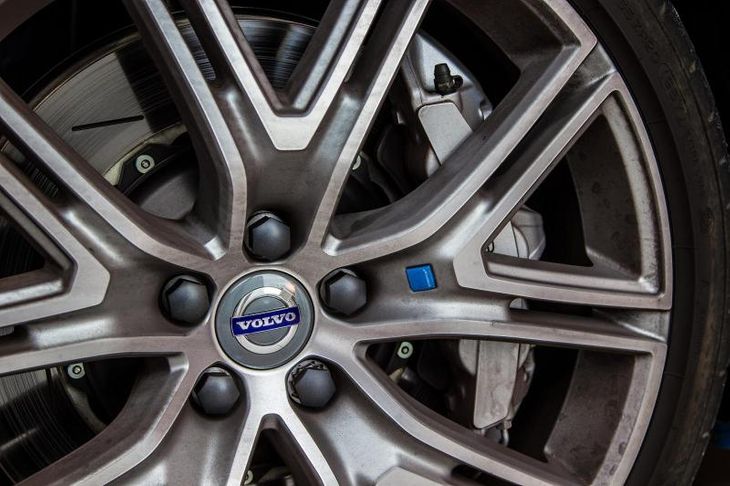
New alloy wheels and big brakes can be found in the Volvo S60 Polestar. Braking power is excellent
The key thing is here is to utilise the S60 Polestar's Sport mode. The vehicle has enough on-demand grunt when in Normal mode, but to get the best out of the Polestar, you’ll need to flick the transmission level to the left (when in Drive) to engage Sport, when then the car instantly becomes livelier/far more responsive. Furthermore, the noise emanating from the exhausts is a lot more pronounced and if you’re listening carefully during hard acceleration, the whine of the supercharger and whistle of the turbocharger are distinct. Change gears with the paddles and lovely dull artillery-like thuds can be heard.
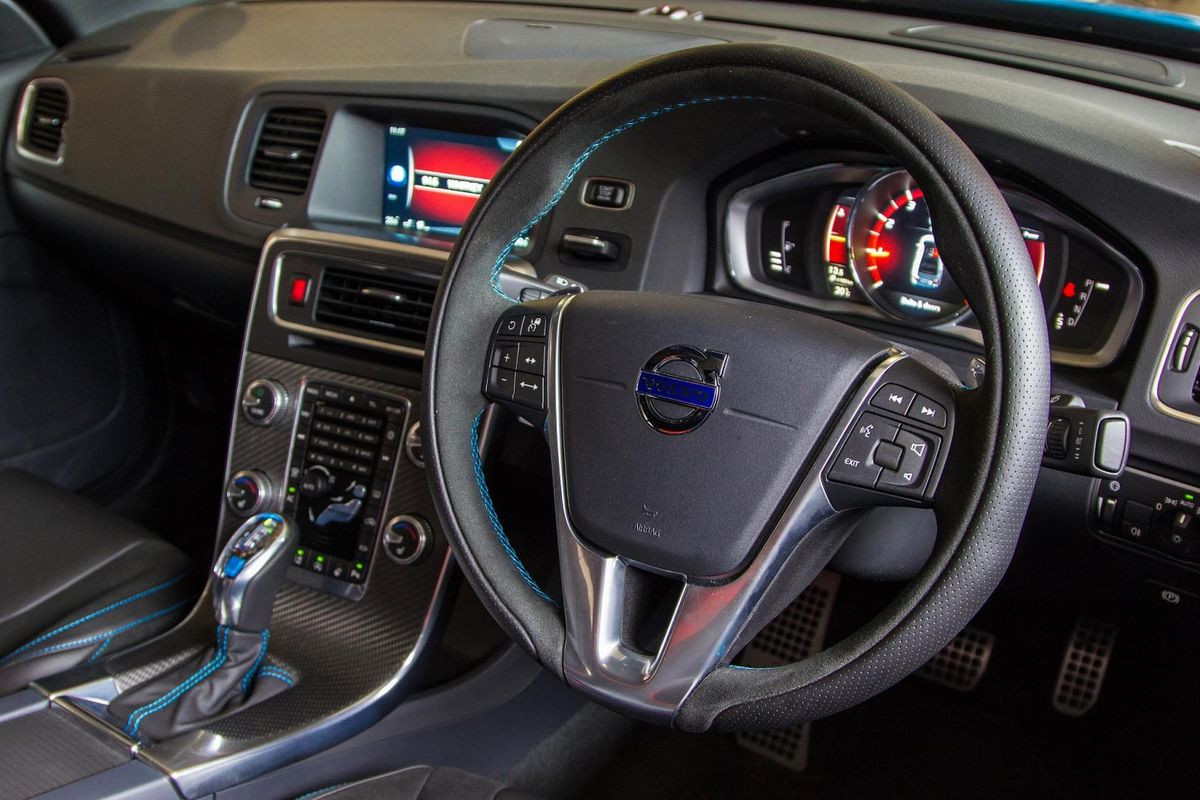
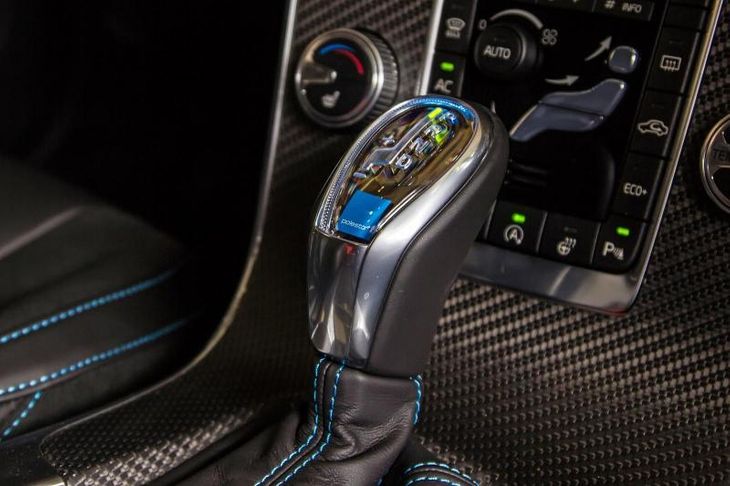
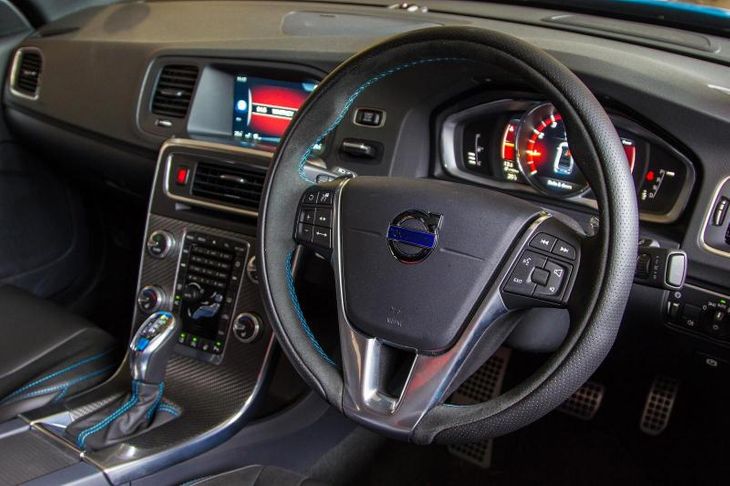
Polestar badging and blue stitching are striking, but there's no hiding the aged S60 cabin and dashboard
Features?
Volvo has done a stellar job with its S60 Polestar in terms of packaging and features. Some highlights include heated sports seats for all four passengers, a heated steering wheel for those cold winter mornings, satellite navigation, Harmon Kardon audio system and adaptive cruise control.
The safety aspect of the Volvo has not been ignored either. The derivative features 6 airbags and most of the brand's safety system acronyms than you can think of. Blind spot information system and Cross traffic alert are 2 features that we really appreciated.
The cabin is a tidy place to be. While the dashboard and infotainment cluster is clearly from the long-serving S60, there are some sporting touches in the form of blue stitching and Alcantara. The boot is generously sized and will take a fair amount of cargo.
The interior is a nice place to be with a focus on safety and comfort. Heated seats all round and a heated steering wheel will be ace in Winter.
Verdict
The newer Volvo S60 Polestar makes an interesting case for itself. While the South African market is limited to just 45 examples, there’s something so exotic and desirable about a fast Volvo – an enthusiast who manages to bag one will not be dissatisfied. Volvo is one of those brands that isn’t actively trying to snaffle its rivals' customers. Sure, the Polestar has enough going for it to entice them, but most clients will be from a pool of existing Volvo owners.
The Volvo S60 Polestar is refreshingly different and the Swedes are to be applauded for making something which offers performance and sensibility in one well-rounded package. At R749 500 and with these low volumes, the Volvo S60 Polestar is never going to trouble the likes of BMW, Audi or Mercedes-Benz. It’s a great platform from which to build the performance arm of Volvo and if the on-track successes of Polestar Cyan Racing are anything to go by, we’re going to be seeing some seriously fast and entertaining Polestars in the coming years. Just do us all a favour and make sure you get a blue one, okay?