The Cars.co.za Ownership Satisfaction Survey, in partnership with leading data specialists, Lightstone Consumer, forms an integral part of the awards programme, with the survey accounting for 50% of the final result in each category. The brand-specific data incorporates feedback from thousands of South African new vehicle owners, based on their experiences of their vehicles (must be less than five years old and serviced through franchised outlets).
The Fun Car category recognises vehicles that exhibit exceptional performance and handling capabilities. More than this, to be eligible for consideration, cars in this category need to offer a complete package, combining thrills and aesthetic appeal, leaving the die-hard enthusiast smiling after every drive. The price cap for the Fun Car category is R600 000 and the pillars of success in this category include drivetrain engagement, handling, sensory appeal and standard features.
The semi-finalists in the Fun Car category of the Cars.co.za Consumer Awards – powered by WesBank are as follows (in no particular order):
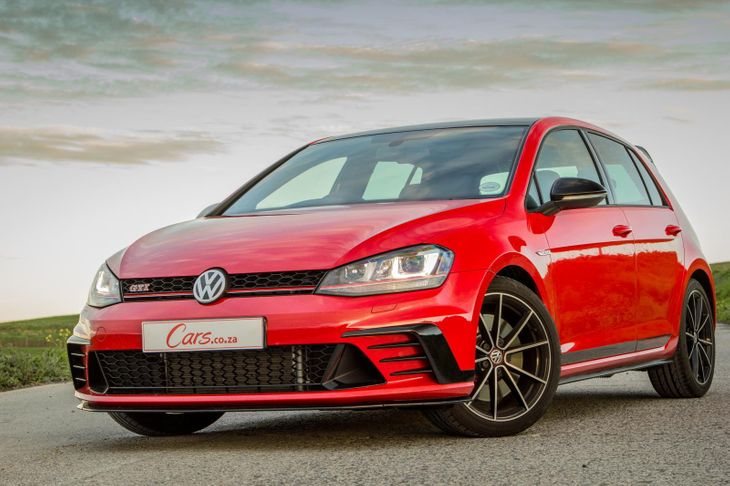
Volkswagen Golf GTI Clubsport
The recently launched Volkswagen Golf GTI Clubsport celebrates 40 years of the GTI and offers higher levels of performance and handling ability than the accomplished Golf GTI. Fun factor and thrills are delivered by the Clubsport’s turbocharged 2.0-litre engine with 195 kW and 350 Nm of torque on tap. But that’s not all, the Clubsport features an overboost function that increases power and torque even further to 213 kW and 380 Nm respectively. Using a six-speed DSG transmission, Volkswagen claims the GTI Clubsport will reach 100 kph from standstill in 5.9 seconds and a top speed of 249 kph.
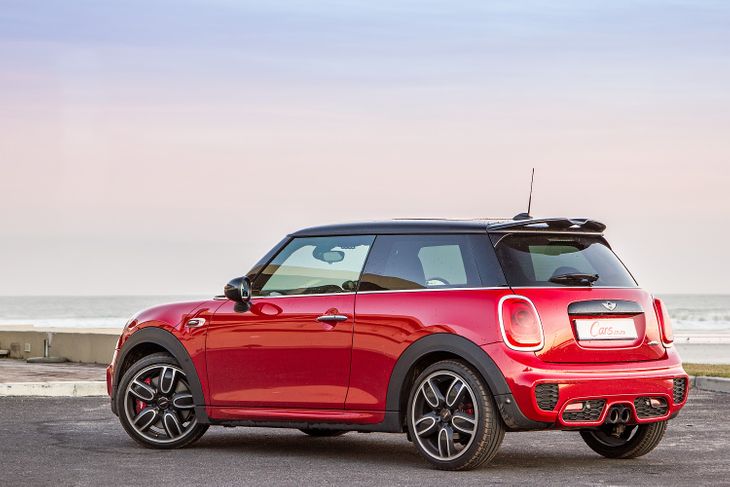
Think of the Mini John Cooper Works as a hardcore version of the already potent Mini Cooper S. This car is all about fun and with 170 kW and 320 Nm of torque on offer from its 2.0-litre turbopetrol engine, it’s ready to pounce at every opportunity. The Mini John Cooper Works lays its power down with a six-speed automatic transmission and according to Mini, is capable of accelerating from zero to 100 kph in 6.1 seconds and can reach a top speed of 240 kph.
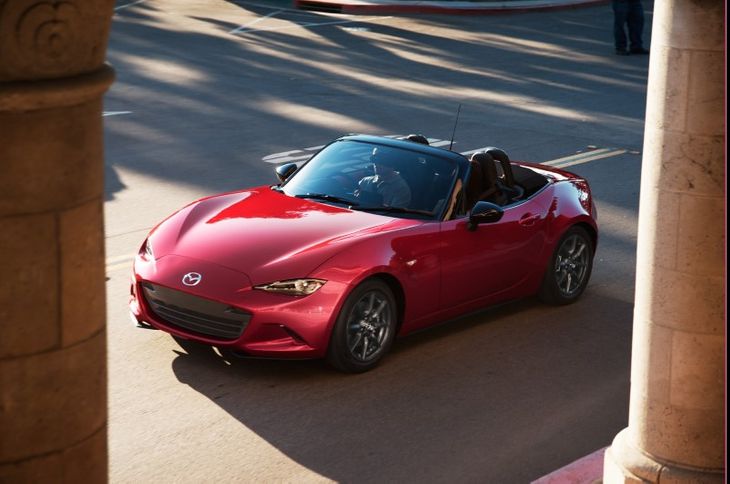
The latest Mazda MX-5 epitomises the spirit of what a small, compact roadster should be. The MX-5 bucks the turbocharging trend and rather provides its thrills with a naturally-aspirated 2.0-litre motor that offers 118 kW and 200 Nm of torque, but don’t let the numbers deceive you. The MX-5’s compact body and light weight translates into brisk performance that’s extracted using a short-shift six-speed manual gearbox. Mazda claims the MX-5 will accelerate to 100 kph in 7.3 seconds before reaching a top speed of 214 kph.
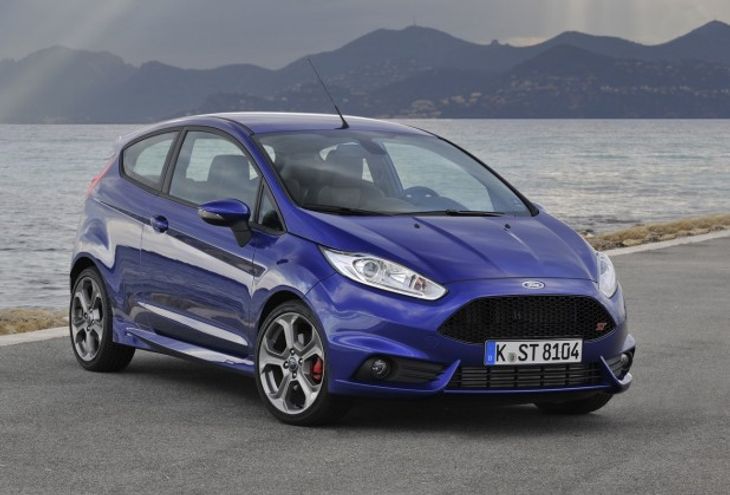
The Ford Fiesta ST is a popular choice among fun-seeking motorists and its size belies its performance capability. Fitted with a turbocharged 1.6-litre engine with 134 kW and 240 Nm of torque (290 Nm overboost), the Fiesta ST offers compelling performance. Using a slick six-speed manual transmission, the Fiesta ST is claimed to sprint to 100 kph in 6.1 seconds with a top speed of 220 kph.
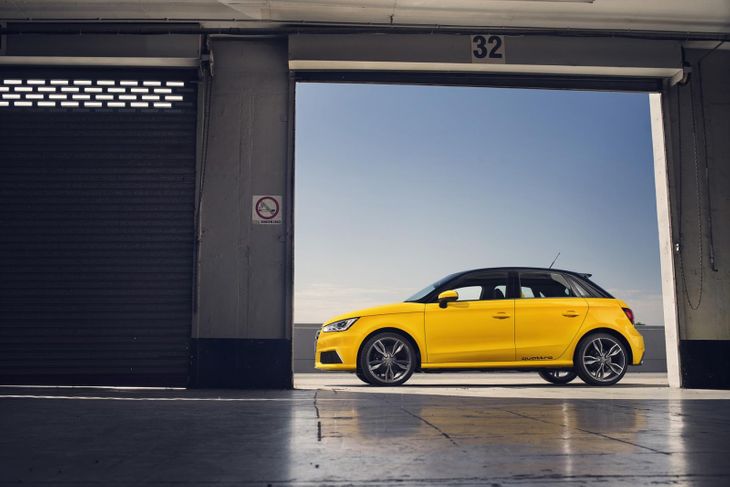
The Audi S1 Sportback quattro is a small car with a big heart and its all-wheel drive handling credentials makes it especially fun and entertaining to drive. Power in the S1 Sportback quattro comes courtesy of a turbocharged 2.0-litre engine that develops 170 kW and 370 Nm of torque. A smooth-shifting six-speed manual gearbox ensures a claimed zero to 100 kph sprint time of 5.9 seconds before topping out at 250 kph.
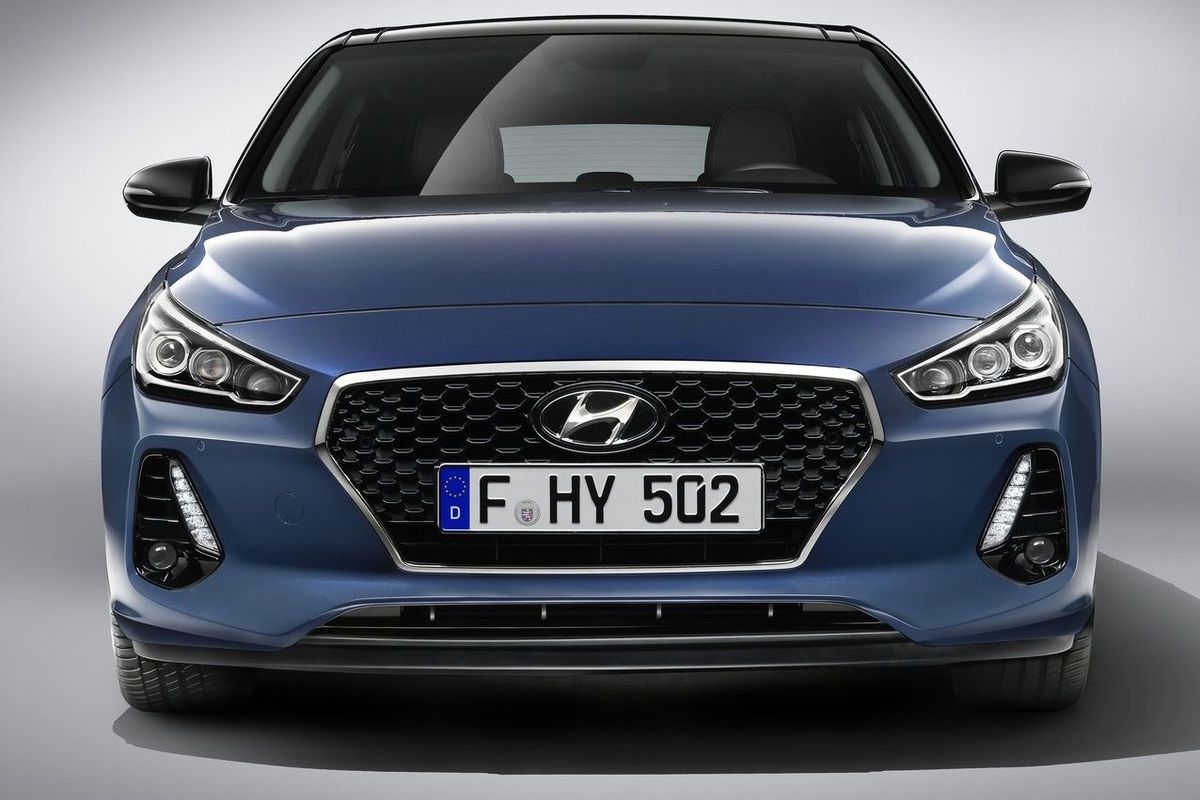
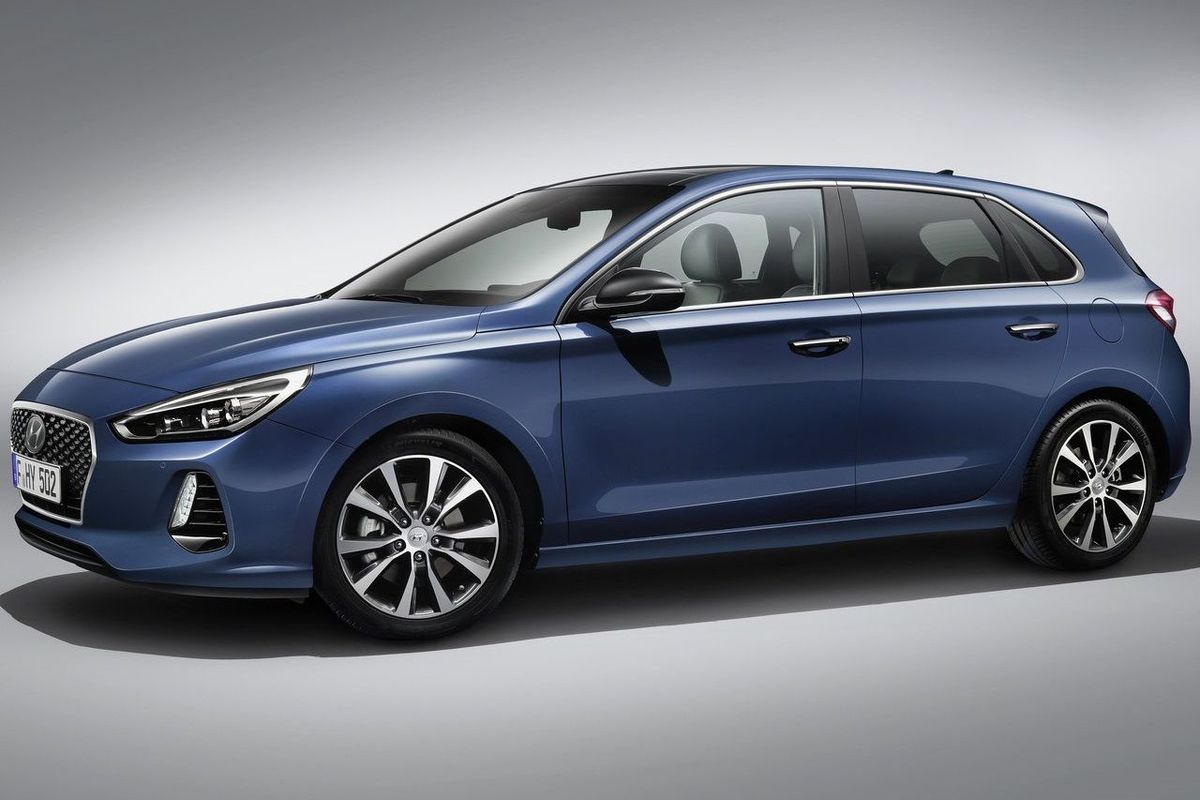
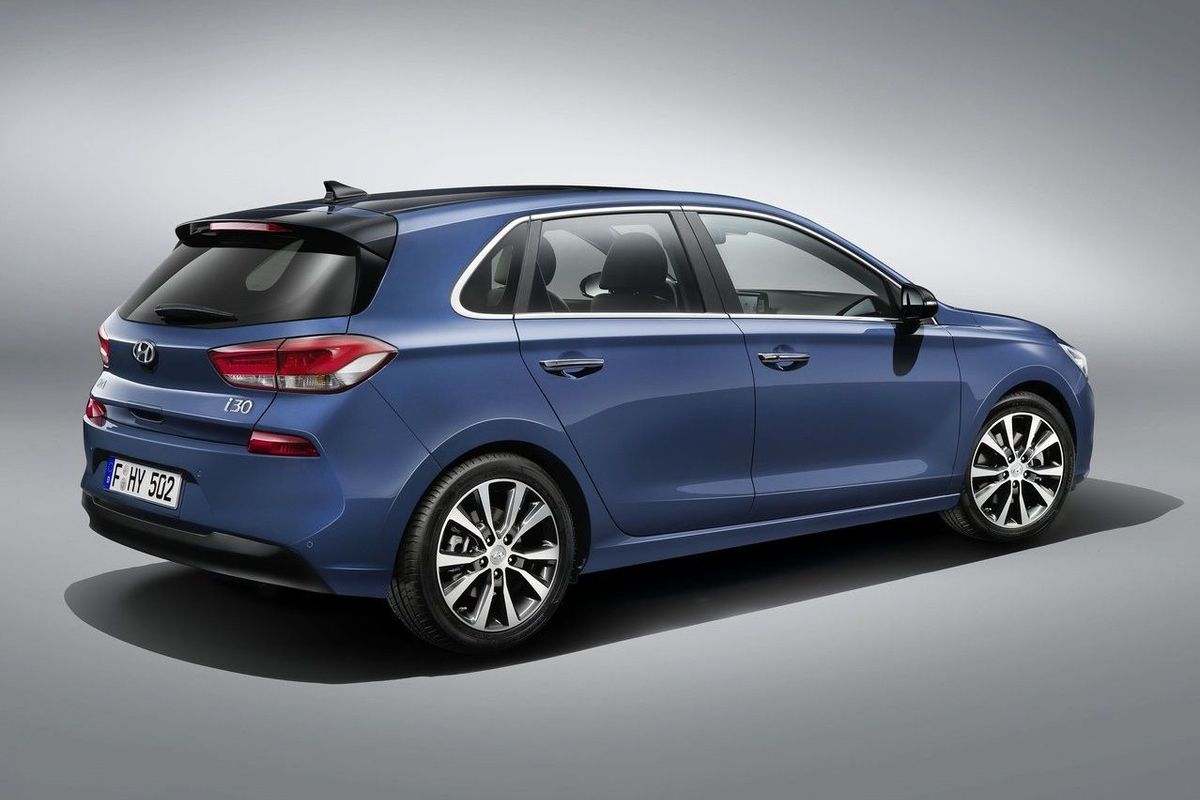
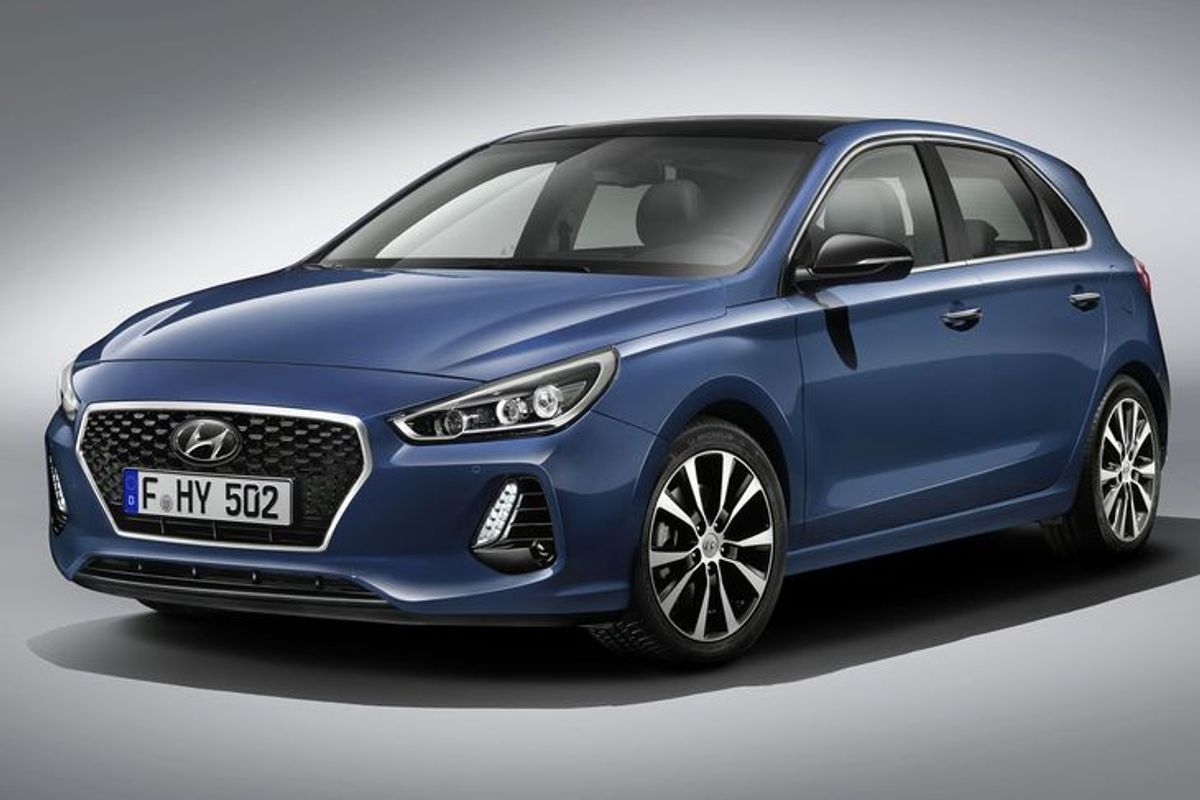
The next generation Hyundai i30 has been revealed and it's expected to arrive in South Africa in mid-2017.
The new Hyundai i30 has finally been officially revealed and will make its debut at the upcoming 2016 Paris Motor Show. The new i30 will be produced in South Korea and the Czech Republic and you can expect to see it in South Africa in the second quarter of 2017.
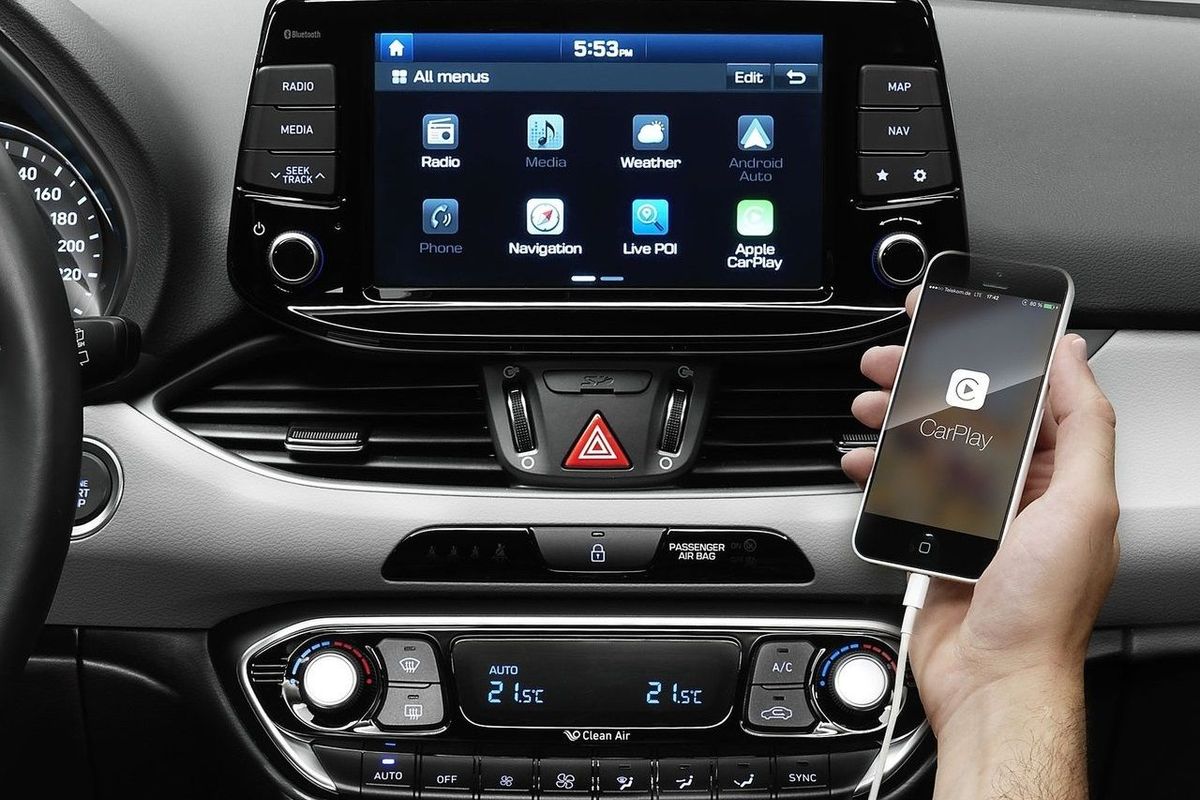
"We have listened closely to customer needs in redefining our offer to create a car for everyone. It's the new people's car: Accessible, appealing in design and great to drive," said Jochen Sengpiehl, vice president marketing at Hyundai Motor Europe. "With up-to-date infotainment and connectivity features we offer everything today's digital natives and modern customers expect."
The range will be comprehensive and Hyundai is claiming that its new i30 will spawn a family. We'd assume that would be estates, a sporty derivative as well as a crossover. Don't be surprised if a hybrid appears in the range either. In terms of engines, there will be turbodiesel and petrol engines to choose from.
There's an all-new 1.4-litre T-GDI turbo motor which has 103 kW and Hyundai has its own three-cylinder turbo unit which packs a healthy 88 kW. A naturally aspirated 1.4-litre engine with 73 kW is also available. For the turbodiesel fans, a 1.6-litre is available in three states of tune. You can choose a six-speed manual gearbox, or let the car shift for you with the seven-speed dual-clutch transmission.
The high-performance Hyundai i30 N is going into production in 2017 and will likely feature a turbocharged 2.0-litre petrol engine with expected outputs of no less than 194 kW and 300 Nm of torque. The i30 N will rival cars such as the Volkswagen Golf GTI, Ford Focus ST and Renault Megane RS.
We will keep you updated with further information as soon as it becomes available, stay tuned!
Foton Introduces Tunland Granite Special Edition in SA
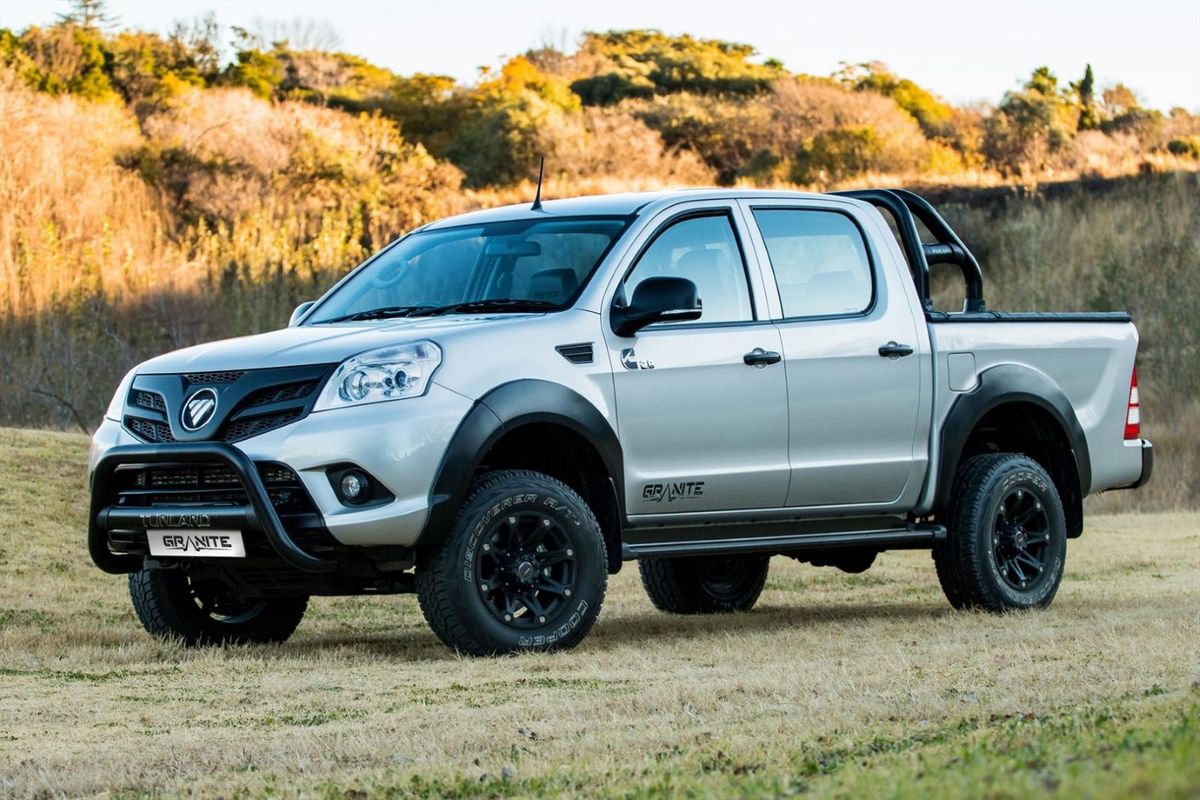
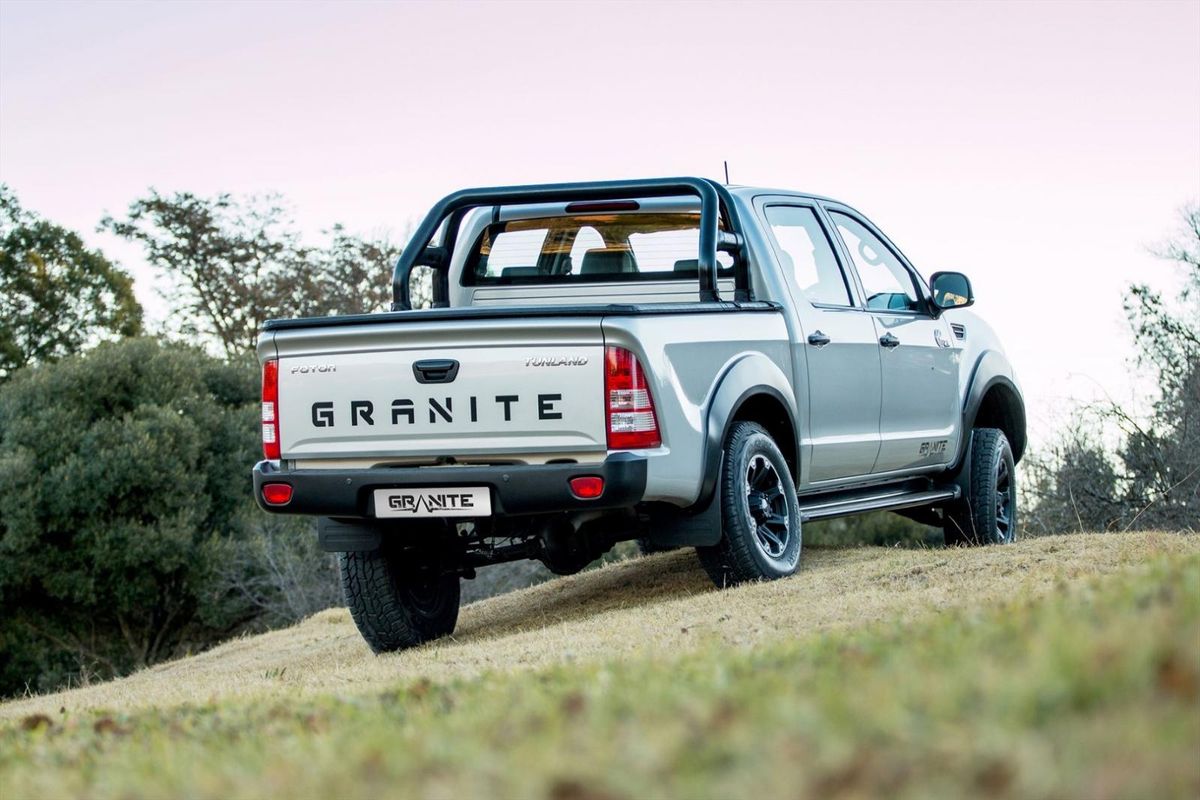
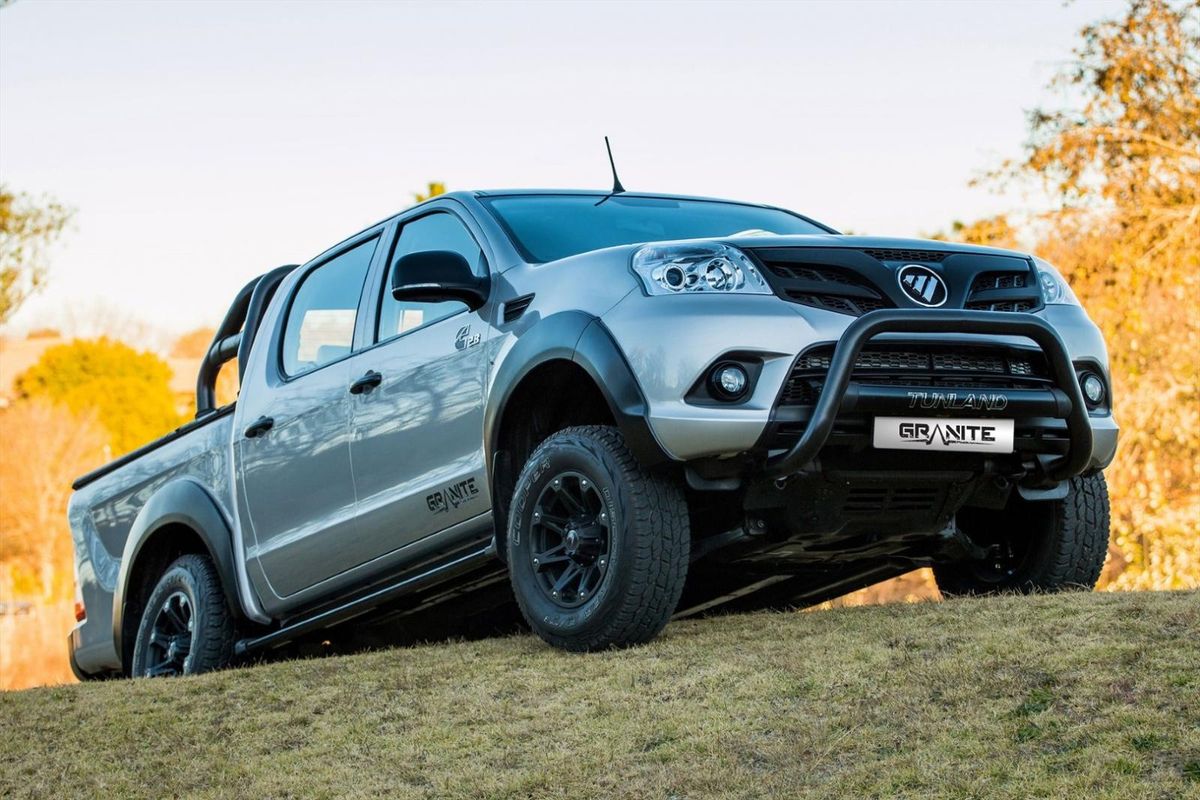
Foton has launched the Tunland Granite special edition in South Africa and it comes fitted with a number of additional styling accessories to broaden its appeal.
Double-cab bakkies are hugely popular in South Africa and Foton has introduced an accessorised version of its Tunland 4×2 Luxury double cab derivative. Foton has dubbed this special edition model the Granite and it’s fitted with an array of unique features to make it stand out on the road. Let’s take a closer look at the Tunland Granite special edition…
Key details
The Tunland Granite rides on black 16-inch Hazard alloy wheels, shod with Cooper all-terrain tyres. The look is complemented with a black nudge bar and roll-over bar, along with numerous black exterior finishes. The ‘Granite’ nomenclature is seen on the front headrests, at the bottom of the front doors and on the tailgate. The Tunland Granite can be had in either white or silver. Additional standard features include side steps and a tonneau cover.
The special edition Tunland Granite also boasts leather upholstery and features Bluetooth connectivity. Towing capacity is rated at 2.5 tonnes.
Engine Power
The Foton Tunland Granite is powered by a 2.8-litre turbodiesel engine offering 120 kW and 360 Nm of torque. Foton claims a fuel consumption figure of 8.3 L/100km for the Tunland Granite.
Foton Tunland Granite – Price in South Africa
Foton Tunland Granite – R329 995
The price includes a 5-year/150 000 km warranty, 2-year/40 000 km service plan and a 3-year corrosion warranty and roadside assistance.
Extended Test: Volvo V60 Cross Country D4 AWD (with video)
In South Africa, station wagons are seen to be a trifle "fuddy-duddy", and consequently sales of these stylish, practical vehicles are slow. So… what if you added some SUV appeal to an otherwise straightforward, albeit luxurious and powerful wagon? Volvo's V60 Cross Country is just such a vehicle and we spent 2 months getting to know it better.
Volvo V60 Cross Country D4 Inscription AWD – Quick Specs
Price: R545 006
Engine: 2.4-litre, 5-cylinder turbodiesel
Transmission: 6-speed automatic
Power: 140 kW
Torque: 420 Nm
Fuel Consumption: 5.7 L/100 km (claimed)
Load Bay Capacity: 430-690 L
To understand just how out of favour station wagons (or estates) are in South Africa, consider the sales figures thus far in 2016. At present, stations wagons account for roughly 50 units a month (across all brands). This number excludes "crossover" derivatives such as the V60 Cross Country tested here, as well as the Subaru Outback and Audi A4 Allroad. But guess what… collectively these 3 vehicles only add around 15 units a month to the total! In the same time period (first 7 months of the year), SUVs and their crossover spin-offs have accounted for around 7 000 sales in South Africa.
So why do Volvo persist with a vehicle such as the V60 Cross Country? What makes it worth considering? And should buyers give the station wagon another chance? We spent two months living with the V60 Cross Country D4 Inscription AWD to find out.
Good Looks and Exclusivity
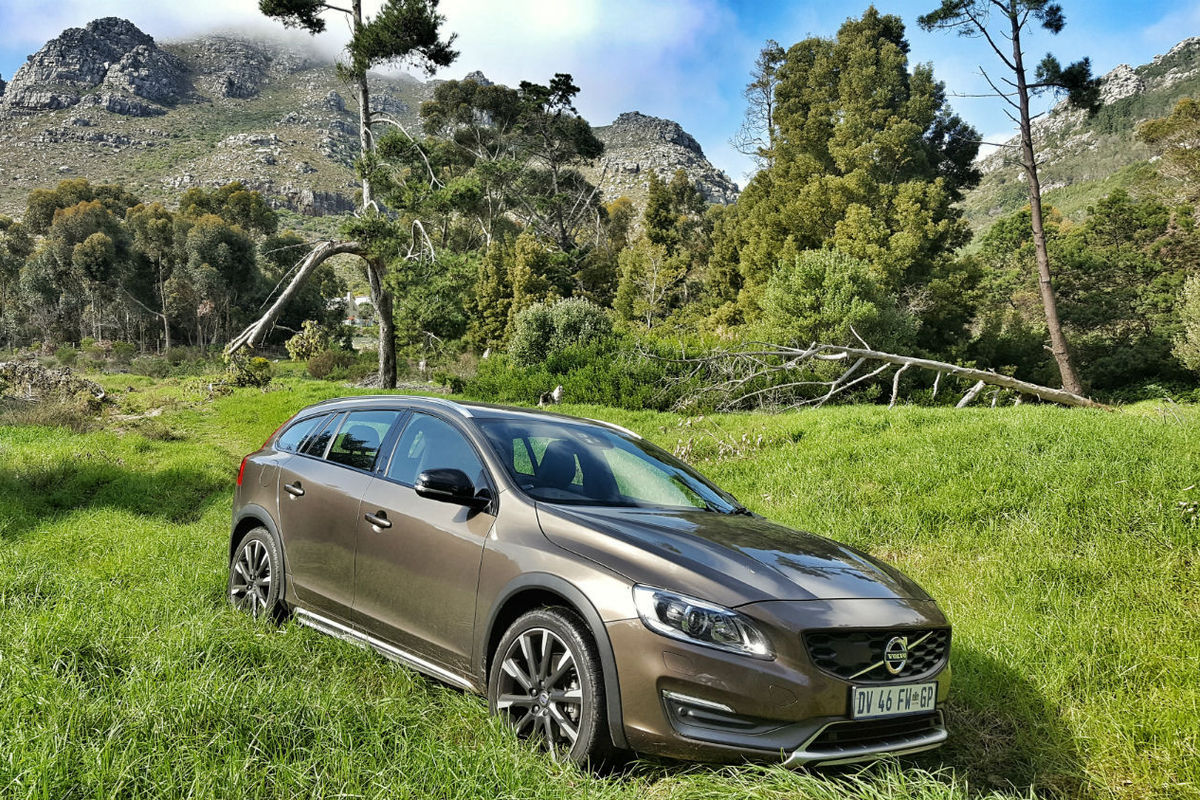
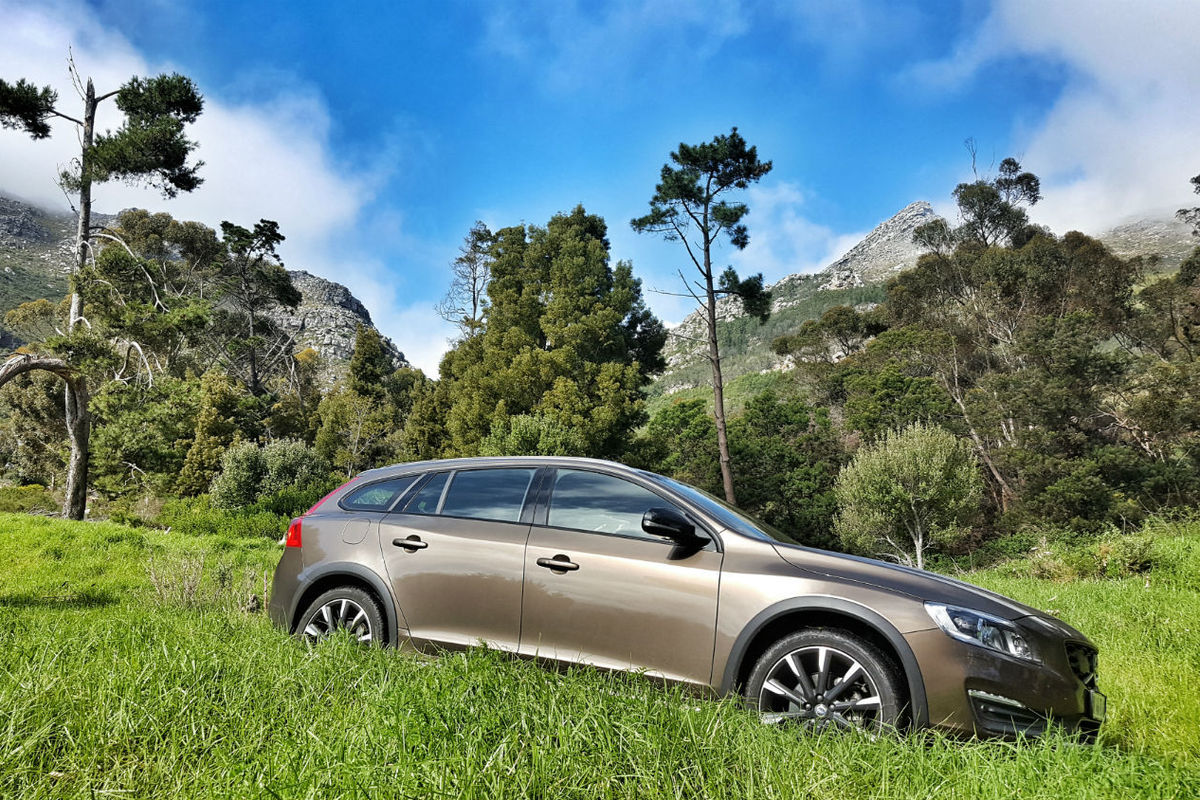
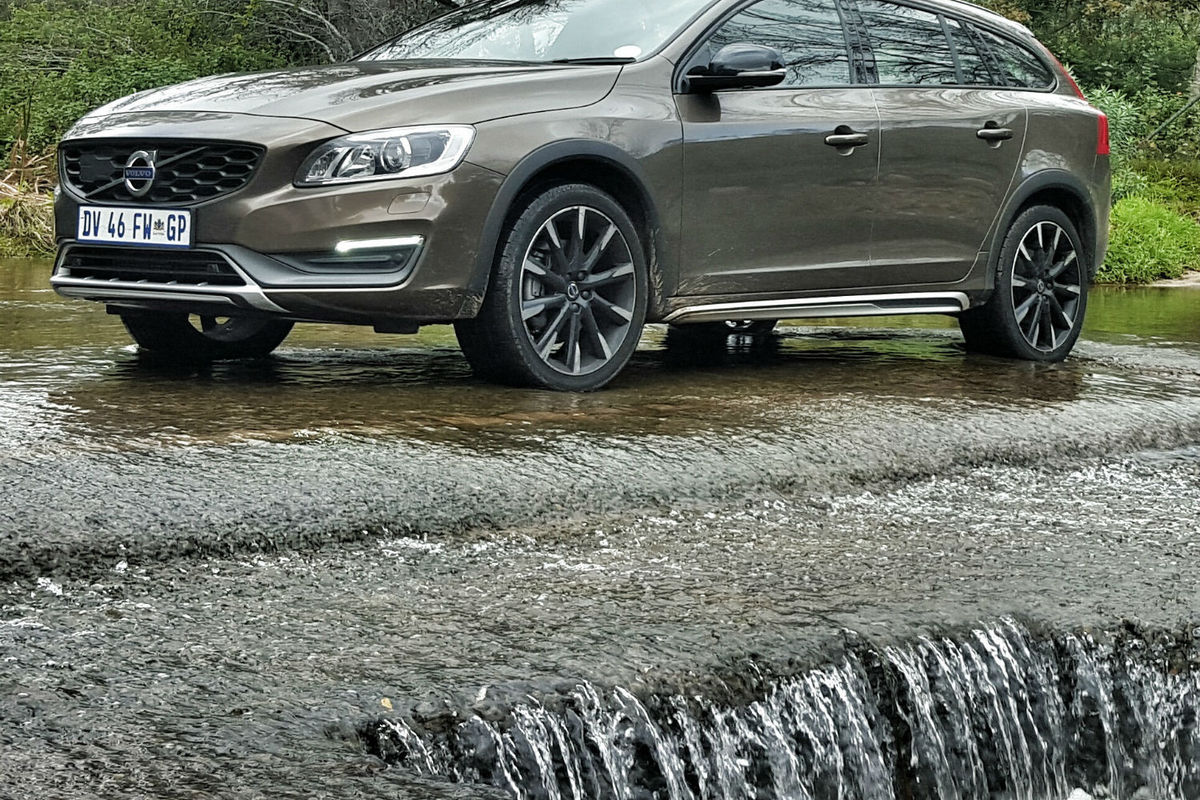
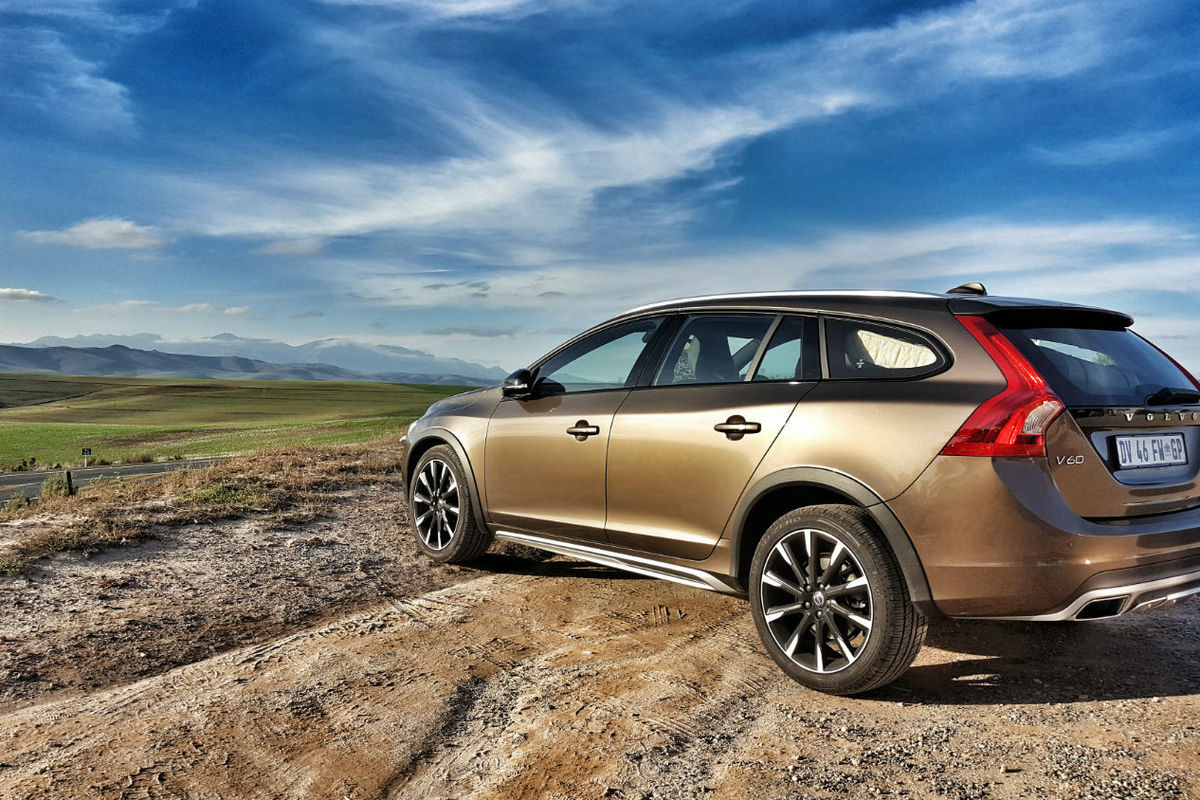
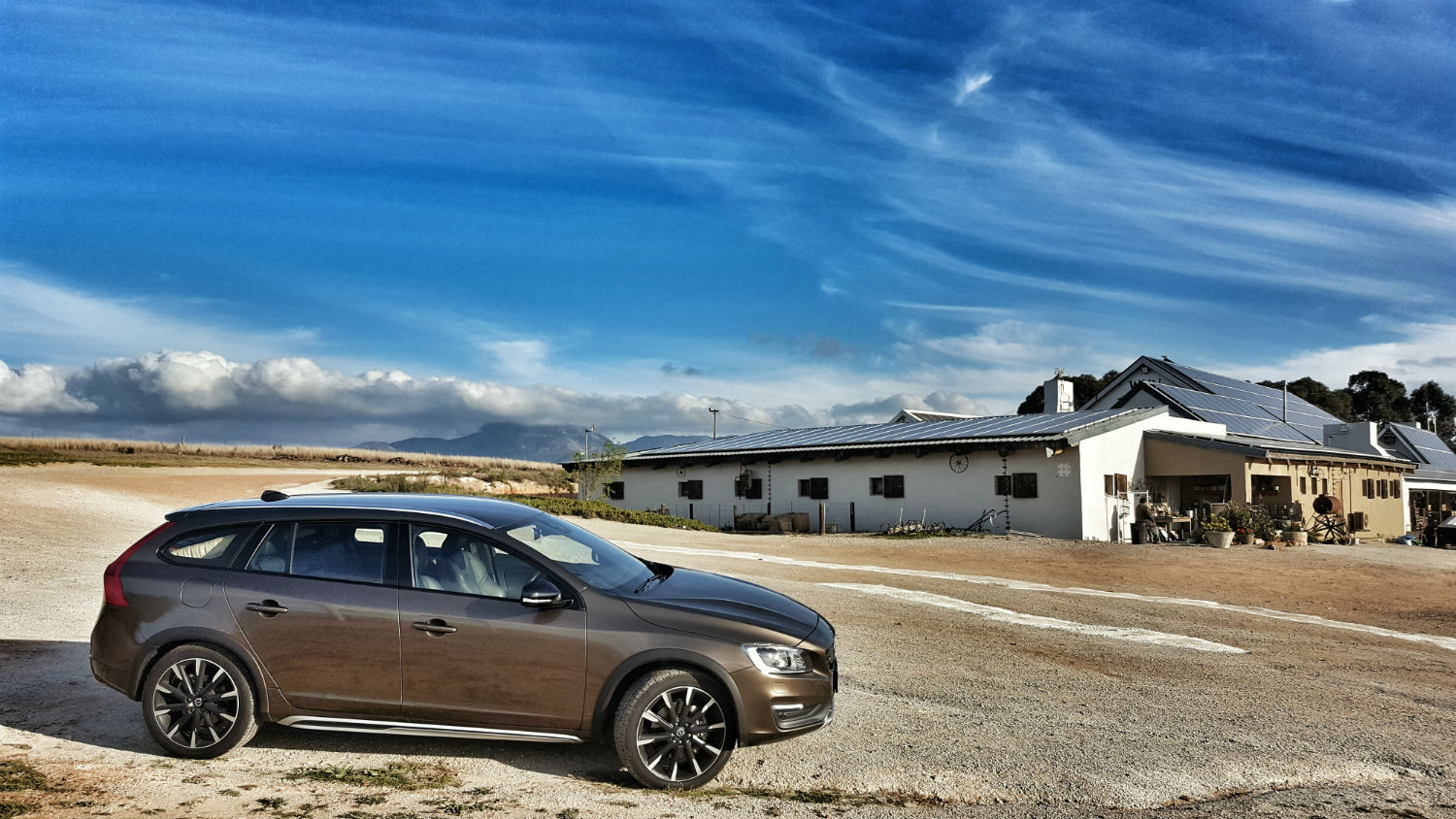
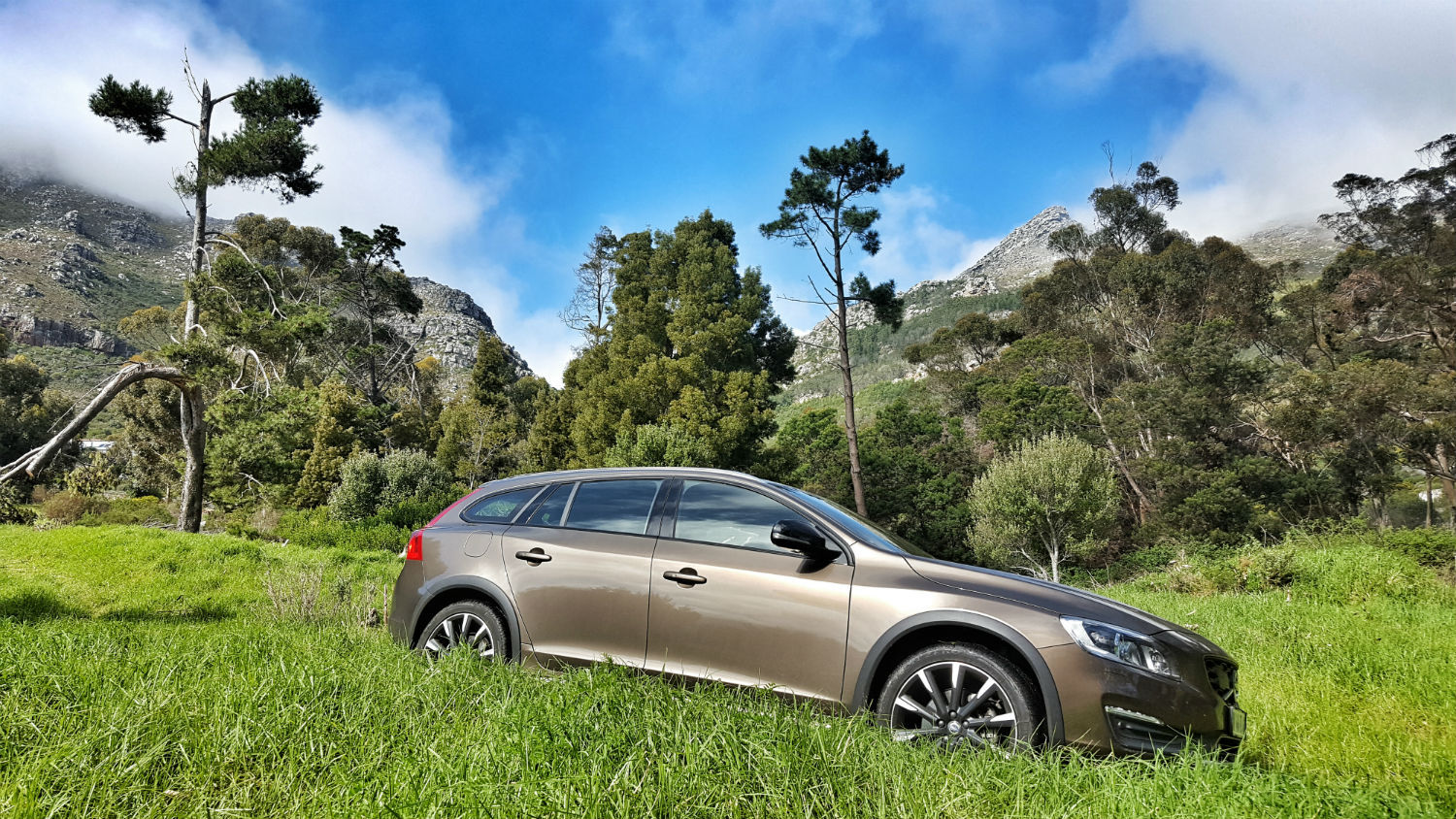
With its optional 19-inch Bor alloy wheels and Twilight Bronze paint, the V60 CC turned heads and won hearts.
The upshot of driving a slow-selling vehicle such as the V60 CC is that there aren't many of them around, so exclusivity is guaranteed in a sea of SUVs and crossovers. In the case of this rare Volvo, it also has to be said that the crossover bits and pieces have endowed the standard (and ageing) V60 shape with significant presence and a large helping of desirability.
As standard, this model rides on smart 18-inch wheels, but our test unit had very attractive optional (R15 600) 19-inch Bor wheels, with the metallic Twilight Bronze paint a further option (R2 350). Compared with a standard V60, the Cross Country rides 65 mm higher and also features skid plates at the front and rear, revised grille, fender extensions and a rear valance that has integrated exhaust tailpipes. Also adding to the sophisticated appearance are standard active-bending Xenon headlamps and LEDs. A sunroof is an optional extra.
Space and Practicality
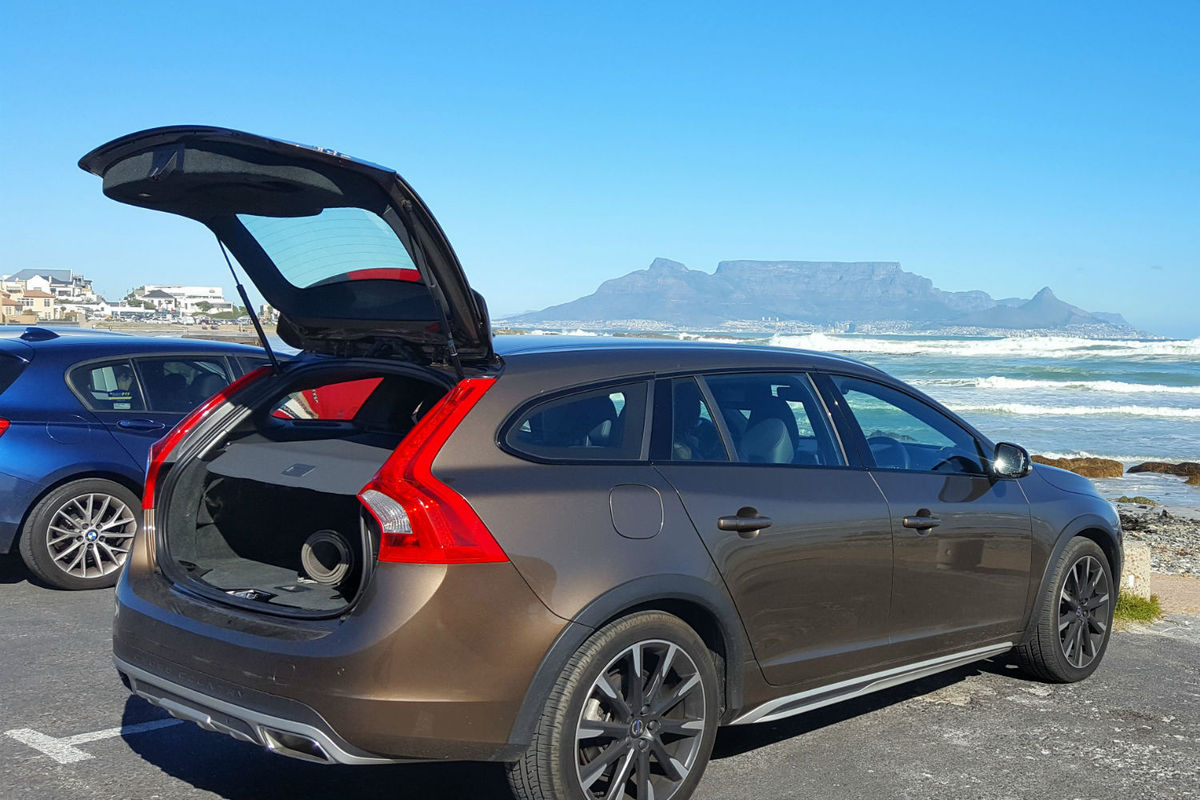
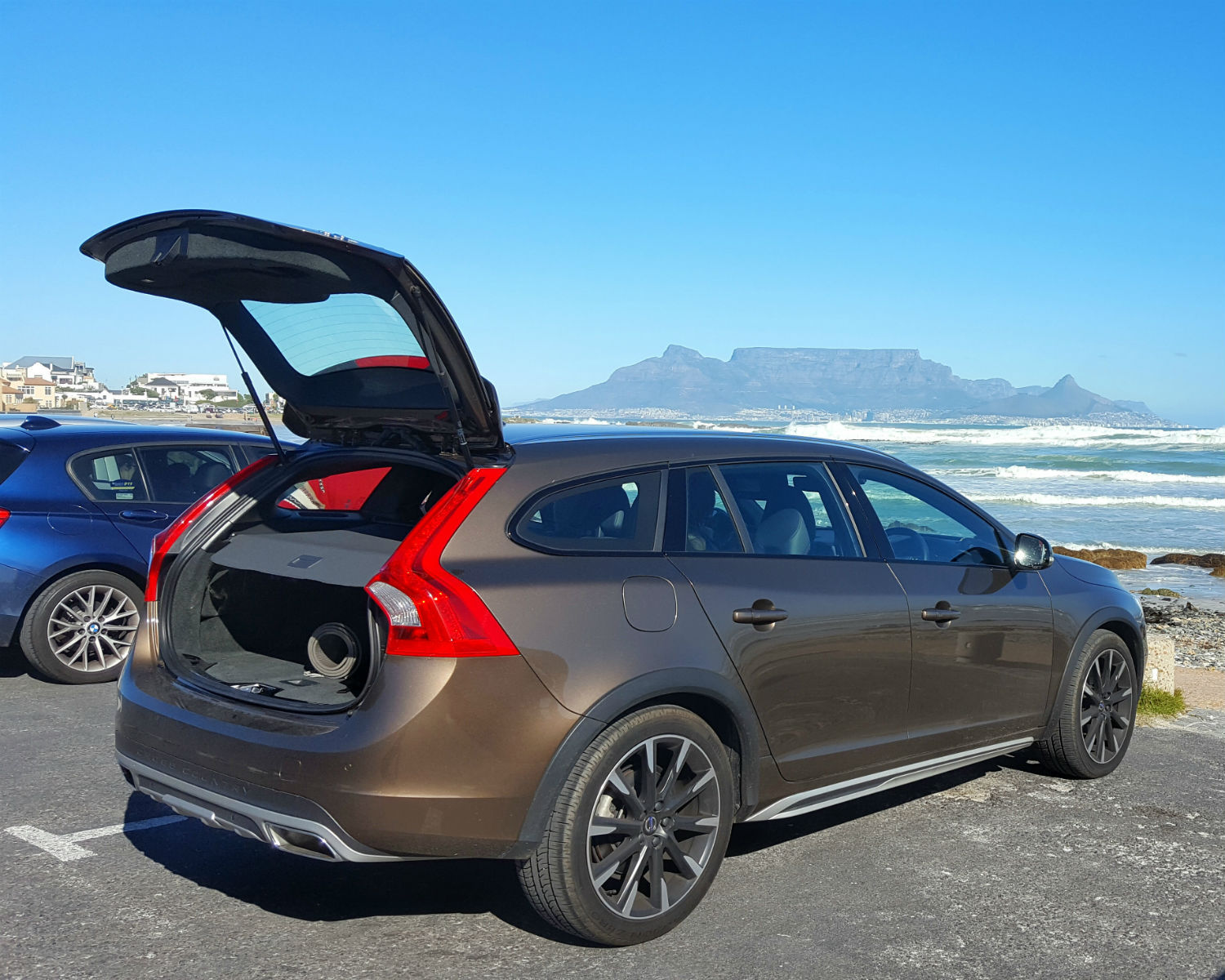
The V60's sleek design impacts on ultimate load-carrying ability, but the boot is not small.
The Volvo V60 is quite sleek as far as station wagons go and the more modern descriptor of "sports wagon" is arguably relevant here. It certainly doesn't look even remotely as boxy as Volvo wagons of the past. And while this is all good and well for designer appeal, it does impact on practicality.
The boot is claimed to have space for 430 L of stuff. This is similar to what is offered by the likes of the Mazda CX-5 and Ford Kuga, vehicles that are priced closely to the Volvo. It is quite a well-shaped boot, and we managed to fit prams (and other such awkwardly-sized items) lengthways into the load area. It is, however, not as high a loading area as in the SUVs/crossovers priced around it, which is a result of its sloping roofline. With the rear seats folded down, we managed to fit a mountain bike in quite easily, without removing any of the wheels… so it's a long, practical cabin. But it's not as wide and high as you'll find in the majority of crossovers and SUVs.
Where the V60 CC doesn't fare as well is in rear legroom. Here it is considerably more cramped than the crossovers and SUVs it competes with, but only if you have to transport adults over long distances. If its rear passengers are more likely to be children, there is sufficient space.
Overall, we found the V60 Cross Country practical and versatile enough for a family of 2 adults and 2 young children. It was used for several long-distance trips away from home, and it comfortably accommodated all the luggage, too.
Premium Car Appeal
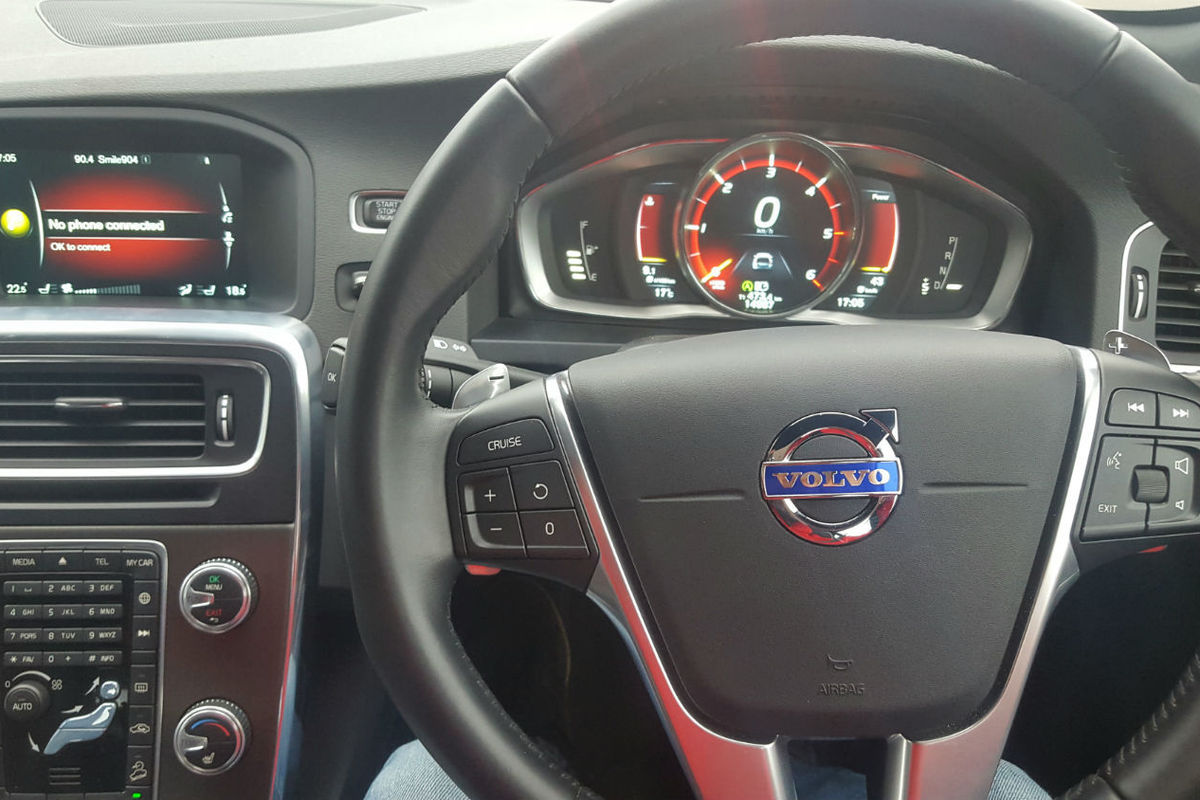
Well-made interior is loaded with features, but the ergonomics have dated.
The V60 Cross Country is, of course, based on Volvo's answer to the likes of the Audi A4, Mercedes-Benz C-Class and BMW 3 Series. As such, it is a really well made, luxurious and solid offering. Inside, the quality finishes and premium-segment design comfortably elevate the Volvo above the crossovers and SUVs offered at the same price. During its time with Cars.co.za, the V60 Cross Country didn't emit a rattle or squeak and it has to be noted that the test vehicle had already completed 15 000 km at the hands of South Africa's motoring journalists. Even by today's standards the V60 Cross Country's levels of NVH (noise, vibration and harshness) were impressively low.
This model comes with some very attractive features, including really comfortable, leather-upholstered front seats that are electrically adjustable (with memory). You have to pay extra for seat heating. In fact, our model also featured the Sport pack (R11 500), which includes the aforementioned seat heating, and also gearshift paddles, front and rear park sensors, keyless entry/start and a few other goodies. It appears to be good value for the extra outlay.
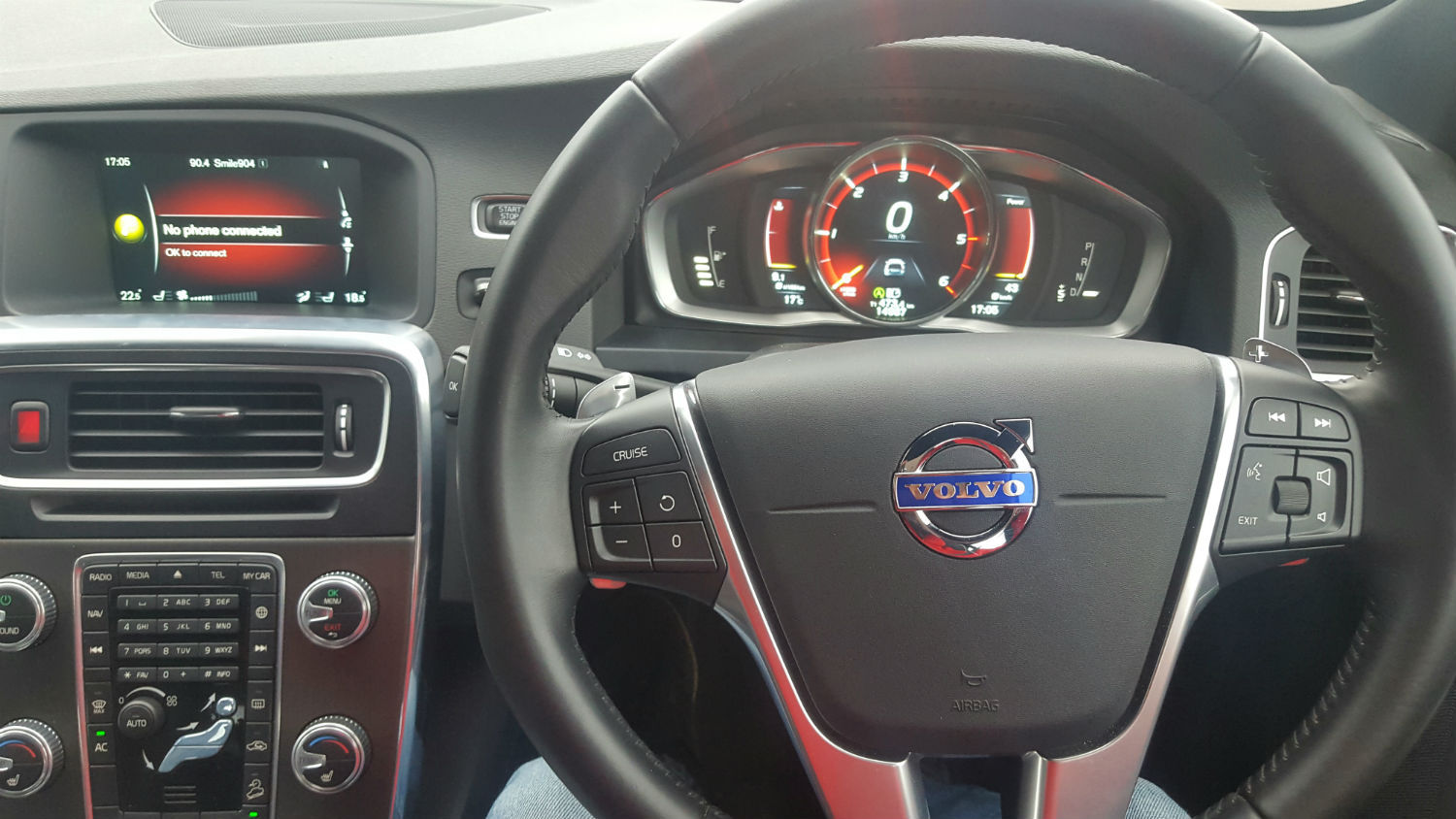
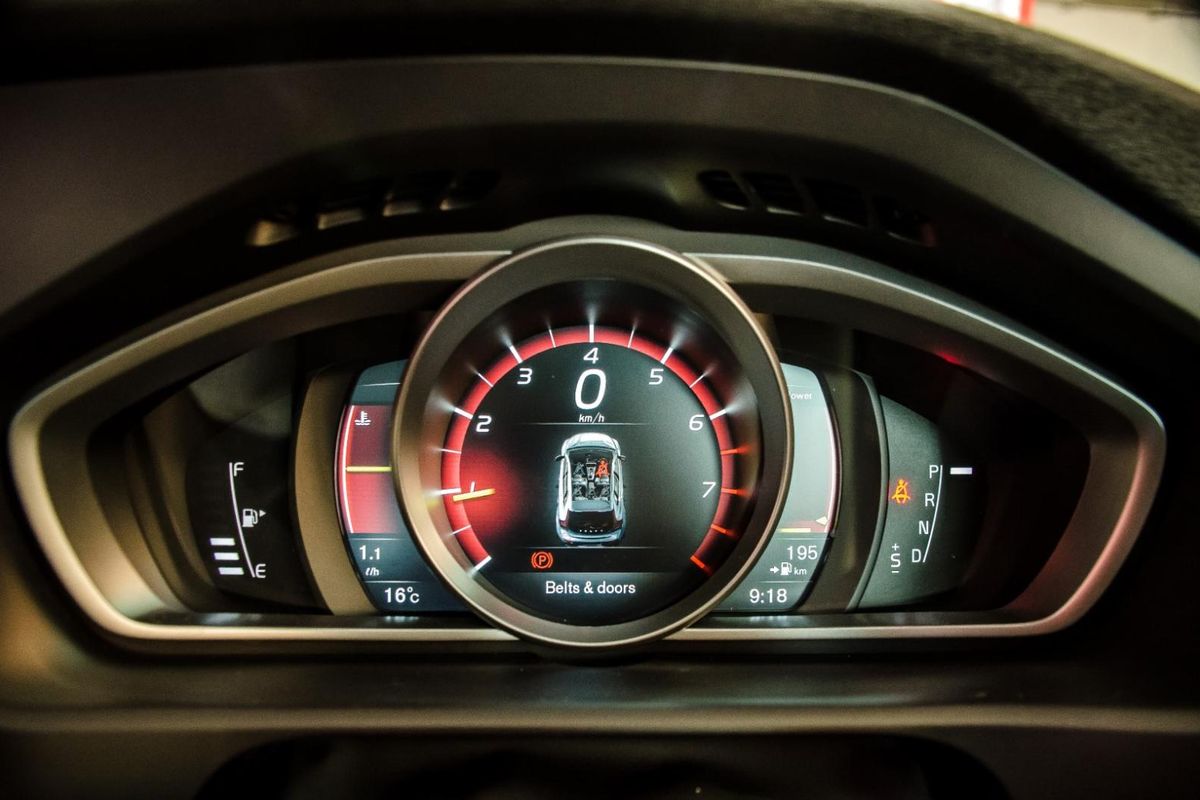
Other standard features of this model are; automatic dual-zone climate control with rear ventilation outlets, cruise control and a very good sound system that offers Bluetooth/USB/aux support and eight speakers. Navigation, sadly, is not offered as standard, which is a bit cheeky at this price level but not unique to Volvo. A navigation system with voice control will set you back a whopping R22 000! If you'd like an even better sound system than what is offered as standard, there is a Harman Kardon option for R15 600. We like the digital instrumentation with its changeable display (choose from 1 of 3 settings) – it's a little gimmicky, but nevertheless adds to the upmarket feel of the cabin, and also makes it feel slightly more modern. The latter aspect is important, because Volvo's centre stack design, with its numerous small buttons certainly dates the cabin visually and egonomically.
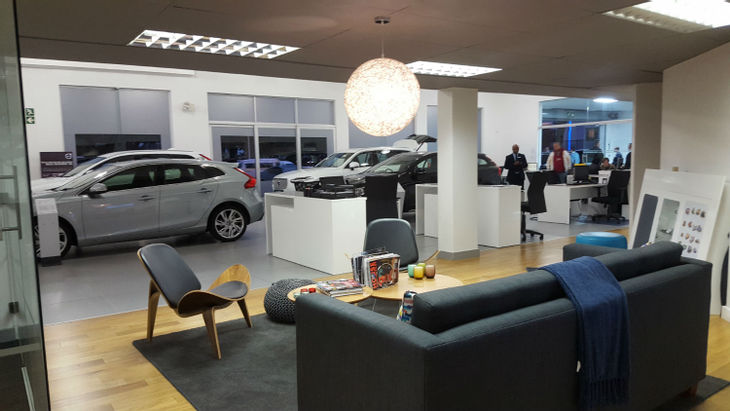
Our service experience at Volvo Cape Town was superb, and the facilities are first-class.
In terms of safety, the V60 Cross Country also comes comprehensively specified with 6 airbags, stability control, Intellisafe (including City Safety automated emergecy braking), hill-start assist, hill-descent control and Isofix child seat anchors. Our test unit also featured the optional Driver Alert system (R9 750) that includes Lane Departure Warning and Forward Collision Warning.
Something else that is a marker of a premium-segment vehicle that buyers will appreciate, is the standard 5-years/100 000 km warranty and 5-years/100 000 km Maintenance plan, as opposed to a service plan that applies to the majority of crossovers and SUVs of similar pricing.
On the Road… and slight Off
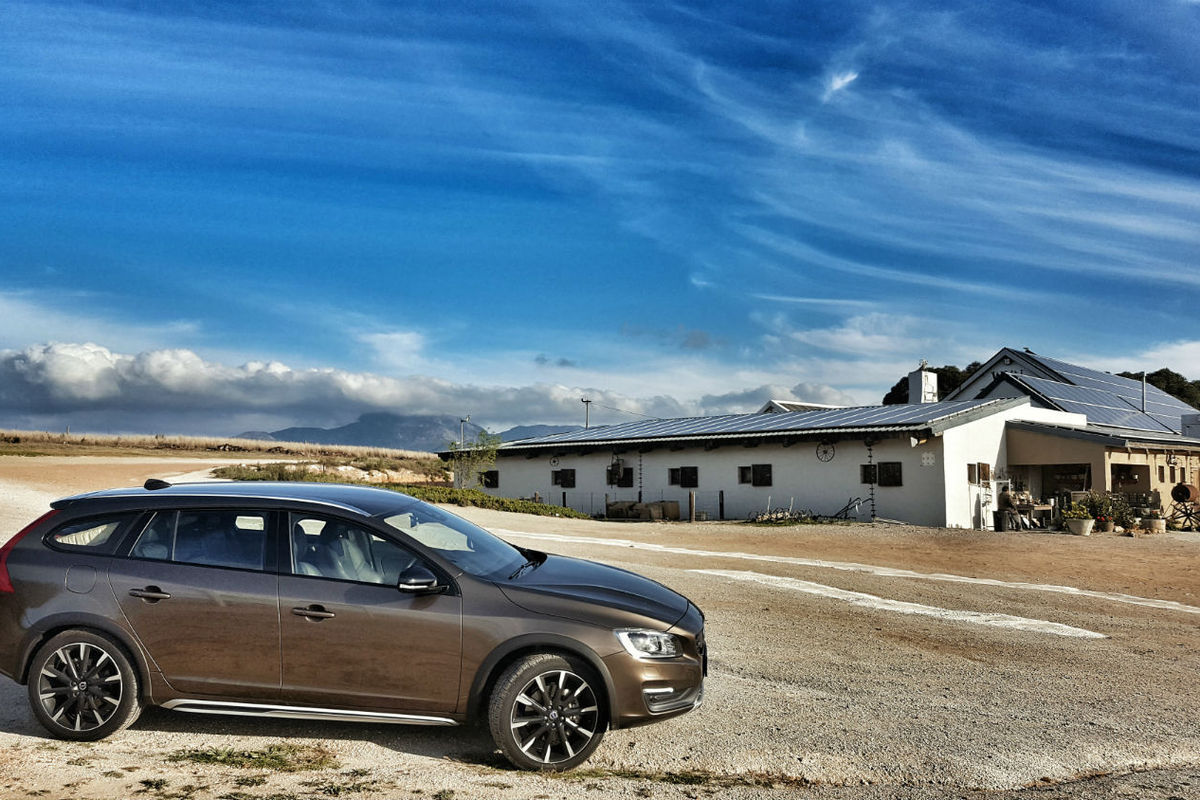
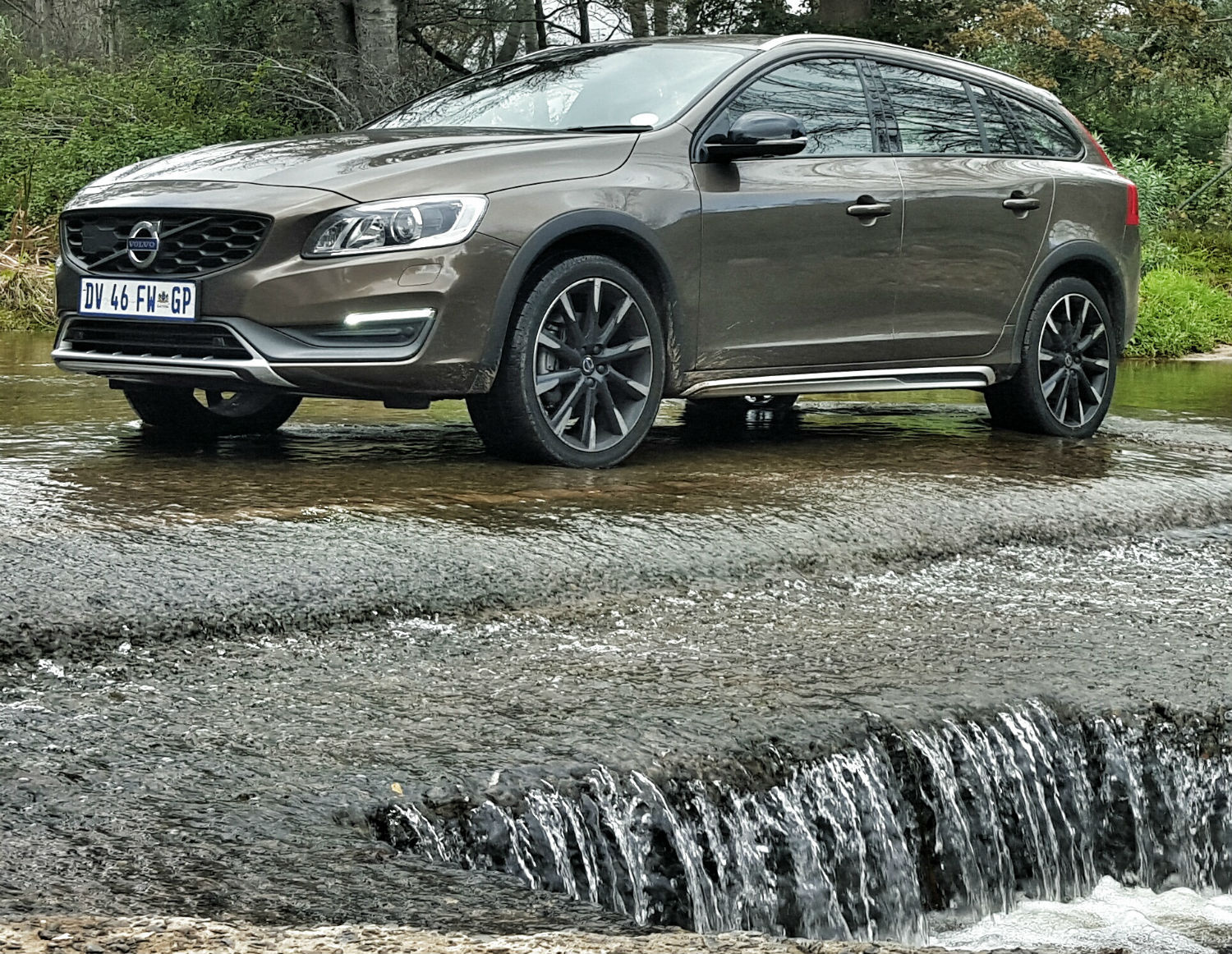
With more than 200 mm of ground clearance, the V60 Cross Country can head off the beaten track with confidence
The general concensus with regards to the usage patterns of crossovers and SUVs is that they're mostly road-bound and very seldom get used to venture onto the rough. Yet, at the same time, the very qualities that lend those vehicles a measure of off-road ability count against them on tar… So, in theory, a vehicle such as the V60 Cross Country appears better balanced. At its core, this is a refined, road-biased station wagon that has now been given an extra 65 mm of ground clearance. Volvo claims 210 mm between the V60 CC's belly and terra firma, which makes it higher than most of the crossovers priced around it! It is also fitted with all-wheel drive as standard, as well as hill-descent control and hill-start assist. We found the V60 CC's a surprisingly adept at handling off-tar excursions. It's by no means a rock climber, but its all-wheel drive system deals effectively with slippery conditions and there's enough clearance and traction for some fairly rough gravel surfaces. At higher speed on well-maintained gravel roads, the V60 CC impressed with its stability. So… yes, the Cross Country-fication of the V60 holds real advantages.
On the road, too, the V60 CC puts in an impressive showing, even though the ride is perhaps slightly too stiff at lower speeds around town. We think those smart optional wheels may be to blame, but at speed the V60 CC assumes a loping, supple ride character that makes it a great grand tourer, yet with the dynamic talents to run rings around the crossovers and SUVs of the same price.
Fast and Growly
V60's turbodiesel engine gives good power, but can be thirsty
The V60 Cross Country D4 Inscription makes use of one of Volvo's older engines – a 2.4-litre, 5-cylinder turbodiesel – so it's not as efficient in the real world as some of the vehicles it competes with. Volvo claims a combined-cycle consumption figure of 5.7 L/100 km, which is similar to what is claimed for its rivals, but we couldn't achieve anything near that. Our average for the duration of the 2-month test was 9.1 L/100 km, and the best we achieved on one out-of-town run (fully loaded) was 7.9 L/100 km.
But where the big engine in the Volvo does shine, is in performance. It delivers a strong 140 kW and 420 Nm of torque, the latter available from 1 500 to 3 000 rpm, and is mated with a 6-speed automatic transmission. It is quite a growly, rumbly engine, which can be irritating in town, but you'll appreciate the performance. Volvo claims a 0-100 kph time of 8.9 seconds and a 205 kph top speed.
Verdict
During its 2 months with the Cars.co.za team, this Volvo V60 Cross Country illustrated why we still believe there to be great merit in opting for a station wagon, particularly one of these crossover derivatives. While this particular model is based on a vehicle that is somewhat long in the tooth and consequently behind on efficiency and interior ergonomics, it vividly showed that the more car-like dynamics, upmarket cabin, performance and sophistication of a traditional premium-segment vehicle can be combined with the attractive attributes of a SUV or crossover (raised ground clearance, rugged lifestyle appeal etc.). We hope that Volvo persists with, er, persisting with this kind of vehicle in the future.
Interested in buying a Volvo V60 or V60 Cross Country?
Volvo V40 Cross Country T5 AWD Inscription (2016) Review
Volvo released the facelifted V40 Cross Country in South Africa recently and we spent some time in the range-topping T5 all-wheel-drive Inscription to experience the changes and to determine if this derivative is worth consideration.
We like: Interior quality, power delivery, purposeful styling
We don’t like: Smaller boot and impinged rear passenger space, poor fuel efficiency.
Alternatives
For similar appeal: Consider the Mercedes-Benz GLA 250 4MATIC Style. This derivative offers less power than the T5 AWD Cross Country (with 155 kW and 350 Nm of torque generated by its 2.0-litre turbocharged engine) and a similar specification, but the more expensive with pricing starting at R613 776.
The budget option: For buyers who want something similar in terms of packaging (if not in product pitch) and for considerably less money, consider the Subaru XV 2.0i-S automatic priced from R419 000. The XV is not as premium as the T5 AWD Cross Country or GLA 250 4MATIC, but it offers similar practicality. The XV 2.0i-S automatic is powered by a naturally aspirated 2.0-litre engine with 110 kW and 196 Nm.
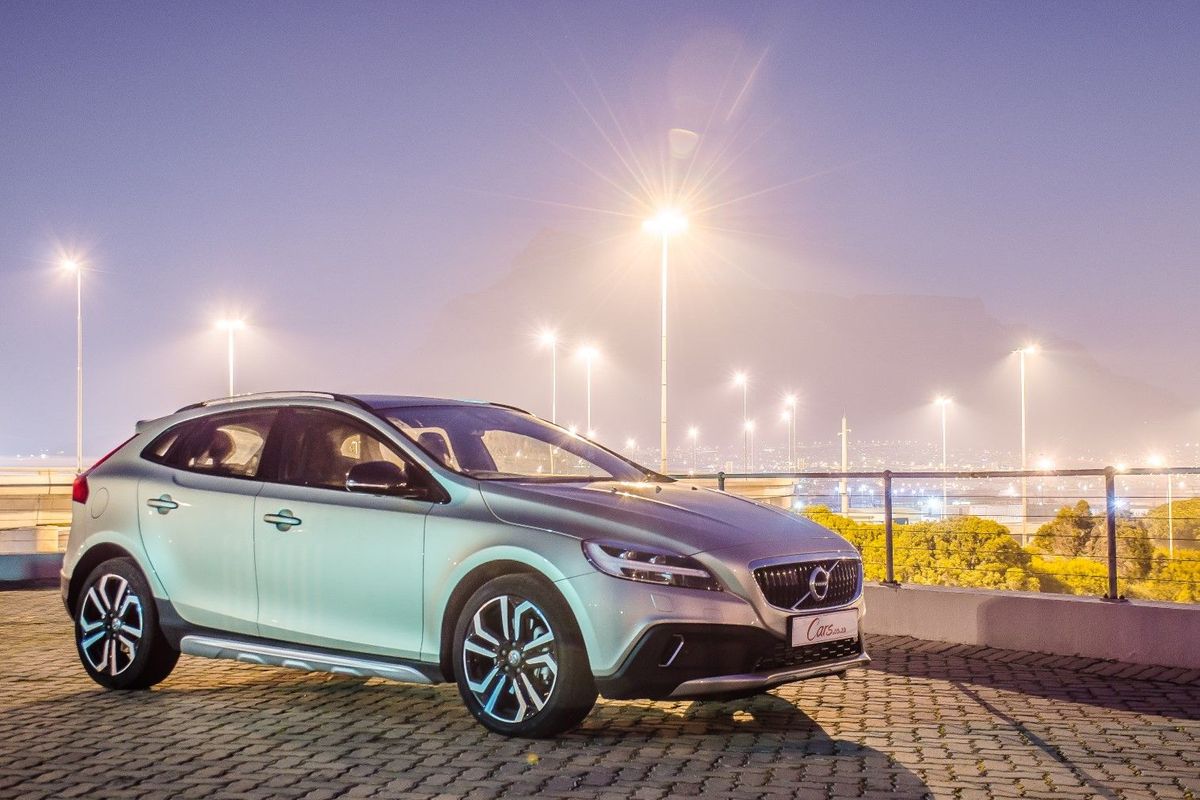
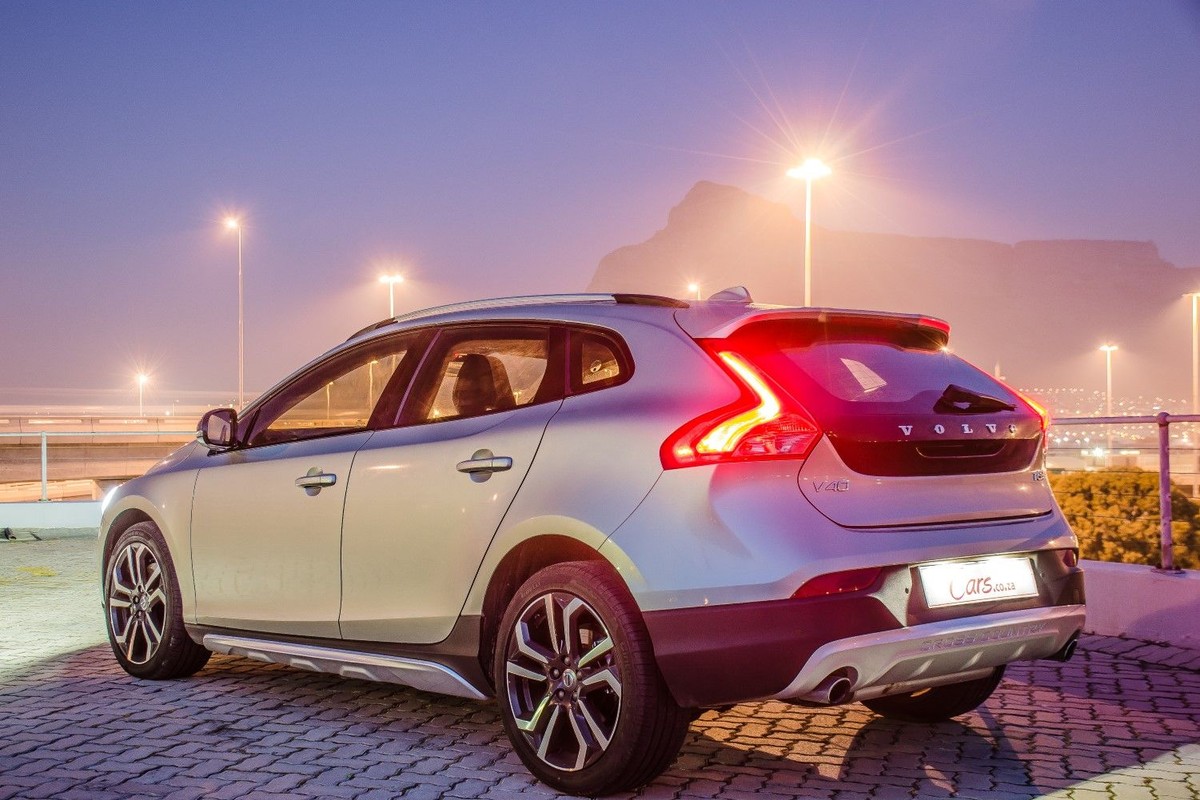
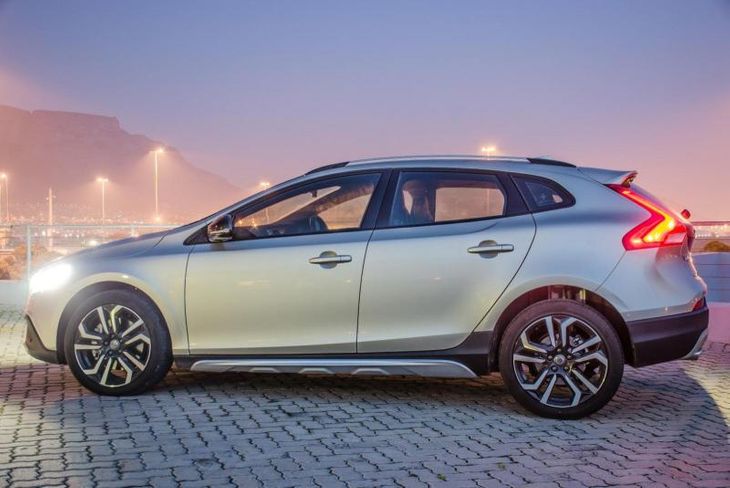
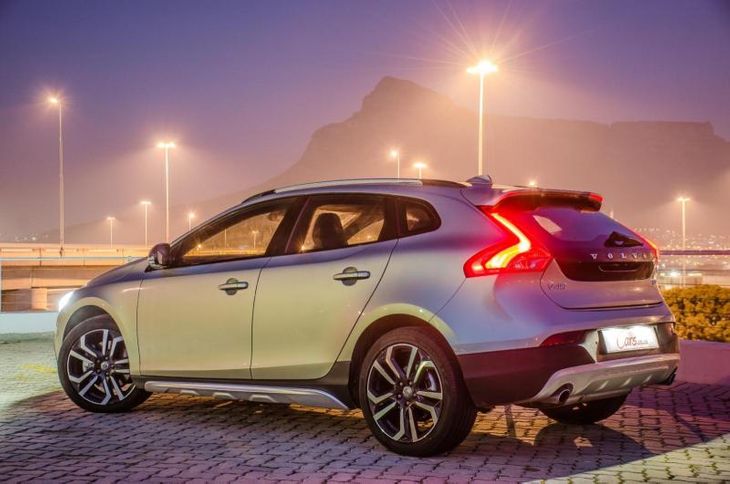
The Volvo V40 T5 Cross Country AWD is stylish with its raised ride height and additional body cladding.
The Volvo V40 has always been an attractive-and-often-overlooked offering in the premium hatchback segment. The rugged appeal of the V40 Cross Country is aimed at the lifestyle-orientated buyer who will typically use the vehicle as an urban runabout and venture into the countryside with the family when the weekend arrives. The V40 Cross Country, therefore, needs to be safe, practical, and comfortable with decent road manners to keep the spouse and offspring smiling on every journey. How well does the V40 T5 AWD Cross Country live up to these requirements? We put it to the test…
How does it fare in terms of…
Kerb appeal?
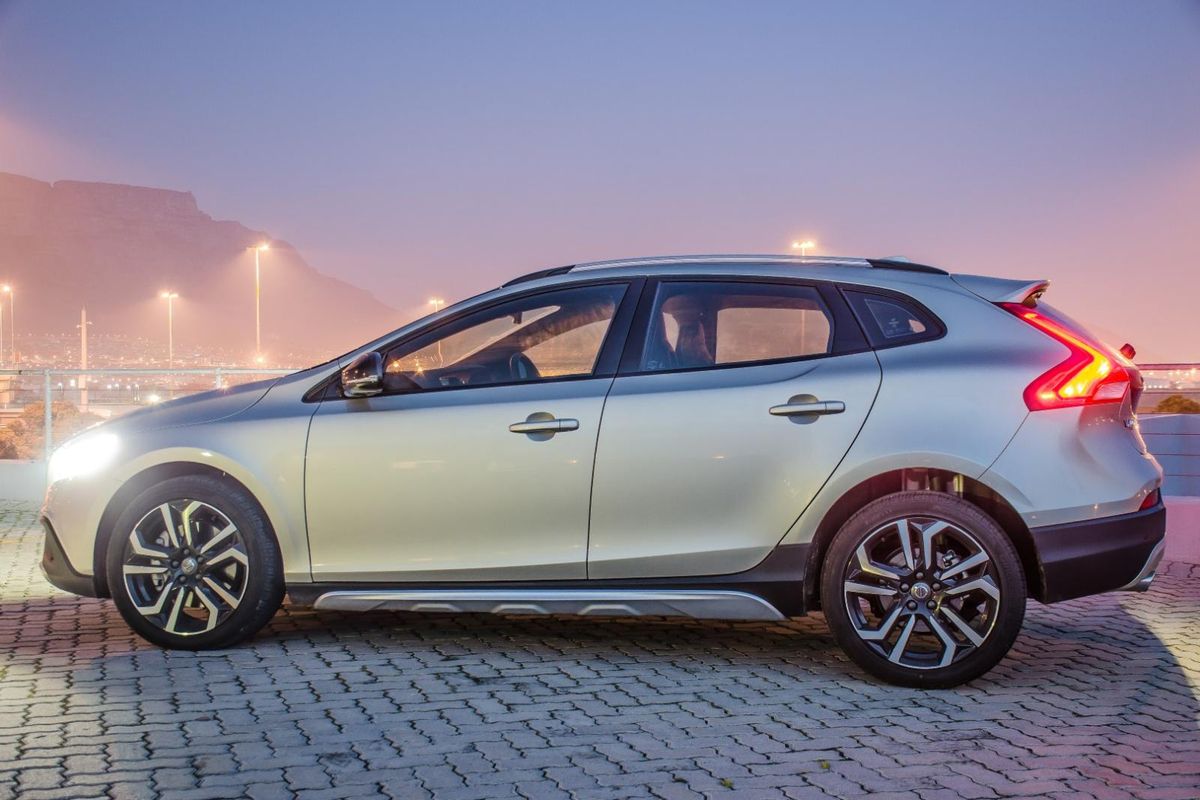
The V40 Cross Country, with its ground clearance of 145 mm (12 mm more than the standard V40) and additional appointments such as roof rails, black bumper cladding and tweaked front-end, looks handsome and suitably sophisticated. Note the striking addition of "Thor’s Hammer" LED daytime running lights, which is an aesthetic highlight on this newly facelifted V40 Cross Country. Incidentally, LED headlights are fitted as standard on this derivative.
Riding on 18-inch alloy wheels, the V40 Cross Country’s design is stylishly executed, which bodes well for buyers who are looking for a more elegant hatchback. With its good-looking Swedish genes, the V40 Cross Country makes a strong statement in the style stakes.
Performance and ride quality?
Power and good ride quality is what you can expect from the V40 T5 Cross Country AWD.
This V40 Cross T5 Inscription is powered by the same 2.0-litre turbopetrol engine that’s offered on the XC90. It’s a powerful unit with 180 kW and 350 Nm of torque delivered to all four wheels through a smooth-shifting 8-speed automatic transmission.
Working in conjunction with the all-wheel drive system, the T5 Cross Country lays its power down with fervour. Acceleration is brisk. In fact, Volvo claims 6.1 seconds for the 0 to 100 kph sprint, which is pretty quick for a "family car". Apart from the power advantage of this T5 derivative, the Cross Country delivers a composed and refined drive too. The all-wheel drivetrain does add weight to the compact premium hatchback; the Volvo doesn't corner with much verve, but its steering is reasonably direct and the car's general handling is anything but leery.
On the upside, the V40 T5 Cross Country is pliantly sprung and we found its ride quality to be one of its strengths. It copes well on varied surfaces and soaks up bumps and ruts well. The cabin is solidly built and the mixed use of leather and steel give the V40 Cross Country an upmarket feel.
Some members in our team were of the opinion that the T5 Cross Country doesn’t strike the best balance between performance and economy, and there is some truth to this. Volvo claims a fuel consumption figure of 6.1 L/100 km for the V40 T5 Cross Country AWD and during its tenure with us, it achieved 9.8 L/100 km. The 140 kW/300 Nm T4 Cross Country derivative will in all likelihood return better fuel consumption figures at the expense of outright performance, but if power is important to you, then this T5 Cross Country has more than enough.
Practicality?
With its raised ground clearance, added cladding and all-wheel drive system, this V40 T5 Cross Country offers a degree of extra practicality over the standard V40. It is not perturbed by gravel roads and the all-wheel drive system offers more grip, particularly in slippery conditions.
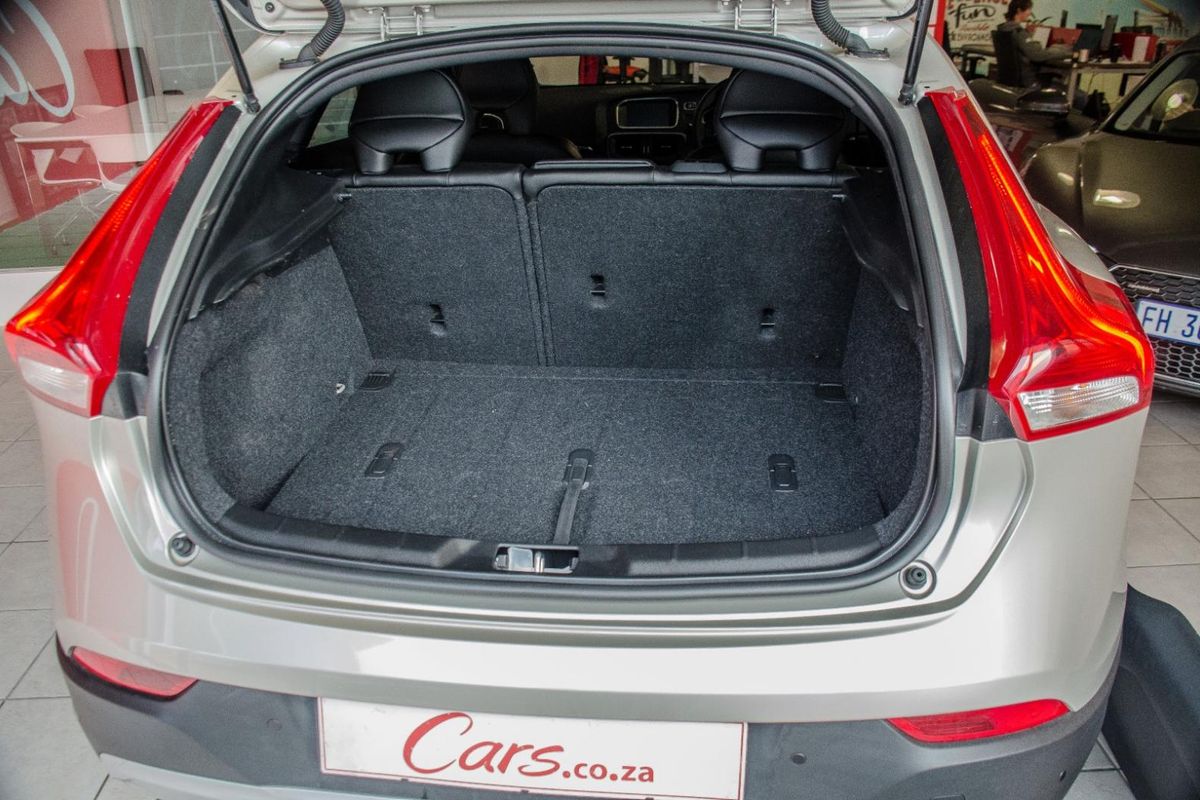
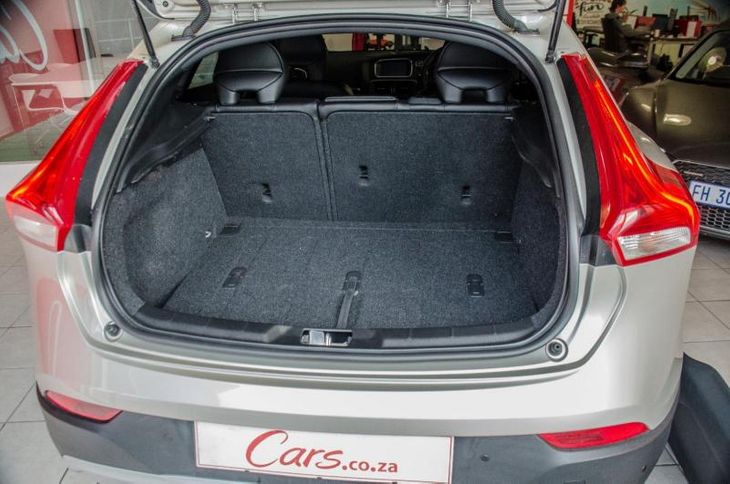
Boot space in the V40 T5 Cross Country is average and rear passenger space could be better.
In terms of interior space, the V40 T5 Cross Country is average. The boot offers 335 litres of space, which is fair, but it’s significantly smaller than that of the Mercedes-Benz GLA (481 litres). You can, however, fold the 60:40 split rear seat down to access (a claimed) 1 032 litres of space.
We found rear passenger space to be a bit cramped. Knee room is particularly tight and headroom is limited by the sloping roofline. However, smaller humans ie. children, will be suitably comfortable. Rear passengers also have access to a central armrest with cup holders.
The Volvo V40 T5 Cross Country is practical enough for specific functions such as the school run, your weekly shopping mission and a weekend away with the family. However, if plentiful luggage space and rear passenger space/comfort are important to you, perhaps a compact SUV/crossover is a better bet.
Safety and comfort features?
An excellent safety specification comes part and parcel with Volvos. Indeed, the V40 ranks highly in terms of safety and this T5 Cross Country is no different. Standard safety features on this particular derivative include ABS with EBD, brake assist, hill start assist, stability control and traction control.
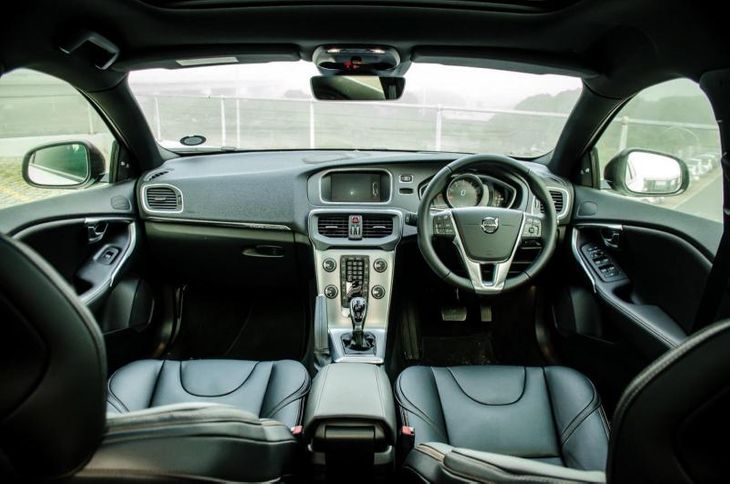
The Volvo V40 T5 Cross Country is comfortable overall and comes reasonably well-specced as standard.
The level of safety is further increased if you opt for the Driver Support Pack (recommended), which was fitted to this test unit. For R32 500, you get Blind Spot Information System (BSIS), cross traffic alert, driver alert system, active high beam, lane keeping aid, adaptive cruise control, pedestrian detection and a rear parking camera. The adaptive cruise control is a great feature, it’s easy to engage and the system effectively reduces driving effort in traffic.
In terms of comfort, the V40 T5 Cross Country is well sorted with full leather upholstery, dual-zone climate control, air conditioning and electric front seats. An optional panoramic glass sunroof (R8 500) was also fitted. The steering wheel is adjustable for rake and reach and has an array of mounted controls.
The optional Premium Pack (R20 000) adds further comfort features such as heated front seats, navigation, keyless entry/start, front and rear parking sensors, adjustable steering feedback, Harman/Kardon sound system and high-level LED headlights with active bending.
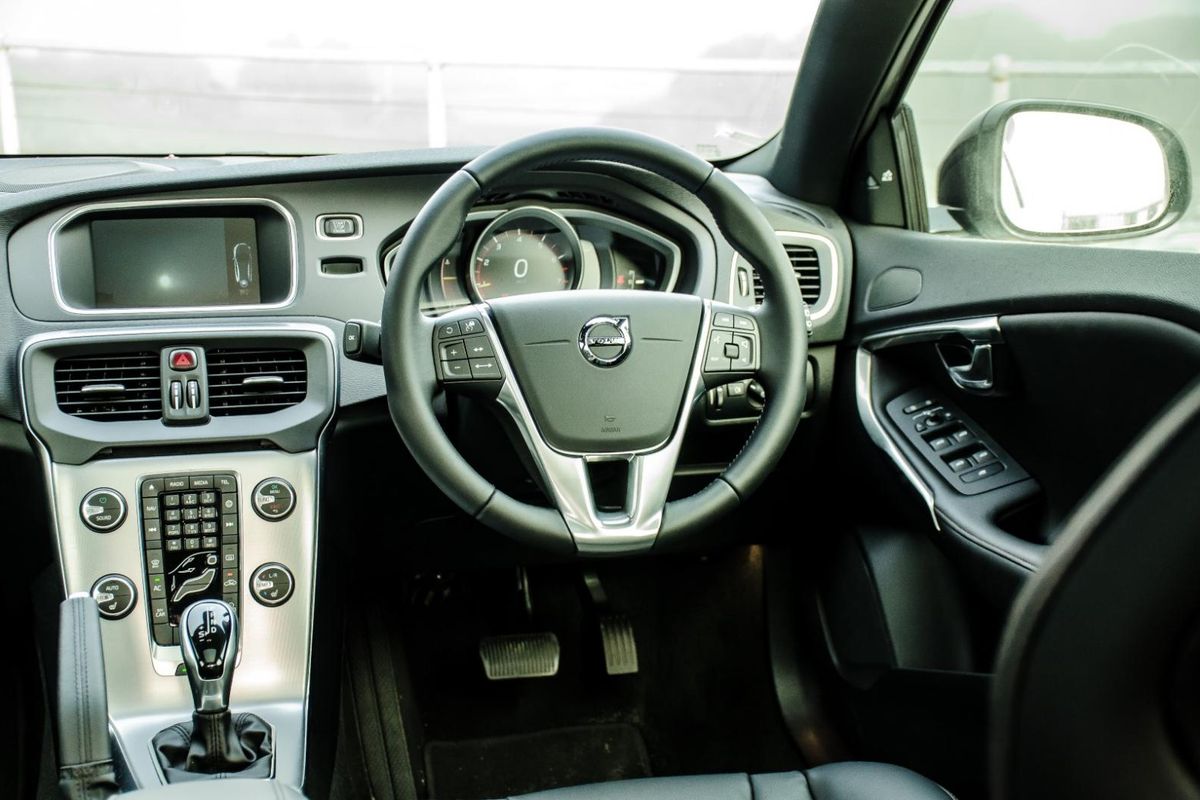
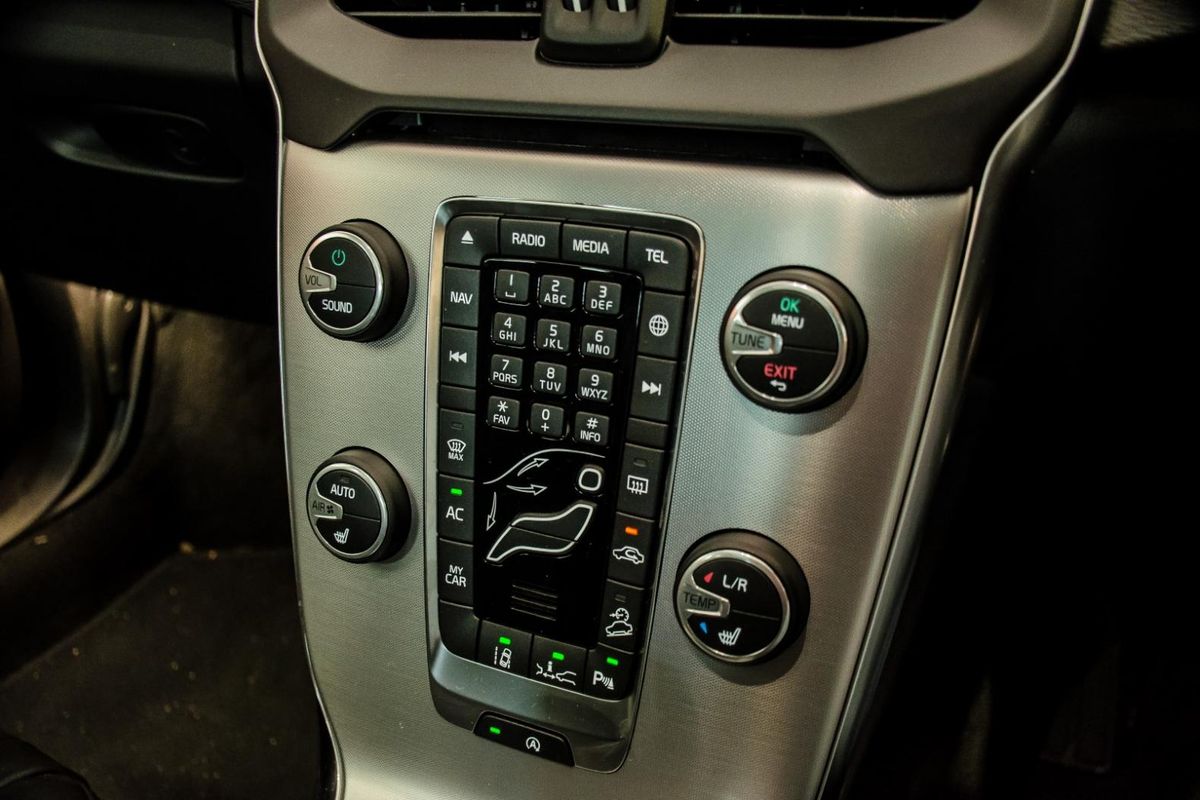
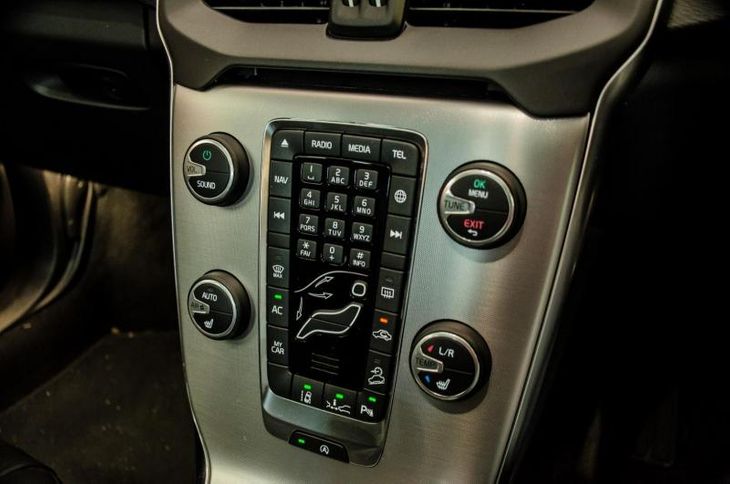
We found all these buttons on the centre stack frustrating and distracting to use while driving.
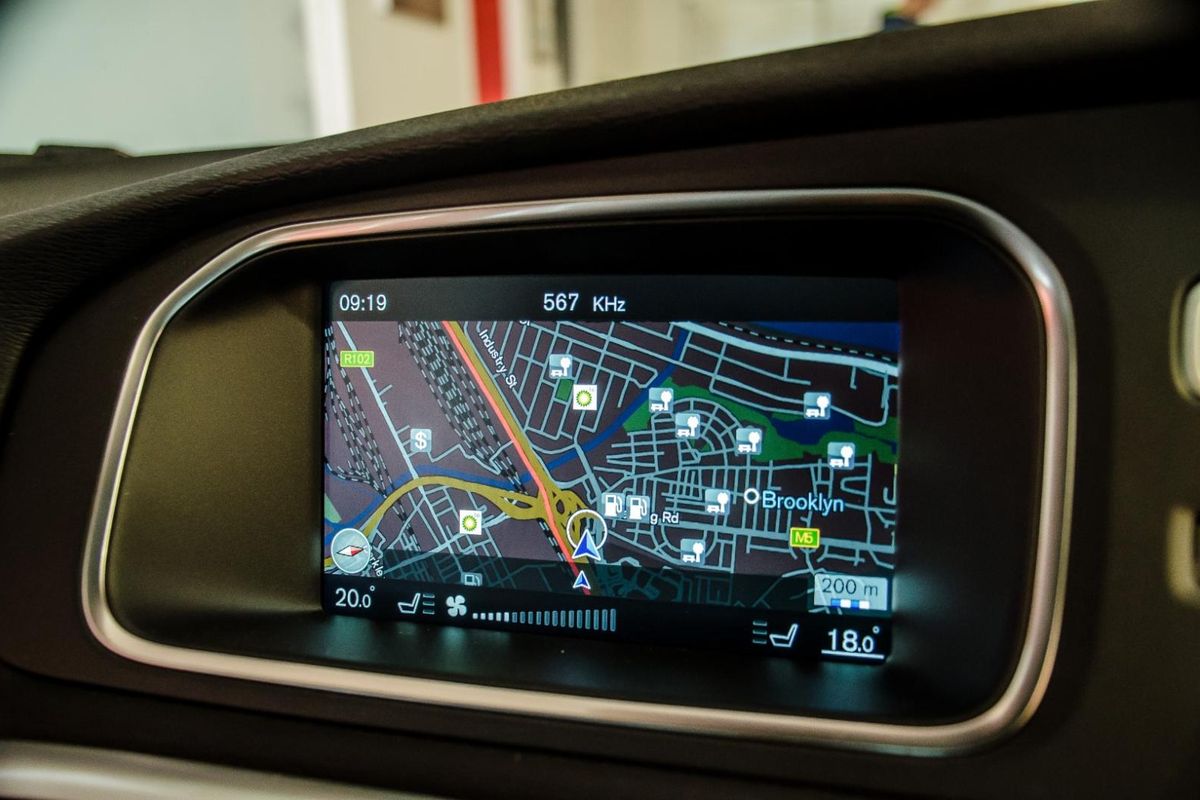
Our biggest gripe with this V40 T5 Cross Country was the centre stack that’s loaded with far too many buttons. It takes some time to familiarise yourself with all the functionality and we found this setup somewhat fussy to use while driving. The layout gives away the Volvo's age… we can’t wait to see a tablet-like touchscreen (seen in the XC90) make its way into the V40 range when the next-generation arrives. We did find the navigation system easy to use, though.
Pricing and warranty
The Volvo V40 T5 Cross Country AWD is priced from R530 206 and is sold with a 5-year/100 000 km warranty and 5-year/ 100 000 km maintenance plan.
Our test unit was fitted with R63 350 worth of extra equipment, escalating the total price to R593 556.
Verdict
The Volvo V40 T5 Cross Country is a stylish package that delivers ample power and excellent road manners. The interior is kitted out with all the niceties you could want (although some were admittedly additionally specified) and safety conscious buyers will appreciate the car's safety technology.
However, as a family car, the Cross Country's cramped rear bench and average-sized boot are drawbacks. Although powerful, this derivative also returned higher than expected fuel consumption figures. We also feel the V40 T5 Cross Country is a tad pricey for what is essentially a raised and cladded version of the V40 (albeit with an all-wheel drivetrain). It must be considered, however, that crossover style is a major drawcard in itself and that quality comes at a premium… To that end, the on-point Volvo V40 T5 Cross Country is a well-made, luxurious, safe and powerful offering, which will suit certain buyers to a tee.
Volkswagen has announced its expansion into Africa with a new production facility in Kenya that will start production at the end of 2016.
The plant in Kenya will be built just outside Nairobi and have the capability of producing 5 000 units a year. The plant is the third of its kind in Africa, the others being in South Africa and Nigeria.
Thomas Schaefer, Chairman and Managing Director of Volkswagen South Africa commented, “We are taking the successful Polo Vivo from South Africa to Kenya to leverage the enormous growth potential of the African automobile market and participate in its positive development. This compact model is the best-selling car in the Sub-Saharan region – so it is the ideal entry model for the promising Kenyan market,”
The first Vivo is expected to roll off the production line by the end of 2016. The plant will also serve as a training facility for young people to develop and learn industrial skills.
A long tradition links Volkswagen and Kenya: back in the 1960s, Volkswagen assembled the Beetle in Kenya. The brand is now returning to the country, initially with the Polo Vivo. Volkswagen will review local production of further models should the new vehicle market show positive development.
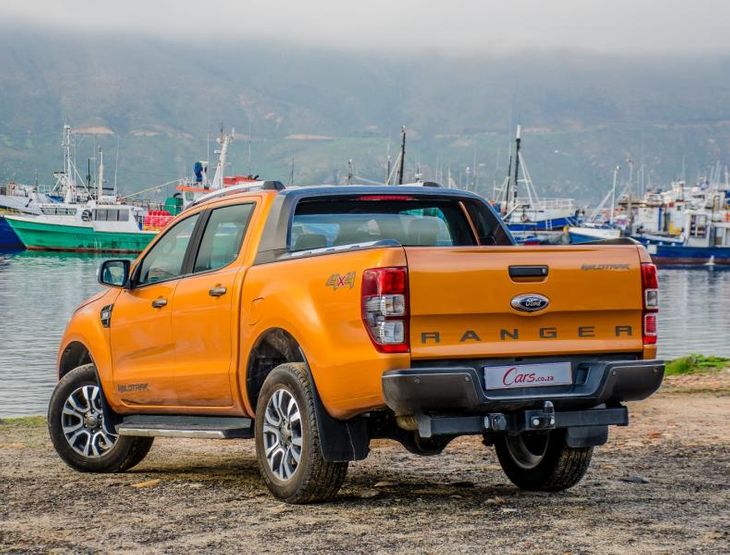
Extended Test: Ford Ranger 3.2 4×4 Wildtrak [with Video]
Leisure double cab bakkies don’t get much better than the Ford Ranger Wildtrak and we spent a month with it to uncover what it’s like to live with every day.
Ford Ranger 3.2 4×4 Wildtrak Auto – Quick Specs
Price: R604 900
Engine: 3.2-litre turbodiesel
Transmission: 6-speed automatic
Power: 147 kW
Torque: 470 Nm
Fuel Consumption: 9.0 L/100 km
Load Bay Capacity: 938 L
Towing Capacity: 3 500 kg
Since the arrival of the facelifted Ford Ranger in South Africa almost a year ago, we pitted it against its rivals in just about every conceivable way. We have done extensive comparative tests, bakkie drag races, ride quality tests and reviews of the Ranger (visit our YouTube channel to watch all the videos), but the flagship Wildtrak derivative somehow eluded us…
Thankfully, that’s no longer the case and we recently spent a whole month with the Wildtrak to test what it is like to live with and to learn more about the idiosyncrasies of what many people regard the best leisure double-cab bakkie on offer in South Africa. This is what we discovered…
What do we like about the Ford Ranger Wildtrak?
Beefy styling
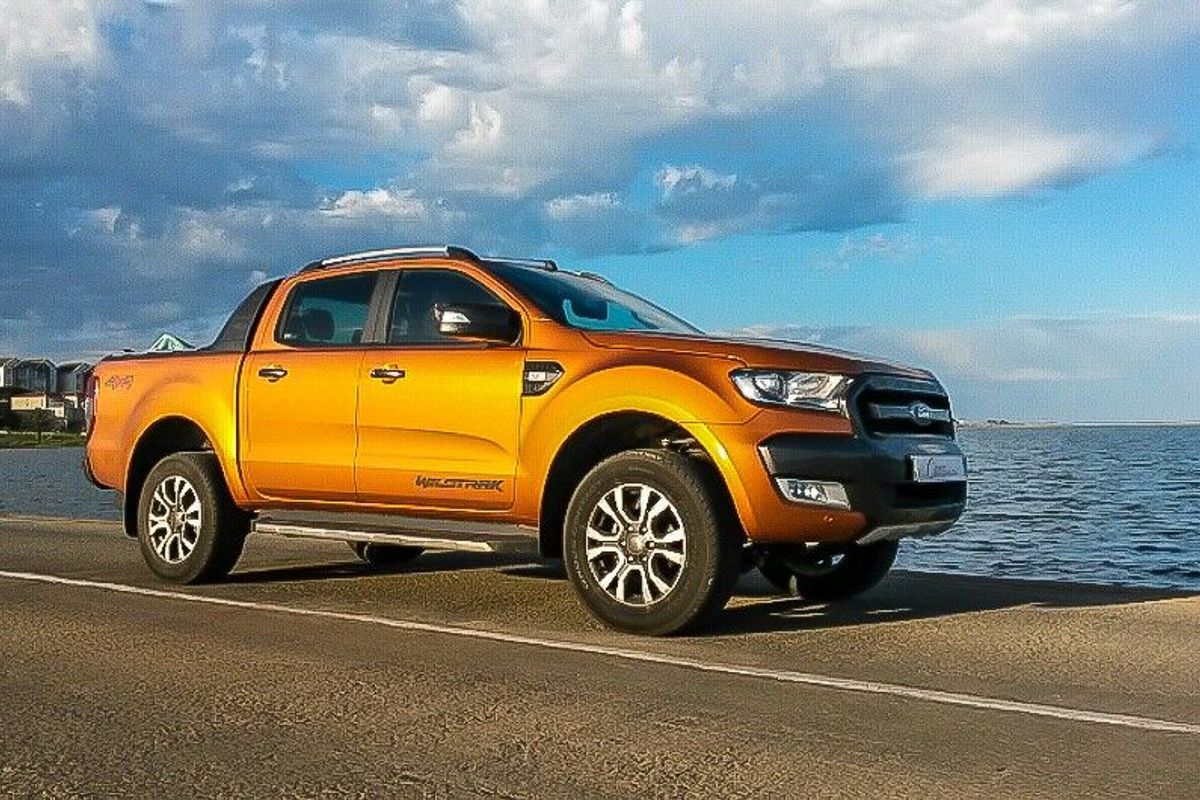
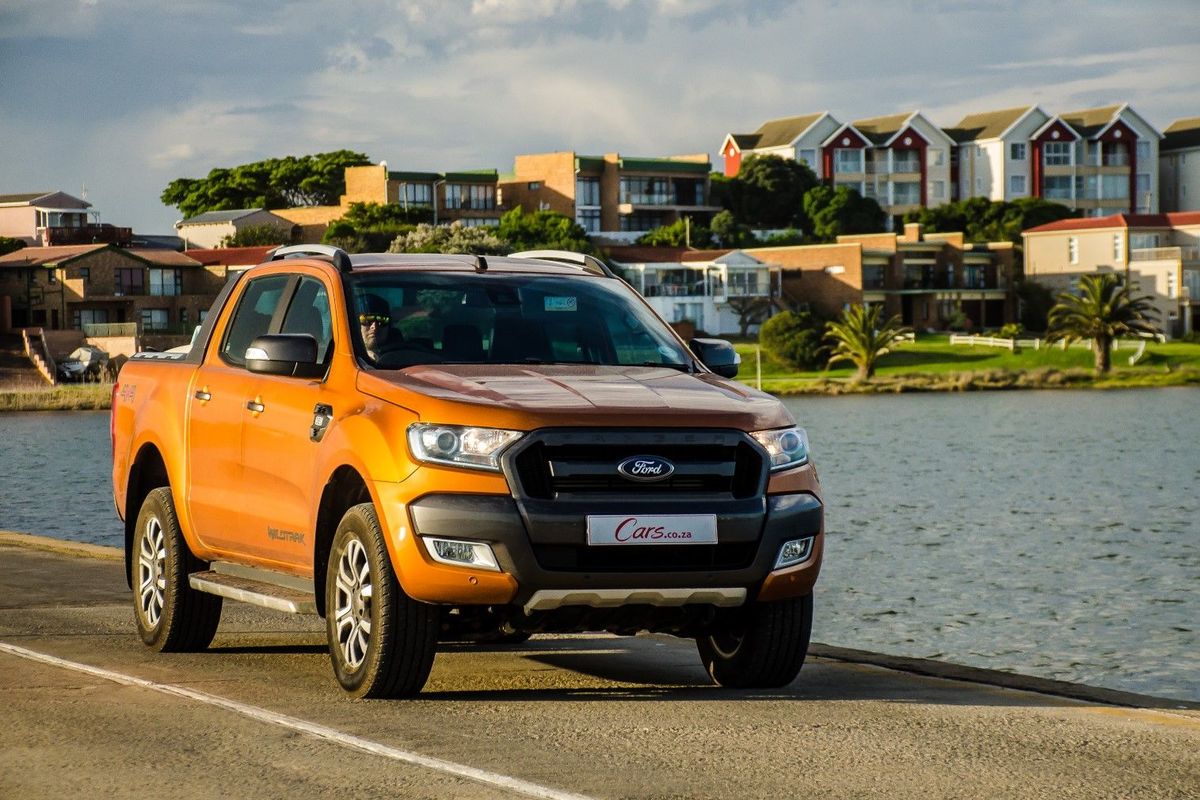
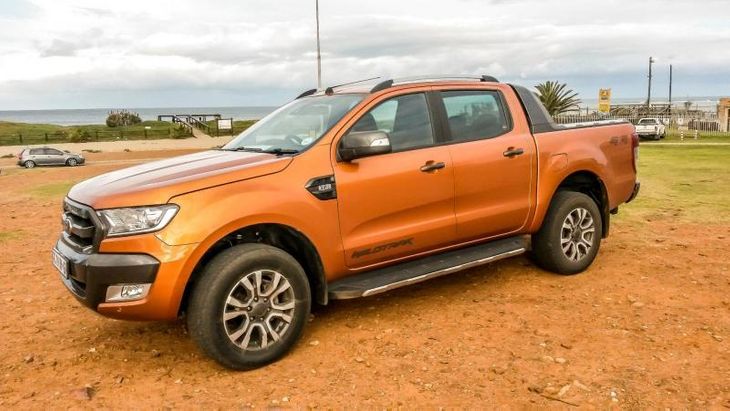
The Wildtrak is not only a capable 4×4, it's rather attractive too.
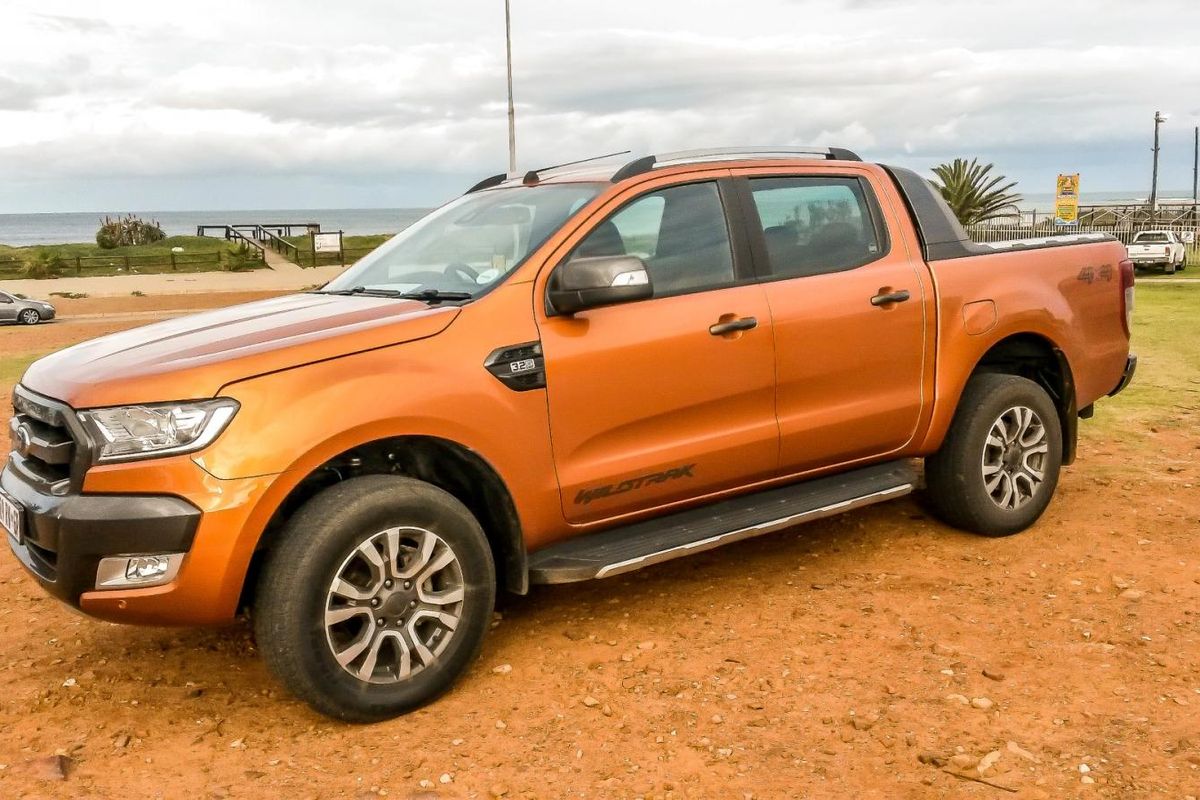
We think the Ranger Wildtrak tops the styling stakes with its imposing presence and bold face. Not even the new Toyota Hilux can match the machismo of the Wildtrak. There are, however, a number of attractive leisure bakkies that could outshine the Wildtrak when or if they arrive in South Africa, the Mercedes-Benz GLT and Renault Alaskan being the most promising. For now though, the Wildtrak dominates in the looks department.
If looks matter to you, then you can’t go wrong with the Wildtrak!
On-road comfort was one of the highlights on a long-distance surf trip in the Ford Ranger Wildtrak.
We took the Wildtrak on a long distance surfing trip from Cape Town to the renowned surfing town of Jeffreys Bay in the Eastern Cape. Our experience highlighted the fact that the Wildtrak is as capable on tar as it is in the dirt and that says much for the Wildtrak. It rides like a passenger car and its suspension provides sufficient cushioning over ragged tar to deliver a smooth and composed drive. There’s no bouncing around in the Wildtrak and during our journey, rear passengers actually commended the Wildtrak for its smooth ride quality, something that’s not usually associated with a double-cab bakkie.
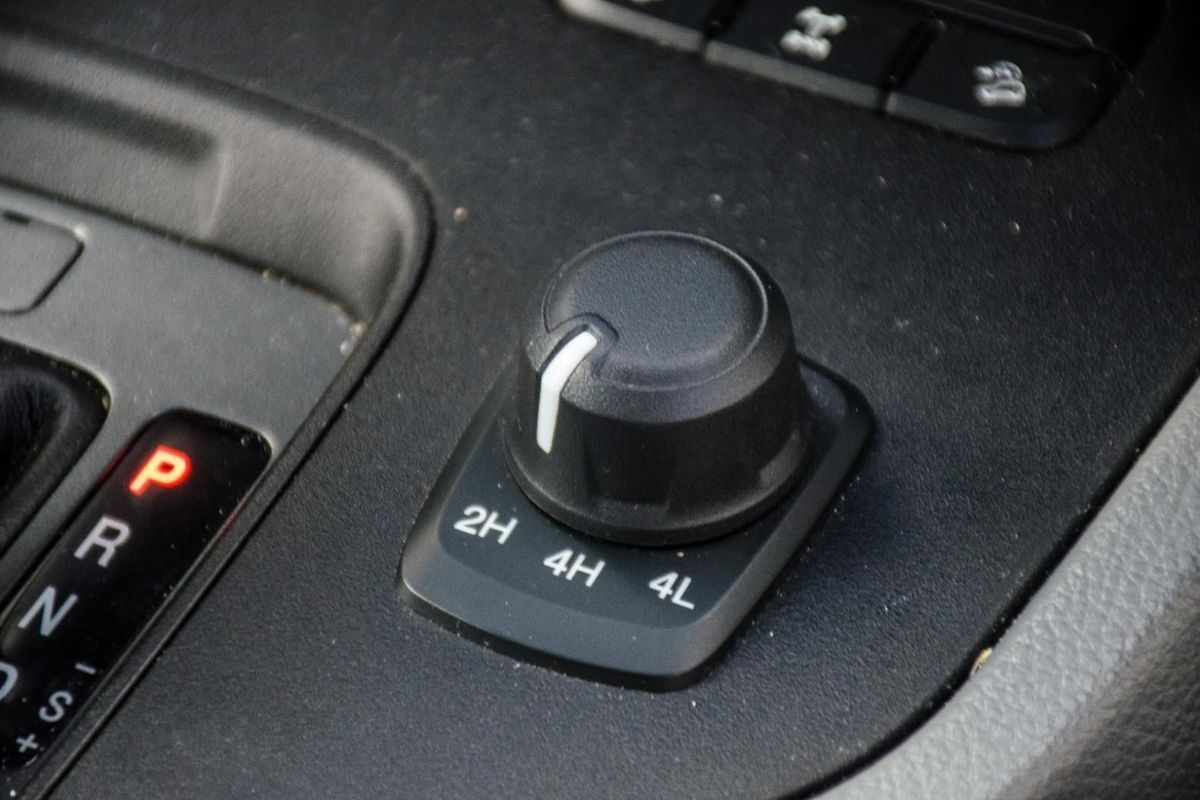
Should you be confronted with a poorly maintained dirt road, or even the worst road you can imagine, you can be confident in the Wildtrak’s abilities. Its ground clearance of 230 mm allows the Wildtrak to tackle terrain where few cars can venture. Coupled with an electronic transfer case and rear differential lock, the Wildtrak’s capabilities are only limited by the driver's judgement and common sense. If you had to choose a 4×4 vehicle to conquer the unknown, the Wildtrak would be a good bet for sure.
Surprisingly comfortable
We found the partial cloth/leather-trimmed seats to be particularly inviting on our journey up the coast as they provided sufficient comfort and support. The driver’s seat is electronically adjustable with lumbar adjustment and along with the rake- and reach-adjustable steering column, finding the perfect driving position behind the wheel takes little effort. Thanks to the raised height of the Wildtrak, the driver also has a commanding view of the road.
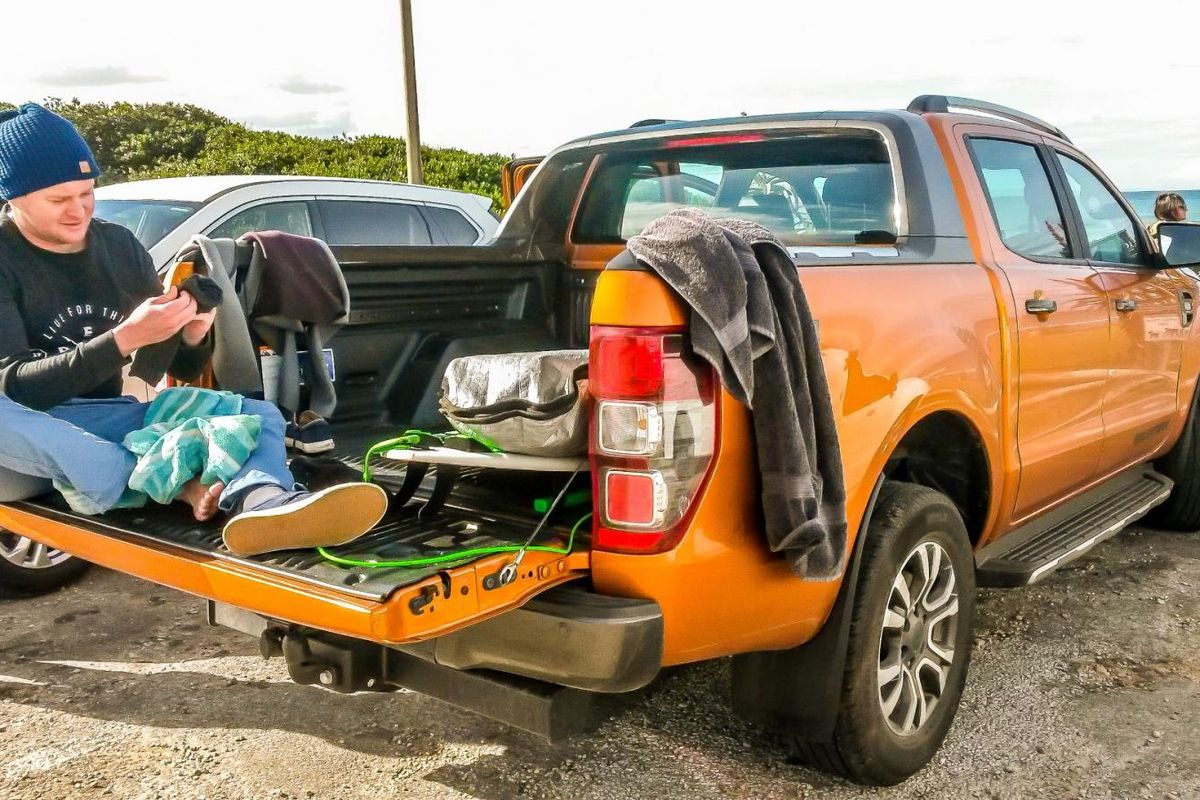
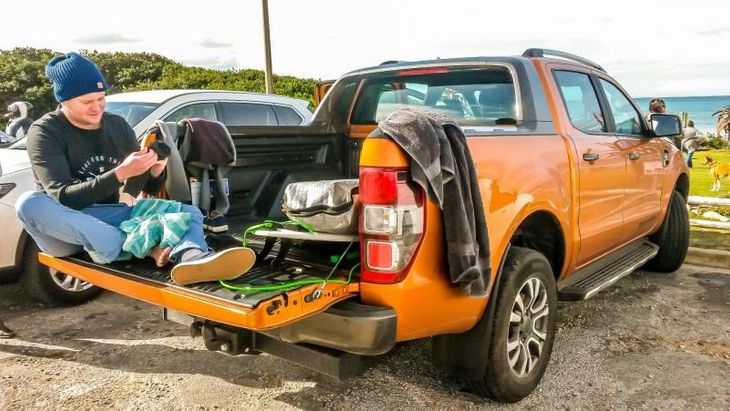
The Ford Ranger Wildtrak proved to be capable surf companion with lots of carrying space in the load bay.
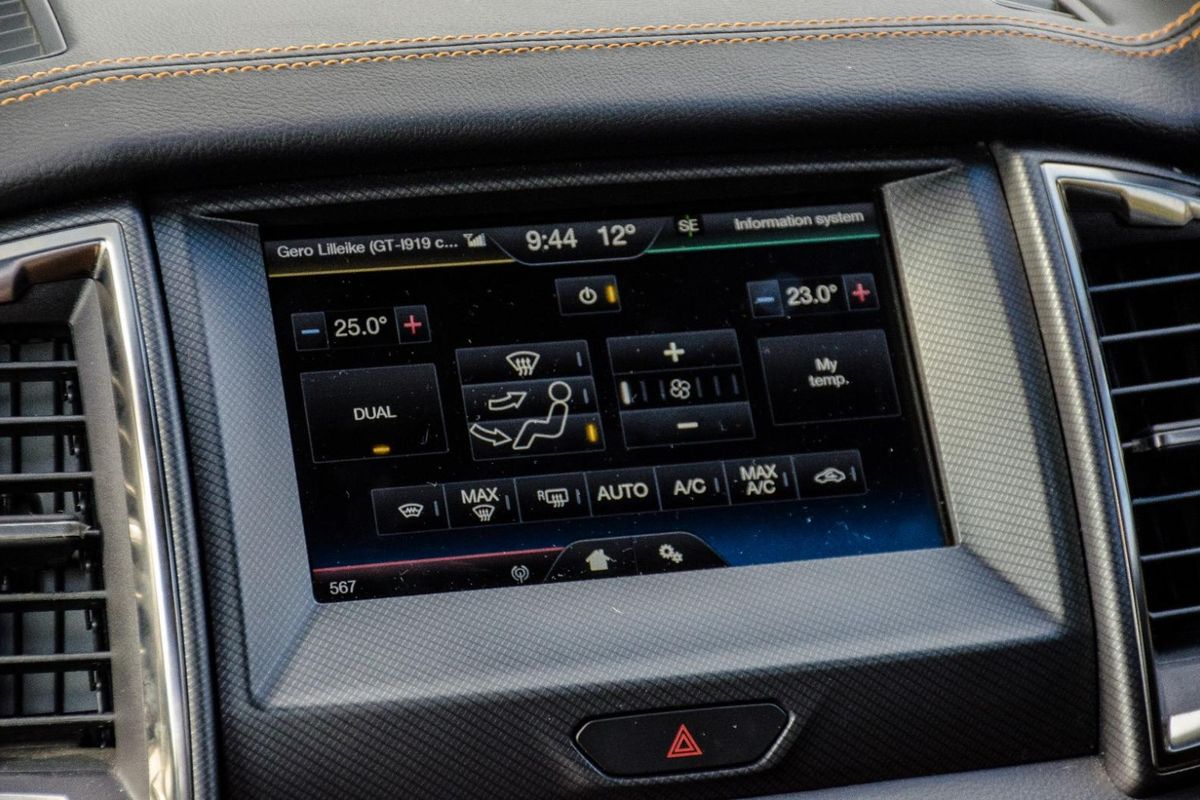
Passengers enjoyed using Ford’s SYNC2 infotainment system with its 8-inch touchscreen. Phones are easily connected via Bluetooth and the driver is able to view infotainment and vehicle information directly in the instrument cluster, using the mounted steering wheel controls to alternate between menus.
By far our favourite feature on the Wildtrak was the adaptive cruise control, which quickly demonstrated its worth on route to Jeffreys Bay. With cruise control engaged, the driver can literally control the speed of the Wildtrak at the touch of a button and it will brake and accelerate back to up speed automatically based on the driving situation. The distance between the vehicle ahead is also easily adjustable using the steering wheel controls. We covered hundreds of kilometres, mostly using this feature and it was simply wonderful.
Safety Features
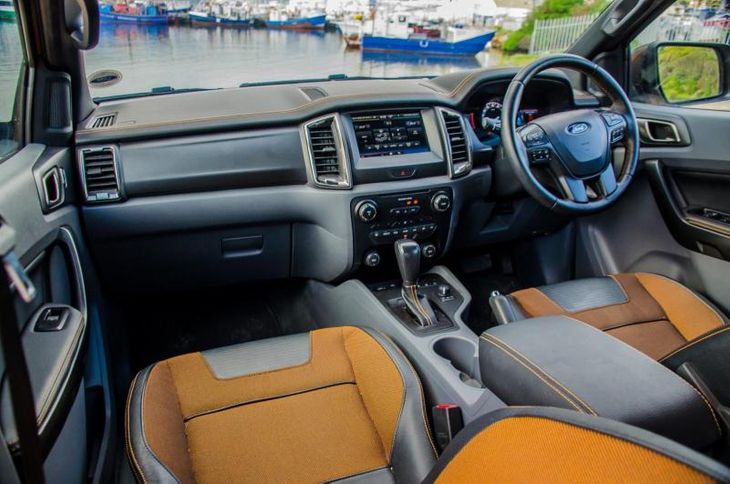
The Wildtrak's interior is stylish, comfortable and well equipped with features.
The Wildtrak is typically used as a family leisure vehicle and its array of safety features is, therefore, important. Our Wildtrak test unit was fitted with features such as lane keeping aid and blind spot monitoring. A loud beeping noise and flashing red light in the windscreen appears if sensors detect that a front-end collision is about to take place. It’s an intrusive feature, but rather safe than sorry, as they say.
Parking the large Wildtrak was made easier thanks to front and rear park distance control as well as a reverse camera.
It’s also nice to know that the Wildtrak has no less than 7 airbags fitted and features such as ABS with EBD, traction control, stability control, hill descent control and a tyre pressure monitoring system all give the driver added peace of mind.
What don’t we like about the Ford Ranger Wildtrak?
Sluggish engine/transmission combination
We found the Wildtrak to be a bit sluggish at pullaway with an average response low down in the rev range. The engine seems to labour under hard acceleration, but, as the Wildtrak gathers momentum, matters improve somewhat and the engine settles into a more refined thrum.
As you can expect, the Wildtrak 3.2-litre automatic isn’t the most frugal either and we managed to achieve no better than 11.0 L/100km during our test.
Unprotected load bay
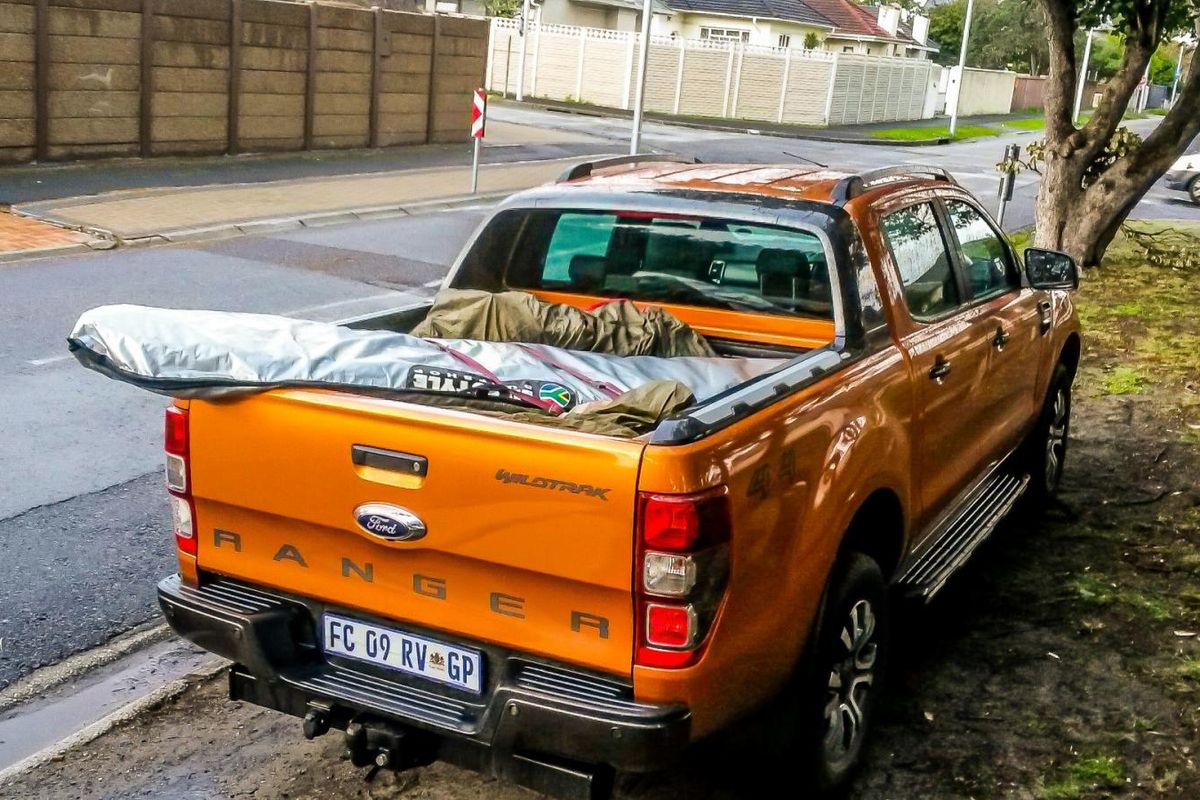
An aftermarket tonneau cover or lockable load cover is recommended to keep valuables safe.
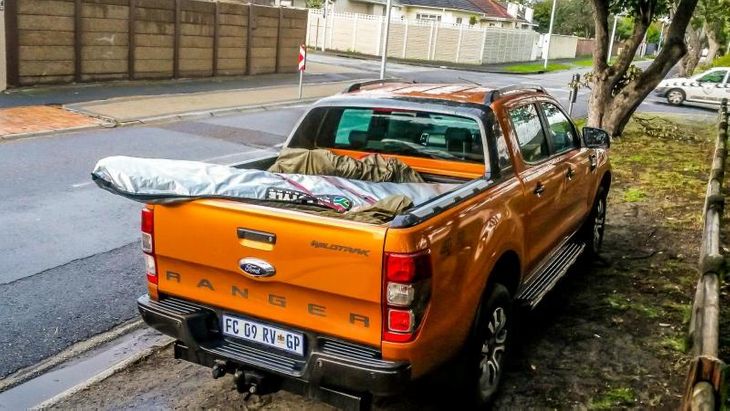
With four passengers in the Wildtrak on our journey up the coast, all our luggage, including bags and surfboards had to be packed into the large load bay (938 L). Although there was enough space, our luggage was at the mercy of the weather and rainy weather was threatening to soak everything to the bone. We solved the issue by wrapping our valuables in water-resistant tent covers that seemed to keep everything dry. The potential for opportunistic criminals to swipe goods from the load bay was also a concern.
The Wildtrak isn’t sold with a tonneau cover or lockable load cover and if buyers want to protect their luggage, then an aftermarket solution must be purchased at an additional cost, which is highly recommended.
Verdict
We enjoyed our time with the Ford Ranger Wildtrak. Even though it was cumbersome to drive in the city, it proved to be comfortable and capable on longer journeys. The capability of the Wildtrak gives the driver lots of confidence on the road and in the dirt. Coupled with its high levels of comfort, the Wildtrak package is an attractive option in the leisure double cab segment.
Buyers who are willing to forego the 3.2-litre engine and unique styling of the Wildtrak may want to consider the recently introduced Ranger 2.2-litre TDCi automatic double cabs. They offer a better balance between performance and economy and we found the 4×4 XLS derivative to be very capable offroad. However, if only the best will do, then the Wildtrak is right up there.
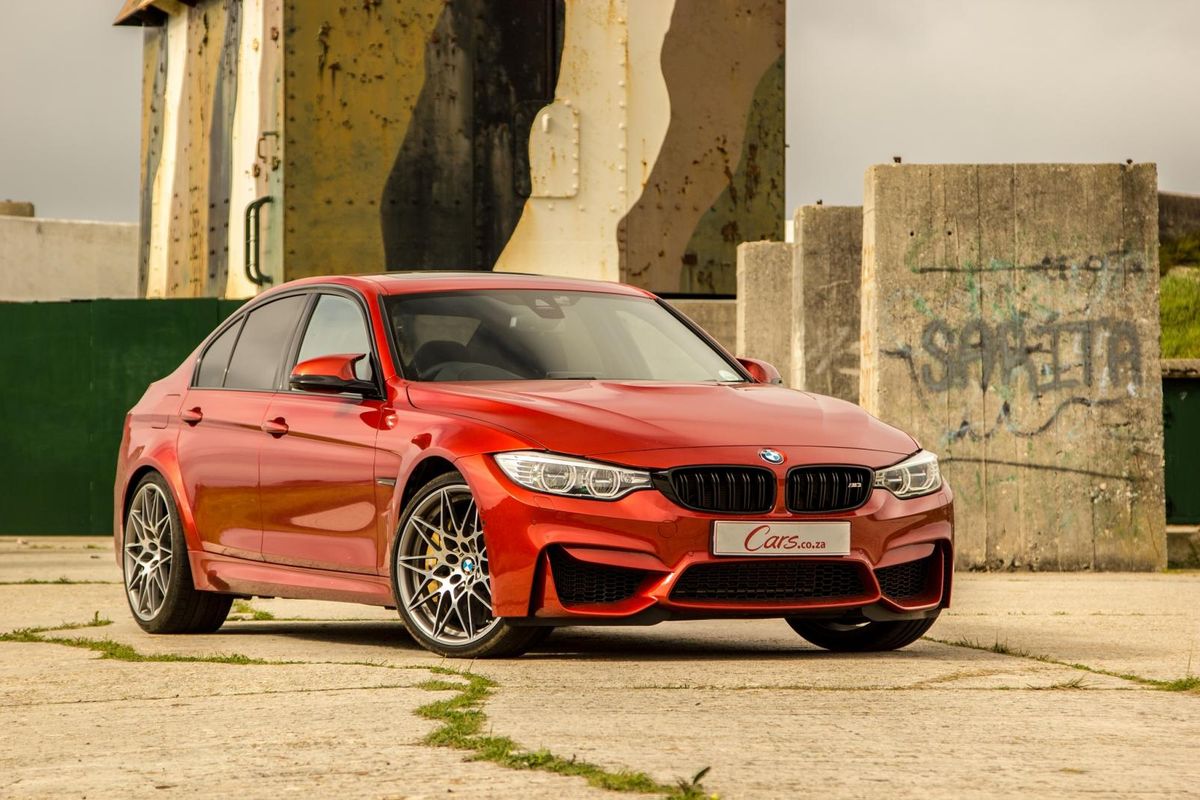
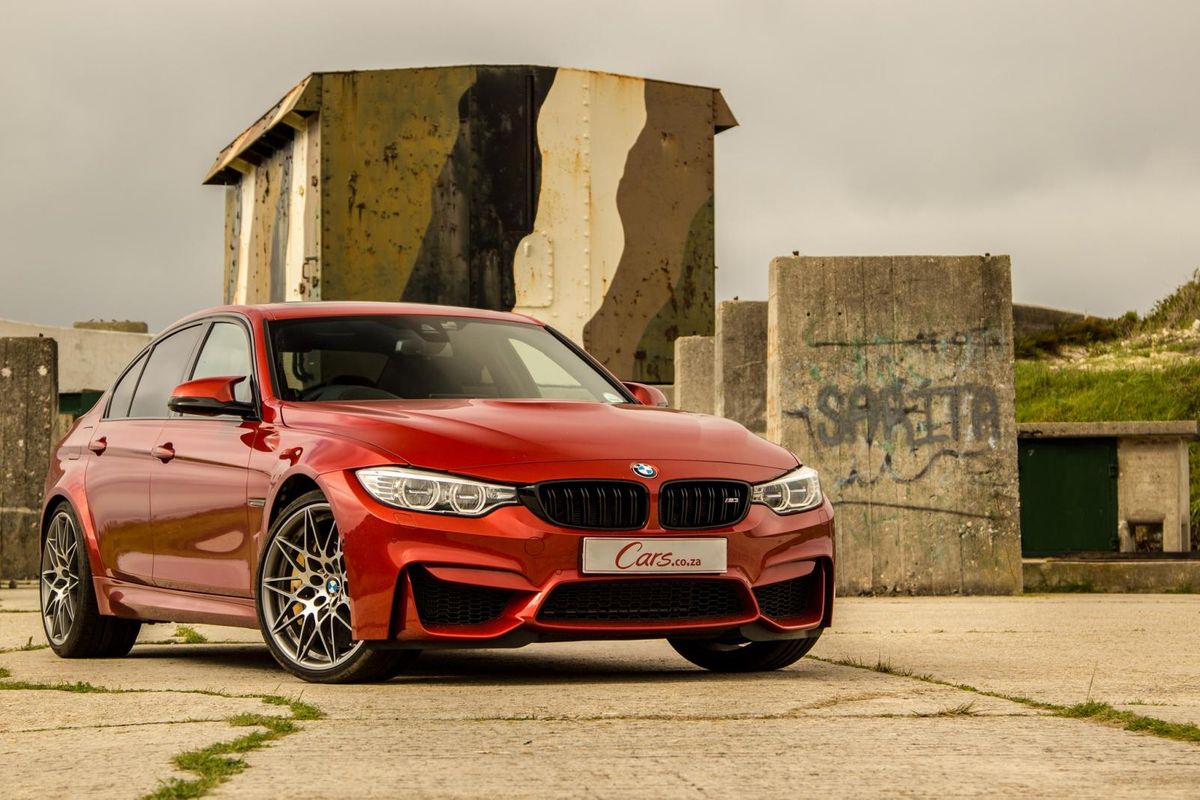
The idea of a faster, more dynamic BMW M3 is a great one and we couldn’t wait to get our hands on a quicker Bavarian sports sedan that has clearly been beefed up. How good is the BMW M3 Competition Pack? Let’s find out.
We like: louder engine note, subtle and classy looks, raw yet uncompromised driving dynamics
We don't like: A little too firm for poor roads, anti-social levels of noise
Alternatives
Nemesis number one: Mercedes-AMG C 63 S offers a rorty biturbo V8 engine and recently, a coupe derivative. It's loud and incredibly fast in a straight line, but its dynamics are not as razor sharp as that of the BMW's.
Want the security of all-wheel drive? The Audi RS5 is still floating around after some years and it still packs a healthy punch (it is a coupe and not a sedan), while quattro all-wheel drive is useful for stability when pressing on. Perhaps consider a bigger, used Audi RS7…
Don't need the practicality? If you're willing to sacrifice practicality, then look to Porsche and specifically, the Cayman range.
The BMW M3 sedan and its M4 coupe sibling represent the brand’s performance sedan interests, but since its local launch in the middle of 2014, some rivals have appeared and we’ve found that there are some minor drawbacks that prevent this vehicle getting that perfect end-of-year school report. See, if you’re a performance car fan or a performance car owner, on-paper numbers count for a lot. Think of this as pub-argument ammunition.
Forget the on-the-road comparisons for a minute. If your rival from Affalterbach (the C63 S) comes waltzing in with an updated product featuring a 375 kW/700 Nm biturbo V8 and you’re only packing 317 kW and 550 Nm, your back is against the wall immediately and your around-the-braai argument is suddenly invalid. By comparison, the BMW M3/M4 outputs look anaemic to the AMG's. How does BMW’s M division counter this? More power, obviously.
What is a Competition Pack?
The recipe is simple. Take 1 standard BMW M3 (or M4) and add some go-faster visual kit, tweak the suspension and make that engine produce some more of those precious kilowatts that our inner petrolheads crave. It’s crudely simplified, but that’s exactly what the folks from the M Division have done.
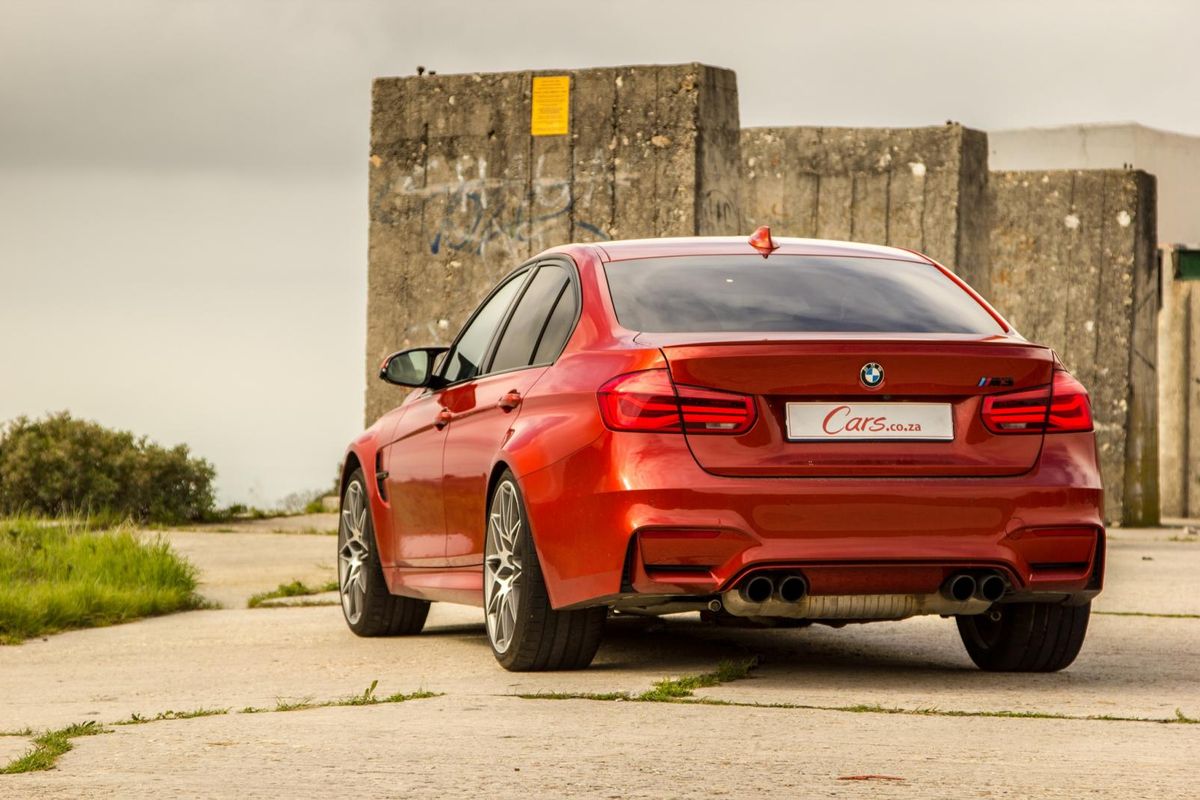
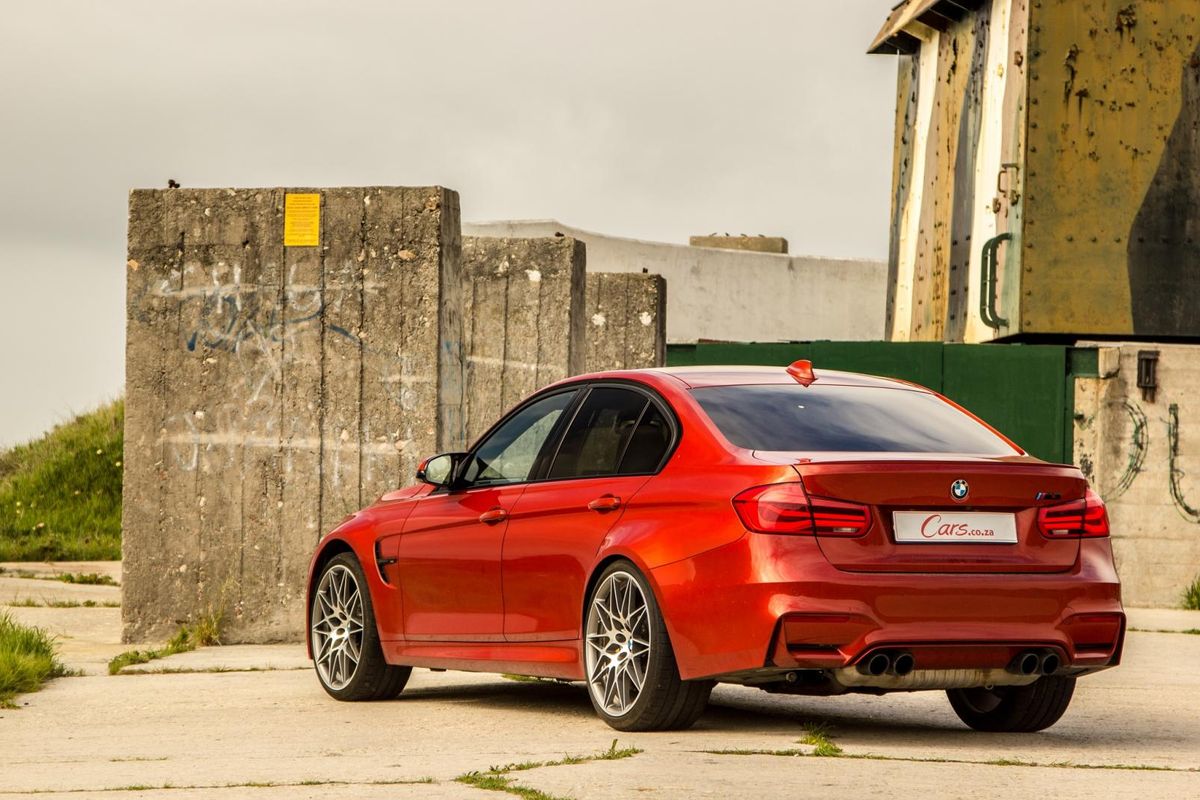
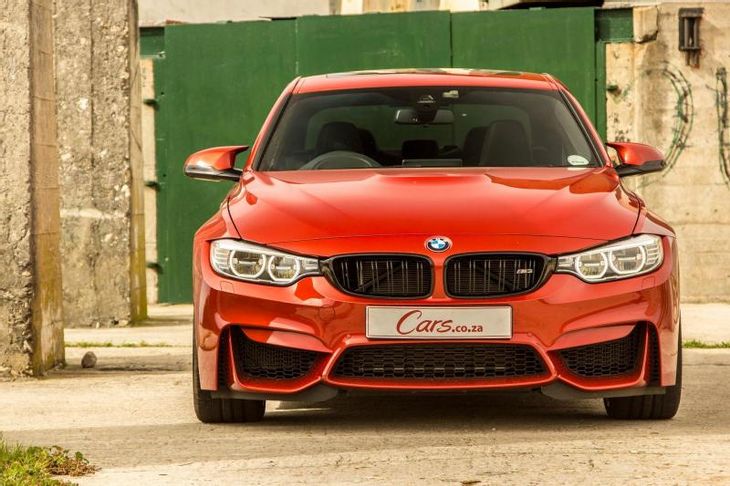
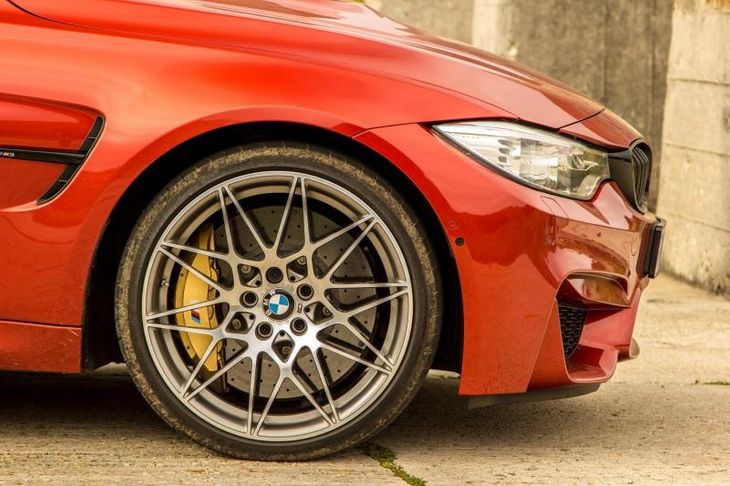
Sakhir Orange and Competition Pack gloss black detailing makes this M3 stand out more than normal
How does it fare in terms of…
Performance?
In terms of power outputs, the BMW M3 Competition Pack now boasts 331 kW, while torque remains the same at 550 Nm. The claimed 0-100 kph sprint time has been cut by 0.1 seconds and now sits at 4 seconds dead. See? Instant "ammunition". It’ll top out at 250 kph (or higher if you opt for the M Drivers Pack), but the real strength of the BMW M3 is to provide a near supercar-like driving experience without infracting on those day-to-day driving requirements. You know, like a capacious boot, a pair of doors to accommodate rear passengers and not having your spine snapped when driving on poor quality roads.
To that end, the suspension setup on the BMW M3 Competition pack has been tweaked. Then you get new dampers, anti-roll bars and springs and the software on the (standard) adaptive suspension has also been upgraded. It translates to a more lively, but also more adaptable on-road experience than the standard M3 and while we needed the safety of a racetrack to best exploit its handling prowess, negotiating a few mountain passes at the wheel of the Competition Pack made us feel like Christmas morning had kindly been brought forward by a number of months…
Kerb appeal?
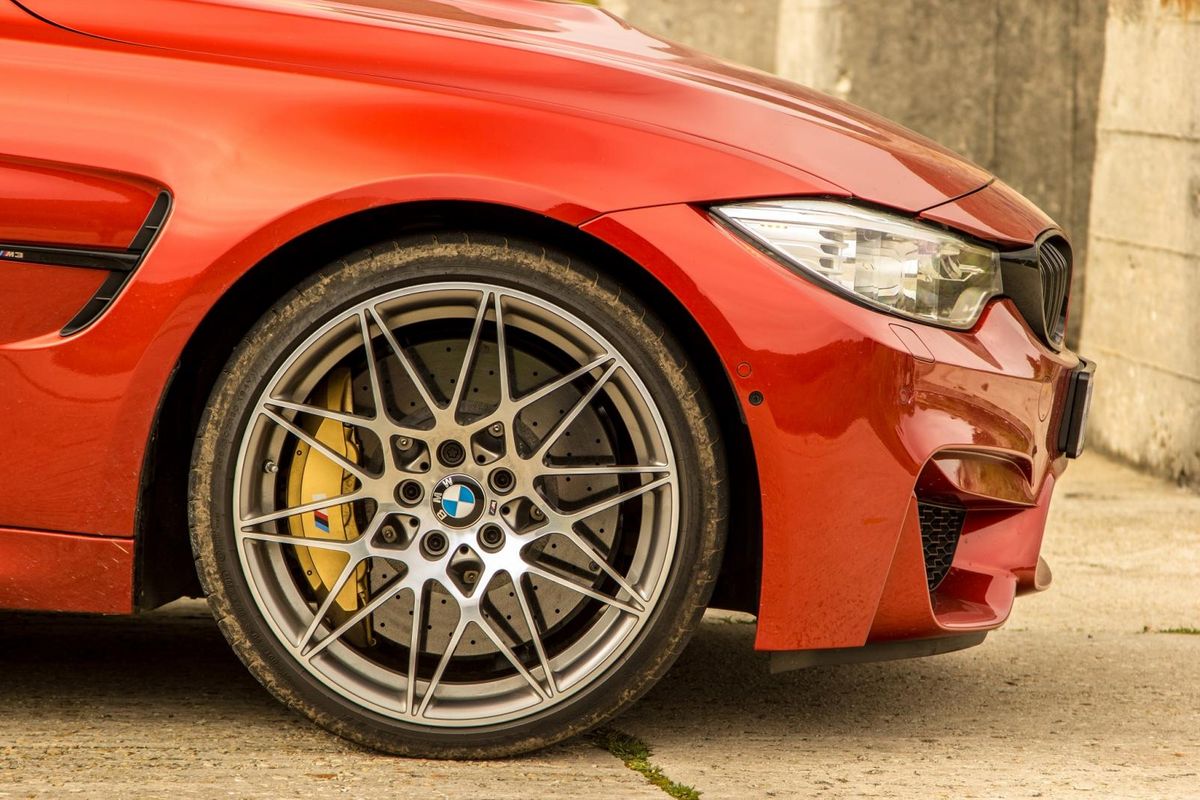
To let other road users know you’re driving a non-standard M3, BMW has kitted its Competition Pack weapon with subtle, yet effective go-faster bits. There are some great black detail touches on the grille, the exhaust tips, the mirrors, gills and the best part is the black M3 badge perched proudly on its rump. Then there are the alloy wheels. These glorious goodies are the Star-spoke 666 M alloys which are wrapped in sticky high-performance Michelin rubber. These wheels also happen to be a little wider, which increases the size of the contact patch on the road, which in turn improves grip.
Fire up the M3 Competition Pack on a cold morning by stabbing the Start Engine button and be prepared to wake soon-to-be-angry neighbours with the Bimmer's vicious, distinctive bark. Watching the dials light up and feeling the beast of a motor come alive delivers one of the purest hits of Dopamine your grey matter can get. The burbling subsides a little as the mechanicals get warm, but that’s about as subtle as it gets. Subtle isn’t a word in the Competition Pack’s vocabulary. If you’re after subtlety a BMW 340i should be your port of call. This, on the other hand, is about as subtle as lighting a firework indoors.
Launching into a full-bore acceleration run from standstill is not easy as, even with launch control, the M3 Competition Pack is inclined to spin its rear tyres. Where the sedan really comes into its own is in its sheer overtaking ability, however. Select manual override on the M-DCT ‘box and change down a gear, then accelerate. Even on dry roads, there’ll be a little chirp from the rear tyres as they battle to maintain grip. The M3 Competition Pack will surge forward and its in-gear acceleration (combined with a raucous soundtrack to match) is one of its best attributes.
Ceramic brakes and Michelin sticky tyres make for one tremendous experience through the corners
The fun truly begins when you introduce the vehicle to some twisty sections of tarmac. The standard M3 is a fine-handling car, but it tends to feel a little insulated from its driver. The Competition Pack removes that "numbness" and it feels vastly more hands-on and involving. BMW fanatics will love its purity and how responsive the car is in the corners. Thanks to the uprated rubber and suspension, cornering ability is excellent and the vehicle feels more wieldy.
The ride in Sport and Sport+ modes (the latter with limited stability control – be aware!) firms up tremendously and on sections of poor quality tarmac, you’ll really feel each and every pockmark, pothole and bump. When you’re on higher-quality tarmac, the ride is excellent for a performance machine and the BMW M3 Competition Pack is really the ruthless-supercar-with-4-doors that it is marketed to be.
The brakes are stupendous. Our unit came equipped with carbon ceramic units which, while a pricey at R105k, are an excellent option worth ticking if you’re an enthusiast or someone who does high-performance driving on a regular basis. They take some time to warm up so avoid the hooligan antics first thing in the morning, but once they’re warm, you can confidently brake harder for longer; they’re far less prone to fade than their standard non-ceramic counterparts.
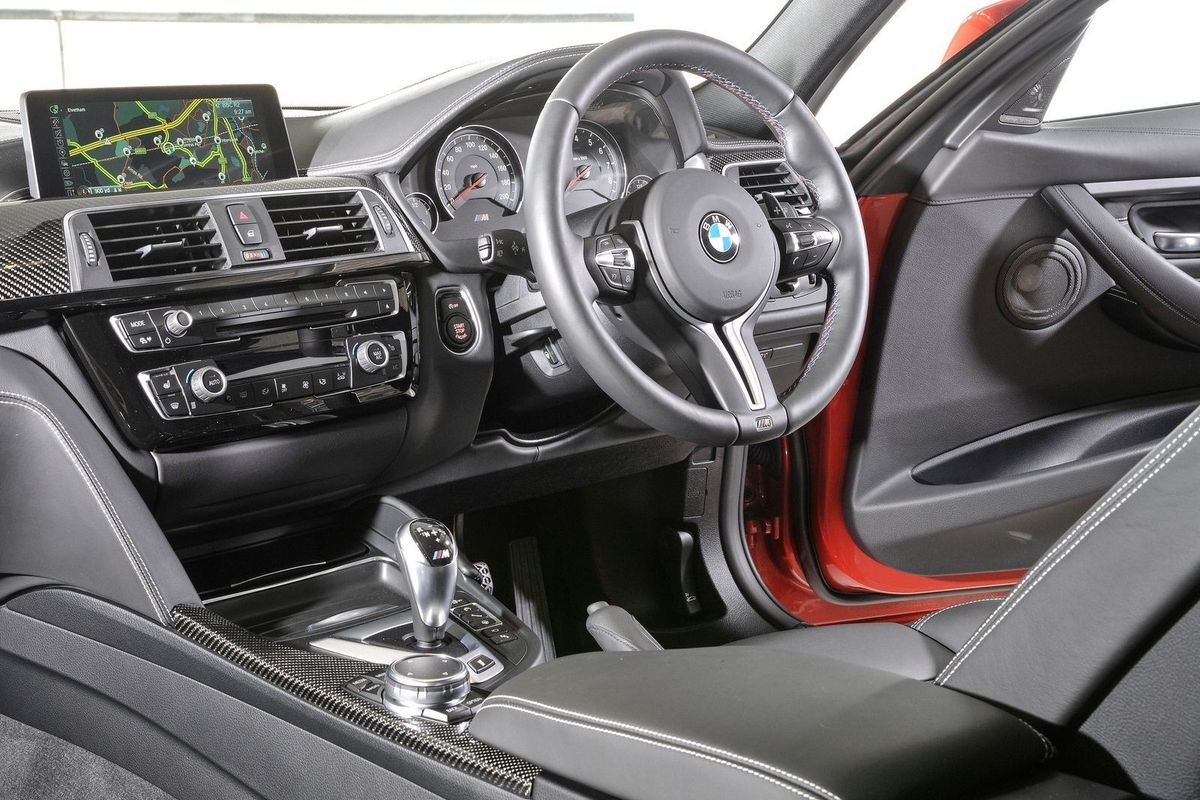
BMW has adorned the M3 Competition Pack's cabin with some extra kit. The M3's interior already has an air of performance and prestige to it, but the Competition Pack adds some items which appeal to both the head and the heart. Let’s start with the seats. These are lightweight units with cutout sections and these come with eye-catching M stripes on the seatbelts. Classy and enough to earn you plenty of bragging rights. If you're a BMW M fan, you'll be delighted to see these M seatbelts will match your BMW sports jacket perfectly…
BMW’s Competition Pack addresses most of the criticism levelled at the F80 M3. It offers a sharper, purer driving experience – something we feel that the purists were craving – and it reduces the power deficit to its most obvious rival, but this on-paper comparison is irrelevant in the real world as most will find the BMW the sharper driving machine anyway. The vehicle now has a reassuring tighter performance feel to it and everyone will appreciate the extra traction from the bigger wheels with matching tyres. It no longer feels as if it will snap into wild oversteer if you ever ventured into the depths of Sport+ mode…
Downsides? Well, we're nit-picking… One gripe is that the Competition Pack is what the BMW M3 should have been right from the get go. With such an illustrious heritage such as the E46 M3 and E92 M3, the Competition Pack will sit nicely amongst its forefathers. We’ll also have a mild complaint that our roads aren’t all in perfect condition and the ride in the BMW M3 Competition Pack is now undoubtedly firmer than the standard model.
Given how significantly it improves the driving dynamics of the BMW M3, the Competition Pack makes a credible business case for itself. It's a worthy option if you're an enthusiast and take your precision performance driving seriously.
BMW M3 Competition Pack Price in South Africa
The BMW M3 Competition Pack retails for R 1 287 136 and the price of the Competition Pack costs R 135 900. Our test unit pictured here came with a few extras and was priced at R 1 457 286.
From MPV to SUV, Peugeot's 5008 has changed dramatically in shape, design and function. Let's take a look at this all-new model.
The Peugeot 5008 is a spacious and practical multi-purpose vehicle (MPV), but despite its positive traits, it wasn't a massive sales success, at least not in South Africa, where multi-seat SUVs are particularly popular. Fast forward to 2016 and we're deep in the age of the crossover/SUV. These vehicle genres have dominated sales because they're practical, can venture off the tarmac when required and carry 7 passengers.
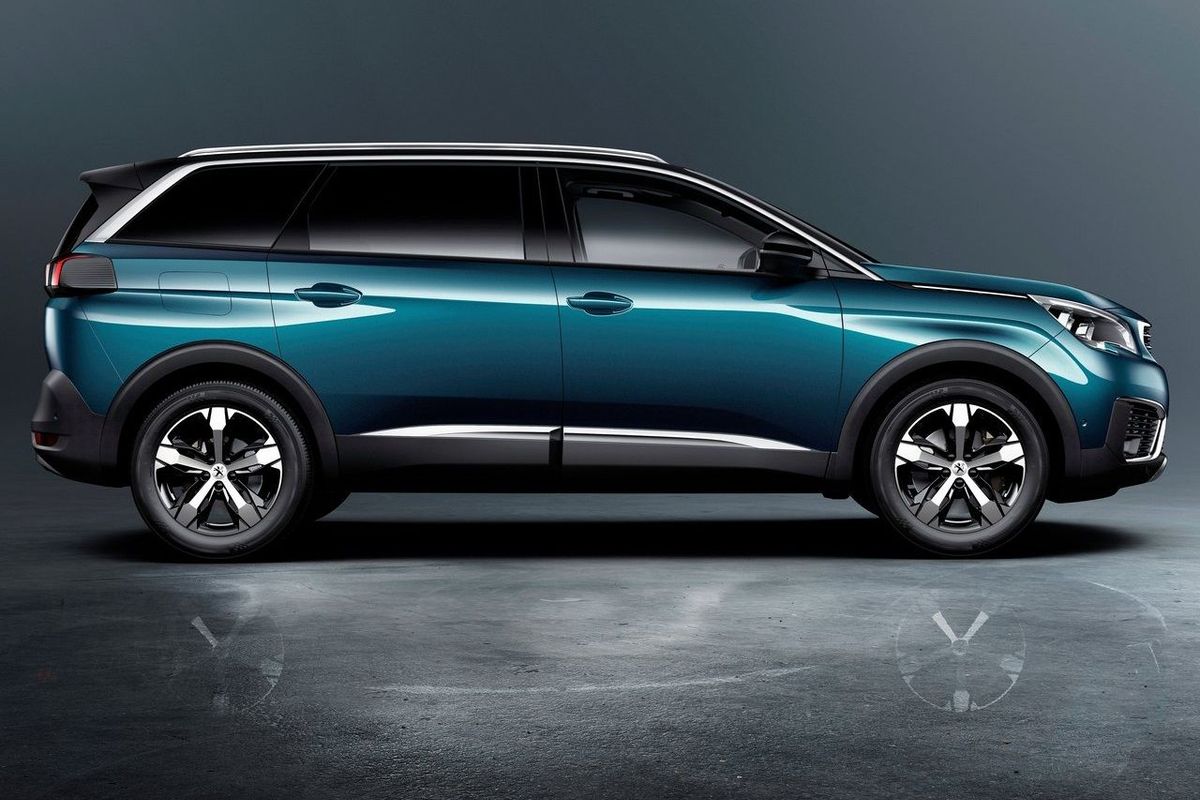
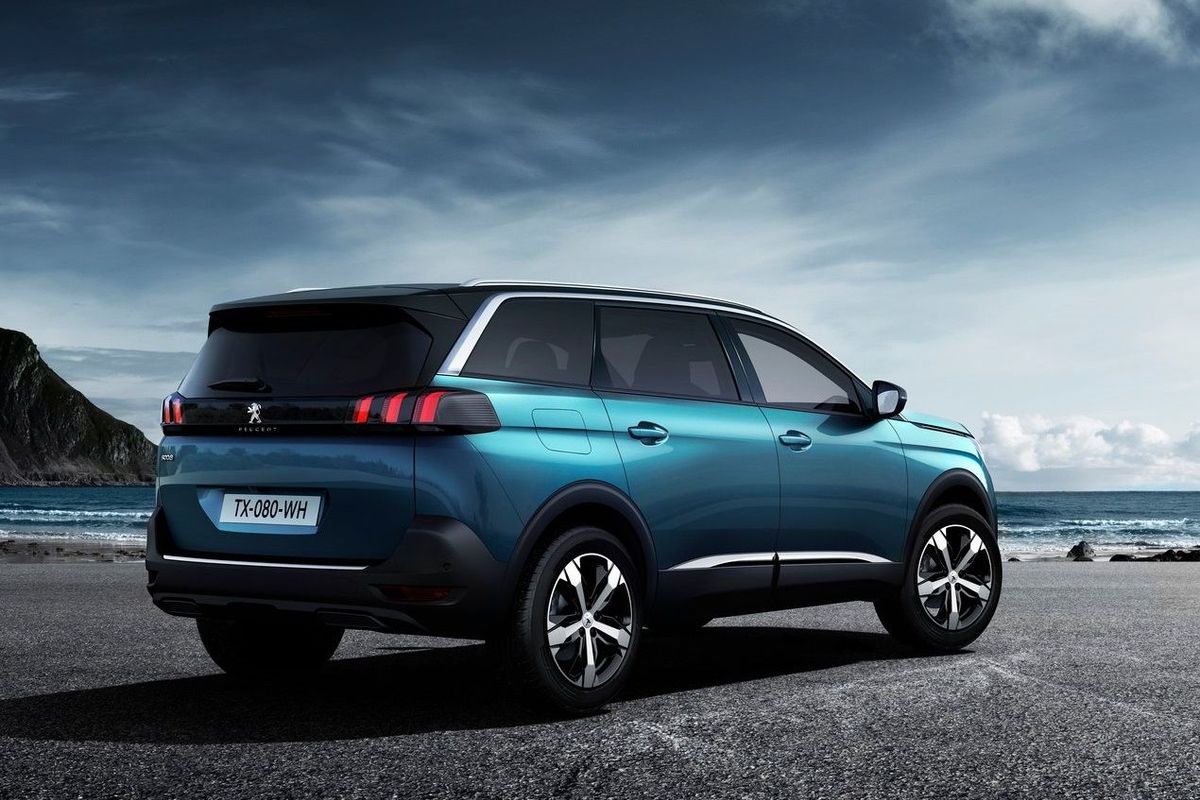
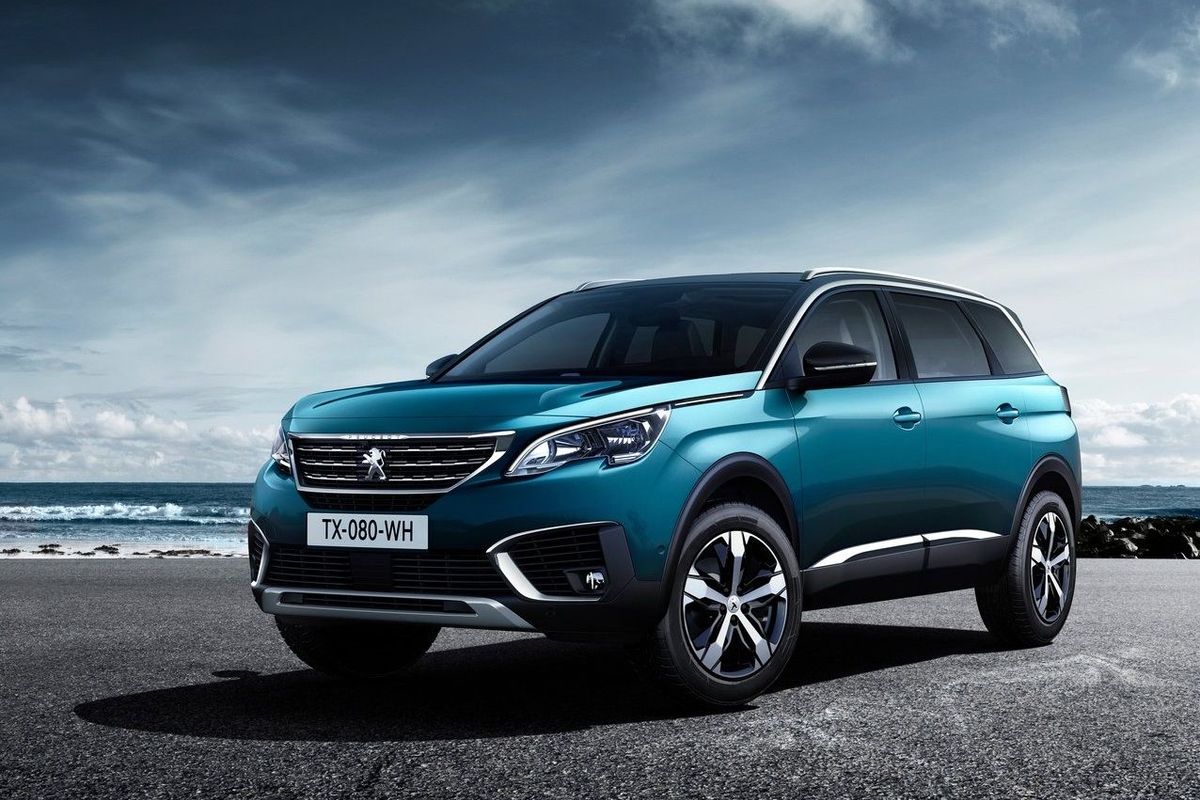
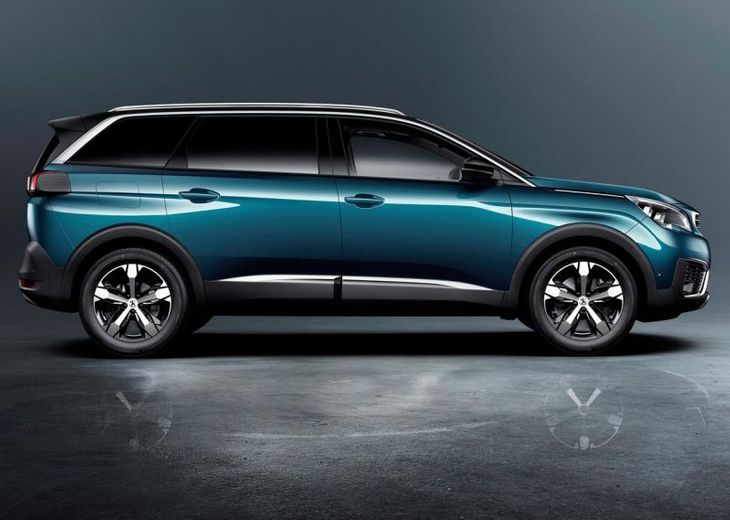
The crossover/SUV simply offers more "everything" than a traditional MPV. Now, hard on the heels of the new-look 3008, comes this striking 5008. The newcomer looks very stylish and while it shares a name with its predecessor, that's about all they have in common. Claimed to combine luxury, practicality and technology with some offroad ability, this new vehicle will be unveiled at the Paris Motor Show in September 2016, and it's likely to go on sale in 2017.
What's new?
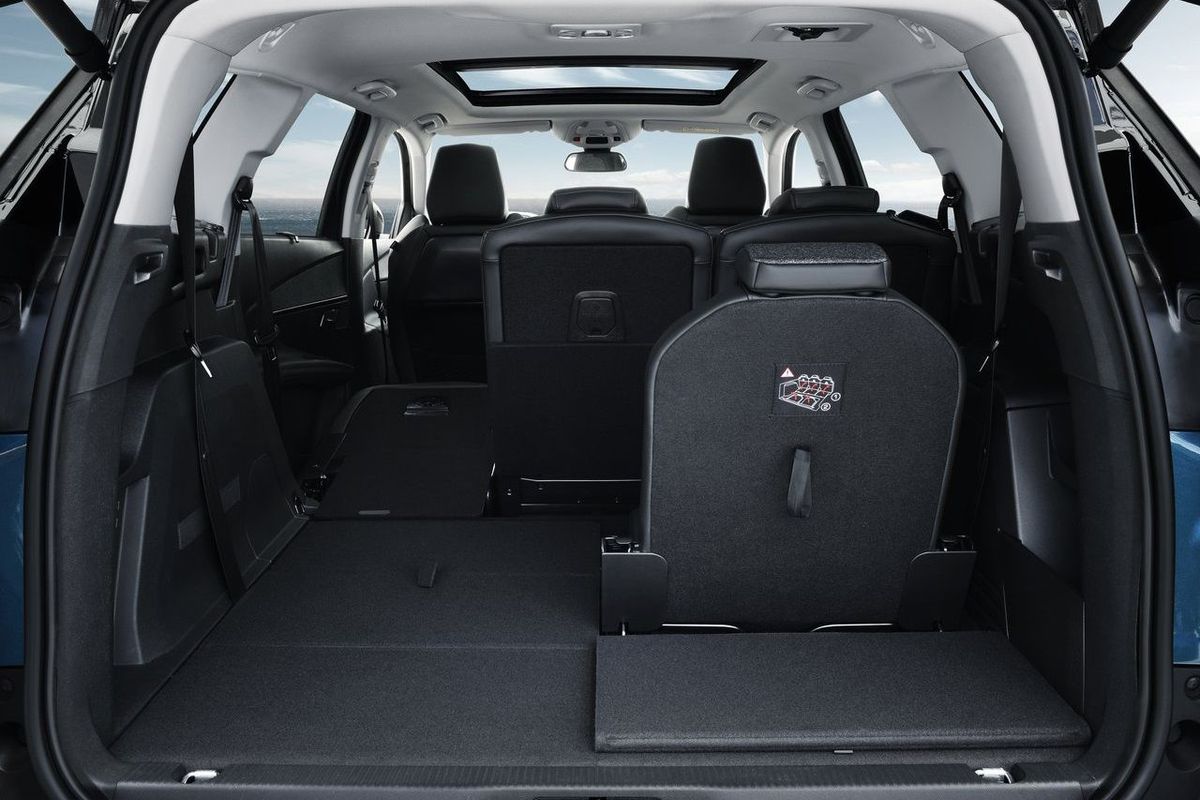
The new Peugeot 5008 is a Nissan X-Trail competitor built on the Efficient Modular Platform 2 (the latest architecture to underpin the new Peugeot products); its wheelbase is 165 mm longer than the 3008 (2 840 mm) and its total length is 4 640 mm. It's 110 mm wider than the original car and the extra width and length means that cabin space is generous. The new Peugeot 5008 will be offered with a third row of seats, depending on the country of sale (fingers crossed that if South Africa gets the 5008, we get the 7-seat option). The third row of seats can be folded down into the boot to increase boot capacity Peugeot is claiming that its boot capacity is the biggest in class, and at 1 060 litres with five seats in operation, that's quite a number.
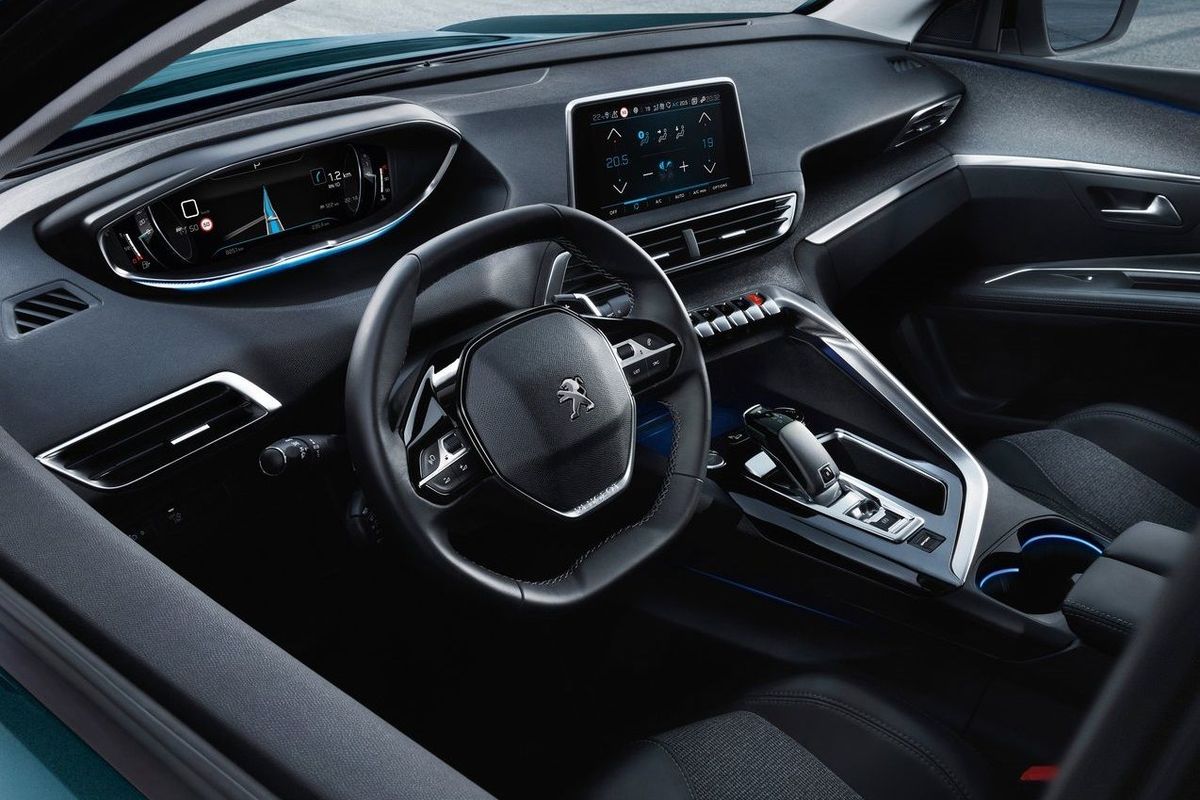
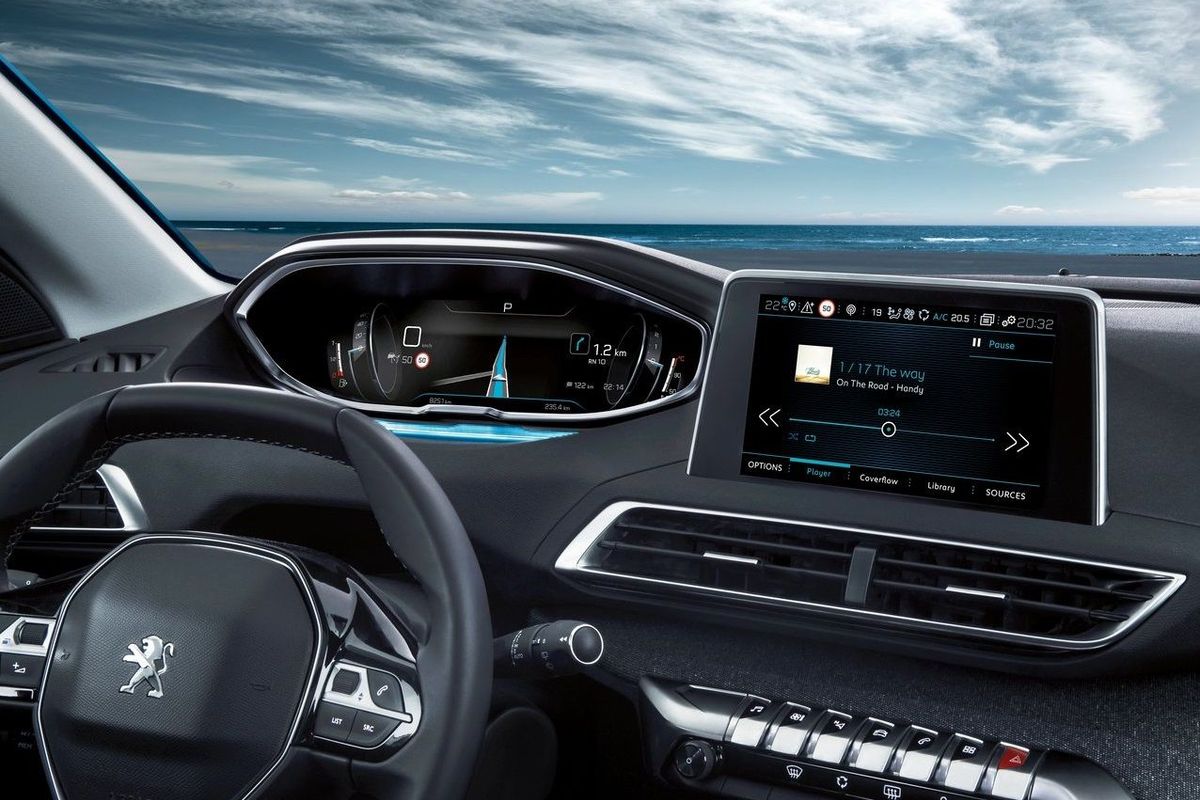
From the driver's point of view, you get the digital i-Cockpit which removes all the analogue dials and replaces them with screens – there's a massive 12.3-inch display right behind the steering wheel! Other interesting features include body-hugging front seats (with an optional multipoint massage system for the driver), a FOCAL® Premium Hi-Fi system, a large panoramic tilt/slide glass roof, LED interior mood lighting, as well as smartphone charging plate on the centre console, which uses magnetic induction to automatically recharge devices.
Safety features are extensive and there's a big focus on driver assistance. A Safety pack, including automatic emergency braking (AEBS) and distance alert systems, active lane keeping assistance (LKA), driver attention warning, smart beam assistance (adaptive lighting), speed sign recognition and speed suggestion, adaptive cruise control with stop feature (automatic gearbox), active blind spot monitoring, park assist, Visio Park (360° vision) and there's also the optional advanced grip control, including new Hill Assist Descent Control (HADC), which allows the Peugeot 5008 SUV to go (mildly) off-road.
Engines and trim
There are three trim levels (Access, Active, and Allure) with a top-spec and sporty GT Line version as well as an exclusive GT derivative.
There are four petrol engines available for the all-new 5008 SUV:
1.2L PureTech 130 S&S six-speed manual, standard (CO2 at 117g/km) or super-efficient (CO2 at 115 g/km) version
1.2L PureTech 130 S&S six-speed automatic (CO2 at 120g/km)
1.6L PureTech 165 S&S six-speed automatic (CO2 at 133g/km).
Six diesel engines (availability dependent on location) complete the range:
1.6L BlueHDi 100 S&S five-speed manual (CO2 at 106g/km)
1.6L BlueHDi 120 S&S six-speed manual, standard (CO2 at 108g/km) or super-efficient (CO2 at 105g/km)
1.6L BlueHDi 120 S&S six-speed automatic (CO2 at 112g/km)
2.0L BlueHDi 150 S&S six-speed manual (CO2 at 118g/km)
2.0L BlueHDi 180 S&S six-speed automatic (CO2 at 124g/km).
The last engine listed above is exclusively available for the dynamic, top-of-the-range GT version.
Peugeot 5008 Availability in South Africa
We have been in contact with Peugeot SA and right now as it stands, there are no plans to bring this vehicle in.
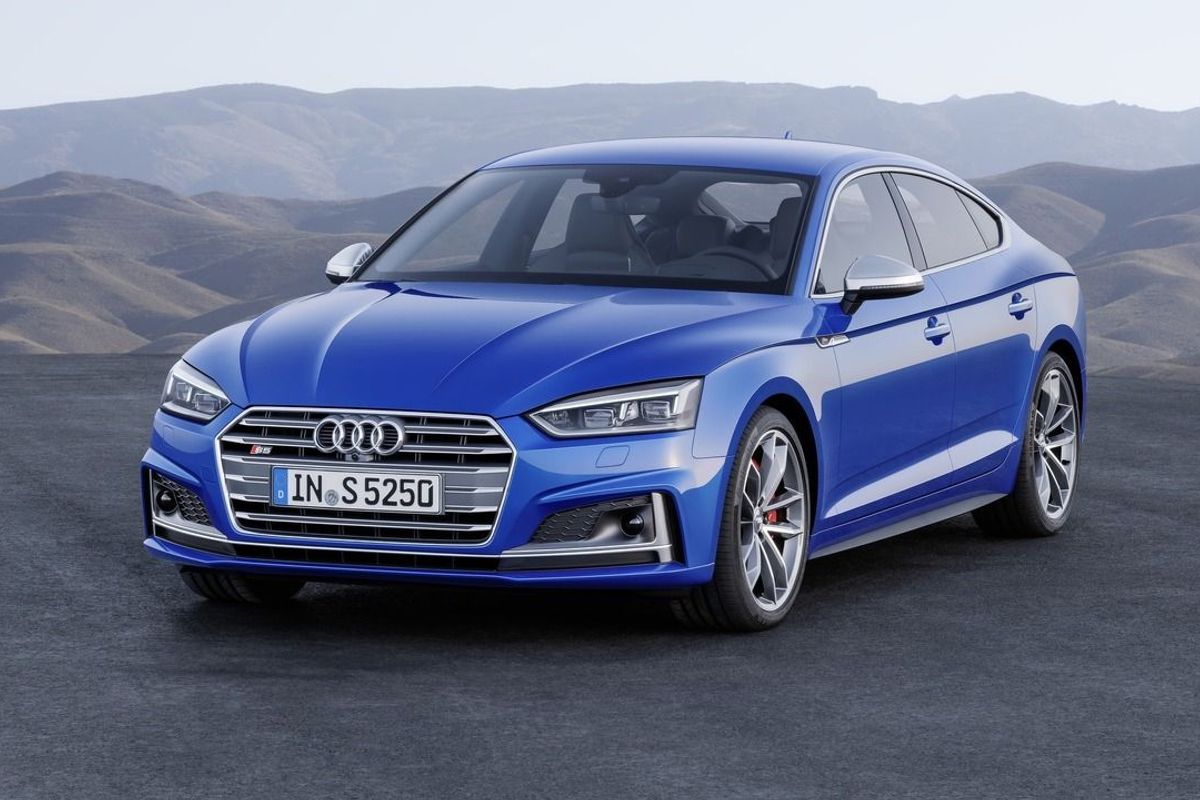
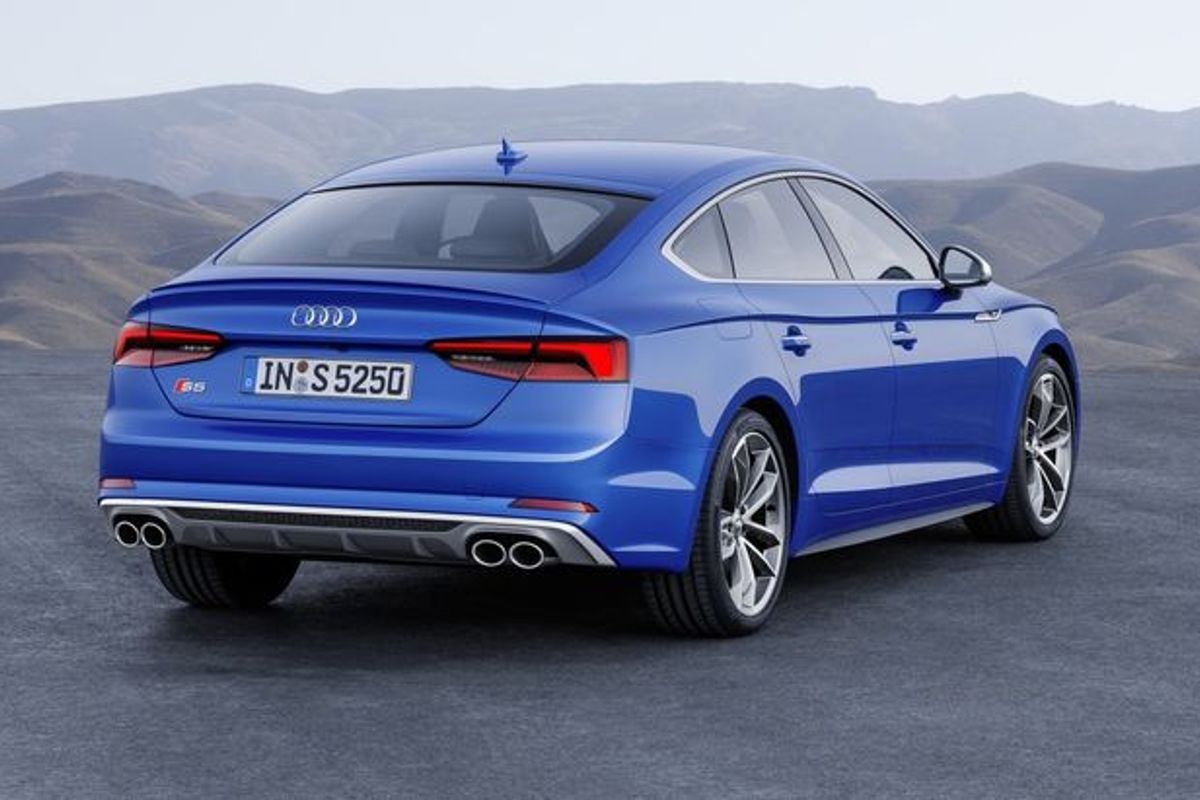
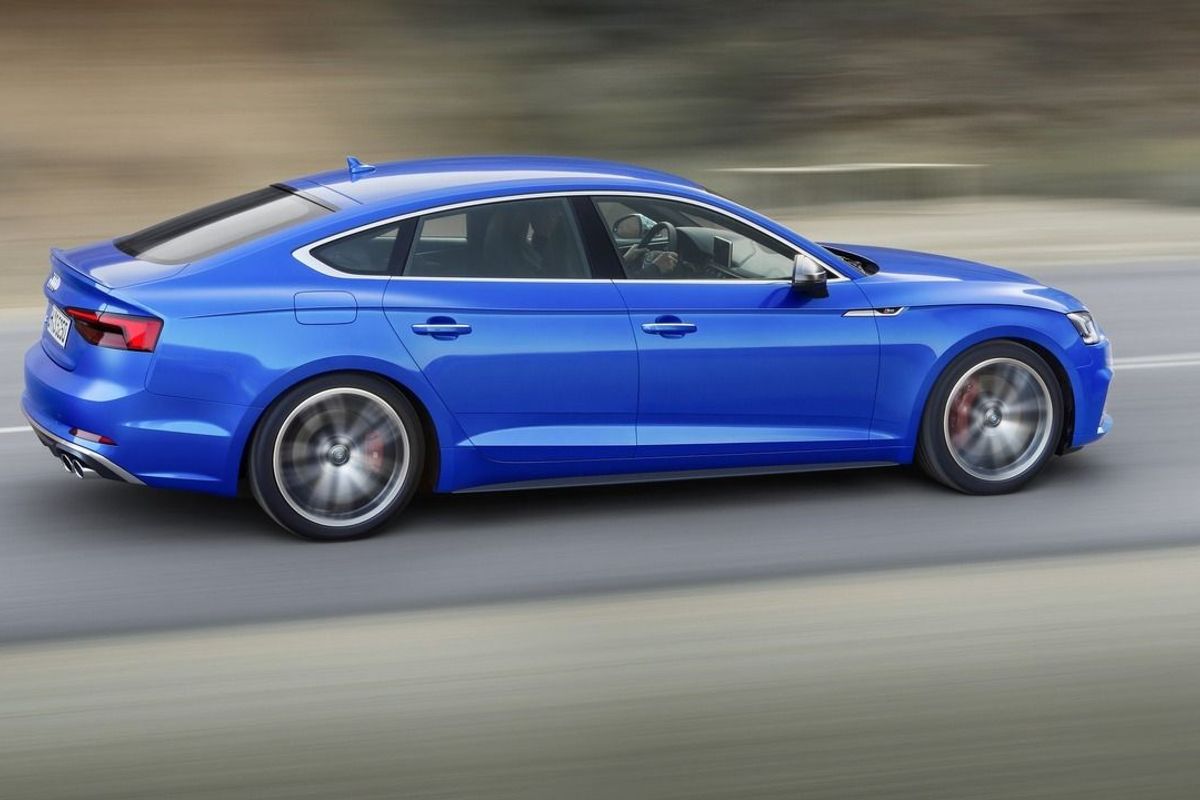
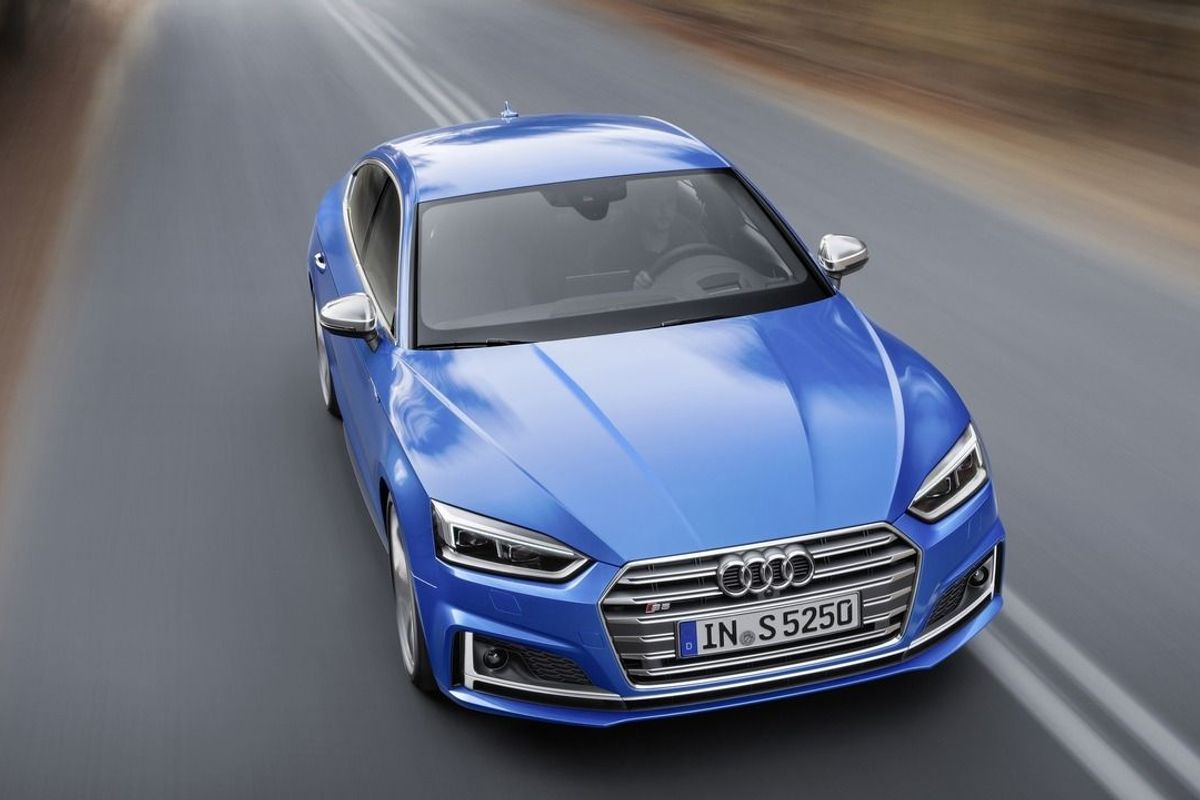
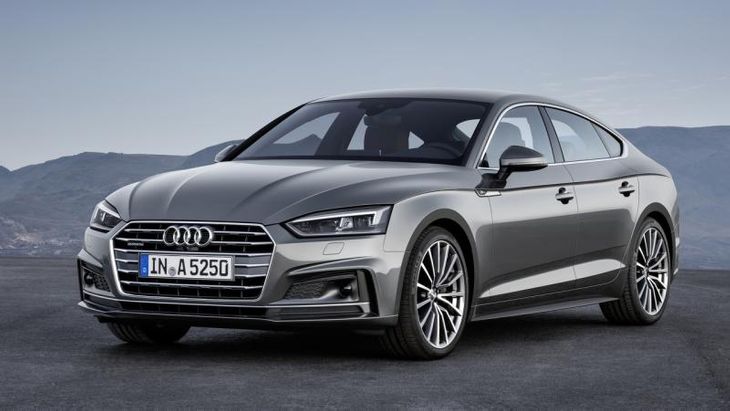
Audi has revealed details of the second-generation A5/S5 Sportback that will be shown at the Paris Motor Show later this month.
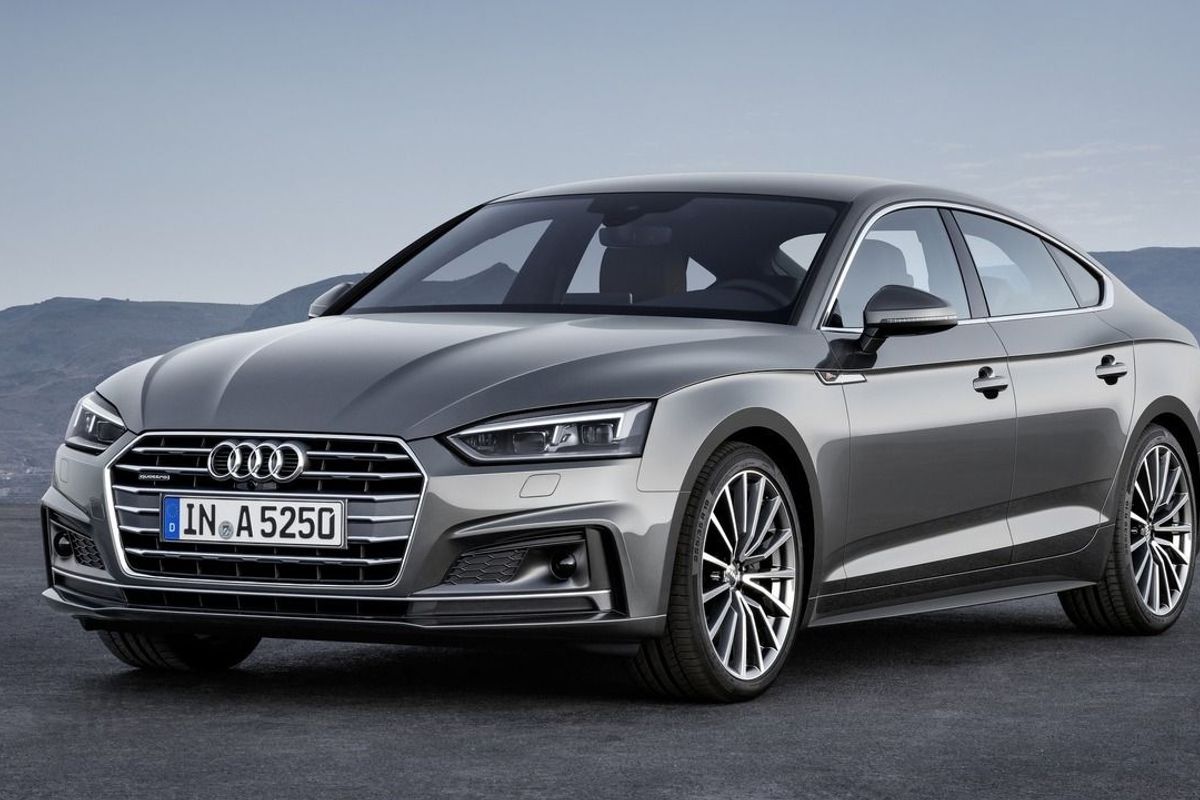
The Audi A5 Sportback and S5 Sportback will be unveiled at the 2016 Paris Motor Show this month and the Ingolstadt-based firm has provided some details regarding its new 5-door coupe models.
Audi says that the new A5 Sportback will feature high levels of interior comfort with the latest infotainment features as well revised suspension and engines, while also offering the latest driver assistance systems. The Ingolstadt-based brand will also showcase the new A5 Sportback g-tron, fitted with a 125 kW 2.0-litre TFSI engine that can be fuelled with Audi e-gas, natural gas or standard petrol.
As for the new S5 Sportback, a new turbocharged 3.0-litre V6 with 264 kW and 500 Nm of torque will power the model, representing a power increase of 15 kW compared with the outgoing S5 Sportback. The sprint from 0-100 kph will take a claimed 4.7 seconds before reaching a limited top speed of 250 kph.
Engine offering
The Audi A5 Sportback will offer the choice of 2 TFSI engines and 3 TDI engines with power outputs ranging between 140 kW and 210 kW. Audi says fuel consumption has been reduced by an average of 22%, while power output has increased by about 17% compared with the previous model.
In terms of transmissions, a 6-speed manual, 7-speed S tronic dual clutch and 8-speed tiptronic transmission will be on offer. Only two versions will feature quattro all-wheel drive and front-wheel drive will be standard on all other versions.
Design details
The Audi A5 Sportback is lighter and more fuel efficient than the model it replaces.
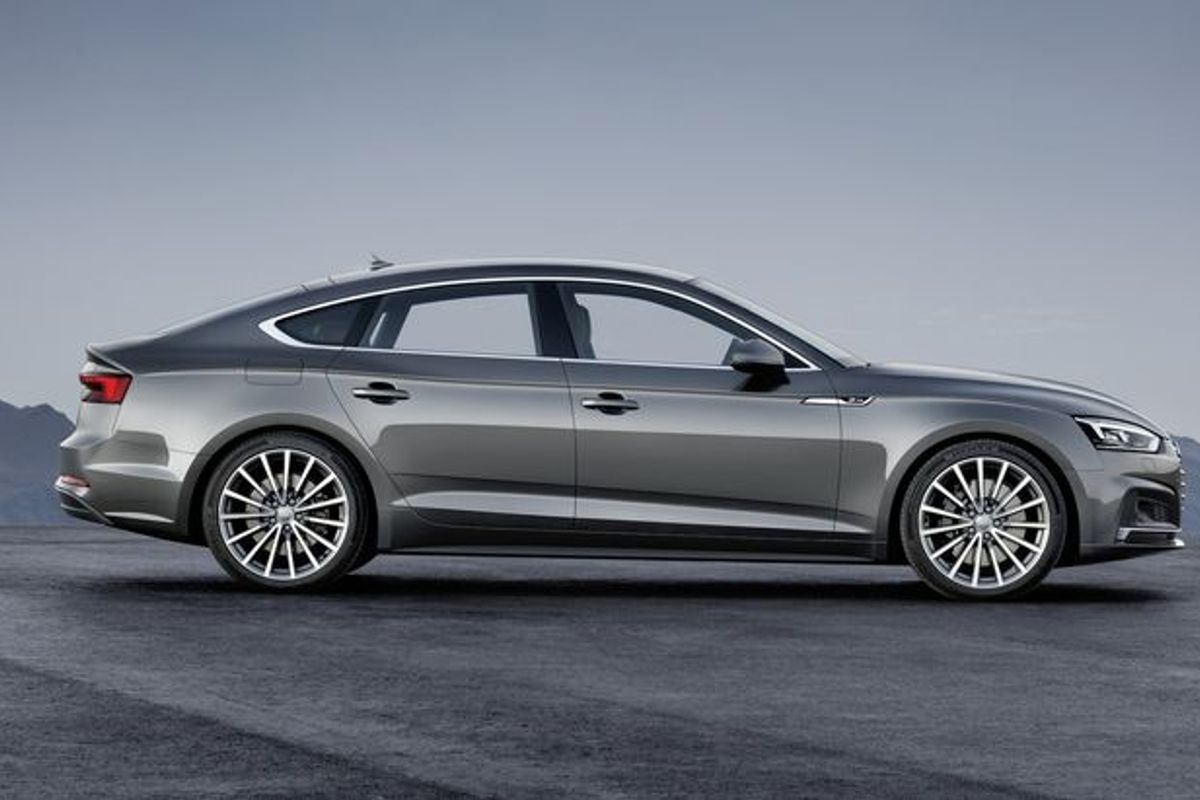
The body of the new A5 Sportback is 15 kg lighter than before and it has shed up to 85 kg overall, weighing in at 1 470 kg, making it the lightest vehicle in its segment, at least according to Audi…
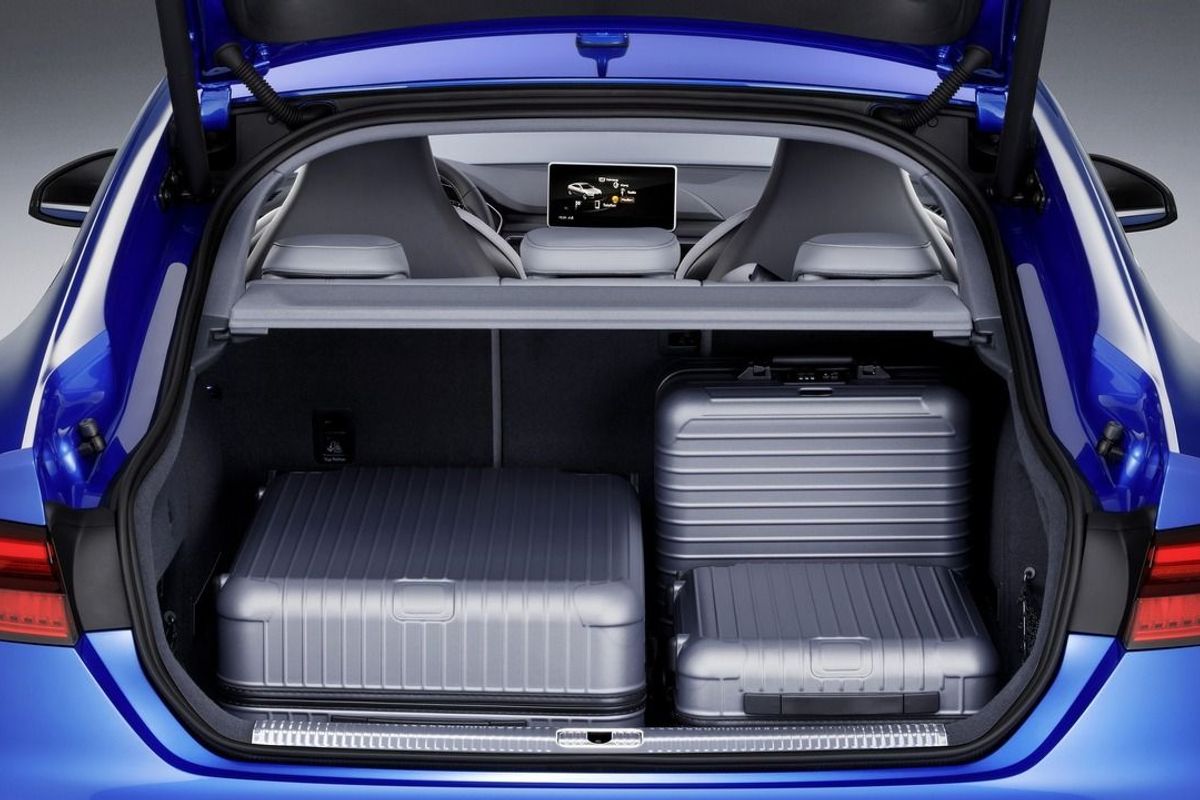
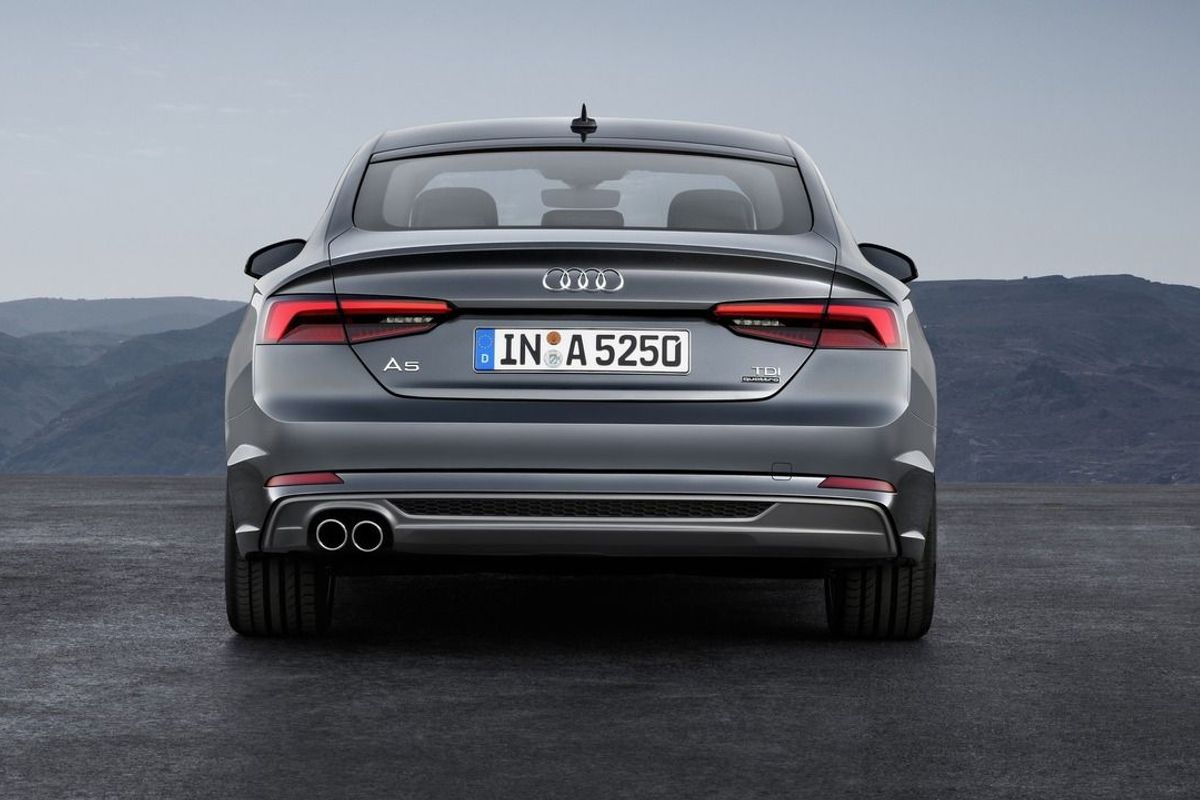
The new A5 Sportback features a stretched wheelbase, short overhangs and a long wraparound bonnet with a power dome. The single-frame grille on the A5 Sportback is flatter and wider compared with the outgoing model and the wave-pattern shoulder line is more accentuated than before. The A5 Sportback features flared wheel arches and the rear luggage compartment has been stretched and the tailgate is finished off with a spoiler.
The suspension has also been revised and the front axle now features a redesigned five-link suspension while a five-link construction replaces the previous trapezoidal-link rear suspension. Adaptive dampers and dynamic steering will be available as an option.
Interior details
Interior dimensions of the new A5 Sportback have grown in length by some 17 mm while front (driver and passenger) shoulder room has been increased by 11 mm.
Rear passengers will also benefit from more space with a 24 mm increase in rear knee room. A total of 480 litres of boot space will be on offer. The interior will feature a high-quality fit and finish while optional ambient lighting will give buyers the choice of 30 colours.
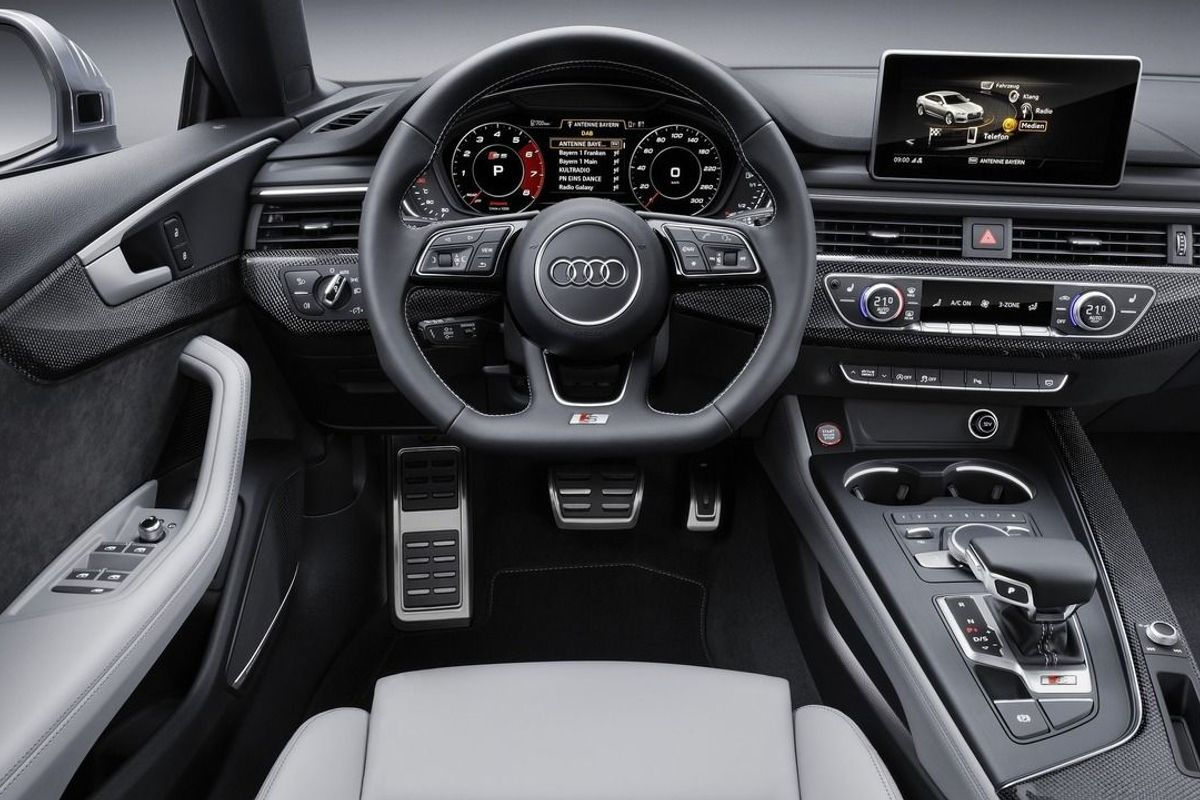
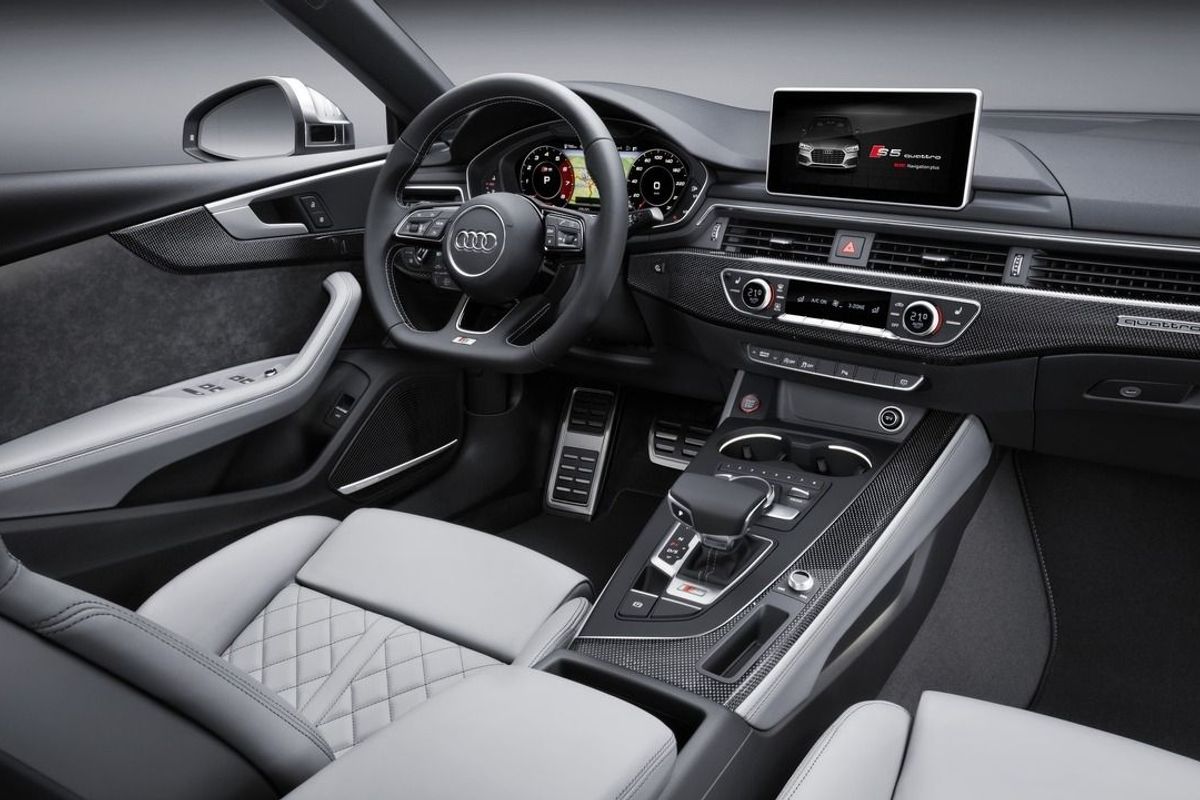
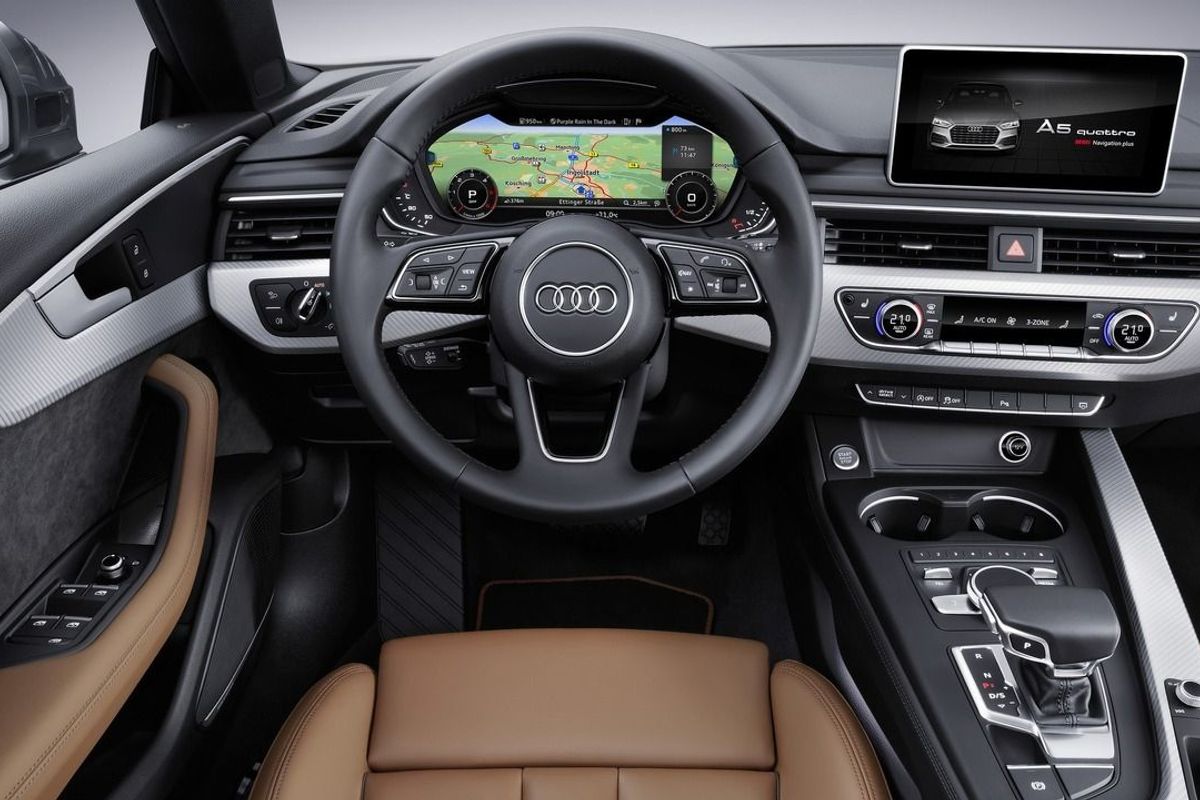
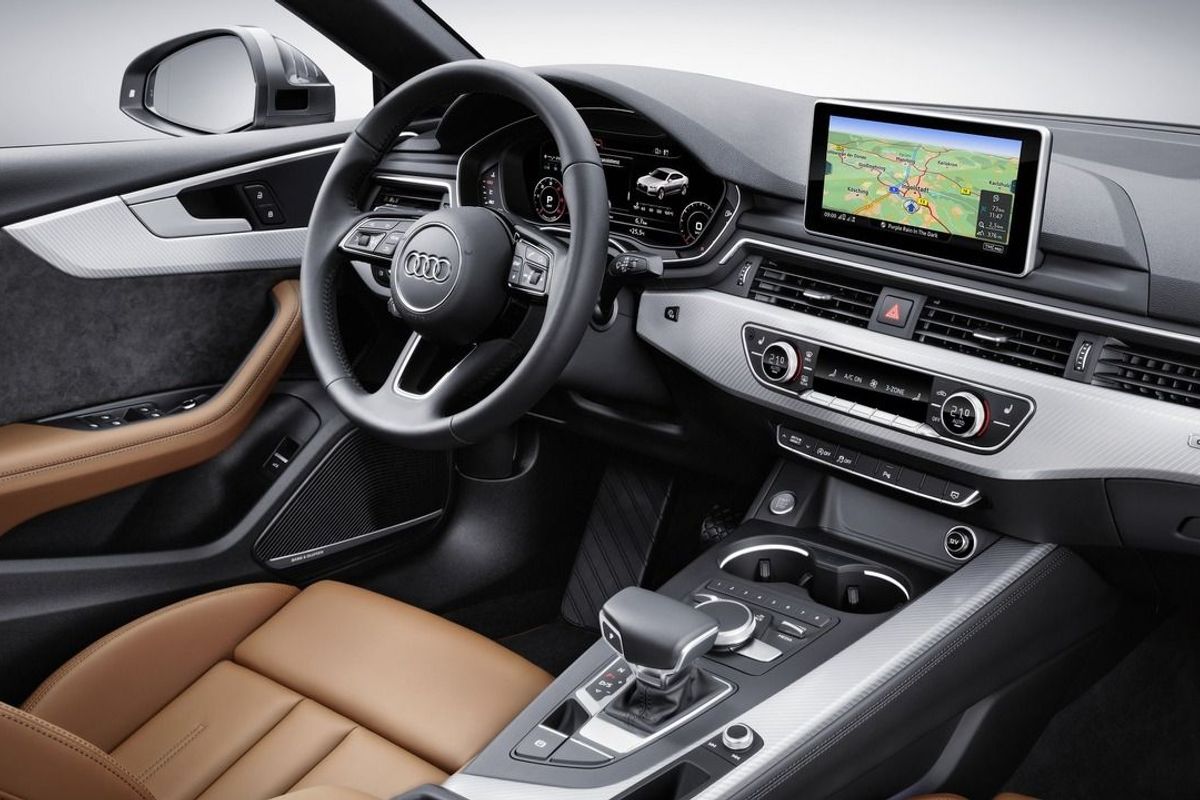
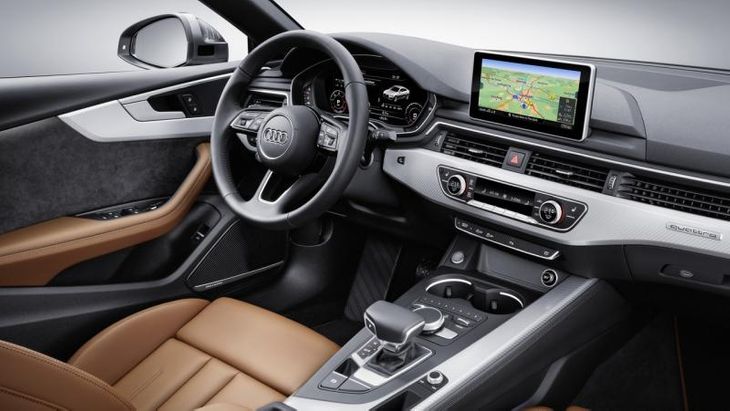
Audi’s Virtual Cockpit with a high-resolution 12.3-inch TFT monitor will be available as an option. Analogue instrument dials are fitted as standard.
The interior of the new A5 Sportback is well-equipped with infotainment and driver assistance features.
In terms of infotainment, Audi offers optional MMI navigation plus (with MMI touch) in conjunction with a 8.3-inch monitor. A Bang & Olufsen Sound System with 3D sound, 19 speakers and a 755W amplifier is also available. What's more, rear passengers can make use of an Audi tablet to control entertainment functions and this device can be used both inside and outside the vehicle.
The new A5 Sportback will be well endowed with driver assistance systems. Features such as the adaptive cruise control Stop&Go system with traffic jam assist will make driving in traffic easier by taking care of braking and acceleration at speeds up to 65 kph.
A predicative efficiency assistant will also assist drivers to achieve better fuel consumption by using GPS information to provide specific driving advice. Collision avoidance assist will intervene if an obstacle in the road needs to be avoided to prevent an accident. The system uses the front camera, ACC and radar sensors to compute a suggested driving line for the driver to avoid a collision. Other useful assistance systems will include turn assist, park assist, rear cross-traffic assist, exit warning, traffic sign recognition, active lane assist and side assist.
The new Audi A5 Sportback and S5 Sportback will go on sale in Europe early in 2017 and you can expect them in South Africa later in 2017. More details will be revealed at a later stage.