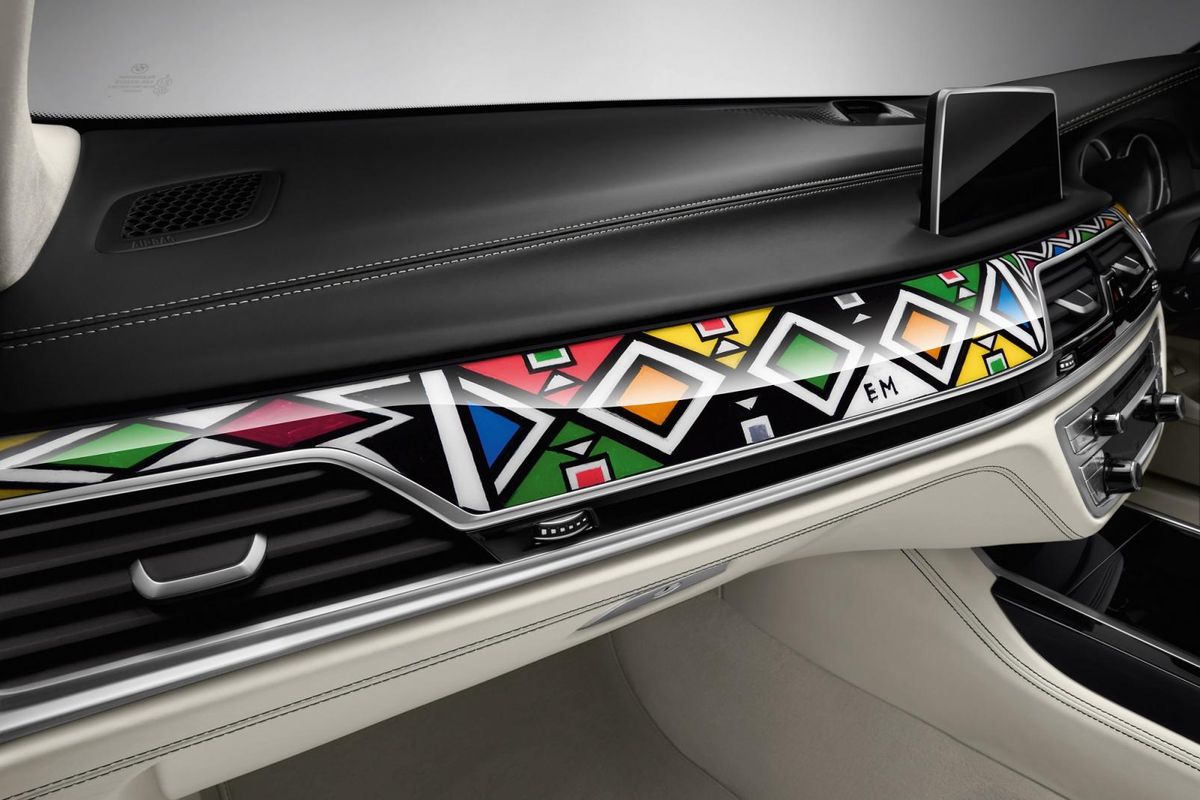
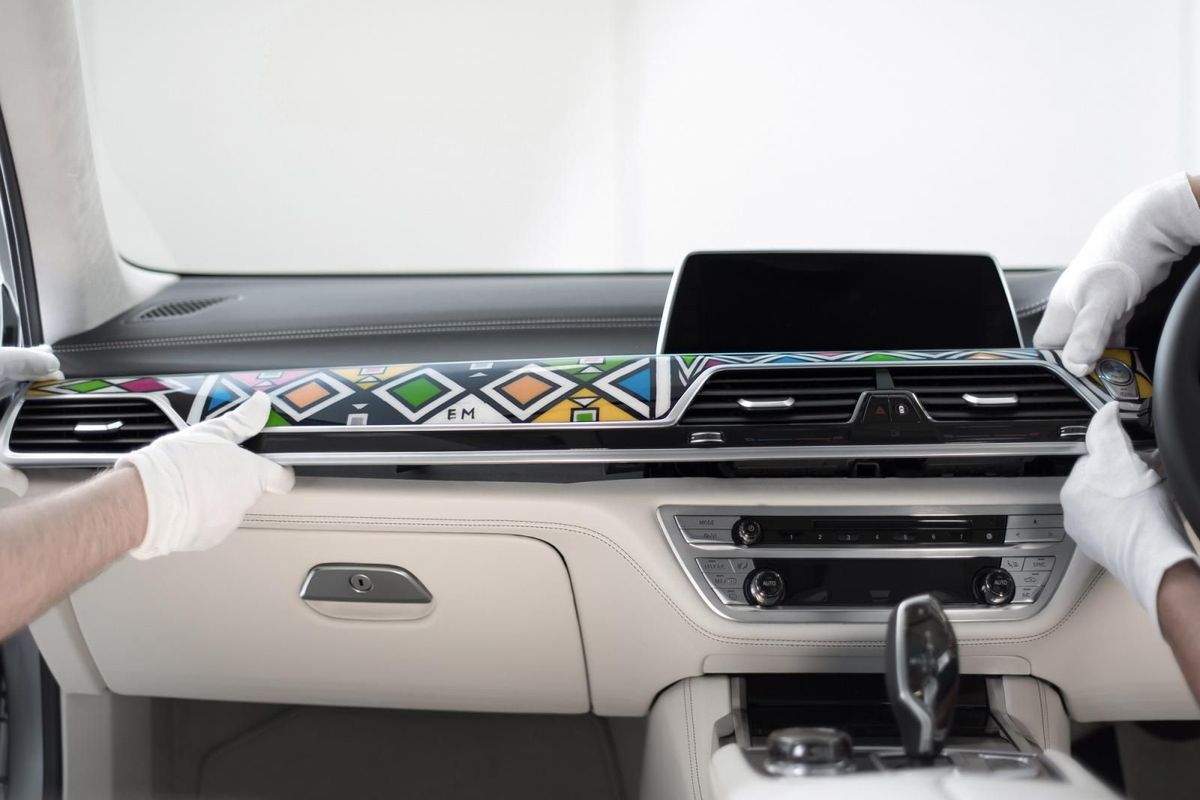
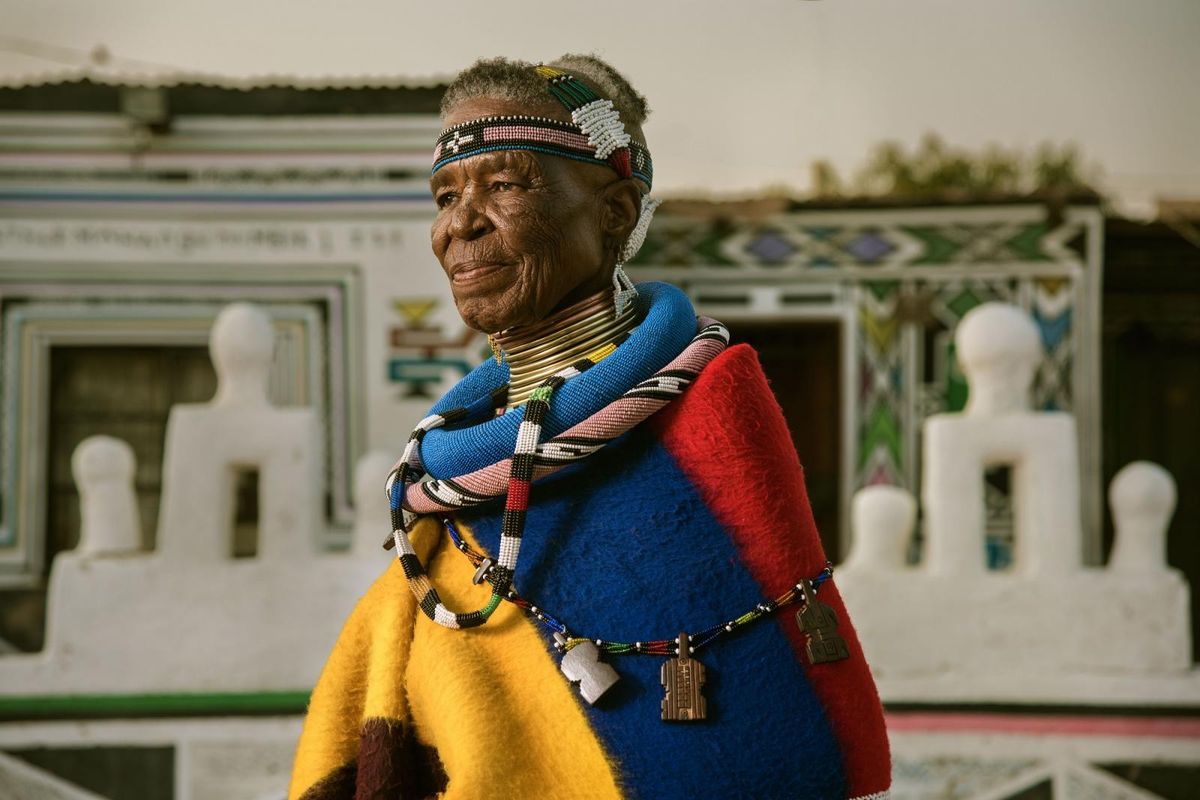
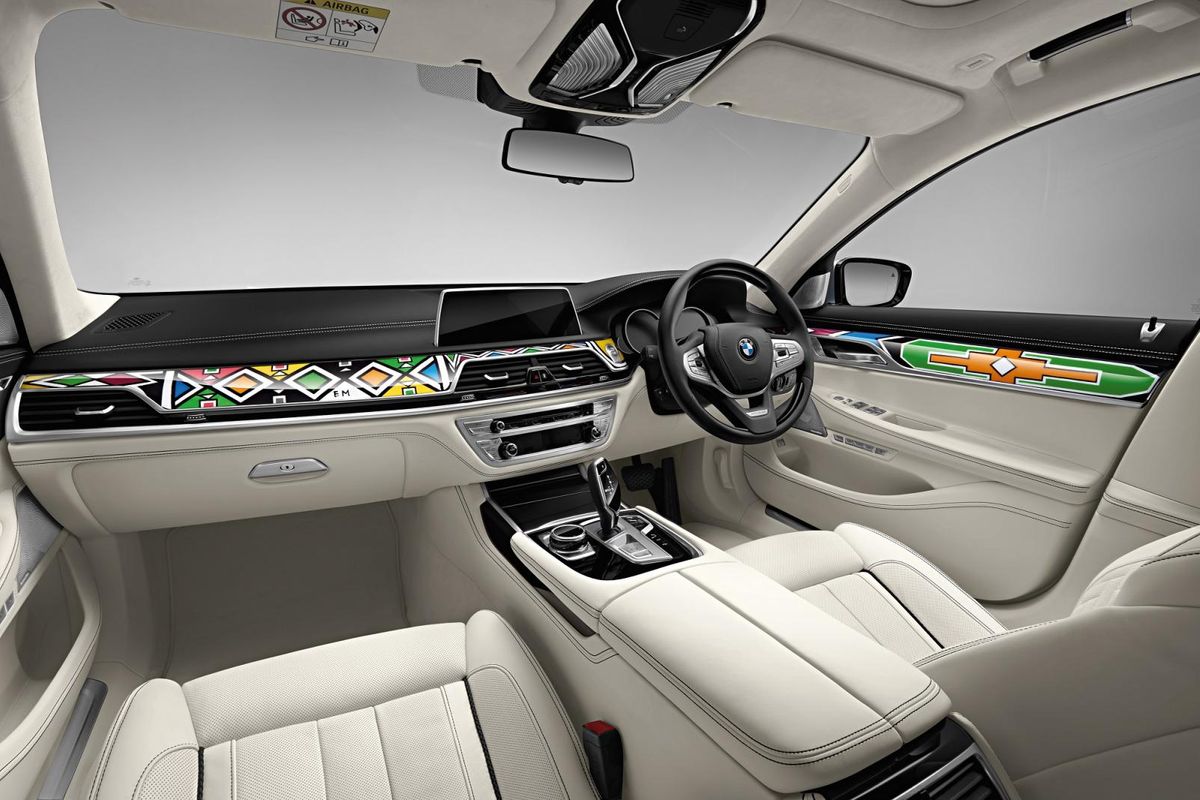
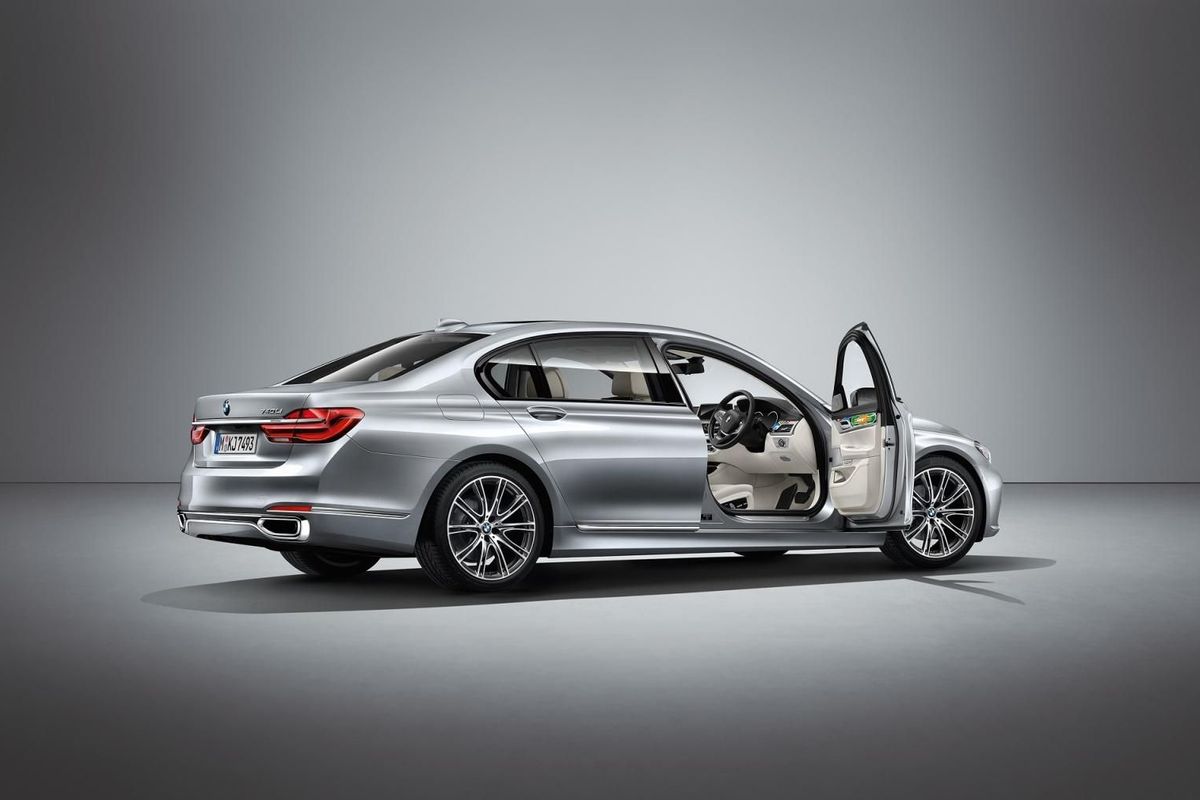
A one-of-a-kind BMW 7-Series has received some incredible Ndebele artwork on its interior panels. The artist? A South African by the name of Esther Mahlangu.
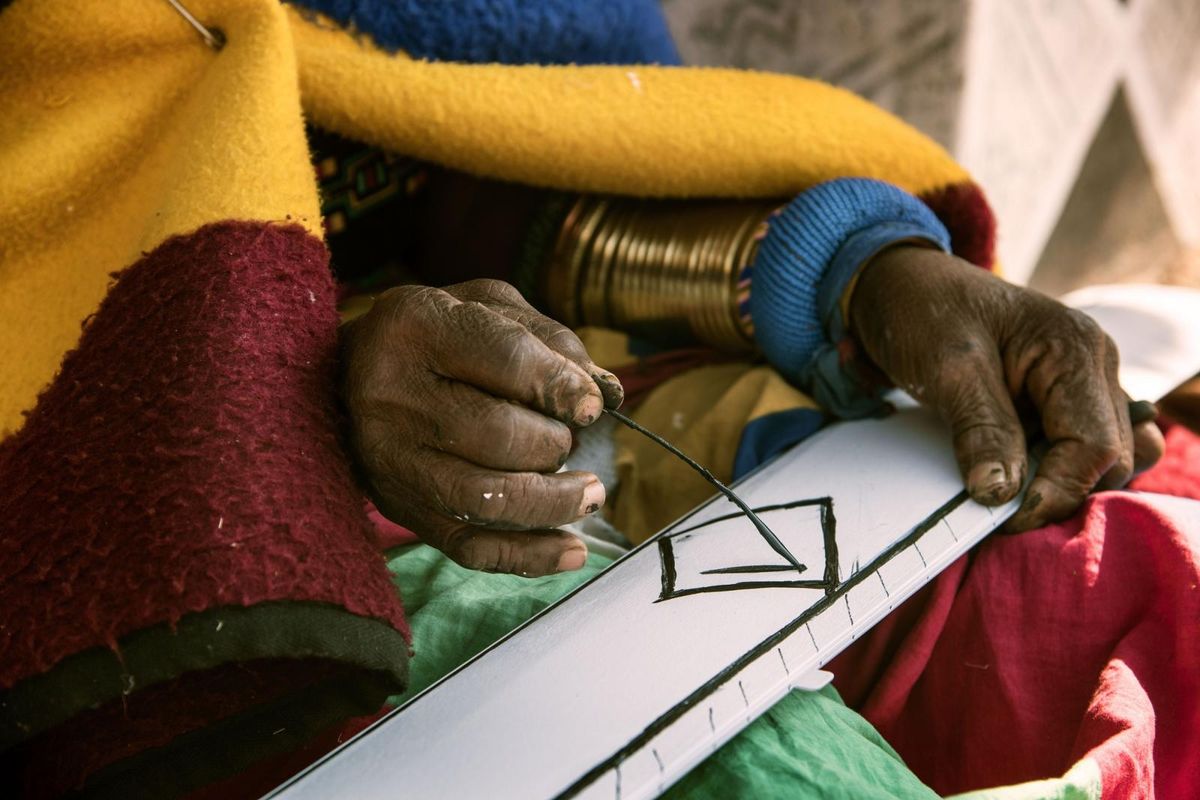
BMW Individual Manufaktur made a special white-coloured fine-wood trim which would serve as Esther’s canvas before sealing them to ensure their longevity and installing them in the vehicle. The one-of-a-kind BMW 740Li will be shown to the public for the first time at the Frieze Art Fair (5- 9 October 2016) in Regent’s Park, London and will be up for auction. Proceeds from the sale of the vehicle will be donated to charity.
Esther Mahlangu was born 1935 in Middelburg, Mpumalanga. At the age of 10, she began to paint under the guidance of both her mother and grandmother. Typical Ndebele ladies paint exterior walls of houses with elaborately painted patterns and graphic elements, symbolising important events such as weddings or other celebrations, thus the walls are used as active communicative media within the community.
“To paint is in my heart and it's in my blood. The way I paint was taught to me by my mother and my grandmother." she said. "The images and colours have changed and I have painted on many different surfaces and objects but I still love to paint. The patterns I have used on the BMW parts marry tradition to the essence of BMW. When BMW sent me the panels to paint, I could see the design in my head and I just wanted to get started!
"I start by painting the small ones first to get the feel of the surface and then it was easy as the design follows the lines of the panels. My art has taken me all over the world and I have seen many places, I have painted many walls and objects and my work is in many museums but I am still Esther Mahlangu from Mpumalanga in South Africa. My heart was full of joy when BMW asked me again to paint for them," added Mahlangu.
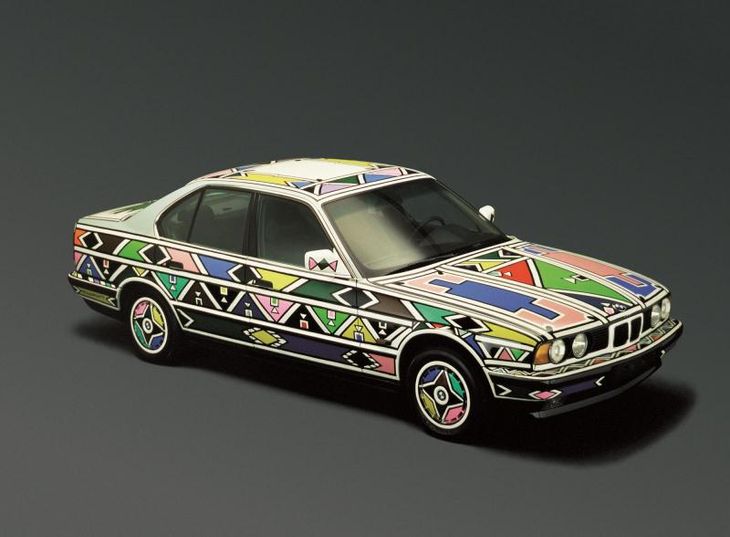
This is not Esther Mahlangu's first encounter with a BMW vehicle. Back in 1991 she painted the exterior of a BMW Art Car, the BMW 525i (pictured below).
The first official photograph of the all-new Land Rover Discovery has been released to the media and gives us a first look at this forthcoming product. The 2018 Land Rover Discovery will be officially unveiled at the 2016 Paris Motor Show later this month.
The Discovery has been one of Land Rover's bread and butter models and has achieved a fair degree of sales success since its launch way back in 1989. In 2015, the Discovery found 51 000 homes globally.
The third-generation Land Rover Discovery is due to be announced and Land Rover has releasedt a single image to tease us. What we know so far is that the new Discovery will feature a completely fresh look and will be a lighter and sharper vehicle compared to its predecessor. Expect technology from the flagship Range Rovers to trickle down into this new model and in terms of design, we can already see elements from the Discovery Sport and Evoque present. This new Land Rover Discovery will be going on sale internationally in early 2017 and we're likely to see it reach South African shores mid-2017.
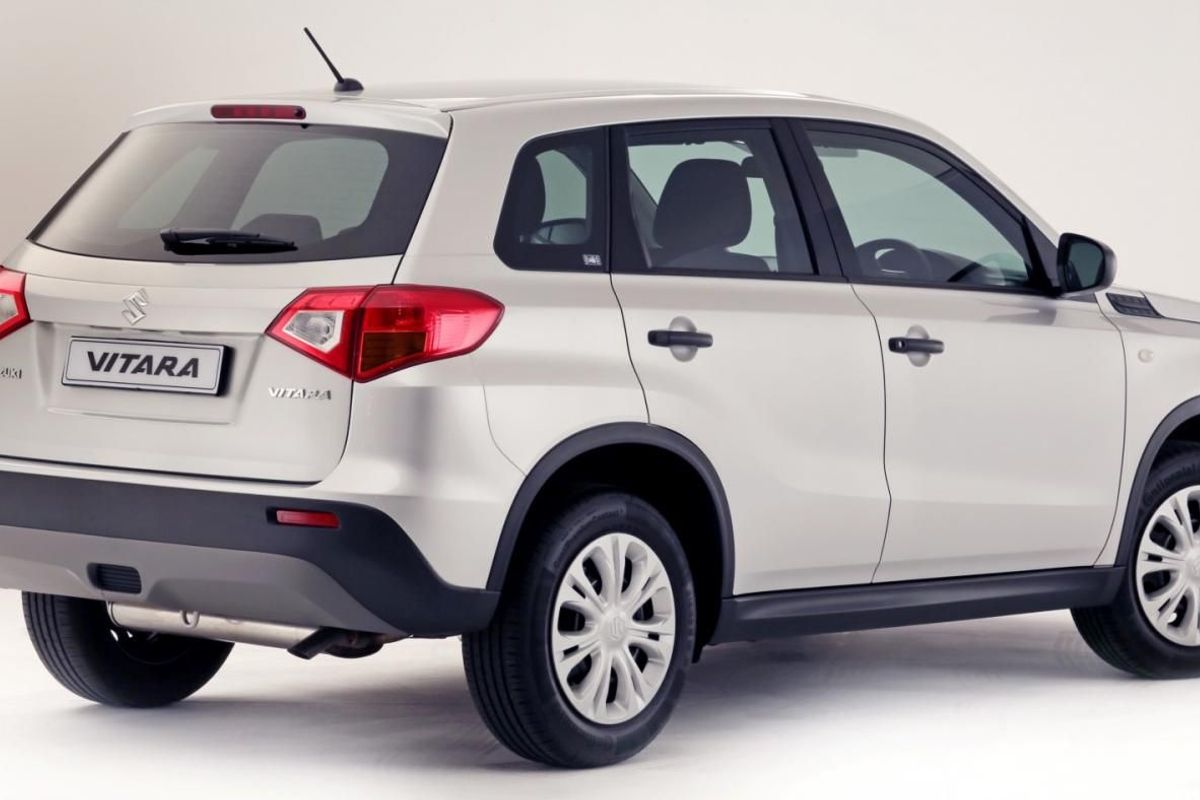
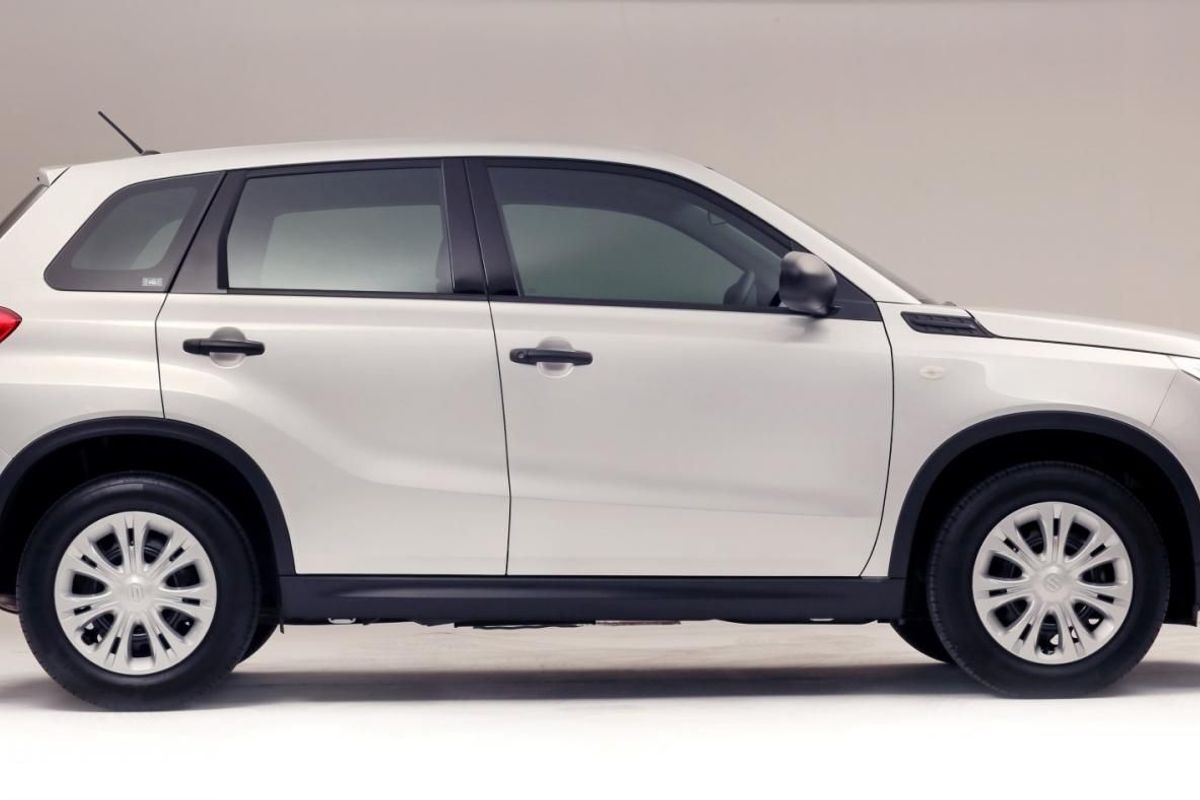
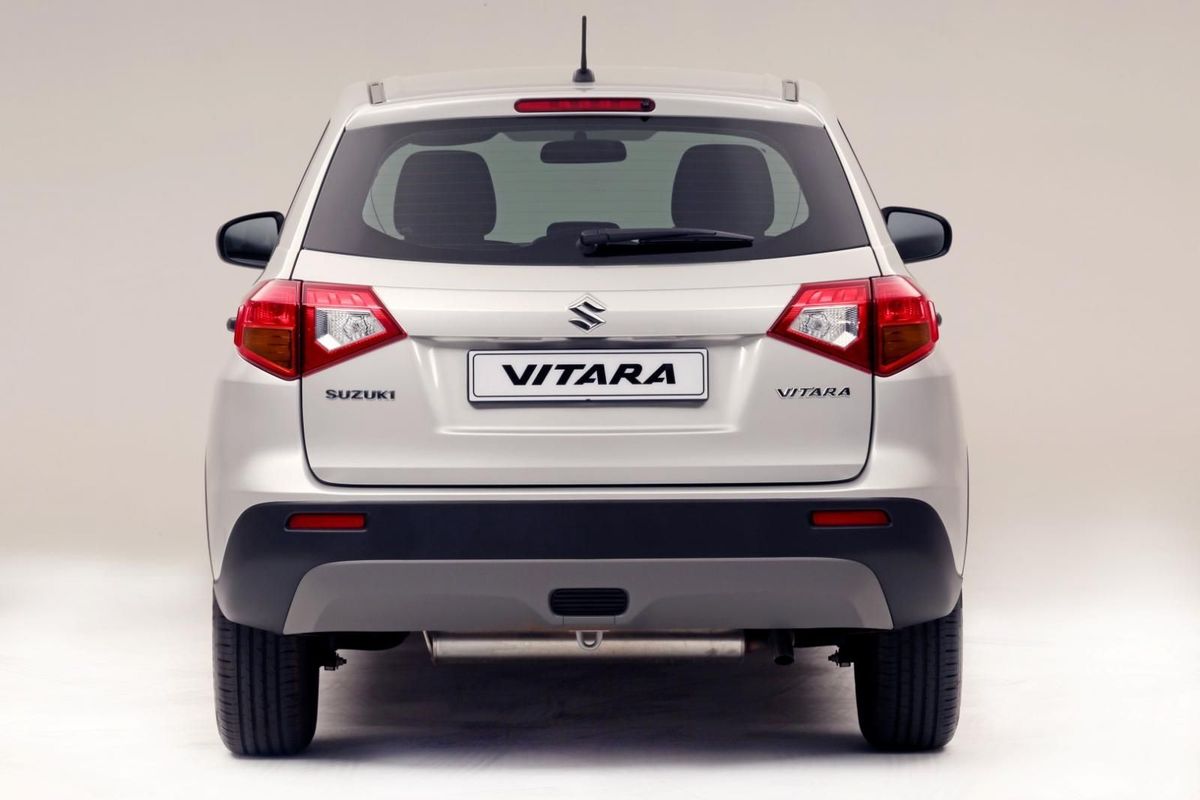
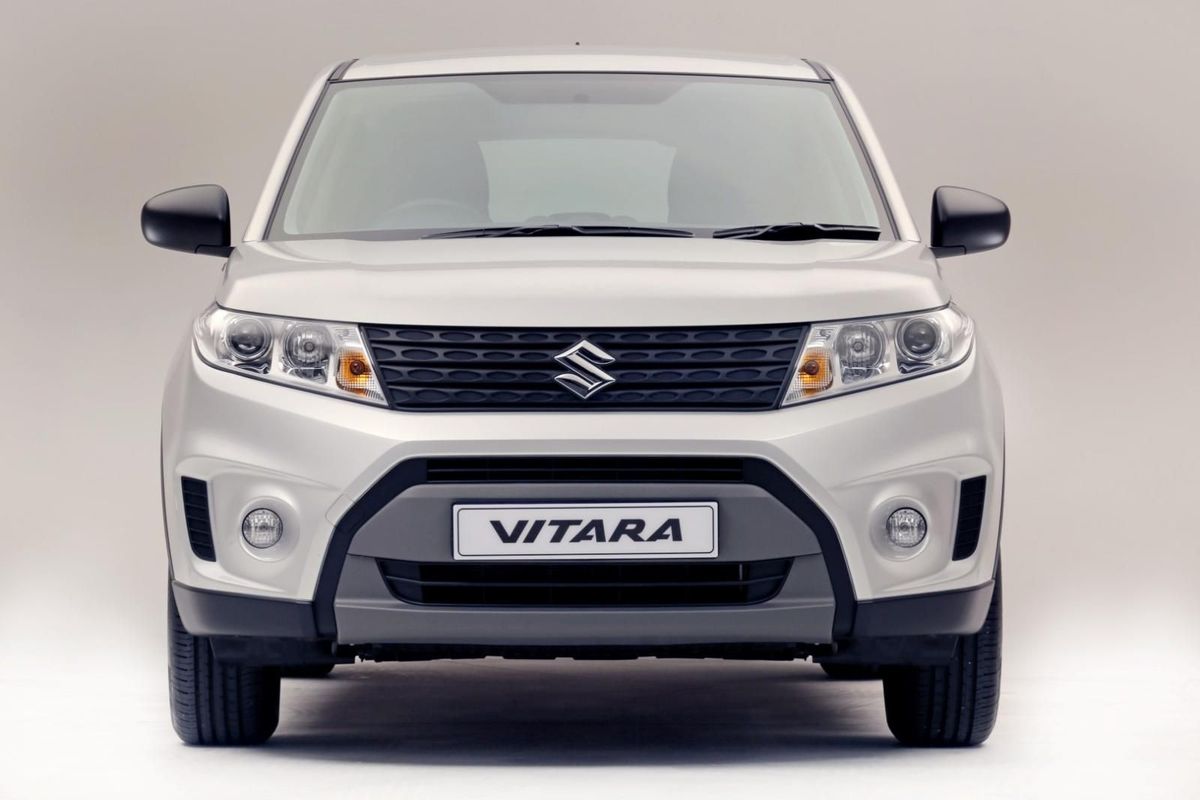
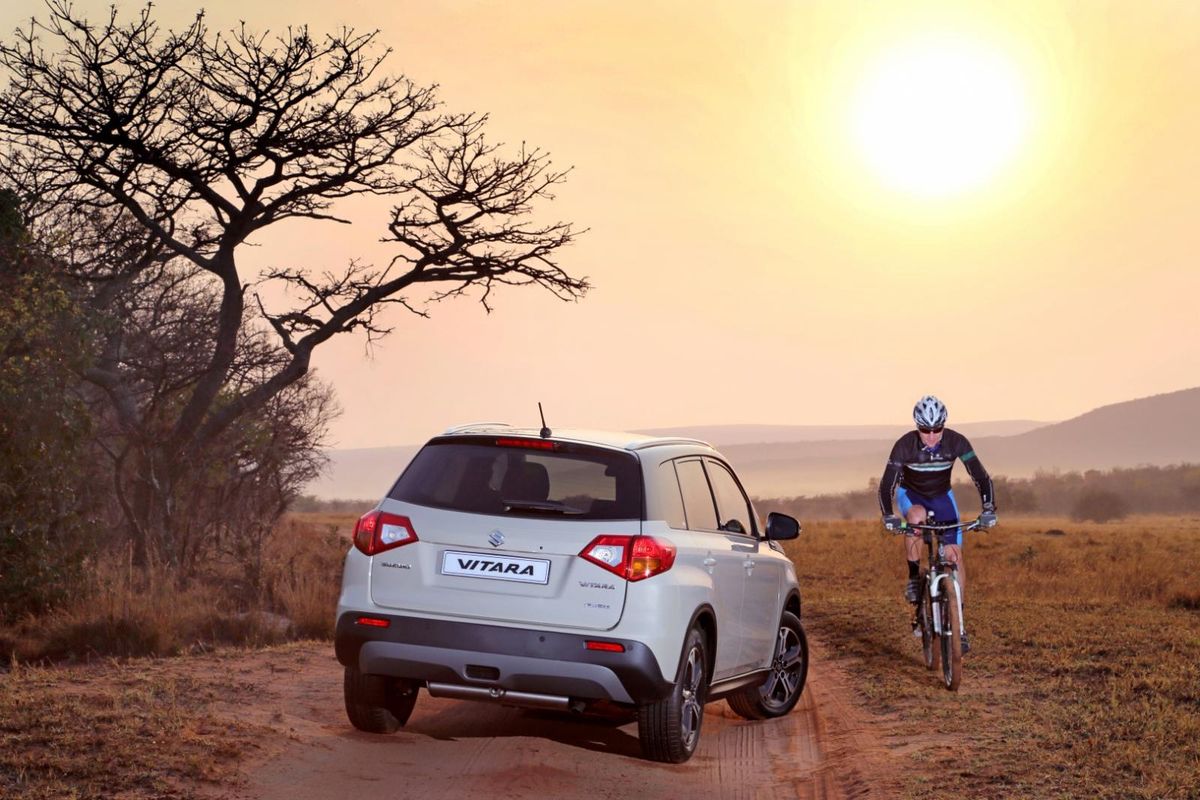
Customers looking to purchase the Suzuki Vitara GL+ derivative now have the option of an automatic transmission.
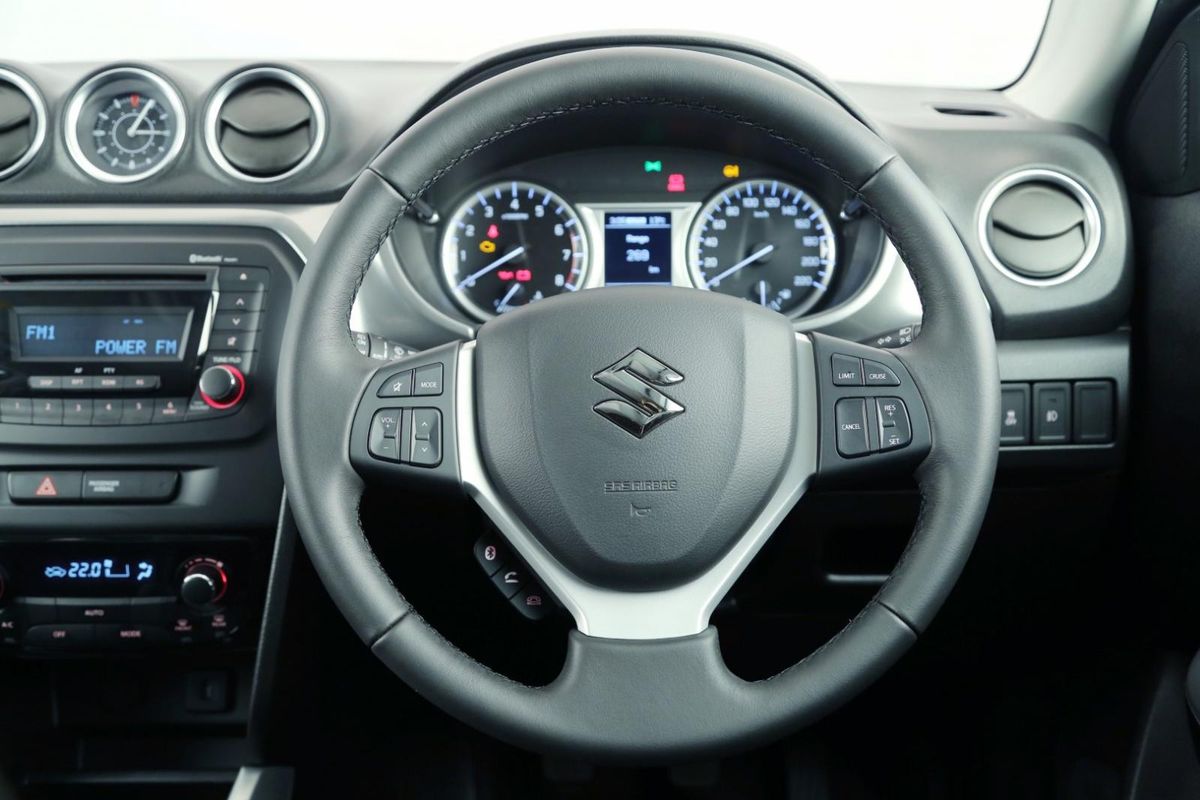
Suzuki South Africa is offering a 6-speed automatic transmission for the Vitara GL+ derivative that combines automatic gear changes with a manual override function, allowing the driver to shift gears manually using shift paddles mounted on the steering column.
This transmission was only available on the range-topping Vitara GLX derivative, but following strong customer demand and dealer feedback, the Vitara GL+ is now the second model in the Vitara range to feature an automatic transmission.
The front-wheel drive Suzuki Vitara GL+ automatic is powered by a 1.6-litre engine offering 86 kW and 151 Nm of torque.
Suzuki Vitara GL+ features
The Suzuki GL+ is highly customisable to suit varying needs. Customers can opt for a two-tone colour scheme while exterior styling packs such as Urban Pack and Rugged Pack offer different feature combinations including spoilers, scuff plated, roof rails, side protection strips and daytime running light surrounds offered in various colours and finishes.
Buyers can further customise the grille, fender trim, wheel arch extensions, door handles, skid plates and rear tailgate with colours and finishes of their choice. More adventurous buyers can also opt for alloy wheels, roof racks, bike carriers and tow bars.
Standard features
The Suzuki Vitara GL+ ride on 16-inch alloy wheels as standard and the grille, door handles and exterior mirrors are colour coded. fender trim is finished in grey and front fog lamps are standard. Dark-tinted privacy glass is fitted to the rear door windows, rear quarter windows and tailgate window.
Cloth upholstery with contrasting stitching is standard and the interior features chrome and silver accents. The front seats are height adjustable and the rear seat can be split in a 60:40 configuration to make more space available for transporting items. The Vitara GL+ has a boot capacity of 375 litres. A luggage cover, luggage divider board and rear 12V socket is also included.
A digital trip computer shows information such as average speed, fuel consumption data, range, exterior temperature and gear indicator. The steering wheel is adjustable for rake and reach and comes equipped with mounted controls to operate the sound system, cruise control and hands-free telephony.
Electric front and rear windows are standard, as are electric side mirrors. Other standard features include automatic climate control air-conditioning, four-speaker sound system (MP3/WMA compatible) with a CD player and USB port.
On the safety front, the Vitara GL+ is equipped with ESP, ABS with EBD and EBA. A total of 7 airbags are included and family orientated buyers will appreciate the ISOFIX child seat mounts. The Suzuki Vitara also carries a five-star EuroNCAP rating.
Suzuki Vitara GL+ Automatic – Price in South Africa
Suzuki Vitara GL+ Automatic – R313 900
The price includes a 3-year/100 000 km warranty, a 4-year/60 000 km service plan and 3-year roadside assistance. Service intervals are set at 15 000 km.
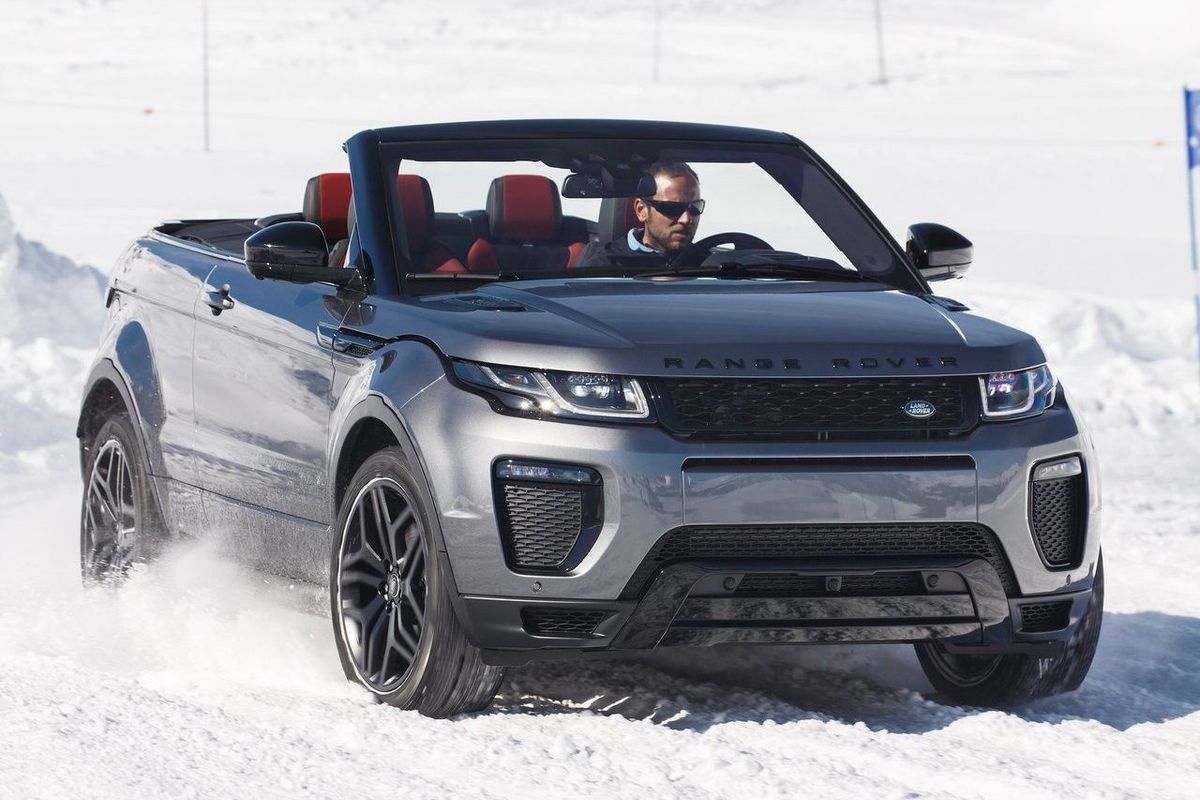
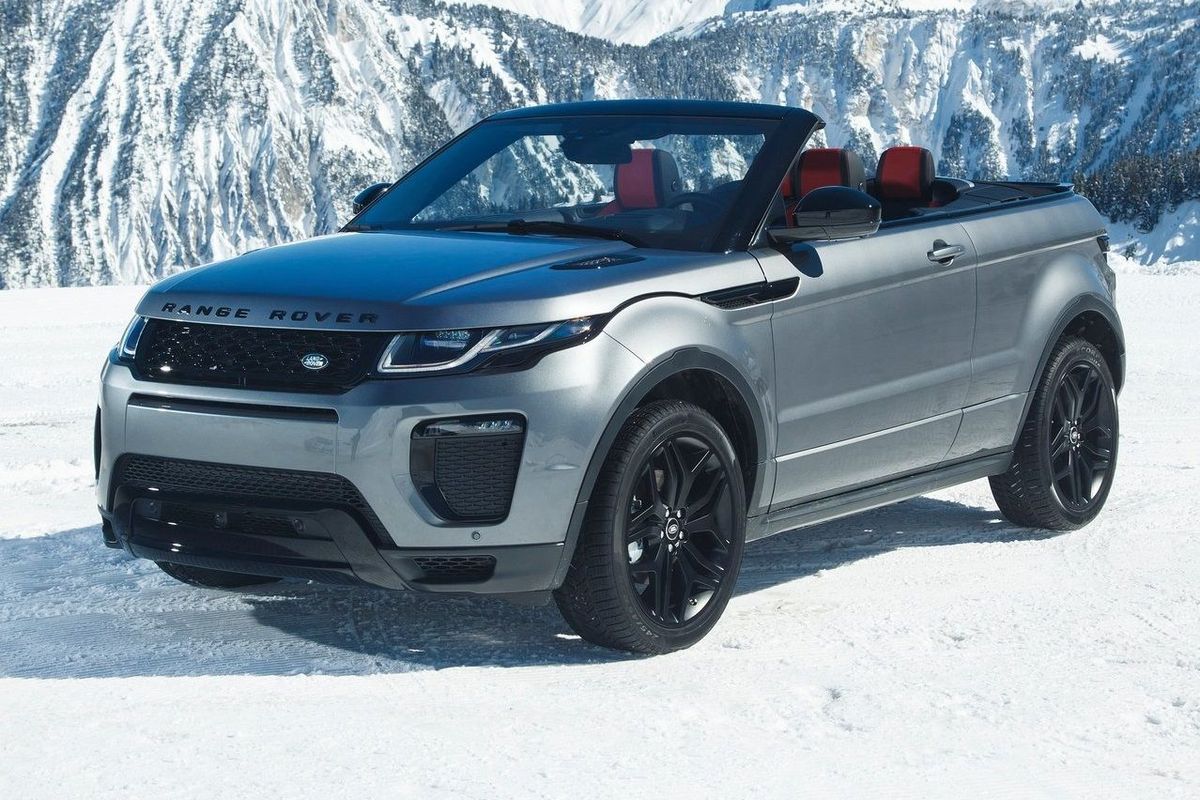
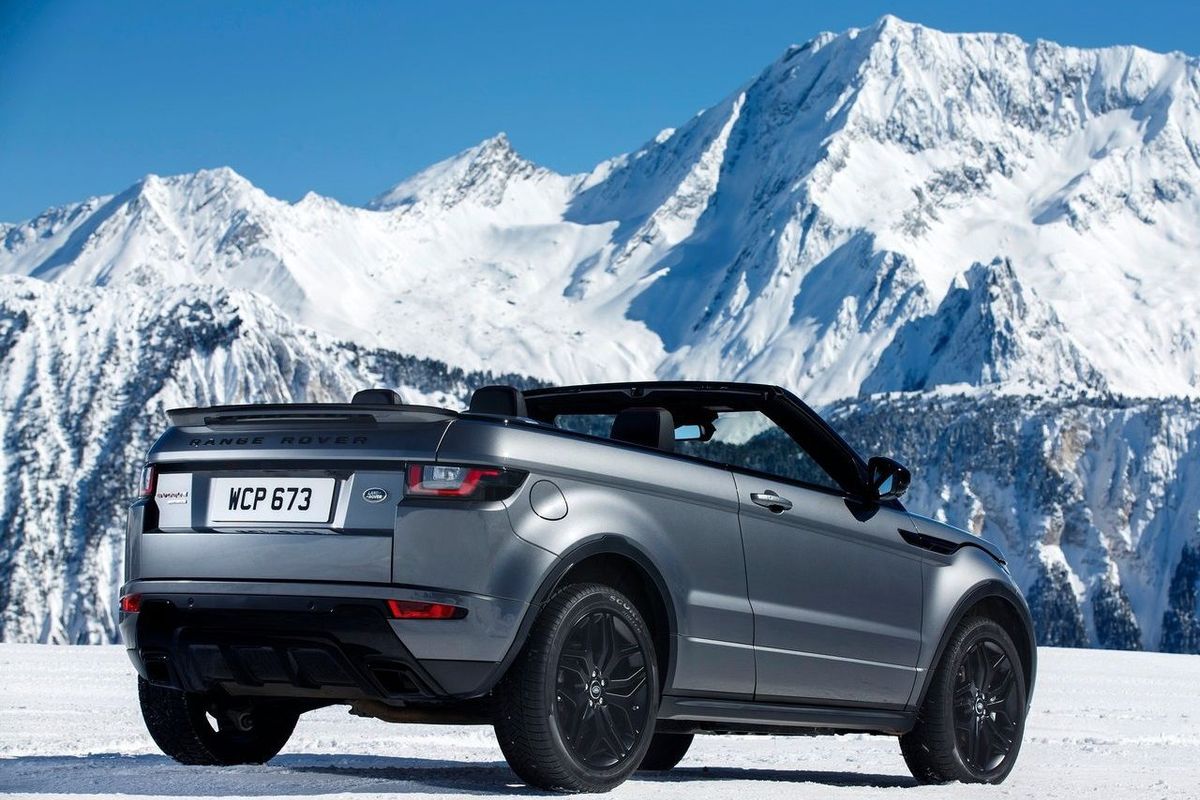
Pricing for the Range Rover Evoque convertible has been announced and we had a quick preview of it at the 2016 SA Festival of Motoring.
The Range Rover Evoque is a stylish and capable SUV that has racked up many sales and awards, both locally and internationally. It's easy to understand why, as the Evoque is a smart-looking product with a design that hasn't aged. It also happens to drive rather well and can effortlessly tackle light offroading scenarios.
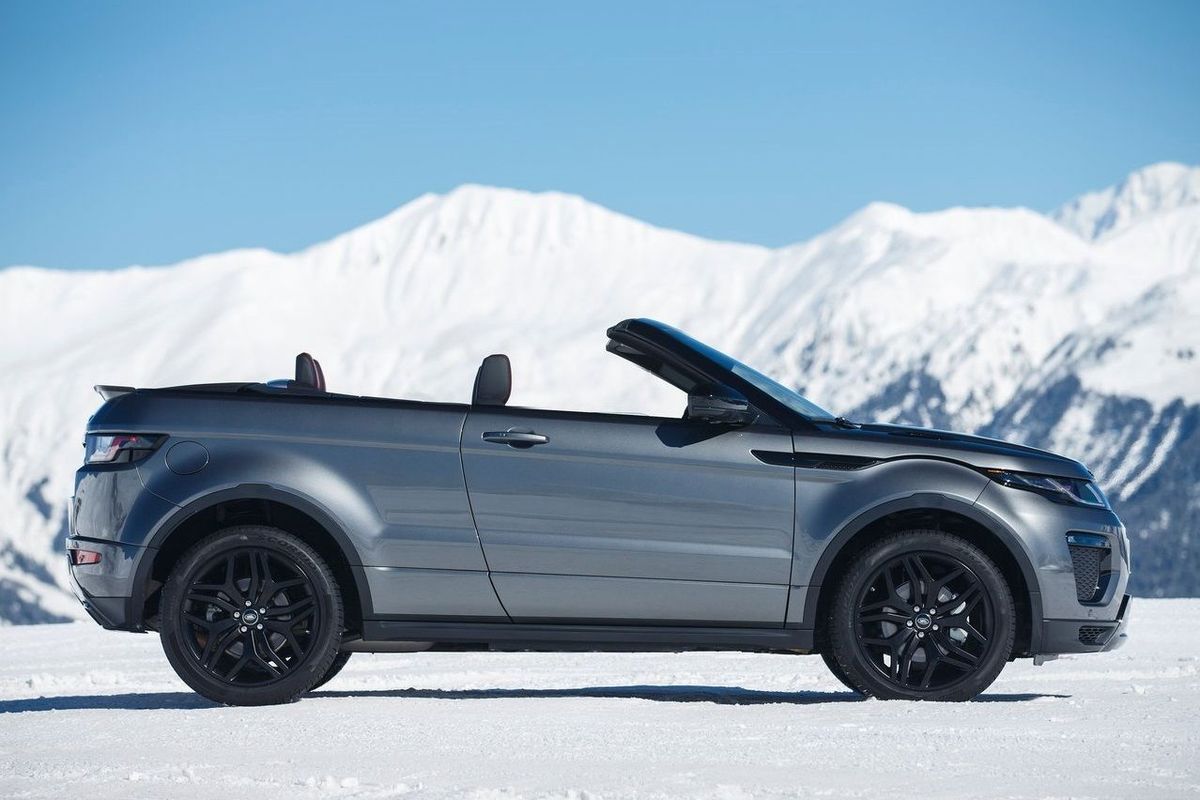
Then, Range Rover did something controversial with its Evoque. It chopped the roof off and here we have what Range Rover claims, is the world's first luxury offroad convertible. The 2016 SA Festival of Motoring provided a backdrop for a preview of this forthcoming product and Jaguar/Land Rover SA announced some details about it. The Evoque convertible has a fabric roof that folds down in just 18 seconds and can be raised in 21 seconds. The roof mechanism can be deployed at speeds of up to 48 kph. According to JLRSA, the roof does not impact on cargo and luggage capacity.
Power comes from the 2.0-litre turbocharged four-cylinder engine boasting outputs of 177 kW and 340 Nm. Power reaches all four wheels through a nine-speed automatic transmission. Despite it being a convertible, JLR is marketing the drop-top Evoque as a capable offroad vehicle and it features 4×4 tech such as Terrain Response system, Wade Sensing and All-Terrain Progress Control.
The unit shown at the Festival of Motoring had only just arrived in South Africa. It was in a delivery/inspection mode and the roof was unable to be deployed. It's an interesting vehicle and after chatting to onlookers, opinions were divided. Some think its really unique and different, while others suggest it's a genre of vehicle that shouldn't exist. We look forward to sampling the new Range Rover Evoque Convertible and will make our own minds up then.
Range Rover Evoque Convertible Price in South Africa
The Range Rover Evoque Convertible officially goes on sale in the middle of October 2016. The range starts from R1 002 400.
BMW M3 30 Years M3 Now Available in South Africa
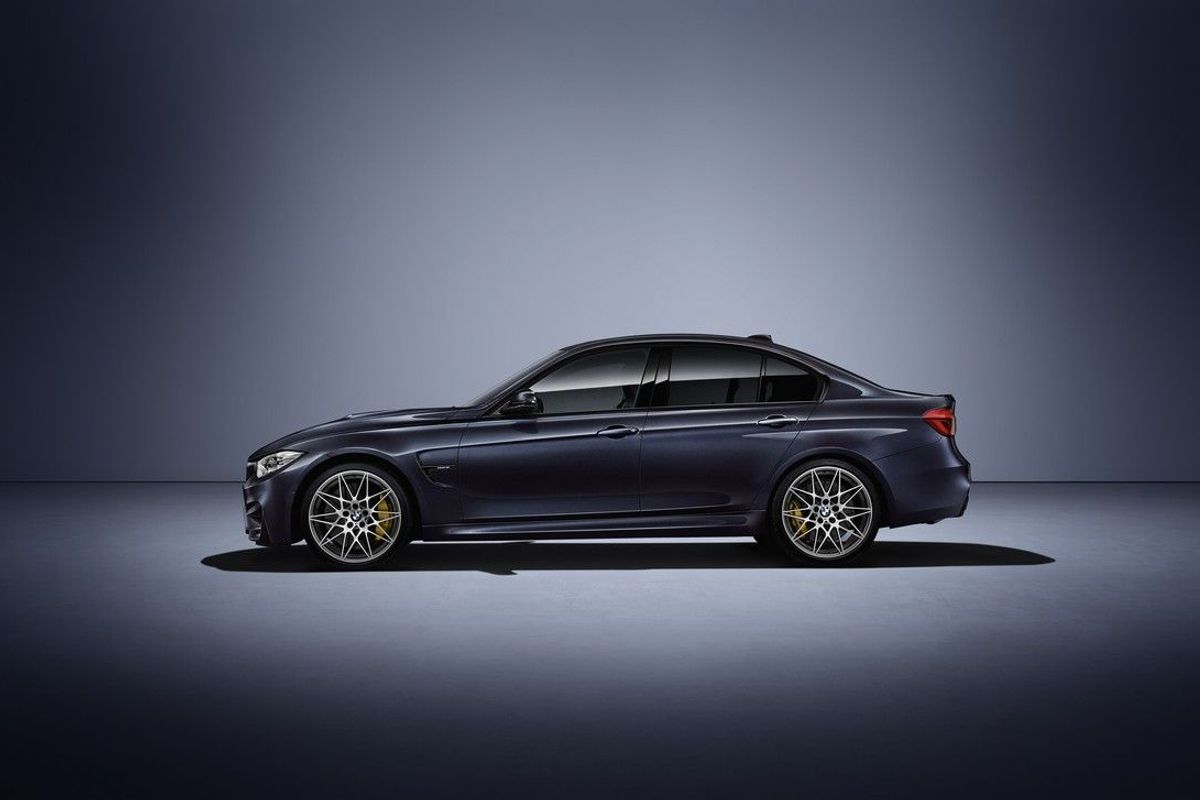
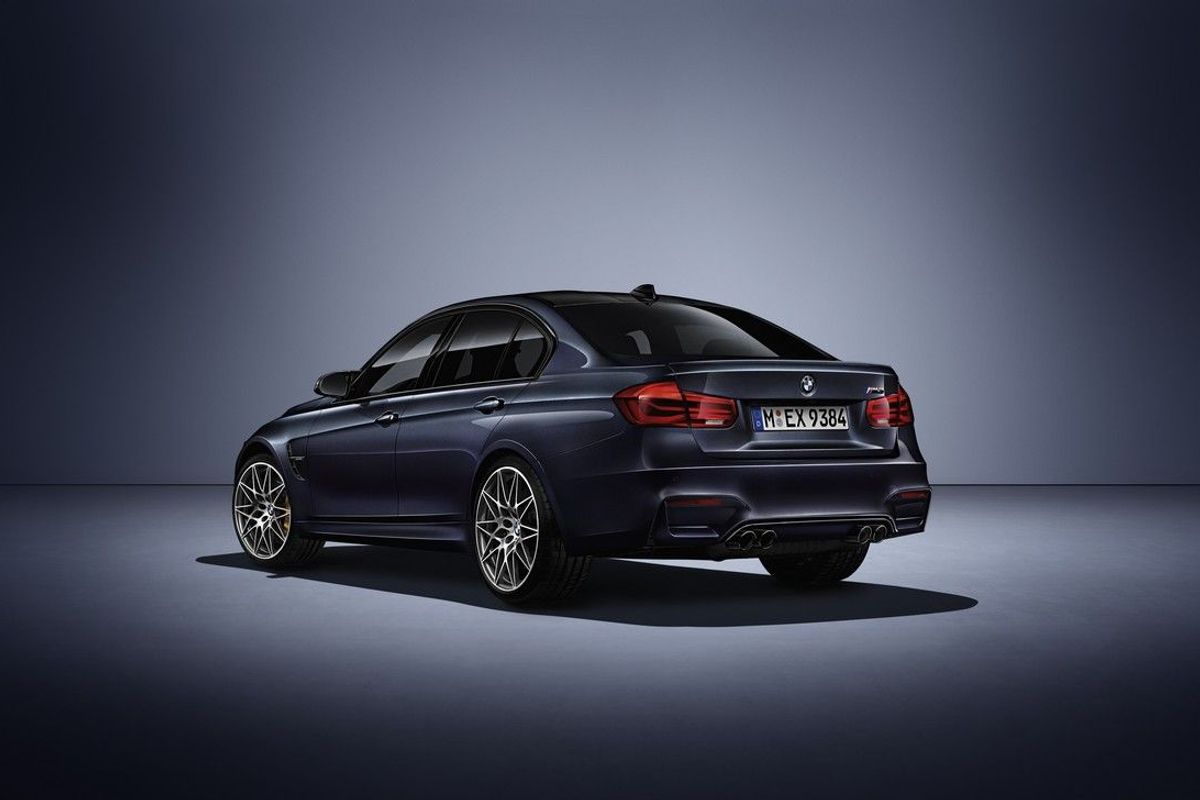
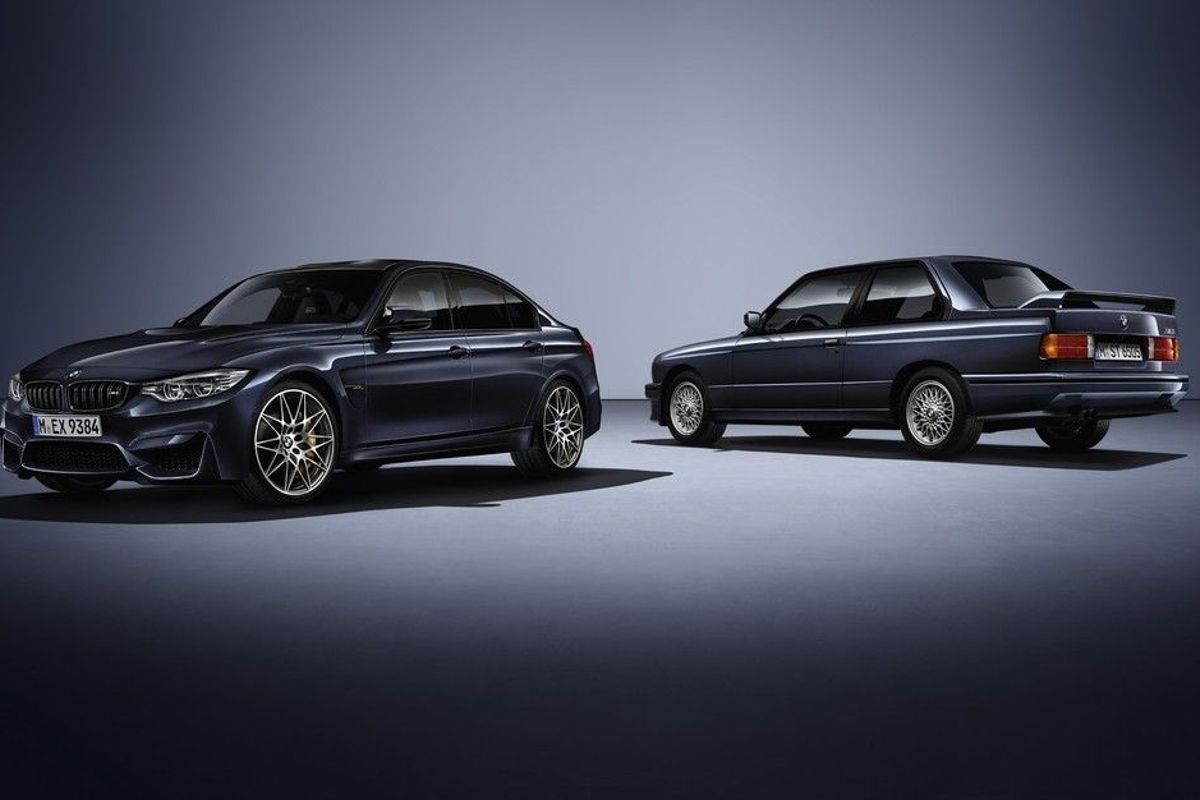
BMW South Africa is celebrating 30 years of the iconic M3 sports sedan and an exclusive special edition has been created for the occasion.
The BMW M3 made its international debut back in 1986, but it was only in the 1990s that South Africa got its first taste of M3 magic. Now many years and five generations later, the M3 is still a very desirable performance vehicle which can run very close to machines costing double the price. BMW South Africa has recognised the impact of the M3 and created this 30 Years M3 special edition, which now available in South Africa in limited numbers.
The 30 Years M3 differs from the standard BMW M3 in many ways. Visually, it's only available in an exclusive exterior colour called Macao Blue metallic and you'll notice the majestically forged 20-inch M light-alloy wheels with 666 M star spoke design. The exhaust pipe is finished in black chrome and the M gills on the front wings now say 30 Years M3.
However, under the skin, there are some serious changes. The platform used for this upgrade is the BMW M3 Competition Pack, a formidable driving weapon. Power has been raised to 331 kW, which is 14 kW more than the standard model. The model features adaptive M suspension comprising new springs, dampers and stabilisers as well as remapped versions of the three driving modes (Comfort, Sport and Sport+). The standard Active M differential on the rear axle has also been on the receiving end of some tweaks, as has the Dynamic Stability Control feature (DSC). BMW claims its 30 Years M3 will hit 100 kph in 4 seconds dead when equipped with the optional 7-speed M double clutch gearbox.
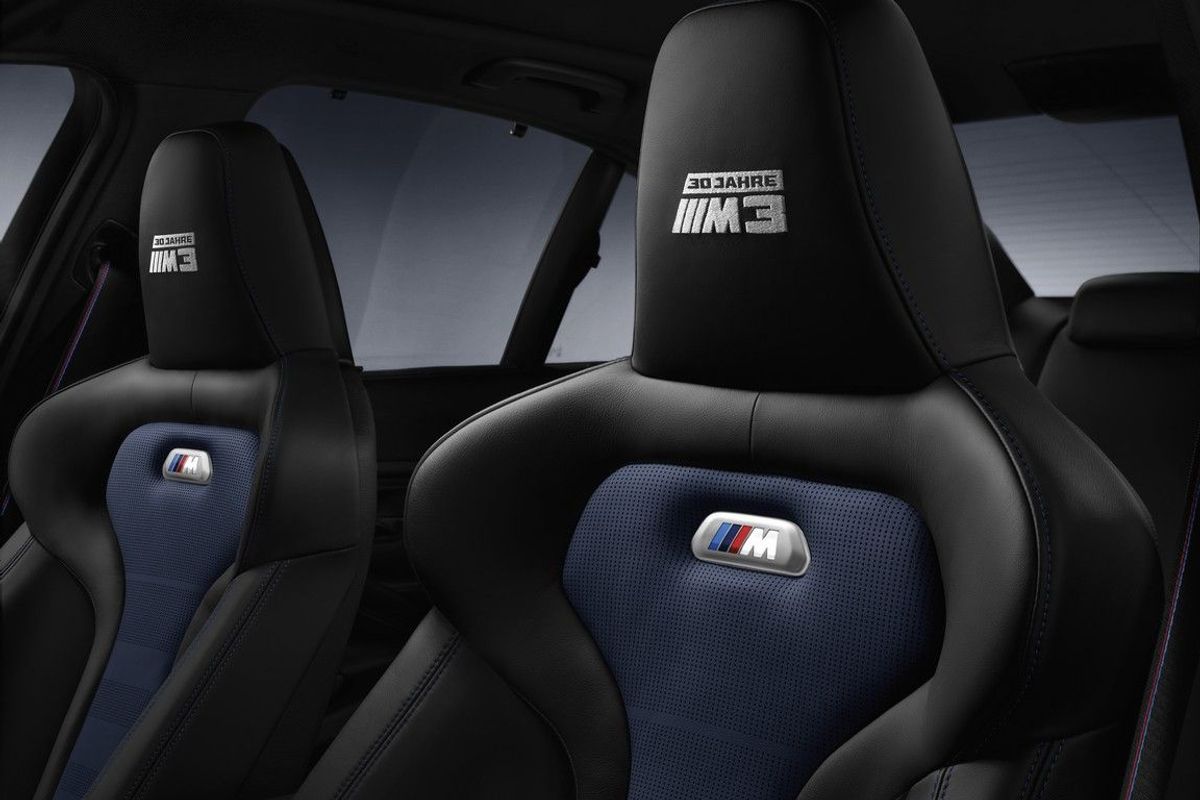
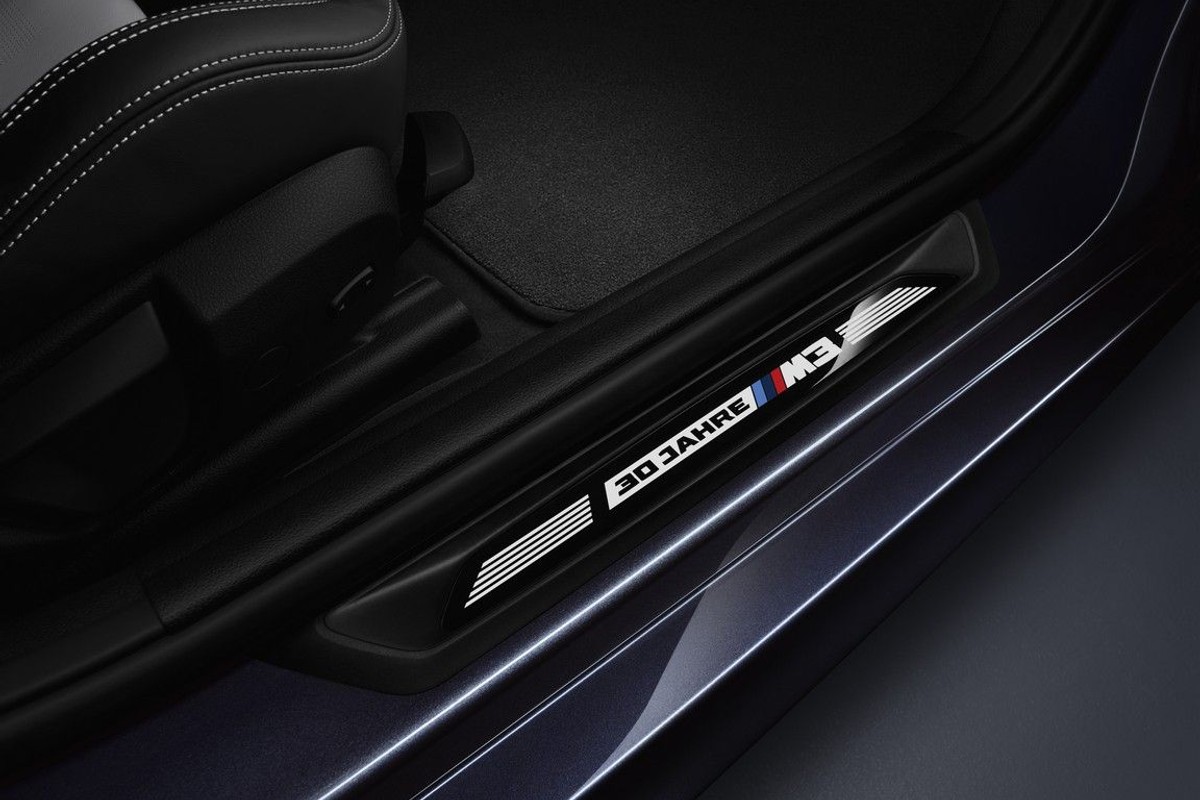
The interior gains some classy touches in the form of M sports seats in a skeletal design and seatbelts with woven-in BMW M strips also enhance the sporty interior ambience. There are plenty of 30 Years M3 logos dotted around the cabin such as on the doorsills and headrests, and a 30 Years M3 1/500 badge on the carbon fibre interior trim strip of the instrument panel to remind you that you're driving something special.
BMW Global has created 300 units and only 30 are available for sale in South Africa. Expect to pay around R1.5-million for this exclusive vehicle.
5 Highlights from the 2016 SA Festival of Motoring
We attended the inaugural SA Festival of Motoring at the new-look Kyalami race track and while not every car manufacturer was represented at the show, we were impressed by 5 stand-out cars.
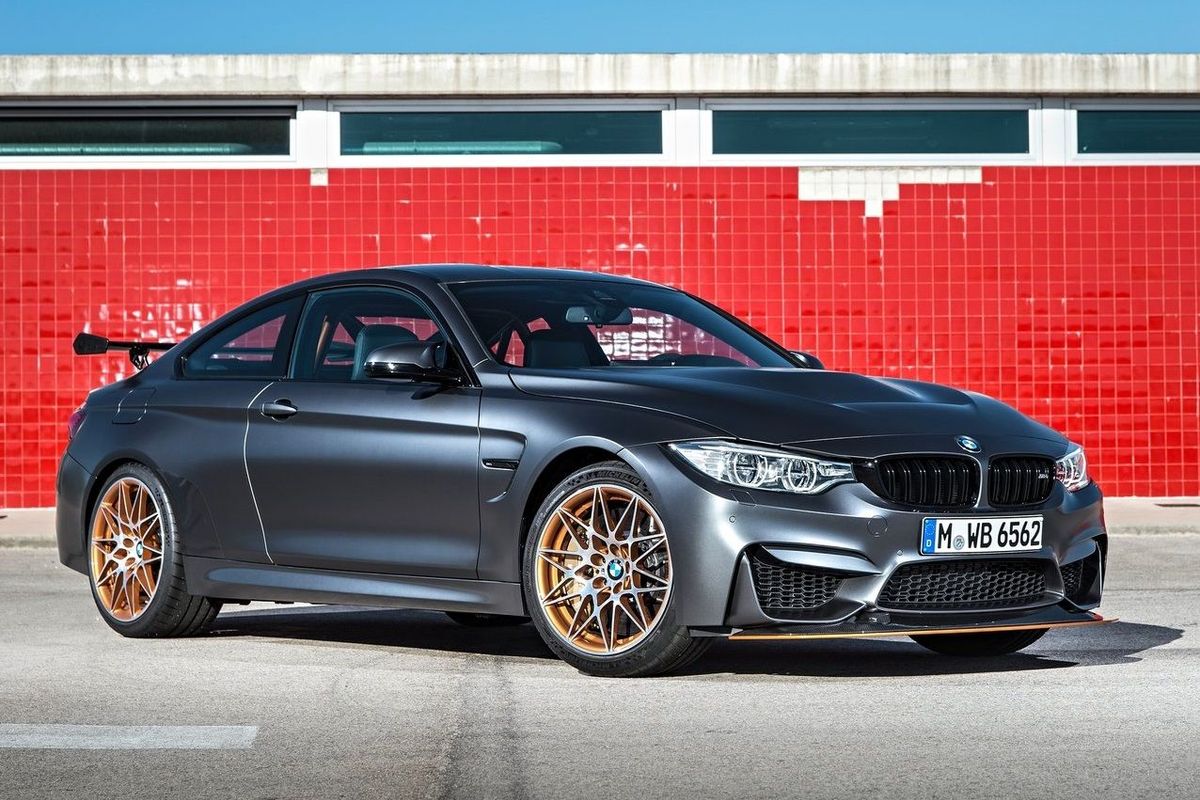
The ultimate BMW M4 has landed in South Africa and this high-performance vehicle is essentially a road-legal race car. 700 units have been built and the South African market has been allocated just 23 vehicles. It's a stripped-out and more powerful version of the BMW M4, and it features outputs of 368 kW and 600 Nm. We were exceptionally fortunate enough to drive a few laps around the new-look Kyalami circuit, but didn't push our luck as the vehicle we were piloting has been pre-sold to a customer. All 23 BMW M4 GTS vehicles have been accounted for and BMW SA invited customers to buy the cars to maintain exclusivity and to prevent dealers buying and then reselling with exorbitant mark-ups. It's savagely fast, loud and completely at home on a track, and it's a vehicle that we wish we could have had more time with. Priced from R2 203 900.
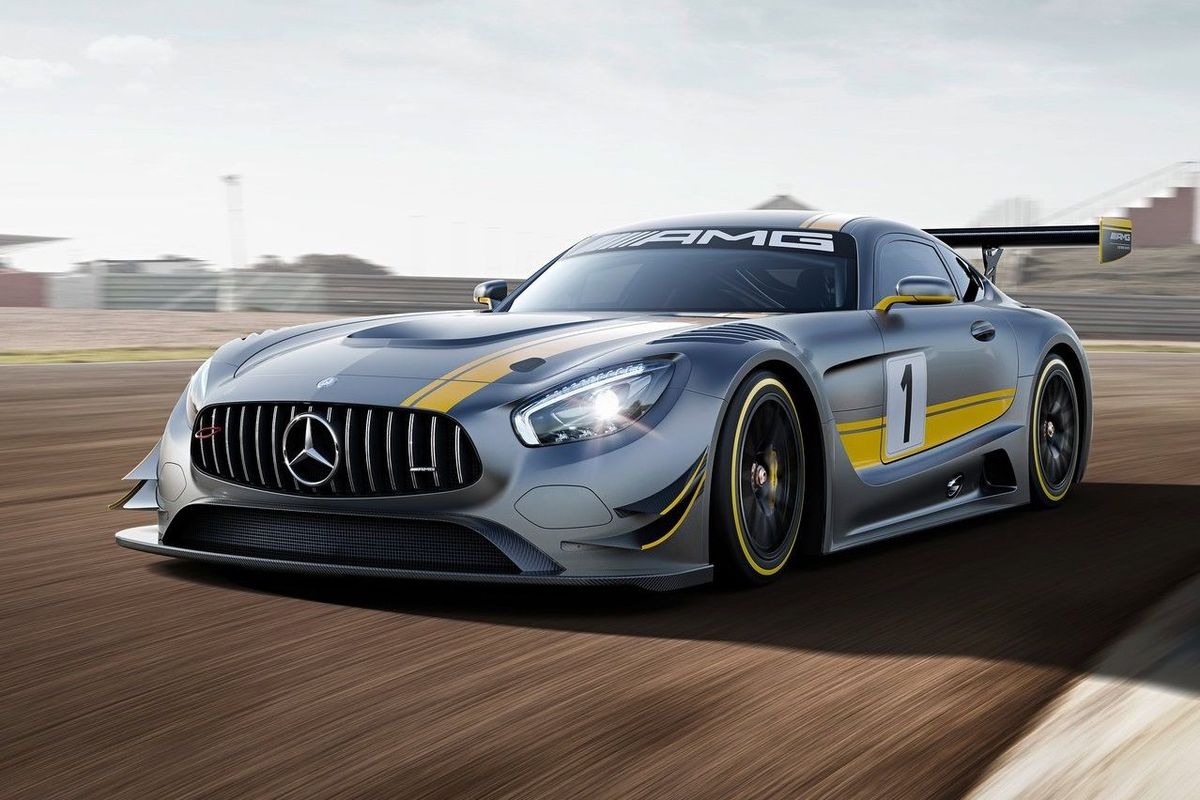
Mercedes-AMG unleashed its performance arsenal on the Kyalami facility and this included a specially-flown-in AMG GT GT3 racecar. This machine competes in the Blancpain Series in Europe and, for the Festival of Motoring, was piloted by former F1 pilot and TV commentator David Coulthard. We were fortunate enough to ride shotgun in this racecar for a few laps and its performance left us breathless. At one stage we hit over 250 kph on the main straight, only to brake hard to 100 kph for the first corner and the G-forces were incredible. It's amazing how hot, cramped and uncomfortable a race car can be.
Sadly we didn't get to experience this product, or even hear it rev, but the concept behind the F-TYPE SVR is an exciting one. Take the already fearsome F-TYPE R and add more power plus some suspension and aerodynamic upgrades. The result is the fastest Jaguar to go on sale in South Africa. It offers 423 kW and 700 Nm, making it one of the most powerful vehicles to hit the market in recent years. Only hardcore supercars offer more performance. It's priced from R2 134 100.
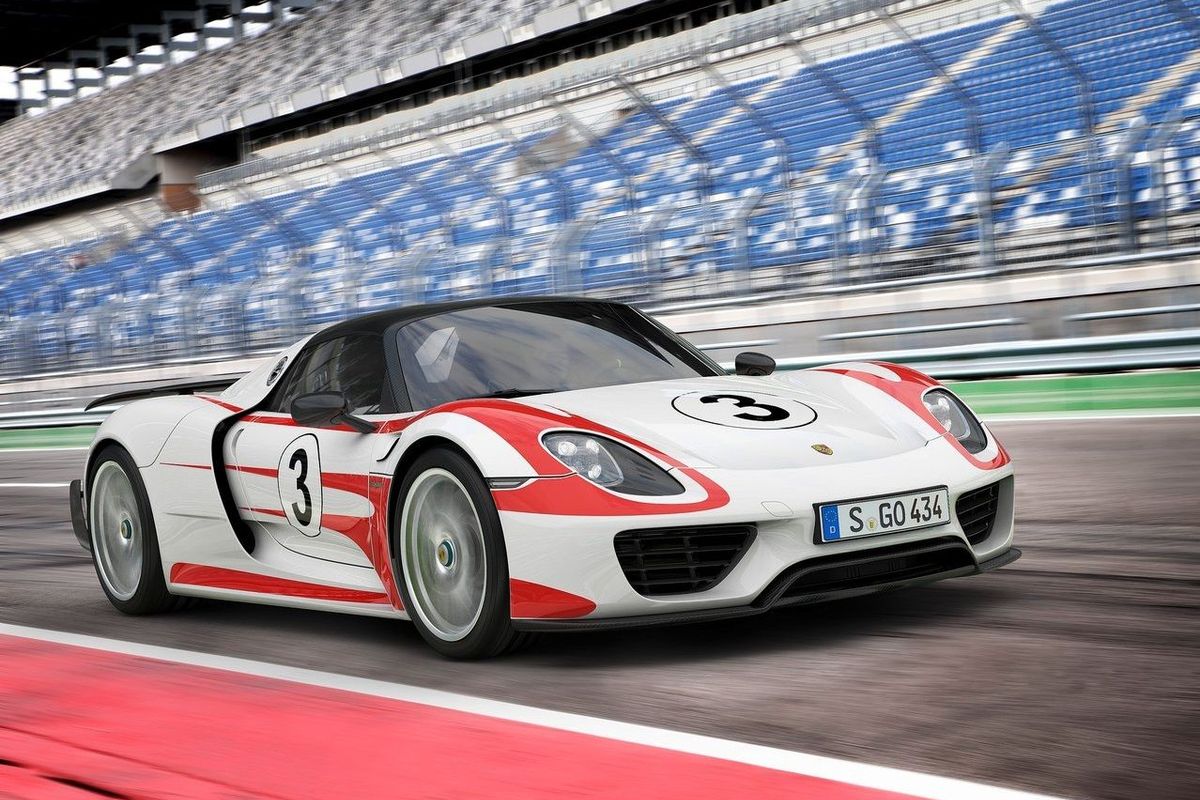
Porsche showcased the Le Mans-winning 919 race car as well as the fearsome 918 hypercar at its stand. Both cars promise exhilarating performance from engines packed with hybrid technology.
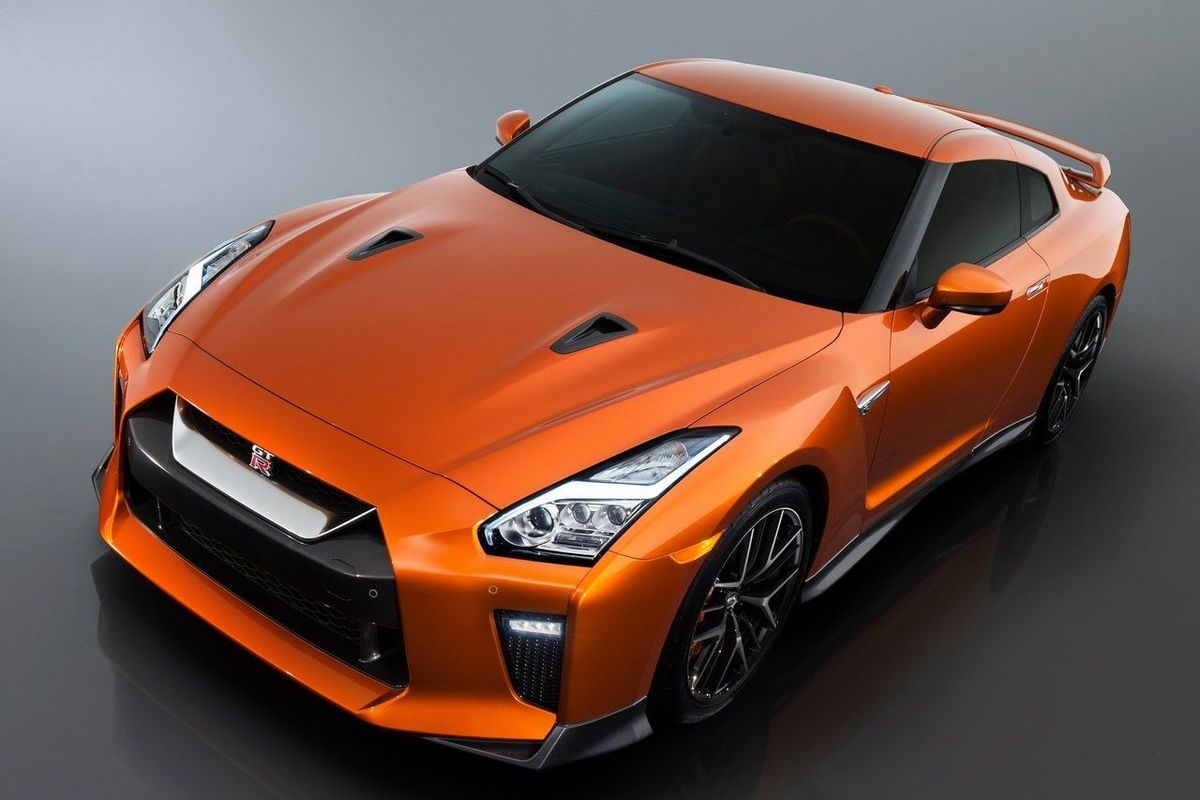
The next-generation Nissan GTR was unveiled to the public and it promises more power and technology compared to the outgoing model. The cabin has received some upgrades and the vehicle is claimed to be more comfortable as an everyday from of transport. In terms of pricing, you're looking at R1 950 000 for the Premium Edition and R2 050 000 for the Black Edition. At this price, the Nissan GTR is still one of the best bang-for-buck supercars on sale.
BMW SA has revealed the flagship M760Li xDrive at the SA Festival of Motoring and confirmed that it will be coming to South Africa.
The arrival of the new 7 Series has generated much interest given the high levels of refinement and impressive technology that BMW's limousine offers. Well, BMW has raised the bar once more with the reveal of the flagship M760Li xDrive that aims to dominate the world of luxury sedans.
The flagship M760Li xDrive is powered by a twin-turbocharged 6.6-litre V12 petrol engine that delivers 448 kW/800 Nm and is mated with an 8-speed Steptronic Sport transmission. All that sorcery under the large bonnet translates into impressive performance with 0-100 kph achieved in 3.7 seconds (claimed) before reaching a limited top speed of 250 kph. With the optional M Driver’s Package, the top speed increases to 305 kph. Being able to hit 100 kph in 3.7 seconds (or thereabouts) makes the M760Li xDrive the fastest accelerating product in BMW's arsenal.
As you would expect from a vehicle of this calibre, a wide range of driver assistance systems are fitted to the M760Li xDrive. Key features include the Driving Assistant Plus, which includes a steering and lane control assistant, lane keeping assist with active side collision protection, rear collision prevention and cross traffic warning functions. The semi-automated traffic jam assistant is useful in heavily congested driving situations and active cruise control with a Stop&Go function can adjust itself to the speed restriction information included in the navigation module. The M760Li xDrive is also fitted with a Surround View system that includes 3D View and Panorama View accessed through the control display.
All four wheels are driven with BMW’s rear-biased xDrive intelligent all-wheel drive system that distributes power dynamically, depending on driving conditions. The M760Li is also fitted with Executive Drive Pro suspension and active roll stabilisation to deliver "high levels of ride comfort in combination with exemplary handling". More than this, the Integral Active Steering system offers a more direct steering ratio at the front axle while adjusting the angle of the rear wheels according to the driving situation, reducing steering effort at low speeds and during spirited driving.
Luxury interior
As can be expected, the interior of the M760Li xDrive is plush and features an M leather steering wheel with Pearl Gloss Chrome multifunction buttons and shift paddles for manual shifting. The Nappa leather seats are (obviously) electrically adjustable with memory function for added convenience and the interior features Fineline black fine wood trim strips with high-gloss metal finish, complementing the Alcantara Anthracite headliner.
As with all new 7s, the monitor for the iDrive operating system features a touch display for easy operation. The system can also be operated using the controller or hand movements through gesture control. With the latter, a 3D-sensor recognises hand movements to adjust several functions including volume control and accepting or rejecting phone calls. A special smartphone holder is also fitted, allowing for wireless inductive charging for the first time.
Availability in South Africa
The BMW M760Li xDrive will be coming to South Africa in the first quarter of 2017. Given the performance and exceptionally high level of technology and comfort features, we estimate that this product will retail for over R3 million.
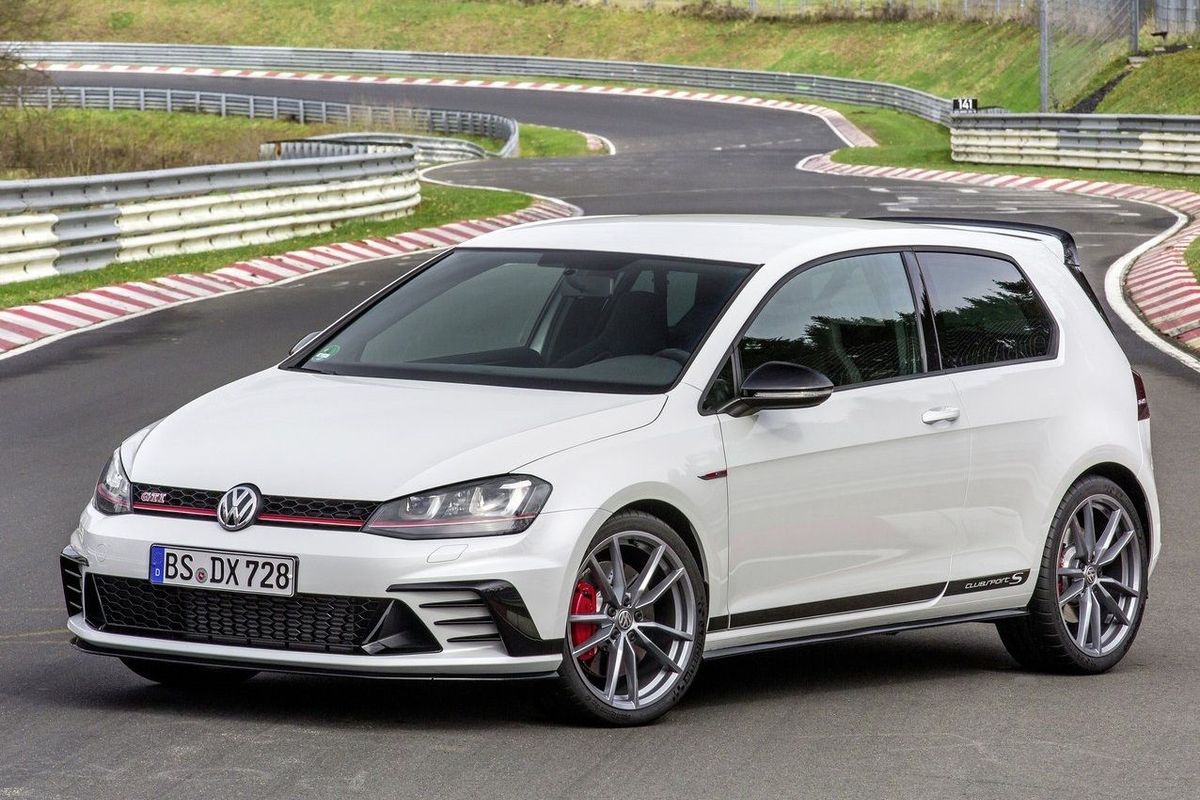
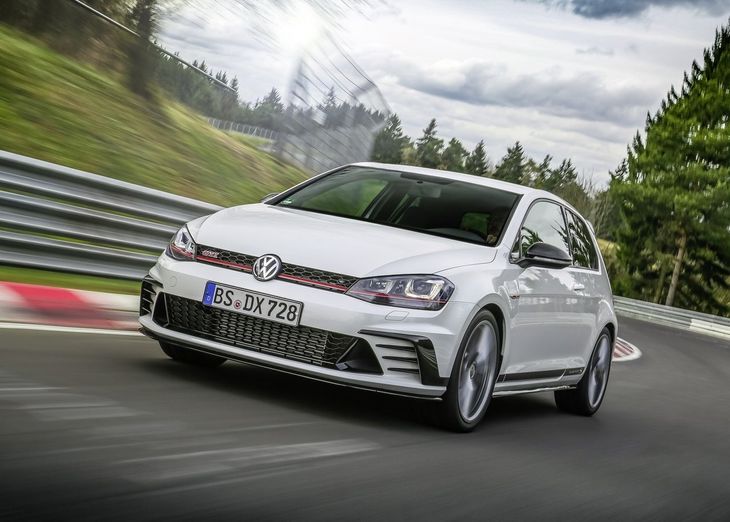
Volkswagen Golf GTI Clubsport S (2016) First Drive
The fastest series production front-wheel-driven hot hatch in the world will arrive in South Africa soon. Our market will receive just 47 of the 400 Golf GTI Clubsport S units that will be produced, but will Wolfsburg's Nurburgring record-breaker be significantly better than its highly rated Clubsport sibling? Our UK correspondent drove it on track and shares his findings…
By Andrew Frankel
You don’t really hear of Q-cars anymore. A few years ago, automotive enthusiasts referred to a high-performance car (usually a sedan) that looked like it couldn’t pull the skin off a cup of cold cocoa – but was blindingly fast – as a Q-car. The name reputedly came from the heavily armed merchantmen "Q-ships" deployed by the Royal Navy in the first World War to trap U-boats.
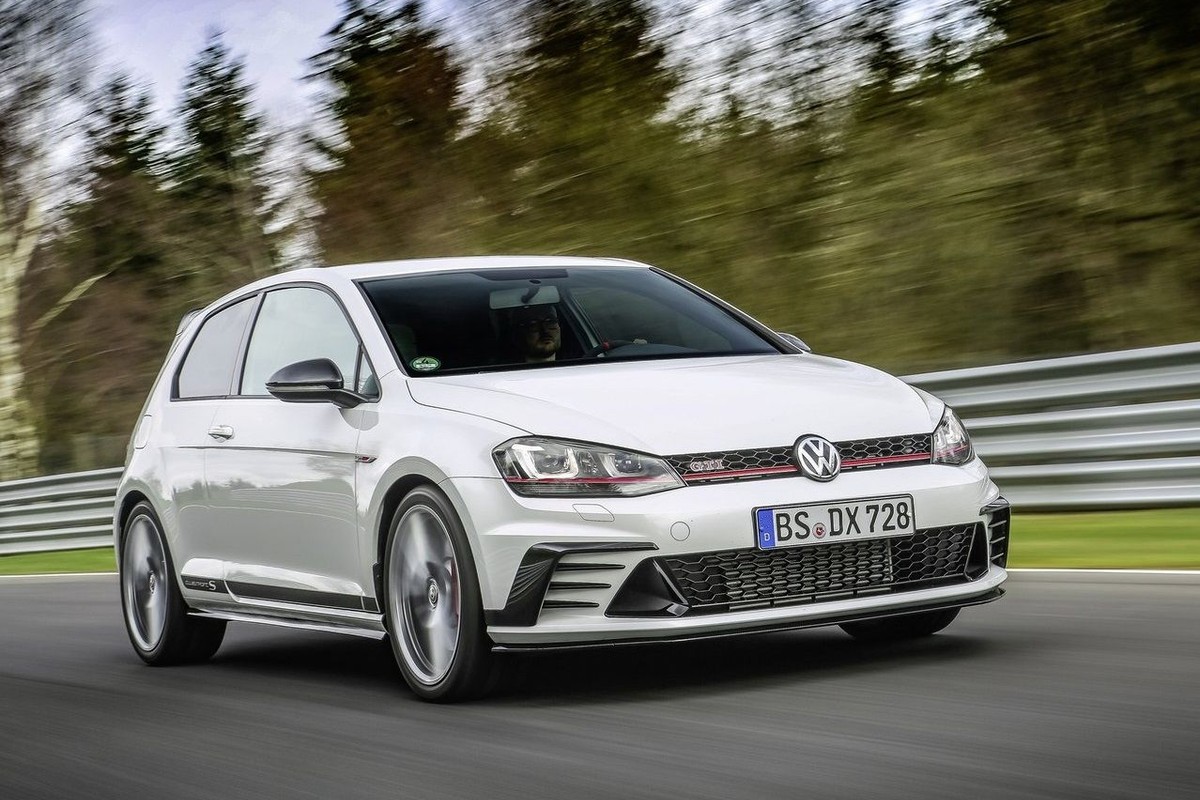
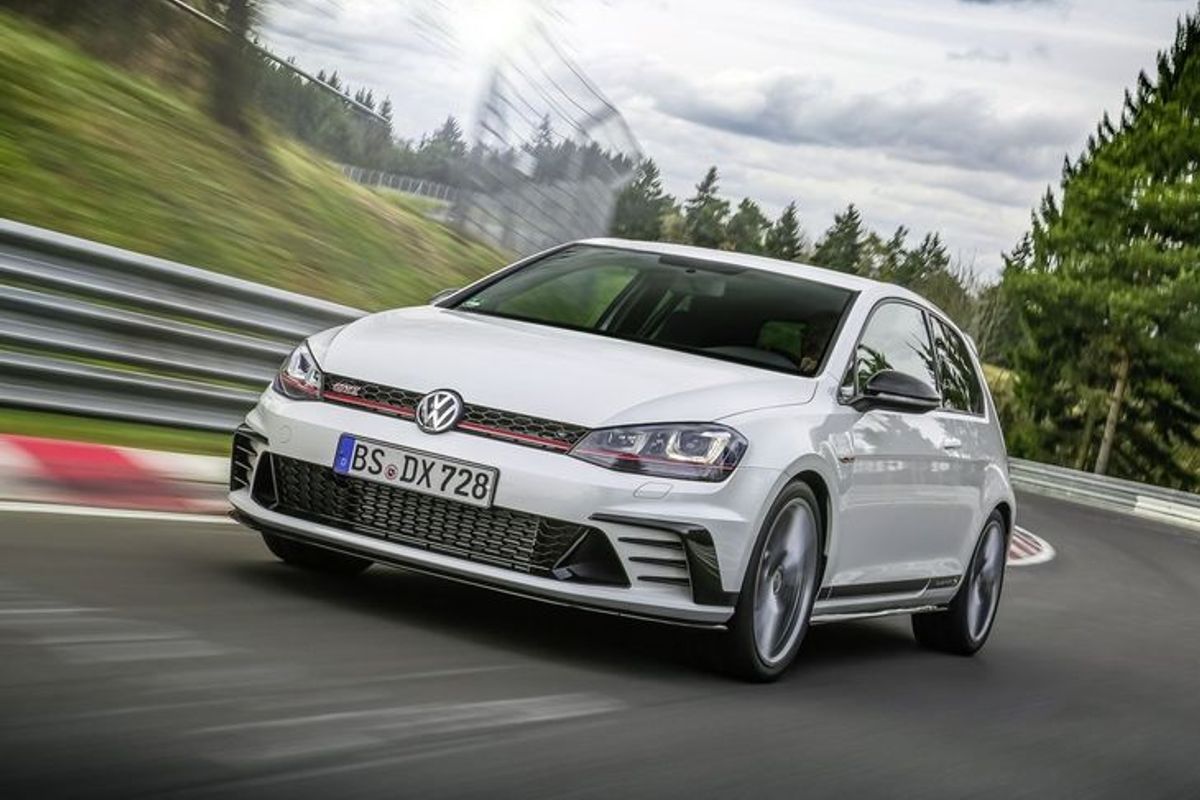
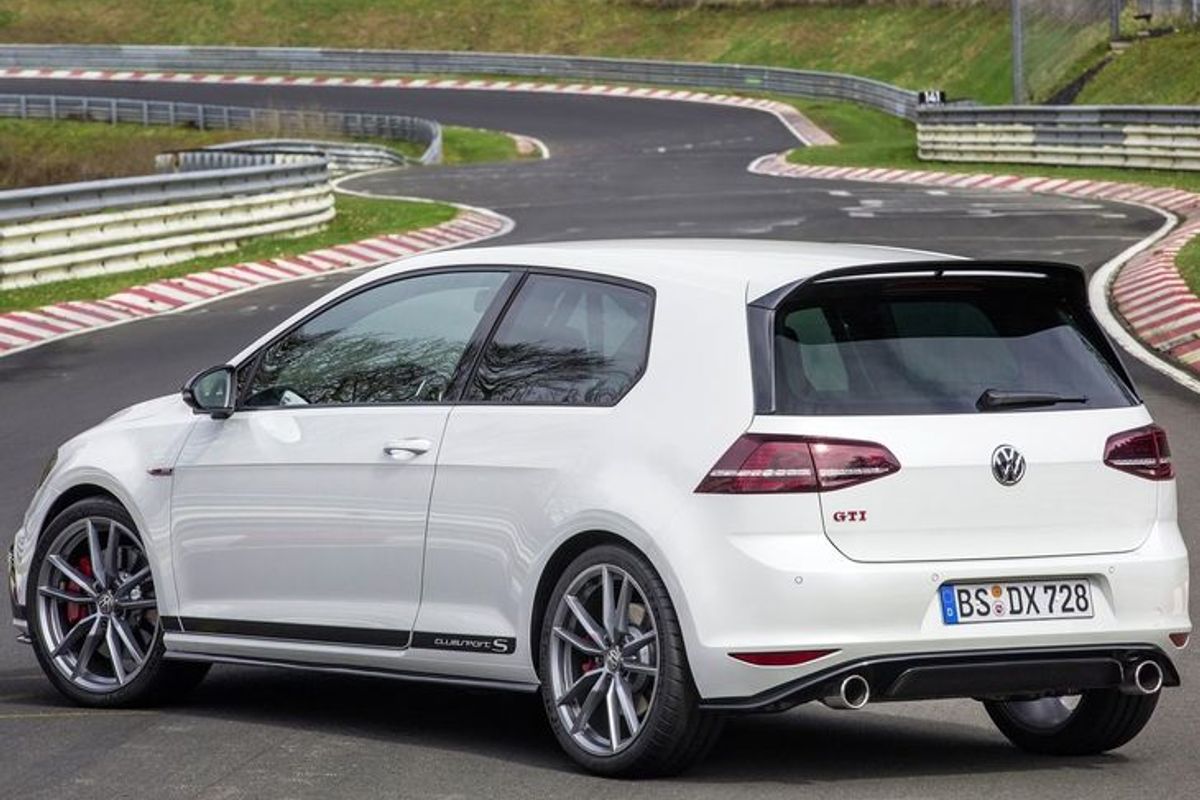
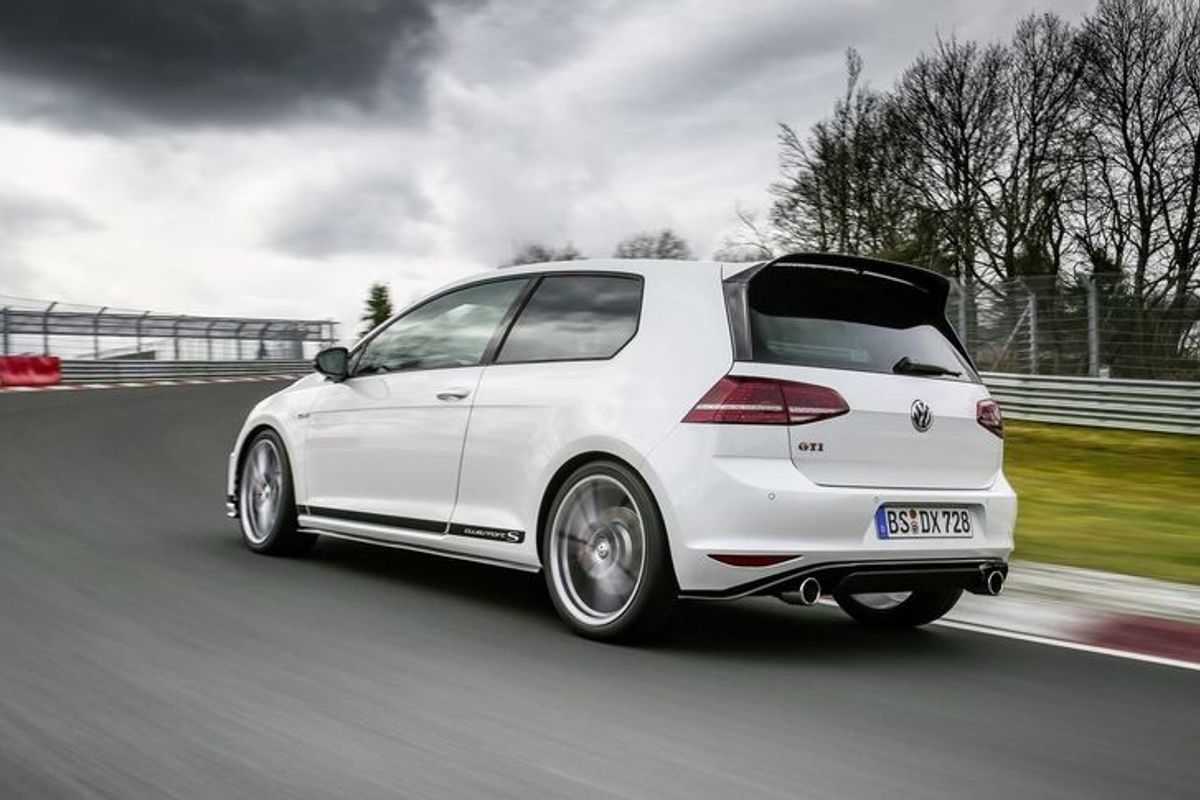
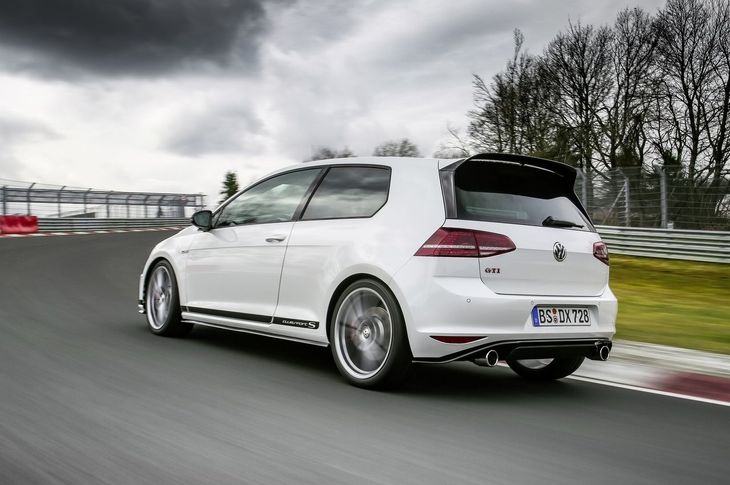
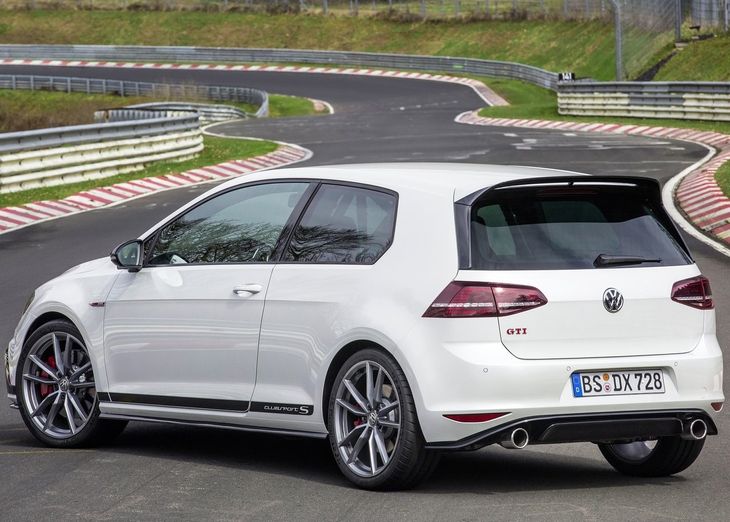
This Golf GTI Clubsport S is very Q-car-like. Were it not for its new front spoiler and subtle rear wing, you might think it the same as any other Golf GTI. But it’s not: by one measure at least it’s the fastest front-wheel drive car ever created.
The kind of cornering speeds that the Clubsport S can achieve will give a Porsche Cayman GT4 headaches.
That measure is its lap time around the old Nurburgring, a fact I’m not going to dwell upon because I know that for many, such talk bores them rigid.
So I’ll restrict my comments to saying only that a car’s speed around this particular track is an exceptional indicator of its all-around ability, The Green Hell tests power, grip, braking, aerodynamic stability and user-friendliness to the limit. Then consider this hatchback is only 7 seconds a lap slower around the Nurburgring than a brand new Porsche Cayman GT4.
Top speed limiter raised to 265 kph
It got that way by Volkswagen cranking up the Clubsport's turbocharged 2.0-litre 4-cylinder motor's outputs to 228 kW and 380 Nm, fiddling with the suspension (adaptive chassis control now has a Race mode in addition to the standard Normal, Comfort and Individual modes), fitting (road-legal) semi-slick tyres and modifying the bodywork to turn the considerable lift that the Golf experiences at top speed (the limiter is raised to 265 kph in the S) into appreciable downforce.
Aerodynamic addenda might be subtle, but the bodywork creates appreciable downforce at top speed.
Equipped with a 6-speed manual gearbox and sold exclusively as a 3-door (as opposed to the DSG-equipped 5-door Clubsport that was recently released on the local market), the S features unique 19-inch alloy wheels too. But the biggest difference is inside the Golf's cabin, however, were Volkswagen ripped out 30 kg worth of equipment
That includes the rear seat bench, which has been replaced by a rear strut brace (to aid the body's structural rigidity), the space-saving spare wheel has been replaced with a tyre mobility kit and the panoramic sunroof is not available.
Remarkably easy to drive
I drove the Clubsport S at the infamous track – as hard as I could – and was stunned not simply at how the speed of the thing defied entirely its modestly enhanced appearance, but just how easy it was to drive.
To extract maximum lap time from a car usually means making it stiff and edgy to minimise weight transfer and make it change direction quickly; but the Golf was endlessly forgiving, assiduous in its dedication to building your confidence and devastatingly fast. By any measure, it was profoundly impressive.
And yet it felt just a touch clinical. The way it interacted with me was enough to make me feel involved, but not quite entirely immersed in the experience. And Volkswagen would not let me drive it on the public road, which makes me suspicious about its real world ride and refinement.
The Clubsport S will be the first 3-door Golf to reach the South African market for many a year.
Summary
Just 400 Golf Clubsport S units will be built; that's 10 for every year that the Golf GTI has so far been in production. The track-focused Clubsport S feels as if it was conceived to set a benchmark, which it duly did at the Nurburgring, but that does not eliminate the fact that (in the UK) you can buy a Golf R that comes fully equipped with back seats, a brilliant four wheel drive system for less money.
It’s not quite as quick as the ClubSport, but it’s no less fun to drive and a sight easier to live with. Even in these days of the Ford Focus RS (R699 900) and Honda Civic Type R(R615 900), it remains my favourite hatchback.
And brilliant though the Clubsport S is in so many ways, it can do nothing to change that.
South African spec for Clubsport S
All 47 units are expected to land in South Africa in October 2016. Only one colour will be available: Pure White with a black painted roof. Bucket seats are standard and the Discover Media navigation will come fitted as a standard feature too. The production number of the vehicle (001/400 to 400/400) will be etched by laser onto the ashtray cover.
Want a Volkswagen Golf GTI Clubsport S? Head to your local Volkswagen dealership, but be warned, this exclusive model will be in high demand and some may already be accounted for. Pricing will be interesting as a standard Golf GTI Clubsport retails from R540 200. You can purchase a Golf R for R592 580 and the flagship Ford Focus RS costs R699 900, so we estimate that the hardcore Clubsport S will be priced between R600 000 and R650 000.
Watch the Clubsport S set a new (FWD) lap record at the Nurburgring:
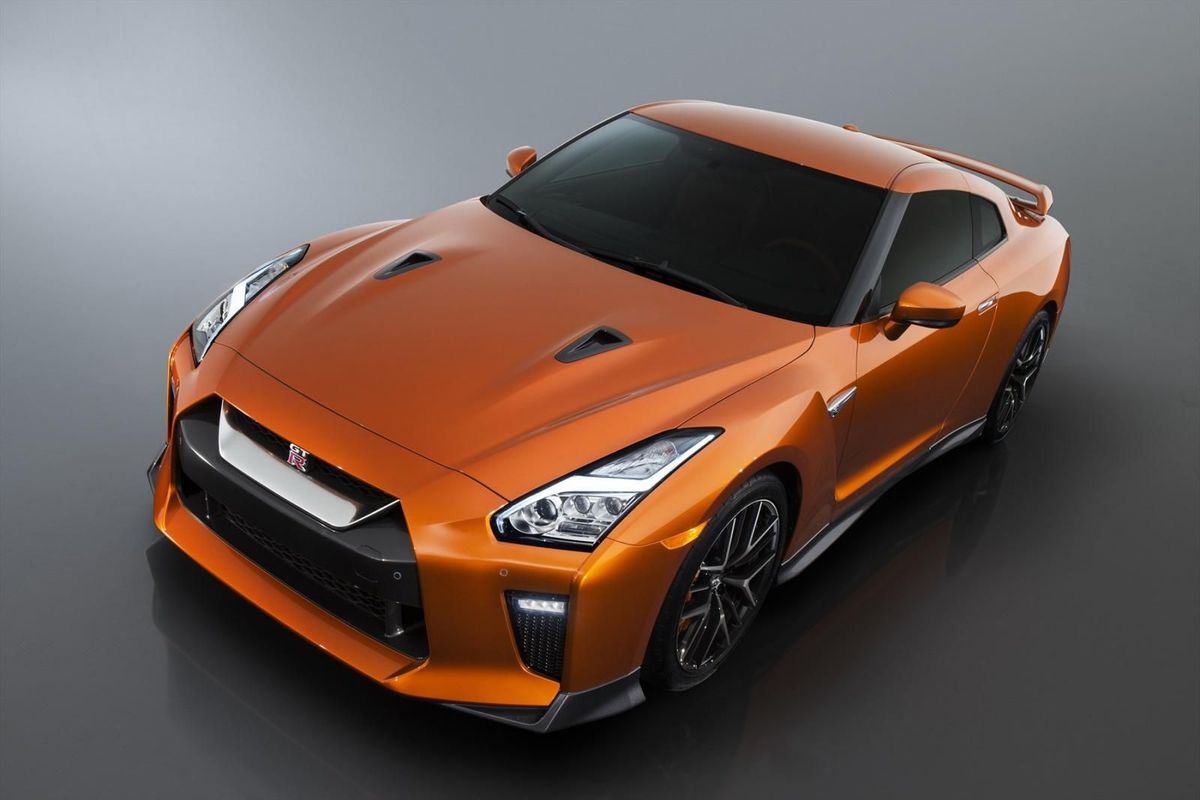
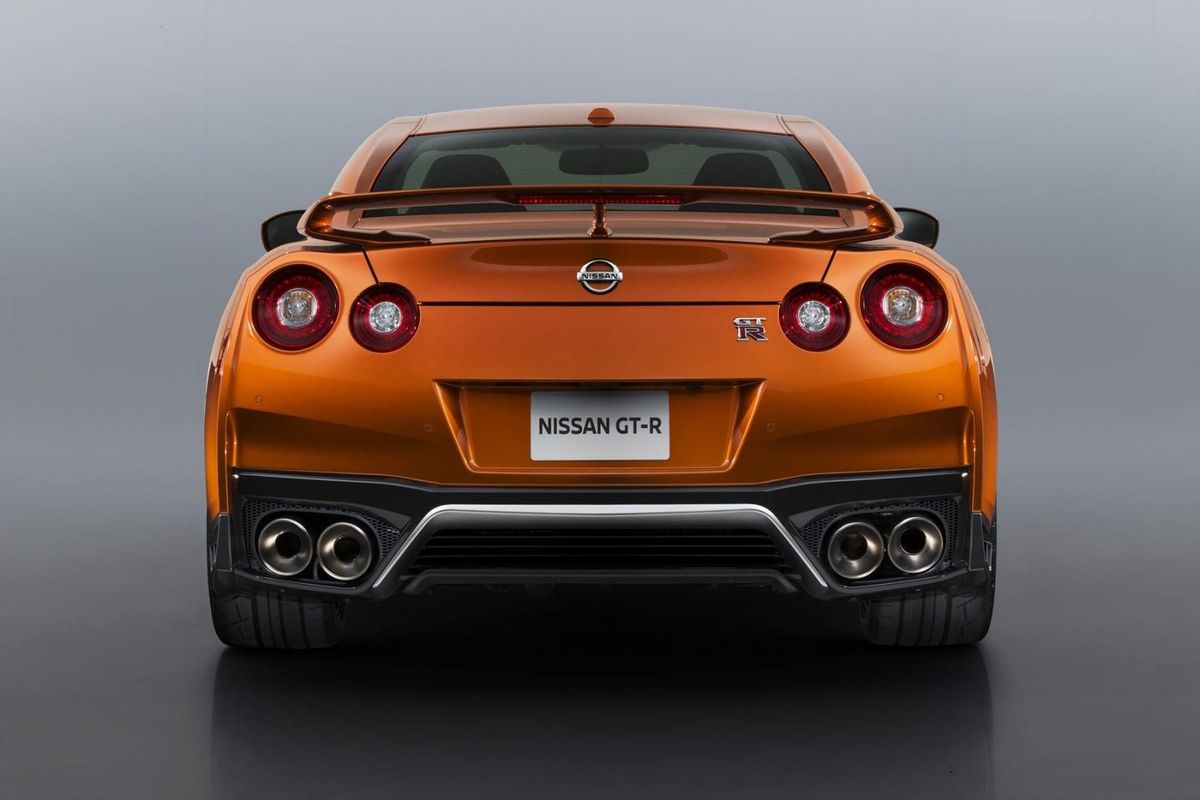
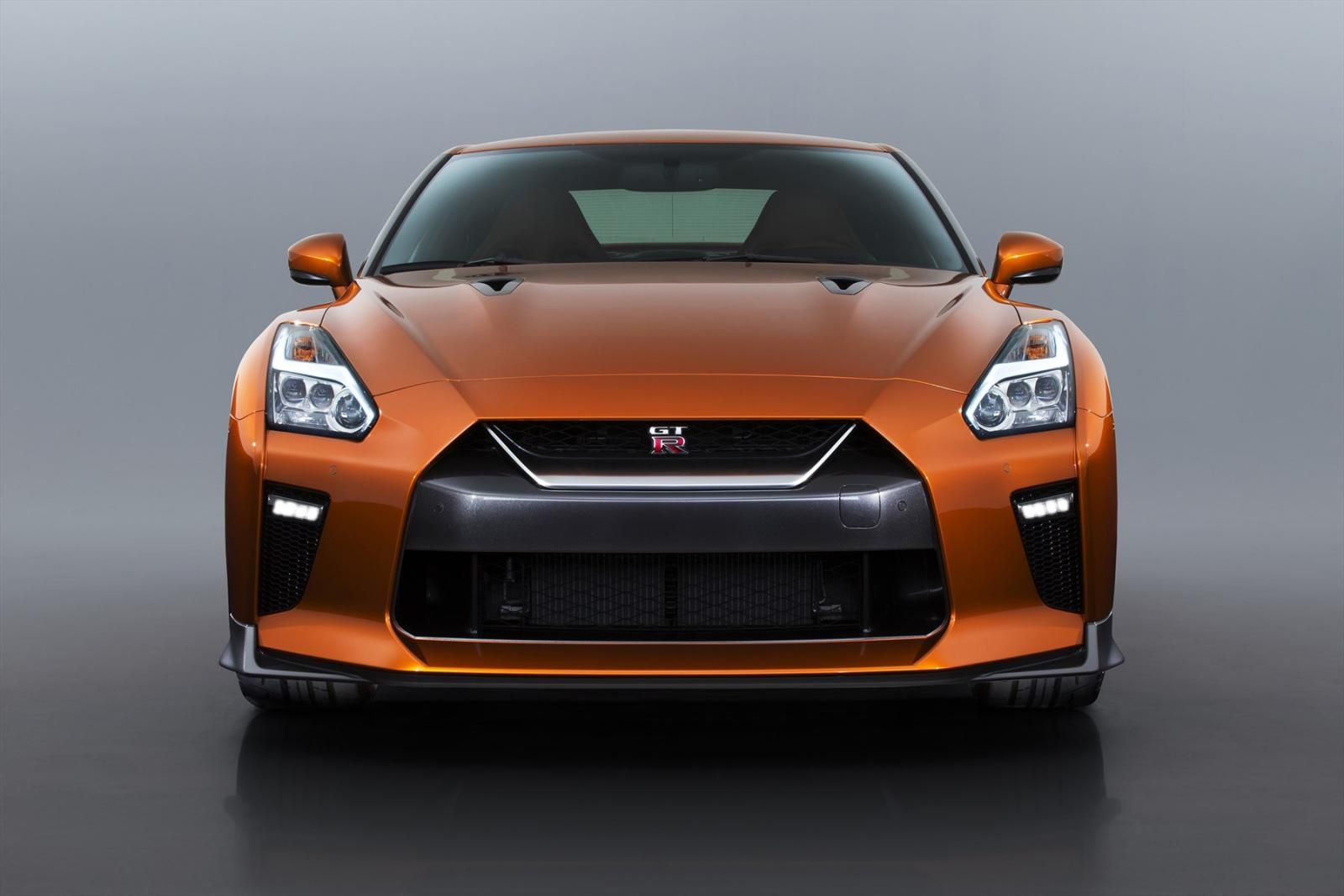
Nissan South Africa has used the Festival of Motoring (FOM) to give its more refined, more powerful GT-R supercar its first local outing.
According to Nissan, deliveries of the new model will commence shortly after the Festival of Motoring has been packed up. The significantly reworked GT-R features a range of styling, mechanical, luxury and performance upgrades. You can read more about the detail in our previous report here.
“With its first introduction in 2007, the R35 GT-R redefined the boundaries of supercar performance and handling. Over the subsequent iterations, the model has been improved and refined to the pinnacle of hand-built perfection in this, the 2017 model,” said Xavier Gobille, Director of Sales, Marketing and Aftersales at Nissan South Africa.
When it comes to the GT-R, most people head straight for the all-important numbers, so…
Quick Facts
Power: The3.8-litre twin-turbo engine now delivers 408 kW at 6 800 rpm and 632 Nm of torque from 3 300 to 5 800 rpm.
Performance: The GT-R sprints from rest to 100 kph in less than 3 seconds and has a top speed of 315 kph.
Price: You will pay R1 950 000 for the Premium Edition and R2 050 000 for the Black Edition.
The Major Changes
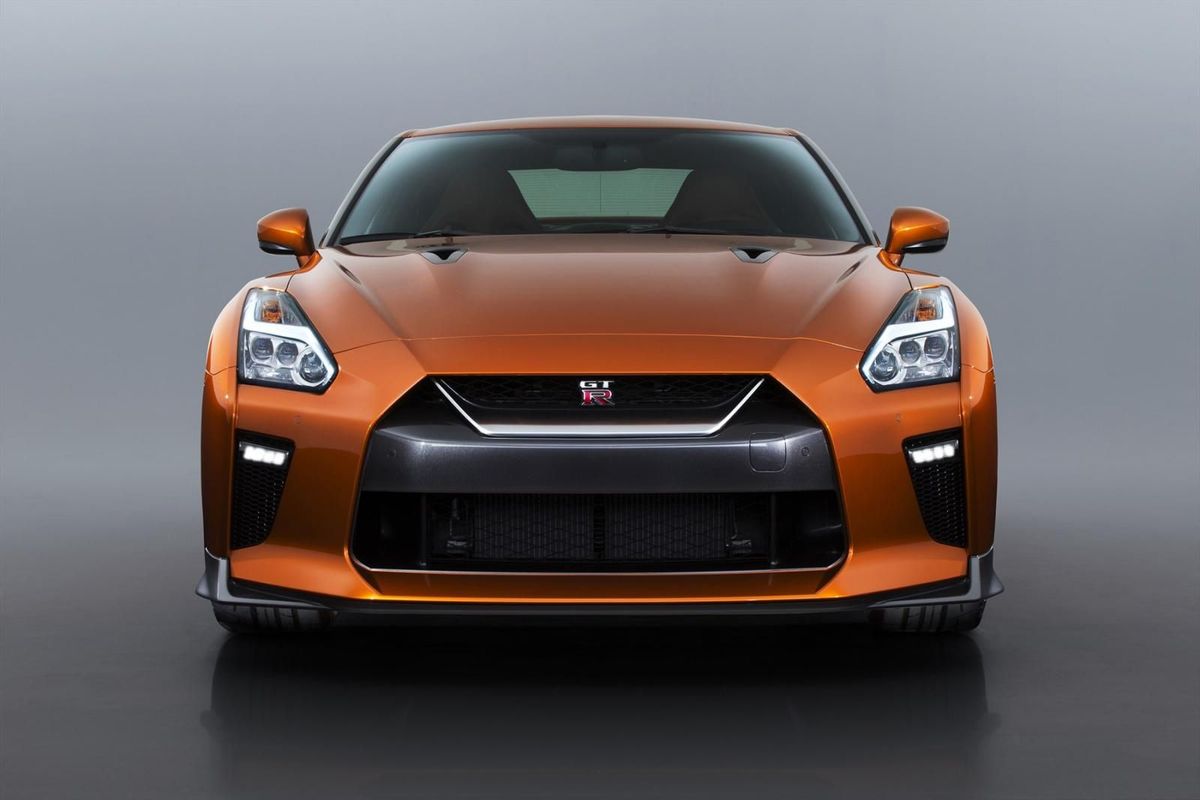
Look closely and you'll notice a new bonnet, grille, bumpers etc. on the new GT-R.
This model year update is quite a big one. The cabin has received a number of upgraded materials, simplified controls and a "tactile redesign" to give it a more upmarket feel. At the same time, Nissan has also managed to reduce the weight of the interior fittings. Drivers will also notice that the gearshift paddles now turn with the steering wheel.
Exterior – On the outside, the GT-R's subtle but effective upgrade includes a new bonnet, bumpers, grille and side sills. The changes are not merely cosmetic, however, as they are also claimed to improve the aero efficiency of the vehicle.
Engine – For most enthusiasts the most important changes can be found underneath the bonnet. The iconic engine of the GT-R has received greater boost from its turbochargers as well as individual timing control for the cylinders. This is claimed to significantly improve engine performance in the mid to high engine speed ranges. Power is up by 11 kW and torque by 4 Nm. The blisteringly fast acceleration time (less than 3 seconds for the benchmark 0-100 kph sprint) is aided by its launch control system and upgraded transmission.
Suspension – And in terms of dynamism the GT-R benefits from a more rigid structure and shell, as well as new 20-inch forged alloy wheels. Nissan claims a smoother ride quality.
The new car market in South Africa continued on its downward spiral in August 2016. Despite the declining trend, sales of light commercial vehicles remained relatively stable and exports showed substantial gains.
An unpredictable and volatile economic environment continue to strangle the new car market in South Africa and according to figures released by the National Association of Automobile Manufacturers of South Africa (NAAMSA), August 2016 painted another grim picture of declining sales, particularly in the new passenger car segment. Light Commercial Vehicle (LCV) sales, remained relatively stable, registering only a marginal decline while exports showed significant improvements.
The Toyota Hilux dominated sales once again and is currently South Africa’s most popular vehicle. The Ford Ranger claims second place on the sales chart while Volkswagen’s ever popular Polo Vivo and Polo models continue to be favoured by buyers. The Toyota Corolla also sold well during the month August and Toyota is currently the best-selling car brand in South Africa.
See the sales summary below for more details!
New car sales summary – August 2016
46 146 aggregate new vehicle sales down by 9.5% (4 839 units) compared to August 2015
30 356 new passenger car sales down by 13.1% (34 923 units) compared to August 2015
13 542 Light Commercial Vehicle sales down by 1% (140 units) compared to August 2015
28 112 export sales up by 26.7% (7 508 units) compared to August 2015
Top-selling car brands in South Africa – August 2016
Brand
Total Sales
Market Share
1. Toyota
10 224
22.3%
2. VW
6 814
16.6%
3. Ford
6 002
11.9%
4. GMSA
3 499
7.6%
5. Nissan
3 303
7.8%
Top Selling New Cars in South Africa – August 2016
Poor economic growth and increased pressure on consumer disposable income will continue to persist in the short term. Factors such as major increases in new vehicle prices, vehicle production inflation, the exchange rate, higher interest rates and low levels of consumer and business confidence will continue to contribute to the declining sales trend in the new car market.
Data from Wesbank affirms the trend of car buyers migrating to the used car market in search of value. According to Wesbank, the number of vehicle finance applications received in August 2016 totalled 133 094, representing a year-on-year increase of 3.7%. Finance applications for new cars, however, showed a decline of 11.1%. The demand for used car finance grew by 11.2%.
Increased demand in the used car market has resulted in a 9.2% increase in used car prices.
Furthermore, Wesbank advises consumers to be sensible when it comes to structuring vehicle finance contracts, and not overextend themselves financially. Consumers will be wise to pay bigger deposits to help reduce monthly instalments. Shorter contract terms will help buyers reach their contract’s breakeven point sooner, thereby avoiding having to delay their new car purchase until it becomes a financial actuality.