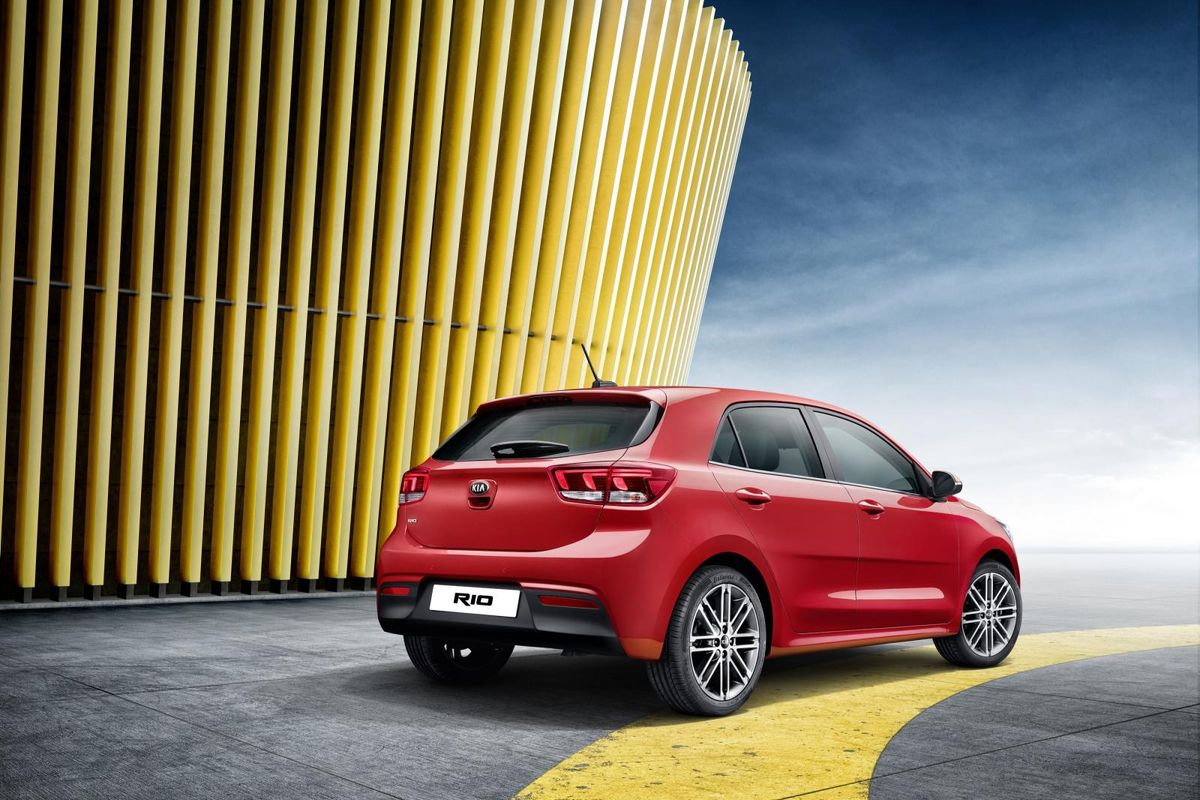
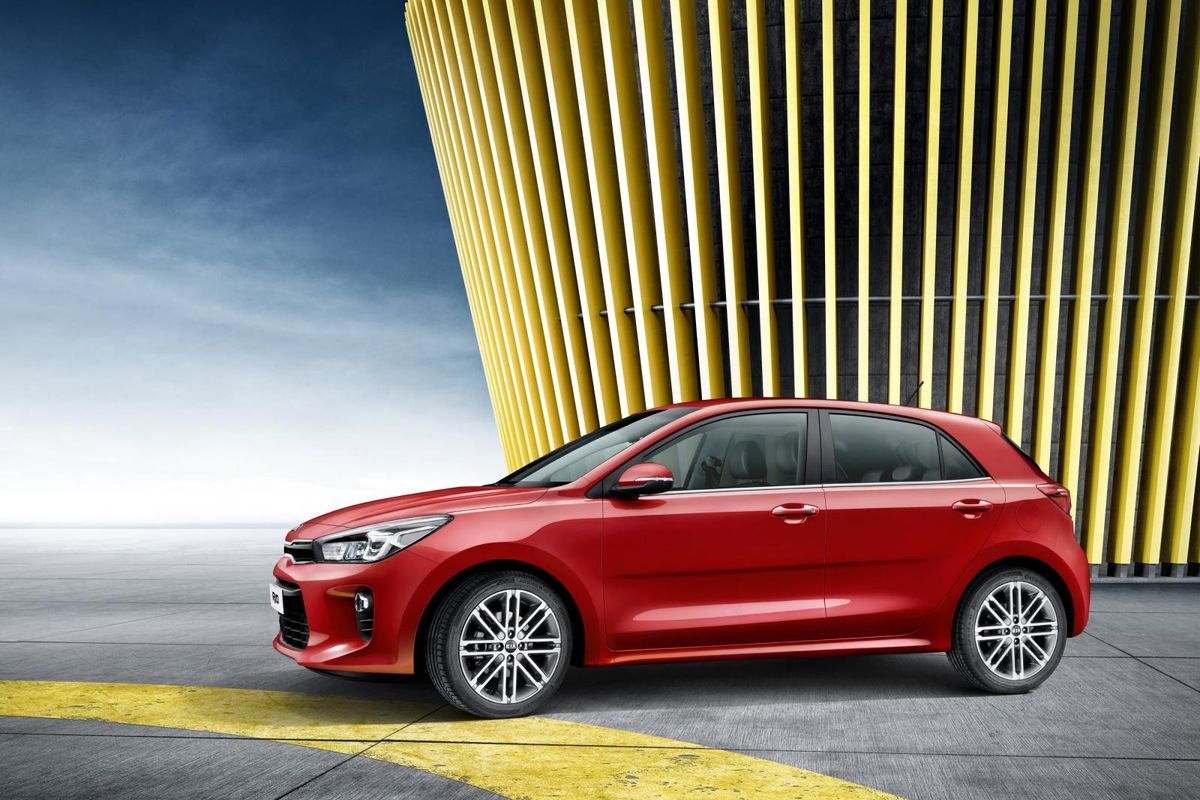
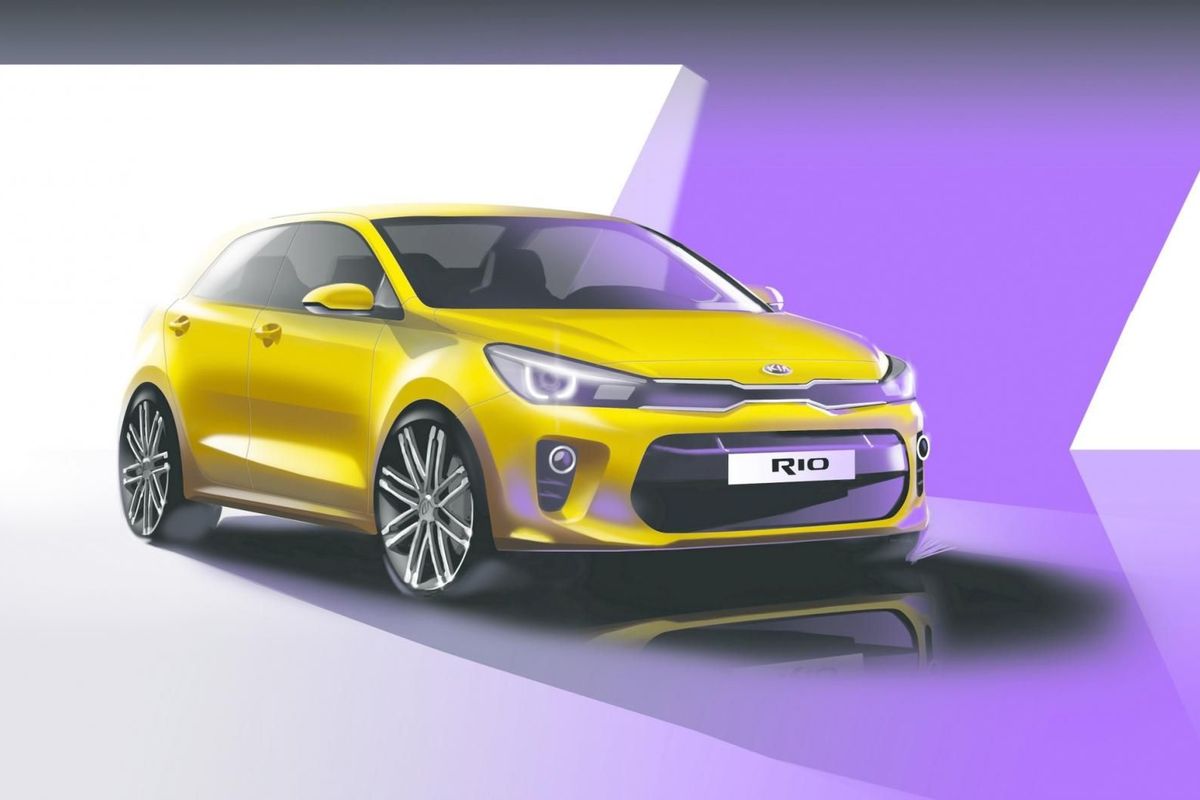
The fourth-generation Kia Rio will be shown at the upcoming Paris Motor Show at the end of September 2016 and will usher in progressive styling as well as improved ride and handling.
Kia’s stylish and popular Rio hatchback is due for replacement and the all-new model will be shown in the metal in Paris on 29 September 2016.
As was the case before, expect the new Rio to be one of the most attractive offerings in its segment. The fresh exterior and interior design was led by Kia’s design centres in Germany and the United States (California) in collaboration with Kia’s main design centre in Namyang, South Korea.
Exterior design details
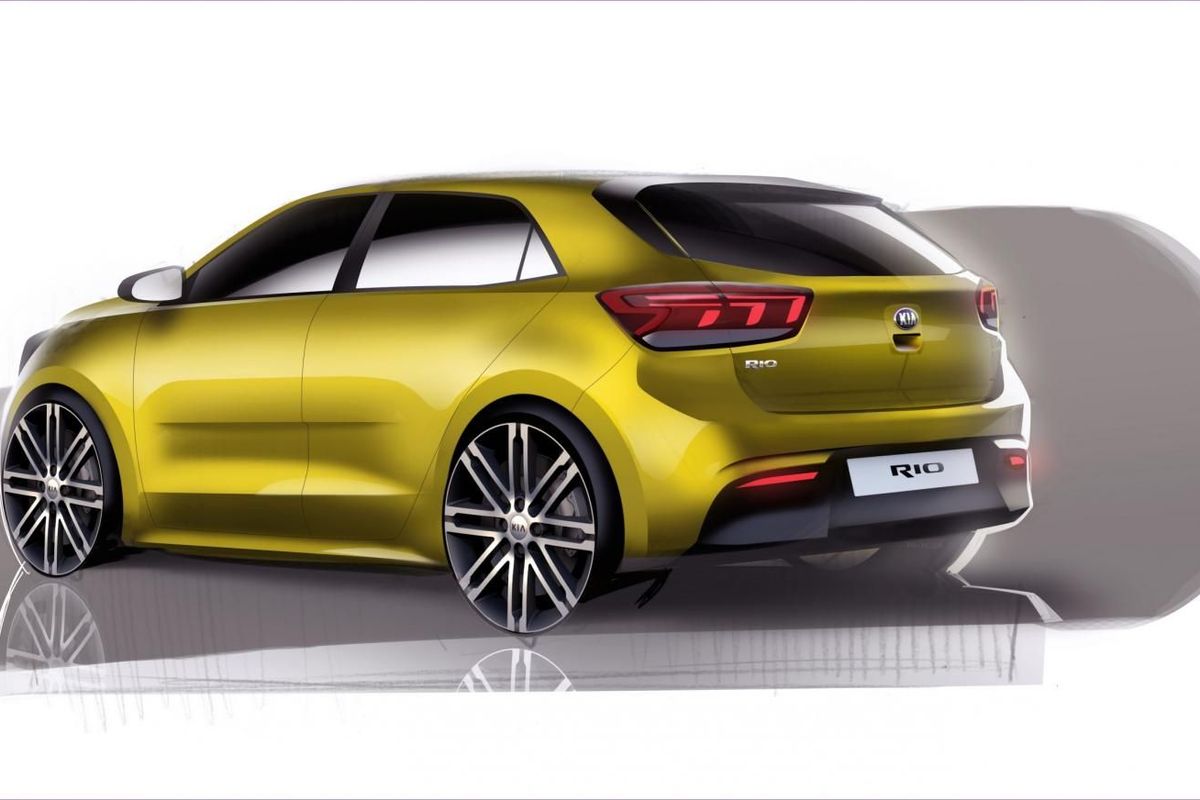
The next-generation Rio features ‘straight lines and smooth surfacing’ according to Kia, and will feature a longer bonnet and front overhang, as well as a longer wheelbase and upright C-pillar. The 'tiger-nose' grille has been tweaked to be narrower and wider while the projection headlights are thinner and slimmer than before, with a new U-shaped LED lighting signature. The fog lights on the new Rio have also been pushed outwards, placing emphasis on the width of the car, which has increased by 5 mm compared to the outgoing model.
The wheelbase has been stretched by 10 mm and the Rio's overall length has grown by 15 mm, sitting some 5 mm lower than before. The rear-end is more upright with a shorter overhang and a near-vertical rear windscreen. The rear headlights are also sleeker with a new arrow-shaped lighting signature.
Kia has also stated that the new Rio will offer class-leading practicality and safety technology. More than this, the ride and handling characteristics will improve too and you can expect to see the latest connectivity features present when the new model arrives.
Interior design details
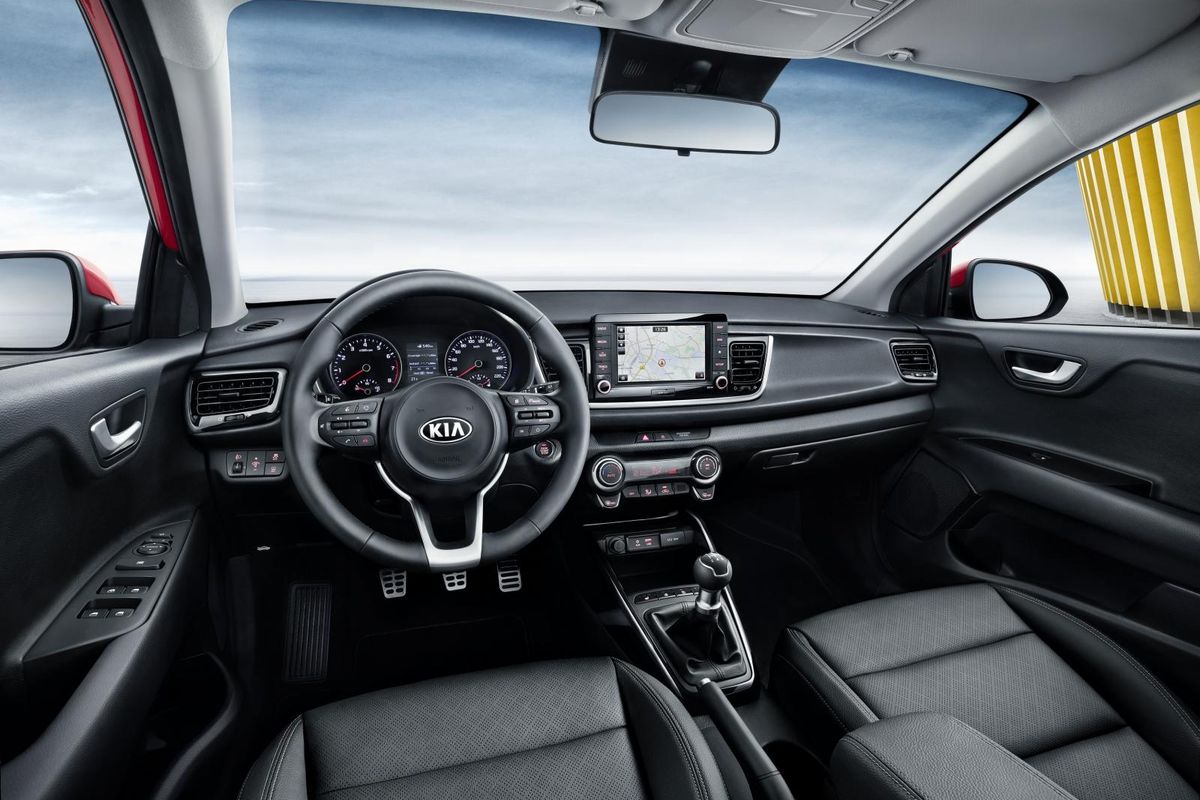
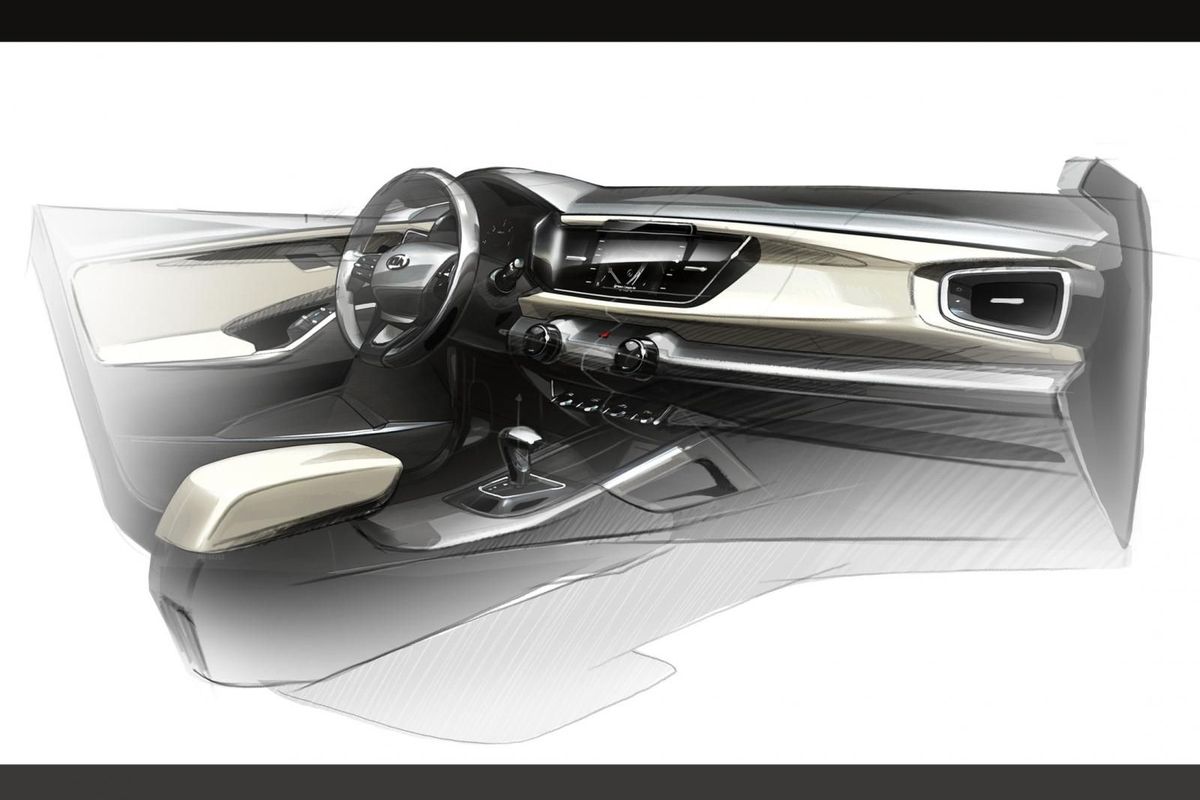
The new Rio will feature a redesigned cabin with improved ergonomic quality. Much like the exterior treatment, straight lines across the dashboard emphasise width and creates a sense of space in the cabin. The dashboard is angled towards the driver and features a new 'floating', high-resolution touchscreen infotainment system that will house the radio, navigation and connectivity functionality. As a result, the number of buttons present inside the new Rio have been reduced.
A choice of either black or grey cloth upholstery will be on offer, as well as black or grey artificial leather. Buyers can also opt for a 'Red Pack' that includes black and red trimmed artificial leather seats. The Rio's cabin styling is rounded off with gloss black and metallic trim.
The Rio is Kia’s best-selling model worldwide with 2015 sales totalling more than 473 000 units. Production of the new Rio will begin at the end of 2016 (for Europe) and you can expect to see the new Rio in South Africa in 2017.
We will be at the 2016 Paris Motor Show so look for updates and more information in the next few weeks!
The South African Festival of Motoring kicks off this week and here's an all you need to know guide to make the most of your experience.
Where and When?
The South African Festival of Motoring (FOM) takes place from August 31st and ends on 4 September. The venue is the newly revamped Kyalami Racetrack in Midrand, Gauteng.
Tickets
Tickets can be bought online here or alternatively at the gate, but the latter option is more expensive. For example, an adult purchasing a full-day ticket (for Wednesday, Thursday or Friday) will pay R175 (online) and R215 at the gate. The same ticket for a child (10-18) will cost R92 (online) and R120 (gate), while kids younger than 10 pay R10 regardless of where the ticket is purchased. Note that weekend tickets are considerably more expensive and you may want to look at the Family Packages that are offered on the event's homepage.
What cool cars can you see?
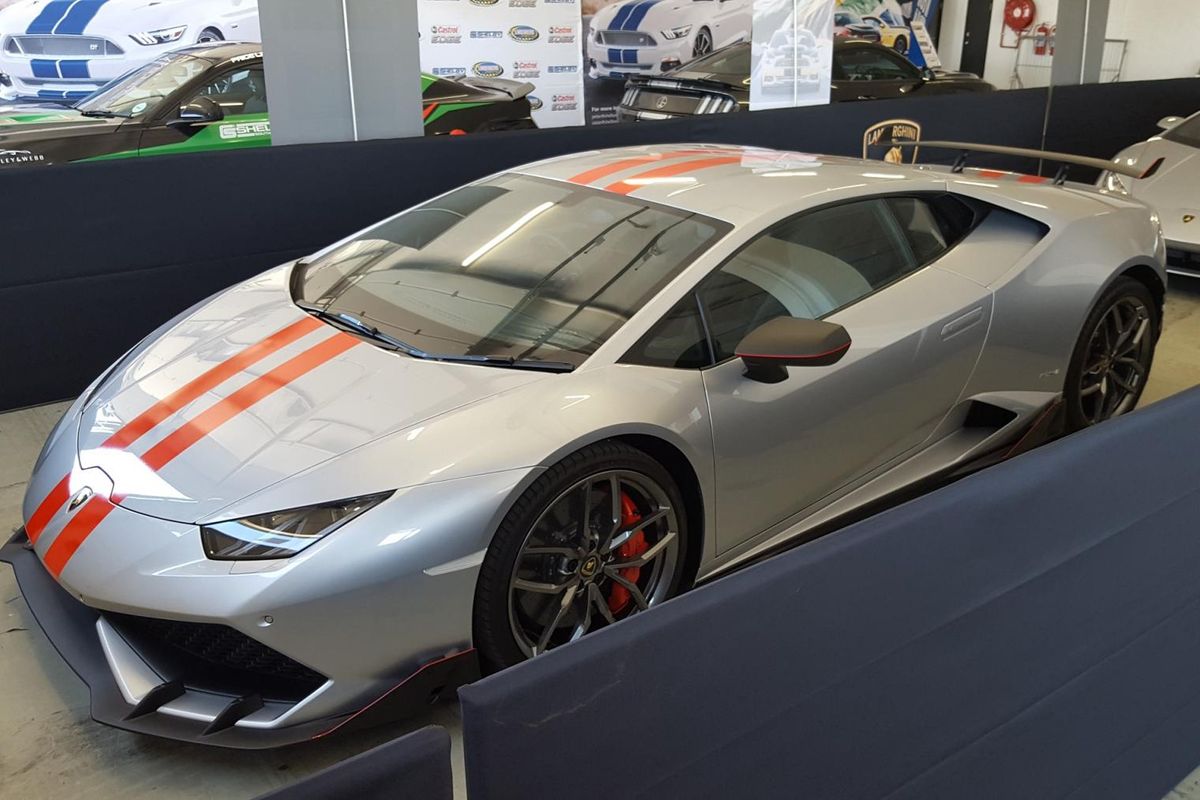
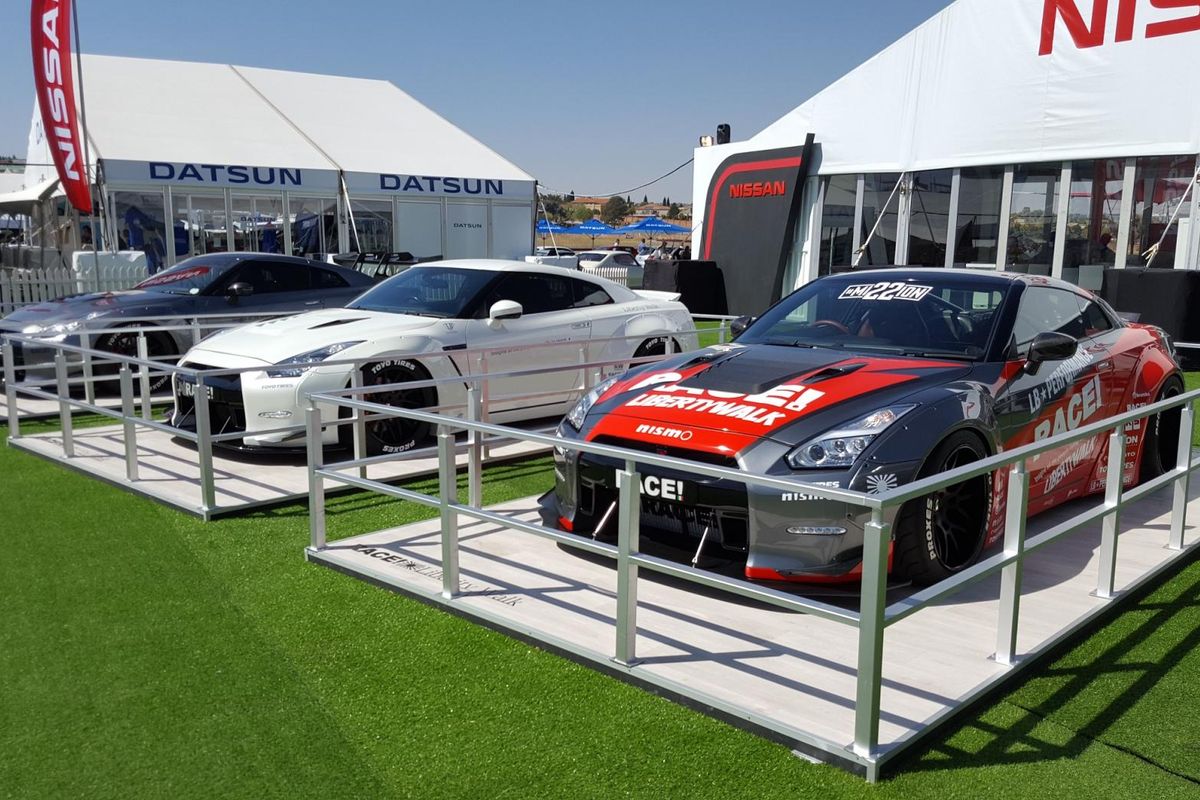
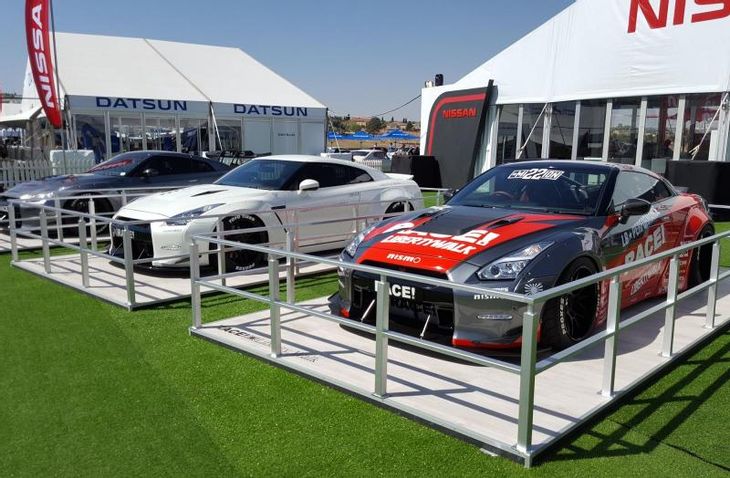
Three highly modified Liberty Walk Nissan GTR vehicles are on display.
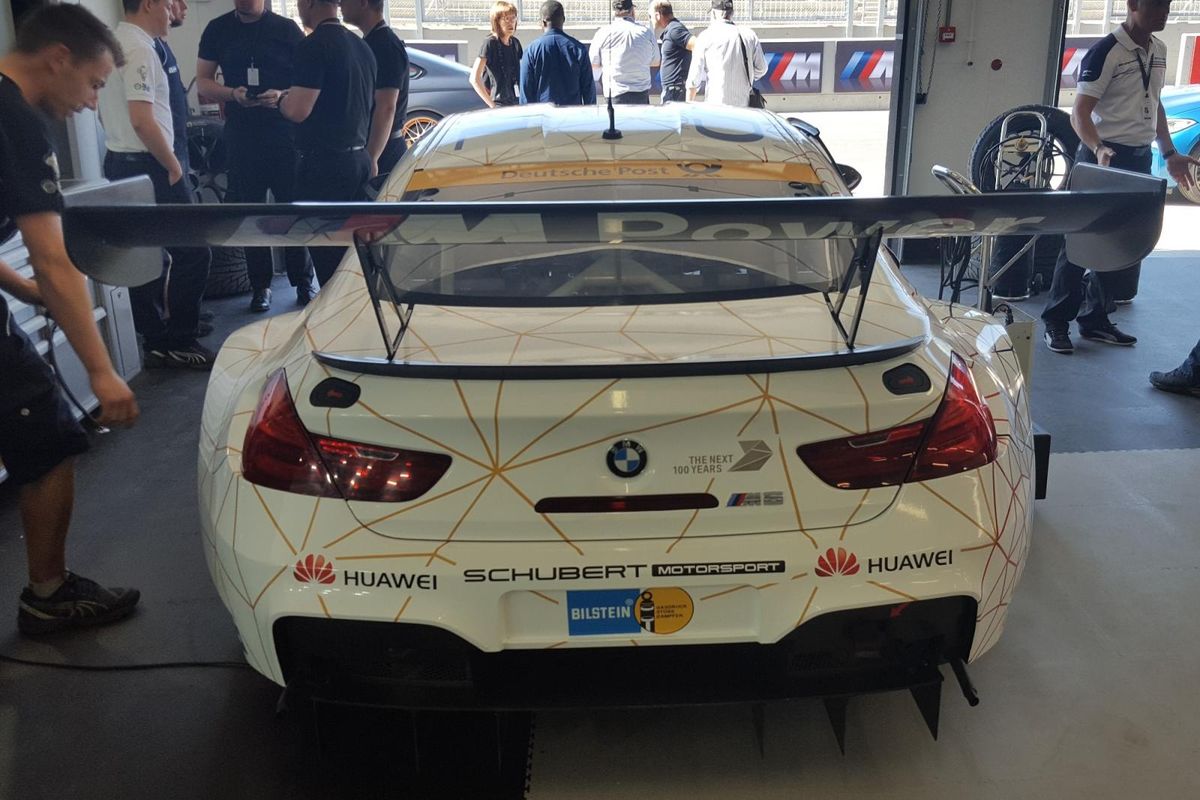
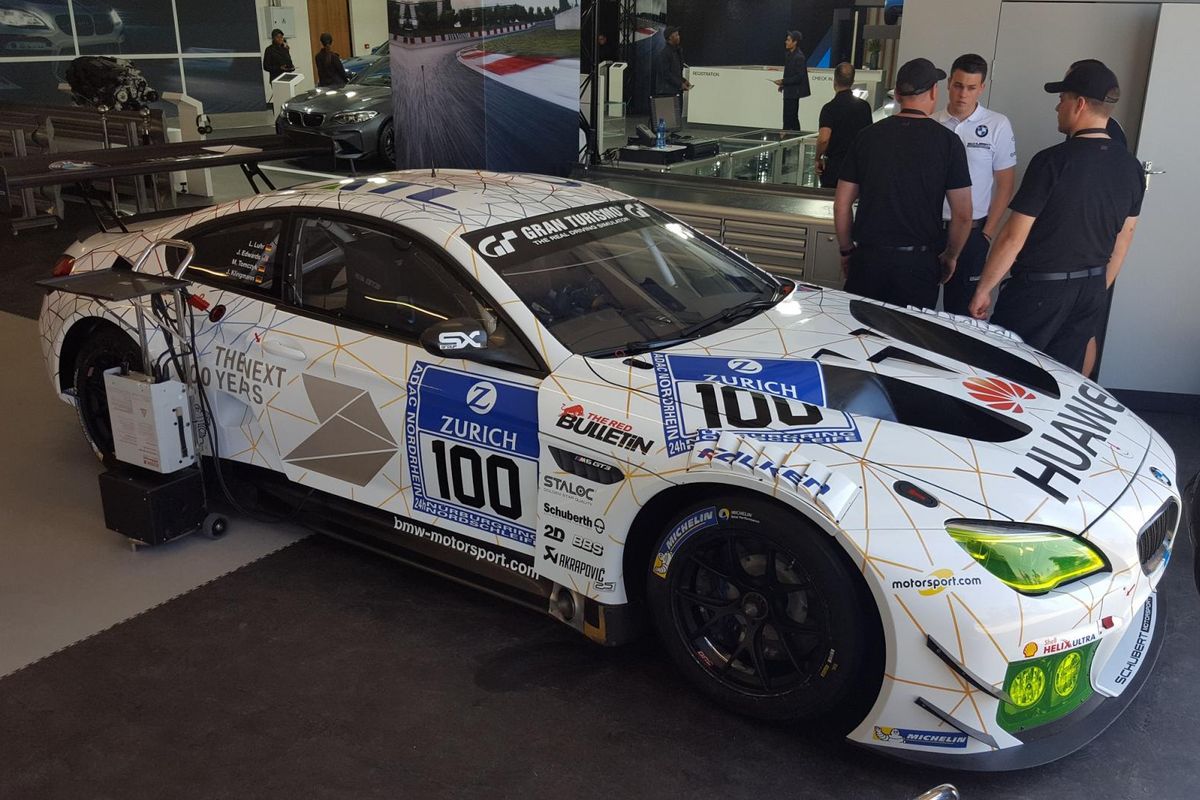
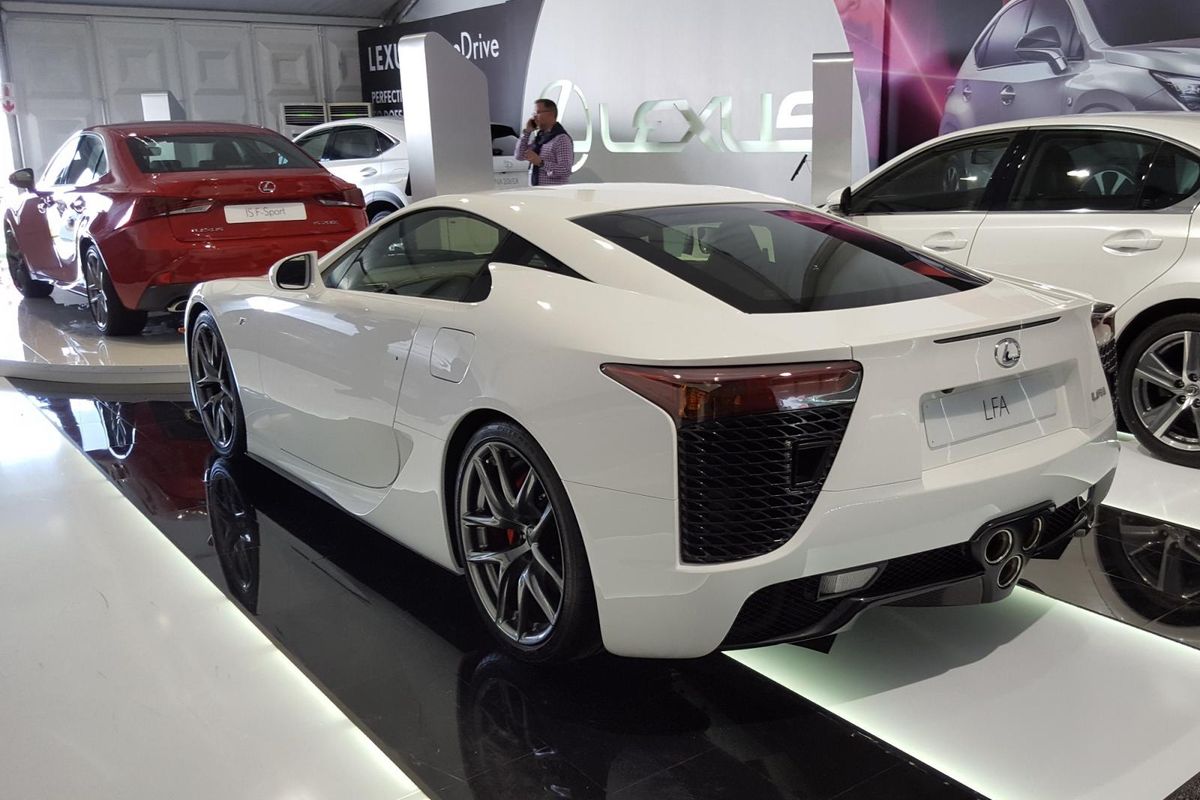
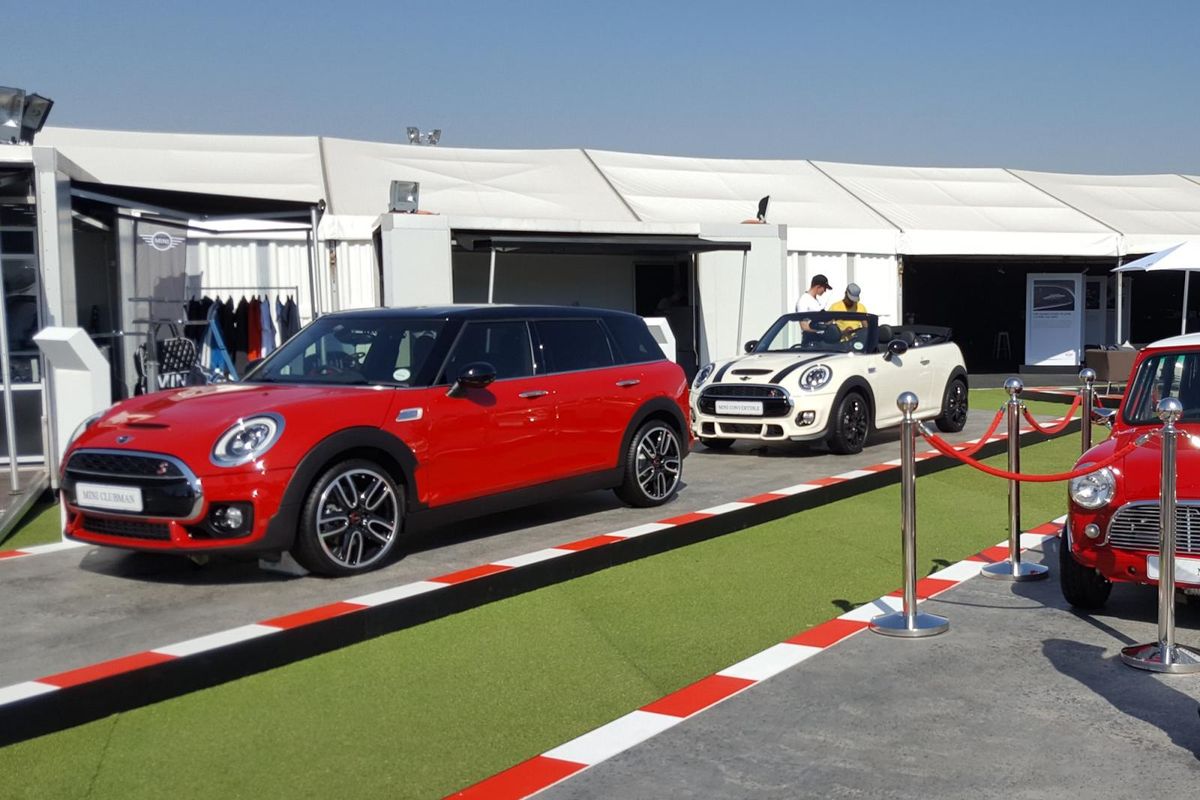
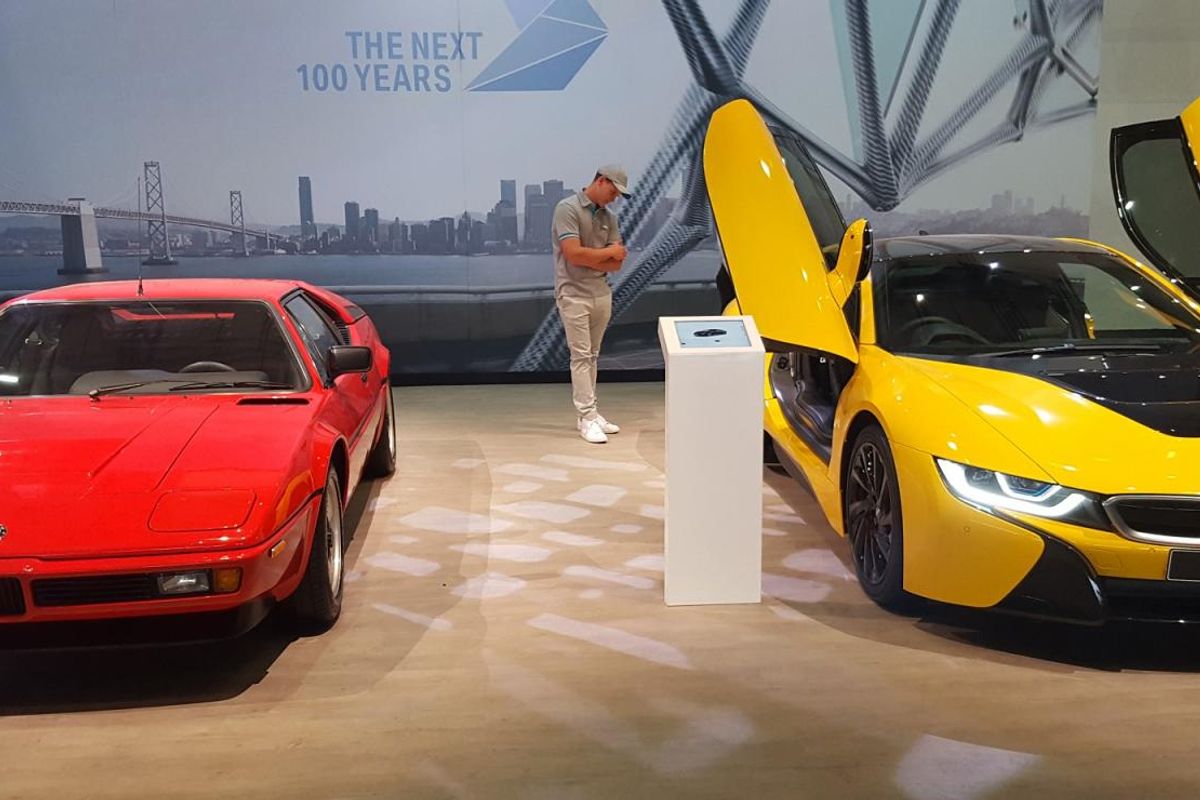
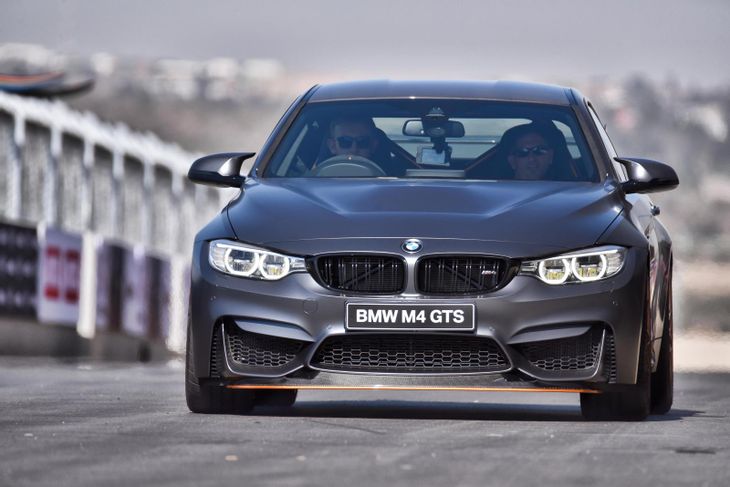
The car brands have pulled out all the stops and have brought some very special vehicles to display. BMW will be launching its M4 GTS, but will have a GT3 and Mini Challenge racecar on hand.
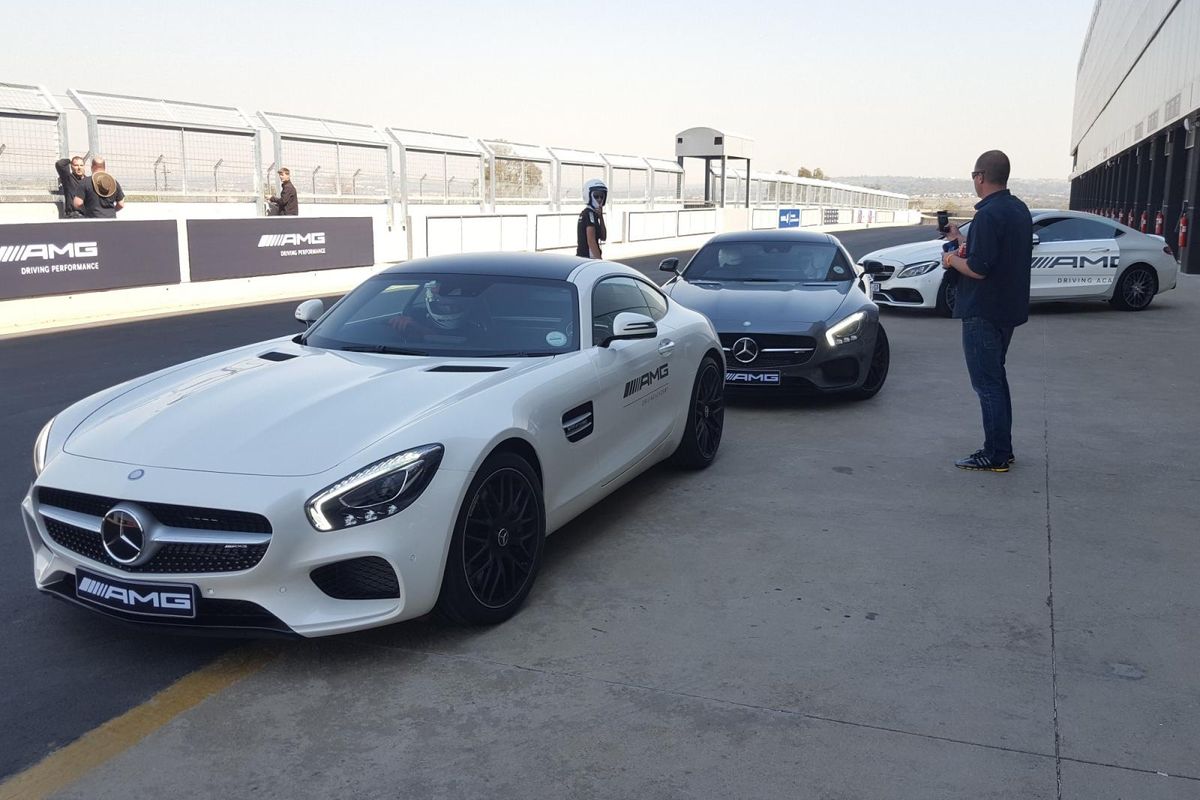
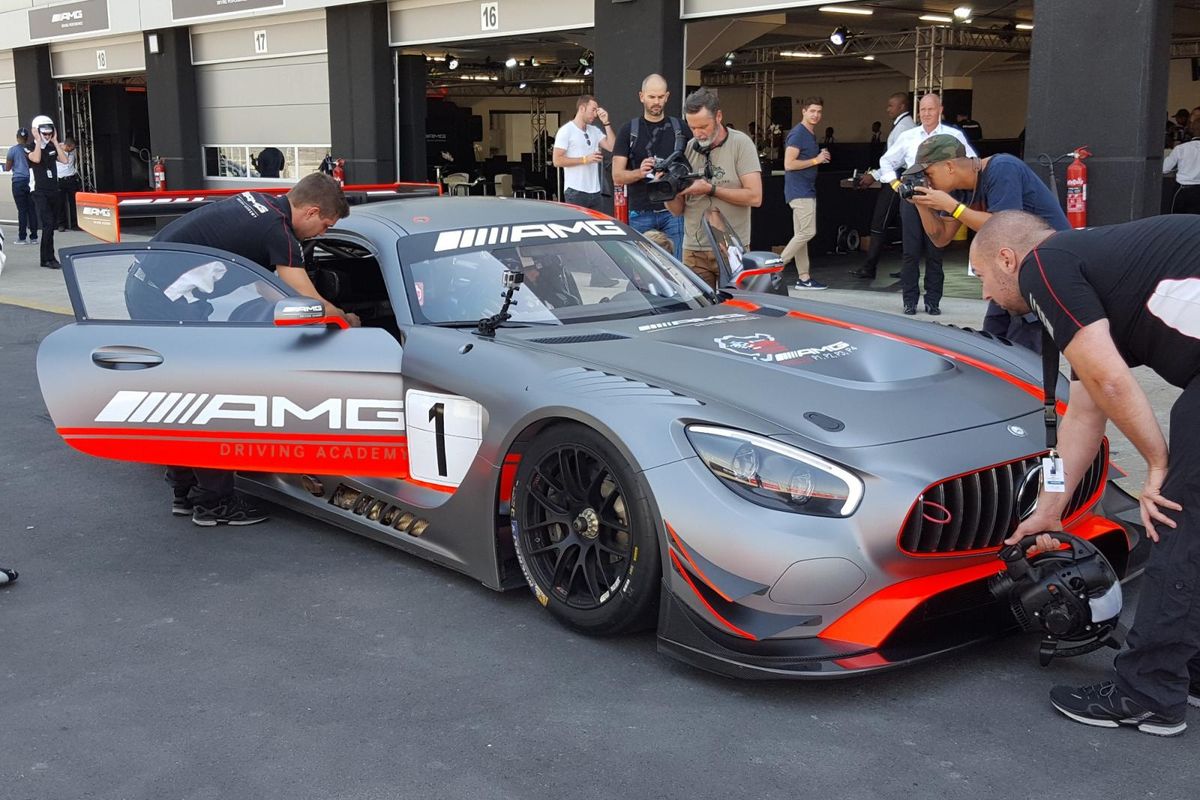
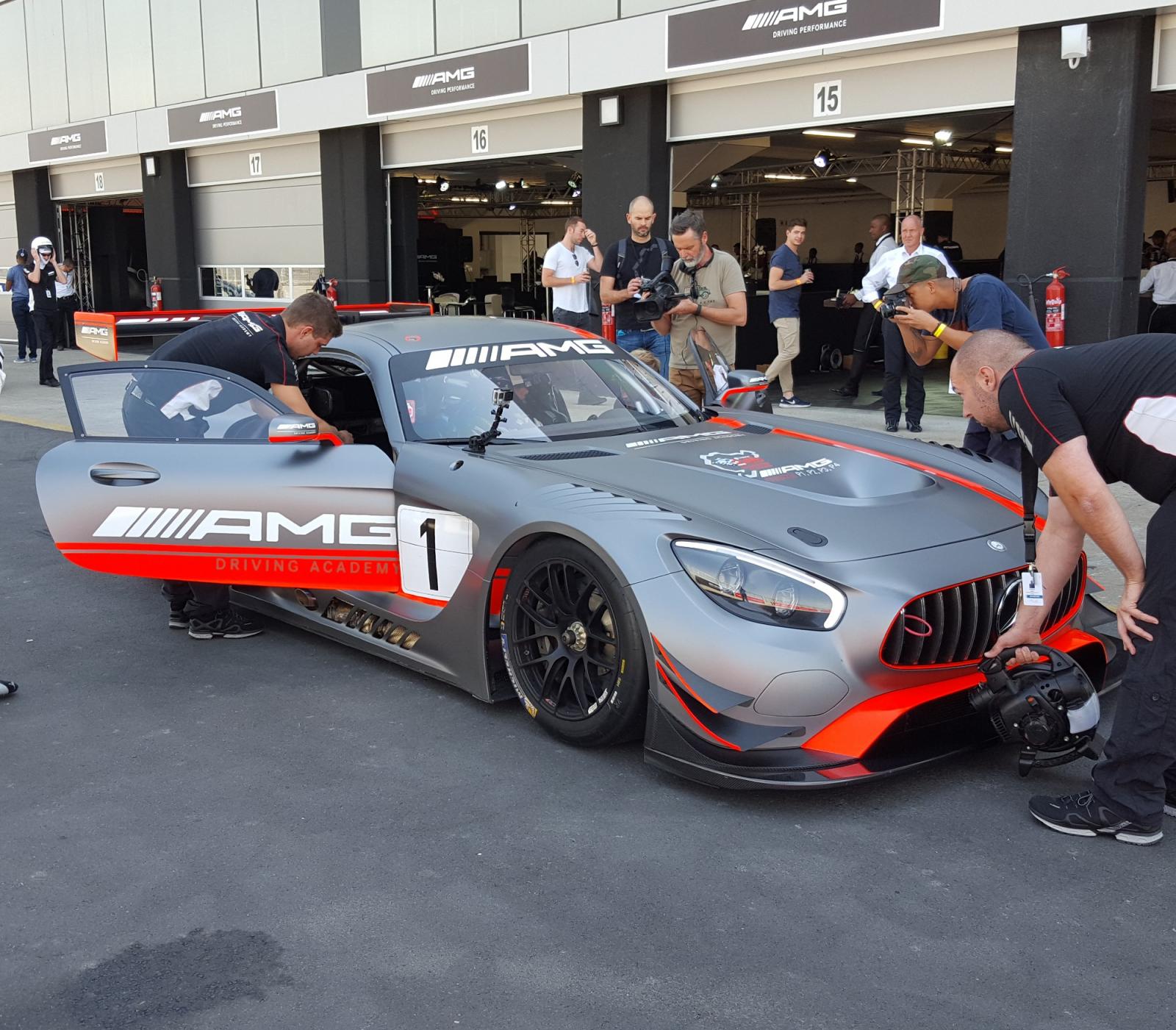
Mercedes-Benz and its AMG performance division have gone to town and brought in the mighty AMG GT3 race car as well as every AMG model in its lineup.
More highlights;
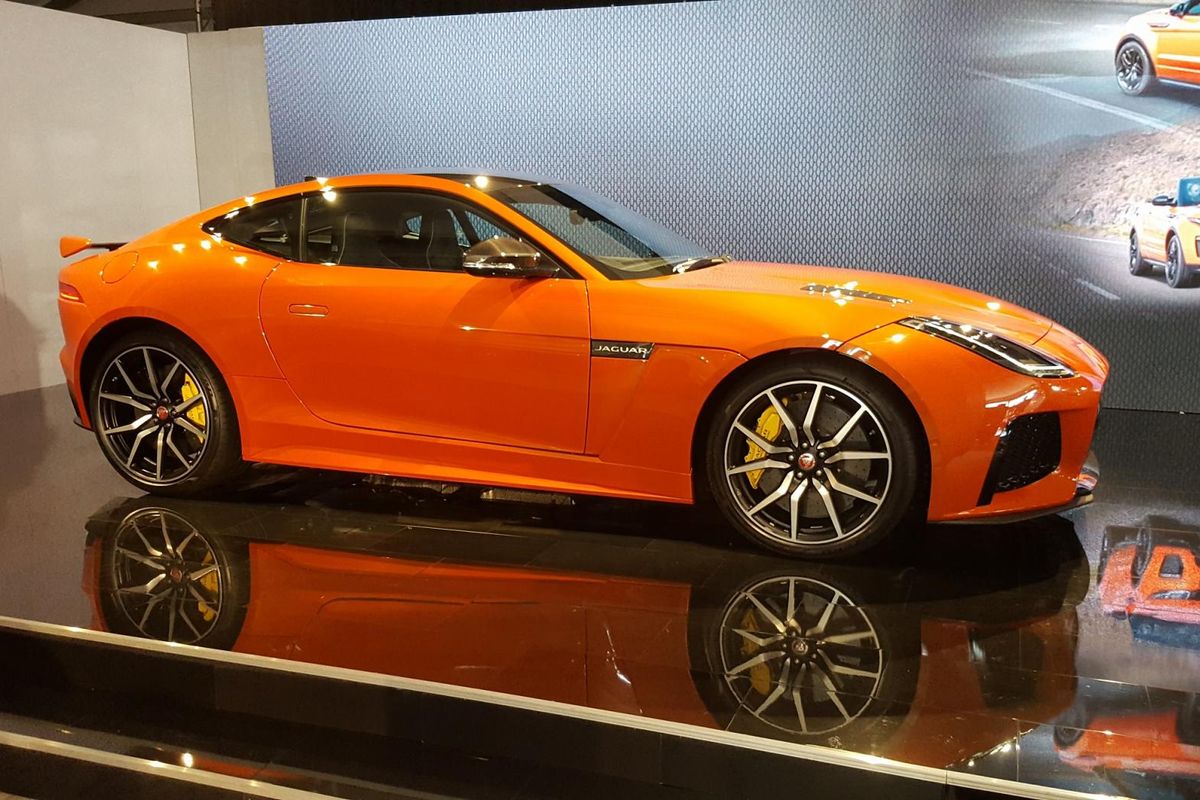
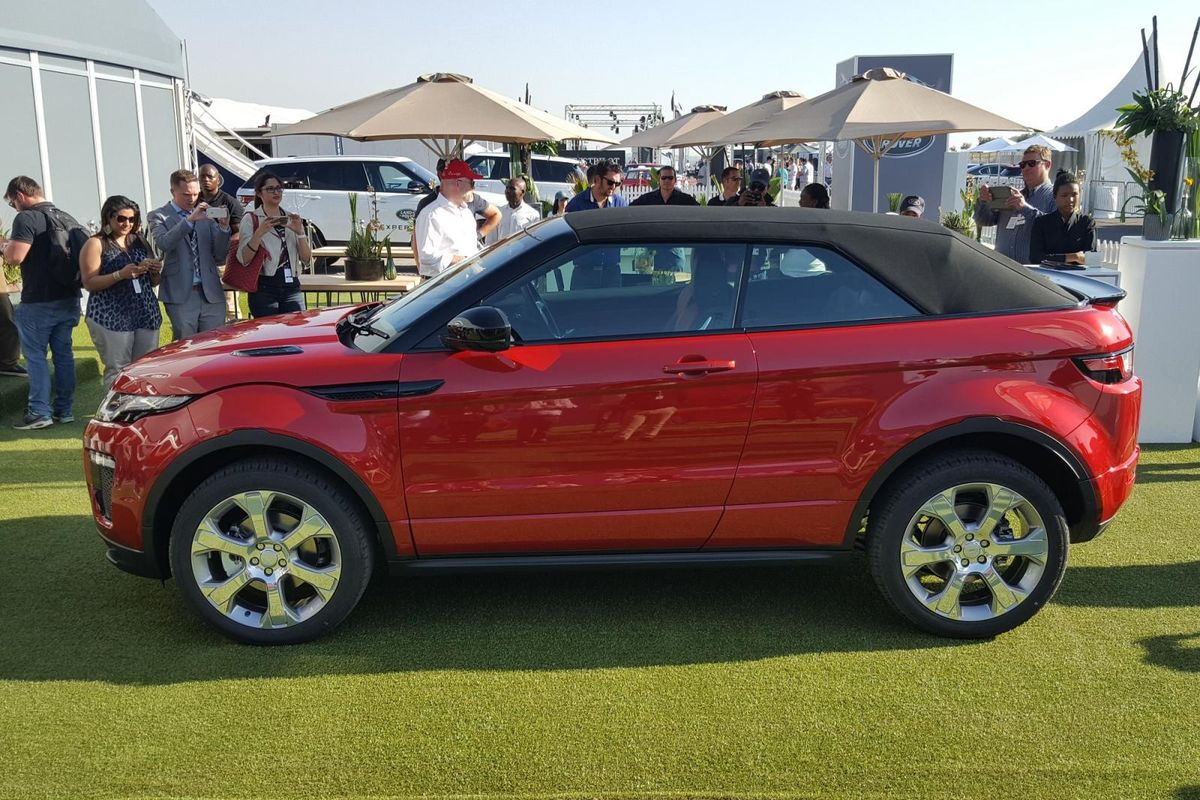
Jaguar / Land Rover will be showcasing its F-Type SVR which is the ultimate and fastest version of its sportscar, while the Evoque convertible will be in attendance.
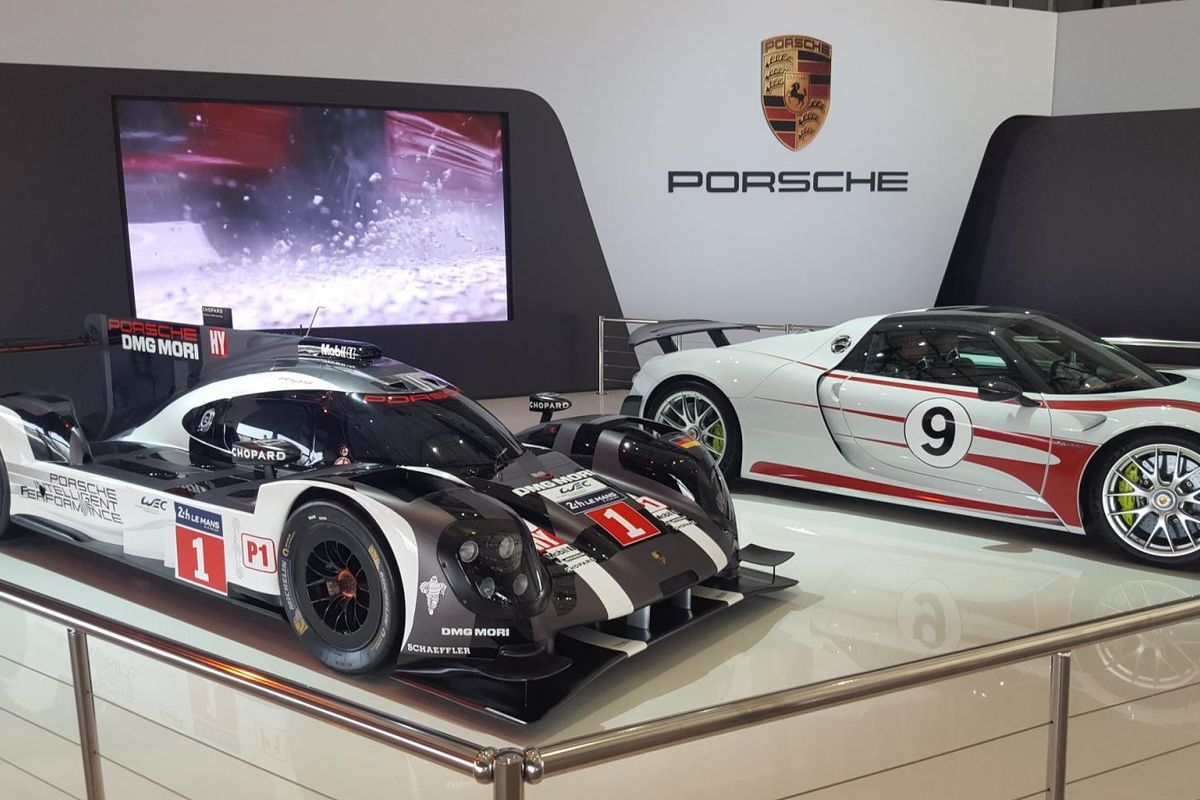
Porsche has an extensive display of its current wares and even has a Le Mans 919 racecar as well as the 918 hypercar.
Nissan's headline act is the local unveiling of the 2016 GT-R supercar. Its stand contains classic GT-R models as well as highly modified Liberty Walk models.
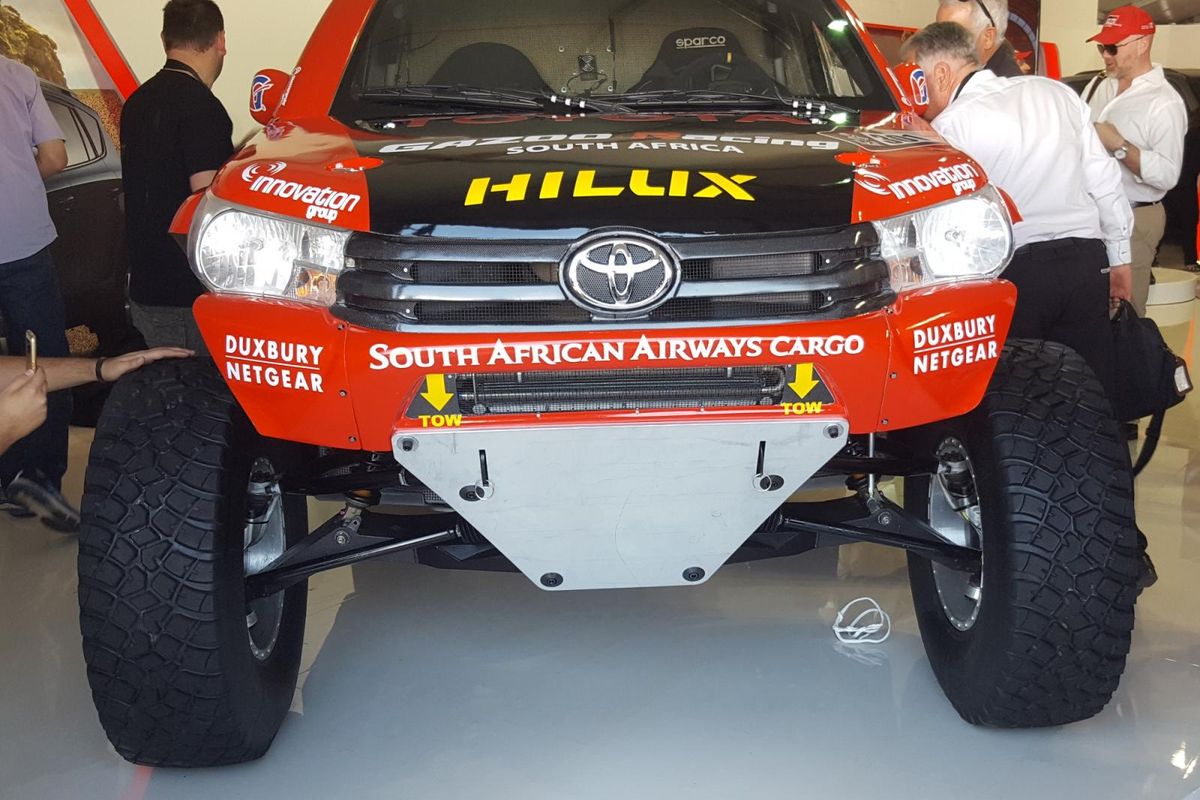
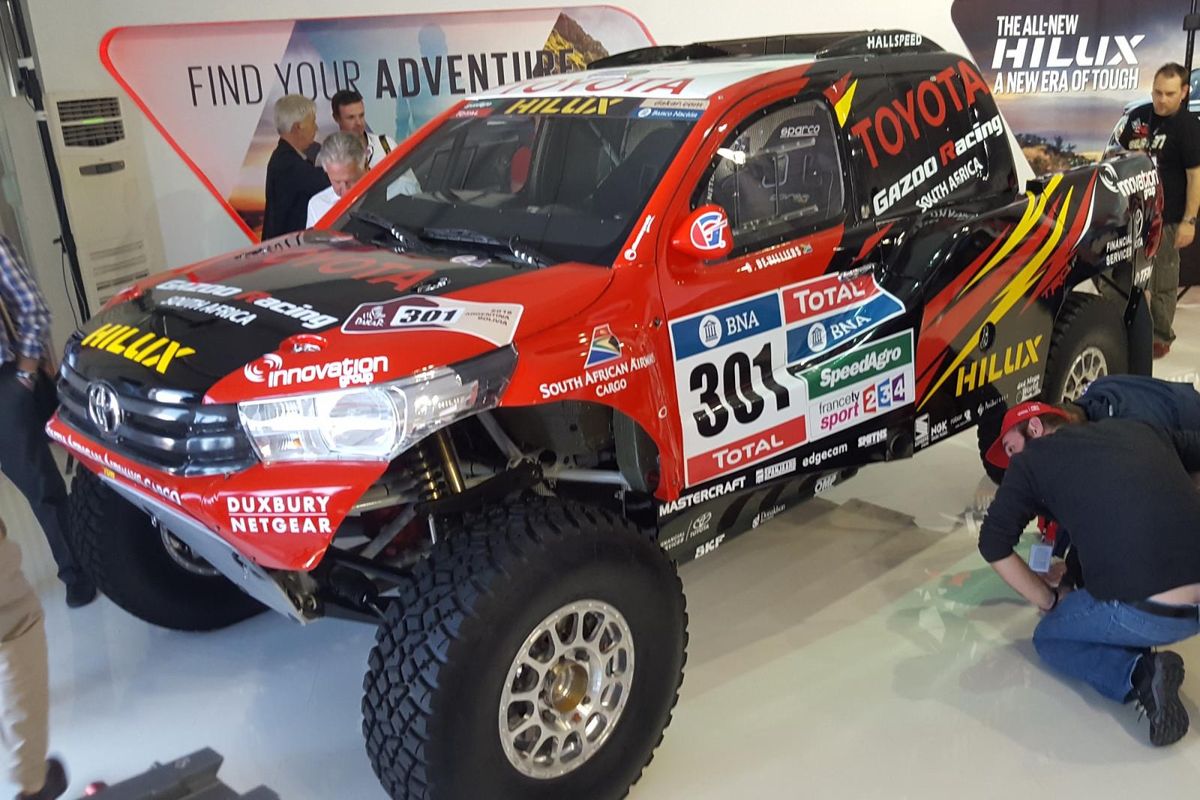
Toyota showcased a digital 3D model of its upcoming C-HR crossover as well as unveiled its 2017 Dakar Hilux.
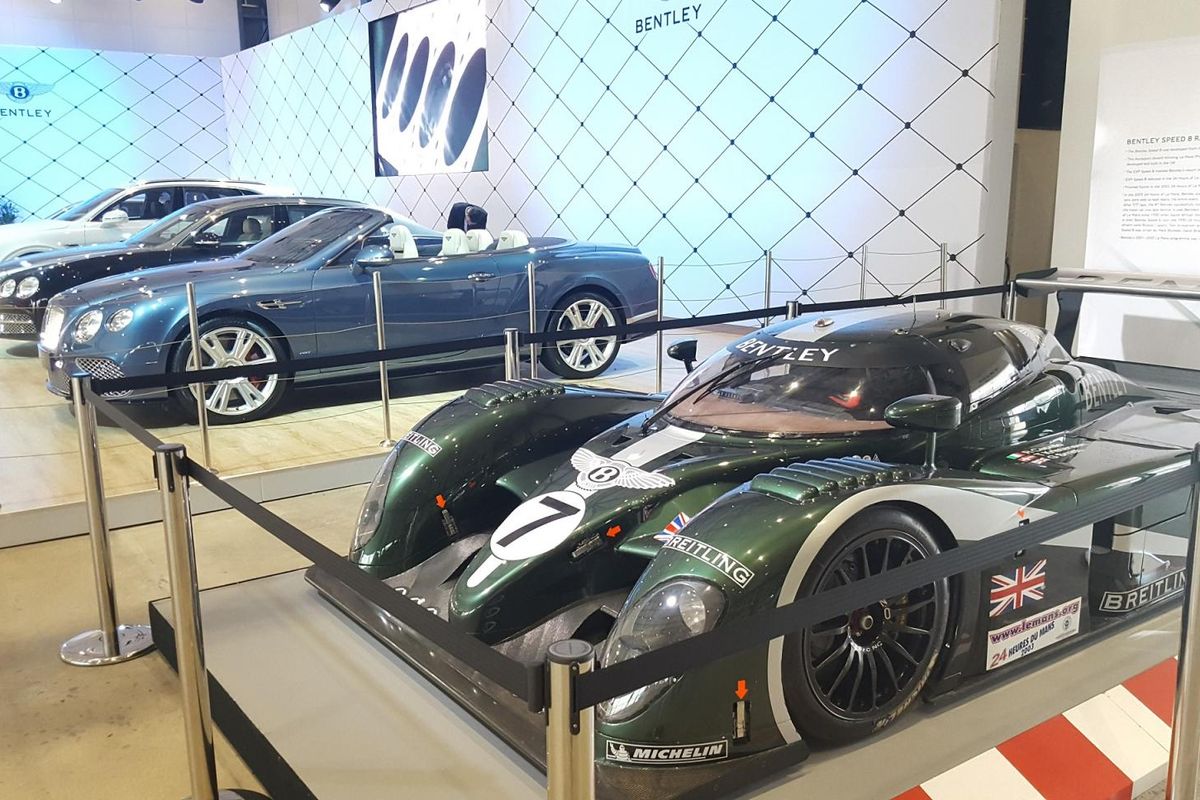
Bentley's entire line-up is on display and there's an example of the new Bentayga SUV to ogle over.
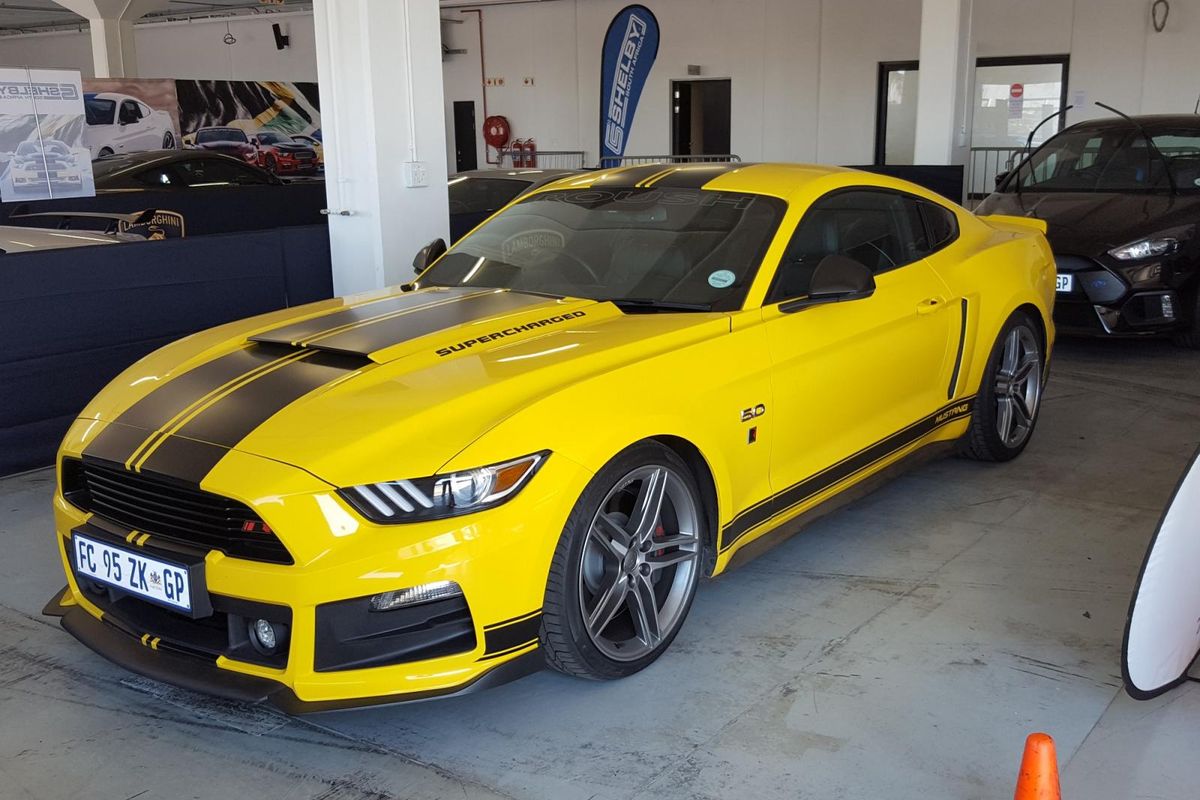
Mustang specialist brand, Shelby, has a stand and the latest Shelby Mustangs will be present.
BMW launches its ferocious M4 GTS at the Festival of Motoring.
Other Activities
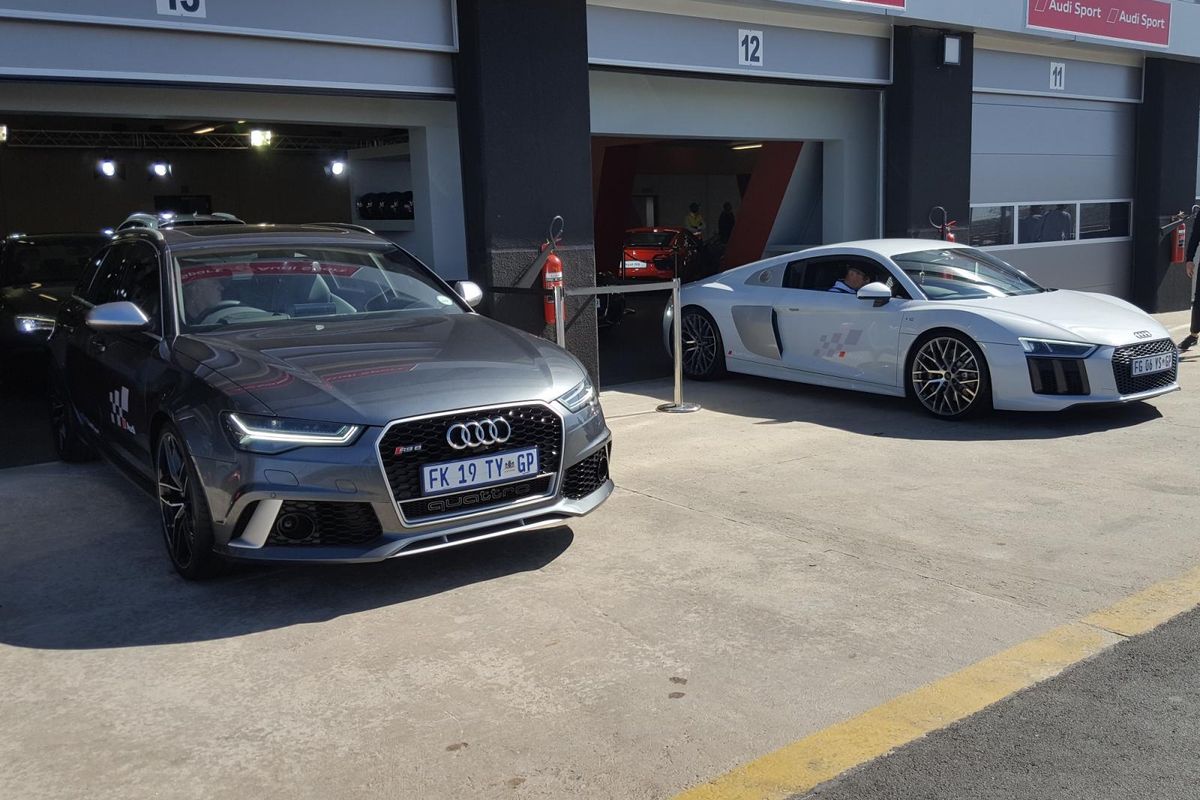
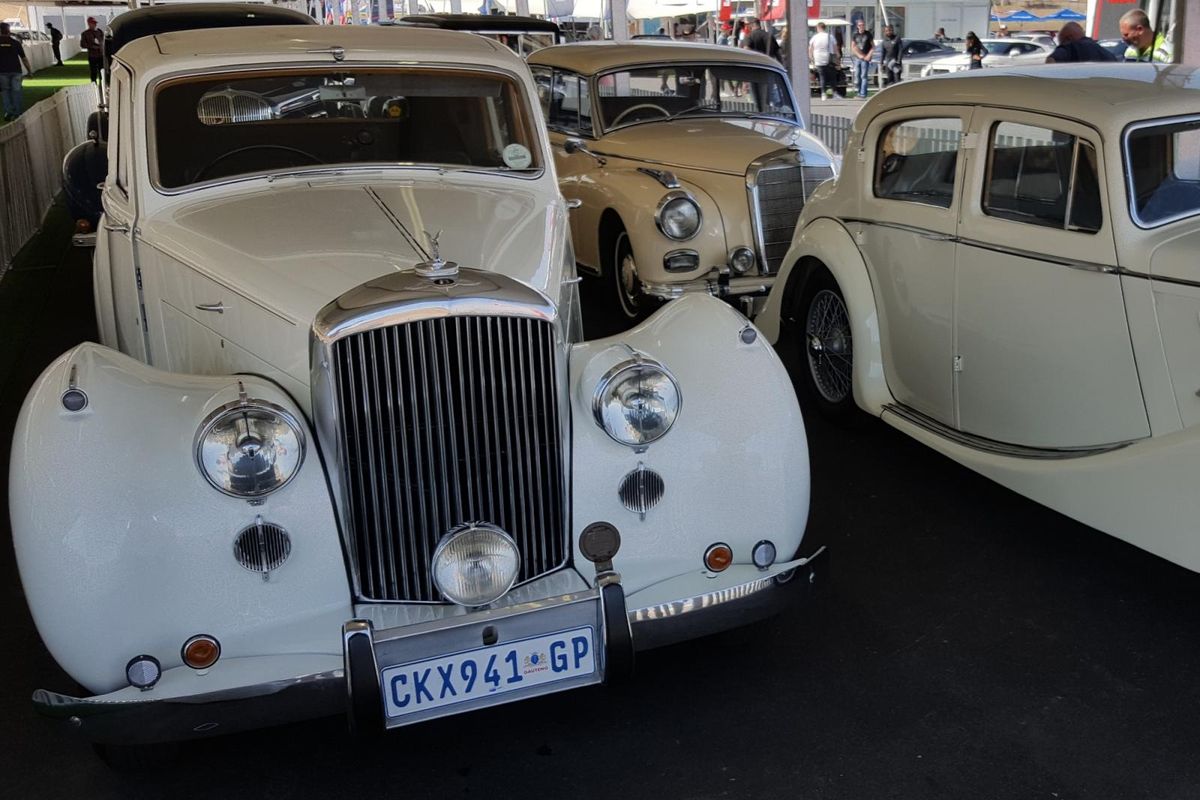
Festival of Motoring is offering a number of entertainment opportunities for families and car enthusiasts. There will be many classic vehicles and exotic cars on display, but the real drawcard will be the ability to actually drive some of these vehicles. Many of the exhibitors are offering test drives and you can drive the vehicle of your dreams around the all-new Kyalami racetrack. Brands such as BMW, Mercedes-AMG and Audi have their performance vehicles and a team of instructors at hand to ensure you have an unforgettable experience.
Extended Test: Volvo V60 Cross Country D4 AWD Inscription [Video]
Does a station wagon with a raised ground clearance and some macho off-road cosmetic addenda offer a better real-world alternative to a fully fledged SUV? We tested a Volvo V60 Cross Country for 2 months to evaluate its merits.
In her Cars.co.za debut, contributor Juliet McGuire details the pros and cons of the Volvo V60 Cross Country (in D4 AWD Inscription guise); it proved very comfortable on the daily commute and quite practical on long-haul trips with the family.
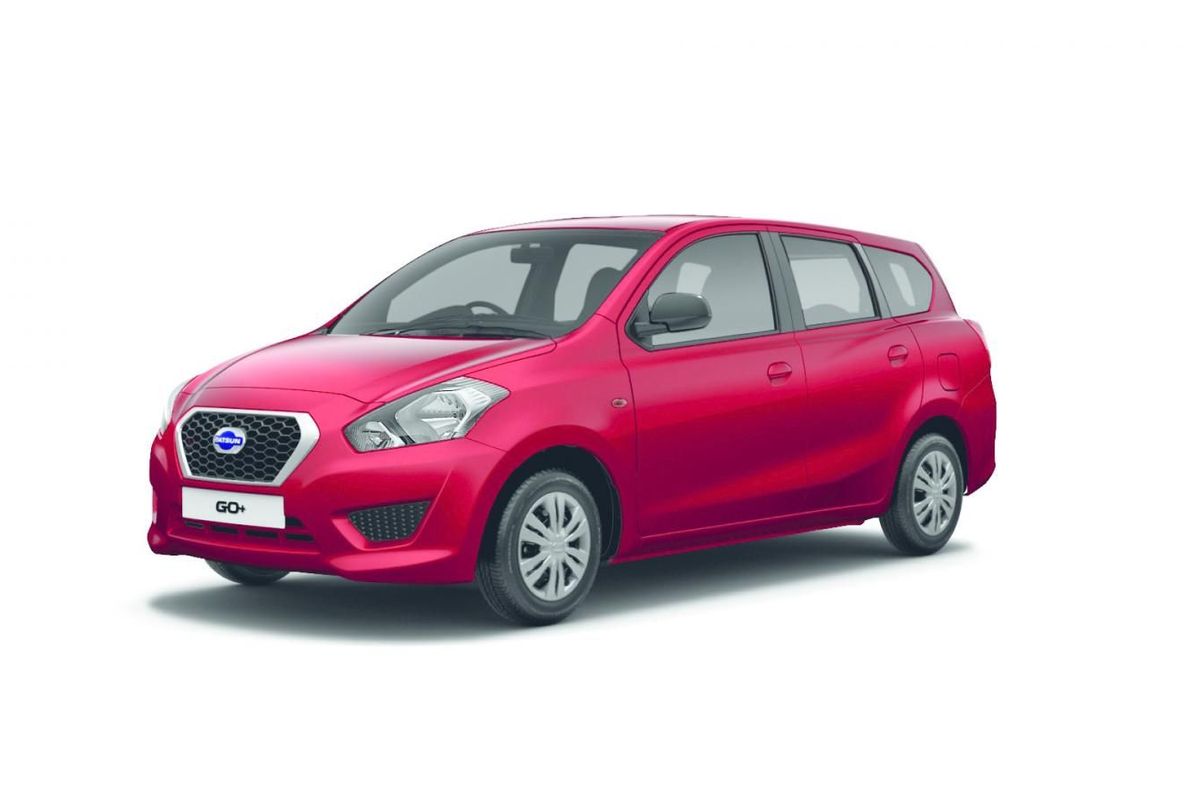
Datsun has used the SA Festival of Motoring as a platform to launch its latest budget offering, the GO+ MPV
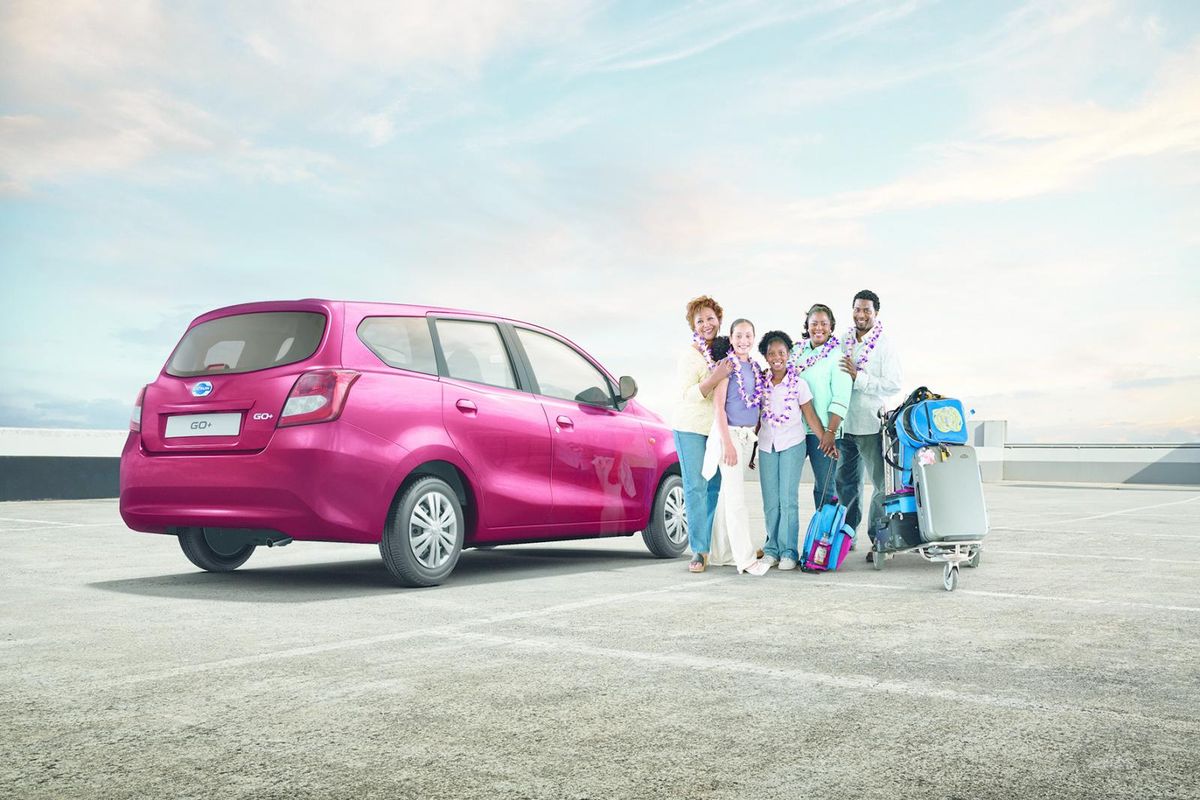
It has been two years since Datsun made its comeback to the South African market with the budget-friendly (and popular) Go compact hatchback. Now, the GO+ has been introduced adding some versatility and roominess to the lineup.
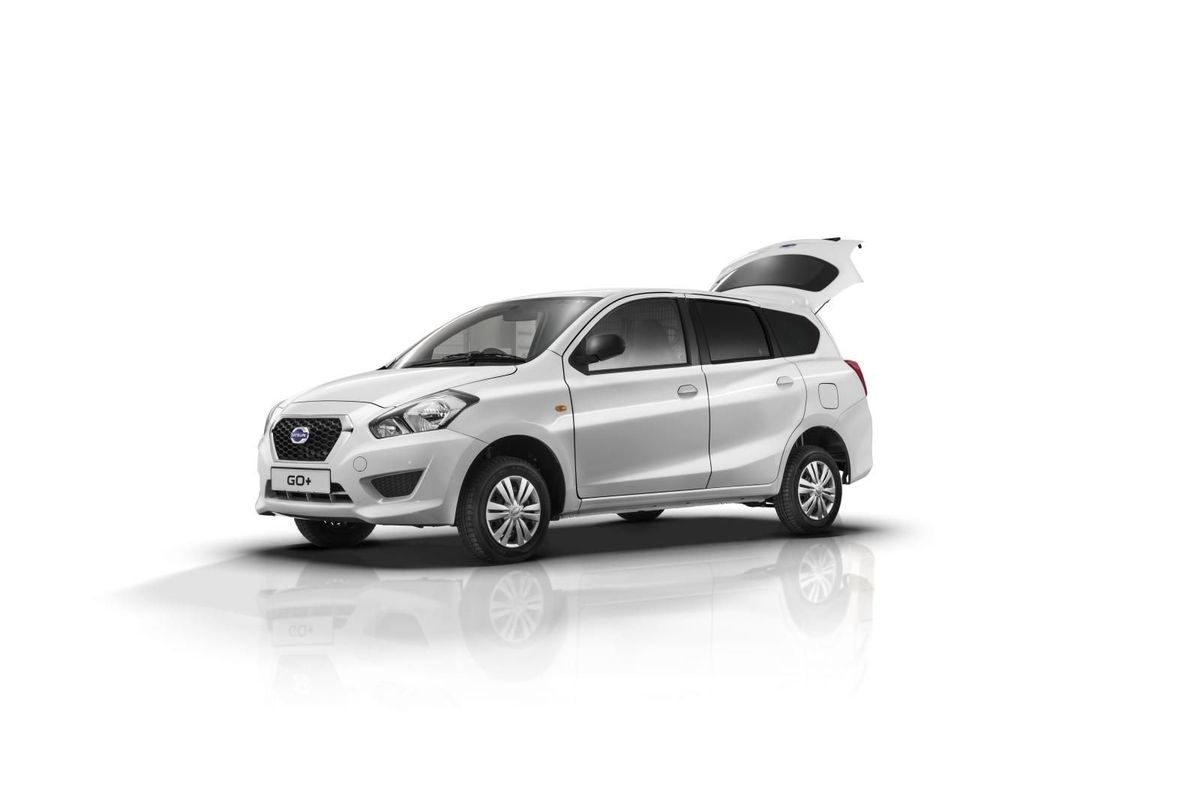
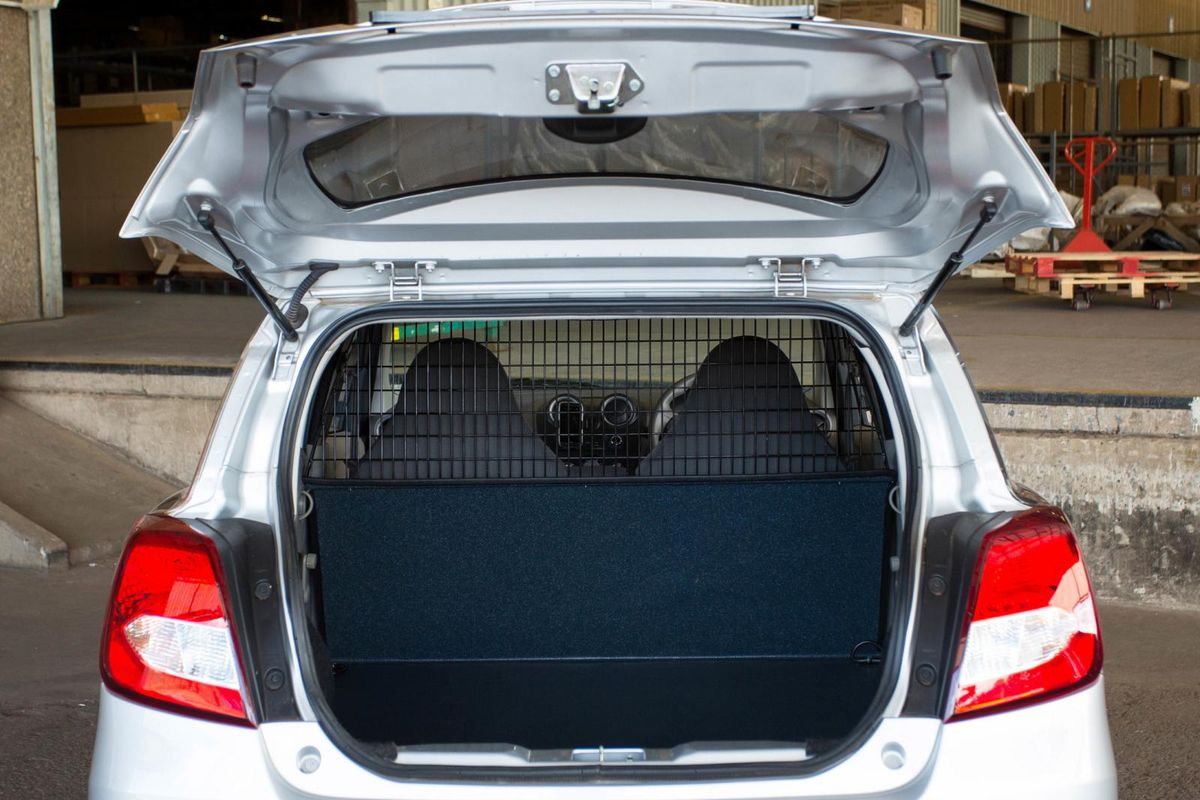
The GO+ will be offered either as a 5+2 family MPV (7 seats in total) or as a panel van, named the GO+ Panel Van. Vincent Cobee, global head of Datsun was at Kyalami for the unwrapping and said, “The plus edition of the Datsun GO, will create its own unique sub-segment (within the upper A-segment/ lower B-segment), as a versatile multi-purpose vehicle (MPV) offering motorists exceptional value, fuel economy and maintenance at an attractive price. These have all been the hallmarks of Datsun since its re-entry into the country.”
The GO+ will continue to use the same 1.2-litre petrol unit as the standard GO. A total output of 50 kW and 104 Nm hardly seems much for a vehicle that's intended to carry 7 people with luggage, but we'll hopefully be able to test the GO+'s abilities for ourselves soon. Speaking of luggage, with the rear seats folded (5-seater mode) the GO+ is claimed to offer a very reasonable 347 litres of load space.
The major drawcard of this MPV is the price, Datsun has set it at just R134 900. Compared to other 7-seater MPVs like the Toyota Avanza (R214 700), Honda Mobilio (R207 000) and Suzuki Ertiga (R189 900), it’s extremely keenly priced.
Other standard features available on the GO+ include:
A choice of five colours, including gold – a new option unique to the Datsun GO+
The fuel price decrease for September 2016 is likely to be less than expected due to recent political and economic developments in South Africa.
A few weeks ago we reported that the fuel price would likely plummet in September by as much as R1 per litre. Now, the decrease is looking more like 25c/litre for petrol and 54c/litre for diesel.
"International petroleum prices have put in a surprising rally since the middle of the month," the AA said.
It noted that a stronger Rand would have cushioned this increase in international petroleum prices, but that this is now not the case given the latest developments related to the weakening Rand.
"The stronger oil price might have been kept in check more effectively had the Rand not sagged so sharply against the dollar in the wake of developments around the Minister of Finance, Pravin Gordhan, who is the subject of further investigation by the Hawks," the AA said.
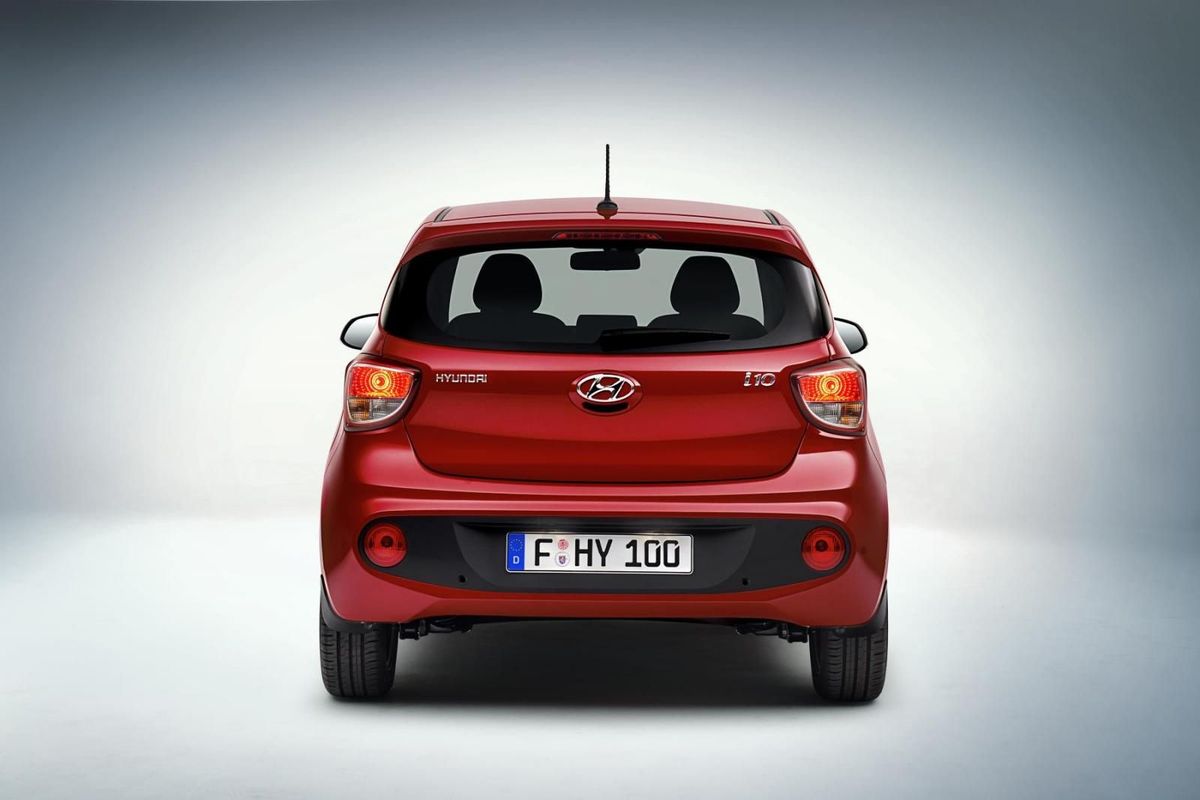
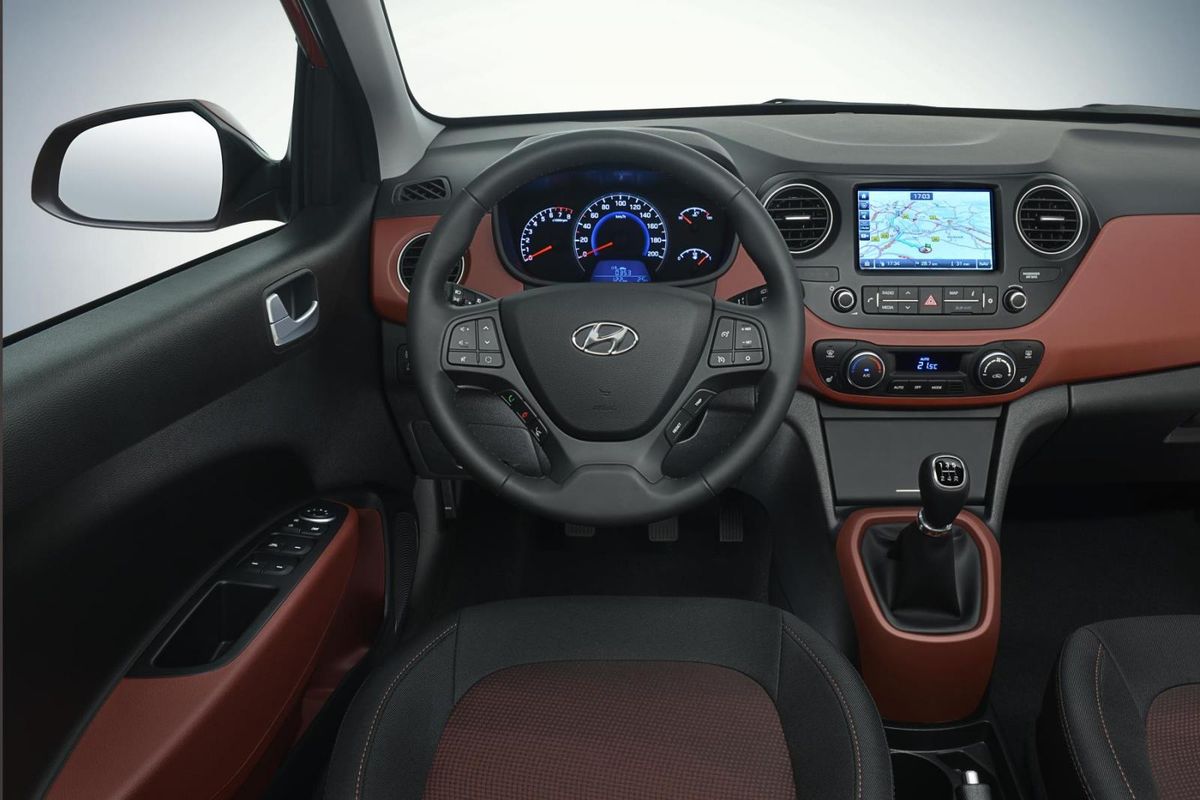
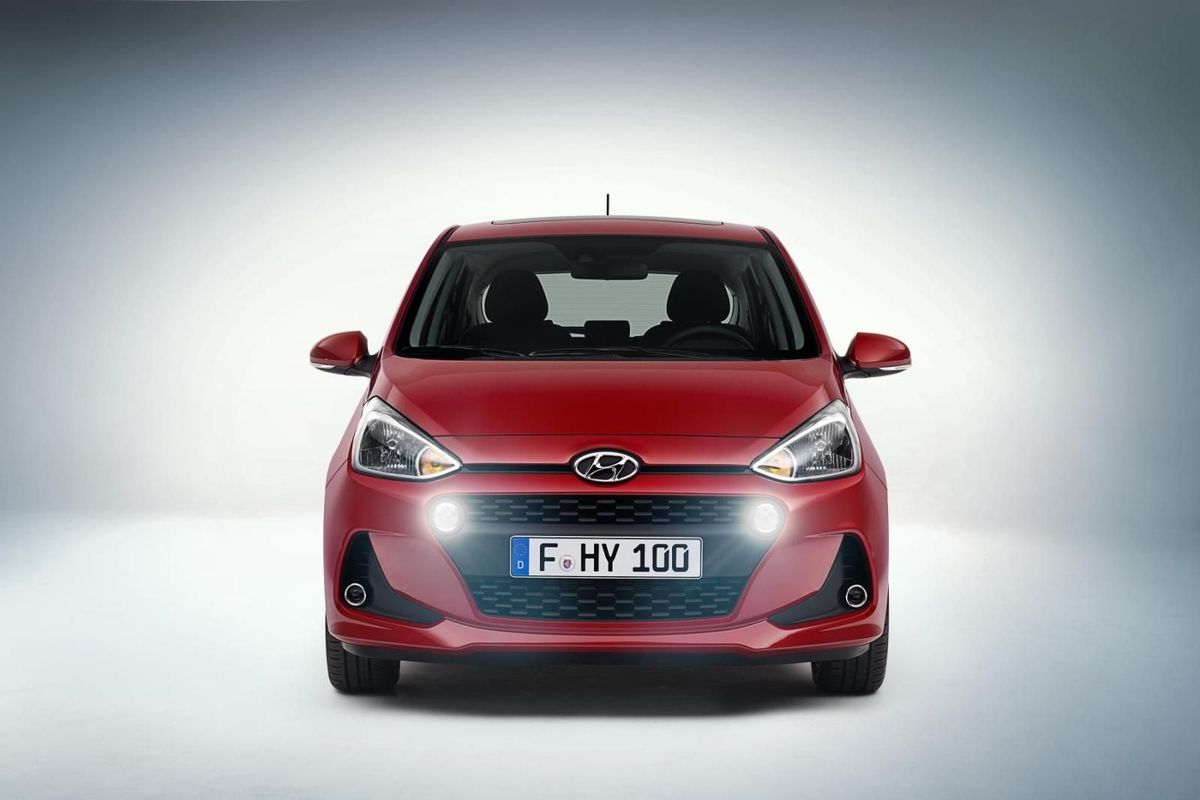
Hyundai has prematurely removed the covers off its facelifted Grand i10 hatch. It will make its debut at the Paris motor show in October 2016.
The facelifted Hyundai "Grand i10" has undergone a serious facelift – as far as updates go. We use the Korean car's name in quotes because although the model is known as the i10 in Europe, on the local market the previous generation soldiers on as the i10, while this version (specified to the requirements of our market), is known as the Grand i10. Major areas of improvement include the exterior design, safety features and a new infotainment system.
Starting with the exterior updates, the newly designed front end will set the standard for Hyundai models of the future. Round There are reshaped LED headlights positioned at the edges of the new cascading front grille, whereas at the rear, the bumper has been redesigned, as have the tail-lamps and the fog lamps are a similar design to those at the front.
The interior materials have been improved and there is a new red shade of cloth seat trim to choose from. The more obvious update is a 7-inch touchscreen that includes navigation on certain models. The infotainment system is Apple CarPlay and Android Auto compatible which, in the A-segment is a serious step ahead of the competition.
Hyundai has also had a go at improving the ride quality in the facelifted Grand i10. There’s a larger front bump stopper that should make the ride more comfortable and the steering ratio has been modified. Whether the new steering ratio is actually an improvement is something we will have to test when we drive the refreshed Grand i10.
The facelifted Grand i10 is set to go on sale in Europe in early 2017 with identical engines to the current lineup of 1.0-litre or 1.25-litre petrol models. The Grand i10 will make its debut in South Africa around March or April next year (2017), but the specification is yet to be decided. Suffice to say the higher-end features of the European model are likely to be omitted.
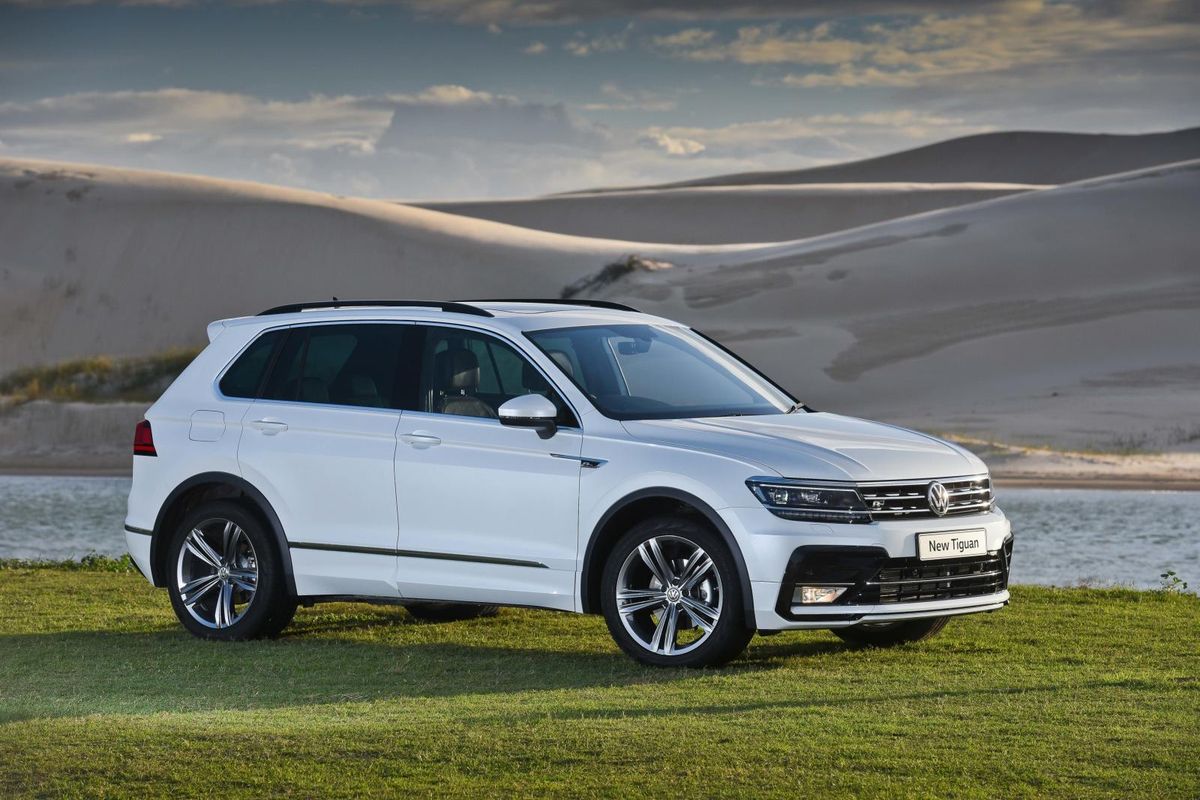
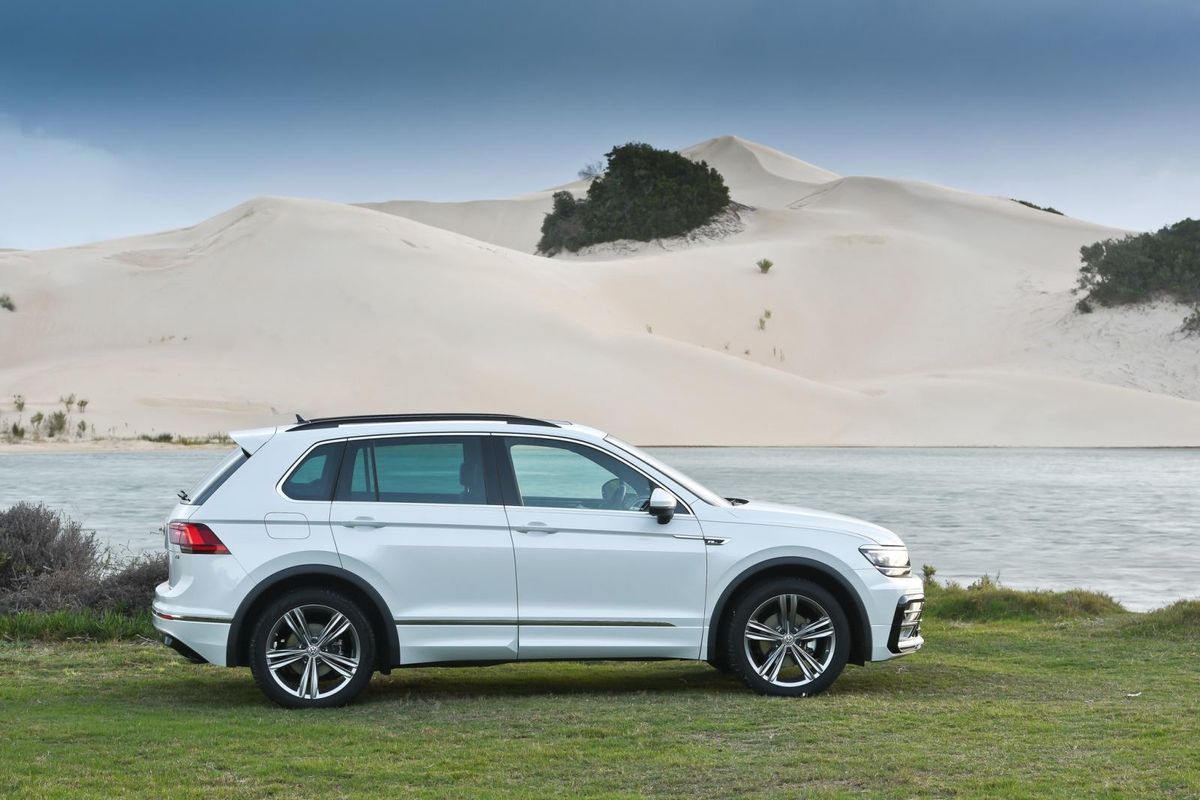
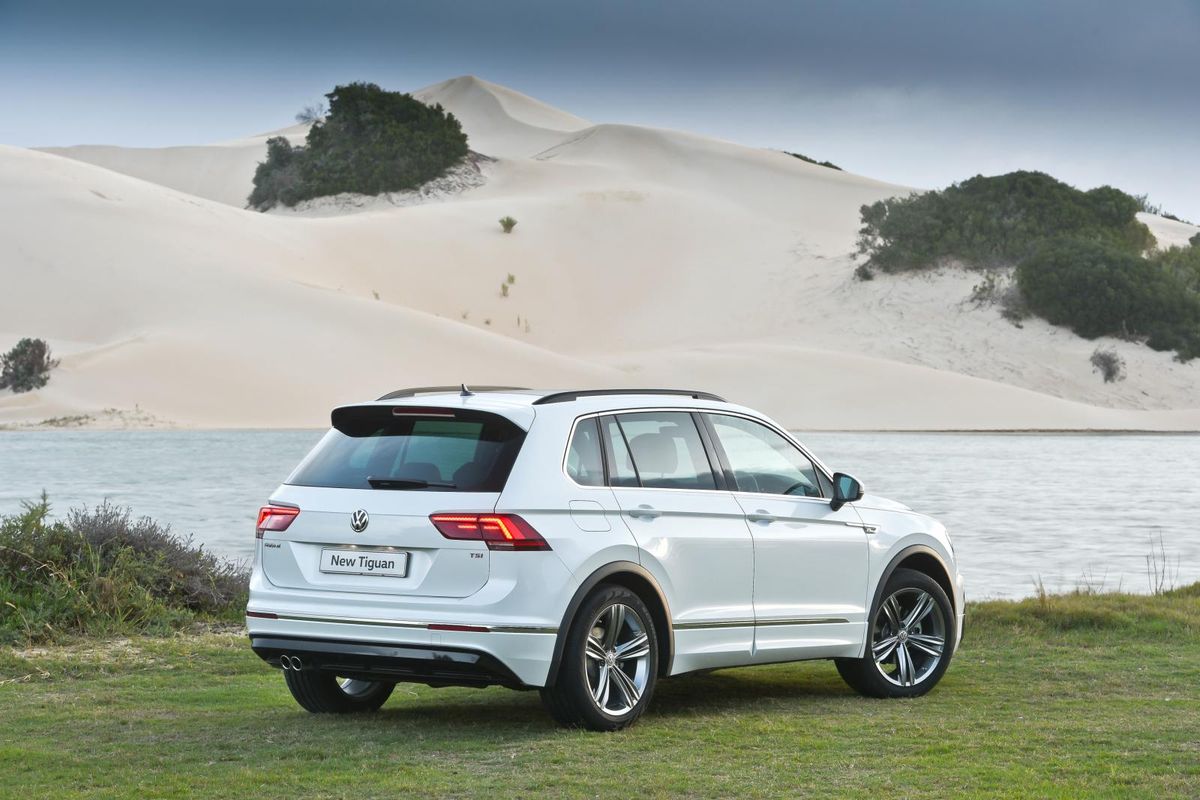
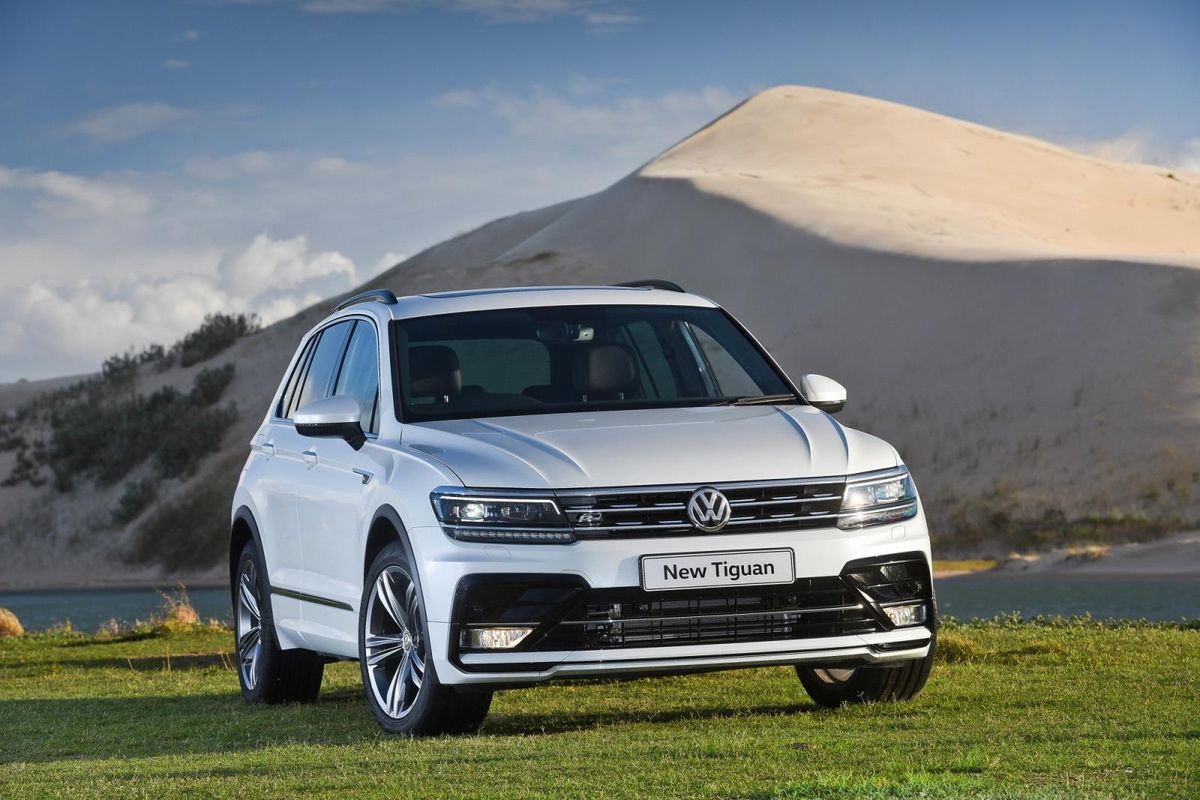
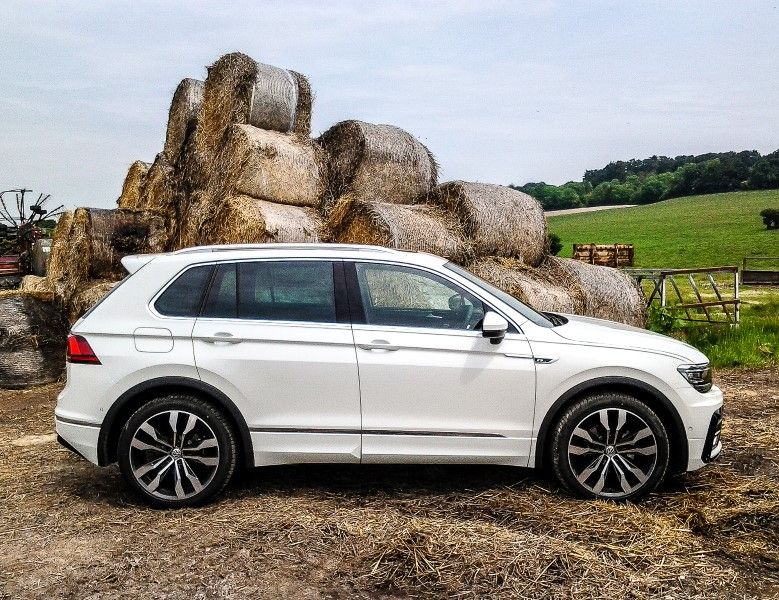
The second-generation Volkswagen Tiguan will arrive in South Africa around the fourth quarter of 2016 to battle the likes of the Toyota RAV4, Hyundai Tucson and Nissan X-Trail. Cars.co.za's UK correspondent has driven the newcomer and reports that even if the Tiguan represents an "uber-strong evolution" (of its predecessor) rather than a revolutionary, all-new design, it’s a very fine one nonetheless. Read on…
By Wayne Gorrett
The original Tiguan, which was launched on the local market in 2008, was Volkswagen’s first foray into a growing compact SUV/crossover market and the Wolfsburg-based brand sold 2.8 million units of the first-generation version worldwide, of which a not-insignificant number of examples (more than 19 000 units) were delivered in South Africa!
Therefore, much is expected of its successor, which was revealed at the 2015 Frankfurt Show. Sporting more chiselled styling, enhanced performance and improved efficiency, the new Tiguam rides on the Volkswagen Auto Group’s new and all-conquering MQB platform, which you’ll also find under the Golf, Passat and Audi A3.
To cut it in a plethora of mid-sized SUVs and crossovers, you have to offer something pretty special. VW has responded by trying to chart a steady course between simply refining what’s there and producing something new. With that aforementioned (2.8-million) sales figure in mind, Volkswagen has erred on the side of caution and the new car is all the better for it.
Unmistakable presence
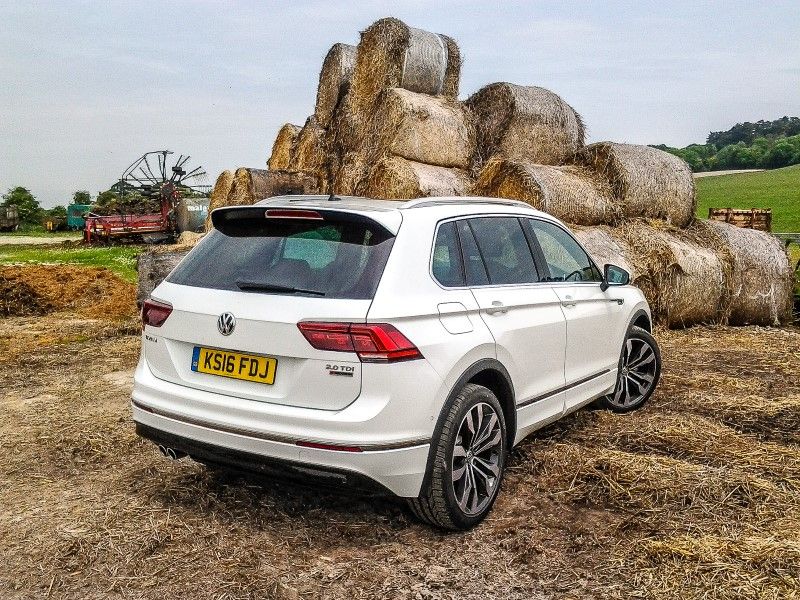
The new Tiguan is larger, lighter and more handsome when compared to the outgoing model. ?
Compared with its predecessor, the new Tiguan is a lot more stylish, with clean lines and a powerful dynamic stance that rewards with generous kerb appeal. The front end, in particular, is more dramatic, with a lower and wider radiator grille and new slim headlamp clusters, air inlets, as well as rounder wheel arches, banish the previous model's "blockish" visage.
The vehicle’s dimensions have predictably increased, yet overall weight has come down a little. The former development leads to more space inside – right where it matters, but significantly, without a weight penalty. The new model is 60 mm longer and 30 mm wider than before, which doesn’t sound like much, but you can now comfortably fit three adults in the back.
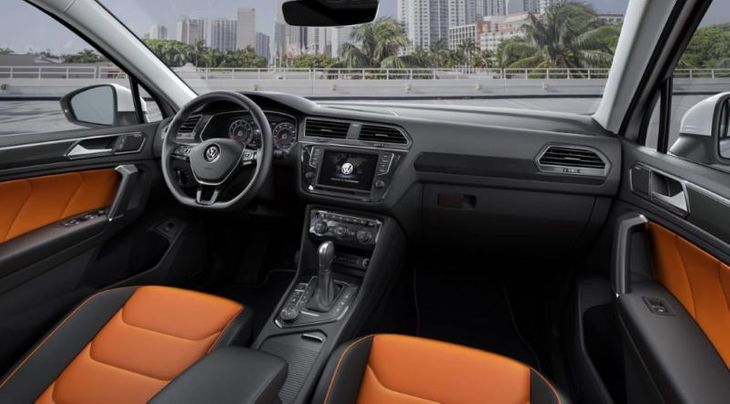
Inside, it’s Germanic to the core: ergonomically slick, exceptionally well put together and entirely functional. The extra room over the old Tiguan is good news, particularly in the rear where it’s now more family-friendly.
More family-friendly interior
The interior of the new Tiguan is more refined and offers increased space for passengers and goods.
There can be no doubt that the interior of the new Tiguan is a sizeable step up. Front and rear seating is very comfortable while being surrounded by classier and better quality materials than before. Headroom and leg room are generous throughout.
The luggage bay measures a capacious 520 litres, but, with the rear seats able to slide forward by 170 mm, that space increases to 615 litres if you need to carry more luggage. With the rear seats folded forward, a cavernous 1 655 litres becomes available.
Active info display
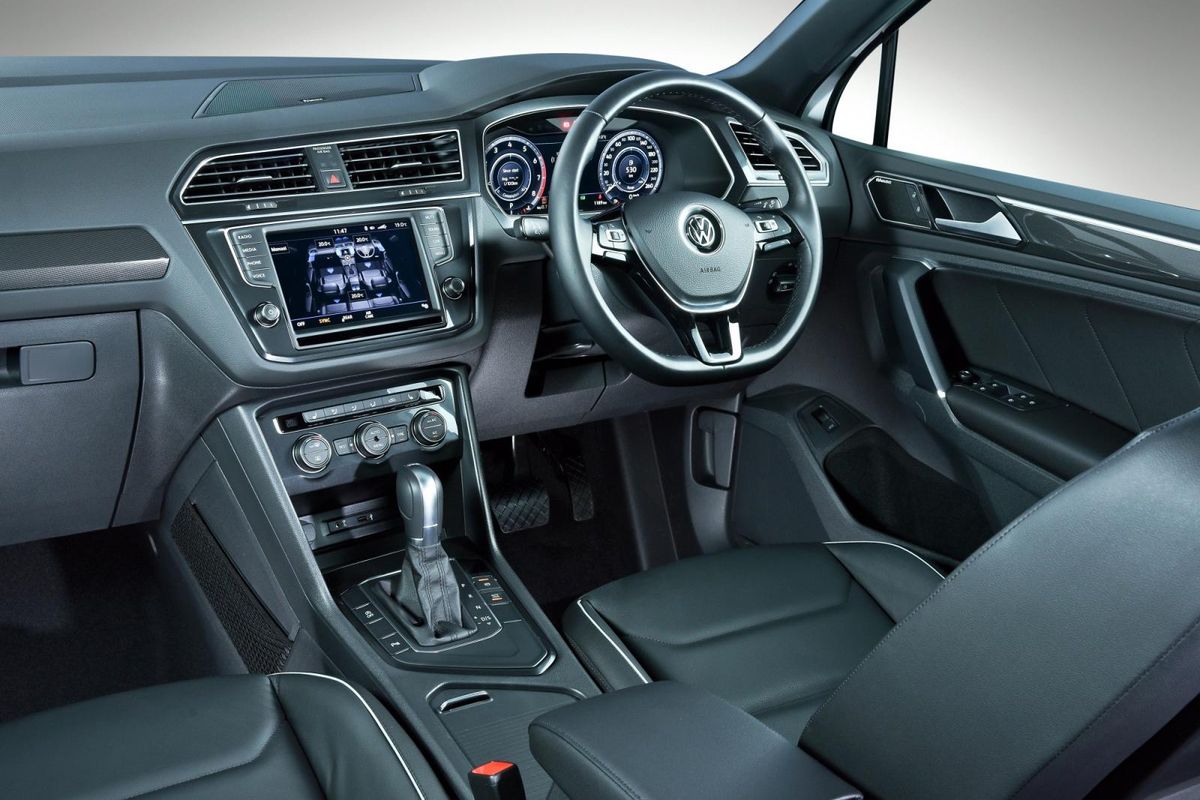
If you’ve driven a Passat or Golf recently, the Tiguan’s dashboard and infotainment system will be very familiar. The design offers more sense than style, but everything is very logically laid out and simple to get along with.
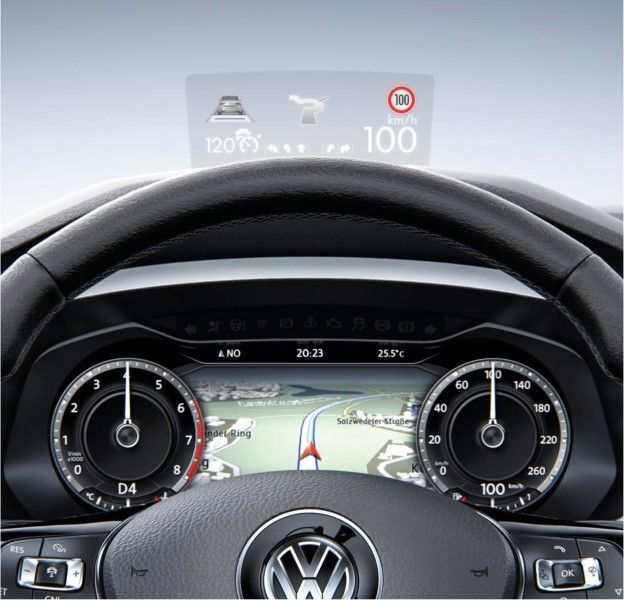
One of the biggest changes inside the Tiguan is the availability of a new 31 cm "active info display" which replaces the conventional instrument cluster behind the steering wheel. First seen on the new Audi TT, it uses digital dials and the screen can be configured to show navigation updates, on- and off-road vehicle settings and media information, but we believe it will probably offered as an optional extra on the local market.
Smart "active info display" is offered in new Tiguan.
Apple CarPlay also allows owners to have the interface of their smartphone mirrored on the central touchscreen, which can show music, messages and navigation info. It will also display live signal from an on-board ‘GoPro’-like camera; perfect for the horsey set to monitor their charges in the horse-box throughout the journey.
When contacted, Volkswagen SA was non-committal on the engine line-up for the new Tiguan, but did add that the new range “might retain two of the TSI petrol engines, the 1.4-litre unit (in 92 kW and 110 kW guises) from the current line-up. There is no info at this early stage on diesel engines”, but added “there will be 4Motion (all-wheel-drive) TDIs”.
Fortunately then, as the TSI petrol models hadn’t arrived from Wolfsburg in time for the UK media launch last week, I drove the 110 kW 2.0-litre SCR turbodiesel, in six-speed manual and seven-speed DSG configurations, both of which were in top-end R-Line trim and fitted with VW’s 4Motion all-wheel-drive system.
As their model name suggests, all new diesel powered Tiguan models come fitted with a so-called selective catalytic reduction (SCR) filter to help rein in nitrous oxide emissions. It necessitates the inclusion of a 12-litre tank housing the AdBlue solution used in the exhaust gas filtration system mounted at the rear underneath the boot.
My first extended spell in the new Tiguan was in the manual. Fire it up and the TDI settles to a pleasantly refined hum, but this doesn’t last for long as, out on the road, the unit needs to be revved surprisingly hard to make progress.
The six-speed manual ‘box is fairly long-geared, which is nice for a peaceful motorway cruise with the engine ticking over at a leisurely 2,000 rpm. However, when you have to engage with variable traffic, you often find yourself having to change down for a burst of acceleration, which means progress isn’t as smooth as it could be.
But, elicit most of that 110 kW motor's performance and the Tiguan delivers a decent turn of speed. This derivative will sprint from zero to 100 kph in a respectable 9.3 seconds and the claimed fuel economy figure of 5.4 L/100 km is good. The other diesel model we drove was fitted with Volkswagen's seven-speed DSG automatic gearbox, which is smooth and responsive with good anticipation for up and down changes in most situations.
Quiet, unflustered progress
The new Tiguan delivers a smoother, more refined drive, even on poor surfaces.
On the road, The Tiguan is unlikely to set pulses racing, but it's very quiet and smooth, especially when fitted with the optional adaptive dampers that allow you to control how soft the suspension is. When in Comfort mode, the adaptive dampers make the Tiguan very comfortable, even over poor road surfaces and with the larger 20-inch wheels fitted.
The handling is definitely more resolved than what it used to be, so there’s not much roll in the corners, which is helped by some noticeably well-weighted steering. The car is easy to place accurately and with confidence. In general terms, the Tiguan does a good job of isolating you from wind and road noise and feels very car-like and easy to handle.
4Motion offers multiple driving modes
If you plan to take the Tiguan off-road – or live in a hilly, rural location – one of the 4Motion all-wheel driven versions should fit the bill. 4Motion derivates offer selectable driving modes that will tailor the traction and stability control systems to cope with everything from icy roads to muddy tracks and ride 200 mm above the road (the 2WD versions are 10 mm lower).
There’s no doubt that the Tiguan incorporates improvements in plenty of areas, but in a sector where style counts double, it’s maybe a little safe in design terms. Having said that, a high-quality interior, acceptable performance and VW’s classless image will ensure that this compact SUV can climb to the top of the sales charts and repeat the success of its predecessor.
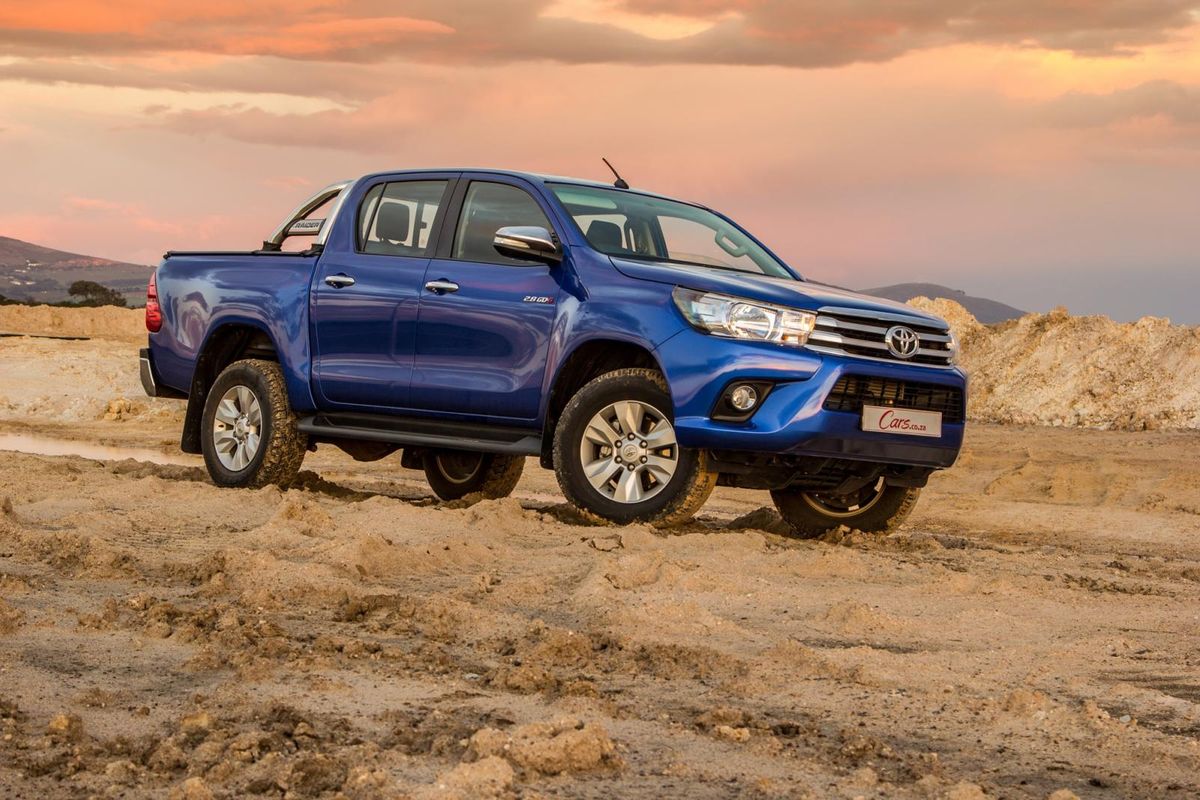
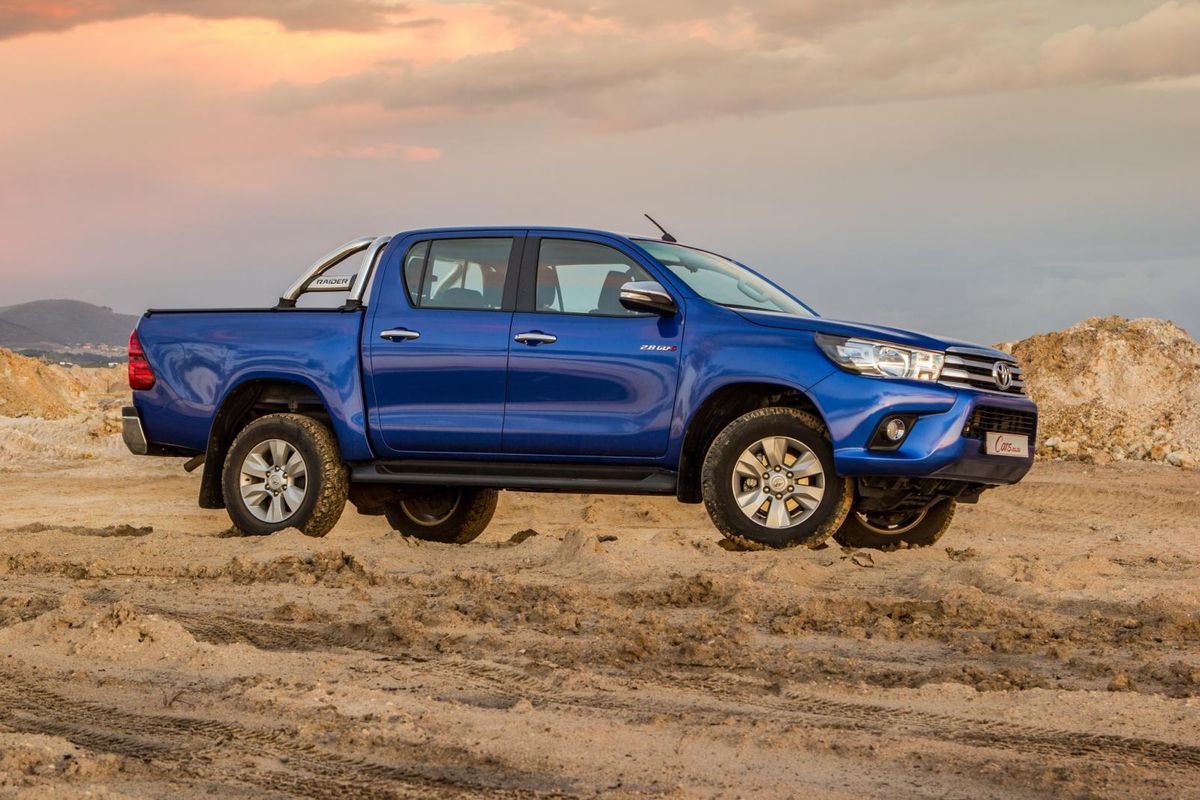
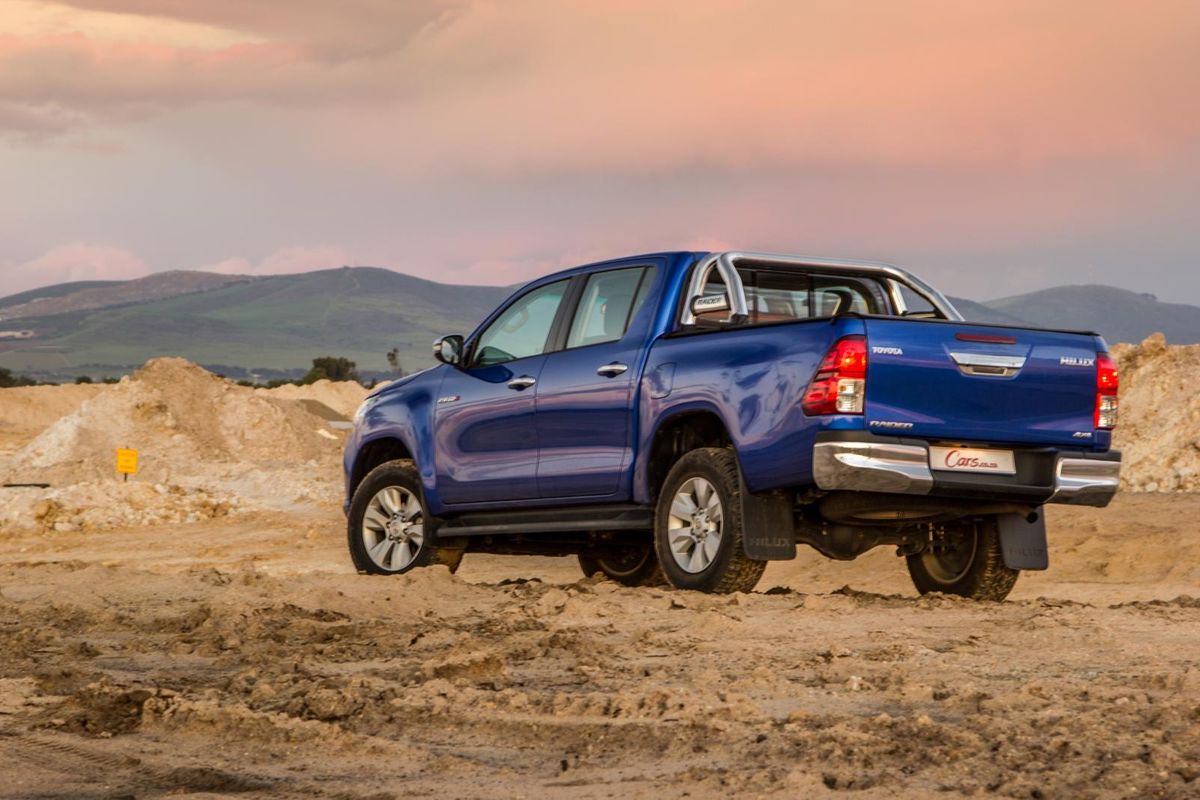
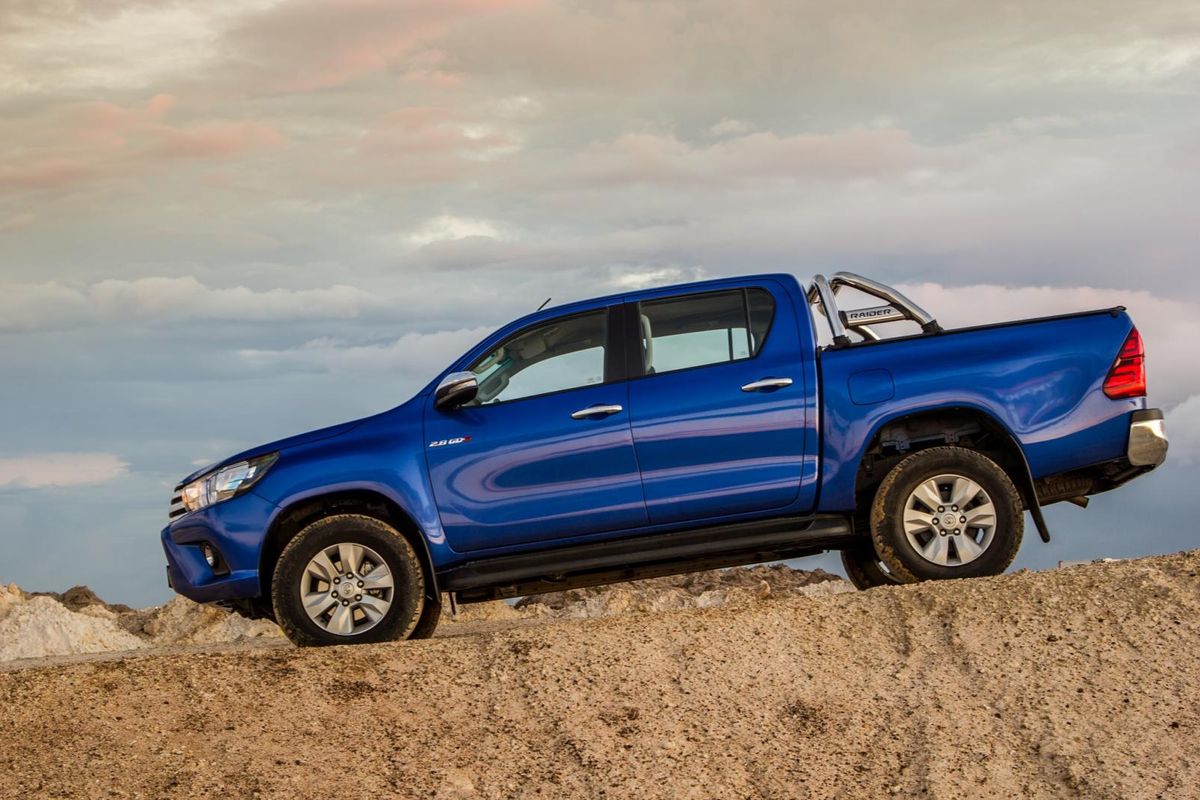
Toyota Hilux 2.8GD-6 DC 4×4 Raider Auto (2016) Review
The new Toyota Hilux is a significantly more refined product than its predecessor, which demonstrates the brand's determination to be an even stronger player in the leisure double-cab segment. For comfort- and refinement-oriented shoppers, the allure of an excellent automatic derivative is difficult to ignore: is the Hilux flagship in the running for best-in-class honours?
We like: Refined engine and transmission, build quality, off-road ability
We don't like: Overly firm ride (compared with its rivals), tight rear space
Alternatives
For more space:The Ford Ranger 3.2 XLT is similarly priced and specced, but offers more cabin space than the Toyota. Its ride quality is also superior on most surfaces. If you can stretch your budget by an exta R30k-odd, then the popular Wildtrak version is worth considering, as it adds some very attractive extras.
For a more car-like drive: The Volkswagen Amarok, when fitted with the slick 8-speed automatic transmission, feels more like a normal passenger vehicle, and less like a bakkie.
Want an automatic, but want to spend much less? If you're willing to sacrifice some power, Ford's new 2.2-litre Rangers are now available with a self-shifting 'box. Worth considering if you're not going to be towing much.
Autos on the rise
The Hilux consistently appears at (or near) the top of the monthly sales charts, and because the bakkies are rather prevalent on the road as a consequence, most South Africans are well aware of the popularity of Toyota's double-cab offering. What is perhaps less well understood are the sales trends within this segment. In recent years, as double cabs have shifted away from their utilitarian origins to fulfil more leisure-oriented passenger vehicle roles, the increase in popularity of automatic transmission-equipped derivatives has been significant. In fact, this automatic Hilux comfortably outsells its manual sibling, and the same applies for Ford (Ranger) and VW (Amarok). But is it as good? Let's find out…
How does it fare in terms of…
Drivetrain refinement?
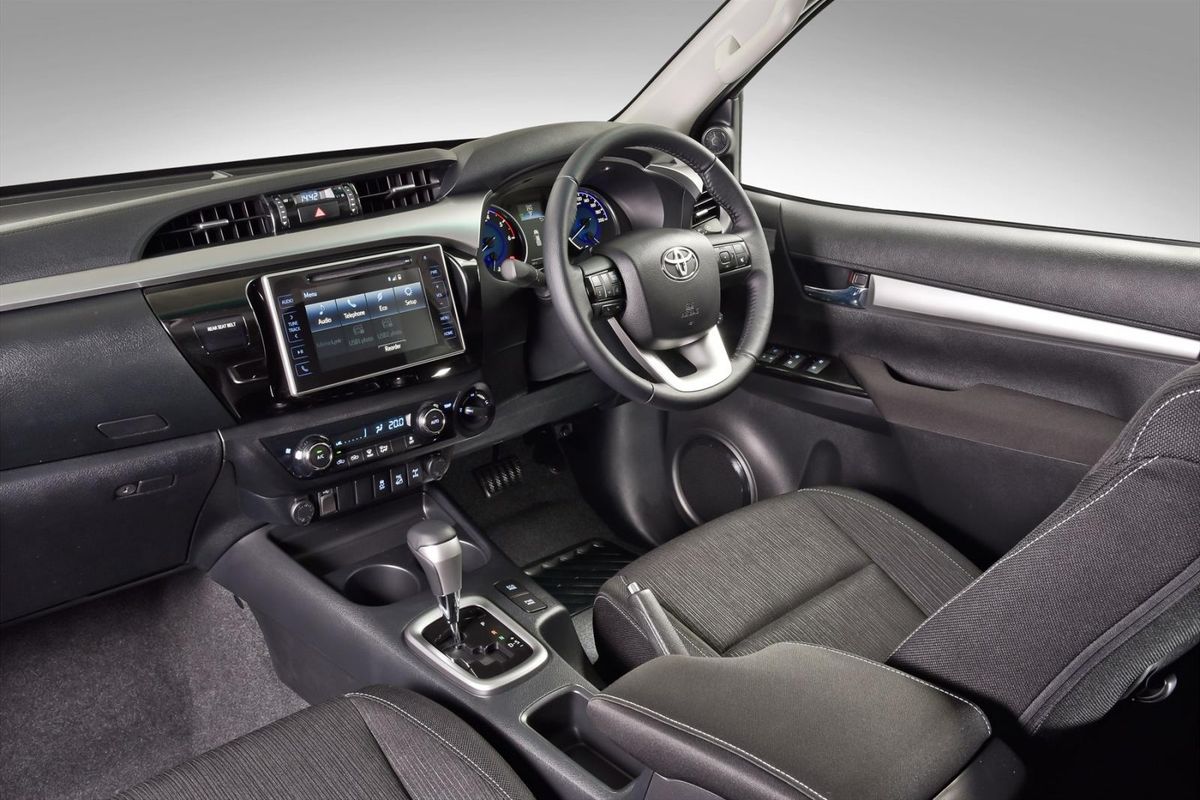
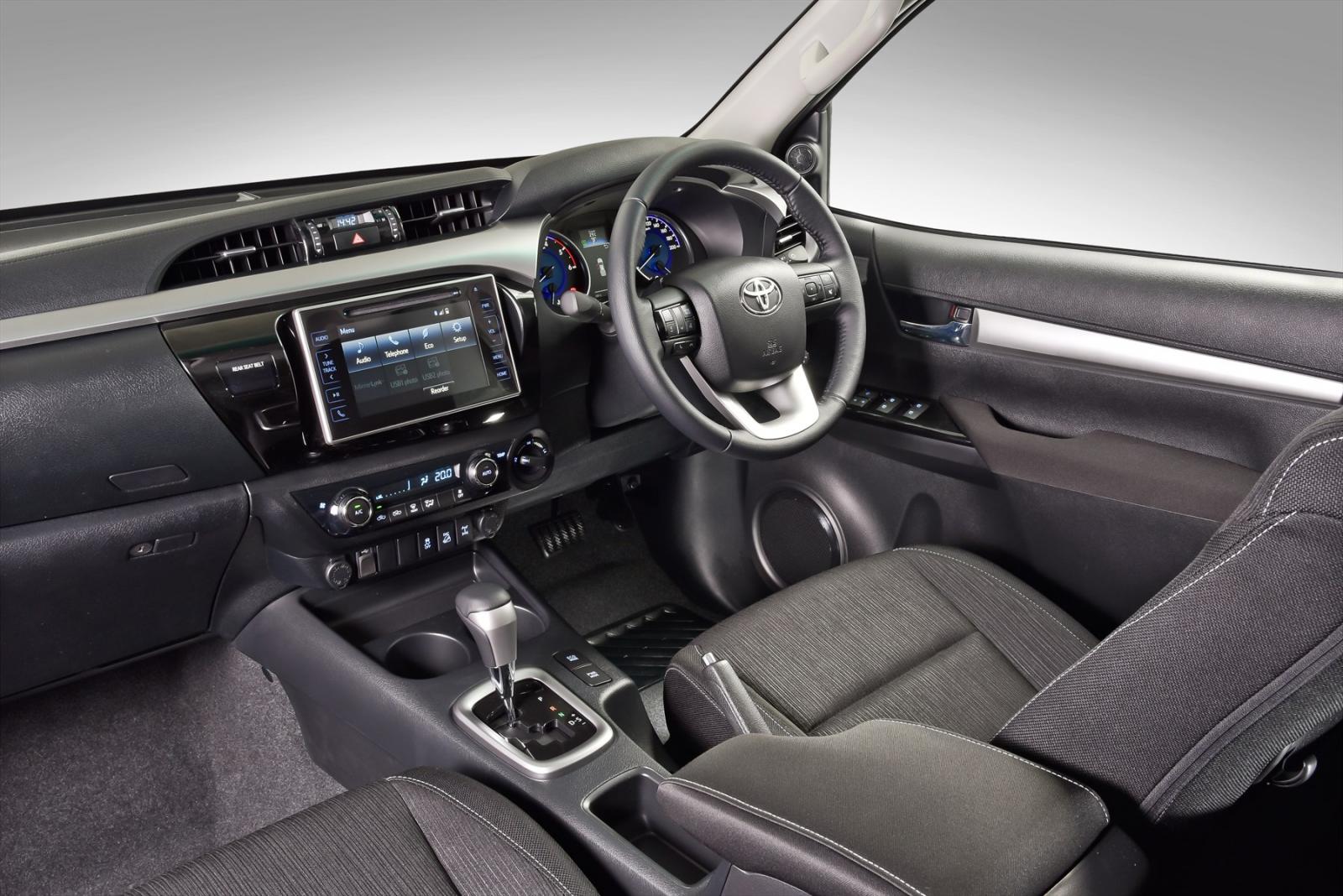
Modern fascia design and upmarket finishes lift cabin ambience significantly.
Why are double cabs so popular? It's quite simple, really… These vehicles are very commonly used not only for long road journeys to family holiday destinations but for daily runs to the school, shops and office, as well as shorter weekend trips. It is in these urban environments and in traffic where (manual) double cabs can feel cumbersome/hard to drive. An automatic transmission results in a far more relaxed drive. Now add the benefit of significantly easier off-roading, as well as a smoother overall drive on those previously mentioned long holiday trips, and the appeal is not difficult to understand.
The new Hilux already offers an exceptionally refined drivetrain, even in manual guise. The new GD (Global Diesel) series 2.8-litre turbodiesel engine features a compression ratio that is 13% lower than the previous 3.0-litre D-4D unit. While logic dictates that a higher compression ratio would result in greater efficiency, Toyota's engineers have managed to improve the motor's efficiency nonetheless. The engine is smoother and quieter, as well as "cleaner", especially in terms of NOx emissions. Yet it's quite happy to rev, delivers strong power and torque, as well as good fuel economy – a clear win-win…
Now add Toyota's new six-speed automatic transmission and the picture is even rosier.
The transmission is quite advanced and features "control logic" that is claimed to be able to decide (in real time) whether a higher gear should be selected to boost efficiency. It also boasts Deceleration Downshift Control that is said to optimise downshifts when slowing down to further boost efficiency. The system shuts off the fuel supply and downshifts automatically to promote engine braking. So, it's quite a clever transmission that doesn't often seem to "hunt" for the correct gear.
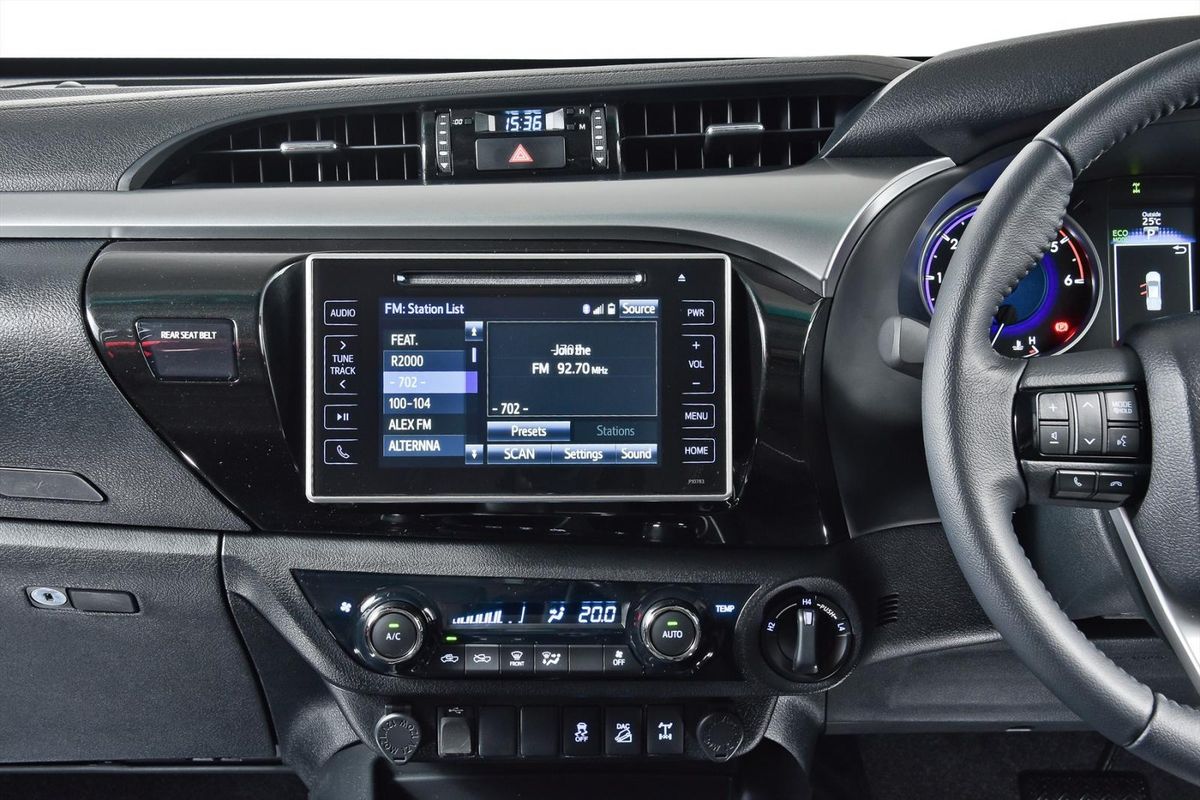
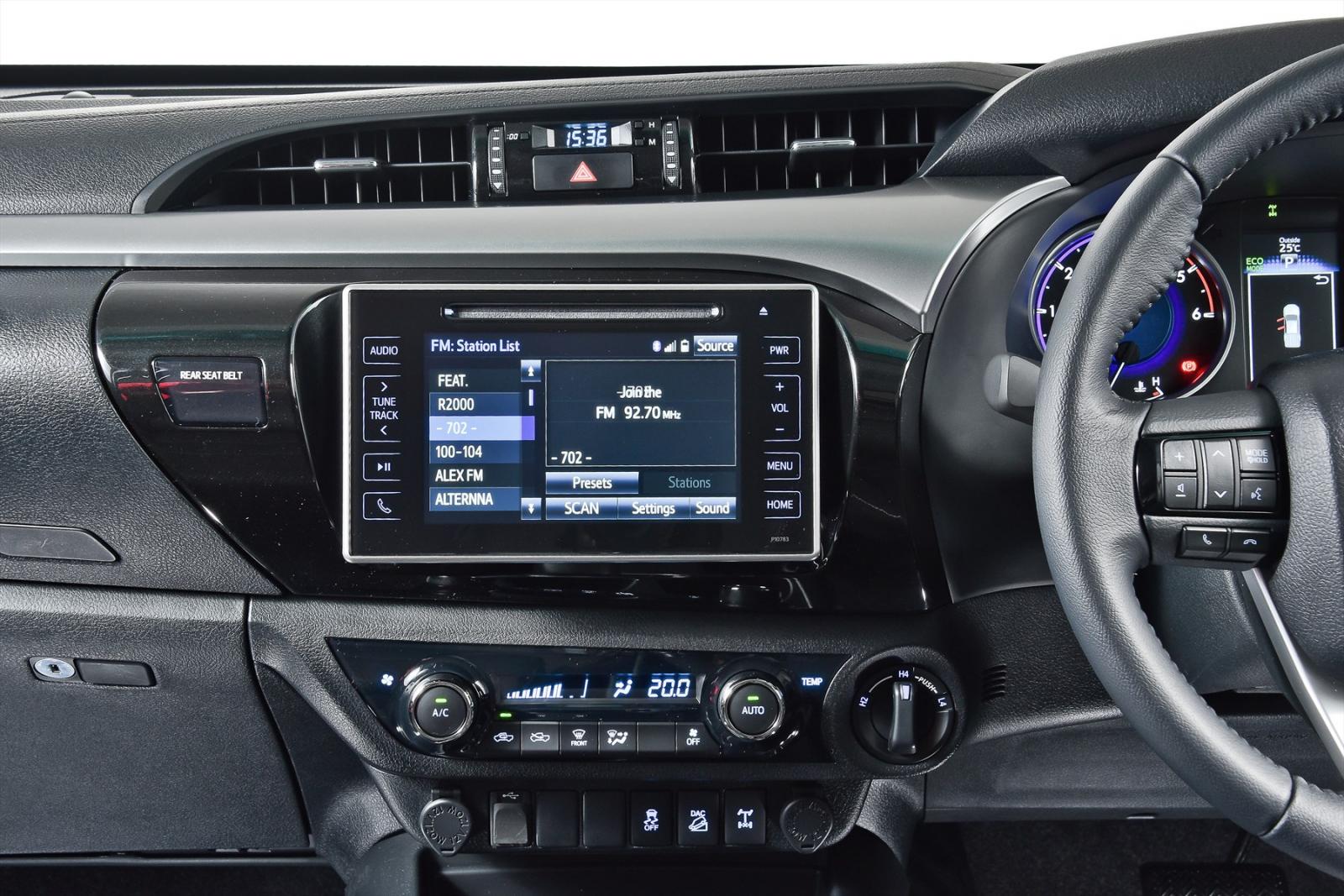
Combined with its smooth-shifting characteristics, the transmission further enhances the already impressive sense of refinement that the new Hilux exudes. Floating touch-screen info-tainment interface is standard, and somewhat fiddly to use.
Cabin comfort and features?
Shoppers spending almost R600 000 on a leisure bakkie demand significantly more than just leather upholstery and a couple of car-like features. These vehicles have become not only luxurious lifestyle vehicles, but status symbols that need to offer the latest in design and technology. In these aspects, Toyota has done a commendable job with the latest Hilux.
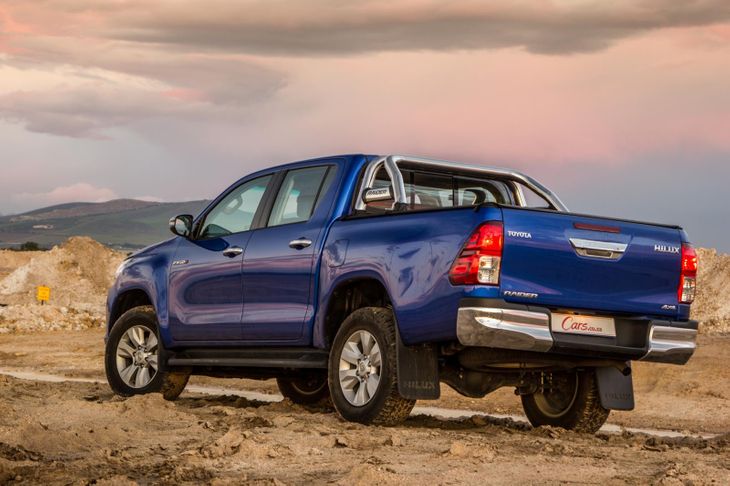
While the Hilux's exterior design has its detractors, its far more difficult to criticise the modern, feature-laden interior. The neat instrumentation with its Lexus-like TFT multi-info driver display elevates the Hilux to a more "premium" position. There's also a "floating" tablet-like touchscreen interface for the infotainment system and the general fit and finish of the cabin is (now) arguably class leading. Perhaps the one missing feature (given the price and more upmarket ambience) is leather upholstery. The latter is an optional extra. Note that the Ford Ranger 3.2 XLT, which is similarly priced to the Hilux, offers leather upholstery as standard.
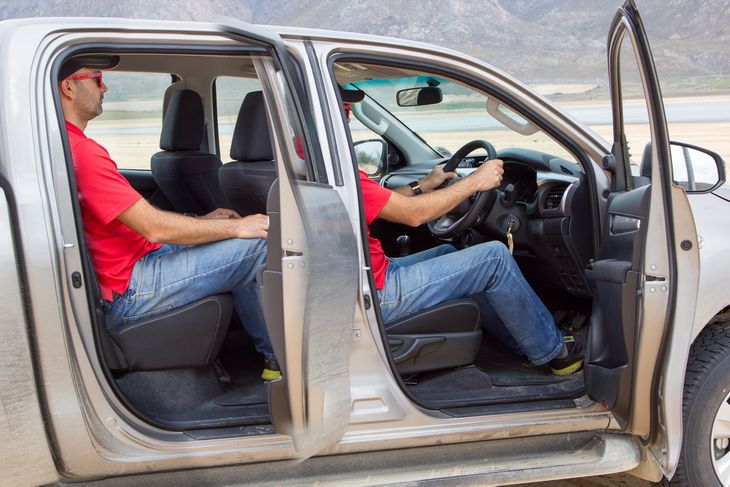
Rear legroom is comparatively limited and the seating position upright compared with the Ford Ranger.
We also appreciated the rake/reach adjustable steering wheel which, together with the superb front seats boosts driver comfort significantly. The picture is less rosy at the rear, however. While there appears to be more space than in its predecessor, the improvement is marginal – Toyota claims 10 mm more rear legroom. Compared with a vehicle such as the Ford Ranger (and even the soon-to-be-facelifted Isuzu KB), the Hilux's rear passengers still have to make do with less pace and the seating position is more upright.
The cabin is, however, well stocked with practical touches. The double glove compartment is a nice touch, especially seeing as the upper of the two compartments is cooled. The storage box between the front seats are large, and the door pockets can accommodate 1.0-litre plastic bottles. The rear seat uses a 60/40 split "tip-up" design, with storage recesses beneath it.
Power and Economy
The automatic derivative of the flagship Hilux features more torque than its manual sibling.
The new 2.8-litre 4 cylinder engine underneath the Hilux's bonnet delivers a healthy 130 kW and strong 450 Nm of torque across a wide rev range; the peak of the latter figure is available from 1 600 to 2 400 rpm. That's a boost of more than 100 Nm of twist compared with the old 3.0 D-4D engine. On paper, these figures are similar to what is offered by the likes of the Ford 3.2-litre and Volkswagen 2.0-litre biturbodiesel. In reality, however, the claimed figures seem to be conservative.
The Toyota feels markedly more eager on the road compared with the more powerful Ford Ranger, and the engine is both smoother and more eager to rev. You can also select Power mode, which sharpens up the Hilux's responses even further. Overall, it's an engine that is seriously hard to criticise, and one that is well matched with this new 6-speed automatic transmission (which also includes a Sport mode).
Should you wish to prioritise fuel efficiency, there is an Eco mode. This dulls the responsive nature of the drivetrain, however. The upshot is good fuel economy. Toyota claims an average consumption figure of 8.5 L/100 km, which comfortably beats the Ford Ranger (9.0 L/100 km). In the real world, you're more likely to see figures of around 10 L/100 km for the Toyota, which is still markedly better than the 10.8 L/100 km we achieved during a test of the Ranger 3.2 XLT.
For those of you interested in towing, this Hilux is rated to tow 3 500 kg (braked trailer). It features Trailer Sway Control as standard in addition to its stability control system.
Ride and handling?
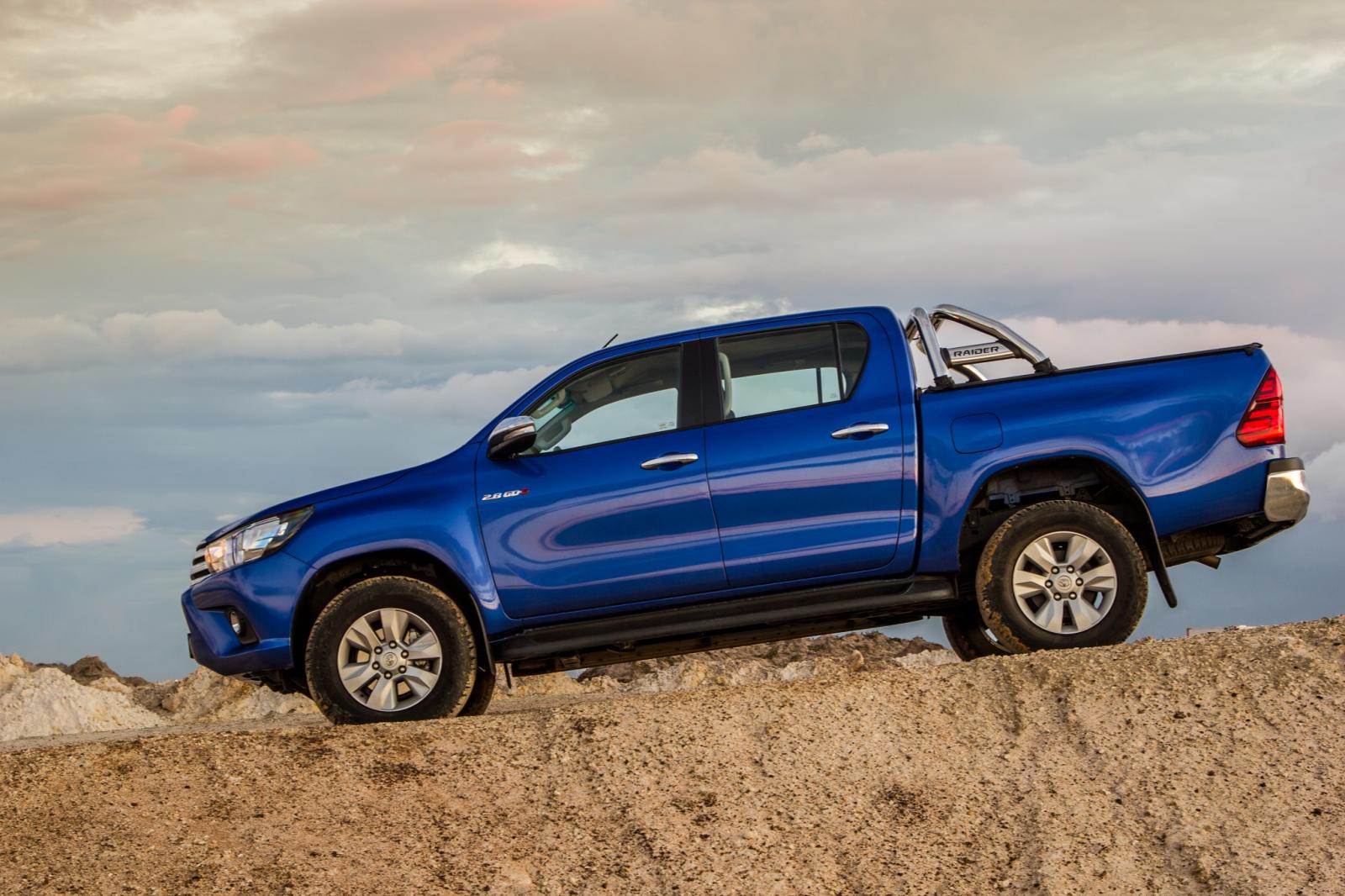
The Hilux remains arguably the best off-roader in the double-cab bakkie segment.
A major area of focus for Toyota during development of the new model was ride comfort and general refinement. To that end, the new Hilux rides on an all-new platform that includes 30 mm thicker side rails and cross members to achieve a 20% improvement in torsional rigidity. This is an important development, seeing as a stiffer structure has great benefits for improved NVH (noise, vibration, harshness) control, safety and durability.
Compared with its predecessor, which was often criticised for its relative bumpiness, the new model also boasts a longer leaf spring design that suppresses surface vibration, larger-diameter shock absorbers mounted in a lew location and greater rear-axle wheel articulation. The steering (hydraulically assisted) has been redeveloped to offer better steering feel.
On the road, the improvements are immediately apparent. The Hilux rides smoother and quieter than its predecessor, with especially cabin quietness at higher speeds being impressive. But while the improvements in ride comfort are clear, the Hilux remains one of the firmer-riding pick-ups on the market. This means that on poorer surfaces it is still bouncier than most of its rivals, including the Ranger and Amarok. Of course, like all bakkies, a load on the back improves matters.
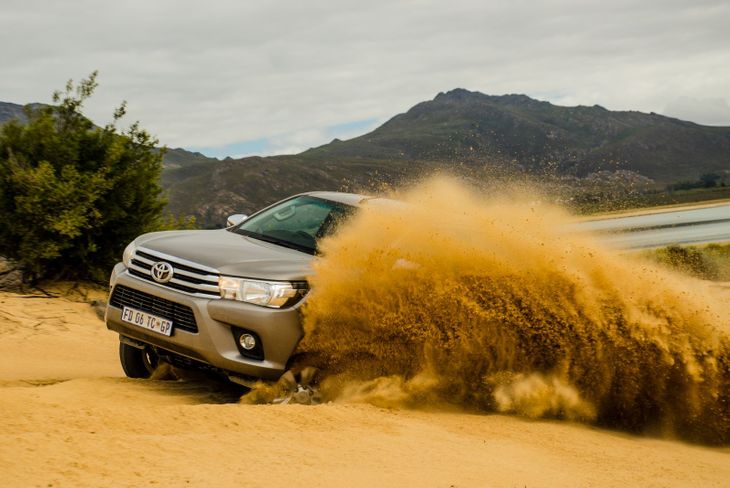
Hilux is better than ever in the rough… and automatic transmission makes accessing its capabilities far easier.
And off-road? As we found in our in-depth comparative test at the Klipbokkop reserve earlier this year, the Hilux remains arguably the best in its class when the going gets rough. It offers very good ground clearance and that awkward-looking nose actually benefits the angle of approach, while the wheelbase (which hasn't grown) obviously benefits the breakover angle.
You can now use the rotary knob to switch to four-wheel drive (4H) at speeds of up to 50 kph, and there's a rear diff-lock to further assist in sticky situations, in addition to limited-slip differentials (LSD) in both axles. The extensive rear wheel articulation further helps maintain traction and you also get downhill-assist and hill-assist control. Now add the automatic transmission, and all the sweat has essentially been taken out of off-roading. The Hilux is staggeringly capable, even in the hands of relative novices.
Pricing and warranty
The Toyota Hilux 2.8GD-6 Double Cab 4×4 Raider Automatic sells for R570 600 (at the time of writing, August 2016) and comes backed with a 3-year/100 000 km warranty and 5-year/90 000 km service plan. It requires servicing every 10 000 km.
Verdict
While most people would point to the Ford Ranger 3.2 XLT and Wildtrak derivatives as this Hilux's deadliest rivals, it's not that simple. The sales figures suggest that a surprisingly strong contender is Volkswagen's Amarok Highline 4Motion, which is equipped with a slick 8-speed automatic. This trio of vehicles (Ranger, Hilux and Amarok), deliver the bulk of sales in this segment of the market. This also appears to suggest that there isn't a dominant vehicle among these 3 that is markedly better at everything than the others. In our experience, that rings very true.
The Hilux's drivetrain refinement and cabin design/finish is now arguably class leading. Yet, the Ford offers a better ride quality over a wider variety of road surfaces, as well as the most cabin space. And the Amarok is the one to get if a car-like drive is a high priority. You know where your priorities lie. That said, even those shoppers with no preference for the Toyota brand will be impressed with this new Hilux's blend of refinement, quality finishes, power, efficiency and off-road ability.
BMW M4 with M Performance Parts (2016) Video Review
For those who find the standard BMW M4 too demure and the Bavarian coupe's Competition Package version too hardcore, the Munich-based manufacturer has availed a selection of approved M Performance Parts that can add visual glamour and aural excitement to the standard car. Are they worth the extra outlay?
We drove the M4 with M Performance Parts (replete with various carbon-fibre addenda and a sonorous exhaust system upgrade – all fully approved by BMW) on the serpentine and picturesque Chapman's Peak Drive, outside Cape Town. If nothing else, it was a good opportunity for the fettled M4 to clear its throat and remind us why it remains one of the world’s most revered sportscars… Be sure to turn up your volume.
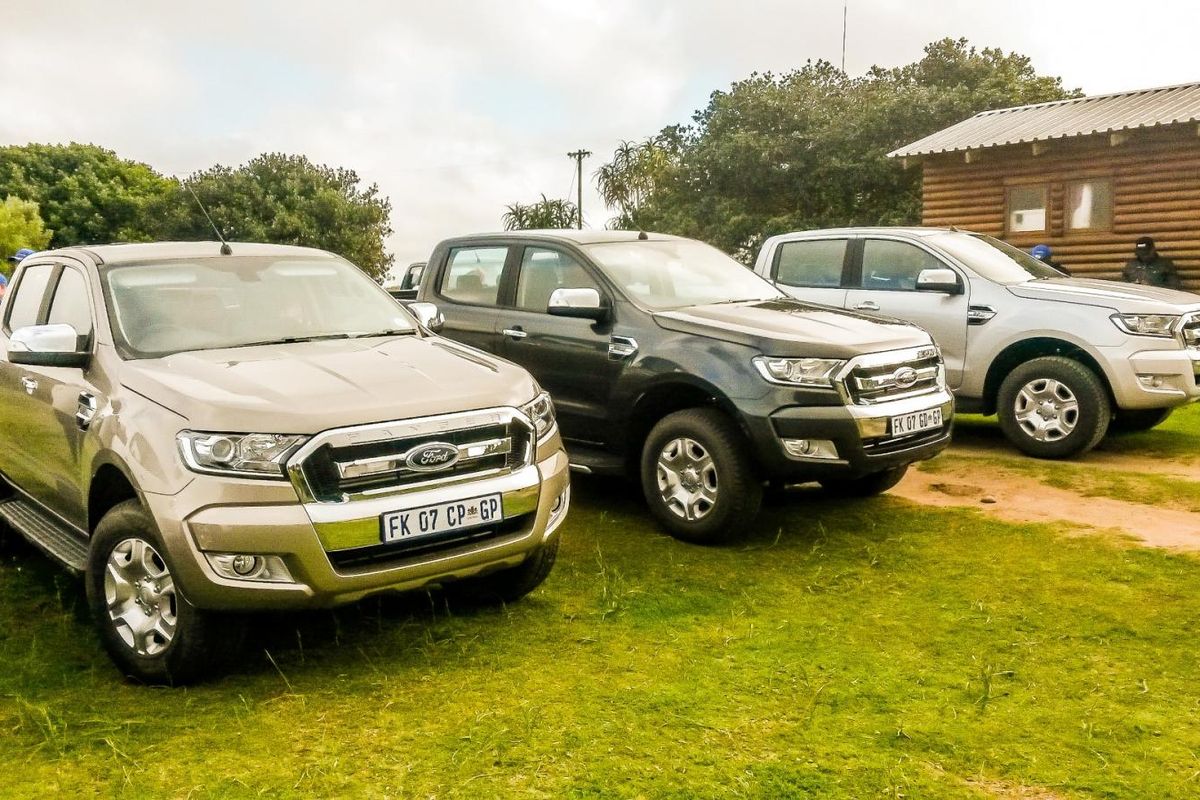
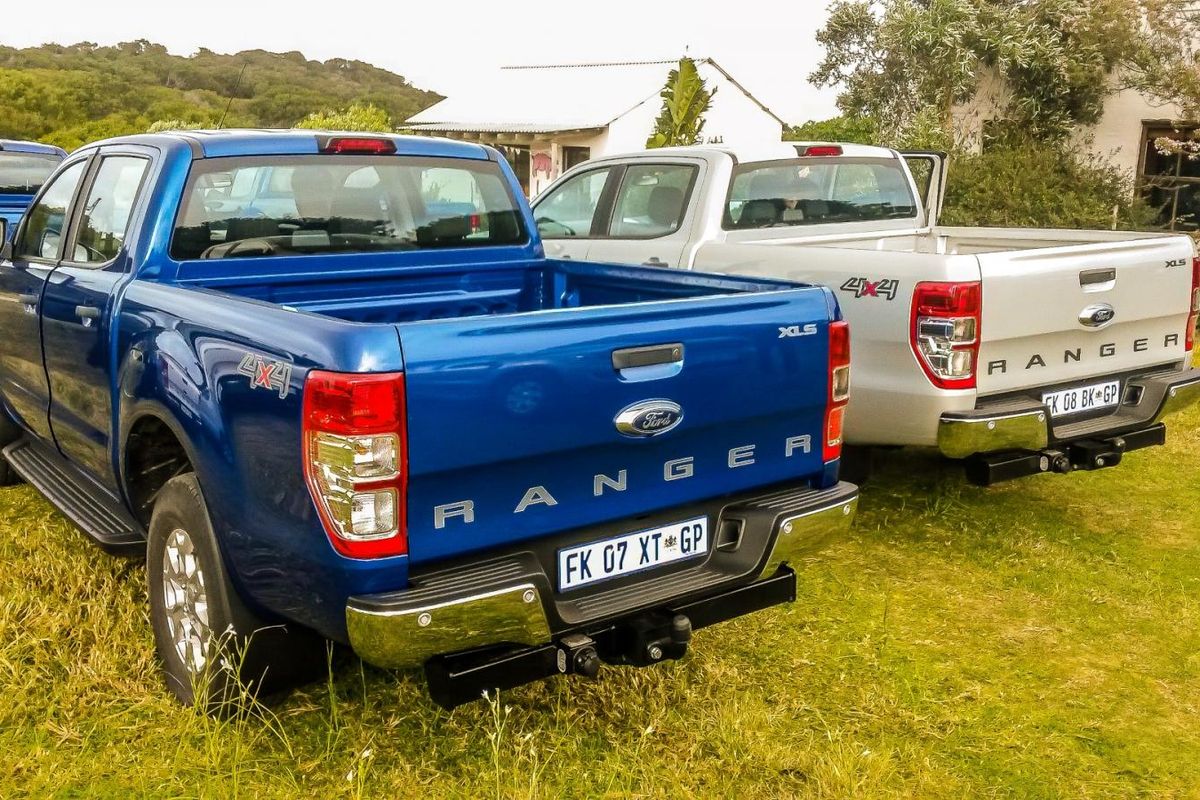
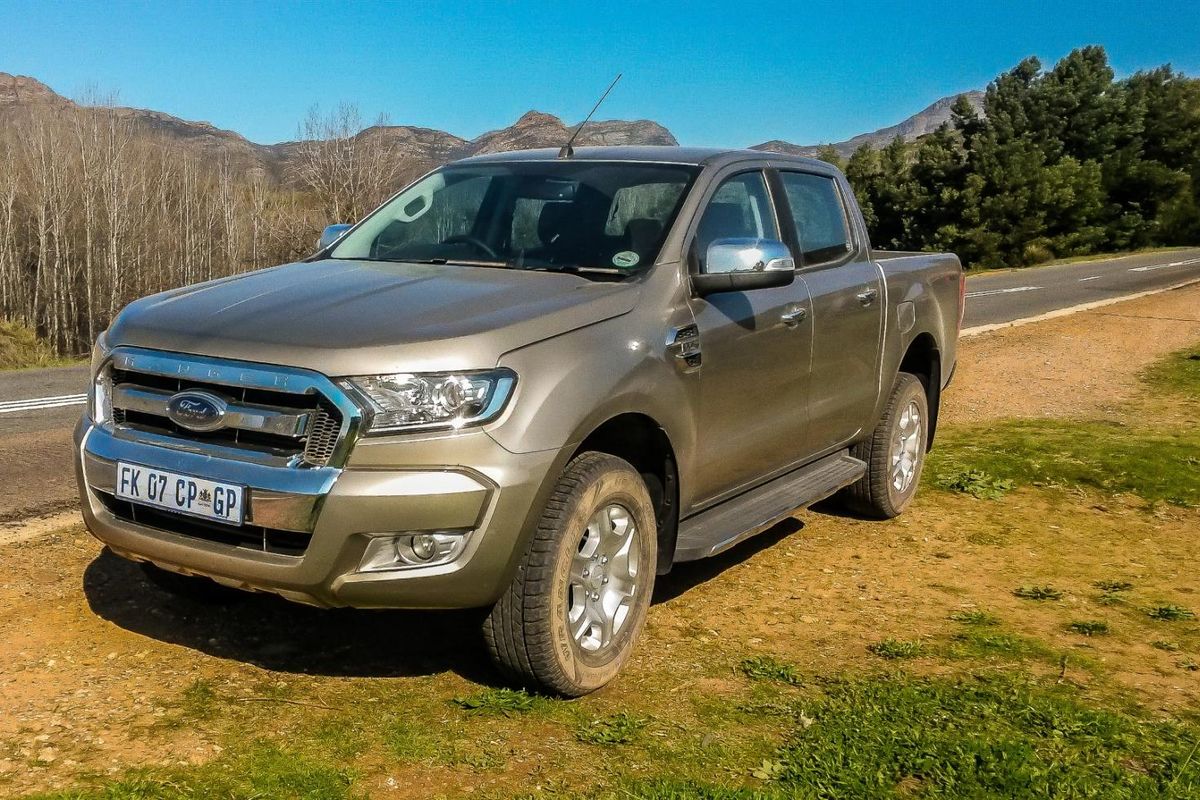
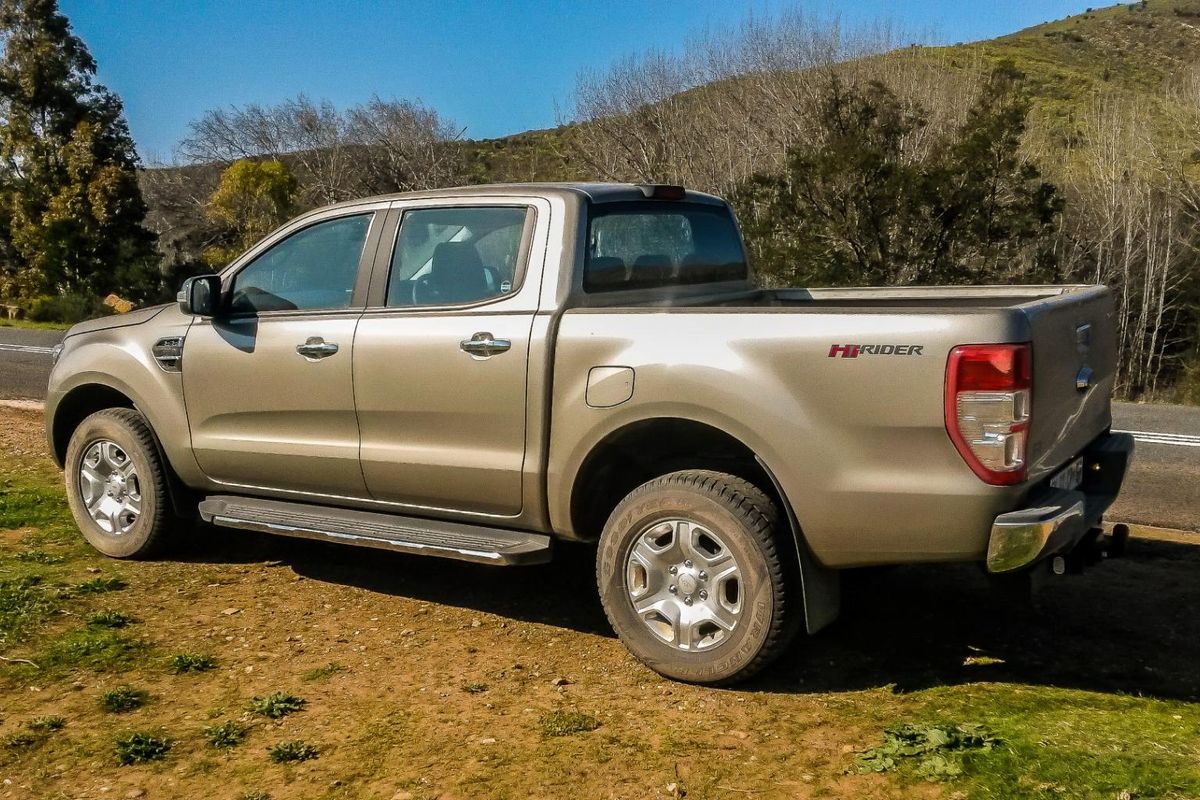
We joined Ford South Africa at a Ride-and-Drive event last week to evaluate its recently introduced Ford Ranger 2.2 TDCi automatic derivatives. Is the Ranger 2.2 TDCi automatic any good? Let’s find out!
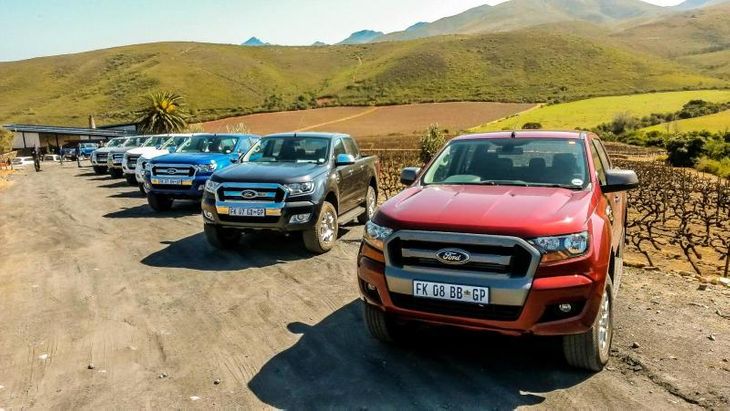
Ford South Africa hosted the event at the scenic Pinnacle Point Estate, flanking the Indian Ocean with green hills and mountains painting a lush scene. The popularity of automatic vehicles is on the rise in South Africa as consumers seek the benefits of comfort and convenience for the commute and long-haul journeys. Ford has responded to this trend by adding 9 new automatic derivatives to its 2.2 TDCi Ranger line-up across single cab, super cab and double cab body styles. Interestingly, the Ranger 2.2 TDCi single cab automatic is currently the only automatic single cab offering available in South Africa…
Sand, sand and more sand
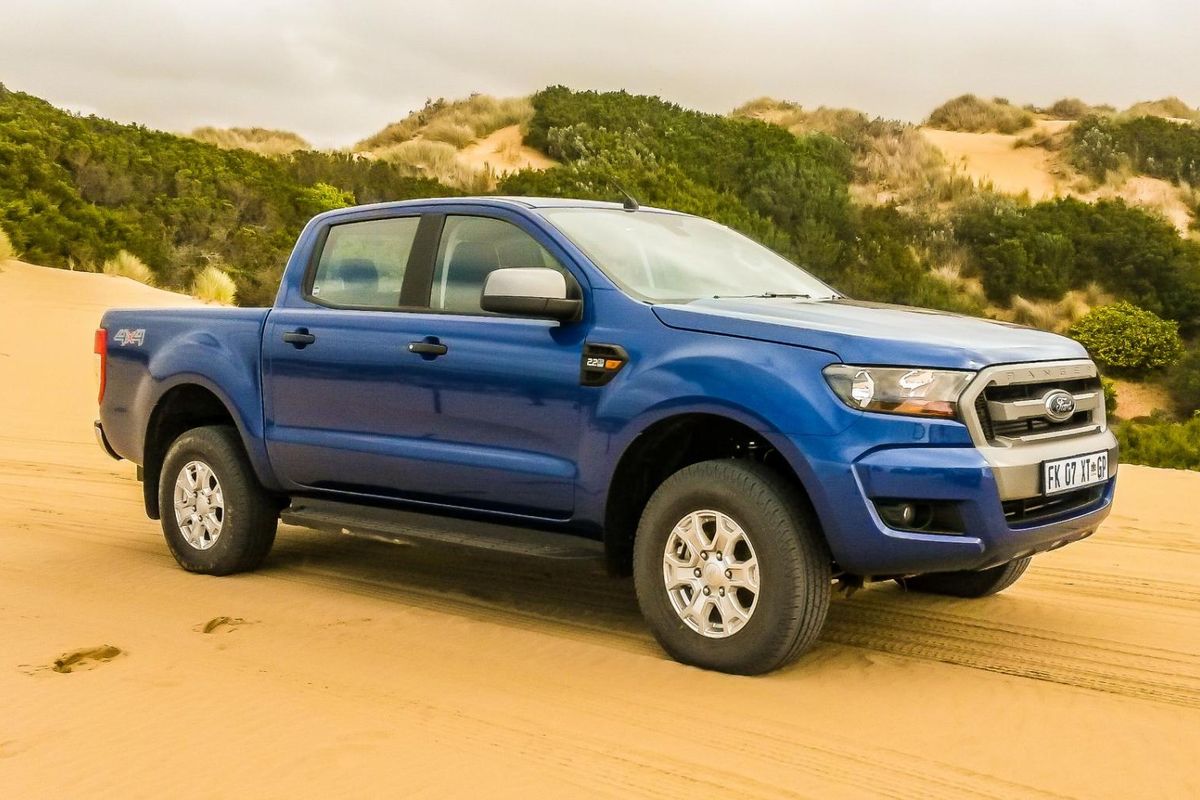
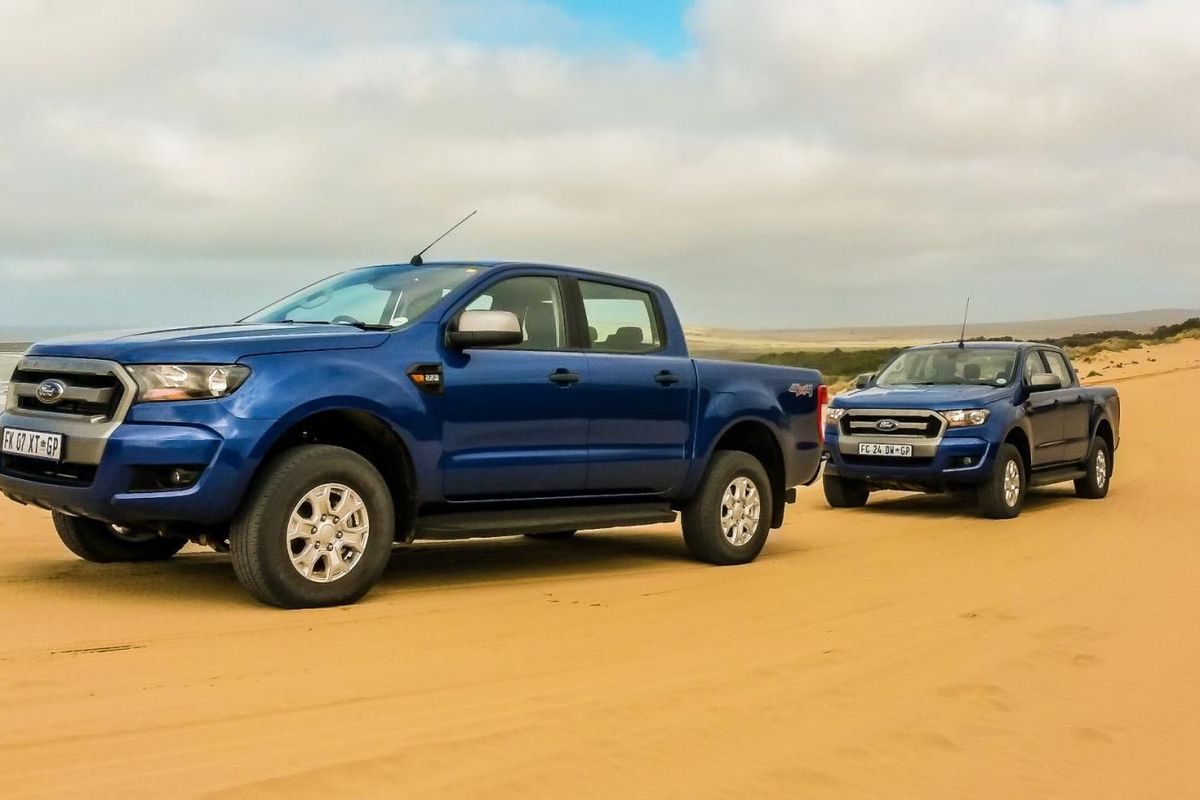
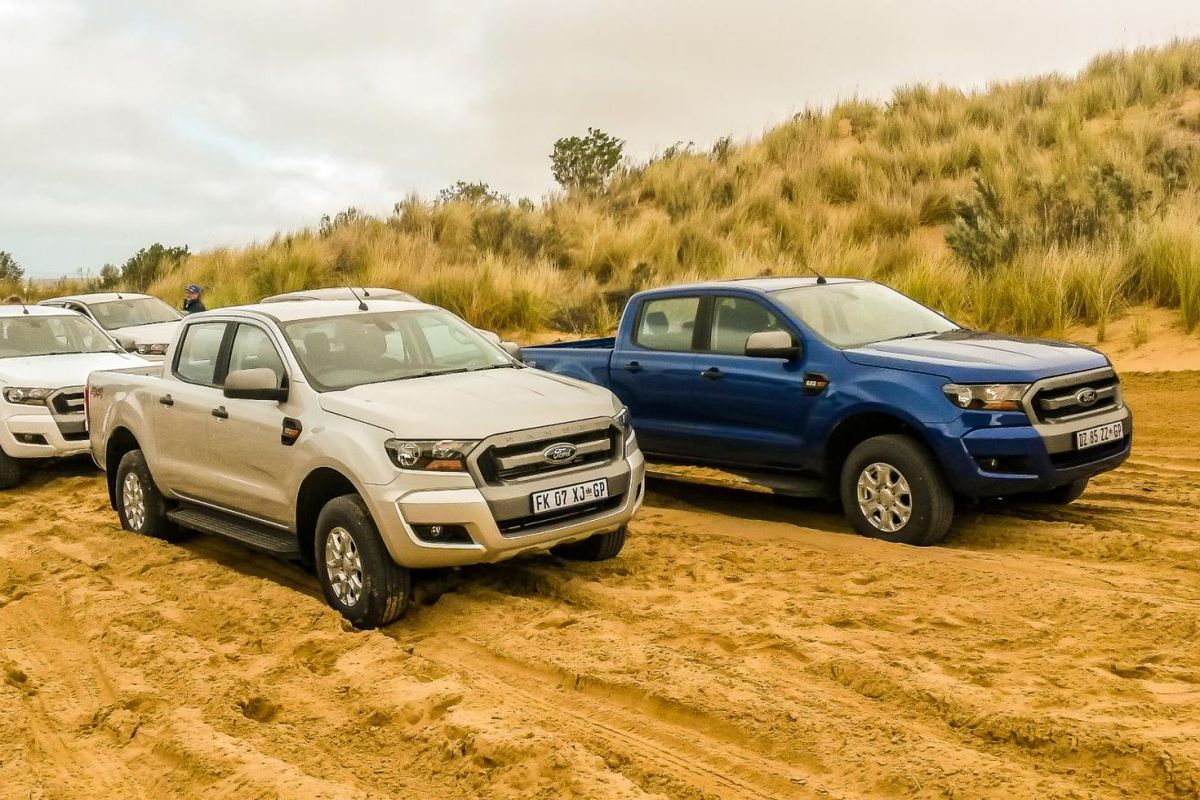
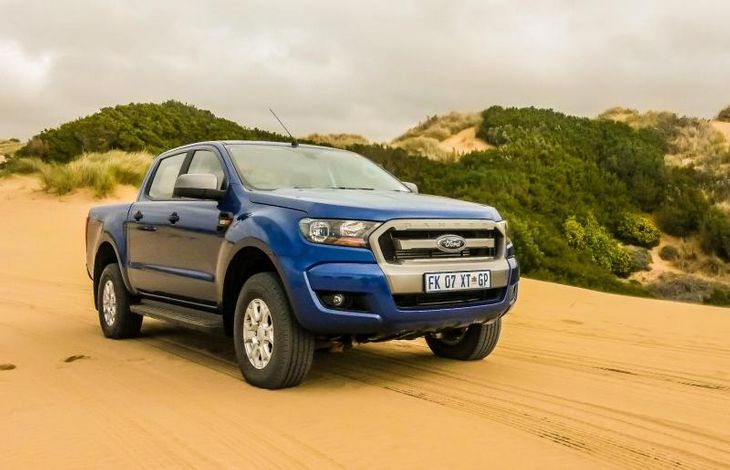
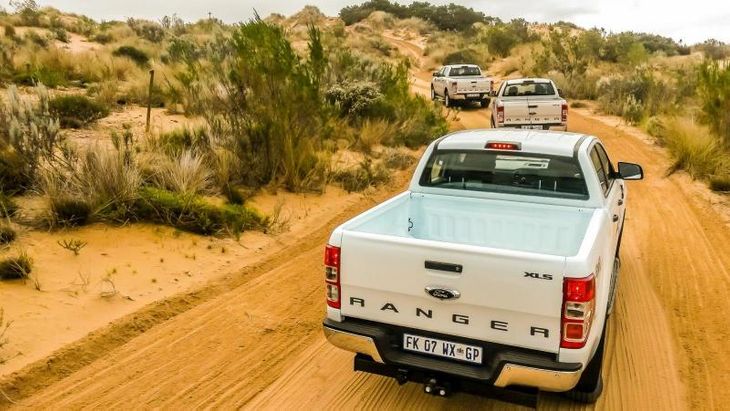
The Ford Ranger 2.2 TDCi 4×4 XLS automatic had no problem negotiating soft sand and steep dunes.
Our launch route started in the mid-spec Ranger 2.2 TDCi 4×4 XLS and we made our way to a scenic 4×4 track tucked away in rolling sand dunes near Boggoms Bay. We found that the Ranger 2.2 TDCi double cab drove very well on tar (by virtue of its pliant ride quality) and the automatic transmission operates unobtrusively to make the best of the 118 kW and 385 Nm of torque. Although not as powerful as the 3.2-litre 5-cylinder turbodiesel (147 kW and 470 Nm of torque), the 2.2 TDCi performs admirably with good power delivery and overtaking ability.
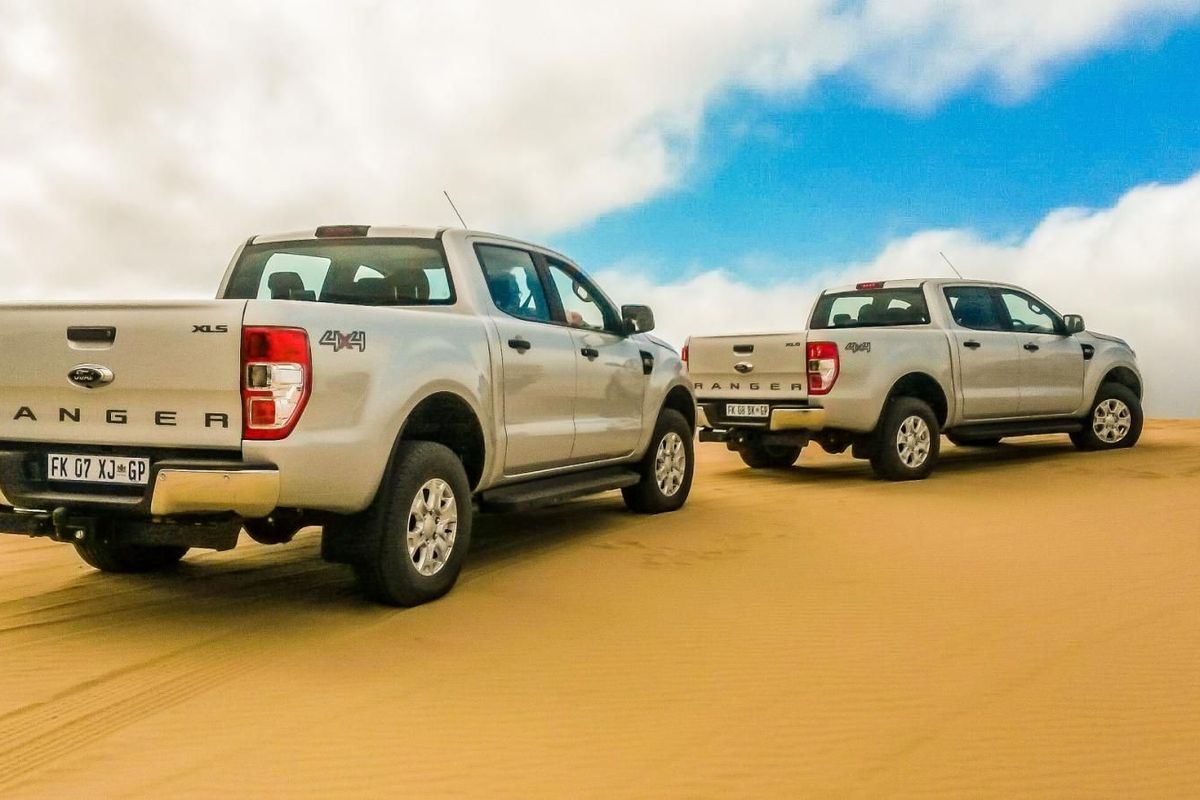
It was on the undulating sand dunes where the Ranger 2.2 TDCi automatic would face its toughest test. With the tyres suitably deflated to tackle the soft sand, we traversed the 4×4 track. All 4×4 models feature an electronic transfer case that allows the driver to easily select between 2H, 4H and 4L as required. If more traction is required, the differential lock can be engaged at the press of a button, but we didn’t need it, as low-range was sufficient.
Tough conditions were no match for the Ranger 2.2 TDCi 4×4 XLS automatic as it glided over the sand dunes with ease.
The Ranger 2.2 TDCi 4×4 XLS glided over the sand with utter confidence and despite the presence of some steep sand dunes, the Ranger felt completely at home in this terrain.
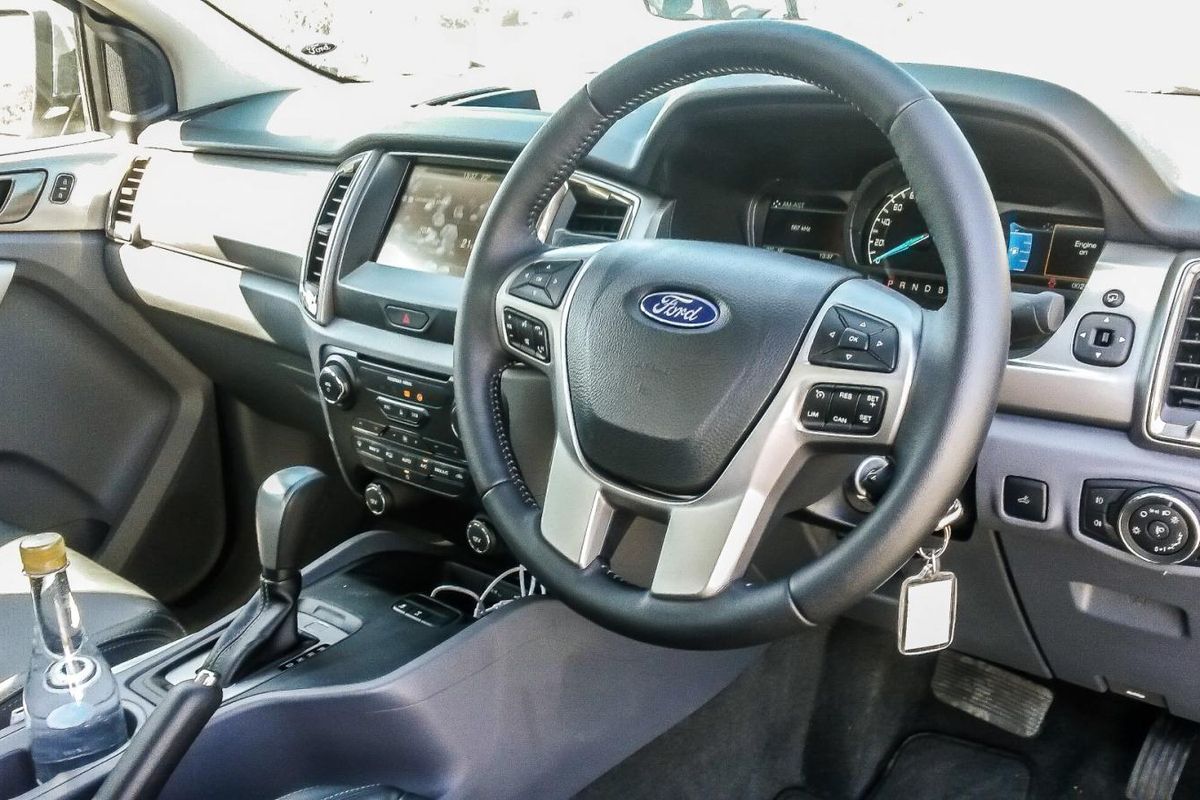
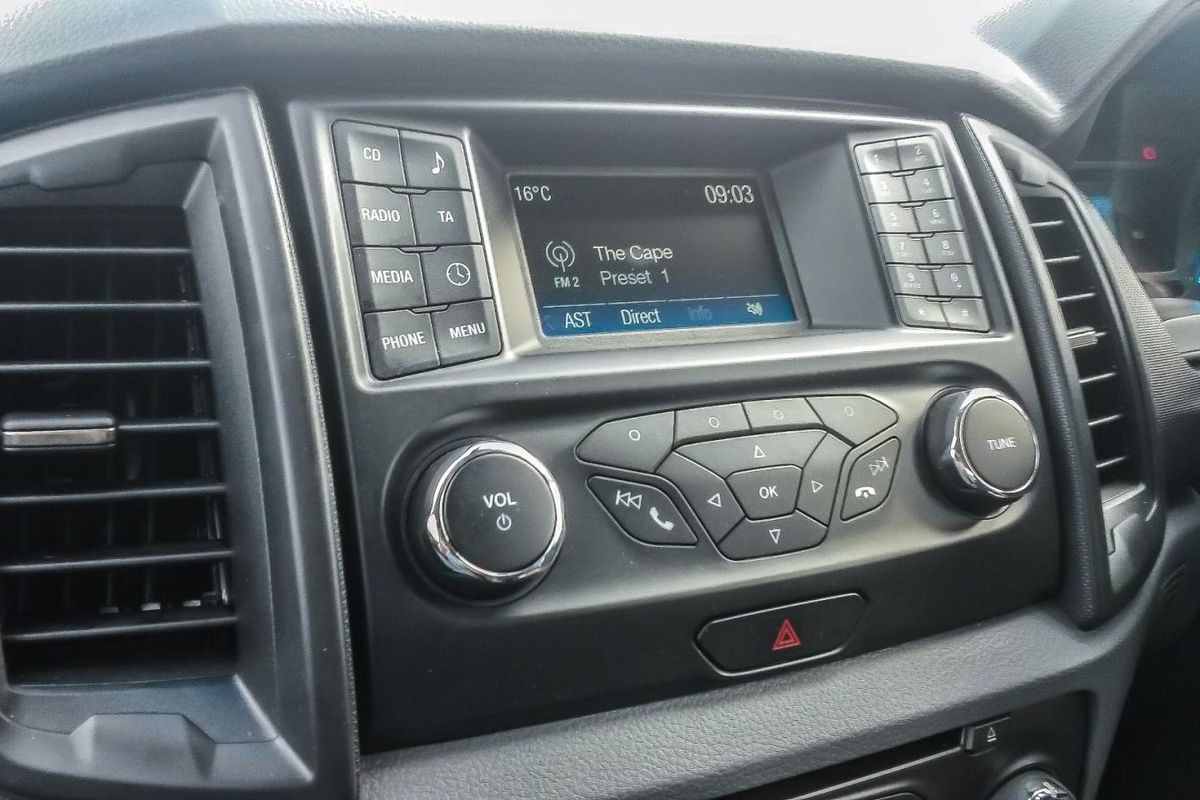
This particular Ranger 2.2 TDCi 4×4 XLS is reasonably specced with features such as 4 airbags, electronic stability programme (ESP), traction control, hill launch assist, hill descent control, cruise control, towbar, electronic transfer case and 16-inch alloy wheels. The interior includes electric windows, multifunction steering wheel, manual air conditioning, Ford SYNC with 6 speakers, CD player, a 4.2-inch colour TFT screen and USB and auxiliary ports.
Dirt road domination
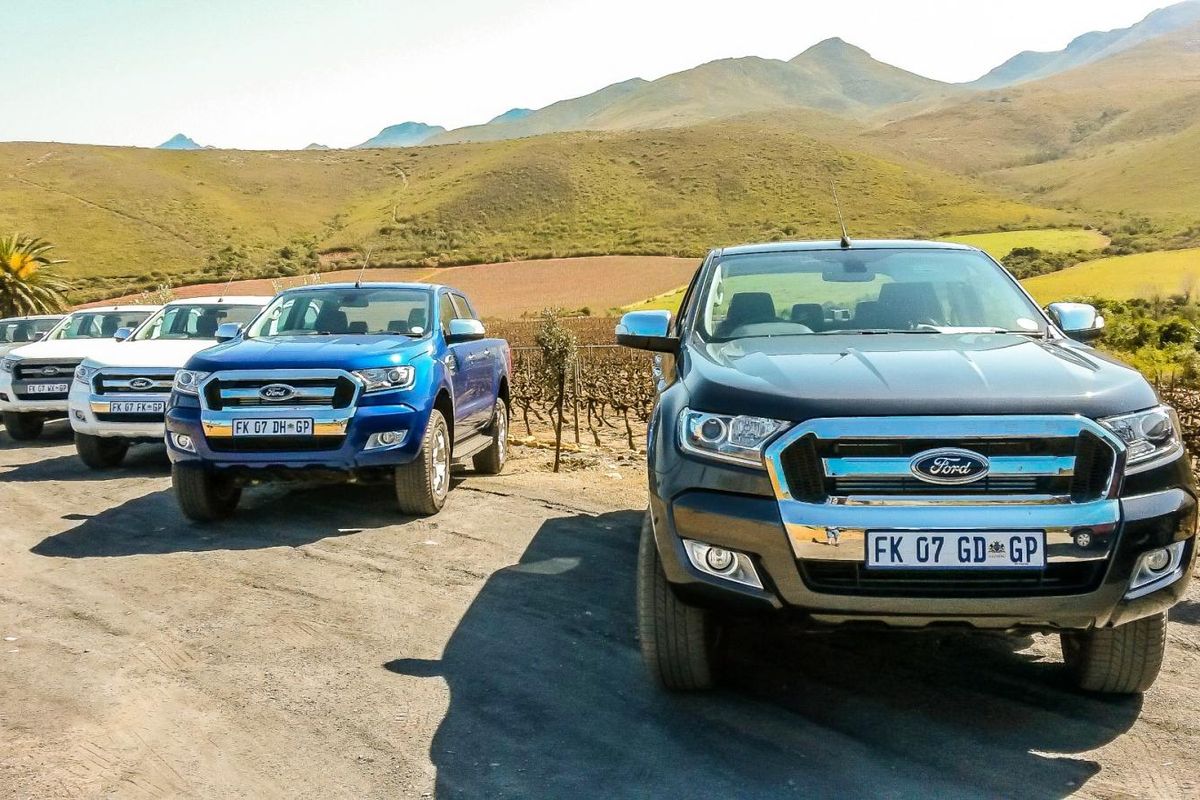
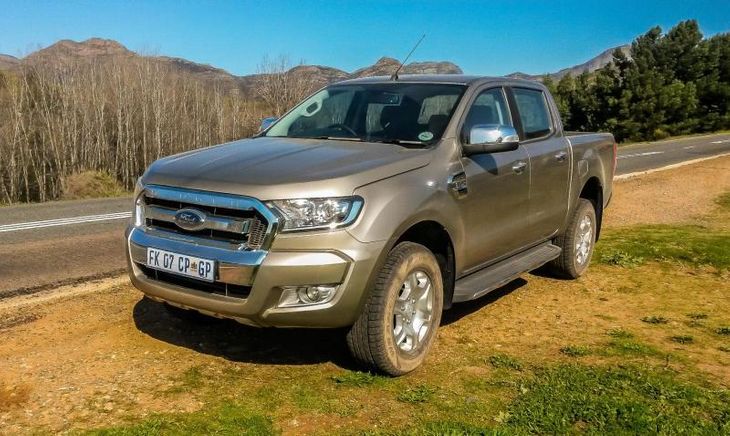
The Ford Ranger 2.2 TDCi 4×2 XLT automatic displayed superb road manners and ride quality on dirt roads was good.
After playing in the sand, we travelled some 70 km to our lunch destination at Jakkalsvlei Winery near Herbertsdale. The afternoon drive took place in the high-spec Ranger 2.2 TDCi 4×2 XLT double cab, which offered higher levels of comfort thanks to leather seats, dual climate control, SYNC2 connectivity and (the larger) 8.2-inch TFT infotainment display. A pair of USB ports are included as standard and this model rides on 17-inch wheels.
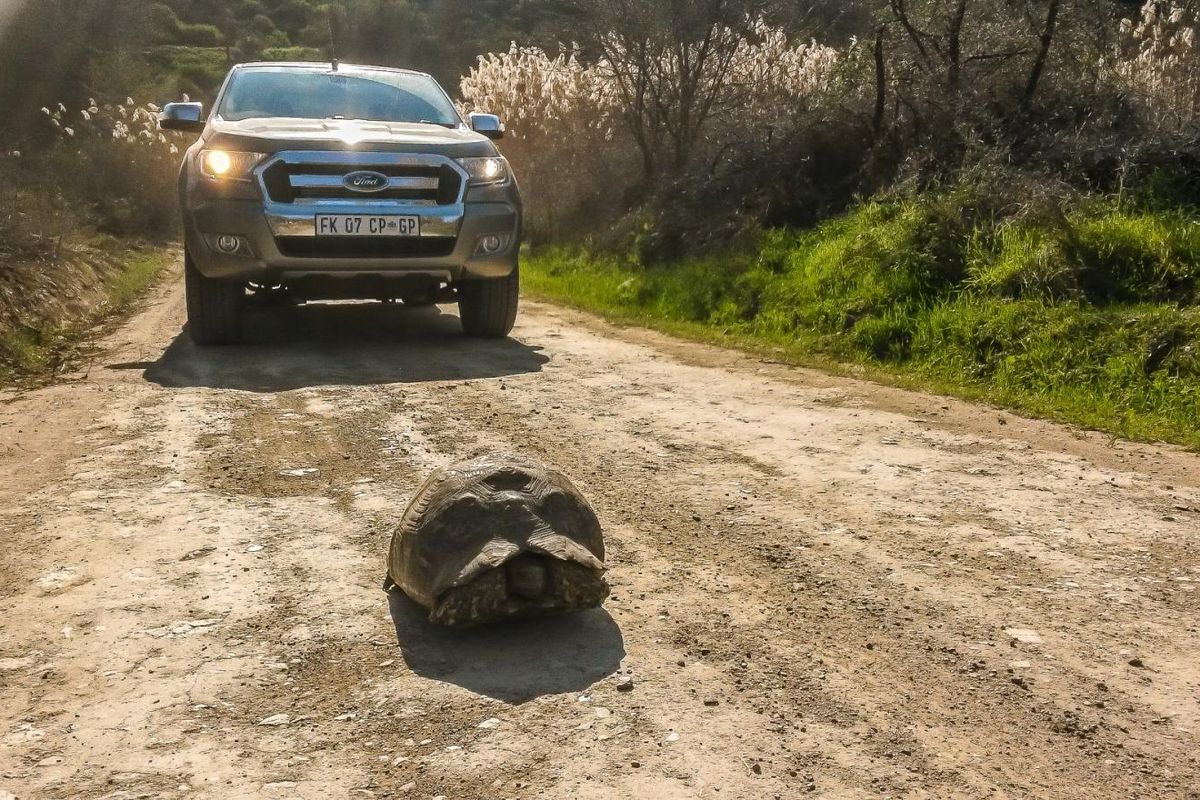
This part of the launch route comprised a dirt road course that winded endlessly through the farmlands surrounding George. We were impressed by how composed the Ranger felt on the unsealed surface. It soaked up bumps and ruts with aplomb and delivered a ride quality that was so comfortable that it was difficult to believe that a bakkie could feel as refined. The 6-speed automatic transmission further added to the stress-free nature of the drive. Eventually, dirt roads gave way to tar and the Ranger muscled through the breathtakingly beautiful Outeniqua Pass and delivered us safely to George Airport.
The Ford Ranger 2.2 TDCi double cab offers good performance and returns acceptable fuel consumption figures.
Summary
After driving the Ranger 2.2 TDCi 4×4 XLS and 4×2 XLT automatic, we declare the Ranger 2.2 TDCi automatic well worth considering. The engine performs well on the open road and particularly on the dirt – it didn’t feel sluggish, nor underpowered. It would seem that this 2.2-litre turbodiesel is well matched to the 6-speed automatic transmission, making it a solid proposition if you are looking for a capable automatic double cab. Moreover, the ride quality in the Ranger 2.2 TDCi is to be admired, it's easy to understand why the Ranger sells so well in South Africa.
Fuel efficiency is another reason to choose the 2.2-litre turbodiesel over the 3.2-litre turbodiesel offering. On our launch route, we were averaging around 9.2 L/100km, which could have been improved with more diligence. Ford claims 8.1 L/100 km for the Ranger 2.2 4×4 XLS automatic and 7.5 L/100 km for the Ranger 2.2 4×2 XLT automatic. Comparatively, in our recent test of the Ford Ranger 3.2 Wildtrak 4×4 automatic, we achieved no better than 11.0 L/100 km.
If you don’t need the extra power and torque offered by the 3.2-litre Ranger derivatives, then the 2.2 TDCi automatic derivatives strike a better balance between performance and economy. We should have the Ford Ranger 2.2 TDCI automatic double cab on test soon, so look out for a thorough evaluation.
Ford Ranger 2.2 TDCi Automatic – Price in South Africa
Single Cab
Ford Ranger 2.2 TDCi Single Cab 4×2 XL Auto – R311 900
Ford Ranger 2.2 TDCi Single Cab 4×4 XLS Auto – R426 900
Super Cab
Ford Ranger 2.2 TDCi Super Cab 4×2 XL Auto – R357 900
Ford Ranger 2.2 TDCi Super Cab 4×2 XLS Auto – R411 900
Ford Ranger 2.2 TDCi Super Cab 4×4 XLS – R472 900
All derivatives come with a 4-year/120 000 km comprehensive warranty, a 5-year/100 000 km service plan (all but base models, on which it is optional), a 5-year/unlimited km corrosion warranty, as well as 3-year/unlimited km roadside assistance plan.