Nissan and BMW switch on first joint coastal EV charge stations
Nissan and BMW agreed last year to jointly roll out EV charging infrastructure in South Africa. Now, following the initial introduction of such charging stations in Gauteng, the Victoria and Alfred Waterfront in Cape Town has just been added to the growing list of places where owners (or operators) of EVs can recharge their green machines.
The latest development has seen 3 such charging stations going live at the Waterfront. The project is supported by Growthpoint Properties, which manages the complex.
“We welcome the opportunity to partner with another pioneer to establish a wide electric charging infrastructure and, in doing so, drive the adoption of this eco-friendly technology,” says Mike Whitfield, Managing Director of Nissan South Africa.
Although sales of EVs remain slow in South Africa, it is expected to grow as more (as well as cheaper) products become available, and charging stations become more commonplace. Since its introduction the all-electric LEAF has found almost 230 000 owners worldwide, and just shy of 100 have been sold in South Africa.
The new Waterfront charging stations use the faster direct current charging method and Type 2 connectors to charge a wide range of current and future EV and PHEVs (plug-in electric vehicles). BMW and Nissan have also confirmed that they are working on charging stations for Brooklyn Mall in Pretoria and they will add a number of smaller alternating current (AC) charging stations around Pretoria, Johannesburg and Cape Town to expand South Africa’s EV charging network.
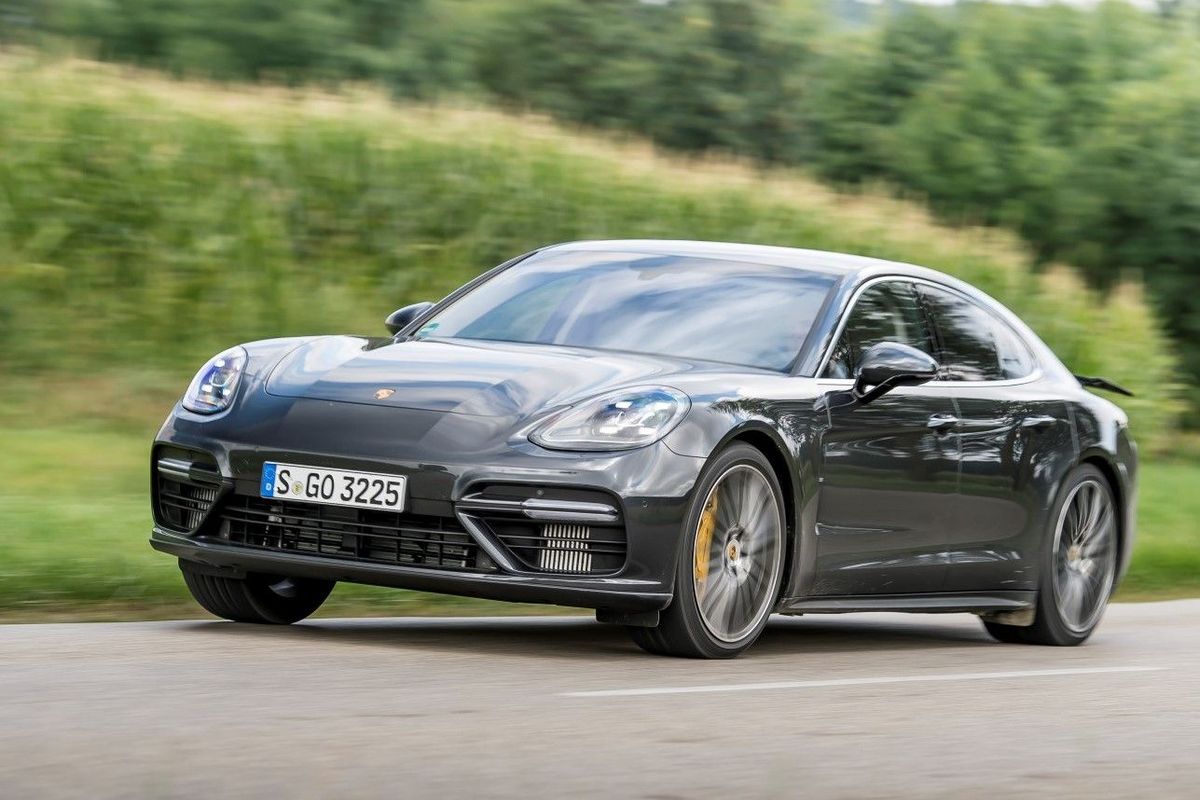
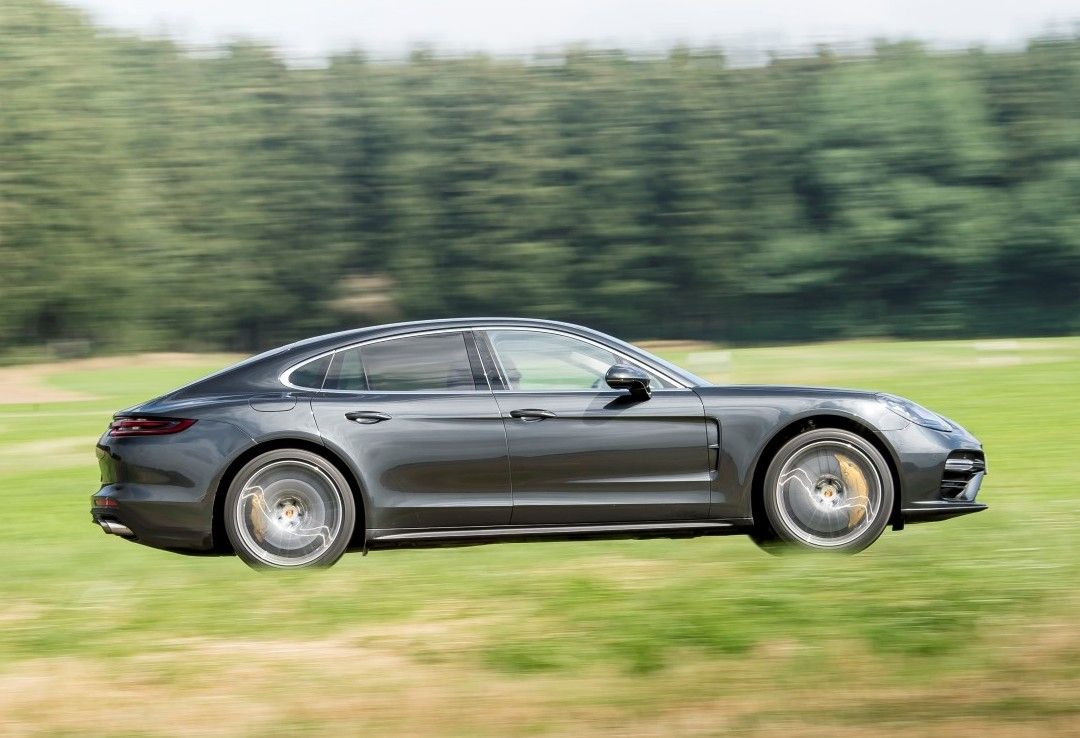
Scheduled to arrive in South Africa before the end of 2016, the all-new second generation Porsche Panamera is the size of a first-class luxury sedan and, in terms of interior appointments and refinement, as good as any of its rivals. When the newcomer is required to demonstrate its dynamic abilities, however, it leaves the opposition well and truly in its wake, our UK-based correspondent finds.
By Andrew Frankel
This is odd. The most remarkable thing about driving the new Porsche Panamera Turbo at 270 kph is not the fact that you’re driving at 270 kph. Do that in anything else and you’re so aware of the sheer speed at which you’re travelling it tends to block (or at least suppress) everything else. In fact, in the Panamera, the thought uppermost in your mind is how quiet and comfortable life remains inside the Panamera Turbo at 270 kph…
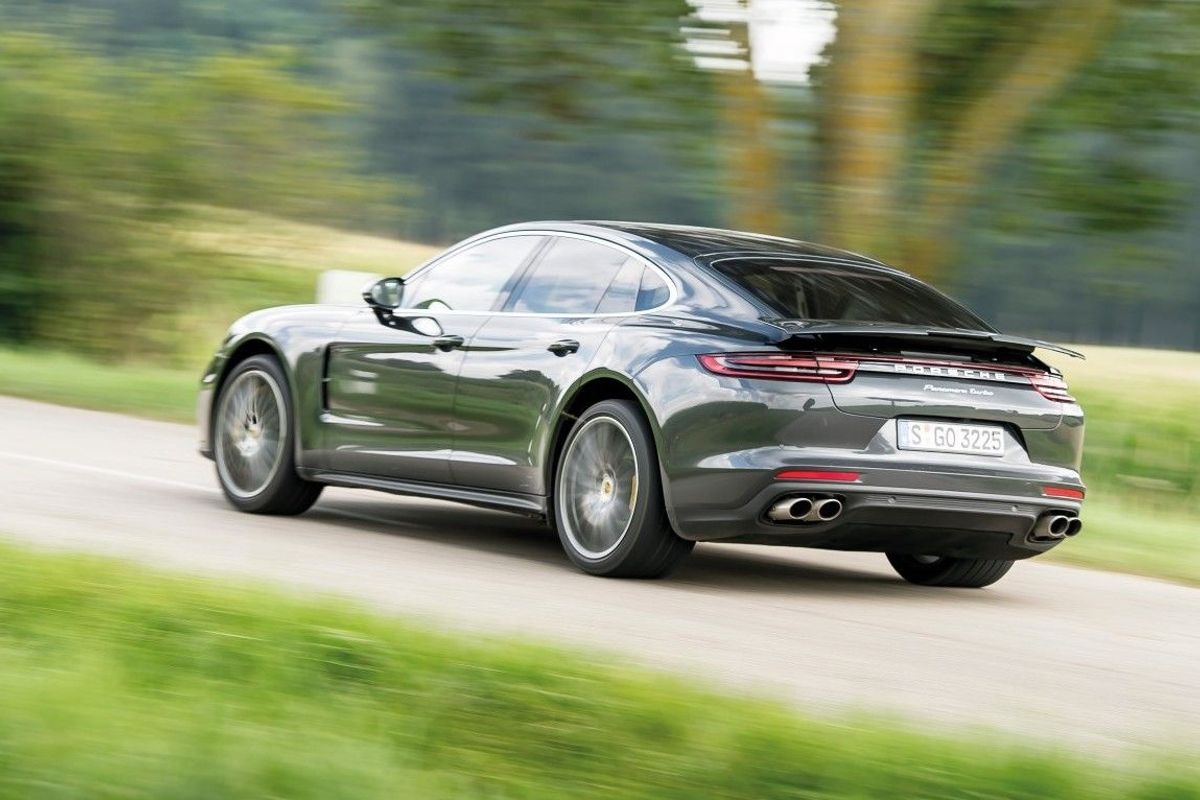
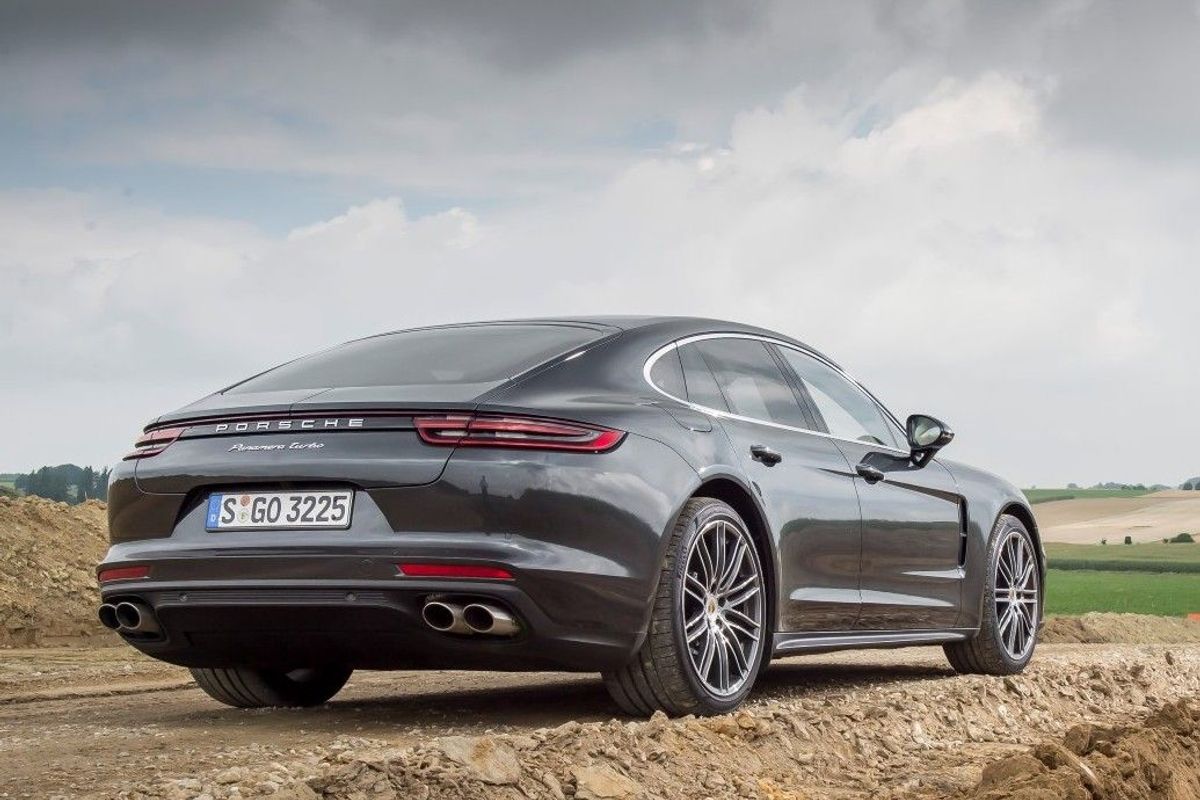
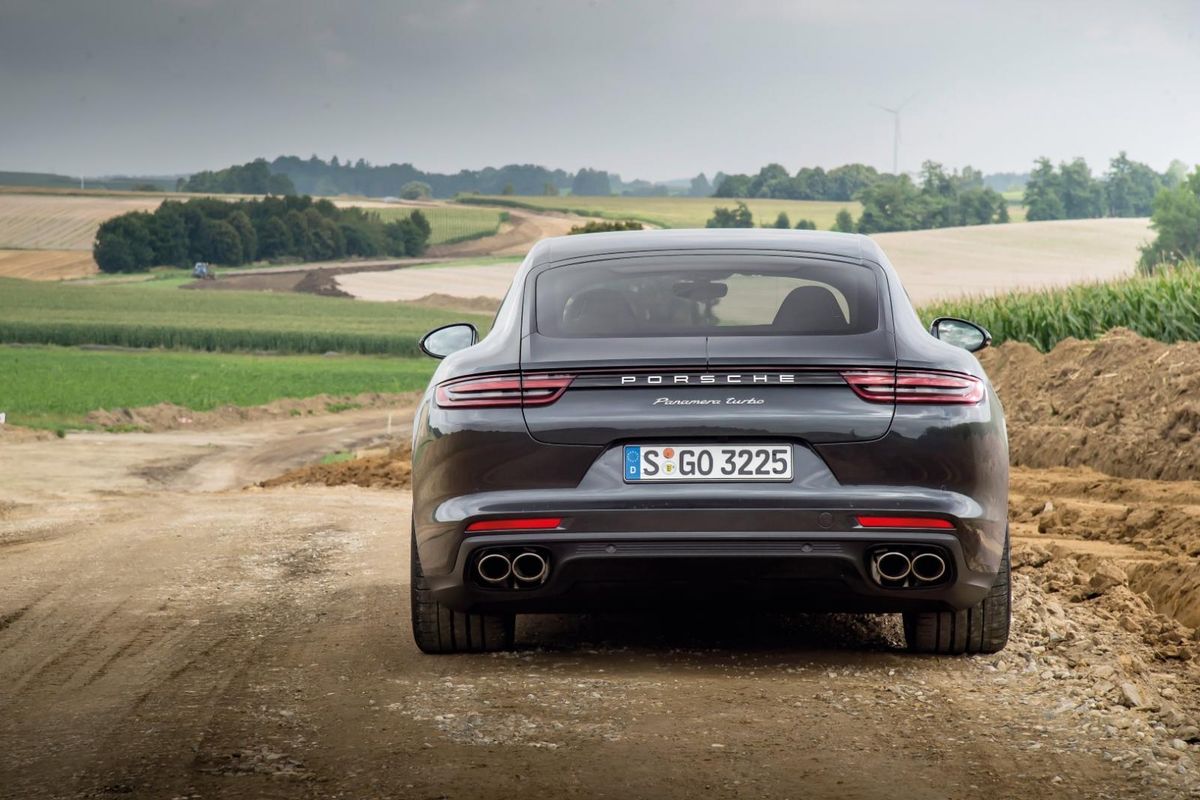
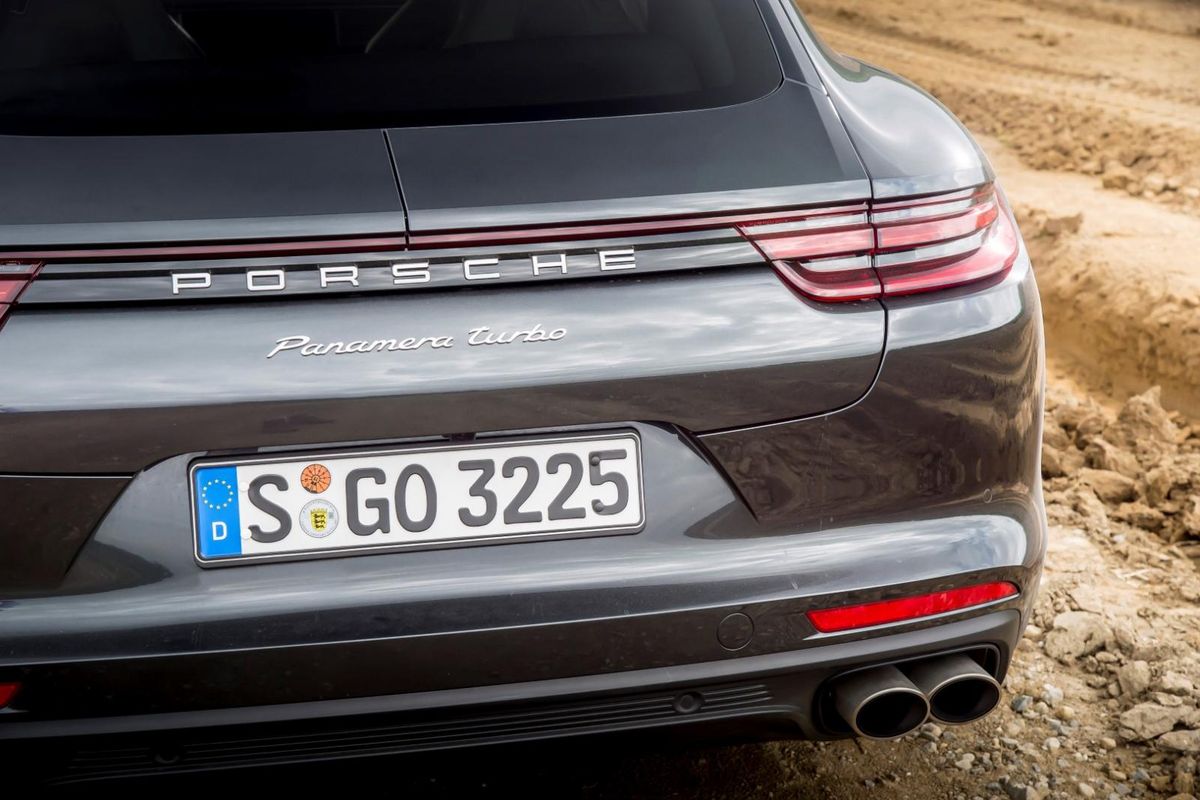
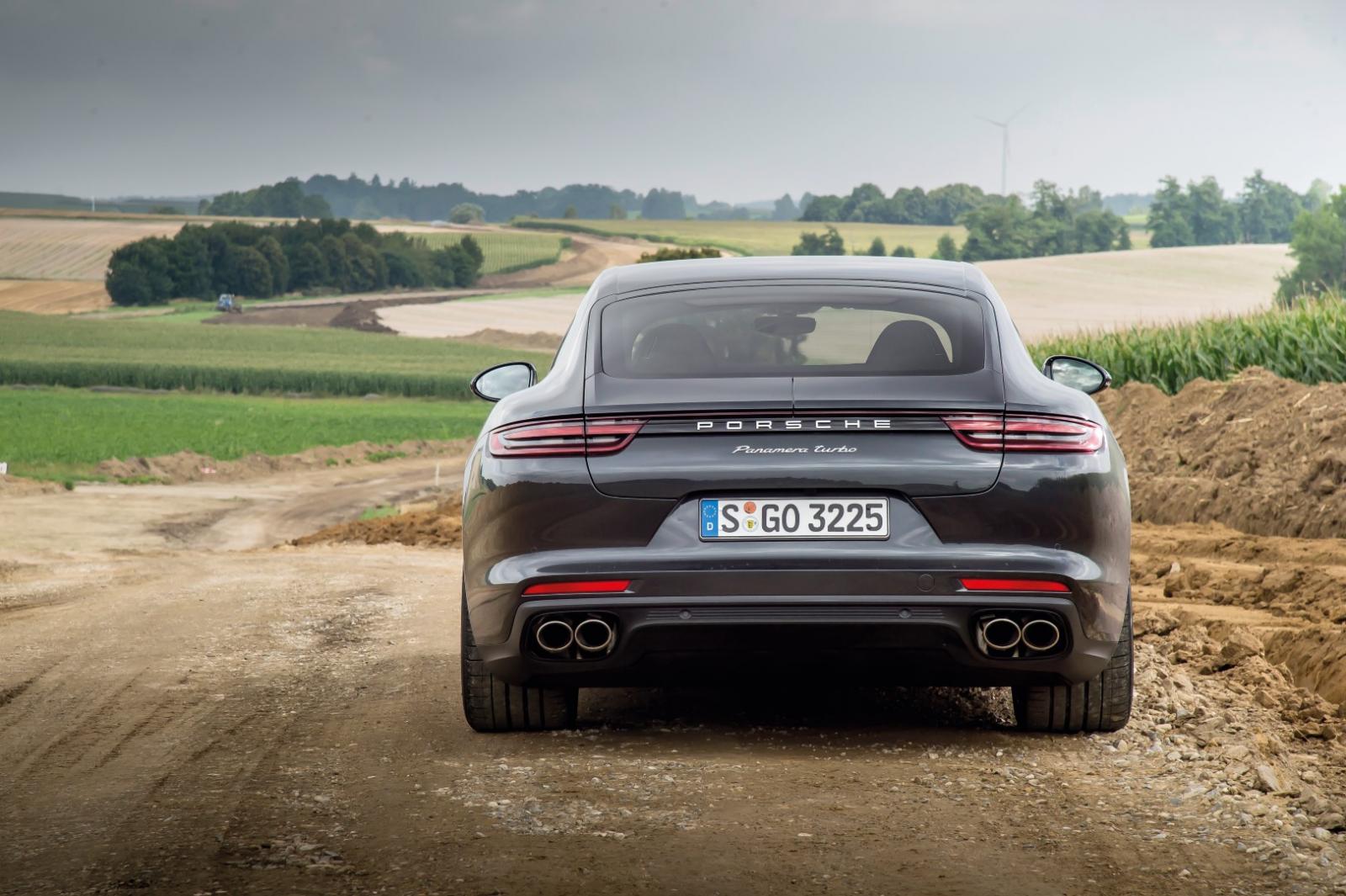
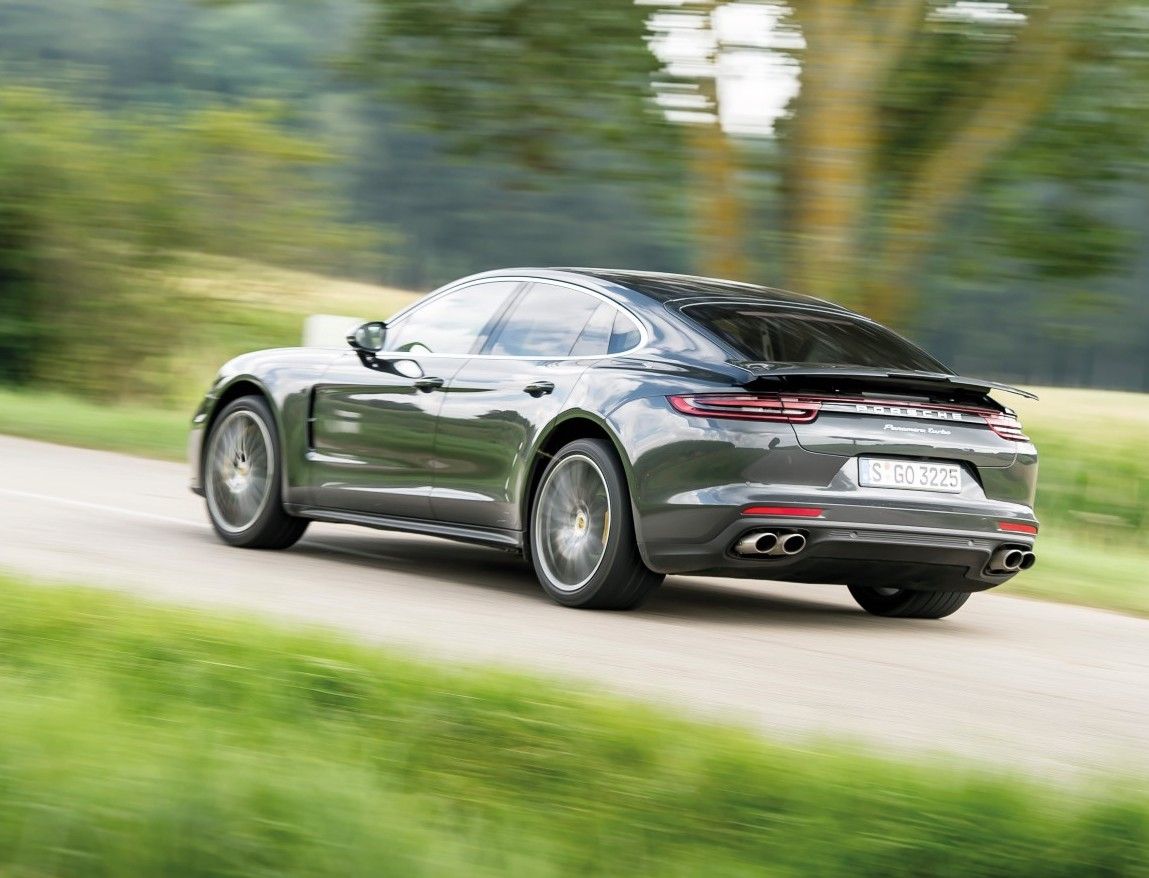
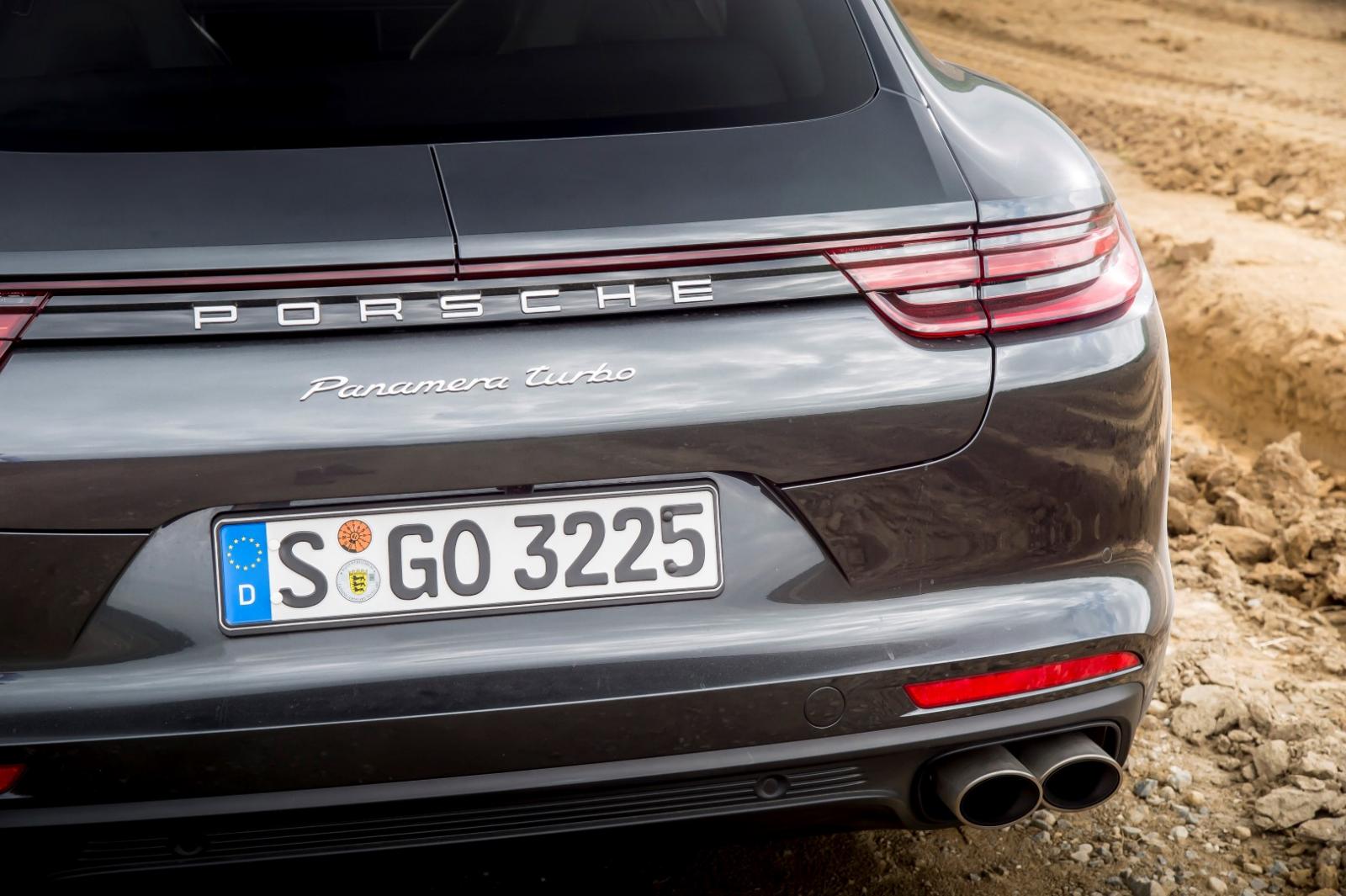
911-infused styling cues adorn the (significantly prettier) rear visage of the Panamera.
The distinction may be subtle, but it is important
Indeed – all cars have a natural gait, a speed at which they’re happiest. It occurs when they’re humming along but not being strained, doing their thing. In my 1958 Citroen 2CV, that speed is precisely 68 kph. In a 2016 Porsche Panamera Turbo, that speed is 270 kph. Given the space, the roads and a suitably enlightened legal system, it’s a speed it would maintain without apparent effort all day long or at least until the tank ran dry.
I mention this now because this ability to make the unusual seem so very normal is one of the most revealing aspects of Porsche’s all new super saloon.
Saloon? I’ve never known quite what to call the Panamera. It’s not a coupe because it had four doors and a hatchback, but I can’t call it a hatchback because it’s so clearly not. "Saloon" seems the term that best fits what turns out to be a quite dramatically reformed character.
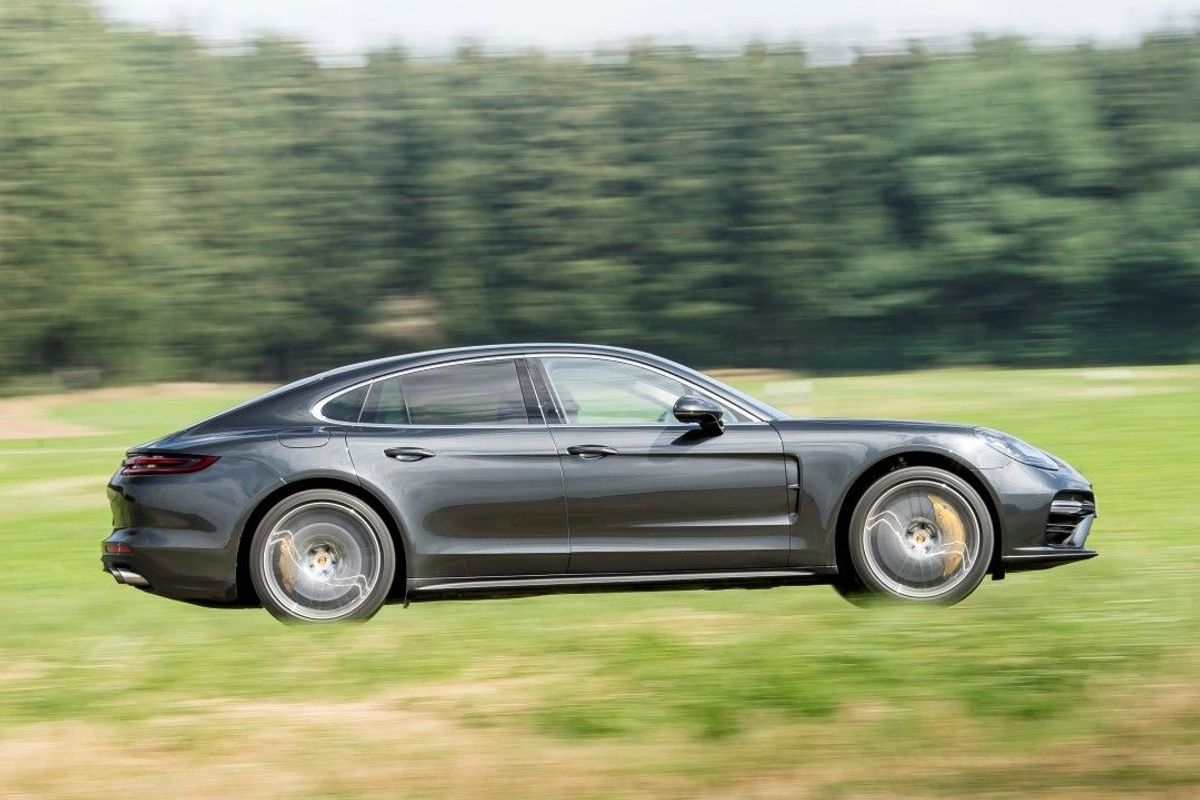
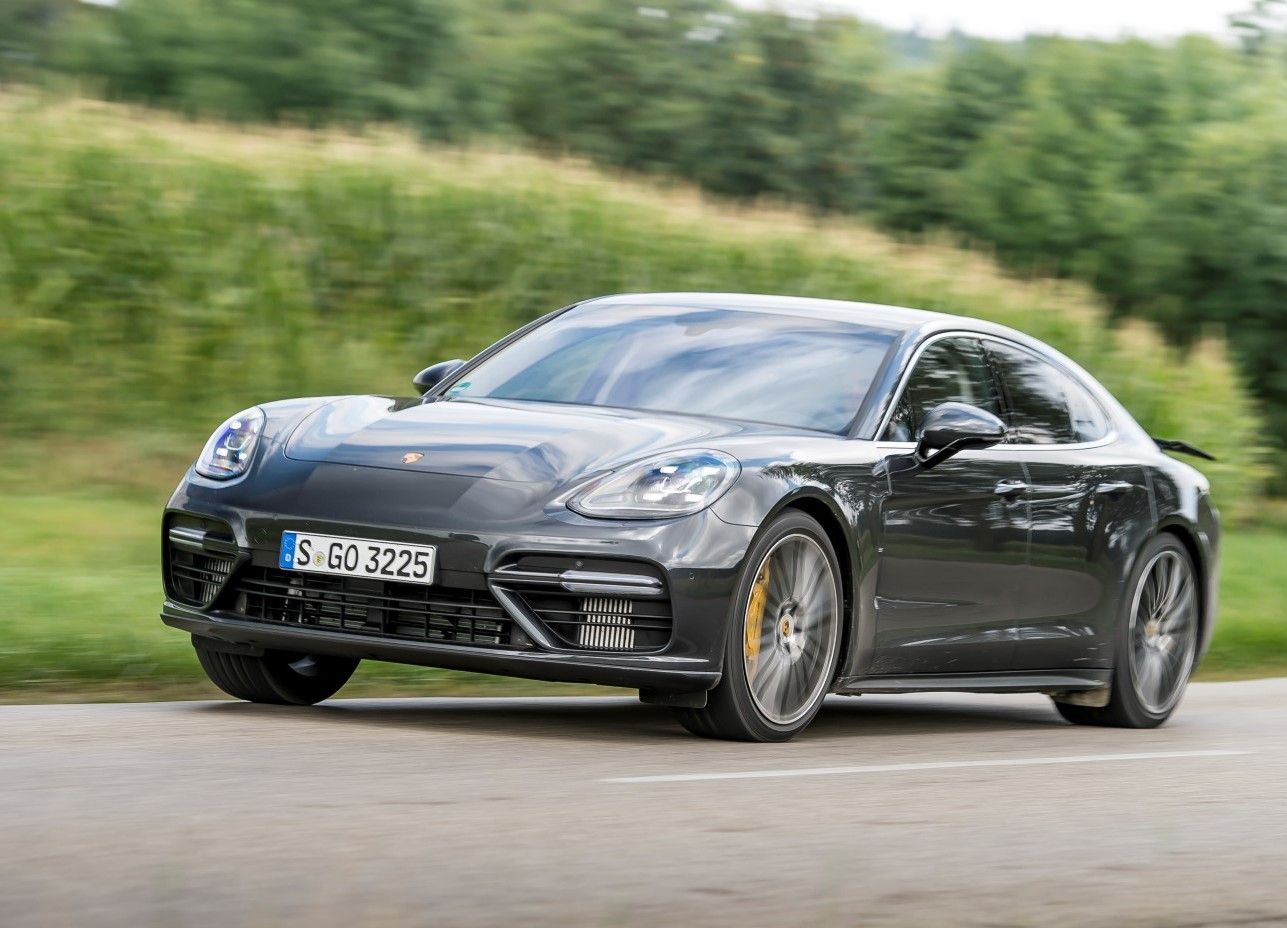
The Panamera is devastatingly fast, yet its refinement means that high velocities feel calm and poised.
Then again, after seven years of actually quite modest sales (Porsche shifted more SUVs last year alone than all the Panameras it has ever built), perhaps we should not be too surprised that Porsche has taken the opportunity presented by this genuinely all new car to vary the script a little. Think of the original as the pilot episode of a TV series: good enough to be picked up for a second season, but not without dramatic change.
All-new, and altogether different
Most of all, however, think about how different is this Panamera to its predecessor, much more so than what its new 911-mimicking silhouette suggests.
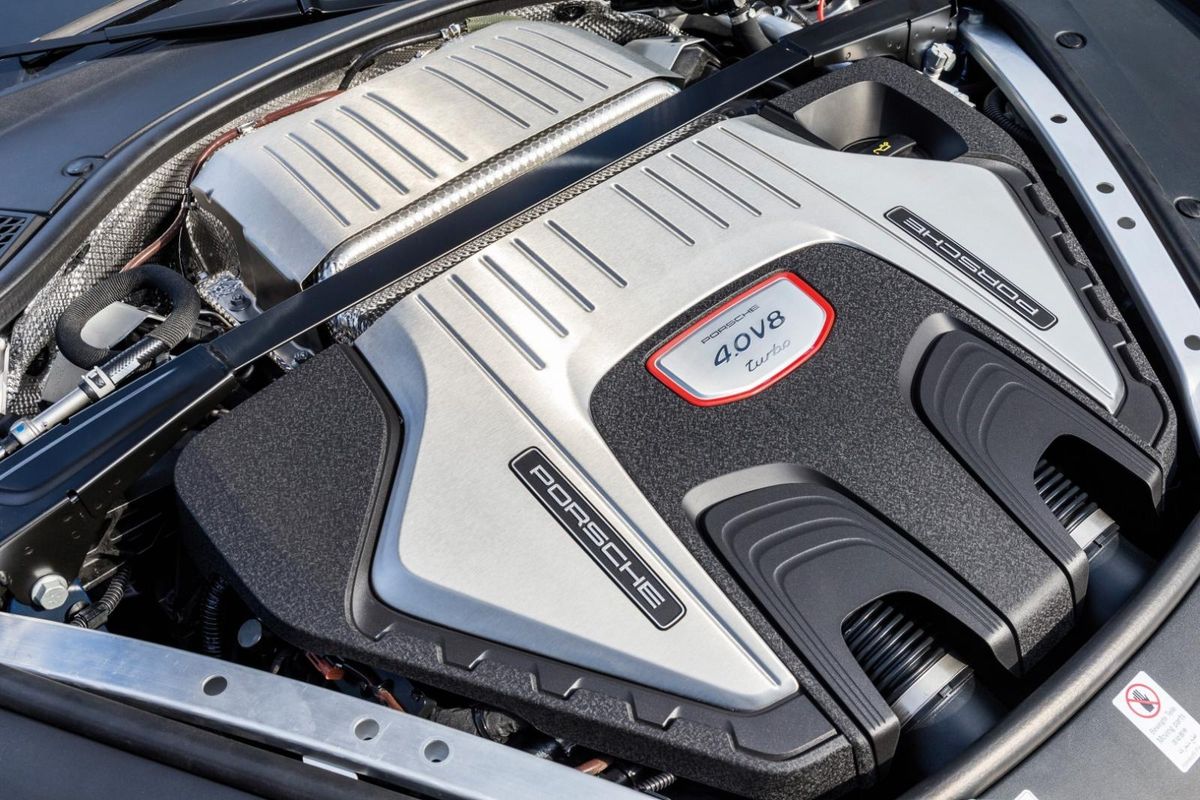
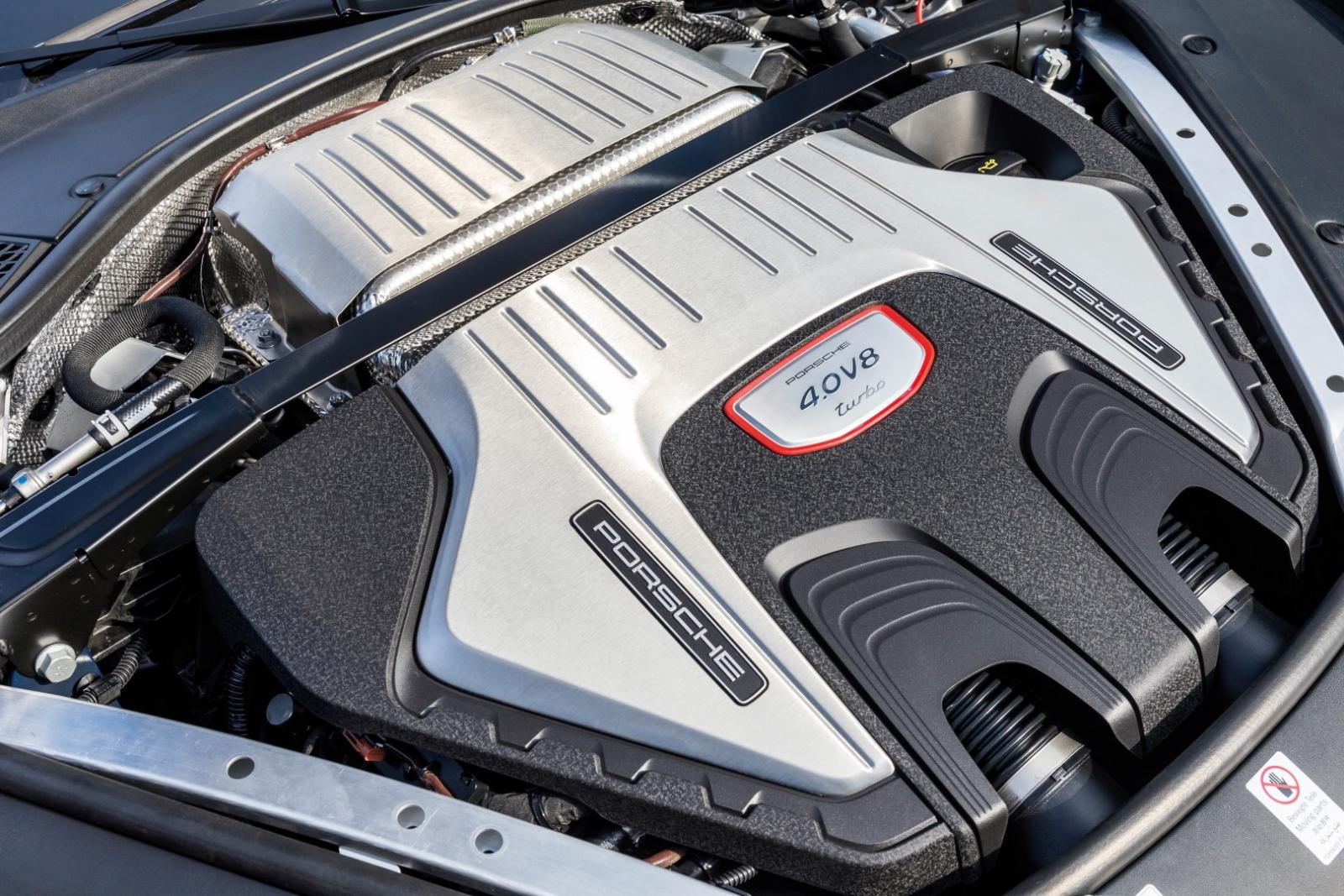
Underneath you’ll find a brand new platform, built up around a hybrid aluminium and steel architecture. Regardless of which Panamera you buy it will have a new engine under its bonnet, either a 2.9-litre twin turbo V6 in the 4S (which I am assured has nothing to do with the similarly sized and configured engine in the Macan S) or, in the case of this Turbo, a 4.0-litre twin turbo V8 unrelated to the 4.8-litre, 8-cylinder motor from the old Panamera.
Both the 4S and Turbo Panamera derivatives get new engines, the latter produced a torque peak of 770 Nm.
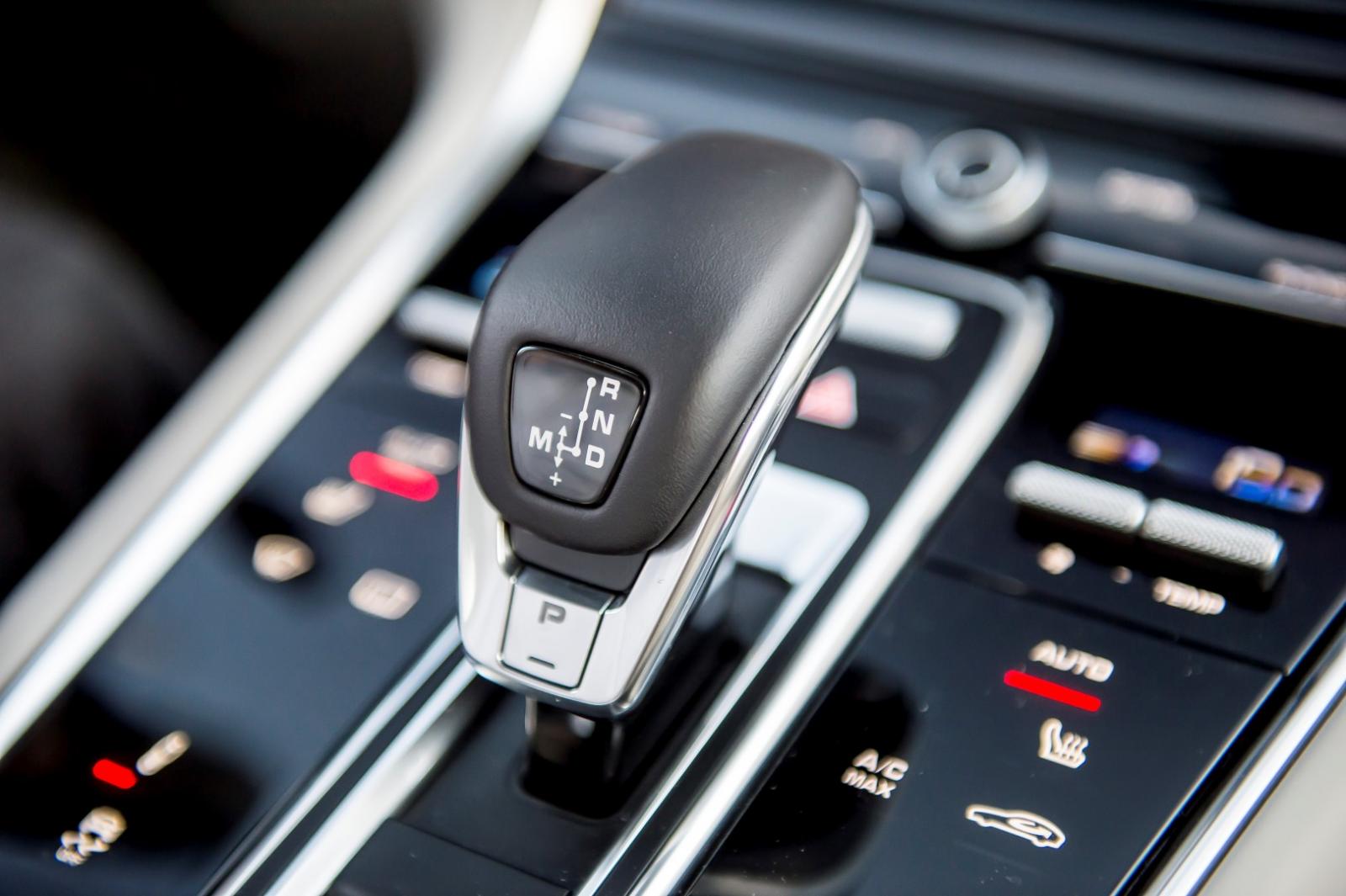
This engine places its turbos inside the vee, where they heat up and respond faster. The new engine is not merely lighter than the old one, it’s more powerful to the tune of 22 kW, with 404 kW now to its name, not to mention more torque lower down the range. And, of course, this is all achieved with better fuel consumption, though that might also have something to do with the similarly new 8-speed transmission that will feature in every Panamera too.
Being both a Turbo and a press car, the car I drove came with the full arsenal of technological wizardry Porsche has wheeled out for this car: 4WD, 4-wheel steering, active suspension, anti-roll control, torque vectoring, carbon ceramic brakes and, judging by the rate at which it acquires speed, a warp drive.
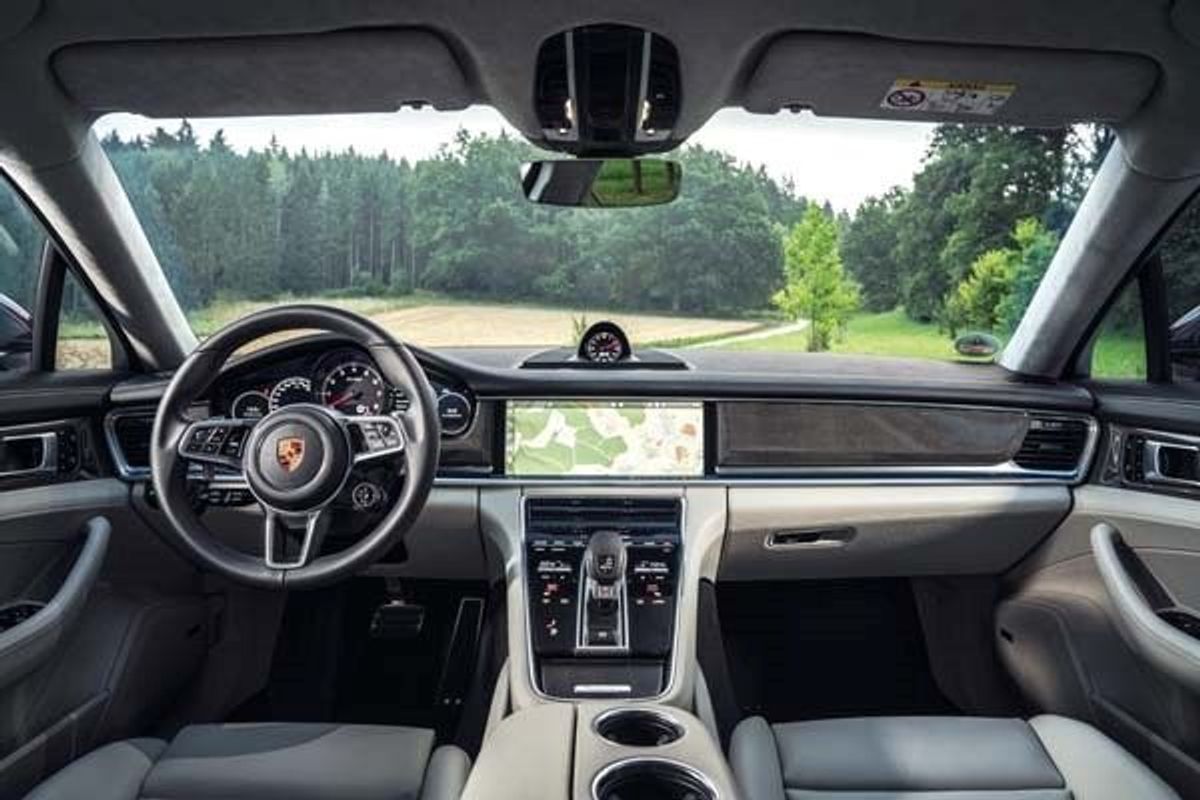
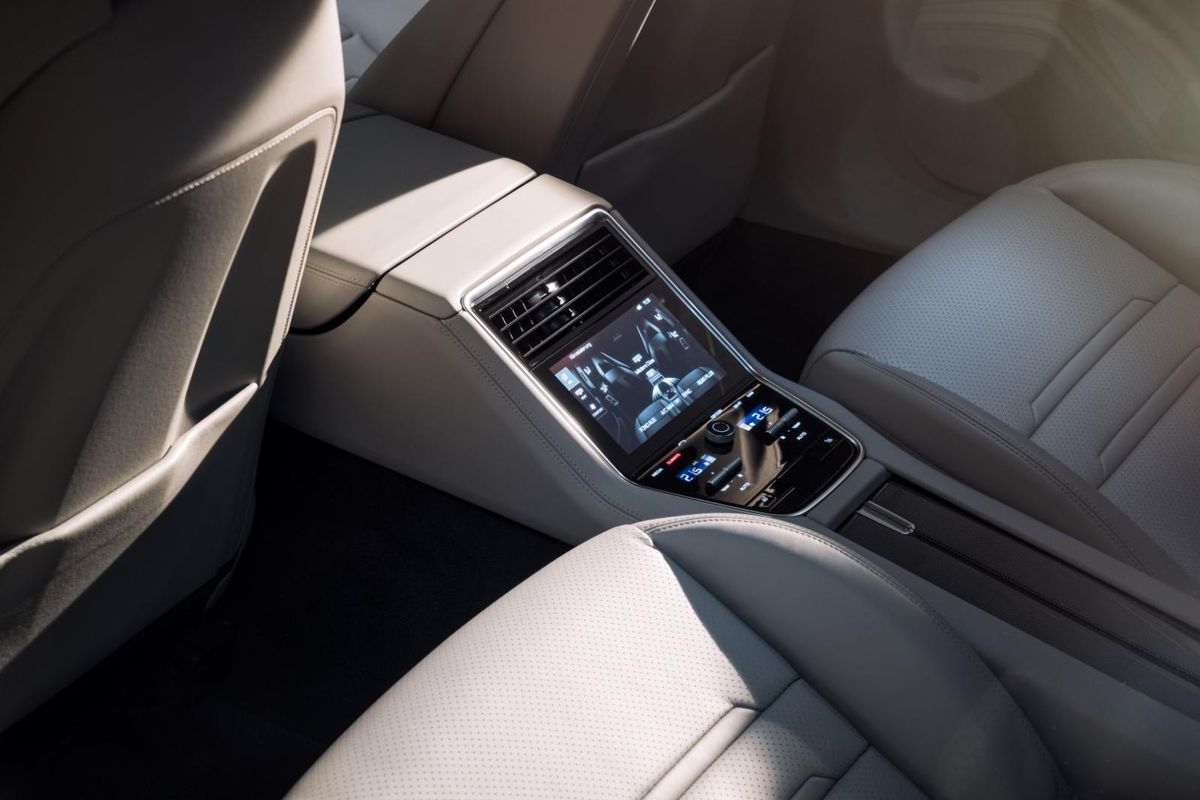
Compared with its predecessor's fascia, the new Panamera has a minimalistic console.
Interior: a new level for Porsche
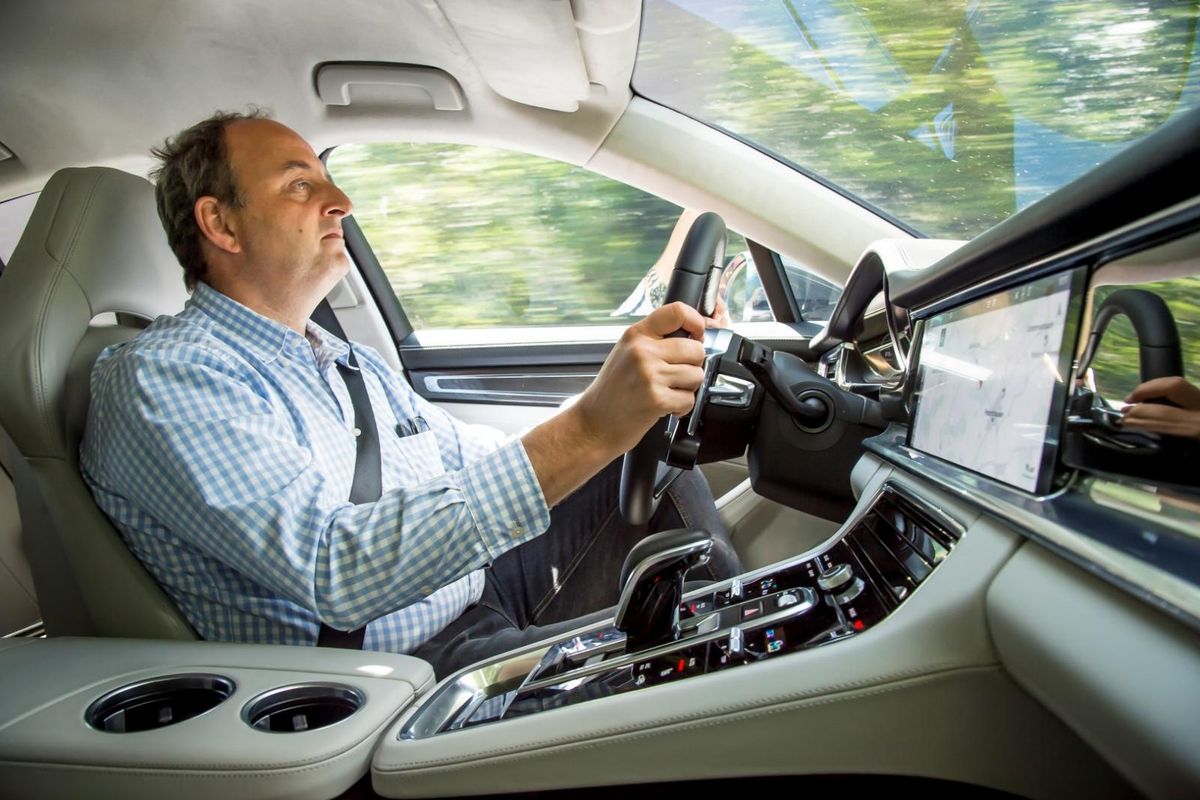
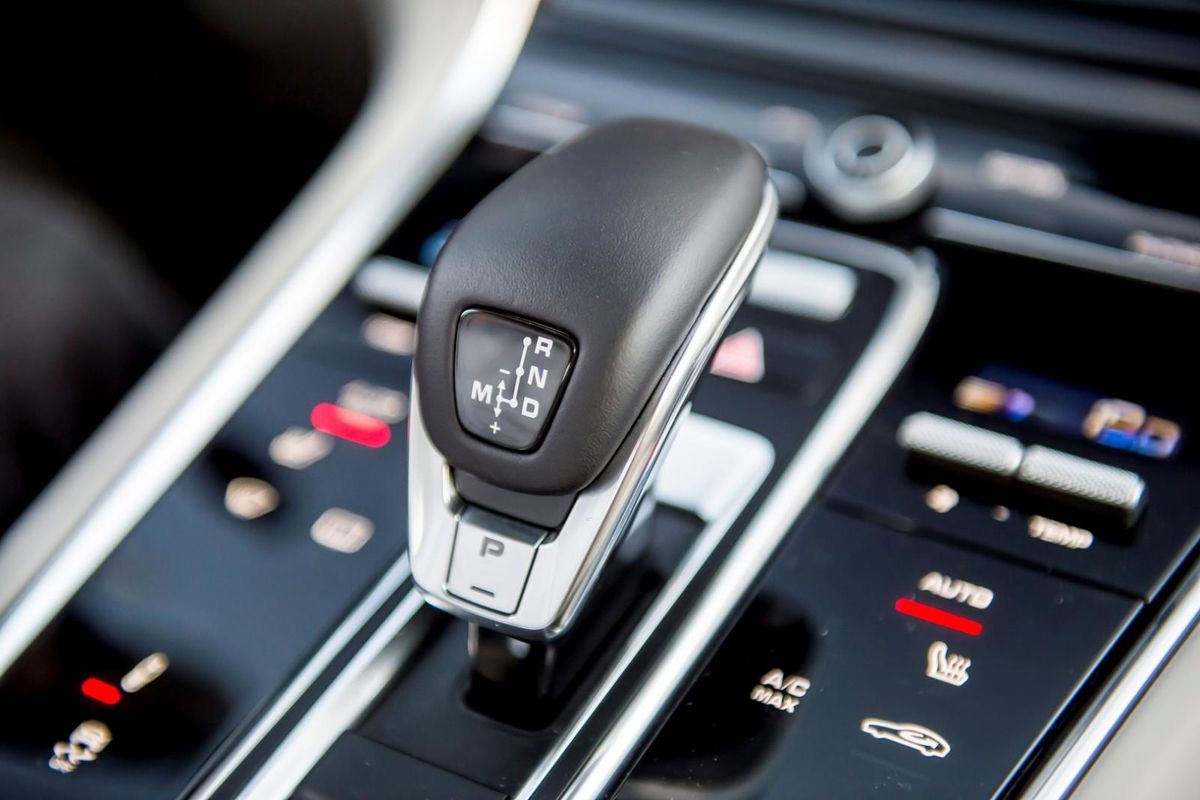
But none of this is initially obvious, because your first few moments in the Panamera are going to be spent ogling its interior, for this is not just a new level for Porsche, but any rival manufacturer. Your eye is drawn first to the jet black facia, devoid of almost all buttons courtesy of its touch-sensitive surfaces.
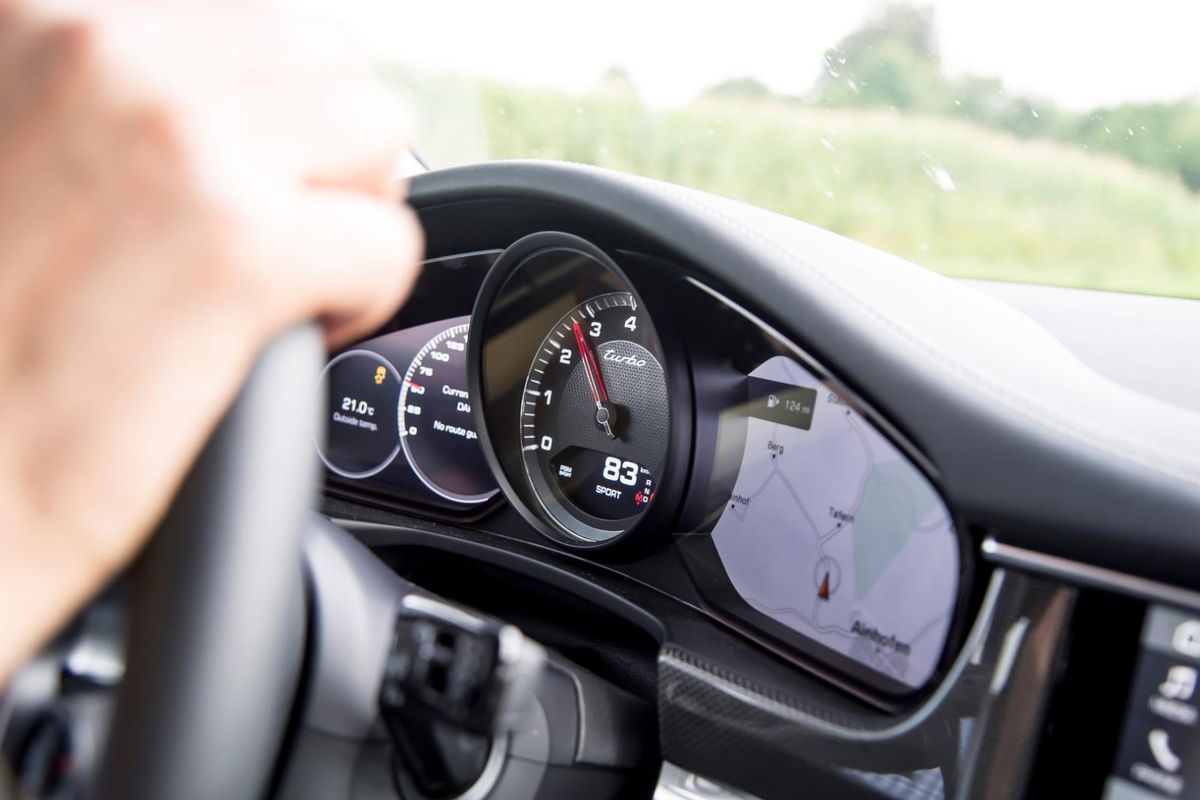
It's a stunning interior, one with just enough confidence to retain a big central tachometer (as it's the only analogue dial on the dashboard) and the clarity in which information is imparted via three ultra-high definition screens is deeply impressive.
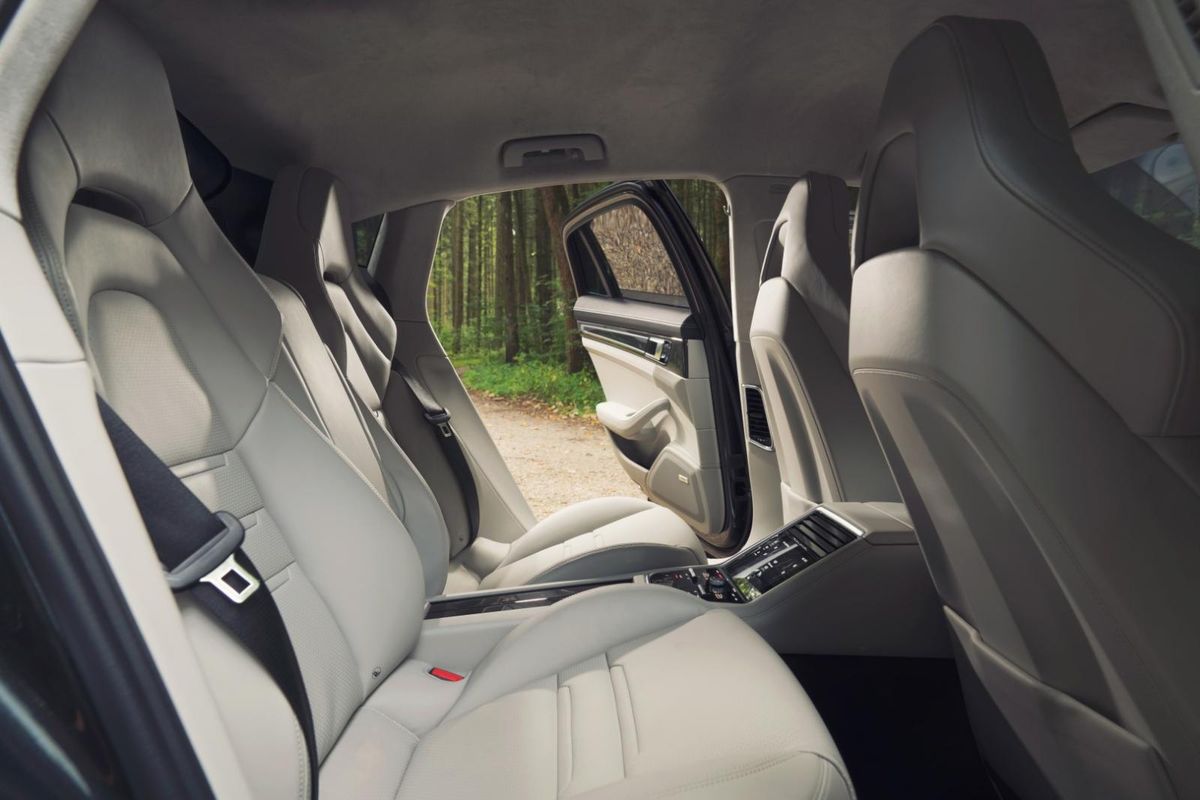
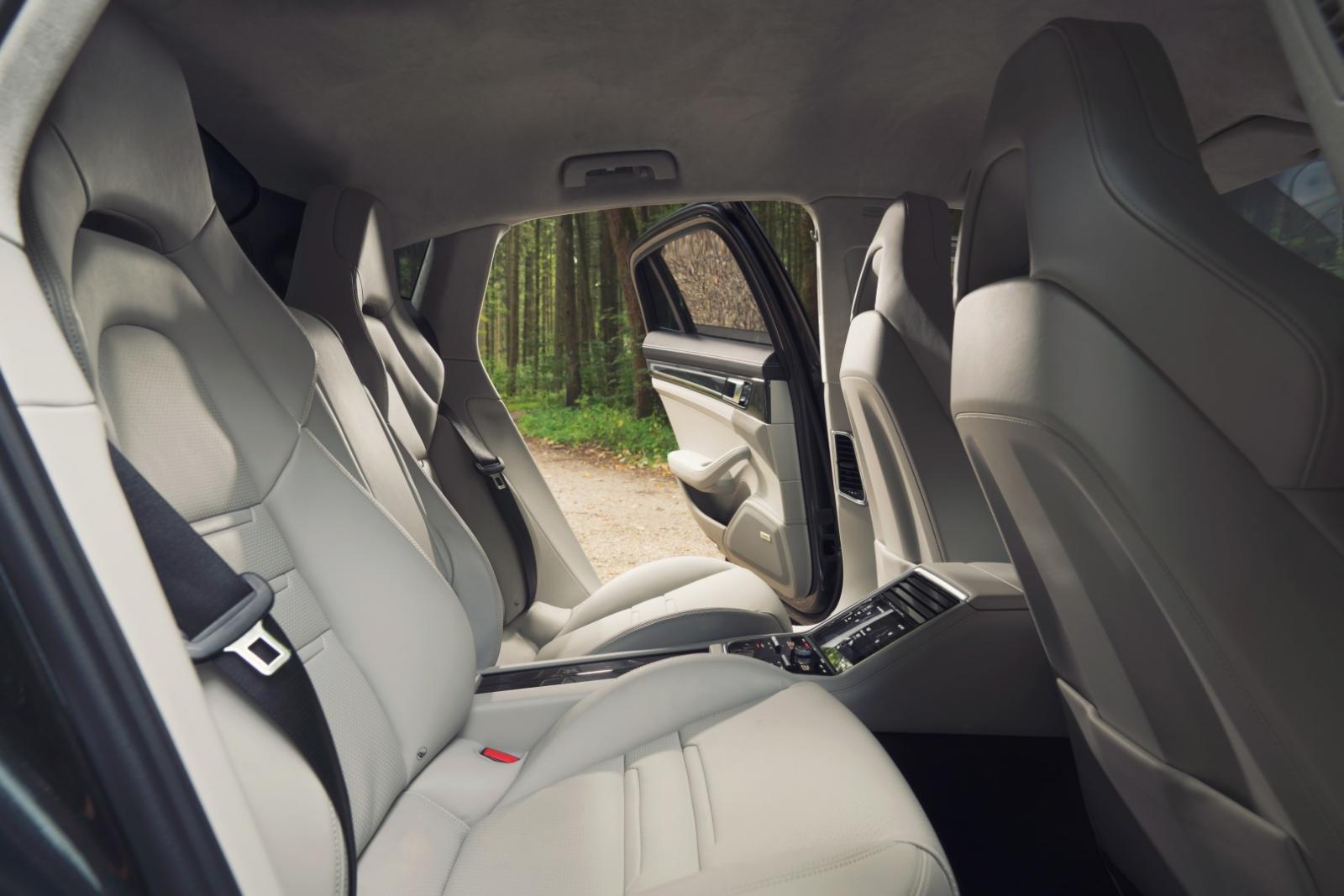
Even so, we can’t sit here all day, looking at a cabin sufficiently spacious and sumptuous to accommodate four adults of over six foot (1,84 metres) and carry their luggage. There is much to find out and we need the open road to do it.
The Panamera's instrument cluster features only one analogue dial: the rev counter.
Hauling hard at 270 kph
Perhaps fittingly for a car like this, a stretch of unrestricted autobahn is what appears in sight first. As is usually the case, the dream of such roads fails to live up to the reality and there is too much traffic to hope to find out how conservative Porsche is being with its claimed 305 kph top speed, but there was space to rocket up to 270 kph and the idea it has a mere 35 kph to go was frankly laughable. Even at this speed, the car was hauling hard with gears and power in hand: on the right day and right stretch of flat and level track I’d bet plenty it would get closer to 320 kph than its claimed top speed.
This is important only insofar as it shines a little light onto how understated this new Panamera is. The old car in general and the Turbo (in particular) was quite vocal and immediate in its actions and interactions. This car is not like that at all. The engine is quiet and while it makes a nice noise, it’s not going to stir any souls. The ride on the air suspension that’s standard on the Turbo but optional on all other Panameras coming to market, is very grown up, mature and sophisticated and one symptom of this is that rarely has any car put so wide a space between real and perceived speed.
Blinding speed is relative in a Turbo, because its engine note is quite muted by the standard of its predecessor.
You could even escape with the idea that the Turbo is not that quick, and might have difficulty believing it has performance commensurate with its claimed 3.8-second sprint from zero to 100 kph until, that is, you look at the rate at which the numbers on the digital speedometer change. I know it doesn’t and shouldn’t amount to a defence, but 160 km/h in here feels like just over 120 kph in almost anything else. Or less.
Does things other luxury sedans can only imagine
A picture is beginning to emerge of a rather different kind of Panamera, a car whose priorities appear to be comfort, space and ease of use. For all its undoubted speed, it’s not a very Porsche manifesto.
But it doesn’t take very long on a fast open road for the Panamera to make you modify your view quite considerably – if not change it altogether. For all its newfound sense of sophistication, and despite a kerb weight that is worryingly just 5 kg short of 2 tonnes, here you will find it still able to do things no other true luxury car could even imagine, let alone emulate.
The 2-part rear aerodynamic spoiler of the Turbo recedes to fit flush with the curve of the tailgate at rest.
Give it the space it needs and its point to point speed nigh on beggars belief. Ultimately the speed of any car through a corner is limited by the amount of adhesion its tyres can develop, but the way Porsche has marshalled all its support systems to ensure every last ounce of performance is wrung out of its enormous Pirellis seems to defy logic. We found a quiet corner suitable for photography and on my first pass I went through at what seemed to be a quick but sensible speed. The car didn’t flinch.
Watch a manufacturer video that shows the Porsche Panamera 4S and Turbo in motion:
Pace, poise and precision
So every time thereafter I went a little quicker, and I was still getting quicker when the photographer called time, images safely in the bag. Later that day I did discover it would eventually concede front end grip and allow some gentle understeer to creep in but believe this: if you want a 2-tonne car that corners faster than this, you’ll need to buy a Bugatti Veyron. You cannot fail to be impressed by such pace, such poise and such precision. In a less than obvious way, Porsche is breaking new ground with the Panamera’s chassis by bringing Porsche levels of composure to a class traditionally populated by cars that either fall over or want to run away at the first sign of a quick corner.
Although it weighs almost 2 tonnes and it's a long, broad car, the Panamera handles better than almost anything else of its size.
But all this comes at a price: you will admire to your boots the way the Panamera devours a fast open road, but you may find it rather harder to fall in love with the way it handles. For a start, the car is big – bigger and in every direction than the hardly compact original Panamera. Indeed this car that’s styled like a coupe is, in fact, less than 5 cm shorter than a BMW 7-Series limo and almost 4 cm wider. And the tighter and twistier the road, the more you feel that width, so I would expect it to be even more noticeable around town than the wide open spaces of southern Germany.
It may be that with greater time in the car it will do that trick of shrinking around you, allowing you that confidence to go for gaps barely wider than the car. But the second issue that militates against that is the Panamera’s steering which, while ideally weighted, geared and faultlessly accurate lacks the feel of even cars like the Cayenne and Macan, let alone Porsche’s more pure-bred sportscars.
Yes, it might be a 4-seater, but the Panamera is a real rival to class-leading first class luxury sedans.
Summary
Even so, we need to put this in the correct perspective and judge the Panamera on the job it set out to do, the brief for which went far beyond doing the same as the old Panamera to a higher standard. Indeed Porsche appears to have repositioned the car even further away from its traditional turf and closer than ever to the jealously guarded territories of Audi, Mercedes-Benz and BMW’s luxury flagships.
In many ways, it shows how confident Porsche now is of its brand, that it can withstand being stretched so far in this direction, and I am sure such courage will be rewarded with sales that will make the Panamera a mainstream operator in the Porsche line up rather than a niche player.
Why? Because just as the Cayenne and Macan’s runaway success was rooted in fact that those who bought them needed and SUV, but wanted a Porsche, so the Panamera will attract the attention of all those in the luxury end of the market who’d be only too pleased to drive, be driven and host their clients in a car with the shield of Stuttgart on its nose.
And they won’t be fussed at all by the fact it’s not as engaging to drive as a 911 or a Cayman, because there’s a very strong chance they’ll have one of those too…
At the time that this First Drive was published the asking price for the Porsche Panamera 4S and Turbo derivatives (as listed on the manufacturer's local site) had not yet been confirmed.
Watch: The Panamera Turbo lays claim to being the fastest luxury sedan on earth after lapping the Nürburgring in 7 minutes 38 seconds
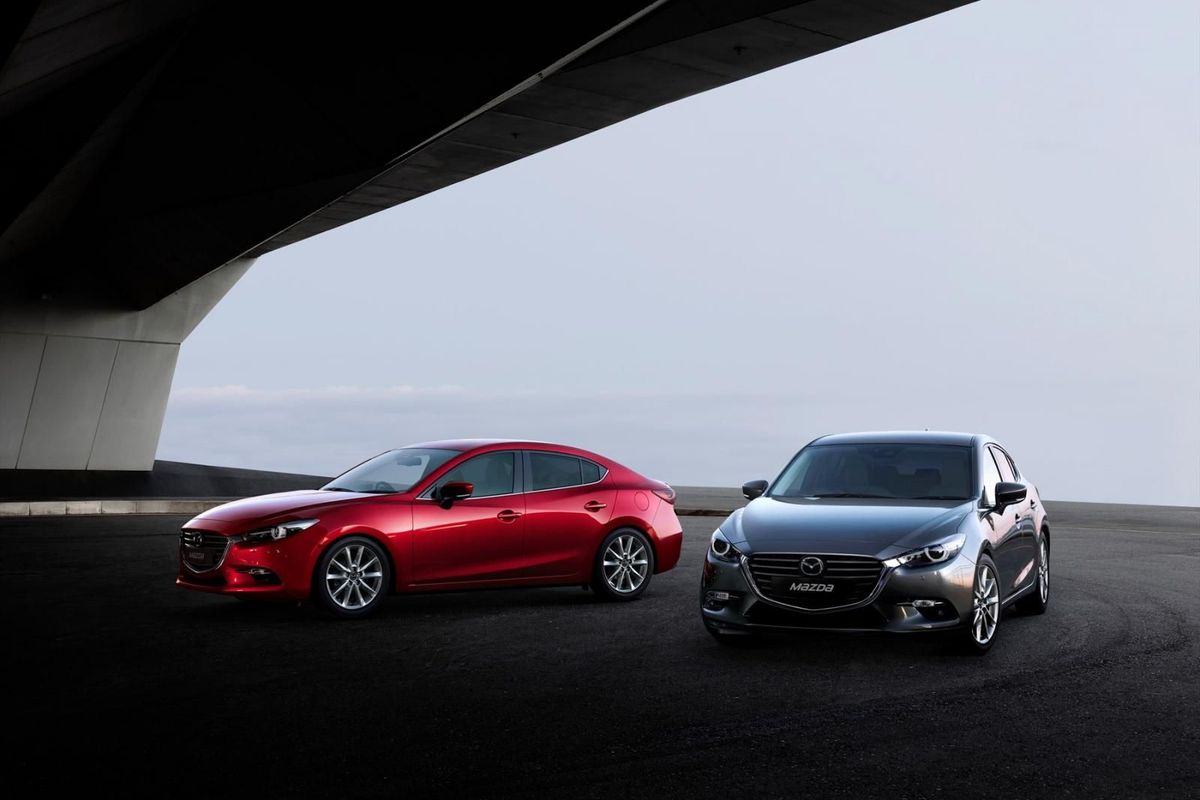
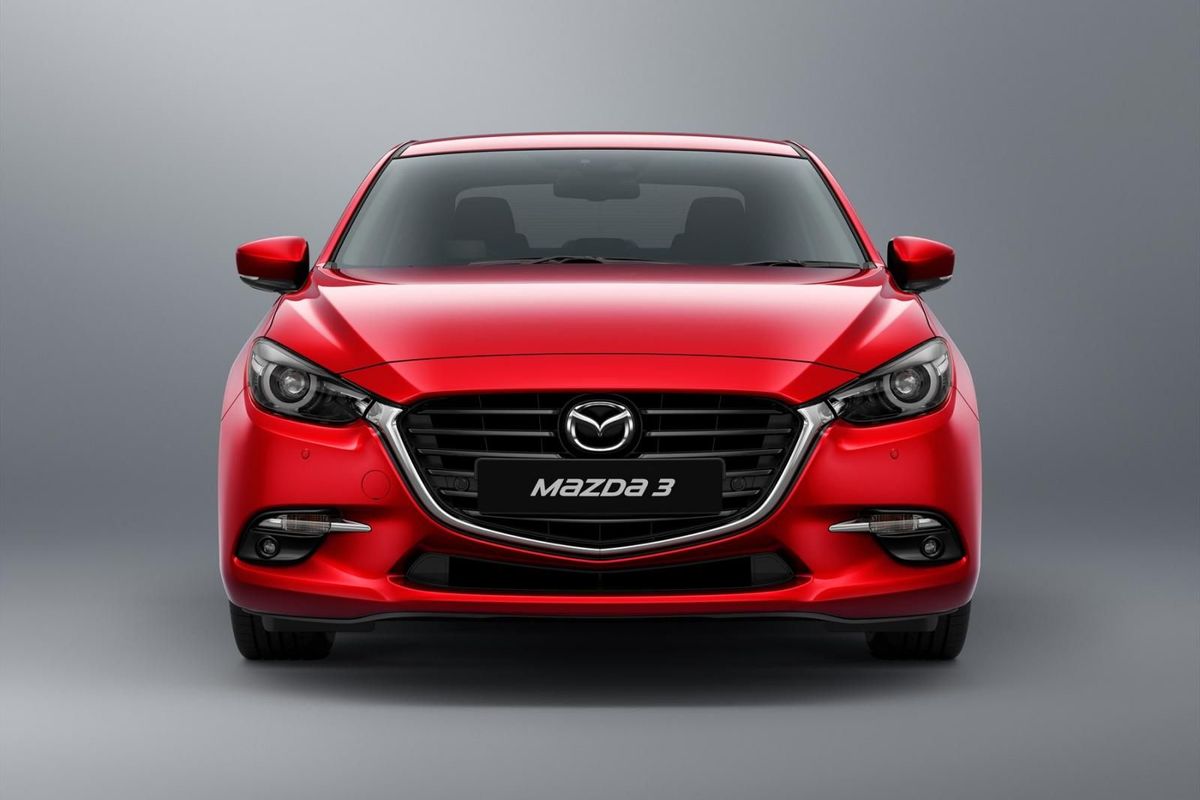
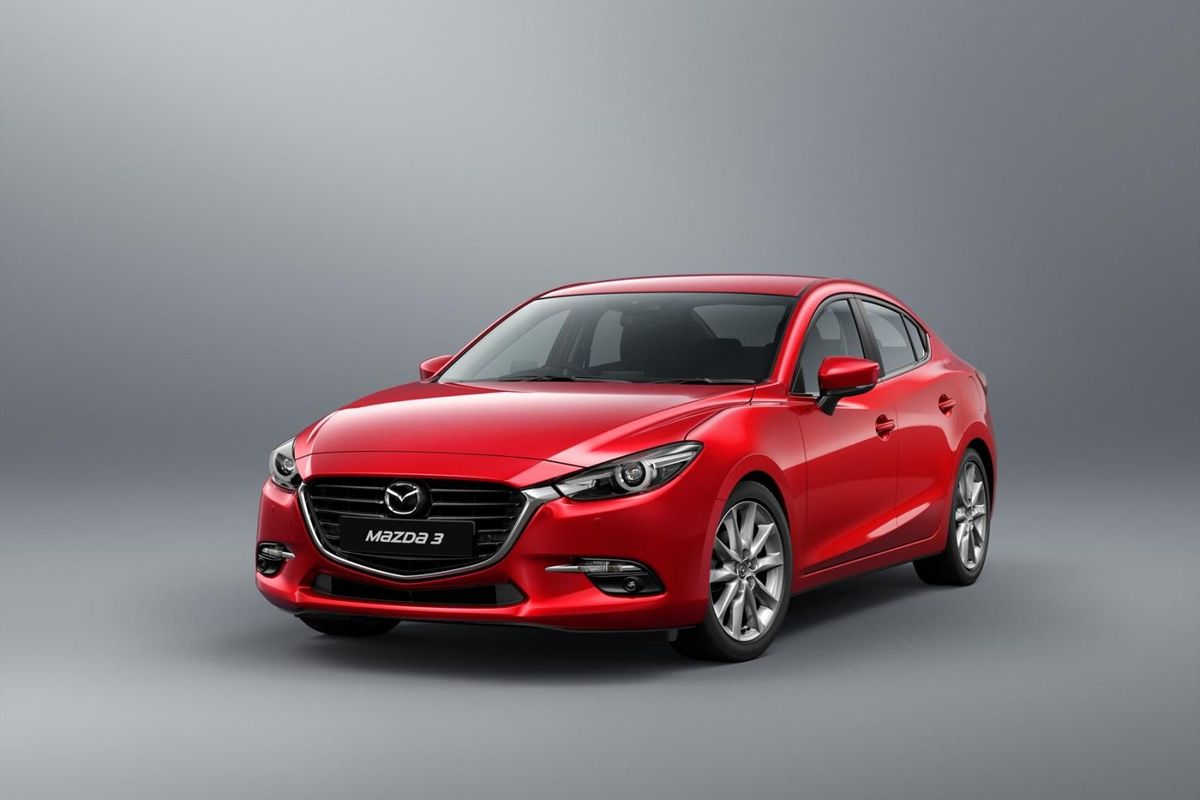
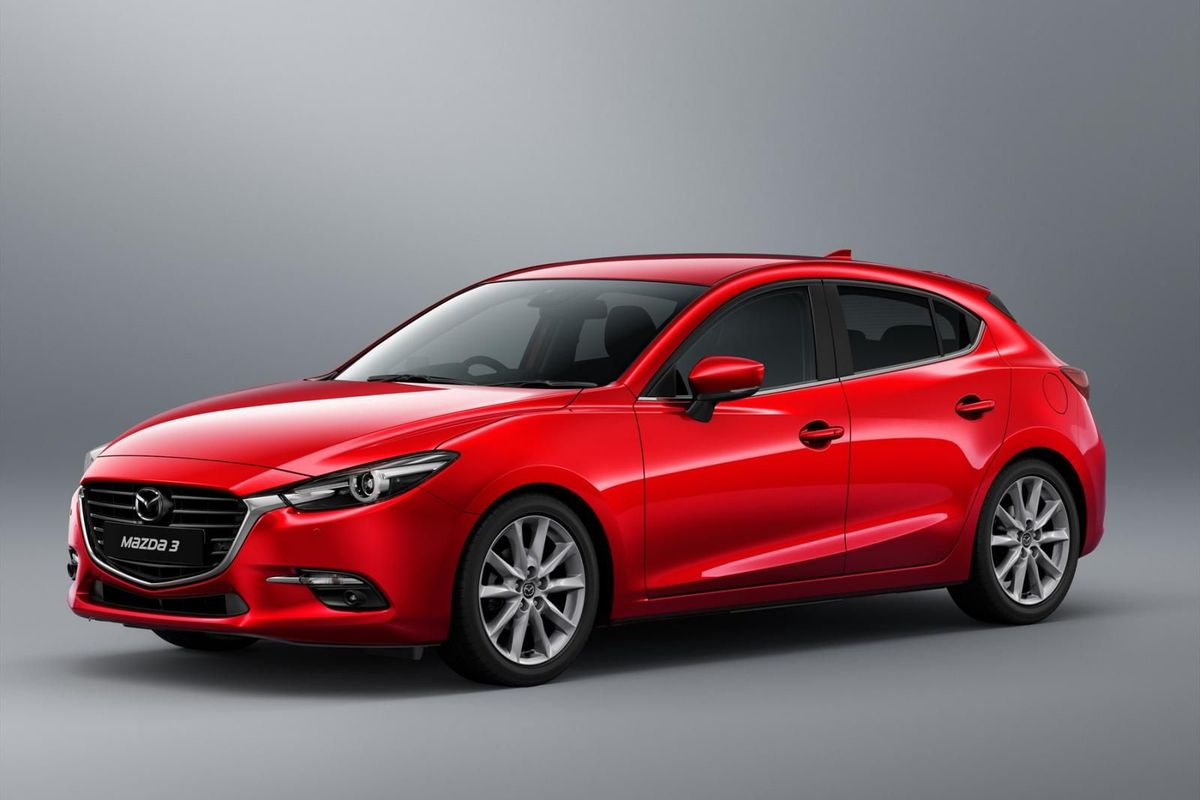
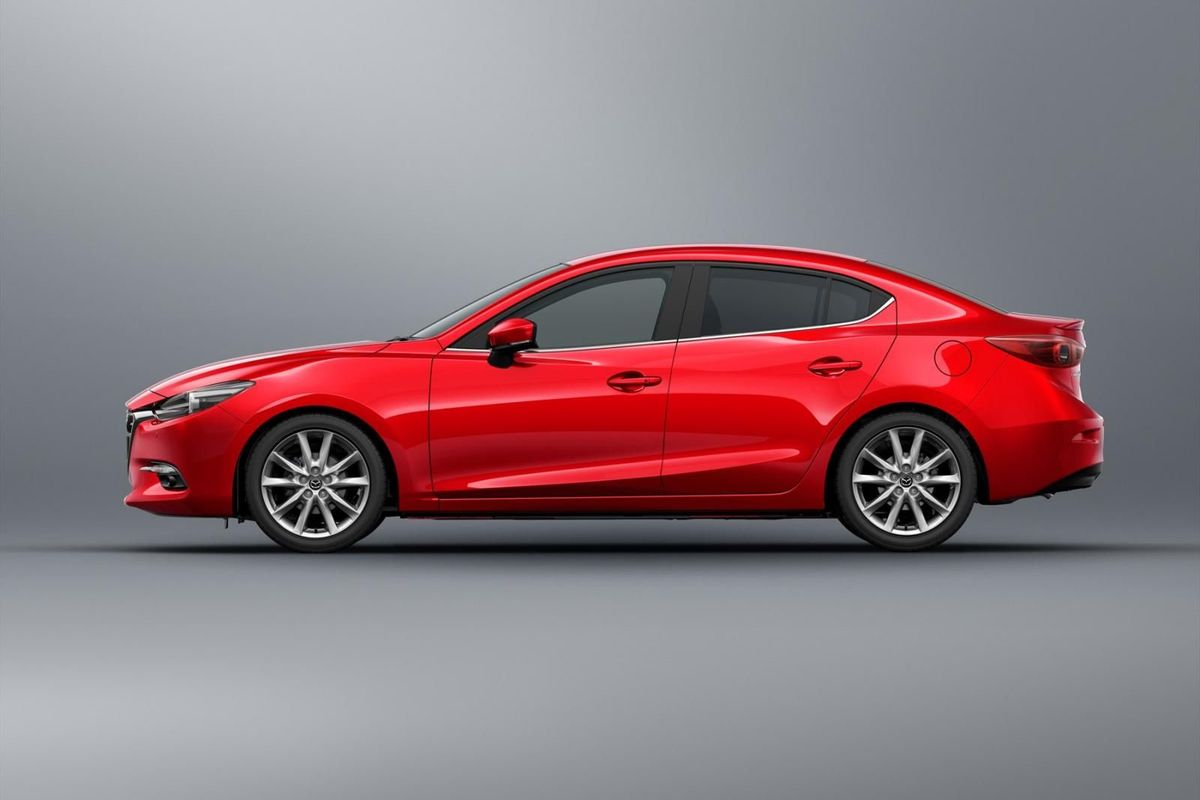
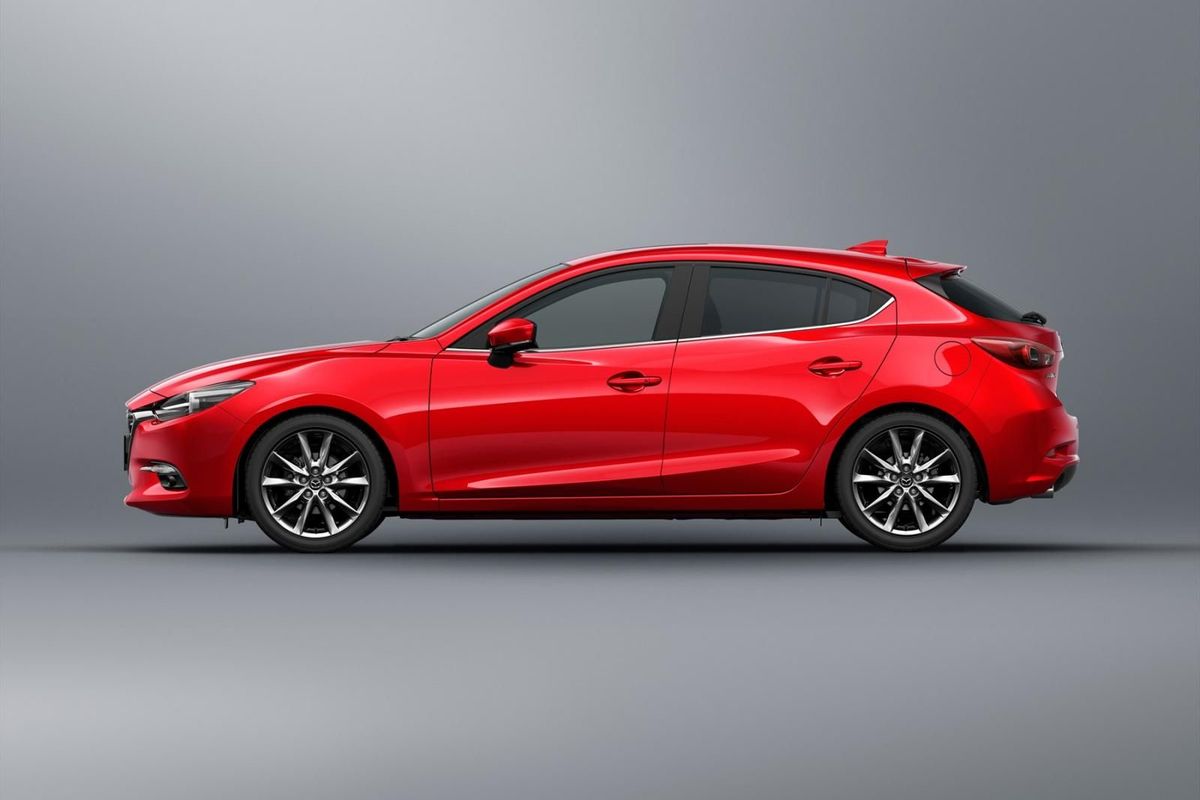
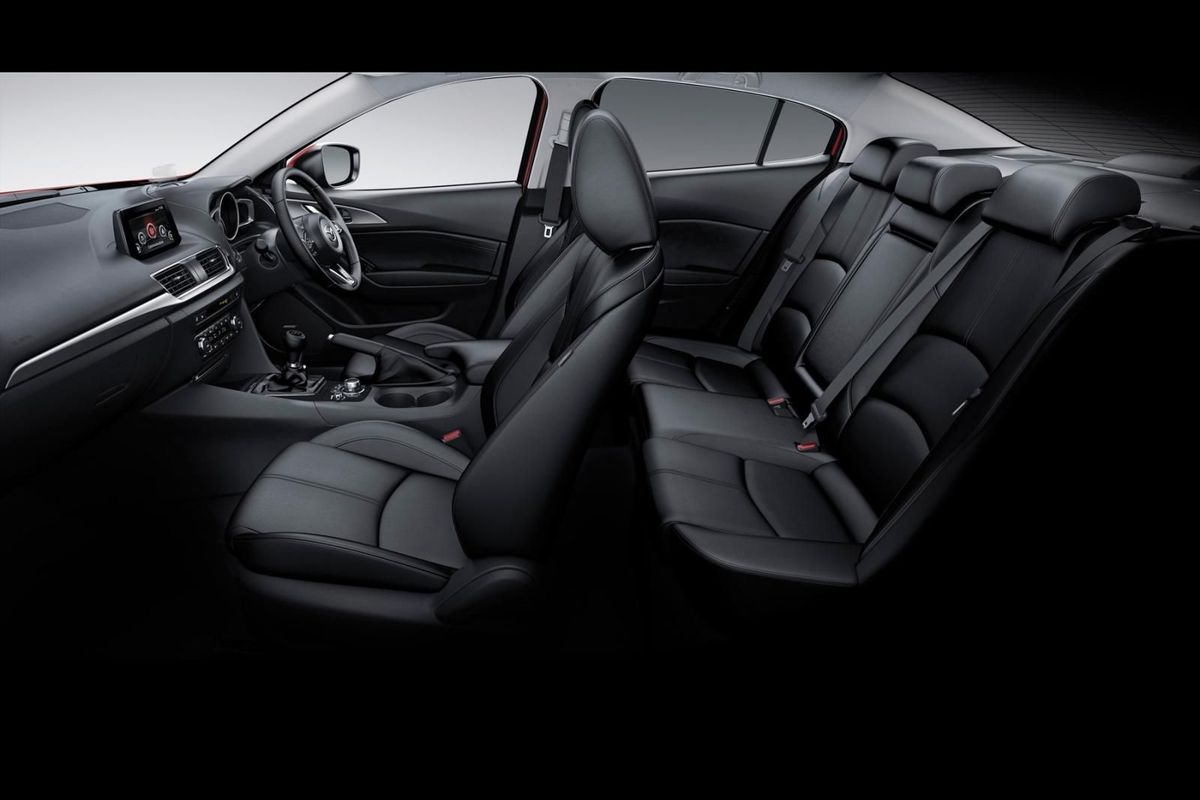
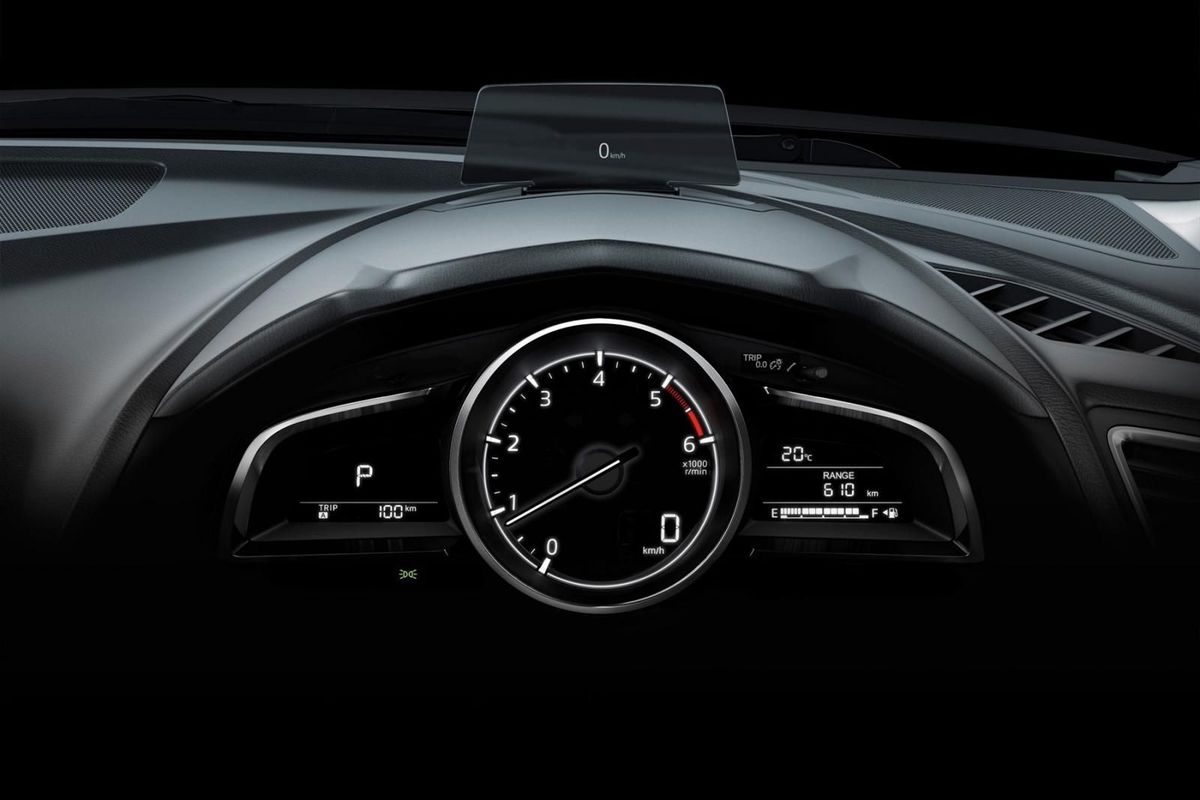
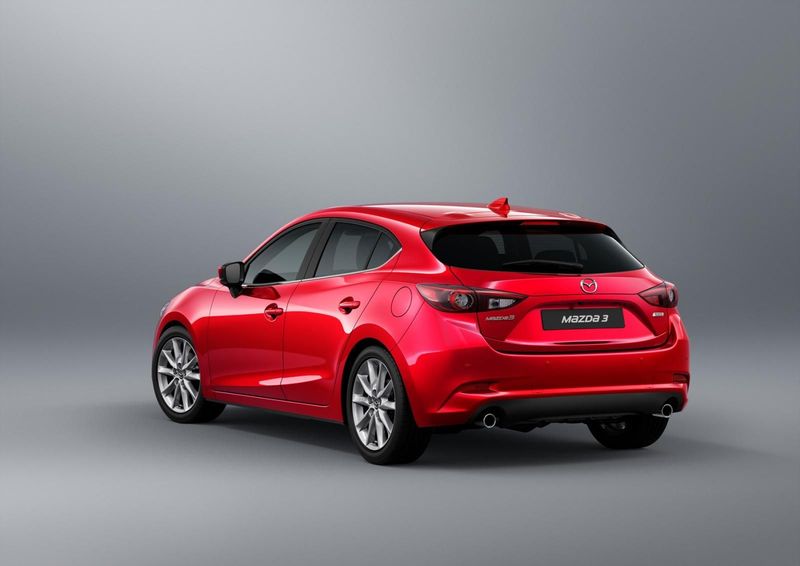
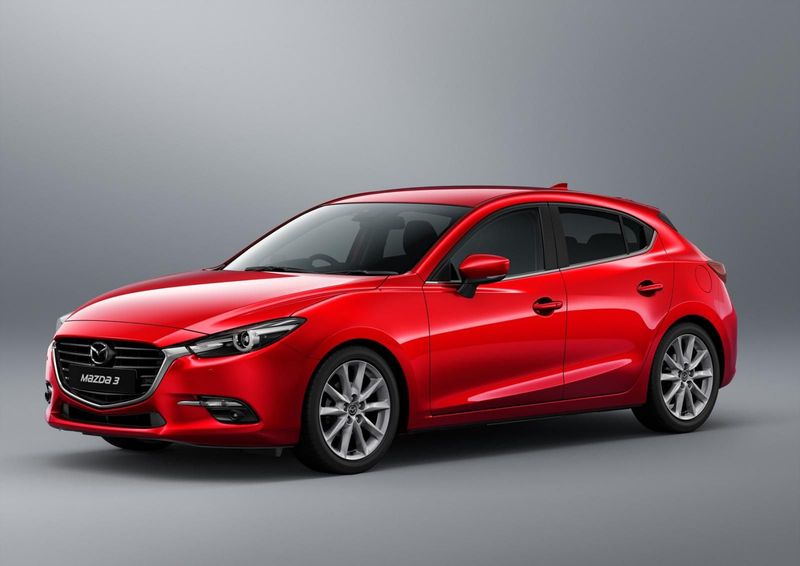
The slightly updated Mazda3 has landed in South Africa, here are the facelifted range’s details and local pricing.
The Mazda3 has been selling relatively well in SA – the Hiroshima-based manufacturer sells around 200 units a month in a highly competitive segment that includes the Volkswagen Golf, Ford Focus and Opel Astra, plus many others. The update to the Mazda3 adds G-Vectoring and other high-end technologies to the compact hatchback's package.
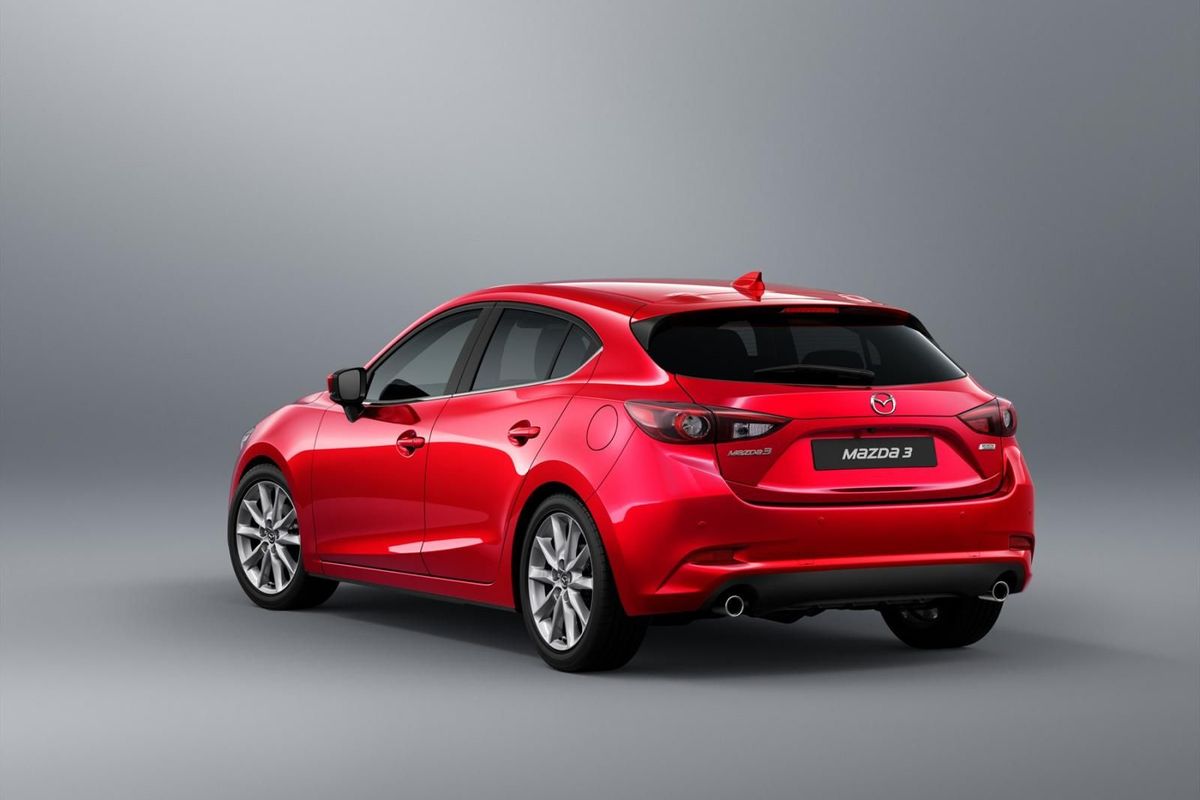
The exterior enhancements are limited to a Mazda badge that sits slightly lower than on the current model, redesigned fog lights, new alloy wheels and reshaped side skirts. The back of the hatch receives a minor redesign, but it’s difficult to tell the difference if we’re honest. New exterior colours have also been introduced: Eternal Blue Mica, Sonic Silver metallic, Soul Red metallic and Machine Gray metallic, the manufacturer says.
Judging by this rear 3-quarter-angle aspect, the Mazda3's changes are very subtle. "Answers on a postcard please".
Meanwhile, the G-Vectoring control system makes its debut on the Mazda3 and is available as standard on all the 2.0-litre models. The system directs torque/transfers weight to the driven wheel with the most traction and Mazda claims the system “aims to make racecar-like cornering precision.”
Mazda has also added a new top-of-the-range derivative called the Astina Plus. The Astina Plus is fitted with much of Mazda’s advanced tech that we have seen on the CX-5. Standard features include adaptive LED headlights, lane departure warning, lane keeping assist, driver attention alert and Smart City Brake support. City Brake support works at speeds of 4-80 kph and monitors the car in front in order to detect the possibility of impact.
In the event the system detects a high risk of impact, it issues visual and audible warnings and primes the brakes for faster responses to middle pedal inputs.
Mazda3 pricing and model lineup
Mazda3 1.6L Original Manual 4Dr/5Dr – R258 900
Maximum power: 77 kW
Maximum torque: 144 Nm
Power windows
Air-conditioning
Instrument panel light dimmer
Cloth trim
Trip computer
One-touch window for driver
Audio controls on steering wheel
Radio / CD / AUX / USB
Bluetooth connectivity
4 speakers
Seatbelt warning (Front)
3-point seatbelts for all seats
ISOfix
Rear folding seats (60:40) (Hatch only)
16-inch steel wheels
6 airbags plus ABS, EBD and EBA
Remote central locking
Keyless start
Tilt & telescopic steering adjustment
Mazda3 1.6L Active Manual 4Dr/5Dr – R271 800 (Incl VAT)
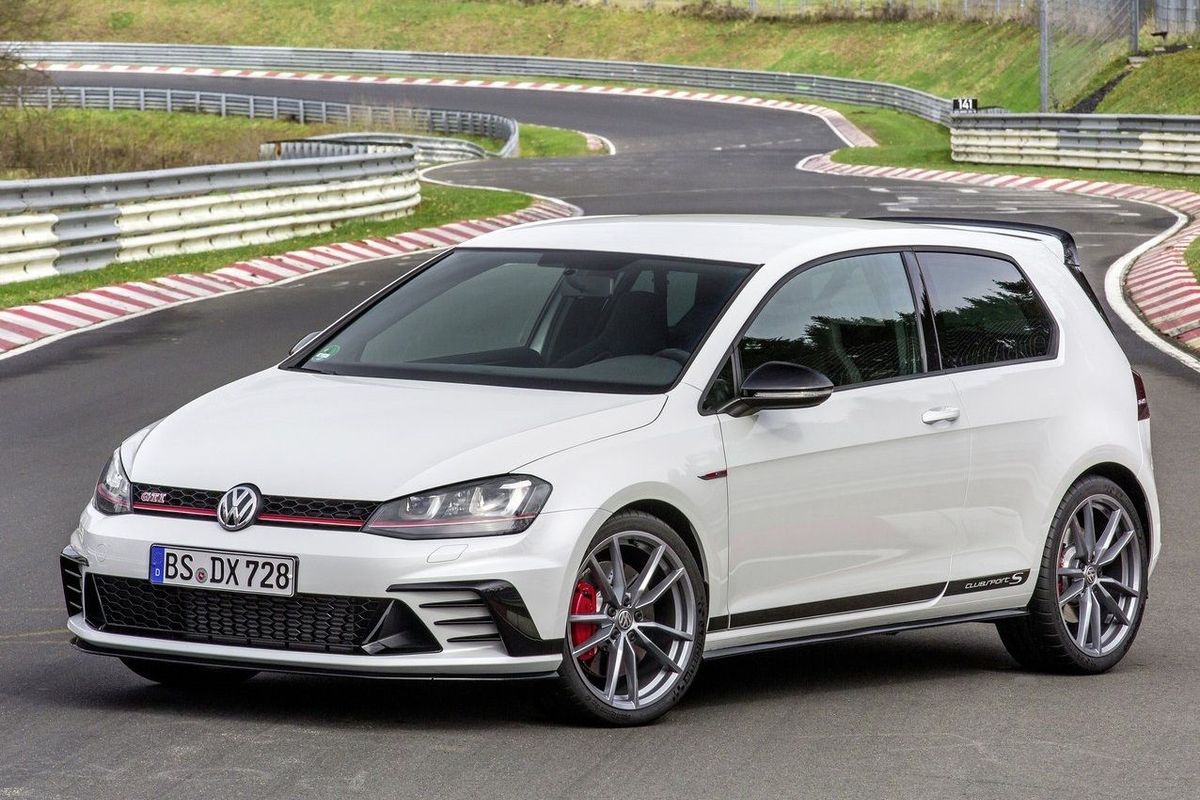
Volkswagen Golf GTI Clubsport S Local Details Emerge
Some details on the 47 Volkswagen Golf GTI Clubsport S heading for South Africa have emerged.
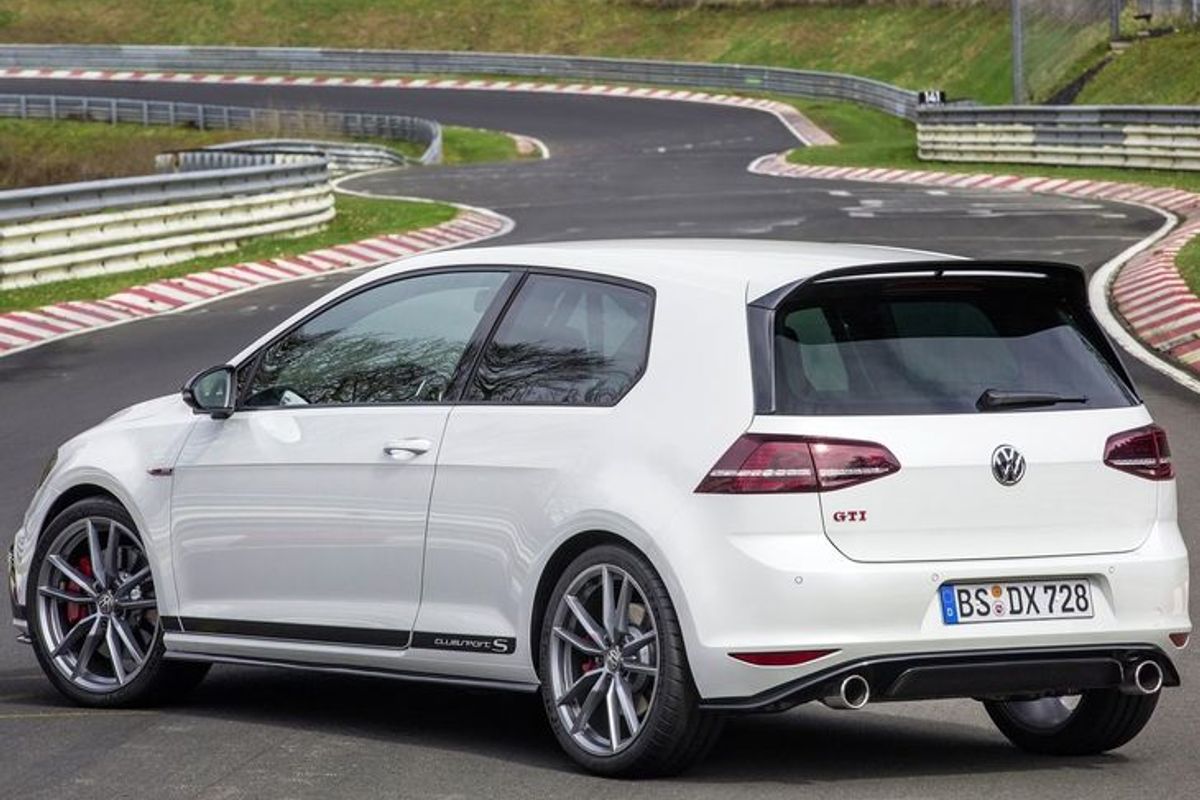
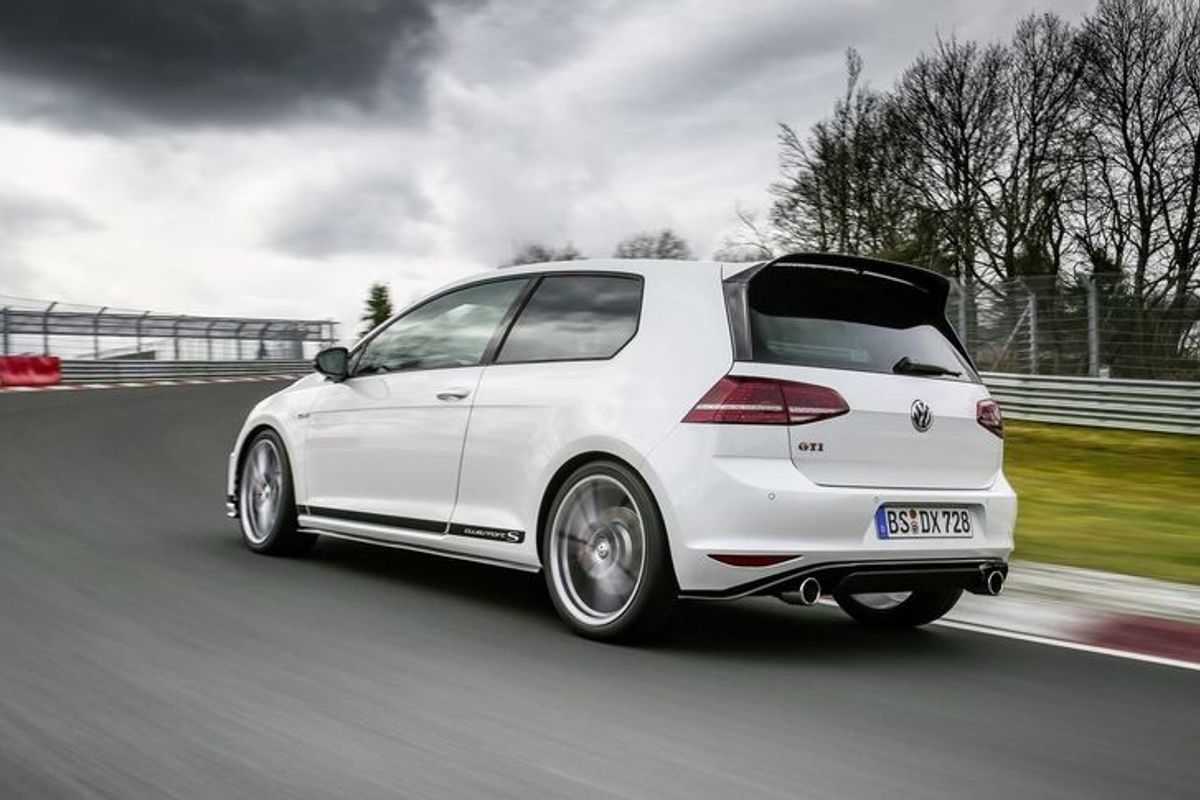
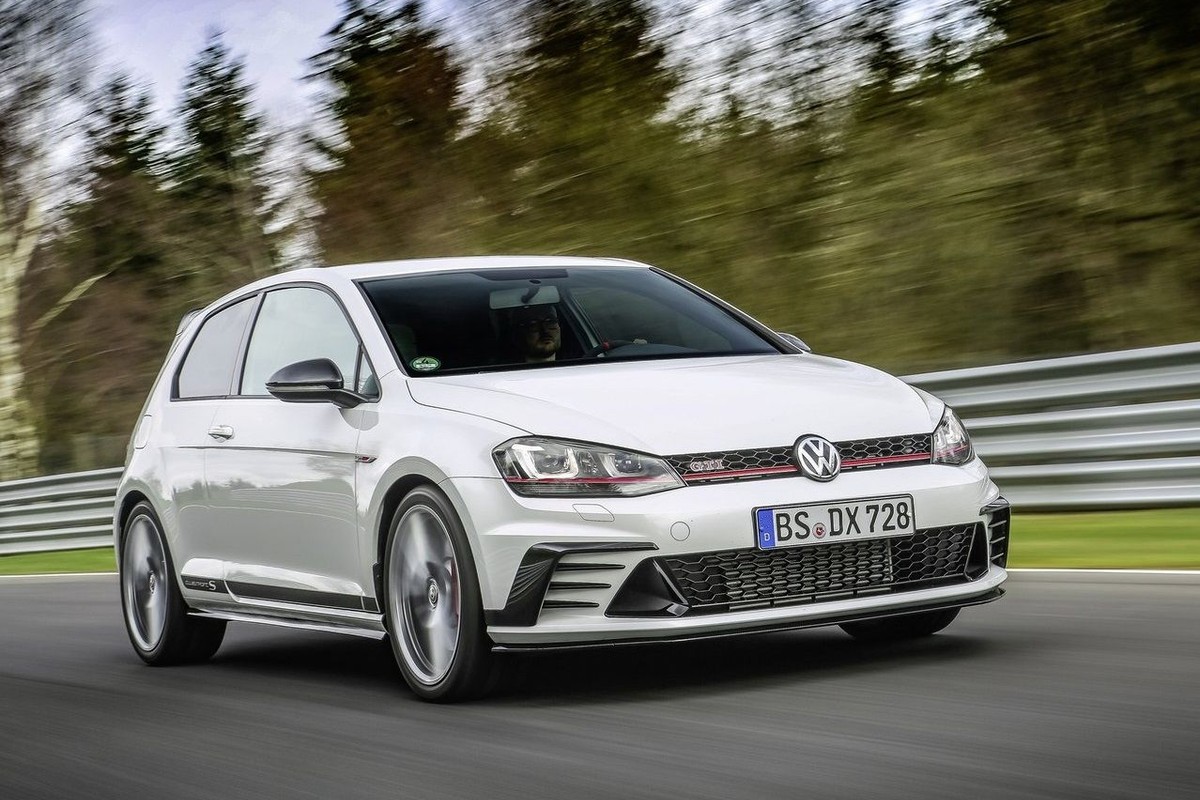
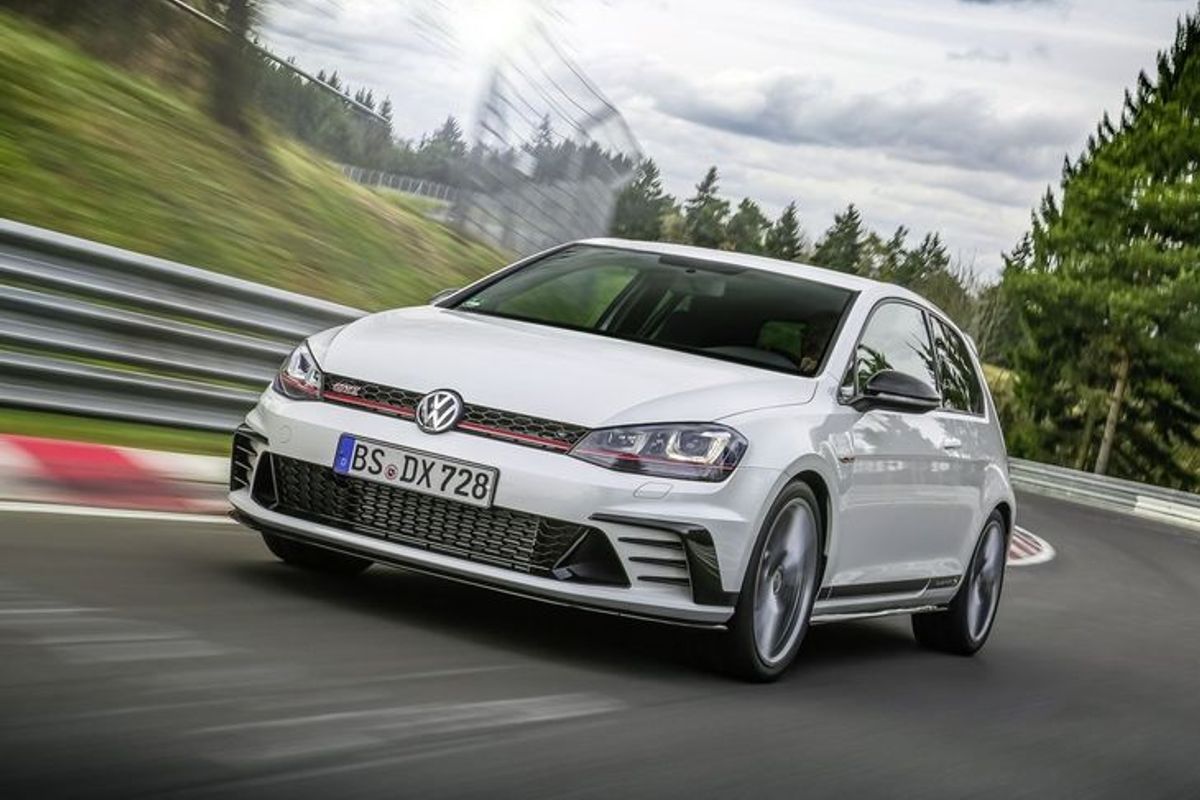
The Volkswagen Golf GTI Clubsport is the most powerful and fastest GTI in South Africa that money can buy, but hot on its heels comes an even more insane faster and more hardcore derivative. Meet the Volkswagen Golf GTI Clubsport S – the current Nurburgring Nordschleife front-wheel drive record holder. It was created to celebrate 40 years of Golf GTI and on paper at least, it looks like one formidable hot hatch package.
Let's get the numbers out the way. Compared with the current Volkswagen Golf GTI Clubsport, the S turns the heat up a notch further. The Clubsport packs 195 kW and 350 Nm, while the S boasts 228 kW and 380 Nm. It features a higher top speed too and you can hit 265 kph in the Clubsport S, in comparison to the 249 kph limit in the standard Clubsport. Enthusiasts will also note that the adaptive chassis control now has a Race mode in addition to the standard Normal, Comfort and Individual modes.
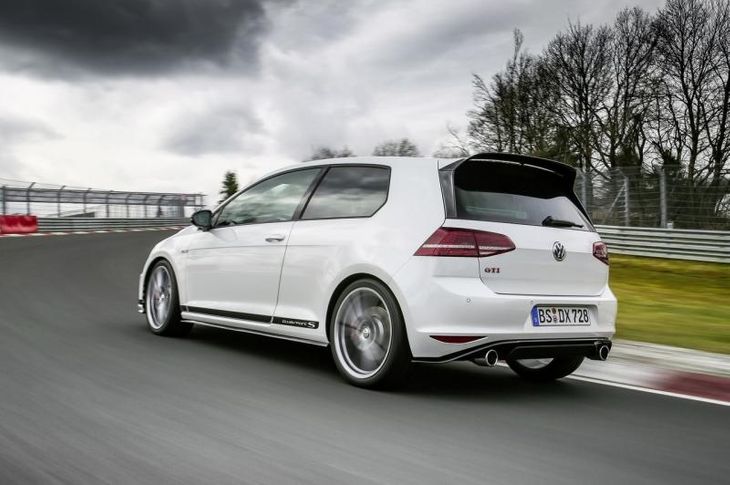
The Clubsport S will have a six-speed manual gearbox and will be sold exclusively as a three-door as opposed to the DSG-equipped five-door Clubsport. It has unique 19-inch alloy wheels too. With substantial weight reduction, the S is 30 kg lighter than its counterpart.
You can have any colour you want as long as it's Pure White, with a black roof. SA gets just 47 units.
South African spec for Clubsport S
South Africa has been allocated 47 Volkswagen Golf GTI Clubsport S units. The rear seat bench has been removed, the space-saving spare wheel has been replaced with a tyre mobility kit and the panoramic sunroof is not available as an optional extra. In place of the rear bench is a rear strut brace which adds structural rigidity.
All 47 units will be built in early September 2016 and are expected to land in South Africa in October. Only one colour will be available: Pure White with a black painted roof. Bucket seats are standard and the Discover Media navigation will come fitted as a standard feature too. The production number of the vehicle (001/400 to 400/400) will be etched by laser onto the ashtray cover.
Want a Volkswagen Golf GTI Clubsport S? Head to your local Volkswagen dealership, but be warned, this exclusive model will be in high demand and some may already be accounted for. The United Kingdom received 150 Clubsport S units and all were quickly snapped up, so you will have to move fast. Pricing will be interesting as a standard Golf GTI Clubsport retails from R540 200. You can purchase a Golf R for R592 580 and the flagship Ford Focus RS costs R699 900, so we estimate that the hardcore Clubsport S will be priced between R600 000 and R650 000.
Watch the Volkswagen Golf GTI Clubsport S Nurburgring Record
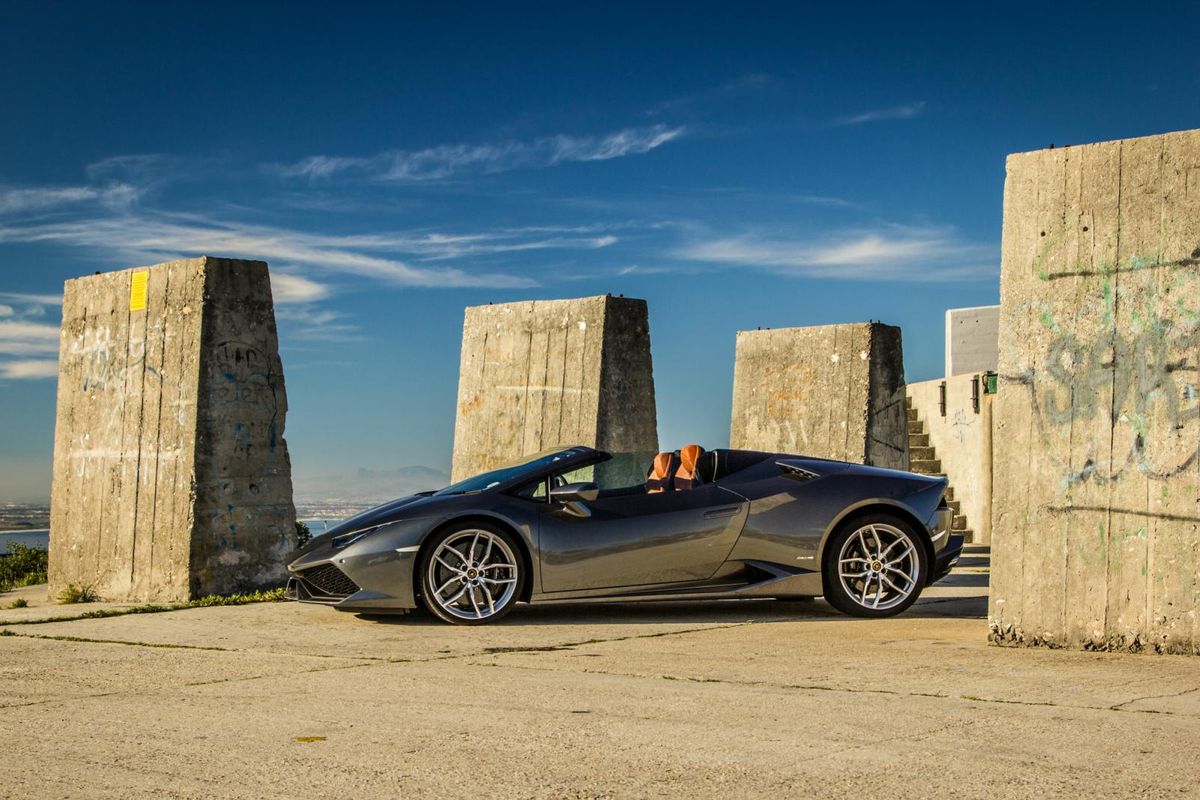
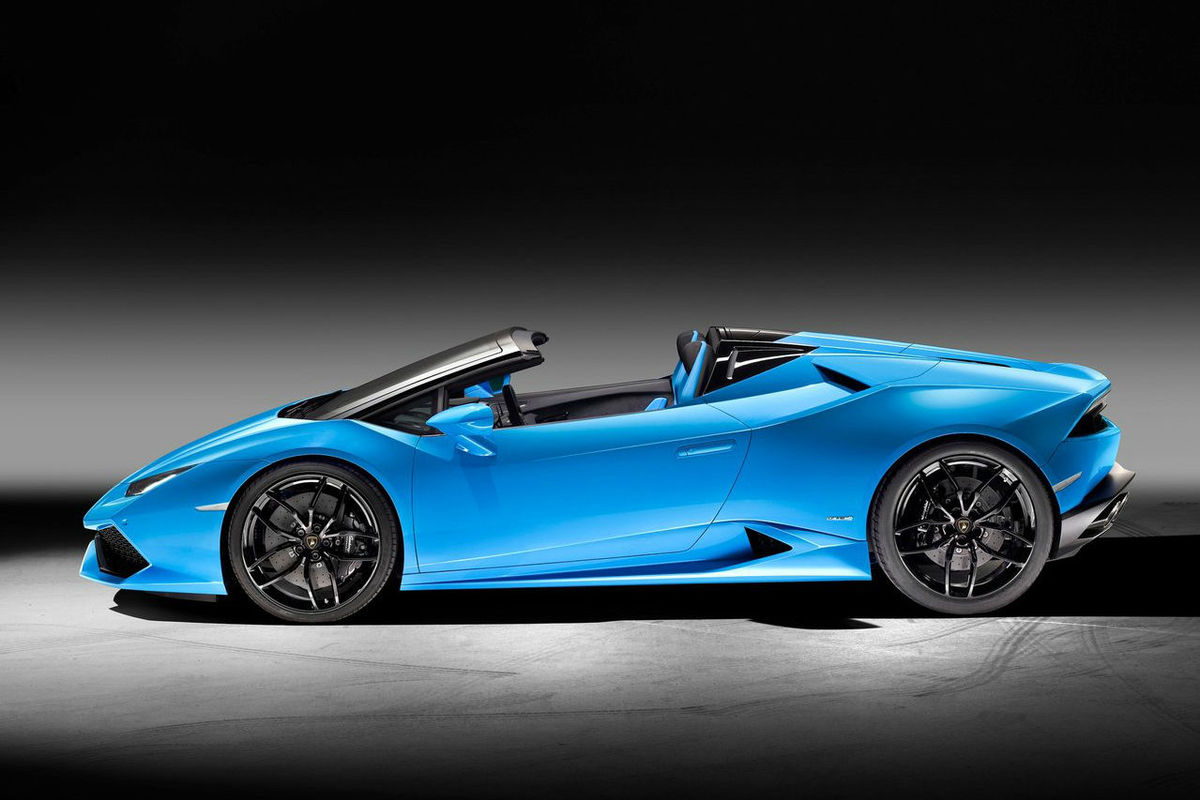
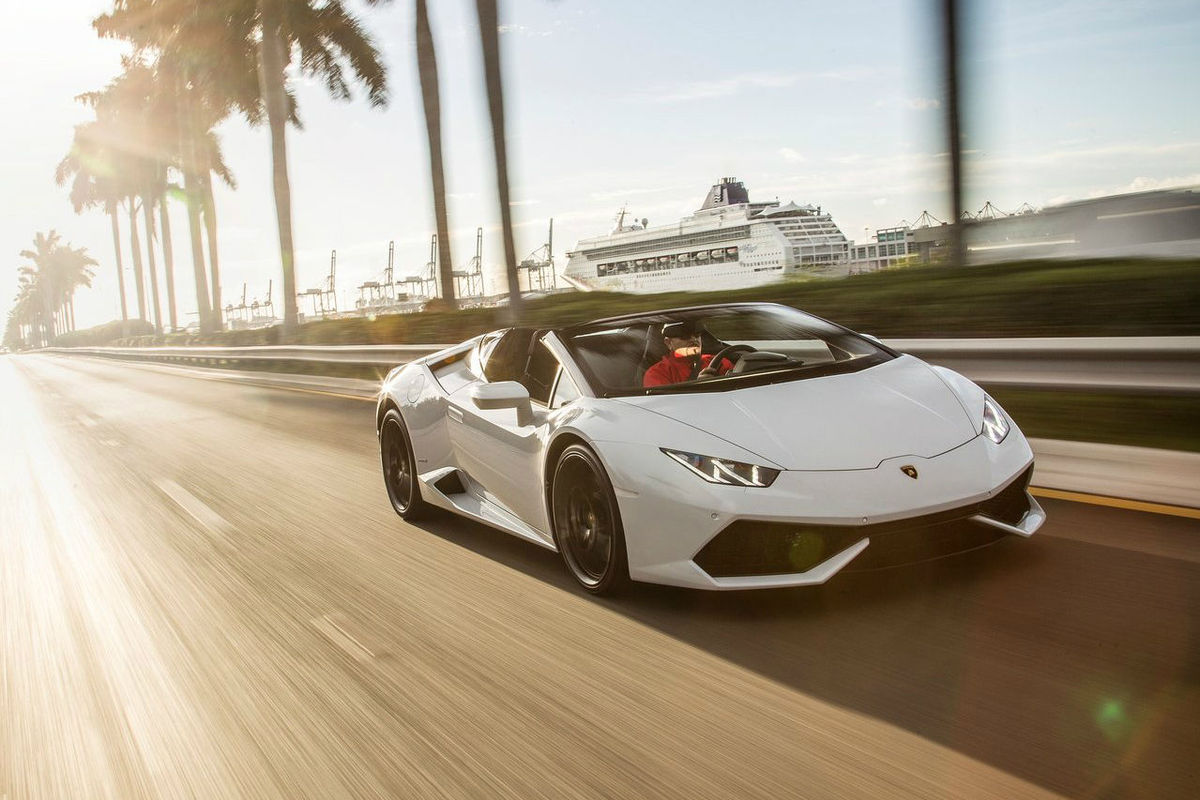
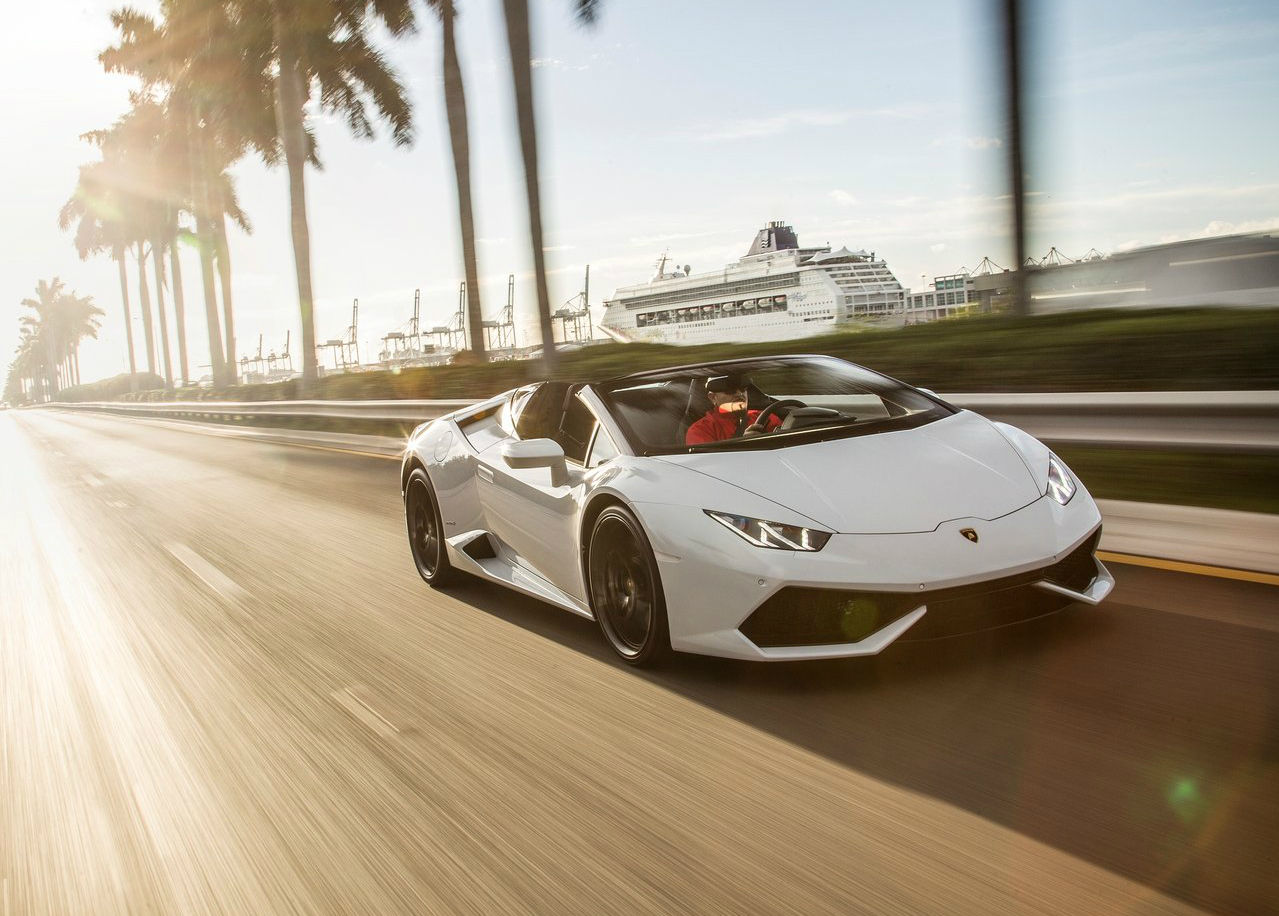
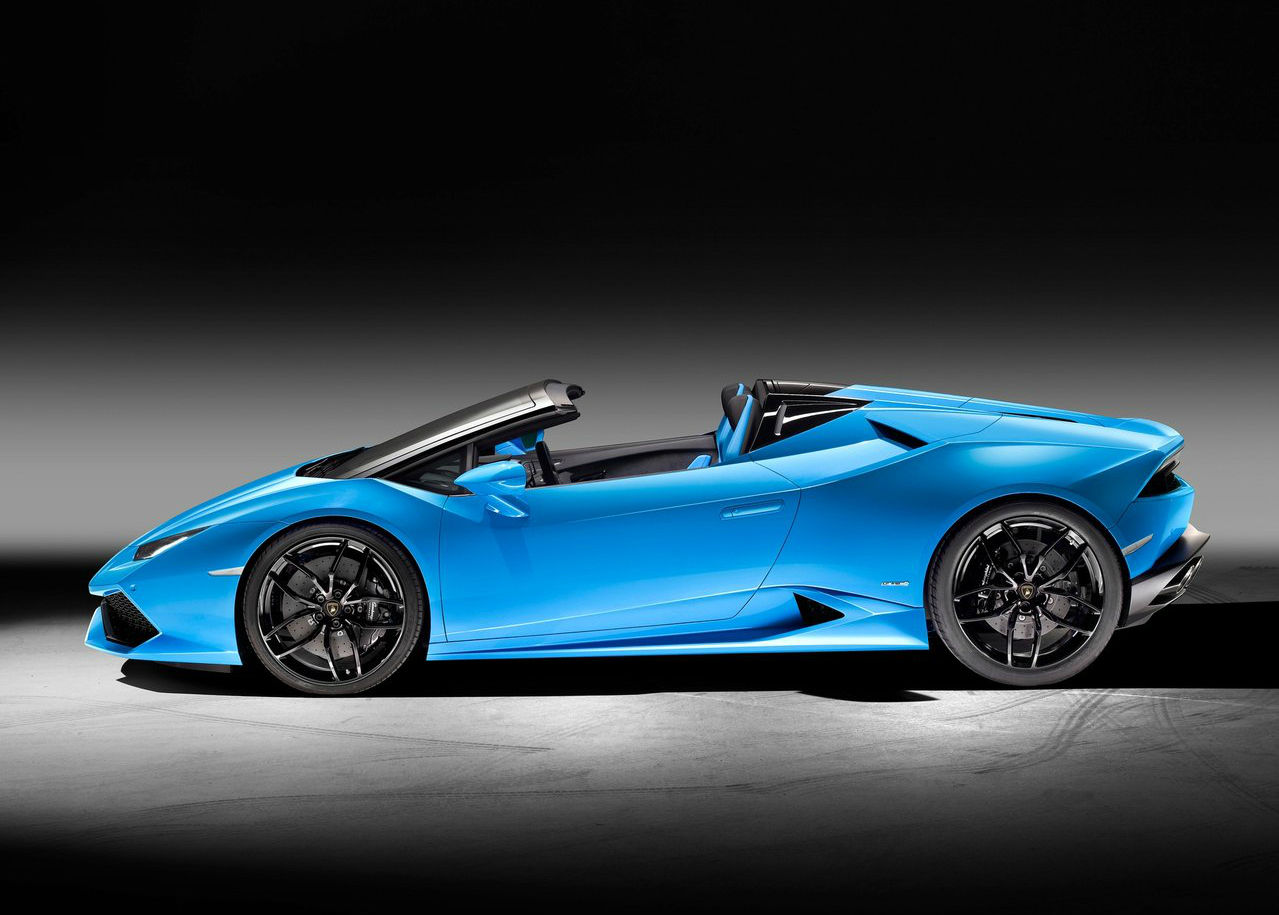
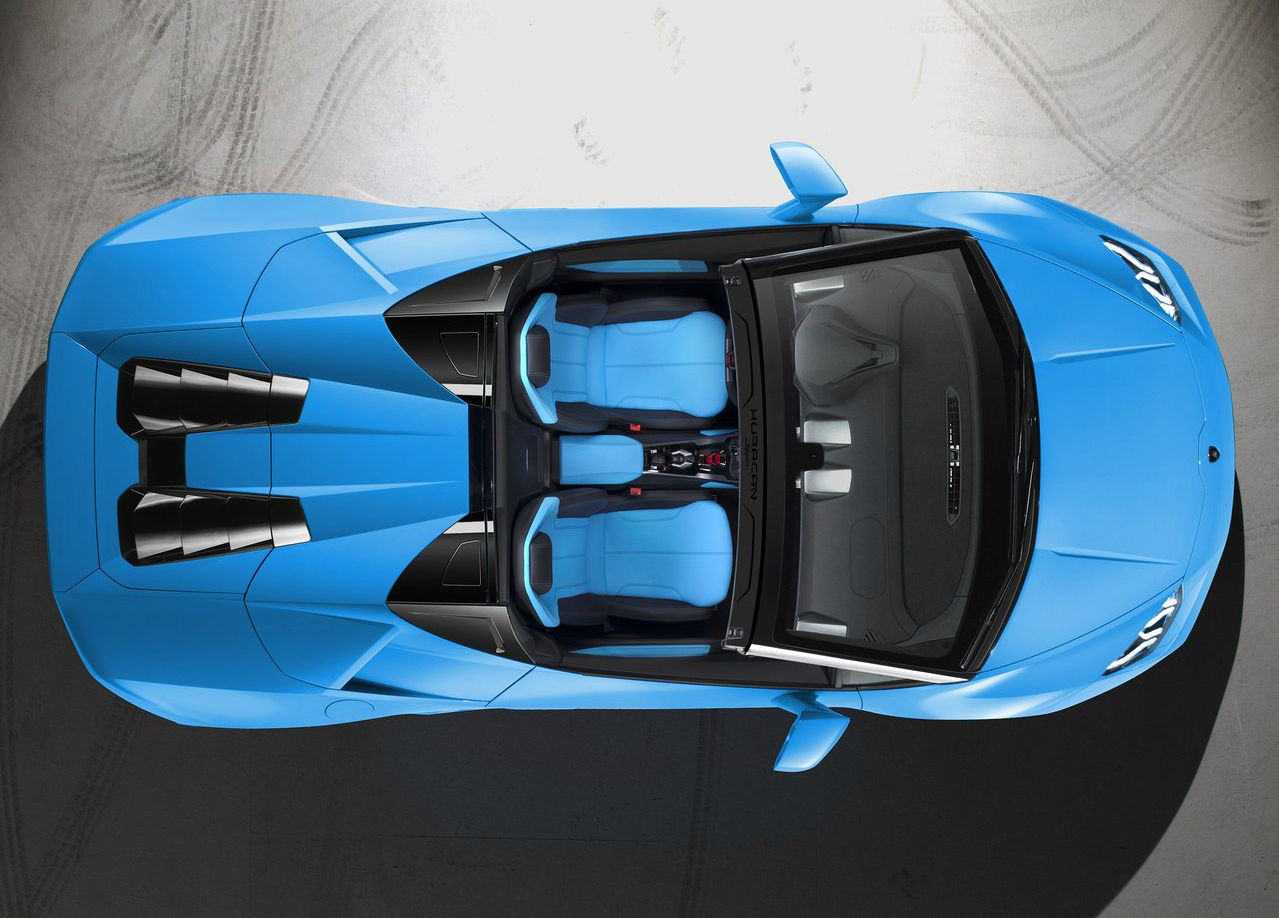
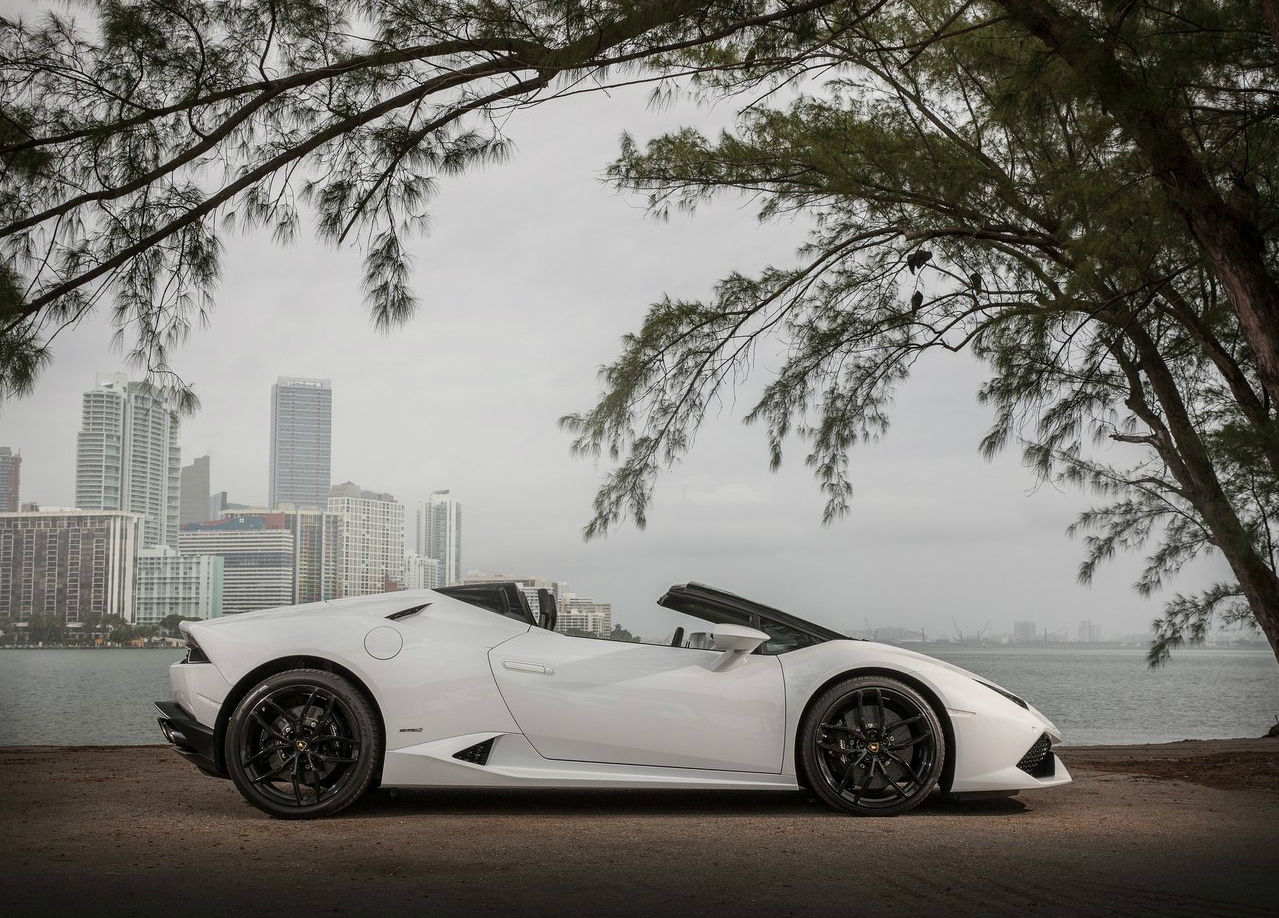
Lamborghini Huracan LP610-4 Spyder (2016) Review
It’s time to match the thrill and style of open-top driving with the audacious design of the Lamborghini Huracan. Is there a better match in the world?
We like: Lamborghini design, uniqueness, naturally aspirated V10
De don’t like: You pay over the top for that uniqueness, not a mad, crazy Lambo.
Alternatives
If you don't want an all-wheel-drive: There's a Huracan LP580-2 available for the more hardcore driving enthusiast that wants rear-wheel-drive. Watch this video where we have the Spyder and 580-2 on the same stretch of road.
If you want a different Italian car: Ferrari 488 Spider – the old rival offers a turbocharged engine and a metal folding roof.
If you want to pay less: Early next year, the Audi R8 Spyder V10 will arrive; it's the same car underneath with a less exclusive badge.
The setup
Redhill: a stretch of tarmac sculpted into the side of a mountain, towers above Simon’s Town. Topographically, it looks like the designer spilled a huge piece of wet spaghetti over the hill and decided to tar over it. It’s narrow, the hairpins are flanked by bricked walls and it’s bumpy. It’s a miniature version of the famous Col de Turini, a serpentine stretch of road that switchbacks its way out of Monte Carlo, most famously used in the Monte Carlo Rally.
Redhill is a test of even the most agile machinery, normally suited to lightweight, nimble sportscars rather than powerful, wide supercars. It’s here where the fabric-roofed Huracan finds itself, lined up at the bottom of this sinuous, switchback ridden climb.
How does it fare in terms of
High performance?
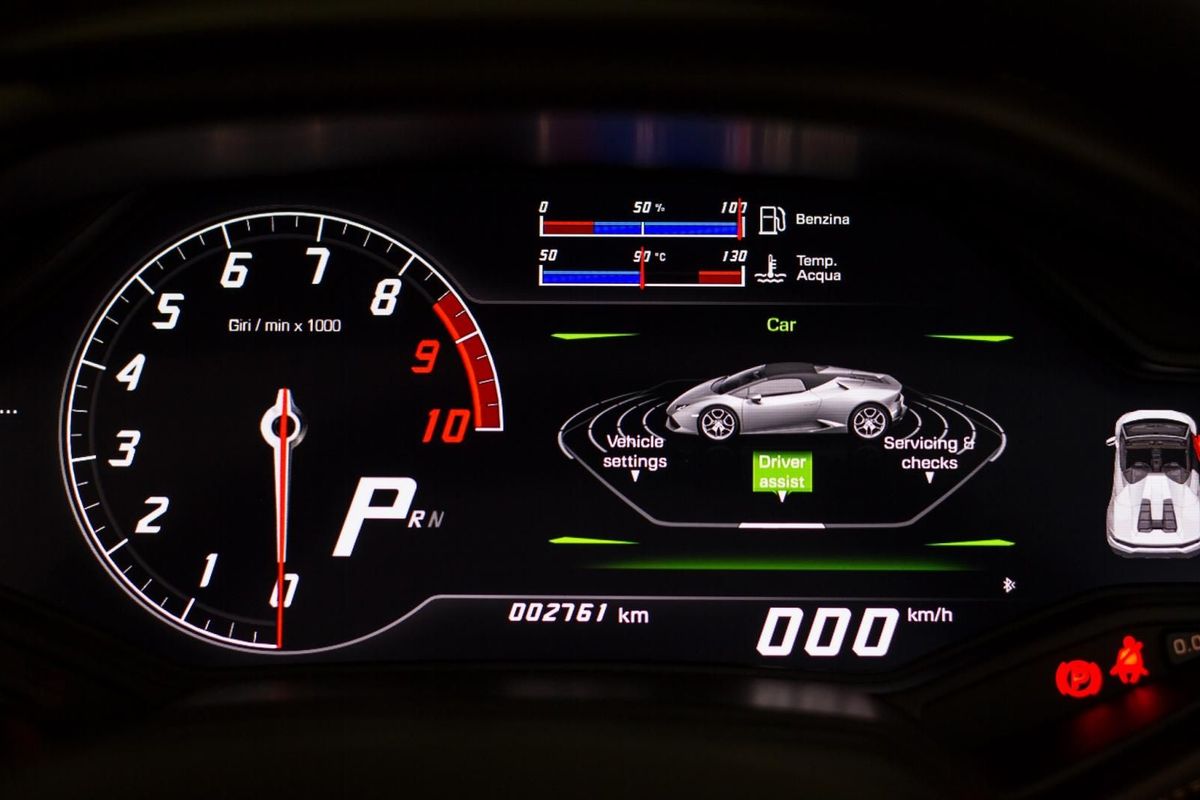
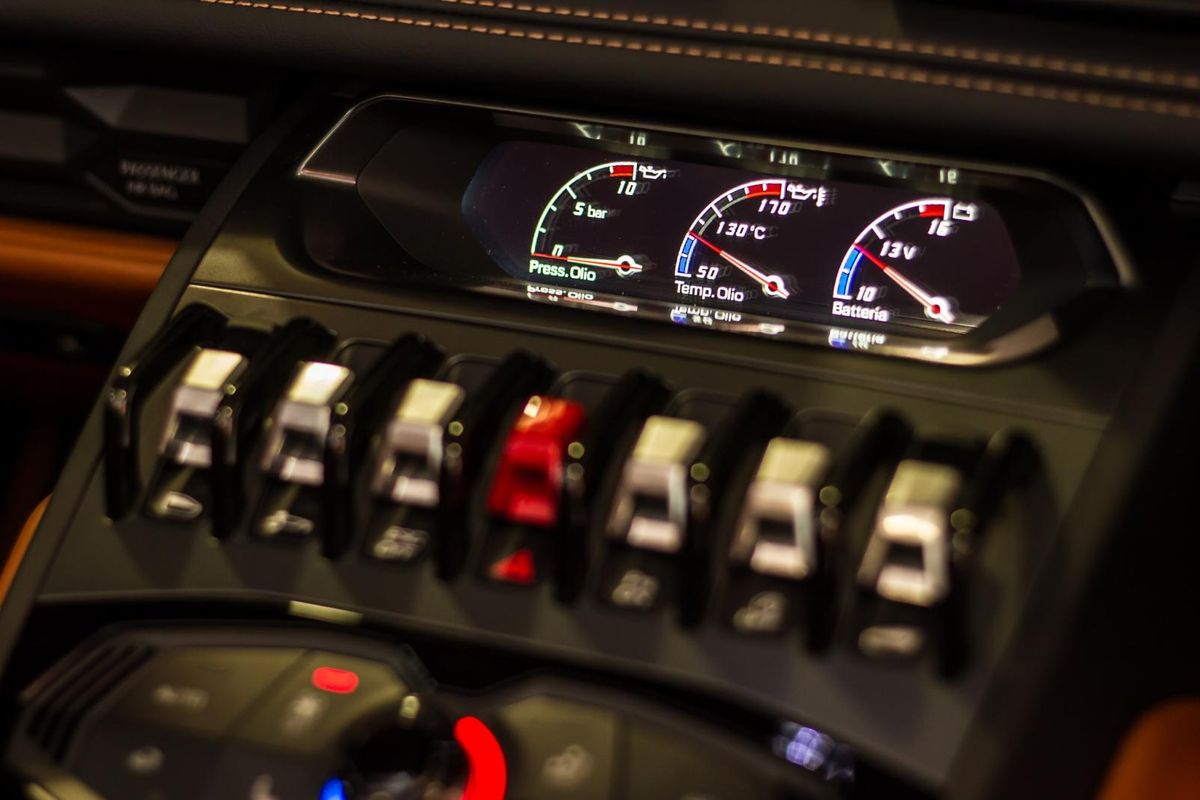
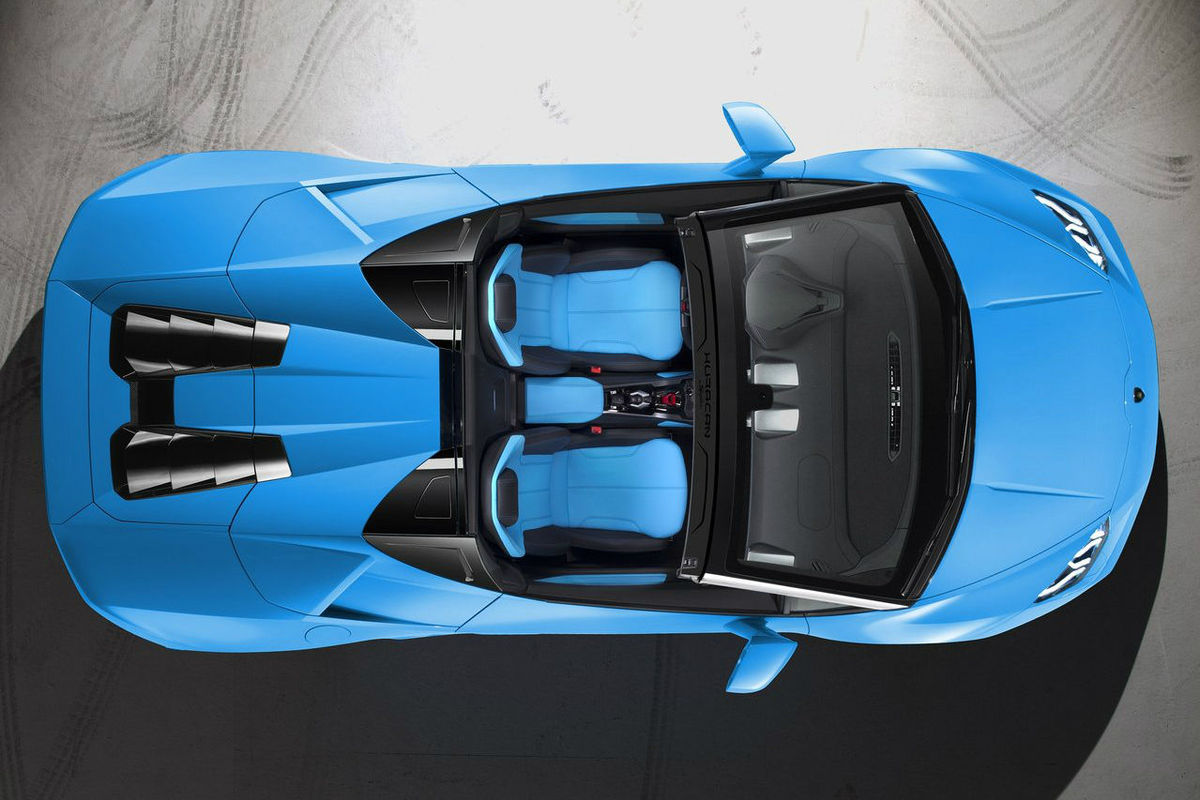
It’s a Lambo, so it’s got to be something special when you hammer the throttle, right? It is. Packed tightly just behind the driver’s left shoulder is a naturally aspirated 5.2-litre V10. The natural aspiration is a key element to the engine’s exquisite sound and character. It's ostensibly the last of a dying breed as manufacturers are seeminly cornered into producing emission-reducing smaller turbocharged engines for their headlining sportscars. So it’s a blast from the past in some ways, as it’s been a long time since we’ve seen a rev-needle free to roam the 8 000 rpm mark and the Lambo’s V10 merrily sings all the way to 8 500 rpm before it's reigned in. Lambo has at least tried to appease the environmentalists by including a cylinder deactivation system that shuts down an entire bank of the V10 at slow speeds. A little light on the instrument cluster pops up to let you know you’re using just 5 of the 10 cylinders…
But enough about the eco stuff and back to what happens when you mash the Lambo's throttle. The Huracan benefits (and in some cases doesn’t) from an all-wheel drive system. This means when you get on the throttle it doesn’t lack for traction and it’s also very stable at the rear under acceleration.
Powering out of one of Redhill’s many tight hairpins requires no real finesse of the throttle or hesitation from you ankle extension. You just boot it – and the sooner the better. As you begin to unwind the steering lock, you can unleash the full potential of the V10 instantly. There’s no squirm, no rear-end shuffle and certainly no sink in the suspension before the car bursts out of a corner. It’s pure excitement and motoring enjoyment and a lot of that comes down to the Huracan being easy to drive fast: even inexperienced drivers can access the power driver without worrying it may all go wrong/you’ll end up on YouTube.
Ragtop appeal?
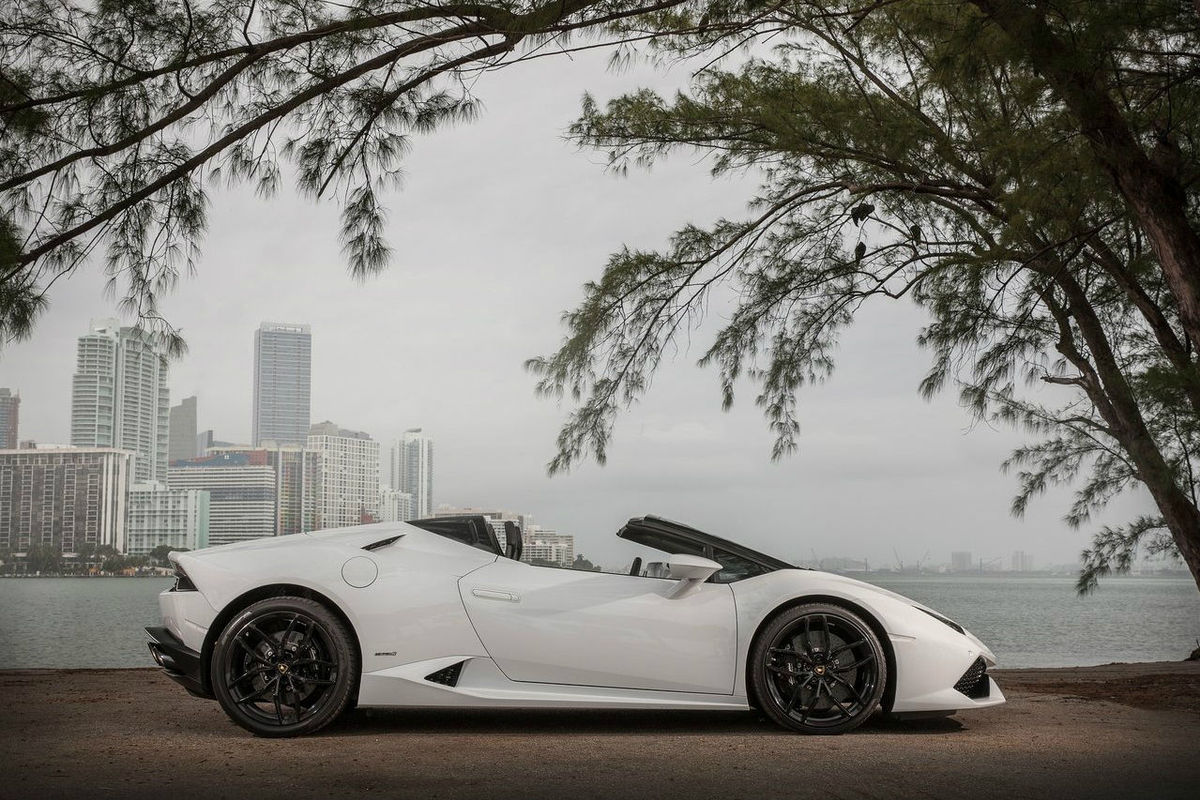
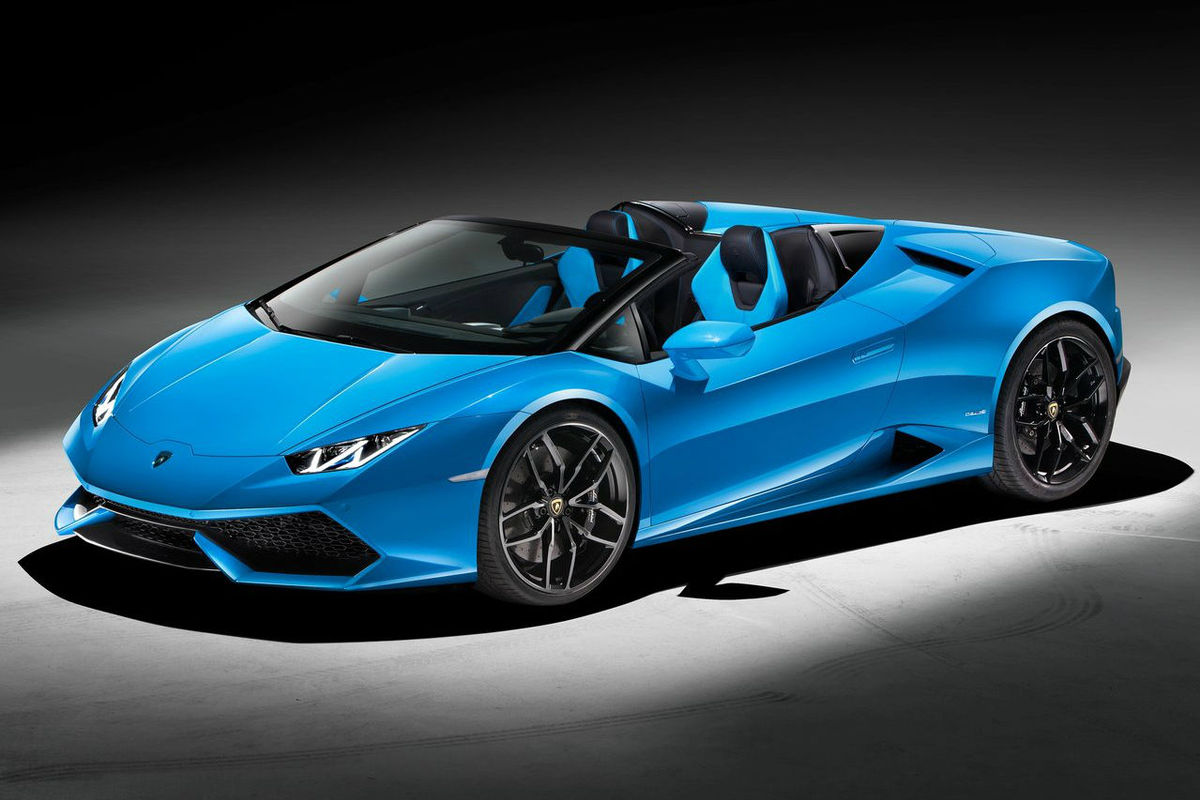
Lamborghinis have never really had a problem attracting attention and the Huracan Spyder is no different. The fabric roof and all its bits and pieces add 100 kg of extra heft and the glass-covered engine bay (op the coupe) gets replaced with carbon fibre vents. It’s a pity because being able to peer into the engine is one of the coolest things about the "supercar experience", but the downside is forgotten soon as the roof is extended backwards revealing the Huracan Spyder’s achingly beautiful shape. If the Huracan hardtop is a supermodel in a classy evening gown then the Spyder is the same supermodel – in a bikini.
Thankfully Cape Town put its cold and wet weather on hold for a few days so that we could spend quality time driving with the roof down. The convertible’s forte is cruising through seaside towns at slow speeds so as to draw attention from crowds and bask in their adulation. Judging by the crowds it attracted while with us, the Lambo aces it as far as attention-grabbing looks go. If that doesn’t work you can always dab the throttle pedal a little and let the V10 fire off a riff that’ll wake the dead.
With the roof down the V10's sound reaches your ears uninterrupted and at an increased volume. The Spyder brings you closer to the heart and soul of the Lambo, its sound is so soulful and earnest that it might cause a lump in your throat. It urges you to hit the upper limits of the engine's rev range; you feel like the conductor of an orchestra of cylinders and exhaust pipes, able to bend the symphony to your will with a twist of your right foot. The sound is addictive and pure, better than anything adorned with a turbocharger/s can deliver. The V10’s pipes are clear of the disturbance that a turbo introduces to the combustion process, hence the cleaner, purer sound. Sticking with natural aspiration is all worth it when the results are this good.
Putting it through its paces?
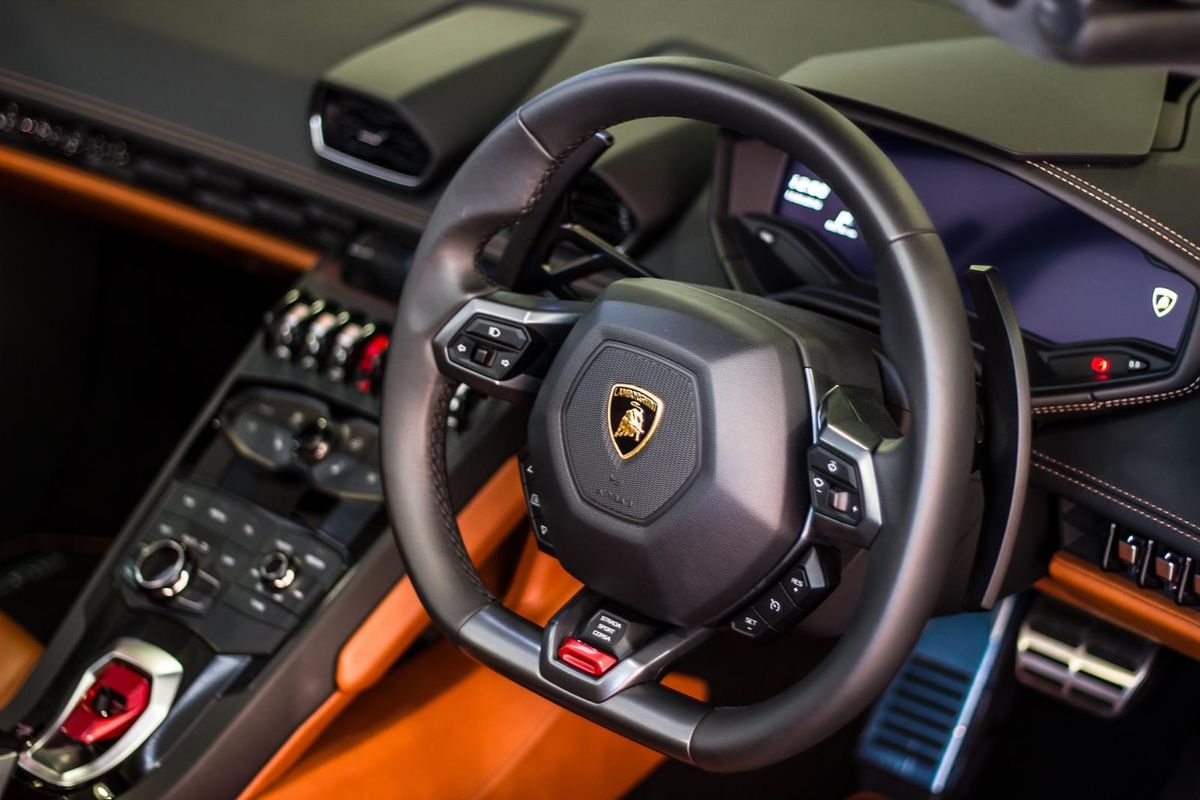
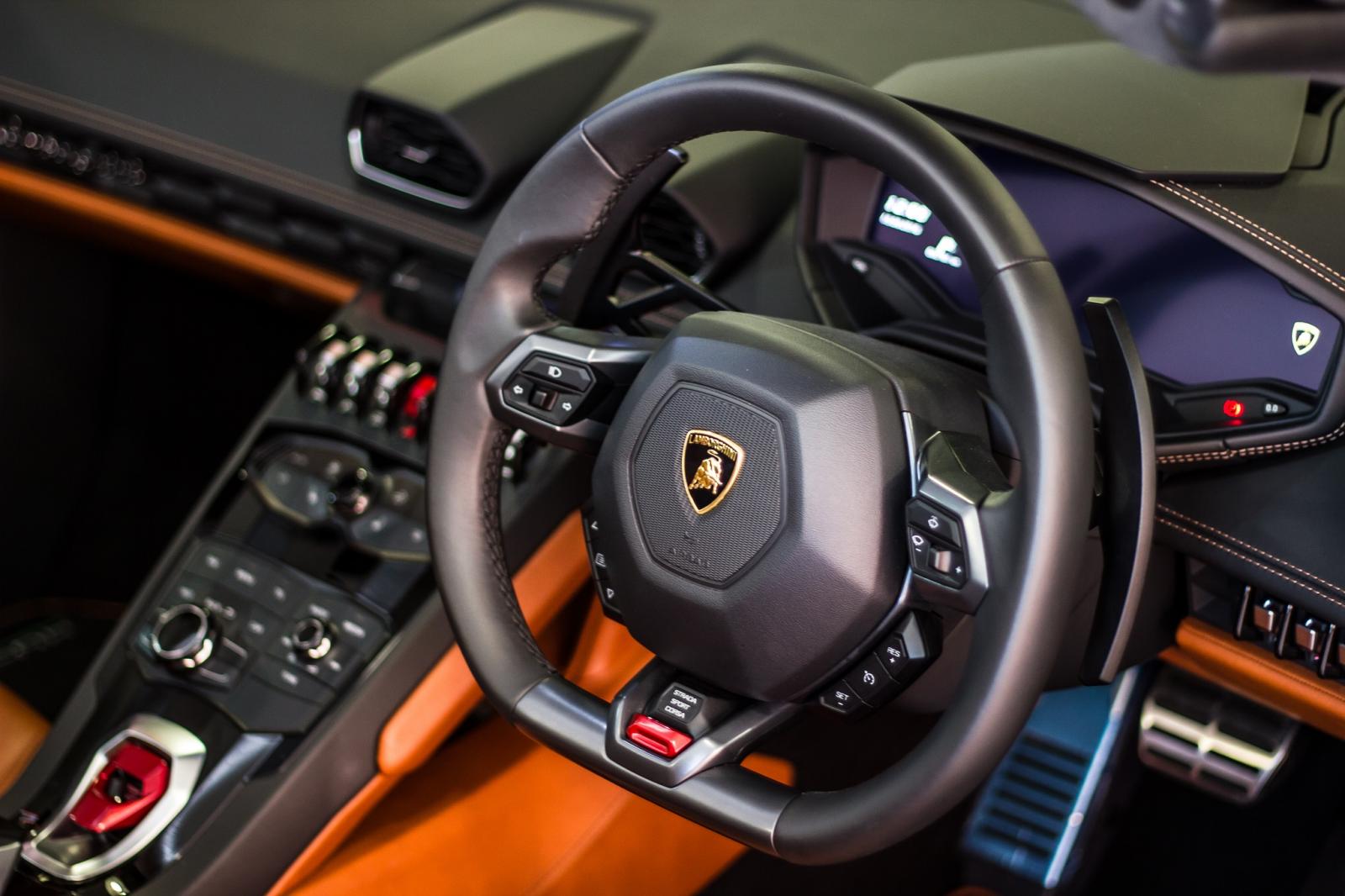
Sitting at the bottom of Redhill, I scroll through the driving modes on the Lambo’s Alcantara-wrapped wheel, Strada? Sport? Corsa? Sport feels like the right setting here, it’s too tight and bumpy for Corsa (Race mode), plus a hint of traction control might be needed if there’s an unexpected wet/sandy/oily patch. Sport mode turns the exhaust volume up another notch, improves the throttle response and initiates a more rapid shift from the dual-clutch gearbox.
The Lambo is now primed to attack the climb up Redhill.
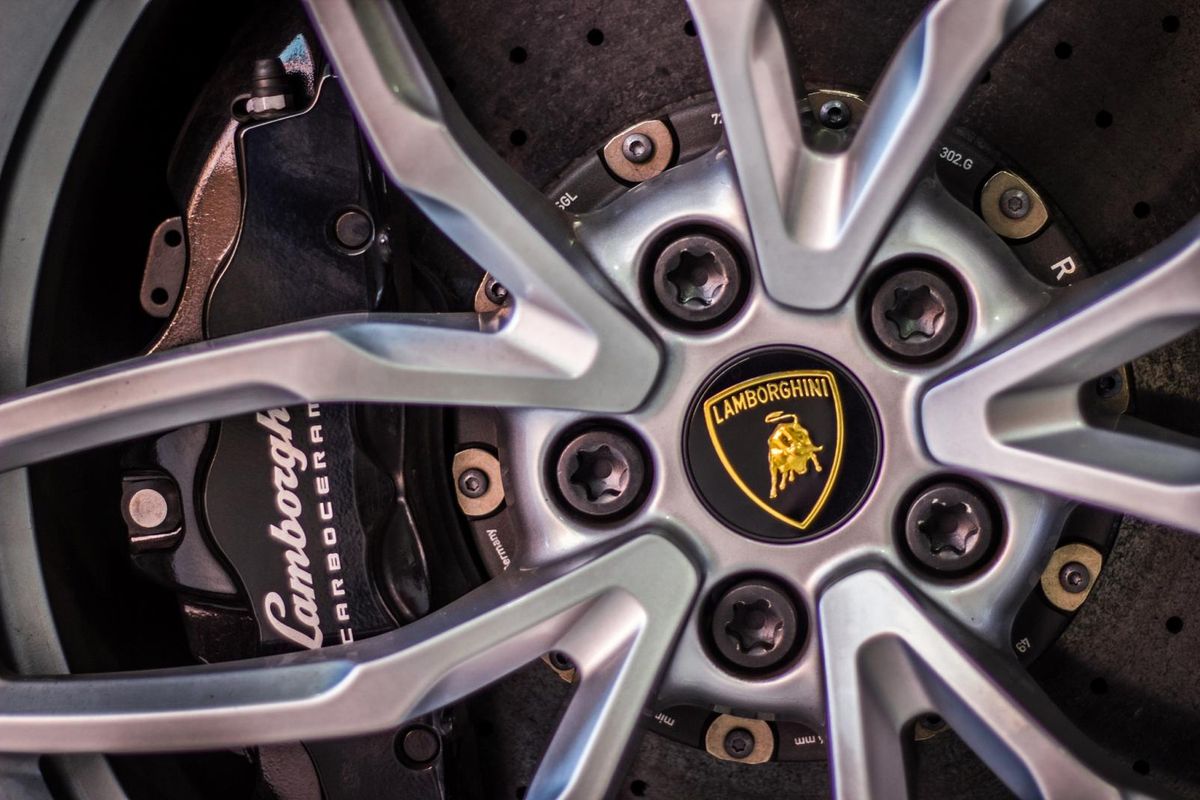
First and second gears are dispensed within a single breath, the Huracan hits 100 kph from a standstill in just 3.4 seconds and 200 kph is clocked up in 10.2 seconds. We’re not testing the latter number out here, but we are pressuring the carbon ceramic discs to perform at their best. They take a while to warm up usually, but the initial grab and bite is intense. The seatbelt grabs you in and you sink into the bucket seats, a bit of ab strength is required just to keep your face from thumping the steering wheel.
Once the brakes are hot, they can get quite grabby and difficult to modulate but they are extremely effective. Taper off the brakes before the corner and start turning in, the Huracan’s chassis, is taught and rigid, there’s very little flex and it whips in towards the apex. At the tightest point of the turn the fronts don’t quite bite and grip as much as you want and the nose can push a bit wider than you anticipate. It’s a brief extra pause before you can use the advantage of the all-wheel-drive flexibility and punch the throttle. When the power hits the wheels, it’s like the Huracan has been shot from a compound bow.
There’s no spooling and pausing for turbos here; as long as you’re at least in the middle of the rev range, the Huracan will respond immediately. Instant gratification is delivered wholesale by virtue of the ease with which the Lambo can dominate a corner. Hoof it to the next bend, climb on the brakes with gusto, simply repeat the previous corner’s technique and the Huracan will continue to bend to your will. It’s not scary – it’s hardly intimidating – and, it’s properly quick. It feels like you’re getting the most out of a supercar without having to try hard at all or without needing much in the way of driving talent.
A theatrical interior?
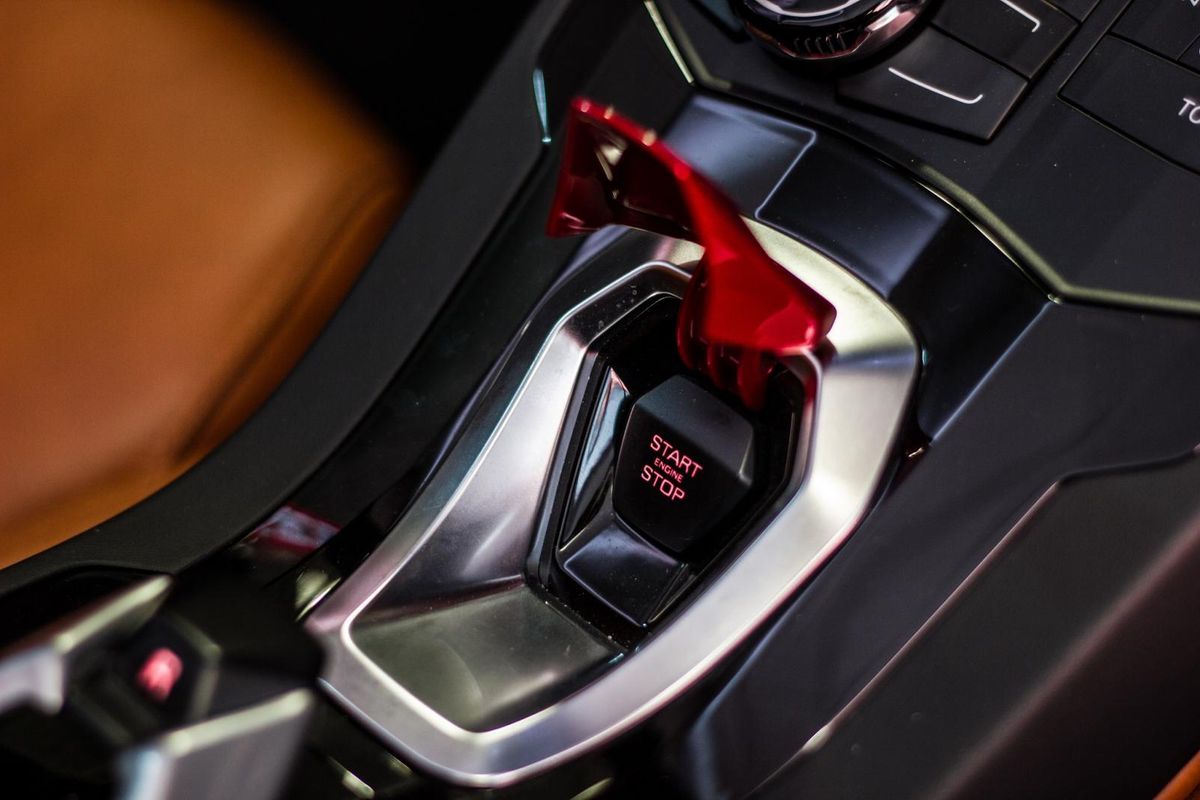
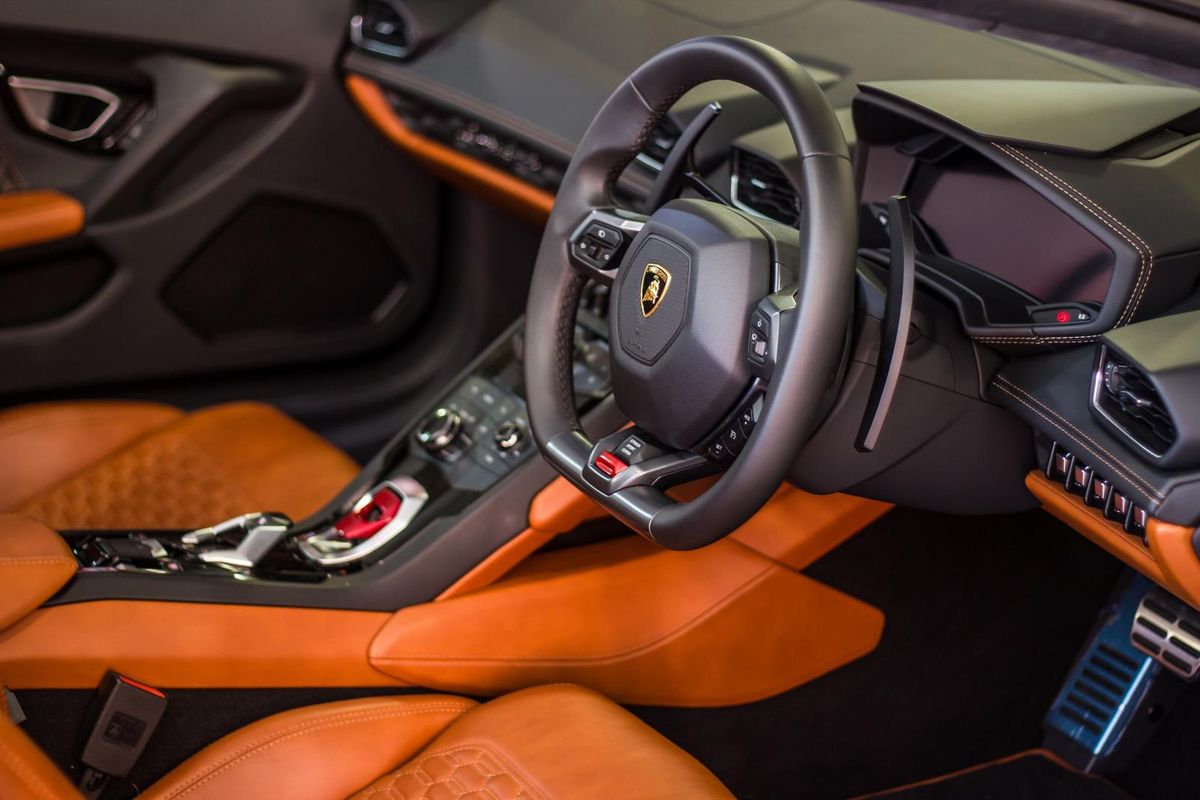
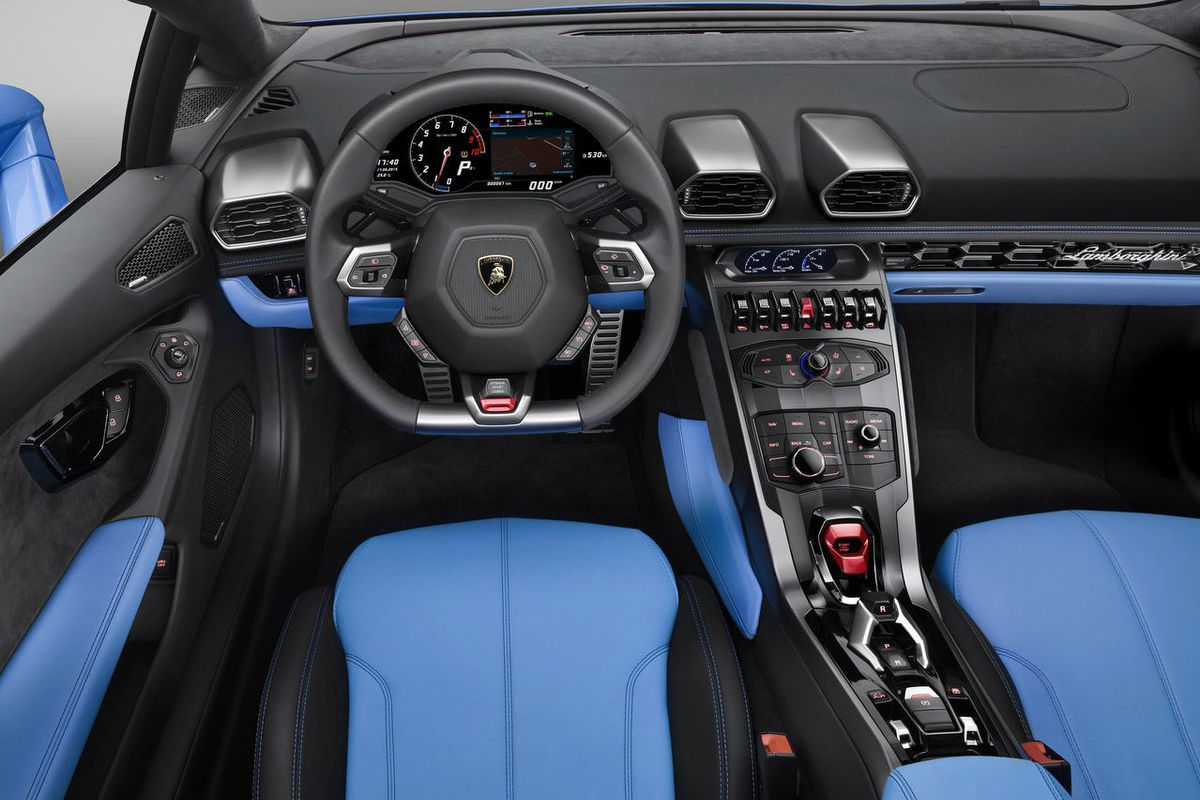
Lamborghini interior design is… showy. The Huracan plays homage to fighter jets in its cabin with the abundance of toggle switches and latches that need to be lifted. The start button hides behind a red latch that needs to be lifted before the start button can be thumbed into action. It’s like a protection cover before being given the go-ahead to fire a missile volley. It’s not entirely comfortable if you’re a slightly taller driver as it doesn’t feel like the seat reclines enough to a comfortable position and those who like a more laid-back position are going to struggle to get comfortable. The interior does feature Audi-like switchgear however: the centre console buttons, the font and the icons are all borrowed from Ingolstadt. At least the instrument cluster has a slightly different take on the Audi Virtual Cockpit, if only marginally. Everything is designed with a trapezoid in mind and the shape is littered throughout. Unfortunately, the cabin lacks quality feel and touch that you’d expect for the money you’re spending. The Audi R8's interior feels more solid and that’s nearly half the price of this Lambo.
Verdict
The Spyder is the best current derivative of the Huracan, because the open-top driving experience enhances the aural and visual pleasure a Lamborghini can deliver and appreciably so. The extra weight of the fabric roof hardly detracts from the driving experience and on the right day on the right road provides one of the best motoring experiences you’re ever likely to have. There are a few flaws with the driving position and the cabin could do with more Lamborghini theatrics. The front luggage bin is small and gets hot when the brakes warm up, which is fine if you want to keep some food warm (we jest, of course).
If it’s attention you want, the Huracan Spyder delivers top marks, right from the angry LED daytime running lights through the sculpted shoulder line, multi-layered rear bumper and quad exhaust pipes. This Lambo is the perfect car for the committed hedonist. If said hedonist can conjure up around R6-million.
We drove the Huracan Spyder and (rear-wheel drive) LP580-2 derivate back to back. Watch:
The 2016 edition of the Monterey Car Week has come and gone, and while the headlines were dominated by the huge amounts of money involved in the classic car auction, motor manufacturers came to the party with some special machines. Here's our choice of five amazing cars from the 2016 Monterey Car Week!
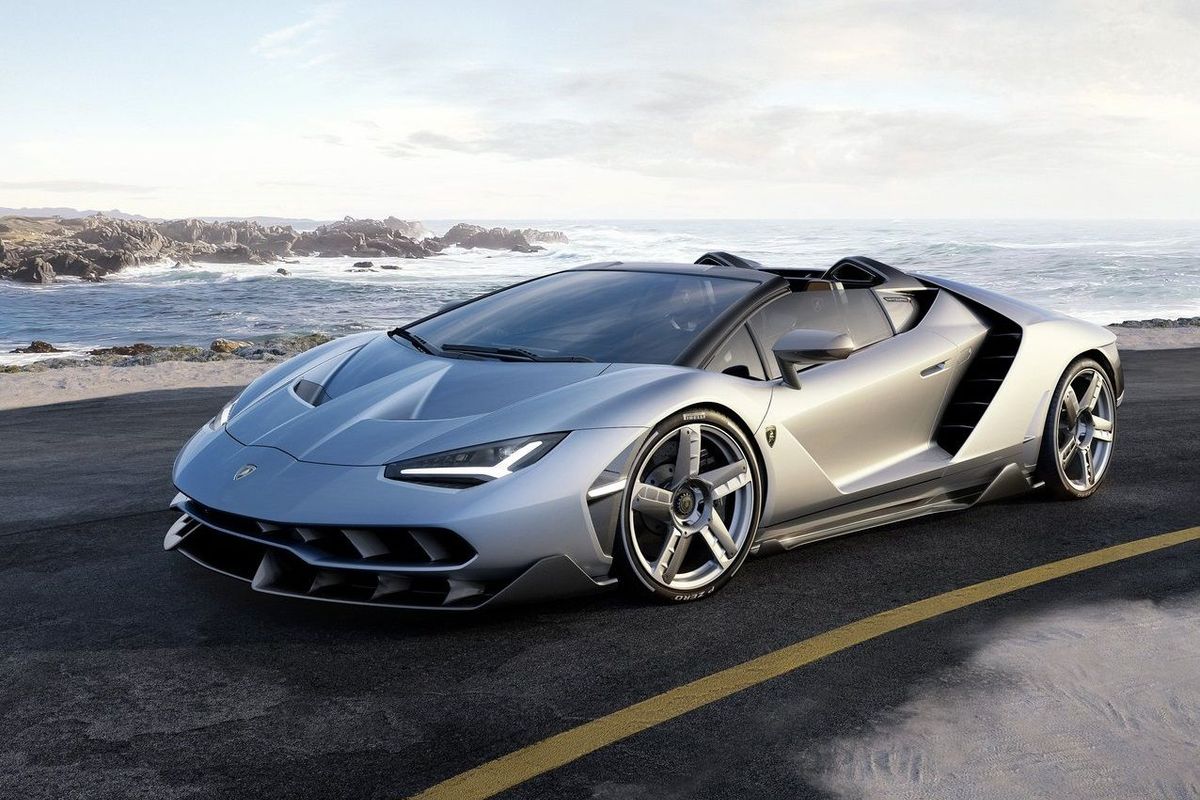
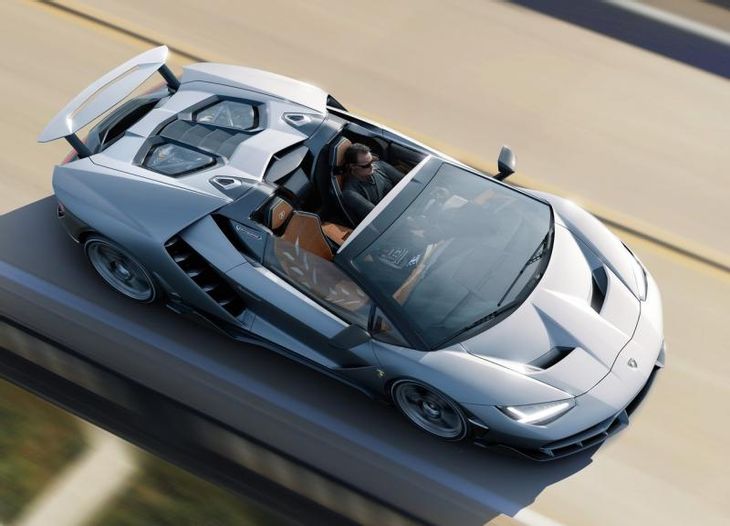
Lamborghini Centenario Roadster
This is an extremely limited edition convertible version of the already sold-out Lamborghini Centenario. Only 20 will be built and all are already sold. Lamborghini says each one costs more than two million Euros, which translates to around R30 million. Lamborghini claims the Centenario roadster reaches 100 kph in just 2.9 seconds and it will max out at 350 kph.
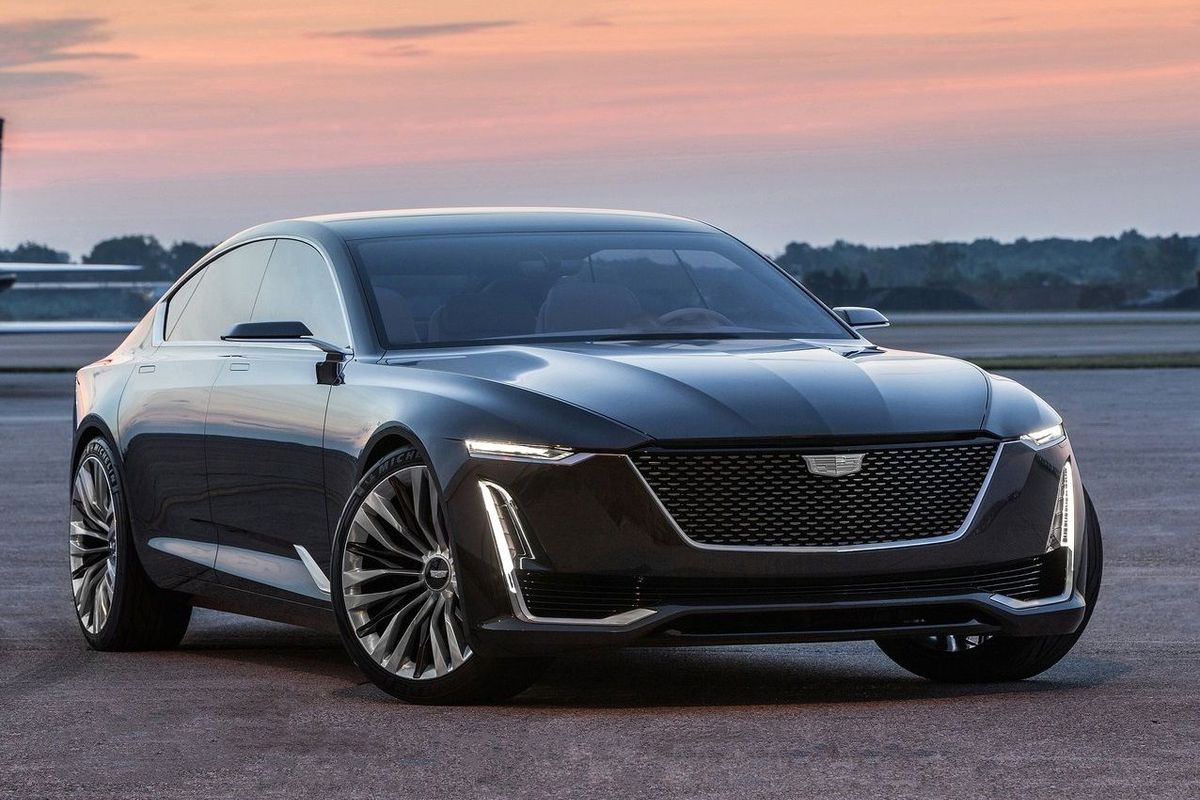
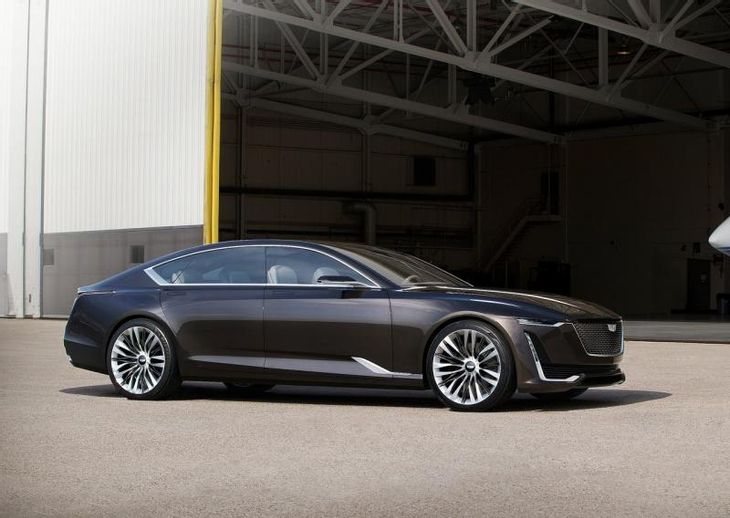
While Cadillac is no longer on sale in South Africa, this eye-catching concept shows off plenty of tech and premium design from the General Motors family. In true American tradition, power comes from a 4.2-litre twin-turbocharged V8 motor, which previews the next generation of engines coming to Cadillac and other GM products.
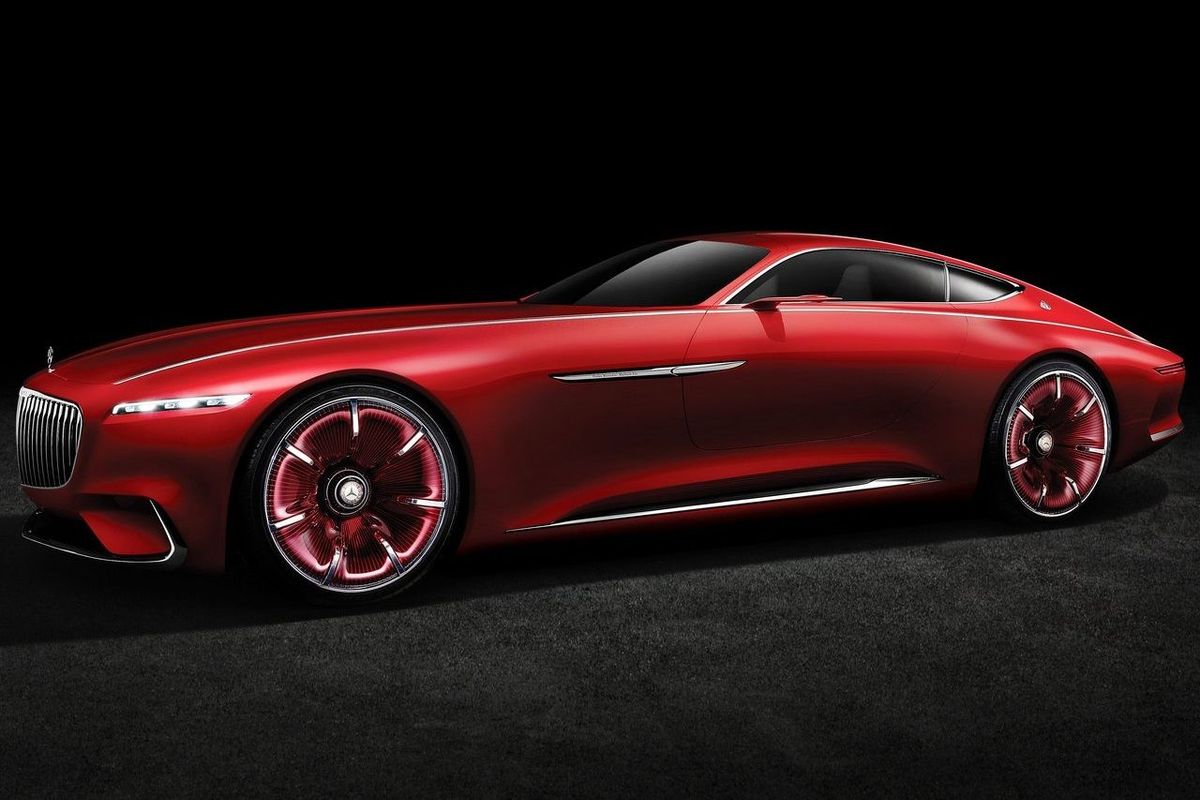
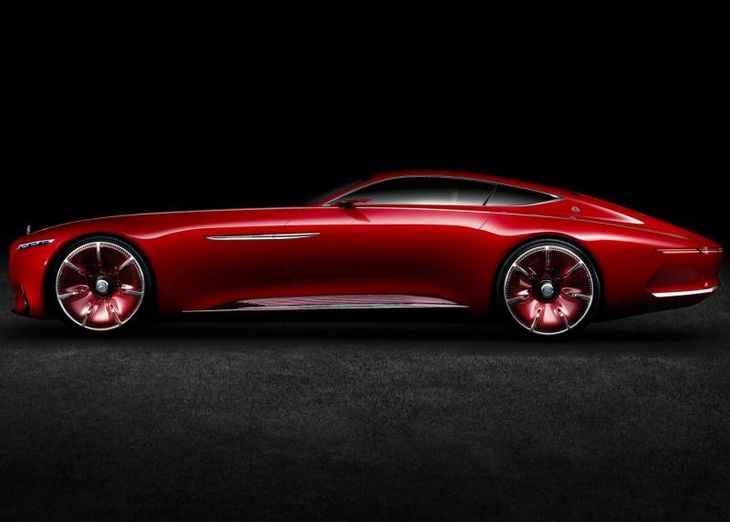
How elegant and graceful does this look? This is Maybach's outrageous low-slung gull-winged concept featuring all-electric all-wheel-drive. It has a claimed range of more than 500 km and will, in theory, surge to 100 kph from standstill in under four seconds!
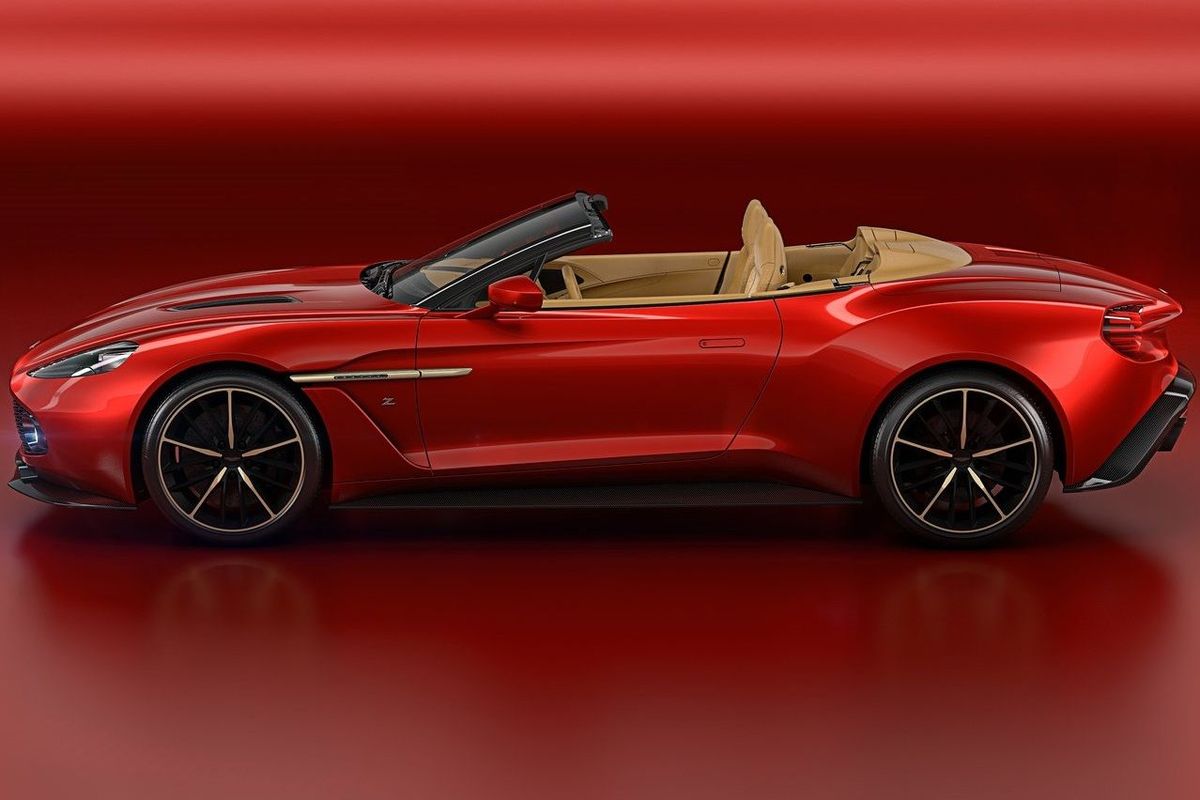
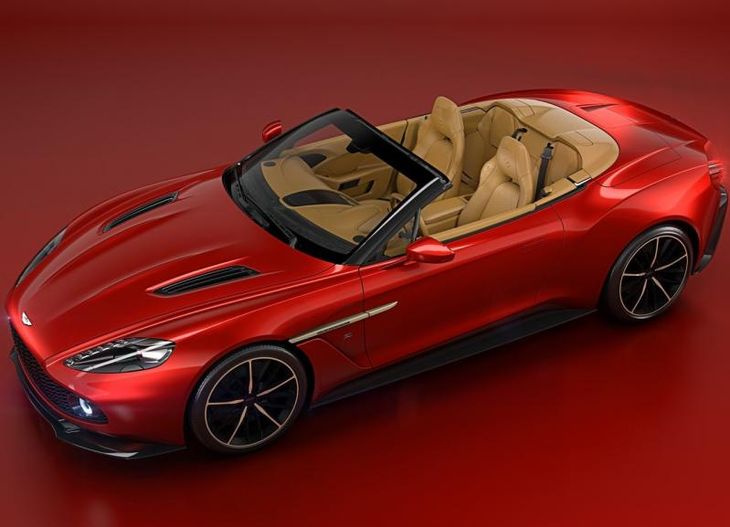
Aston Martin has dropped the top on its breathtaking Vanquish Zagato sports car and created the Volante. The Vanquish Zagato Volante will be powered by the same naturally aspirated 6.0-litre V12 engine found in the coupe version. Power has been bumped up to 441 kW and the car is capable of sprinting from zero to 100 kph in about 3.7 seconds.
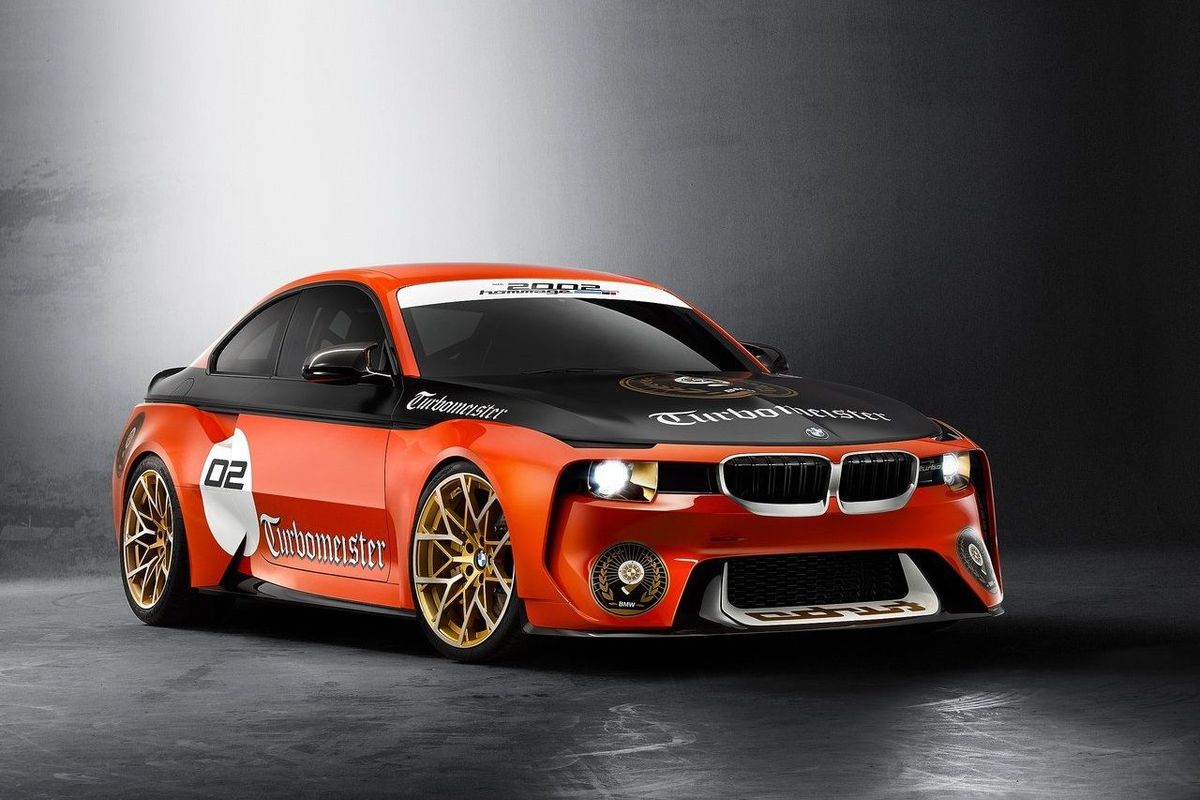
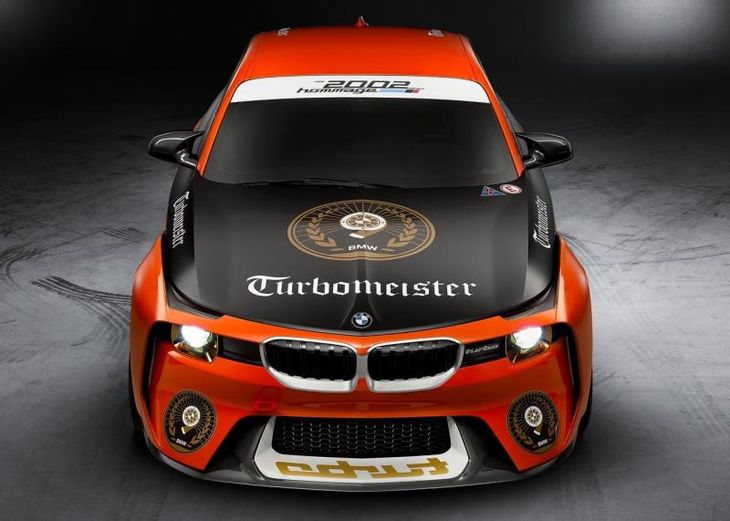
BMW is known for showing impressive concepts at the Concours d'Elegance. Now, BMW has shown its latest 2002 Hommage concept, which tips its hat to the 1973 BMW 2002 turbo, the first series-produced European-made that employed turbo technology.
Ford Ranger 2.2 TDCi Automatic (2016) Specs & Price
We will be driving the recently introduced Ford Ranger 2.2 TDCi automatics in George, Western Cape this week! Herewith the specifications and pricing detail of the new derivatives. Look out for our first drive article – coming your way soon.
In July 2016, Ford South Africa bolstered its Ranger lineup with the addition of nine 2.2 TDCi automatic derivatives with 6-speed automatic transmissions.
The option of an automatic transmission on the Ranger 2.2 TDCi derivatives will add to the overall appeal of the range while catering for buyers who prefer the convenience and comfort associated with driving an automatic vehicle. The new self-shifting derivatives are spread out over various body styles (Single Cab, Super Cab and Double Cab) in either 4×2 or 4×4 guise. Different trim levels are also on offer for each body style to suit buyers' specific needs.
All derivatives come with a 4-year/120 000 km comprehensive warranty, a 5-year/100 000 km service plan (all but base models, on which it is optional), a 5-year/unlimited km corrosion warranty, as well as 3-year/unlimited km roadside assistance plan.
Single Cab
Ford Ranger 2.2 TDCi Single Cab 4×2 XL Auto – R273 596
Key features: 2 airbags, electronic stability programme (ESP), traction control, hill launch assist, tow bar, 16-inch steel wheels (alloys optional), manual air conditioning, electric windows and a radio with two speakers. USB and auxiliary ports are also included.
Ford Ranger 2.2 TDCi Single Cab 4×4 XLS Auto – R374 474
Key features: 2 airbags, electronic stability programme (ESP), traction control, hill launch assist, hill descent control, electronic transfer case, towbar and 16-inch alloy wheels. On the inside, you will find a leather steering wheel with mounted controls, manual air conditioning, electric windows, cruise control, a Ford SYNC-equipped audio system (with 4 speakers, a CD player and 4.2-inch colour TFT screen), as well as USB and auxiliary inputs.
Super Cab
Ford Ranger 2.2 TDCi Super Cab 4×2 XL Auto
Key features: 2 airbags, electronic stability programme (ESP), traction control, hill launch assist, towbar and 16-inch steel wheels (alloys optional). The interior includes electric windows, air conditioning and a radio with 4 speakers as well as USB and auxiliary inputs.
Ford Ranger 2.2 TDCi Super Cab 4×2 XLS Auto
Key features: 4 airbags, electronic stability programme (ESP), traction control, hill launch assist, towbar and 16-inch alloy wheels. The interior includes a leather steering wheel with mounted controls, cruise control, manual air conditioning, electric windows, cruise control, Ford SYNC-equipped audio system with 6 speakers, a CD player and 4.2-inch colour TFT screen, as well as USB and auxiliary inputs.
Ford Ranger 2.2 TDCi Super Cab 4×4 XLS
Key features: 4 airbags, electronic stability programme (ESP), traction control, hill launch assist, hill descent control, towbar and 16-inch alloy wheels. The interior includes a leather steering wheel with multifunction steering wheel, cruise control, manual air conditioning, electric windows, cruise control, Ford SYNC-equipped audio system with 6 speakers, a CD player, 4.2-inch colour TFT screen, as well as USB and auxiliary inputs.
Double Cab
Ford Ranger 2.2 TDCi Double Cab 4×2 XL
Key features: 2 airbags, electronic stability programme (ESP), traction control, hill launch assist, towbar and 16-inch steel wheels (alloys optional). The interior includes front and rear electric windows, manual air conditioning and a radio with four speakers as well as USB and auxiliary inputs.
Ford Ranger 2.2 TDCi Double Cab 4×4 XL
Key features: 2 airbags, electronic stability programme (ESP), traction control, hill launch assist, towbar, electronic transfer case and 16-inch steel wheels (alloys optional). The interior includes electric windows, manual air conditioning and a radio with four speakers as well as USB and auxiliary inputs.
Ford Ranger 2.2 TDCi Double Cab 4×4 XLS
Key features: 4 airbags, electronic stability programme (ESP), traction control, hill launch assist, hill descent control, cruise control, towbar, electronic transfer case and 16-inch alloy wheels. The interior includes front and rear electric windows, mounted steering wheel controls, manual air conditioning, Ford SYNC with six speakers, CD player, 4.2-inch colour TFT screen and USB and auxiliary ports.
Ford Ranger 2.2 TDCi Double Cab 4×2 XLT
Key features: 5 airbags, electronic stability programme (ESP), traction control, hill launch assist, towbar, cruise control and 17-inch alloy wheels. The interior includes electric windows, a multifunction steering wheel, dual climate control, Ford SYNC-equipped audio system with 6 speakers, a CD player, 8-inch colour TFT screen, two USB ports and auxiliary port.
Ford Ranger 2.2 TDCi Automatic – Price in South Africa
Single Cab
Ford Ranger 2.2 TDCi Single Cab 4×2 XL Auto – R311 900
Ford Ranger 2.2 TDCi Single Cab 4×4 XLS Auto – R426 900
Super Cab
Ford Ranger 2.2 TDCi Super Cab 4×2 XL Auto – R357 900
Ford Ranger 2.2 TDCi Super Cab 4×2 XLS Auto – R411 900
Ford Ranger 2.2 TDCi Super Cab 4×4 XLS – R472 900
Rumours suggest that Volkswagen will preview its first pure-electric production vehicle at the upcoming Paris Motor Show.
One of the consequences of the dramatic Diesel Gate scandal that broke in 2015, is Volkswagen accelerating its plans to become a player in the pure electric car market – a clear shift away from its historic focus on diesel power, and an addition to a strategy of adding plug-in hybrid derivatives to most of its model ranges in the coming years.
The company previously displayed the BUDD-e minibus concept eaerlier this year at the Consumer Electronics Show (CES), but the vehicle it is rumoured to be taking to Paris is apparently a lot closer to production. It is claimed to be of similar exterior dimensions as a Golf, yet offers the interior space of a Passat, courtesy of its ground-up electric design – as opposed to it being an EV version of a regular internal-combustion vehicle. It is also said that Volkswagen wants to market a vehicle with a 500 km range and recharging (at least to 80%) in around 15 minutes.
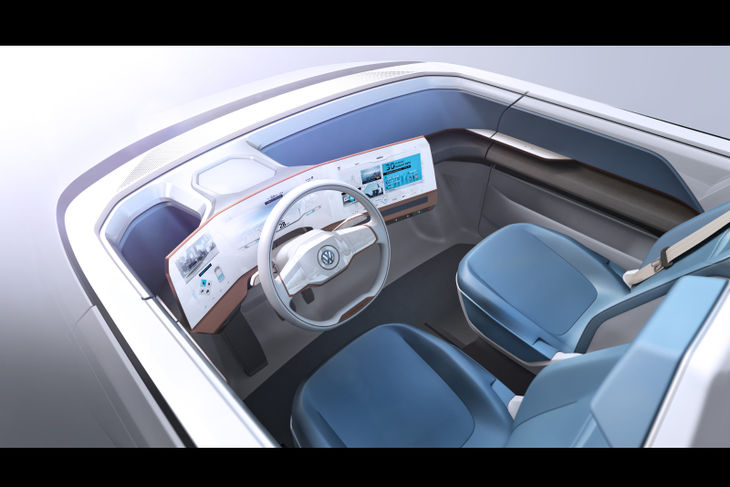
Expect the new VW EV to have a very dramatic, futuristic interior.
The concept will then be further refined for market introduction in late 2018 or early 2019, according to reports. Interestingly, Volkswagen's new bosses also want the vehicle to make a very bold statement about the greater technological capability of the Volkswagen Group. As a consequence, the new EV is expected to offer not only cutting-edge drivetrain features, but also offer several firsts inside, as Volkswagen aims to reposition itself for a new era.
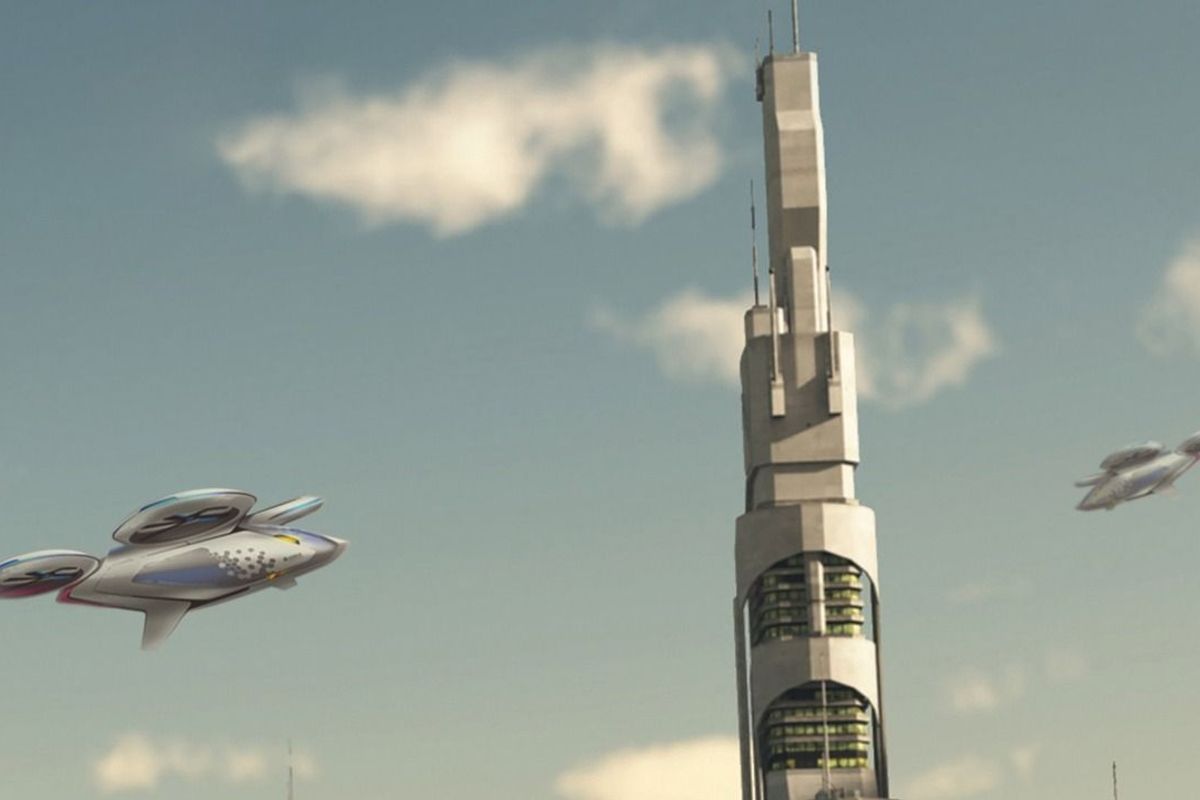
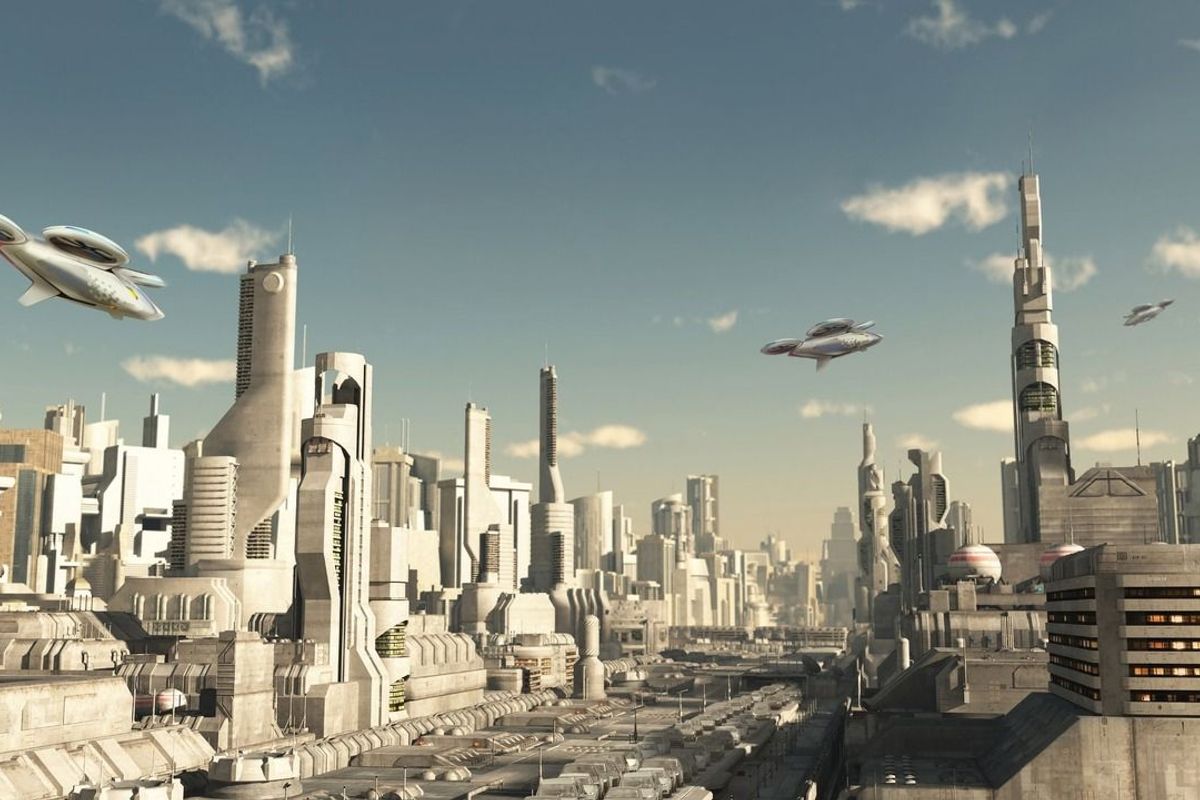
French aircraft conglomerate, Airbus, is developing an autonomous flying car, with the first prototype expected to take flight as early as 2017.
No, this is apparently not an April Fool's joke… An idea that only a few years ago seemed unreal, is now becoming a reality. Do you remember the AeroMobil flying car from 2014? Well, Airbus is developing an autonomous flying car that will be designed to carry cargo or passengers. A prototype is likely to undergo testing in 2017 and Airbus believes that the autonomous air-going vehicle could be in service within the next 10 years.
An autonomous vehicle platform called Vahana, developed by A3 at Airbus’ high-tech facility in Silicon Valley is central to the project and as you can expect, a number of technical and legal issues need to be fleshed out before the autonomous vehicle can take to the skies.
Vahana head, Rodin Lyasoff said: “Many of the technologies needed, such as batteries, motors, and avionics are most of the way there.” However, the detection and avoidance systems needed for an aircraft to operate autonomously are well behind those already in use in cars. “That’s one of the bigger challenges we aim to resolve as early as possible,” Lyasoff added.
Autonomous aircraft regulations are also a challenge, as drones without a remote pilot are currently not allowed to fly over any city in the world.
The proposed autonomous aircraft would carry passengers and cargo on a ride-sharing basis as per Uber and we could very well see a partnership develop between Airbus and Uber when (or if) this project ever gets off the ground.
Lyasoff concludes, “We believe that global demand for this category of aircraft can support fleets of millions of vehicles worldwide. In as little as ten years, we could have products on the market that revolutionise urban travel for millions of people.”
Is the Mazda3 2.0 Astina worthy of your ownership? We spent a month with the range-topping model to get a sense of what the car is like to live with on a day-to-day basis.
Mazda3 2.0 Astina – Quick Facts
Engine: Naturally-aspirated 2.0-litre petrol Transmission: 6-speed automatic Power: 121 kW Torque: 210 Nm 0-100 kph: 10.3 secs Top Speed: 198 kph Fuel Efficiency: 5.9 L/100km Boot Space: 308 L
Highlights and Lowlights of the Mazda3 2.0 Astina
The Mazda3 has quietly become one of the country's top-selling C-segment hatchbacks. It competes against such vehicles as the new Opel Astra, Ford Focus and, of course, the Volkswagen Golf 7. But, as is usually the case with modern Mazdas, this product doesn't follow the current trends (on purpose). It's sleek and sporty looking, where most rivals are quite boxy or bland, and with a naturally aspirated 2.0-litre engine as opposed to a downsized turbo, the Mazda3 is pitched at a discerning customer looking for near-premium style and luxury. But what is a Mazda3 like to live with? We spent more than a month with this Astina derivative and these were the 5 things that left a lasting impression.
1. The looks
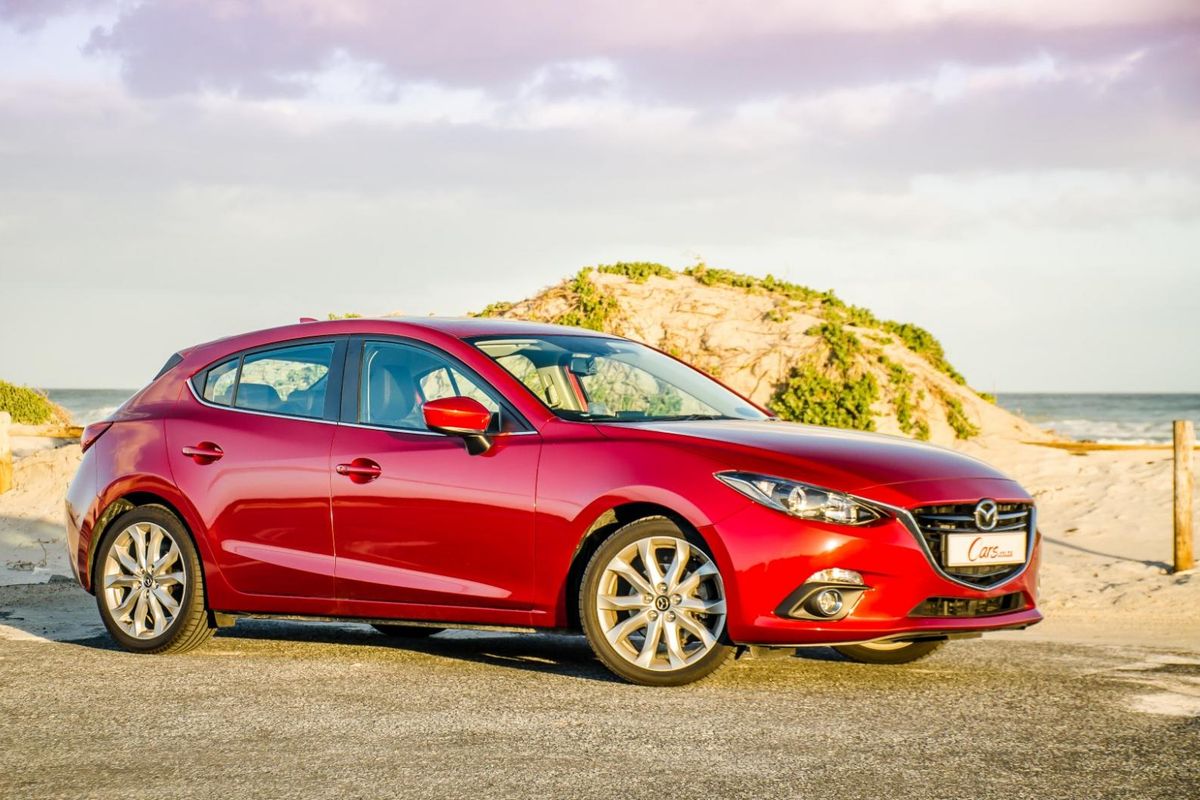
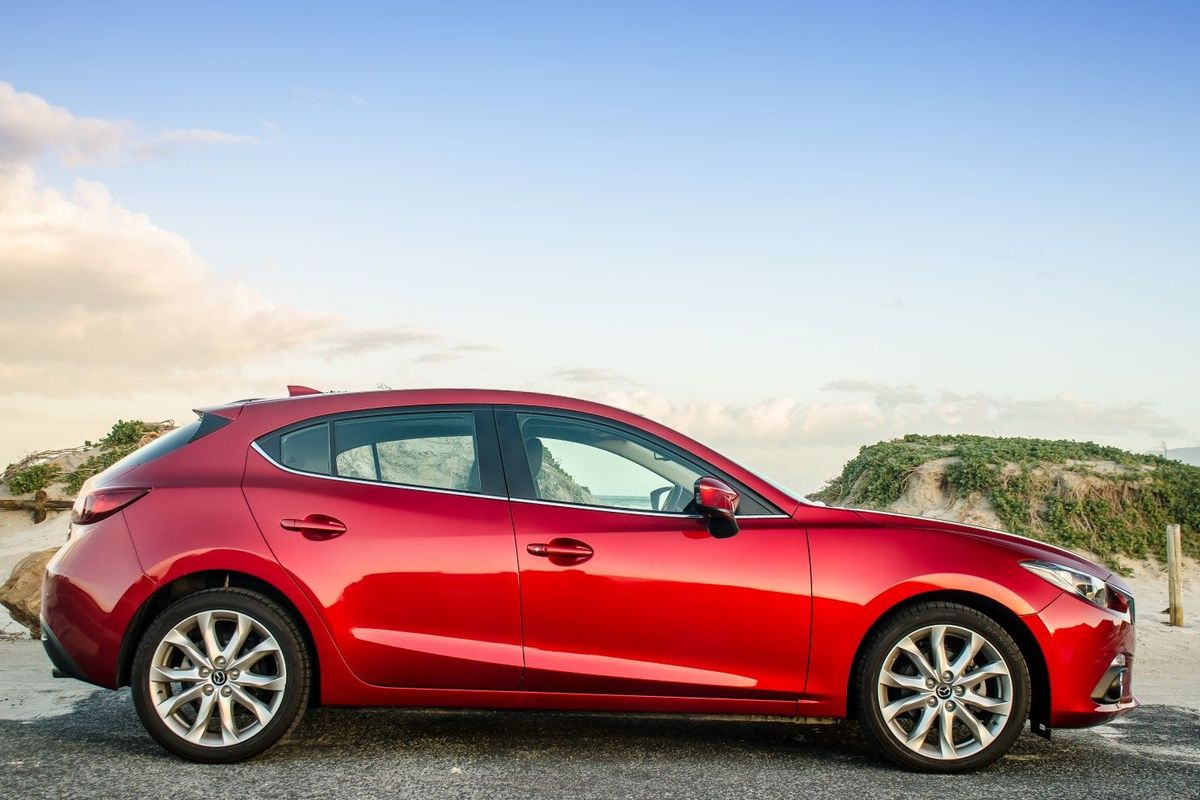
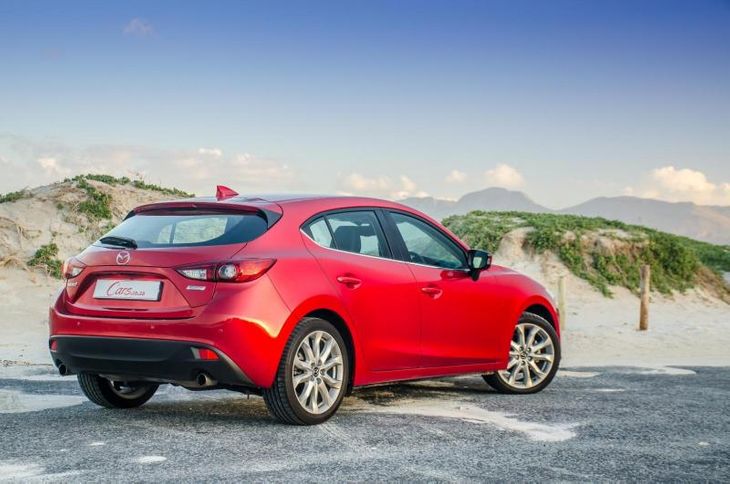
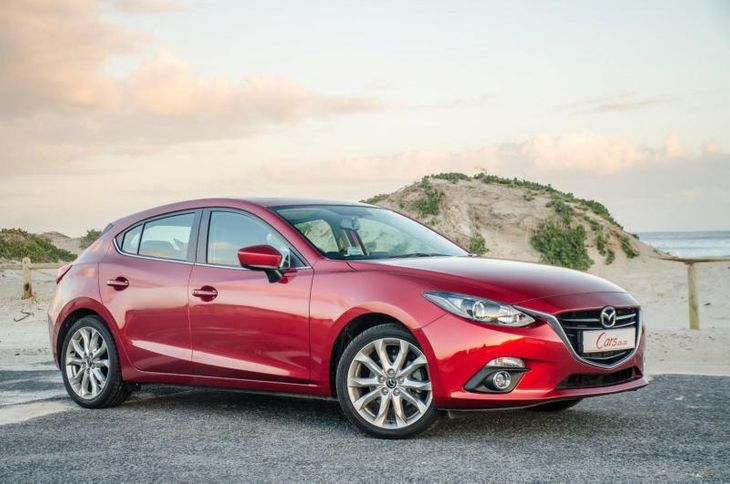
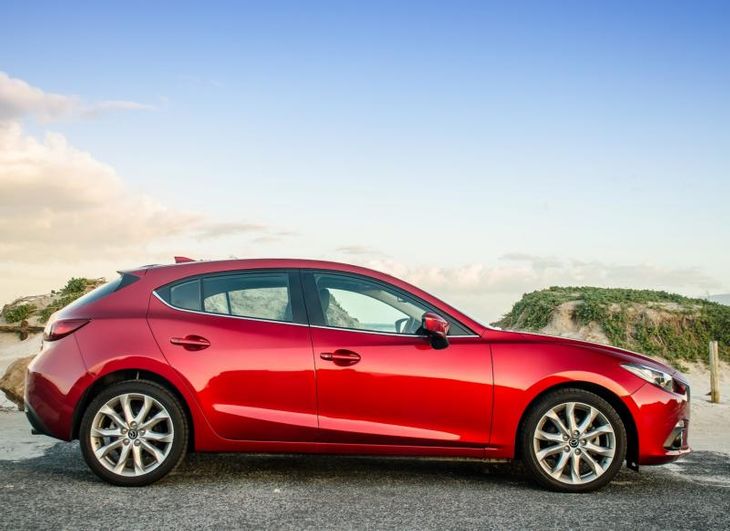
The Mazda3 Astina is an attractive hatchback with its sleek, low-slung stance.
Our first encounter with the Mazda3 occurred nearly two years ago when we had our first unit on test, and time has done little to diminish its appeal. It has aged well, and still photographs beautifully too, especially in Soul Red body colour.
Where other hatchbacks generally can look boxy and uninspired, the Mazda3 appears "livelier" with its longer bonnet and low-slung, coupé-like stance. It’s what we like to call "clean" design – simple, attractive and curvy. Note that 18-inch alloy wheels are fitted as standard on this Mazda3 2.0 Astina. A very small facelift will happen in the coming weeks, so keep an eye out for that. Even so, visual changes won't be significant, because they don't need to be.
2. Interior layout
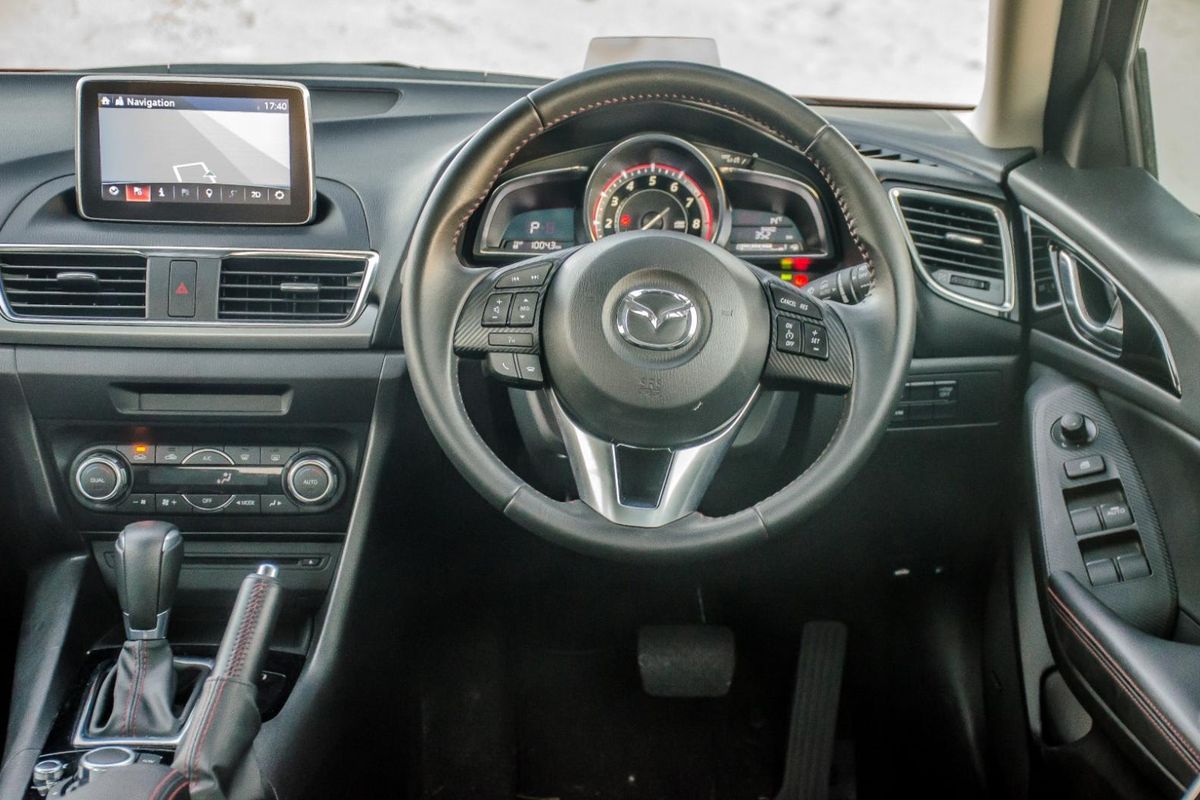
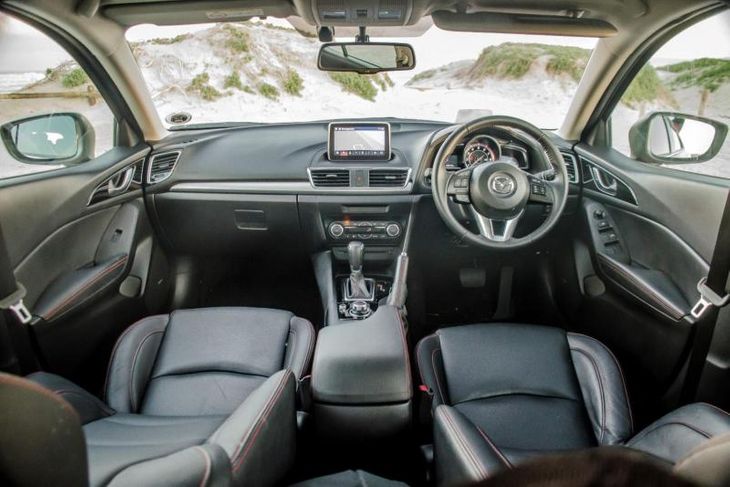
The interior of the Mazda3 Astina features a minimalist design approach with a host of standard features.
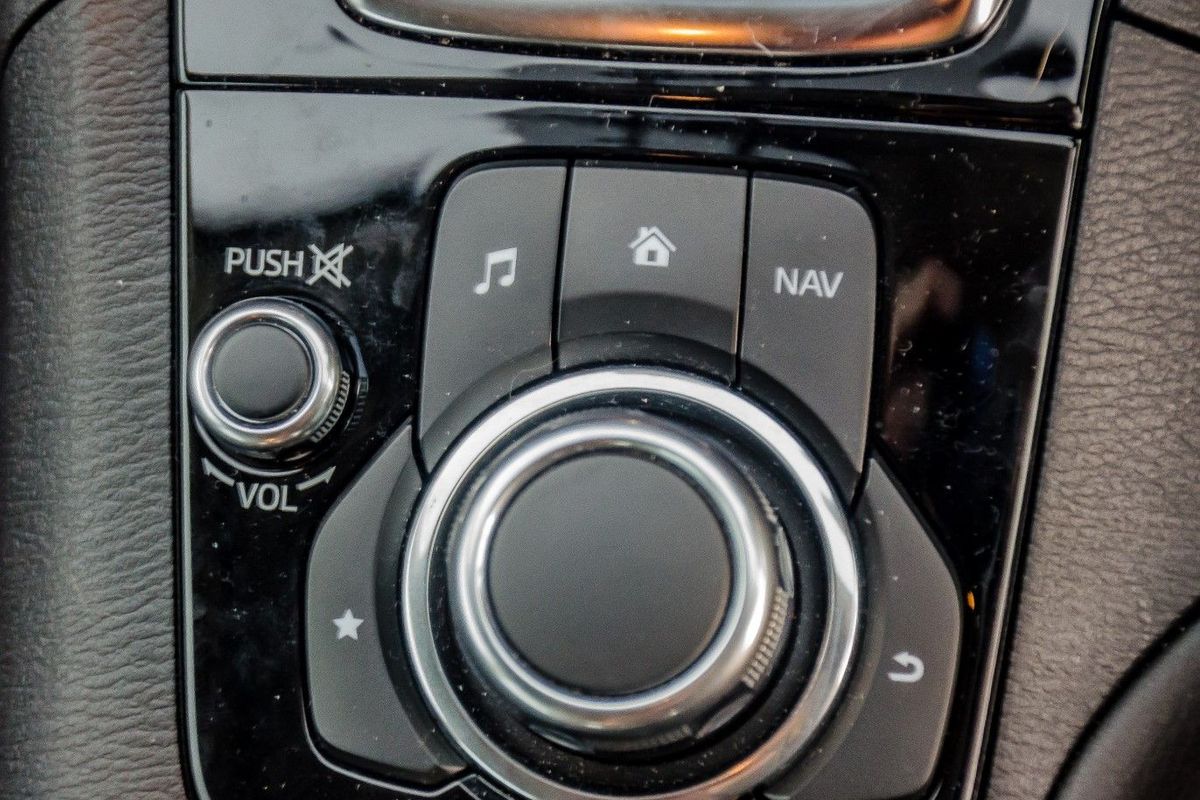
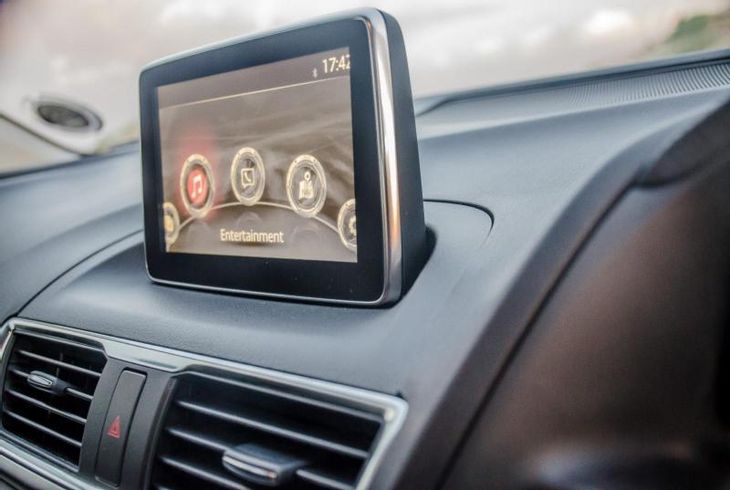
What we like about the interior of the Mazda3 2.0 Astina is the simple, minimalist design approach Mazda has employed in the car. The interior, much like the exterior, is uncluttered, yet elegant in design. There’s a neat seven-inch touchscreen placed on the upper dashboard and it offers access to a variety of functions such as media, navigation, Bluetooth and vehicle settings. The system is easily navigated using the rotary dial positioned ahead of the centre console (a feature typically found on more expensive cars). Dual-zone climate control air-conditioning is standard on this Astina and the buttons and dials to control it are neatly clustered in the lower dashboard. More importantly, the interior is solid and well-built.
The 7-inch touchscreen adds a nice upmarket touch to the Mazda3 Astina's interior.
There’s also a small heads-up display screen that pops up when you start the car using the start/stop button. It looks nifty, but we perceived it to be a bit gimmicky. We think a heads-up display projected onto the windscreen would add a nice premium touch instead. Another gripe, if we can call it that, is the CD loader. It’s awkwardly placed directly ahead of the transmission and when in Park, it’s difficult to load a CD due to lack of space. You have to shift the transmission into Neutral or Drive to create space to load the CD. But then again, who uses CDs these days anyway?
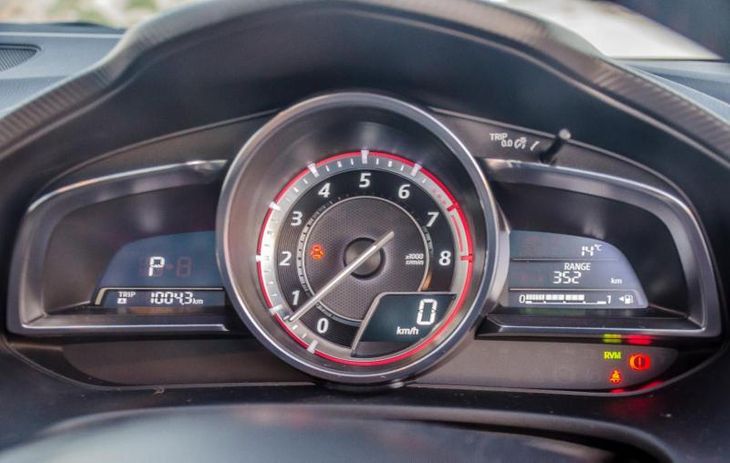
The instrument cluster of the Mazda3 Astina is stylish and sporty in design.
With our gripes out the way, another aesthetic highlight in the Mazda3 is the instrument cluster. It’s sporty in appearance and attractive to look at with a large central tachometer combined with a digital speedometer and flanked by two information displays. For added convenience, the driver can browse trip information, engage cruise control or take calls using the mounted controls on the steering wheel. We must mention the seats too. It’s easy to get comfortable in the Mazda3 and the standard leather upholstery adds a premium feel to the interior. Furthermore, the driver’s seat is 8-way electrically adjustable, so finding the best driving position is effortless.
3. Ride quality and handling
You only have to drive the Mazda3 for a short distance to be impressed with the ride quality. For the most part, the Mazda3 delivered a smooth and comfortable drive over varying surfaces and only on the roughest and bumpiest sections of road did the Mazda3's underpinnings send jolts through the cabin. The cabin is also reasonably well insulated and very little wind and road noise intrudes while driving.
The Mazda3 Astina is comfortable to drive and delivers decent performance.
The engine, however, isn’t as refined as we expected it to be. It’s quite a noisy unit, but not unbearably so. We also found that the Mazda3's engine (a 2.0-litre petrol unit) prefers not being rushed. The engine moans a bit under hard acceleration and the transmission isn’t quite suited for spirited driving (the manual Individual derivative will certainly be more engaging to drive). In order to extract the best performance from the Mazda3, a steady power feed will yield the best results, resulting in smooth, linear acceleration as opposed to a ‘pedal to the metal’ approach.
Nonetheless, you may be happy to know that the Mazda3 feels quite sporty behind the wheel and it handles well when you are pushing on. We had a chance to test the Mazda3’s handling abilities on an out-of-town trip where winding country roads allowed us to push the Mazda3 a bit harder than usual. We discovered that the Mazda3 was composed and responsive when tackling corners at speed.
In terms of fuel consumption, Mazda claims 5.9 L/100 km for the 2.0 Astina and during our extended test period, we achieved an average of 8.4 L/100 km.
4. Practicality
The Mazda3 Astina is a capable and practical vehicle for a variety of activities.
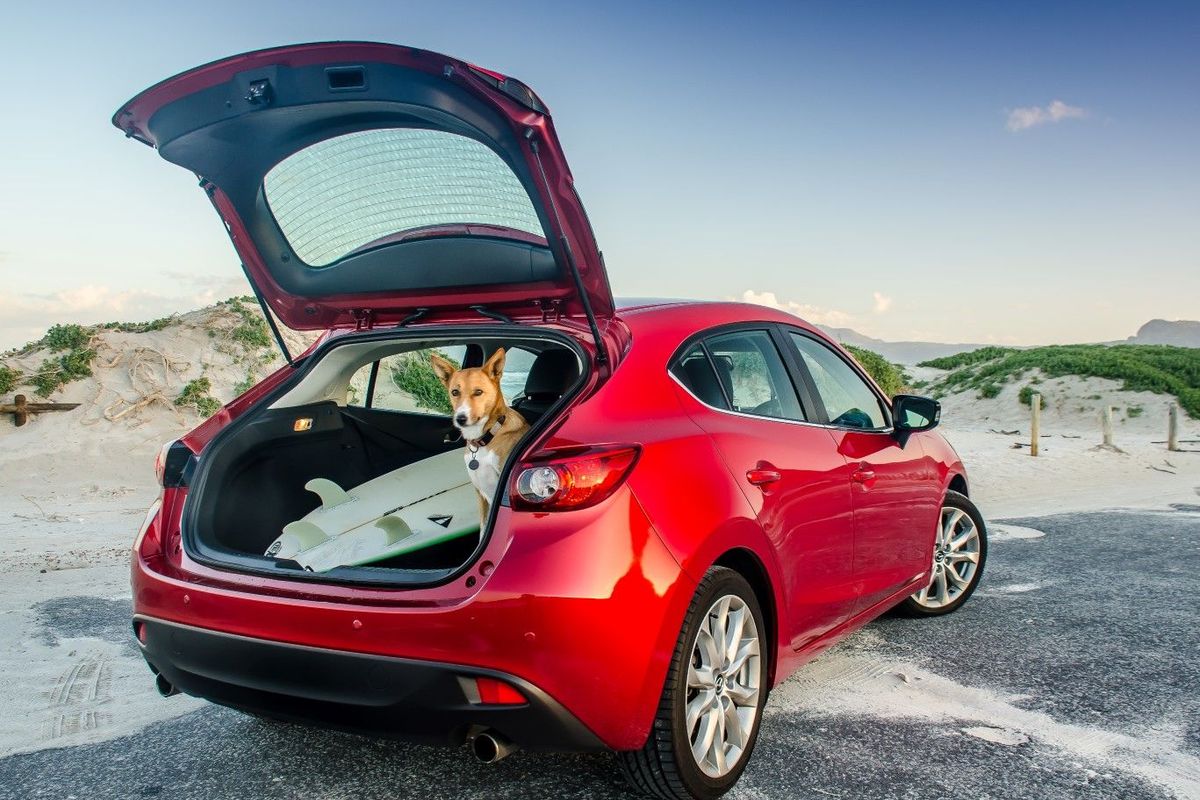
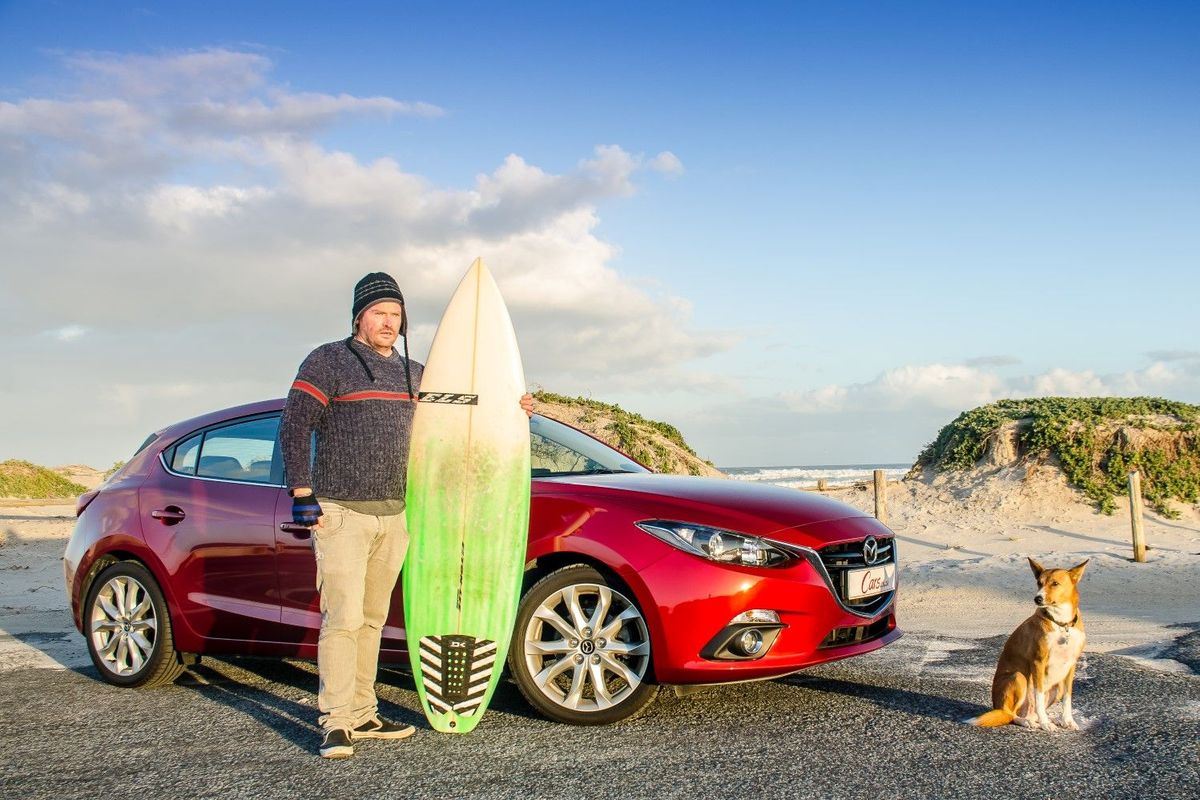
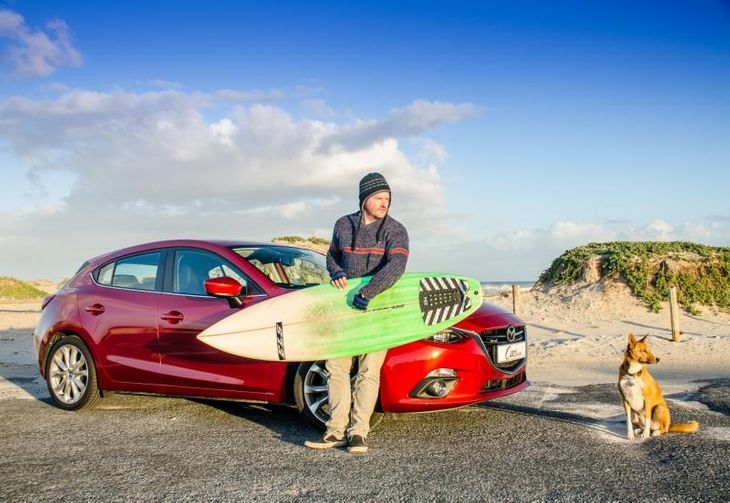
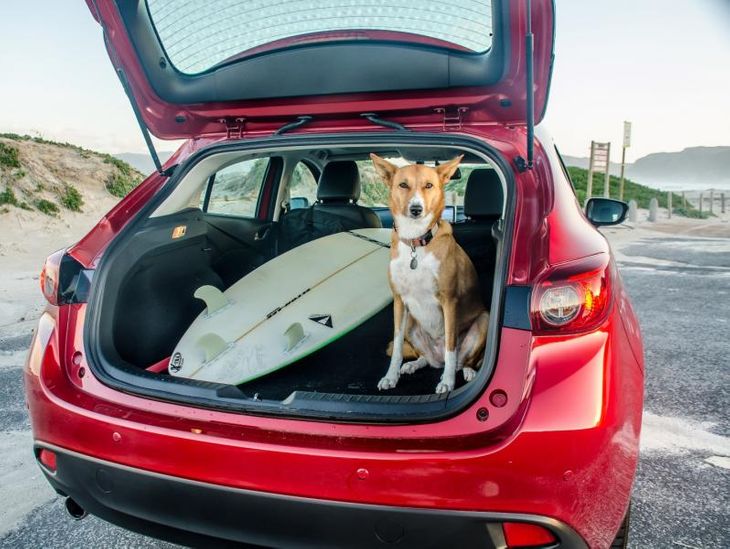
At 308 litres, the Mazda3’s boot is the smallest when compared to its main competitors (Ford Focus, Volkswagen Golf, Opel Astra). Even though this is the case, a fair amount of luggage and goods can still be loaded in the boot. If more space is required, the 60:40 split rear seats can be folded down. During our test, the Mazda3 was often required to transport surfboards and other surfing equipment to the beach. With the rear seat folded flat, we could easily slide three or even four surfboards into the Mazda3 and still have space for other goods.
The Mazda3 Astina's boot swallows surfboards and dogs, perfect for a trip to the beach.
Rear passengers, leg-, head- and shoulder room is ample and there is storage space for bottles in the rear doors.
We were also happy to find two USB ports and an auxiliary port in the centre console for connecting / charging multiple devices. In our opinion, two USB ports are always handy, particularly on long journeys with other passengers who might need them.
In case you haven’t noticed, the Mazda3 2.0 Astina is packed with a generous amount of features. Apart from the features we have already mentioned, this Mazda3 derivative is equipped with a BOSE sound system, rear park distance control with a rear-view camera and blind spot monitoring.
A total of six airbags are included as is ABS with EBD, traction control and electronic stability control. The Mazda3 2.0 Astina compares favourably with its rivals and for the asking price of R357 600, you are getting a generously-equipped, stylish car.
Should you consider the Mazda3 2.0 Astina?
The Mazda3 Astina is worth your consideration if you are looking for a stylish and comfortable hatchback.
Given the high-level of specification offered in the Mazda3 2.0 Astina, it’s a car that deserves consideration if you are shopping for a semi-premium hatchback. The Mazda3 is comfortable and easy to drive and its handling and ride quality make it an attractive proposition.
The Mazda3 will appeal to buyers who want to drive a car with a bit more presence, style and luxury than your standard hatchback offering. In summary then, there’s very little not to like about the Mazda3 2.0 Astina. The facelifted Mazda3 will be introduced in South Africa soon, so you might be able to get a good deal on the current model, or you can wait until the latest model arrives, which will certainly improve on an already accomplished product.
Price, warranty and service
The range-topping Mazda3 2.0 Astina is priced from R357 600 and is sold with a 3-year/unlimited km warranty and a 3-year/unlimited km service plan.