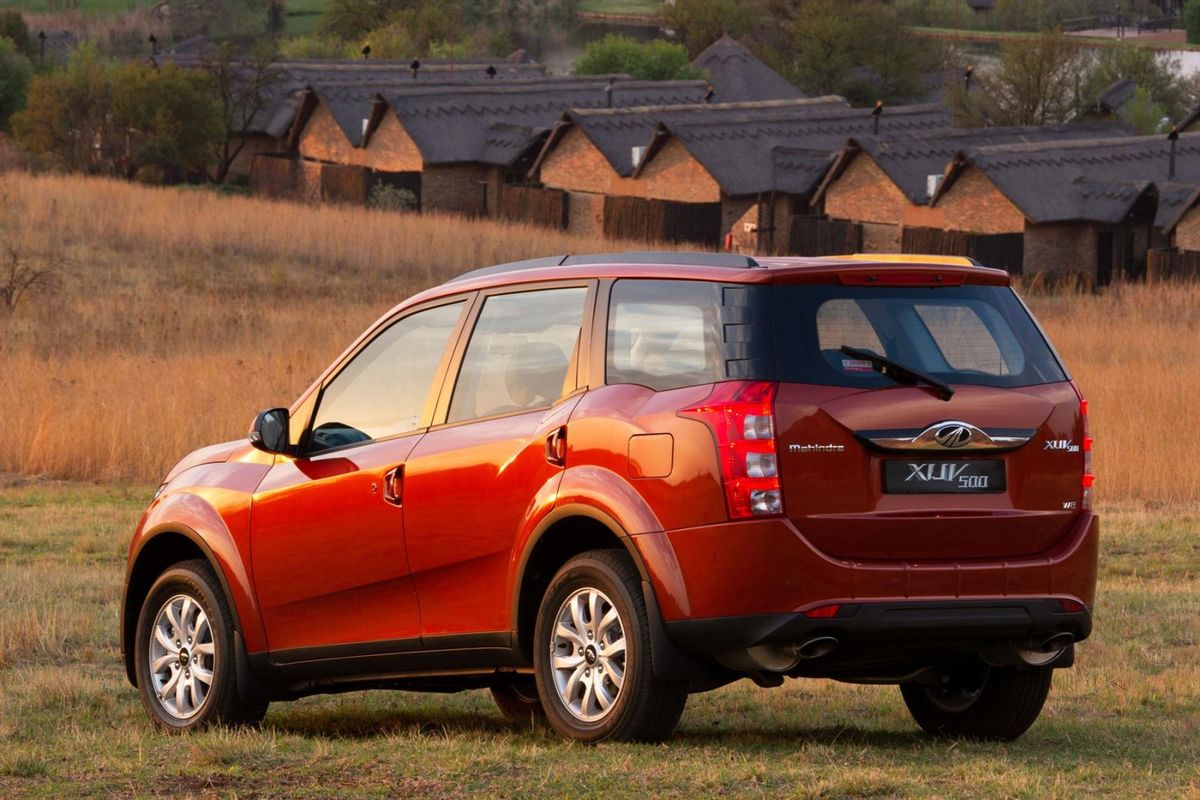
Mahindra’s XUV500 SUV can now be had with a 6-speed automatic transmission.
Popularity of automatic transmissions are on the rise and for the city dweller who prioritises comfort, economy and convenience, driving an automatic makes more sense on busy city roads. Mahindra has listened to customer feedback and is now offering a new 6-speed automatic transmission for its XUV500 SUV, which will be available for the W8 front-wheel drive derivative only.
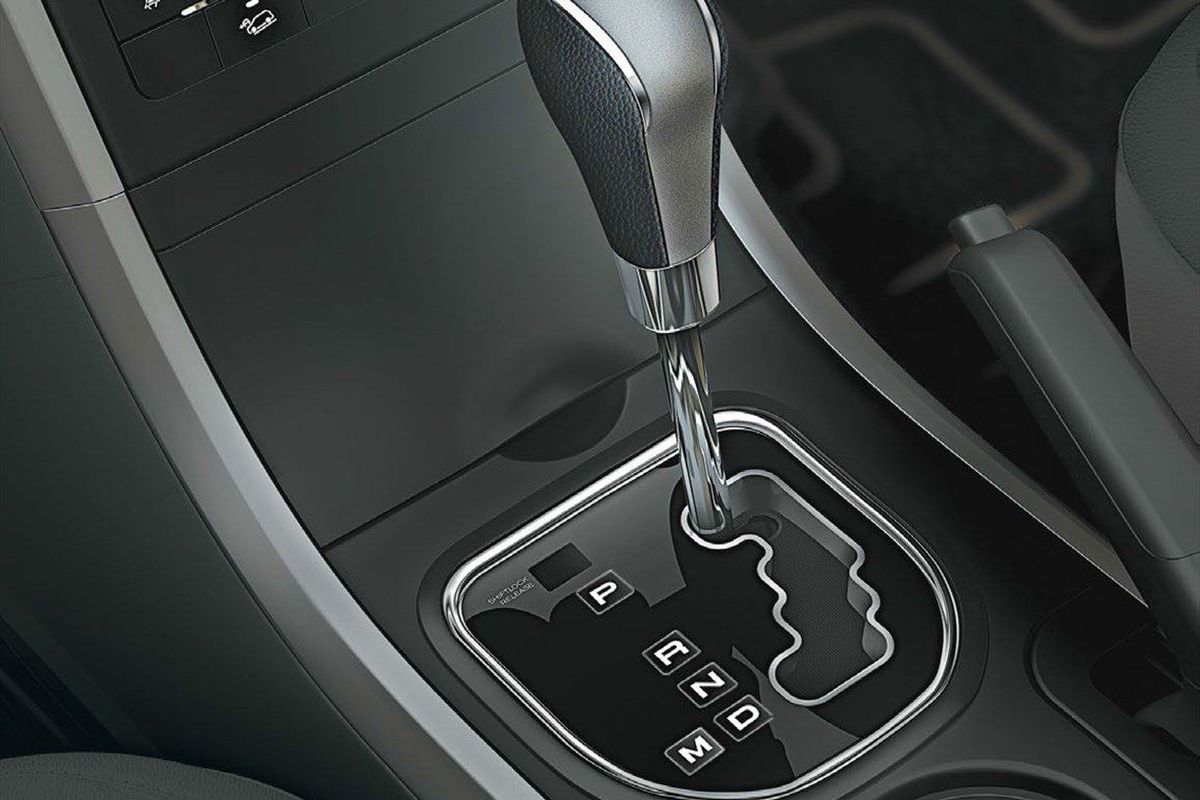
Mahindra says the new transmission delivers smooth, quick shifts with a focus on economy and convenience. A “creep” function makes low-speed traffic driving easier and the transmission also features a manual override function to allow the driver to engage in manual gear shifting if necessary.
The Mahindra XUV500 W8 is powered by a 2.2-litre turbodiesel engine offering 103 kW and 330 Nm of torque. Mahindra claims a fuel consumption figure of 7.4 L/100 km.
Key Features
The XUV500 can seat up to seven passengers and rides on 17-inch, multi-spoke alloy wheels with all-terrain tyres.
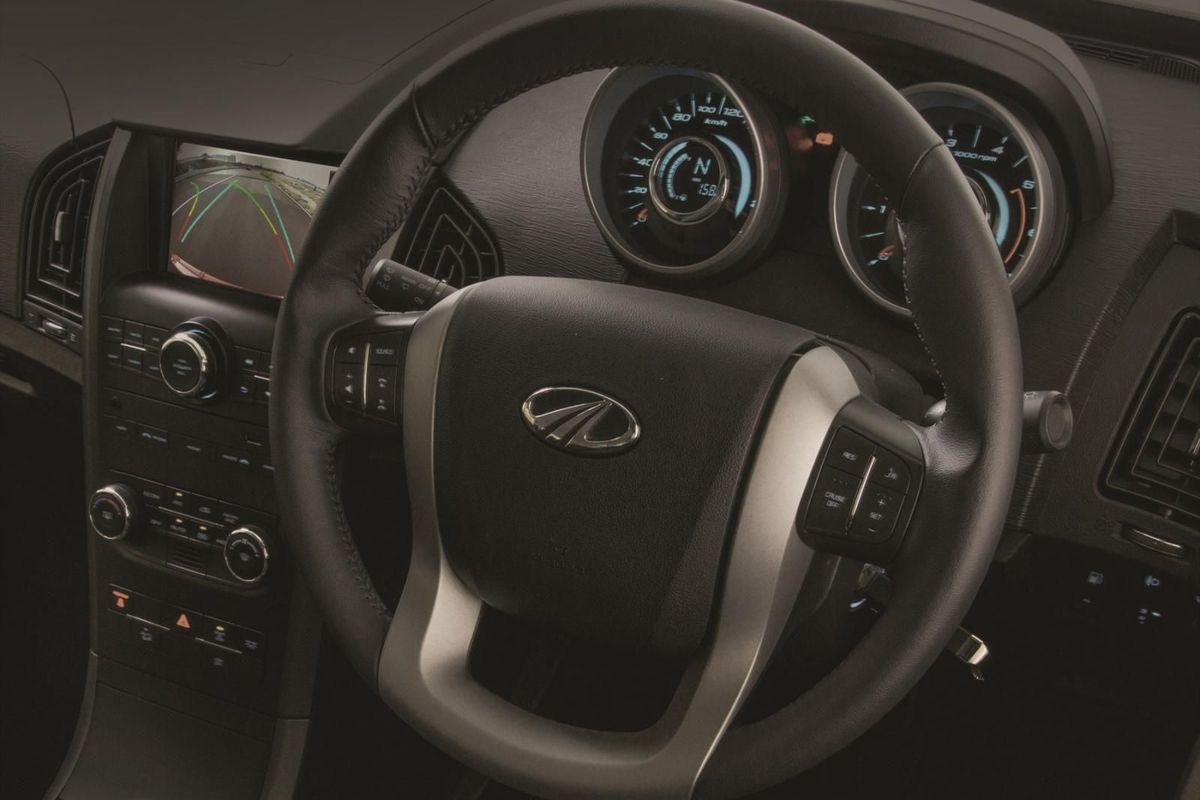
The interior features black leather-upholstered seats and W8 derivatives are equipped with a full-colour, 7-inch touchscreen that provides access to navigation (with voice prompts), Bluetooth and the sound system. A reverse camera and USB port are also included.
Other notable features include rain-sensing headlights and windscreen wipers, a multifunction steering wheel, automatic climate control air conditioning, electric windows and cruise control.
On the safety front, the XUV500 is equipped with six airbags, ABS with EBD, electronic stability program (with roll-over mitigation). Hill hold and hill descent control are available on W6 and W8 derivatives.
Mahindra XUV500 – Price in South Africa
XUV500 W4 – R272 995
XUV500 W6 – R319 995
XUV500 W8 – R354 995
XUV500 W8 AWD – R374 995
XUV500 W8 Auto – R389 995
Pricing includes a 5-year/150 000 km warranty and 5-year/100 000 km service plan. Services are at 20 000 km intervals or every 12 months.
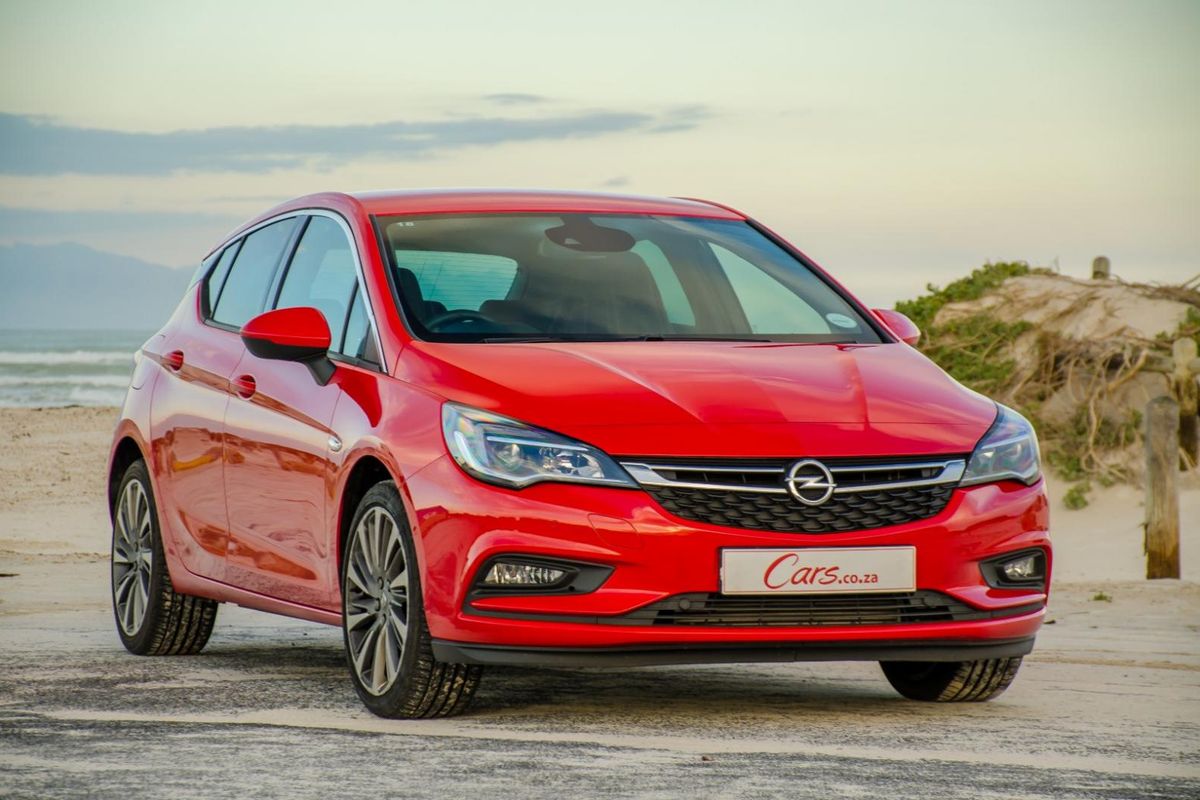
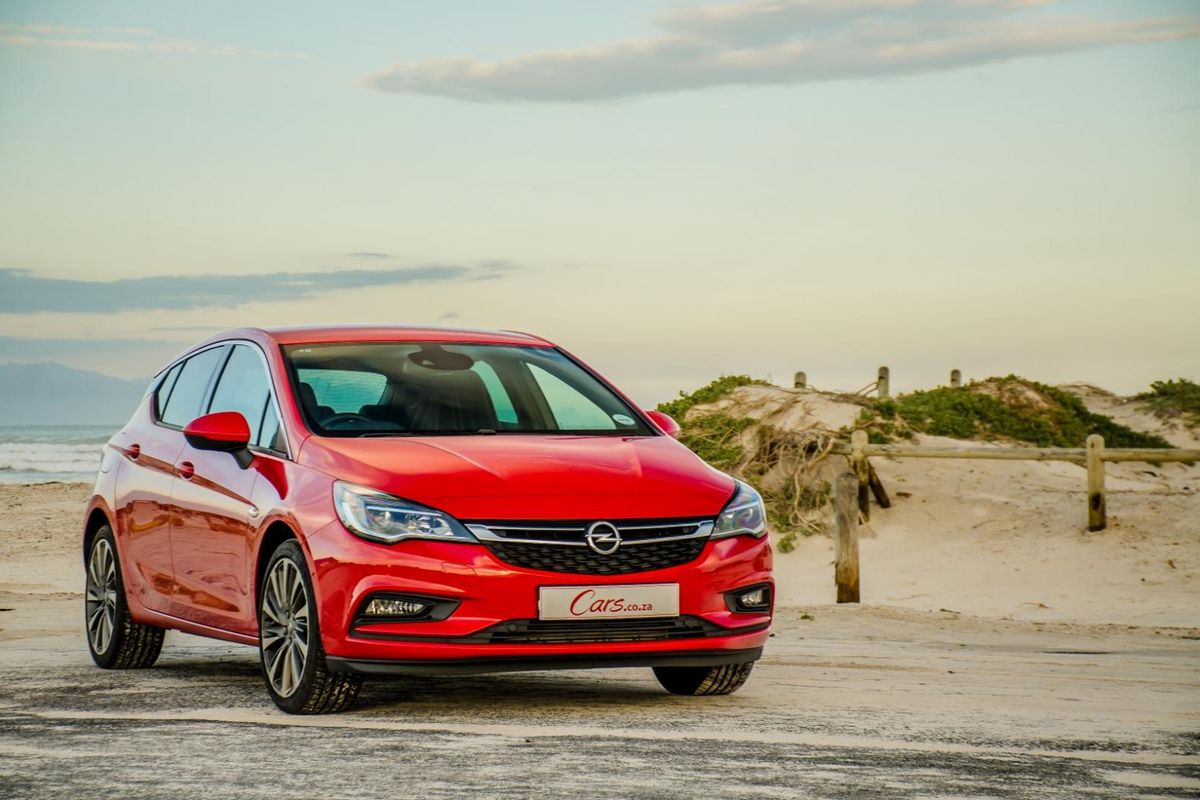
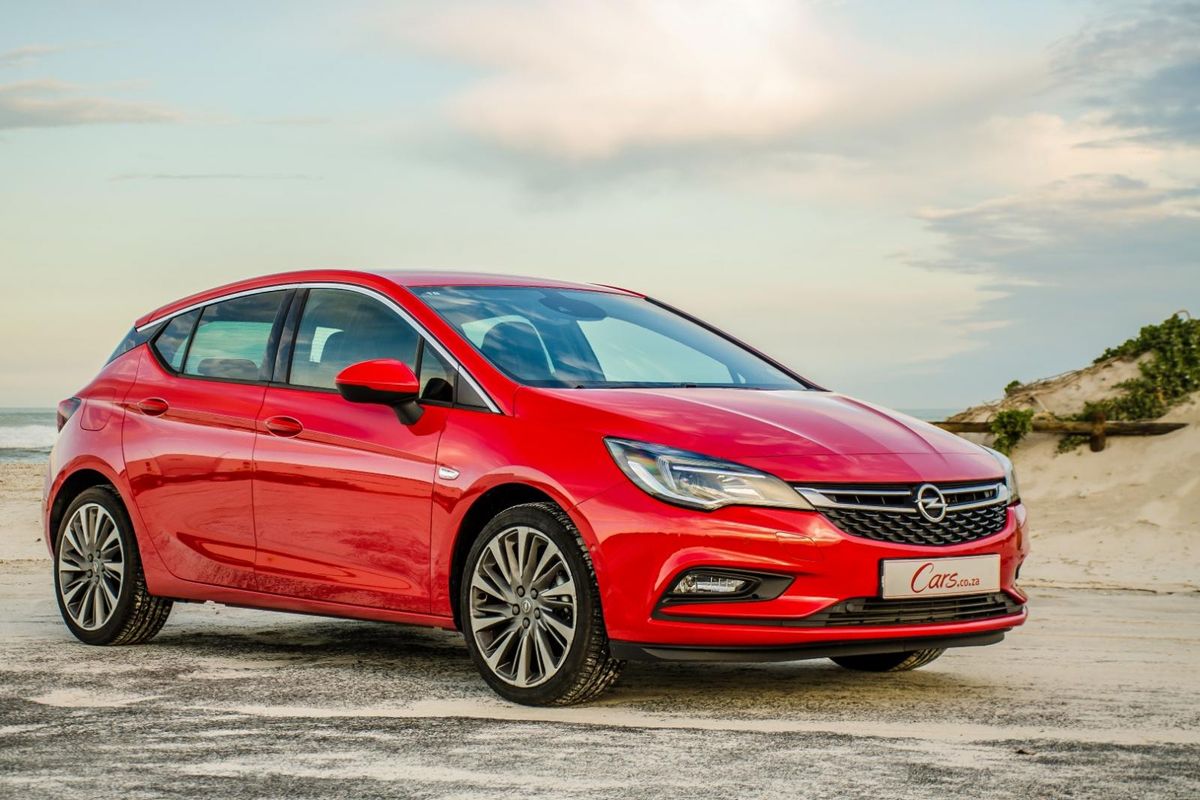
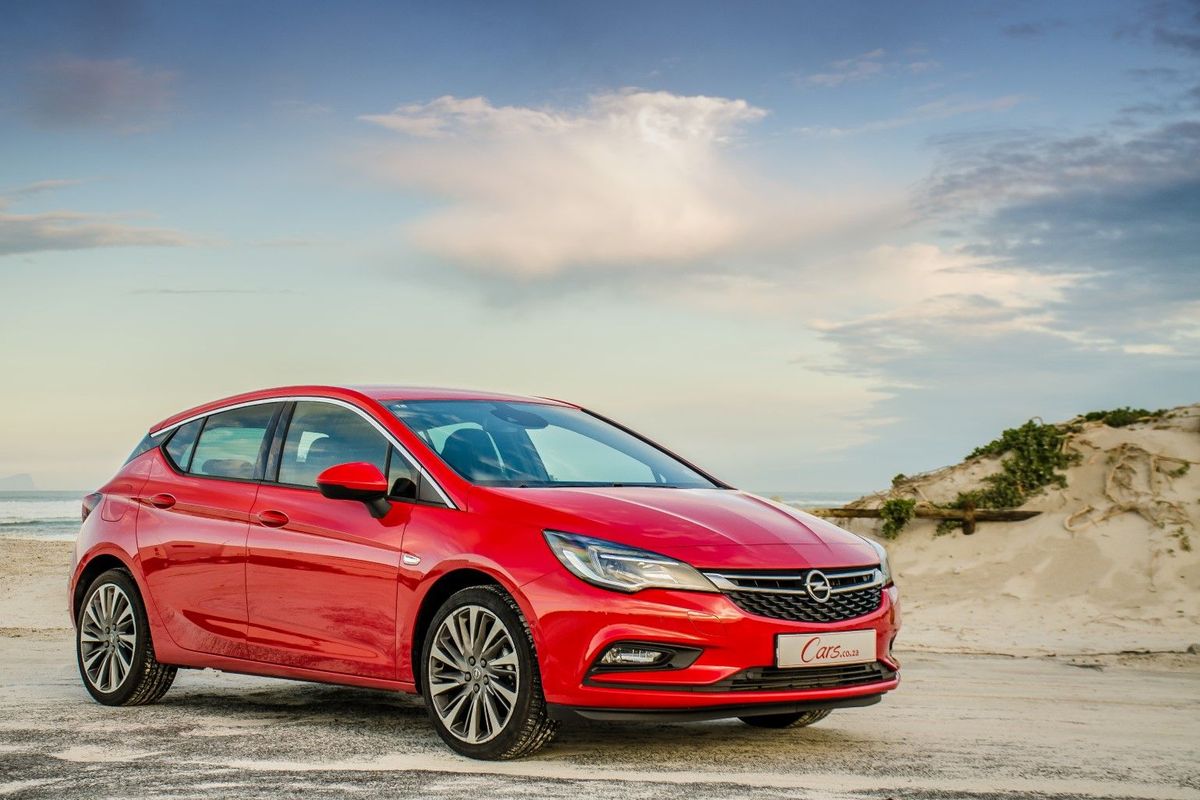
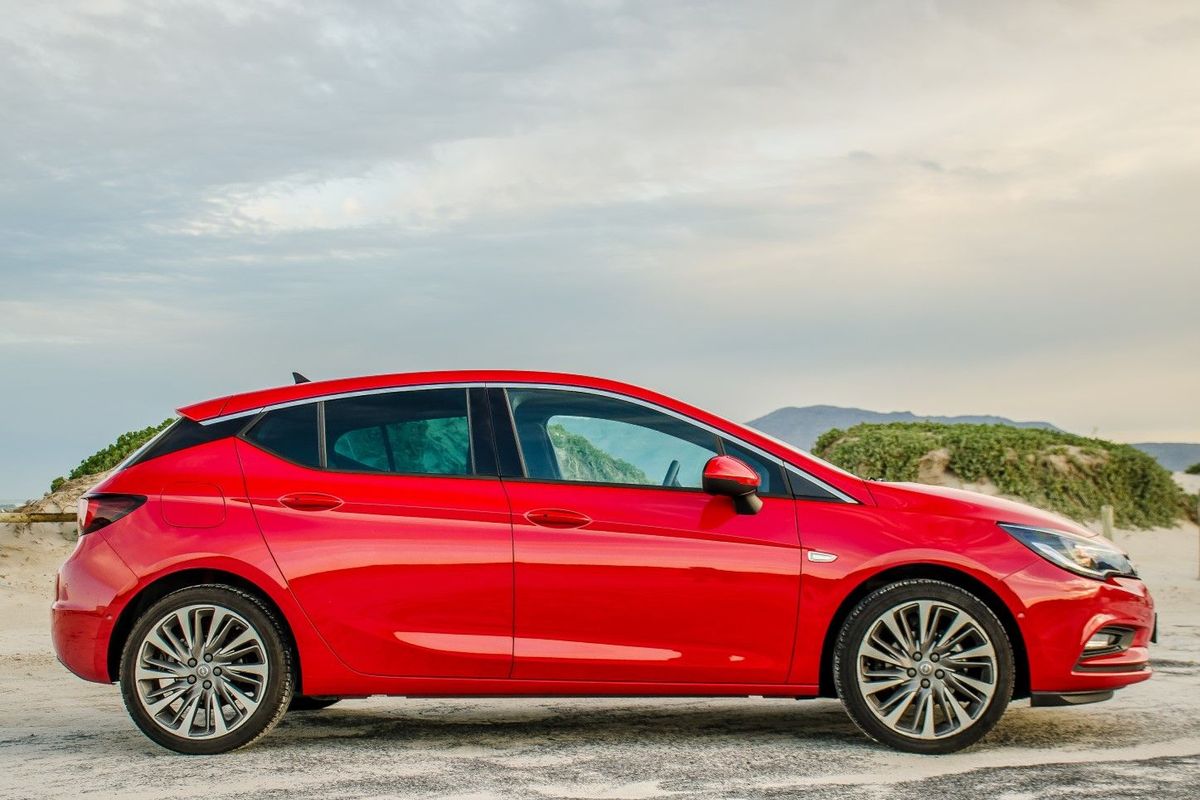
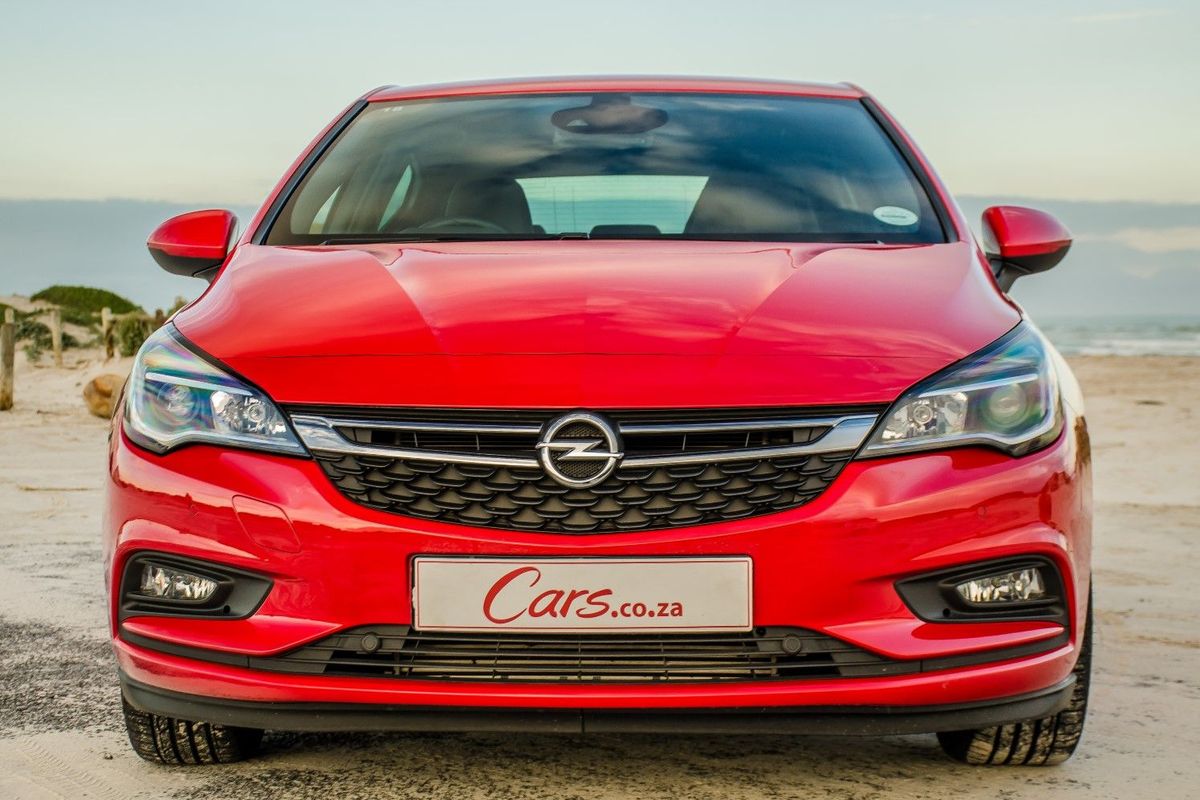
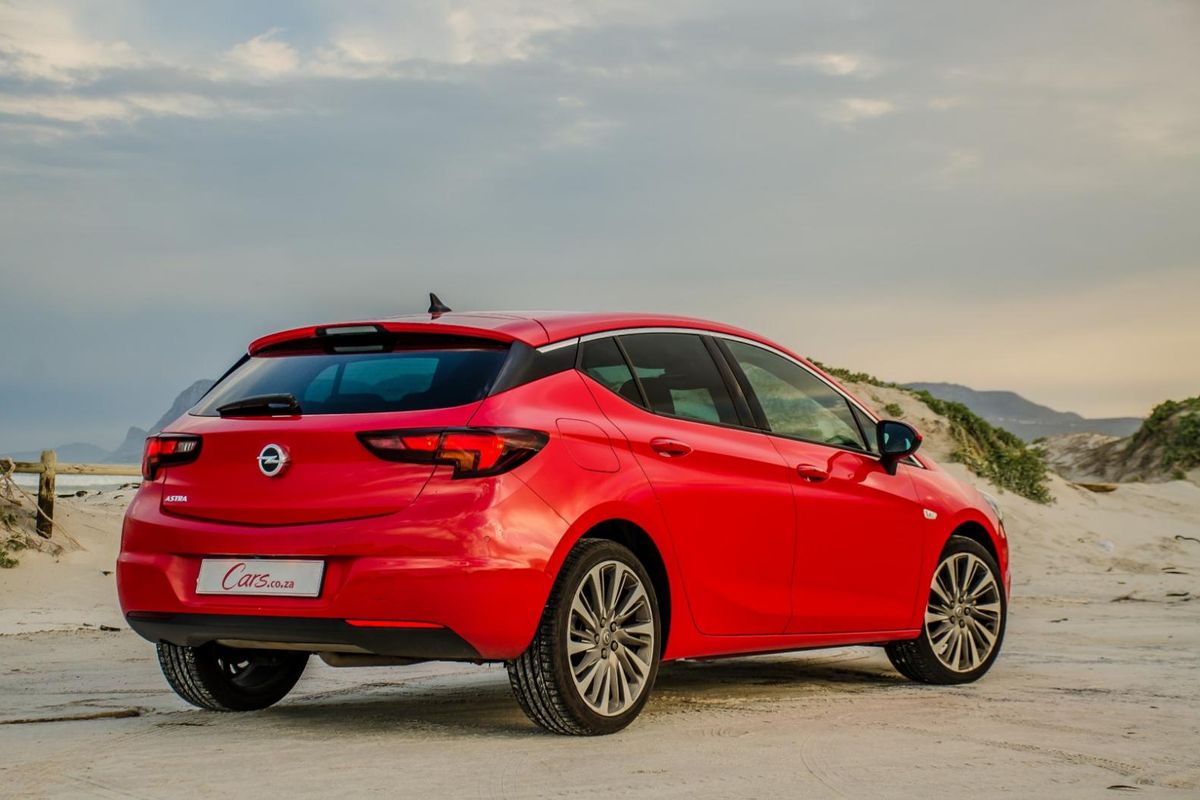
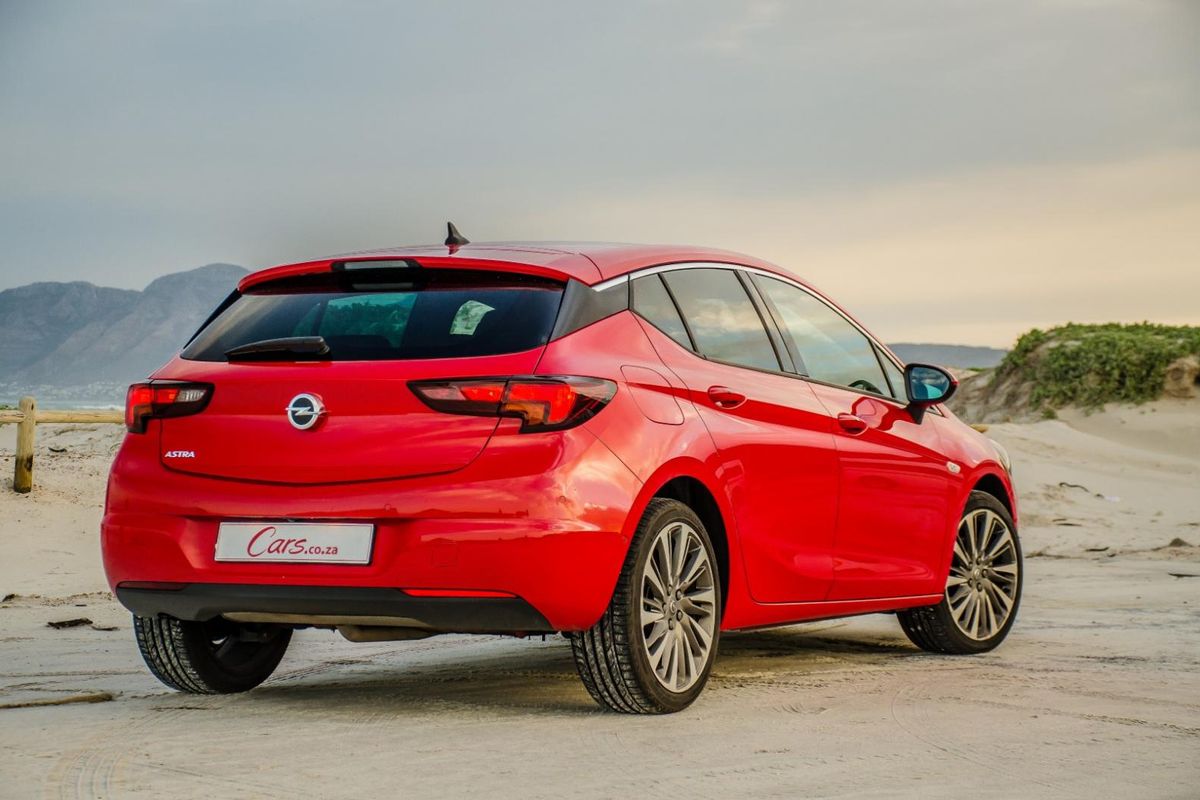
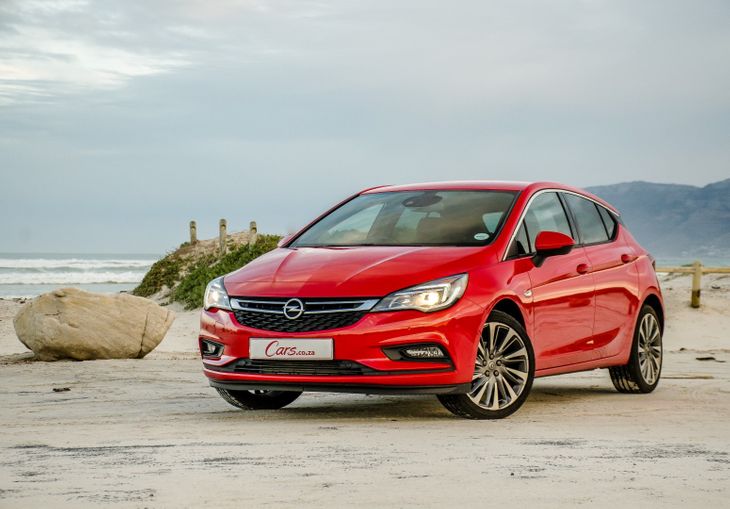
As automatic gearboxes continue to improve, self-shifting derivatives are gaining popularity in the compact car segment. Is "the automatic" worth the extra money? We test the Opel Astra 1.4T Sport automatic to find out…
We like: Ride and comfort levels, excellent connectivity and specification level, good auto ‘box, powerful
We don’t like: Interior could feel more premium, more expensive than rivals
Alternatives:
If you want to spend less: The Ford Focus 1.5 T represents incredible value and its engine and gearbox combination is on par with the Astra. Its cabin is more value-oriented/less premium in execution.
For something more upmarket: The Peugeot 308 1.2T GT Line Auto has a very refined automatic gearbox and well-built, premium interior.
The conservative, safe choice: The Volkswagen Golf 1.4TSI Comfortline auto is a solid choice (good in all departments), but it's getting a little long in the tooth. It is also likely to offer the best resale value.
Are small automatics worthwhile?
As urban traffic congestion worsens by the day, one's left leg is often compelled to work the clutch pedal like it's a StairMaster. For those seeking a less-taxing alternative, however, automatic gearboxes have improved significantly over the last 5 years… so much so that automatic derivatives are now more fuel-efficient than their manual counterparts, at least in most cases. They also tend to be faster-accelerating than manuals, so it’s a win-win situation. As ever, there is a premium for a modern, quick-shifting automatic and in the case of the Astra, it will cost you an extra R20 000 – in this instance you also get leather upholstery, however.
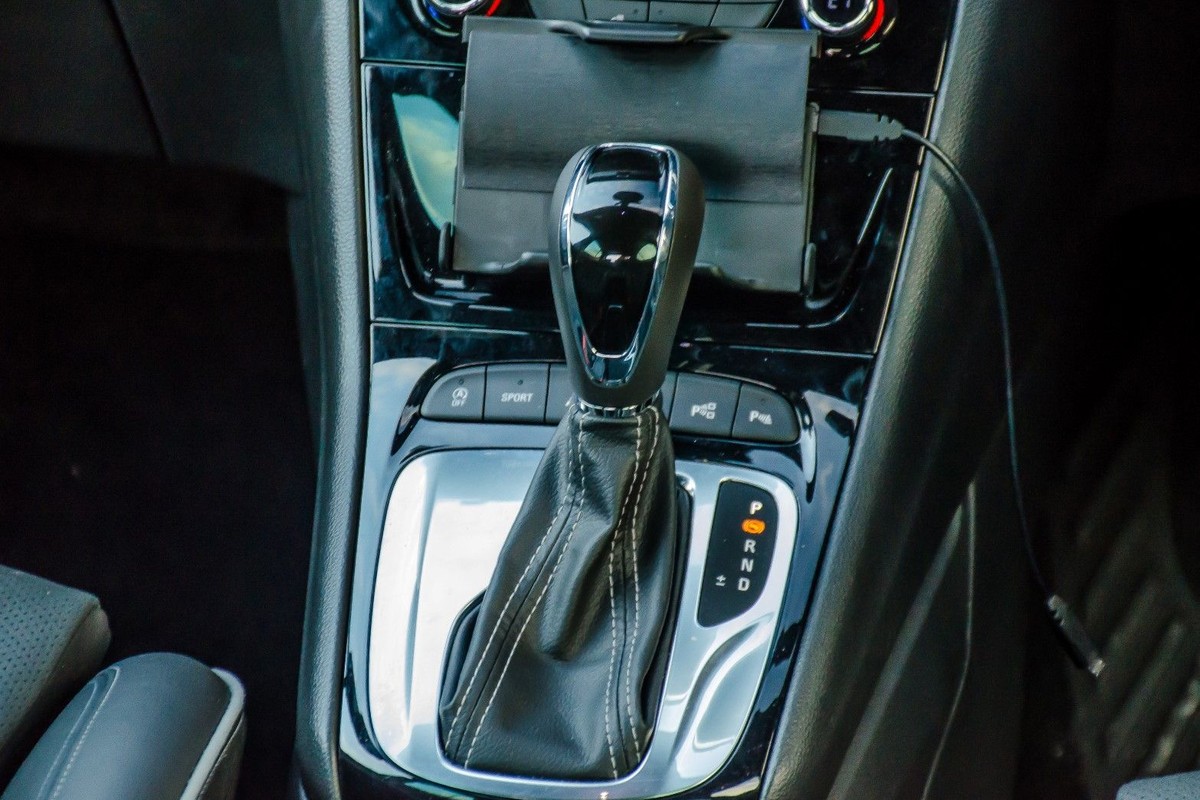
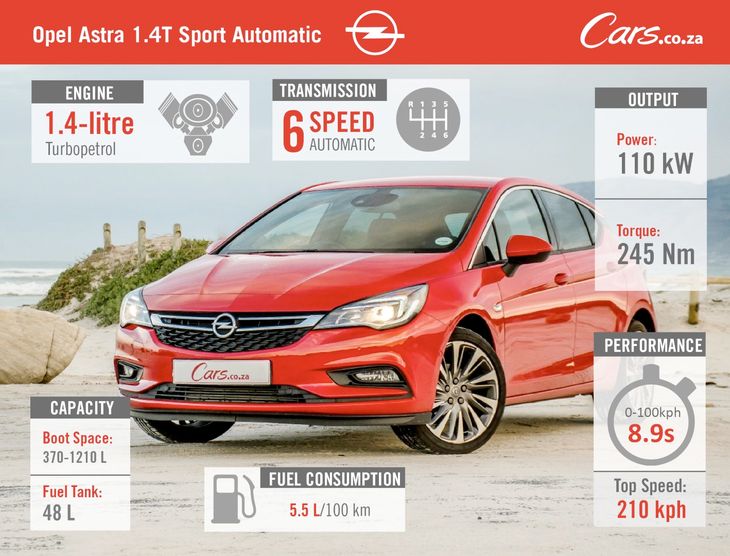
This Astra matches a 1.4-litre turbopetrol with a 6-speed automatic transmission.
How does it fare in terms of…
Engine and gearbox refinement?
There’s no point going the automatic route if the car you are interested in has a clunky, old-school transmission. The Astra uses a regular automatic gearbox (not a dual-clutch setup), but that doesn’t mean its shifts are slow and clumsy, quite the opposite, in fact. The 6-speeder is mated with a powerful 1.4-litre turbocharged turbopetrol motor that’s good for 110 kW and 245 Nm of torque. The two work well together, creating a comfortable drive in traffic and then when you get out onto back roads, it shifts predictably and confidently when you unleash all the power.
In terms of the competition, the smoothness of Astra’s automatic is right up there with the Golf and Focus, but the Peugeot leads the pack in this department. The Astra claws ground back with its extra power/torque, which makes it easier to overtake and maintain speed on the long road.
In terms of efficiency, the significantly less powerful Golf has the advantage over the Astra, with the Opel' claimed consumption figure of 5.5 L/100 km stil comparing quite favourably with the Golf's (5.0 L/100 km) and 308's (5.2 L/100 km), especially when keeping in mind the punchier performance.
New Astra is shorter than its predecessor, but roomier inside.
Ride and drive?
Opel has really improved the interior comfort of the new Astra. The body control is good too, so it sits nice and flat in the corners. That’s not to say it’s set up too stiffly for everyday use… in fact, its ride is quite pliant over bumps and the suspension copes well when the road surface deteriorates. The steering is middle-of-the-road as far as weighting is concerned and there’s nothing scary or disconcerting when you have to make an emergency manoeuvre or swerve rapidly. The 130 kg of kerb weight that this new Astra has shed has certainly contributed to it feeling more engaging and agile in the handling department.
Interior comfort?
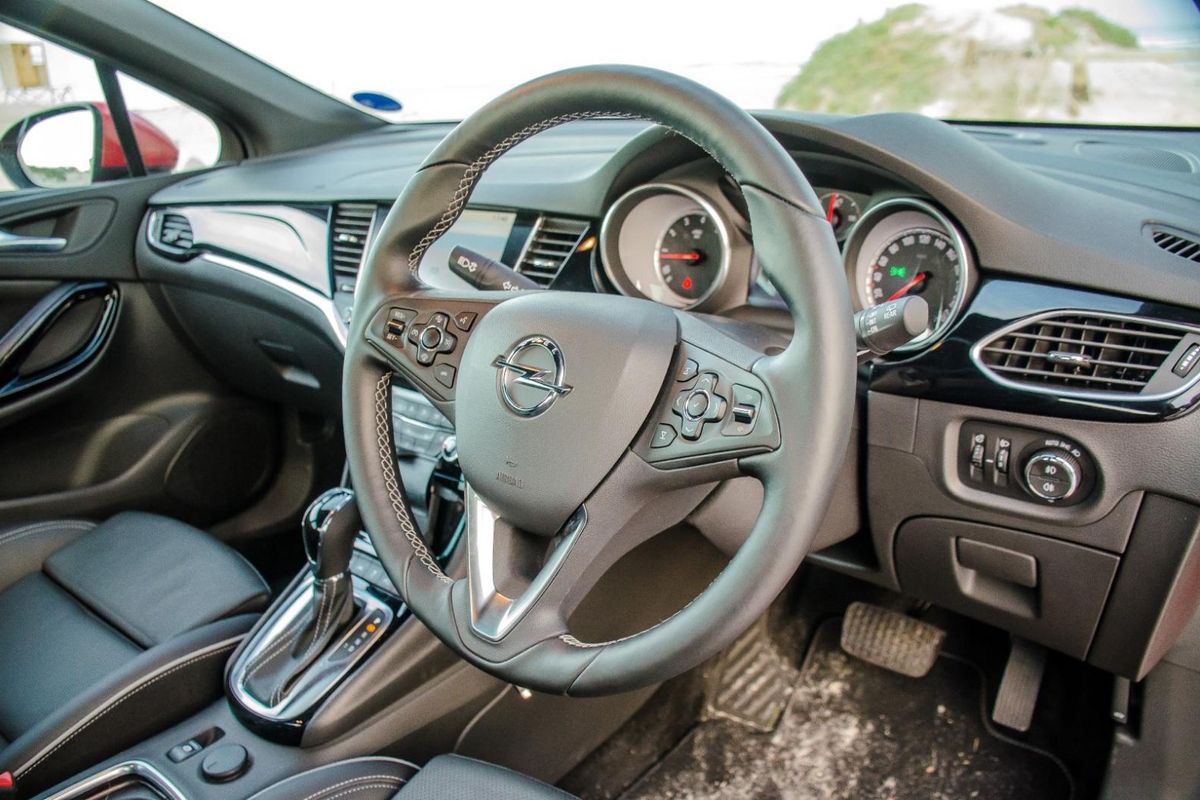
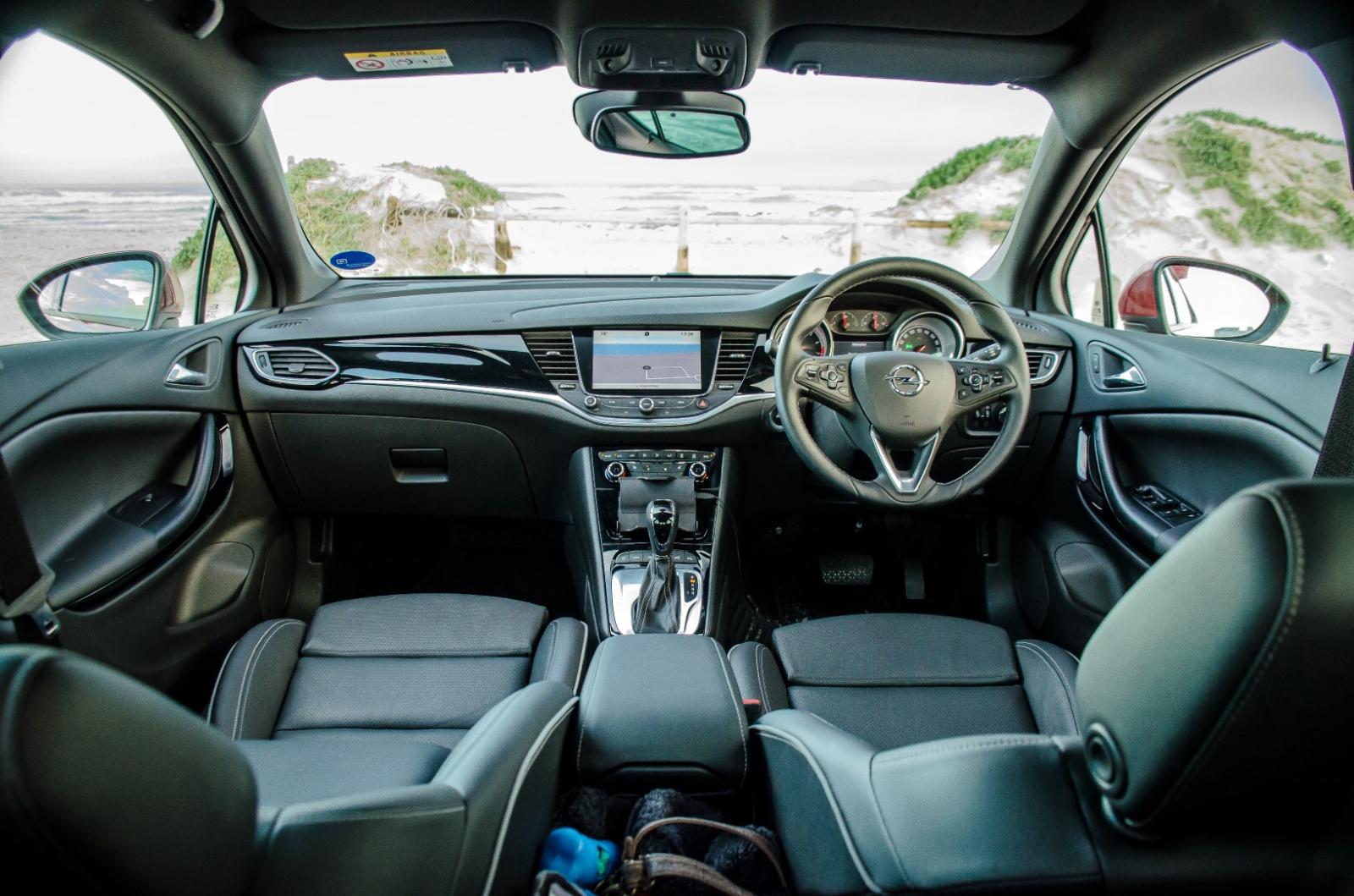
The new Astra, despite being 49 mm shorter than the previous model, has a roomier cabin. Rear legroom is up by 35 mm compared with the preceding Astra and during the test, rear passengers made no mention of being cramped when sitting behind my "6-foot driver" seating position. The driver’s seat is manually adjustable and the steering wheel has a long stretch on its reach adjustment – making it easy to find the perfect driving position.
The available luggage space is comparable with the Golf and Peugeot and is bigger than the Focus. There’s a lip on the boot opening that precludes you from sliding boxes or flat items directly into the Opel's bay and therefore a little extra effort is needed to lift items into the boot. In terms of practicality, the cabin does lack extra stowage space for oddments such as keys and phones, especially in lower end of the centre console in front the gear lever. The cupholders are rather shallow, leading to spilt cold drinks/coffee at times.
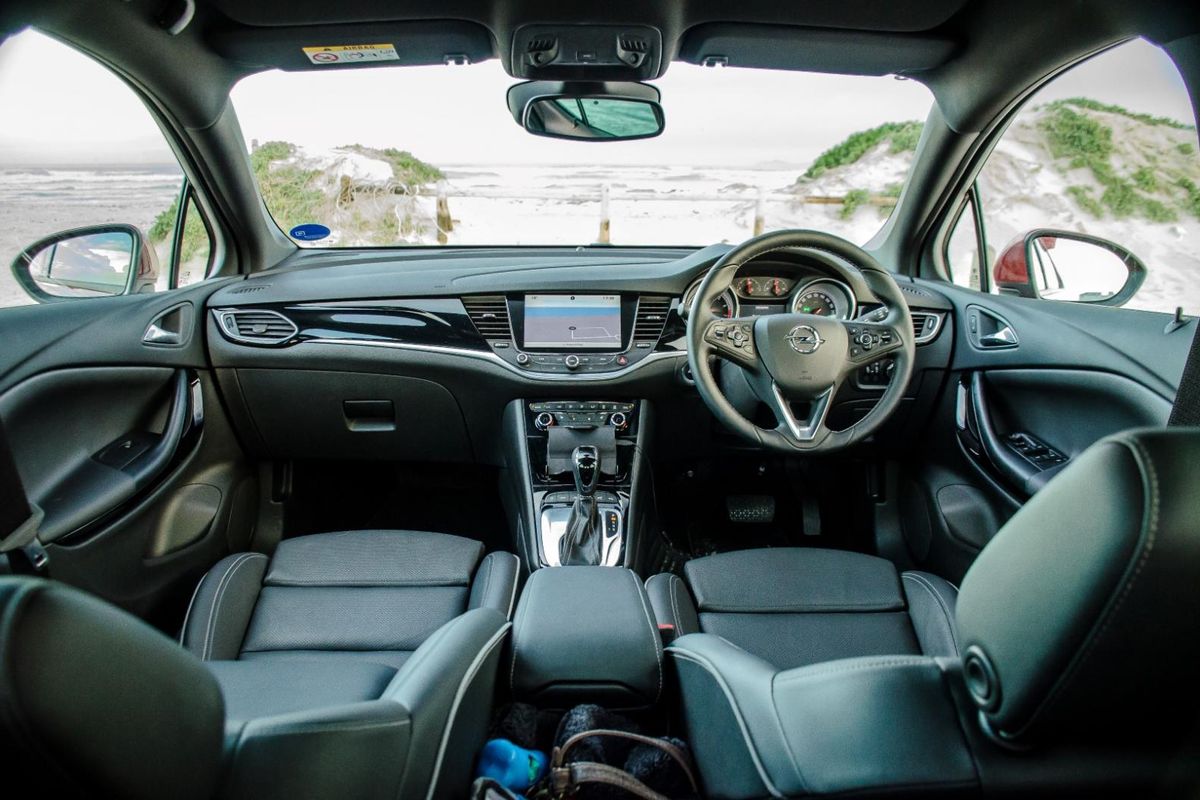
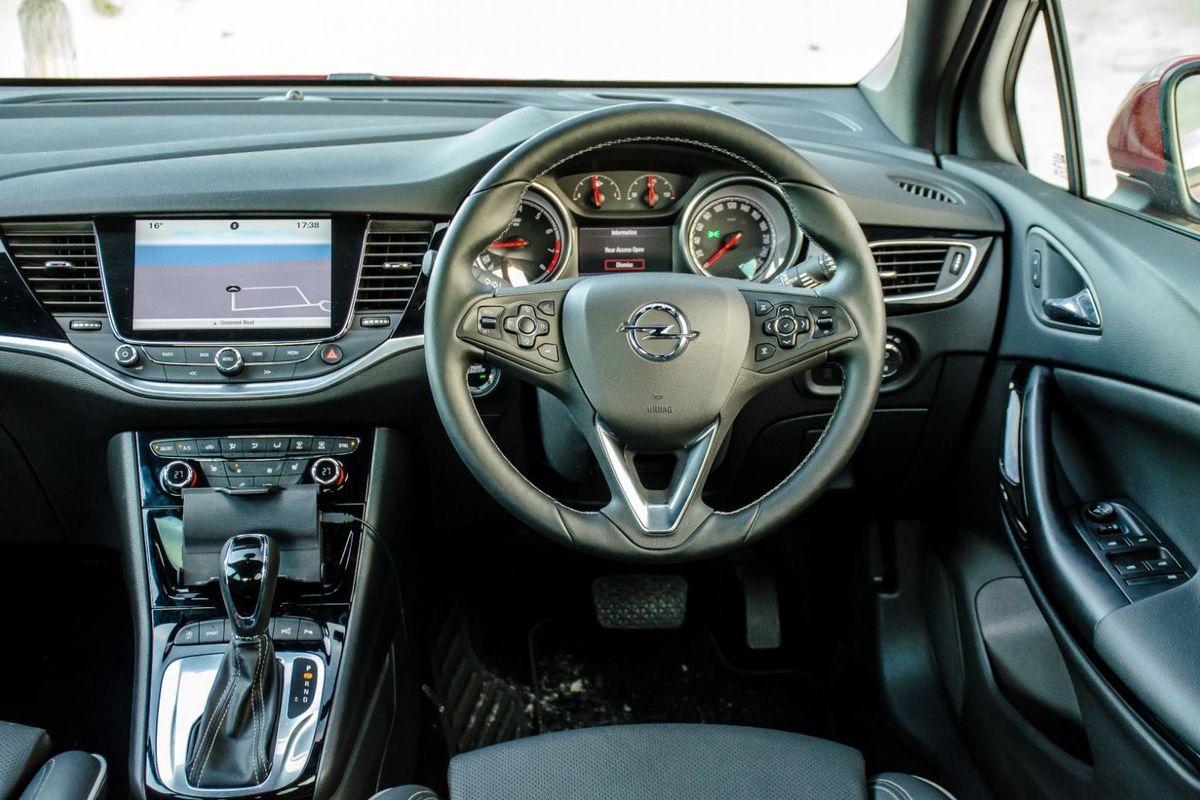
Seat and steering wheel positions are very adjustable, helping you to find the perfect driving position easily.
Features?
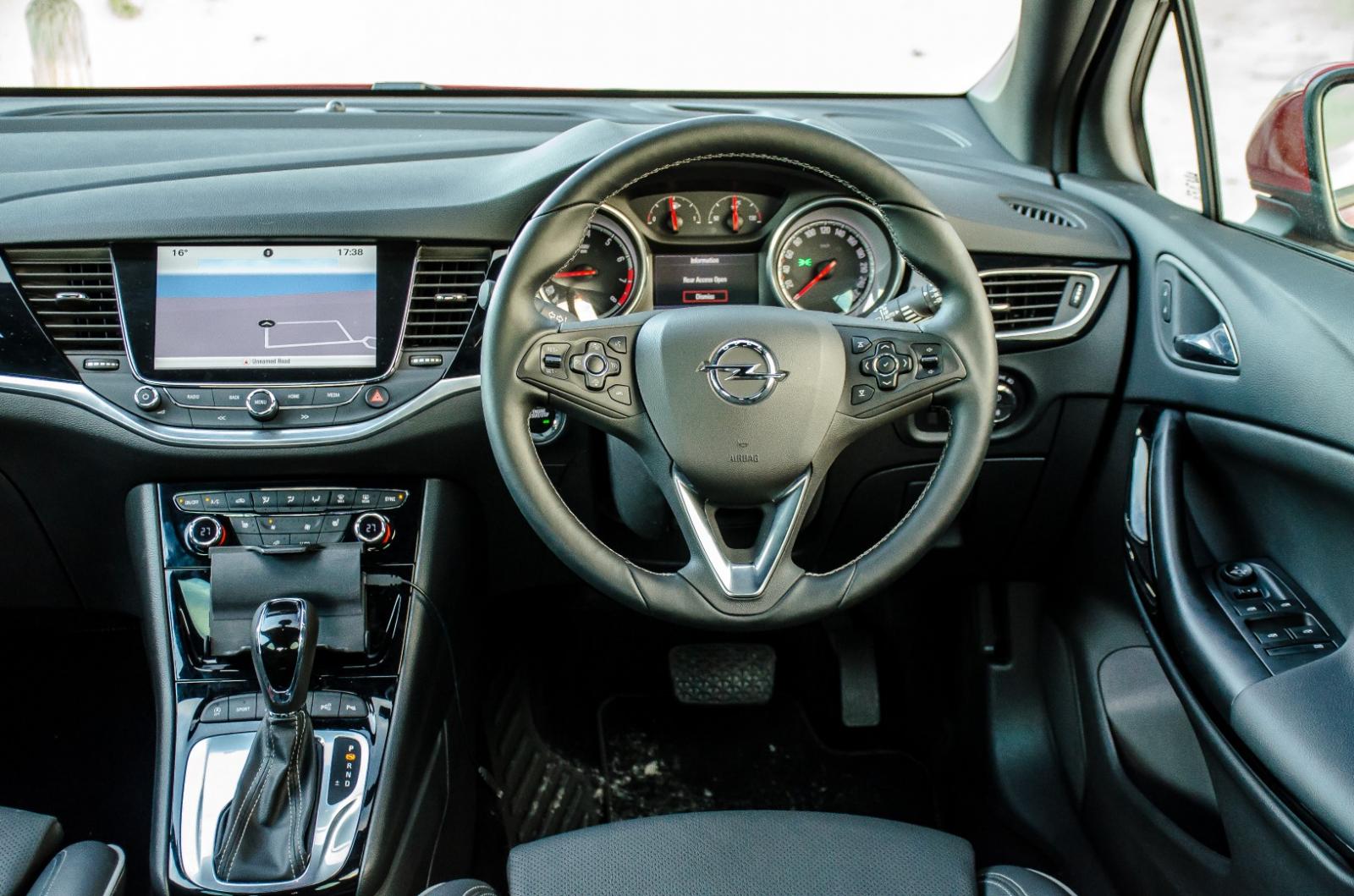
Opel has paid particular attention to the comprehensiveness of the new Astra's specification. It’s bang up to date and features a responsive and crisp-looking touchscreen system that is compatible with Apple CarPlay and Android Auto (although only the iOS version currently works in South Africa). Our test unit was equipped with the 8-inch Navi 900 IntelliLink System with Dynamic Navigation system, which is admittedly a R10 700 option on the Sport model, but the degree of smartphone connectivity and added route guidance functionality is well worth the cost – especially if you have an iPhone.
The array of safety features on the Opel easily trumps those of the competition. Besides the standard ABS, EBD, traction control and torque vectoring, the Opel has innovative additions to improve safety. Adaptive LED lights are an option on this Sport model, complete with cornering headlights. Forward collision alert will chime a warning if you are heading for a possible front-end crash and there’s a traffic sign detection system that displays the current speed limit. A few other nifty features include lane keeping assist, automatic parking and a reverse-view camera.
Optional Intellilink infotainment system has built-in Apple CarPlay and Android Auto.
Pricing and warranty
The Opel Astra 1.4T Sport Auto costs R374 000, which includes a 5-year/120 000 km warranty and a 5-year/90 000 km service plan. Service intervals are at every 15 000 km.
Verdict
Compact cars with good automatic gearboxes are becoming increasingly important in this segment. They are easier to drive in traffic with fewer negatives in terms of fuel consumption or sluggish acceleration. The Astra automatic offers 15 Nm more torque than the manual version too. The downside is the added price… in the Astra’s case, it’s R20 000 more than the manual 1.4 Sport, but includes leather seats where the manual has cloth upholstery only.
The automatic version retains the new Astra’s inherent dynamic feel and handling and the onboard technology is class-leading, but it’s let down by the less than premium feel of some of the interior finishings, especially compared with the Golf and 308. By virtue of being the freshest contender in the segment, however, the Astra is likely the leading automatic offering in the compact hatchback class.
Had we driven the Astra a couple weeks earlier we would have probably praised it more, but it arrived just after we drove the Peugeot 308 automatic, which feels like a more premium offering. The French car is also a little cheaper, but bear in mind that according to preliminary Cars.co.za survey data, the German brand is on the up in terms of after-sales service satisfaction and also has a bigger dealer footprint than Peugeot. All things considered, the new Opel Astra, in any guise, is easy to recommend.
Renault Captur Sunset Ltd Edition (2016) Specs & Price
Renault South Africa has launched a limited edition Captur crossover in South Africa. It's called the Captur Sunset and it forms part of the new engine offering for this model range.
The Renault Captur has been a sales success for the French brand, having sold over 4 500 units since its arrival back in May 2015. If there was one thing missing from the rather good Captur package, it was the option of a diesel engine, something which would address the lack of outright torque in the baby 66 kW petrol three-cylinder turbo model.
“From the outset, when first assembling the Captur range, it was always our plan to have a diesel derivative in the line-up and the introduction of the diesel-powered Renault Captur 1.5 litre dCi 66kW Turbo Dynamique model to the current petrol-only product line-up is in direct response to the growing demand for a diesel derivative in this segment,” says Jeff Allison, product manager at Renault SA.
The Renault Captur engine range now consists of three engines, one diesel and two petrol engines. The new engine here is a four-cylinder, 1.5-litre diesel unit, offering 66 kW and 220 Nm of torque. Of more interest is the staggeringly impressive fuel consumption figure claim of just 3.6 L/100 km. It's the same engine found in the Renault Duster and numerous Nissan/Renault products. Power reaches the front wheels through a five-speed automatic gearbox.
Captur Sunset colour scheme
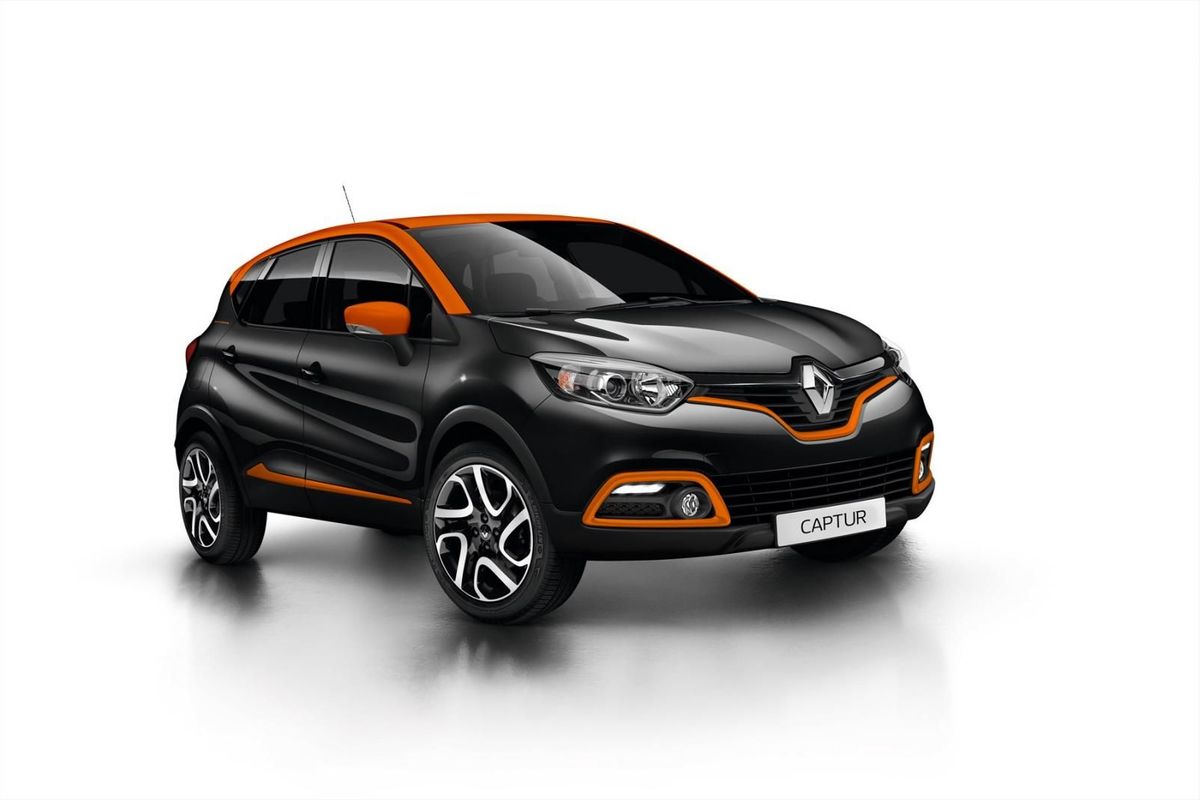
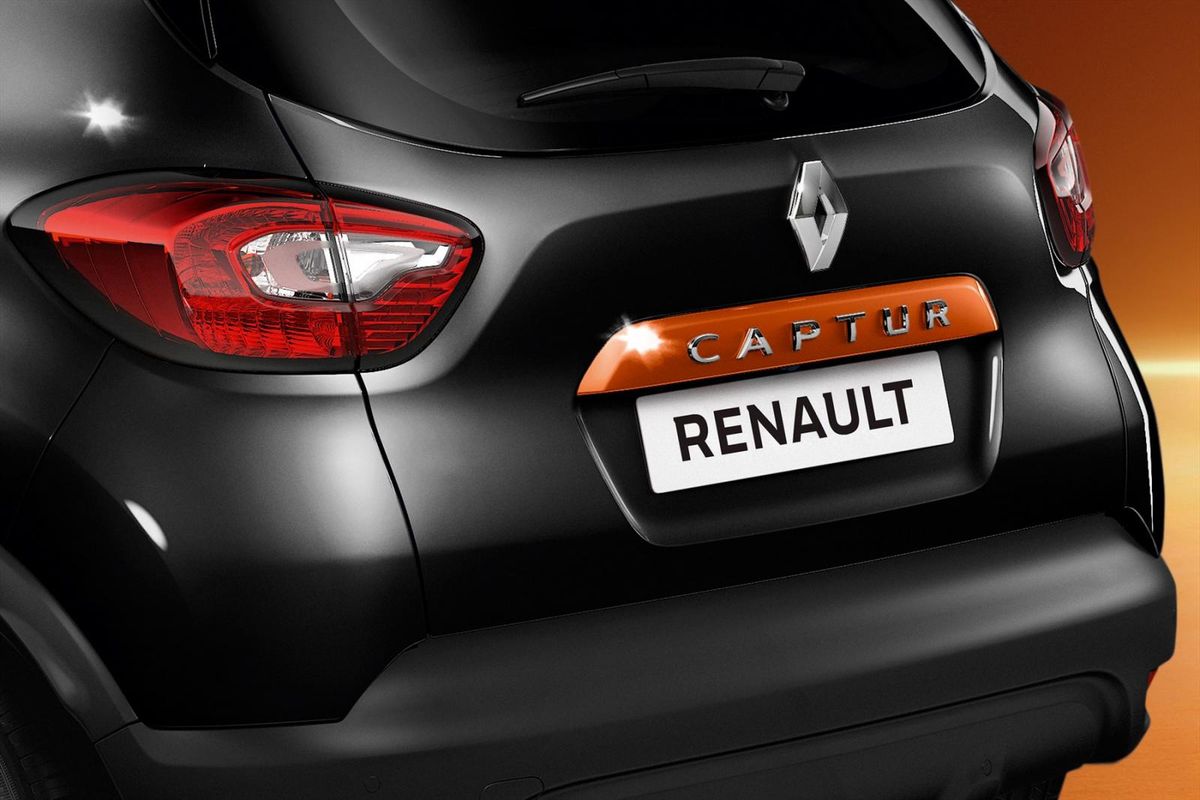
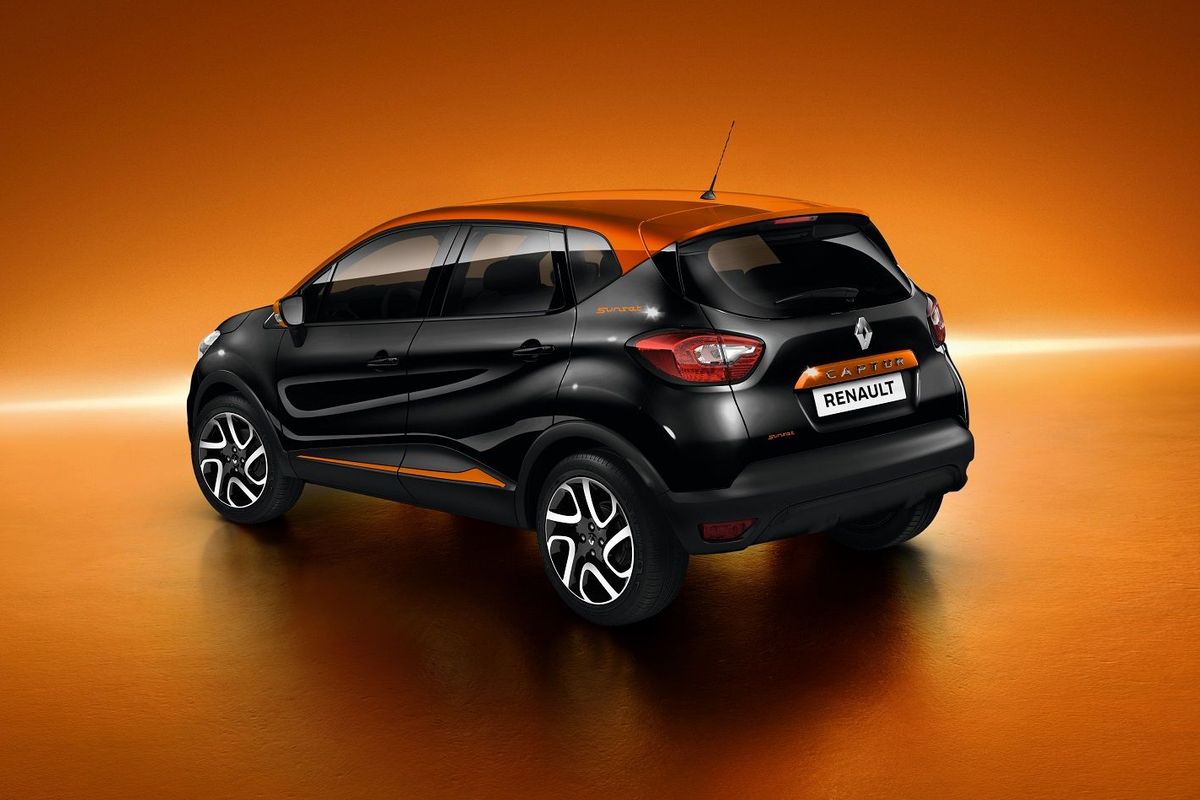
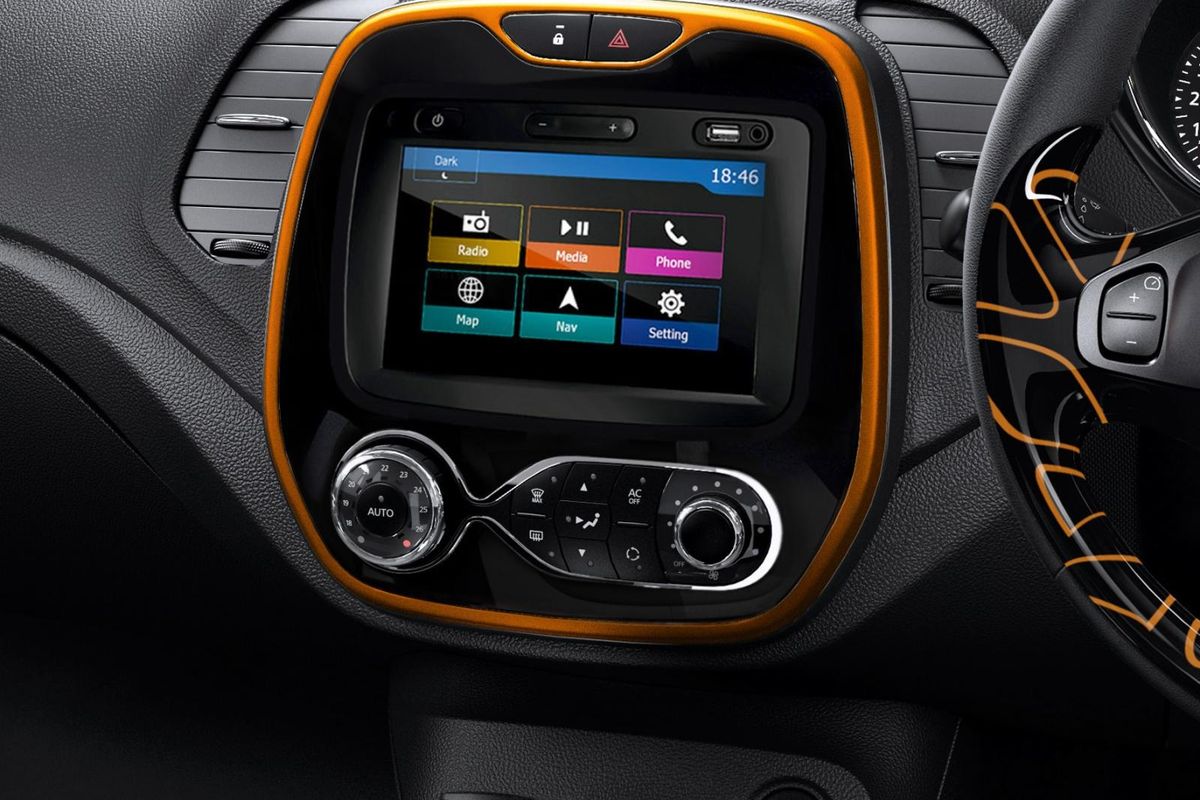
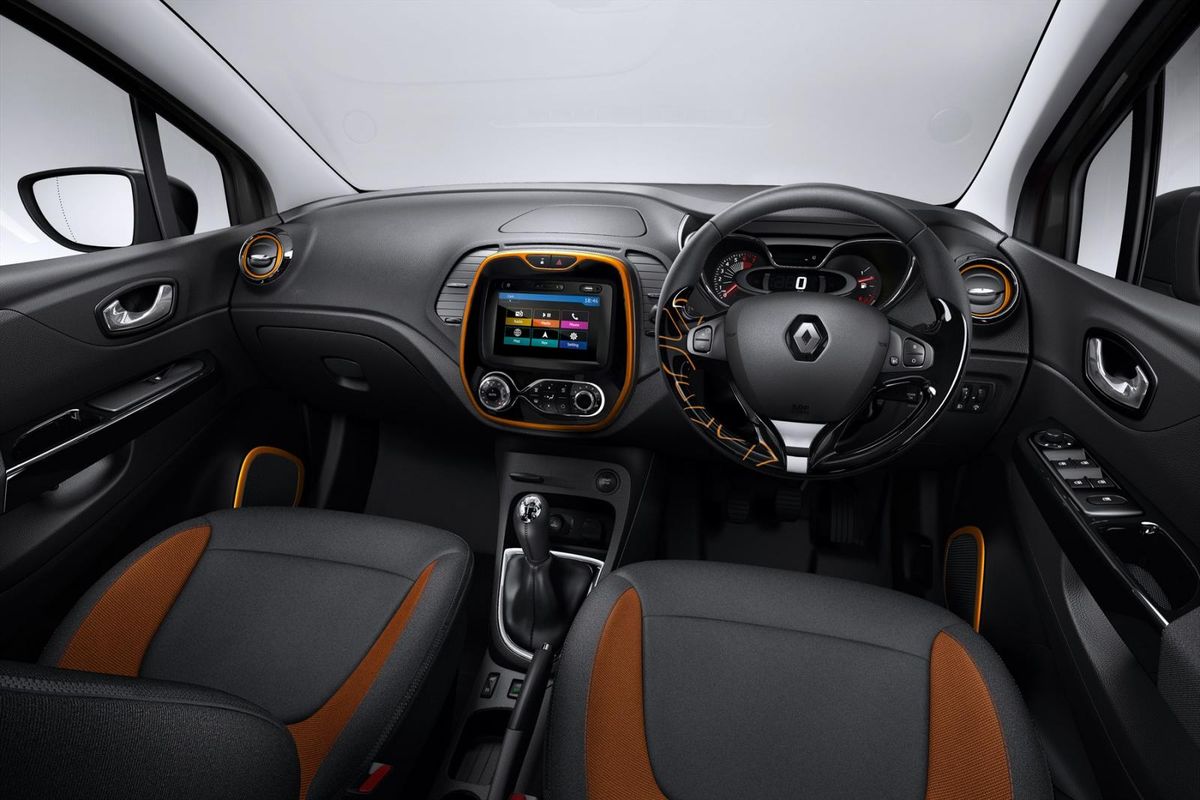
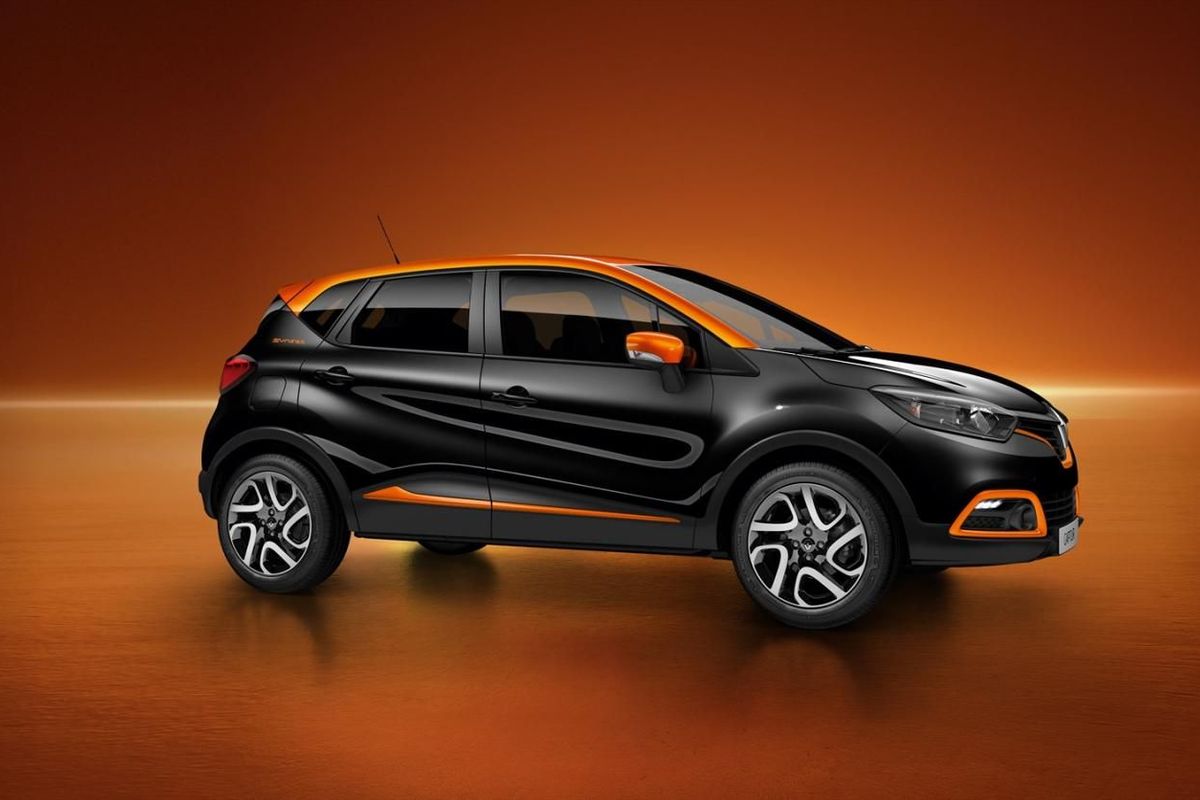
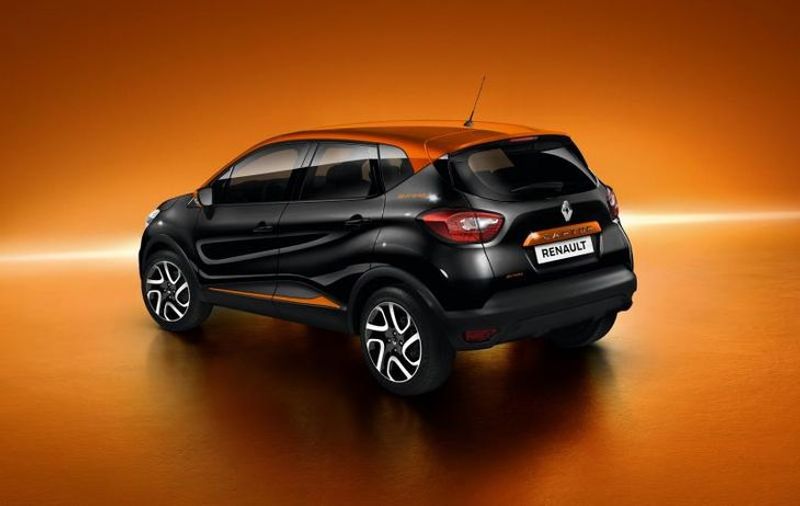
According to the Renault marketing material, 'Orange is the new black' and this is the theme behind the Renault Captur Sunset. The main exterior colour is Diamond Black, while the roof, mirrors and details are clad in Sunset Orange. The combination has been carried over into the interior and the speaker surrounds and MediaNav console are the main recipients of the paint combination. The seats gain Sunset Orange zip collection covers too.
Standard specification is comprehensive and the Renault Captur also features daytime running lights, cornering lights, 17-inch alloys, Bluetooth connectivity, satnav, a USB port, as well as a multifunction steering wheel with radio controls located behind the wheel. A hands-free key card, electric side mirrors and electric windows (front and rear) plus automatic climate control, rear parking sensors with rear camera, automatic headlights and rain-sensitive front wipers are standard across the diesel range. A tyre pressure sensor is also standard on the Dynamique models.
The Renault Captur is safe too and carries a five-star Euro NCAP safety rating. ABS with EBA and Electronic Stability Program (ESP) is standard, as well as Hill Start Assist (HSA) and three ISOFIX child seat anchor seat attachments found on the front passenger seats and rear seats.
Renault Captur 1.5 dCi Sunset Limited Edition – Price in South Africa
The Renault Captur 1.5 dCi 66kW Turbo Dynamique Sunset Limited Edition retails for R292 400. Every Captur is sold with a 5-year/150 000 km mechanical warranty, a 3-year/45 000 km service plan and a 6-year anti-corrosion warranty. Services take place at 15 000 km/1-year intervals.
The rest of the Captur range is priced as below:
Renault Captur 1.5 dCi 66kW Turbo Dynamique (diesel) – R289 900
Renault Captur 66kW Turbo Expression (petrol) – R243 900
Renault Captur 66kW Turbo Dynamique (petrol) – R264 900
Renault Captur 88kW Turbo Dynamique (petrol) – R304 900
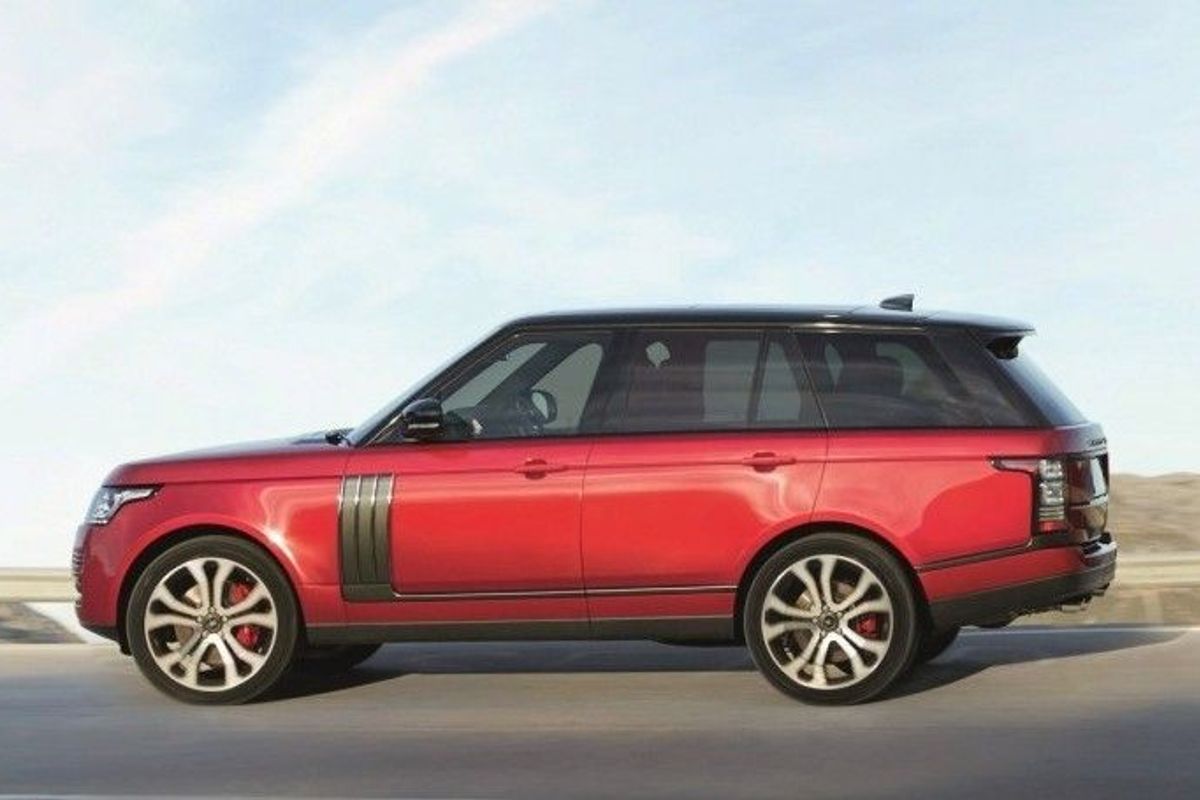
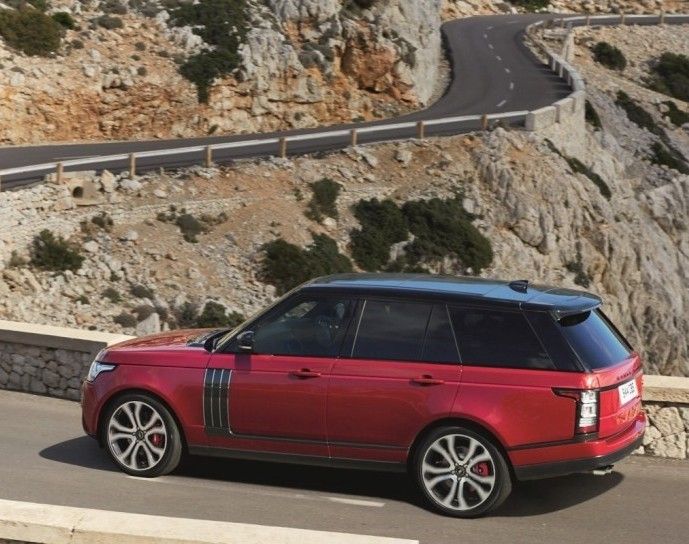
Land Rover has introduced the 2017 Range Rover SVAutobiography Dynamic derivative that features improved capability and the inclusion of semi-autonomous driving technology.
Range Rovers are known to offer exquisite levels of luxury, performance and capability and Land Rover’s Special Vehicle Operations (SVO) has followed up the Range Rover Sport SVR with the new SVAutobiography Dynamic derivative. The SVAutobiography Dynamic is equipped with semi-autonomous driving technology and has been enhanced to provide even higher levels of performance and capability. The introduction price is R2 999 100.
“The Range Rover SVAutobiography Dynamic has been specially developed by the Special Vehicle Operations team to deliver a more engaging driving experience,” said Mark Stanton, director of Jaguar Land Rover Special Vehicle Operations. “It delivers the ultimate combination of performance and Range Rover luxury, befitting its unique position in the portfolio.”
Key features
The SVAutobiography Dynamic is powered by the same 5.0-litre V8 engine found in the Range Rover Sport SVR with a total output of 405 kW and 680 Nm of torque, allowing for a claimed zero to 100 kph sprint time of 5.4 seconds using an 8-speed ZF automatic transmission. A specially revised suspension ensures agile performance without compromising refinement and comfort. The SVAutobiography Dynamic also stands 8 mm lower as a result.
A major development is the inclusion of semi-autonomous technology and Advanced Tow Assist is particularly useful if you regularly tow trailers. Getting a trailer into the right position is tricky most of the time, but Advanced Tow Assist uses the existing surround camera, allowing the driver to guide a trailer into position with ease. Trajectory lines are overlaid on the rear camera image and the vehicle will automatically follow the path selected by the driver using the Terrain Response 2 rotary controller. The system will also alert you if a jack-knife situation is about to occur.
The Range Rover SVAutobiography Dynamic features a host of new safety and semi-autonomous technology.
Furthermore, a Driver Condition Monitor and Blind Spot Assist will automatically steer the vehicle back into its lane if the sensors detect that the driver is moving into the path of another road user.
The SVAutobiography Dynamic is also equipped with Low Traction Launch, which is a mode selected by the driver to help the Range Rover Sport pull away from standstill on slippery surfaces such as wet grass, snow or ice. This feature controls the amount of torque available to the driver to prevent wheelspin and maintain traction. Low Traction Launch remains active until the vehicle reaches 30 kph.
In terms of safety, rear park distance control, cruise control (with speed limiter) and lane departure warning are standard. An optional Drive Pack adds a blind spot monitor and reverse traffic detection. You can also upgrade to Drive Pack Pro, which adds adaptive cruise control with queue assist spot. Blind Spot Assist and lane keep assist are new features on the latest model.
Exterior and interior features
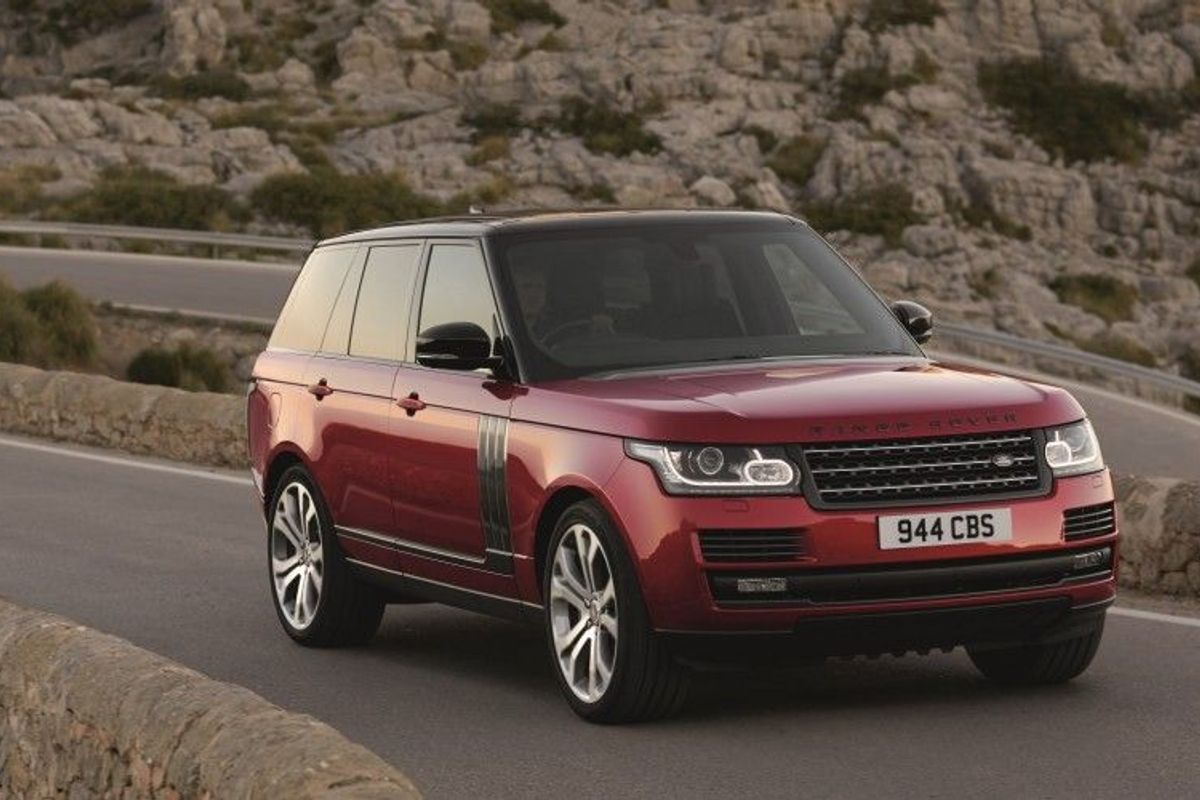
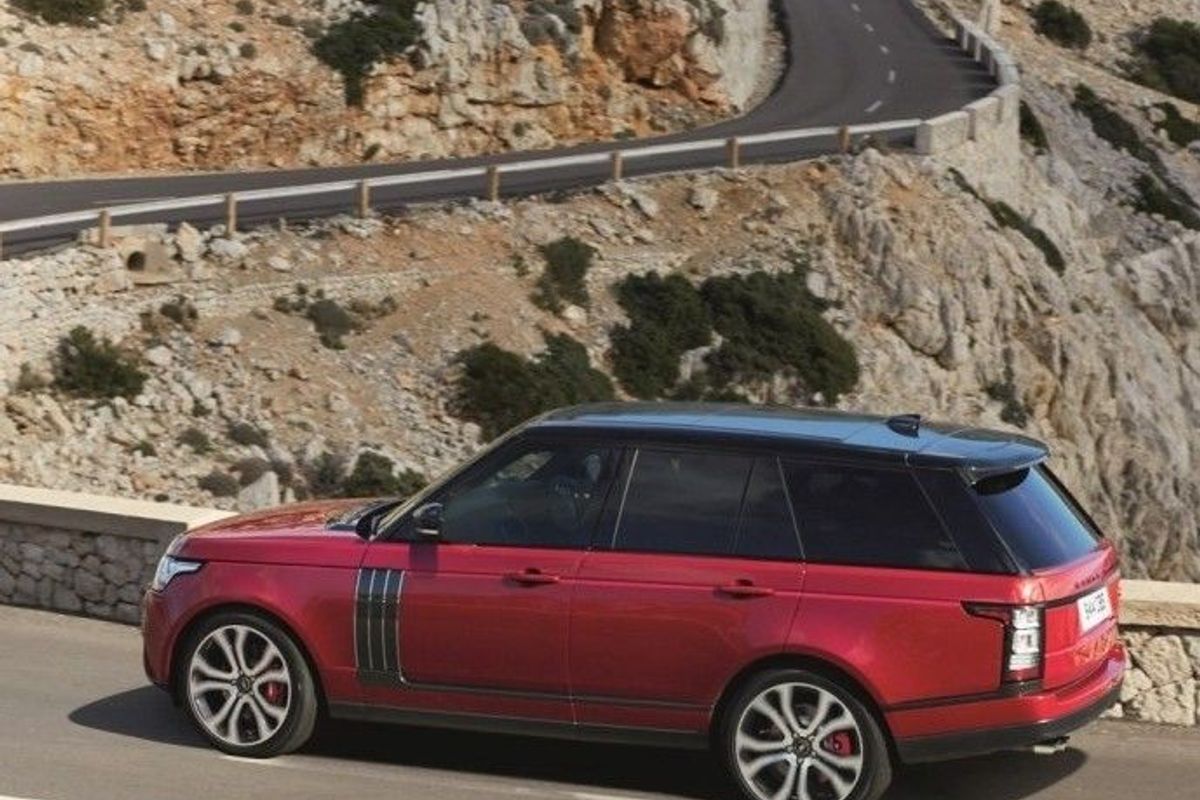
The SVAutobiography can be distinguished by its side vents, bonnet finisher, grille, front bumper accents, tailgate finisher and Range Rover lettering finished in Graphite Atlas. Numerous alloy wheel designs are available in sizes ranging from 21- and 22-inches with three finishes on offer. This derivative is the first Range Rover to feature Brembo brakes with red brake callipers. There is a choice of 19 metallic or pearlescent colours in either gloss or matte finishes.
The major development on the inside is the introduction of Land Rover’s InControl Touch Pro infotainment system using a 10-inch dual-view touchscreen display. The system features improved satellite navigation functionality and connectivity as well as a range of new app services. Various functions, such as the climate control system, alarm and starting the engine can be controlled remotely. Live weather and traffic apps can also be downloaded to the system.
The cabin is suitably luxurious, replete with diamond-quilted leather seats with contrasting stitching (4 colours are available). The front fascia and door casings are finished in back veneer, the latter featuring a red keyline finish. The paddle shifters are in anodised red, which hints at the sportiness of the model. Furthermore, the rotary shift controller, start-stop button and pedals feature a distinctive knurled finish.
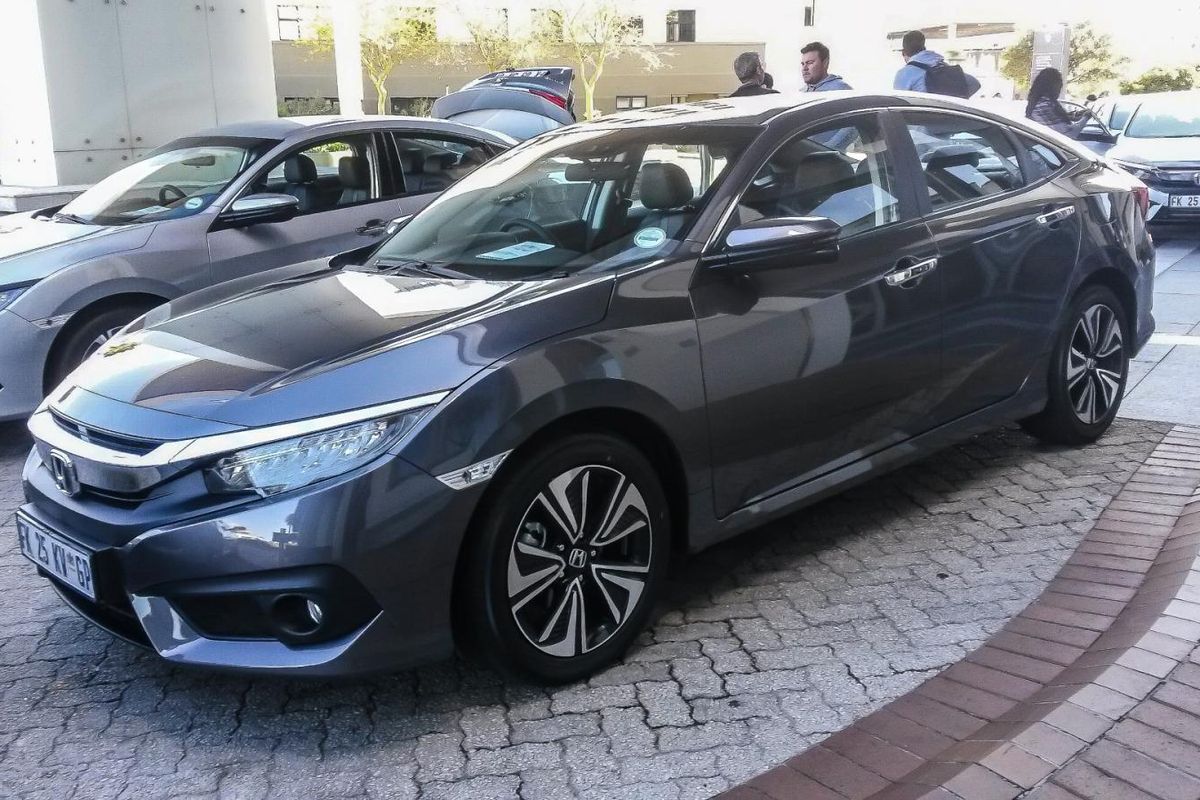
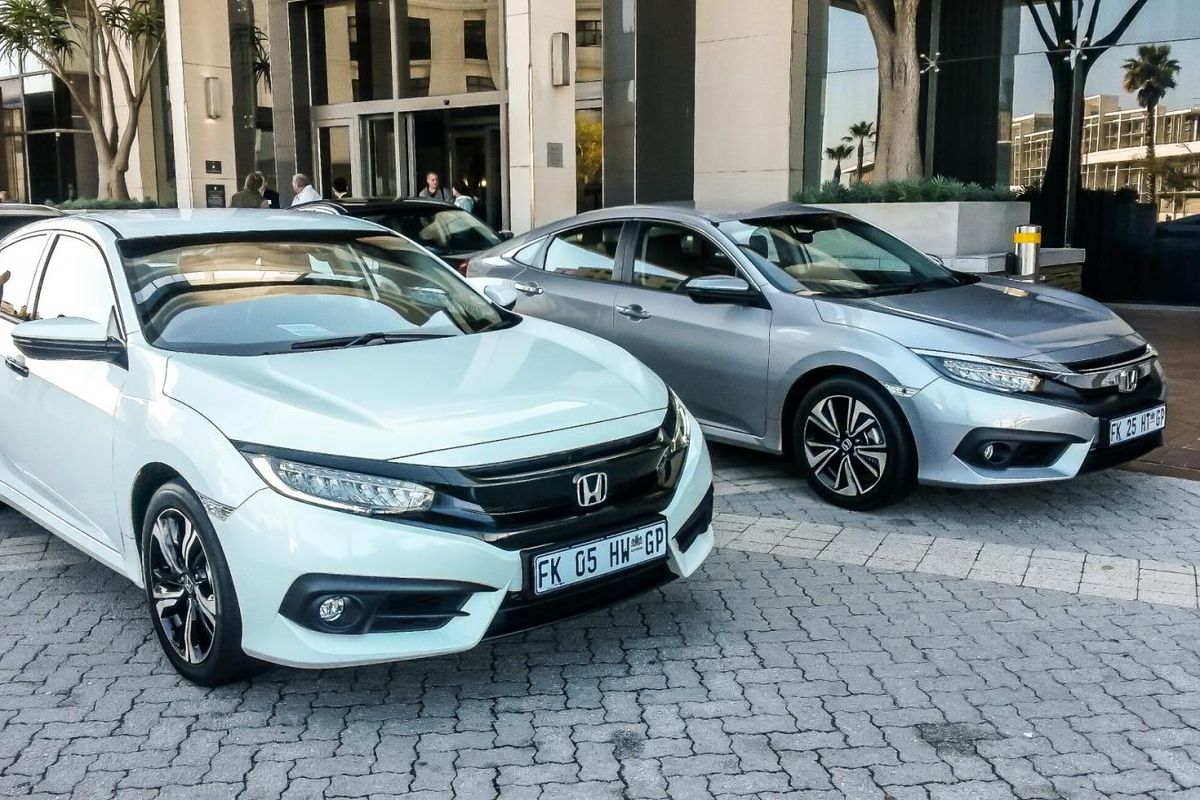
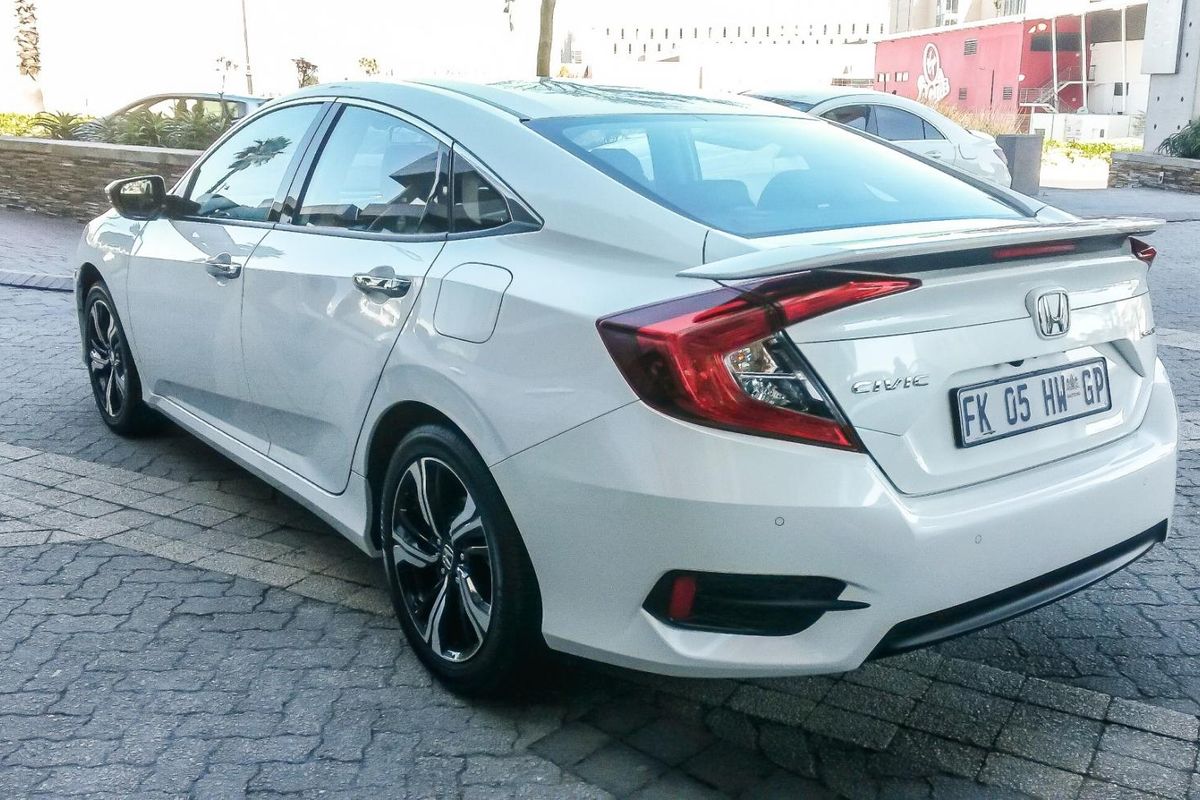
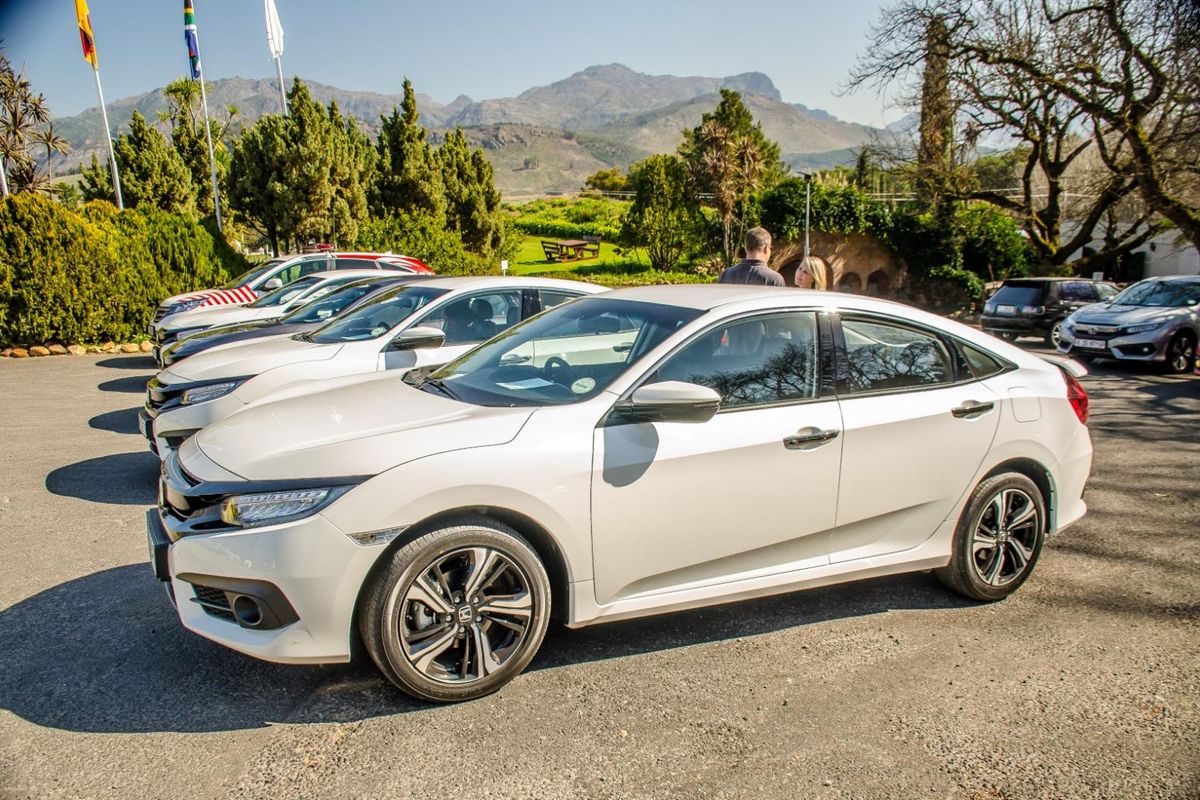
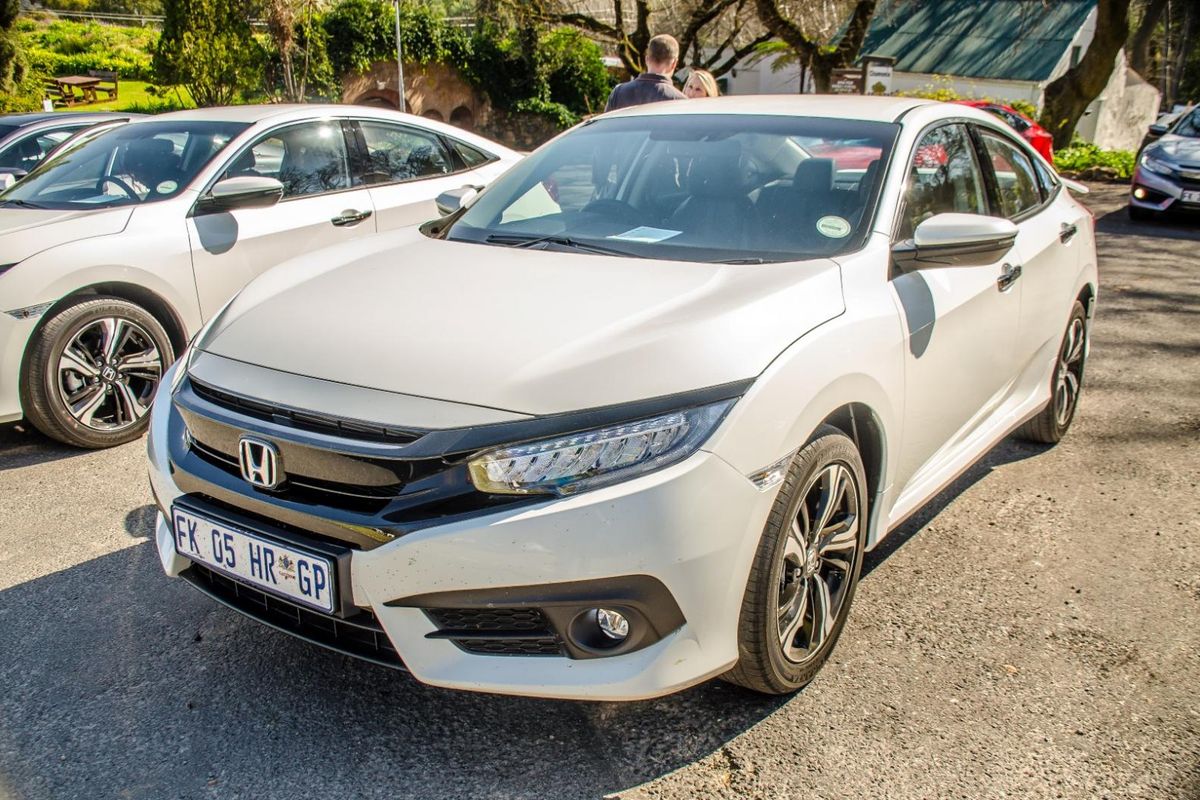
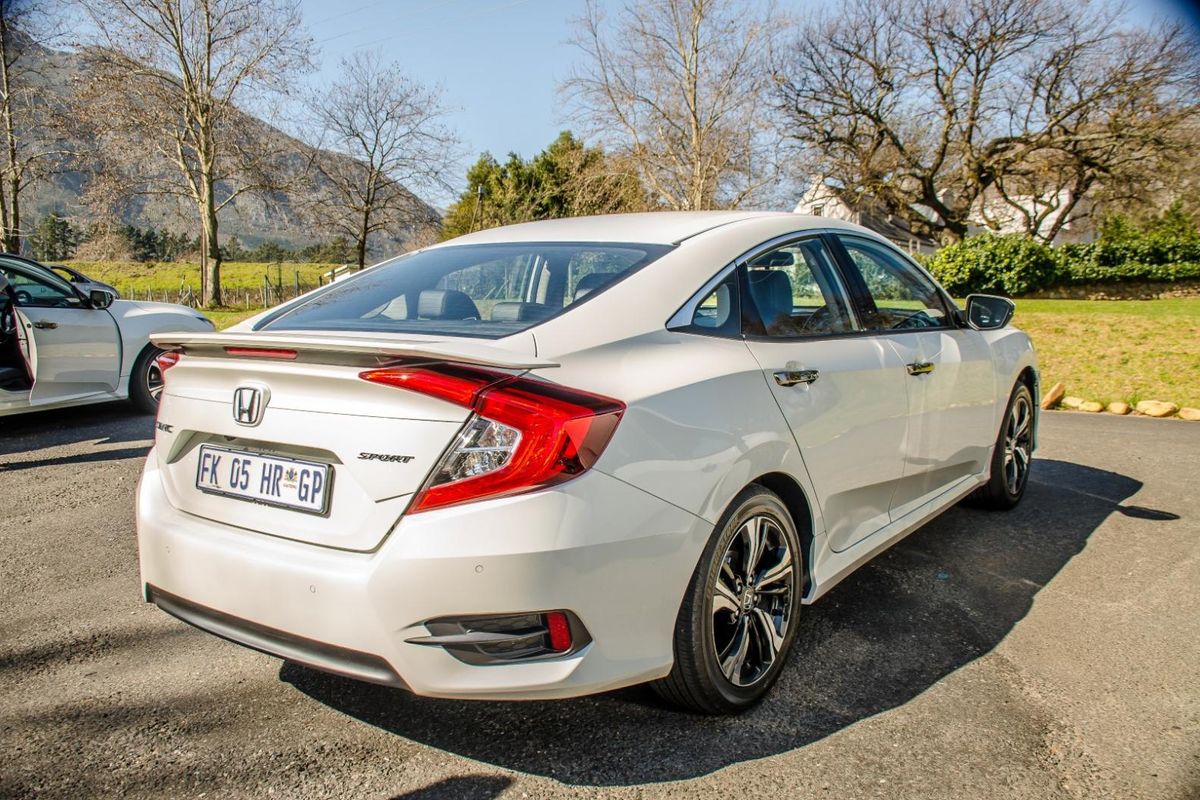
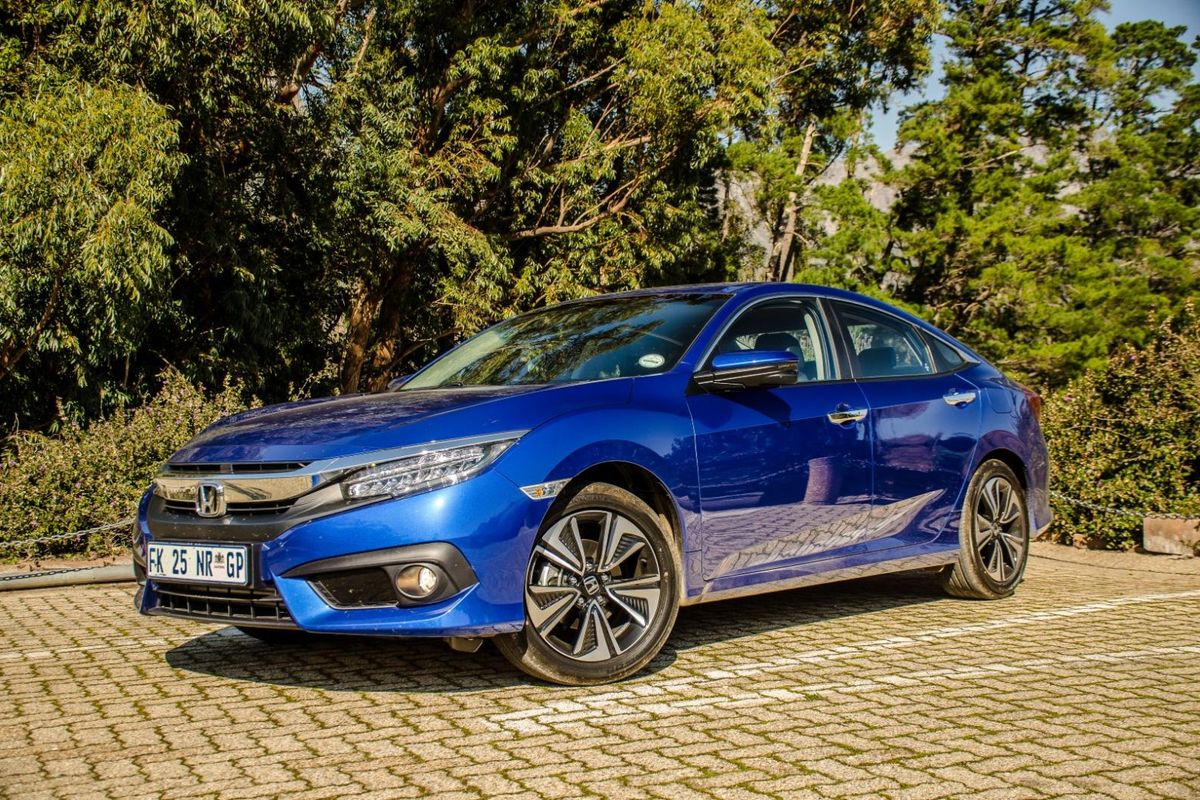
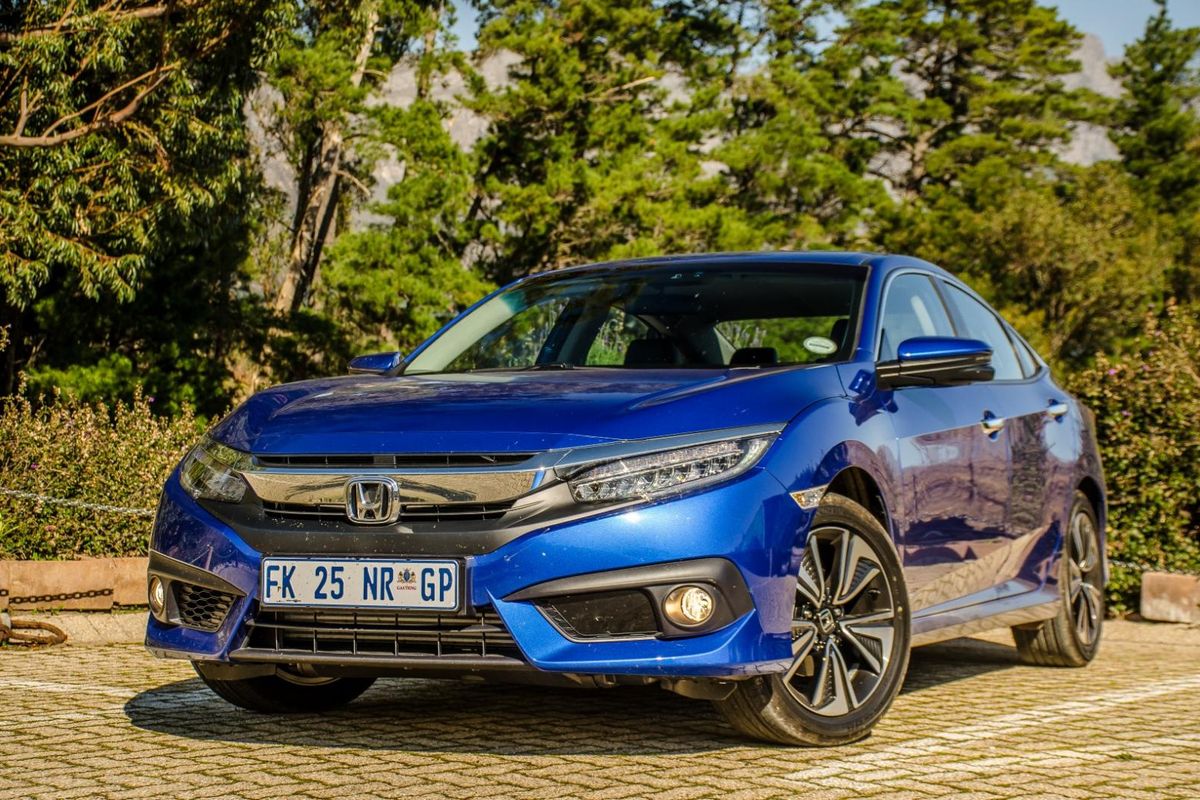
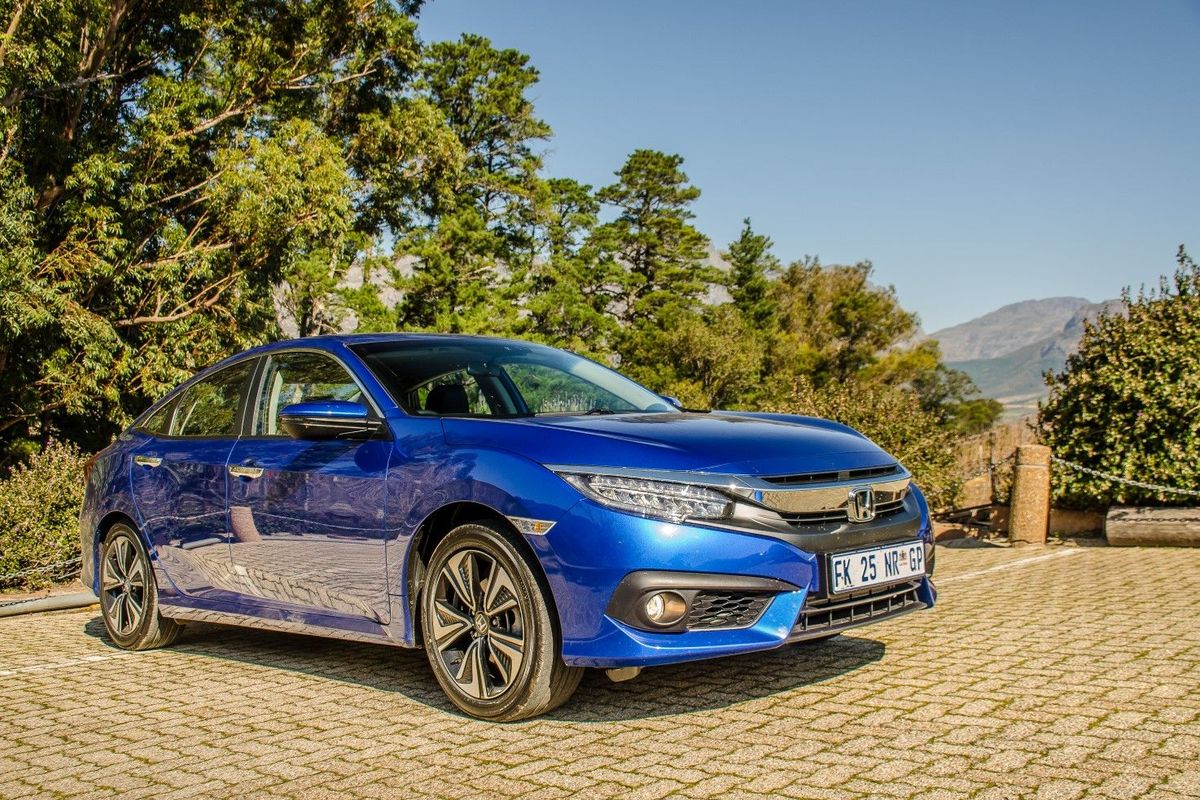
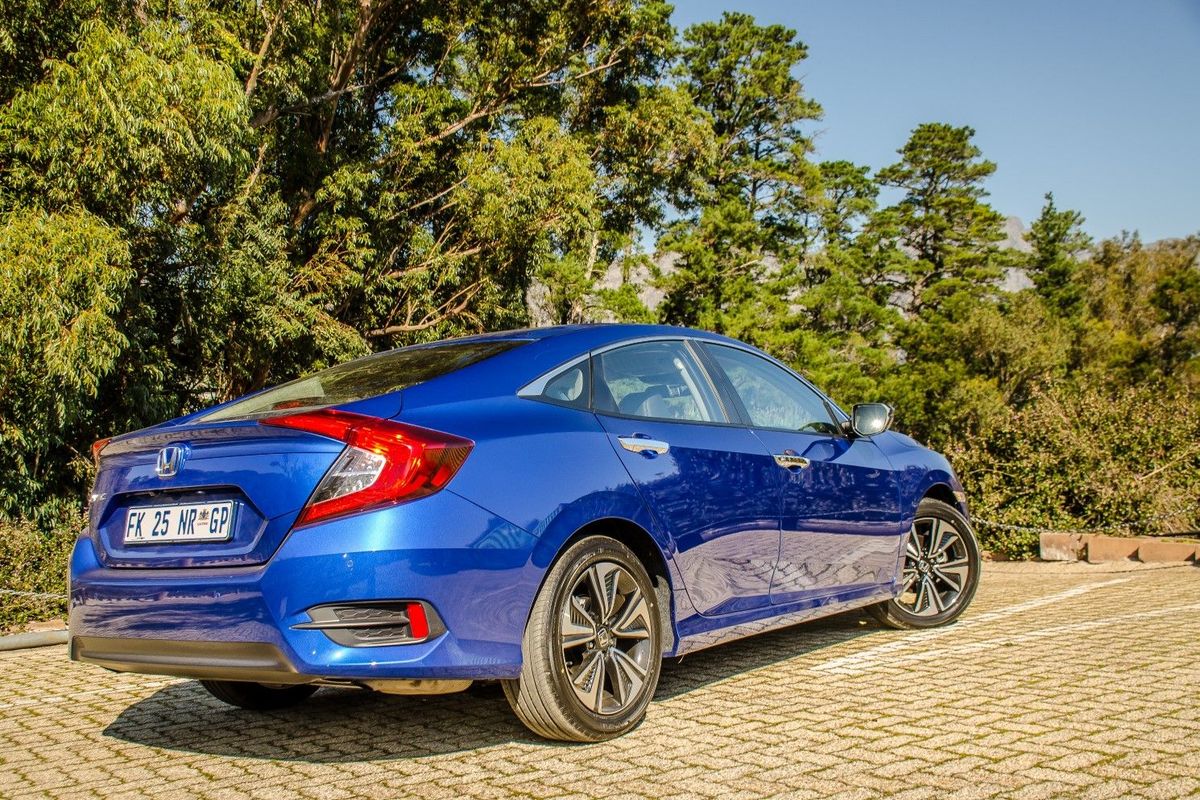
Honda has introduced its new Civic sedan in South Africa (replete with a turbopetrol engine) and we attended the launch of the newcomer in Cape Town. Let’s take a closer look at what the new Civic brings to the market…
The Civic is an important model for the Japanese firm and its lineage spans over 40 years, making it the oldest model in Honda’s stable. Since its inception in 1973 (first introduced in South Africa in 1982), more than 23 million Civics have found homes in at least 170 countries and regions across the world.
The latest iteration of the Civic, now in its tenth generation, has hit South African shores to assert itself in the C-segment with a new 1.5-litre turbopetrol engine. Also, with the D-segment Accord officially discontinued on the local market, the new Civic intends to fill the gap somewhat with its larger dimensions and upmarket interior. Let’s dig into the details.
What’s on offer?
A new 1.5-litre turbo engine powers the new Civic with 127 kW and 220 Nm of torque.
The biggest news for the Civic is the introduction of an all-new 1.5-litre VTEC turbocharged petrol engine that produces a healthy 127 kW and 220 Nm of torque, but is claimed to consume only 5.9 L/100 km, accelerate from zero to 100 kph in 8.2 seconds and achieve a top speed of 200 kph.
To complement this new offering, the Civic can also be had with an updated version of the familiar 1.8-litre naturally aspirated engine carried over from the outgoing model. This unit delivers identical outputs 104 kW and 174 Nm, but with a claimed fuel consumption improvement of 8.8% over its predecessor (6.3 L/100 km). The sprint from zero to 100 kph is slower compared to the 1.5T variants, Honda claims a figure of 10.4 seconds with a top speed of 200 kph.
Both engines are mated with a CVT transmission specifically calibrated to each of the motors. To further maximise efficiency, both engines feature an Econ (economy) mode as well as an Eco Assist feature that assists the driver to adopt a more fuel-efficient driving style by the use of different-coloured readouts on the instrument cluster.
The new Civic range starts with the entry-level 1.8 Comfort derivative, which is followed by the 1.8 Elegance derivative. The 1.5T Sport variant features a sporty exterior treatment (including a rear spoiler and dark grille), while the range-topping 1.5T Executive features a full raft of safety and convenience features. These include adaptive cruise control with a low-speed following function, collision mitigation braking, lane departure warning, lane keeping assist, road departure mitigation, forward collision warning and lane watch with side cameras.
New design for Honda Civic
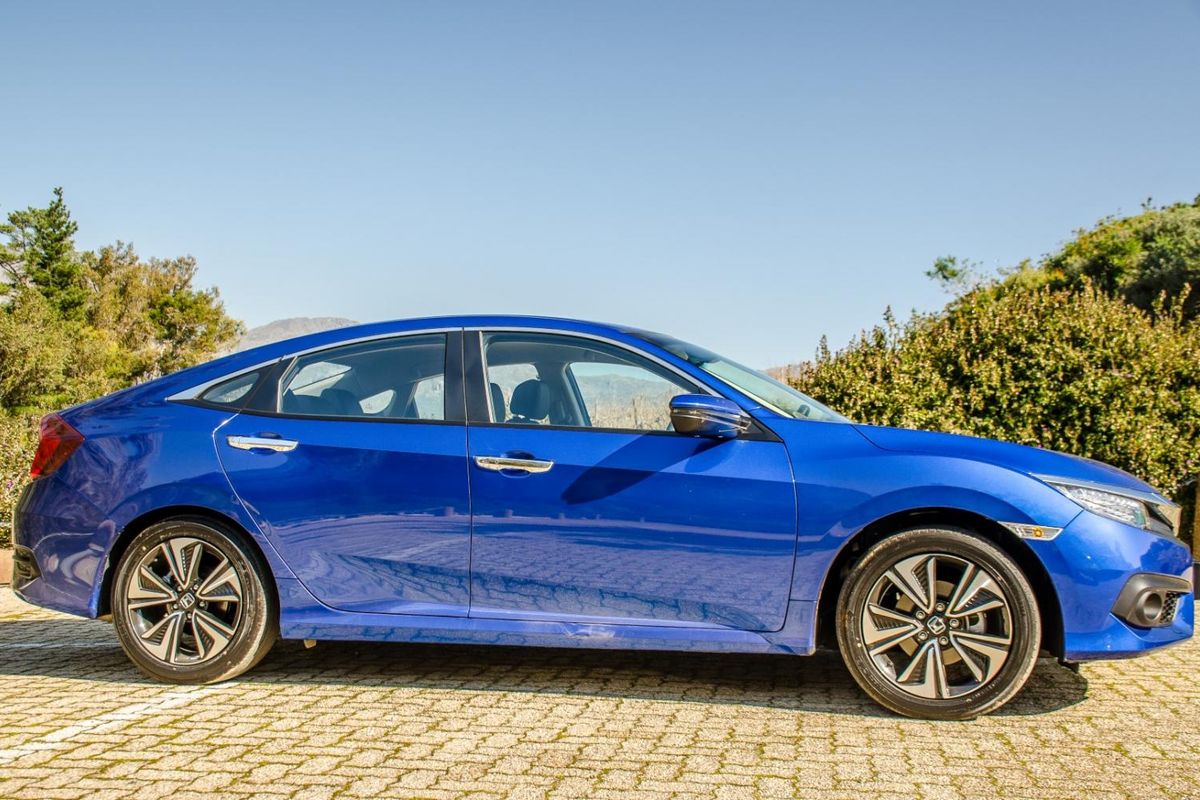
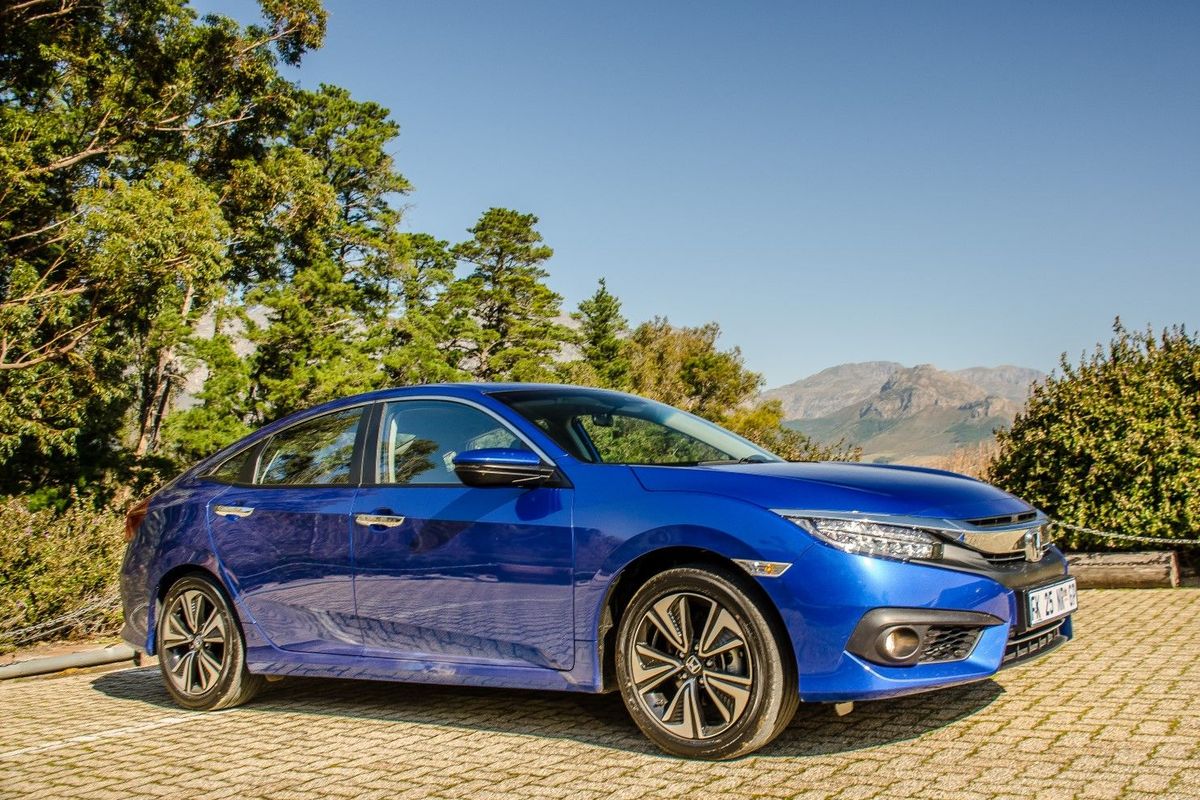
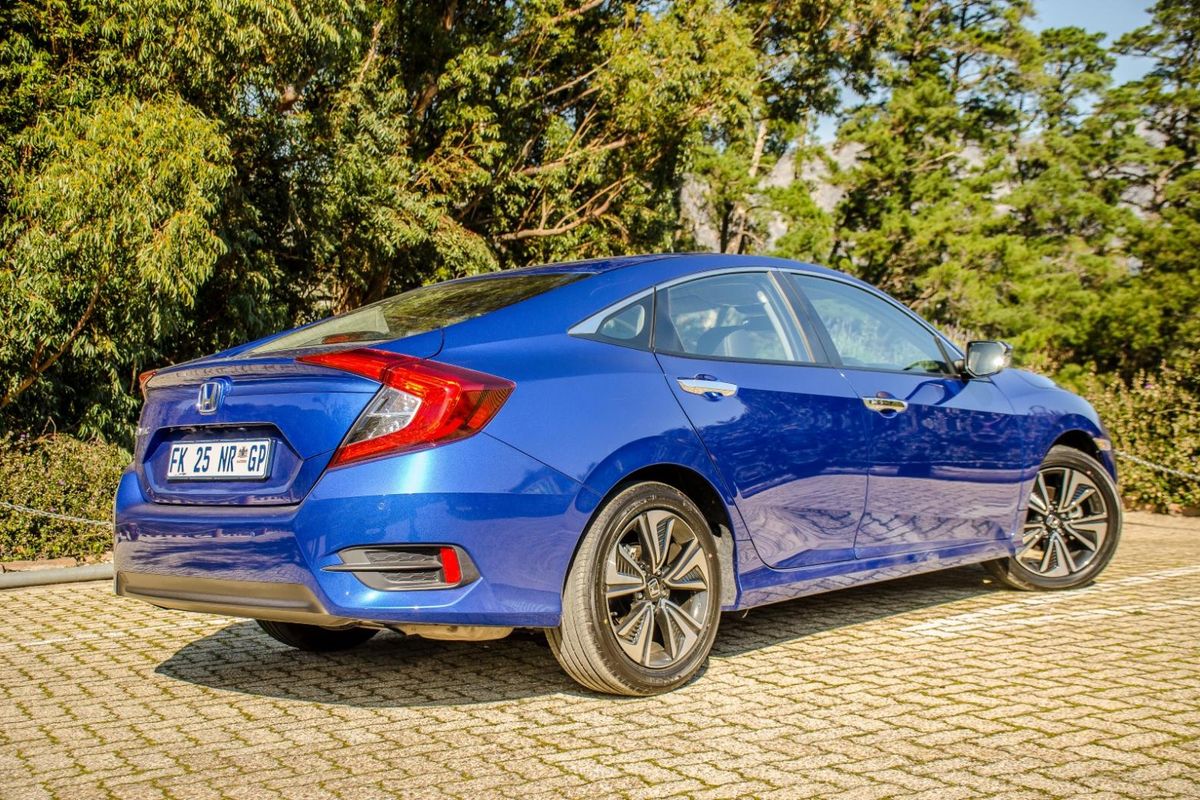
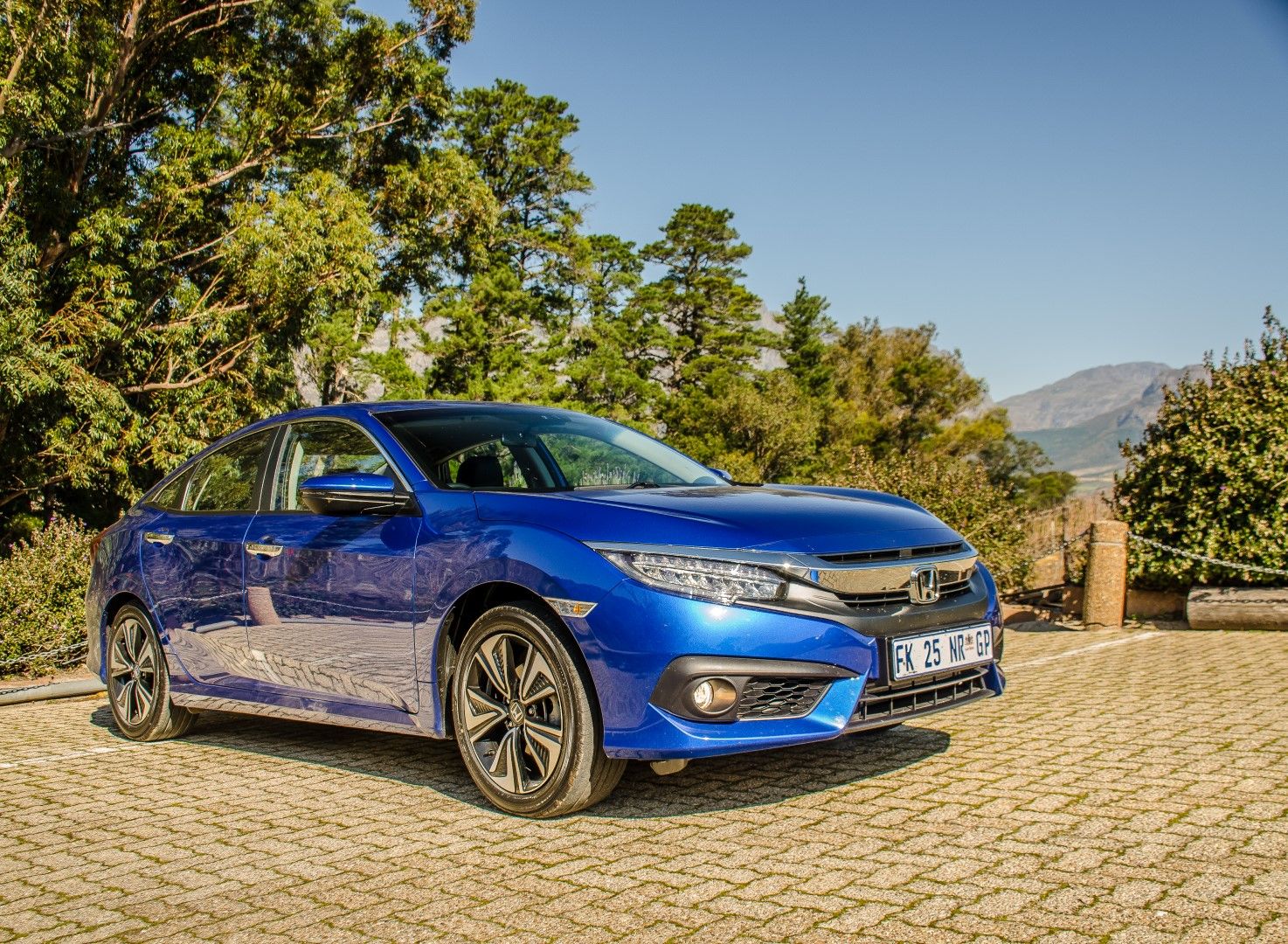
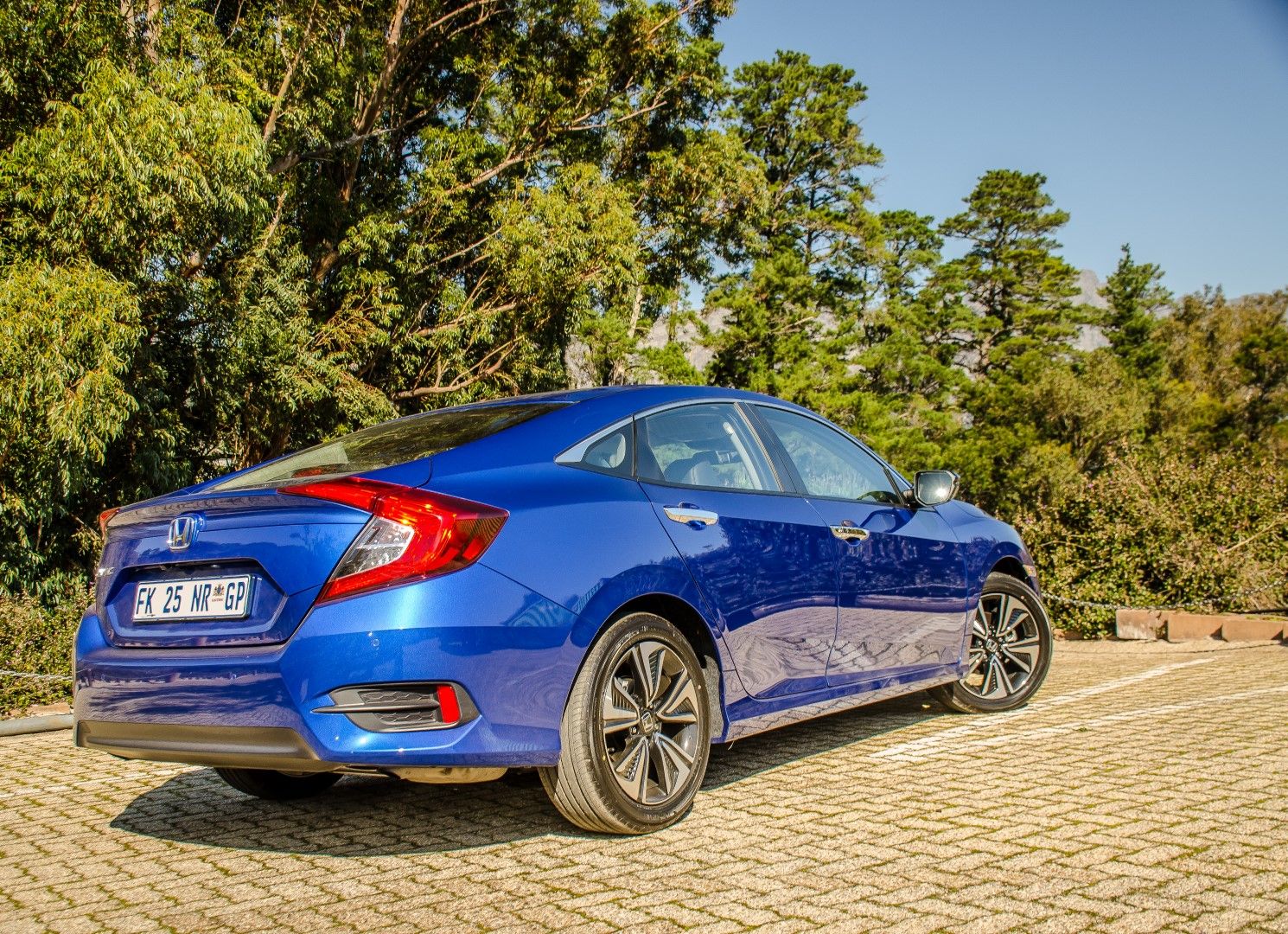
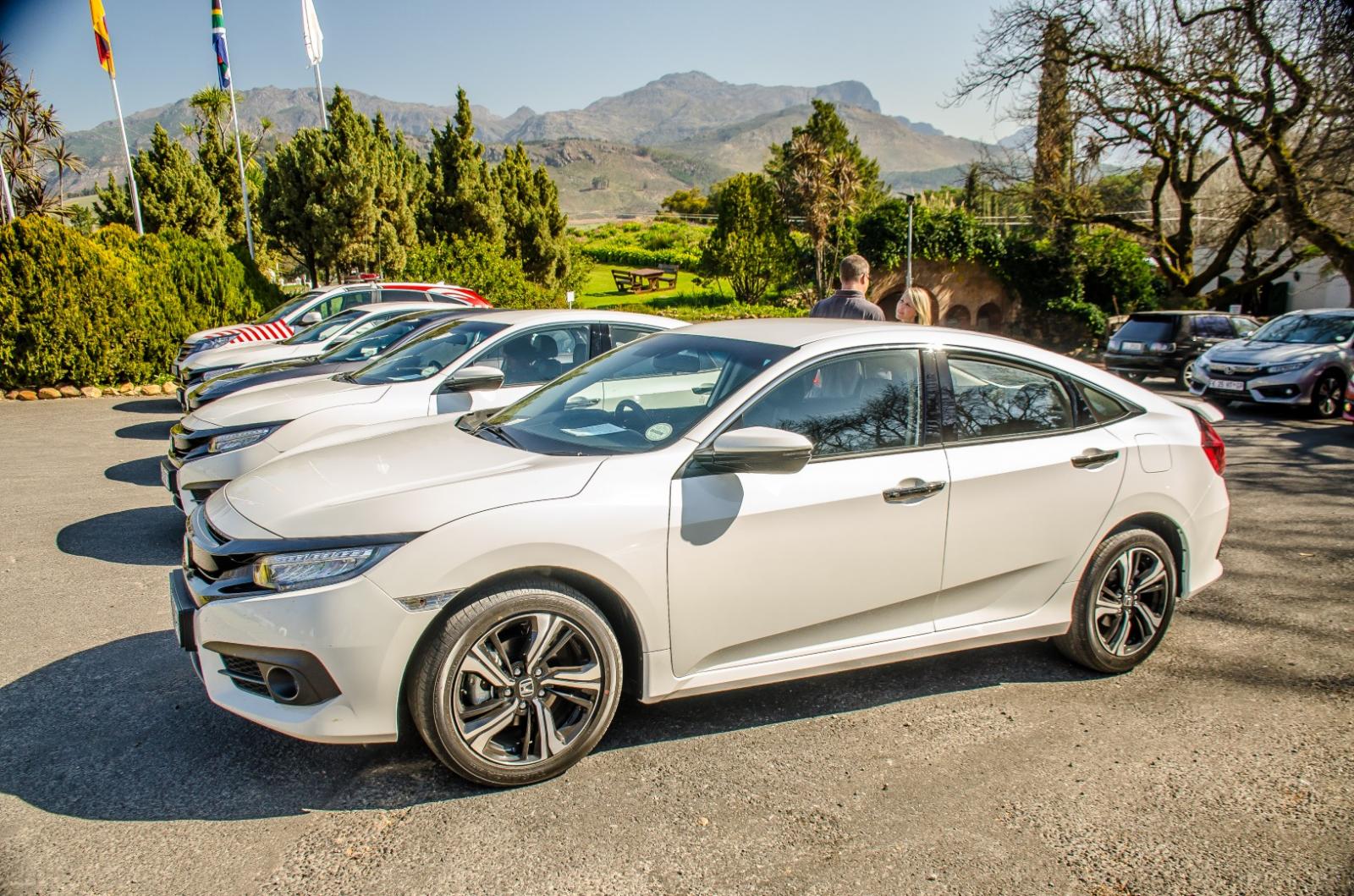
The new Honda Civic is longer, wider and sits lower on the road compared to its predecessor.
The styling of the new Civic incorporates three main focus areas incorporating what Honda calls "charismatic design", soulfulness and comfort. Compared with its predecessor, the newcomer is 109 mm longer, sits 20 mm lower and its wheelbase has been stretched by 30 mm.
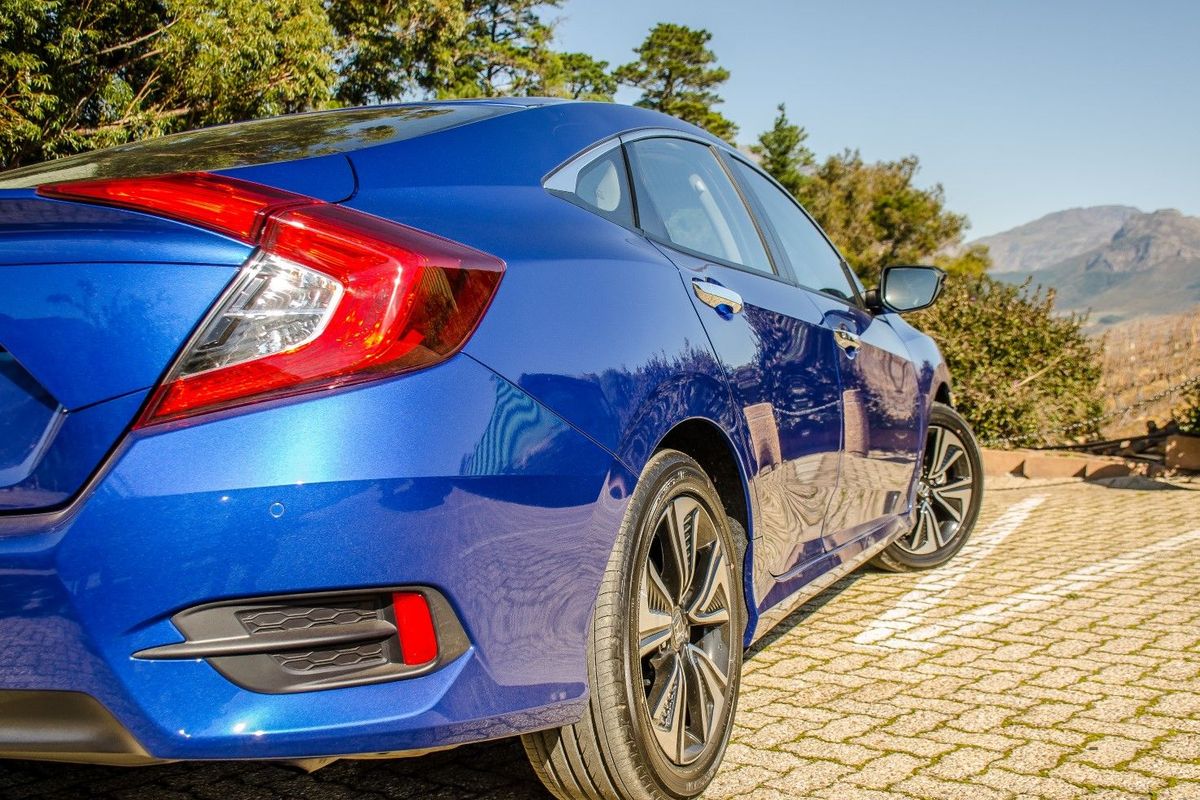
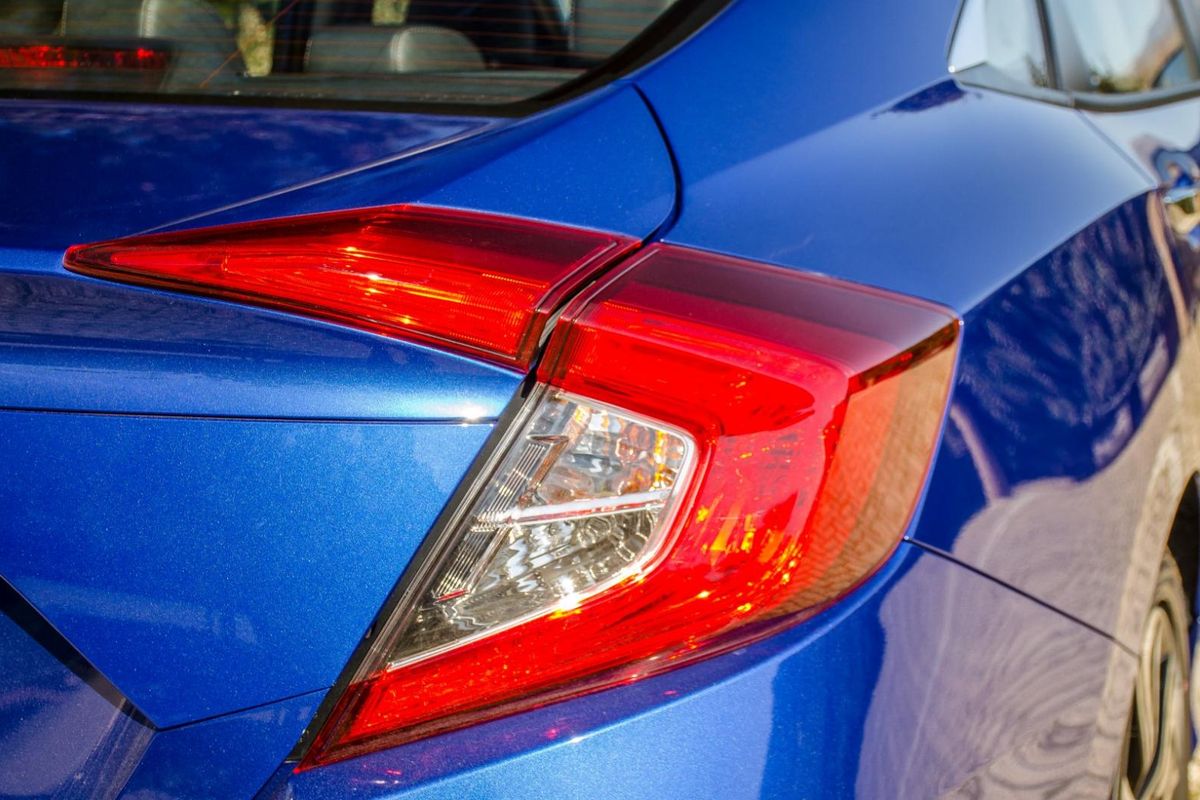
Undoubtedly shapelier and more distinctive than before, the Civic’s coupe-like shape is further enhanced with a wide stance and a longer bonnet. The front end dons a solid wing running across the width of the nose with a slim headlight design, while the taillights feature a bracketed design complemented with LED light bars. A choice of three wheel styles (in 16- and 17-inch rim sizes) are offered.
Full LED headlights and LED daytime running lights are fitted to the 1.5T derivatives, while the 1.8-litre Civics are fitted with projector halogen headlights.
Significantly, the new Civic is built on a lightweight platform that incorporates as much as 12% high-tensile steel, making it 22 kg lighter than the model it replaces with 2% improvement in torsional stiffness, all of which aids performance and economy.
Improved interior
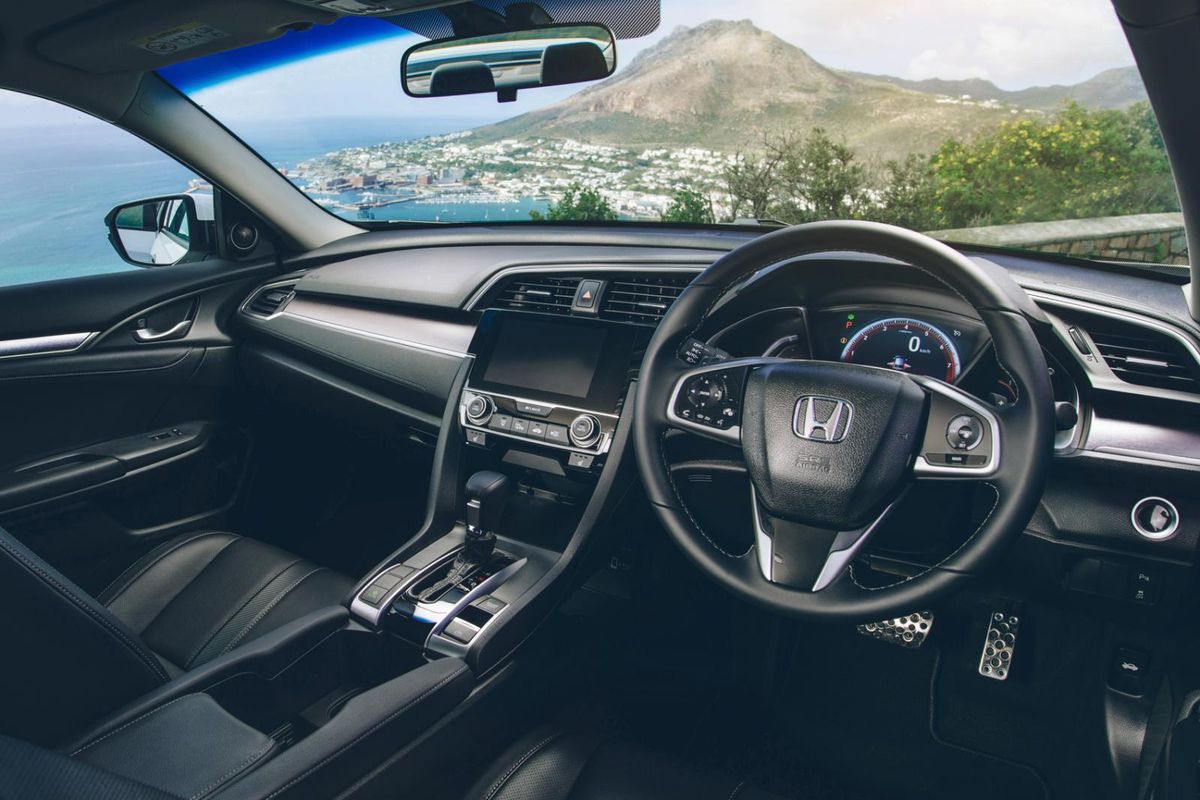
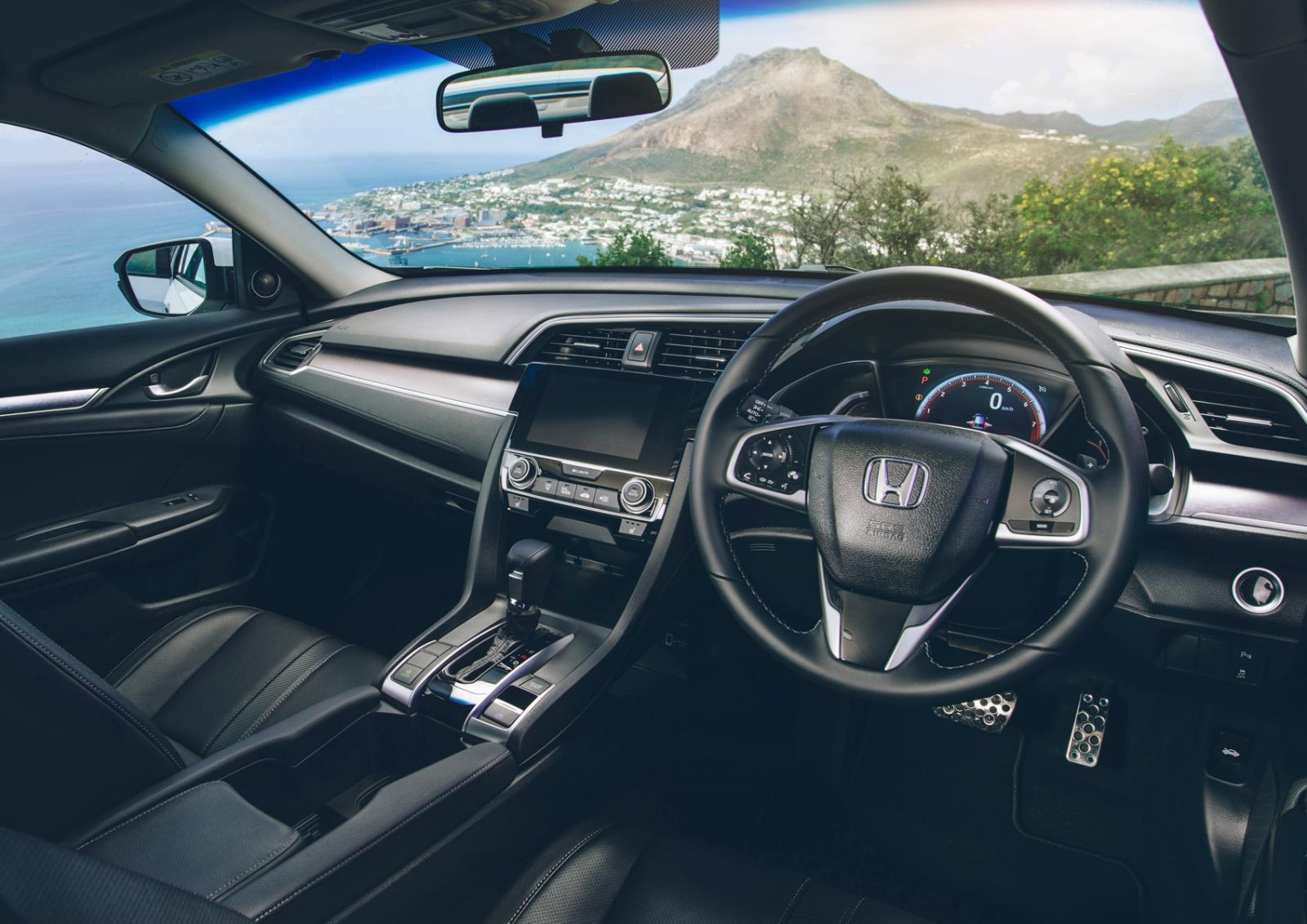
The interior of the new Civic features a high-quality material finish, giving the interior a more upmarket feel.
Apart from its sharper styling, the interior of the new Civic has been vastly improved with the use of higher quality materials and soft-touch surfaces. The cabin is attractive, with a minimalist design. There aren’t many buttons and knobs on the centre console and dashboard, with much of the functionality migrating to the high-resolution 7-inch touchscreen display (a 5-inch display is offered on the entry-level derivatives).
Audio system settings, Bluetooth connectively, navigation functions and vehicle information can be easily accessed via the touchscreen. Even the air-conditioning (dual zone climate control on 1.5T derivatives) can be adjusted via inputs to the display.
The steering wheel is adjustable for rake and reach and features comprehensive mounted controls. Two USB ports are offered on higher spec derivatives as are heated seats for the driver and passenger as well as cruise control. A new electronic parking brake and brake hold function is also included as standard.
Sport and Executive derivatives feature Walk Away Auto Lock that will automatically lock the car as you walk away from it while keyless entry is standard on 1.5T derivatives. In addition, the Executive model also features a remote engine start function that allows you to start the engine from outside the car using the Civic’s smart key fob.
Thanks to its larger dimensions, the Civic's cabin is more spacious… and it certainly feels that way. Rear passengers benefit from 55 mm more knee room and those of moderate height can sit "behind themselves" in comfort, headroom is good too and shoulder room better than in the previous car. Boot space has also increased to 430 litres. The newcomer should be well suited to families and, crucially, not only married couples with little children either.
What’s the new Civic like to drive?
The Honda Civic features improved ride quality and NVH levels are kept to a minimum.
The launch route took us into the Cape countryside where quiet, open roads gave us the opportunity to get to grips with the new Civic. Incidentally, only 1.5T Executive and Sport derivatives were available for evaluation.
Honda has lowered the top edge of the bonnet to improve forward visibility and you also sit some 20 mm lower in the new Civic. The driving position is good and will especially be beneficial on longer trips in terms of comfort, but I would say it feels less than sporty.
The new 1.5-litre turbo engine delivers decent performance and acceleration is brisk enough to execute overtaking manoeuvres quickly and safely on the highway. The CVT transmission was better than we expected and it didn’t exhibit annoying levels of droning that is so characteristic of continuously variable transmissions. It’s actually one of the better CVT’s we’ve experienced so far. If you wish to extract maximum performance from the Civic, simply shift the 'box into the Sport position and use the paddle shifters behind the steering wheel to engage manual shifting.
With its wider stance, the Civic is more planted on the road and it feels solid and composed at higher speeds. The Civic features what Honda calls Agile Handling Assist (AHA), which anticipates loss of control and takes corrective action by tempering throttle and brake inputs in imperceptible increments to help the driver maintain control of the vehicle. Other safety features include Vehicle Stability Control, Hill Start Assist and ABS with EBD. A total of six airbags are standard too. All derivatives, except the base model, are also equipped with rear parking sensors and a reverse camera.
Ride quality is good and the Civic manages to deliver improved ride quality with the help of its newly developed front MacPherson strut and rear multi-link suspension. Honda has also improved Noise, Vibration and Harshness (NVH) levels and it was only on rougher road surfaces that excessive road noise made its way into the cabin. A quiet cabin, allied by the well-built and finished interior instils a sense of "executiveness" to the Civic driving experience.
Summary
Our first impressions of the new Honda Civic are largely positive. It seems much-improved compared with the somewhat anodyne previous-generation car. The Civic is pricier than its direct rivals such as the Ford Focus, Hyundai Elantra, Toyota Corolla and Volkswagen Jetta, but it can be argued that the attraction of the Honda nameplate is reliability, solidity and classy conservatism (which has underpinned much of the brand's sales success to date). Given its spaciousness, luxuriousness and cabin/ride refinement, the newcomer could appeal to buyers who would look beyond conventional compact sedans for a family vehicle. Whether the Civic's talents will be appealing enough to lure buyers away from dominant, more premium marques' products is another story.
We will have the new Honda Civic on test in the near future, so look out for a thorough evaluation coming your way soon!
Pricing includes a 5-year/200 000 km warranty, a 5-year/90 000 km service plan, as well as 3-years of AA Roadside Assistance. Services are at 15 000 km.
The Mazda CX-5 compact SUV has been selling up a storm in South Africa in 2016. In a bid to see how good it really is/why buyers are flocking to it, we completed a 4 000 km round trip through the country in a 2.2DE AWD Akera.
Strong first impression
It seems that since Mazda’s separation from Ford in the local market (in 2014), things couldn’t be any better for the Hiroshima-based firm. Stepping out of the shadow of the bigger brand has allowed Mazda to develop its own personality, style and customer experience. Every month, the sales charts seem to suggest buyers are keen on not only the CX-5 but also the CX-3, Mazda2 and even Mazda3, which is an endorsement of the brand's SkyActiv technology.
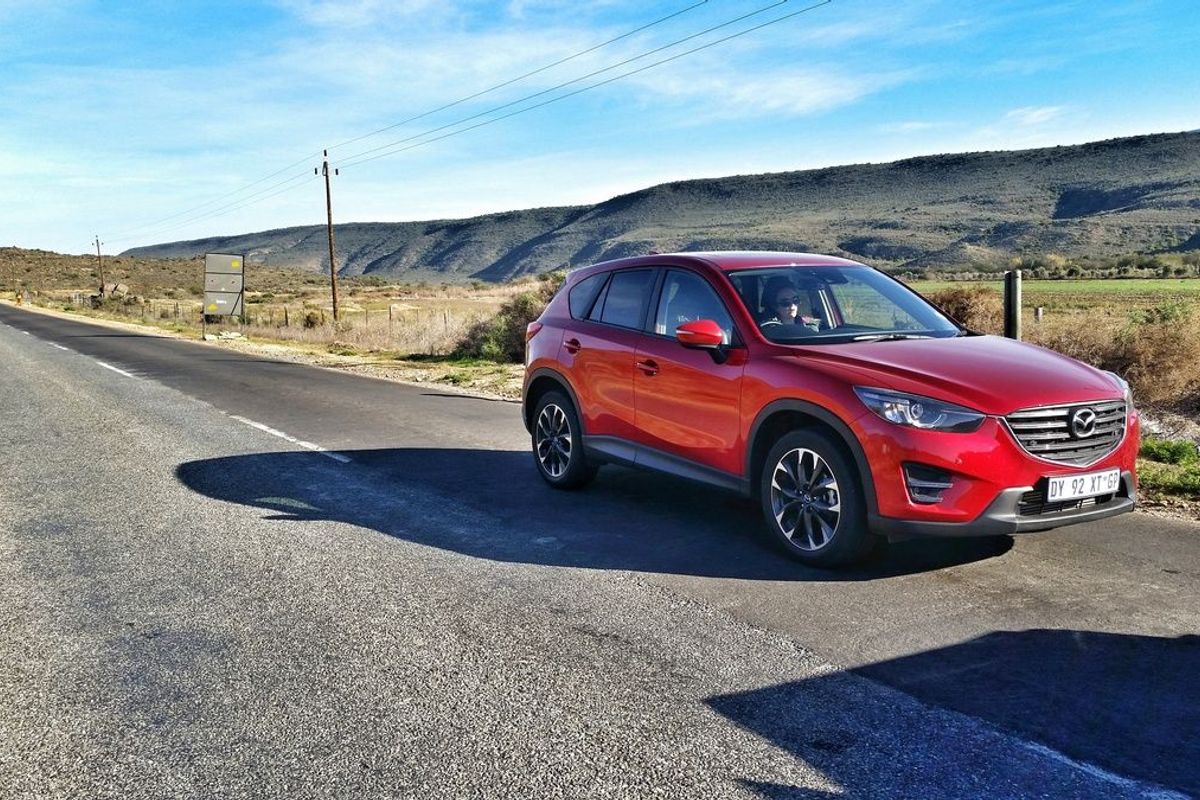
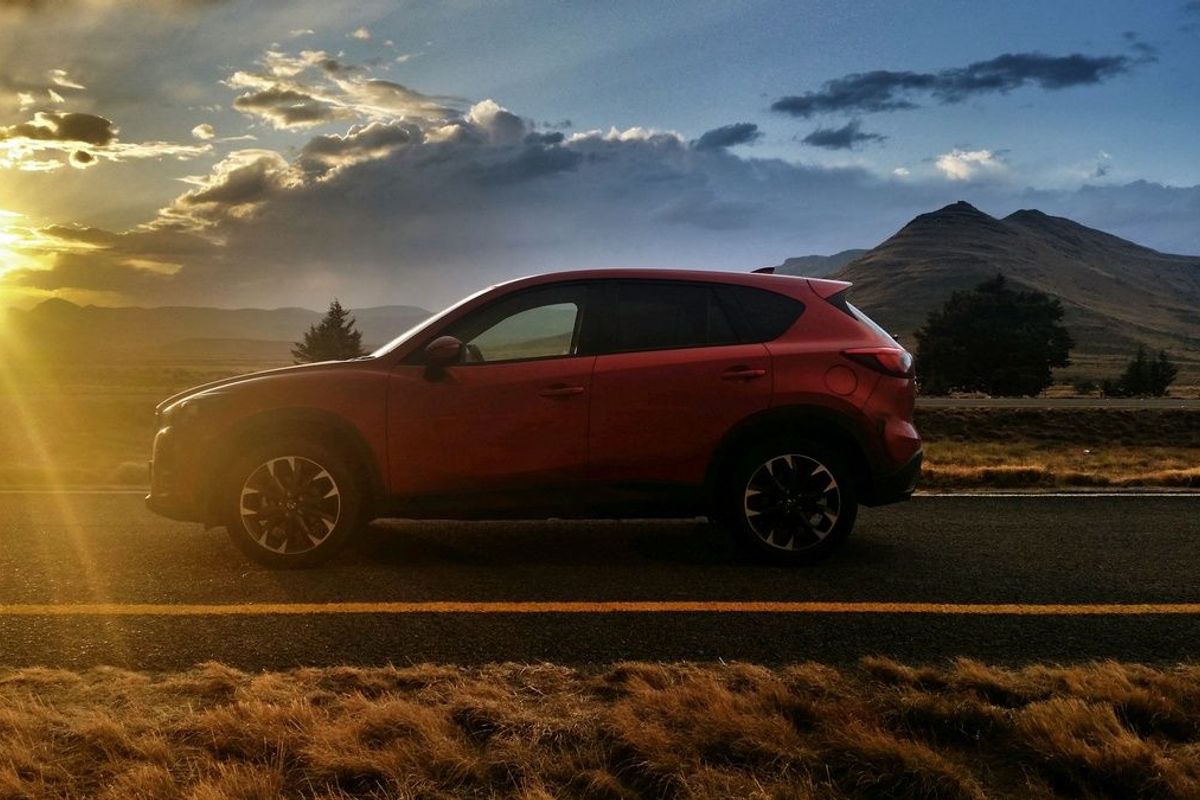
The Mazda CX-5 has proved very successful locally, regularly featuring in the top 10 selling SUVs in SA.
And, equipped with SkyActiv D technology, the 2.2-litre turbodiesel in this top-spec Akera is rather powerful. Peak outputs of 129 kW and 420 Nm of torque are available and that puts the flagship CX-5 pretty much at the top of the power pile of medium SUVs. The equivalent Ford Kuga is more powerful by 3 kW, but lacks the 20 Nm extra of the CX-5. The segment’s top-selling RAV4 is some way down on power and torque (110 kW and 340 Nm), but the extra power and torque of the Mazda doesn’t seem to hamper its fuel economy stats: it’s also claimed to be the most efficient of the trio at 5.9 L/100 km. We weren’t able to match the claimed figure as over the 4 000 km we spent in the CX-5, it returned 7.7 L/100 km, which is not bad considering it was quite heavily loaded.
The long road ahead
Mazda has aimed its vehicles squarely at the "must enjoy the driving experience" clientele. What that means to the average driver is sporty handling, agile steering and firm springs, but dynamism aside, could the CX-5 deliver good cruising ability and long-haul occupant comfort too? I set a route to find out…
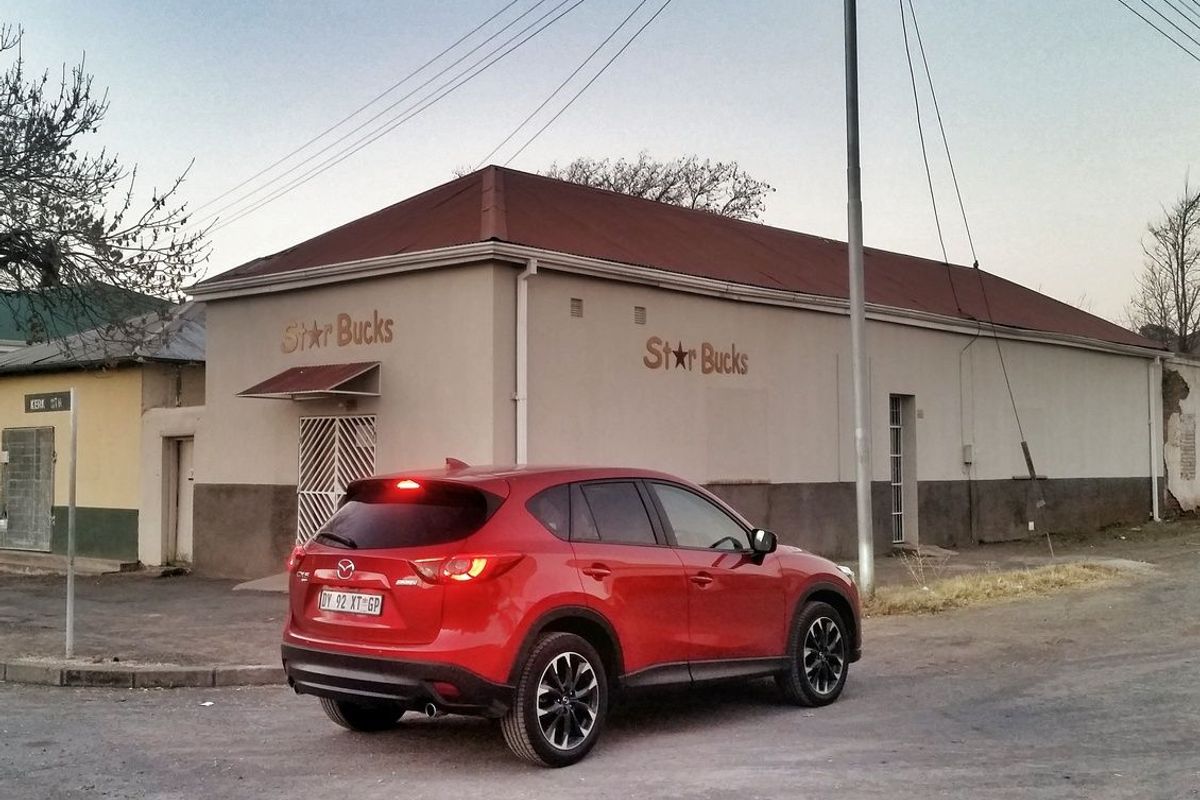
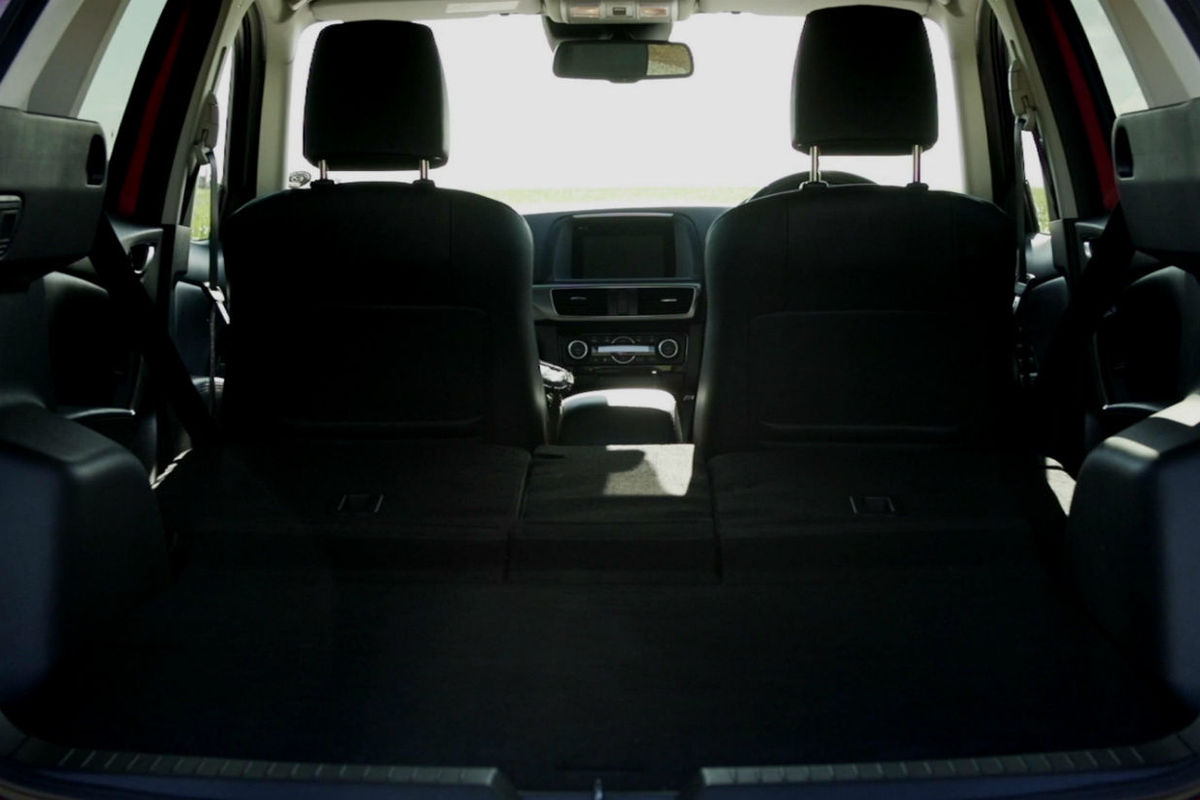
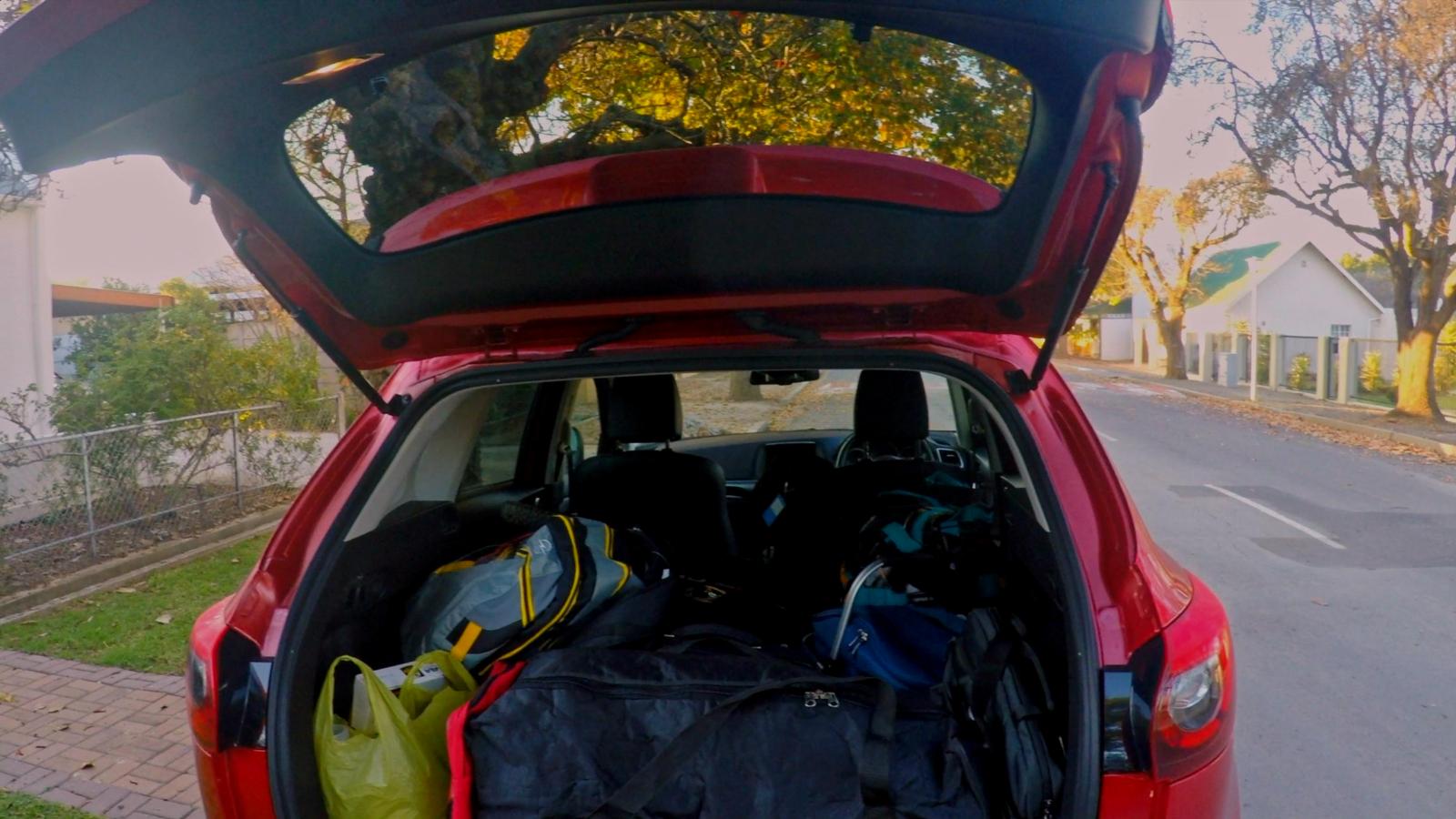
The route for my drive took me from the centre of Cape Town along the lesser travelled route to Aliwal North, around all of Lesotho and then back the same way with a stretch on the N1 after Prince Albert. The point of the trip was to get to Pietermaritzburg to participate in the SA mountain biking championship. That meant the car was packed with a bike, gear, spares and an unwilling pit mechanic/fiancé. Despite the CX-5 having a smaller loading area than the abovementioned competitors we didn’t struggle to fit everything inside the car (seats down for the bike).
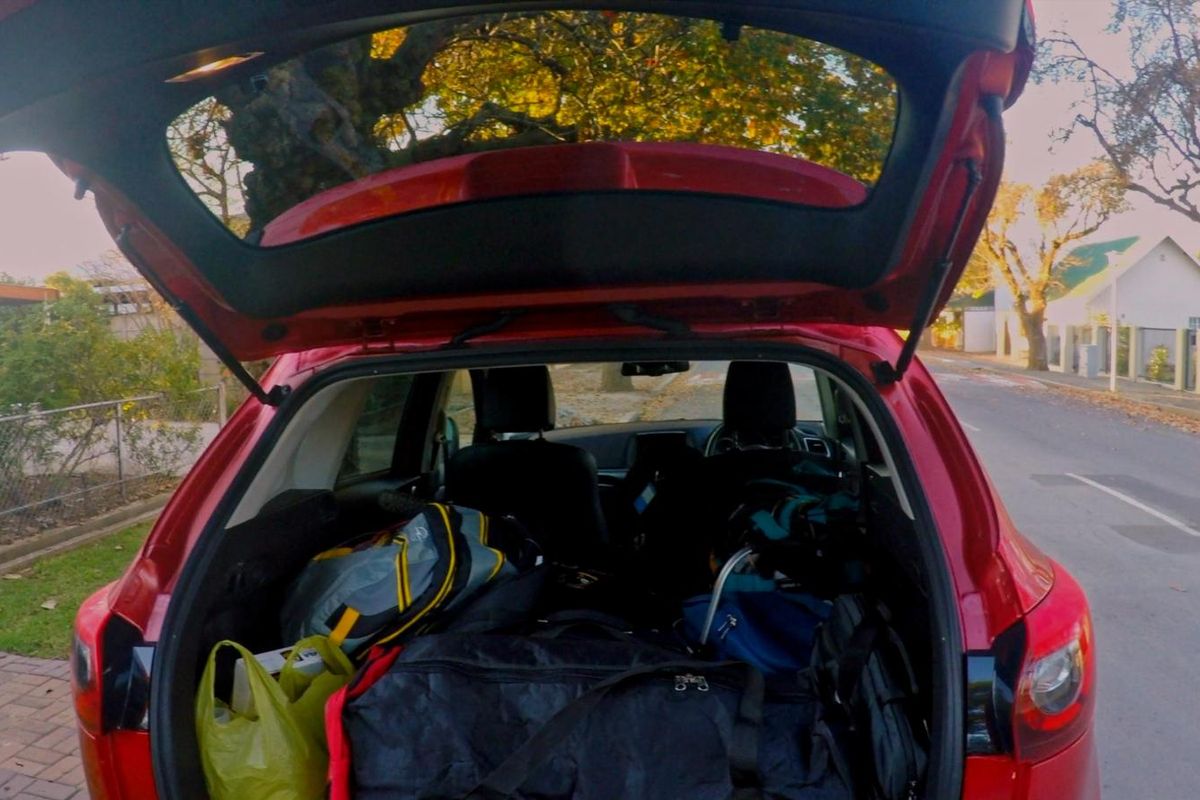
The CX-5 managed to swallow a mountain bike AND two occupants' luggage with the rear seats folded down.
The twisty parts
Mazda didn't boast about the CX-5's handling talents without reason, as the test unit positively laps up bends at speed. It remains upright when cornering Gs are forced upon it and gives you the confidence to not scrub off all the speed you’ve gathered when a corner looks a bit sharp. That’s good for efficiency too, as you don’t need to constantly accelerate back up to speed after taking a corner. For the parts of my long trip that involved mountain passes and twisty sections, the CX-5 was the near-perfect compact SUV from a driver-engagement point of view (especially given the load it was carrying).
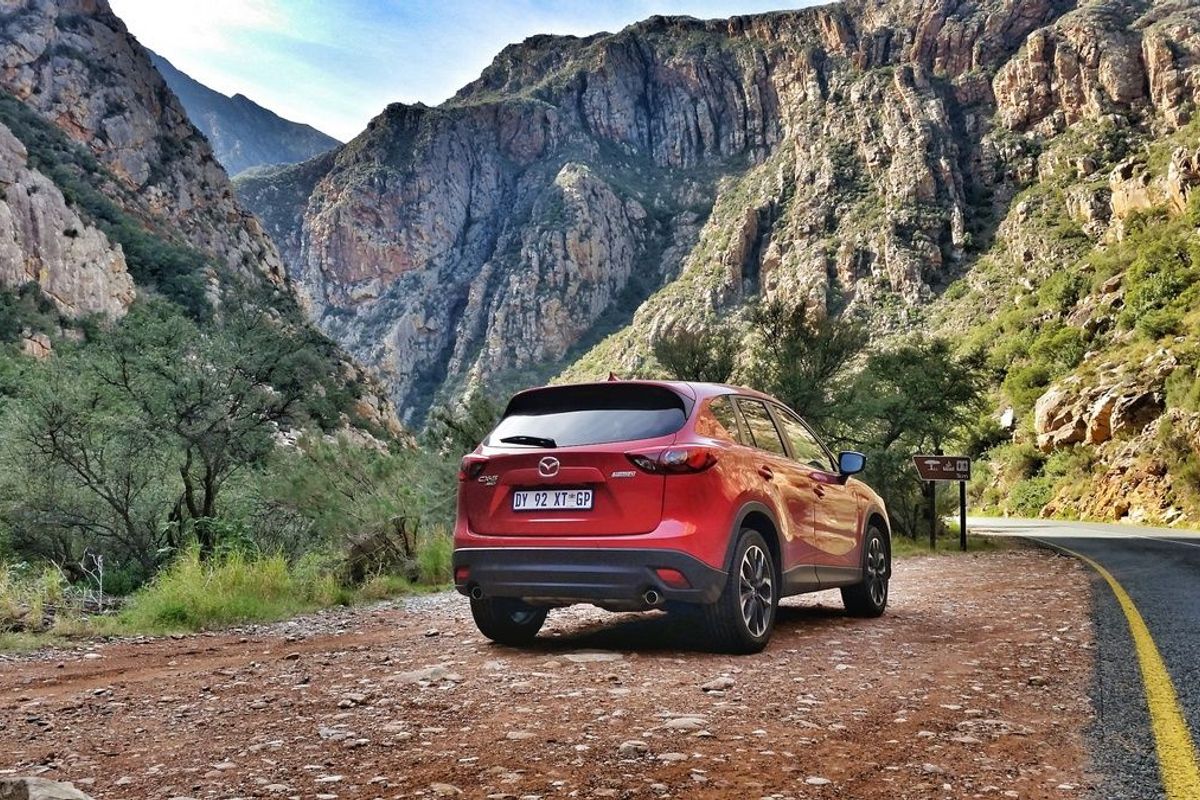
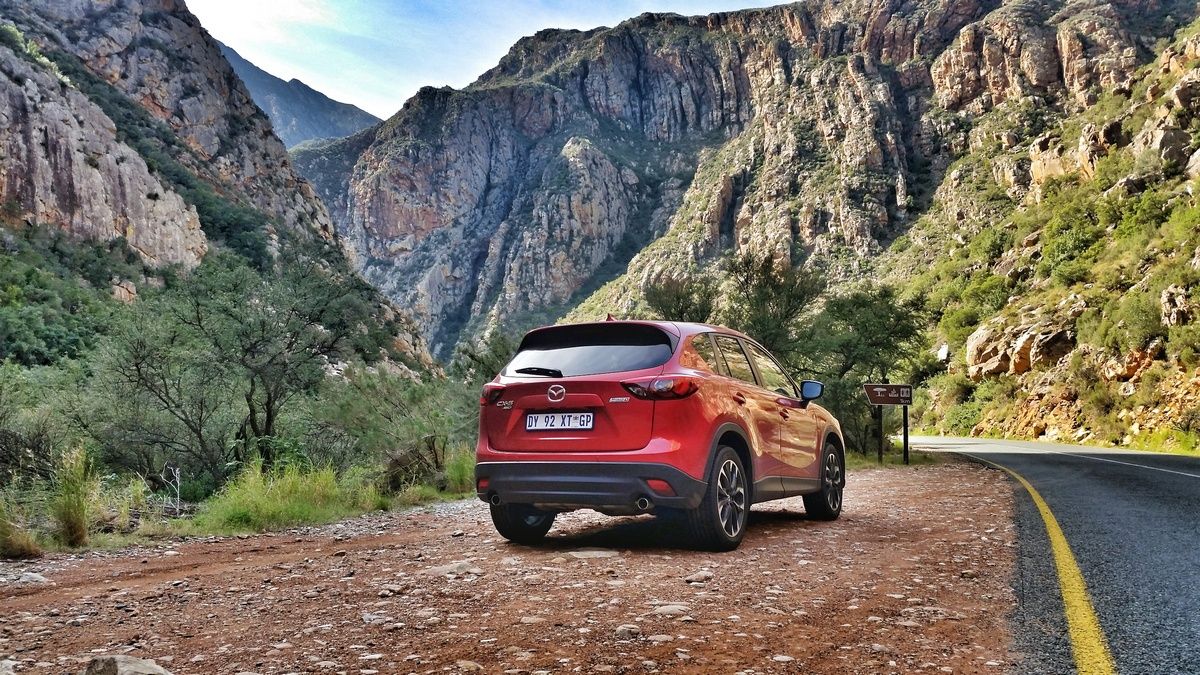
The renowned pass at Meiringspoort, its here where the CX-5 stands out from the rest of the medium-sized SUV crowd.
The straight parts
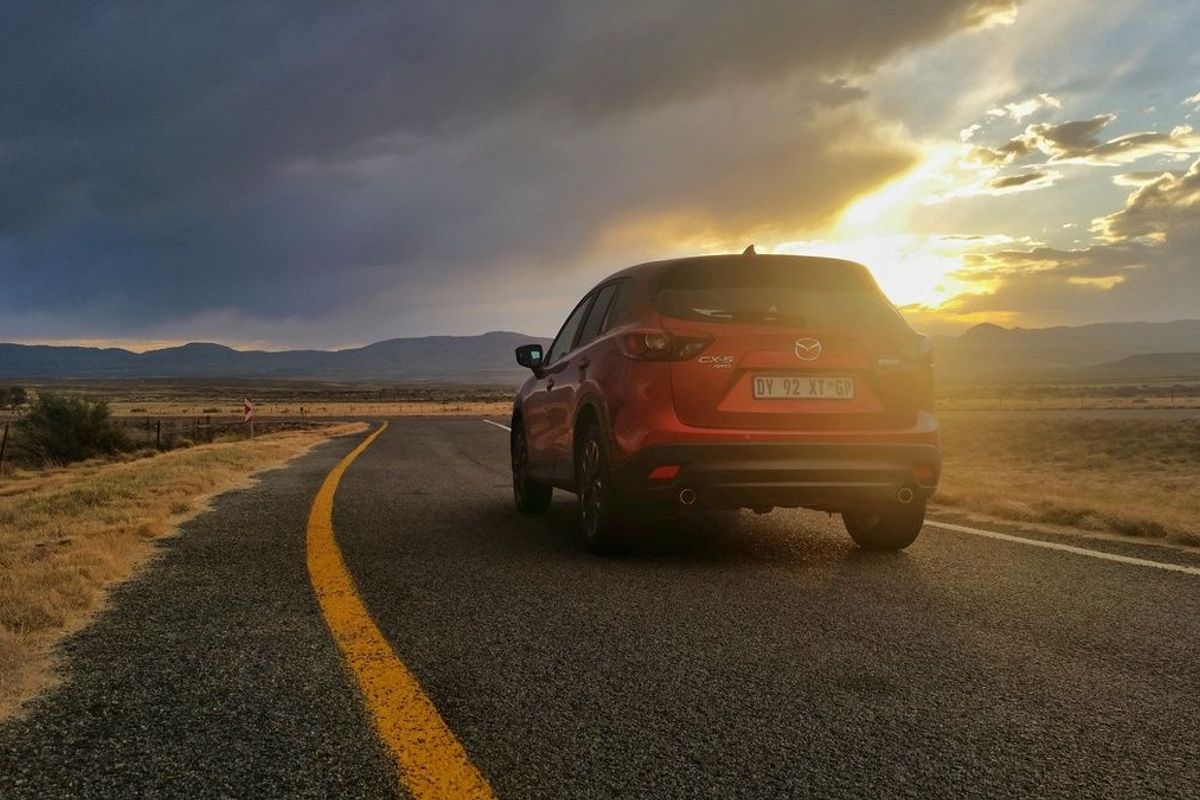
Roads don’t get much straighter than they are in the Karoo. The region is characterised by horizon after horizon of flat land with a dead straight strip of tarmac sniping through it. It’s not exactly driving paradise, but it’s the perfect place to review the CX-5’s comfort and ride quality on the long road. Long stretches of road out here feature patches of replaced asphalt and filled potholes – it’s bouncy going in some of the most comfortable cars.
The CX-5’s stiffly sprung suspension isn’t in its element here. The bumpy road surface pushed through into the cabin and it gets tiresome taking hits constantly on a long drive. A softer setup would be more comfortable on the long road, but you would lose its handling prowess everywhere else, it’s something you have to weigh up as a buyer – do you want something that’s good for long journeys or something that’s fun on everyday trips?
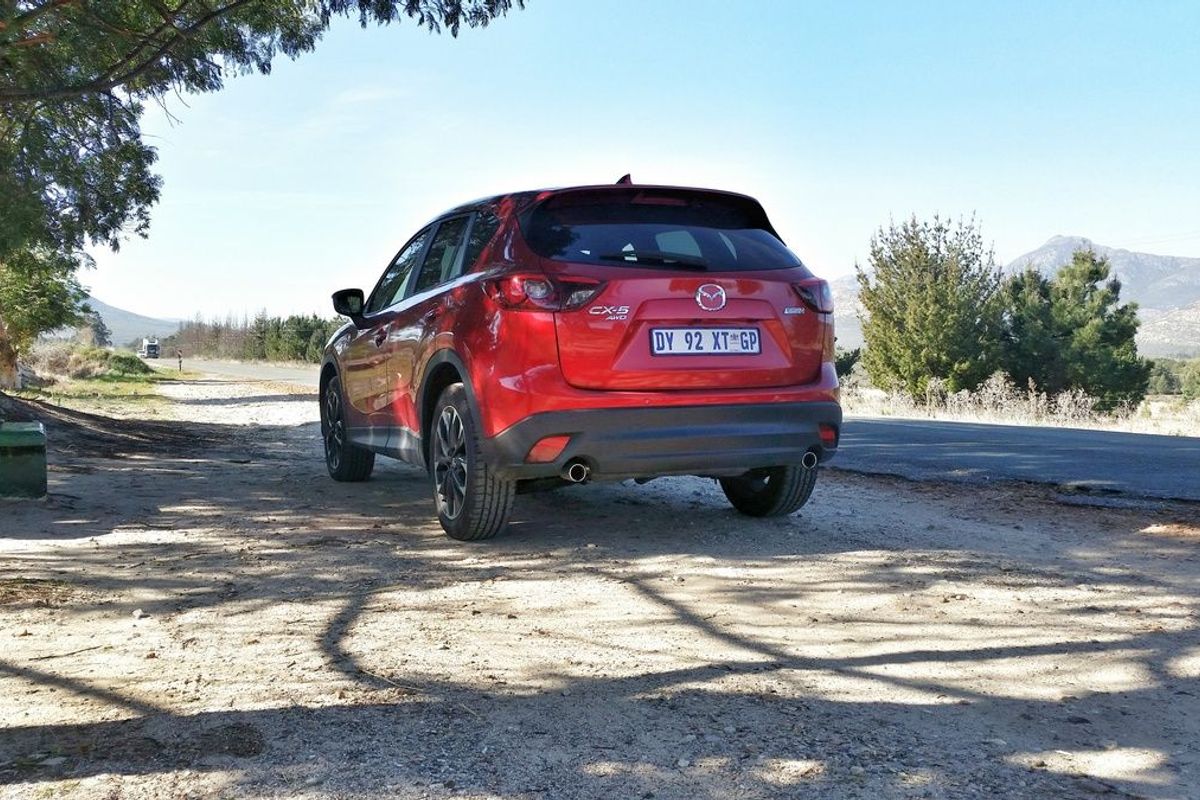
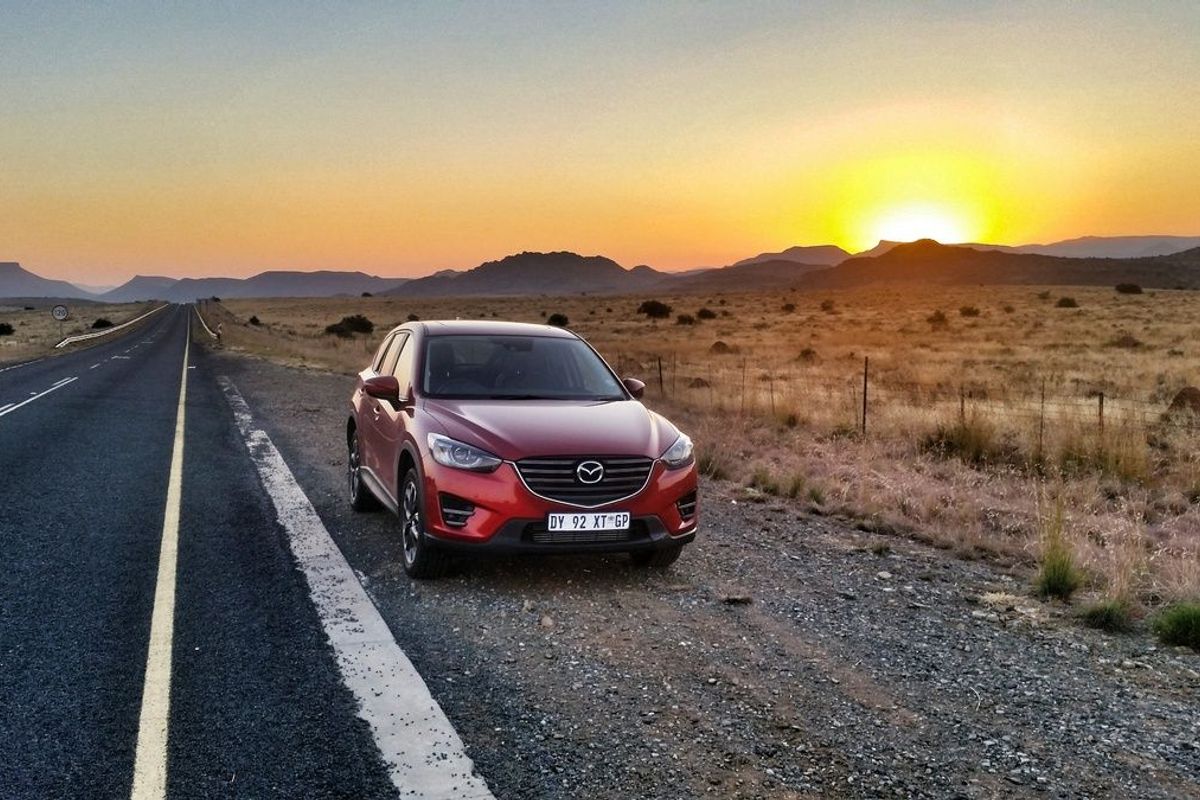
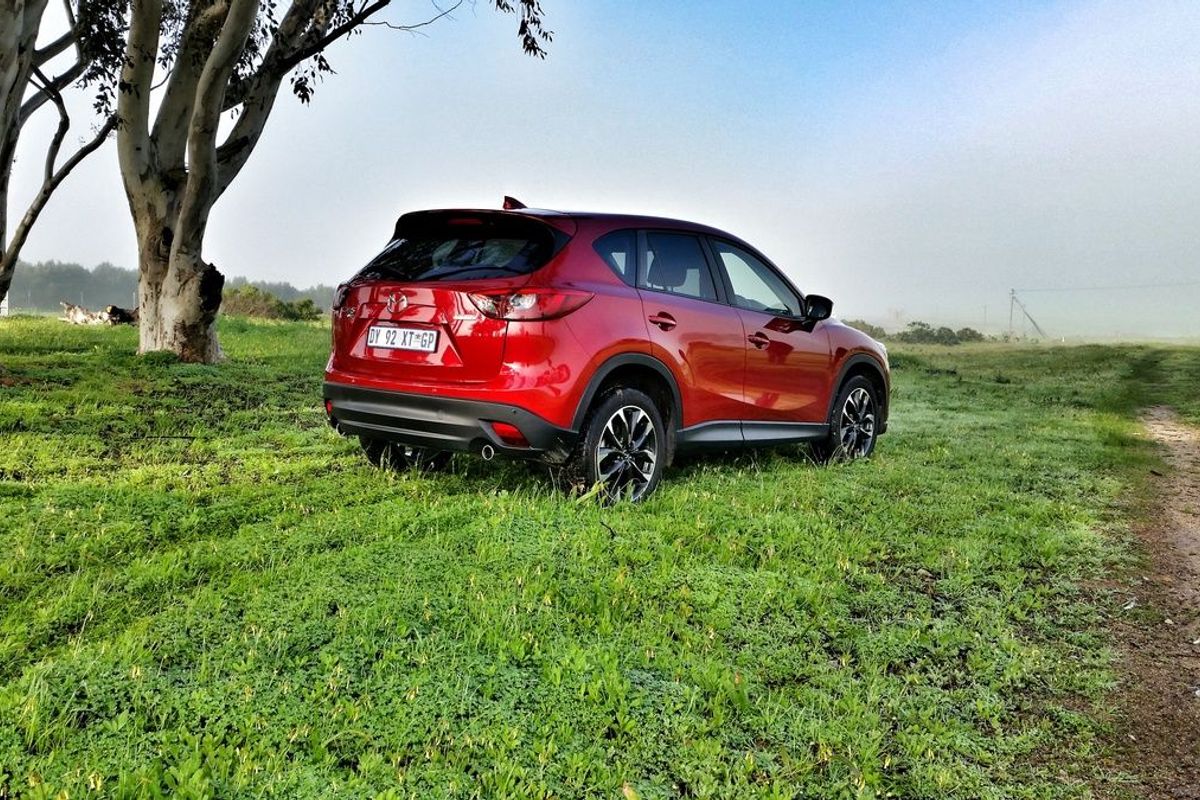
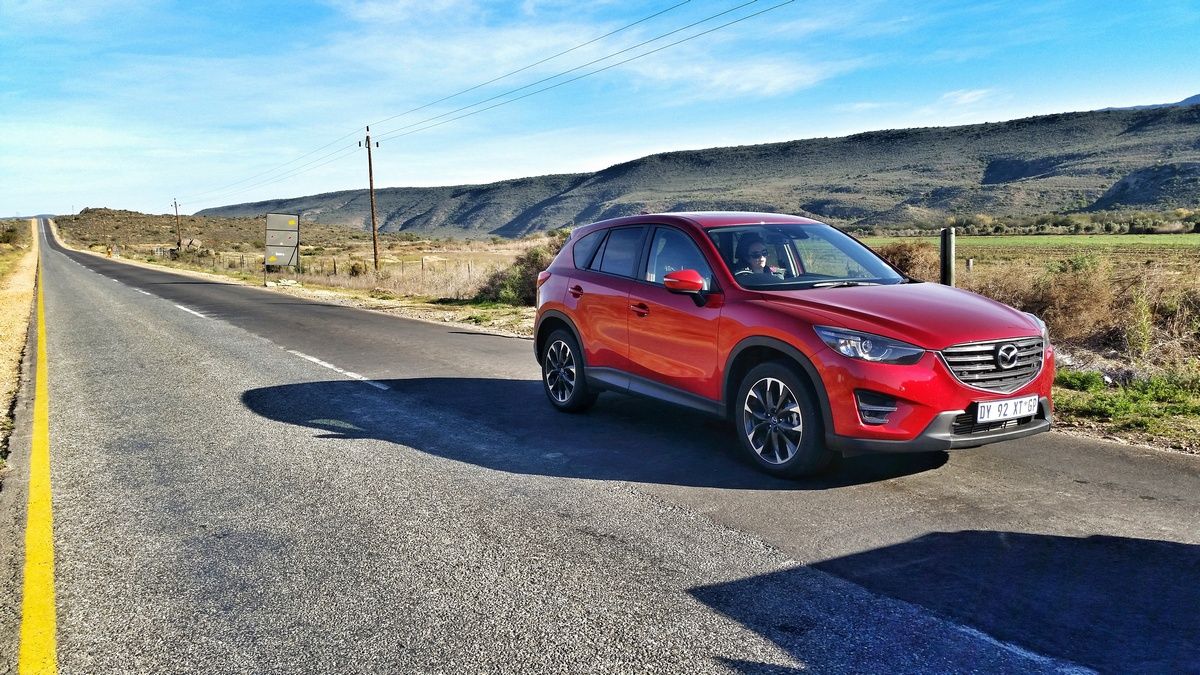
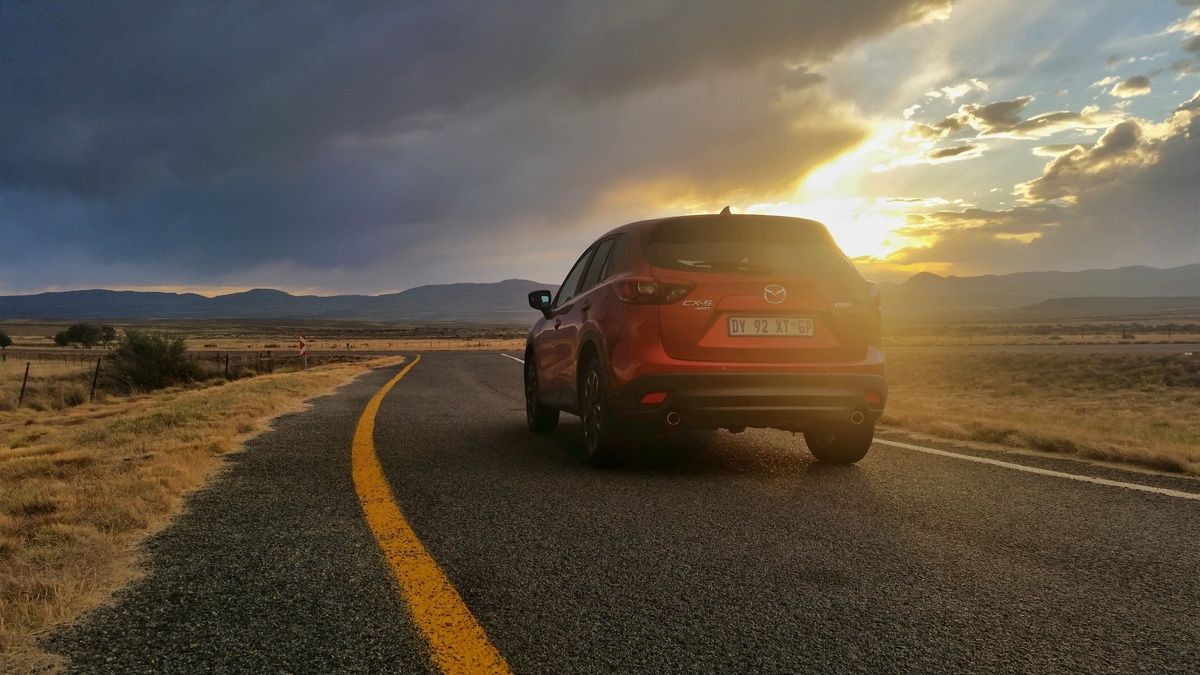
The Karoo is flat and very straight but it does throw up some awesome sunsets
Great spec
When the Akera arrived, I initially thought that R528 100 was a bit on the expensive side. As the drive wore on a few neat features made their presence felt; the high-end equipment attached to the flagship CX-5 is pleasantly surprising. The automatic adaptive headlights, for example, make it much easier to drive in the dark: simply hit the mains and the car takes care of dipping them when a car is in front of you/travelling in the opposite direction.
The navigation system within the infotainment system is really easy to use and loaded with detailed maps. The two USB ports were a hit for charging two phones, or one, while music was playing from a USB flash disk. A quick flick through competitors' specs shows the CX-5 trumps the Kuga and RAV with the adaptive lights and navigation. The others do have heated front seats (the Mazda doesn’t) and the cold mornings in the Free State had me longing for them.
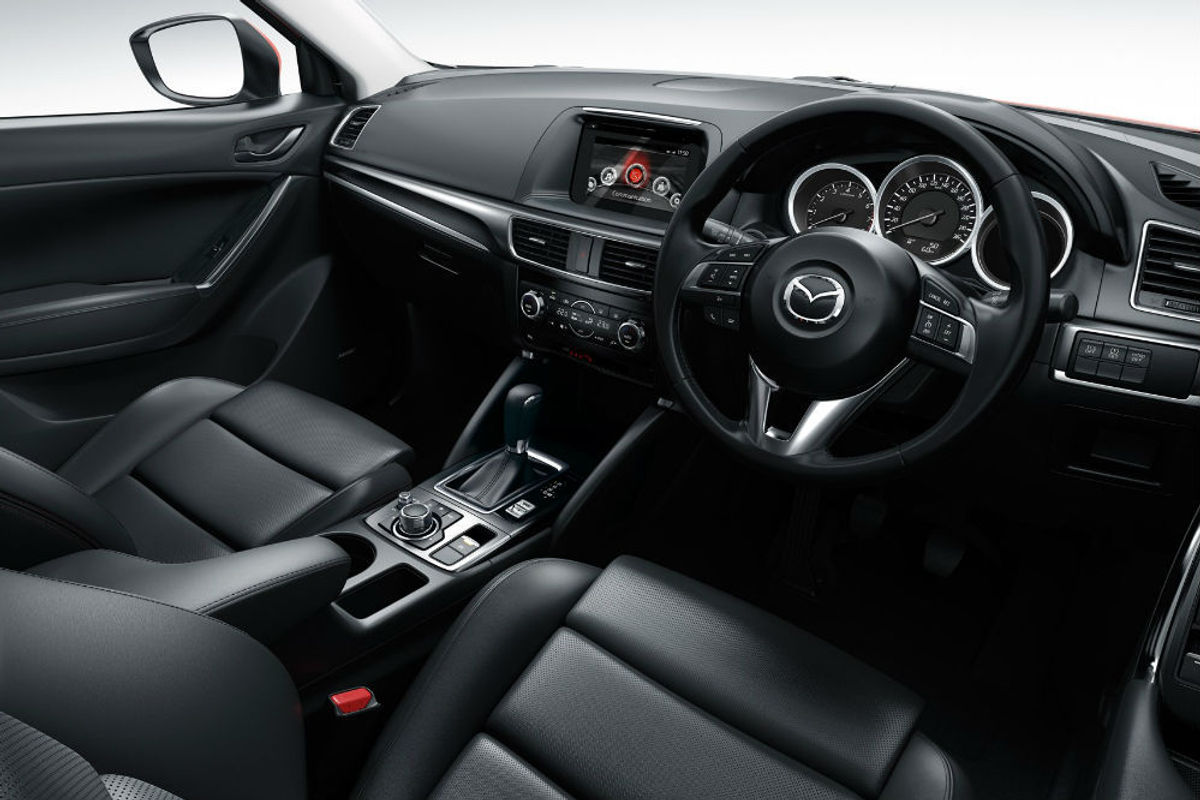
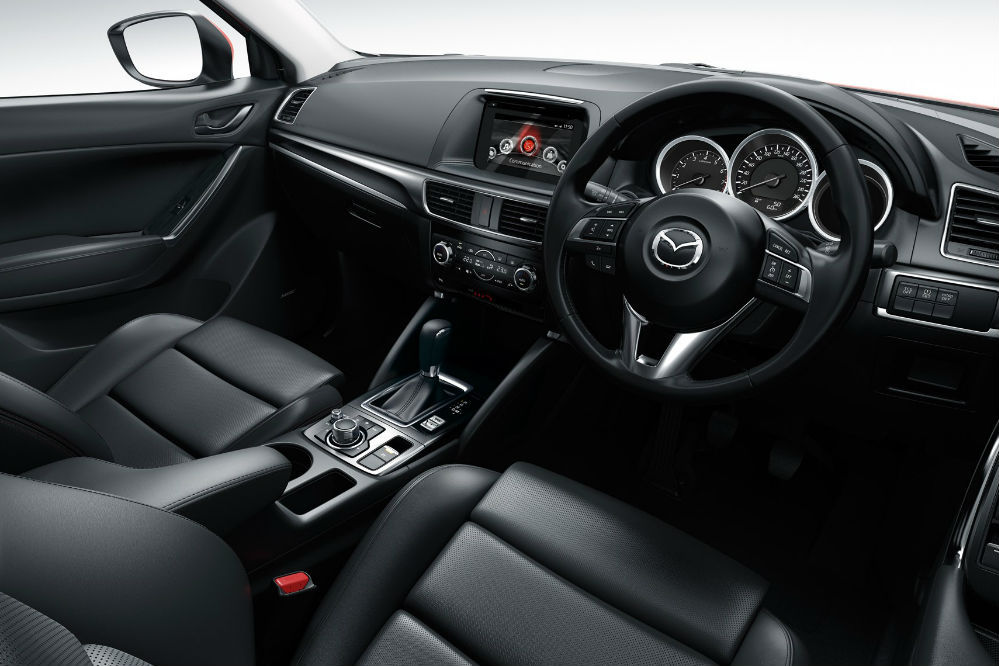
The solidly built interior is loaded with features, including navigation.
End of term
Handing back the keys to the CX-5 left me a tad confused, on the one hand the CX-5 was the perfect practical companion… the added ground clearance provided that extra bit of security when tackling a dirt stretch, for example. There are also high levels of refinement in both the cabin and in the ride – especially in dynamic situations. The flip side of the coin reveals an SUV that’s maybe too dynamic for a cross-country journey where lots of kilometres need to be knocked off in a day. Also, I’m not entirely convinced by AWD in a sporty SUV, FWD would probably suffice and save you a bit at the pumps in the long run (the 2WD derivative is admittedly significantly less luxurious). However, as a (nearly) full-house compact SUV, which will be used as a family vehicle for the overwhelming majority of the time, the (now) well established Mazda CX-5 is hard to fault… and, therefore, easy to recommend… if you can afford it.
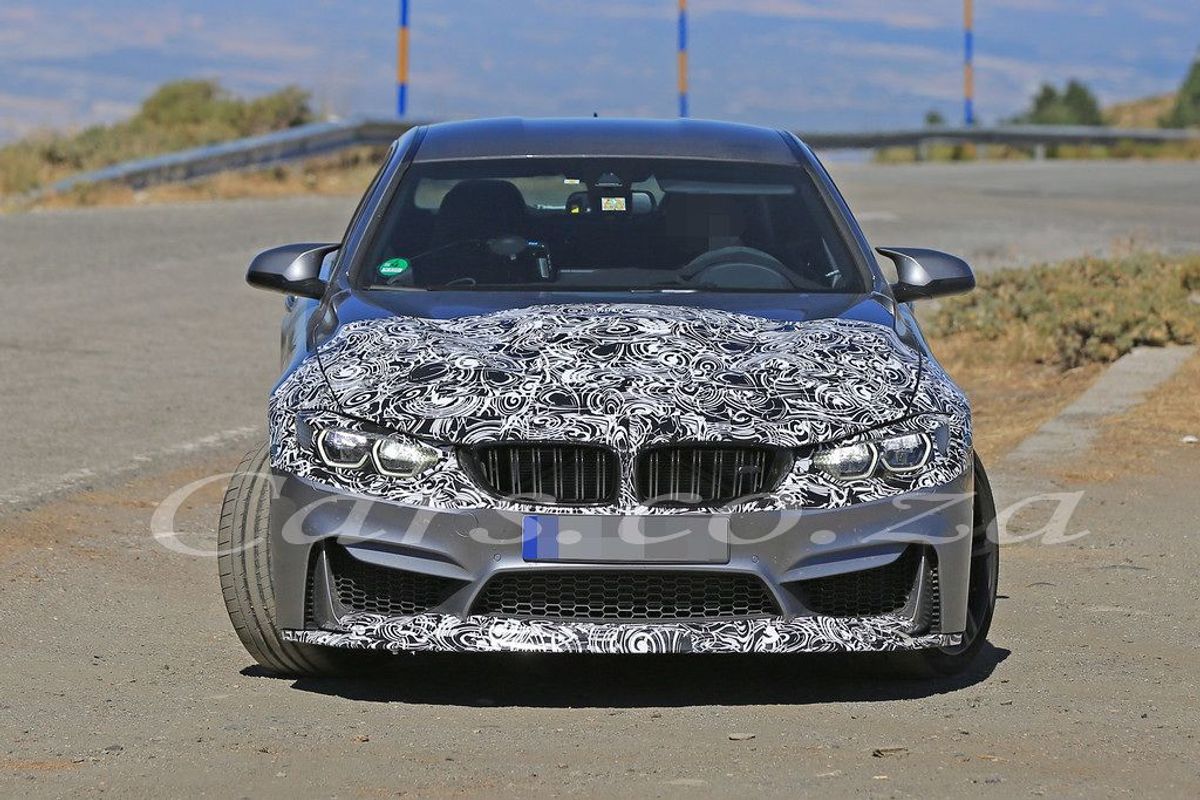
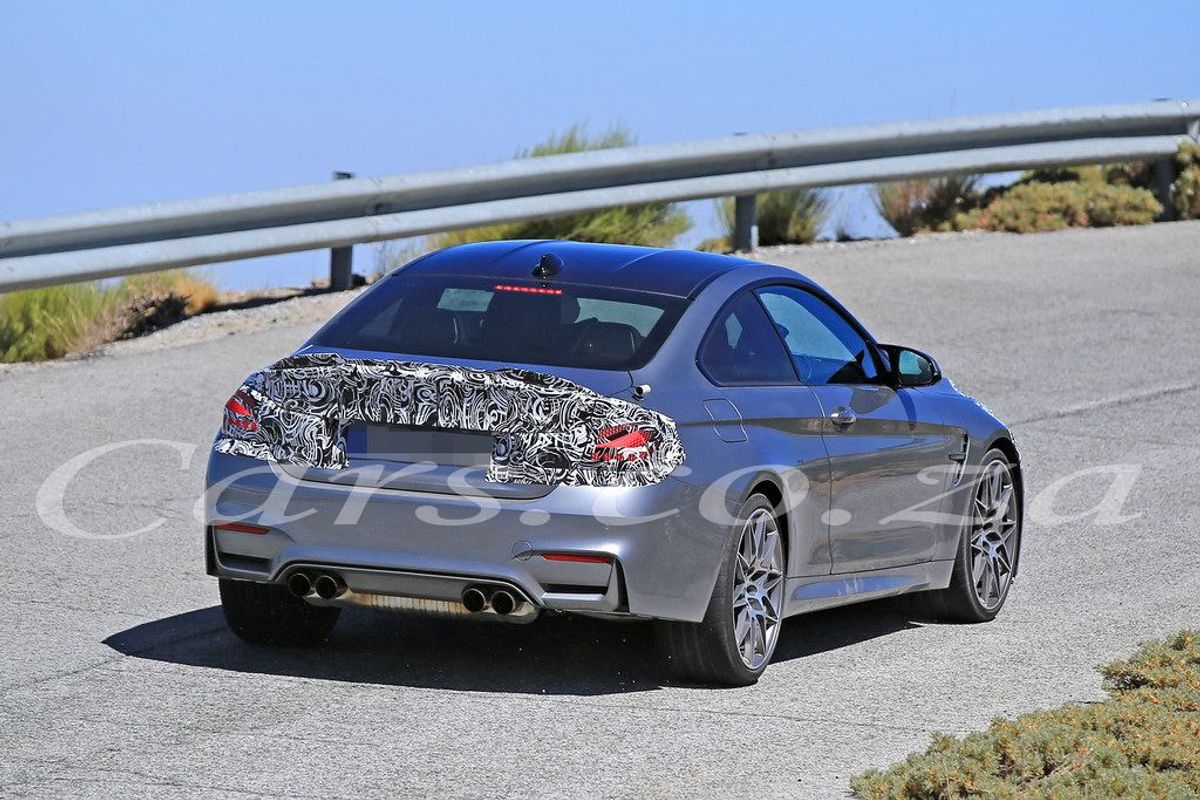
A facelifted version of the BMW M4 coupé has been spotted undergoing hot-weather testing in Southern Europe.
The BMW M4 has been on the market since 2014 so it is due for a mid-life refresh. After the fiery BMW M4 GTS has come and gone, what will the performance arm of BMW do next with its hot 3 Series-based coupé? These spy images show that some elements of the BMW M4 GTS will be transferred onto the facelifted car. There's a modified front end with lip as well as a similarly sculpted bonnet. Both of these details look very similar to those found on the GTS. At the rear there are new OLED tail lamps as well as a reworked, larger spoiler. Could we be looking at a new M4 variant with, perhaps, a GTS-themed style pack?
We gather that there will be a slight increase in power too, which will help it keep pace with the new fiery Mercedes-AMG C63 which packs 375 kW. At this stage, the BMW M4 coupe will be expected to arrive globally in the second half of 2017, with South African availability shortly thereafter.
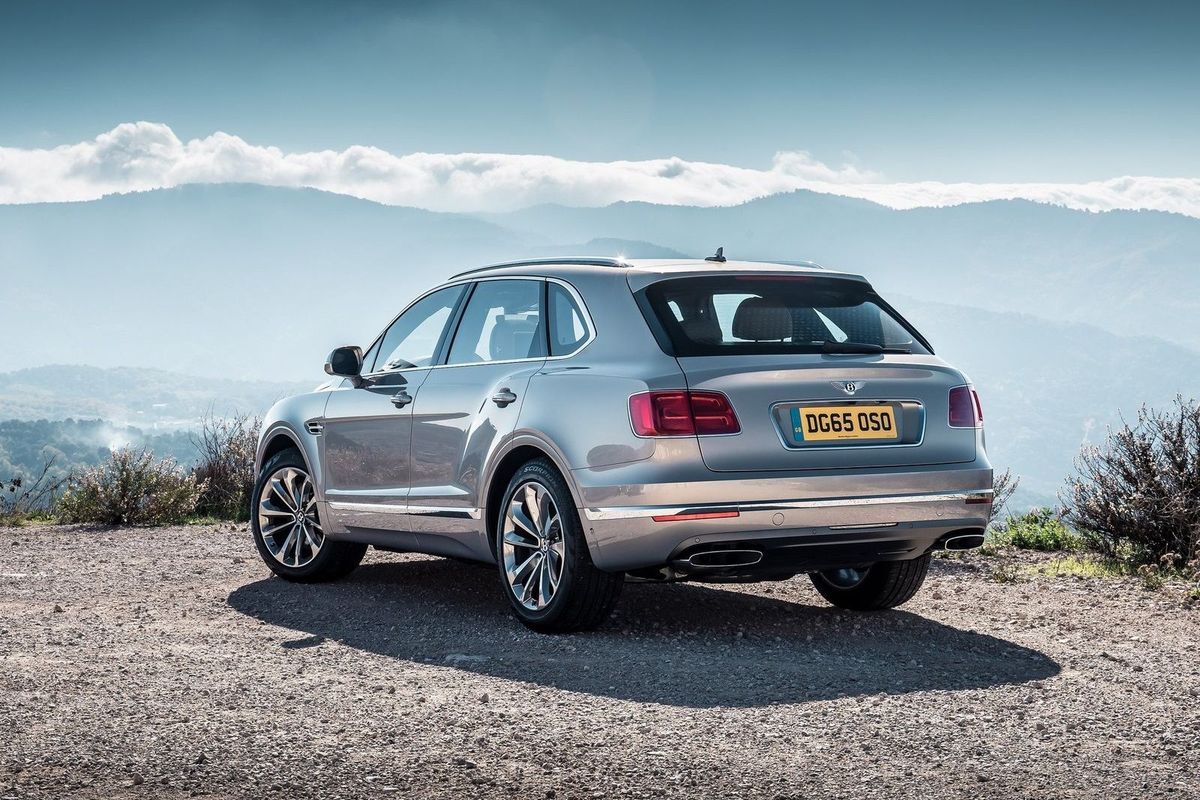
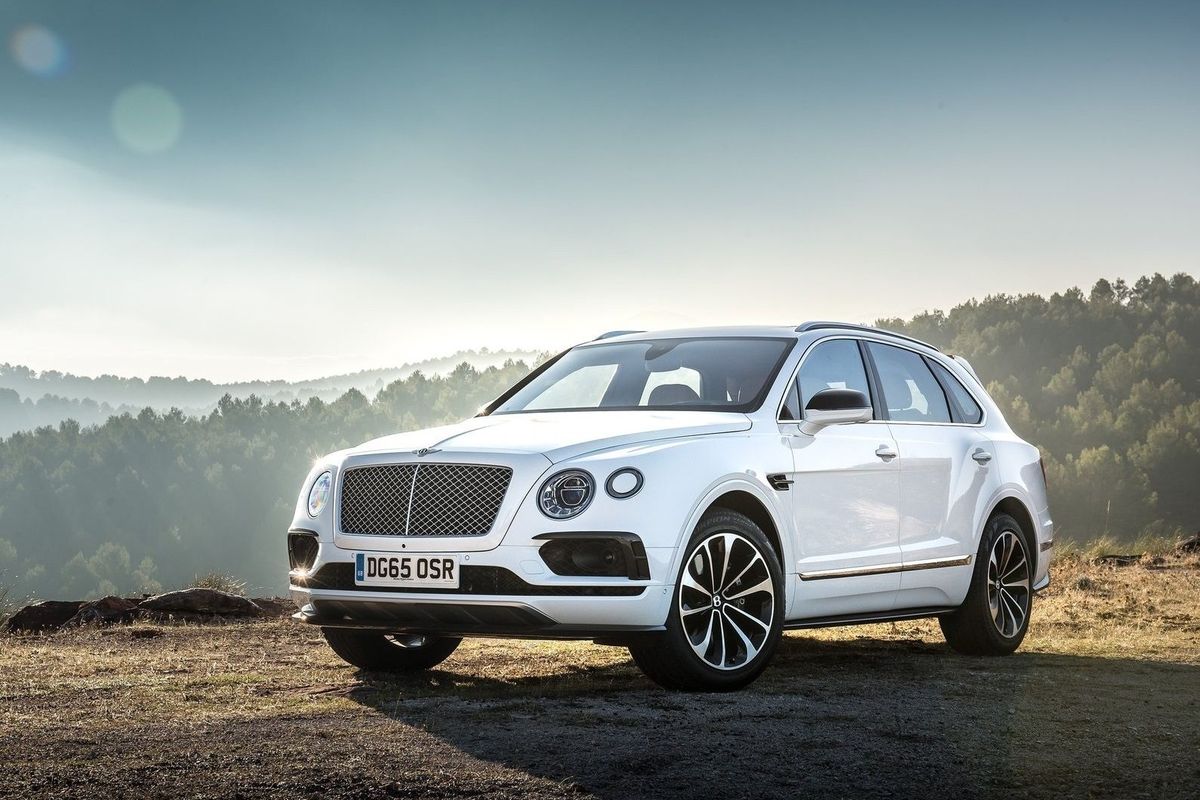
Bentley’s flagship SUV is called the Bentayga and it is now available in South Africa. Here are 5 amazing facts about the world’s fastest and most powerful luxury SUV.
While its looks are not to everyone’s taste, you have to admit that Bentley has done well in creating a super SUV and the Bentayga (its name is formed by adding the first 3 letters of the Crewe-based manufacturer's name and Taiga – a type of Northern hemisphere boreal or snow forest) is one very luxurious offering. Currently, it retails for R3 987 000 and there’s just one model available. Many will suggest that it’s just a repackaged Audi Q7 underneath, but while that’s partly true as it's based on the VW Group's MLB platform, there’s been some extensive work done by Bentley to make it that much more special.
That engine
The W12 engine under the bonnet delivers a stonking 447 kW!
Right now there’s only one engine offered in the Bentley Bentayga – a massive 6.0-litre twin-turbocharged W12 unit that produces 447 kW and 900 Nm. That’s enough shove to send the Bentayga hurtling to 100 kph in just 4.1 seconds, which is jaw-dropping considering how heavy it is.
In future there may be a smaller-engined Bentayga featuring the 4.0-litre twin-turbocharged V8 from the Continental GT. There could also be a Speed version, which offers a few more kilowatts from the big W12. At the time of writing, a turbodiesel powerplant was under consideration, with the high-tech electric turbo V8 from Audi’s SQ7 looking most likely to be put into service.
First edition
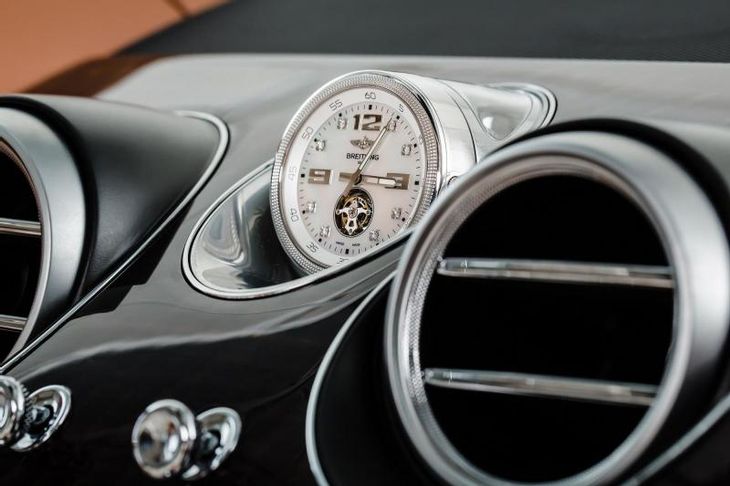
Buy a First Edition Bentayag and you can pick from one of three Breitling watch designs.
Six hundred and eight Bentayga First Edition units will be produced, which is about a sixth of what the factory will be able to assemble in the first year of production. This number is significant as it’s the number of metric horsepowers the engine produces. The Bentayga First Edition features Union Jack logos on its front doors, carbon-fibre detailing, special detailing on the 22-inch wheels and in the cabin there are uniquely embroidered seats and stitching. The cherry on the top has to be the unique Breitling watch that comes with the car. Customers can choose from three and the watch values vary from $10k to $21k (approximately R130 000 to R280 000).
The customisation is almost unlimited
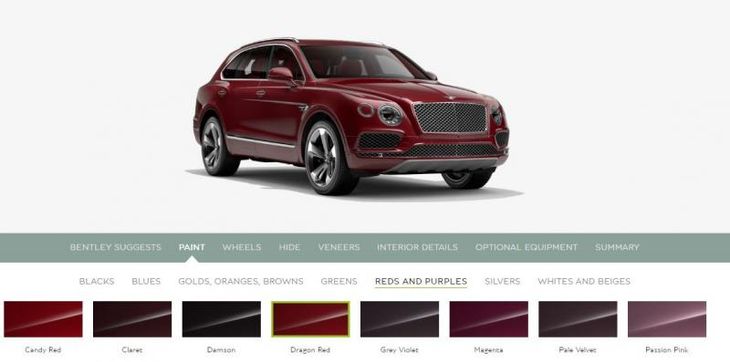
Bentayga customers can delve into a staggering number of options on the online configurator.
There’s a good chance no two Bentley Bentaygas are alike as the online configurator offers vast levels of customisation and options. There are incredible variations on colour themes… for example: you don’t just get blue, you get seven versions of blue! There are 8 wheel designs to choose from. You can even choose between 2 dedicated rear seats or the standard three-person bench at the rear. The options for carpets, veneer and trim stitching is really daunting, but when you’re paying this much for vehicle, you expect only the best. Bentley claims it takes 130 hours for 53 artisans to handcraft each Bentayga cabin.
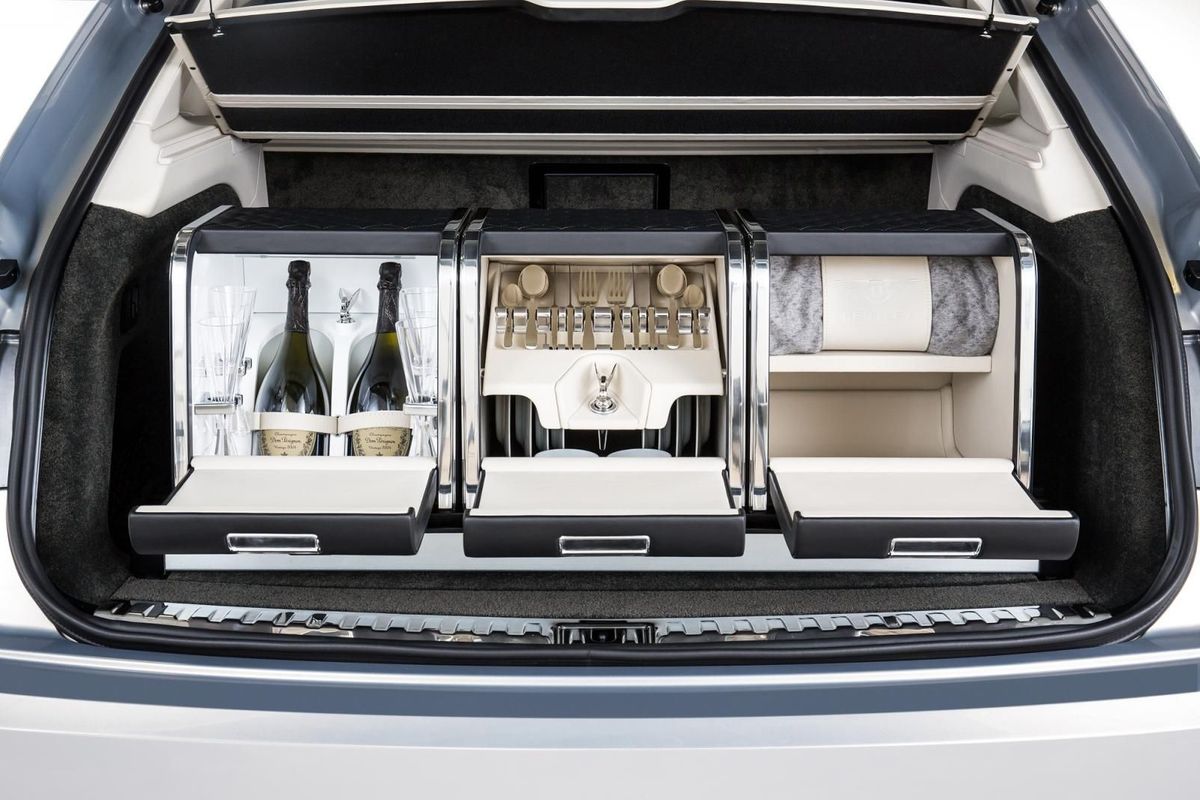
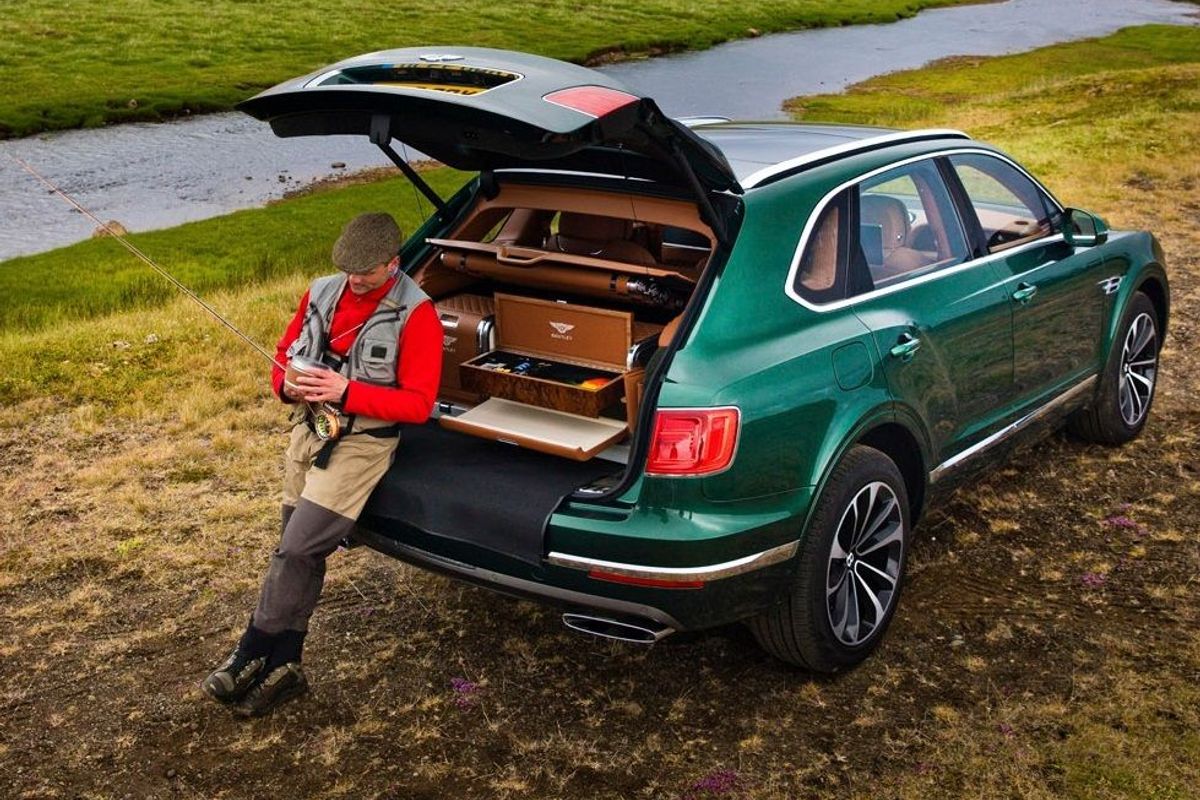
If this is not enough, you can head to coachbuilding specialists Mulliner who will kit out your Bentayga with even more luxurious features, such as a fly-fishing kit! The one option that’s really interesting is the Mulliner "Tourbillon by Breitling" dashboard clock that’s wound by the Bentayga’s acceleration. The price of this clock is almost as much as the Bentley Bentayga itself.
Offroad ability
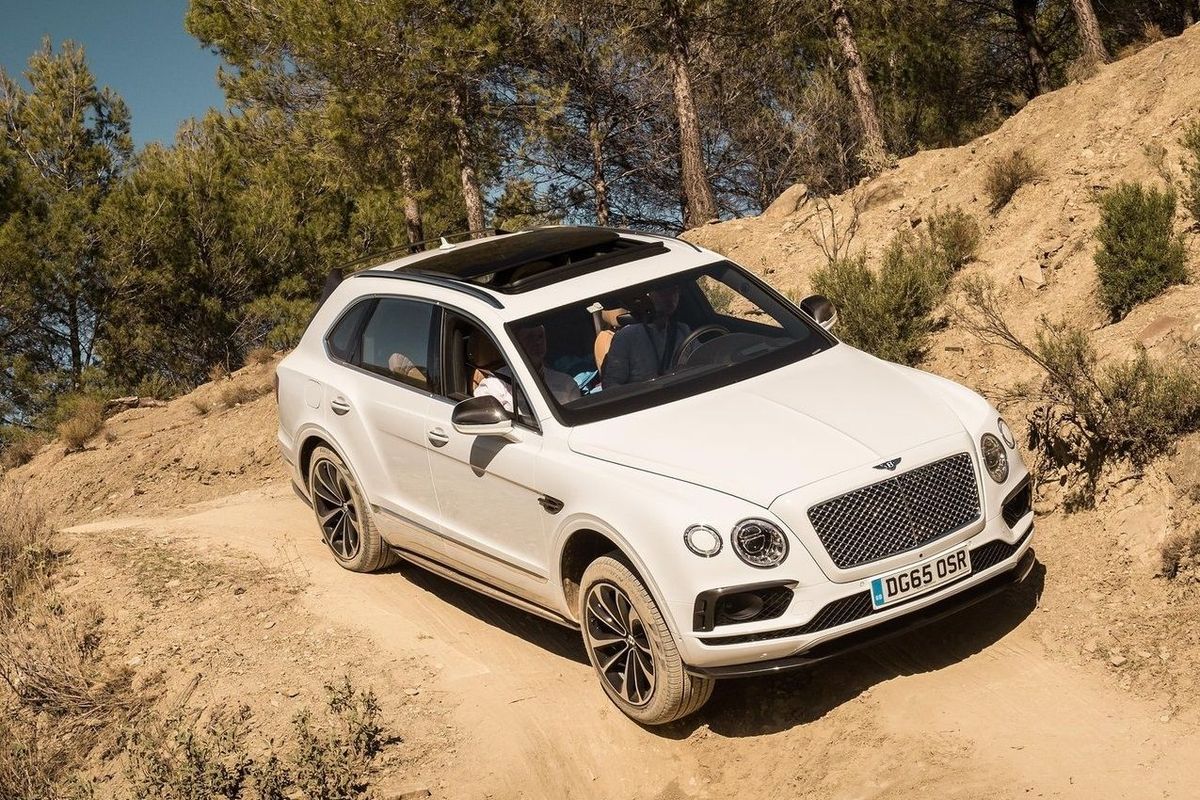
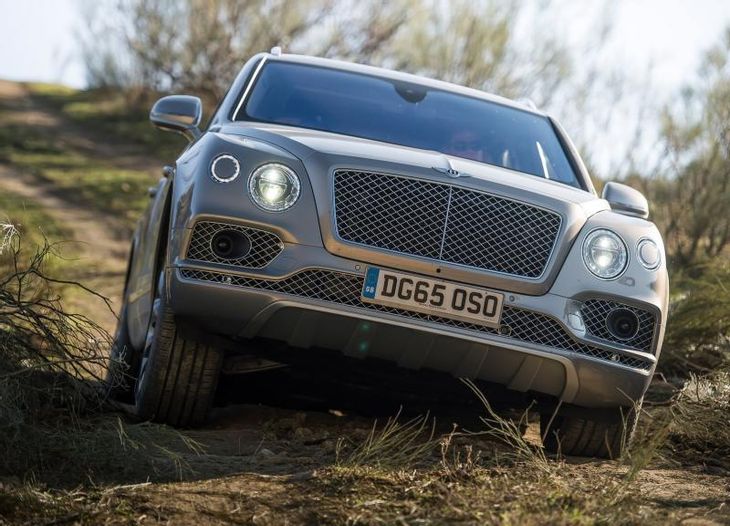
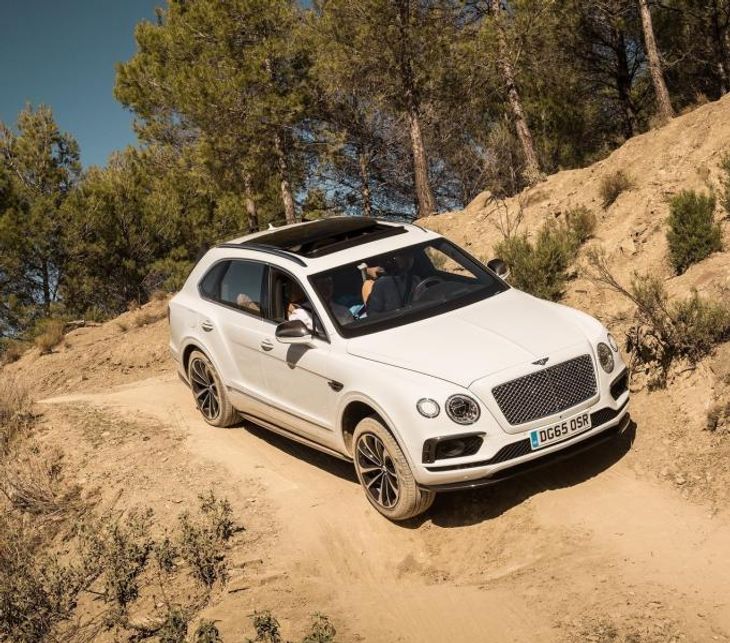
The typical Bentayga is unlikely to ever venture off-road, but that doesn't mean it can't.
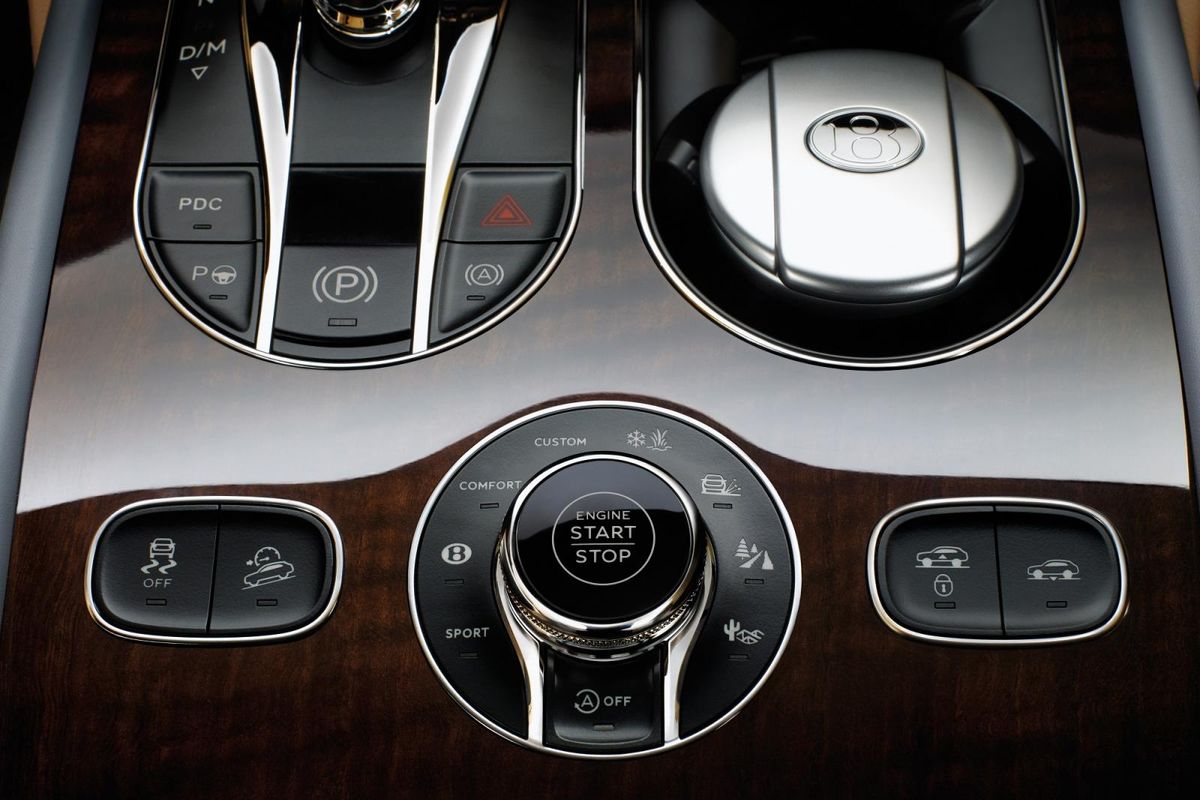
"Just because you can doesn’t mean you should" is the phrase that comes to mind when you think of the Bentley Bentayga. It’s expensive to buy and potentially expensive to repair, so why would you run the risk of damaging it offroad? Bentley has made sure its first SUV can venture offroad by fitting it with adjustable ride height, four-wheel drive and electronic features like hill descent control. The chassis has 8 settings, with four for on road (Comfort, Bentley, Sport, Custom) and four all-terrain modes (Sand dunes, Mud & Trail, Gravel & Dirt, Snow & Grass). It has a ground clearance of 245 mm and can wade in water up to a depth of 500 mm.
Tick the option called All Terrain and you get drive dynamics with off-road settings, underfloor protection and a top-view camera. For peace of mind, there’s also a sump camera which lets the driver check for approaching obstacles that can potentially hurt the Bentayga.
The in-car entertainment
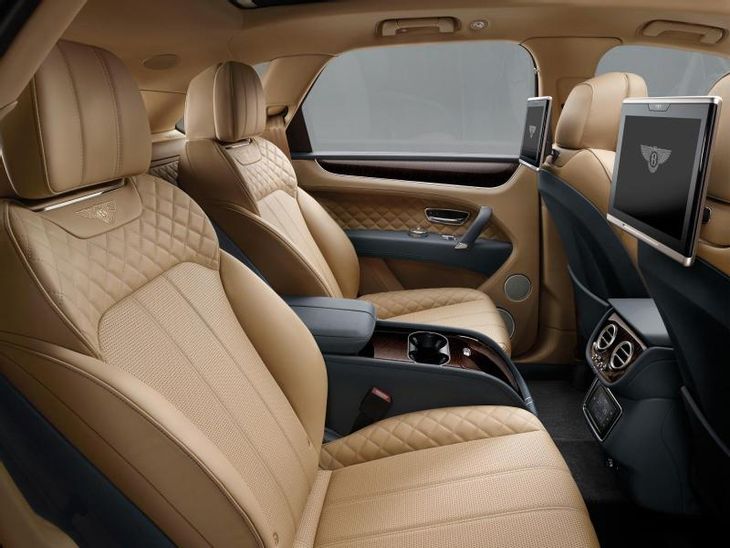
Individual rear seats are among the many option boxes to tick.
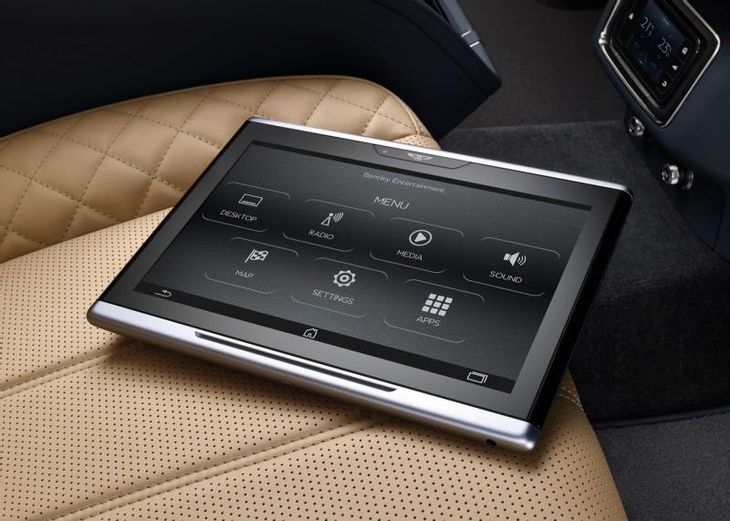
You name it, the Bentley Bentayga has it. There’s an 8-inch infotainment screen in the dashboard and, for the benefit of the rear passengers, a pair of 10.2-inch detachable tablets as well as a 3.5-inch touchscreen remote, with which occupants can adjust the vehicle's audio and climate settings. There are some optional audio systems available and the one you want is the flagship Naim 20-speaker setup which packs 1 950 Watts.
It’s safe too, with a number of features like auto-dipping headlights, auto braking, adaptive cruise control with traffic jam steering and 360-degree cameras.
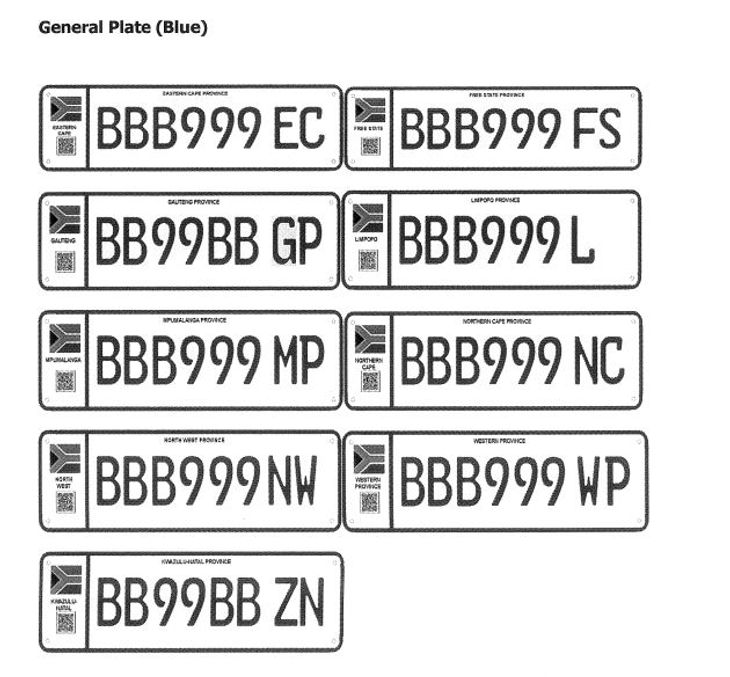
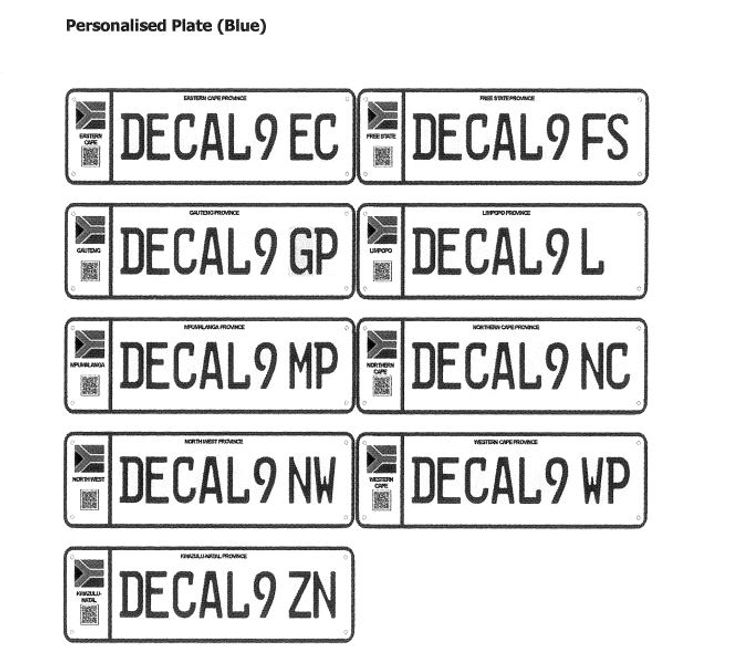
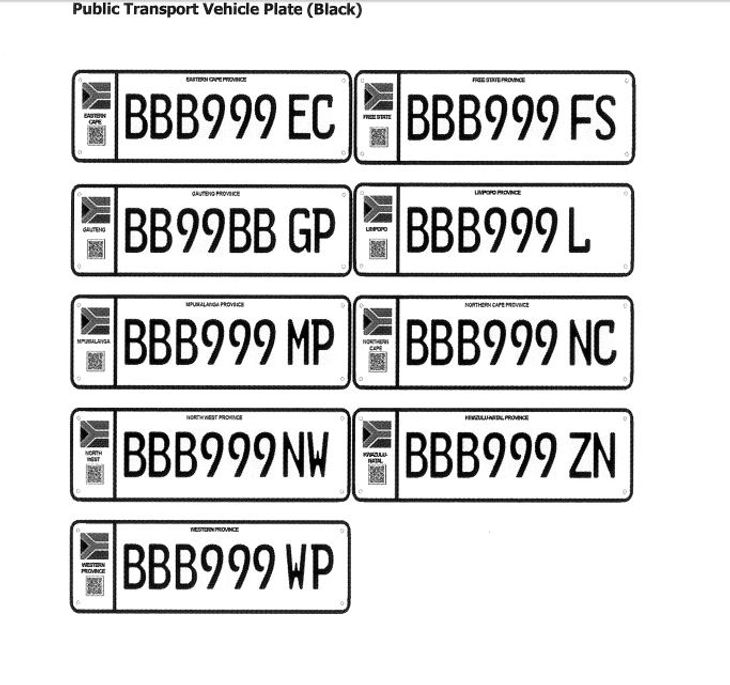
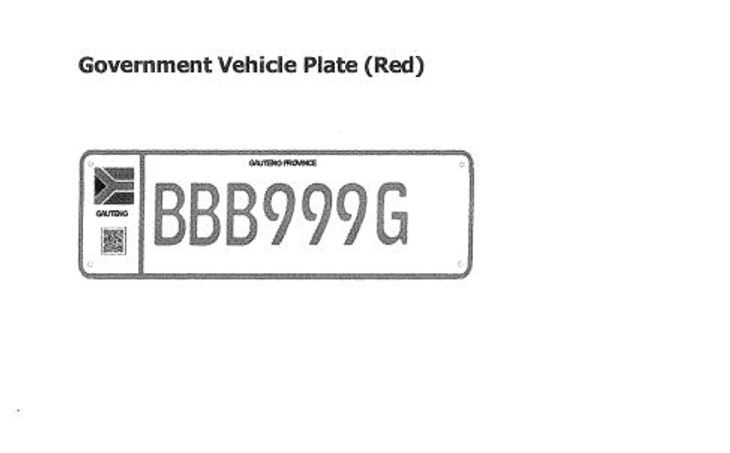
South Africa could be set for a countrywide number plate change from next year.
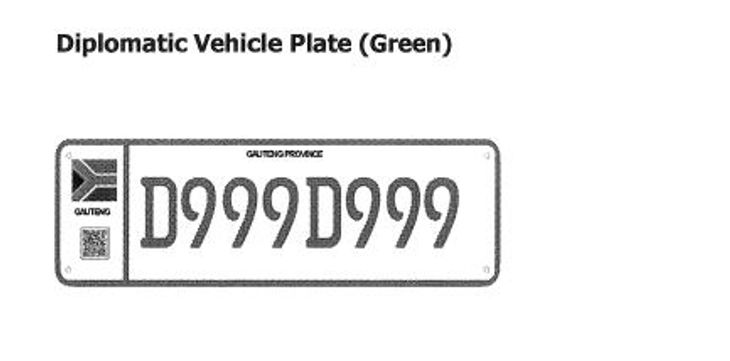
The Department of Transport has released an article in the Government Gazette noting that the number plates could change from 2017. The new plates will be renewable every 5 years and need to contain an SABS certification mark on the bottom right, a 4-dimensional bar code with the QR code that contains the number of the manufacturer of the blank plate, the abbreviated name of the blank plate manufacturer and the South African flag.
Plastic number plates will no longer be used and all new number plates will be aluminium. The reasoning is that they last around 5 years and they don't melt as easily as plastic plates in a fire or accident.
Different colours will denote different transport sectors. Black is for public transport vehicles, blue for general vehicles and personalised plates, red for Government vehicles and green for diplomatic vehicles.
If the plates become mandatory as of next year, the new set of plates will cost around R250 a pair and will only be valid for 5 years.
The Suzuki Ignis, which will be shown at Paris Motor Show at the end of September 2016, could be coming to SA!
The Ignis will make its debut at the Paris Motor Show this year before officially going on sale in Europe in early 2017. It was first shown back at the Tokyo motor show in 2015, but we should see it in a production-ready phase in the French capital.
Suzuki SA has hinted that the compact crossover could be introduced in South Africa as early as the first quarter in 2017. Suzuki SA will undoubtedly investigate the business case to introduce the Ignis to the local market, especially given the strong growth in the small crossover segment.
No engine details are available yet, but there is likely to be a mild hybrid version available in Europe and a new 1.2-litre petrol motor on offer too.
Given the eager anticipation for the Renault Kwid A-segment crossover, which is due in SA later this year, the funky Ignis could be an interesting rival to the French marque's newcomer, as well as the VW Cross Up!, Mahindra KUV 100and others.