The Suzuki Ignis, which will be shown at Paris Motor Show at the end of September 2016, could be coming to SA!
The Ignis will make its debut at the Paris Motor Show this year before officially going on sale in Europe in early 2017. It was first shown back at the Tokyo motor show in 2015, but we should see it in a production-ready phase in the French capital.
Suzuki SA has hinted that the compact crossover could be introduced in South Africa as early as the first quarter in 2017. Suzuki SA will undoubtedly investigate the business case to introduce the Ignis to the local market, especially given the strong growth in the small crossover segment.
No engine details are available yet, but there is likely to be a mild hybrid version available in Europe and a new 1.2-litre petrol motor on offer too.
Given the eager anticipation for the Renault Kwid A-segment crossover, which is due in SA later this year, the funky Ignis could be an interesting rival to the French marque's newcomer, as well as the VW Cross Up!, Mahindra KUV 100and others.
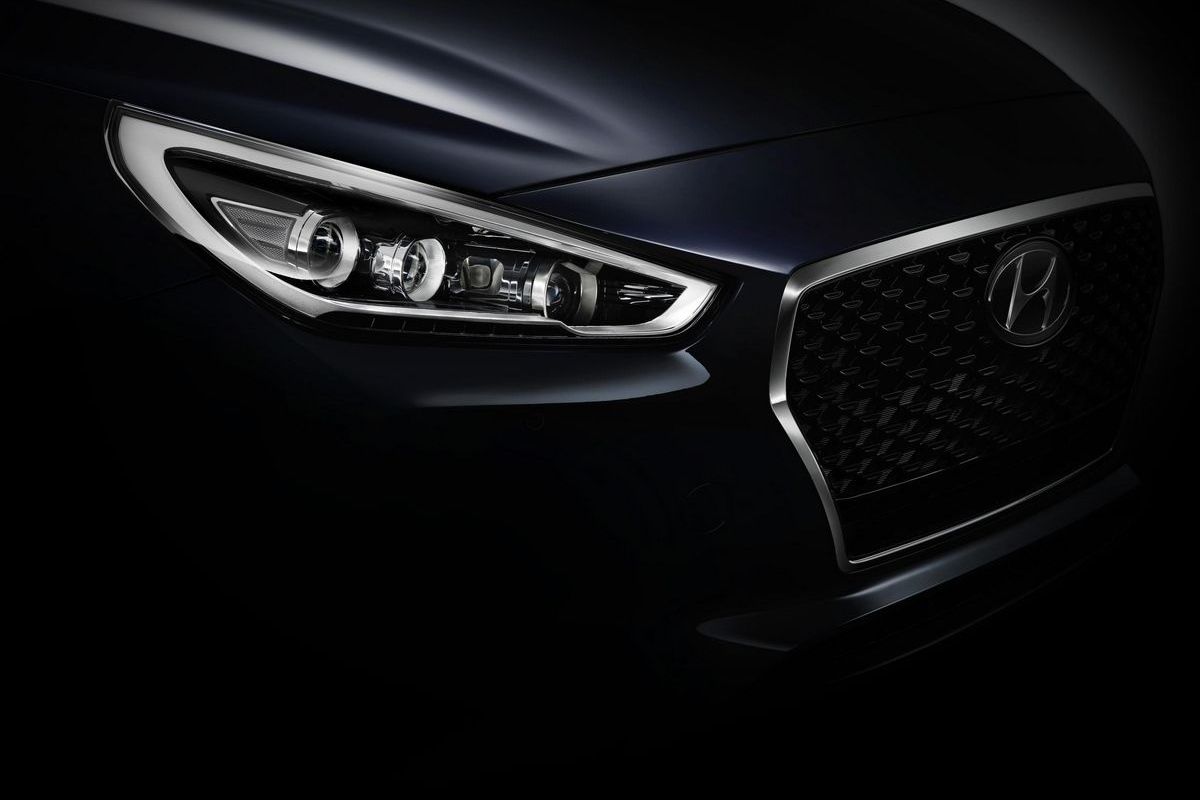
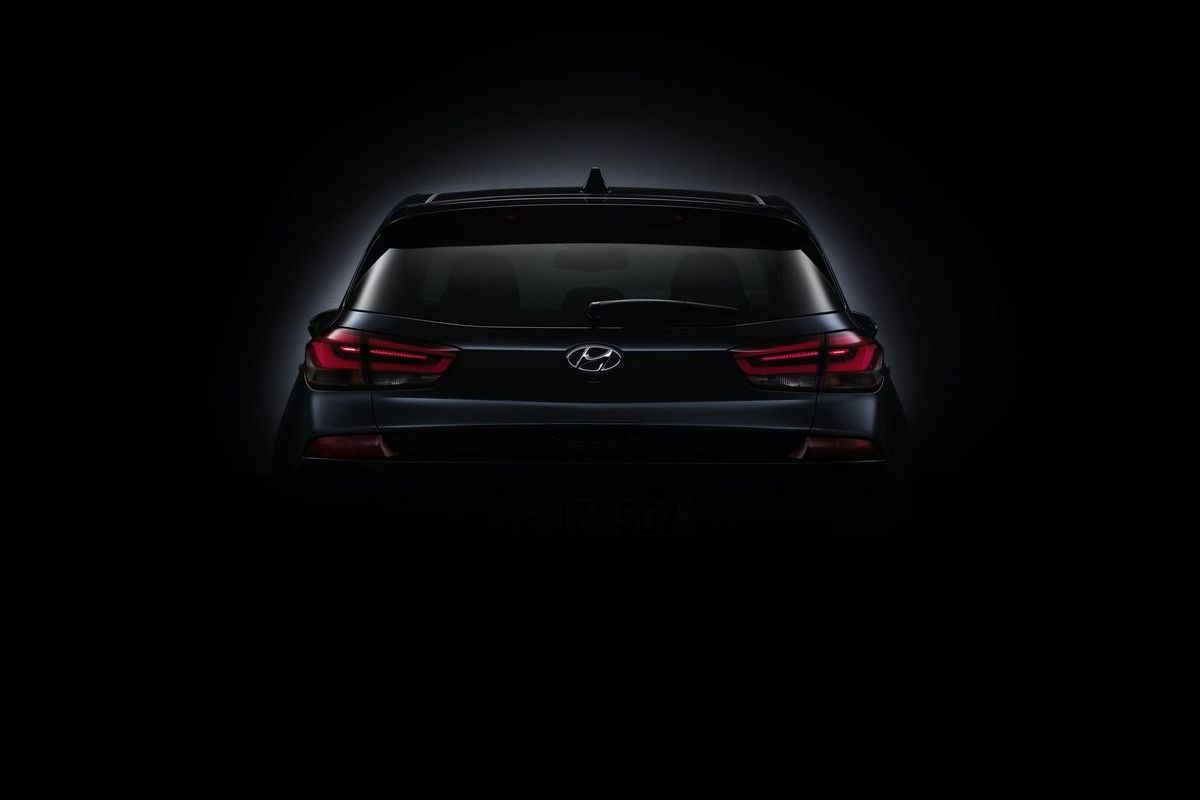
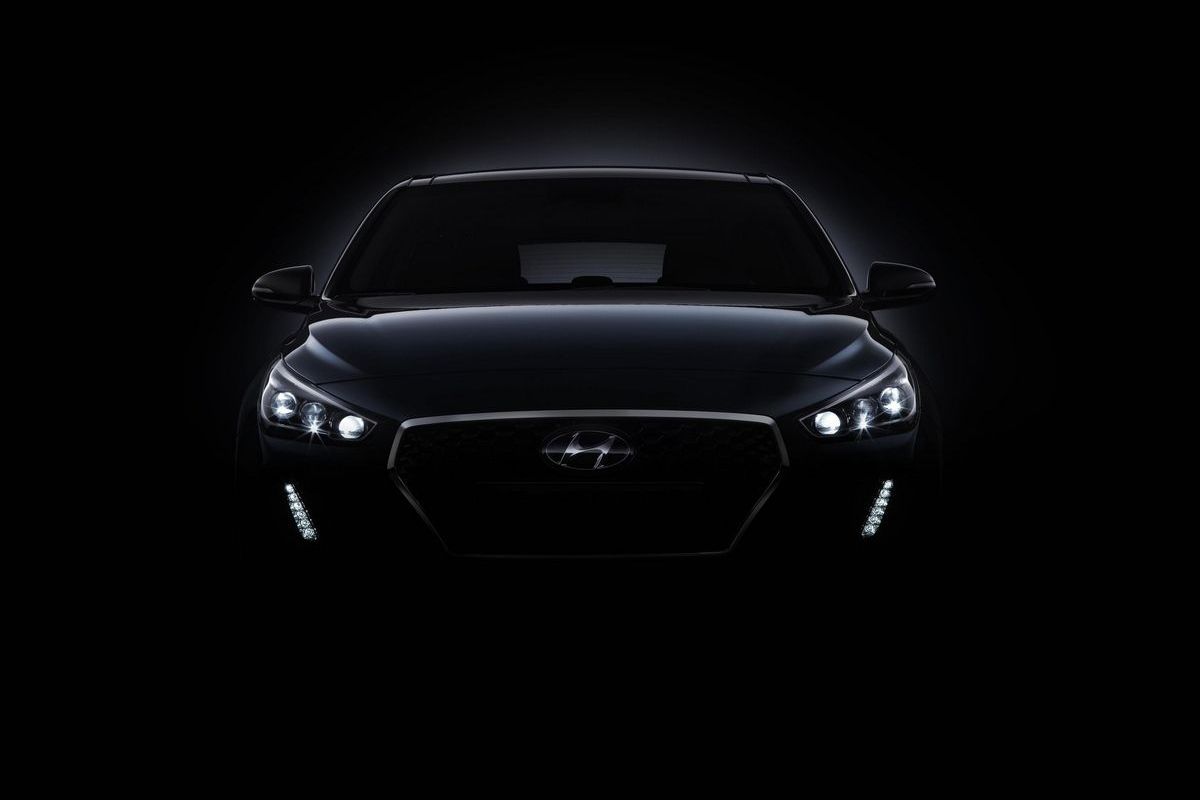
Hyundai has released teaser images and video of its all-new i30. It is set to be revealed during September 2016 and will reach South Africa in 2017.
Hyundai’s i30 competes in the compact car C-segment with the likes of the Volkswagen Golf, Ford Focus and Opel Astra. For the new model Hyundai says it has made significant strides in interior quality and technologies on offer.
President of Hyundai, Peter Schreyer, says, “the new-generation i30 is a car for everybody. From a design perspective, we haven’t just considered one customer; we have focused on a wide range of different people. This model showcases an evolution of Hyundai Motor’s design language with natural flowing lines, refined surfaces and a sculpted body to create a timeless appearance. We are also introducing our further developed grille: the Cascading grille.”
Hyundai will also reveal the i30’s improved safety features when the car is officially unveiled on 7th September 2016. Once it's launched, we should get some more insight into the engine details as well. A local spokesperson has said that Hyundai hopes to introduce the new i30 in South Africa during the first quarter of 2017.
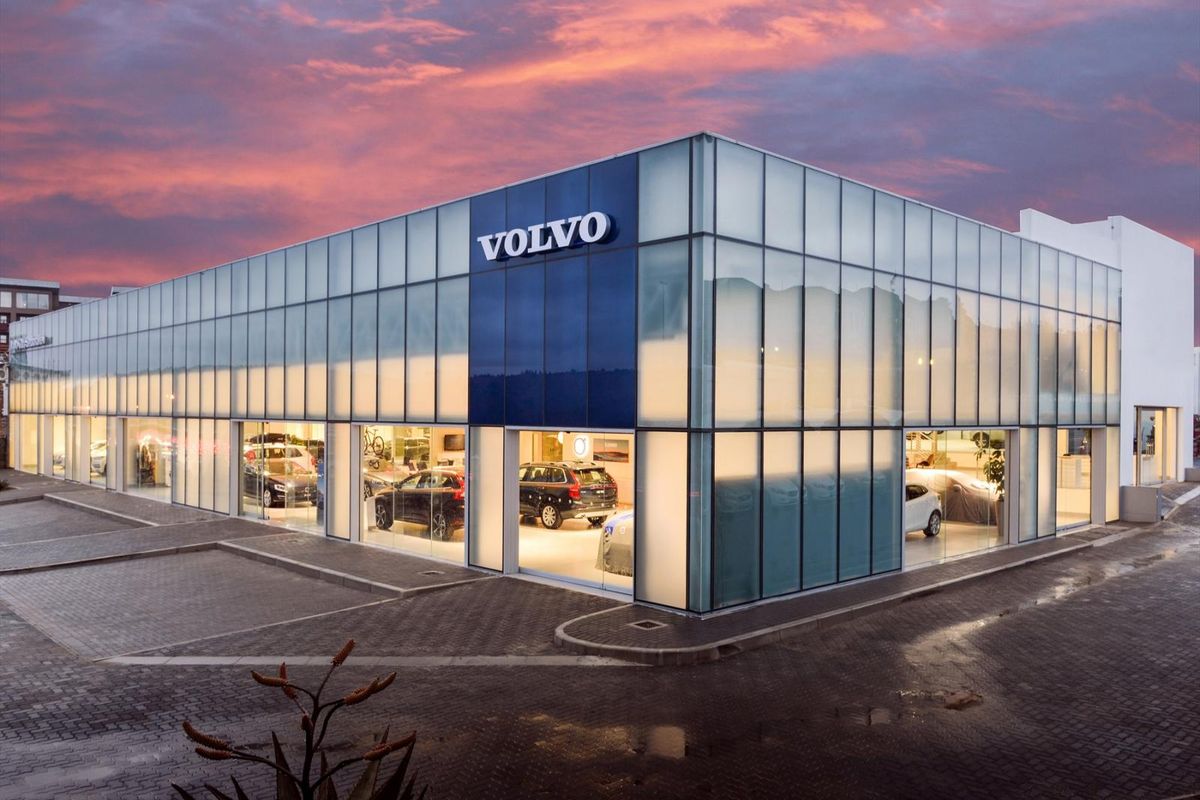
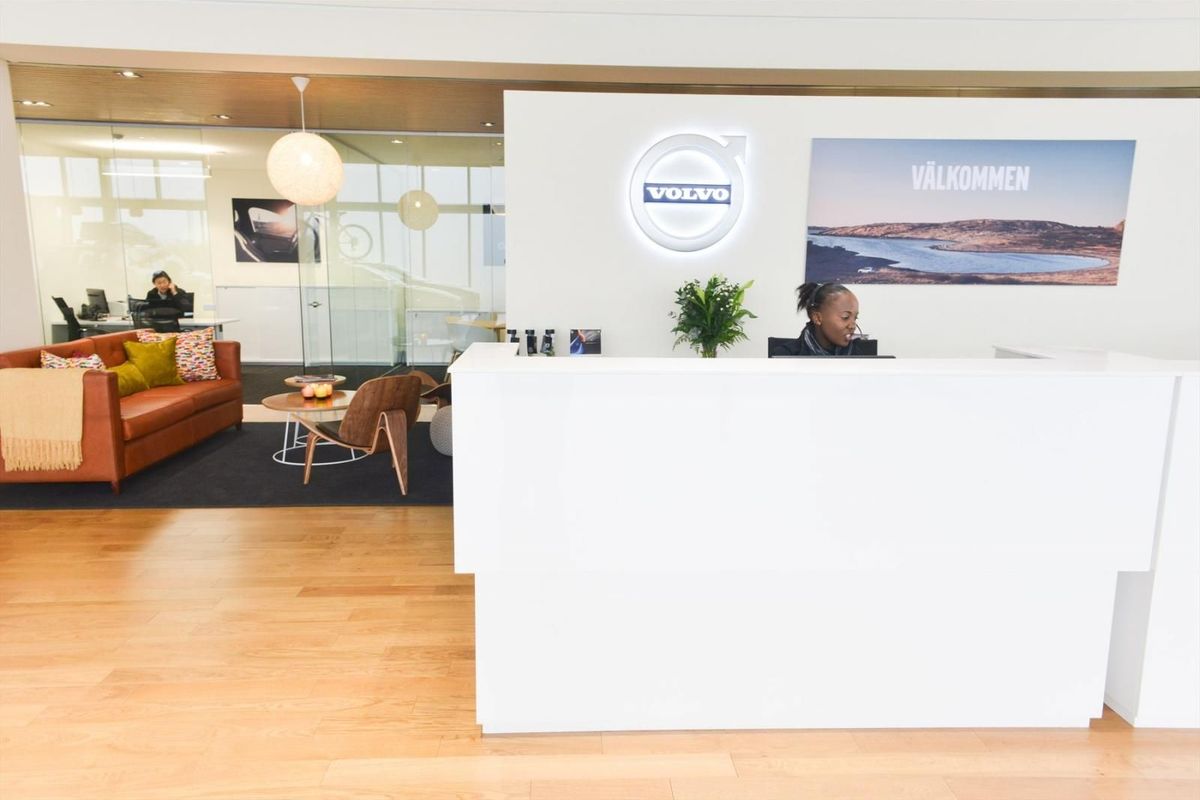
Volvo is on a roll in terms of its repositioning as a force in the premium segments of the market. But this shift is about much more than just product, and also extends to delivering a premium dealership experience. Meet Volvo VRE, now being rolled out in South Africa.
The experience of buying an premium item of clothing wouldn’t be the same if the shop selling the clothing looked like a budget retailer. The same goes for motor vehicles – buyers want a memorable experience when parting with their money. Consequently, many premium brands have turned their dealerships into lifestyle destinations for prospective buyers and current owners. Volvo Cars has officially joined the ranks with its new VRE (Volvo Retail Experience) dealership model. The name denotes exactly what Volvo is aiming to achieve by creating these spaces, namely unique Swedish experiences.
Naturally when one thinks of anything Swedish, you imagine structure, finesse and sophistication. Well, you’ll be pleased to know that is exactly what you get at the new flagship VRE dealership in Bedfordview, Johannesburg. I recently had the opportunity to inspect the new premises and I was surprised I didn’t walk away having signed an Offer To Purchase!
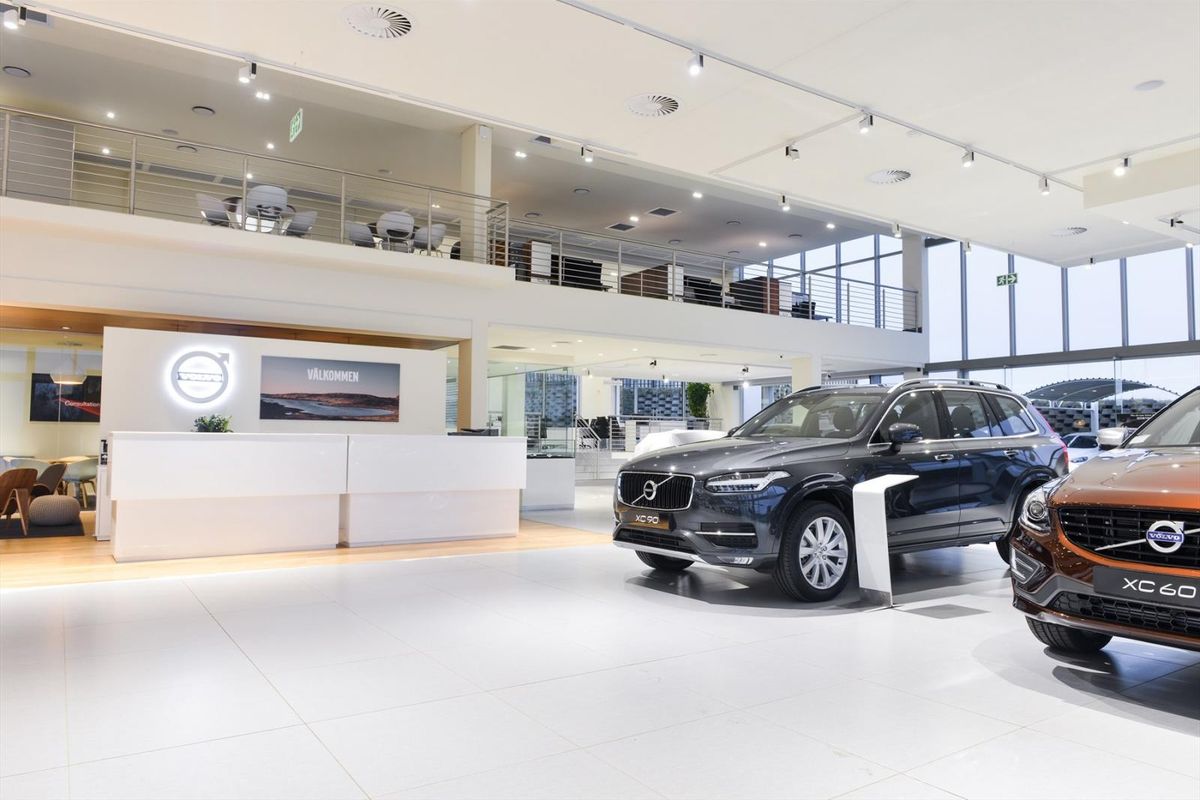
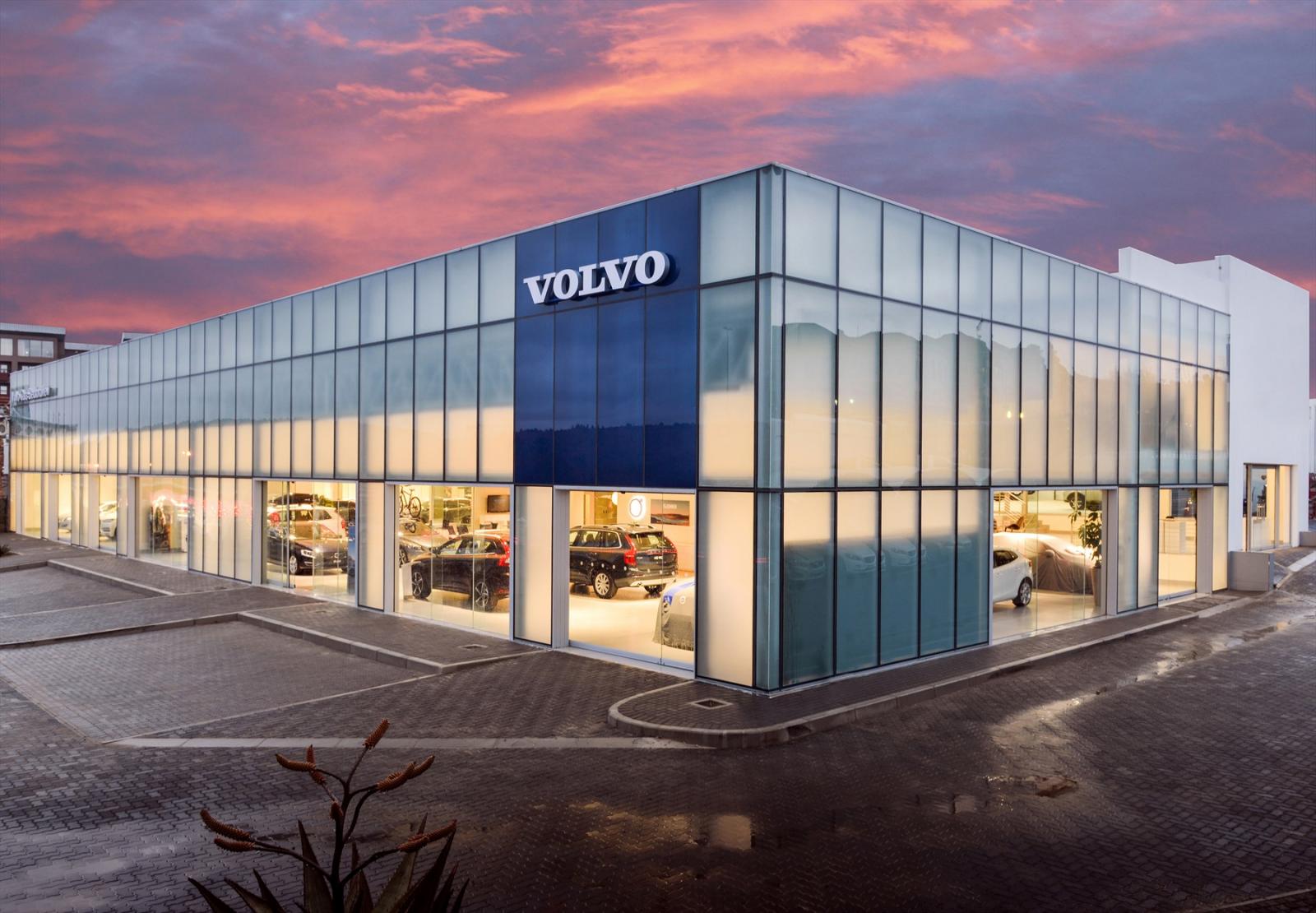
The essence of VRE mirrors the core of the design language found in new Volvo vehicles. Take for instance the XC90 – this is a large car that features a contemporary design that is minimalistic and stylish. The same goes for a VRE dealership. Uses of natural light, glass and modern furniture make for the perfect place to display new age Volvos.
Why invest millions in a market that is booming online?
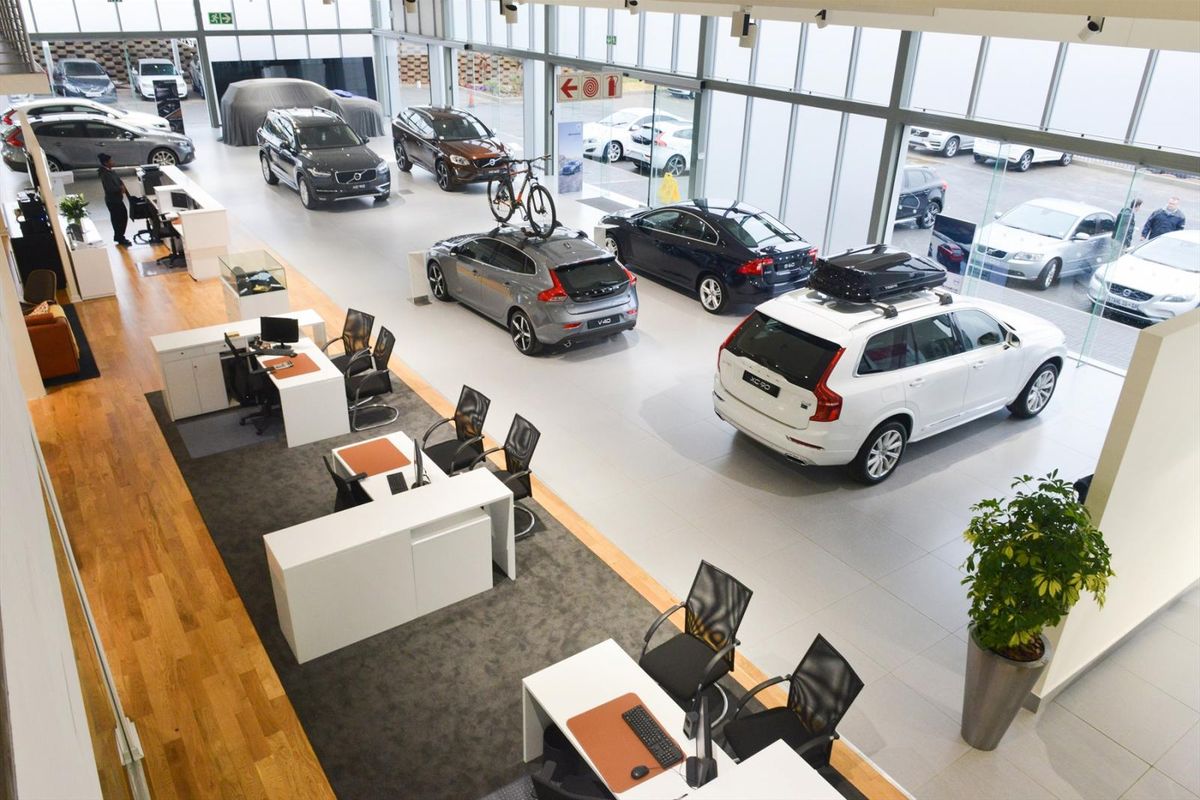
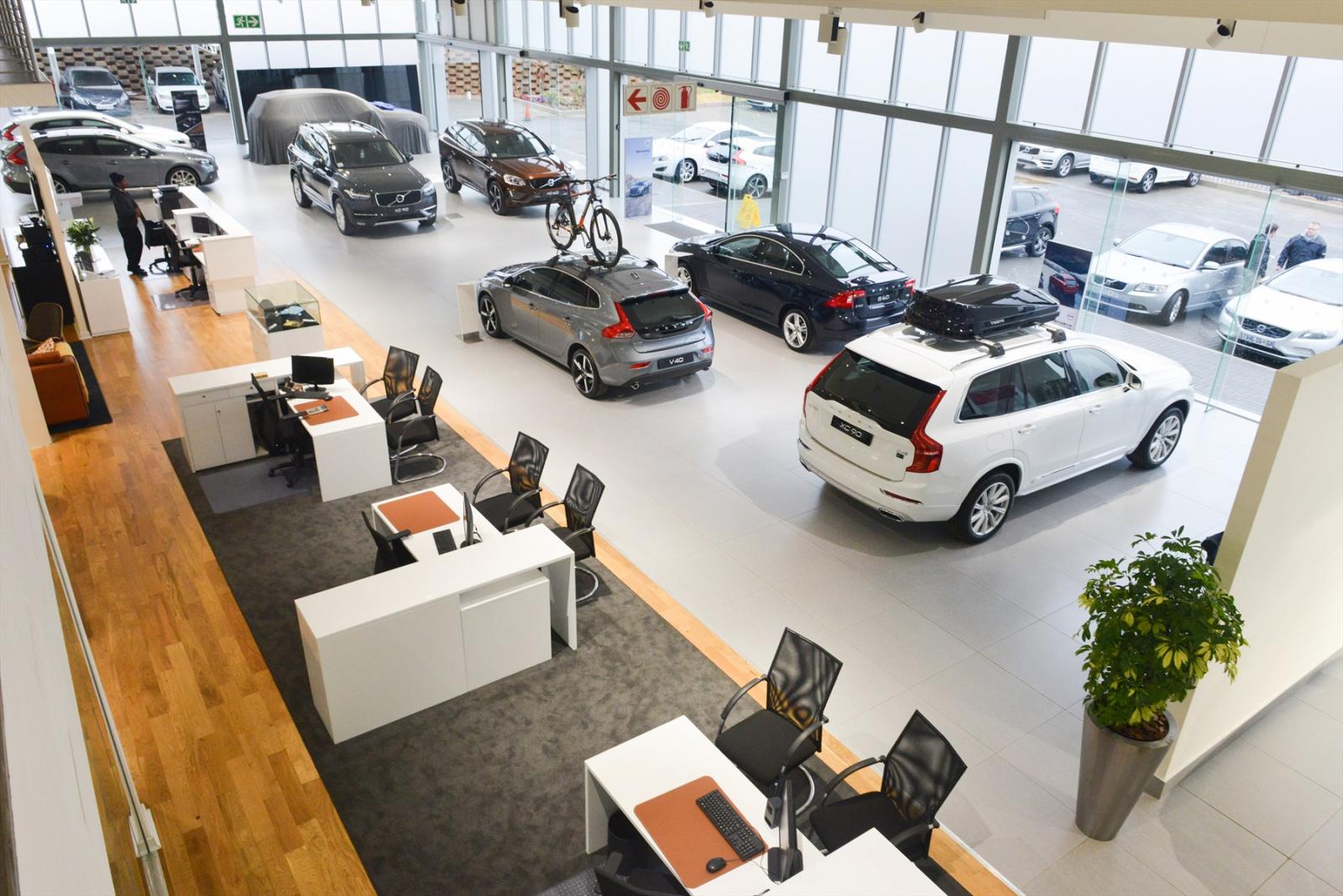
The physical presence of cars in a beautiful, comfortable environment is key to the Volvo VRE experience.
This is the burning question on the minds of many. The answer is simple though, since Volvo operates in the premium segment. Going back to our clothing example, it’s easy to buy an inexpensive item online as there is less thought that goes into the process. Buying a simple T-Shirt and having it delivered to your doorstep is a normal and convenient way of shopping. On the other hand buying a tailor-made suit online is near impossible to get right because nothing beats having someone measure you personally. That is what a premium buying experience is all about. Being able to choose the exact colour, the wheels and even being able to specify your Volvo to have a tweed interior is something that requires a personal touch. For this reason, Volvo sees a space for luxury retail and online car shopping to coexist, because there is only so much you can do behind your laptop.
What makes VRE stand out from other luxury dealers?
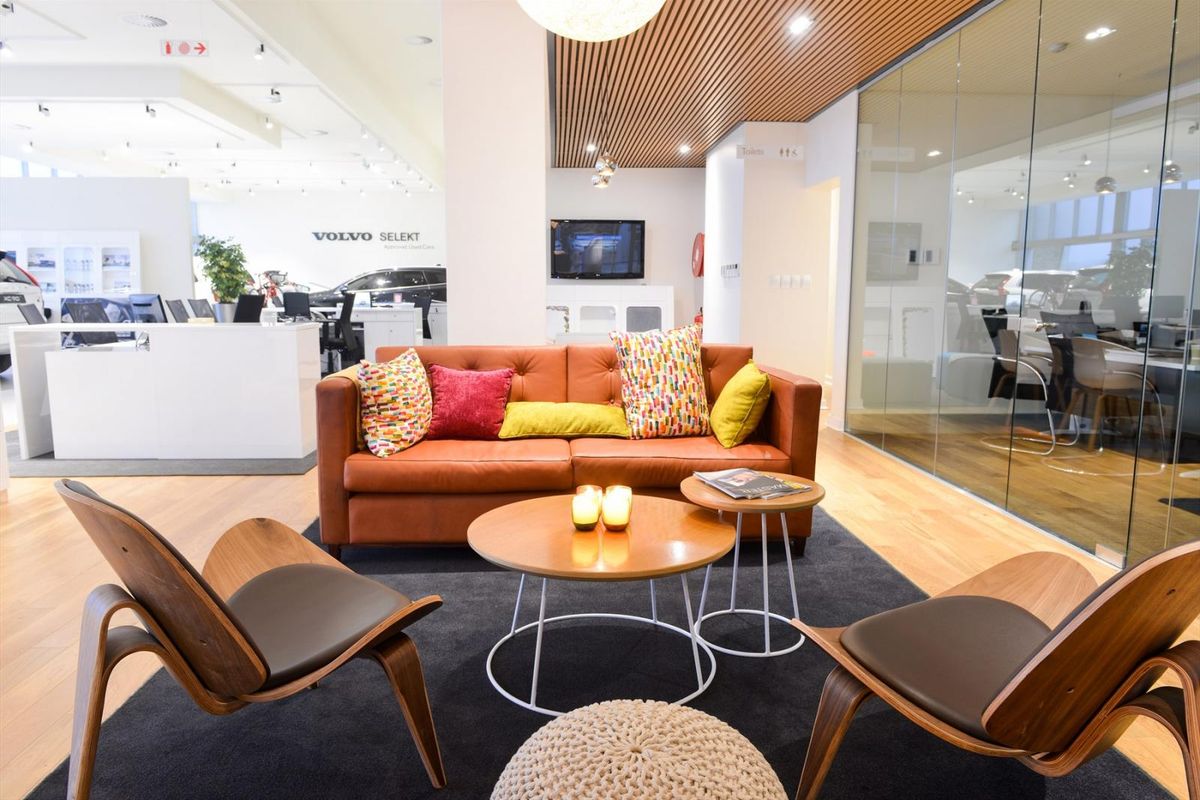
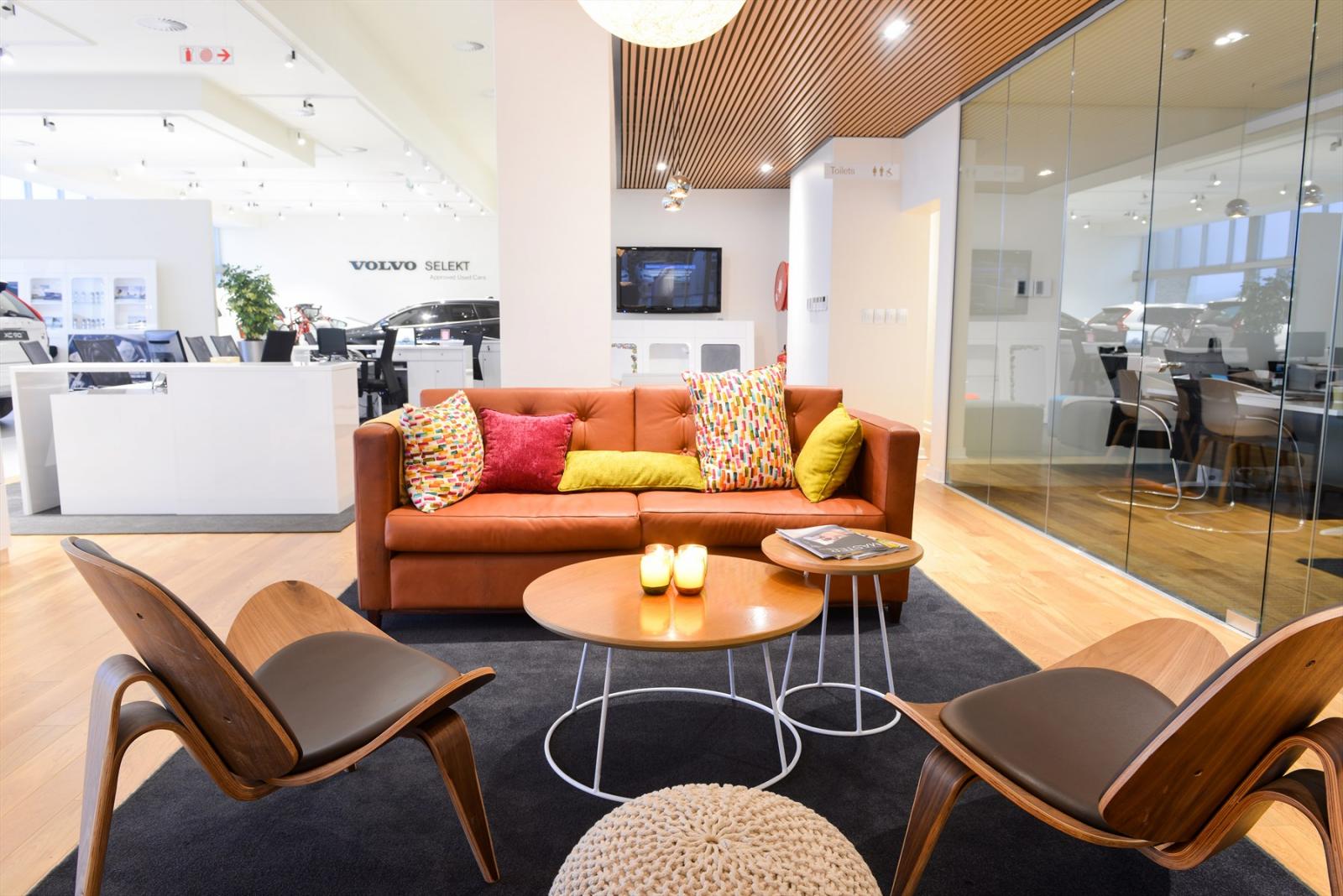
Enjoy a coffee and pastry while you relax in the Volvo "Fika" area.
Being a niche brand, Volvo has something unique to offer to the market, a different culture. The Germans have their own and so do other nations. That is why you can enjoy a “Fika” area at a VRE dealership. Not to be confused with FICA, rather the Swedish term refers to the act of enjoying someone’s company through coffee and a pastry – a tradition we welcome. At the Bedfordview dealership, this space is tucked away to create a private area for customers to conduct business, conclude deals or wait for services to be completed.
Whilst you enjoy your Fika, you have a well-spaced display area to view new Volvos. Doors can be opened up as wide as possible as volumes of space has been purposely included to allow for customers to interact freely with the cars.
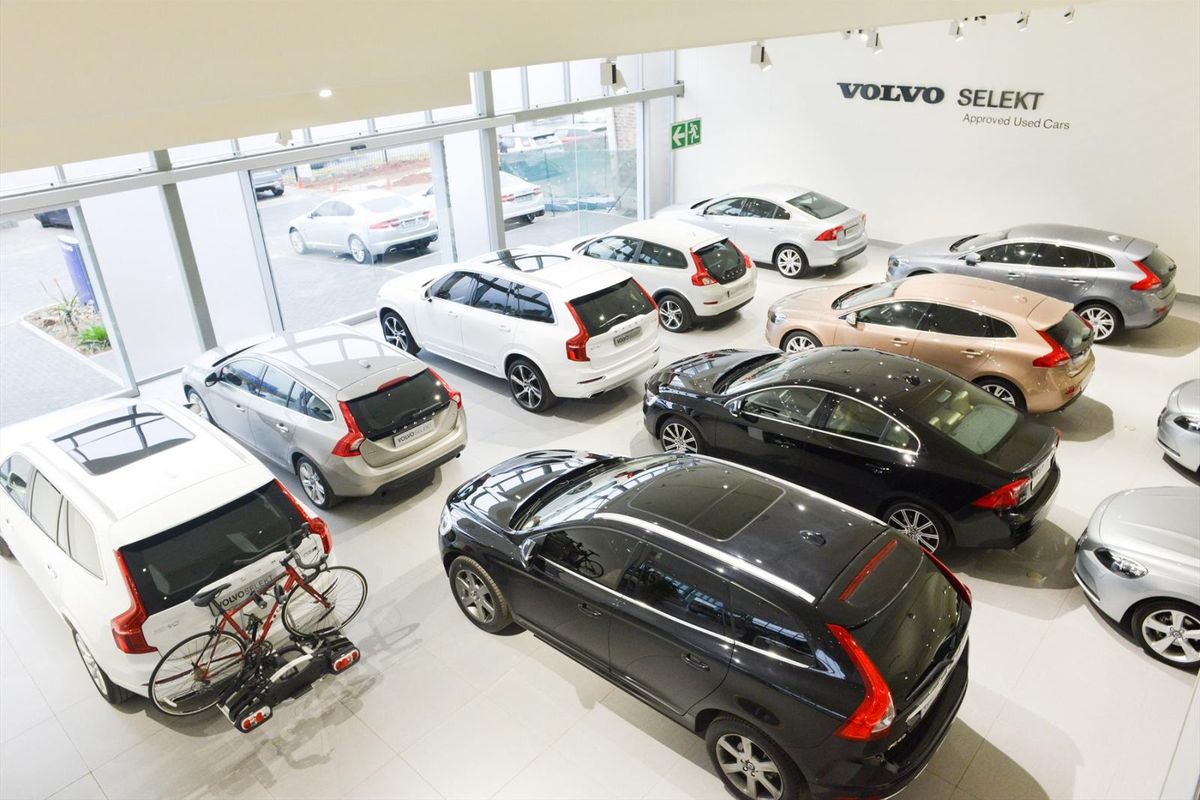
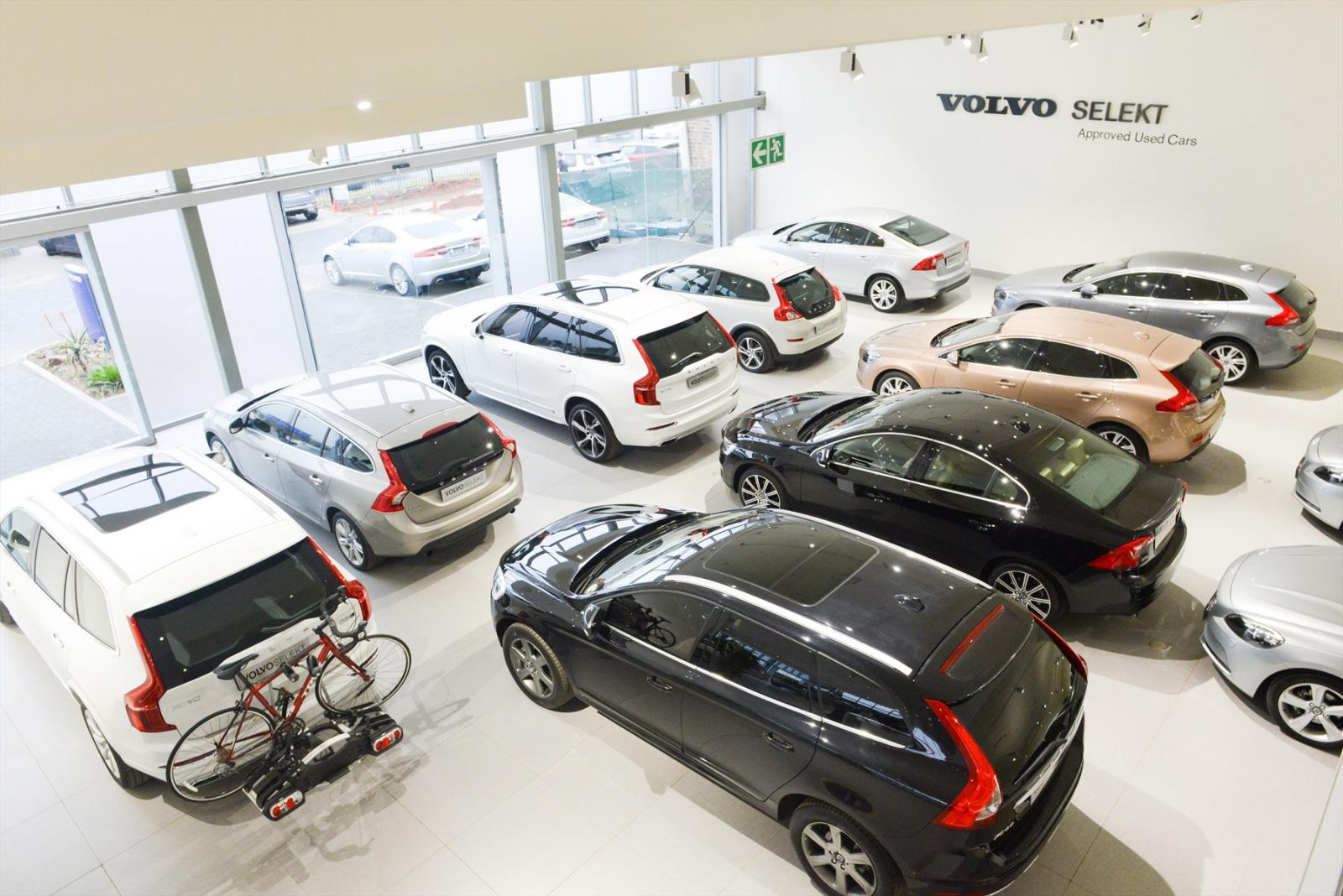
The Selekt pre-owned cars are housed indoors in a similarly premium environment.
On the other side of the Bedfordview dealership awaits an indoor pre-owned section. It’s difficult to differentiate between the new and pre-owned section as they both share a similar layout. The reason for this is because Volvo does not want to create a situation where buying a used Volvo doesn’t carry the same level of class as buying a new one does, which is often the case at some dealerships. The dress and grooming of the sales team keeps to the same standard, so the fear of a handle-barred mustachioed man in a short sleeve shirt can be forgotten. Thankfully.
Time is of the essence
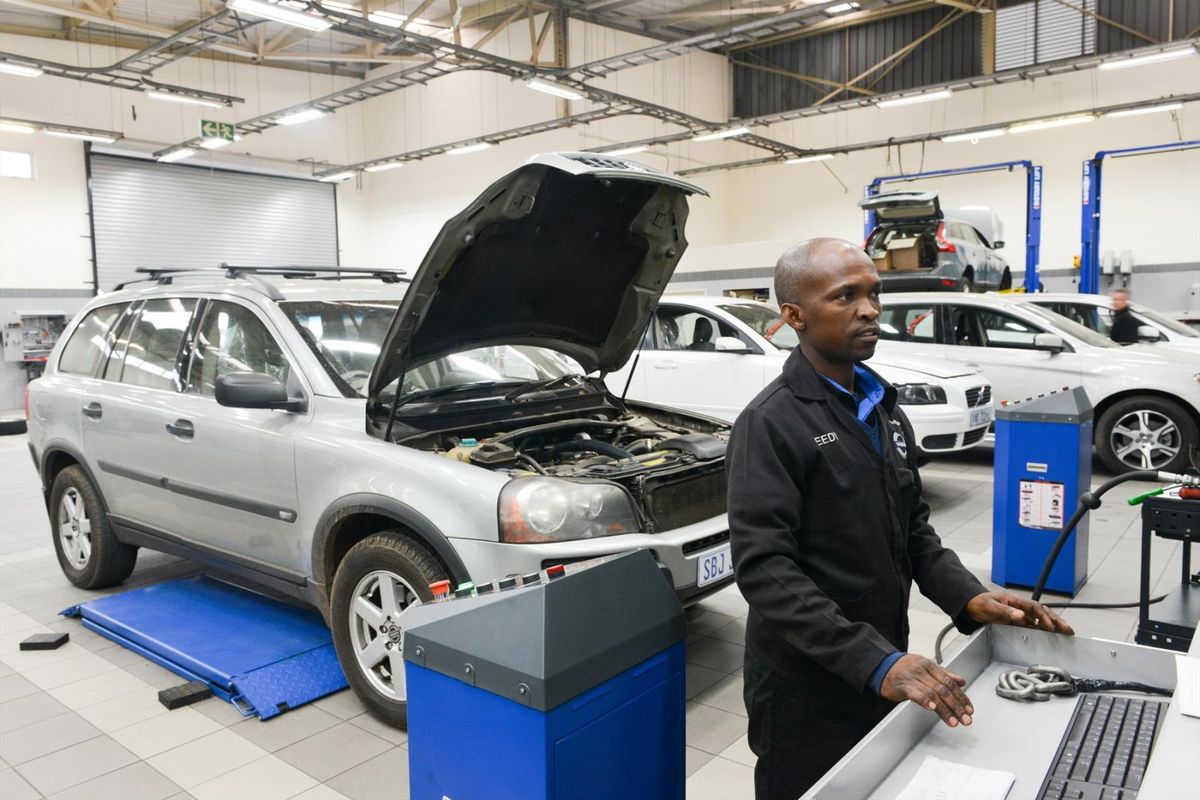
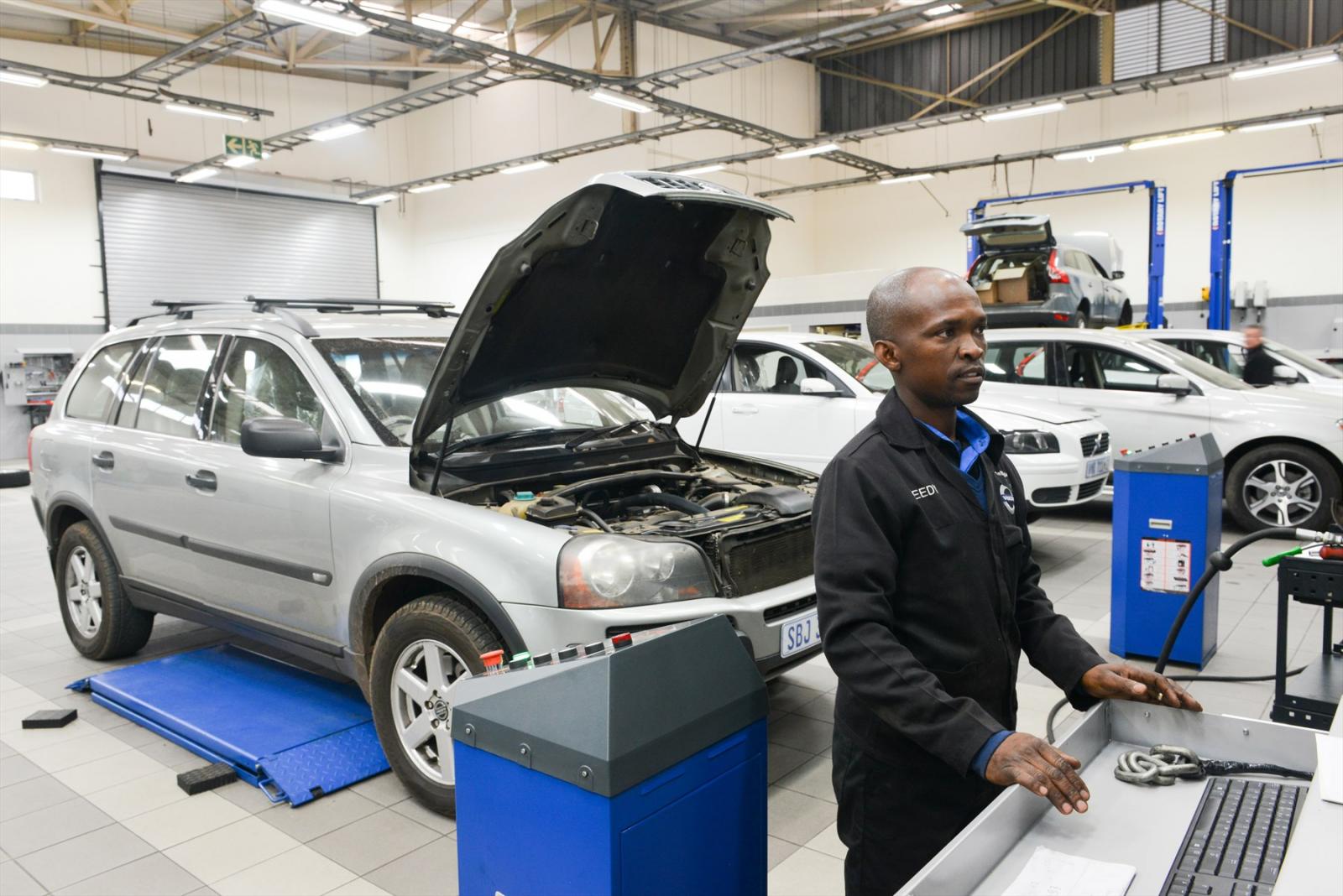
Large glass windows give customers visual access to the workshop.
In the fast-paced environment we live in, efficiency is key. That is why the most important feature of VRE in our eyes is the Volvo Personal Service programme. The aim is to allow the customer to enjoy fast service whilst they wait for the car at the dealership. This will be especially useful for customers whose cars are in for minor checks, services or repairs. Although not completely new to the market, this programme will be welcomed by busy customers that cannot afford to take half-day leave in order to get their car serviced. A large glass window allows customers visual access to the workshop, should they feel the need to watch the repairs being done on their vehicle. If they are not that way inclined, the service lounge as well as the Fika area will allow the customer to quietly complete any work task at the dealership.
The new Bedfordview dealership is the first VRE facility in South Africa.
Despite not being completely finished, the Bedfordview VRE dealership is ready to accept new Volvo customers as well as service the needs of existing ones. The visual appeal and experience of walking through a clean and contemporary space is rather pleasing. The personality of Volvo’s new brand identity shines through this new VRE retail space. With their cars looking more attractive with each new model announcement and more technologically sophisticated, it only makes sense for the dealerships to follow suit. It’s pleasing to know that if you’re in the market for a new or pre-owned Volvo, you can experience a little bit of Sweden, in South Africa.
Check out this video below to get a "feel" for Volvo VRE.
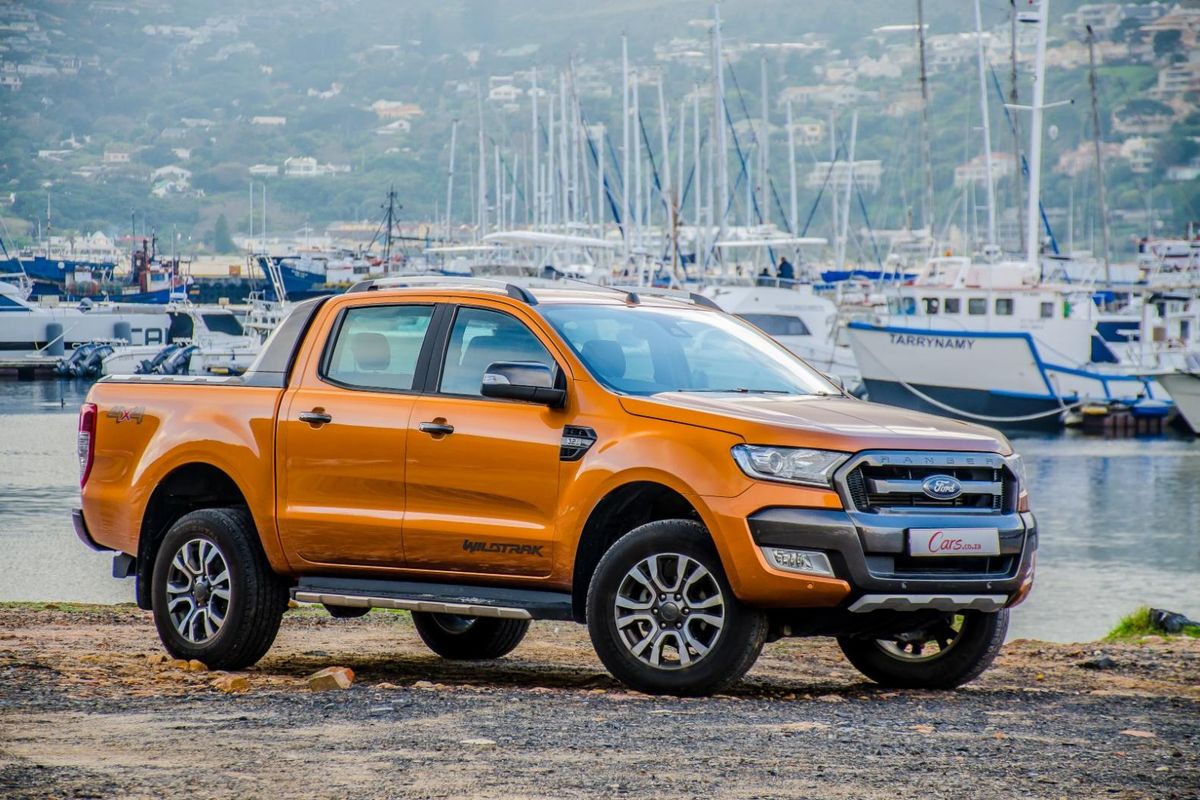
We get behind the wheel of the top-of-the-range Ford Ranger Wildtrak to find out if it truly is the best leisure double-cab bakkie on the market in South Africa.
We like: Attractive exterior and interior styling, interior comfort, safety features
We don’t like: Lazy engine/transmission combination, can be thirsty
Alternatives:
The natural competitor: Consider the Toyota Hilux 2.8 GD-6 double cab 4×4 Raider automatic priced at R570 600. It’s arguably not as visually striking as the Wildtrak, but the Hilux's reputation speaks for itself. Allied with outstanding capability, the Toyota has a notably more luxurious interior than its predecessor and is packed with advanced features.
?Surfeit kerb appeal: The Volkswagen Amarok 2.0 BiTDI Highline 4Motion automatic priced from R570 200. Its smaller-capacity engine delivers a good balance between performance and economy, its 8-speed automatic transmission is a peach and the interior is upmarket.
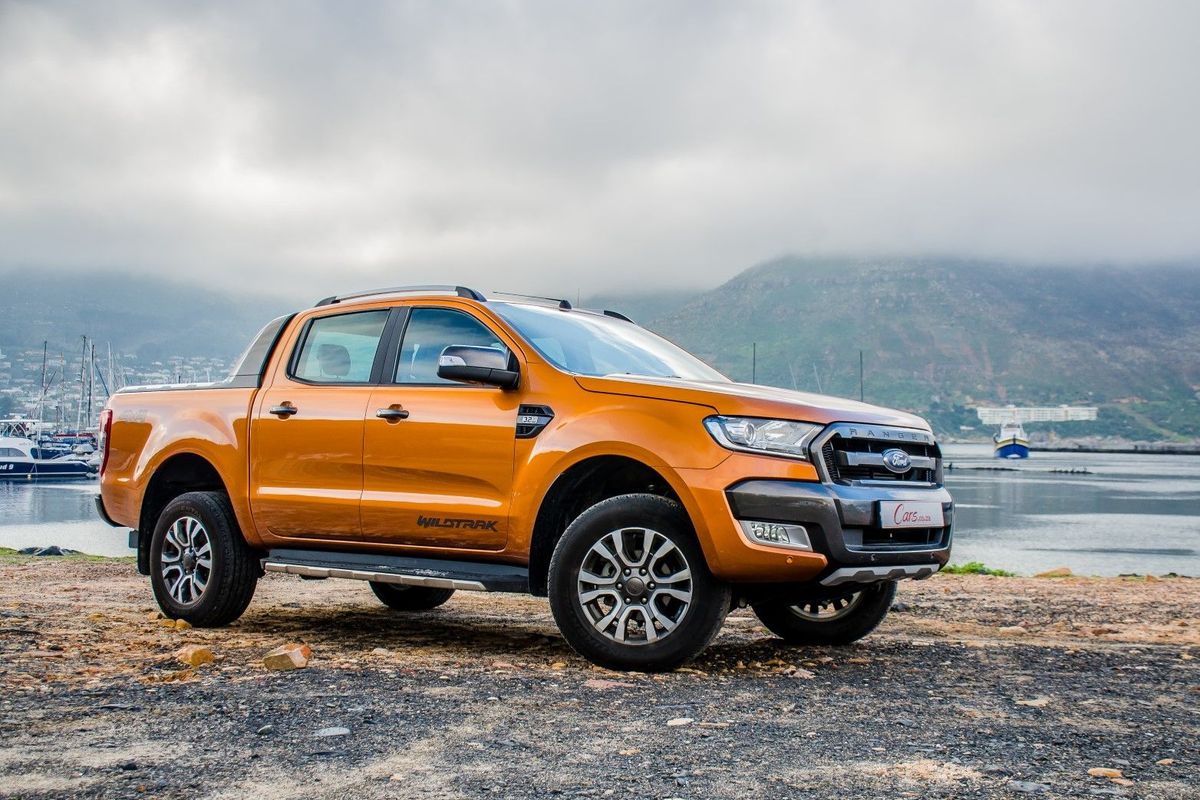
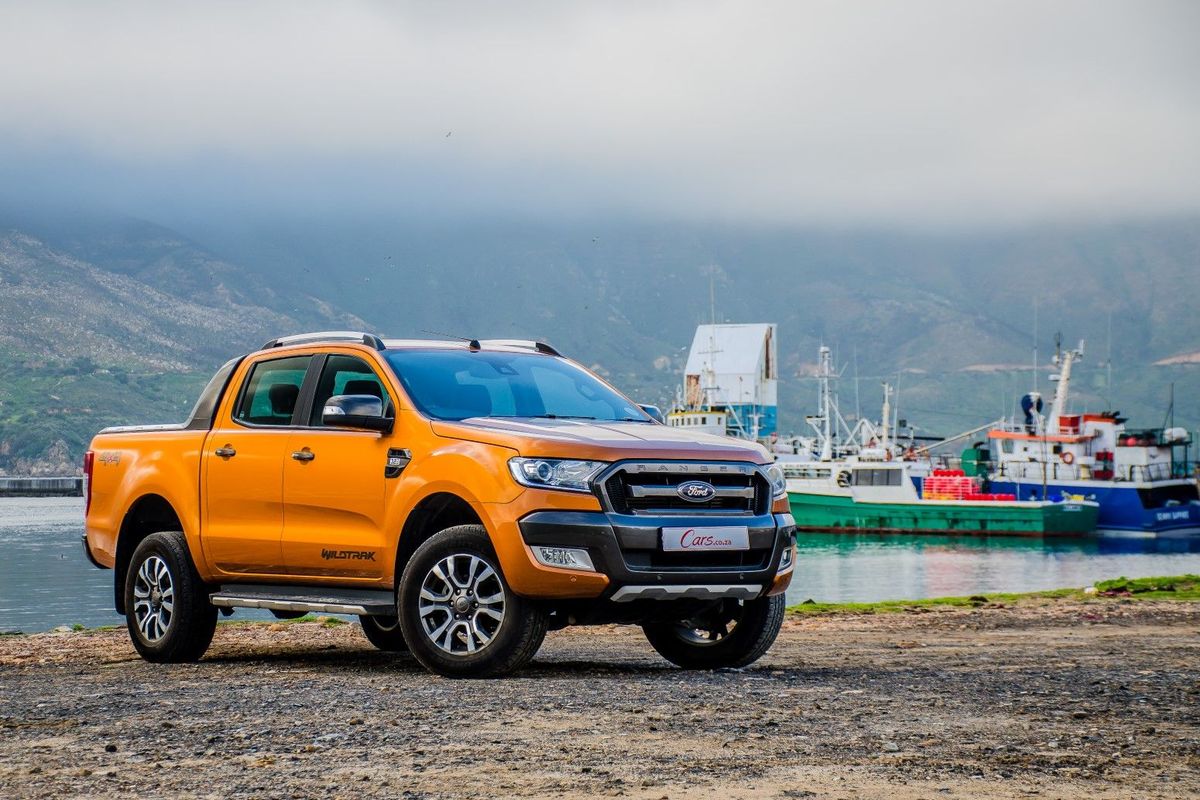
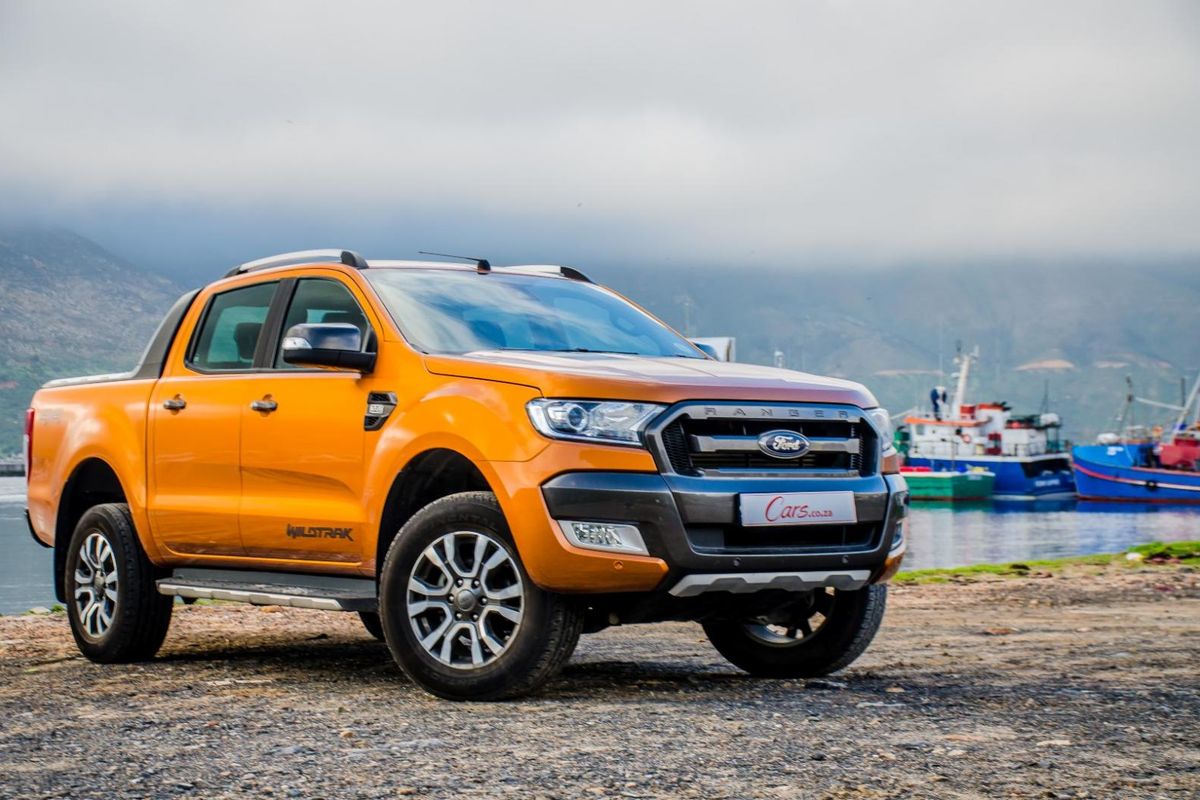
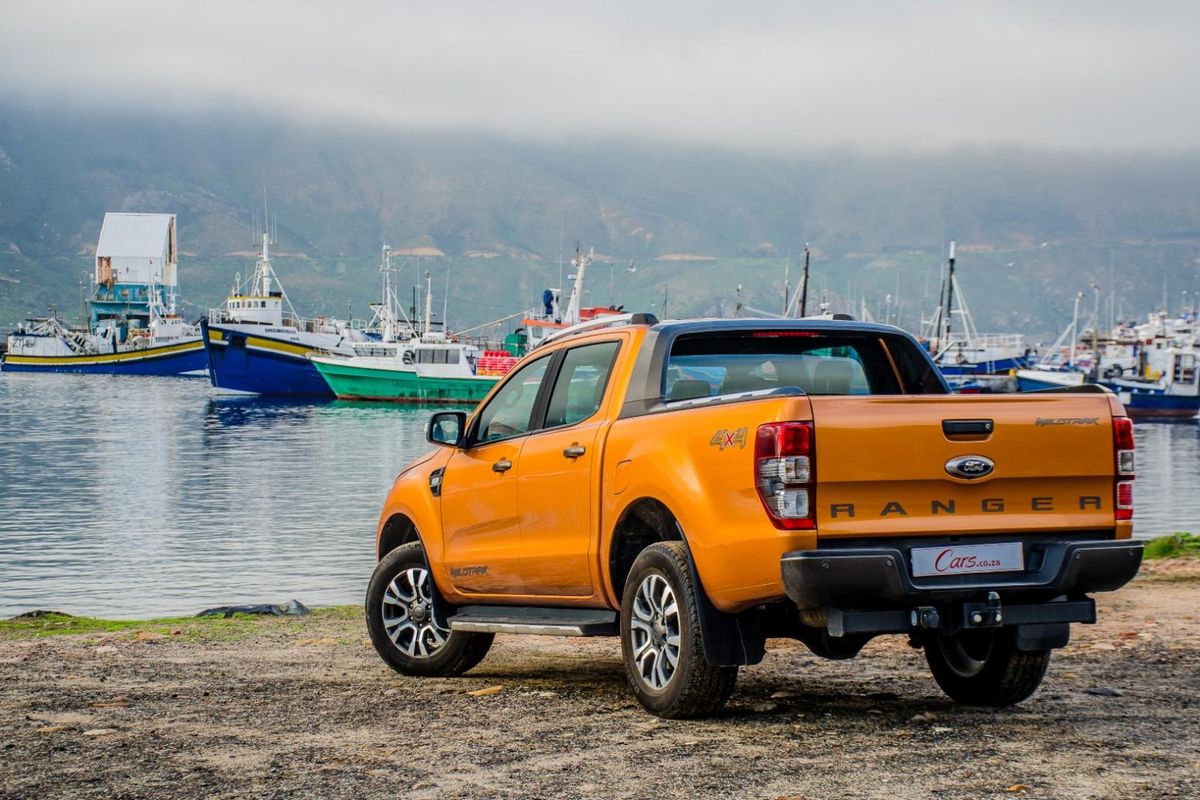
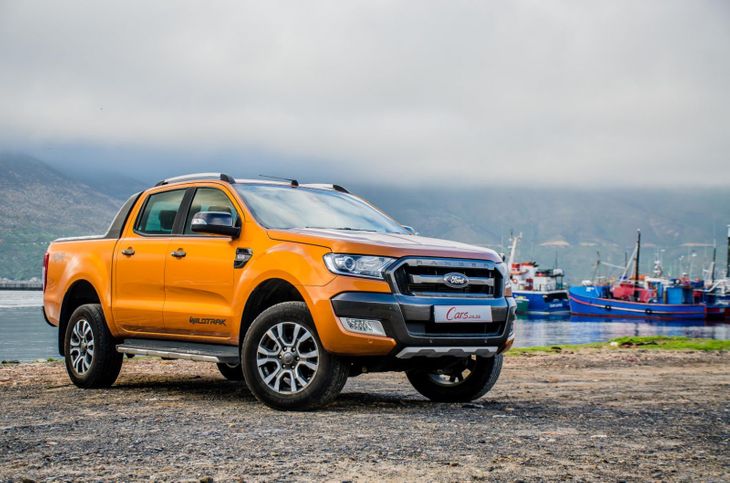
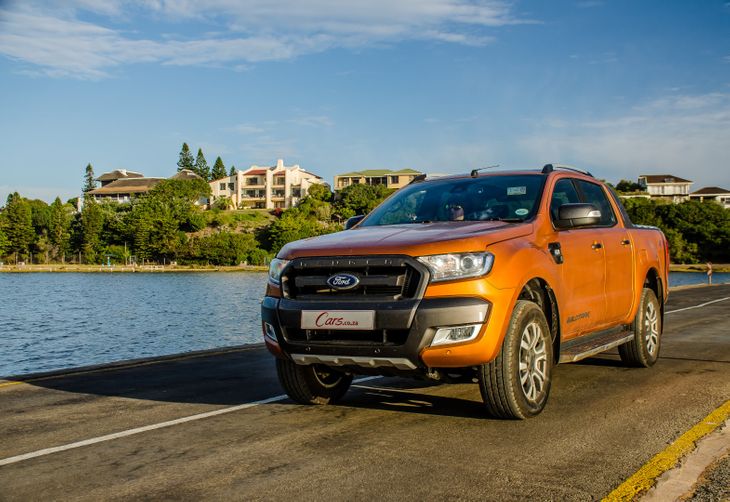
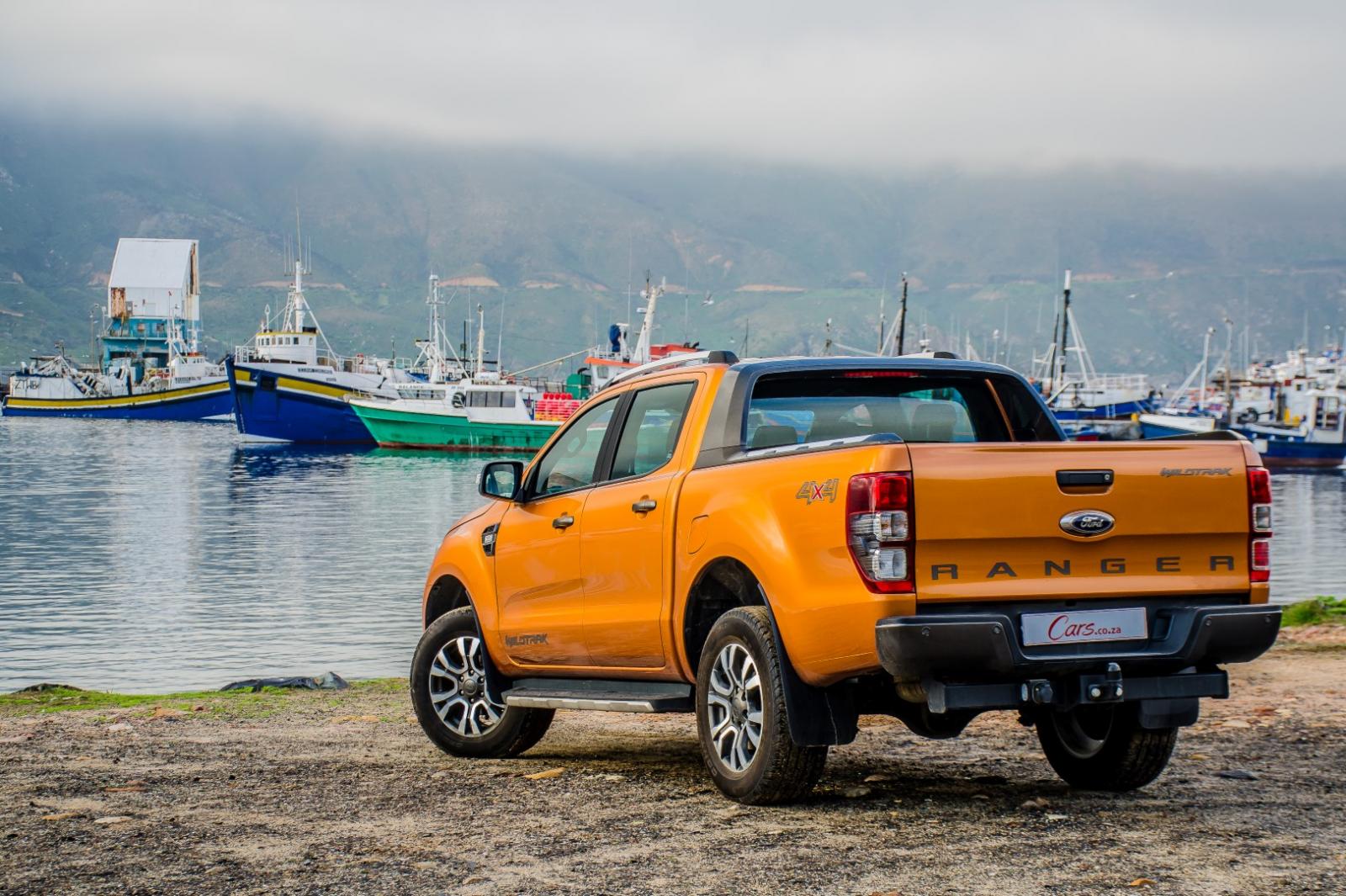
The Ford Ranger Wildtrak is arguably the best-looking leisure double-cab bakkie on sale in South Africa.
What is it?
Since its arrival in October 2015, the updated Ford Ranger has posted impressive new vehicle sales figures and the recent addition of new automatic Ranger derivatives augers well for continued showroom success. The Wildtrak derivative is widely regarded one of the most desirable leisure double-cabs money can buy. This breed of bakkie is less of a traditional workhorse and more of a family adventure vehicle and as such, qualities such as good on- and off-road performance, ride quality, comfort and safety are key for success. How well does the Wildtrak measure up to these qualities? Let’s find out…
How does it fare in terms of…
Head-turning looks?
The Wildtrak is a sizeable bakkie. It measures more than 5.3 meters in length, 1.8 metres in height and weighs in excess of 2 tonnes. Yes, it’s a big brute and based on looks alone, it’s easy to imagine the Wildtrak tackling the toughest terrain on earth. With a ground clearance of 230 mm, the Ranger is capable of wading through water 800 mm deep, Ford claims. A set of rather attractive 18-inch alloy wheels are fitted as standard, in this case, with road-going tyres.
A styling critique is utterly subjective, but even the biggest Hilux or Amarok fans must concede that the Wildtrak is one of the most attractive double-cab bakkies on the market with its imposing, macho styling. It exudes an air of rugged sophistication that’s rare in the world of bakkies. It’s as much a 4×4 as it is a fashion item and if capability and stand-out style are what you’re looking for in your bakkie, then the Wildtrak makes the strongest statement in that regard.
Performance and economy?
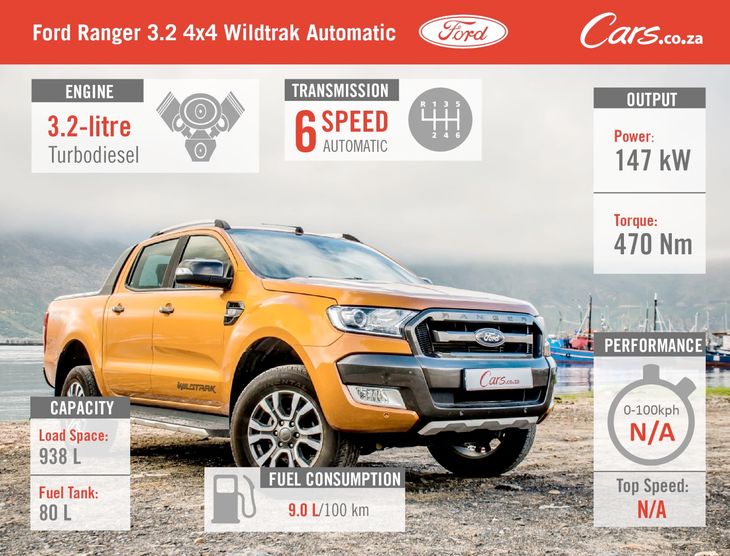
Underneath that bulging bonnet lies a 5-cylinder 3.2-litre turbodiesel engine that produces peak outputs 147 kW and 470 Nm and propels all 4 wheels of the Ranger via a 6-speed automatic transmission. As a family vehicle, open road performance (where good in-gear overtaking acceleration is required) is a key performance area and, whether it be attributed to the chore of propelling the Ford's 2 tonne plus kerb weight, tardy low rev response/turbo lag or just very economy-minded throttle and transmission mapping, the Wildtrak’s engine seems to labour under hard acceleration and the seemingly early kick downs can occur. Once at cruising speeds, however, the Ranger has no problem maintaining momentum and the motor seems reasonably refined.
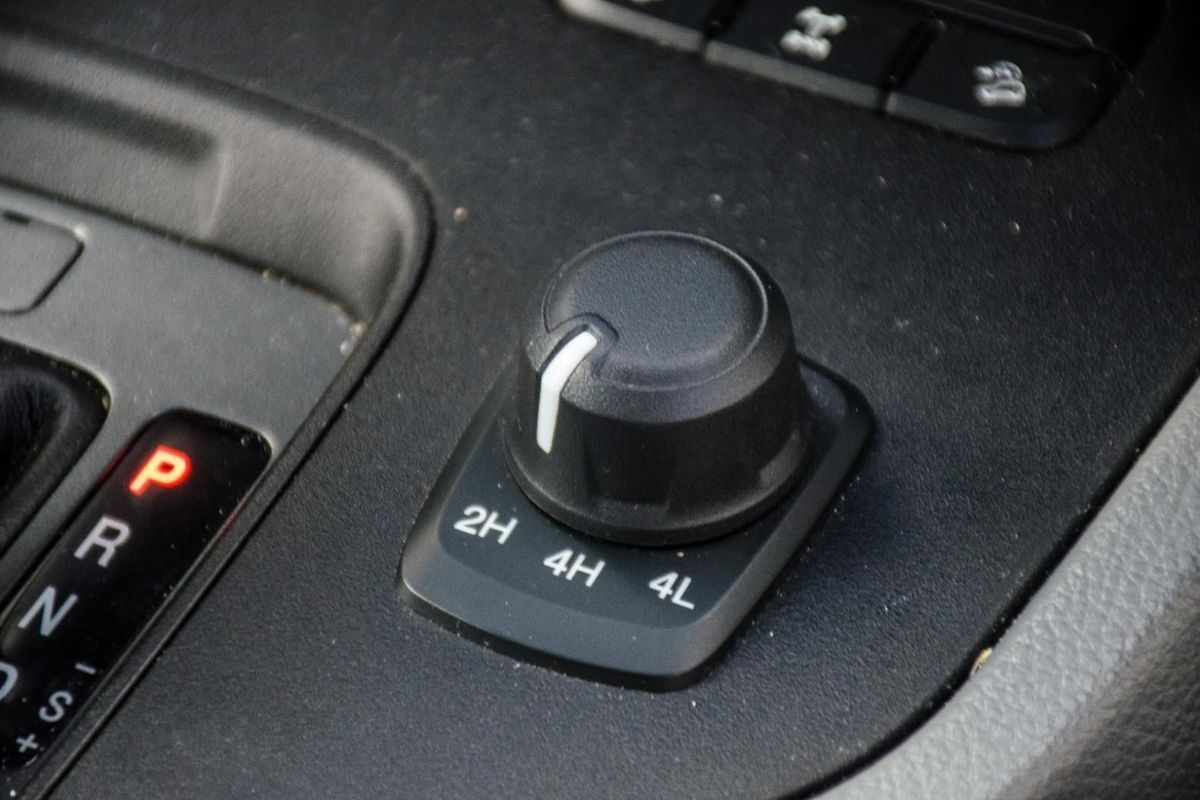
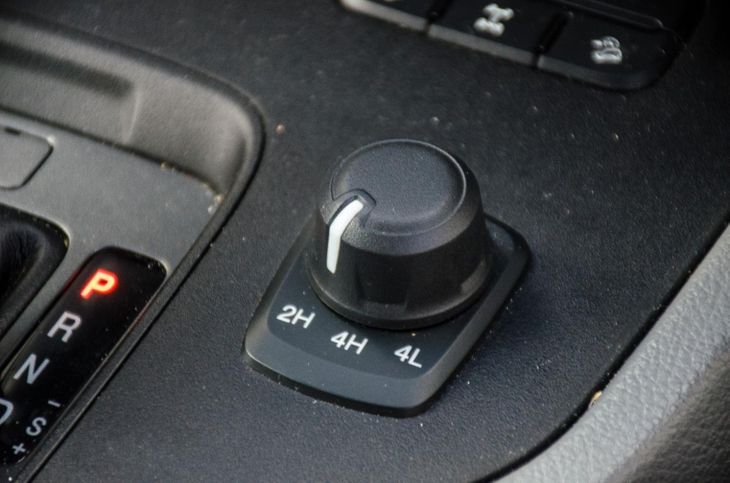
An electronically controlled transfer case allows the driver to easily switch between 2H, 4H and 4L.
By contrast, the Wildtrak excels off the beaten track. It has loads of torque and it can surge through the thickest sand or clamber over terrain only suitable for mountain goats. An electronic rear differential ensures optimum traction in challenging terrain and possibly the best part of this Wildtrak is the ability for the driver to easily switch between 2H, 4H and 4L using a knob next to the transmission lever (now a feature on a competitor product too, it must be said). Using this system, the 4×4 capability of the Wildtrak is easily accessible to the driver. More than this, the Wildtrak has a maximum towing capacity of 3 500 kg.
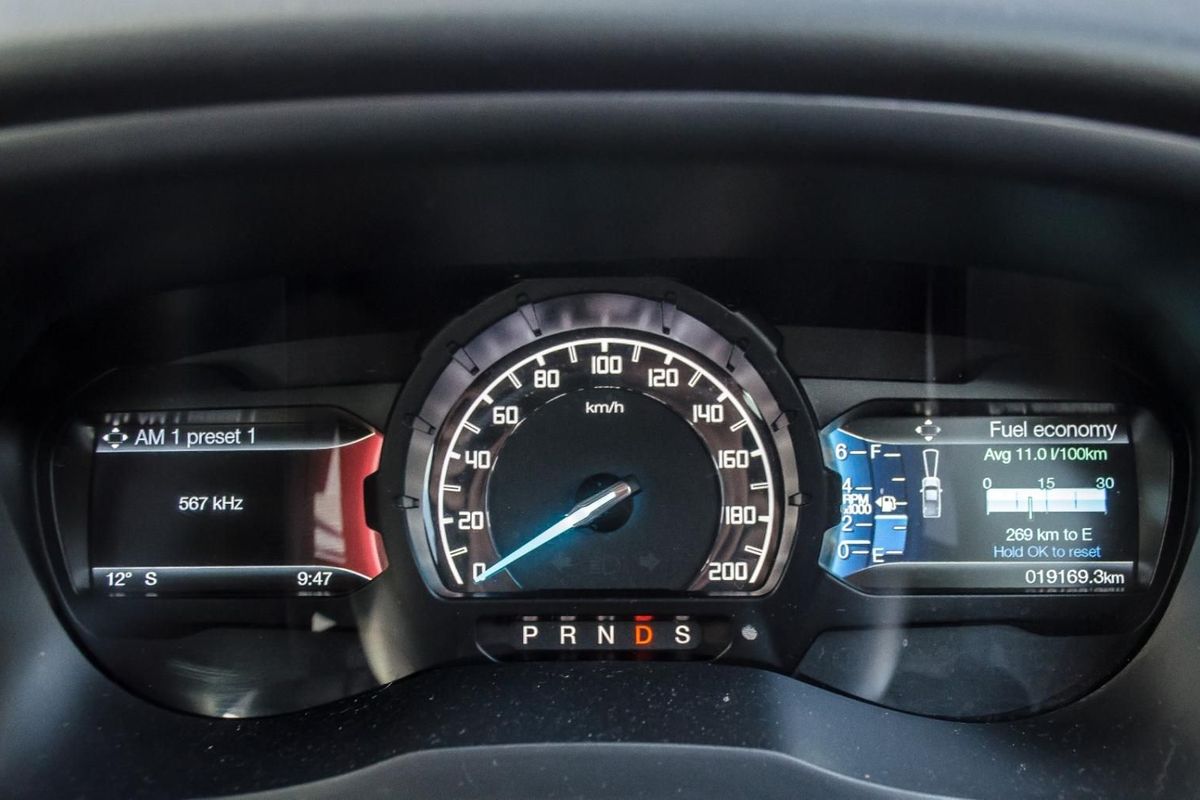
Ford claims 9.0 L/100km for the Wildtrak automatic and we averaged closer to 11.0 L/100km on a long journey up the coast. You may very well see higher figures than that in urban driving situations. With a large 80-litre fuel tank, the Wildtrak has a range of about 730 km.
Ride quality and driving experience?
Bakkies are relatively unrefined (compared with conventional unibody passenger vehicles) in terms of their ride qualities, but the Ranger Wildtrak bucks the trend somewhat. Whereas a bouncy and wafty ride plagues most bakkies (loading a heavy load in the back cures the problem, but that's to the detriment of economy), the Wildtrak is surprisingly smooth and well-mannered on the road irrespective of how much cargo/number of passengers it is transporting.
The Wildtrak delivers decent ride quality on the road and in the dirt.
The electric power-assisted steering is light in feel, which allows the driver to manoeuvre the Wildtrak with greater ease, but the steering can be quite vague too as a result, particularly at lower speeds. The Wildtrak copes well on gravel roads and manages to deliver a relatively smooth drive in the dirt.
Considering the height of the Wildtrak, the driver is afforded a commanding view of the road with good all-round visibility. Getting into or out of the Wildtrak can be tricky if you not careful, but running boards are fitted to assist/save shorter-legged drivers and occupants some embarrassment. Be mindful that the Wildtrak has a large turning circle and that can make parking and general manoeuvring cumbersome in busy urban areas.
Overall, the Wildtrak delivers a decent drive and although more concentration is needed in close-quarter driving situations owing to its size, the Wildtrak is fitted with front and rear park distance control along with a rear view camera to make manoeuvring more manageable.
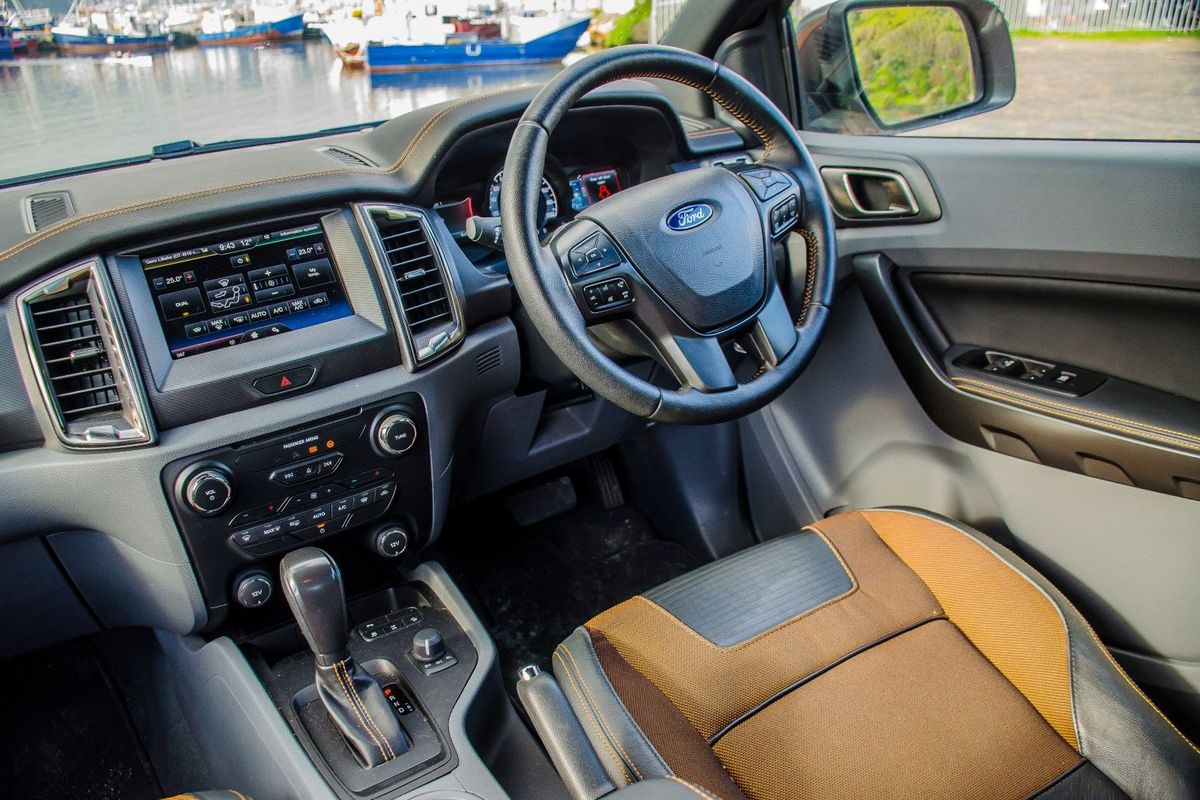
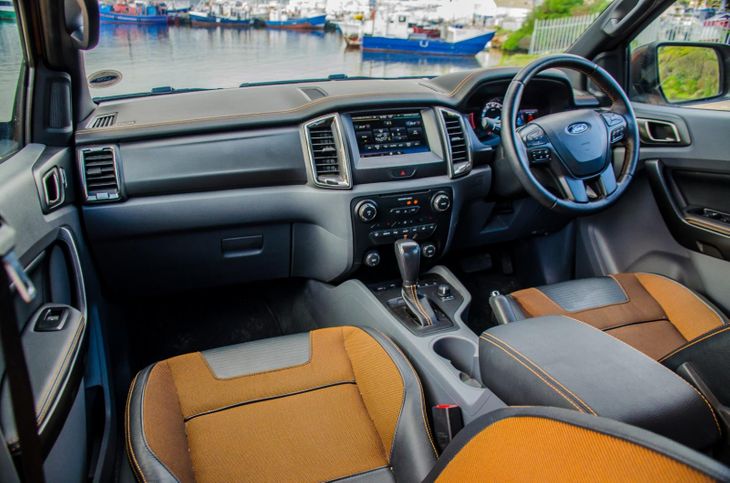
The use of leather and colour gives the Wildtrak an upmarket feel.
Comfort & features?
We spent a considerable amount of time in the Wildtrak and found it to be spacious and comfortable on longer journeys, although rear passengers did mention that rear legroom was not the cabin's strongest suit.
Buyers will be happy to know that perceived interior build quality is good, even though a variety of plastics (of varying quality) is splashed around the cabin. The leather-clad dashboard with orange contrasting stitching and similarly colourful detailing on the partial cloth/leather seats makes the cabin feel more vibrant and attractive. The driver benefits from an electronically adjustable seat, while the passenger seat is manually adjustable.
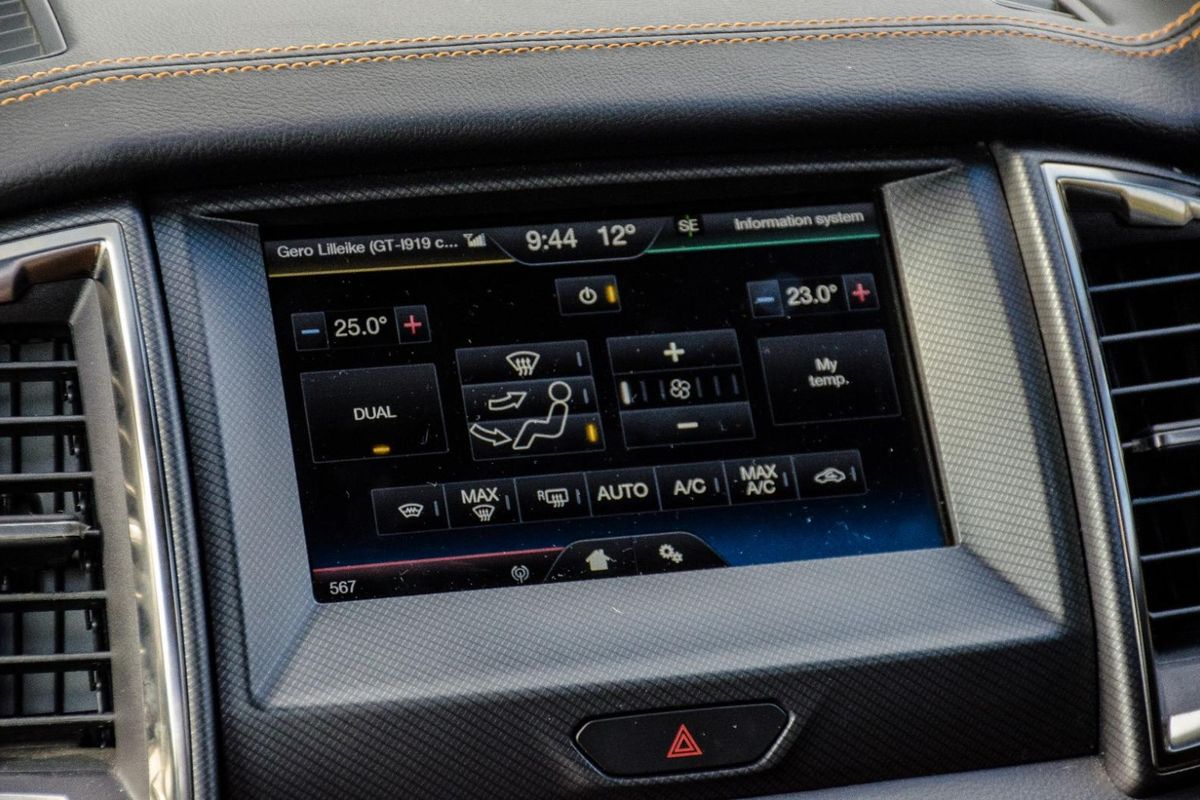
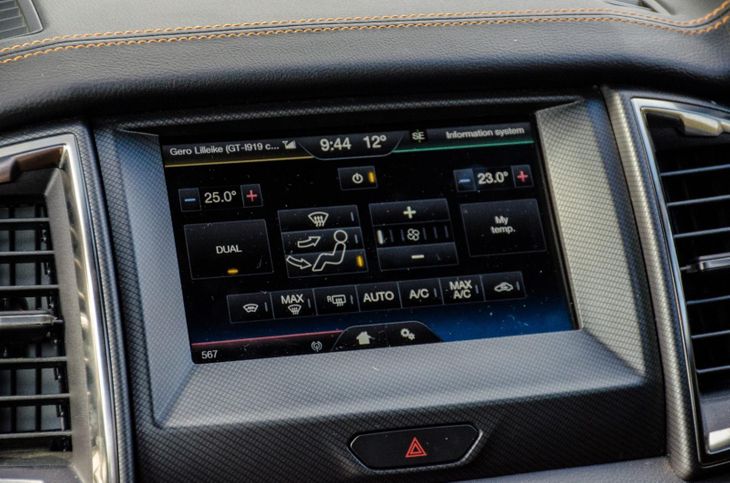
The Wildtrak is equipped with Ford’s SYNC2 connectivity system that’s accessed via an 8-inch touchscreen infotainment system. The system is simple enough to use and features such as Bluetooth connectivity and voice activation are particularly convenient. You can also adjust the climate control system using the touchscreen, but we were, however, disappointed to find that navigation isn’t offered with the system (in fact, Ford doesn’t offer navigation on any of its current products in South Africa). The Wildtrak is equipped with two USB ports, an auxiliary port and front and rear 12V sockets.
The infotainment system is easy to use but sadly navigation is not offered on the Wildtrak.
The driver can control infotainment and other vehicle settings using the mounted controls on the steering wheel. Infotainment information is displayed (digitally) on the left side of the instrument cluster while vehicle and trip information is displayed on the right. Overall, the instrument cluster is attractive in design but the tachometer is “squashed” into the display making it difficult to gauge where the revs are sitting while driving.
Something for buyers to consider is that the Wildtrak is offered without a tonneau cover as standard. This means that any luggage or equipment that you might be transporting is at the mercy of the weather and social ills such as thievery. If you forego a canopy, we advise that you purchase an aftermarket tonneau cover or a lockable load cover to protect your luggage.
Driver assistance and safety?
The Wildtrak is well endowed with driver assistance and safety features, adding to its appeal as a family leisure vehicle. Perhaps the most useful feature for the driver is adaptive cruise control (with speed limiter). Using the steering-wheel mounted controls, the driver can easily set and maintain a desired speed and distance between the vehicles ahead. The Wildtrak will automatically brake and accelerate back up to speed as required. This feature makes the Wildtrak more relaxing to drive on longer journeys.
The Wildtrak is well equipped with safety and driver assistance features.
Features such as lane keeping alert and lane keeping aid help keep the Wildtrak in its tracks, so to speak, by warning the driver and taking corrective action if necessary. A total of 7 airbags are standard, as well as ABS with EBD, traction control, stability control and hill descent control. A tyre pressure monitoring system is also fitted as standard. With its comprehensive safety offering, the Wildtrak proves that bakkies can indeed be excellent family leisure vehicles.
Price and after-sales backup
The Ford Ranger Wildtrak 3.2 4×4 automatic is priced from R597 900 and is sold with a 4-year/120 000 km warranty and a 5-year/100 000 km service plan.
The attention-grabbing Ford Ranger Wildtrak is perfectly suited to a buyer who wants to make the boldest statement with their new double-cab bakkie purchase. The Wildtrak’s styling is attractive, particularly in Orange Pride, and buyers will appreciate that the cabin looks and feels upmarket. More so, the cabin is well-built and comes equipped with most of the nice-to-haves you would want in a bakkie.
In terms of capability, the Wildtrak is difficult to fault and even against its foe, the Toyota Hilux, we found the Ranger to have the edge in the dirt. The Wildtrak package is an alluring one but many buyers might feel that the price tag is prohibitively expensive. Upon closer inspection, the Wildtrak compares favourably to its closest rivals (Toyota Hilux 2.8 GD-6 4×4 automatic and Volkswagen Amarok 2.0 BiTDI Highline 4Motion automatic) and when you factor in features such as leather seats, adaptive cruise control, front and rear park distance control and rear camera, then the price difference becomes negligible.
If you are searching for a capable family leisure bakkie with dashing good looks, then the Wildtrak should be on your hit list.
Ford Ranger 3.2 4×4 Wildtrak Automatic – Quick Specs
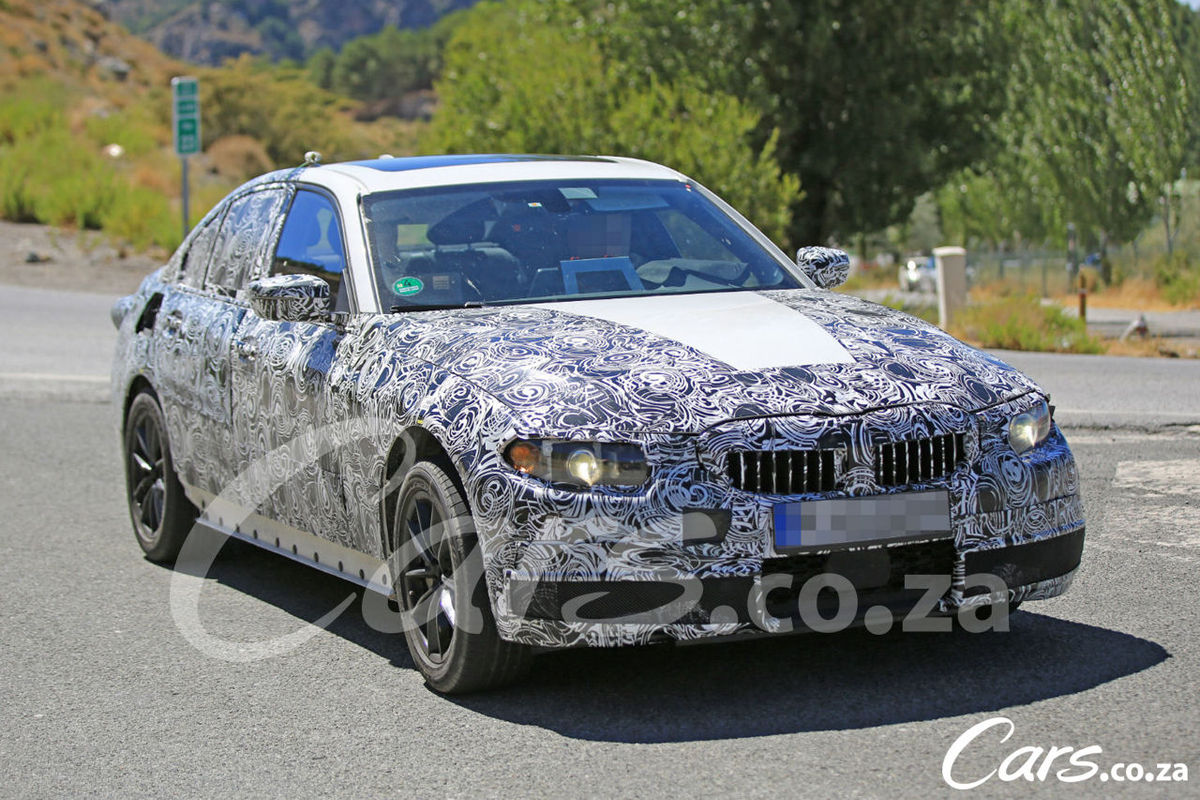
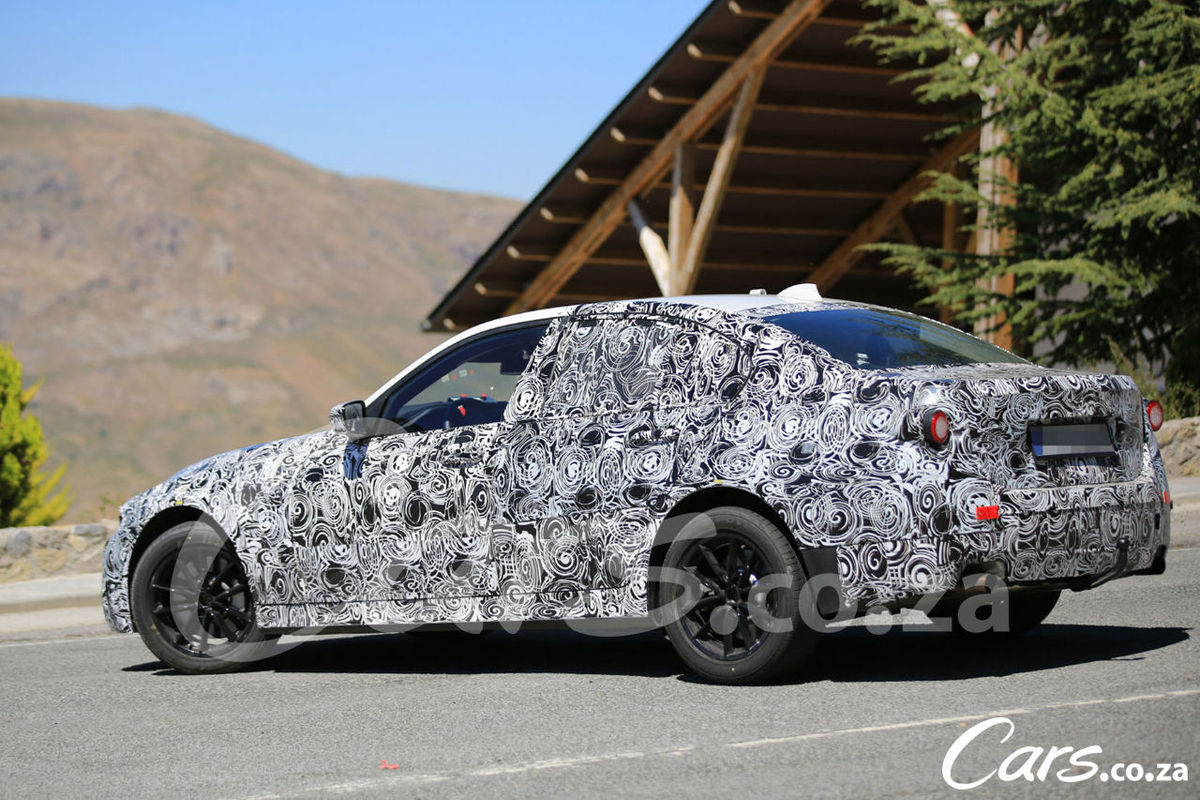
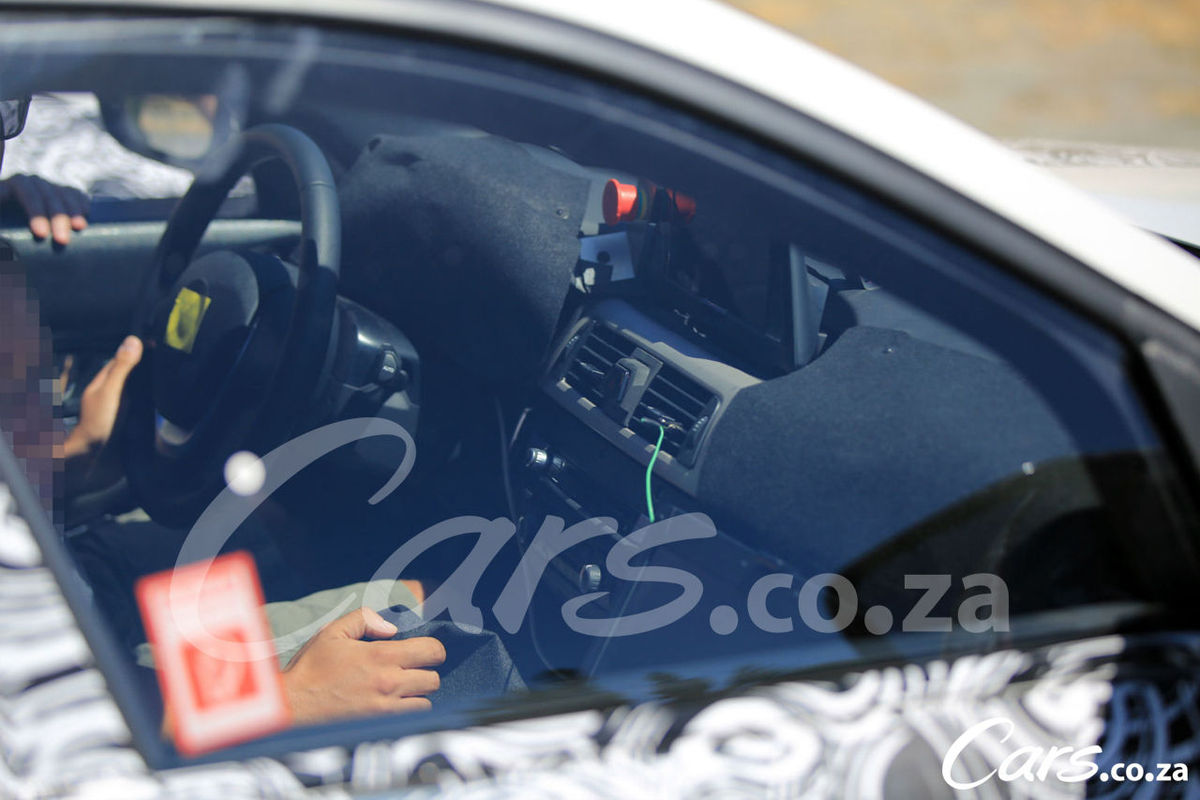
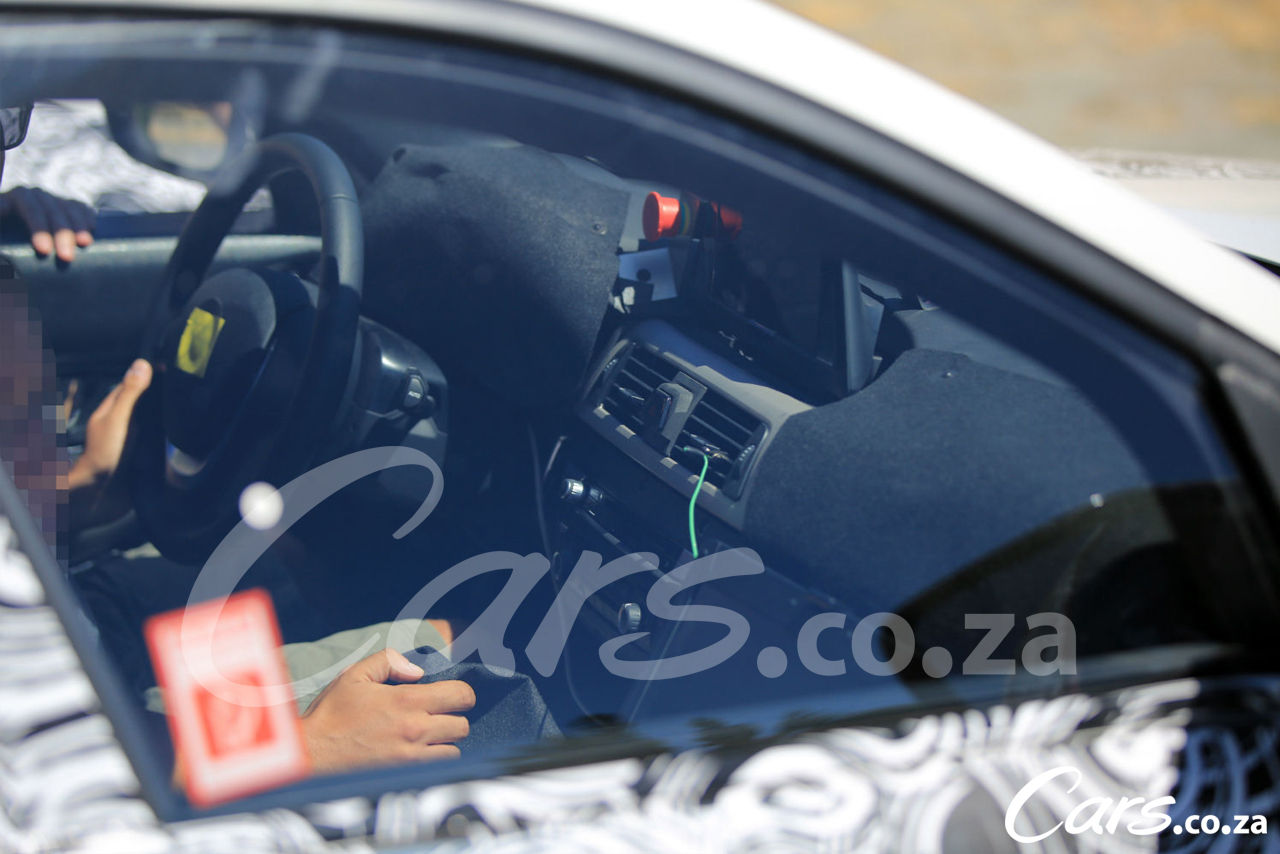
Our German spy photographer has snapped the clearest images yet of BMW's next-generation 3 Series.
According to the photographer, this 3 Series prototype has been doing the rounds for more than six months, but this is the first time we've managed to get a peek inside. Also, it appears to be trying out a new front bumper design.
The interior appears to follow an evolutionary design theme, with a similarly stacked central control layout. The big news is likely a move to more digital instrumentation (at the very least, part-digital/part-analogue) and the iDrive info-tainment screen seems both larger and more upright.
Interior doesn't appear to stray too far away from the current design.
It is way too early to start making definitive statements regarding the likely model line-up, but word from Europe is that the model designations will remain largely the same as they are currently. Based on the brand's new CLAR architecture, the areas of focus will apparently be; a longer wheelbase and wider track for more space, lower centre of gravity, lighter weight, adaptive suspension, switchable anti-roll bars, torque vectoring, OLED/Laser lighting and semi-autonomous driving technology.
Rumours suggest the 320i will get the new B46-coded 2.0-litre turbopetrol engine while the 340i is likely to be labelled the M340i.
Any new 3 Series is bound to make headlines, as it arguably remains the Munich-based firm's most important model. This new, G20-designated model, is expected to be launched in 2018, and will reach South Africa shortly after international introduction.
Volkswagen has managed to coax a record-beating 2 029 km out of one tank of petrol.
The feat is a new South African record, demolishing the previous mark of 1 941 km set back in 2011 – also by a Volkswagen, the Golf TDI Bluemotion. The Passat used for the record was the 1.4 TSI DSG model. The achievement appears to illustrate that turbopetrols are making gains on the traditional fuel-sipping diesels.
Somehow the team responsible for the record attempt managed to cram 83 litres of Unleaded into the vehicle's 66-litre fuel tank. The extra 17 litres certainly gave them the advantage in the end. The Passat managed to return 4.1 L/100 km over the 2 000 km trip which started at the Zimbabwe border and ended up just North of Cape Town. In order to achieve the distance on one tank, the drivers maintained an average speed of just 69 kph.
The journey of 2 029 km would have taken over 29 hours to complete at that speed.
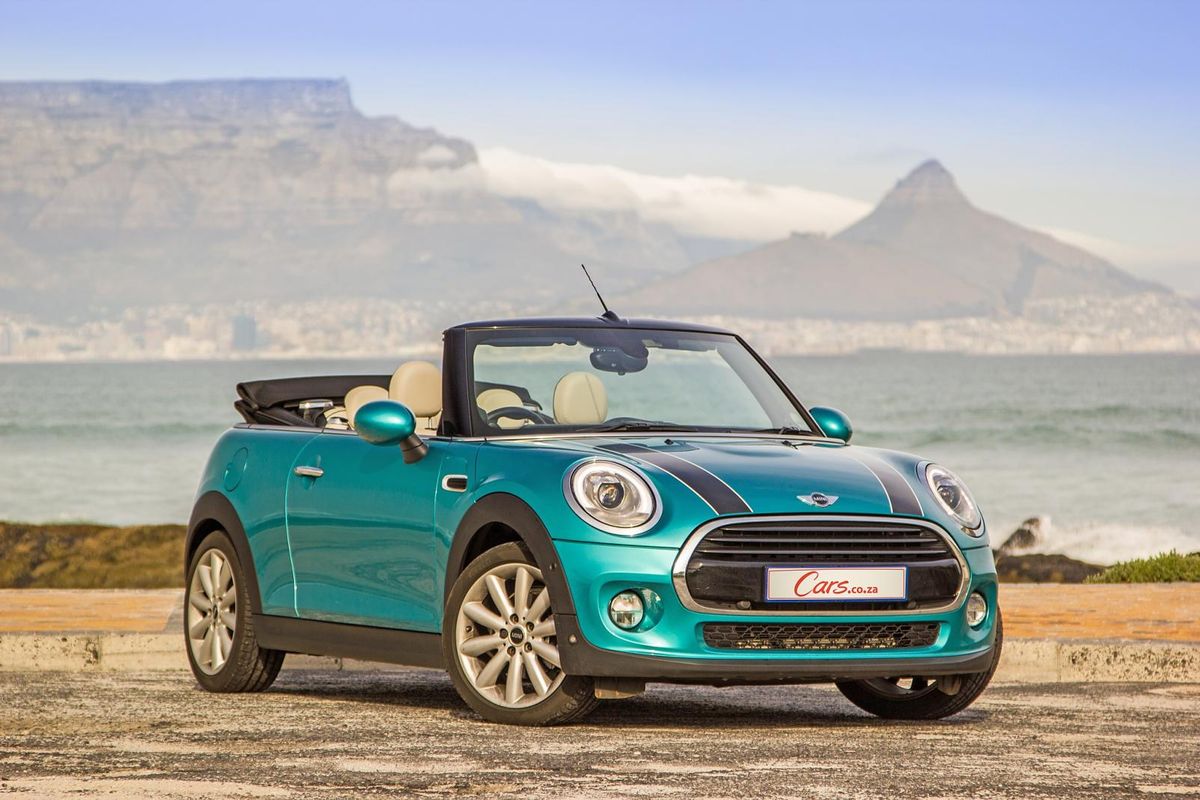
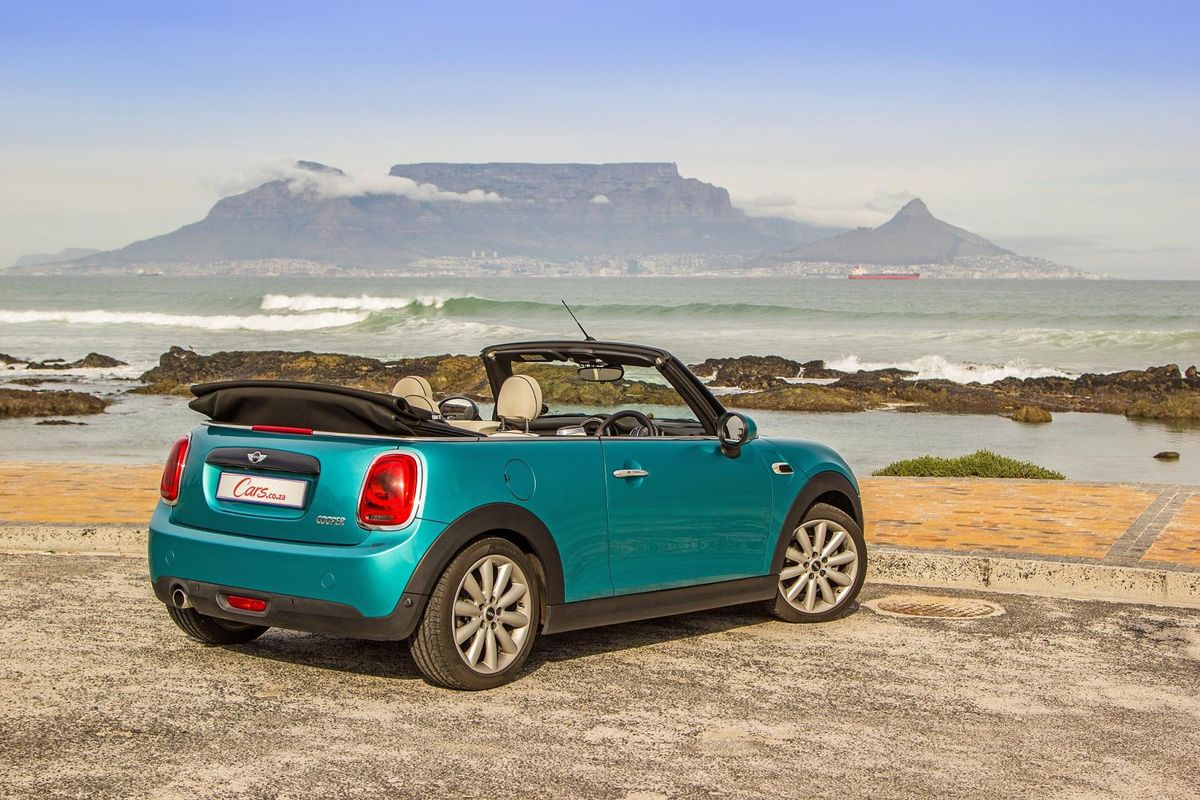
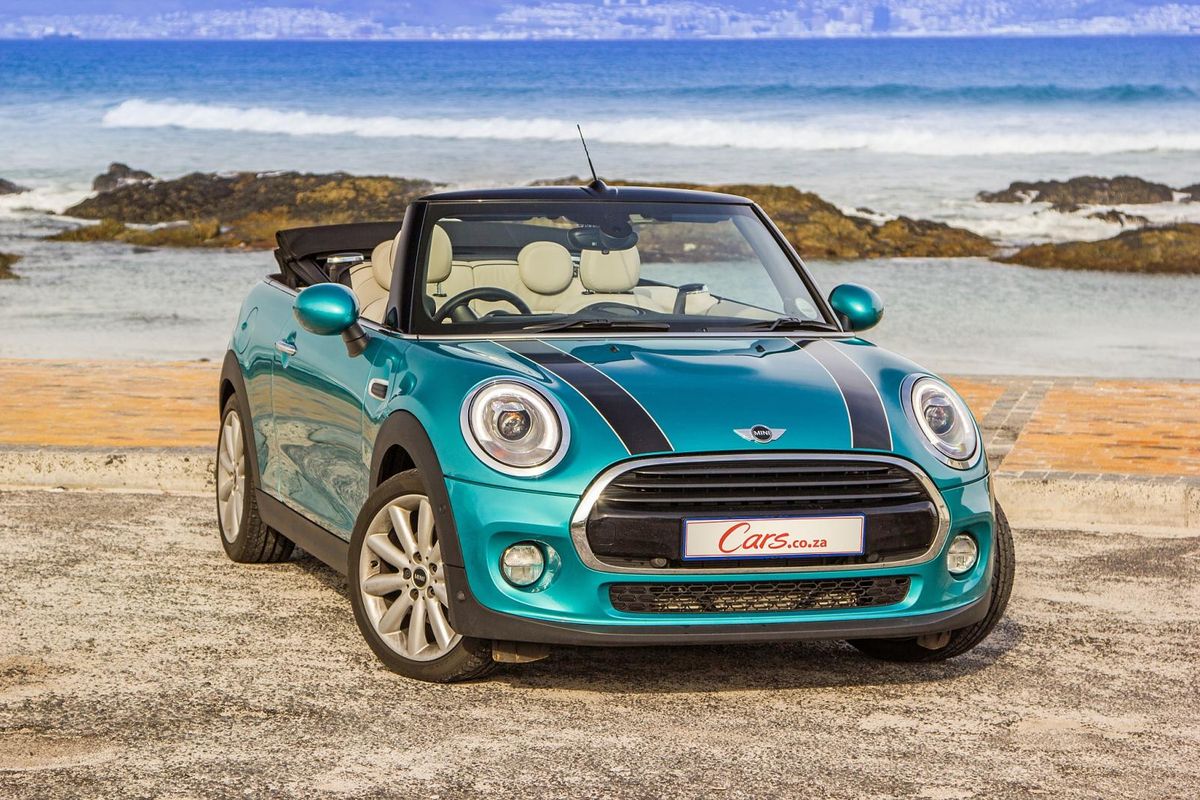
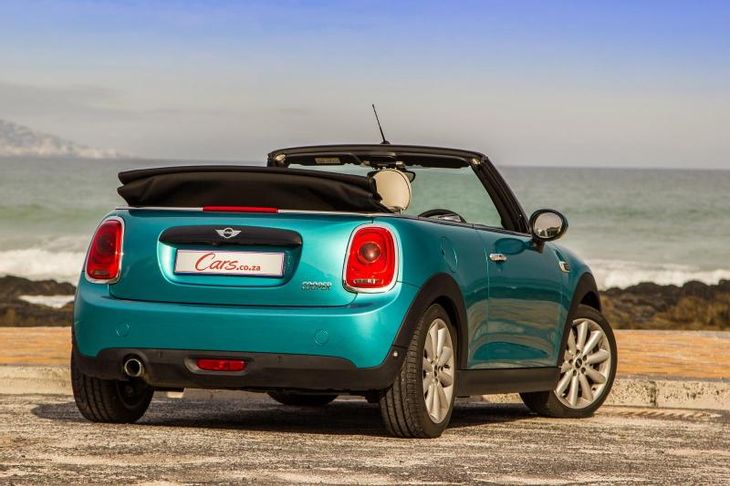
Mini has whipped the top off its latest Cooper hatchback and the new convertible looks set to steal many hearts. While it’s undeniably cute, does the ragtop have enough substance to make it a worthwhile purchase?
We like: Style, build quality, enthusiastic engine, gadgetry, cheapest proper convertible in SA
We don’t like: Vehicle rattles on bad roads, rear-view mirror less than effective when roof is down
Alternatives:
For French flair on a budget: The Citroen DS3 Cabrio e-THP 81kWdoes a fair job of rivalling the Mini in terms of a boutique driving experience. It’s not a true cabriolet in the sense that the fabric top effectively opens like a full-length (and -width) sunroof and although the Citroen is more affordable than the Mini, its design is relatively outdated and the ragtop derivative is available with a manual transmission only.
Italian zest in a fuel efficient package: Powered by a new turbocharged 0.9-litre 2-cylinder engine that is said to consume just 4.2 L/100 km, the recently updated Fiat 500 500C 0.9 TwinAir Lounge auto may not be conventional cabriolet either (even though the roof folds down to the height of the parcel shelf, the vehicle retains its B- and C-pillars). Reasonably equipped and available in automatic guise, but the admittedly cheaper Fiat cannot match the Mini's prestige.
More practicality: The closely-priced Volkswagen Golf Cabriolet 1.4TSI Comfortline auto seems a trifle conservative compared with the Mini, but it offers slightly more in terms of rear legroom and luggage capacity by virtue of its compact hatchback underpinnings. Refinement is one of its strongest traits, but seeing that it is based on the older-generation Golf, hardly a cutting edge competitor.
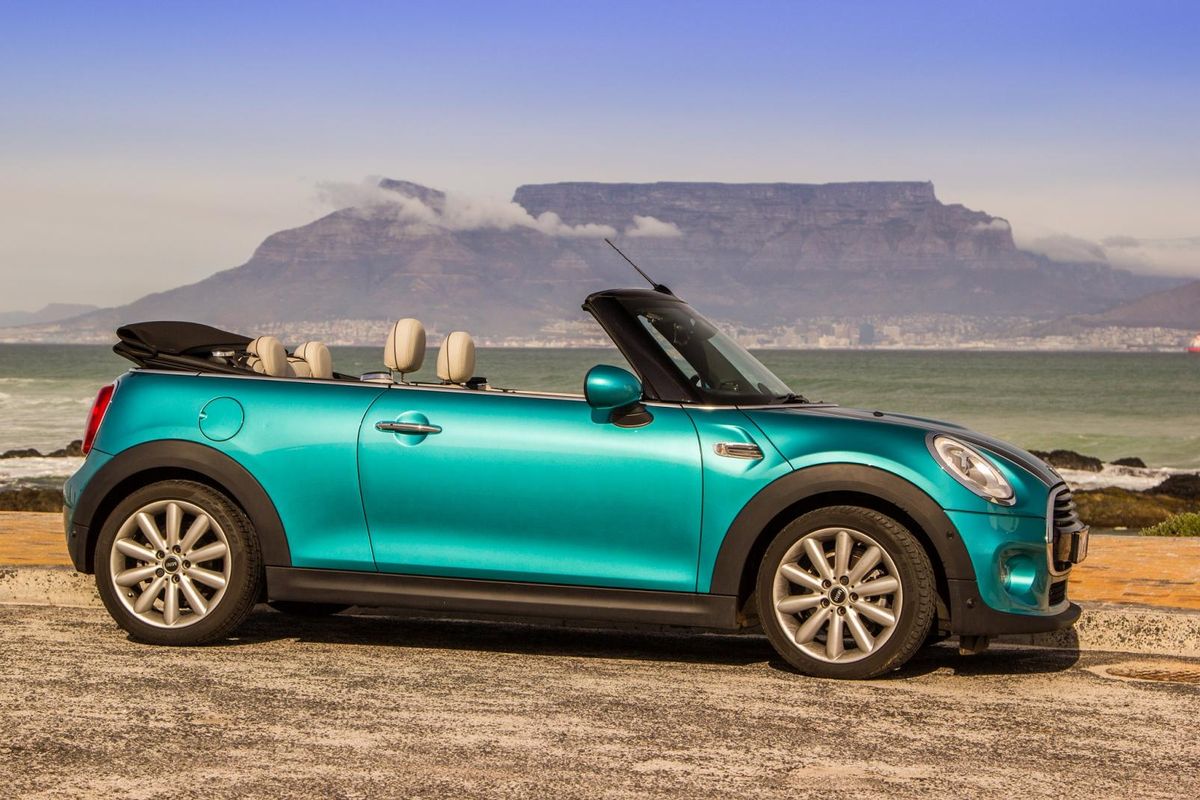
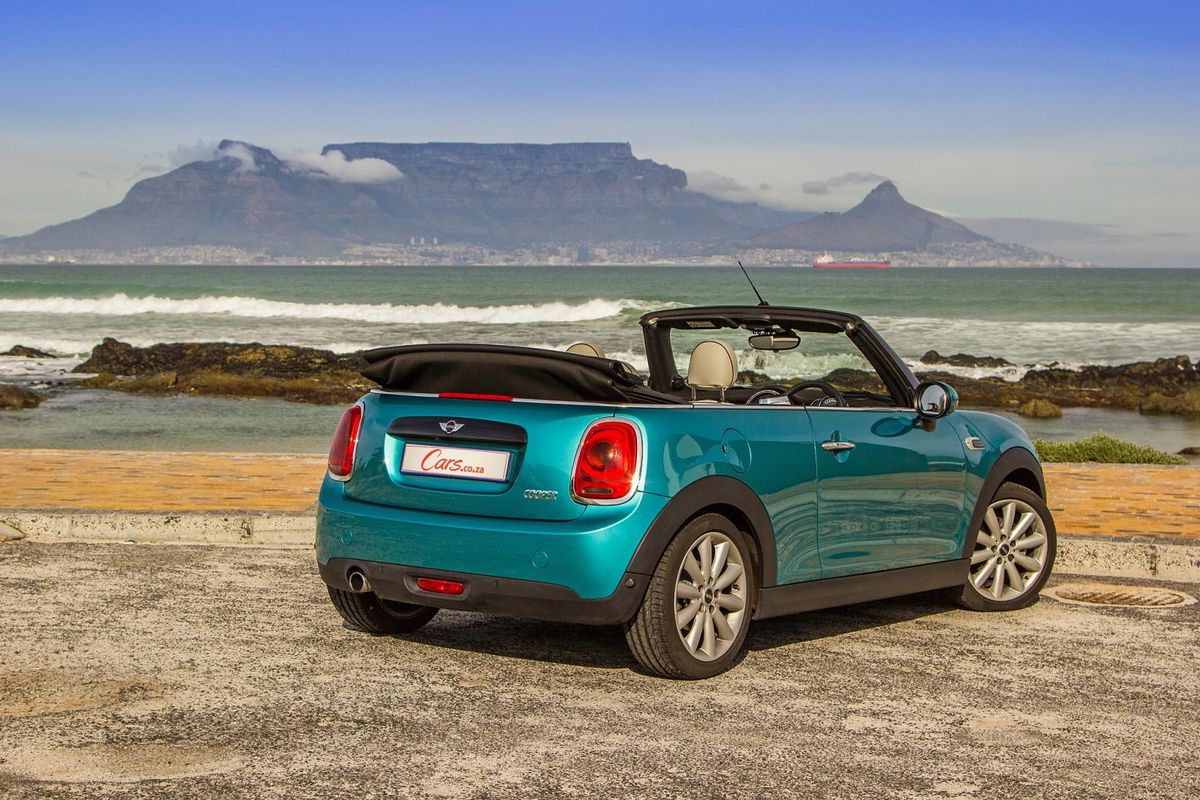
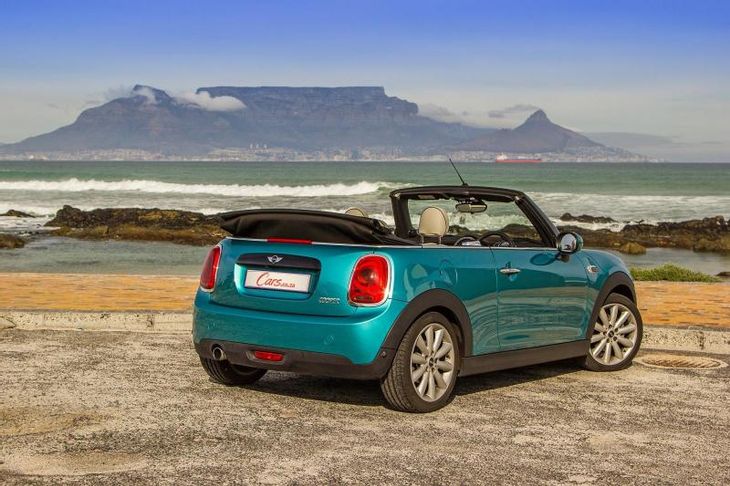
Following the discontinuation of the Mini Coupe and Roadster, the Convertible is unquestionably the most striking model in the Oxford-based manufacturer's product lineup. Perhaps it was a combination of the test unit's Caribbean Aqua metallic paint, white leather interior and a sunny weekend, but as these pictures attest, it’s a pleasant vehicle to look at and, more importantly, to be seen in.
The centrepiece is the electrically operated fabric roof, which has three configurations. You can have it completely closed, partially open (to the same extent as a traditional sunroof) or you can lower it fully. Unlike some convertibles that cleverly fold and pack the roof out of sight into the boot section, the Mini Convertible’s roof folds in a concertina motion and rests on the back of the vehicle. Once the roof is all the way down, it has an annoying drawback – it obstructs the rear view to the extent that you have to rely on your side mirrors instead. Ticking the reverse camera option is, therefore, highly recommended!
Luggage space is normally an issue with cars of this ilk, but the Mini offers a clever feature to compensate for the smaller boot aperture: there’s enough space to slide a laptop bag in under the cargo lid, but, for the purposes of loading bigger items, there are 2 levers inside the boot that release the base of the roof assembly and make it easier to load taller items. The functionality is limited to when the roof is not fully lowered, however.
Rear visibility is restricted with the roof all the way down. The roof process takes around 18 seconds from start to finish.
Performance and refinement?
The Cooper Convertible is powered by a 1.5-litre 3-cylinder turbopetrol that has garnered praise in similarly-engined Minis we've appraised. Again, courtesy of outputs of 100 kW and 220 Nm, the 3-pot Cooper delivers a credible turn of speed. Even though this isn’t the performance derivative of the range, the Cooper gives a good account of itself in a variety of driving conditions. Power is fed to the front wheels via a slick-shifting 6-speed automatic transmission. While purists will snub the auto ‘box, you’ll appreciate it immensely in both city confines and twisty roads. You can leave it to its own devices, or change gears by tapping the transmission lever fore and aft when in the 'box's manual/"sequential" mode.
With the roof up, sound insulation seems quite effective, but we found it difficult to hold a conversation (when speaking at the usual volume of your voice) while cruising at the national speed limit. Being a Mini, the ride is firm and sporty, something you’ll appreciate when you’re on a smooth road. However, the ruts and raised manhole covers on our test route resulted in some uncomfortable jarring, and the slightest undulation in tarmac exposed the convertible’s relative lack of rigidity (due to the absence of a fixed roof section) through sporadic trim creaks. Also, while it has the most comfortable and best-made Mini Convertible interior to date, the rear seats remain largely ornamental (think of them as extra packing space for your shopping and/or kit).
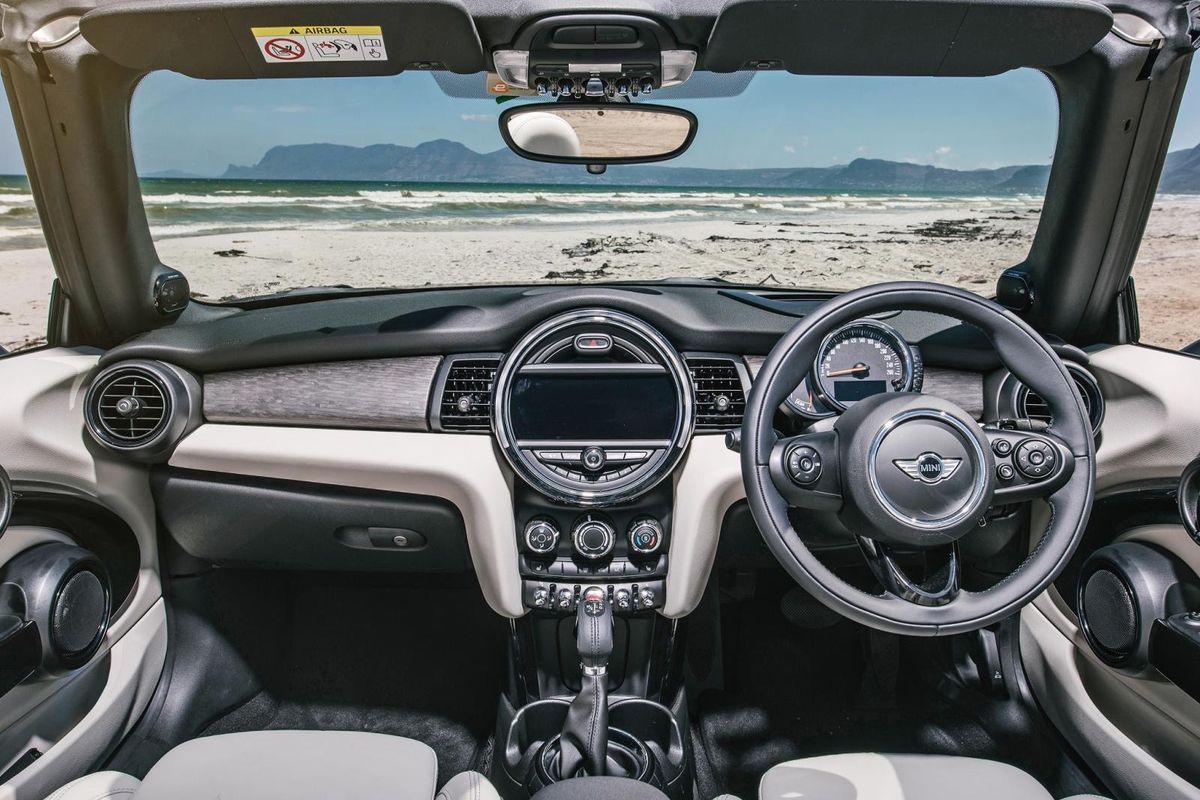
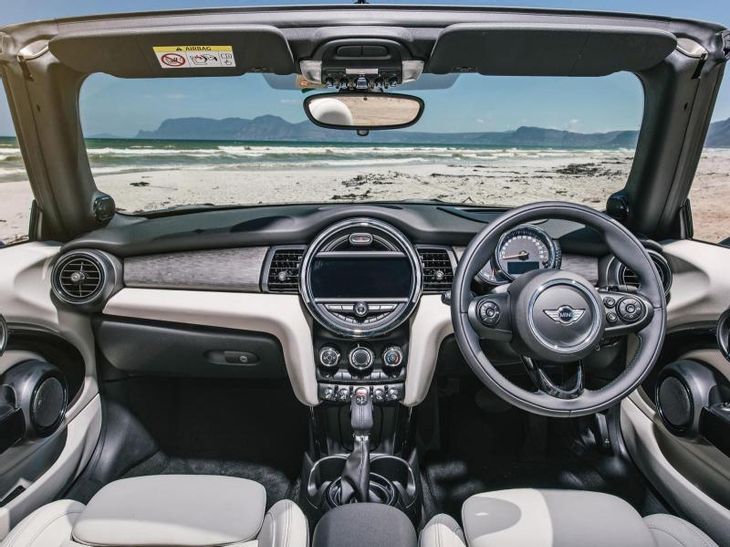
The Mini interior is smart and well put together, but be mindful that some features are optional.
Value for money?
This segment of the market is unmistakably premium and the asking price of the Mini (backed by premium parent brand BMW) reflects that. However, there's not much else in this segment that can offer the same prestige as the Mini… The Citroen DS3 Cabrio and Fiat 500C are cheerful and fun, but neither of them can match the Mini's performance, brand cachet and, crucially, true wind-in-the-hair convertible experience. The Volkswagen Golf Cabriolet, one of the last survivors of a once well-populated compact hatchback-based ragtop/coupe convertible segment, lacks pizzazz and must be due for replacement soon.
Mini offers substantial upgrades and packages to add onto your Cooper Convertible, and our test unit came with a few extras. Notable options include a head-up display, driving mode selector and Harmon Kardon audio upgrade. Like all Minis, you can go to town with the optional extras and custom interior/exterior adornments, but, be warned, they all add up… We'd suggest heated seats are a must if you wish to enjoy year-round topless motoring.
Mini Cooper Convertible price in South Africa
The Mini Cooper Convertible range starts at R389 000 for the manual, while the automatic retails for R407 456. Prices include a 5-year/100 000 km maintenance plan.
The Mini Cooper Convertible is stylish, fun to drive and made onlookers smile. Mission accomplished.
Verdict
The Convertible is a fun and stylish car that oozes charm and personality. The engine and automatic gearbox are well calibrated, and you'll find the Mini Convertible effortless to pilot. It's best suited to zipping around town as highway trips are noisy and you'll battle to hear what your passengers are saying. And, on bumpier roads, you will hear some rattles and chassis flex, but this affects most convertible vehicles – it's certainly not an indication of poor build quality, as this latest generation of Mini is quite well-made and solid. Ultimately, it is priced reasonably fairly and besides, when making a style statement effectively is far more important that enjoying the famed Mini go-kart driving experience, could anyone justify the additional outlay on a Cooper S version?
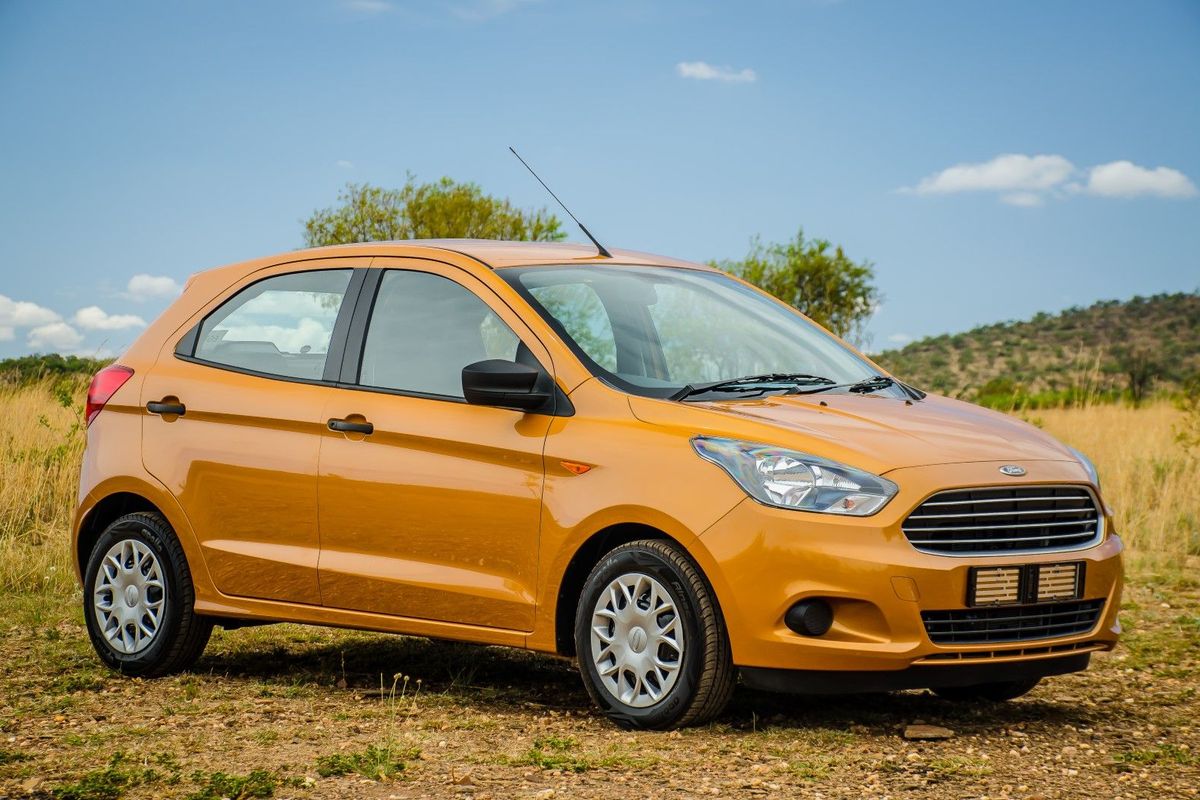
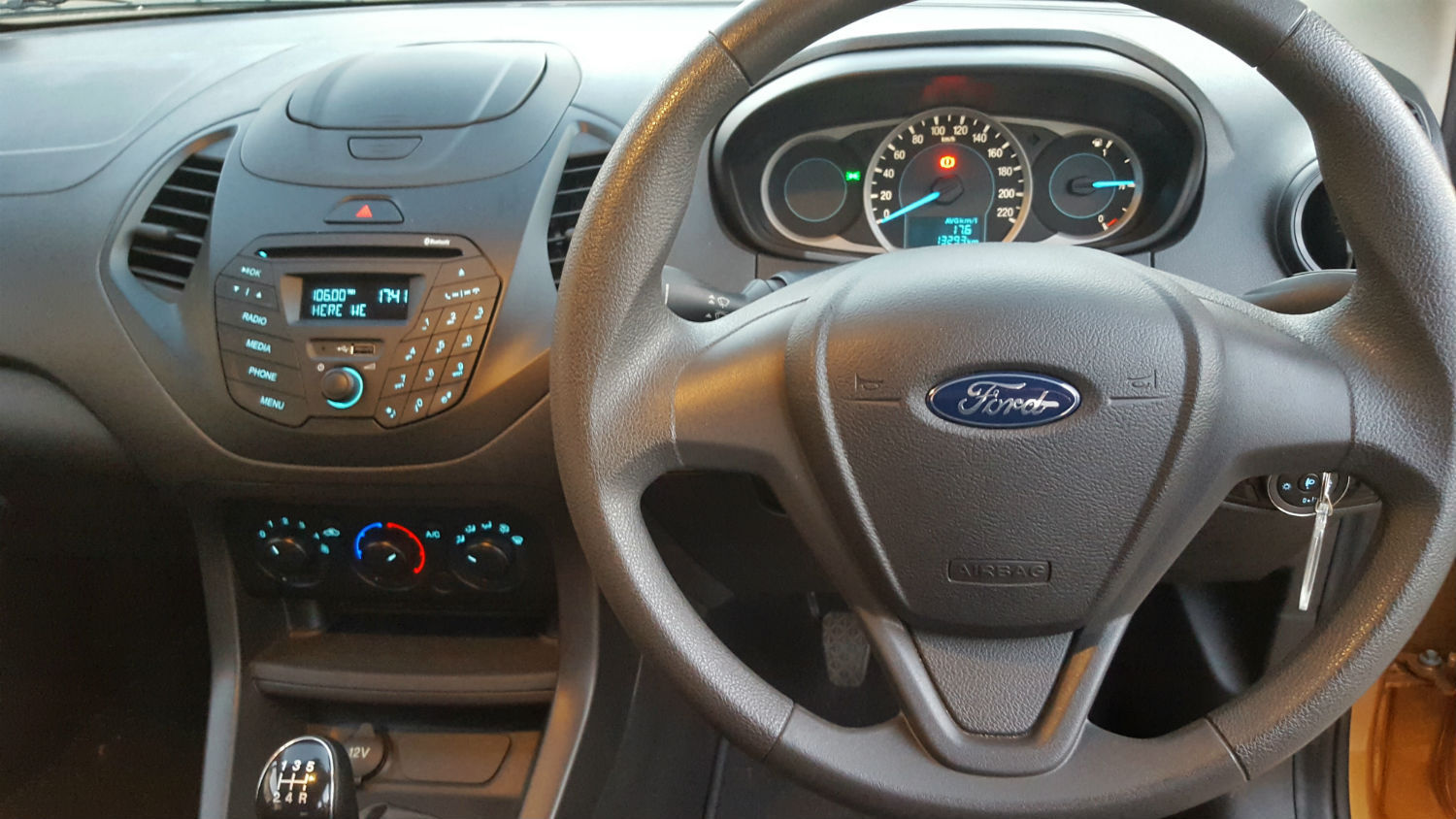
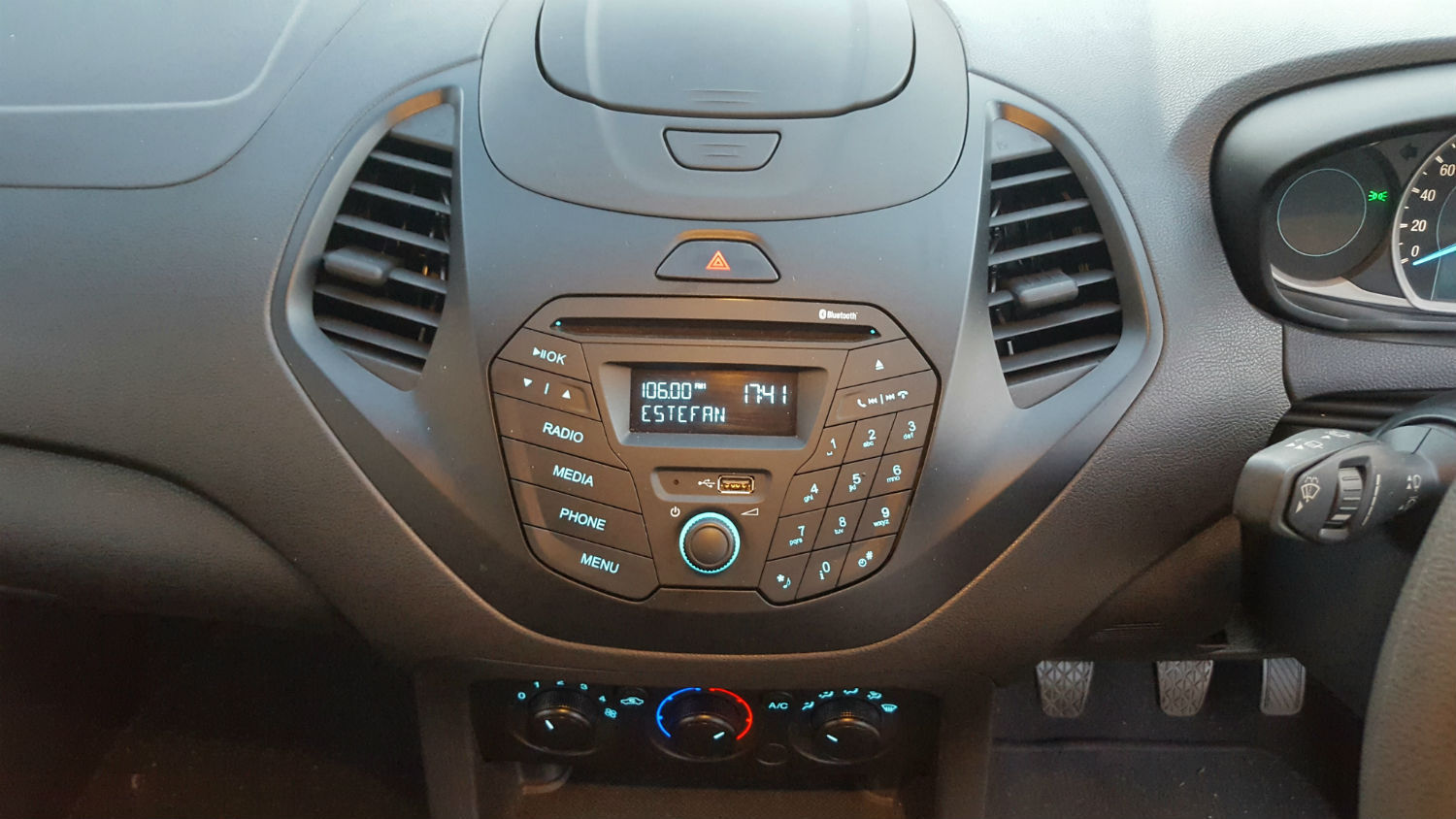
Ford Figo 1.5 TDCi Ambiente Hatch (2016) First Drive
One of South Africa's most economical new cars punches above its weight. This was our conclusion after spending a week zipping across Gauteng in Ford's Figo 1.5 TDCi Ambiente
There aren't many (relatively affordable) turbodiesel-powered compact hatchbacks available in South Africa. There are a couple of reasons for this, but arguably the most notable one relates to cost. Turbodiesel engines tend to be more expensive to produce than their petrol-fed counterparts and, therefore, they drive up the prices of the vehicles they power. The lower down the market you go, the more cost-sensitive consumers are, so unless you can offer your turbodiesel hatchback at approximately the same price as a petrol derivative, the perceived fuel economy advantage may not be enough to lure buyers.
Ford, however, is giving the small turbodiesel hatchback another shot at glory. Its Figo 1.5 TDCi is priced R24 300 higher than the equivalent turbopetrol model. But with a claimed fuel consumption figure of 4.1 L/100 km, it is rather significantly more frugal than the petrol model (5.9 L/100 km). Is it enough, though? Three Cars.co.za staffers recently spent a week in Johannesburg and put this little diesel-sipping hatch through a pretty tough test.
Fuel economy vs performance
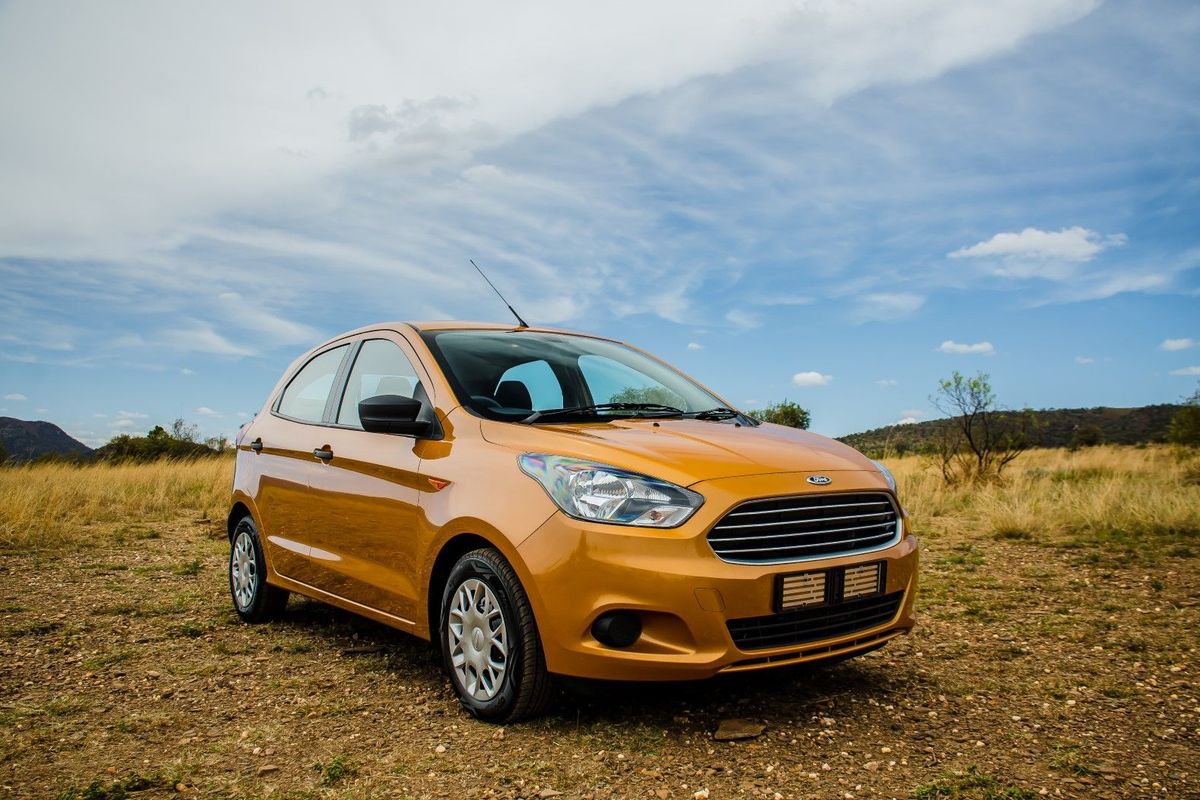
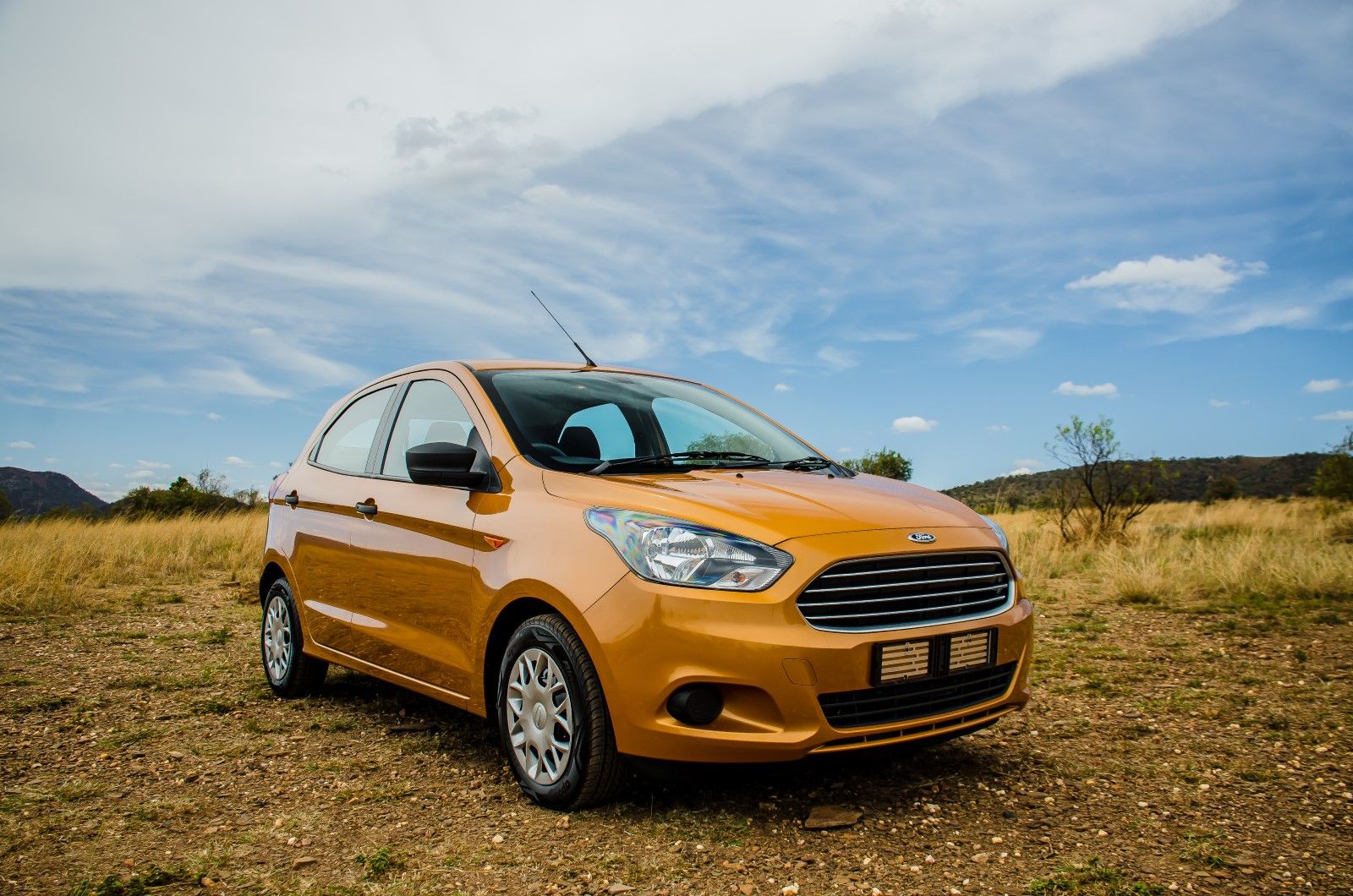
Neat and inoffensive, the Figo Ambiente doesn't get alloy wheels.
This Figo model is powered by the brand's 1.5-litre, 4-cylinder turbodiesel engine that delivers 74 kW at 3 750 rpm and a strong 215 Nm of torque (from 1 750 to 3 000 rpm). It is the latter torque figure that translates to such impressive real-world performance. The petrol model offers "only" 136 Nm at a heady 4 250 rpm. The diesel-powered Figo's grunt proved to be surprising during our test, with a particular highlight being the relative absence of turbo lag low down in the rev range. In fact, up the ramp that leads to OR Tambo International's drop-off area, the little Figo proved capable of hauling itself along in third gear without so much as a squeeze of the throttle pedal…
Equally impressive is the fact that – and unlike many other small turbodiesels – the Figo's engine proved quite willing to rev and was relatively refined to boot. The only real "symptom" of the diesel engine's less appealing attributes was a big cloud of smoke upon start-up on a very cold winter's morning.
The engine's solid performance is matched by impressive fuel economy. We've become used to the disappointment of actual consumption figures that pale in comparison with manufacturer's claimed figures (a phenomenon we find especially applicable to small forced-induction powerplants), yet this Figo proved stubbornly frugal. Yes, our overall (indicated) consumption figure for the week was 5.6 L / 100 km, which is not the brand's claimed 4.1… but the reality is that the Ford was being worked very hard. With up to five meetings a day dotted all across Johannesburg and Tshwane, there was neither much time for "casual" driving, nor regular stops for refuelling. In that sense, the Figo's combination of grunt and economy was absolutely spot-on for our needs.
Comfort & features
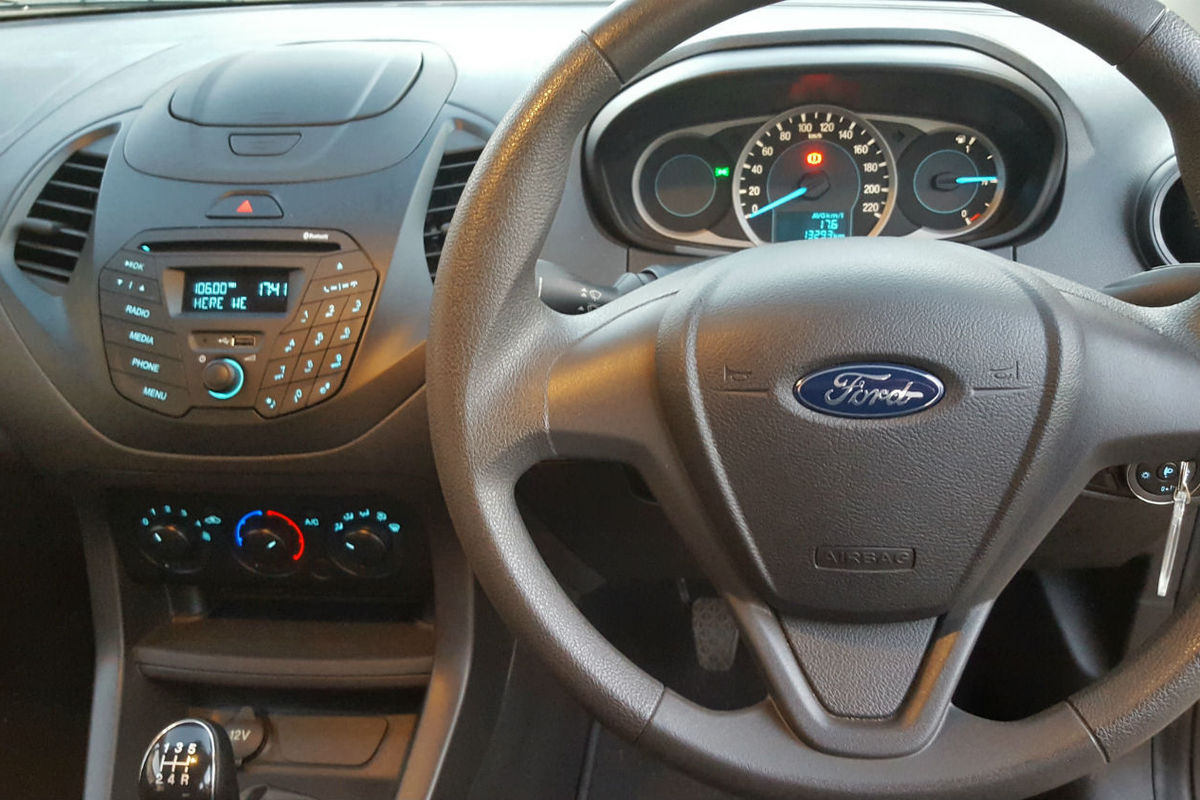
In Ambiente specification, the Figo's instrumentation is basic, but a trip computer is included.
The Figo is one of the more spacious entry-level hatchbacks available on the new vehicle market, and our test unit was tasked with hauling a trio of adults and their luggage during our week-long test. The luggage capacity is rated at 256 litres, which is similar to a vehicle such as the Toyota Etios, but smaller than the bay of a Renault Sandero, for example. Nevertheless, it comfortably trounces similarly-priced "boutique" hatches such as the Hyundai Grand i10, Kia Picanto and Volkswagen Up! It also adds usable rear legroom, so if you're looking to spend around R200 000 on a hatchback and interior space is a requirement, then it should feature on your shortlist. One negative, however, is the single-piece folding rear backrest, which limits ultimate versatility.
Our test unit featured the base-level Ambiente specification, which includes air-conditioning, 2 airbags, electric power steering, a trip computer, ABS, alarm and immobiliser and a Bluetooth-compatible audio system with USB and auxiliary ports, as well as a simple docking system for mobile phones. However, when you start analysing the extra specification of the Trend model, which is priced only R10 000 higher, the latter does seem to make sense, as you will not only get a 60/40 split rear seat, but also electric front windows, alloy wheels, front foglamps, electrically adjustable side mirrors and rear window defroster, among others. Judging by the detailed sales figures provided by Lightstone, most buyers appear to be spending extra and opting for the Trend.
Besides the spaciousness of the cabin, another feature that had a positive impact on overall occupant comfort was the Figo's suspension setup. The model was developed for a developing country such as ours, and its damping is tuned to omptimise comfort on a variety of surfaces. The test unit dealt with the poorer roads encountered on our trip very effectively.
Design & finish
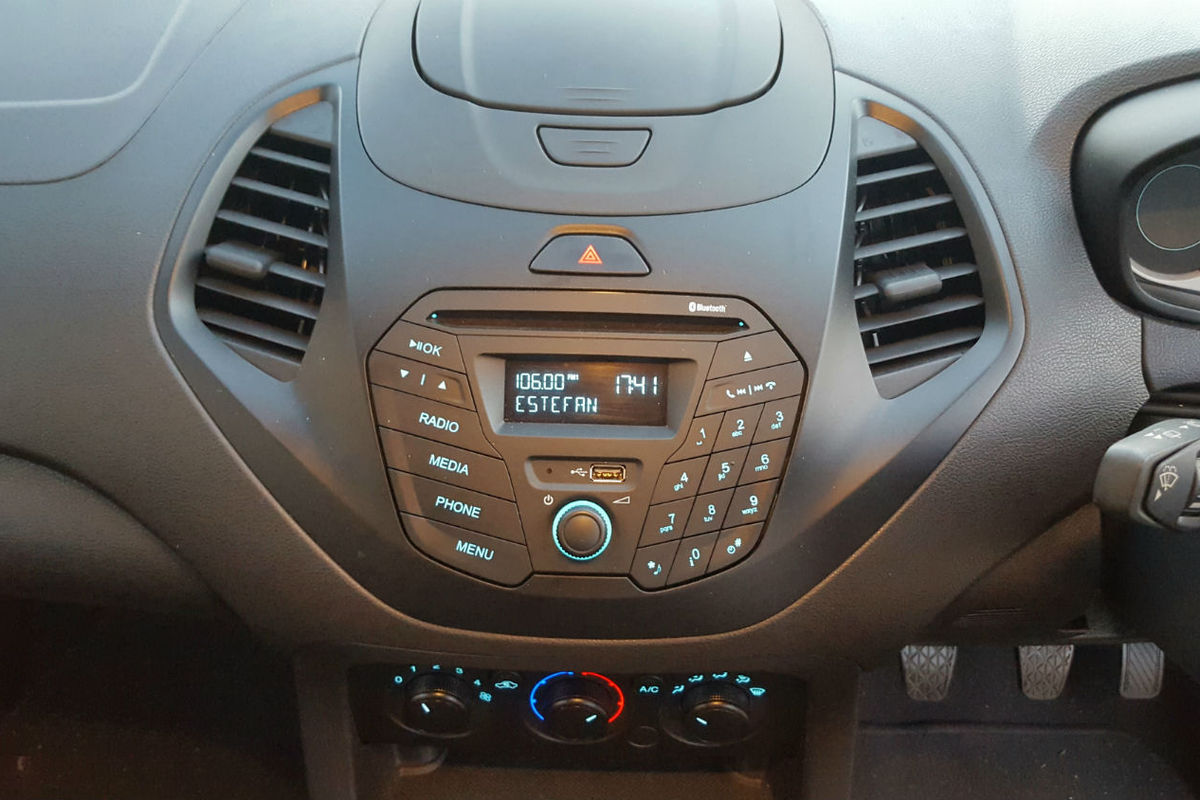
Comprehensive sound system features Bluetooth, USB and aux support.
The current Figo is a markedly different car compared with its more obviously previous-generation Fiesta-based predecessor. The design has been brought into line with modern offerings such as the Fusion and Focus, and the end-result is a somewhat generic, but entirely inoffensive product. Ambiente specification means you get plastic wheel covers (instead of alloys) and black plastic mirror housings and door handles, but the bumpers are colour-coded.
Inside, there is much to remind of other Ford models, including most notably the Fiesta. The layout of the buttons for the infotainment system will be familiar to anyone that's driven a Ford in the past five years, or so. Again, Ambiente specification means you lack a couple of niceties, and the most obvious clue (besides the manual window winders and side mirror adjustment) is the basic instrument panel that lacks a rev counter.
Overall, we found the Figo quite sturdy, even though the plastics used can't exactly be described as "luxurious". The only quality-related irritation was a rattle emanating from the luggage compartment.
Pricing & warranty
The Figo 1.5 TDCi Ambiente sells for R193 900 and comes backed with a 4-year/120 000 km warranty and 2-year/40 000 km service plan. Service intervals are nicely spaced at 20 000 km.
Verdict
The relatively slow sales of the new-generation Figo thus far is explained by Ford as being largely related to supply. In our experience, the Figo is one of those vehicles that grows on those who drive it, but this is not something that easily translates to showroom appeal, which could also be limiting its sales. Closer investigation of the sales figures reveals that at this specific Figo's price level shoppers favour a little crossover machismo (Sandero Stepway, Vivo Maxx and Etios Cross). Perhaps what the sensible Figo 1.5 TDCi needs, then, is to butch up a bit? That said, the Figo, and the turbodiesel derivative, in particular, deserves your consideration if practicality, economy and power are requirements at under R200 000.
Dealership Labour Rates (2016) Which Brands Charge Most?
Data specialists Lightstone Consumer reveals the average labour rates charged at South Africa's franchise dealerships. While the variation between brands is largely to be expected, the size of the gap between the most expensive and affordable dealerships of some brands is not…
Conducted during April, this study by Lightstone Consumer includes the retail labour rate, the warranty labour rate as well as the maintenance plan labour rate charged at no fewer than 873 Passenger and LCV (Light Commercial Vehicle) dealerships of 32 brands operating within South Africa.
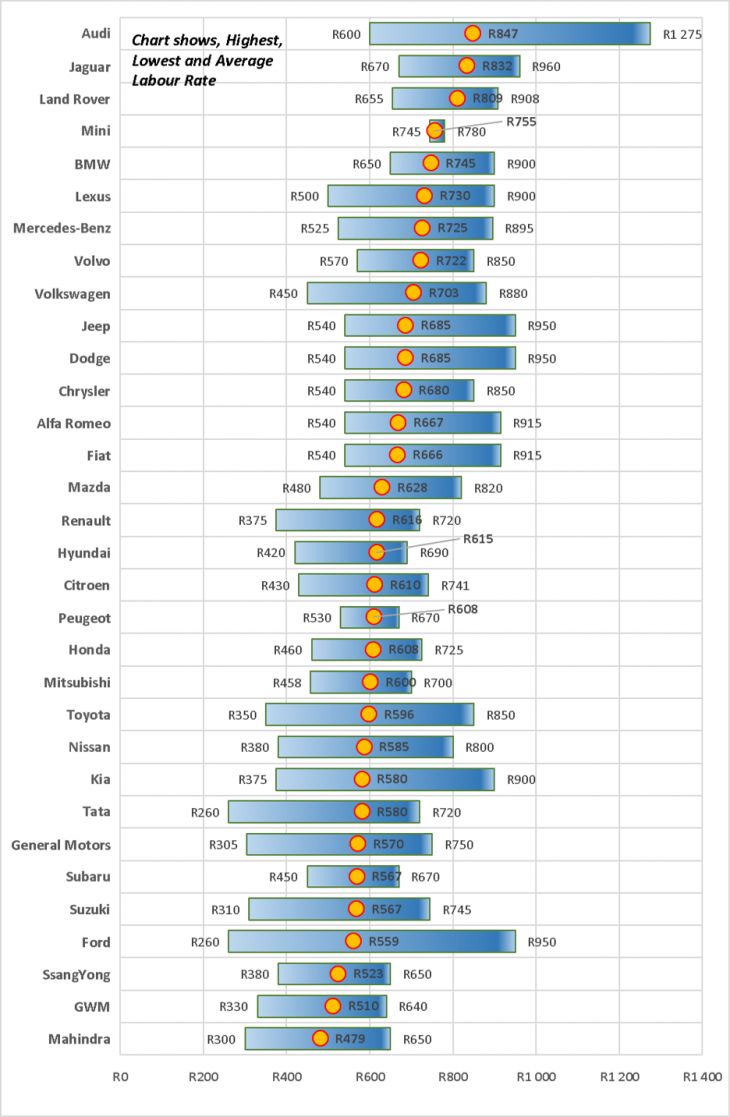
The graphic (below, click to enlarge) shows the overall Retail Labour Rate charged for Passenger and Light Commercial vehicles. Note that, while a customer would be charged at a dealership it must be borne in mind that many brands these days offer maintenance and service plans, so the average customer rarely sees these rates.
As reflected, labour rates vary widely by brand with makes like Mahindra averaging R479 per hour and some premium brands averaging over R800 per hour. Audi emerged as the priciest, with an average labour rate of R847 per hour. It is also interesting to note the large variation within a single brand's dealership network – for example note the difference between the cheapest and most expensive labour rates of Ford and Audi. This, according to a source at Lightstone, may be surprising at face value, but is down to factors such as location and dealer groups.
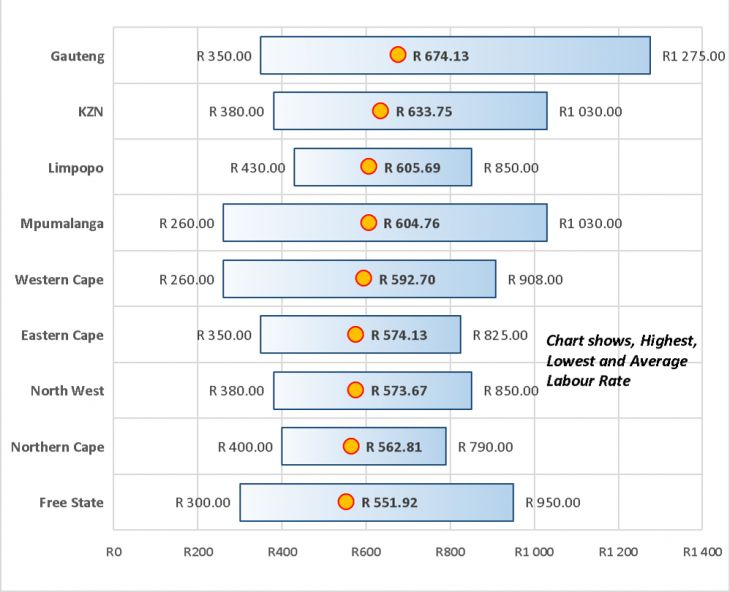
The study found that the labour rates also vary widely by province and between major metro and small town environments. At a provincial level the highest average labour rates are in Gauteng and Kwa-Zulu Natal with the lowest being charged in the Free state, North West and Northern Cape. The Lightstone Consumer survey also covered the rates charged for the servicing and maintenance of medium and heavy commercial vehicles with similar variances being revealed.
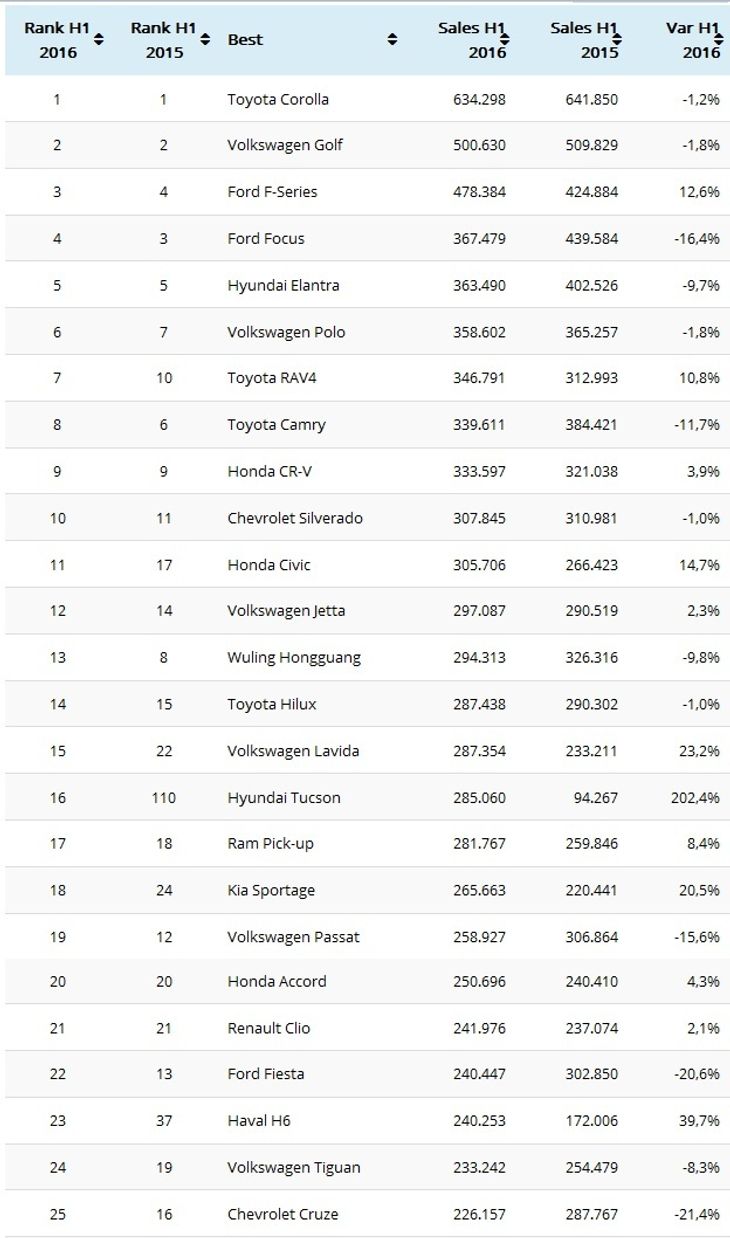
World’s Best-Selling Cars of 2016
According to reports, the Toyota Corolla is the best-selling car in the world for the first six months of 2016.
We recently reported that Volkswagen overtook Toyota to become the largest carmaker in the world. That may be true, but no car, it seems, is more popular than the Toyota Corolla. A report compiled by Focus2Move examined sales figures for more than 2 700 models sold in over 140 countries and the Corolla came out on top as the world’s most popular car with 634 298 units sold in the first half of the year.
The Corolla is closely followed by the Volkswagen Golf with 500 630 units sold worldwide while Ford’s F-Series bakkie claims third place with sales totalling 478 384.
The Ford Focus joins the list at fourth place with 367 479 sales and Hyundai’s Elantra cracks fifth place with 363 490 sales in the first half of the year. Another car from Hyundai that's showing significant gains is the recently introduced Tucson, which jumped 94 places and is currently placed 16th with 285 060 sales so far.
The Volkswagen Polo is a firm South African favourite and is consistently a best-seller locally. The Polo is ranked sixth in the world with 358 602 sales. Interestingly, the Toyota Hilux, South Africa’s best-selling vehicle, is ranked 14th with 287 438 sales while its main rival, the Ford Ranger, is ranked 95th with 105 860 worldwide sales.?