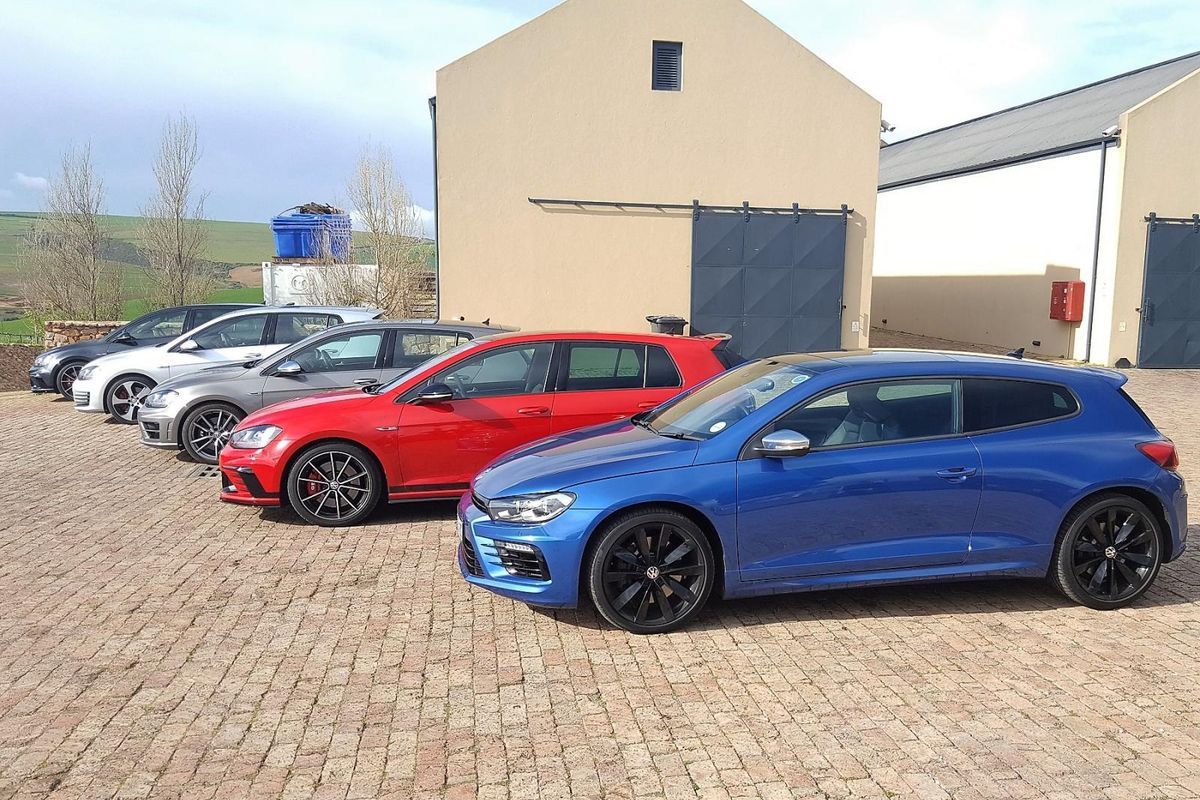
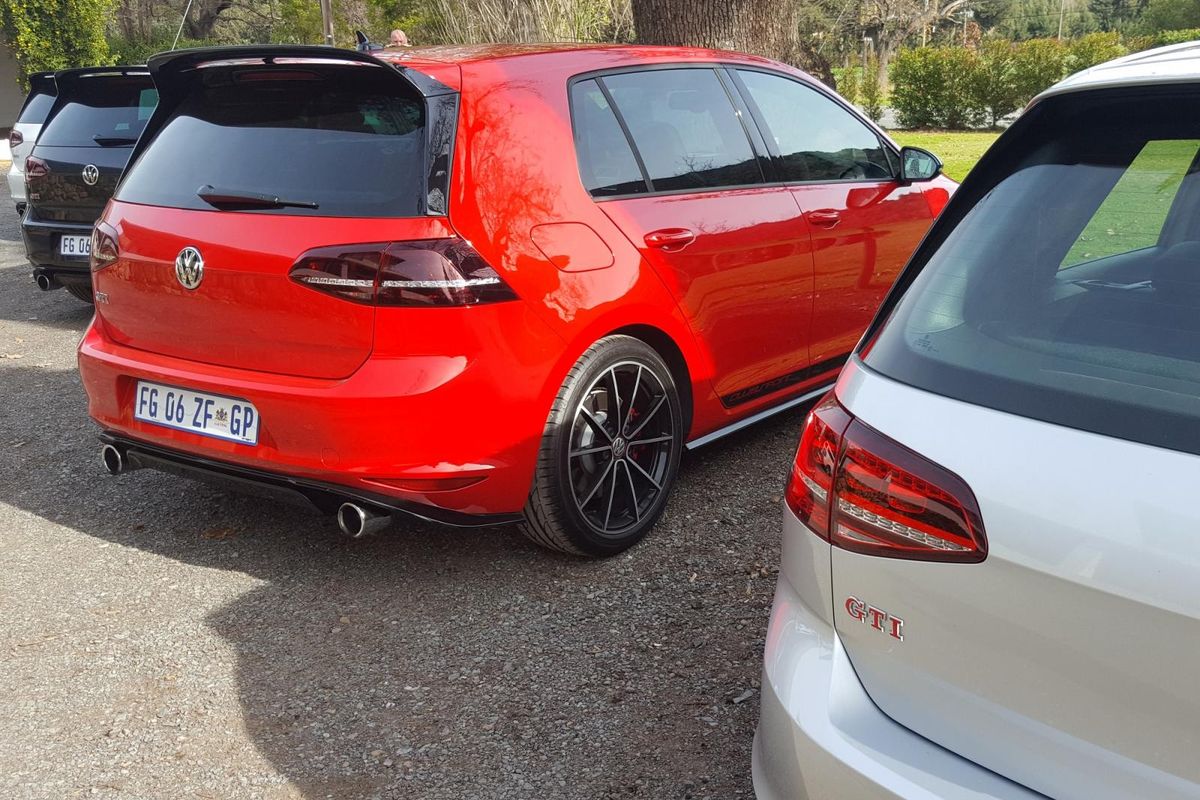
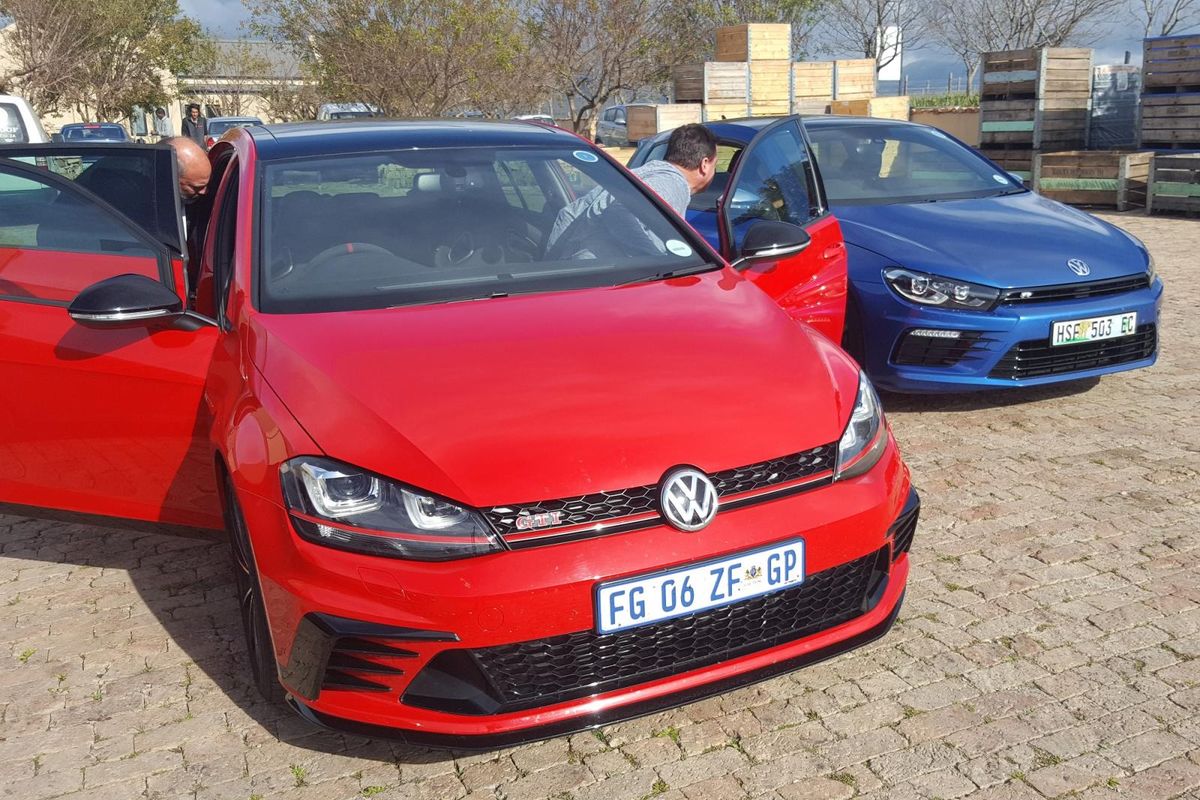
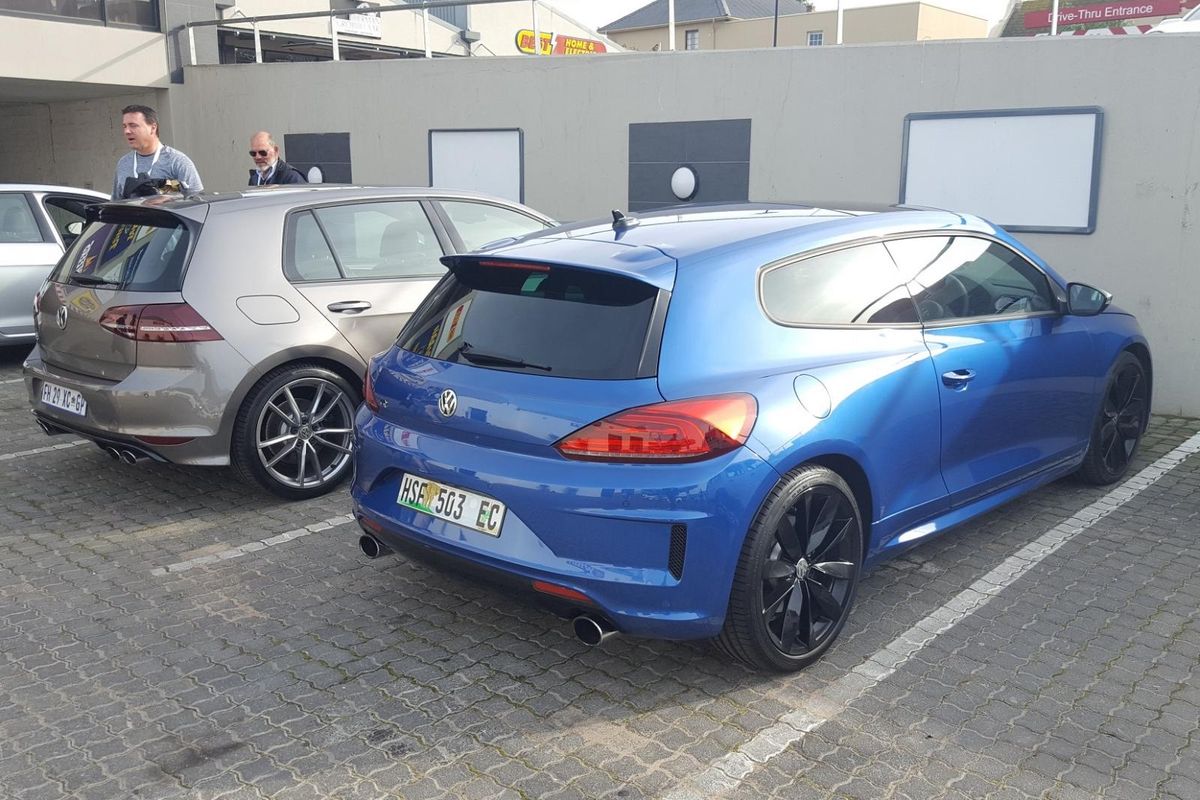
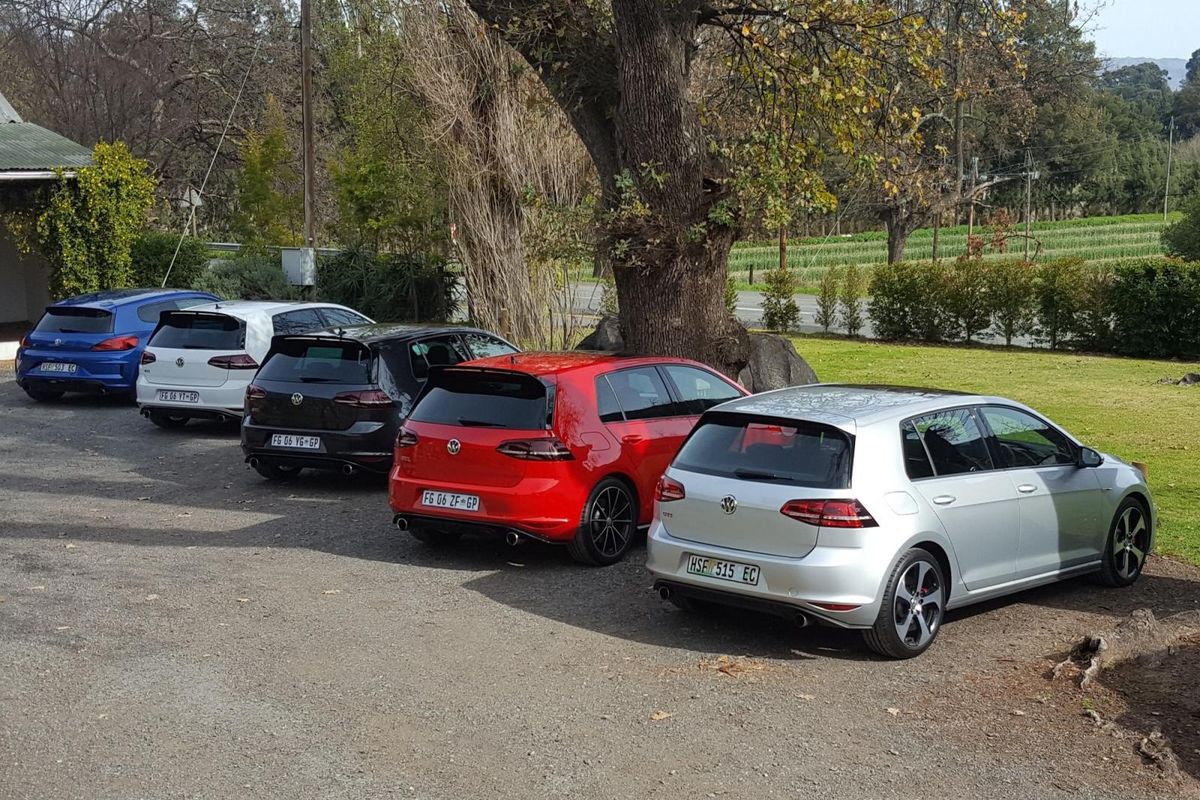
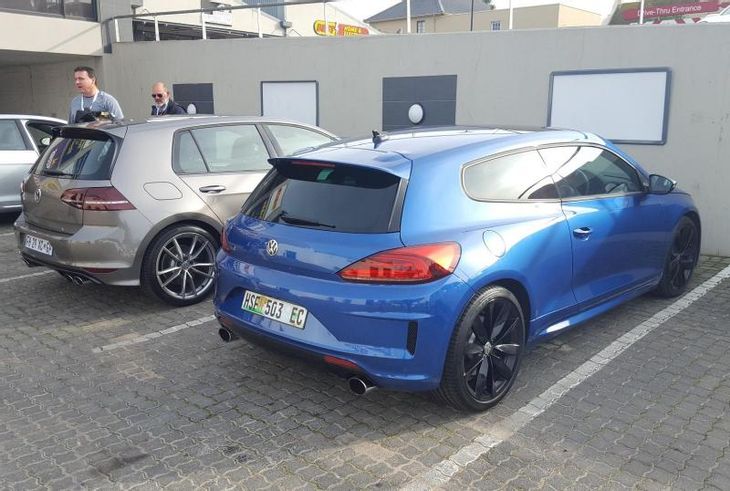
Golf on a Sunday took on new meaning as we drove Volkswagen’s arsenal of Golf-based performance hatchbacks over the weekend.
Getting out of bed early on a Sunday morning is a struggle for most people, but a chance to drive some of Wolfsburg’s finest hot hatches makes all the effort worthwhile. At our disposal was the Volkswagen Golf GTI Performance Pack, Golf R, Scirocco R and the new GTI Clubsport. The route for the day included excellent stretches of road through Malmesbury, Ceres and Villiersdorp. All the vehicles were equipped with DSG twin-clutch transmissions that made for lightning-fast gear changes. The experience was memorable and the performance offered by each car was surprisingly different. Let's take a closer look…
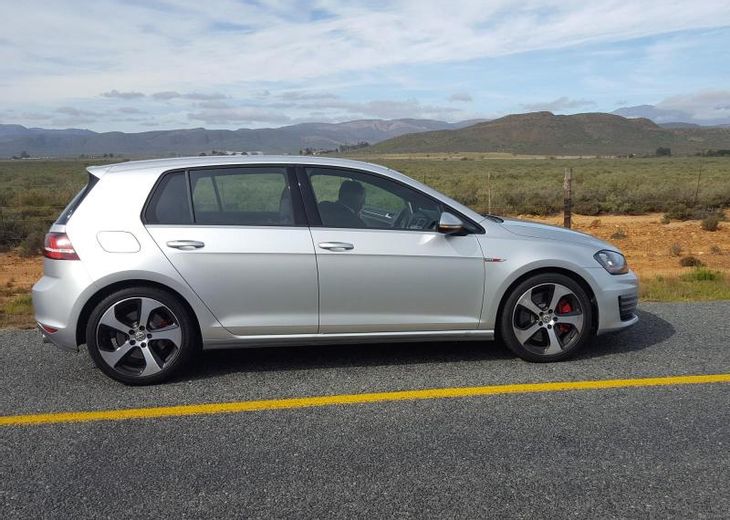
Volkswagen Golf GTI Performance Pack
Judging the Performance Pack by its "slightly warmed-up GTI" reputation does it a disservice. A superbly balanced machine.
It may have been the least powerful vehicle on this outing with 169 kW and 350 Nm of torque, but the Golf GTI Performance Pack exhibits good pace and its handling was put to the test through some tight bends. It offers more involvement than the standard Volkswagen Golf GTI, without compromising on premium feel or ride quality.
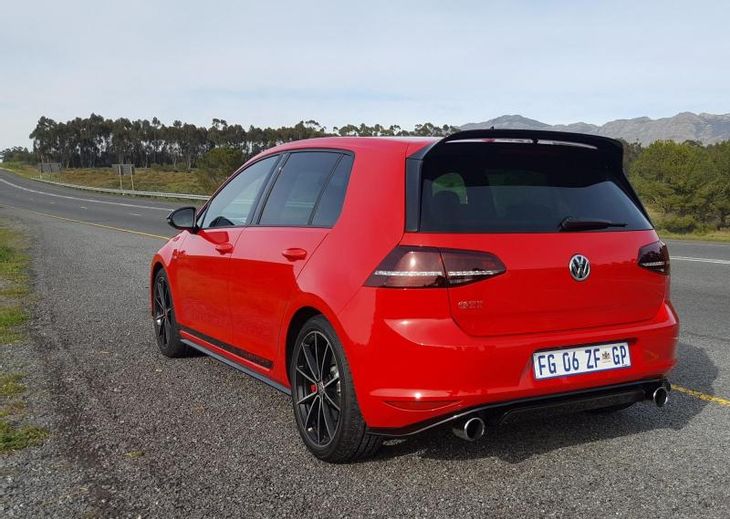
The Clubsport is a favourite of the Cars.co.za test team and a reacquaintance just confirmed our feelings.
The newest addition to the GTI range is the Clubsport. We’ve tested it extensively and came away mightily impressed. It was great to pilot the Clubsport again and it continued to thrill us with its pin-sharp handling, fun to drive characteristics and exhilarating engine note. The GTI Clubsport packs a serious punch delivered from its 2.0-litre turbocharged engine offering 195 kW and 350 Nm of torque. But that's not all, for 10 seconds with your foot planted flat, the Clubsport will kick into overboost (where power is momentarily bumped up to 213 kW and 380 Nm of torque).
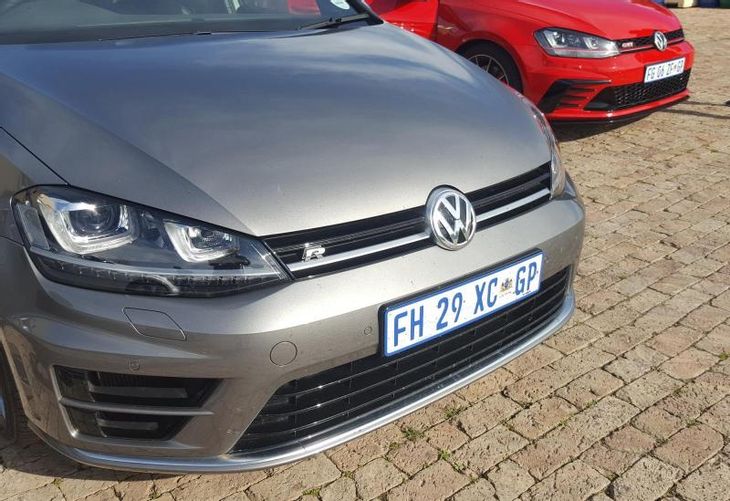
The flagship of the Golf range. When rain is pouring down, the R's 4-wheel drivetrain is certain to make its presence felt.
The Golf R is a complete all-rounder and it's very quick thanks to a combination of all-wheel drive and its DSG transmission. In this company, however, it felt mature and tame, especially when compared to the fiery GTI Clubsport. The Golf R is fitted with a 2.0-litre turbocharged engine developing 206 kW and 380 Nm of torque – figures not to be scoffed at. It’s a stellar car and it will remain to be one of the most accomplished performance hatchbacks on the road today.
The fact that the Scirocco R remains enthralling to this day speaks volumes for its compelling packaging.
The surprise of the day was the Scirocco R. Launched way back in 2010/2011, the Scirocco R is no spring chicken, yet it still offers performance and features on par with cars of 2016. With 188 kW and 350 Nm of torque mustered from its 2.0-litre turbocharged engine, power reaches the front wheels through a fast-shifting DSG transmission. The Scirocco R will spin its front wheels if you push it hard from standstill, but once it gains traction, performance is mega. Those large exhausts aren't just for show either, they produce a tremendous boom under full acceleration.
Eager to gain a competitive edge in the marketplace, manufacturers have been upping the extents of their after-sales warranties. The latest one to join the list is Nissan, with its Nissan Assured plan
The 6-year/150 000 km warranty, offered in conjunction with a 3-year/ 90 000 km service plan in most cases, is spread widely across Nissan's range of vehicles (no longer only applicable to the GT-R, Navara and NV 350 Impendulo, for example). The warranty plan is included as standard on most models in the Japanese marque's range as well as offered as an option where it isn’t.
“Many of the warranties available on new vehicles today are riddled with provisions and exclusions. This makes the warranty programme difficult to understand and often dilutes the benefit to the customer. With Nissan Assured, we have made the warranty as comprehensive and easy to understand as possible,” says Xavier Gobille, Nissan South Africa's managing director of sales, marketing and after sales.
The warranty covers all major mechanical components and service or repair work done at an approved Nissan dealership, using genuine Nissan parts. Standard warranty exclusions on wear-and-tear parts such as shock absorbers, brake pads and linings and the clutch only apply after 3-years or when the first 100 000 km of the warranty has expired.
Nissan has also improved its Assured offering by including a 24hr roadside assist. The assist programme offers towing, security sent to your location while you wait for assistance, flat battery support and a locksmith service.
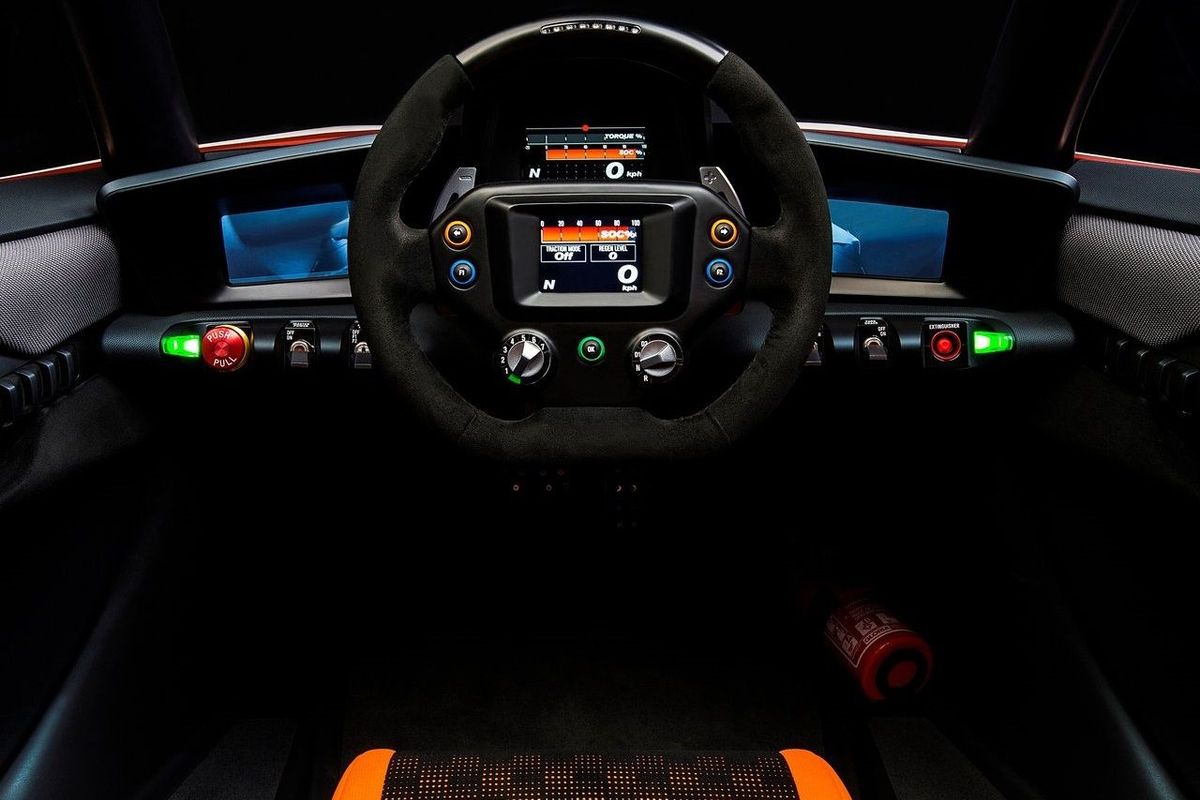
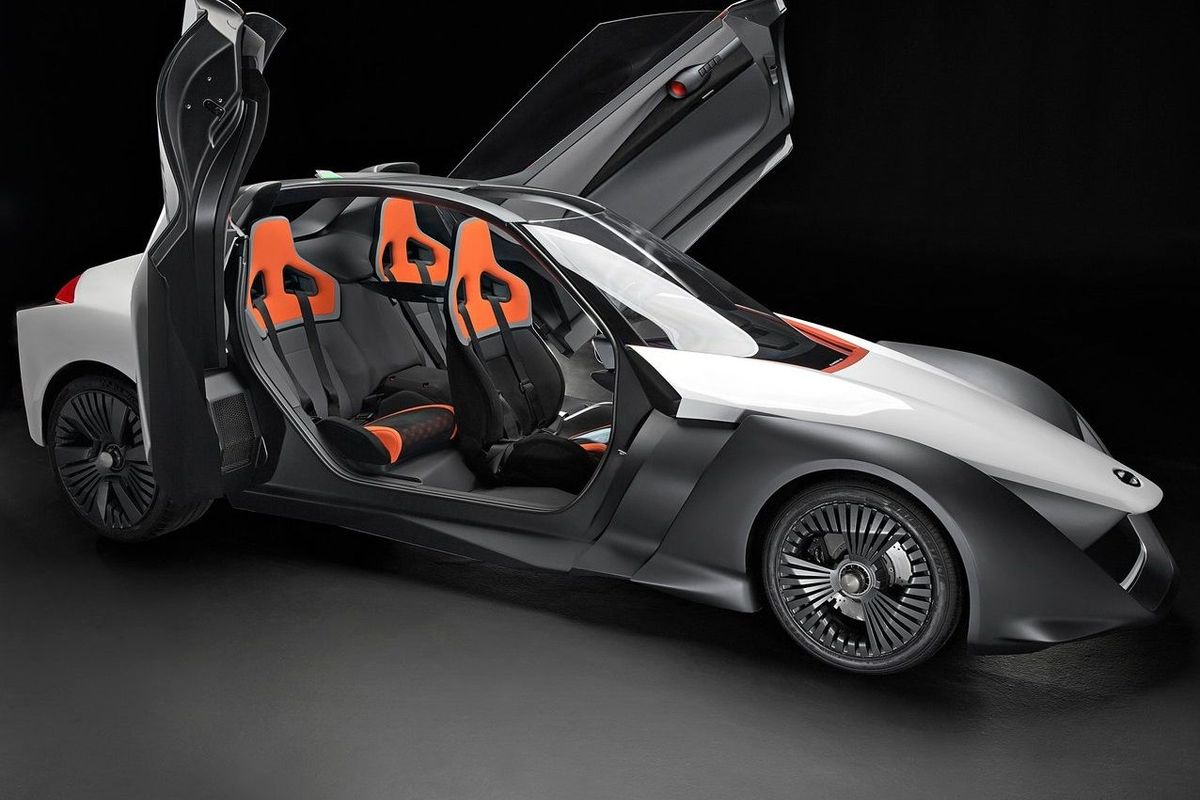
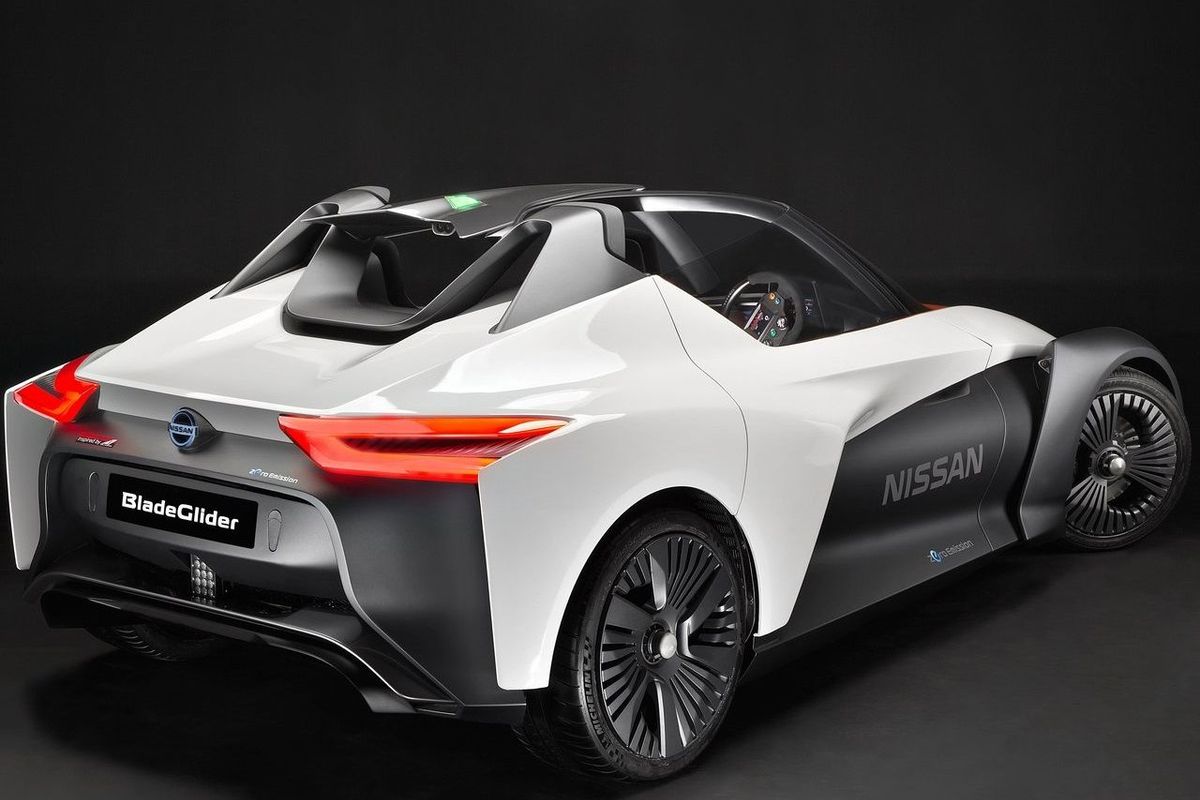
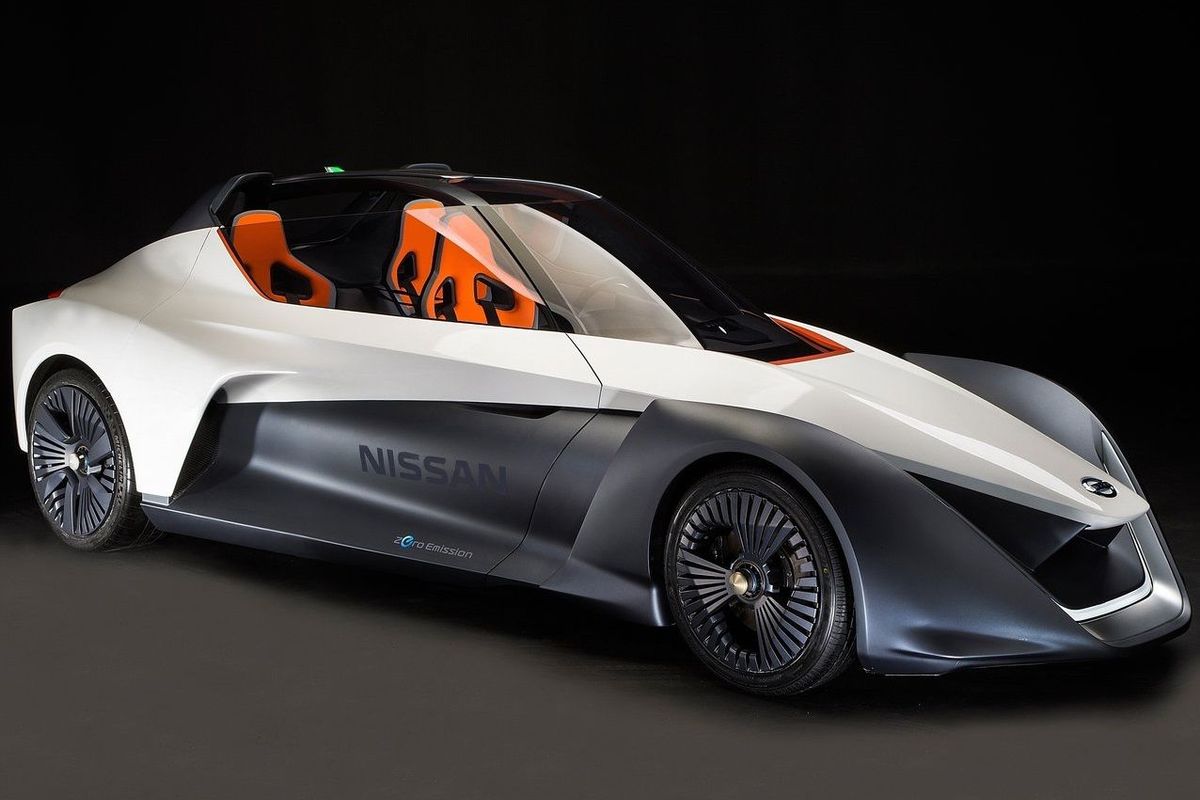
Nissan has unveiled a working prototype of its futuristic BladeGlider zero-emissions compact sportscar concept.
Remember the Nissan Deltawing racecar that competed in the 24 Hours of Le Mans? Here's an offshoot: the BladeGlider, a sporty, yet eco-friendly, concept. This new version of the concept combines "environmentally friendly impact and sportscar driving capabilities", at least that's the official line from Nissan, which goes on to suggest that the BladeGlider forms part of the brand's strategy of developing fun-to-drive, but environmentally responsible, products.
Carlos Ghosn, president and chief executive officer of Nissan, said: "These prototypes epitomise Nissan's drive to expand its Intelligent Mobility strategy, where driving pleasure combines with environmental responsibility. Nissan believes that enthusiasts should look forward to a zero emission future and Nissan BladeGlider is a perfect demonstration of that. It's the electric vehicle for car lovers."
The concept is powered by a pair of 130 kW electric motors fed by a 5-module lithium ion 220 kW battery. Nissan claims the 3-seater will sprint to 100 kph from standstill in under 5 seconds and top out at 190 kph.
What's more, there's a smart torque vectoring system that sharpens the handling characteristics; the BladeGlider even has a Focus RS-style drift mode!
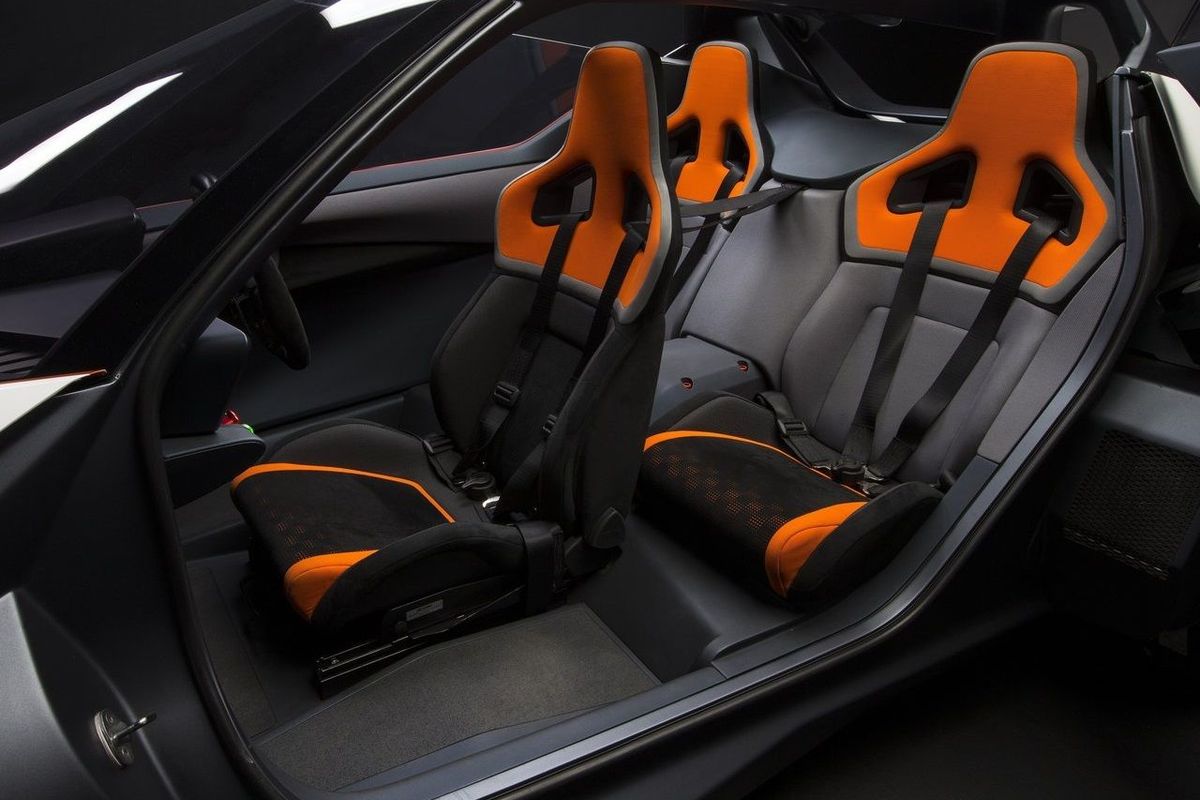
Here are some more details: there's special cooling for the battery and motors; the cabin has an uncommon three-person layout (first seen on the McLaren F1 supercar): the driver sits front and centre, with a pair of passengers behind them; and the sporty, supportive seats feature 4-point safety harnesses.
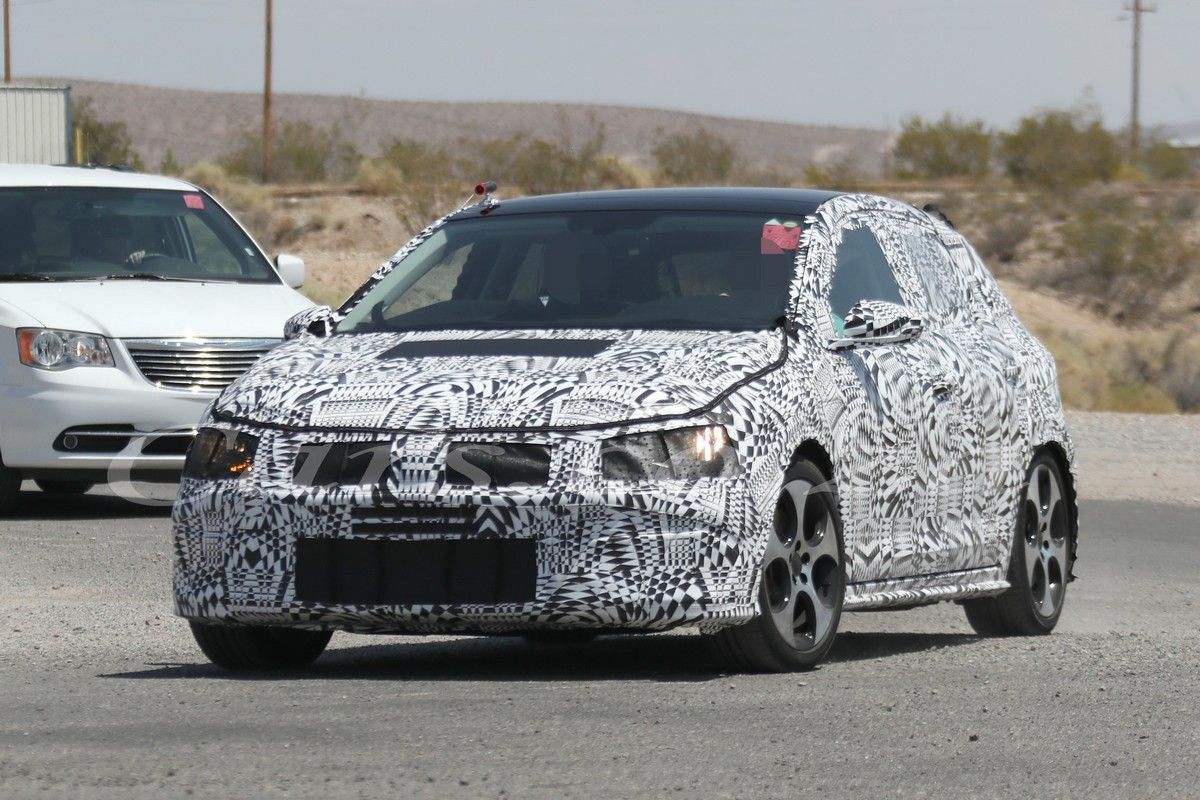
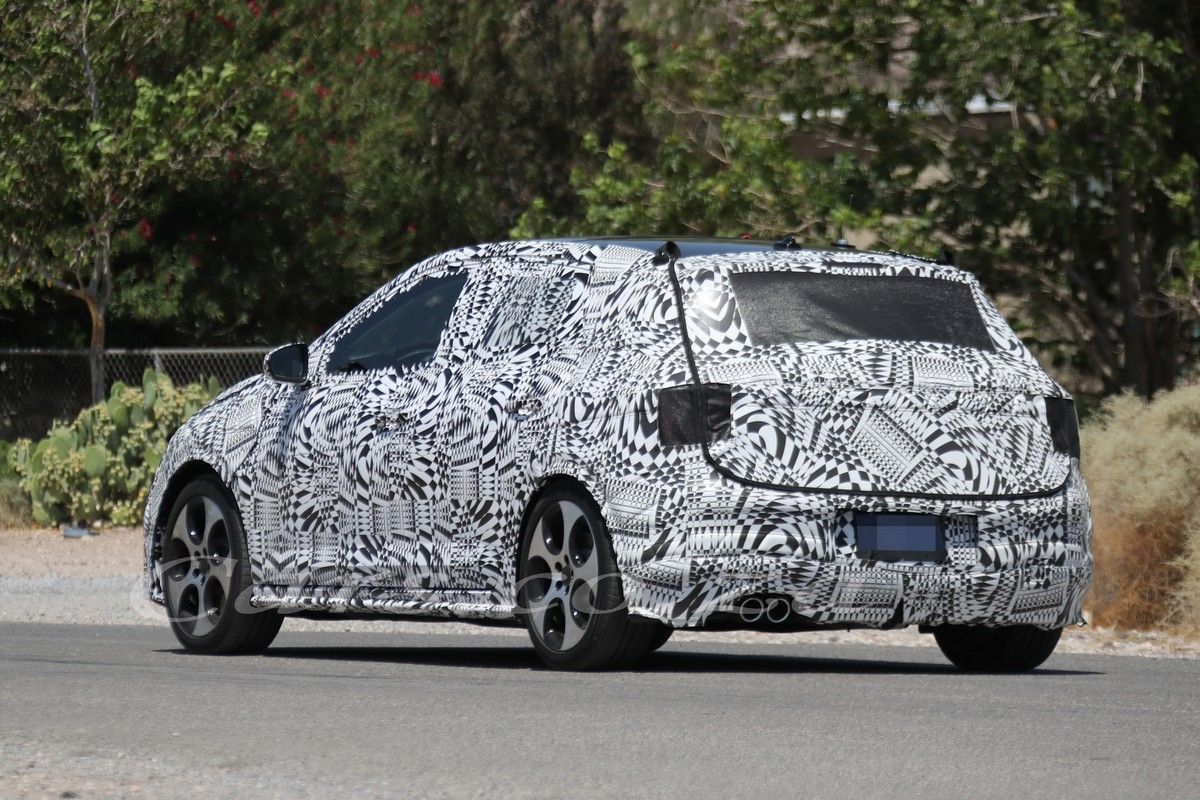
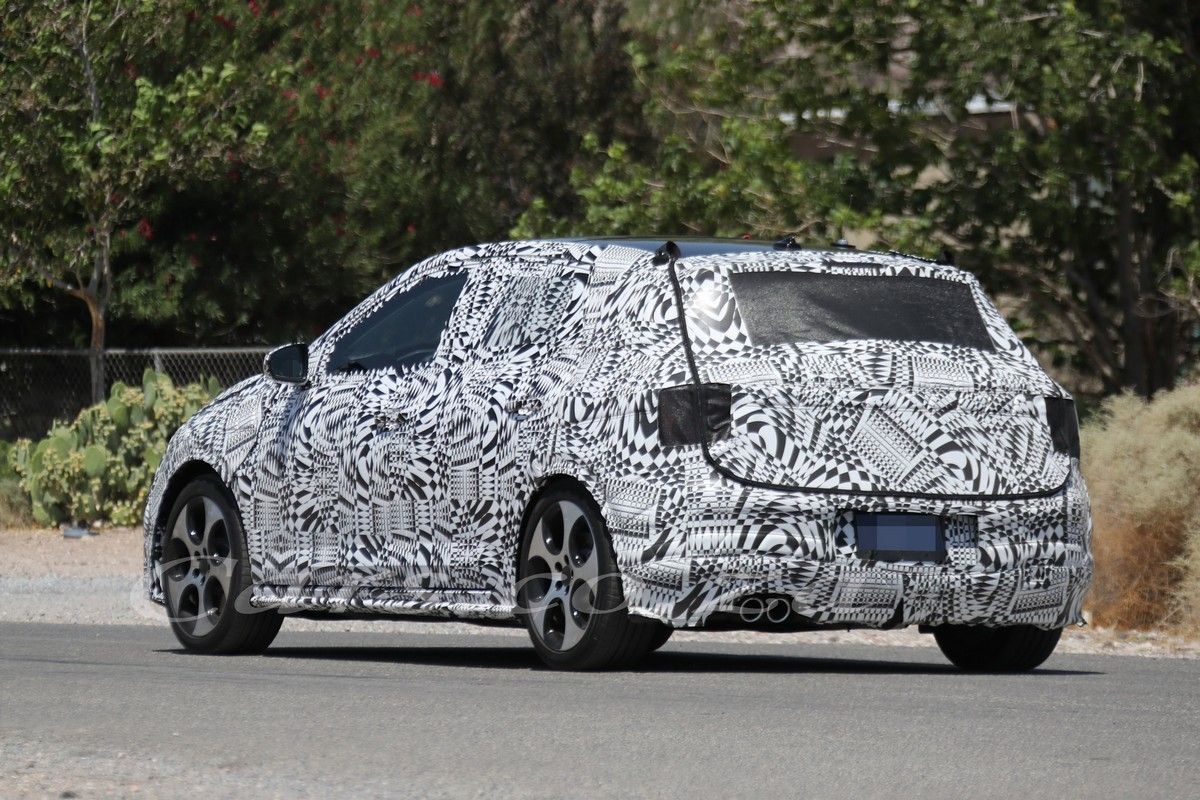
The next generation of the VW Polo GTI has been spotted being tested in the United States.
The all-new, 6th-generation VW Polo is set to be revealed during in 2017 and then reach showrooms soon thereafter. The GTI derivative is only destined for 2018, but, as can be seen from the images captured in Death Valley USA, this pre-production test unit is shod with classic GTI wheels and fitted with chrome tailpipes. The photographers noted that the car looks longer and wider than the current Polo (the next GTI should also be lighter than the current model).
Polo is set to go on sale late 2017 with the GTI model in 2018
The current range of engines is likely to be carried over to the 2018-generation Polo with the GTI retaining it 1.8-litre turbopetrol powerplant. Volkswagen will also use its scalable MQB platform to underpin the new Polo; in other words, it will share its underpinnings with the Golf, but be a slightly shorter vehicle.
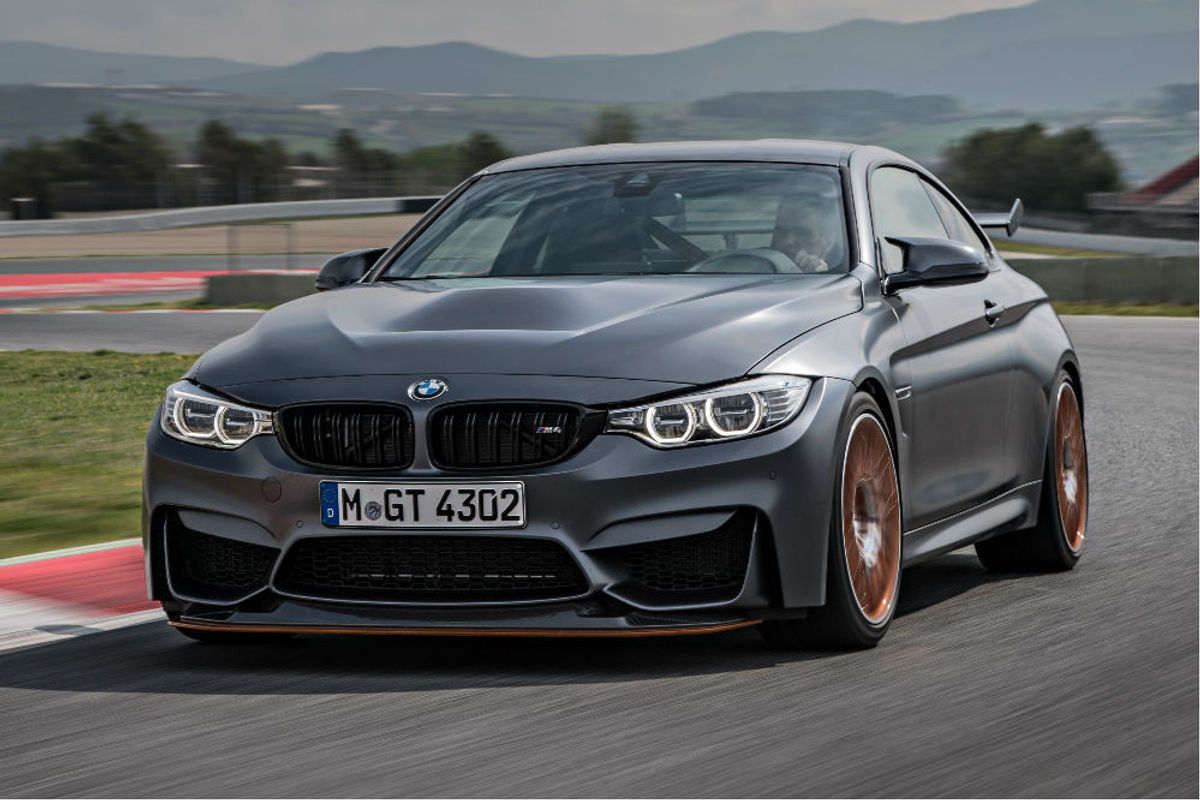
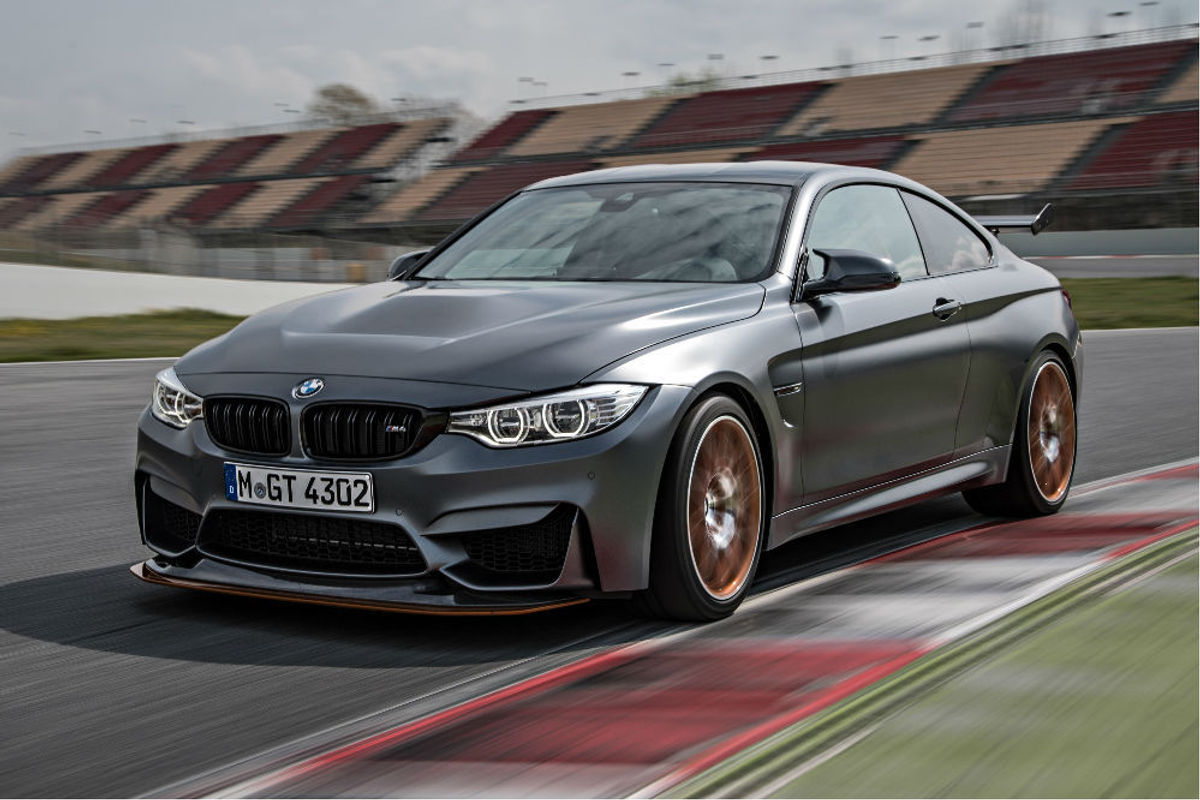
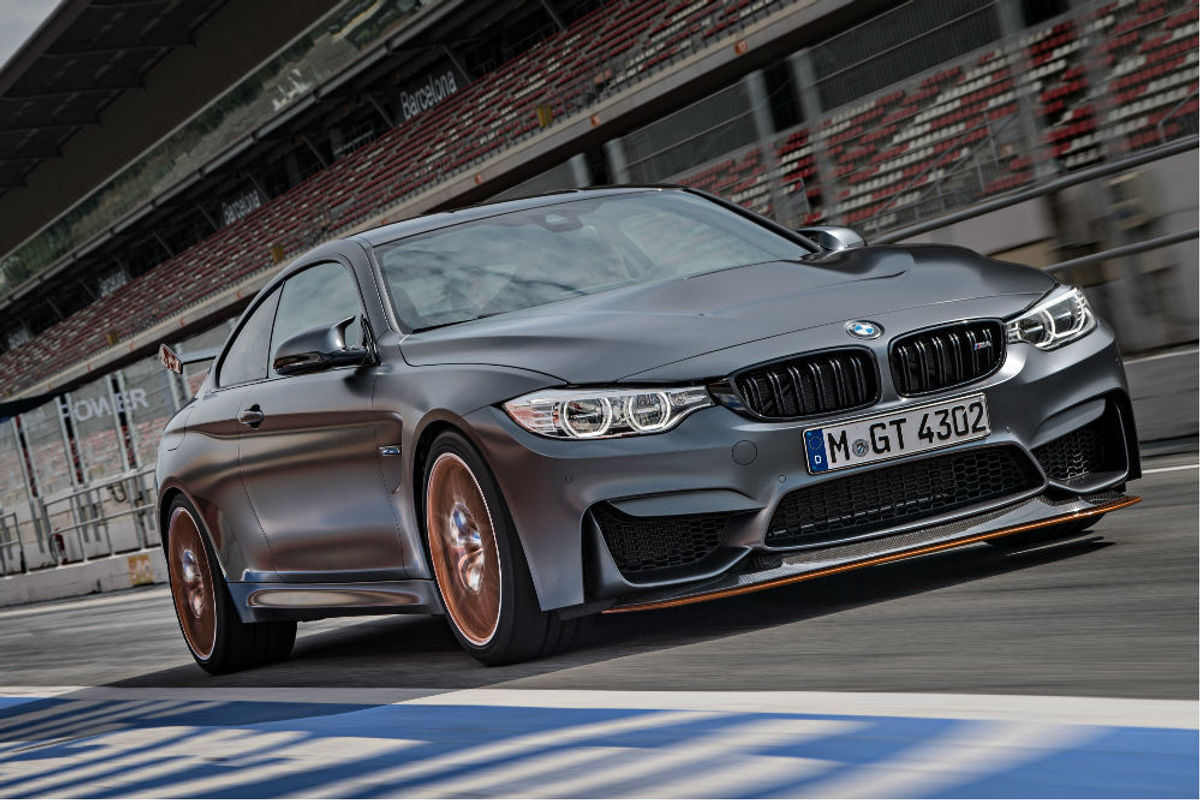
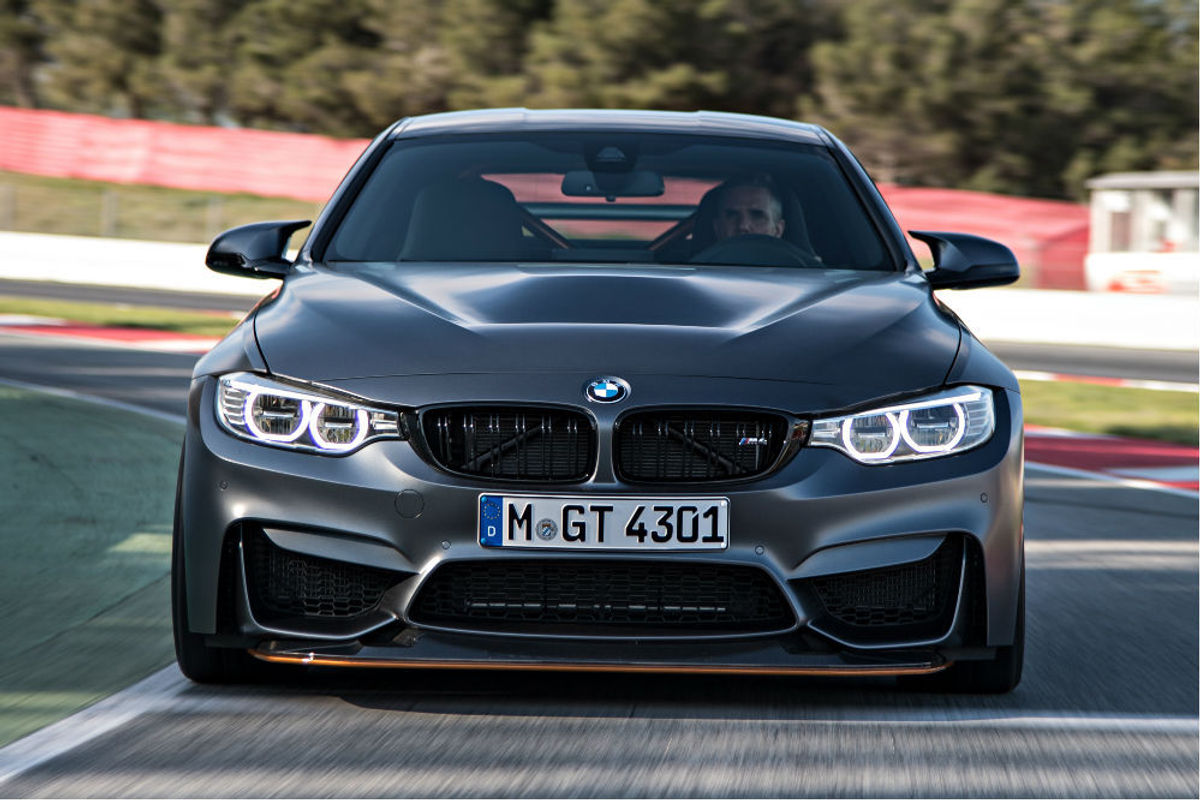
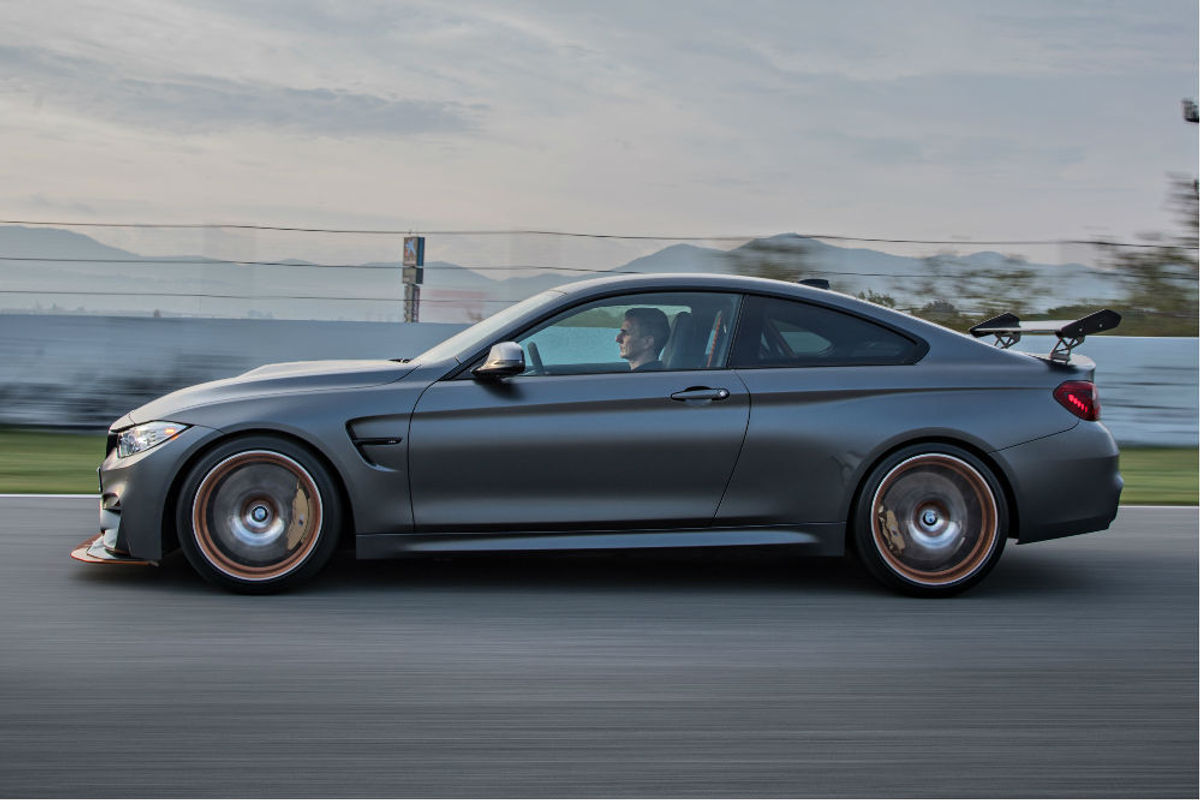
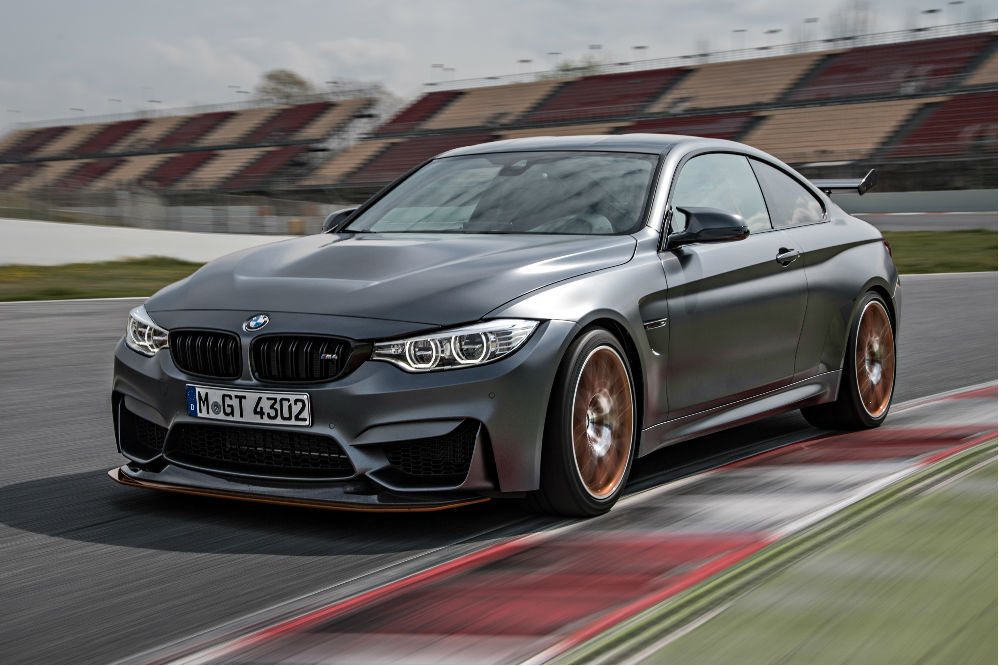
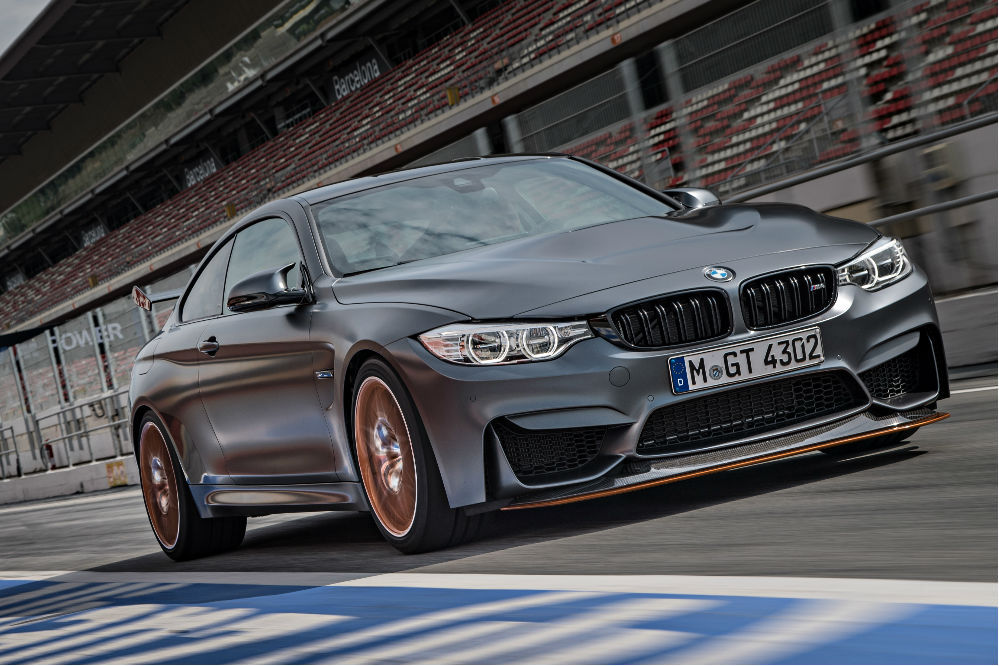
South Africa has been allocated only 25 units (out of a production run of 700) of the BMW M4 GTS… They've all been sold and deliveries of the R2.1-million 368 kW track-focused machine will commence in September 2016. So what's the ultimate M4 like to drive, then? UK correspondent Kyle Fortune unleashed the GTS on Barcelona's F1 circuit to find out
By Kyle Fortune
We’re at the Circuit de Catalunya in Spain, which motorsport aficionados will recognise as the home of the Spanish F1 Grand Prix (since 1991) and the sport’s most well-known test circuit. The track is 4.7 kilometres long, comprises 16 turns and has a hugely long and fast straight.
Before I get to grips with the M4 GTS on the storied Barcelonan asphalt, BMW M boss Frank van Meel talks me around the BMW M4 GTS as it awaits me in the pitlane. The GTS’ suspension is bespoke: to the lightweight aluminum control arms, wheel carriers and axle subframes of the standard M4, BMW has added ball-joint and elastomer bearings, along with a coil-over setup (that’s adjustable in 3 ways). One of the engineers that developed the GTS' adjustable suspension says its got 16 clicks for rebound and 14 clicks for high-speed compression, with a further 6 for low-speed compression. The ride height is adjustable too, while the anti-roll bars are thicker. It’s all been tuned to accommodate the GTS’ lower weight, greater performance and sharper focus.
A track-day thoroughbred, the M4 GTS offers myriad levels of adjustment to suit driver preferences and track conditions.
Highly adjustable for on-track performance
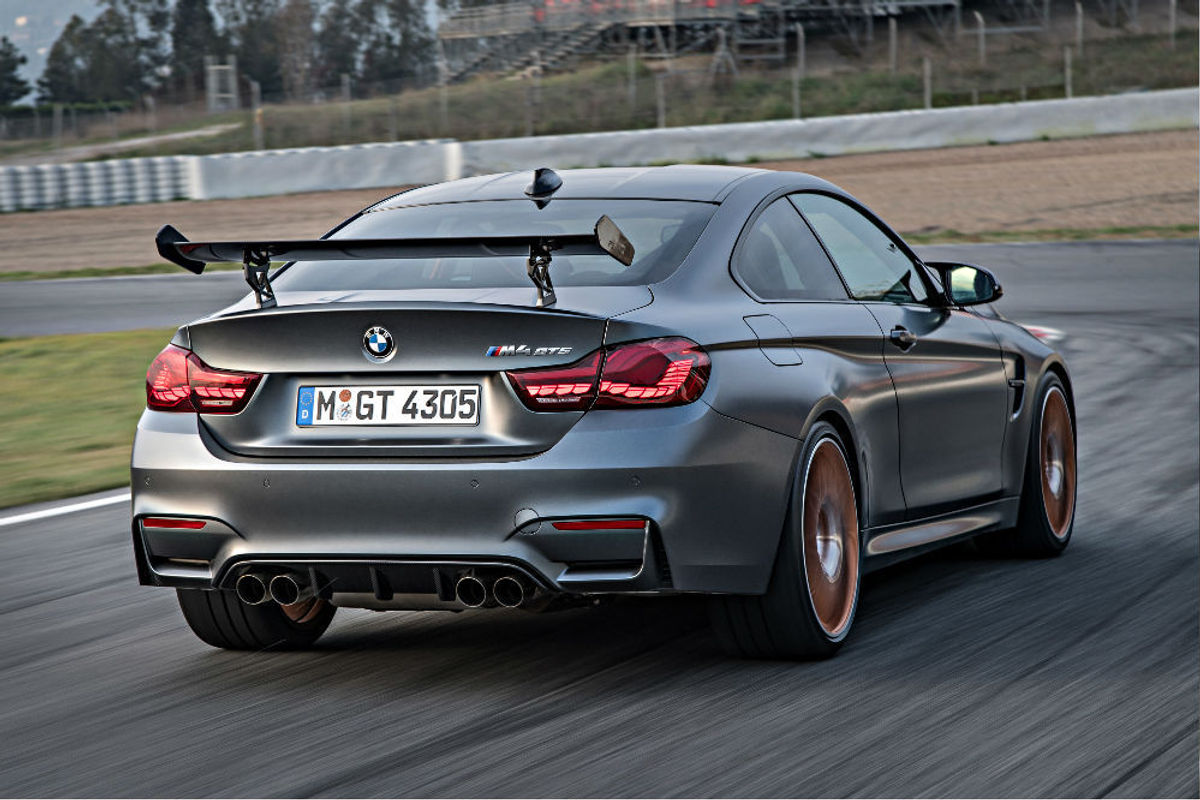
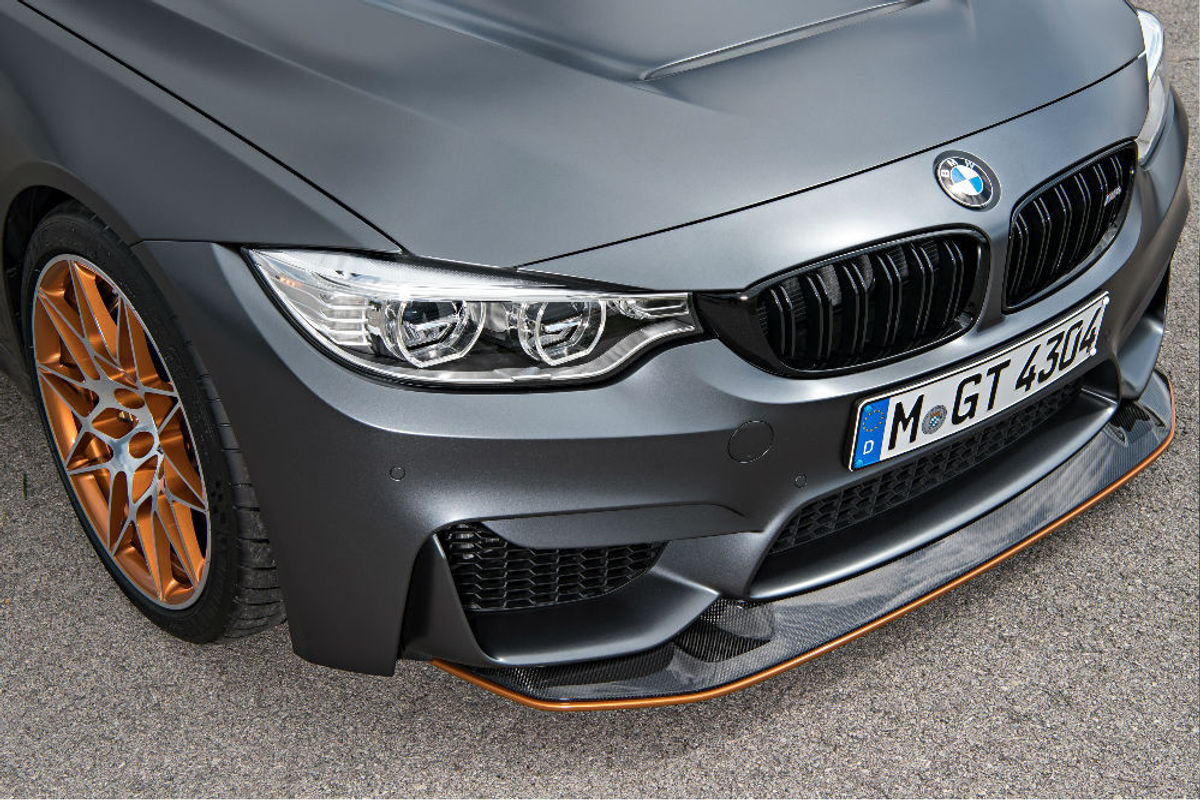
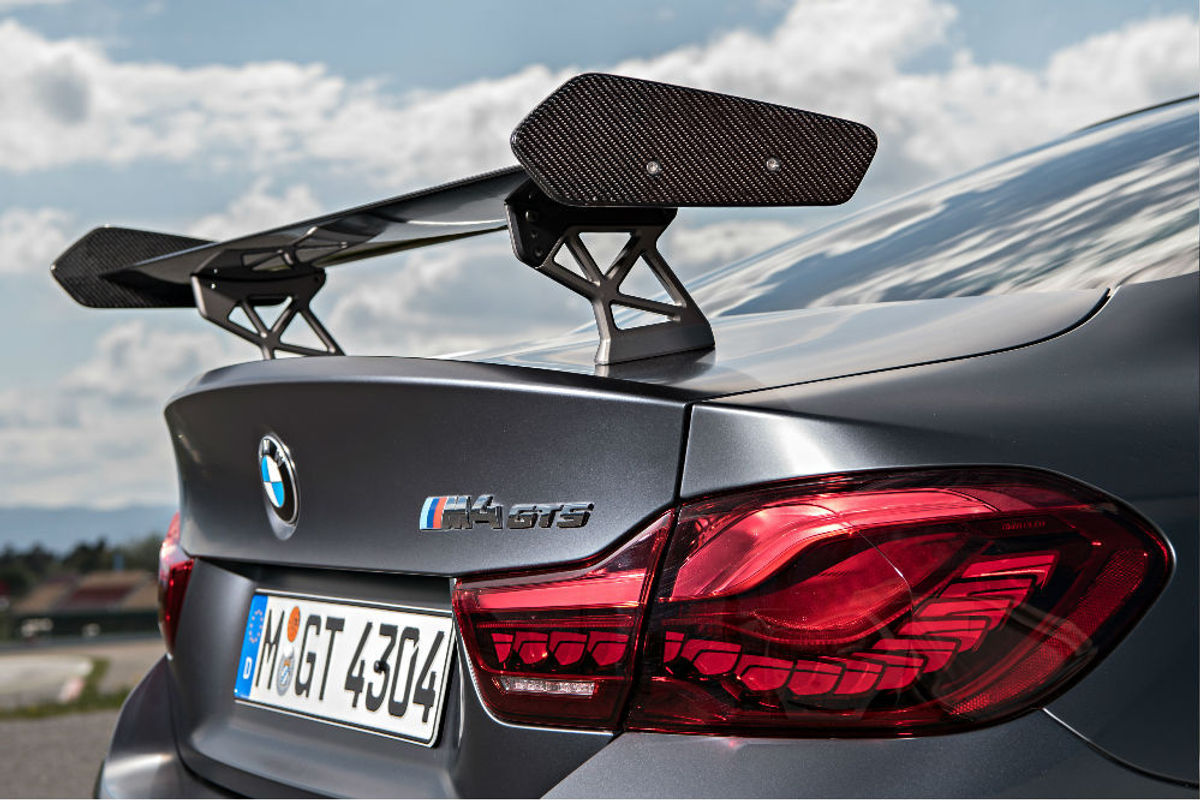
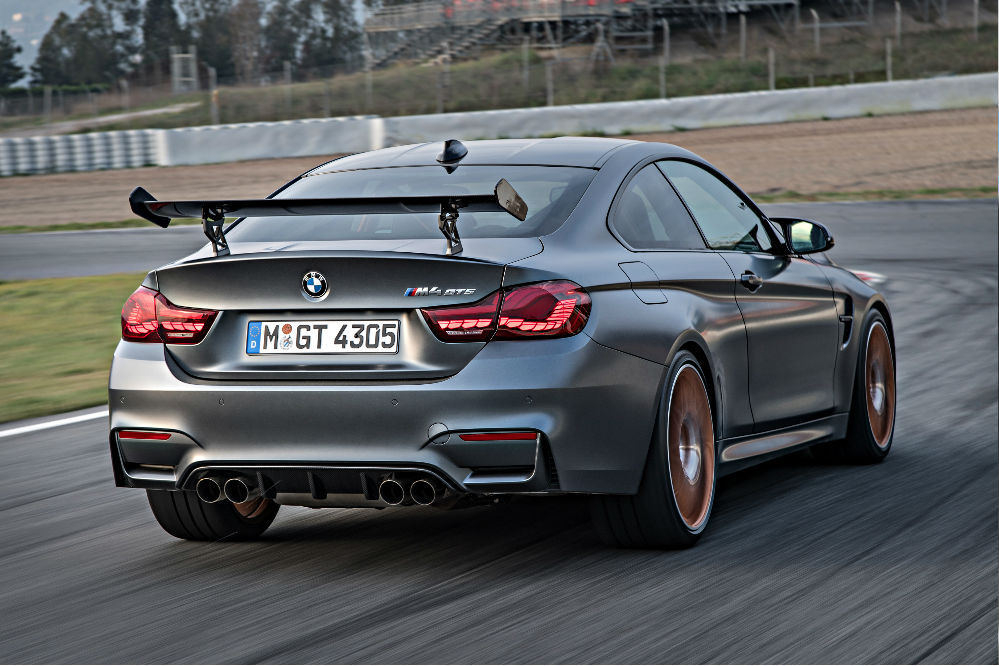
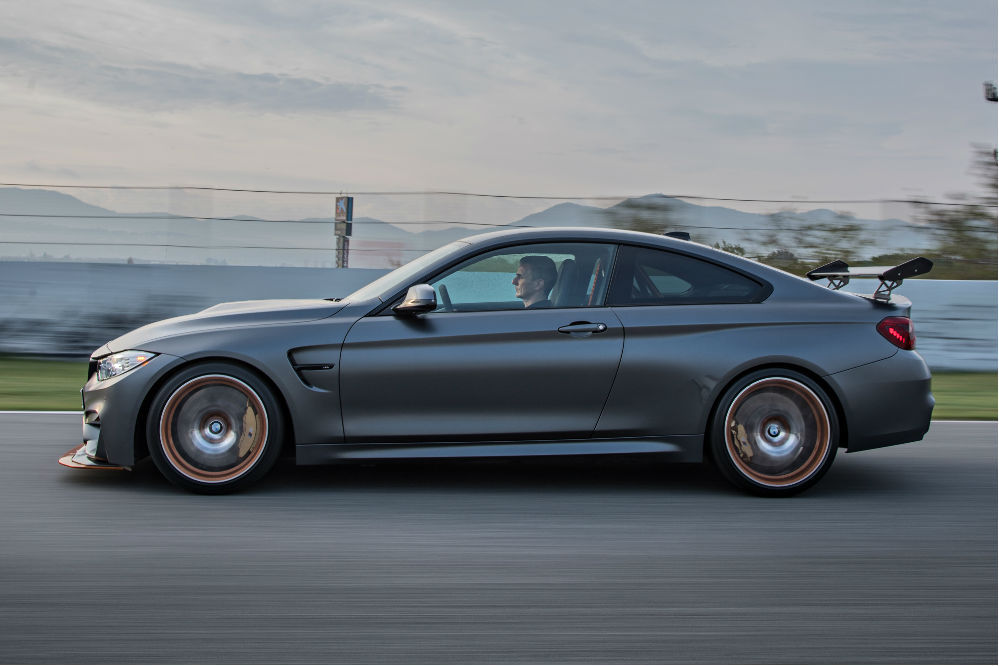
This really is a car that BMW expects its owners to take to race tracks, and fiddle with each and every of those settings to get the very best from the GTS. The aerodynamics are adjustable, too, the front splitter going from mild to wild in its most extreme setting, jutting out front with all the subtlety of a Japanese Bosozuko-style apron in maximum attack mode. The rear wing is a little bit more subtle – but only just!
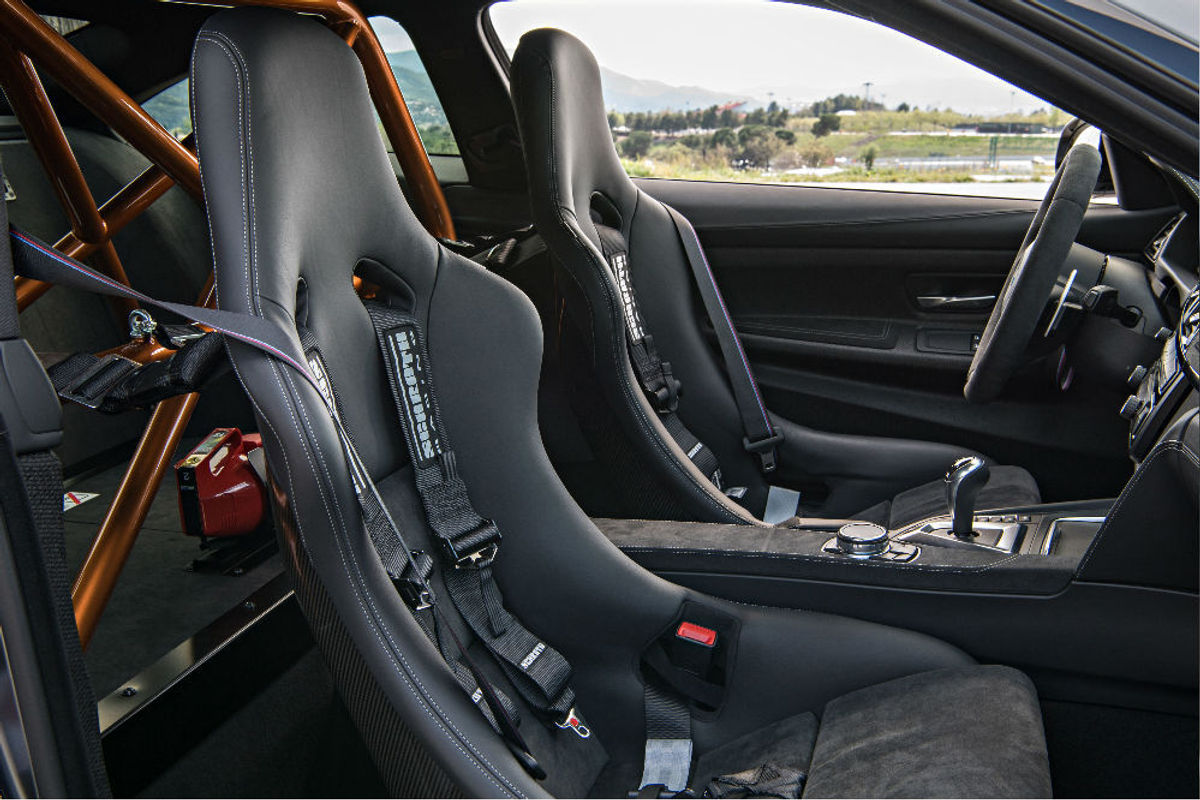
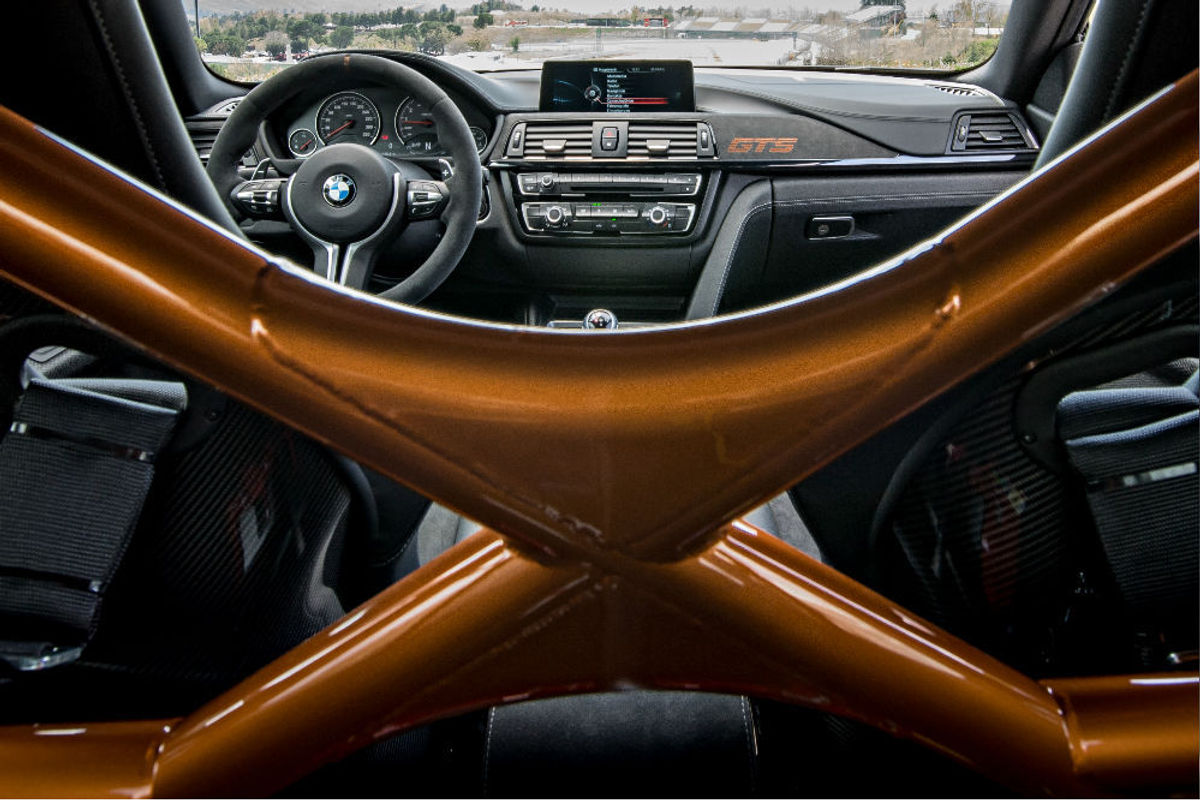
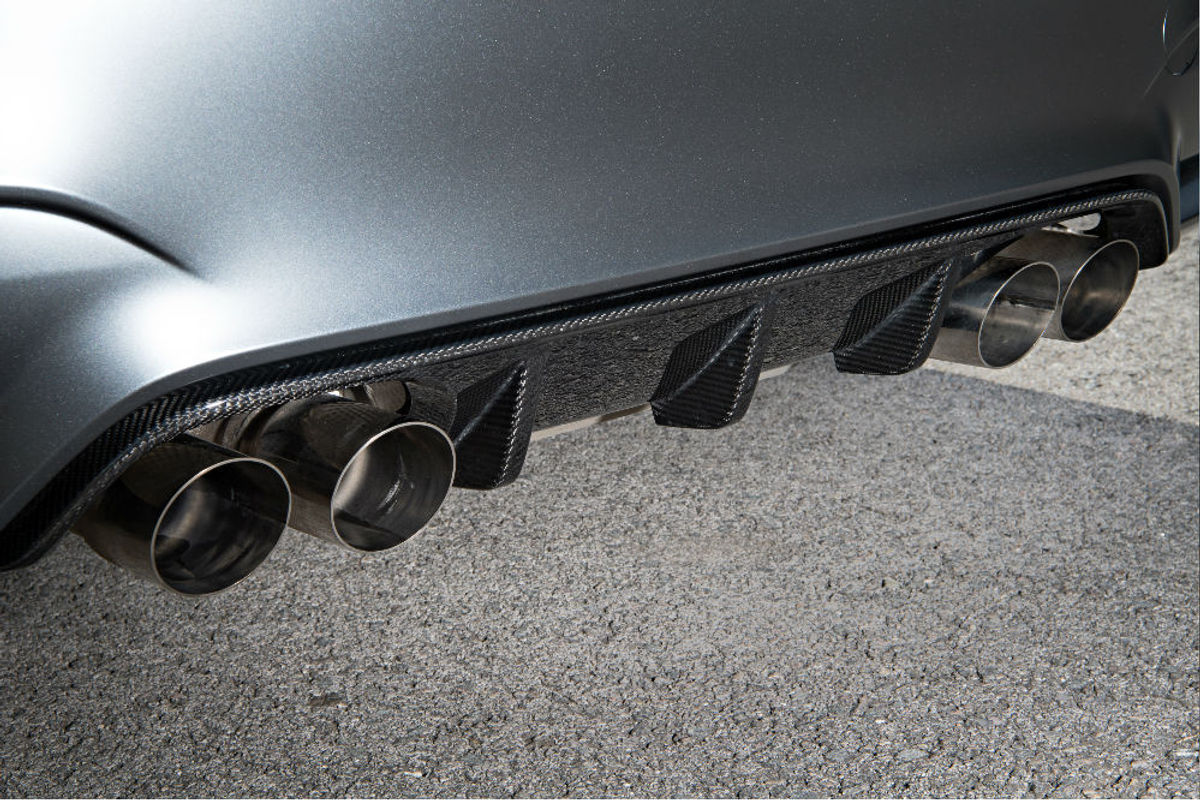
The GTS isn’t shy then, and continuing the theme are the busy looking alloy wheels, shod with Michelin Pilot Sport Cup tyres and partly painted in Acid Orange lacquer. If you do (somehow!) manage to miss the sight of the car, then you’ll certainly hear it. A standard M4 is hardly a quiet machine, but the GTS has the measure of it. Titanium exhausts not only shed a few useful kilograms from the GTS’ kerb weight (1 585 kg), but also give the über M4's engine a harder, edgier note. There are more options, of course: you can drop the unsprung mass by another 7 kg by opting for carbon-fibre rimmed wheels and then there’s the Clubsport package, which includes a cage and super lightweight carbon-fibre front seats equipped with 6-point racing harnesses.
If the Acid Orange alloys don't distinguish the M4 GTS enough, its protruding rear spoiler certainly will.
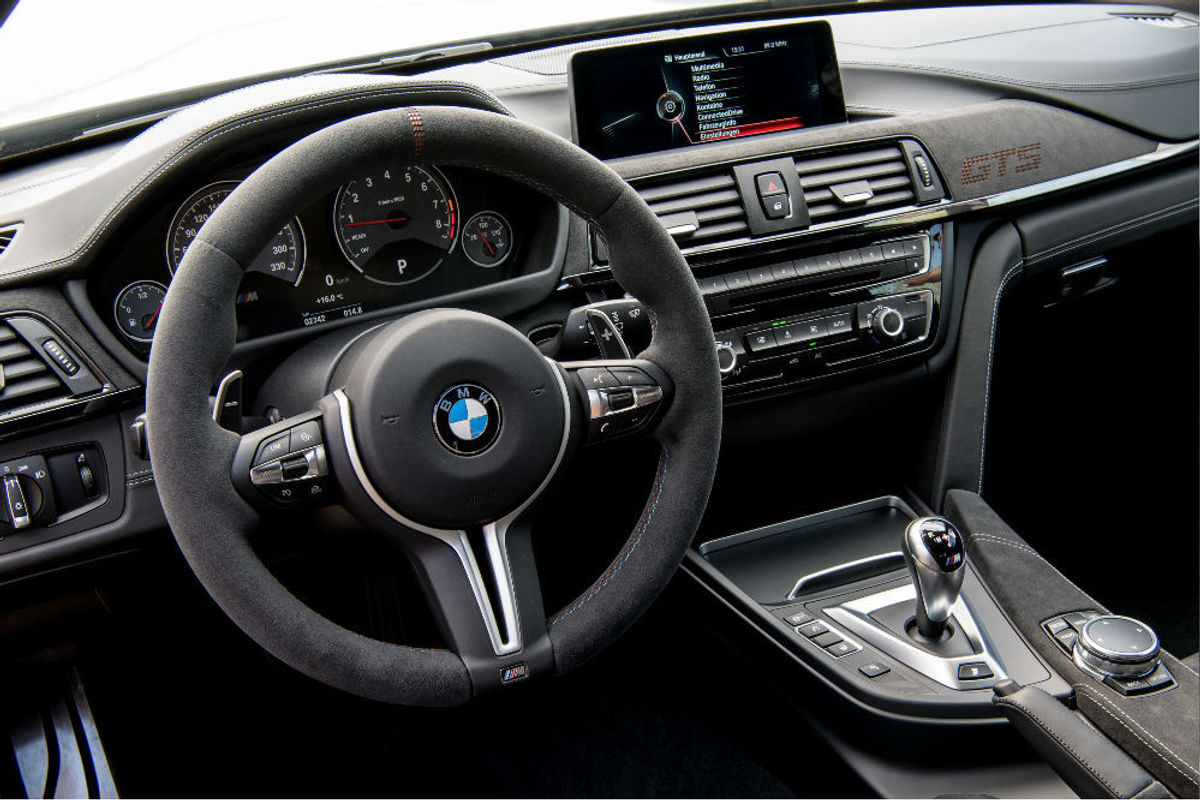
Speaking of the Clubsport package, those brilliant seats and harnesses are undoubtedly cool… until you realise you’ve done them up and not closed the door. Loosening them again to do so and reaching forward you have to pull some basic web straps, fitted to simpler door panels, which do without fripperies like oddment-stowage pockets. That, the cage behind you (and the lack of seats that it brings with it) adds to the specialist, racing feel.
Thumbing the starter button only adds to the excitement, as the highly-tuned 3.0-litre 6-cylinder motor of the GTS fires with a gloriously indulgent flare; blipping the throttle prompts the sort of crackling, exotic metallic shriek that’s fitting given the Circuit de Catalunya pit lane setting.
Added water injection system
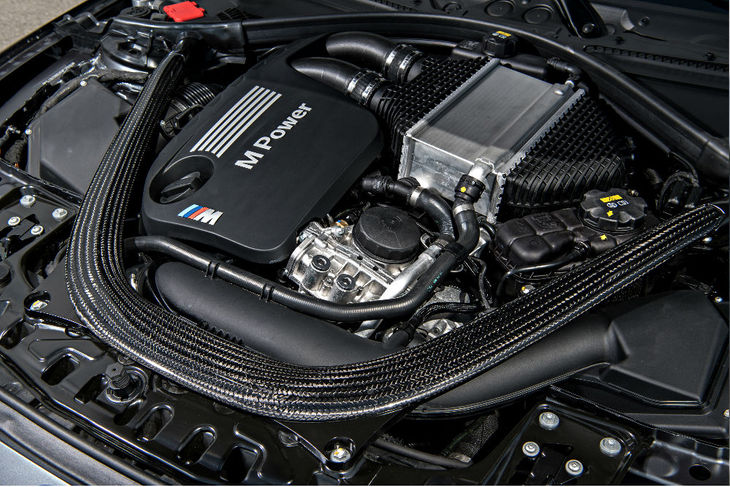
Ostensibly it’s the same 3.0-litre turbocharged six-cylinder engine as that in any other M4, but BMW’s M division has added a water injection system. There’s some clever science behind it: water and combustion are not usually friendly partners, but if mixed right, and by right here I mean before the bang, wasser has its uses. A fine mist is injected into the intake plenum chamber, its evaporation reducing intake temperature enough to improve combustion, while reducing the likelihood of engine knock and unburnt fuel. All of which allows the GTS’ motor to feature higher boost pressure and earlier spark timing.
The highly tuned 3.0-litre biturbopetrol engine is cradled by a carbon-fibre brace and features water-injection technology.
Peak power is quoted as 368 kW (up from the 317 kW of the standard M4) and that new peak is developed at 6 250 rpm. Torque improves to 600 N.m at 4 000 to 5 000 rpm, allowing the M4 GTS to reach 100 kph from standstill in a claimed time of just 3.8 seconds. The top speed is limited to 305 kph, though despite the additional performance BMW claims it’s just as efficient (8.3 L/100 km). Something for nothing then, or at least something for a 5.0-litre tank of distilled water in the boot where the spare wheel would usually sit. The difference, says BMW, is in the upper end of the 3.0-litre engine’s performance, the water injection system is only really effective at 5 000 rpm and above, right up to the 7 600 rpm redline.
The reality is different. Despite an engine, which internally, is unchanged, it feels quite removed from its regular M4 relation. There’s more immediacy, regardless of revs, less obvious lag, the 3.0-litre’s muscularity more apparent everywhere, to the obvious advantage of speed.
There’s no real particular element that stands out as defining the GTS. Sure, the engine’s stronger, more eager and, thanks to that freer-breathing titanium exhaust, so much sweeter sounding, but it’s combined with a suspension setup that, thanks to the revisions, allows you to make the most of the car's performance/handling potential. The weight savings over the standard car are nominal (especially when you consider the bulk added back in by the cage), but the package feels like there’s less mass, creating less inertia and the sensations that are transferred to the driver are upped significantly as a result.
Ironically, the steering system – not a standard M4's best trait – is the GTS fanciest party trick.
The difference is the steering
The standard M4's steering is merely average, but the GTS’ elevates it past good and into the sphere of great. There’s an immediate connection: the steering wheel tells you everything that’s going on at the front wheels. That’s direction, grip and surface detail, so that the unique settings that the M4 GTS offers have a massive impact on steering feel. There’s no slack, so the turn-in is immediate, removing the numbness that’s apparent in the standard car.
That’s on a track, of course, but the people who tarmac Spanish roads in such a way that they’re glass smooth didn’t get the memo when doing the Circuit de Catalunya. It’s bumpy, the topography more road-like than those that access it, which, as Van Meel admits, was a tough challenge to set the car up for. If the steering works here, it’ll work on the road, being communicative and rich in detail, rather than busy and overbearing.
On this track, the BMW M division representatives suggest they might have liked to soften the GTS a smidge. That much is obvious following turn one, the rear bumping and squirming as it copes with big compressions mid-bend. Thing is, there’s no drama in it, the GTS translating what’s going on to you with a clarity that would be impressive in something weighing half as much again. It is a detailed, interesting and hugely engaging drive.
The BMW M4 GTS excels at relaying its interaction with the track surface to the driver in a constant dialogue.
And a hilarious drive, too, the chassis allows a humungous amount of yaw from those rear wheels; the GTS flatters its driver, so it's easy to adopt a fast in, slide out approach to cornering, powering out with as much lock on the steering as you like. The brakes are mighty, the carbon ceramic discs shrugging off the repeated high-speed stops down the main straight while retaining good feel and not going long in the pedal.
If there’s a weak link in the GTS’ setup it’s the newcomer's transmission, however: the paddle-shifted M DCT dual-clutch automatic feels like it’s playing catch-up, so it’s good rather than great, lacking the intimate immediacy that everything else offers up.
Summary
To put it as simply as I can: the BMW M4 GTS is a driver’s car in the league of the very best. If you don’t take my word for it, consider that it’s been around another track, yes, the Nurburgring, in 7 minutes 28 seconds. That’s Porsche Carrera GT fast, or if you want a slightly more contemporary reference, as quick as the Ferrari 458 Italia. It's exotica-like performance from an M car… all of which kind of makes the premium that BMW demands for the GTS seem, well, reasonable. "It's the car the M4 should have been from the outset", hardcore enthusiasts might say. Whether you agree or not, more please BMW…
Watch the M4 GTS as it merrily smokes up a racetrack:
We get behind the wheel of the new Golf GTI Clubsport – the fastest (standard) GTI that has ever been sold in South Africa.
This is the Volkswagen Golf GTI Clubsport. Created to celebrate the 40th anniversary of the birth of the first generation of the Wolfsburg-based marque's iconic hot hatchback, this derivative is lighter, more powerful and more agile than the Golf GTI… in fact, many aficionados have opined that this is what the seventh-generation GTI should have been all along. We put it to the test on some technical and challenging roads in the Western Cape, South Africa.
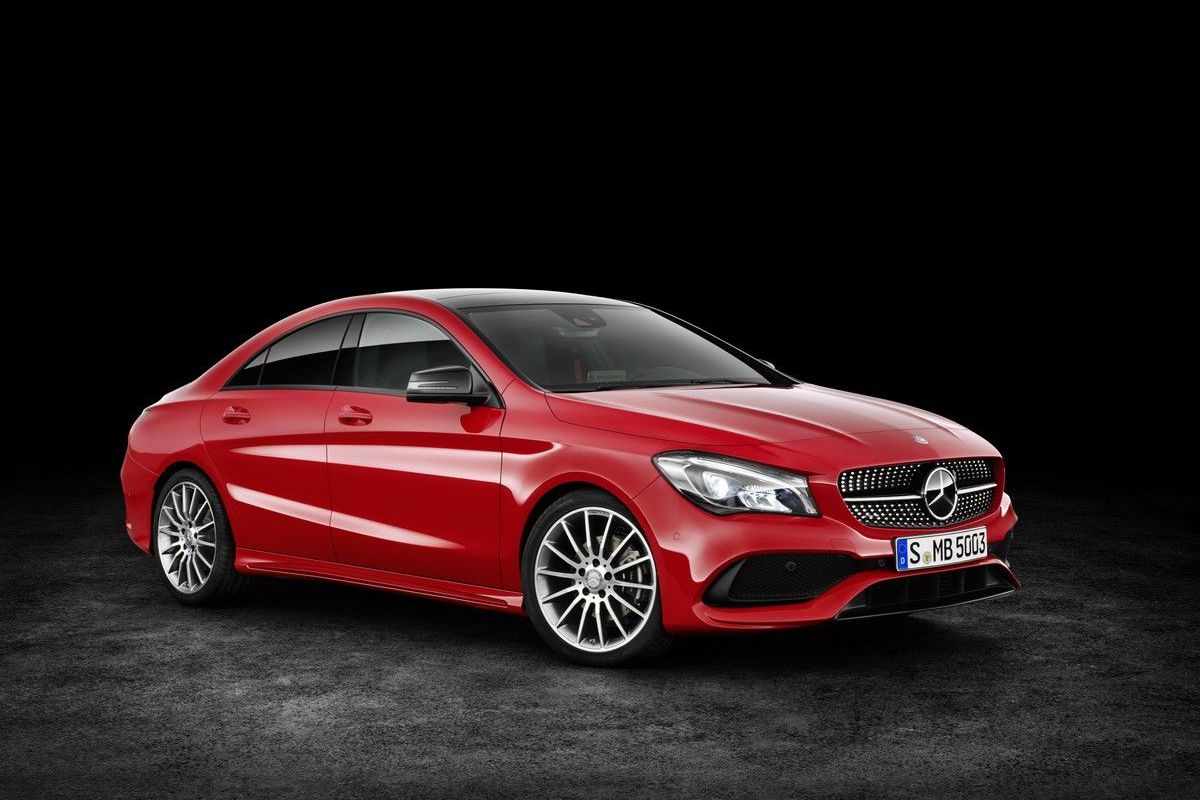
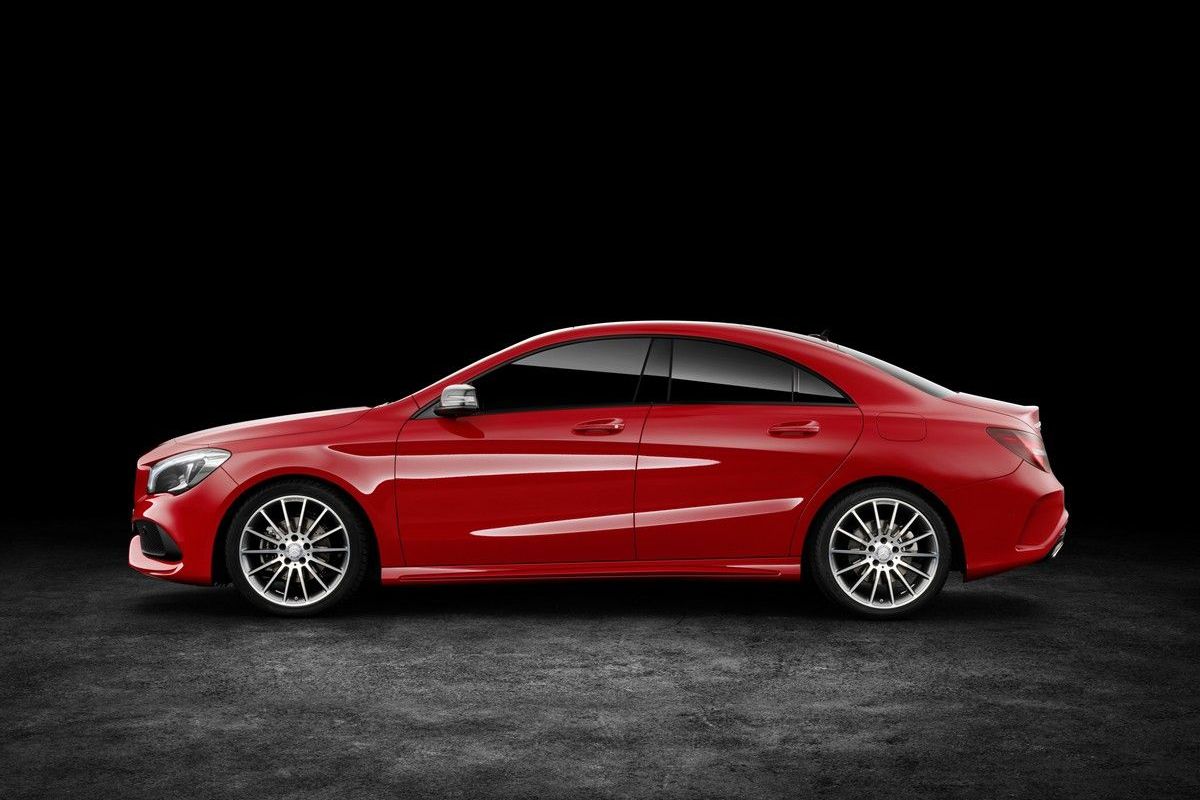
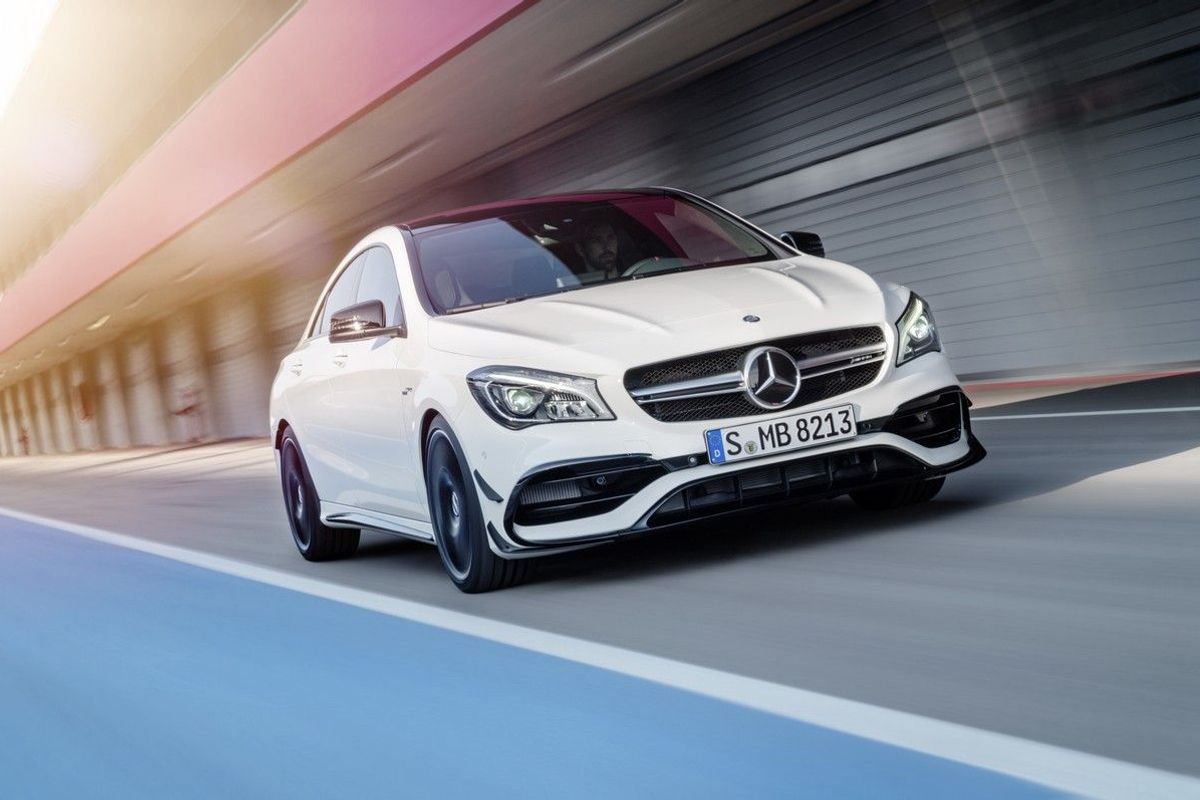
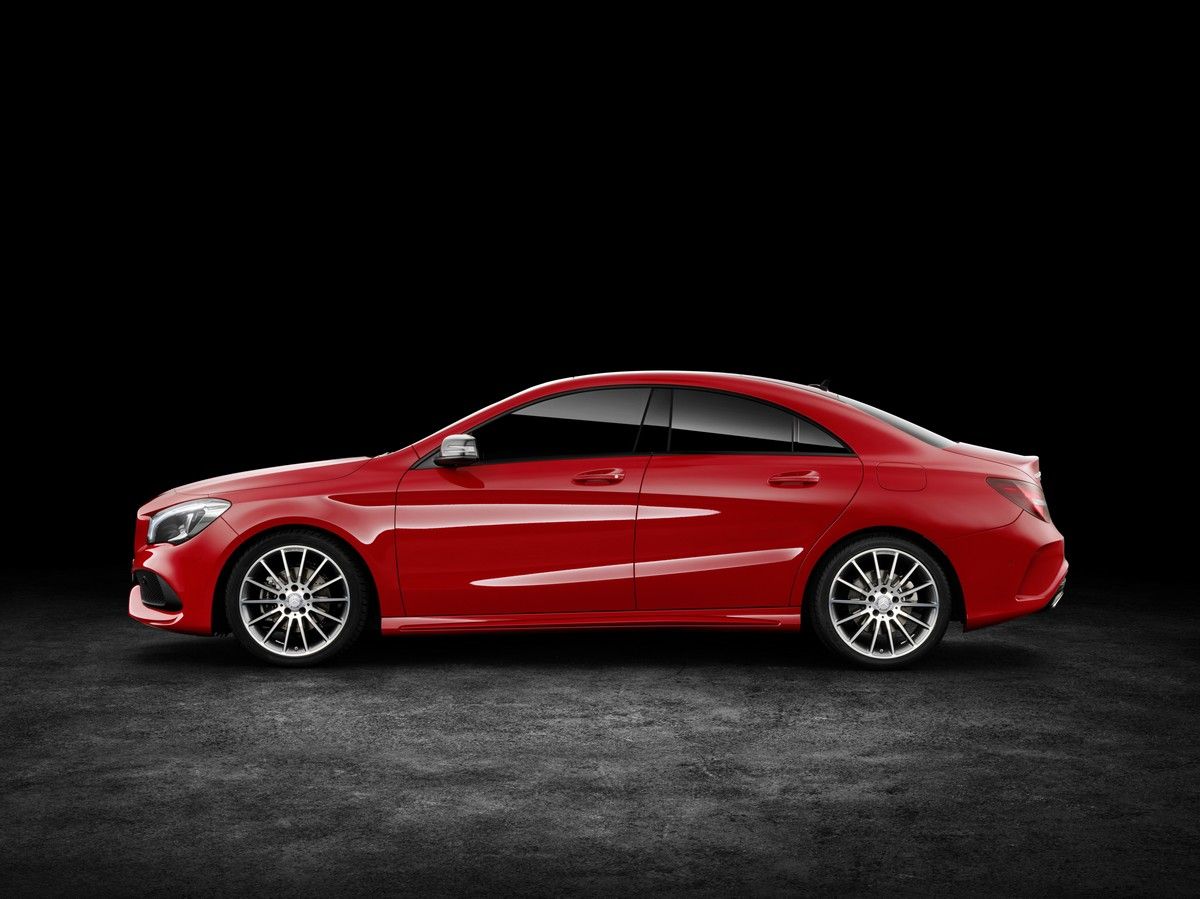
Mercedes-Benz's compact 4-door "coupe" has received styling updates as well as a new engine.
There seems no let up in local product introductions by the Stuttgart-based manufacturer. A week ago, Benz launched the SLC43, SL43 and C63 Coupe AMGs and this week it was the turn of the smaller-platform CLA to take the spotlight.
What’s changed?
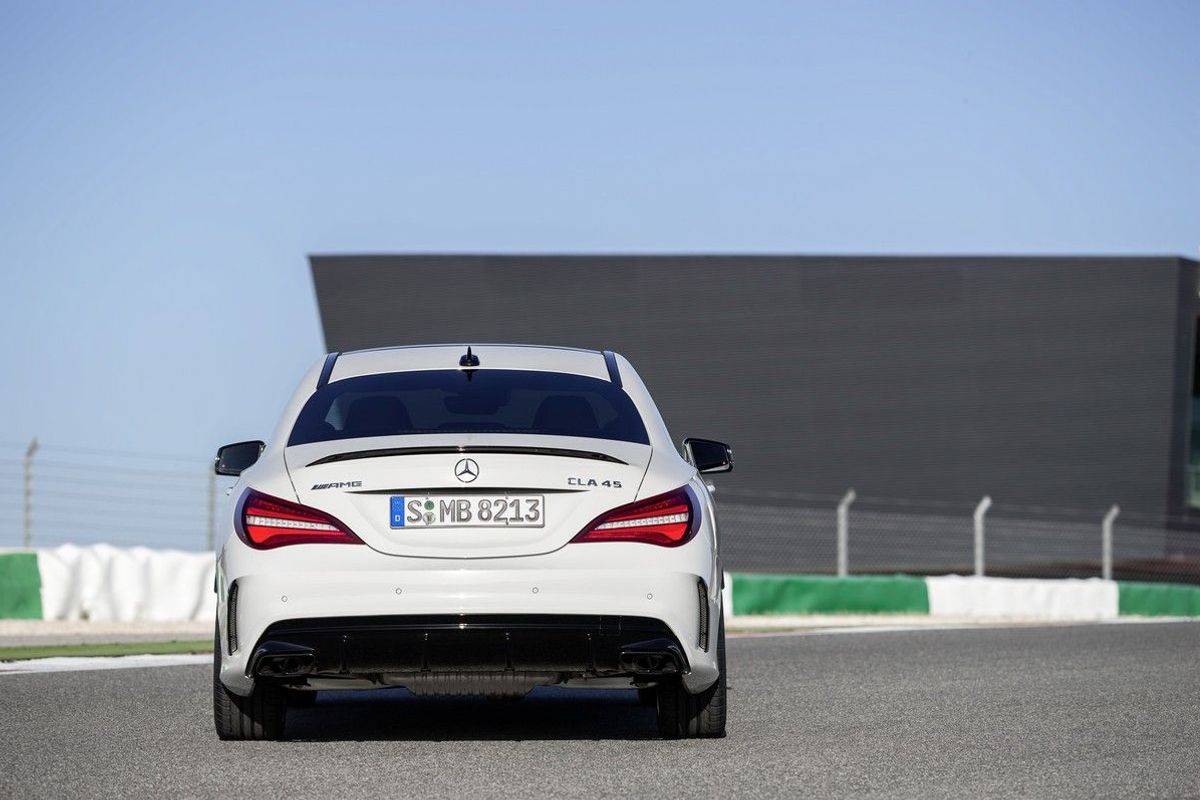
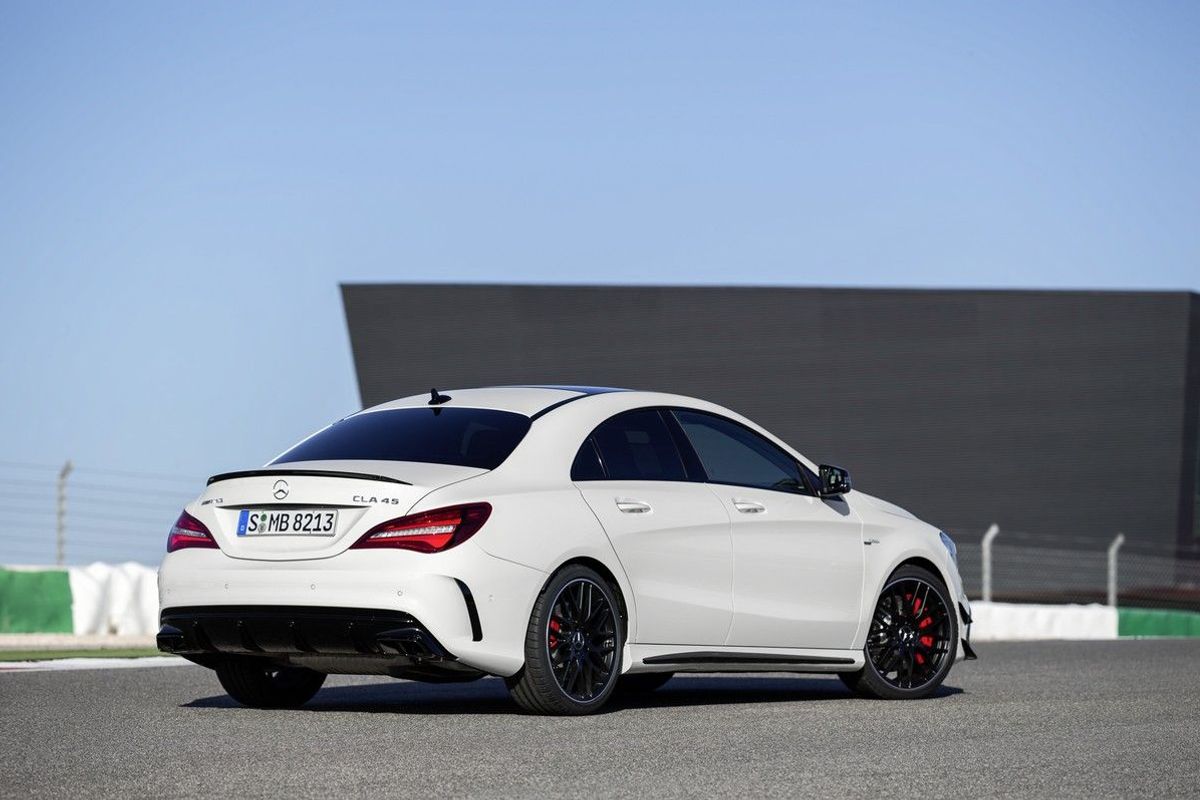
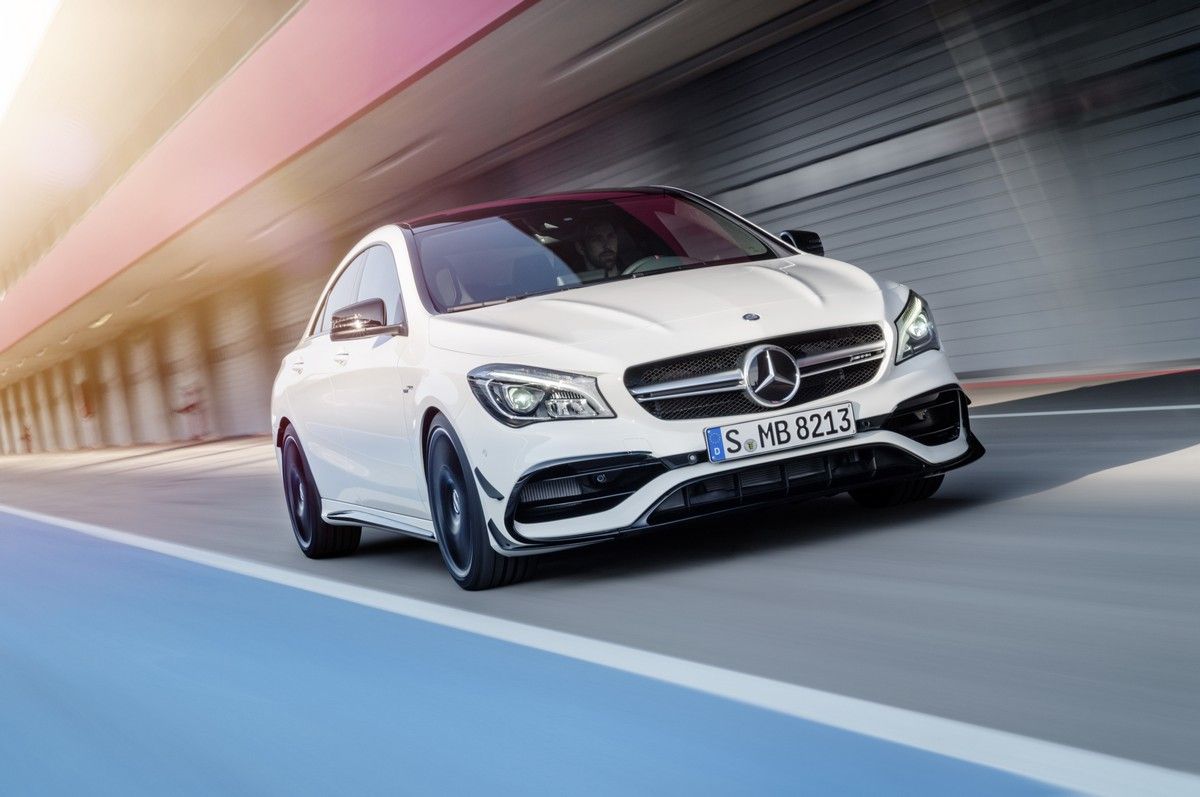
The CLA has proved a popular sedan for Mercedes-Benz; more than 1 million units have been sold around the globe since the 4-door A-Class variant was introduced in 2013. It’s not entirely hard to see why: the CLA is extremely good looking when viewed from the front, as well as in profile. The rear design is not to everyone's taste, but overall, it’s an eye-catching car. The facelifted model has kept almost all the CLA’s distinctive features untouched. The front bumper has been finessed and the popular star-studded grille is standard across the range. LED headlights round out the front-end redesign.
CLA retains its stylish coupe lines with only slight enhancements to the bumper and grille
Engines
As for the drivetrains, all the CLA derivatives are carried over from the pre-facelift model, with the exception of the CLA 200d – a new entry-level turbodiesel that was introduced due to customer demand, Mercedes-Benz says. The 200d offers leisurely performance that contrasts sharply with the overtly sporty looks of the CLA; the former seems to be more about peacocking than delivering much in the way of dynamism. For a cruiser, it’s capable enough and offers peak outputs of 100 kW and 300 Nm.
The 200d isn’t the cheapest model in the range, however, that title belongs to the turbopetrol-engined CLA 200. Its 1.6-litre motor produces 115 kW, with 250 Nm of torque to back it up.
Meanwhile, the CLA 220d is the most fuel-efficient engine in the range, with a claimed consumption figure of 4.0L/100 km. It has impressive power too, with 130 kW and 350 Nm of torque. It's a 2.1-litre turbodiesel motor that was carried over from the recently refreshed A-Class (rather than the new 2.0-litre turbodiesel that has just been launched in the E-Class range).
The remaining pair of turbopetrol derivatives harness Mercedes’ 4Matic all-wheel-drive system. The CLA 250 Sport 4Matic has 155 kW and 350 Nm of torque available and feels quite spirited when you "hoof it" down the road. The top model is the AMG CLA45 4Matic, which benefits from the upgraded 2.0-litre turbo motor that churns out 280 kW and 475 Nm of torque.
Handling
The CLA is based on Mercedes-Benz's small car platform, which it shares with the A-Class, but the former seems to have a slightly more pliant ride quality… The suspension feels more settled over bumps and it’s less stiff when the surface gets patchy. The front-wheel drive derivatives feel reasonably nimble, but there isn’t really enough power to set the pulse racing.
The 4Matic models (with more power) feel well-planted in the bends and are more eager to turn in than the front-powered models. The AMG model is blisteringly quick off the line and built for taming corners at high speeds, but we weren’t able to get the hang of it on our few laps of Zwartkops Raceway. We’ll have to wait for a full test in the next couple of weeks or so.
Both the 250 Sport and AMG models are equipped with the 4Matic all-wheel-drive system
Inside
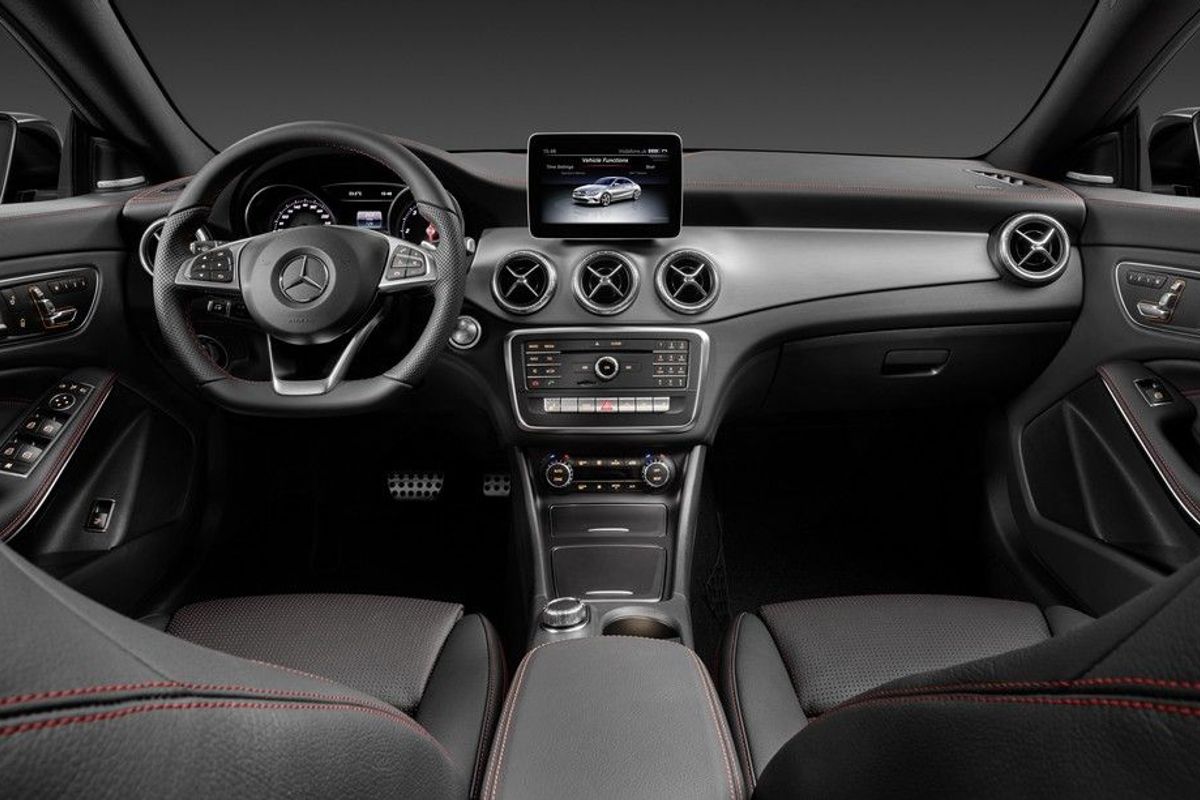
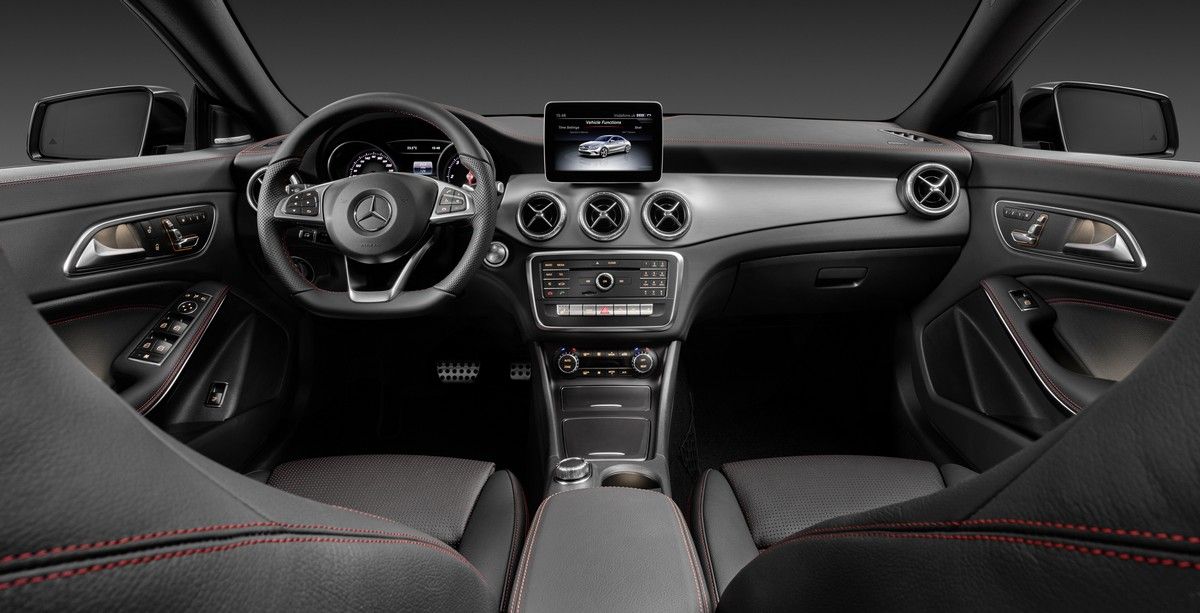
The interior of the CLA has been lifted straight from the A-Class and also features the new 8-inch infotainment screen as an option; the instrument dials have a new design (most apparent in the revised lettering) and the fascia features updated trim elements. The rear legroom is not particularly spacious, but an adult could sit behind a 1.83-metre tall driver in reasonable comfort for shorter trips. The sloping roofline is a larger problem as passengers in the back will notice a lack of headroom.
Interior is identical to the A-Class, featuring the new, larger infotainment screen.
Pricing
Mercedes-Benz seems to have kept pricing keen to keep its younger market interested in the (undoubtedly fashionable) CLA range. The exchange rate wasn’t kind when these cars were likely ordered a couple of months ago either. It still remains a premium product and base pricing doesn’t include the abundance of options on offer in the Benz garage.
Are you looking to buy a new 4×4 double cab, but don’t want a workhorse-spec vehicle or to spend much more than about R400k? If that’s the case, the top-of-the-range Tunland bakkie offers a number of luxuries, even though it cannot quite match newer, mainstream rivals for sophistication. Its strongest suit is good, old-fashioned bang for buck…
We like: Handsome looks, fuel economy, leather trim and other nice-to-haves
We don’t like: Middling performance, minor finishes, basic safety spec
Also consider:
Best-priced volume competitor: The updated Ford Ranger 2.2 double cab 4×4 XL, which list price is a mere R1 905 more than the Foton’s, produces more torque and is claimed to use less fuel. Although it foregoes leather upholstery and a multi-function steering wheel, it does have a diff-lock, as well as traction- and stability control systems, which its Chinese rival lacks. It’s a top-seller and for good reason.
A proven multi-purpose workhorse: Although Isuzu’s KB 250D-Teq derivatives are better known for their commercial applications, in double cab 4×4 LE guise (R457 400), the Japanese marque offers an acceptable level of performance/efficiency, albeit with a cloth-trimmed cabin (leather optional), a multi-function steering wheel and the surprising addition of cruise control. The Isuzu is pricier, but its reputation is strong.
The cheaper Chinese alternative: Although we haven’t tested it yet, the JMC Vigus 2.4TDCi double cab 4WD SLX (R375 990) offers leather, a multifunction 'wheel and rear PDC as well as a similar safety specification to the Foton. However, its 2.4-litre turbodiesel produces 88 kW/290 N.m, which limits its appeal as a long-haul family vehicle. The 5 year/60 000 km service plan is middling and dealer network is limited.
Double-cab 4x4s were a mainstay of the South African new vehicle market even before compact SUVs became de rigeur. Unfortunately, inflation has put paid to the idea that if you want a double-cab, you can buy a big-engined bakkie that can rival conventional passenger cars for luxury and trounce them in terms of off-road ability. Those examples now cost in the mid-to-high R500k range — they still sell, but only to a fortunate, well-heeled clientele…
So, when shopping around with a budget of around R400 000, you can either look to used car market for pre-owned examples of bakkies produced by the mainstream brands (Toyota, Isuzu, Mitsubishi, Volkswagen and Fiat), opt for a new entry-level Ford Ranger 2.2 double cab 4×4 XL, which is less than generously specced, or look down the new vehicle price lists to bakkies that are either of an obsolete design, or very rudimentary in terms of performance and equipment levels.
At R409 900, the top-of-the-range Foton Tunland 2.8 double cab 4×4 Luxury comes standard with a number of exterior adornments and interior appointments that some of its best-selling rivals don't offer; it’s powered by a 120 kW/360 N.m 2.8-litre Cummins turbodiesel engine and has been a fixture in the South African market for almost 4 years. If you’re looking to buy a brand-new double cab with 4×4 capability, can this bakkie justify a >R400 000 outlay?
How does in fare in terms of…
Kerb appeal?
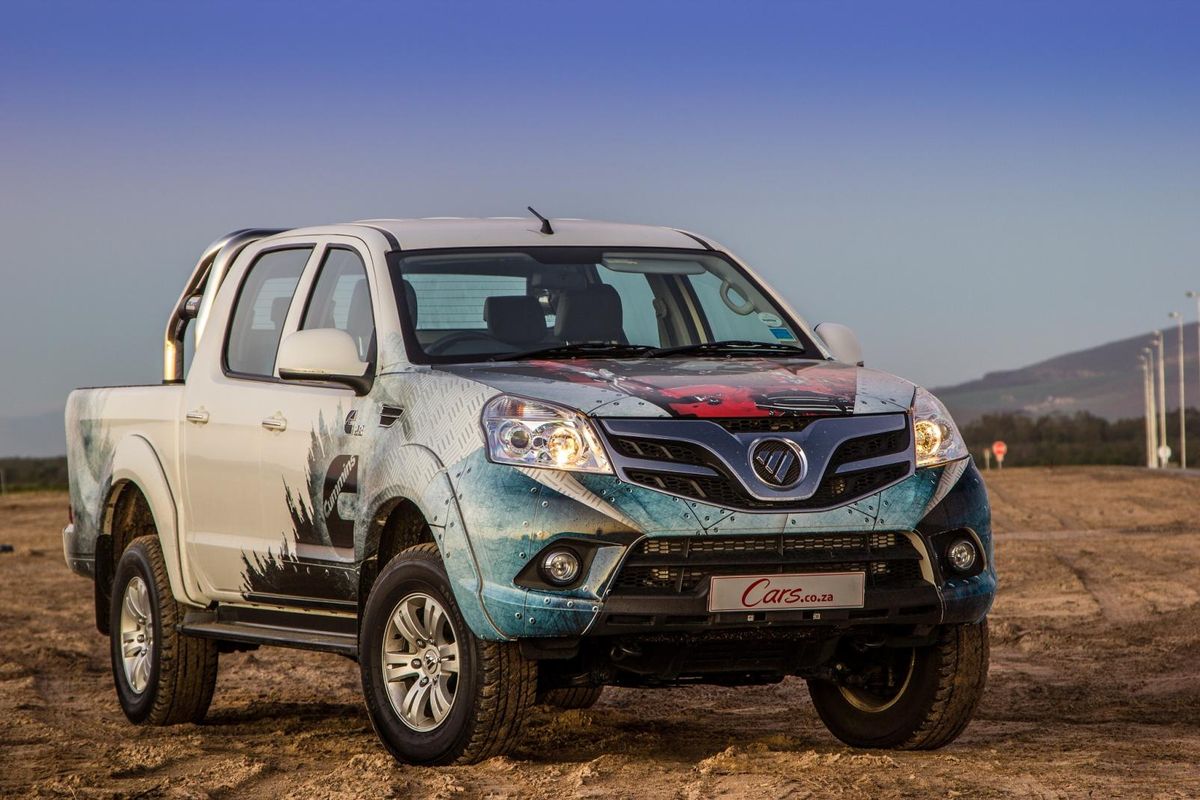
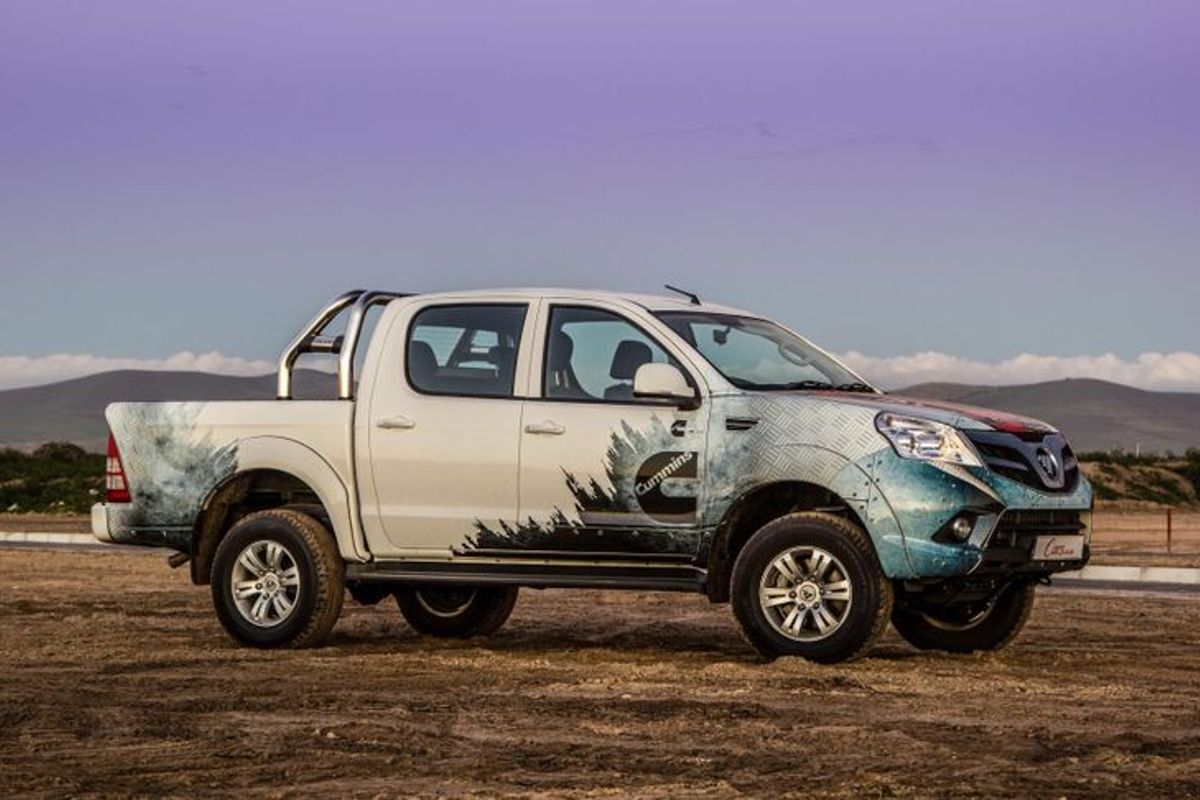
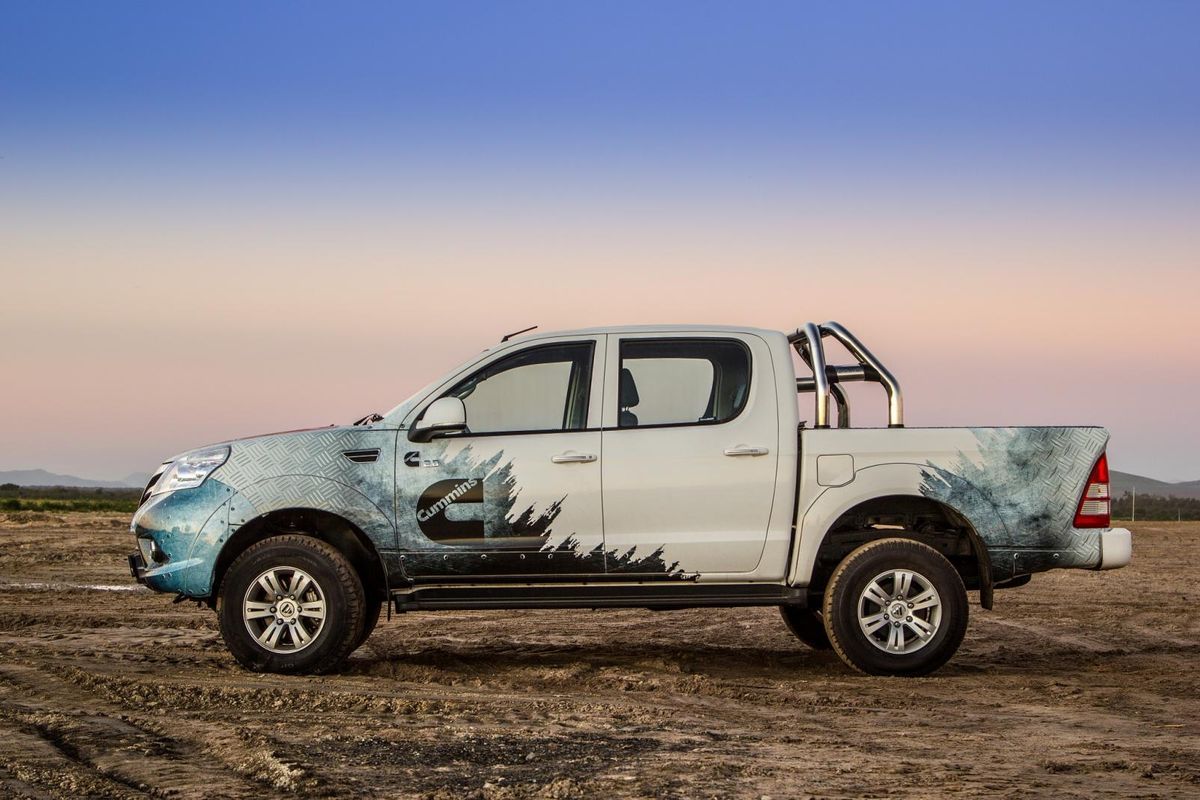
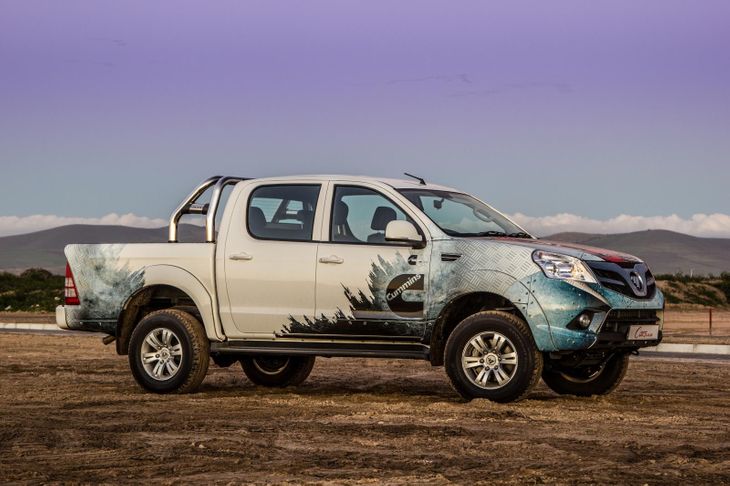
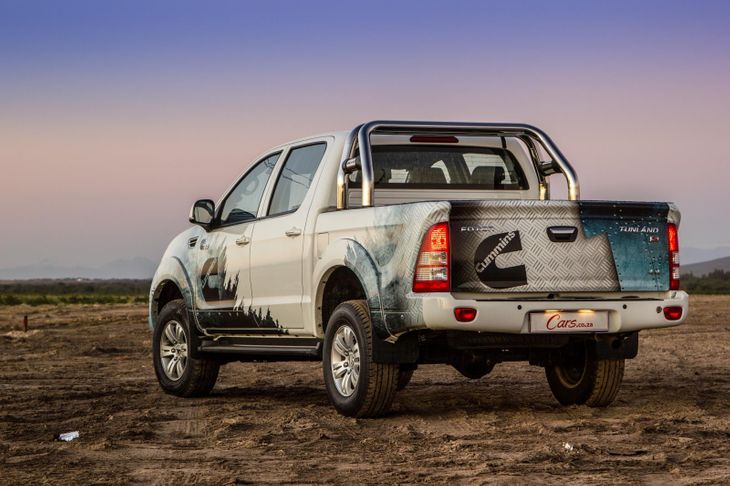
Ignore the branding of this unit and you have a design that remains appealing, even 4 years on.
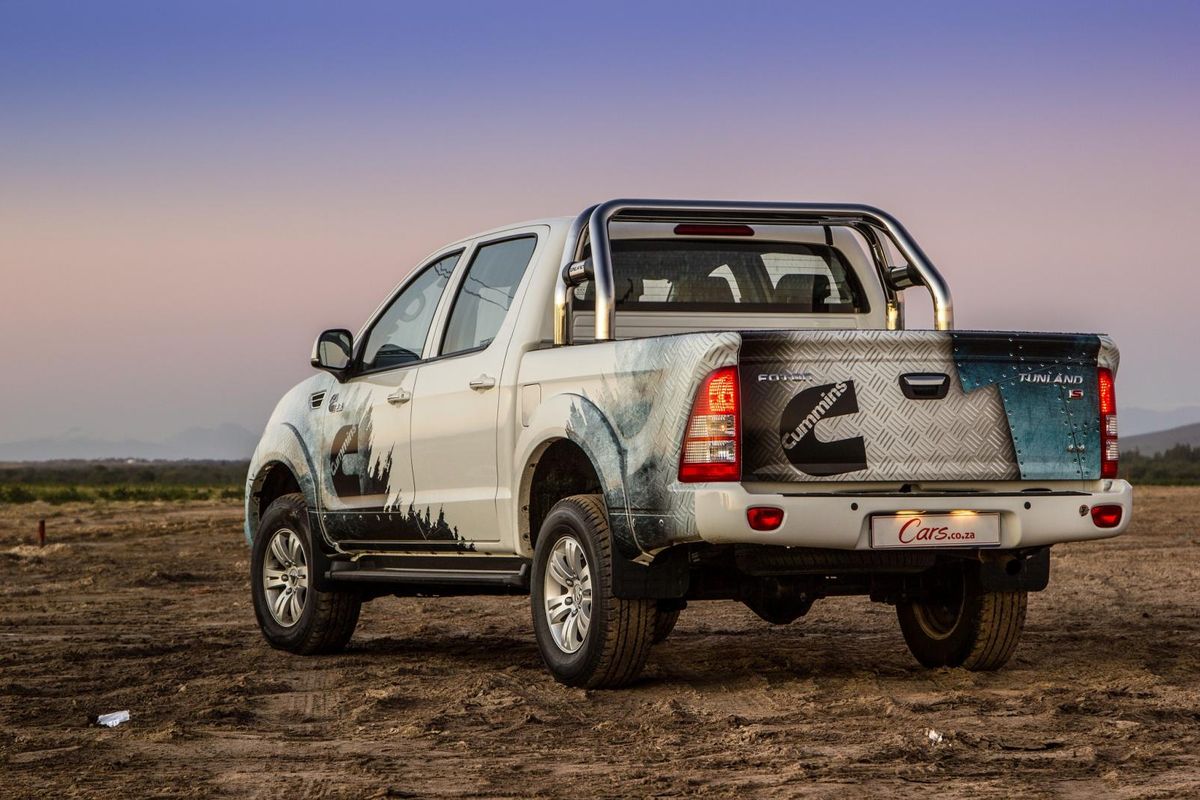
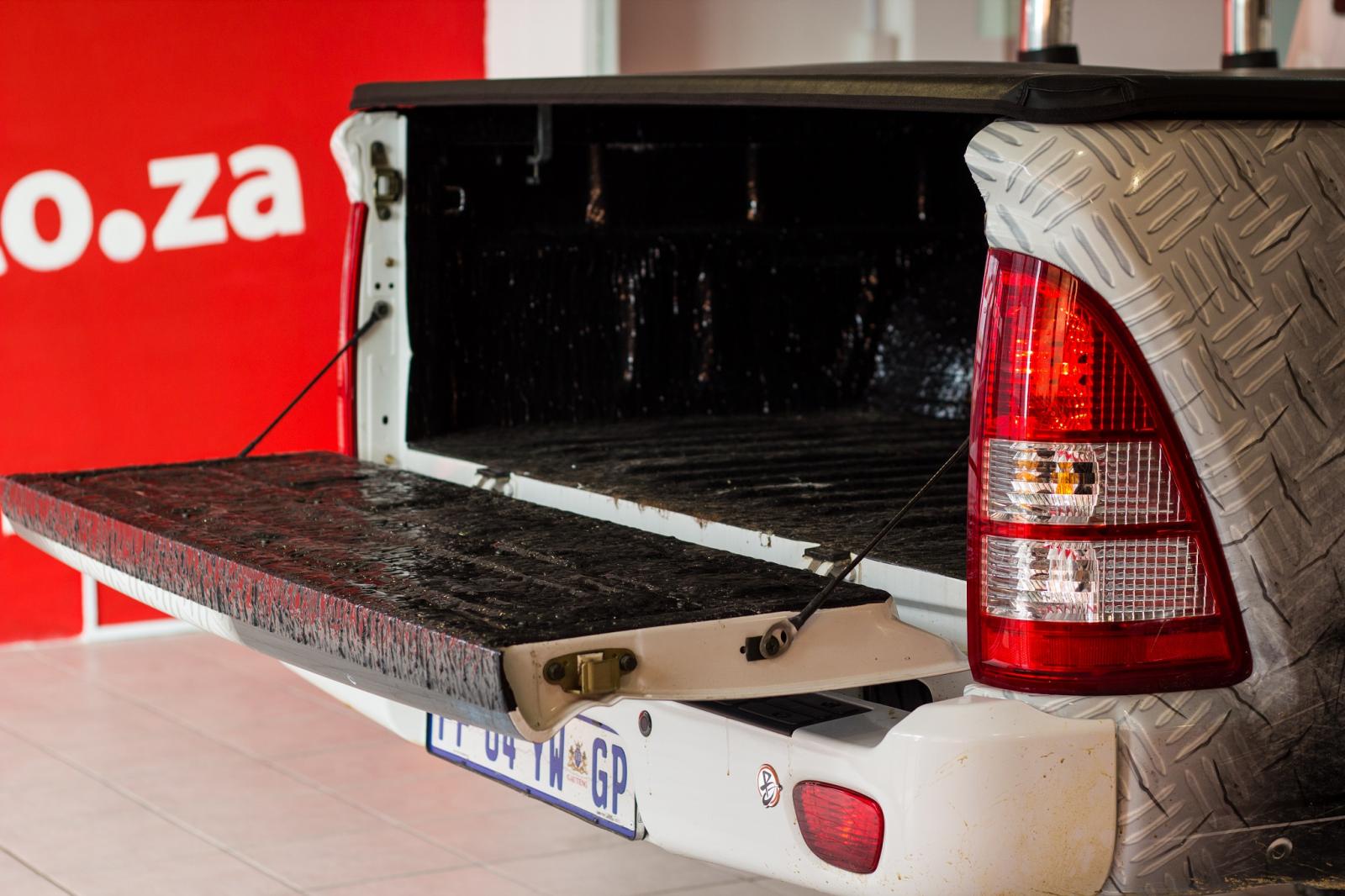
The Cars.co.za test team members were unanimous: the Foton might not be the youngest contender in the double-cab market, but it still cuts a handsome figure — the bold, colourful plastic body wrap (applied by the Foton’s distributor for marketing purposes) certainly helped the otherwise plain-white Tunland draw many admiring glances during its test tenure.
Sporting a suitable number of aesthetic exterior accoutrements, colloquially known as “bakkie bling”, is very important in the context of standing out in the vehicle parc of a congested urban sprawl. To that end, the Luxury comes with fog lights, running boards, colour-coded mirrors and door handles (the former with integrated indicator lenses, the latter amended by chrome accents), a chunky chrome-look roll bar, as well as a tonneau cover. Those cover virtually all of the bases, but, as human nature is, we would have liked to see a chrome-look nudge bar as well…
Luxurious interior?
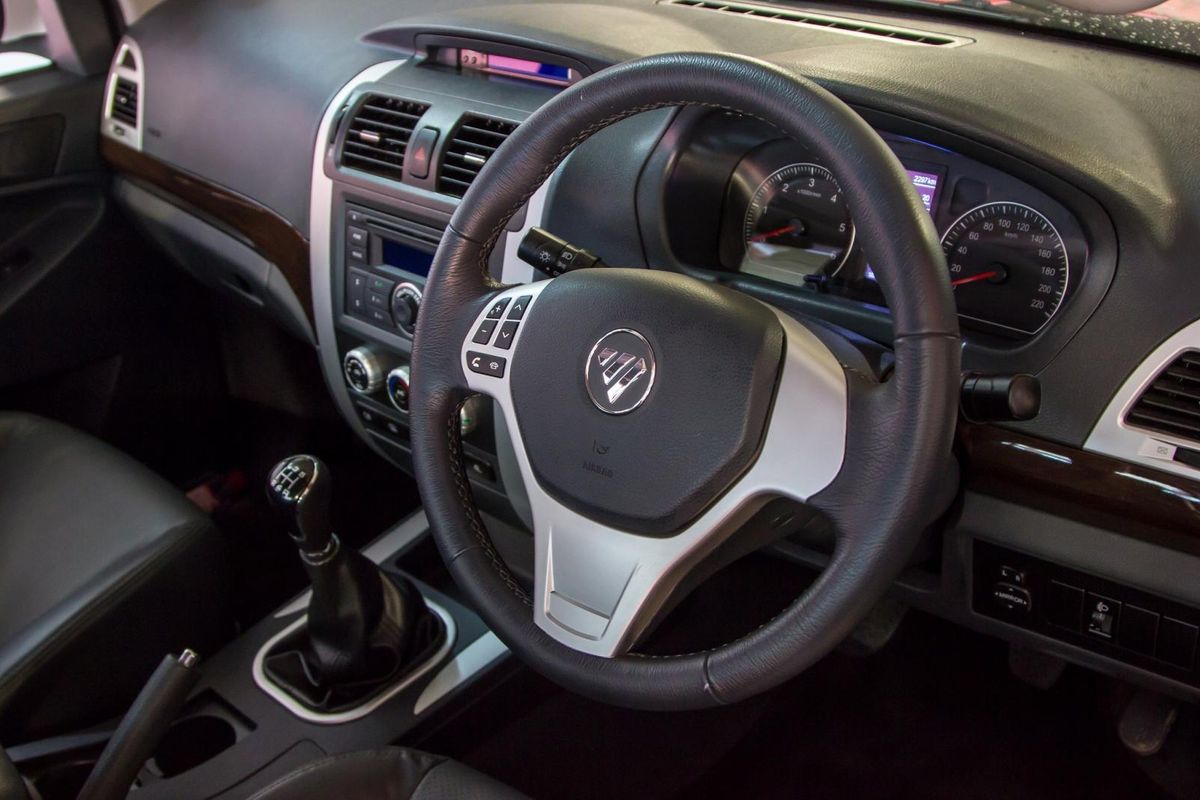
The standard specification is comprehensive and the build quality appears solid.
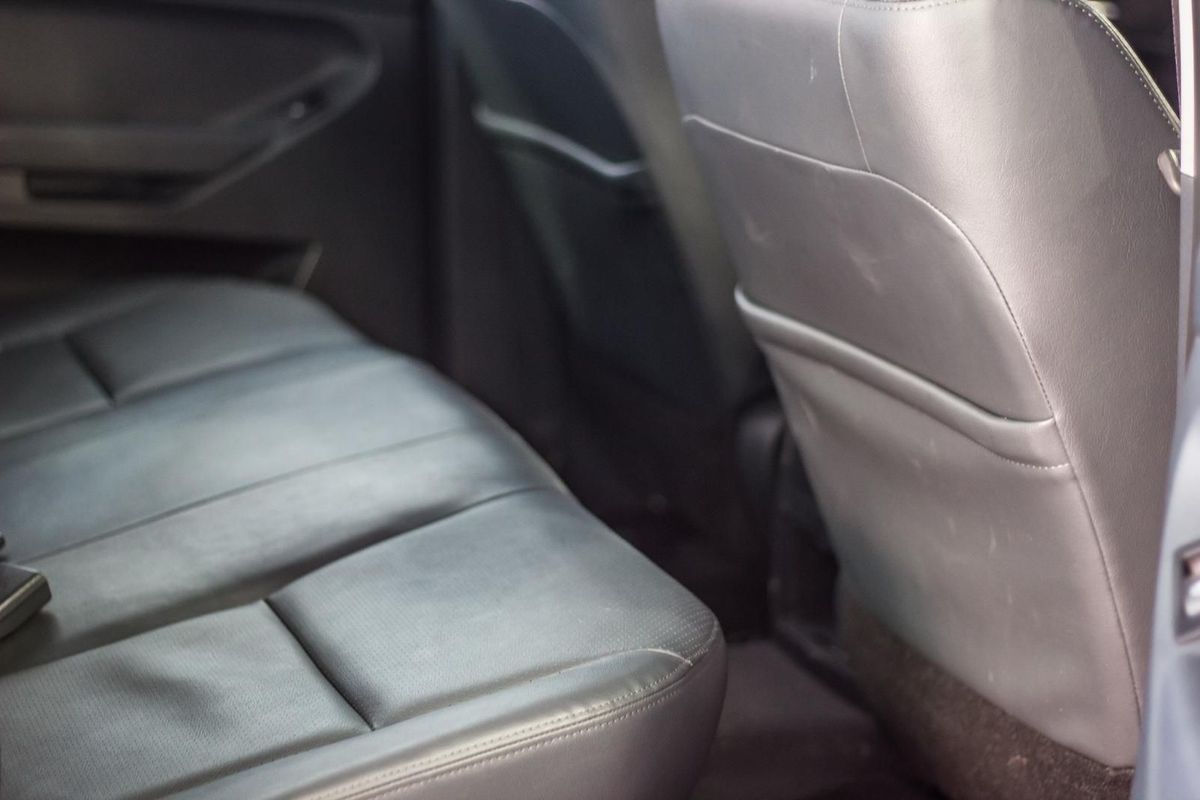
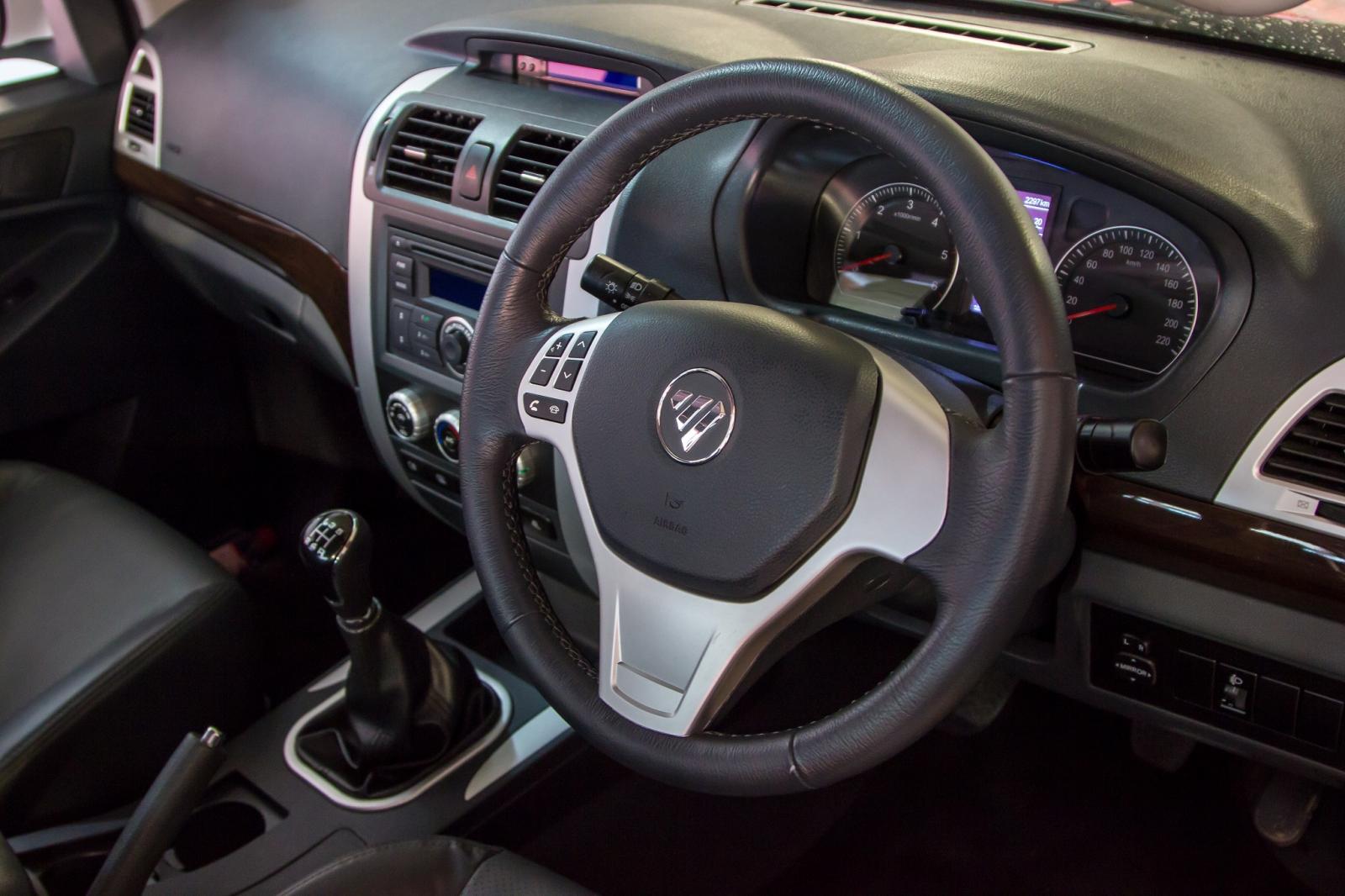
The moment you step inside, you’re greeted by a cabin trimmed in anthracite leather upholstery (with adjustable lumbar support for the front seats), a leather-wrapped multifunction steering wheel, electrically folding side mirrors (with a demisting function) as well as rear PDC system (with audible warnings).
The dark “wood” inserts seem a trifle passé now that we find ourselves in the latter half of the second decade of the 21st century, but they combine neatly with the dark trim and metallic-look inserts. The front seats are very comfortable and the cabin is spacious enough for a family of 4 (okay, 5 adults at a squeeze – we tested it!); only the marginal rear legroom betrays the Tunland's older design. The auto-locking doors is a good security measure as well.
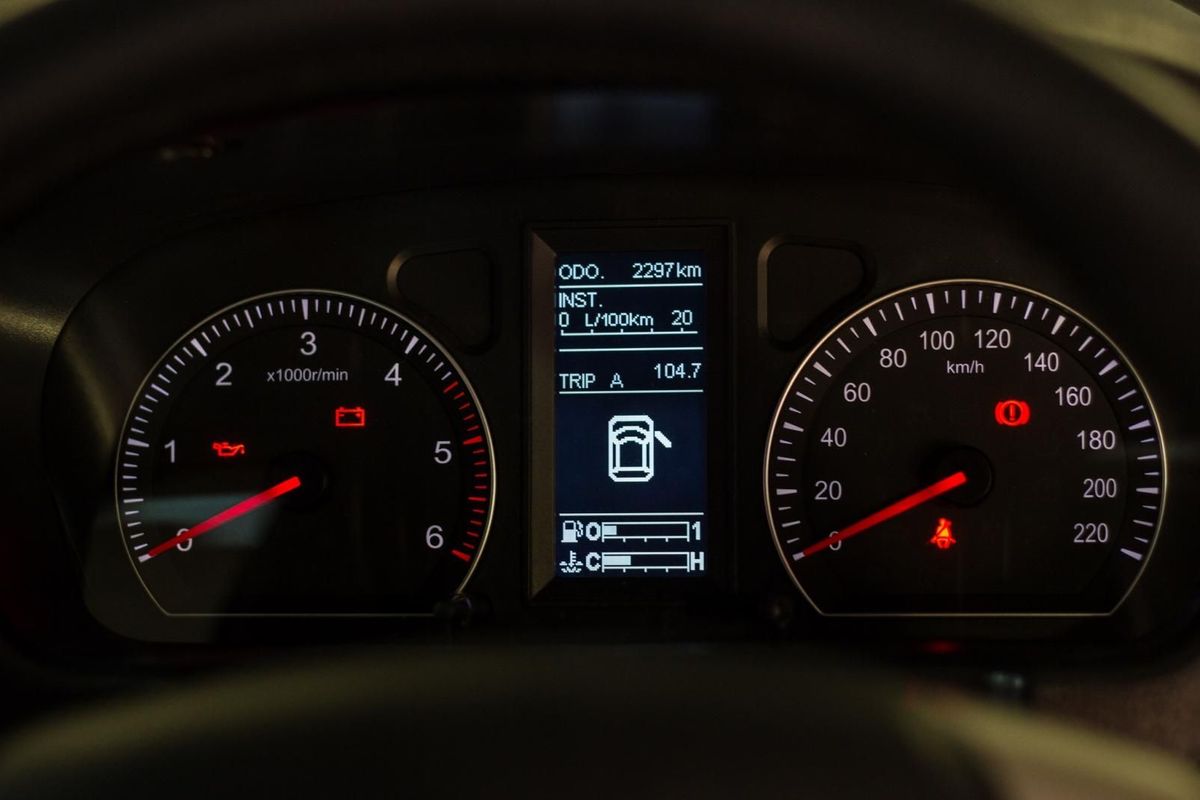
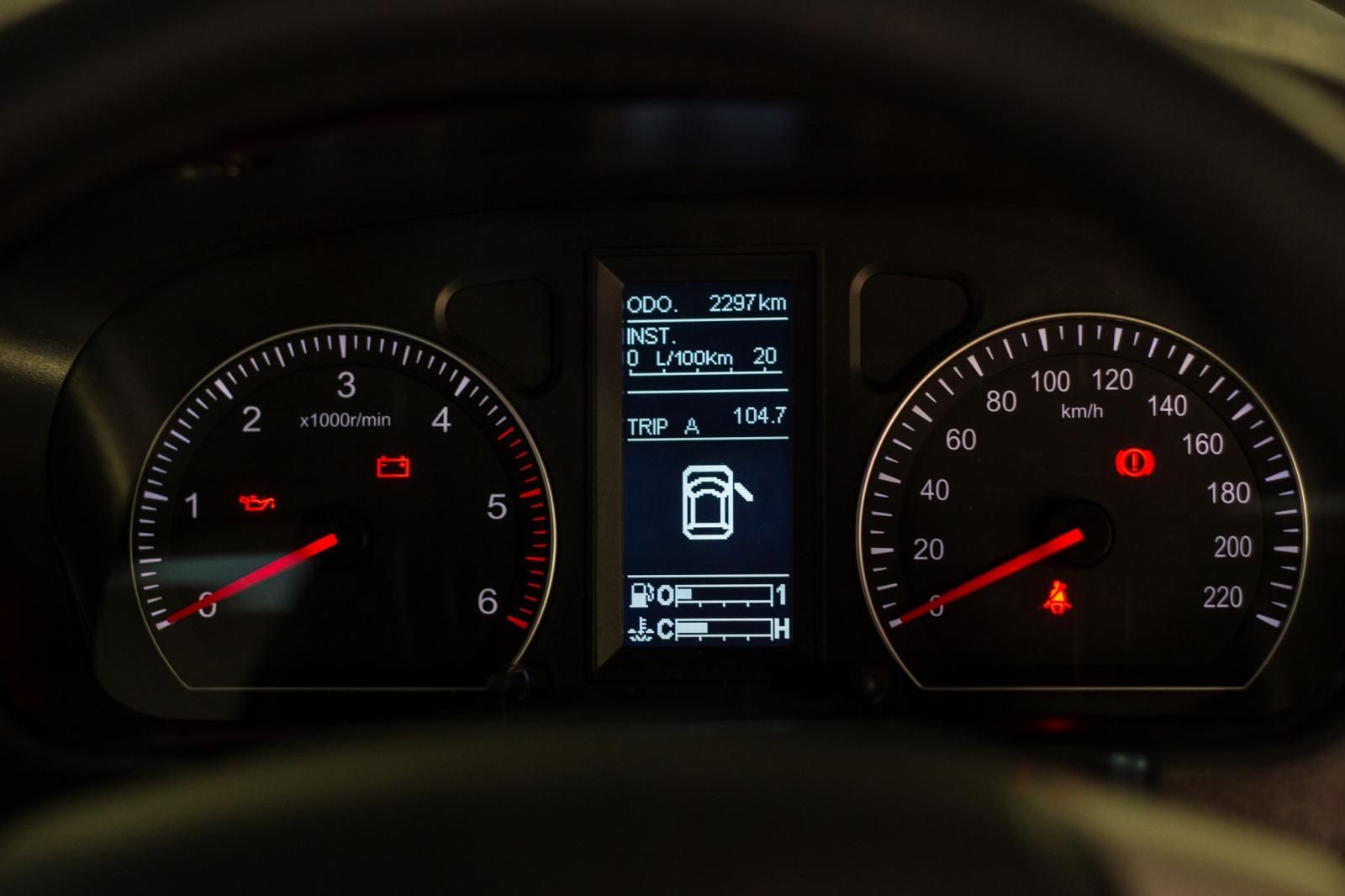
Instrumentation is simple, but includes a fuel economy indicator.
The Foton’s fascia and dashboard designs are unimaginative and workmanlike, but the build quality is fair at this price point. The (right-most) ventilation control knob felt a little flimsy to operate, but although we initially judged the audio system on its plain appearance (it still has a CD slot!), it offers USB and auxiliary inputs and can stream music from a smartphone via Bluetooth, plus it’s easy to set up and use. Furthermore, the multifunction steering wheel’s controls work well and the integrated handsfree system’s microphone (mounted on the inside of the A-pillar) relayed clearly audible dialogue.
The specification is not comprehensive, however. We appreciated the voluminous cupholders in the centre console, the lidded oddment storage spaces (including one at the bottom of the fascia) and even the pockets on the front seatbacks, but would have liked a one-touch up/down function on the driver's electric window and additional 12V outlet for rear passengers, for example. Also, the Foton’s interior could have appeared smarter overall had there not been exposed screw heads in the door handle housings and steering column; imagine if they were hidden under unobtrusive plastic caps…
Performance and economy?
The fact that the Foton is powered by a 2.8-litre engine, whereas its rivals' motors are of smaller capacities, should be an advantage, but the Cummins is neither as refined, nor significantly more powerful, than its opposition. The 5-speed transmission is notchy, especially from a cold start, and an extra ratio would undoubtedly be a boon on longer trips. Having said that, the engine is tractable enough and even if Foton claims an average consumption of figure of 8.3 L/100 km for the 2.8 Double Cab 4×4 Luxury, the highest indicated figure we saw was 8.0 (it usually hovered in the 7s), which was most impressive.
As a source of everyday transport, the Foton's engine is a trifle noisy, but performs tirelessly, the ride quality is less than pliant, but not bouncy/crashy. The brakes perform ably, although the middle pedal could be more feelsome… if you mash the pedal hard at crawling speeds, the front calipers may snatch, but with familiarisation that proved less of a concern.
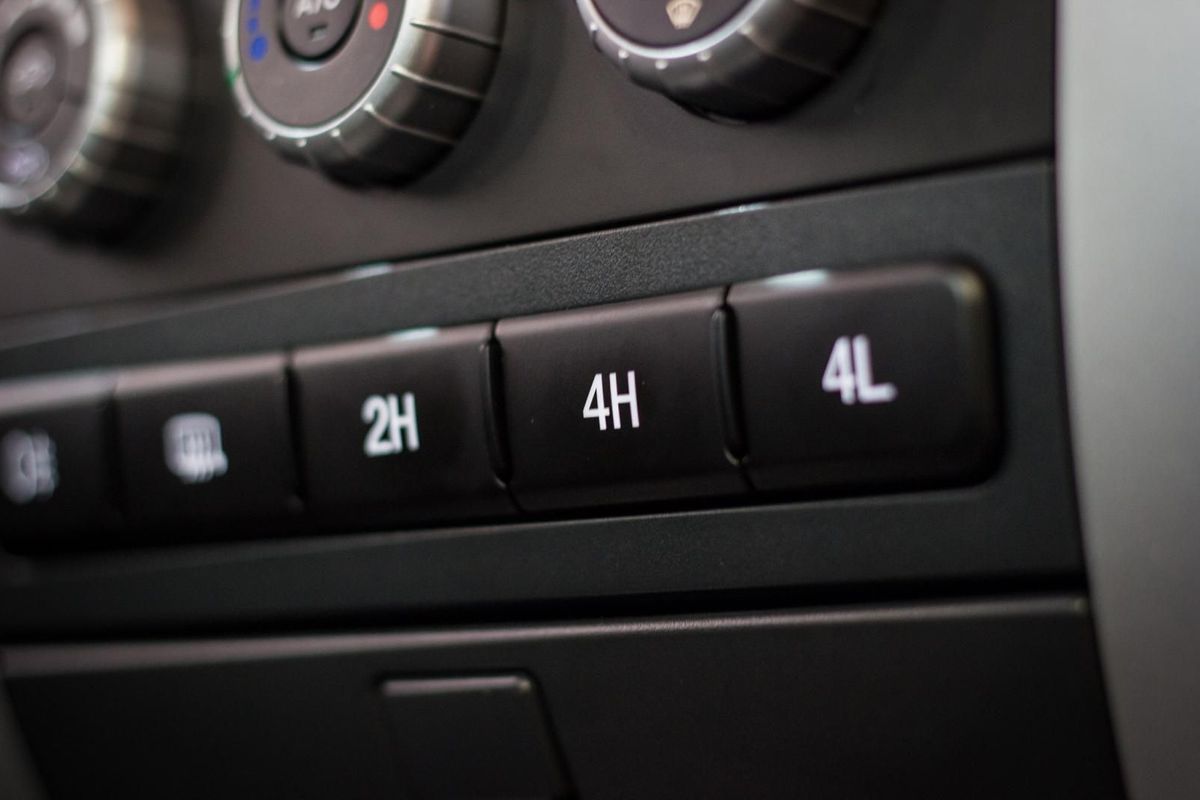
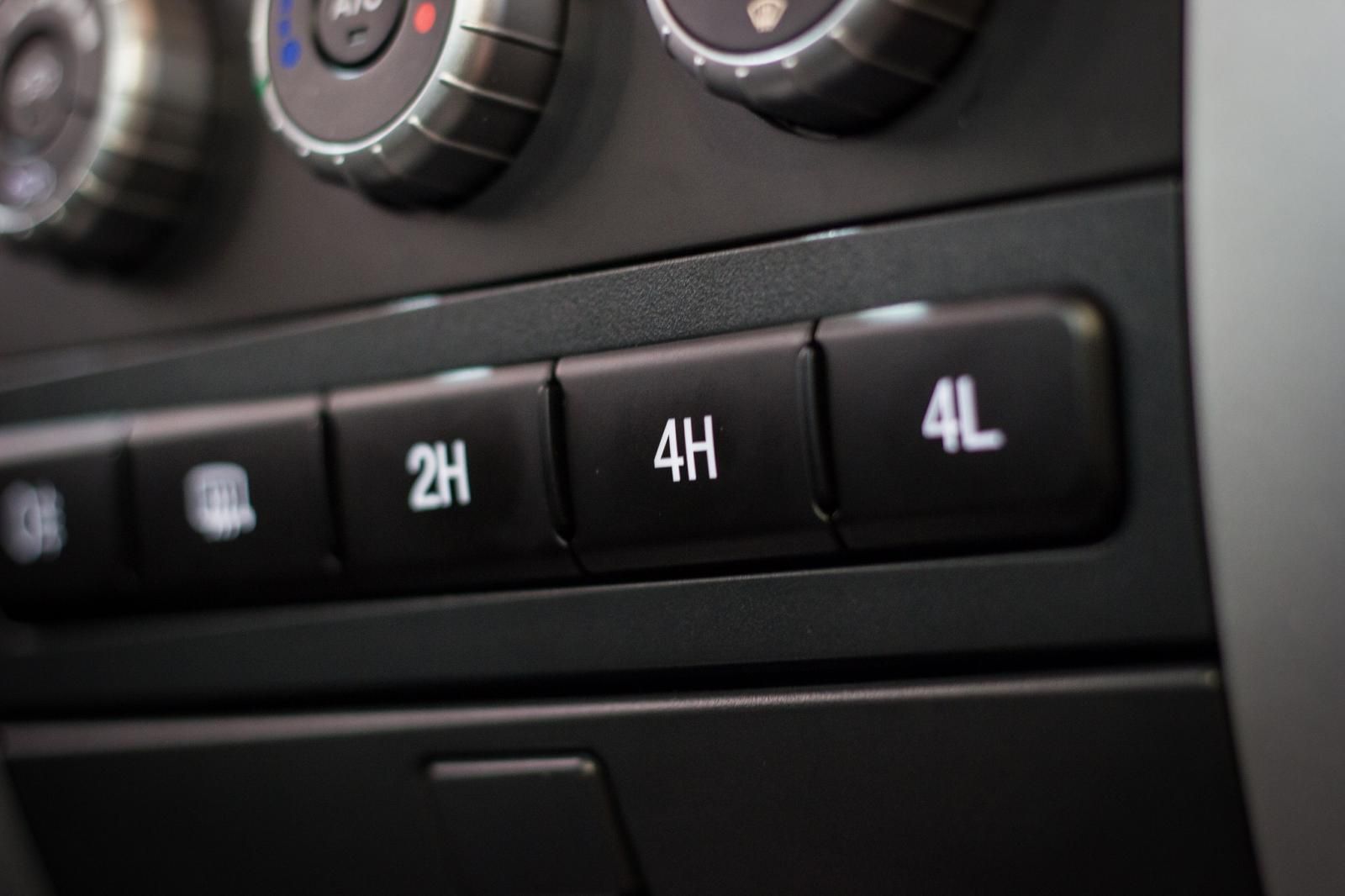
Push-button controls for the four-wheel drive system.
Meanwhile, 4-wheel-drive enthusiasts will appreciate the convenience of being able to shift from 2H to 4H on the fly at the push of a button. 4L can be engaged at a push of a button too, but only when the bakkie is standing still and in neutral. While testing the Foton’s off-road performance in a variety of conditions near Melkbosstrand outside Cape Town, the Foton proved more than capable. The tester that put the Tunland through its paces commented that although diff-lock (which is not fitted) would not have been required under the circumstances, the bakkie could benefit from a trifle more torque at low revs and that a shorter rear overhang would have been more ideal. In the event, the Foton handled most obstacles with aplomb.
Practicality?
The Tunland has a payload rating of 950 kg.
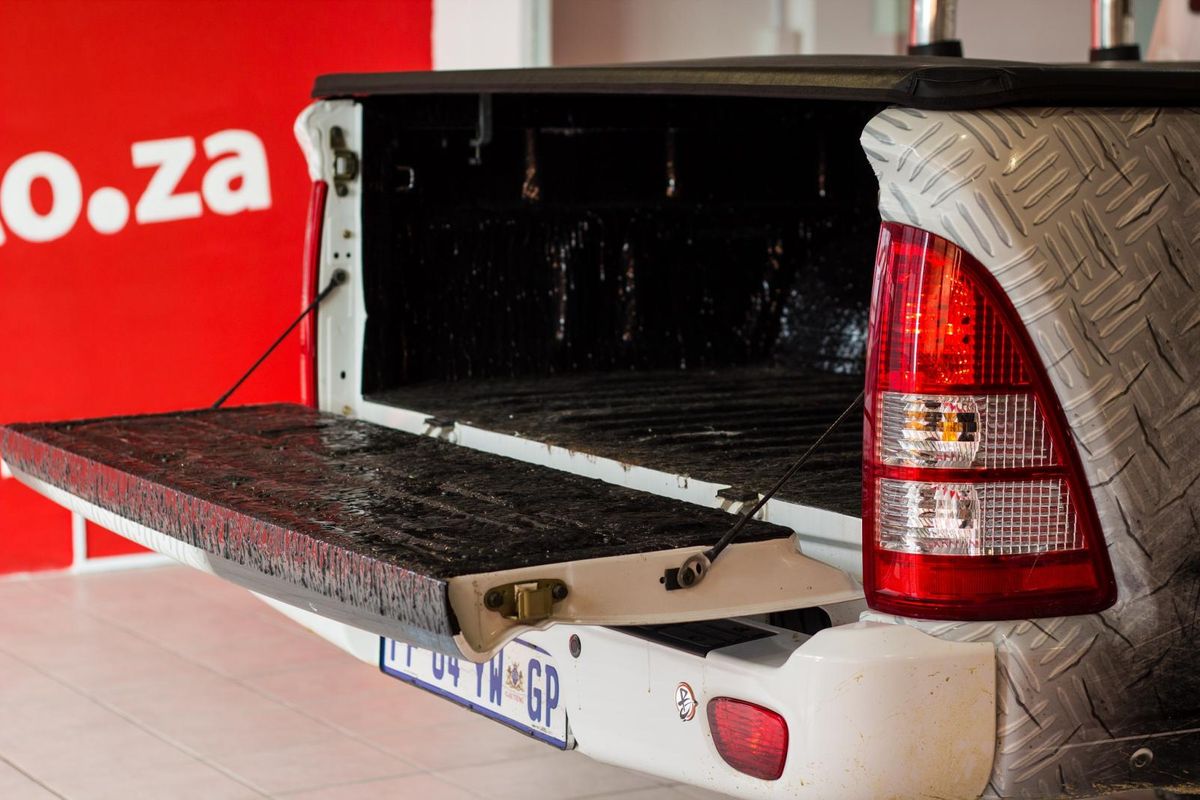
The Foton is a sizeable bakkie, which is advantageous in terms of its spacious cabin and broad, deep loading area, the latter of which proved very practical when a Cars.co.za tester needed to move all his detritus during a recent house move. However, the extreme exterior dimensions are disadvantageous when utilising the Tunland as an urban family vehicle. In congested parking lots, the Tunland's wider turning circle and relatively weighty steering (which is the case with virtually all bakkies, but was particularly apparent in the Foton), let alone the vehicle’s bulk, makes parking tricky, but not prohibitively so.
Meanwhile, the Tunland has a kerb weight at just over 1.9 tonnes and a payload of 950 kg. For those interested in towing capacity (as many leisure bakkie buyers would be), the 2.8 Double Cab 4×4 Luxury can tow unbraked trailers of up to 750 kg (braked: 2 500 kg).
Value for money?
Given all its standard features, the most notable of which was mentioned in this review, the Foton represents commendable value for money. The leather upholstery, multifunction 'wheel and Bluetooth-compatible audio system may not seem like deal-makers, but in a competitive market, the items that you can see and feel count for a lot when you're browsing through dealer showrooms. Safety wise, the dual front airbags and ABS with EBD are standard, yes, but traction and stability control would have added more piece of mind. As an ownership proposition, the 3-year/100 000 warranty is good, but the 5-year service plan is valid for 70 000 km, which is less than the 90 000 km/100 000 km market benchmarks. Service intervals, at every 10 000 km, are a little short.
Price in South Africa
The Foton Tunland 2.8 Double Cab 4×4 Luxury retails for R409 995, which includes a 3-year warranty and 5-year service plan.
Verdict
Sturdy, spacious and a willing worker, the Tunland's price is its biggest barrier to greater sales success.
At the Tunland's asking price, the 2.8 Double Cab 4×4 Luxury certainly looks the part (that of a suitably well-specified, desirable five-seater bakkie) and its kerb appeal is backed by an apparently solid build quality and a measure of luxury in a market where other fringe players that are priced below it don't feel as substantial, and more sophisticated/newer products priced above it feel relatively stripped down. It’s not perfect, but a thoroughly well-balanced product.
Having said that, as well-priced as the Foton seems compared with mainstream rivals that are priced R50 000 to R60 000 above it (here are a handful of examples), the generously specified Tunland doesn't make a strong enough case against the Ranger 2.2 double cab 4×4 XL, which is only marginally more expensive, but offers a torquier (and ostensibly more frugal) motor, is distributed and serviced via a wider dealership network than the Foton has and, given the rampant popularity of Ford's bakkie, the Ranger is bound to retain its value better when the time comes to trade it in.
Ultimately, the Ford's reputation trumps the Foton's flash. Perhaps the local distributors of the Chinese marque can strengthen the service and warranty plans of the Foton to embolden its purchasing proposition. You must also bear in mind that the Tunland 2.8 double cab off-road Luxury (the 4×2 derivative) is much more affordable (at R319 995) and that Foton outlets sporadically offer special deals on their bakkies… Search the Cars.co.za specials page.
It has been a challenging month for the domestic new vehicle market. In a performance described as "a 7-year low", vehicle sales dropped by 17% in comparison with July 2015, while passenger car sales have plummeted by almost 21%.
It has been a bad month for new vehicle sales in South Africa, with fewer vehicles sold in all four segments of the market. The chief economist at Econometrix, Azar Jammine said sales were “horrible and far worse than expected. It shows that people are just not in a position to buy big ticket items. Retail sales up to May were relatively positive, but people are diverting their spending away from big ticket items to afford to buy everything else.”
Wesbank pointed out that 44 883 new vehicles were sold in July 2016, 9 222 less than the same period last year.
“This is the biggest sales decline since 2009, at the height of the global economic recession,” said Simphiwe Nghona, CEO of WesBank Motor Retail. “Despite the Rand’s recent strength, what we’re experiencing now are the after effects of the currency’s weakness in recent months. This is compounded by distressed household budgets and low economic growth that is also trending downwards.”
New car sales summary – July 2016
44 883 aggregate new vehicle sales (54 105 – July 2015)
29 007 new passenger car sales (36 527 – July 2015)
13 575 light commercial sales (15 065 – July 2015)
29 042 export sales (28 358 – July 2015)
Top-selling car brands in South Africa – July 2016
The next generation A-Class is under development and will be enhanced to offer higher levels of practicality and interior appeal.
Much of the current A-Class’ success has been attributed to its stylish good looks, but a facelifted version was introduced earlier this year with improvements to its design and interior quality. The next iteration will shift the goalposts, however. Spy images of the next generation A-Class, which is set to arrive in 2018, emerged last month. According to reports, Mercedes will focus on incorporating more technologies and improving the hatchback's practicality.
Key changes to the A-Class
New platform
The current A-Class isn’t the most spacious vehicle in its segment: although the driver and front passenger are seated in comfort, rear passengers aren't afforded generous head- and legroom. Benz will reportedly solve this issue by building the new A-Class on a heavily revised MFA platform (called MFA2), which will see the wheelbase (and overall length) of the A-Class increase. The roofline will likely be extended to improve rear headroom and the rear-end will be reshaped to increase the hatchback's luggage capacity. You can also expect to see new headlight and taillight clusters when the new model arrives.
Engines
The 2.1-litre turbodiesel unit in the A-Class is likely to be replaced by Mercedes’ newly developed 2.0-litre turbodiesel. There’s also the possibility of a new 2.0-litre turbopetrol engine joining the lineup and there’s even talk of a new 3-cylinder turbodiesel motor making an appearance. A plug-in hybrid version, combining a small capacity 3-cylinder petrol engine and an electric motor driven through a new 9-speed dual clutch transmission, is also on the cards.The big engine news, however, pertains to the potent Mercedes-AMG A45 where engineers are hoping to inject a further 18 kW of power into the hot hatch, which will hike the power output of the 2.0-litre turbocharged engine up to at least 294 kW. The current 7-speed automatic transmission will make way for a new 9-speed dual-clutch ‘box. Furthermore, the all-wheel drive system will be revised with the aim of achieving a 0-100 kph sprint time of less than 4 sec.
Revamped interior
Notable interior changes are expected in the new A-Class to bring the model's layout in line with those of the C- and E-Class. A new cabin architecture with high-quality materials, a new dashboard design and enlarged display screen/s will make the interior even more appealing. The new A-Class will also be offered with numerous standard and optional safety features that may include Distronic Plus with steering assist Stop & Go Pilot and park assist.
We will keep you updated as more information becomes available.