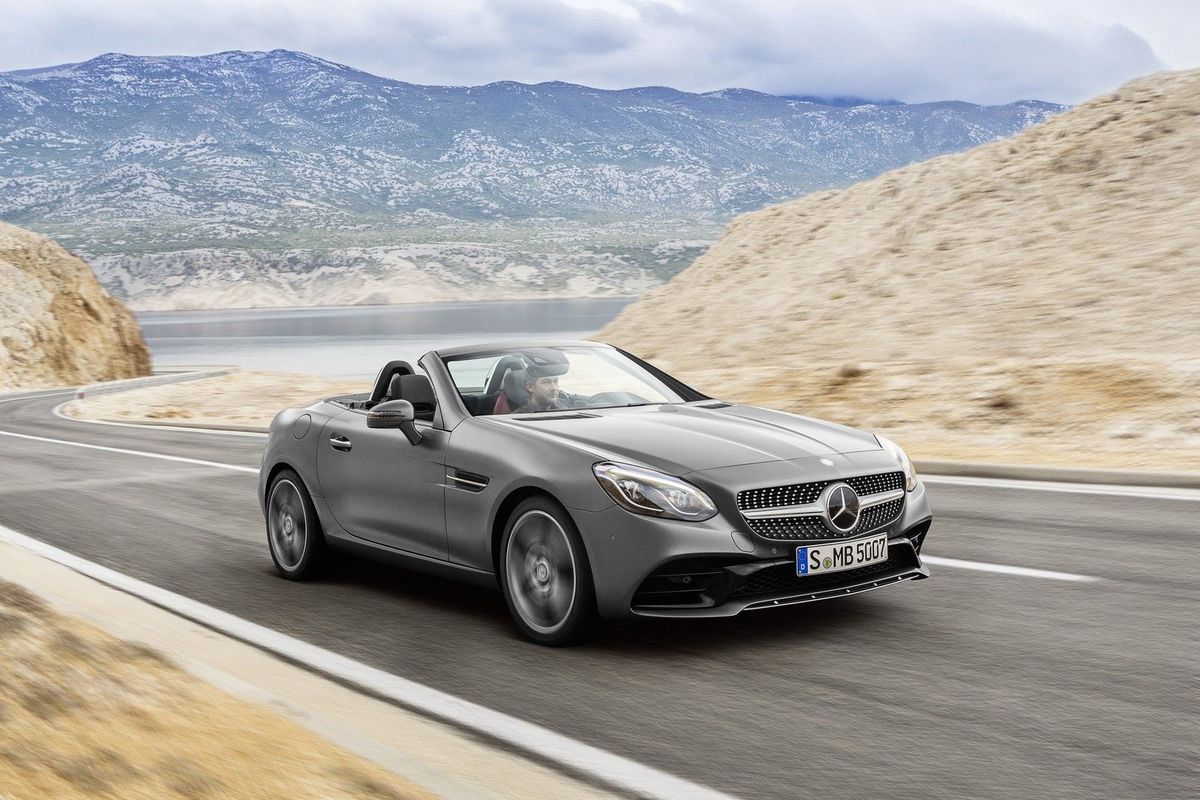
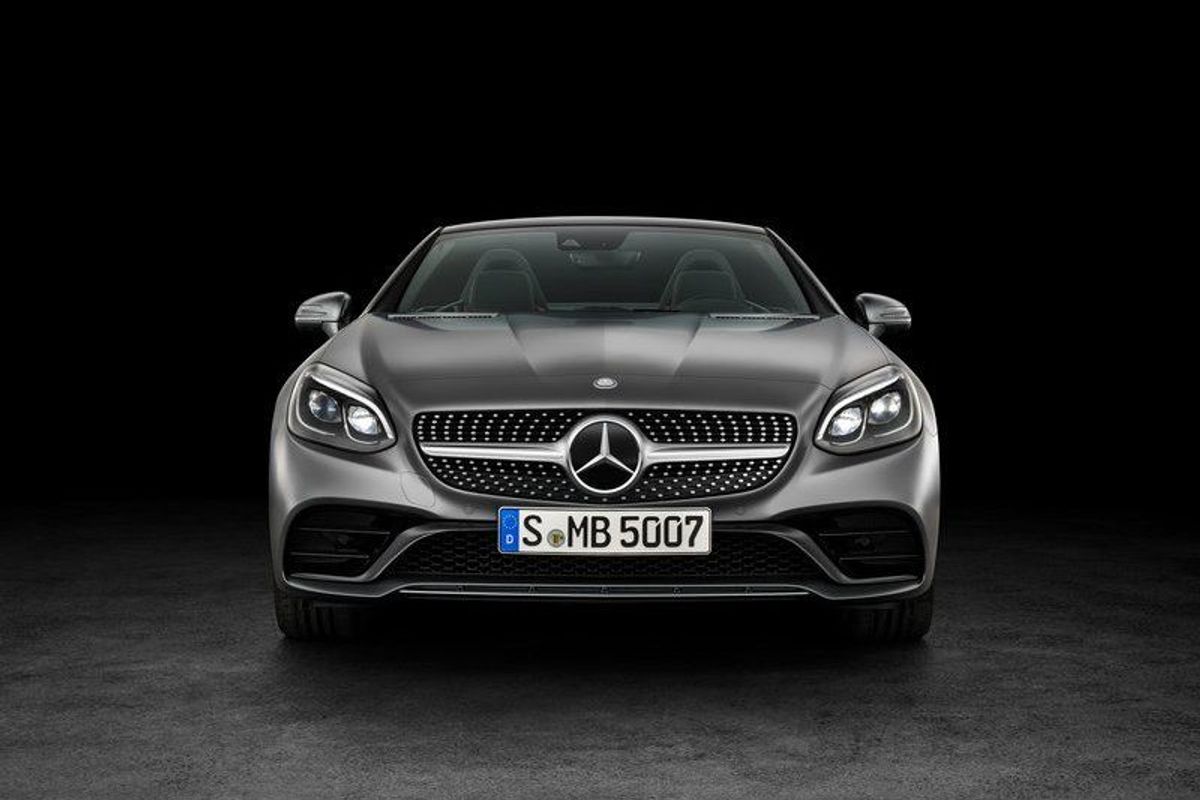
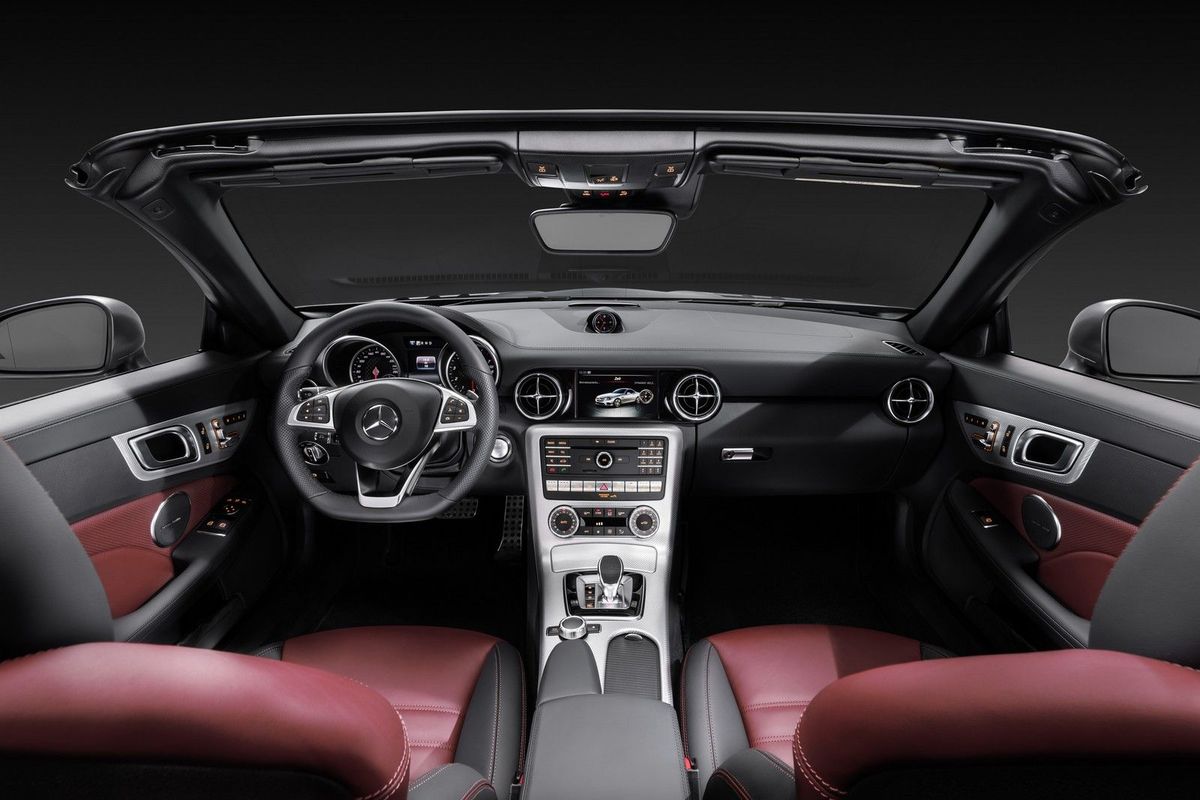
The facelifted Mercedes-Benz SL roadster is available in South Africa! Get the details here…
The Mercedes-Benz SL roadster has been updated with a host of technical and stylistic changes. We had the SL 400 on test a while back (see link below), and found it to be an excellent daily cruiser with all the bells and whistles you could ever want. If you like driving in luxury and comfort with the top down, then the SL should be on your shopping list. Take a look at this brief summary of the SL lineup…
The range consists of four models. The SL range starts with the SL 400 that’s powered by an uprated 3.0-litre biturbo V6 producing 270 kW and 500 Nm of torque through a 9-speed automatic transmission. Acceleration from standstill to 100 kph is claimed to take 4.9 seconds before reaching a limited top speed of 250 kph. Fuel consumption is rated at 7.7 L/100 km.
The second model is the SL 500 powered by a 4.7-litre biturbo V8 engine that produces 335 kW and 700 Nm of torque and is mated with a 9-speed automatic transmission. 0-100 kph is claimed to be achieved in 4.3 seconds before reaching a limited top speed of 250 kph. Fuel consumption is rated at 9.0 L/100km.
More performance potential comes courtesy of the Mercedes-AMG SL 63 with its 5.5-litre biturbo V8 that feeds 430 kW and 900 Nm of torque to the rear wheels via a 7-speed automatic sports transmission. Acceleration from zero to 100 kph should take 4.1 seconds before the SL goes on to a top speed of 250 kph. Fuel consumption for this model is rated at 9.8 L/100km.
The range-topping Mercedes-AMG SL 65 is powered by a 6.0-litre V12 biturbo engine that produces 463kW and 1 000Nm of torque. This model will accelerate from zero to 100 kph in 4.0 seconds and reach a limited top speed of 250kph. Fuel consumption for this model is rated at 11.9 L/100 km.
Active Body Control (ABC) is standard on the SL 63 and SL 65 and both models feature a curve tilting function that operates at speeds between 15 and 180 kph. Active Brake Assist is offered as standard and the Driving Assistance Package Plus features on the SL 63 and SL 65 and is optional for the SL 400 and SL 500. The package includes a stereo camera, Distance Pilot DISTRONIC with Steering Pilot, Active Brake Assistant with cross-traffic function, Active Blind Spot Assist, Active Lane Keeping Assist and Pre-Safe Plus. LED Intelligent Light System is fitted as standard.
Mercedes-Benz SL price in South Africa
Mercedes-Benz SL 400 – R1 435 100
Mercedes-Benz SL 500 – R1 767 900
Mercedes-AMG SL 63 – R2 454 300
Mercedes-AMG SL 65 – R3 119 900
Volvo V40 Facelift (2016) First Drive
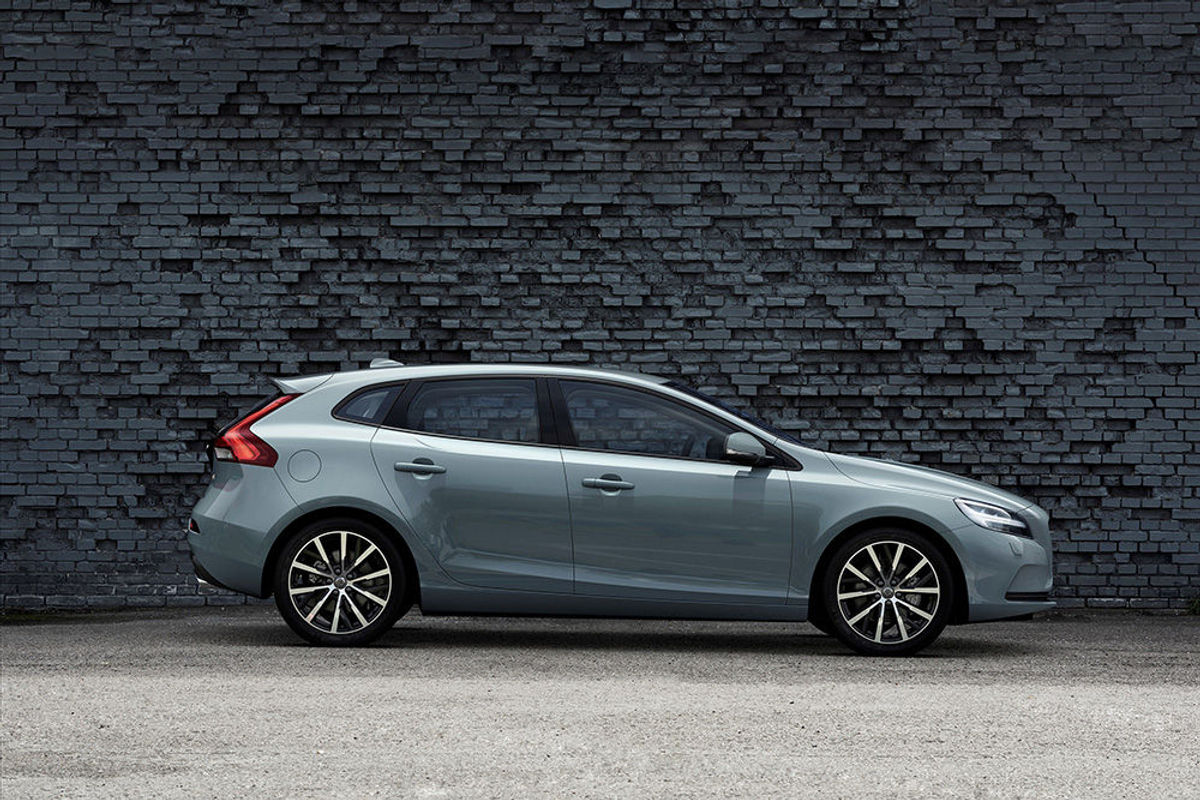
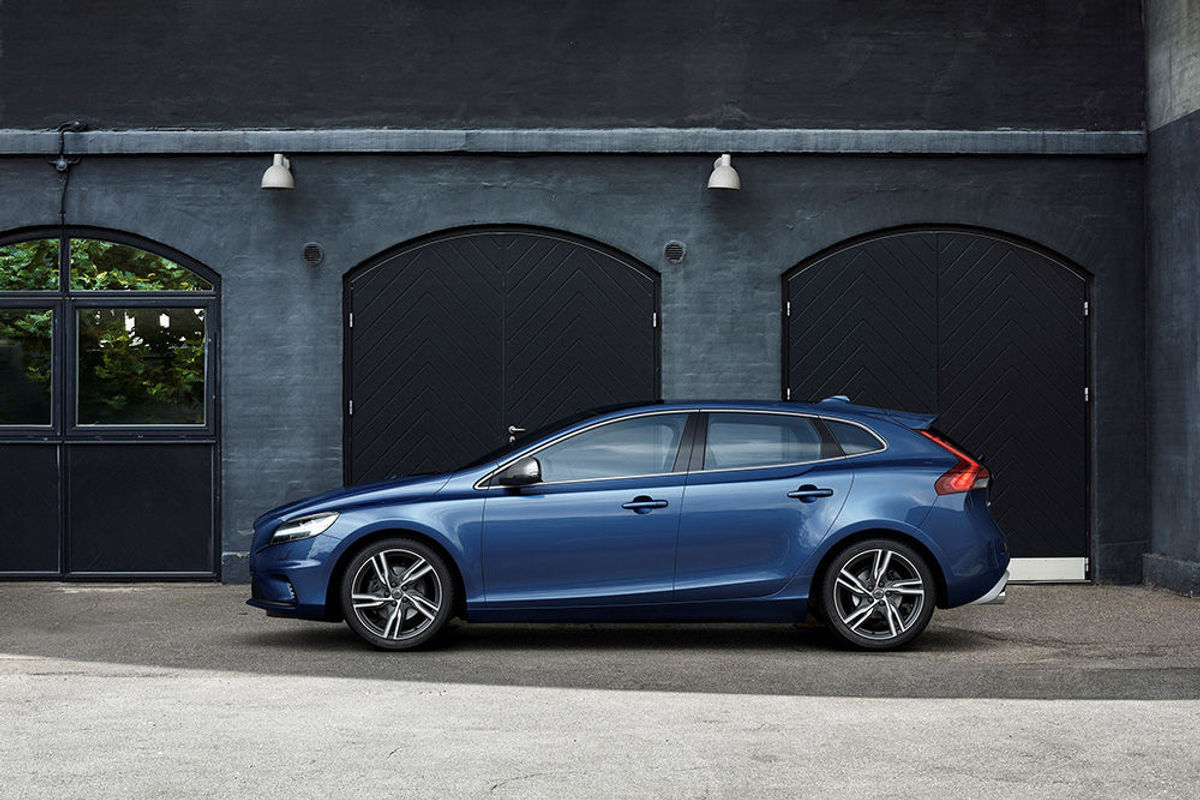
The V40 is the baby of the Volvo range and it has received a midlife facelift to keep it fresh and modern. We attended the launch of the refreshed V40 in Cape Town to see and experience the changes in the metal.
The Volvo V40 is the Swedish attempt to take on the likes of the Audi A3, BMW 1 Series and Mercedes-Benz A-Class. In true Volvo tradition, it has been regarded as the next best thing, after the segment leader. Volvo products (unless you count the wonderful XC90) are not generally perceived to be the popular choice, which is a shame because its recent products are exemplary.
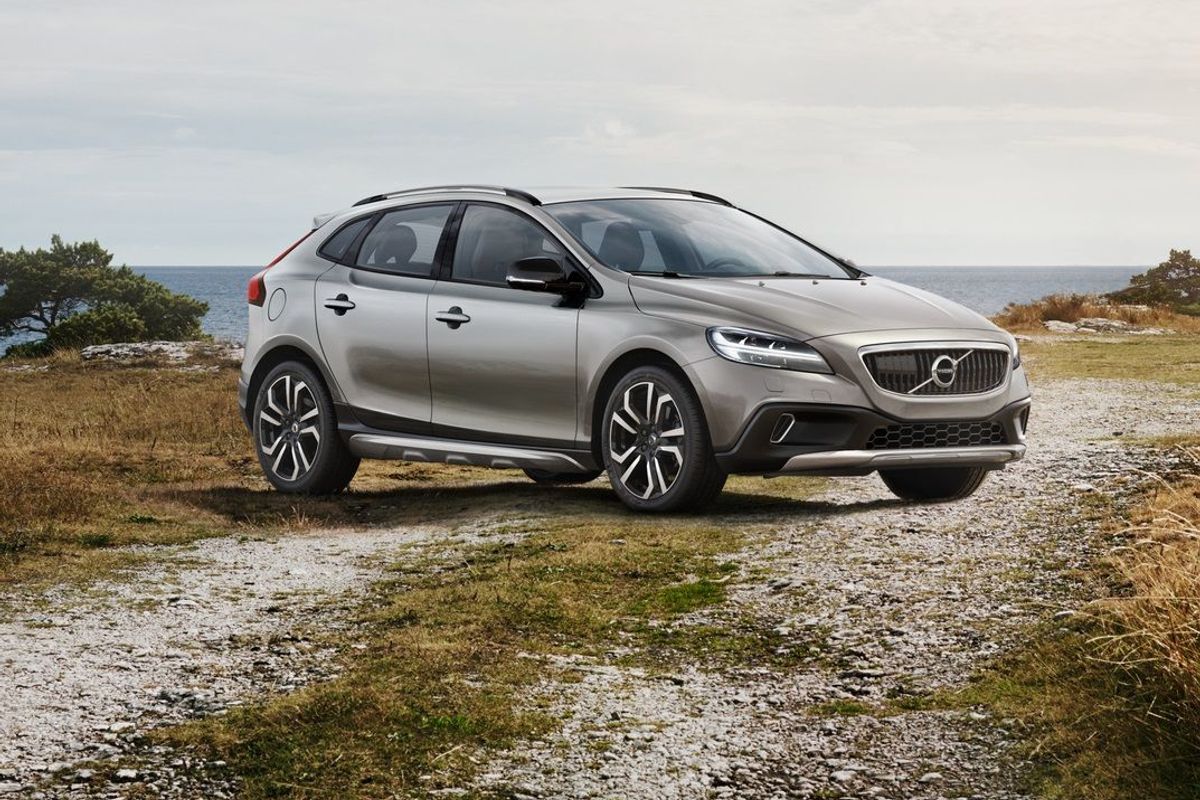
The V40 Cross Country has returned too and it features chunky bodywork, raised ground clearance and roof rails. If there was a vehicle that looked the part for the active go-getter, this would be it! It’s certainly eye-catching.
What’s new?
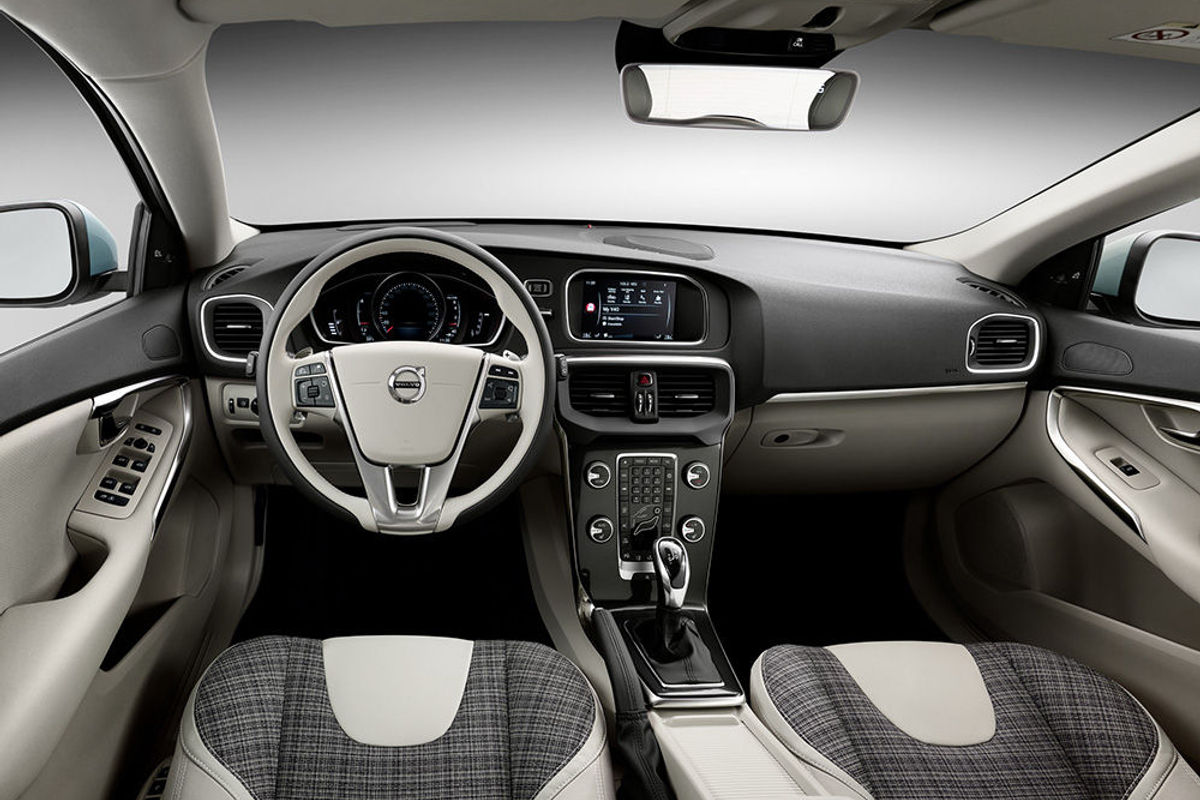
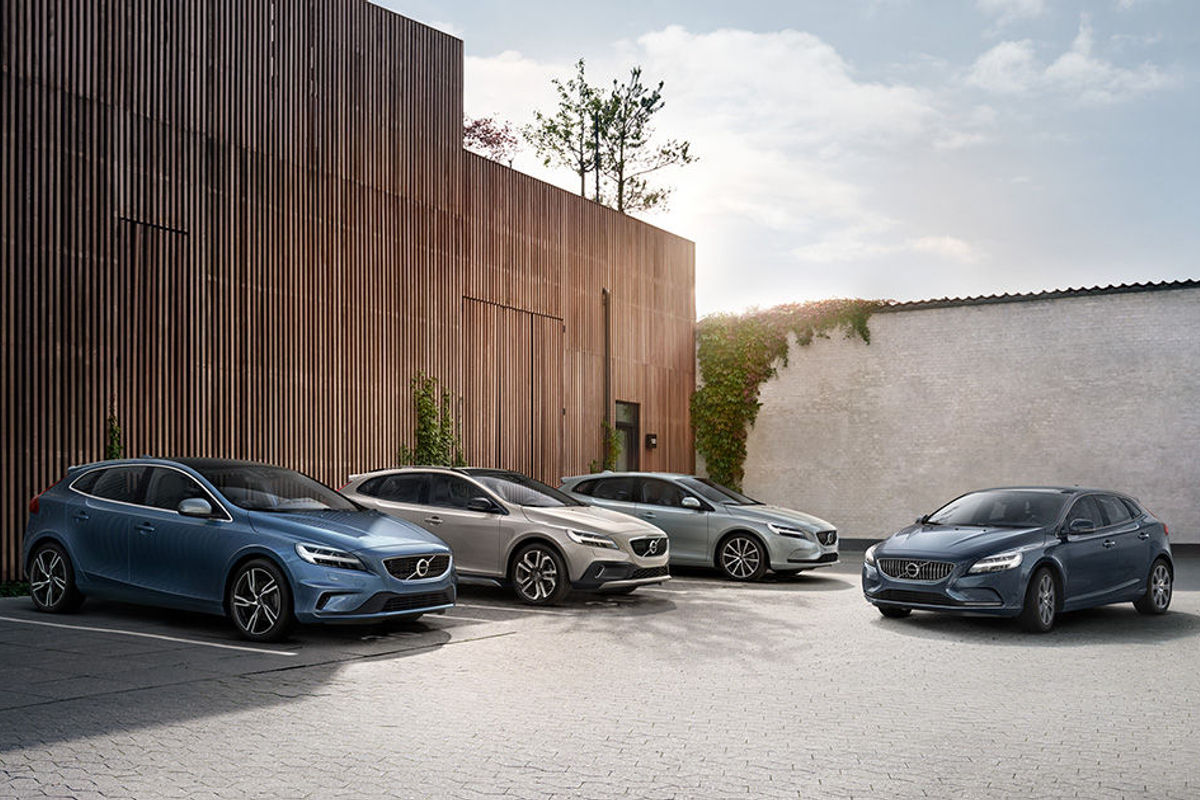
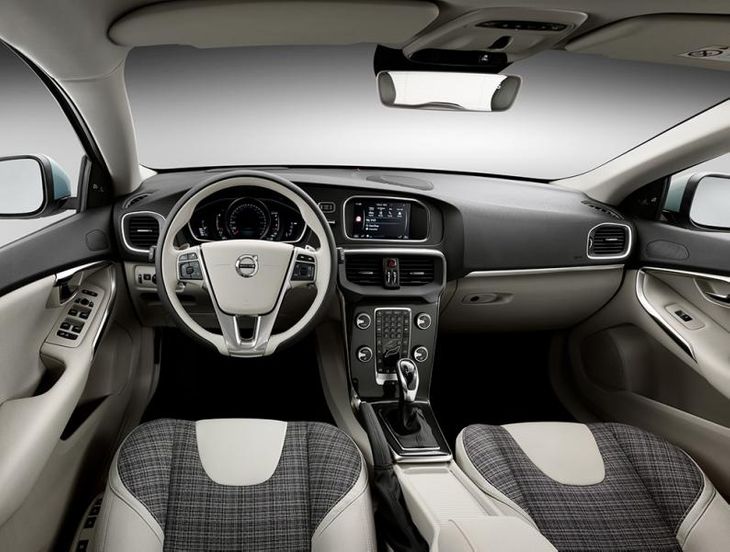
Enter this new-look Volvo V40. Right away you can spot those trademark Volvo "Thor’s Hammer" headlights which are new on this model. Upon closer inspection, you can see the grille has been changed too. There’s a host of new colours as well, with delightful names such as Bursting Blue, Luminous Sand and Mussel Blue (which have been borrowed from the S90). The interior has received some tweaks in the form of new materials and colour schemes. Making its debut is City Weave – a unique and charming texture trim on the seats.
The important change is in the powertrain. While we have fond memories of the ultra-frugal 1.6-litre diesel D2 and awe-inspiring five-cylinder T5, the reality of environmental concerns, economy and downsizing have hit home. Instead, the modular Drive-E engines will be powering this generation of Volvo V40. All motors are 2.0-litre in size, with the exception of the 1.5-litre in the T3. There are petrol and diesel options available with the petrol variants carrying the ‘T’ designation, while diesels have ‘D’. Both manual and automatic transmissions are available.
Model
Power / Torque
0-100 kph
Claimed economy
Volvo V40 T3
112 kW / 250 Nm
8.3 seconds
5.5 L/100 km
Volvo V40 D2
88 kW / 280 Nm
10.5 seconds
3.4 L/100 km
Volvo V40 T4
140 kW / 300 Nm
6.9 seconds
5.5 L/100 km
Volvo V40 D3
110 kW / 320 Nm
8.4 seconds
3.8 L/100 km
Volvo V40 D4
140 kW / 400 Nm
7.2 seconds
4.2 L/100 km
Volvo V40 T5
180 kW / 350 Nm
6.3 seconds
5.9 L/100 km
Specification
The interior of the V40 features new colour schemes and a charming City Weave pattern on the seats.
Volvo’s products are well specified as standard, but you can tick a few boxes to add some glamorous and technological options. There are four levels of spec; Kinetic, Momentum, Inscription and R-Design, and there are three option packs called; Sport, Techno and Premium. If you have a base-model Kinetic, you can opt for a Base Pack which ups the offering substantially with cruise control, digital instrument cluster, rain sensor, front and rear parking sensors and the high-performance sound system.
Kinetic includes six speakers, an aux jack, dual-zone automatic climate control, automatic electric windows all-round, a leather steering wheel, handbrake and gear lever surround, eight cup holders, two 12-volt power outlets, remote central locking, alloy wheels, a frameless auto-dimming rear-view mirror, daytime running lights, a roof spoiler and a tyre pressure monitor.
Momentum offers 17- or 18-inch wheels, heated and electrically-adjustable side mirrors with puddle lighting, rear parking sensors, leather upholstery, a powered driver seat with memory, cruise control and a rain sensor.
Inscription features full-LED headlights with Thor’s Hammer signature daytime running lights, a chrome-accented grille, a digital instrument cluster, an electric passenger seat, a high-level interior lighting package, an eight-speaker high-performance sound system with DVD compatibility, Bluetooth and USB functionality, and Connected Service Booking.
Top of the range R-Design trim includes R-Design badging, perforated leather upholstery on sports seats, unique interior décor elements, a sports steering wheel, sports pedals and exterior body styling upgrade.
The Volvo V40 is one of the safest vehicles in its class and it features seven airbags, ABD, EBD and ESC. The world’s only pedestrian airbag is available as an optional extra. City Safety is standard on all variants, which uses autonomous emergency braking to avoid collisions with vehicles travelling ahead. You can up the safety features by ticking the boxes marked Blind Spot Information System (BLIS) with Cross Traffic Alert (CTA), Driver Alert System, Lane Keeping Aid, collision warning with full auto brake and pedestrian and cyclist detection, and Adaptive Cruise Control (ACC).
What’s it like to drive?
The intense wet and rainy weather in Cape Town made driving difficult. As a result, we resorted to two quick urban trips. We sampled two engines, the flagship T5 and the D3, both in Cross Country bodies. The Volvo V40 T5 features all-wheel drive, which is useful on soaked roads. It was reassuring to know that you can drive normally without loss of traction and when there’s space, you can put the hammer down. What’s lost is the trademark five-cylinder sound, but the sheer grunt and urge more than makes up for it.
Despite being a sporty crossover, the V40 Cross Country doesn’t sacrifice on ride comfort. The road up to Signal Hill in Cape Town is not in the best of states and in the treacherous conditions, the all-wheel drive T5 hurtled up without any difficulty or hesitation. The steering is a bit on the heavy side, but you’ll appreciate that reassuring solidity.
After the fire-breathing T5, we switched into a D3 – again in Cross Country guise. This is arguably the pick of the bunch and it offers a decent blend of frugality and outright performance. There’s no shortage of power and the eight-speed automatic ‘box is a treat. This specific model also had gearshift paddles located behind the steering wheel. You can't fault how it drives either, it's silky smooth and refined.
Quick Summary
You’ll see the pricing of the new-look Volvo V40 below. While it may appear quite pricey, the level of specification, technology and refinement is quite high, so we feel it’s justified. The rivals don’t feature as much standard equipment and to match the V40, you’ll have to go to town with options.
The new engines are great in this smaller application, something we were concerned about with the bigger Volvo products. Can a small 2.0-litre move a big SUV? Just. Is it good for this compact hatchback? Definitely! The interior hasn’t changed dramatically, but the trim/colour combinations add some personality to the offering. For those who are tactile fans, the City Weave trim will make you very happy. Some criticisms are directed at the centre console which still feels a tad dated and the fuel consumption figures are a little hopeful. Still, it’s a commendable effort from Volvo who are currently on the product offensive.
We look forward to getting under its skin for a road test soon, so stay tuned!
Volvo V40 Price in South Africa
All V40 and V40 Cross Country models in South Africa are sold with a 5-year/ 100 000 km warranty, a 5-year/ 100 000 km Volvo Plan (full maintenance plan), Tracker Connect and tinted Llumar smash-and-grab-protected glass.
V40 D2 6-speed manual – R351 100
V40 D3 6-speed Geartronic – R432 400
V40 D4 8-speed Geartronic – R442 400
V40 T3 6-speed manual – R337 700
V40 T3 6-speed Geartronic – R396 500
V40 T4 6-speed manual – R400 200
V40 T4 6-speed Geartronic – R420 300
V40 T5 8-speed Geartronic – R459 700
V40 Cross Country D3 6-speed Geartronic – R452 700
V40 Cross Country D4 8-speed Geartronic – R469 300
V40 Cross Country T4 6-speed manual – R412 500
V40 Cross Country T4 6-speed Geartronic – R432 600
V40 Cross Country T5 AWD 8-speed Geartronic – R504 400
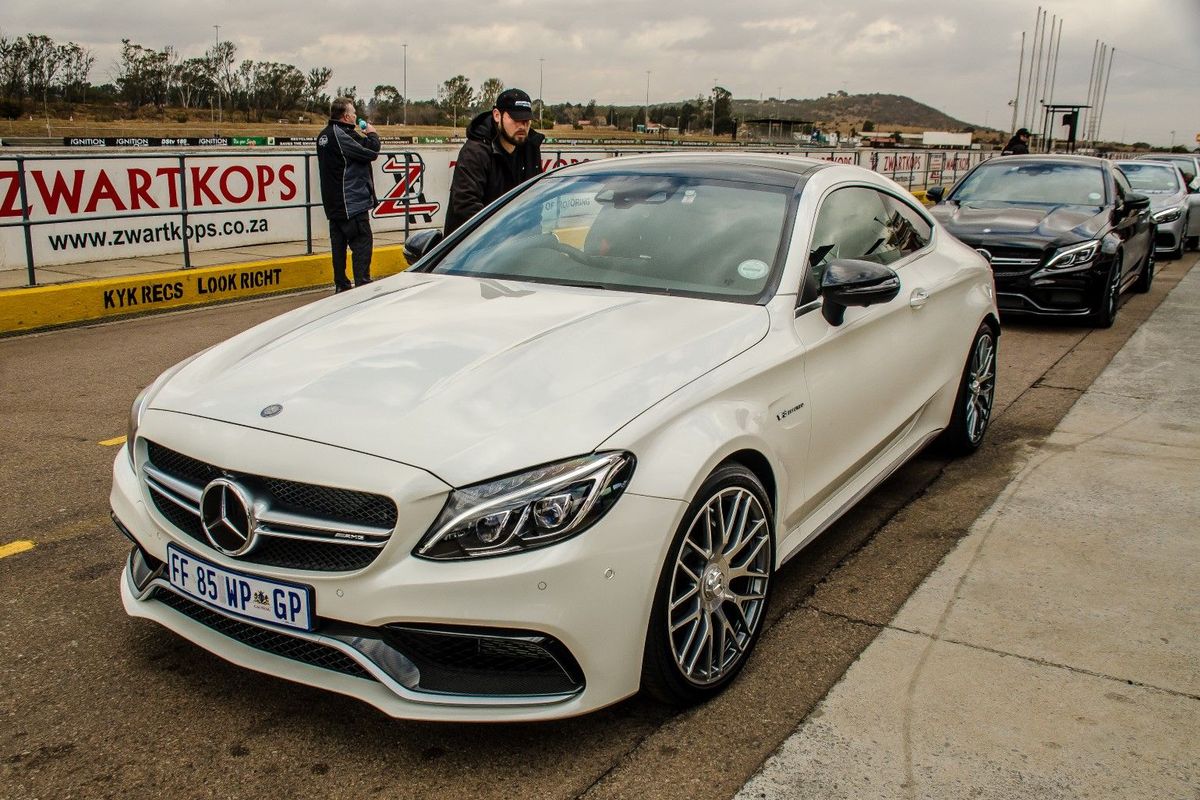
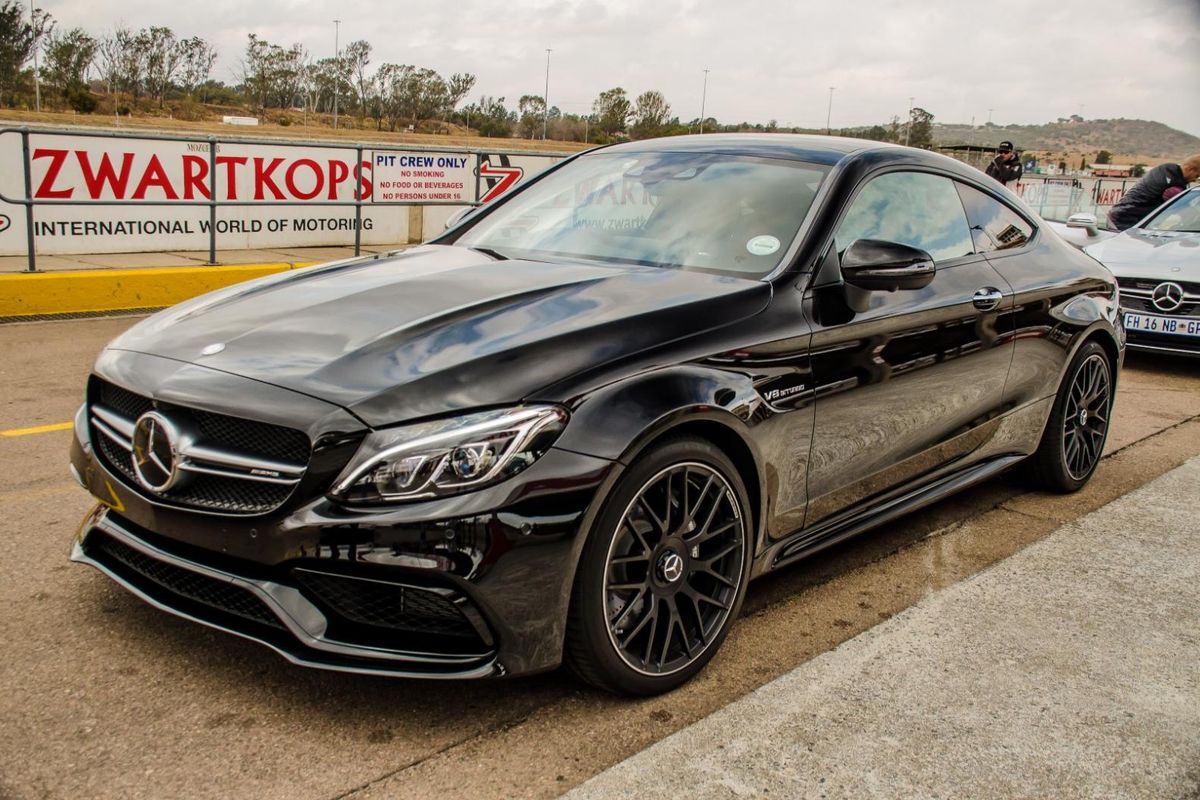
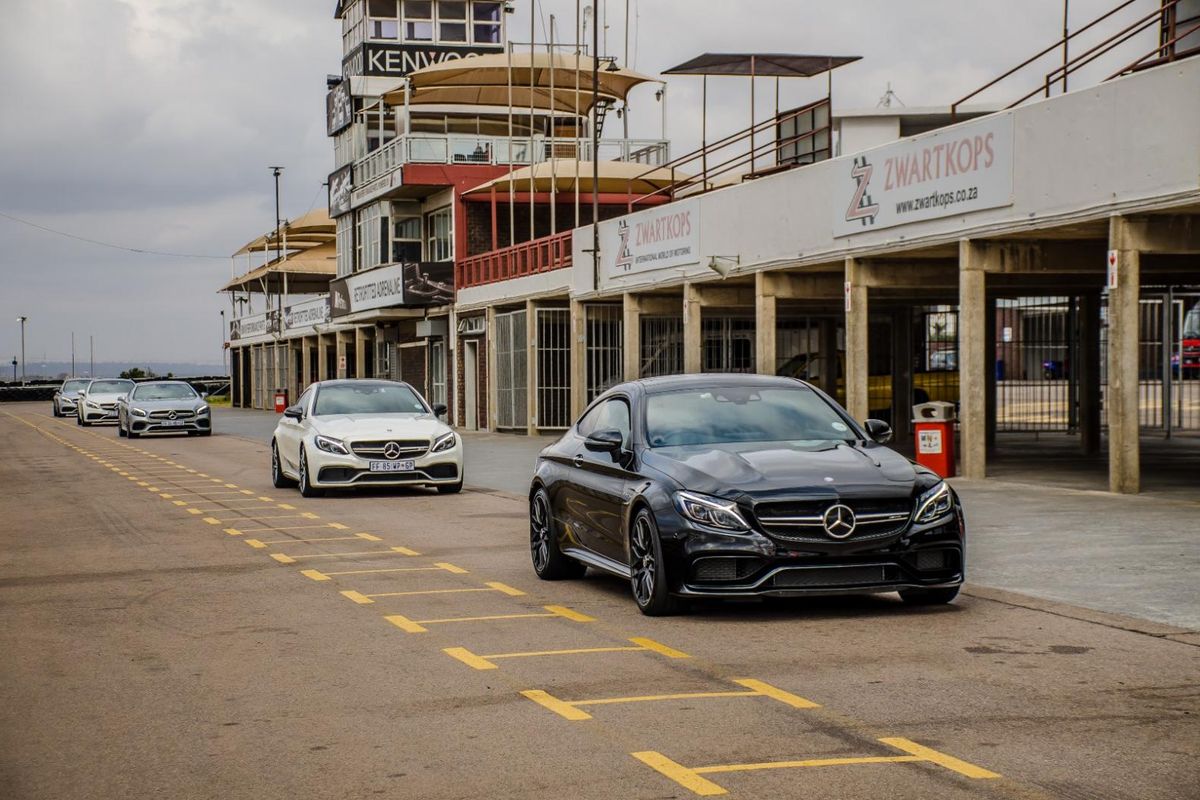
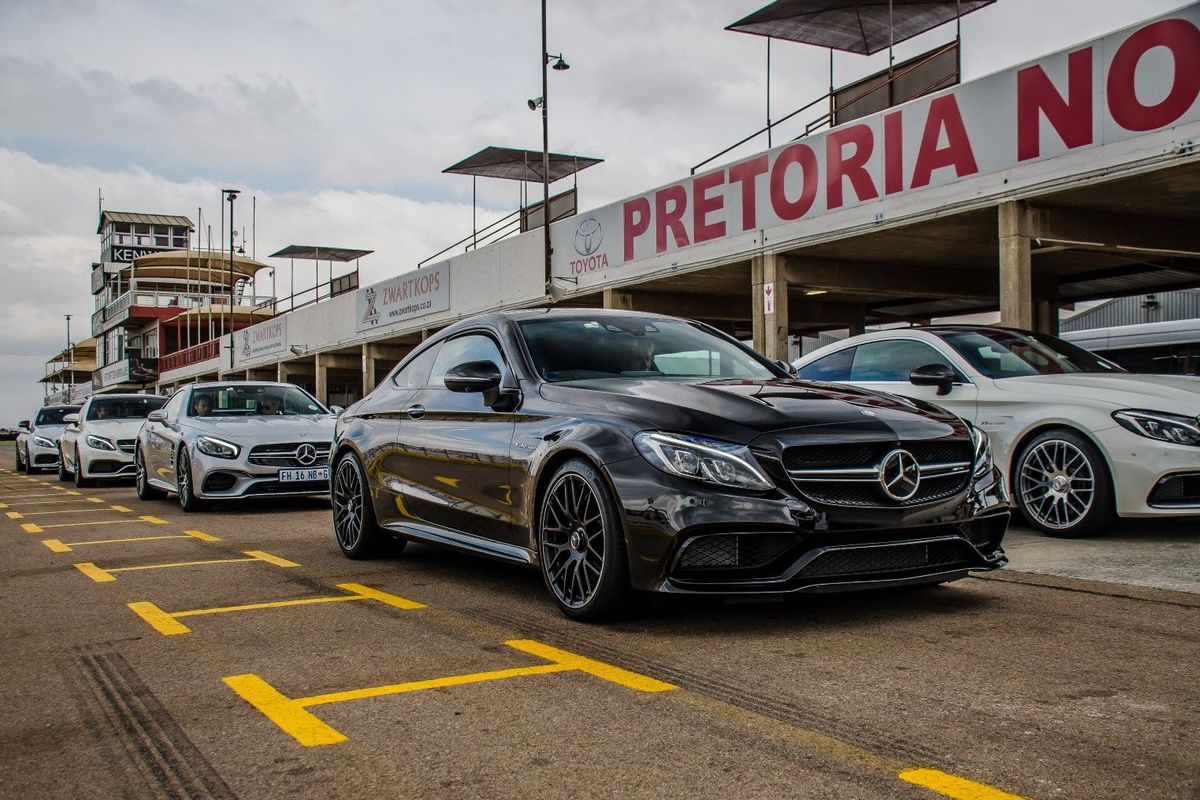
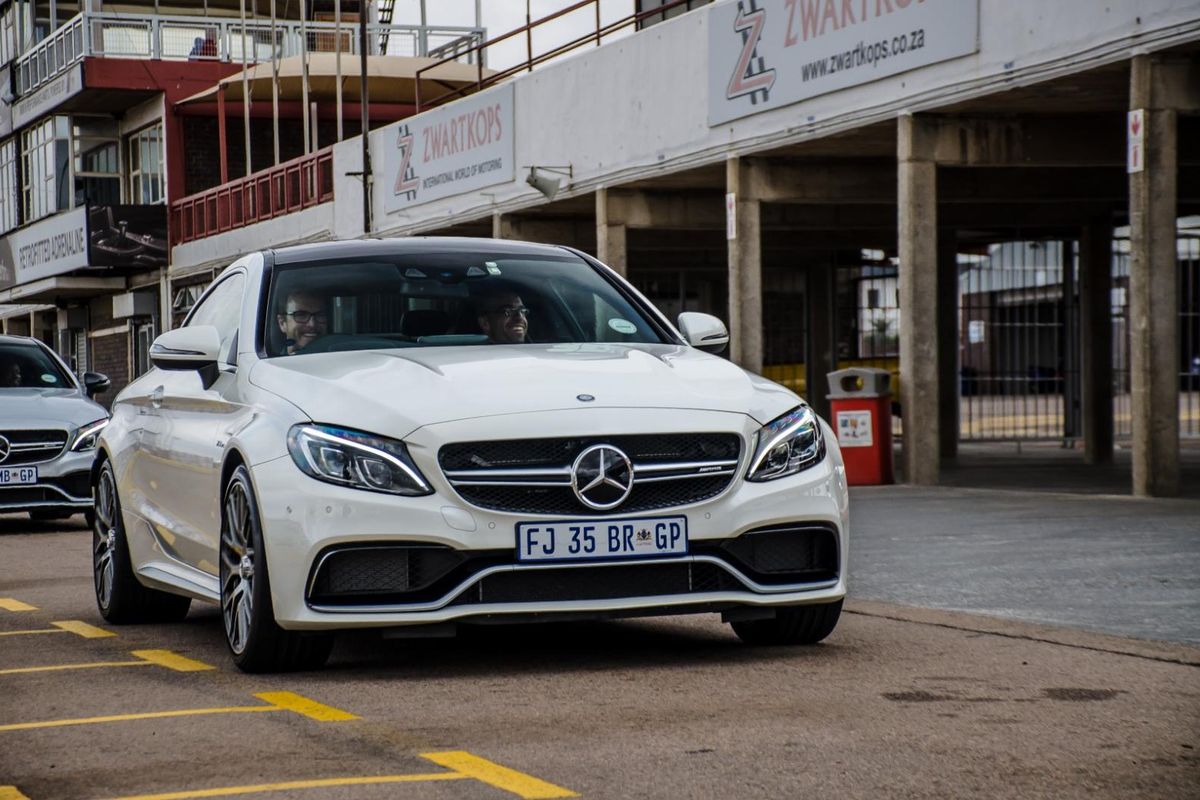
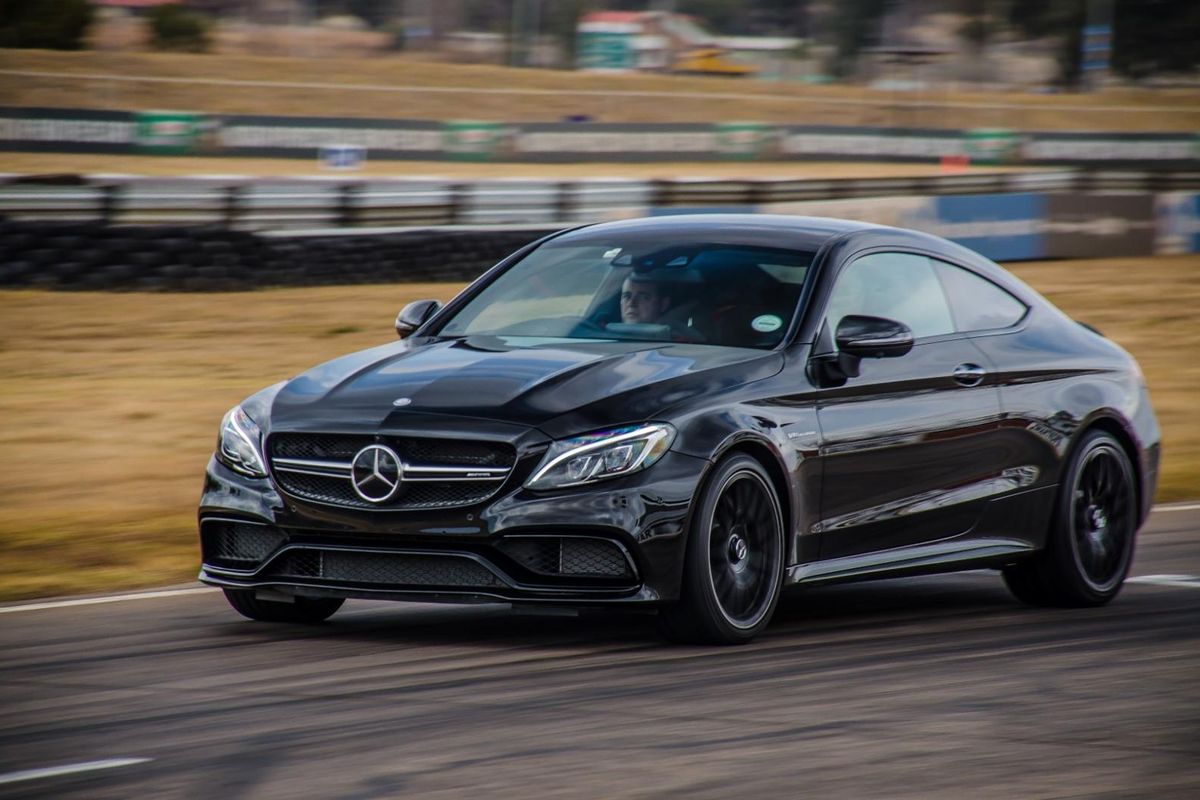
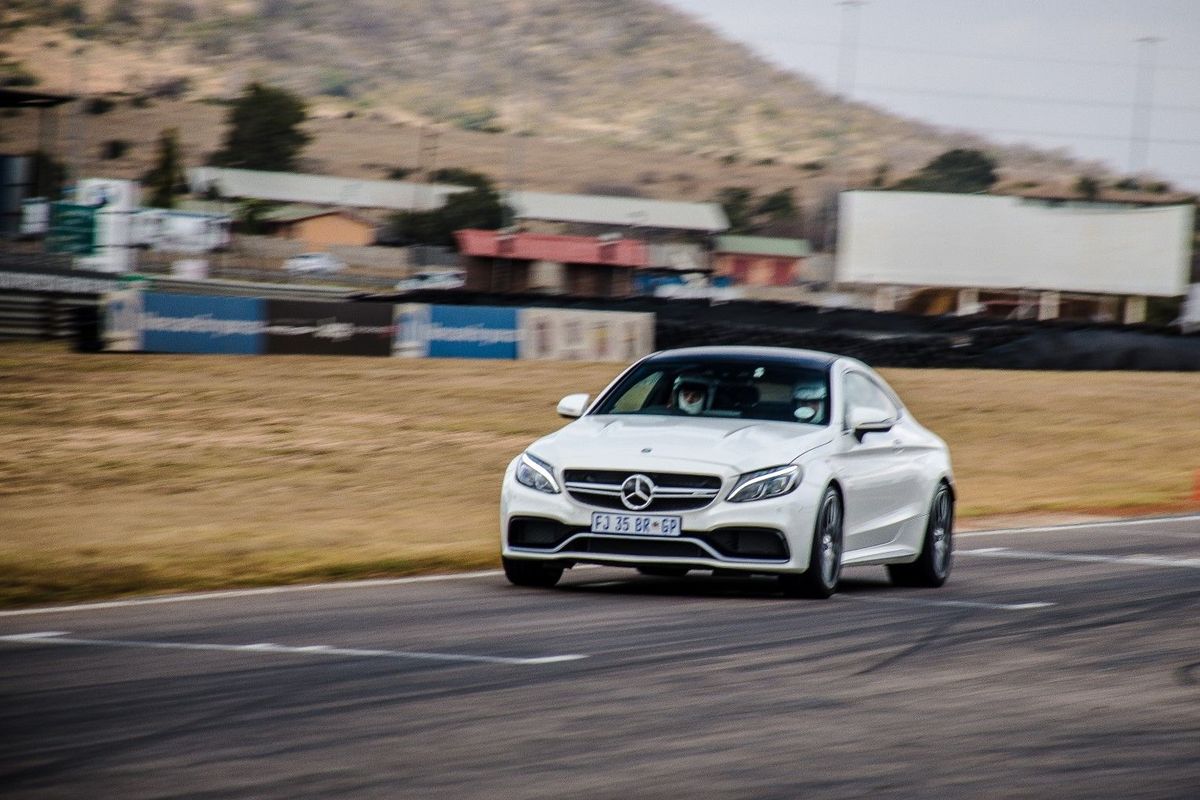
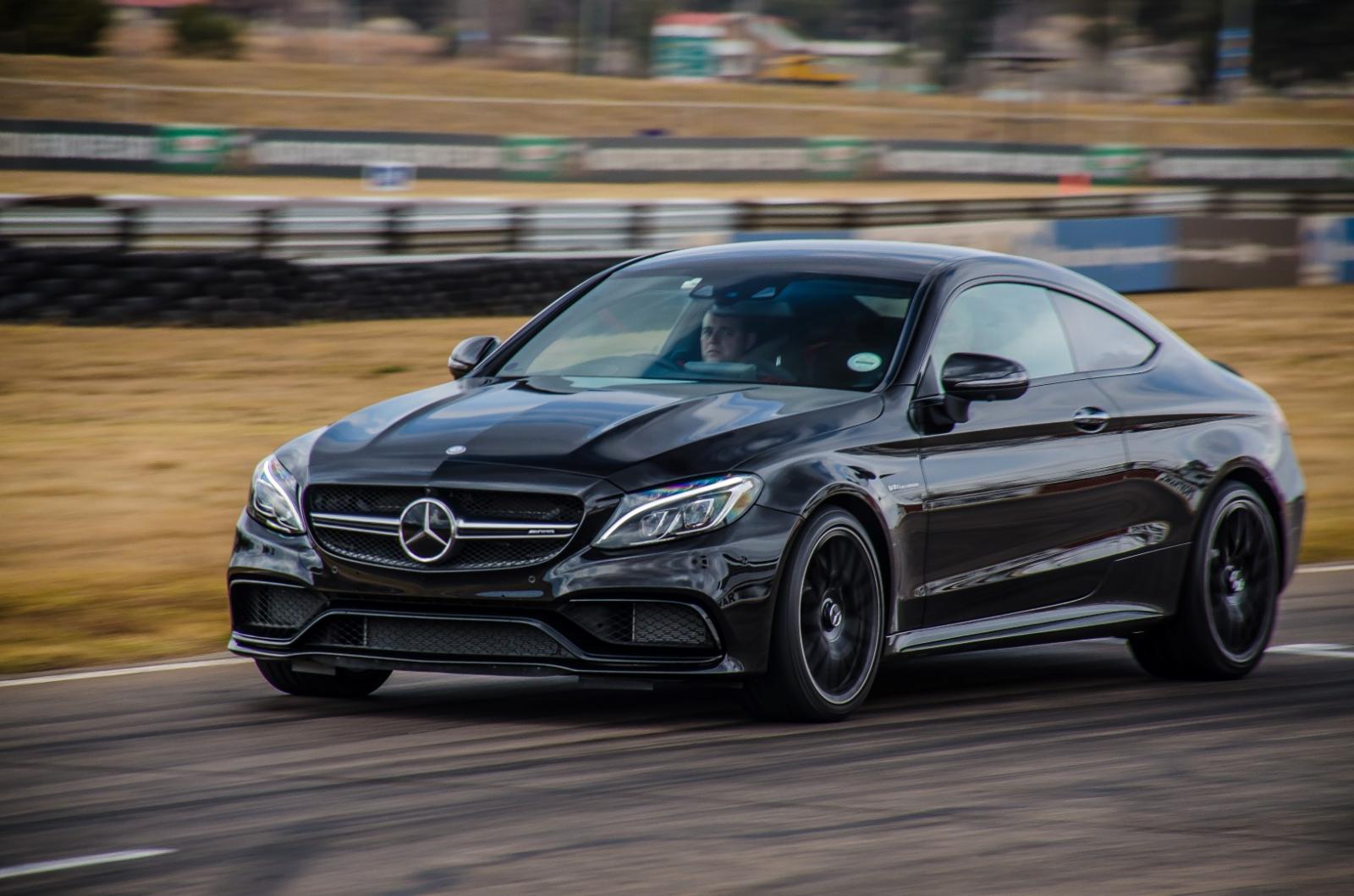
The performance-inspired Mercedes-AMG C63 Coupe has been launched in South Africa and we took the newcomer for a whirl at Zwartkops Raceway in Gauteng.
The newcomer boasts a number of upgrades to boost its looks and to improve its performance. Perched at the top the C-Class Coupe range, the AMG C63 Coupe is powered by a 4.0-litre twin-turbo V8 engine that offers a hefty 350 kW and 650 Nm of torque. It is only outmatched by the bespoke AMG C63 S; the crème de la crème of the line-upwith 375 kW and 700 Nm of torque.
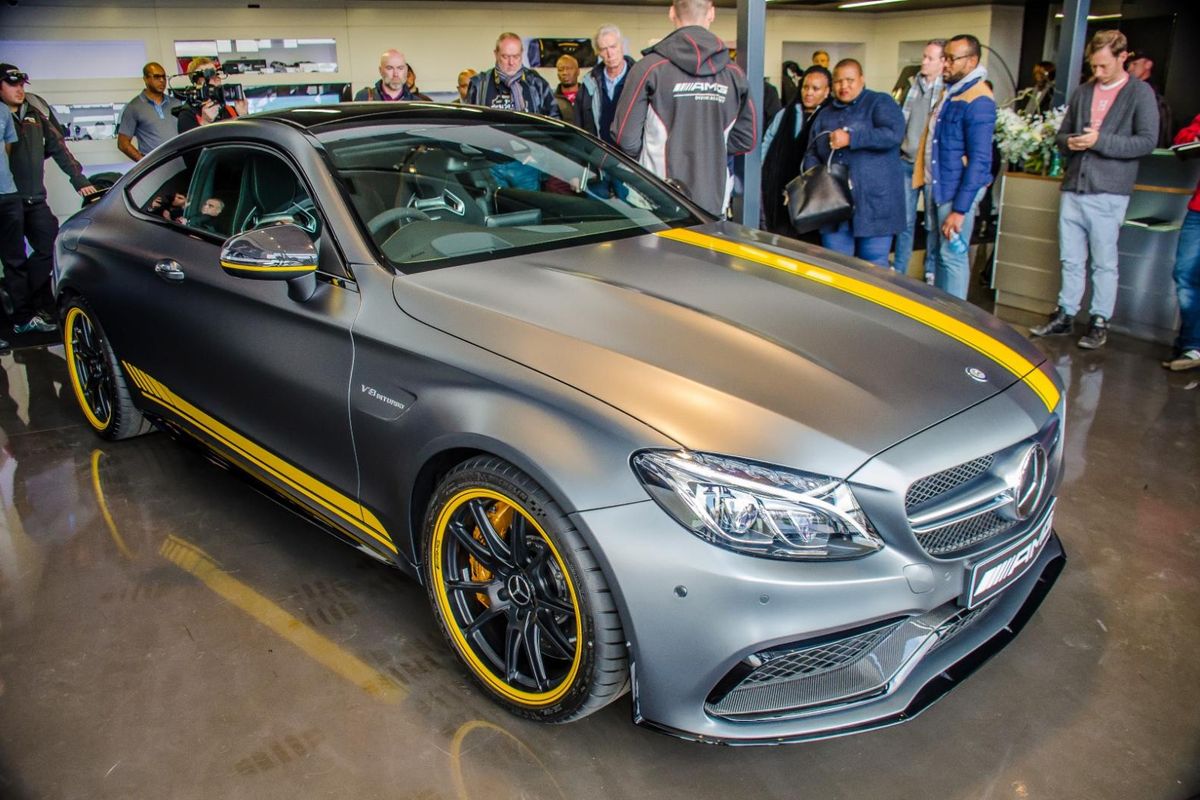
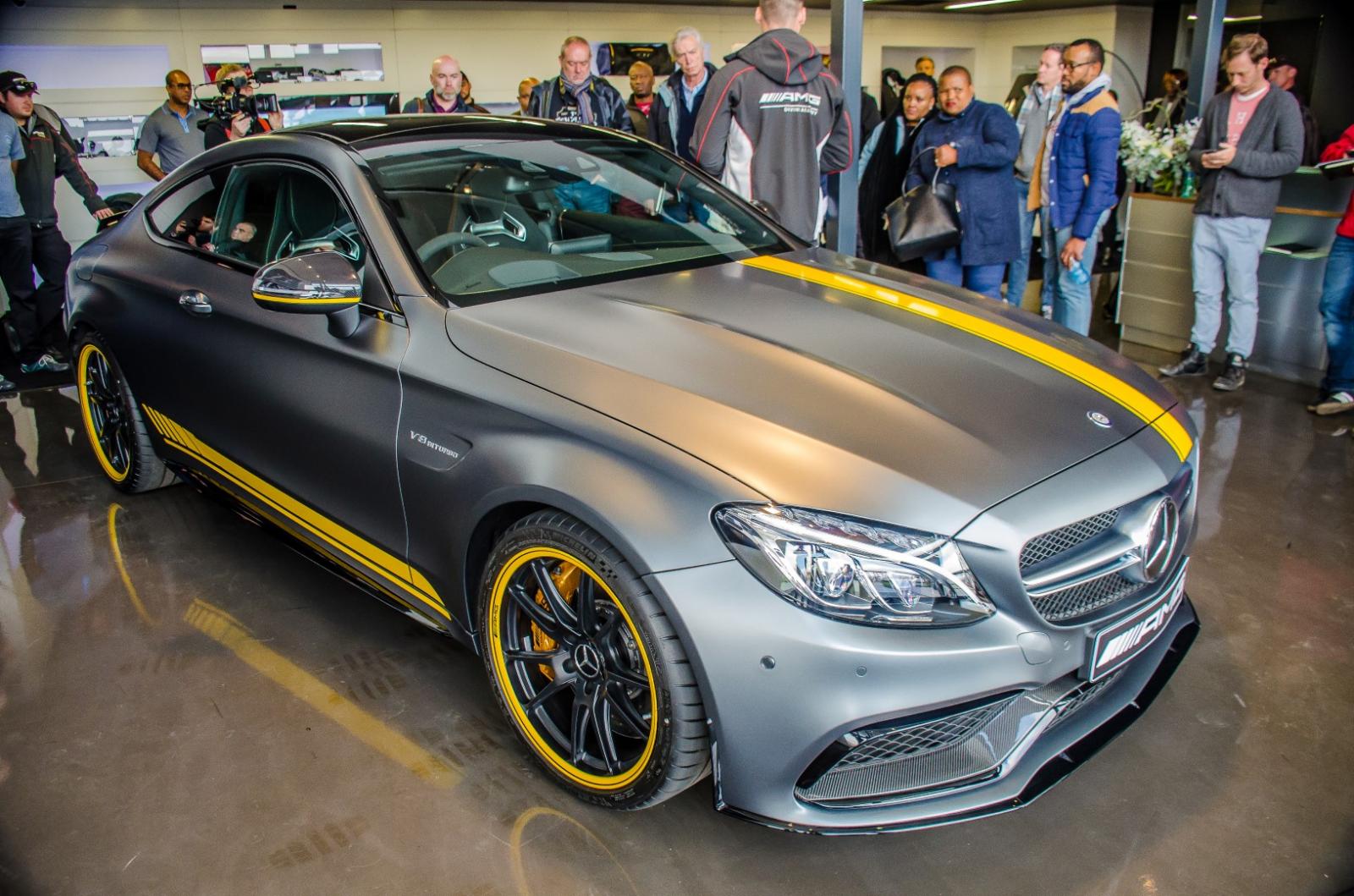
Enthusiasts can also opt for the racy Edition 1 version of the AMG C63 Coupe, which adds unique styling details and interior features. Availability of the AMG C 63 Edition 1 is very limited, so if you want one, you better act fast!
The launch of the new AMG C63 Coupe took place at Zwartkops Raceway near Pretoria, Gauteng, where we had the chance to get a feel for the C63 with a few laps around the track. Let’s take a look at some of the highlights.
Athletic design
Racy-looking Edition 1 version is available in extremely limited numbers.
The AMG C63 Coupe features a number of styling details that set it apart from the standard C-Class Coupe. Firstly, you will notice that the wheel arches are prominently flared, increasing the width by 64 mm at the front and 66 mm at the rear, giving the AMG C63 Coupe an agile and beefed-up appearance. The flared arches also allow for wider tyres to be fitted to improve overall traction. Attractive 18-inch light alloy wheels are fitted as standard on the AMG C63 coupe while the C63 S coupe is fitted with larger 19-inch light alloy wheels.
The bonnet is 60 mm longer with two power domes hinting at the 4.0-litre twin-turbo V8 lurking beneath. The front-end features large air intakes with a twin-blade radiator grille while a front splitter helps keep the nose glued to the asphalt during high-speed driving. The rear-end draws inspiration from the S-Class Coupe and features a rear diffuser with two integrated chrome-plated twin tailpipes. A narrow blade-like spoiler is fitted to the top of the boot.
The AMG C63 Coupe is fitted with a sports exhaust system as standard with an exhaust flap to control and vary the sound of the V8 engine depending on the driving mode. A performance exhaust system with three selectable exhaust flaps is offered as an option for both derivatives.
Step inside and you are met with high-quality materials. Black ARTICO leather is found on the instrument panel and aluminium trim adds to the premium feel in the cabin. Sports seats in ARTICO leather and micro-fibre are fitted as standard while performance seats are offered as an option.
If you wish to enhance the look of your AMG C63 Coupe even further, you can opt for various packages offered by the AMG Performance Studio including the AMG Night package (R15 000), AMG Exterior Carbon-Fibre package I (R35 000), AMG Exterior Carbon-Fibre package II (R27 900) and the AMG Performance Studio interior (R35 500).
On track in the Mercedes-AMG C63 Coupe
The C63 impressed with its poise around the track.
In the cold, windy pits of Zwartkops Raceway, the AMG C63 stood waiting and we eagerly buckled up for a run. In terms of performance, the AMG C63 Coupe isn’t shy. A claimed sprint time of 4.0 seconds to 100 kph is possible with a limited top speed of 250 kph (the optional AMG Drivers Package increases top speed to 290 kph).
Four driving modes are on offer including Comfort, Sport, Sport+ and Individual. In this situation, Sport+ was ideal and we proceeded to tackle two laps of the 2.5 km track. The AMG C63 whipped into corners unfettered and power was laid down seamlessly through the 7-speed SPEEDSHIFT MCT sports transmission.
Shift paddles behind the steering wheel made changing gear even more controlled and precise. Fitted with a mechanical rear limited-slip differential, the AMGC 63 Coupe felt quick and even under hard cornering, the car handled well with lots of grip on offer. The V8 was quite vocal too, giving noticeable pops from the exhaust upon downshifts.
Our next drive was in the AMG C63 S, and with power bumped up to 375 kW and 700 Nm of torque, we were surprised by the difference in performance. The C63 S felt properly honed and a fair degree more agile than the – already impressive – standard AMG C63 coupe. The C63 S also benefits from an electronic rear limited-slip differential and the driver has the added choice of a RACE driving mode for track-specific dynamics. The AMG C63 S is capable of 3.9 seconds in the sprint to 100 kph. With hearts beating quickly, the AMG C63 Coupe left its mark…
We should have the Mercedes-AMG C63 Coupe on test soon, so be sure to look out for a thorough evaluation coming your way. You can view a video featuring the S version ripping up the track below:
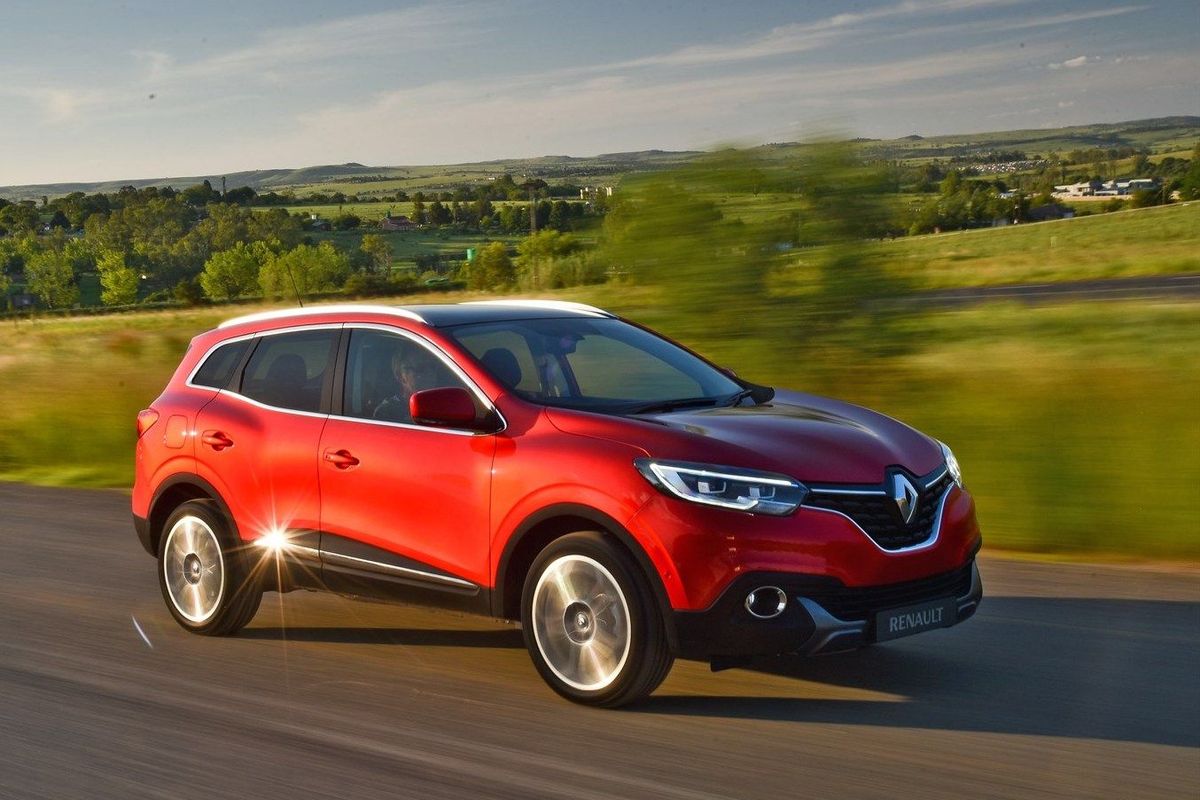
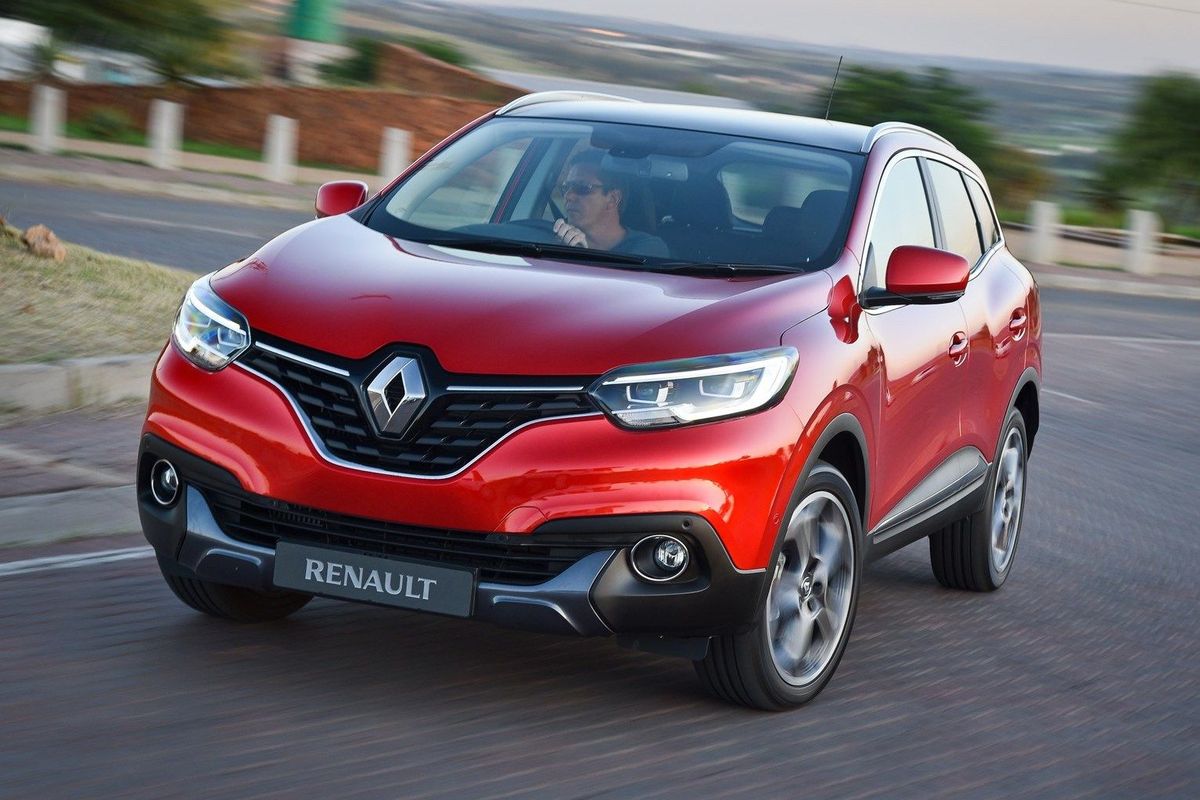
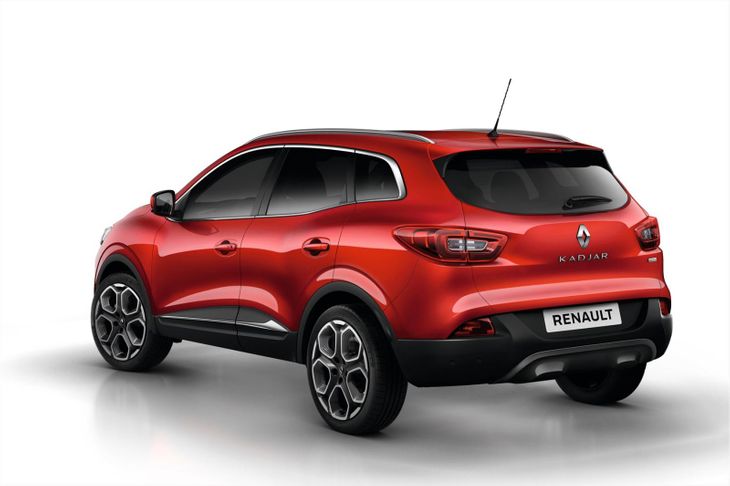
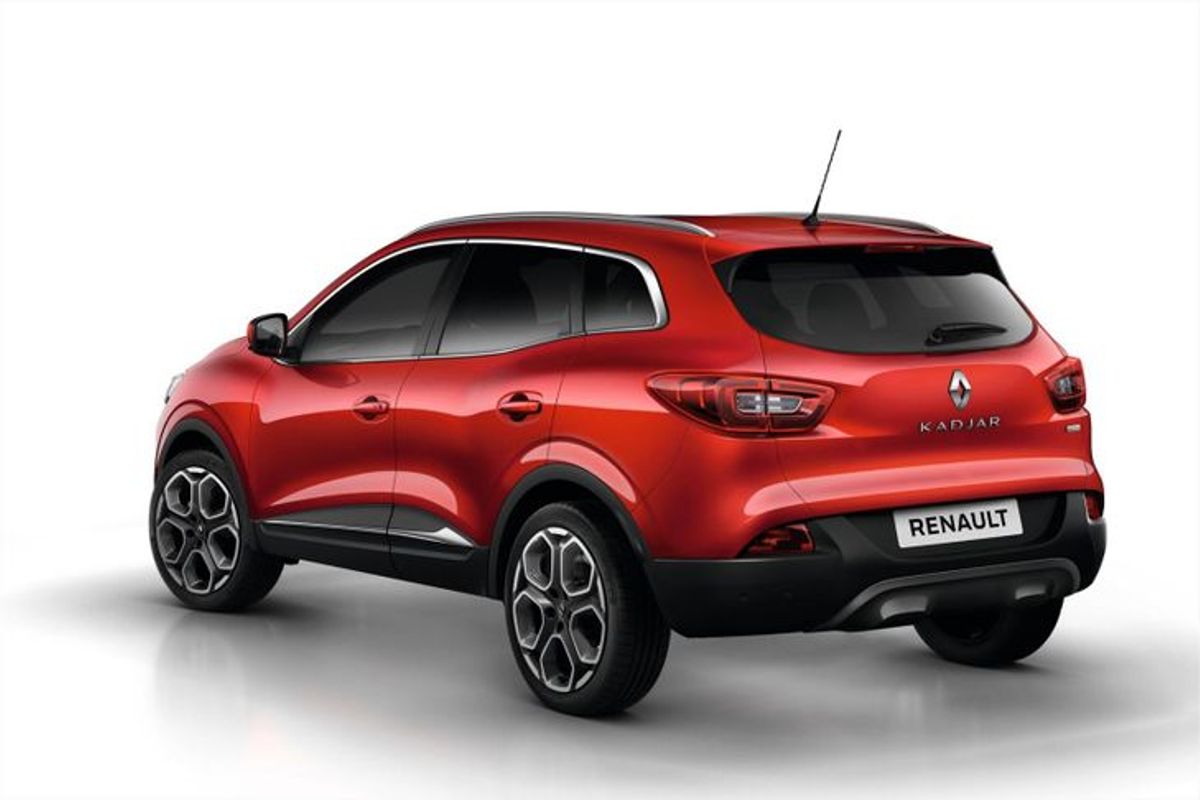
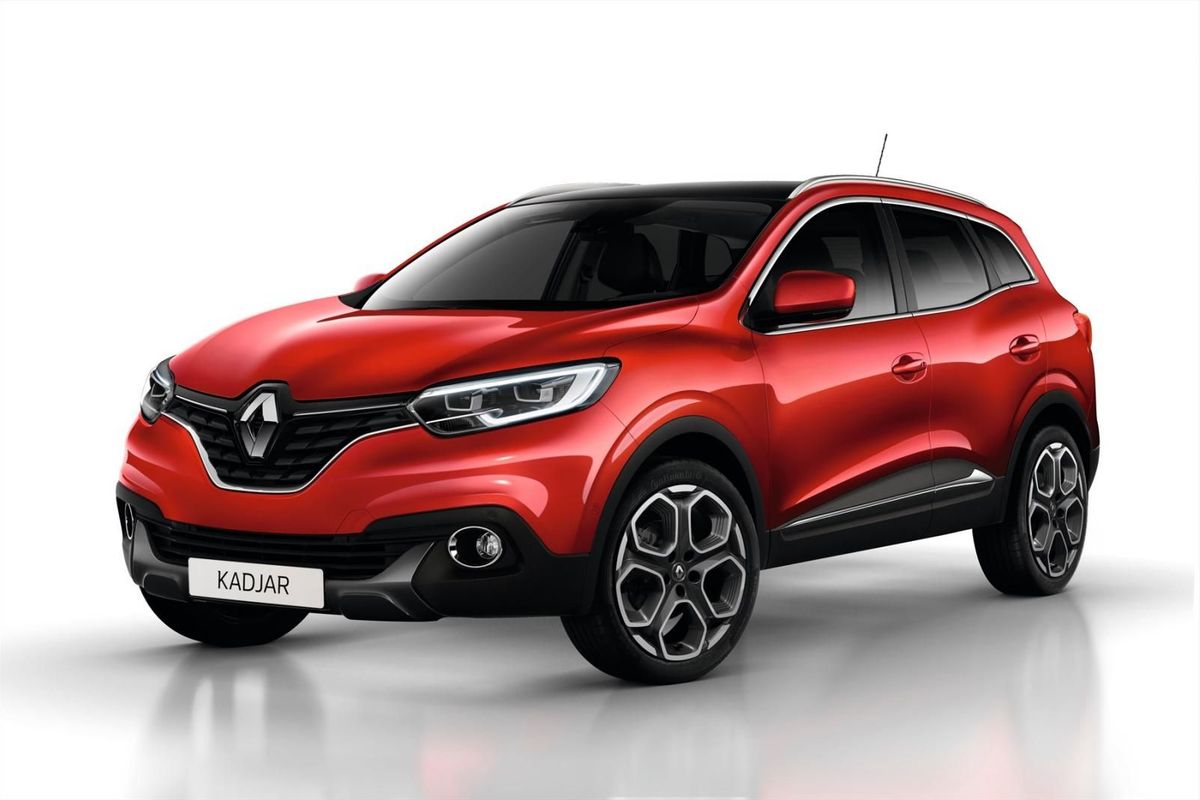
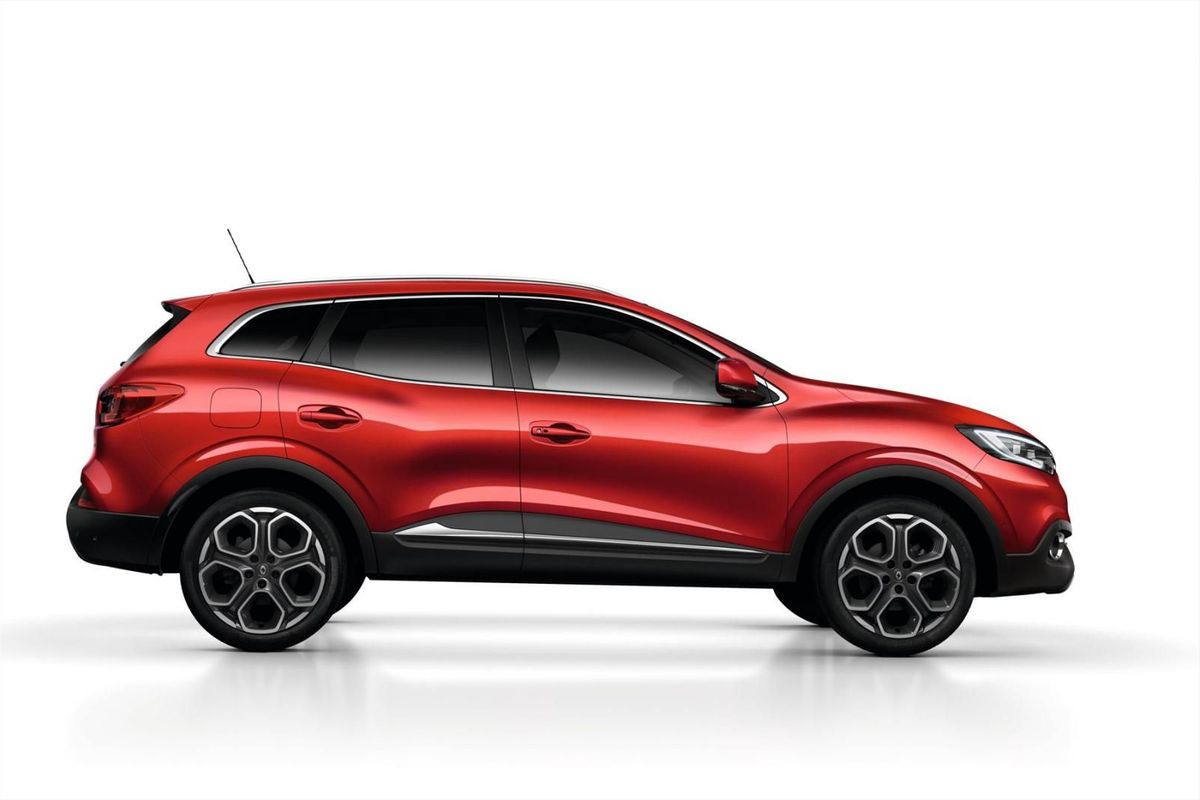
Renault has introduced an automatic transmission and a 1.5-litre turbodiesel engine to its Kadjar SUV range. We took it for a drive…
Who would’ve thought that one day the sedan would lose market share to something called a crossover/SUV? This higher, more spacious and similarly priced class of car, has thrown a spanner in the works because it offers more practicality and appeal. Think Nissan Qashqai and Hyundai Tucson for instance, for someone undergoing a life transition (a growing family perhaps), vehicles such as these simply make more sense.
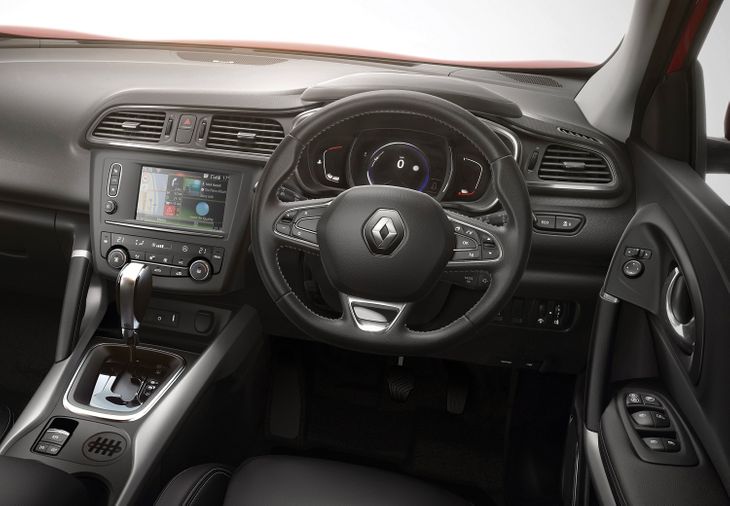
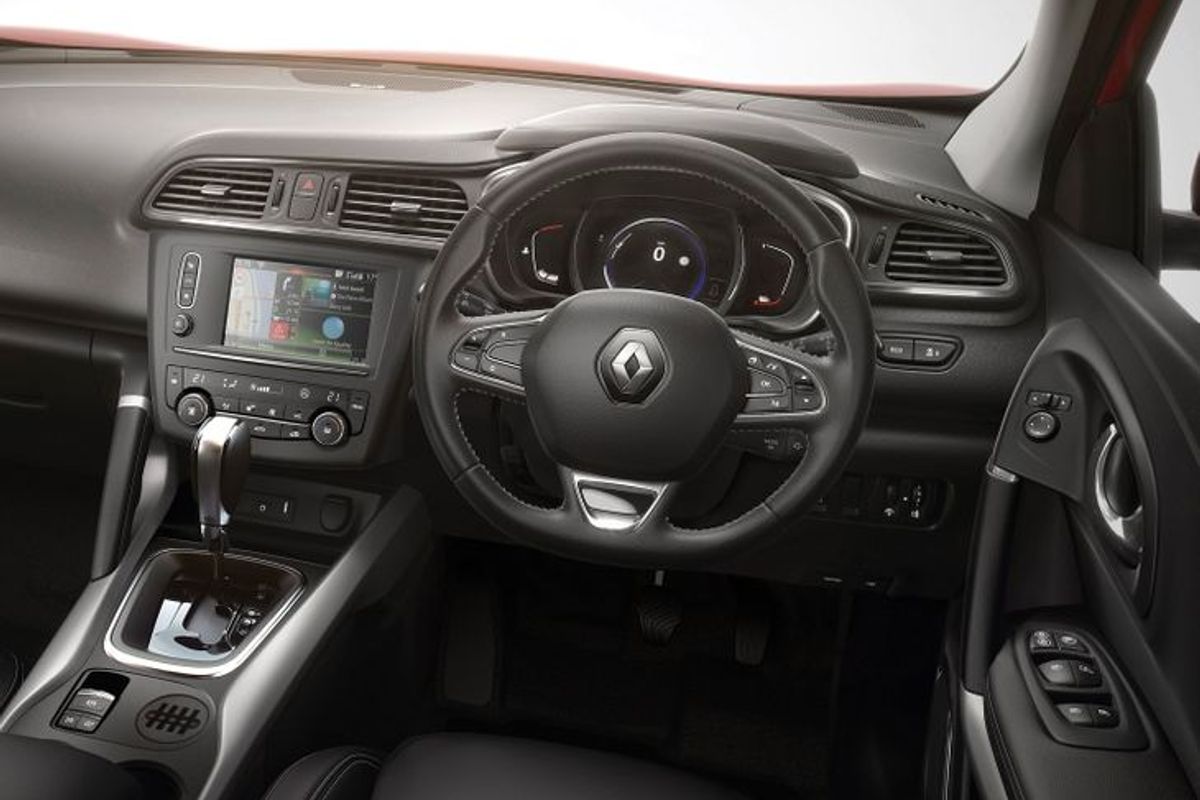
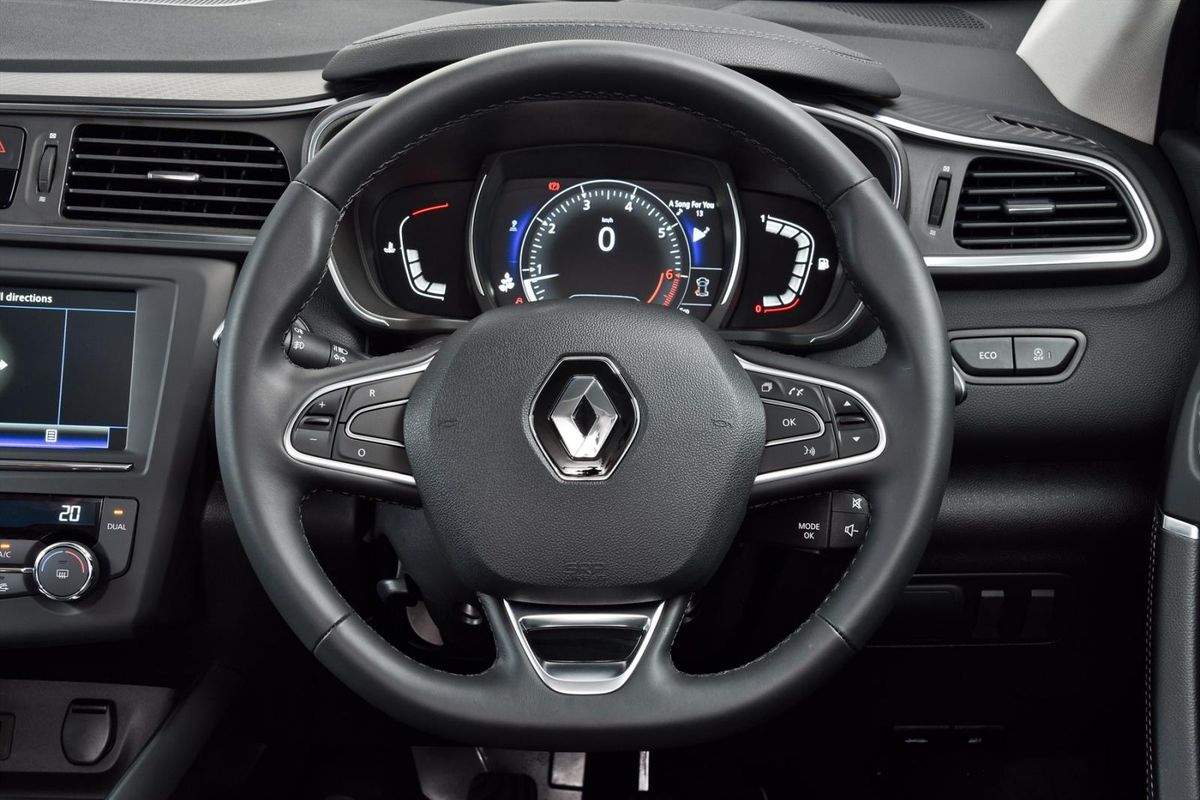
Earlier this year, Renault introduced the new SUV to market, which includes striking good looks, a peculiar name and new technologies. Our first encounter with the Kadjar was a pleasant one as the vehicle ticks many boxes. Interior space is of a good standard, allowing for full grown adults to enjoy the front and rear seats. Build quality is good with premium finishes and only minimum touches of plastic are used on the dashboard. Even the plastic bits could be forgiven considering how well the connectivity features work in tandem with the touchscreen infotainment system, something that is imperative in today’s world.
So far so good right?
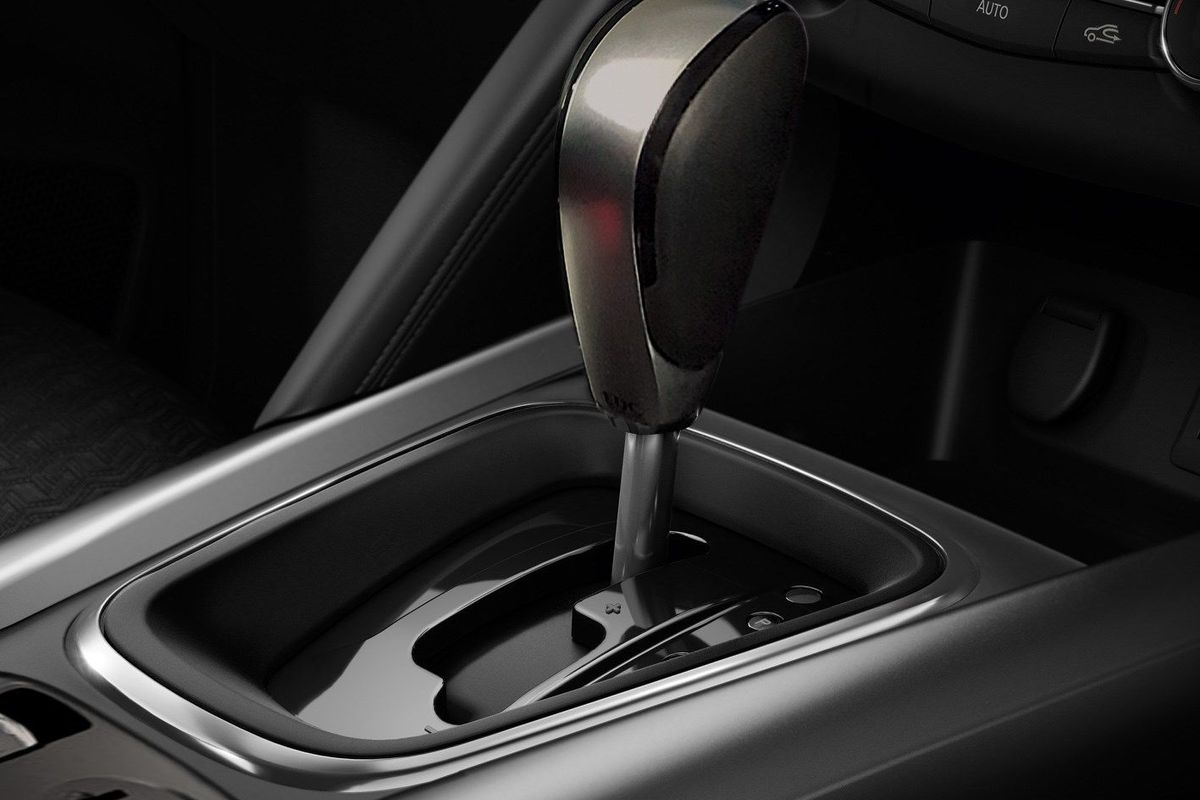
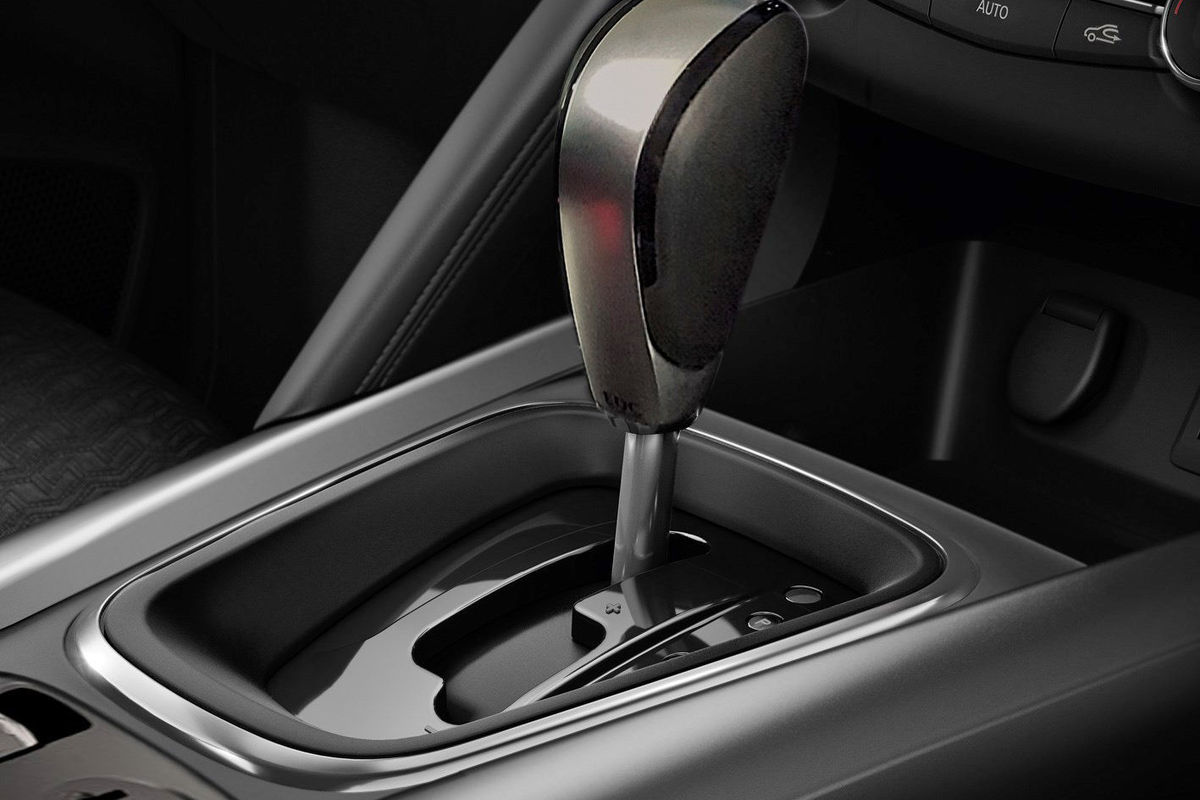
The EDC transmission promises smooth progress as well as improved efficiency.
Not exactly. At the time of launch, the Renault Kadjar had one major let down – the lack of an automatic transmission. This was disappointing as both the 1.6-turbodiesel and 1.2-turbopetrol engines were impressive, but not having the option of an automatic gearbox changed the nature of the car. An SUV buyer is generally looking for comfort and space, coupled with a seamless driving experience, something that an automatic gearbox allows. This wasn’t the case with a manual Kadjar.
Buyers will be pleased to know that Renault has introduced an automatic EDC version of the Kadjar. “Efficient Dual Clutch” are three words that change the Kadjar completely, as it now can back up its good looks with an automated driving experience. The use of a dual-clutch system is wise as a conventional automatic gearbox can be hit or miss. Either it’s too slow or it’s not fuel efficient are but some of the complaints that come from driving an “old-school” automatic. This isn’t the case with the EDC, as the dual-clutch setup allows for quick gear changes and good economy. Claimed combined cycles of 5.5L/100km for the 1.2-turbopetrol and 4.6L/100km for the diesel are impressive.
Unfortunately, the EDC gearbox is not available for all Kadjar derivatives. The 1.2-turbopetrol cracks the nod but the 1.6 dCI remains a manual only. Renault has bolstered the range with a 1.5-litre turbodiesel engine that is down on power compared to the 1.6 dCi which produces 96kW, whereas the former produces 81kW. Thankfully, in the world of diesel engines, torque is the golden currency and the 1.5-litre unit still makes a happy 260 Nm of torque, which will give you enough shove to get you to work comfortably. Another interesting aspect about the EDC Kadjar, is that the gearboxes aren’t the same. The 1.2 features a seven-speed EDC, whereas the 1.5 dCi EDC features a six-speed EDC. According to Renault, each gearbox works best in conjunction with the engine it's mated to.
Less is more
The Kadjar is arguably one of the most stylish crossovers available in its segment in South Africa.
Interestingly, due to uninterrupted power delivery, the 1.2 EDC feels quite powerful as a result. The 96kW engine was good on its own, but in manual guise it’s very easy to drop outside the power band, causing a non-linear driving experience. With the EDC though, everything is smoother and more pleasant. There are moments of turbo lag coming out of corners but not enough to disgruntle the driver. Again, torque in the diesel works in the favour of the 1.5 dCi and both engines welcome the new gearbox, making the Kadjar even more of a competitor in this segment. The ride quality has not changed in the Kadjar either, it even feels more comfortable in EDC guise as you can enjoy the ride more.
All that and a bag of gears?
It’s a fact that majority of consumers are emotional buyers. Most of us want something that evokes some sort of emotion in us. In the SUV segment, vehicle dynamics and power play a less prominent role and as a result, aesthetics and comfort are the crowd pullers in this game. Renault has hit the nail on the head with the Kadjar. The vehicle is simply stunning on the outside and likeable on the inside too. It’s not just a pretty face though, as the Kadjar can load the family and your luggage comfortably whilst keeping you connected and entertained. It also has a decent dose of features such as rear park distance control and Hill Start Assist with an electronic parking brake. With a 5-year/90 000 km service plan and 5-year/150 000 km mechanical warranty, you’re covered in that regard too.
Take a look at what you can expect to pay for the Renault Kadjar
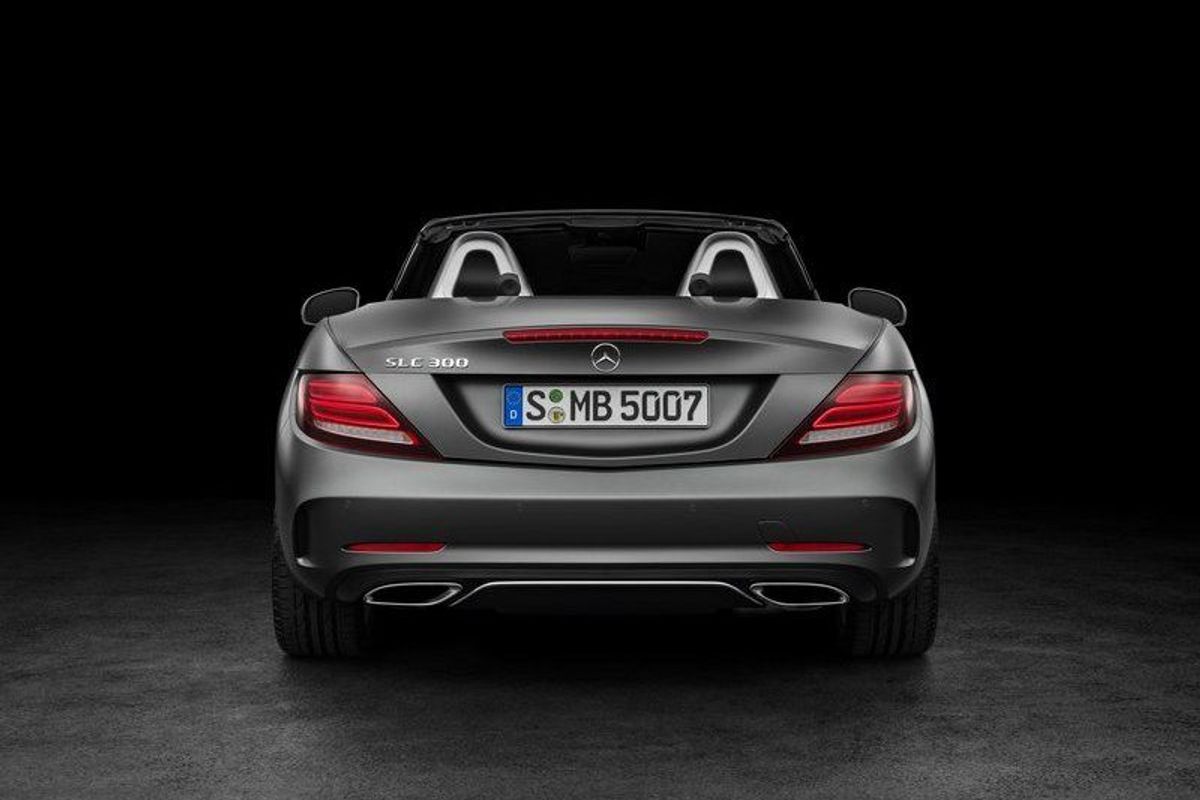
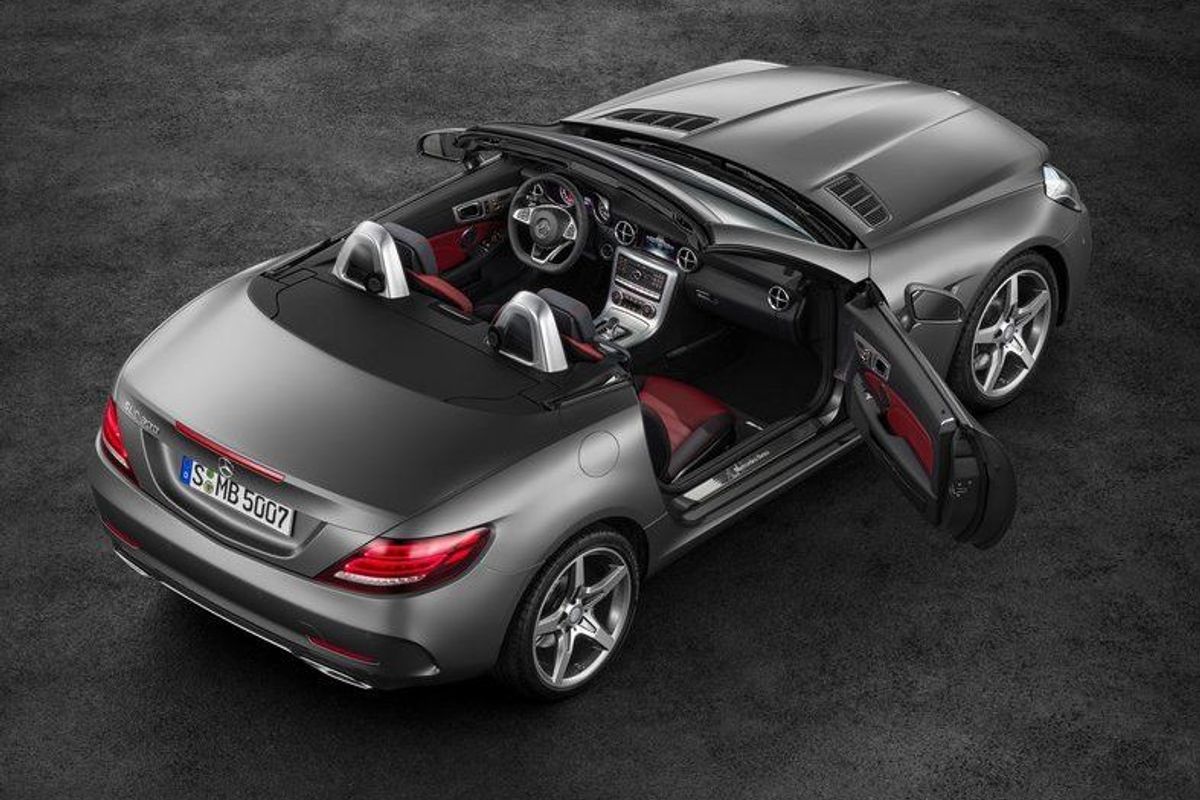
The Mercedes-Benz SLC was introduced to market earlier this year and the range-topping Mercedes-AMG SLC 43 now joins the range.
The Mercedes-Benz SLC is not an all-new car, but rather a refreshed version of the SLK, which now conforms to the company’s new naming structure. SL indicates that the SLC is a roadster while the C denotes the class to which it belongs, much like the now familiar GLC and GLE, and so forth. The AMG SLC 43 joins the SLC 200 and SLC 300 in the range and offers up more performance kicks with its 3.0-litre biturbo V6 engine. Let's see what the SLC has to offer…
Improved looks for SLC
The Mercedes-Benz SLC builds on the foundation of the SLK and brings a fresh look to the road with a new front bumper and a revised diamond-effect grille. The headlights have been restyled too and now feature integrated LED daytime running lights. The taillights are new and the rear bumper has also been revised along with the dual-outlet exhaust system. The SLC is also fitted with an improved retractable hard top that can open or close at speeds up to 40 kph.
Much of the interior is similar to that of the SLK, but you will find a new sports steering wheel and a revised instrument cluster to keep things fresh. Interior materials include aluminium trim and carbon-fibre detailing while the seats are wrapped in a combination of leather and Nappa leather. A 7-inch COMAND infotainment system is also fitted.
Engine power
At the top of the SLC perch is the new Mercedes-AMG SLC 43, which is powered by a new 3.0-litre twin turbo V6 (it replaces the previous V8 SLK 55 AMG). Although the SLC 43 is comparatively down on power and torque at 270 kW and 520 Nm, some 40 kW and 20 Nm less than the SLK 55. That’s not to say the SLC 43 is slow, quite the opposite actually. It is claimed to accelerate from standstill to 100 kph in 4.7 seconds before reaching a limited top speed of 250 kph.
We recently got behind the wheel of the Mercedes-AMG SLC 43 and found it to be immensely fun to drive. Fitted with a 9G-TRONIC transmission, shifting gears is fast and seamless and the driver can also shift gears manually using the steering wheel mounted paddles. The driver also has the choice between five driving modes including Eco, Comfort, Sport, Sport+ and Individual to suit any driving situation. With a sports exhaust fitted as standard, the AMG SLC 43 barks and pops when driven with intent in Sport or Sport+ mode, which adds to the fun of the vehicle. The optional AIRSCARF neck-level heating is a must-have feature if you drop the roof as it blows warm air on the back of your neck and greatly improves comfort while you enjoy the wind in your hair.
The entry-level SLC 200 offers 135 kW and 300 Nm on tap from its 2.0-litre turbo engine. In addition, the SLC 300 produces 180 kW and 300 Nm from its 2.0-litre turbopetrol engine.
In terms of transmissions, SLC 200 is offered with a 6-speed manual transmission with the option of a 9-speed automatic transmission, which is fitted as standard on the rest of the SLC range.
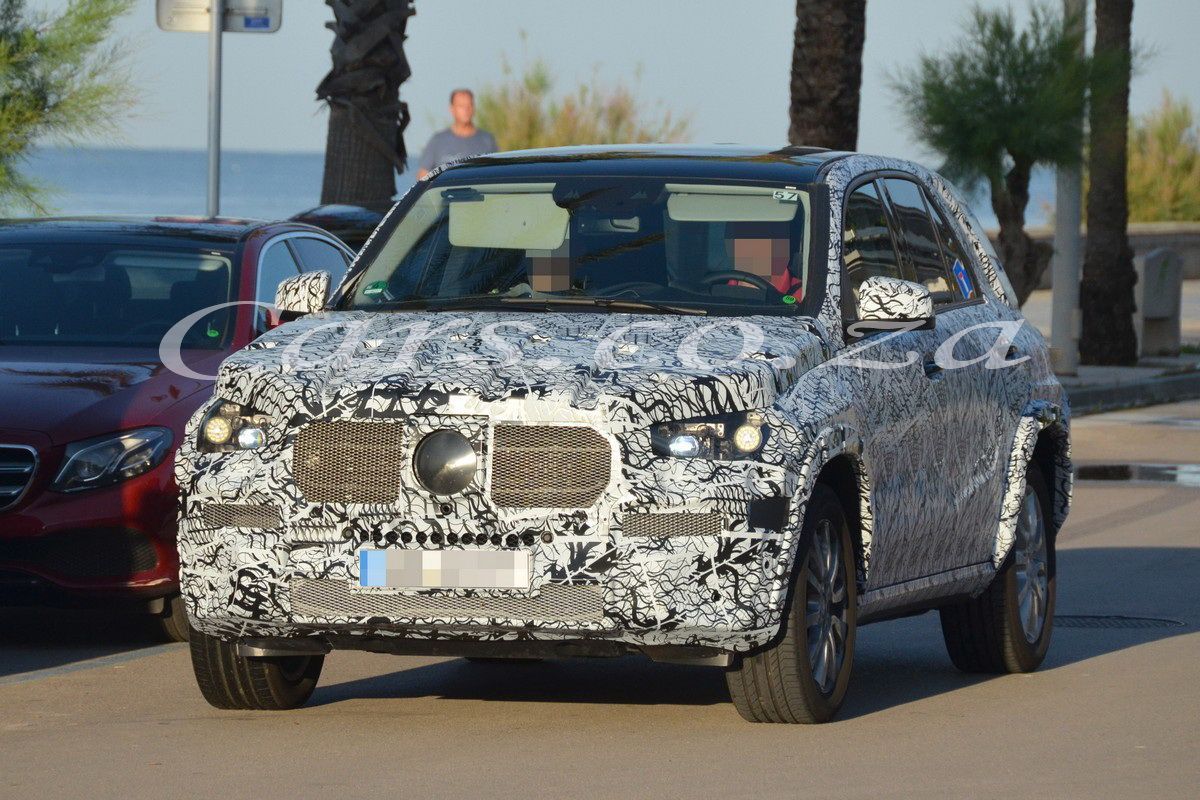
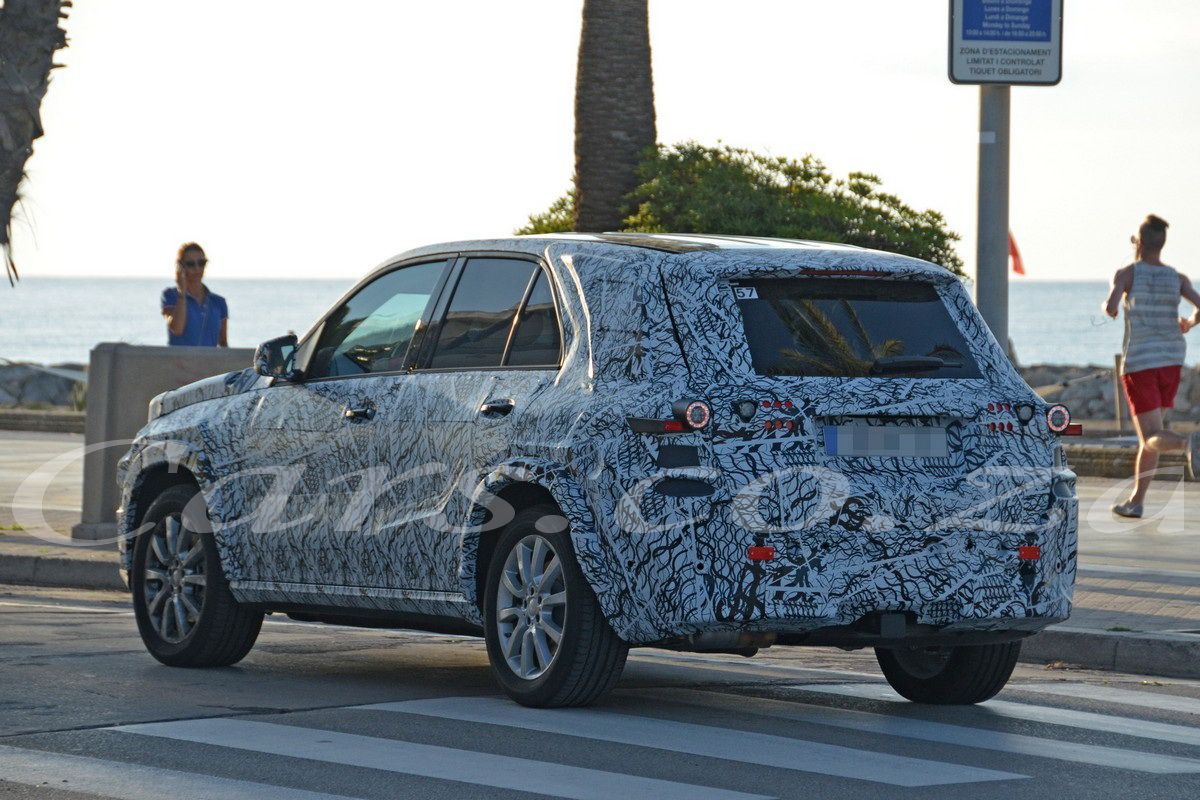
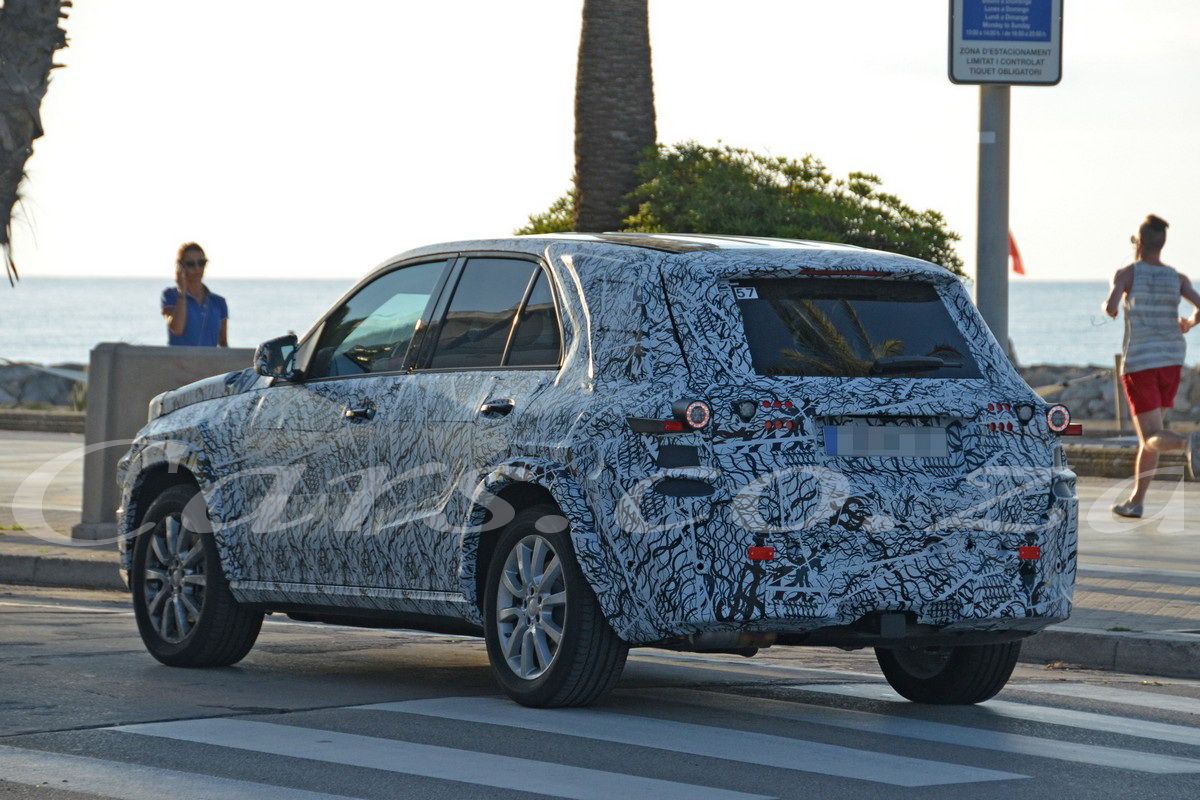
The next-generation Mercedes-Benz GLE SUV has been spotted testing in Southern Europe.
The current Mercedes-Benz GLE is only a year old but it’s easy to forget that it is merely a facelifted model. The namechange from ML to GLE last year came with a significant number of new features and design tweaks to make it seem entirely new. The all-new GLE, as can be seen here, is only set to debut in 2018.
Whilst these prototypes are highly camouflaged, the GLE looks set to adopt a more rugged physique than the current generation. Bulky wheel arches and a square chin show off the muscular character. The front grille seems split into several sections but a simpler unit is likely when the model gets closer to production.
It’s a little early to speculate on what engines the GLE will use but the new E-Class would be a solid starting point. An entry-level 2-litre turbodiesel could suit and then V6 turbodiesels and V6 turbopetrols for the more powerful variants. There will also be – again – a manic GLE63 variant with a V8 under the bonnet. The 9-speed automatic gearbox will likely be employed to do the shift work in most models. Several autonomous driving technologies are likely to feature on this new model, too.
As with the current generation, expect the GLE to spawn a Coupe (GLE Coupe) after the initial introduction.
Watch the AMG GLE63 drag race against the BMW X6 M
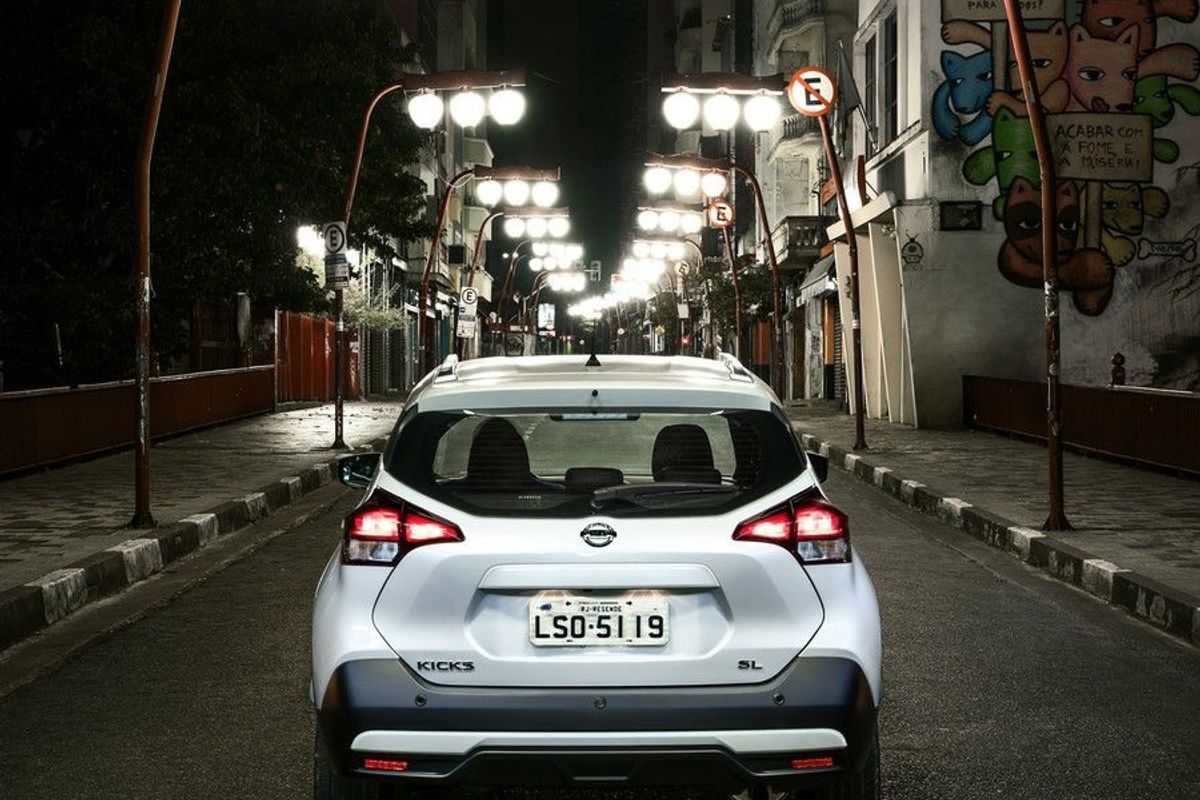
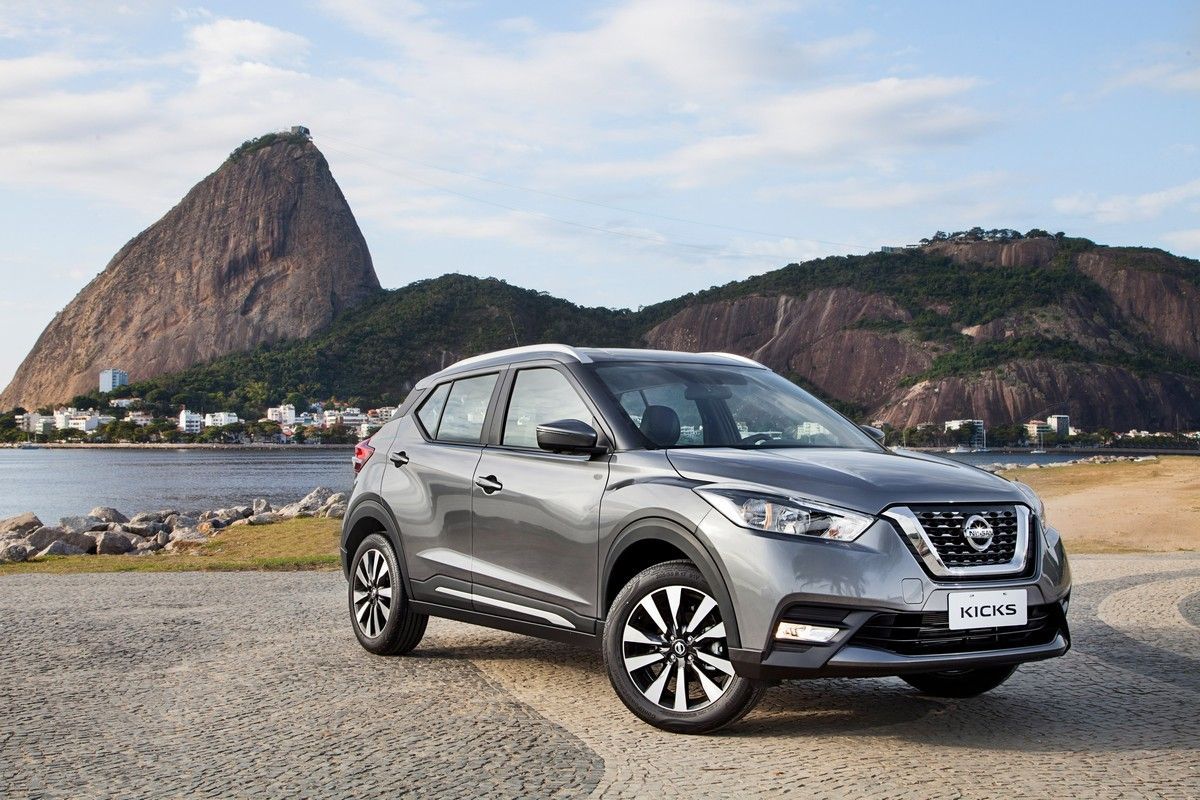
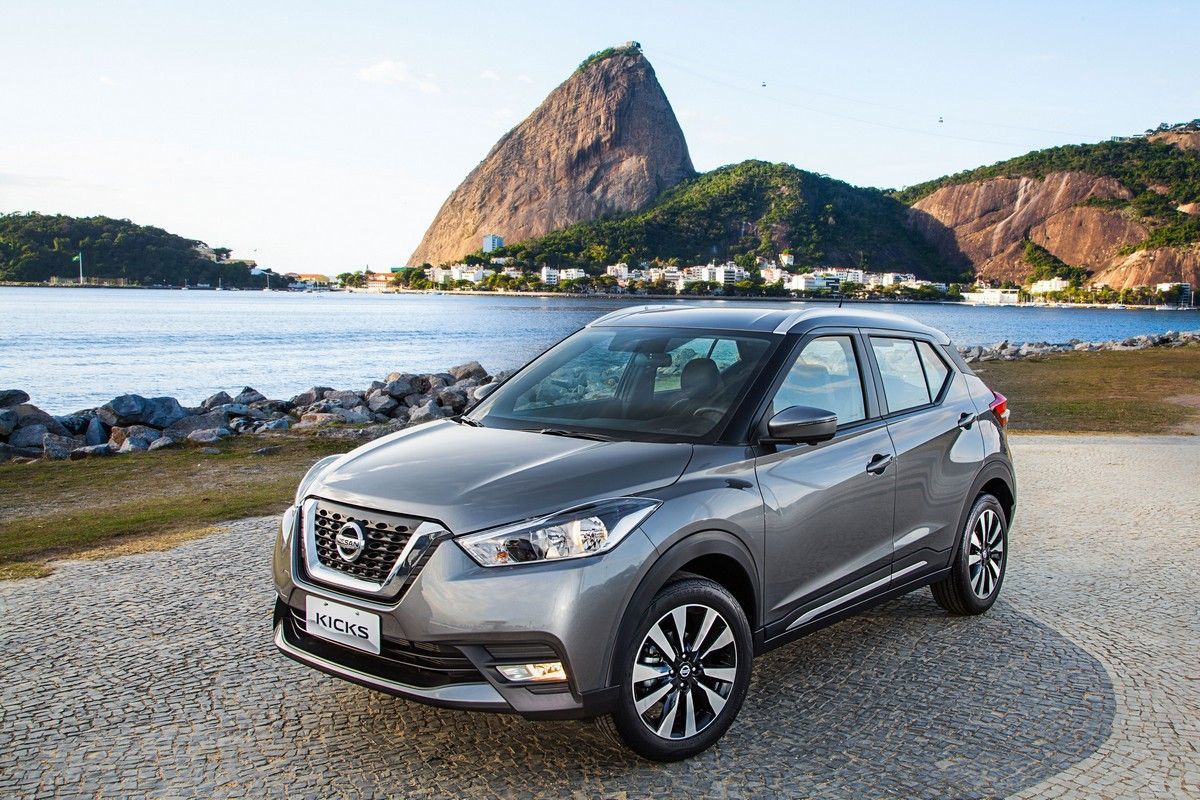
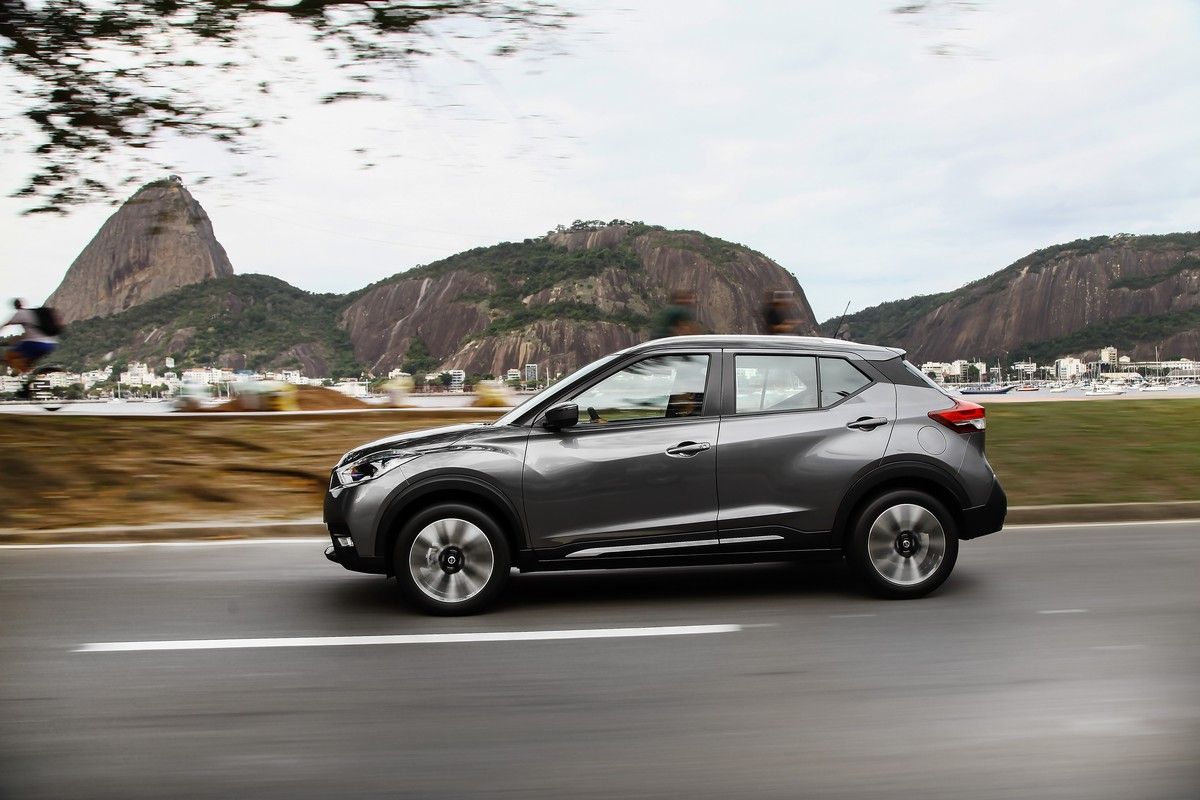
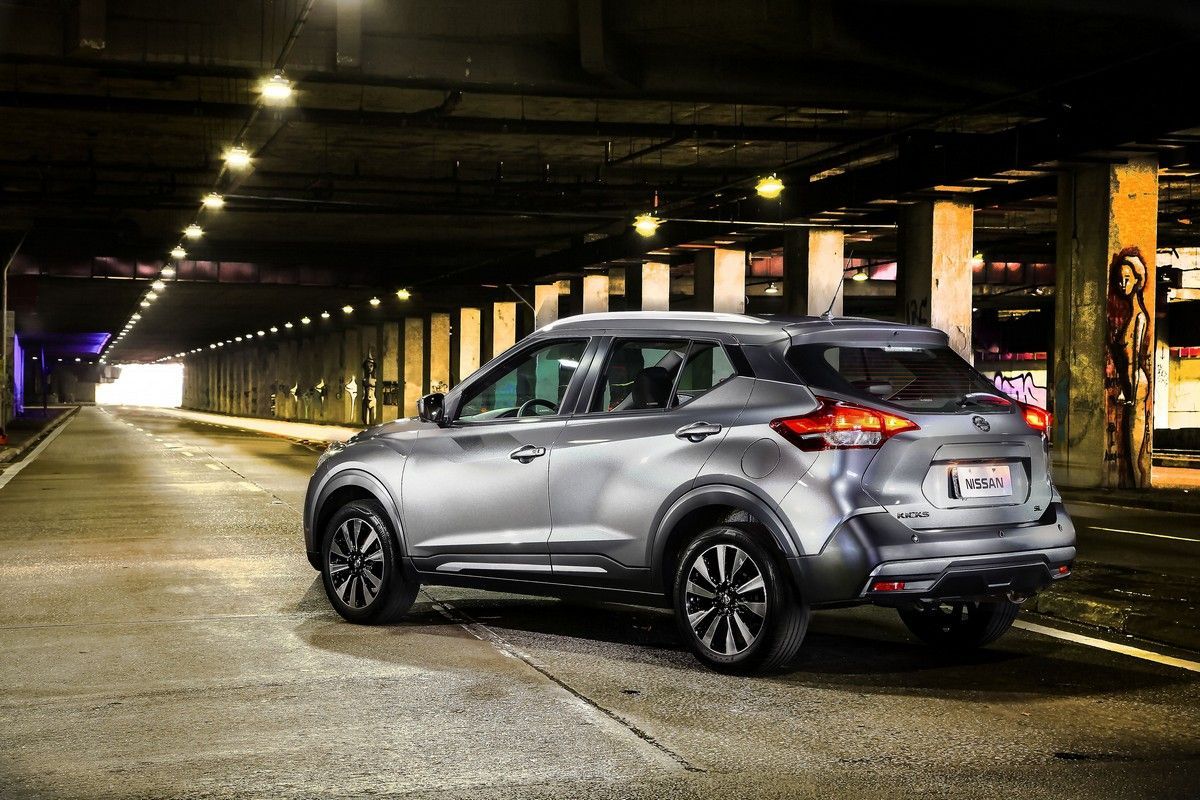
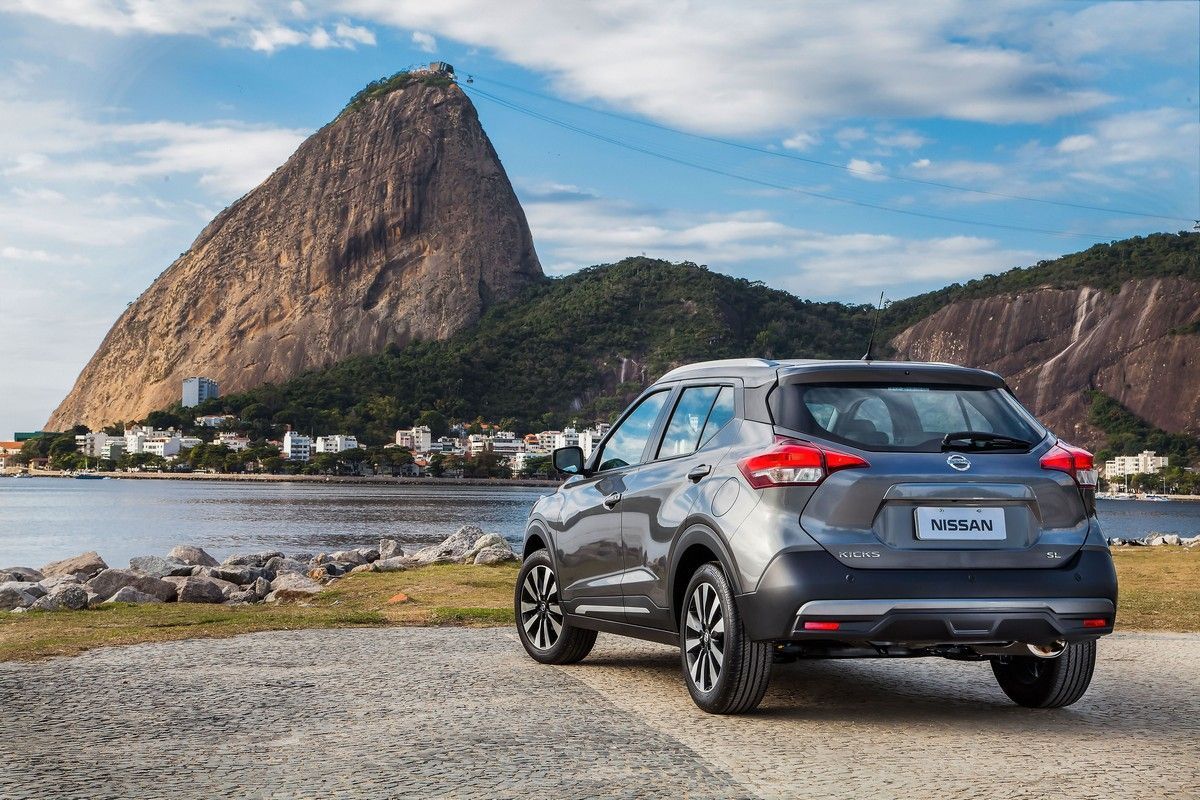
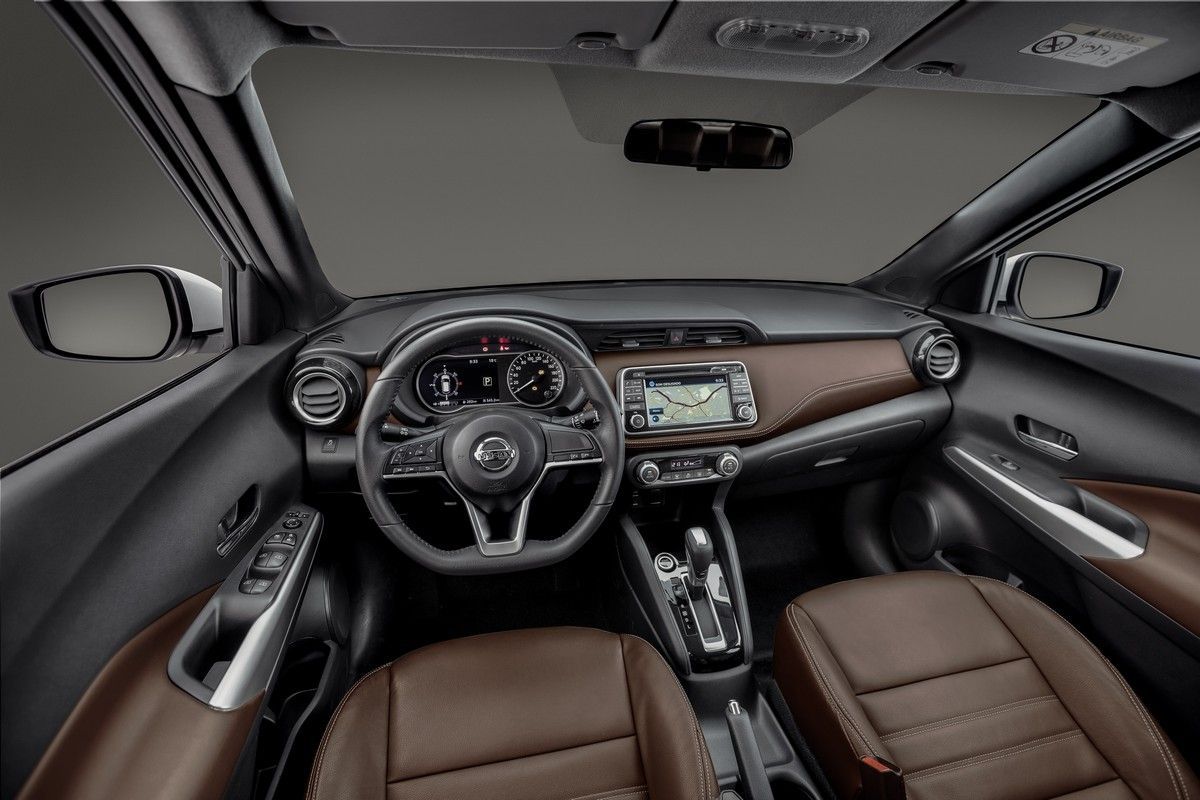
Nissan Kicks Coming to SA in 2018 [with Video]
The Nissan Kicks small crossover, which will be the official car of the Rio 2016 Olympic and Paralympic Games in August 2016, will be sold in 80 markets. The newcomer will slot in between the Juke and Qashqai when it arrives here in 2018.
Nissan is the vehicle sponsor for the Rio Olympic Games next month and the newest member of its product lineup – the Kicks – is the showpiece model. The Kicks has just been launched in Brazil, where it will be built in conjunction with Mexico and then eventually go on sale in 80 countries.
The Kicks is the next evolution in the Nissan Crossover/SUV range. In terms of its dimensions, it sits above the Juke, but below Qashqai. Its based on the Micra platform so it’s interesting to see that it’s actually bigger than the Juke. It’s also a slightly more conventionally packaged model as the Kicks will take on the likes of the Honda HR-V, Renault Duster and Captur, Mazda CX-3 and Suzuki Vitara.
Official specs and pricing have not yet been confirmed for our local market but we can expect to see it launched in 2018. It’s very much an urban crossover vehicle with its street-like styling and blacked out pillars. It still offers 200 mm of ground clearance and plenty of plastic guarding around the sides to make it look rugged.
As for the engine lineup, we would expect Nissan to use some of its current engines to keep the cost down. In Brazil, it will run a 1.6-litre petrol/ethanol combination engine. In SA we will probably see the 1.2-litre turbopetrol engine as well as the 1.5-litre turbodiesel used in both the Juke and Qashqai.
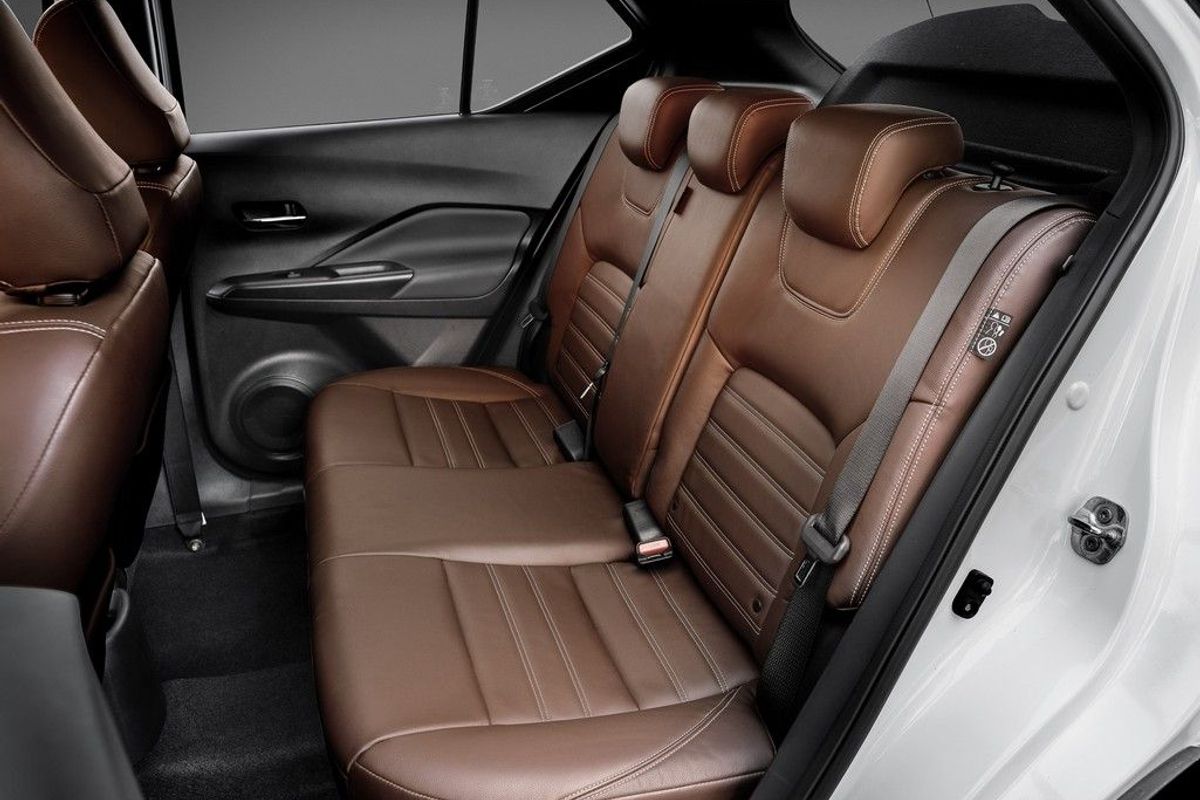
The interior looks stylish and quirky. Abroad the Kicks features start-stop button, climate control, leather-wrapped steering wheel with audio controls and cruise control and an Around View Monitor and Moving Object Detection camera. The specification of local market derivatives will be slightly different.
View an official promotional video of the Nissan kicks below:
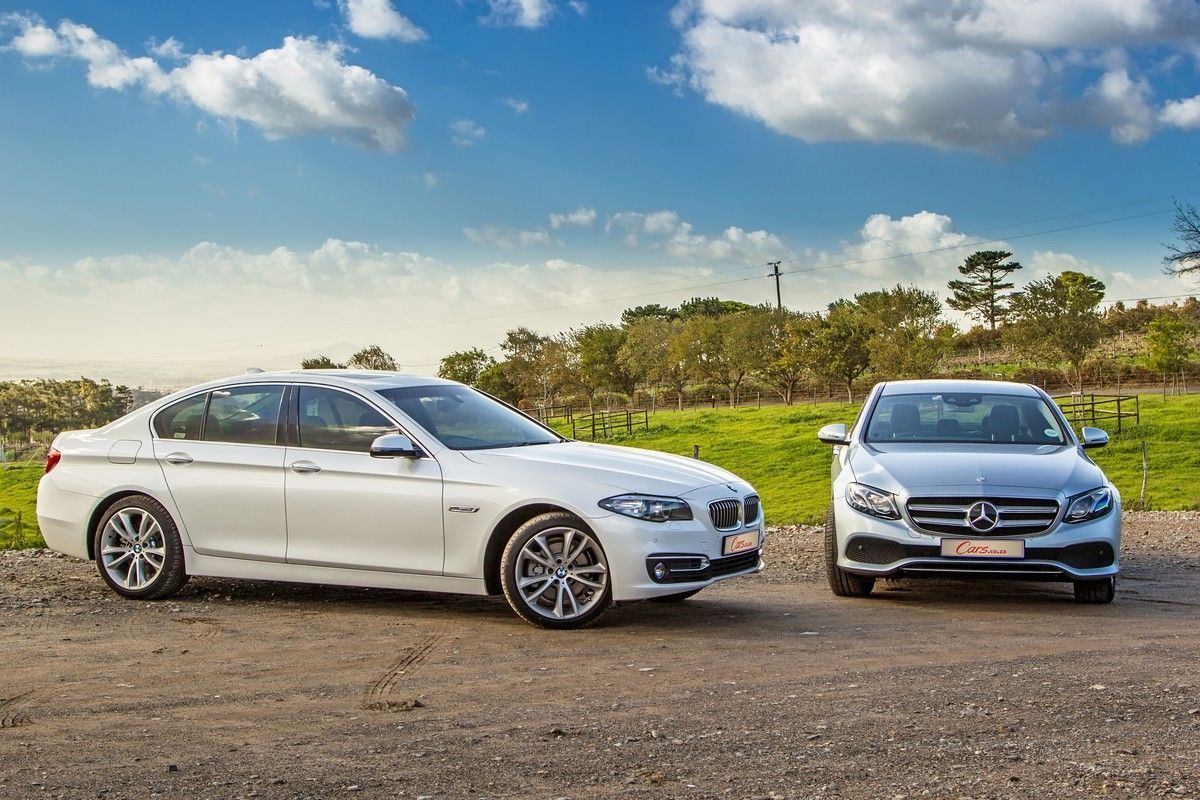
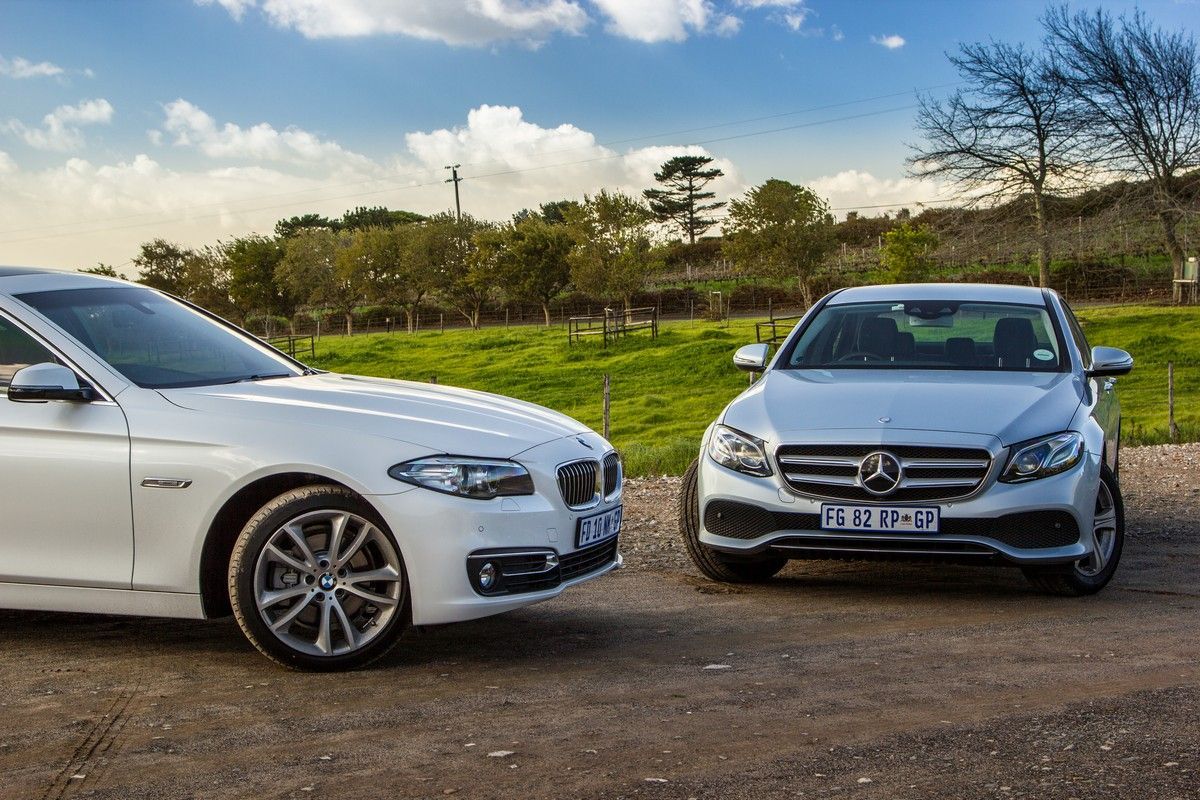
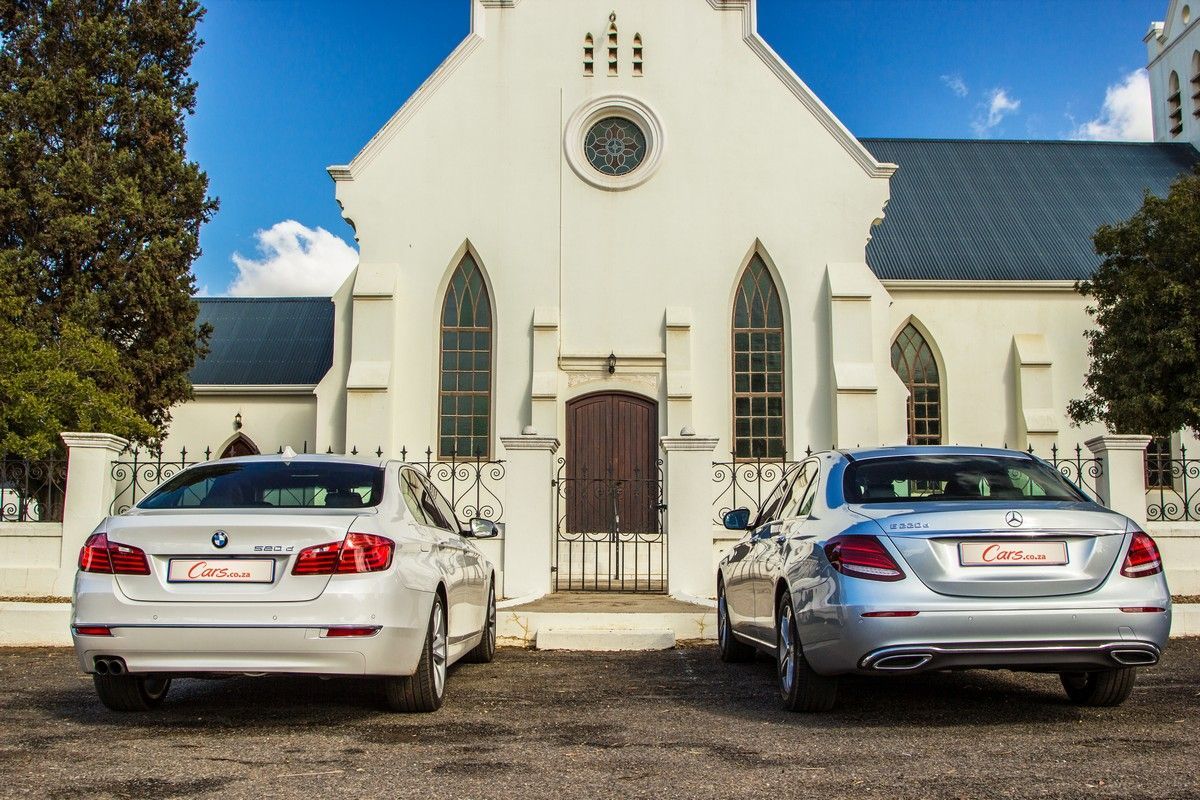
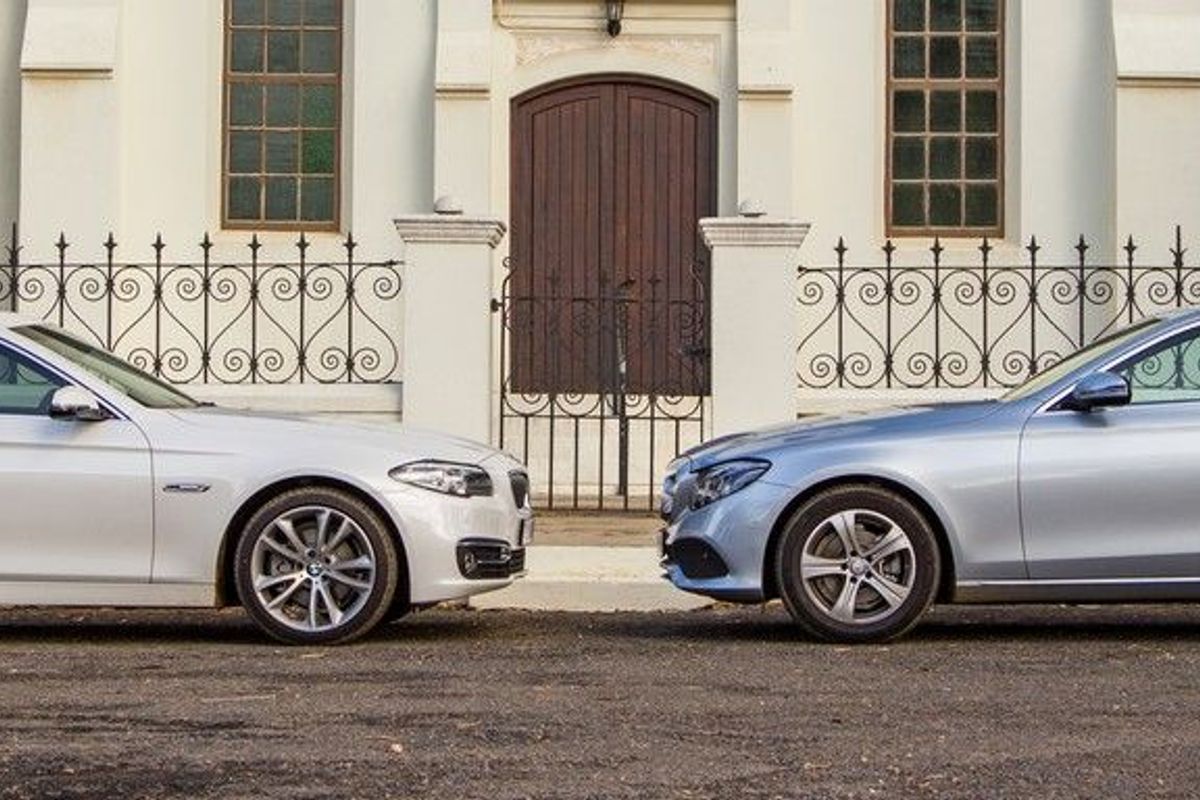
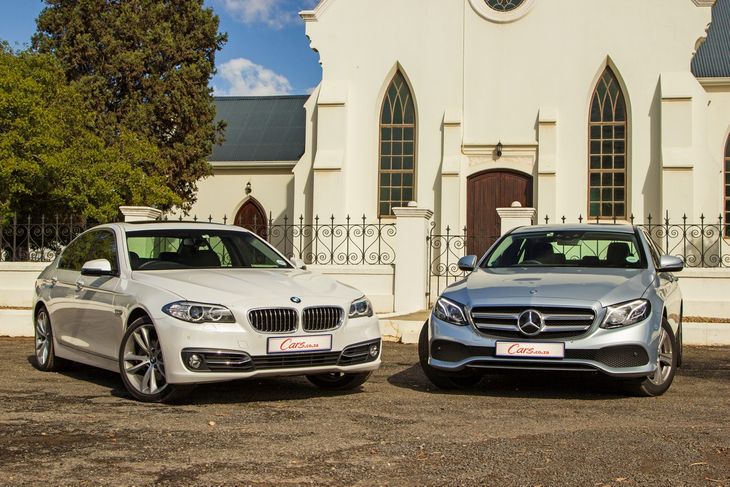
Comparative Review: BMW 520d vs Mercedes-Benz E220d (2016)
Mercedes-Benz’s new E-Class is purported to be the most accomplished executive sedan on the market. Yes, it's awash with new onboard technology, but how well does it stack up against its old foe in a direct comparison? Let's find out.
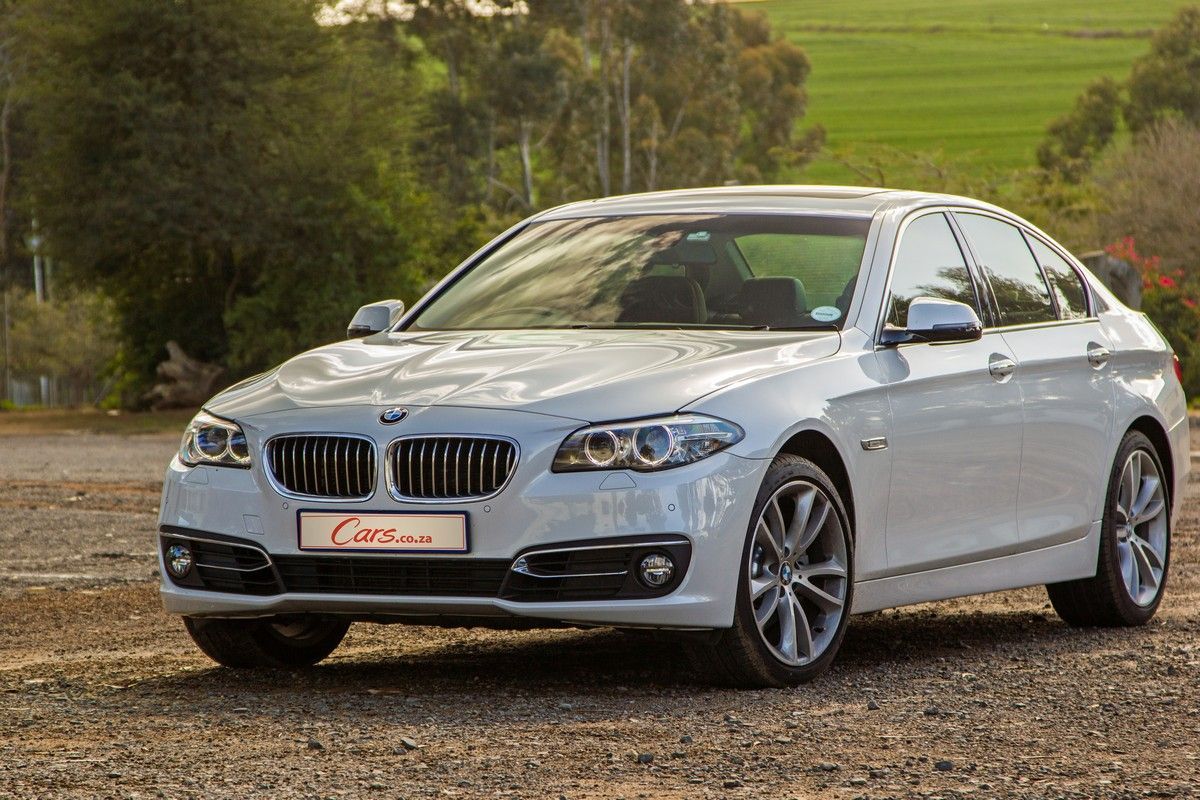
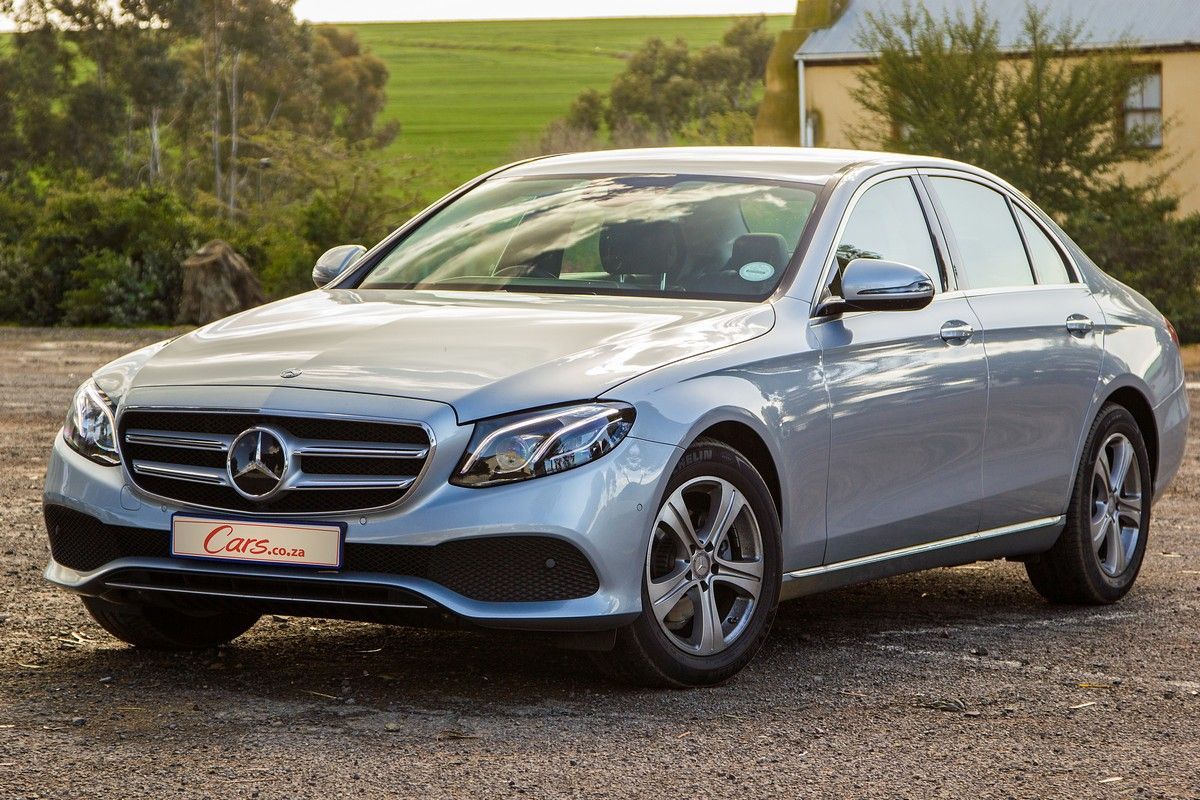
The BMW 5 Series and Mercedes-Benz E-Class inhabit an underappreciated segment of the market; sales figures suggest the German rivals are the major players in a small, yet stable, niche. Unfortunately for the 5 and E-Class, they don't have the outright prestige of their 7 Series or S-Class first class siblings, nor do they have the mass appeal and accessibility of the 3 Series and C-Class. Nonetheless, the new E-Class is a benchmark passenger vehicle for Mercedes-Benz – it incorporates impressive new technologies, some of which even surpass the S-Class in certain areas. The 5 Series, on the other hand, is getting on in years despite the facelift it received back in 2013. In recent times, the 5 Series has been the executive sedan of choice with its superb ride/handling balance and extremely efficient engine range, topped off with one of the quietest cabins around. Toppling the 5 Series won't be easy.
What are we comparing?
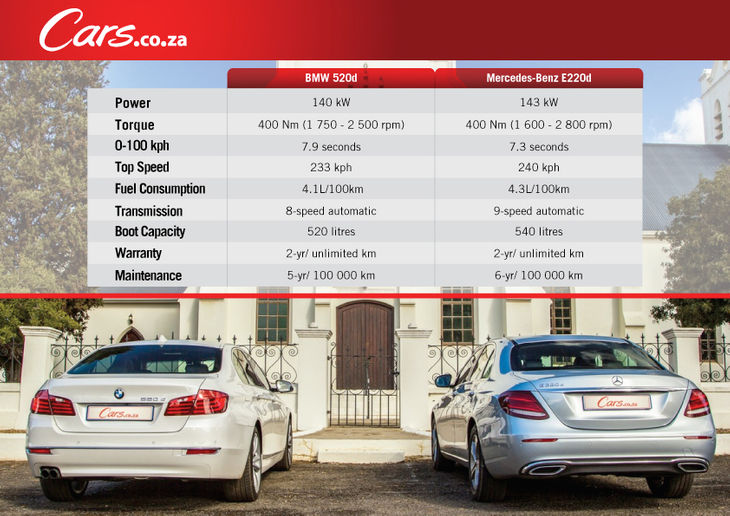
The entry-level turbodiesel derivatives: Munich's 520d against Stuttgart's E220d. Installing 2.0-litre engines in hefty sedans may seem like a dreary sop to efficiency but, let us assure you, these cars' motors have more than enough shove to get the job done. The BMW's 2.0-litre turbodiesel produces 140 kW/400 Nm and is claimed to propel the large sedan from zero to 100 kph in just 7.9 seconds. The Mercedes-Benz is no slouch either. Its all-new 2.0-litre turbodiesel delivers 143 kW/400 Nm and the E220d's said to be slightly faster to 100 kph than the BMW at 7.3 seconds. Executive sedans are not really about benchmark acceleration times, but more about refinement, comfort, prestige and technology, so let’s get on with that stuff instead.
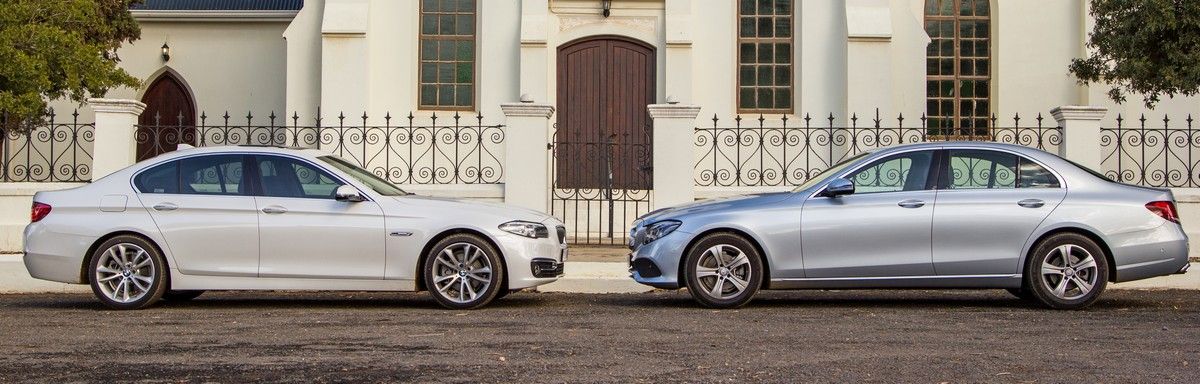
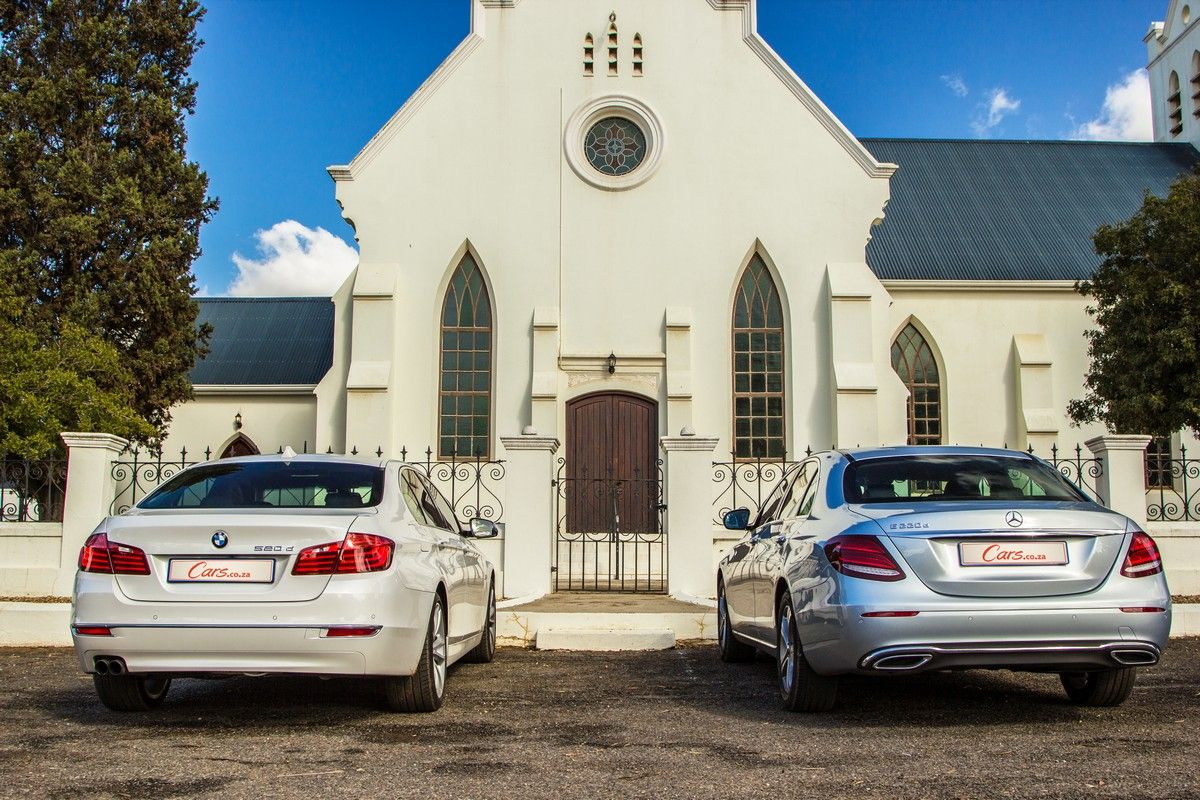
Two "entry-level" turbodiesel luxury sedans go head to head
How do they compare in terms of…
Refinement?
The BMW is claimed to be the most fuel efficient (4.1 L/100 km), but the Mercedes' manufacturer figure (4.3 L/100 km) is not far off that. During our test, however, the results differed slightly (7.1 L/100 km for the Bimmer, 5.7 L/100 km for the Benz). Significantly, the latter's motor was smoother-revving and sounded less harsh at idle. When you’re cruising along at 120 kph, both engines are quiet, but with ample power and torque in reserve should you need to overtake. In terms of tractability and performance, they feel very similar, but ultimately the E-Class’ motor is more efficient and feels more refined.
Both cars' automatic gearboxes are largely unobtrusive. You hardly notice the 'shifts in either car as they change gears with seamless ease. It’s hard to fault either of them… It's only when you start driving with intent that the BMW's 8-speed transmission feels more organised/harder to confuse than the Benz’s 9-speed unit.
The Benz's turbodiesel proved to be more efficient than the BMW's during our test
If it’s a quiet ride that you’re after then the E-Class is the car for you. The cabin is extremely well insulated and the wind noise intrusion is minimal, even at freeway speeds. Inside, all you hear is the occasional tick of the indicator and the output from the sedan's audio system. The 5 Series' cabin is serene too, but just not to the same level as the Benz's – there’s more road noise from the optional 19-inch tyres and the slightest of wind disturbance from around the window seals. It’s not exactly like sitting in a hurricane, but when you drive them back to back, these small imperfections make a discernable difference.
Comfort?
Although executive sedans (especially German-made ones) are predominantly bought for their status, they have to back up their kerb appeal with commensurate levels of road manners and comfort. Both sedans offer adaptable modes for comfort- or sports-oriented driving and both are capable of delivering sure-footed handling on a challenging stretch of blacktop. It’s at this juncture, however, where the buyers face their biggest decision.
The BMW's ride is sportier than the Benz's, but not harsh or crashy – it's not like you have to clench your teeth every time you traverse a pothole. As a result of the 5's comparative stiffness, it leans less in the bends and will probably be the quicker car if you’re in the mood to time-trial your route home from work.
The E-Class has a smoother, softer ride quality and feels more grown up, much like you’d expect a buyer in this segment to be. The E-Class irons out bumps better and rides imperfections in the roads with less hassle. It isn’t ponderous when you pitch it into a corner either and the steering is well-weighted, making it easy to discern where the grip level ends. Despite its unlikely skill, it doesn’t match the BMW for handling talent, but it is more comfortable to drive.
Both sedans offer superb levels of comfort, space and luxury. The BMW is sportier, but the Benz more comfortable.
Technology?
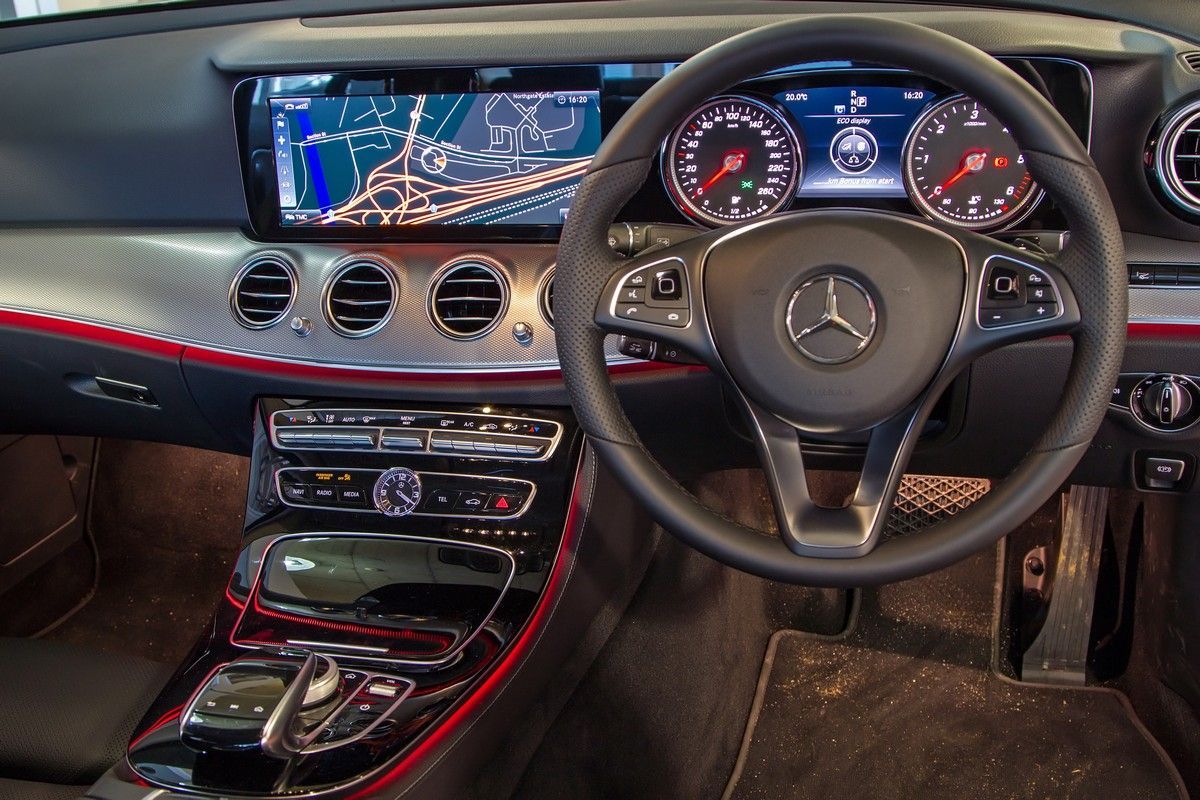
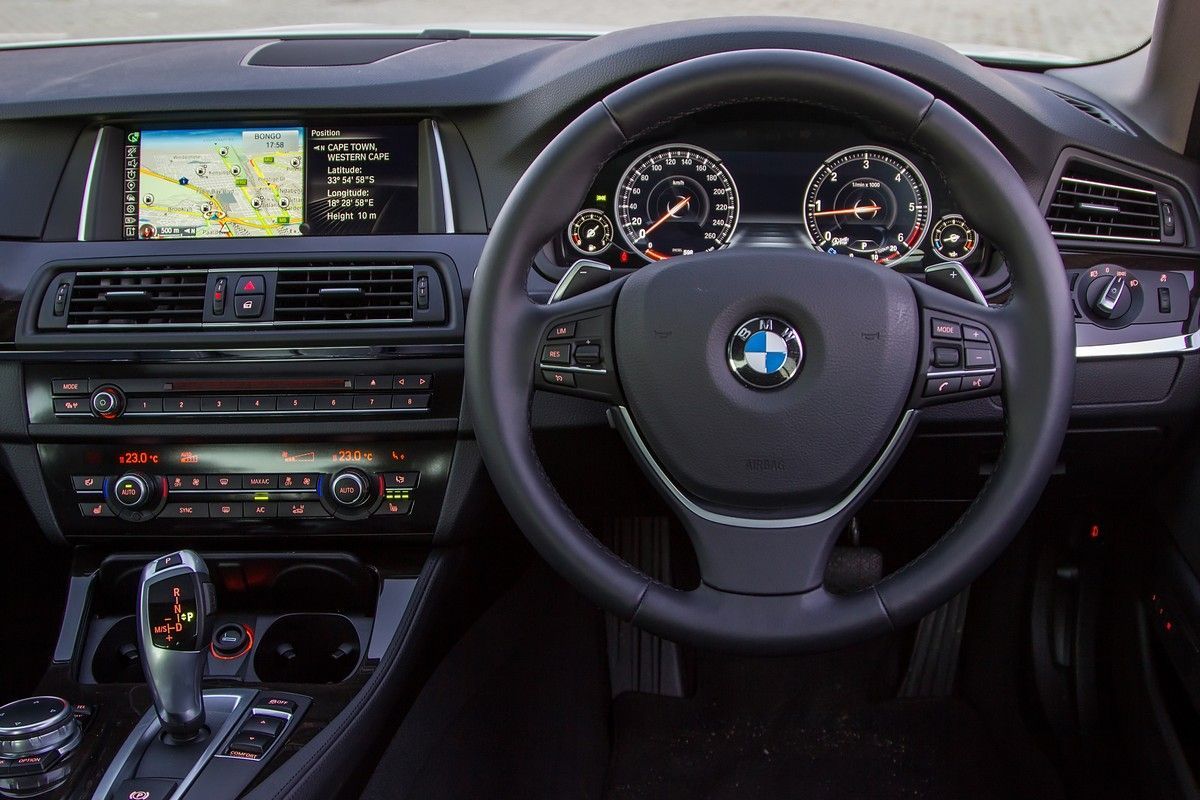
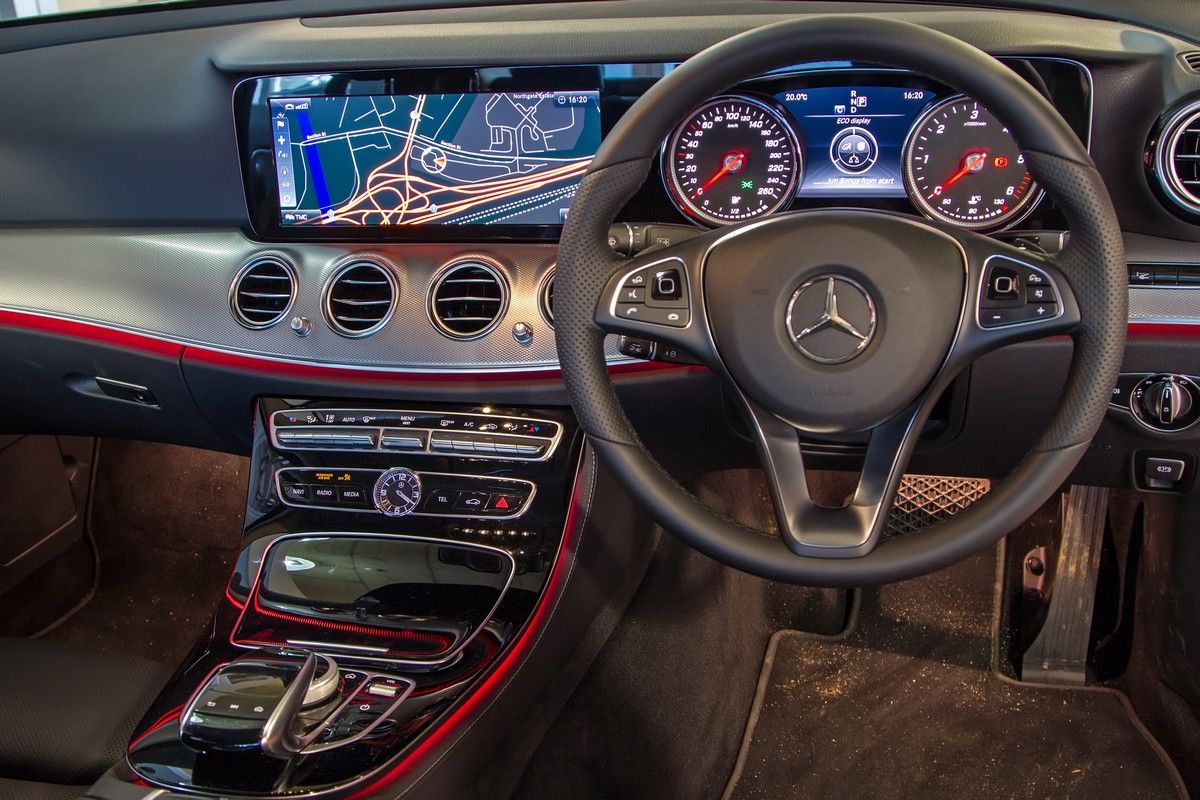
The E-Class is a powerhouse in terms of technological features because it’s the newer car (while the BMW is due for replacement in less than a year). Benz has extensively upgraded the interior capabilities of the E-Class to adapt to the modern business person’s everyday life. The centre screen, for instance, has the best resolution and crispest display of any car we've experienced. It isn’t a touchscreen, however, the Stuttgart-based manufacturer has persisted with the Comand interface's rotary knobs that are located in the driver armrest area. This test model didn’t come with the extended display, which transforms the instrument cluster into a fully digital affair, however. It’s the most impressive option you can choose if you want to spruce up the cabin and make it look futuristic. The infotainment system is compatible with Apple CarPlay and Android Auto of which, only the iOS version currently works in SA.
The driver assistance systems employed in the new E-Class are also a step further than what we’ve seen on any other executive sedan, not to mention first class cars. The adaptive cruise control, which is able to bring the Benz to a complete stop and then automatically resume with a quick tap of the throttle, is impressive in itself. Consider that there is an auto-steer function that keeps the car in its lane (with no steering input required) from the driver and it’s could almost be considered an autonomous vehicle. Well, until 30 seconds have passed at which point the Benz will demand you place your hands on the wheel just to make sure you’re still alive. BMW has a similar system, but it only works at speeds of up to 60 kph and one hand is required on the wheel at all time.
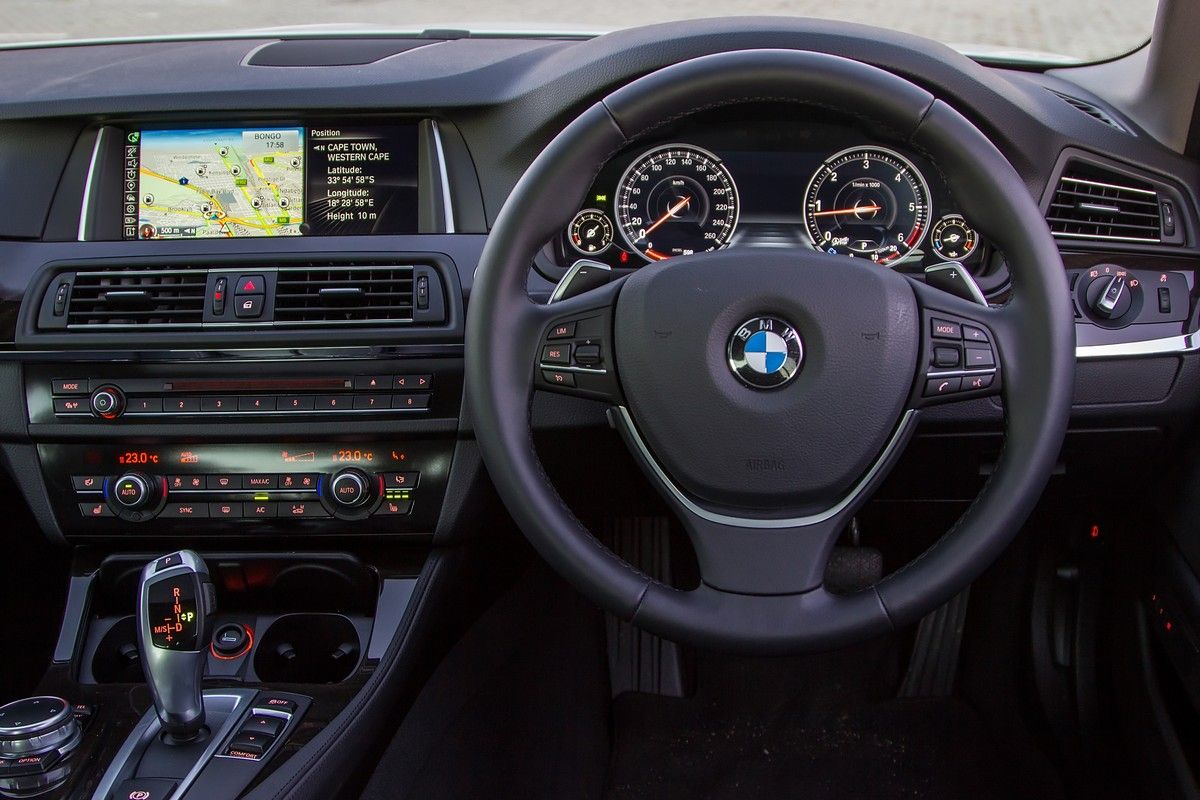
Even though the BMW feels suitably sophisticated after its relatively recent facelift, it can’t match the intuitive systems available in the E-Class. It does still have a fair number of tech available. Things like the Connected Drive system with optional internet provide you with weather information and real-time traffic information. Screens can also be fitted in the rear of the BMW, although that’s a hefty R30 000 extra. The BMW also features PDC as standard, a handy thing in large sedans like these. If it’s the latest tech and in-car systems that you’re after, the E-Class is where you’re going to find it.
Prestige?
Prestige is a very difficult thing to quantify and it can be quite subjective. Both German brands have extremely loyal supporters, so for the neutral readers, here’s how we think they stack up: The 5 Series is showing its age, but thankfully its successor will be here soon. It’s quite understated, but, its exterior execution is not out of step with BMW's current design language. The E-Class, unfortunately, looks much like a 150% C-Class: so much so that 1 of our testers confused it for a C-Class while trying to spot the test unit in a car park. The previous E-Class had more of its own style and distinctive design cues.
The E-Class interior is the more stylish. Make sure to include the widescreen cockpit for the full digital effect
Turning attention to the inside, the E-Class fascia is arguably more contemporary and stylish than the BMW's – its infotainment screen positively attracts the limelight. The interior design is more modern and the blend of materials work well in creating a plush and luxurious cabin. The BMW’s fit and finish are superb and the craftsmanship is hard to beat but it lacks pizazz/something to look at that makes you go ‘wow’! The digital instrument cluster is a nice upgrade, but the design feels very familiar and dated – probably because it hasn’t changed much since the 5 arrived at the start of the decade. Otherwise, the cars are well matched, especially terms of how much rear legroom is availed. Testers felt that the 5 Series offers a little more rear headroom, while the E-Class boot capacity is slightly larger (540 litres versus the BMW's 520 litres).
The BMW's interior is ergonomically-sound and well-made, but its lacks a touch of inspiration.
Verdict
As you read through this comparative review, you may have expected the E-Class to obliterate the 5 Series – after all, its 6 years younger than its Bavarian rival. One could almost imagine that Mercedes-Benz bought a 5 Series, dissected it and then designed the E-Class with the aim of being slightly better in every possible aspect. They succeeded; unless of course you want a sporty executive sedan – BMW still rules the roost in that regard. The E-Class is definitely the more refined and sophisticated product and in terms of its interior, more stylish and technologically advanced. Granted, the base price of the Benz is R70 000 more than the BMW and you can easily add R150k worth of options on either of these cars the underlining price difference remains. Is the E-Class worth R70 000 more than the 5 Series? Yes, because when you drive it, the premium feels well worth it.
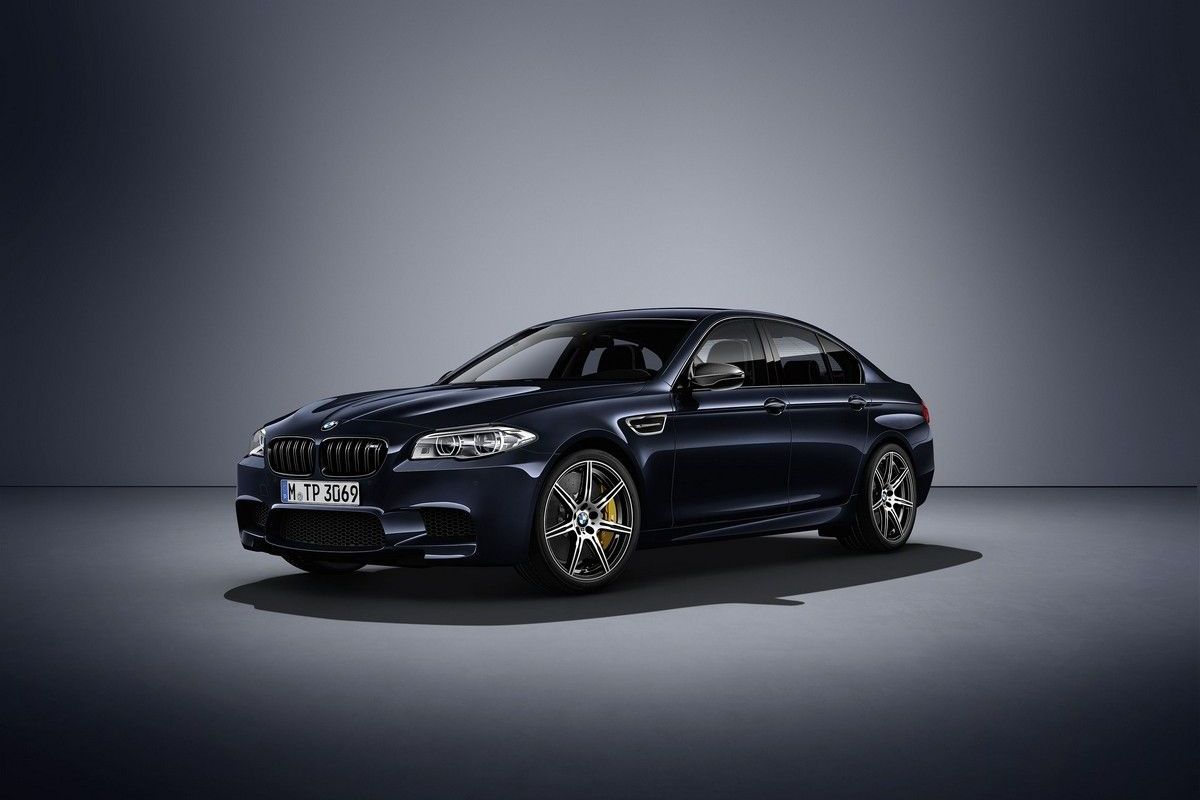
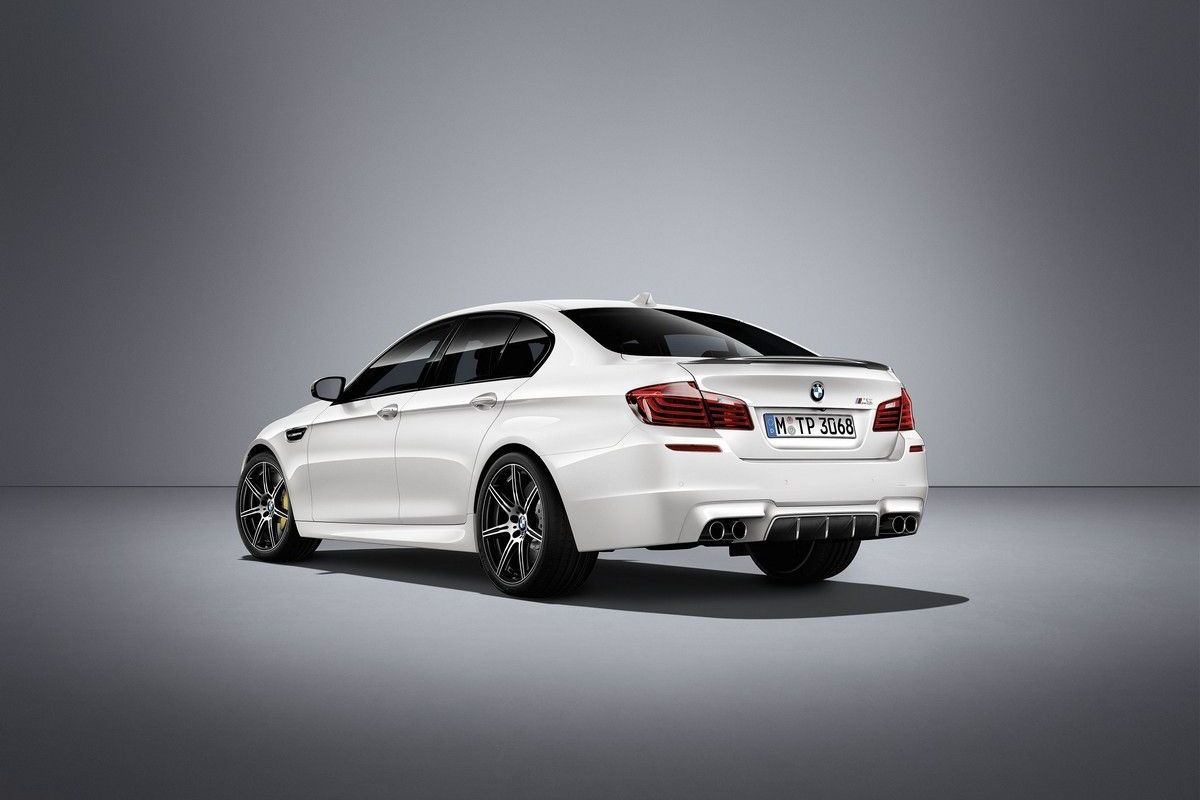
BMW has released the final version of the F10-generation M5 before the new model makes an appearance in 2017.
In terms of power output, the Competition edition boasts the same outputs as the South African market-only Pure Metal Edition that we recently tested(441 kW and 700 Nm). The M5 Competition Edition features a number of items from the M5 Competition Pack, such a lower ride height (by 10 mm) and firmer suspension settings, as well as a derivative-specific control setting for the Active M differential for optimised traction.
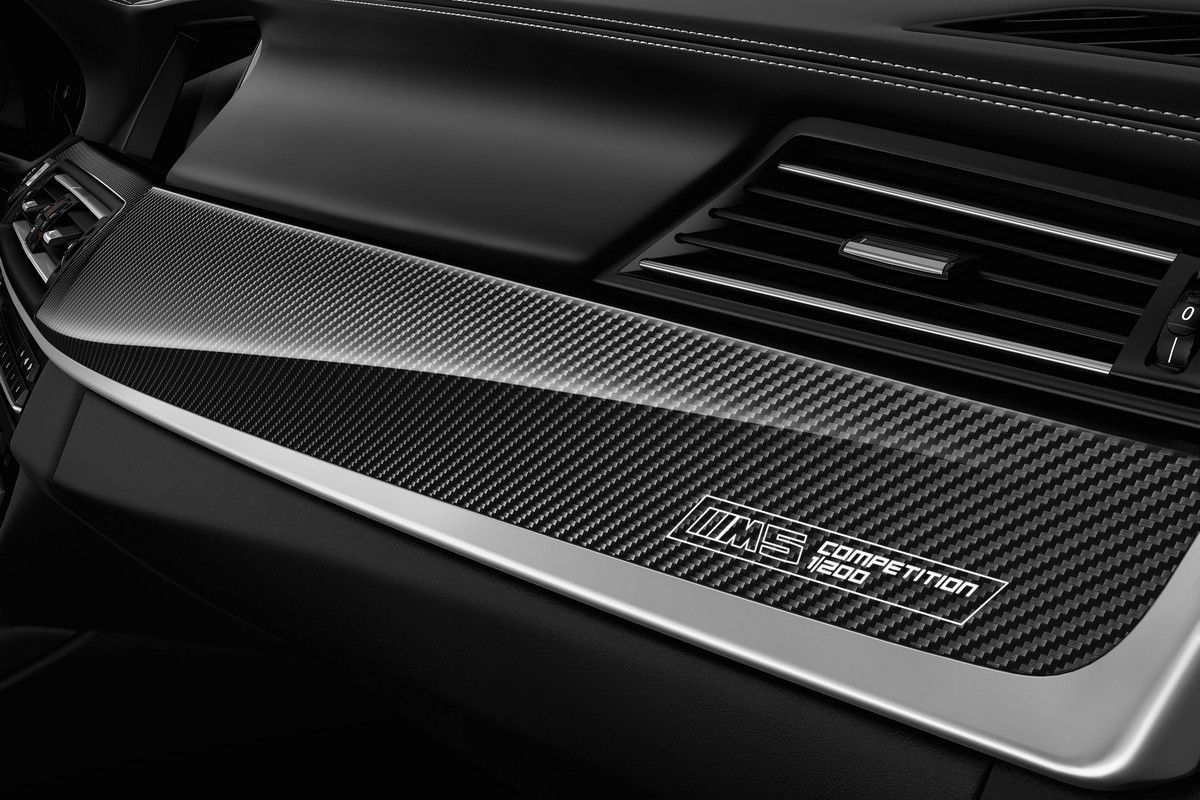
The Competition Edition will be limited to 200 cars, of which half will be finished in Carbon Black and the rest Mineral White; South Africa will receive just 6 of the units… Each car will be adorned with a “1/200” logo (to mark the special edition) and shod with 20-inch Jet Black double-spoke M light alloy wheels.
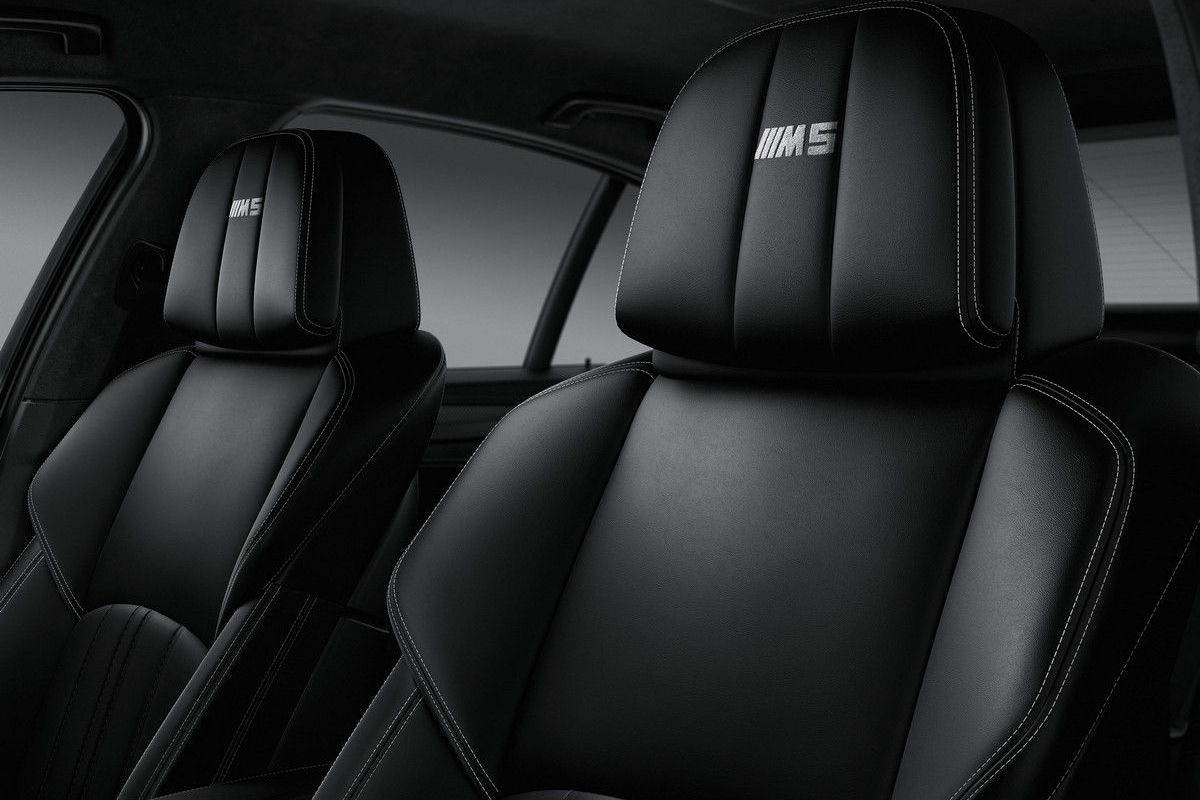
The final touches to the Competition Edition include a 1 200W Bang & Olufsen surround sound system, head-up display, lane departure warning, heated seats (for the front occupants) and a through-loading system. The BMW Driving Assistant system is an optional extra.
The BMW M5 Competition Edition will be available from R1 964 500 and includes a 5-year/100 000 km maintenance plan.
The Renault Kadjar was launched in early 2016, but there was a lack of an automatic transmission in the range – something the SUV market requires. Now, Renault South Africa has introduced a dual-clutch Kadjar as well as a new diesel engine to complement the range.
The Renault Kadjar is a fairly large SUV and we at Cars.co.za liked what it offered the segment. Now Renault has offered a new diesel engine as well as automatic transmissions to bolster the range. The new engine is the Renault/Nissan 1.5 dCi diesel motor, which has been used in many applications. We've seen it locally in the Renault Duster. This engine features 81 kW and 260 Nm mated to a manual gearbox, while the automatic features 10 Nm less. It is claimed to be frugal and green, with a reported fuel consumption figure of just 4.6 L /100 km. Renault offers a six-speed manual transmission and a six-speed automatic gearbox for this model.
The other change in the line-up is the introduction of a seven-speed EDC dual-clutch gearbox for the 1.2-litre turbocharged petrol Kadjar Dynamique 4×2. The addition of this gearbox to the range means smooth gearchanges and a reported drop in fuel consumption.
Renault Kadjar Automatic Price in South Africa
The entire Renault Kadjar line-up comes standard with a 5-year/150 000km mechanical warranty and a 6-year anti-corrosion warranty. Also thrown in is a standard 5-year/90 000km service plan with intervals every 15 000 km.
1.5 (81kW) Turbo dCi 6-speed Manual R 394 900
1.2 (96kW) Turbo petrol EDC 7-speed Auto R 399 900
1.5 (81kW) Turbo dCi EDC 6-speed Auto R 414 900
We're currently attending the launch of the Renault Kadjar Automatic and will be posting a driving impression article soon.