2015 Lexus ES 250 In-Depth Video Review

SCROLL DOWN FOR VIDEO

The Lexus ES has always been a nondescript BMW 5-Series rival. Whilst it has always been particularly well-built and smooth to drive, there has never been anything that gave it wow factor. In order to try and make it more attractive Lexus South Africa has refined the features in order to bring the price to a more enticing figure.

The ES 250 uses a naturally aspirated 2.5-Litre four-cylinder engine. In true Lexus style, it pulls smoothly and wafts its way along to a modest 9.8 second 0-100kph time. Sprinting is not what this sort of Lexus is about however, the ES 250 is about comfortable cruising and silent operation. The ES 250 is unbelievably quiet inside and even the road noise is rejected from entering the cabin. In total there’s 135 kW and 213 Nm of torque available.

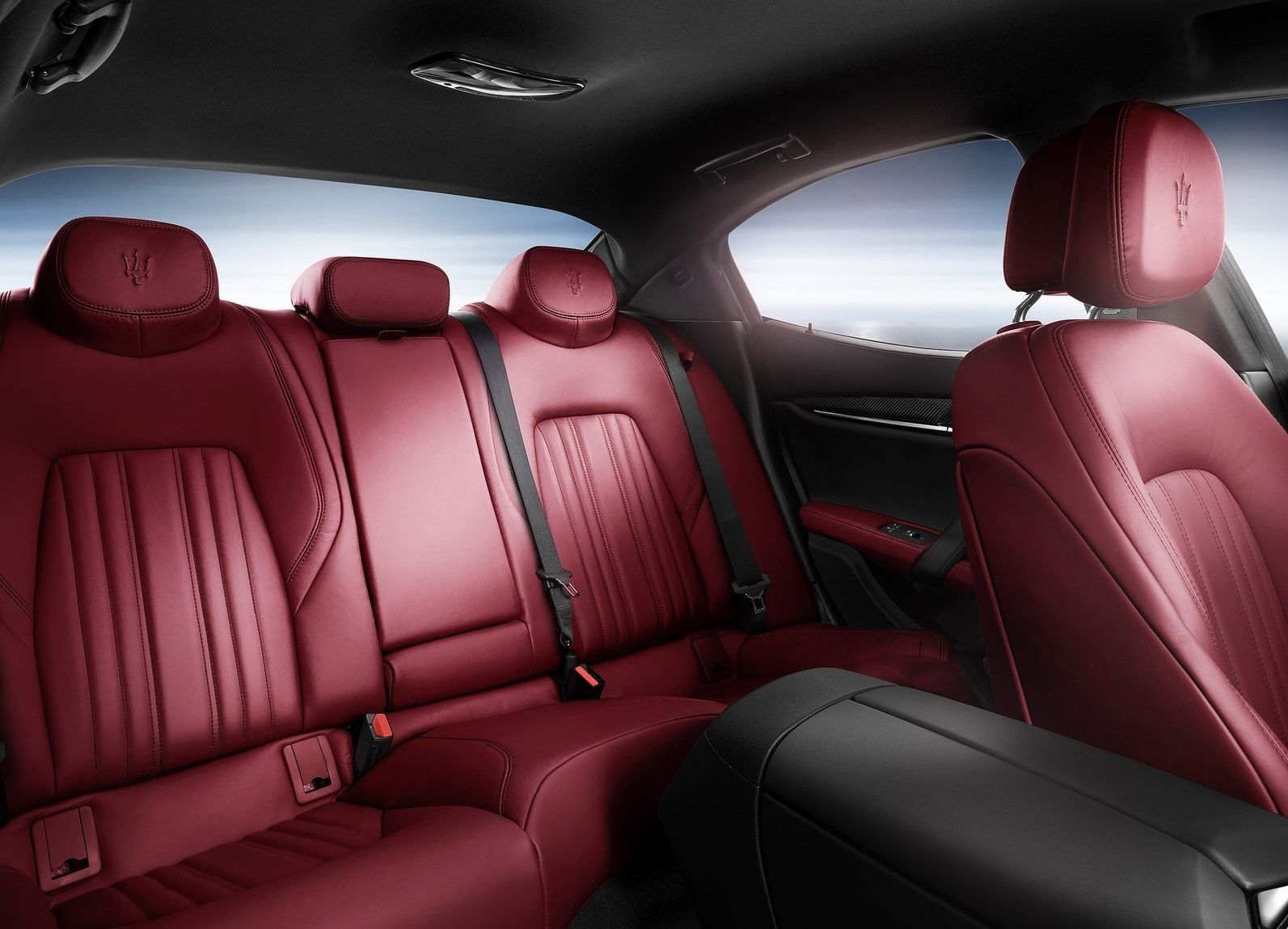
The interior of this facelifted Lexus ES has had a slight rejig. In particular, a new, sporty steering wheel has been installed and a rotary knob replaces the ‘haptic mouse’ system for the infotainment system. Navigation has been removed from the system and this has resulted in the facelifted ES being slightly cheaper than before. The space around the cabin, both in the back and the front is impressive. There seems to be loads of space and legroom available and Lexus has even made allowance for a large boot as well. It’s just a pity the rear seats don’t fold down for that added bit of practicality that could add to its arsenal.

As with all Lexus vehicles, there is no options list. Everything that Lexus offers on the ES it crams into it. That initially makes it seem expensive but once you get down to like for like comparisons, pricing favours the Lexus.

  Lexus ES 250 EX
Price R464 200
Engine 2.5-Litre Four-cylinder
Power 135 kW
Torque 235 Nm
0-100kph 9.8 Seconds
Fuel Economy 8.0L/100km
Boot Space 490 Litres

Volkswagen Emissions Scandal: Crisis deepens

Thus far the effects of the Volkswagen emissions scandal, which centres on the manufacturer installing “cheat devices” on certain diesel models to sidestep emissions testing rules, have been hard to gauge. Certainly the company has lost massive market value, and faces paying massive fines, but in terms of actual sales… there has not been a marked slowdown.

Recap on the emissions scandal here

But the latest revelations that the manufacturer has also lied about the CO2 emissions and fuel consumption of some 800 000 cars could change all of that. You see, with the emissions scandal thus far centring on NOx emissions, the customer has not experienced any major impact where it tends to hurt most – in the wallet. CO2 and fuel consumption are different animals altogether, and cost-conscious customers may now indeed look elsewhere.

Cars are increasingly purchased based on fuel economy grounds, and if Volkswagen has lied about these figures, then customers’ true running costs will be higher than they had anticipated. Now add the fact that most emissions tax systems are based on CO2, and running costs/taxation will be felt even more severely in the pocket. At this stage it is unclear whether South African models are affected by the latest revelations – it is said that 200 000 of the affected 800 000 vehicles are on European roads. Remember, the South African tax is also based on CO2 emissions.

The consequences of all of this are already being felt in other markets. Germany will retest all Volkswagen Group (VW, Audi, Seat, Skoda) cars, whether they are petrol or diesel, for accurate CO2 and NOx figures. With models powered by the company’s 3.0-litre turbodiesel V6 engine now apparently also included in the cheat scandal, sales of models equipped with that engine have been stopped in the American market. These include vehicles such as the Porsche Cayenne, Volkswagen Touareg and Audi Q5.

Moody's has since downgraded Volkswagen's credit rating to A3/P-2 with a negative outlook due to the latest revelations. Shares in Volkswagen were down another 9,5% on Wednesday, with 3 billion Euros wiped off its market value. Since the scandal broke VW’s has lost a third of its market value (Euro 24 Billion).

Mitsubishi Pajero Sport 2.5 Shogun Auto (2015) Review

It may be in the twilight of its career, but Mitsubishi is now offering the Pajero Sport in Shogun guise and it’s kitted out to tackle the (rougher) world.

Highlights
– R70 000 worth of 4×4 gear
– Excellent offroad capability

We recently spent some time with Mitsubishi’s latest offering, the Pajero Sport Shogun. Essentially a run-out special edition, the adventure-ready Shogun is fully rigged with accessories totalling over R70 000 at no additional cost to the 4×4 enthusiast who decides to buy it. We put the Shogun to the test!
Accessories Galore

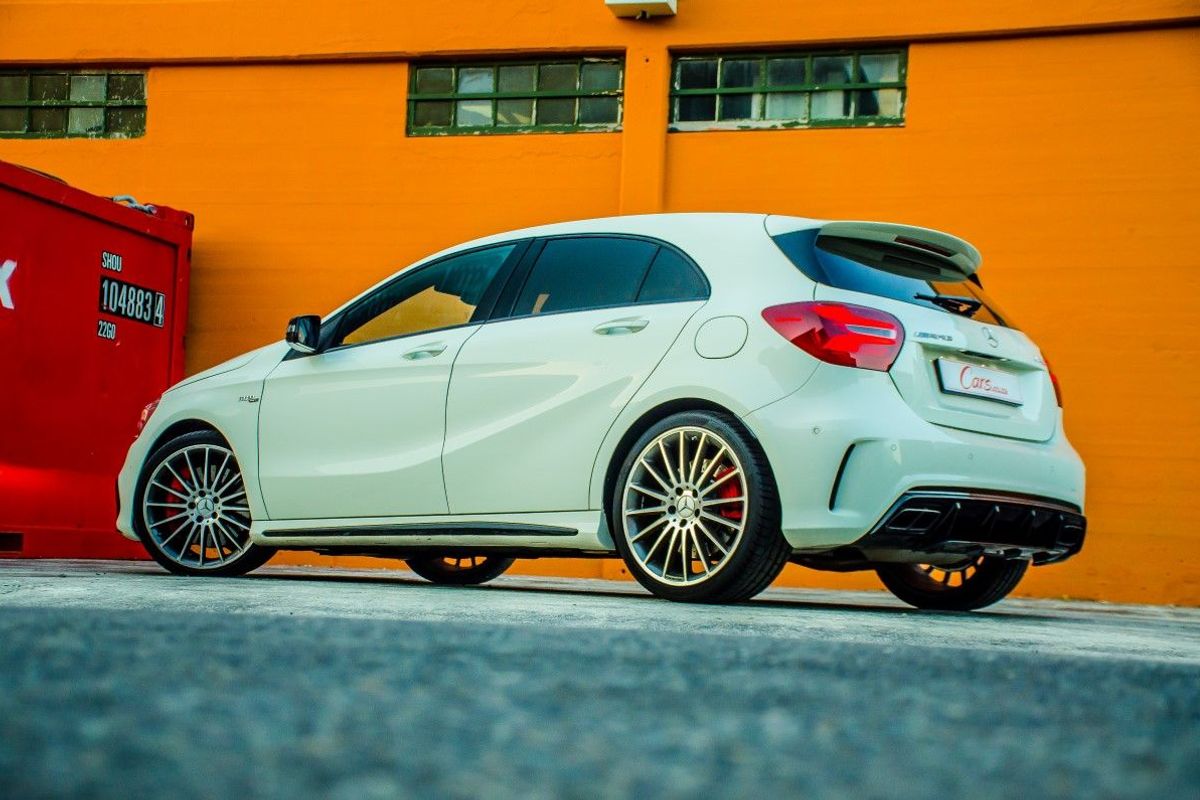
The added accessory list for the Pajero Sport Shogun is quite extensive and features include chunky all-terrain tyres on 17-inch rims with heavy-duty front and rear shock absorbers. There’s also custom-fitted underbody protection to protect the vehicle in rough terrain as well as rock sliders. Heavy-duty plates for the engine and gearbox are fitted and the model is further distinguished with a snorkel, custom roof rack with a spotlight and a detachable tow bar.

On the inside, the Shogun gets a rubber cargo protector as well as an aftermarket Garmin GPS device, which was strangely absent from our test unit, and according to the marketing material comes loaded with popular overland routes and maps so that you can’t get lost in the wild.

Styling & Features

Other than the added accessories, the Shogun is still the same old ladder-frame, bakkie-based Pajero Sport. That said, from the outside it looks rather appealing, particularly from the front and side. The Pajero Sport was updated back in 2013 and nothing has changed since. As is to be expected, it has not dated quite so well in the cabin, and the interior looks quite old-fashioned in our opinion, but it still provides decent comfort for up to seven passengers. With the last row of seats folded flat, boot space is healthy at 1 149-litres and that extends to 1 776-litres with the second row of seats folded.

In terms of features, the Pajero Sport Shogun comes with leather upholstery and a leather wrapped steering wheel with mounted controls for Bluetooth, audio and cruise control. The interior combines hard-wearing plastic with carbon fibre-look trim elements which is perfectly suited for outdoor adventures. There’s also a display mounted on the fascia which gives read-outs such as fuel consumption and barometer and altitude readings. To help you park the Shogun safely, rear park assist is fitted as well as a reversing camera.

Safety features include ABS with EBD, Electronic Stability Control, Traction Control and six airbags fitted as standard.

Engine Power & Drive

Under the bonnet of this Pajero Sport Shogun is the now familiar 2.5-litre turbodiesel engine, which replaces the previous 3.2-litre diesel engine. This unit however develops 131 kW and 350 Nm of torque and power is transferred through a 5-speed automatic gearbox. Turn the ignition and the Shogun rumbles to life and if you close your eyes, you might think you are seated in something rather utilitarian. That said, if you're after a city slicker that prioritises refinement and low noise levels, a vehicle such as this would probably not be on the shopping list in the first place.

However, on a decent piece of tar the Shogun’s ride is relatively smooth and it definitely feels solid and planted on the road. The steering is quite heavily weighted and turning the vehicle into corners requires a fair degree of work from the driver. We also experienced a fair dose of body roll in corners, which isn’t uncommon in bakkie-based vehicles.

The Shogun feels heavy and sluggish in the lower end of the rev range but once it gets up to speed, matters improve substantially with good performance in the mid-range. Once the turbo has finished with its hissing and spitting, the Shogun comes into its own and actually delivers a decent drive. The transmission can be a bit slow with changes if you hammer the throttle all the time so it’s probably best to take a chill pill and adopt a more conservative driving approach to get the most out of the drivetrain. If you have to, you can use the paddle shifts behind the steering wheel to manually shift gears.

If you are going into the heavy stuff, then the Shogun comes well equipped to tackle any terrain. With rear differential lock and the versatile Super Select 4WD-system, the driver has the choice of four driving modes depending on the terrain and these include 2WD, 4WD, 4WD with diff lock and 4WD low range. Modes are selected using a short secondary lever in the transmission tunnel which also has the tendency to impose against your leg while driving.

Although we didn’t scale mountains in the Shogun, we did take it on a gravel track and it felt right at home and coped well with undulations and imperfections in the road. We have no reason to doubt that the Pajero Sport Shogun is a capable and tough 4×4 offering.

Mitsubishi claims 8.5L/100km on the combined cycle and you will be lucky to achieve that figure in the real world. In our time with the Shogun, the best figure we managed to achieve was 11.2L/100km and it only got thirstier from there.

Mitsubishi Pajero Sport Shogun Price in South Africa

The Mitsubishi Pajero Sport Shogun will be sold in limited numbers with a price tag of R514 900 which is the same price as the standard Pajero Sport automatic. Remember, the Shogun offers R70 000 worth of adventure gear at no additional cost, which makes it particularly appealing for 4×4 enthusiasts.

The price includes a 5-year/90 000 km service plan and a 3-year/100 000 km manufacturer’s warranty.

Compare the Mitusbishi Pajero Sport with the Ford Everest and Chevrolet Trailblazer and Ford Everest here!

Buy your Mitsubishi Pajero Sport Shogun here!

Verdict

The Mitsubishi Pajero Sport Shogun will resonate with 4×4 enthusiasts and the added extras sweeten the deal even further. However, the Shogun is not an ideal car for the city and the loud engine will quickly become overbearing. Although sluggish at times, the Shogun has decent performance in the bag and its biggest strength lies in its capability off-road. If you aren’t a serious 4×4 nut, then you may want to consider vehicles like the new Ford Everest or Chevrolet Trailblazer which are more forgiving in daily driving applications but still offer good practicality and wild-side capability.

Test Team Opinion

"The new generation of bakkie-based SUVs are likely to not only be more expensive, but also more sophisticated and… complicated underneath. A relatively no-nonsense, rugged and old-school offering such as this Shogun could therefore appeal strongly to buyers with a sense of adventure. Many such buyers accessorise their vehicles at great expense after purchasing anyways, so this offering has strong merit." Hannes Oosthuizen

We like: Exterior styling, off-road ability, accessories, likely durability

We Don’t Like: Unrefined noisy engine, average ride quality, sluggish transmission

Also Consider: Toyota Fortuner, Ford Everest, Chevrolet Trailblazer

Mitsubishi Pajero Sport Shogun – Quick Specs

Facelifted Mercedes-Benz GLS Revealed

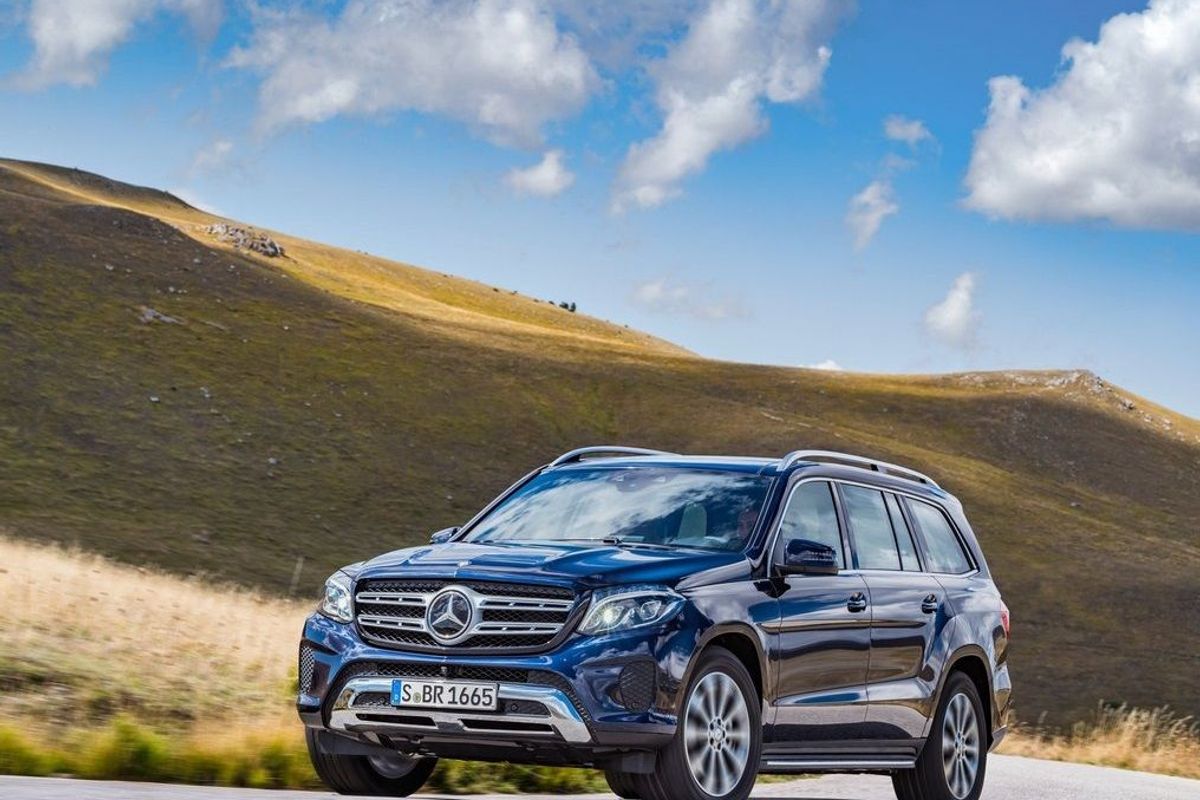
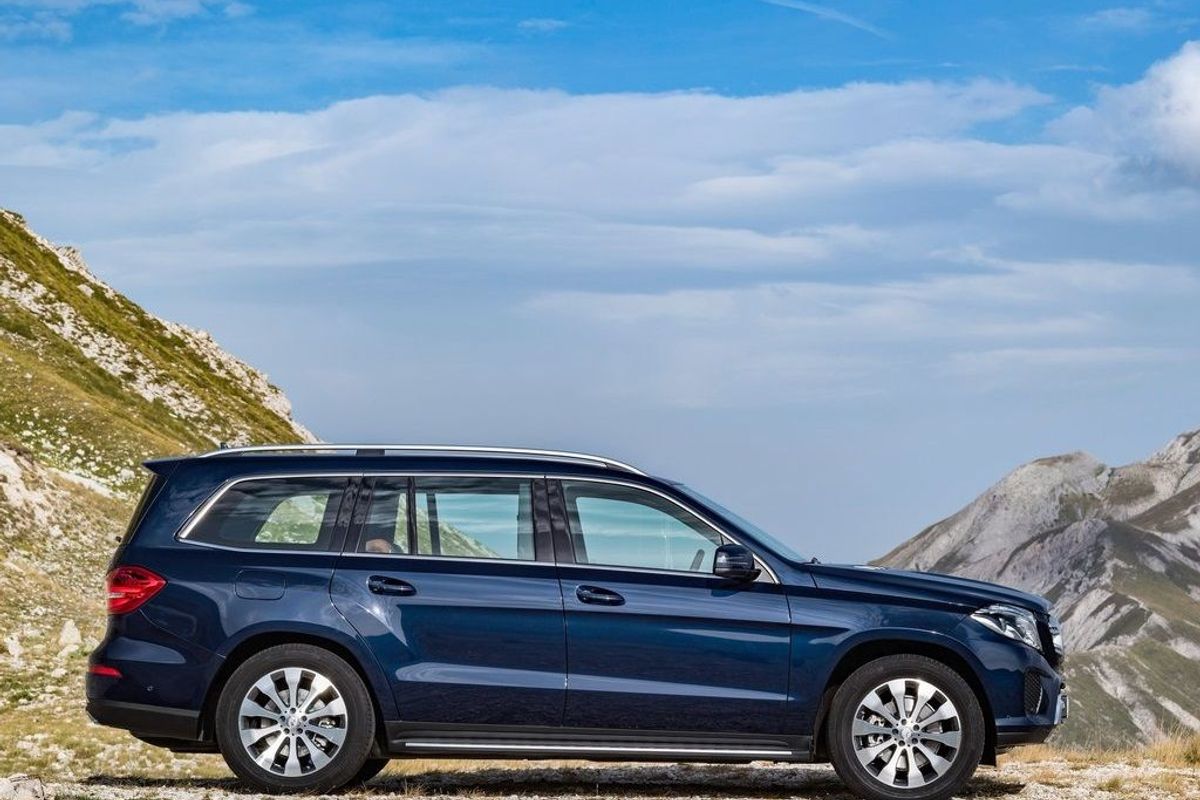
The leaking is over and Mercedes-Benz has now revealed the facelifted GL SUV, which is now officially named GLS to conform to the brand’s naming structure.

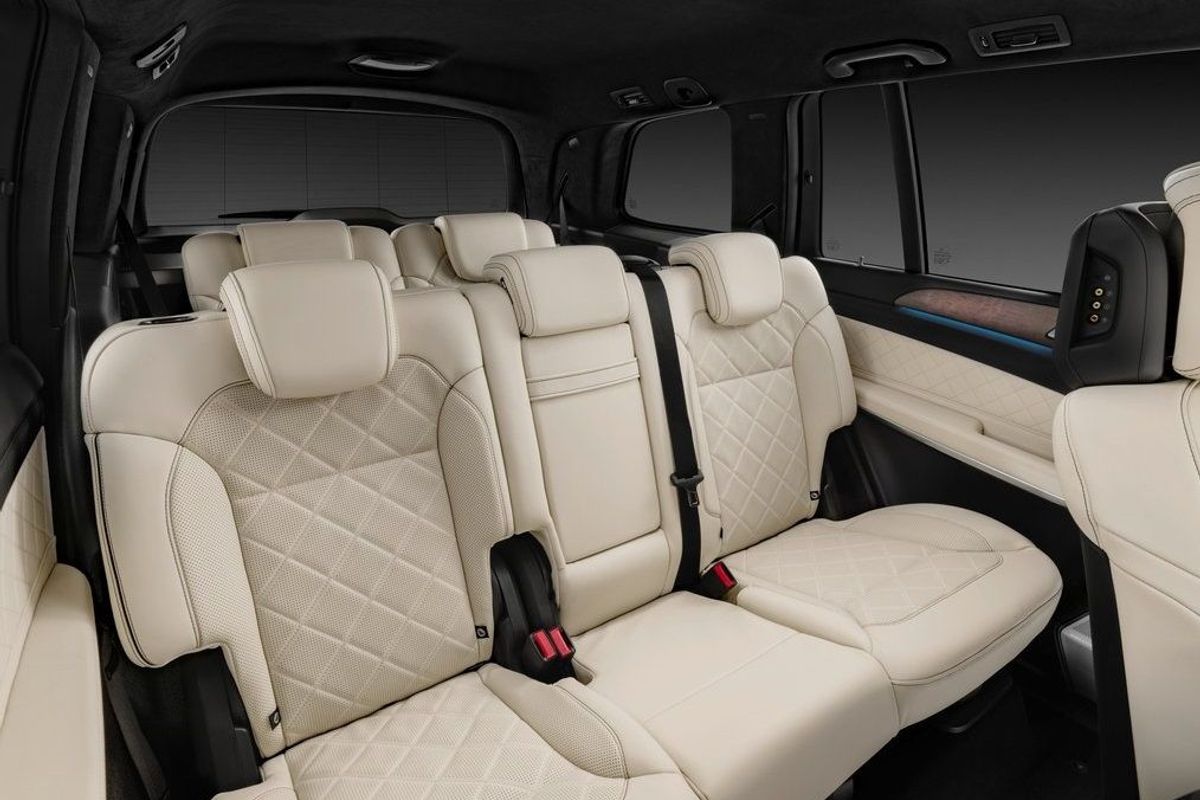
The Mercedes-Benz GLS is an SUV but with S-Class levels of luxury and a number of changes have been made to improve the model both inside and out. Being a facelift, the changes in this case aren’t major but rather cosmetic at best. A new GLS model is expected in 2017/2018.

GLS Styling

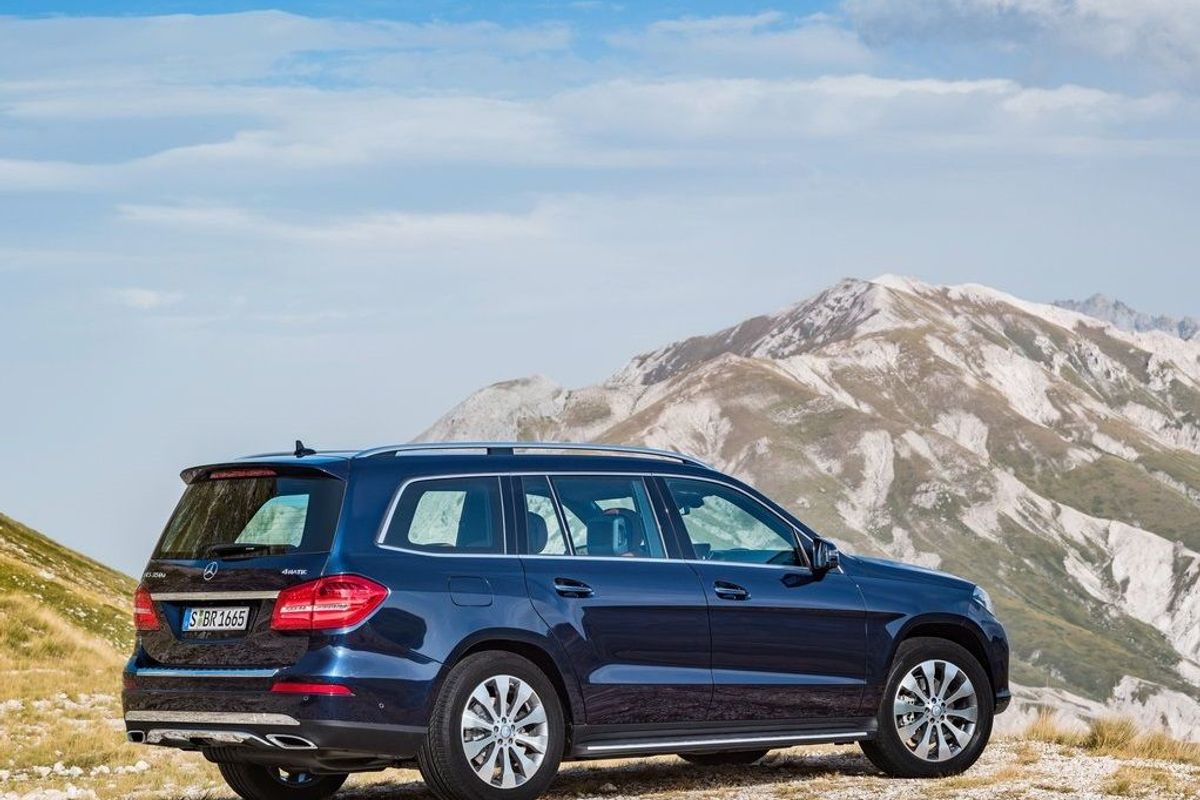
This facelifted GLS gets a new face with a new sew set of headlights and LED daytime running lights. There’s also a larger three-pointed star on the nose along with revised double slats and bumpers. The exterior changes are completed with a slightly different light signature for the rear taillights as well as a choice of new body colours and wheel designs.

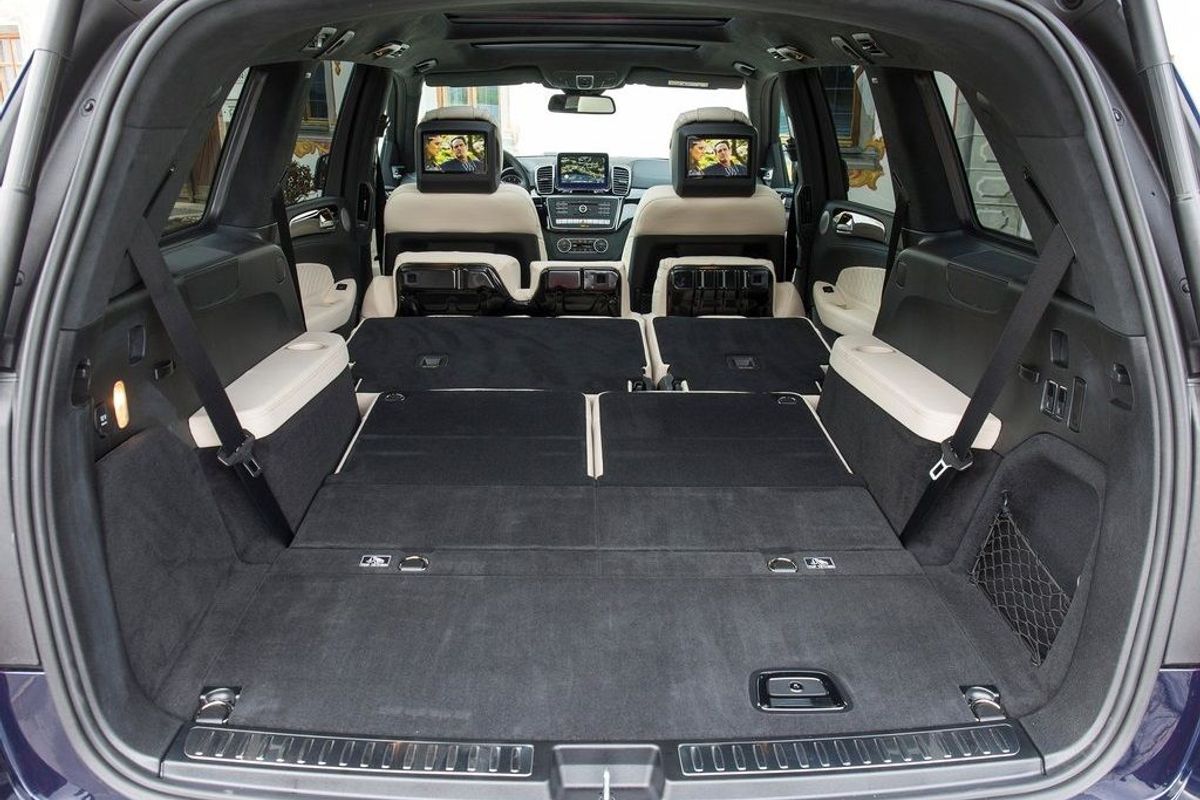
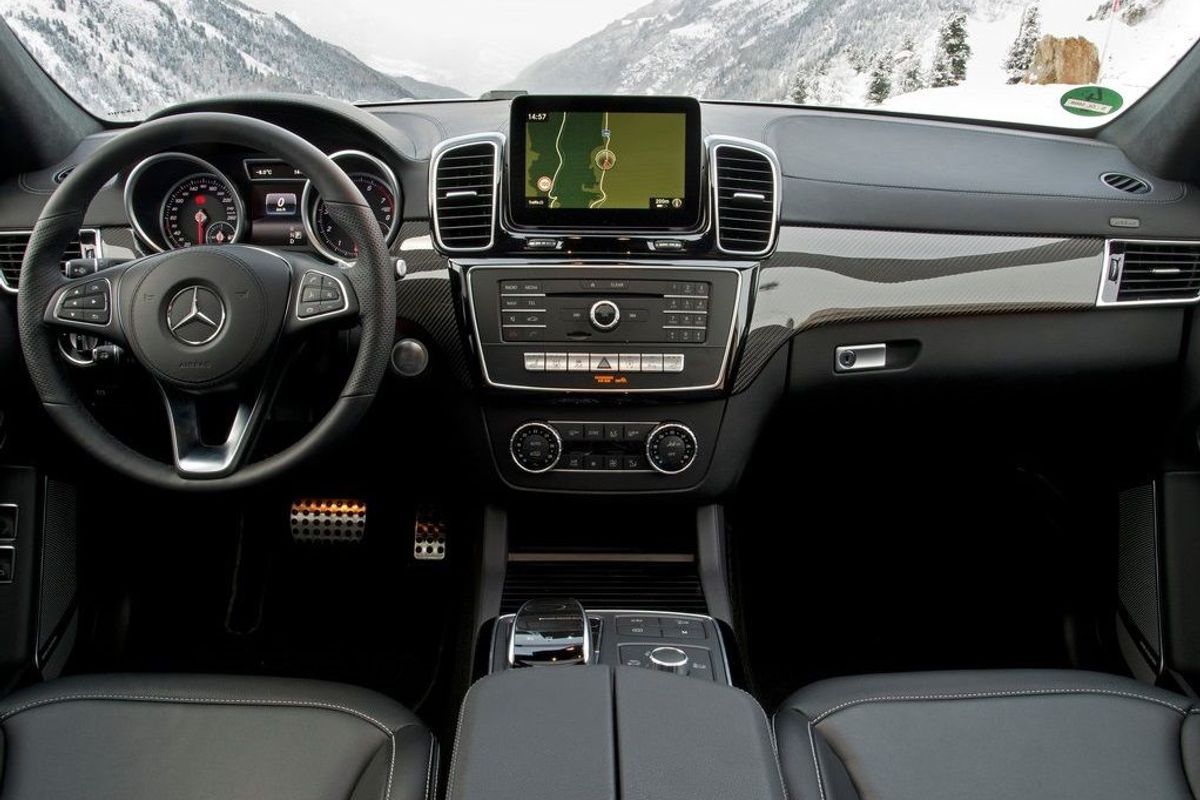
On the inside, the GLS features a revised centre console which now says goodbye to the integrated infotainment display and is replaced with a free-standing 8-inch display, which functions much like a tablet. There’s also a new touchpad and the Nappa leather steering wheel has been updated too.

Engine Power

Engines from the GL are carried over to the GLS with minor modifications that boosts power and economy. The flagship GLS63 AMG is powered by a 5.5-litre twin-turbocharged V8 that now offers 20 kW more, taking power output up to 430 kW and 760 Nm of torque. The GLS550 is fitted with a 4.7-litre V8 but with 335 kW and 699 Nm of torque. The GLS450 with its 3.0-litre V6 twin turbo engine offers 270 kW and 500 Nm of torque.

Covering the diesel side is the GLS350d with 190 kW and 616 Nm of torque from its 3.0-litre V6 turbodiesel engines. All derivatives feature 4MATIC all-wheel drive and a 9-speed automatic transmission. As is to be expected, the GLS is also packed with a wide range of the latest driver assist features offered by Mercedes-Benz. 

Mercedes-Benz SA has confirmed that the GLS will be launched in South Africa in the third quarter of 2016. 

Cheaper Citroen C1 Feel in South Africa

Citroen South Africa has introduced a revised and updated version of the C1 in South Africa, and it’s cheaper too…

We reviewed Citroen C1 Airscape a while back and we thought the car had loads of personality and it was surprisingly fun to drive. But there was one major problem with the C1…the price. With prices starting from R168 900 and going up all the way up to R194 900, the C1 was push too far for such a small yet vibrant boutique city car.

Citroen has however brewed a remedy, by offering a new, cheaper version to the range. The newcomer is called Feel and there are two Feel derivatives joining the C1 lineup to make the car accessible to more potential buyers.

C1 Feel – Features

The C1 feel retains its 5-door layout while the Feel Airscape derivative is offered with the electronic fold-back canvas roof turning the C1 into a funky city runabout. The overall design remains unchanged and a wide range of colours are on offer, including the new Scarlet Red and Blue Lagoon. The bumpers and door handles are colour coded and the C1 Feel rides on 15-inch alloy wheels fitted as standard while a gloss black grille and rear spoiler round off the look.

The rear seats split in a 50/50 configuration and when folded flat, boot space on offer totals 780-litres. Other features include automatic climate control air conditioning, a four speaker sound system with USB and Bluetooth connectivity, multi-function steering wheel and electric windows.

For added personalisation, the C1 Feel can also be had with numerous accessories to set the car apart from the rest and these include a various alloy wheel designs, fog lamp trims, lateral protection strips and various floor mats to name a few.

Engine Power

The Citroen C1 Feel is powered by a small capacity 1.0-litre petrol engine that offers 51 kW and 96 Nm of torque delivered through a 5-speed manual gearbox. Combined fuel consumption is rated at 4.1L/100km with Citroen also mentioning that 3.6L/100km is possible during highway cruising.

Safety features fitted to the C1 Feel includes ABS with EBD, Emergency Brake Assist, Electronic Stability Control and Hill Assist. Remote central locking with immobiliser and a tyre monitoring system is also fitted as standard.

Citroen C1 Feel Price in South Africa

Citroën C1 Feel – R 149 900
Citroën C1 Feel Airscape – R 159 900

Prices include a 3-year/100 000 km warranty as standard (which can be extended to 5 years), while a 4-year/60 000 km Service Plan or a five-year/100 000 km FreeDrive Plan are offered as added-cost options.

Relief as Fuel Price Drops in November 2015

Motorists in South Africa can sigh in relief as the price of all grades of petrol and diesel is set to decrease with effect from Wednesday 04 November.

According to the Department of Energy, the reasons for the decrease are a result of the strengthening of the Rand against the US Dollar and the reduced price of petroleum products during the period under review.

Prices of both grades of petrol are set to decrease by 22c per litre while 0.05% diesel will decrease by 9c per litre and 0.005% diesel by 10c per litre.

Take a look at what you will pay at the pumps for fuel as of Wednesday 4 November 2015.

Fuel Prices in South Africa – November 2015

Fuel Price Change Coastal Price Reef Price
Petrol – 93 Octane -22c/litre R11.75 R12.08
Petrol – 95 Octane -22c/litre R11.96 R12.39
Diesel – 0.05% Sulphur -9c/litre R10.52 R10.85
Diesel – 0.005% Sulphur -10c/litre R10.57 R10.90

 If you want to save money on fuel even further, then take a look at the Most Fuel Efficient Cars in South Africa for 2015 and also be sure to adopt Fuel Efficient Driving Techniques.

New Vehicle Sales in South Africa for October 2015

Domestic vehicle sales and exports declined in October 2015.

According to the National Association of Automobile Manufacturers of South Africa (NAAMSA), both domestic new vehicle sales and exports experienced declines when compared to the same period last year. One potential reason for declining exports relates to the run-out of the outgoing Ford Ranger and the run-in of the new Ford Ranger. Ford’s export figures are set to increase significantly in the near future as production of the new Ranger gains momentum.  However, reduced exports from other manufacturers suggest a possible slow down in global markets.

Toyota remains the top selling car brand in South Africa with sales exceeding 11 000 units while the Volkswagen Polo Vivo is South Africa’s top selling car for October with 3 170 units sold during the month.

New Vehicle Sales Summary –October 2015

  • 54 244 aggregate new vehicle sales down by 8.6% (5 091 units) compared to October 2014.
  • 27 732 export sales down by 13.9% (4 467 units) compared to October2014.
  • 36 175 passenger car sales down by 10.9% (4 433 units) compared to October 2014.
  • 15 171 light commercial vehicles down by 4.1% (646 units) compared to October 2014.
     

Top Selling Car Brands in South Africa October 2015

Brand Total Sales Market Penetration %
1. Toyota 11 156 (-545) 20.6%
3. Volkswagen 8 883 (-703) 16.4%
3. Ford Motor Company 6 657 (+306) 12.3%
4. GMSA 5 301 (+152) 9.8%
5. Nissan 3 873 (-72) 7.1%

Top Selling New Cars in South Africa –October 2015

Model Total Sales
1. VW Polo Vivo 3 170 (- 1 010)
2. Toyota Corolla 2 769 (-99)
3. Ford Ranger 2 740 (-125)
4. Toyota Hilux 2 639 (-792)
5. Volkswagen Polo 2 320 (+61) 

New Vehicle Sales Outlook

NAAMSA predicts that domestic sales would remain under pressure in 2016. Local vehicle production remains positive and vehicle exports will continue to support industry output going forward, contributing positively to South Africa’s balance of payments.

Isuzu KB 250 D-TEQ Double Cab 4×4 LE (2015) Review

The KB is a South African stalwart under increasing pressure from a refreshed Ford Ranger and the forthcoming all-new Toyota Hilux. Is it still in the running?

Highlights
-Feels very tough and durable
-Shines in the rough
-More powerful engine

It’s all change in the South African Double-Cab pick-up market at present. Ford has launched a significantly upgraded Ranger. A new Toyota Hilux is imminent. And then, there are also newcomers on the way from Mitsubishi, Nissan and Mazda. In a very short space of time then, the Isuzu KB will go from being one of the newest on the market, to one of the oldest. To improve its competitiveness General Motors has launched a subtly upgraded version. We tested the KB250D-Teq LE 4×4 to figure out whether it’s still in the running.

More power and torque

In the passenger car market a facelift usually coincides with a noticeable styling upgrade. But when it comes to the latest KB, the changes are more focused on specification and, importantly, the engine. The 2.5-litre turbodiesel engine previously delivered a low-ish 85 kW and 280 Nm, but these figures have been boosted by 15 kW and 40 Nm respectively to a more competitive 100 kW and 320 Nm. The torque is available from 1 800 to 2 800 rpm, and drive is through a five-speed manual transmission that feels very robust. Note, however, that even following the upgrade, the 2.2-litre engine in the Ford Ranger still produces significantly more power and torque (118 kW and 385 Nm), and does so at slightly lower revs, too (from 1 500 rpm).

The Isuzu easily has the measure of its Toyota rival, though. On the road the power increase is quite noticeable, but the engine is still less free-revving than the Ford’s. This means you have to be quite deliberate on the throttle to extract the extra shove. The upgrade has also brought the inclusion of cruise control, which is a nice addition especially if you plan on doing long road trips. For those leisure users who want to tow, this KB has a braked tow rating of 2 100 kg. The payload rating is 1 000kg, so it retains full one-tonne capability in its 1 483mm x 1 534 mm x 465 mm loadbox.

While the bakkie underpinnings obviously lead to some firmness around town which may become tiring, it does better when cruising. Subjectively, the ride appears firmer in relation to the competition than it used to be. This is possibly indicative of market movements – newer vehicles more aggressively chasing the passenger vehicle market, while the Isuzu’s worker underpinnings still shine through a bit clearer. It’s not uncomfortable, though, and with a load on the back should be an easy going family vehicle. Rear legroom is good and the cabin is well insulated against wind and road noise. Isuzu claims a combined cycle fuel consumption figure of 7.9L/100 km, translating to a range of just over 1 000km on a single 80L tank.

Good in the rough

The KB has always been an impressive vehicle in the rough and this latest version doesn’t break with tradition. It has a good 224mm ground clearance, 600mm wading depth, and there’s plenty of underbody protection in the form of guards for the front skid plate, sump, transfer case and fuel tank. It boasts a two-speed transfer case, accessible via a rotary switch on the transmission tunnel. 4H can be selected at speeds up to 100kph but you obviously have to stop to switch to 4L. A rear diff-lock is fitted as standard.

With familiarity of the torque delivery and clutch/throttle take, the KB250D-Teq is an easy off-roader. It is also worth mentioning that if feels incredibly solid in the rough and tumble of difficult terrain. It still feels like a “bakkie”, more so, perhaps, than some of its newer, more sophisticated rivals will do. Considering its off-road prowess, the KB must also be commended for a solid performance on the road.

As mentioned before, you may have to press the throttle pedal in a bit deeper than you may initially expect, but the performance will be sufficient for most. It has to be said as well that Isuzu is well-known for prioritising reliability, so what you don’t perhaps have in outright shove is made up for in peace-of-mind. Nevertheless, Isuzu says it has shaved 2.6 seconds off the 0-100kph sprint time and as much as 6.3 seconds from the 40 to 120kph time.

Balanced features offering

Inside, it’s tricky to spot the upgrades. General Motors says the cloth upholstery that is standard on this model has been upgraded. Even so, leather is a worthwhile option considering the likely punishing use these vehicles will have to endure. The facia design is still modern enough and the build quality seems very good indeed. Our test unit never once emitted a rattle and everything worked with solid precision. It seems like the manufacturing plant in Port Elizabeth is producing some excellent quality if this test unit is anything to go by.

Again, the KB’s less “frilly” cabin will appeal to more conservative buyers who may have doubts about the city slicker direction most new double cabs appear to be moving in. That said, it does have most of the features you’d want from a modern double-cab bakkie. The radio offers Aux/USB support and Bluetooth is standard. The neat steering wheel offers controls for the audio system and cruise control.

The steering wheel itself is only adjustable for height, but a comfortable driving position is still easy to find, mostly because the driver’s seat is also height adjustable. The manual air-conditioning system worked well during our hot-weather test session near Worcester in the Western Cape. With regards to safety, the KB now comes with an electronic stability system in addition to the usual ABS/EBD and Brake Assist. Interestingly, while rear Isofix child seat mounts are fitted, there are only two airbags (compared with the Ford’s six).

Conclusion and Summary

While this upgrade doesn’t appear to be a significant one, especially seeing as the Ranger looks quite dramatically different and the new Hilux is, well, all-new, the KB250D-Teq is now a more balanced offering that will appeal strongly to those buyers who are not interested or impressed with the fashionable fripperies of the newcomers. The KB feels like a very solid vehicle with an impressive spread of talents and no obvious flaws.

Isuzu KB250D-TEQ Double Cab LE 4×4 Price in South Africa

The Isuzu KB250D-TEQ Double Cab LE 4×4 costs R429 100 and comes with a five-year/120 000 km warranty and five-year/90 000 km Service plan.

Test Team Opinion
When you drive the Isuzu KB, you get the impression that it has been designed and engineered to be more of a workhorse than a lifestyle vehicle unlike its competitors. The KB is solid and comes with basic features, but given how tough its competition is, it has an uphill battle ahead of it. -David Taylor

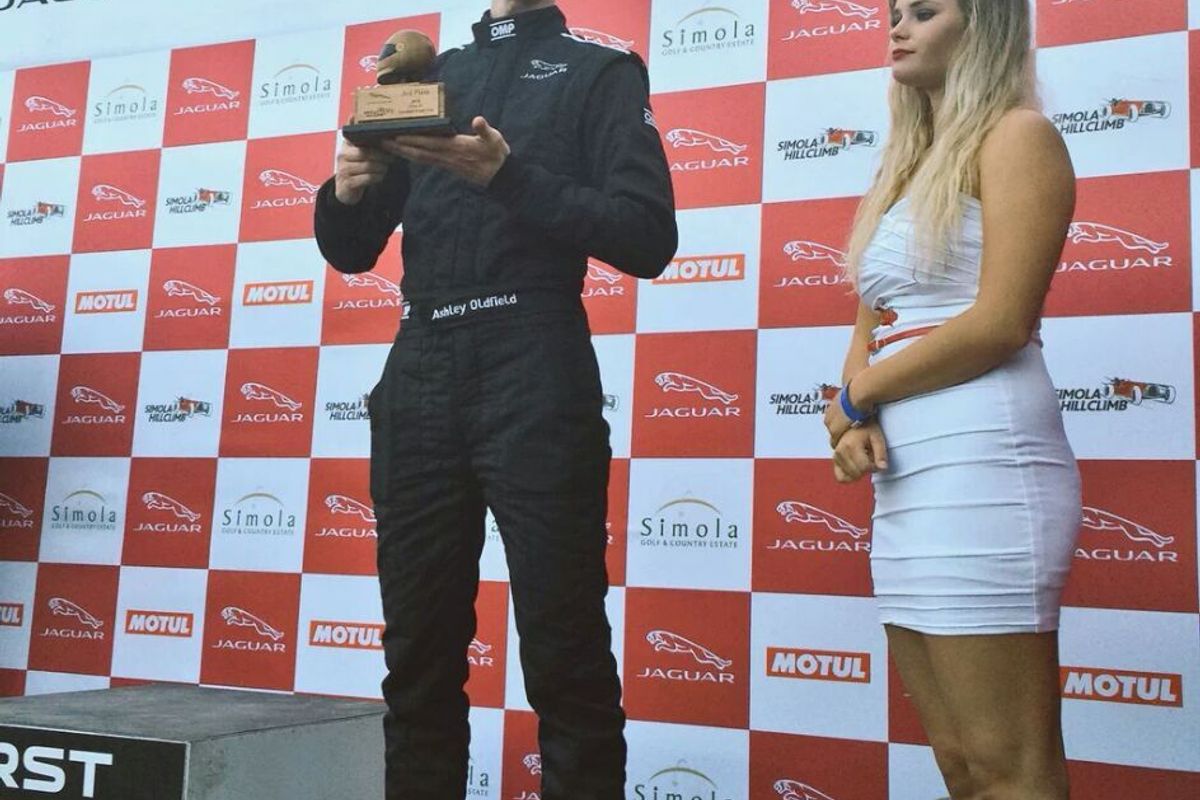
Bakkies are bouncy to drive and generally quite hard work when ordered in manual format. The KB is exactly that but that's because it's billed as a tool for the farm or off-road track. It's built solidly and you can feel it's made to last forever. – Ashley Oldfield

We Like: Solid feel, Build quality, Off-road ability
We don’t Like: Only two airbags, limited trip computer
Also consider: Ford Ranger, Toyota Hilux, Mazda BT-50, Nissan Navara, Mitsubishi Triton

Compare the Isuzu KB250 D-TEQ Double Cab 4×4 LE with the Ford Ranger Double Cab 2,2 4×4 XLS and Toyota Hilux Double Cab 2,5 D-4D SRX 4×4

Isuzu KB250 D-TEQ 4×4 Double Cab LE – Quick Specs

New Volkswagen Passat (2015) First Drive


Volkswagen has introduced the new eighth-generation Passat in South Africa.

In a bid to shatter perceptions and take aim at premium brands such as Mercedes-Benz and BMW, Volkswagen has come out with all guns blazing with the new Passat. With over 22-million worldwide sales since 1973, the Passat remains an important model for Volkswagen and it just got a whole lot better.

The launch of the new Volkswagen Passat took place in Port Elizabeth and we were there to drive this all-new model.

What’s Changed?

Just about everything. This new Passat is built on Volkswagen’s MQB platform and is some 85 kg lighter and up to 14% more efficient than the outgoing model. The Passat is now also 2mm shorter, with the wheelbase extended by 79mm. It also sits some 14mm lower and 12mm wider than before. The interior length has increased by 33mm and the overall changes in dimensions have cumulatively increased interior space despite the car being marginally smaller than the outgoing Passat.

The new Passat takes on a more premium look with a lowered bonnet and windscreen that has been shifted towards the rear and the front grille features fine chrome detailing that gives the car a sophisticated face. Halogen headlights are standard while LED headlights with LED daytime running lights are optional. At the rear, the LED lights are wider yet leaner, and set in wide shoulders for added presence. Overall, the look of the Passat has taken a huge leap forward and it’s actually quite a good looking car in our opinion.

Step inside and you are met with a classy interior too. A prominent horizontal air vent design element stretches across the dashboard, adding to the premium feel as does the central analogue clock. There is much to like about this interior, as its design is attractive, clean and functional. The biggest highlight of the interior must be the Active Info Display, with the new Passat being the first Volkswagen model to benefit from this feature.

The optional Active Info Display is a fully interactive display replacing your conventional instrument cluster and it’s marvellous. The 12.3-inch display virtually incorporates key instruments as well as navigation, very much like the Audi Virtual Cockpit. The display can be configured to your preferences using the mounted controls on the steering wheel and it makes driving the Passat that much more appealing. A head-up display will also become available in the new Passat in early 2016 for the first time.

In terms of infotainment, the latest generation 6.6-inch Composition Media system is standard across the Passat range. The system takes care of a range of functions including Bluetooth connectivity, CD Player, USB and Aux connectivity for MP3 playback, SD card reader and vehicle information including a performance monitor and lap timer, just in case you need it. The Discover Pro Navigation system with an 8.0-inch colour touchscreen is available as an option.

The Passat Lineup

Three petrol engines power the new Passat with a diesel engine expected in the second half of 2016. The first is a 1.4-litre turbo engine delivering 110kW and 250 Nm of torque. This engine is offered with a 6-speed manual transmission as standard while a 7-speed DSG transmission is an option. Fuel consumption for this engine is rated at 5.3L/100km in manual form while the DSG is slightly more efficient at 5.2L/100km. The 0-100km/h sprint is achieved in 8.4 seconds with a top speed of 220kph.

Buyers can also opt for the 1.8-litre turbo engine which delivers 132 kW and 250 Nm. This engine is mated to a 7-speed DSG transmission that contributes to a combined fuel consumption figure of 5.8L/100km. As you’d expect, 0-100kph is quicker at 7.9 seconds with a top speed of 232kph.

Lastly, there’s a 2.0-litre turbocharged engine on offer, the same engine that does duty in the Golf GTI and it provides good entertainment with 162 kW and 350 Nm of torque on tap.  A 6-speed DSG transmission ensures a 0-100kph time of 6.7 seconds with a top speed of 246kph. Combined fuel consumption for this engine is rated at 6.2L/100km. All three engines feature BlueMotion efficiency optimising technology as standard.

The Passat is also available in two trim levels namely Comfortline and Highline, each with its own set of standard features. There’s also an R-Line package available as an option for both trim levels but this comes standard on the Passat 2.0 TSI.

There’s also a full host of driver assistance systems available for the Passat and these include an Automatic Multi-Collision Braking System, Driver Alert System, Adaptive Cruise Control and Park Assist. In terms of safety, the Passat is fitted with ABS with EBD, front and rear Park Distance Control, Electronic Stability Control and a total of six airbags. ISOFIX child seat mounts are also fitted as standard.

How Does The New Passat Drive?

The launch route took us from PE to Port Alfred and back, totalling almost 300km and giving us the chance to sample all three engines. Our drive started out in the top-of-the-range 2.0 TSI in R-Line trim. The steering is noticeably light yet well-proportioned and it makes the Passat feel nimble and agile. Performance in this model is excellent with plenty pulling power at your disposal.

The driver also has the choice between four driving modes including Comfort, Normal, Sport and Individual which is selected via the driver profile selector. In Sport mode, the Passat is eager to get a move on and it responds with vigour to throttle inputs. The DSG transmission is faultless in its shifts which go unnoticed as you cruise along making for smooth power delivery throughout. The drive is also quiet and refined with engine noise barely making it into the cabin, which is testament to the Passat’s good build quality. The fuel consumption readout showed figures above 11L/100km, but figures below 10L/100km should be easy to achieve with a more restrained driving style. Thanks to the Dynamic Chassis Control, (DCC) fitted as standard on this model, ride quality is excellent and the Passat soaks up bumps and lumps effortlessly, delivering a smooth and comfortable drive.

Excellent drive and handling characteristics are also evident in both the 1.8 TSI and 1.4 TSI with only marginal differences in performance being noted. The 1.8 TSI, although not as forthcoming as the 2.0 TSI, still provides excellent performance and never left us wanting more, despite having 30 kW and 100 Nm less on tap. It was only in the 1.4 TSI that a significant change in performance was felt. Under hard acceleration, the 1.4 remains composed, but the engine can be heard working hard under the bonnet and is therefore more suited to conservative driving styles. Despite the watered-down performance in this 1.4, fuel efficiency was good with the readout showing 7.3L/100km. Driving in Eco mode will certainly help matters and other modes for the 1.4 and 1.8 include Normal, Sport and Individual.

This new Passat impressed us with its modern and classy interior, and excellent driving ability. We will have the new Passat on test soon to give it a thorough evaluation, but for now take a look at what you can expect to pay for the new Passat.

New Volkswagen Passat Price in South Africa

1.4 TSI Comfortline 110kW Manual – R378 800

1.4 TSI Comfortline 110kW DSG – R398 800

1.8 TSI Highline 132kW DSG – R444 200

2.0 TSI R-Line 162kW DSG – R476 800

Updated SsangYong Korando in South Africa


The updated SsangYong Korando is now available in South Africa!

The SsangYong Korando package has been streamlined with one petrol-powered model on offer. The list of standard features has increased when compared to the previous model and four exterior colours are available to customers.

Korando Styling

The updated Korando gets a new set of headlights with LED Daytime Running Lights as well as a redesigned black mesh grille with a large SsangYong badge. The fog lamps are seen in the large lower air intake and are fitted as standard. The side mirrors are partially colour-coded and feature integrated indicators while the roofline is accentuated with low-profile rails.

The Korando also benefits from larger 17-inch alloy wheels as opposed to the previous 16-inch examples. Other features include a front scuff plate, sill extenders and rear apron finished in black.

On the inside, updated cloth upholstery and metallic accents add character to the interior. The Korando is fitted with electric windows, a six speaker sound system and cruise control. The audio system is MP3 and Bluetooth compatible and there’s a USB socket for connecting devices. The steering wheel features mounted audio and Bluetooth controls and the rear bench can split in a 60:40 configuration.

Engine Power

The engine remains the same as before and it’s a 2.0-litre unit that offers 110 kW and 197 Nm of torque mating to a 6-speed manual transmission powering the front wheels. Combined fuel consumption is rated at 7.5L/100km with an estimated travel range of 760 km from its 57-litre fuel tank.

In terms of safety, the updated Korando is fitted with dual front airbags, ABS and an alarm immobiliser.

SsangYong Korando Price in South Africa

SsangYong Korando 2.0 M/T – R324 995

Price includes a 5-year/150 000 km warranty, 5-year AA Roadside Support and a 5-year/100 000km service plan.