Audi Q7 3.0TDI Quattro vs Volvo XC90 D5 Inscription (2016) Comparative Review [with Video]


The Volvo XC90 has stolen hearts, awards and, crucially, sales, since its launch last year, but now it faces a tough new German rival. Can the stylish Swede outsmart the sophisticated second-generation Audi Q7?

AT A GLANCE

  Audi Q7 3.0TDI Volvo XC90 D5 Inscription
Price (March 2016) R961 000 (without options) R933 500 (without options)
We like Engine & ride refinement Standard seven seats
  Interior build quality Standard features for the money
  Performance Family friendly packaging
  Real-world fuel economy Infotainment system
We don't like Costly options Engine not as refined as Audi's
    Firm ride

Champion under fire

Even if you only have a casual interest in daily motoring news you’d have picked up by now that Volvo’s XC90 SUV has been very well received. It has claimed numerous high-profile awards, including our own Cars.co.za Consumer Awards Premium SUV of the Year title. The XC90 is a superb product of an increasingly confident company. We love it.

But it has a tough new opponent in the shape of Audi’s second-generation Q7. The new German SUV launched late last year… too late for consideration in the first iteration of the Cars.co.za Consumer Awards, but now it’s here… more compact, lighter and more efficient than before and ready to stake a claim to the XC90's title.

Read our individual review on the Audi Q7 3.0TDI here.

Exterior design

Debating automotive aesthetics is not a terribly useful exercise, so we’ll leave you to make up your own mind. For what it’s worth, most testers and onlookers were of the opinion that the Swede was the most attractive of the two.


Volvo's XC90 is widely regarded as the most attractively styled vehicle in its category.

Of more importance in this category is how much flash you get for your cash. The Audi is a suitably upmarket-looking product with some pin-sharp detailing. For example, the LED-infused rear lights are standard, as are neat 18-inch alloys. Up front, however, you "only" get Xenon Plus headlights. We say “only”, because the Volvo offers striking adaptive (auto-bending) LED units while Audi charges you an extra R24 200 for LED headlights and a whopping R38 500 for its Matrix LED lighting system.

The Volvo scores some extra points when it comes to its wheels, too. As standard, it rides on 20-inchers, but if you want to prioritise ride comfort, you should opt for the smaller 19-inch rim, which is a no-cost option. Alternatively, you could get glitzy 21-inch items for R12 750. To put that into context… Audi charges R39 000+ for the same size wheels (21-inch).

Cabin execution and features

This is another area where personal design preference will be a deciding factor. Much has already been said about the XC90’s exquisite cabin design, but it really is a very cool place to be. The iPad-like touch-screen system is, of course, the centre point of all the discussions and remarkably simple to use, but there are other highlights too. We like the beautifully crafted starter switch, for example, and the way the leather surfaces and metallic accents “flow” next to each other. The build quality appears excellent, too, but we’d caution against the white trim of our test unit – it shows dirty marks far too easily.


The centre point of the Volvo interior is its superb touch-screen infotainment system.

Audi is famed for its interiors and it’s unleashed another cracker with the Q7. Stretched low and wide, the horizontal design elements accentuate the sensation of spaciousness and minimalism, while the retracting infotainment screen perched atop the facia offers crystal-clear graphics. Another nice touch is the gear lever which offers a large flat leather-lined surface on which you can rest your wrist while using the touch pad mounted in front of it. Audi’s all-digital Virtual Cockpit is class-leading too, much crisper and neater than the version offered in the XC90. But note, however, that it is a R9 000 option, while the Volvo comes with it as standard.


Audi's Virtual Cockpit is an optional extra, but it is worth the extra outlay.

Indeed, when it comes to interior features, Volvo has been significantly more generous. You get four-zone climate control as standard in the XC90, for example, but Audi charges an additional R11 800 for that luxury. Also standard in the XC90 Inscription is a Heads-up-Display (HUD) system, while Audi asks R20 800 for its version which, admittedly, is better.

And then there’s the small matter of third-row seating – standard in the Volvo, but a R20 800 option in the Audi. By comparison, the optional Premium Package for the Volvo at R55 500 sounds like a steal, seeing as it includes such niceties as surround-view cameras and a great Bowers & Wilkins sound system. Audi offers two optional sound systems, the first by Bose for R17 200 and a top-end Bang & Olufsen package is yours for a whopping R91 800…

Comfort, safety and packaging

If you don't have a particular brand affiliation, your choice could potentially be dictated by what your family needs. In short, the Audi is the more comfortable vehicle from the driver’s seat, and while the occupants of the other seats are unlikely to complain, the Volvo’s packaging lends itself more to family use.

But let's start with the front seats. The chairs in the Volvo are fully electrically adjustable and both offer memory settings. The seats in the Q7 offer electric adjustment as well, but memory settings will require an extra R8 000. Heated seats will cost your more in both vehicles (R3 550 in the Volvo, R5 900 in the Audi). 


The Volvo is the more family friendly vehicle, with more load space and a standard third row of seats.

There’s more space all-round in the Volvo, and even the third-row seats offer acceptable comfort for adults. And when it comes to luggage space and flexibility, the Volvo also wins. With the third-row stowed away, the XC90 offers significantly more luggage space, and the rear aperture is better shaped for the purposes of loading/unloading (a greater variety of) items.

In terms of safety features, these are two top-end premium vehicles, so rest assured the basics are covered in terms of airbags, as well as braking assistance and stability control systems. The really sci-fi stuff is mostly restricted to the optional extras list, but the Volvo does offer lane departure warning, front collision mitigation support, park assist pilot (with front and rear park assistance) and the aforementioned HUD (head-up display).  

The Q7 has a reverse-view camera as standard (which is, bizarrely, a R9 300-option on the Volvo), but you pay extra for the parking assistance package (R8 500) and the park distance control system (front and rear) costs another R11 600.

Performance

Volvo made a brave decision to limit the engine size of all XC90 derivatives to 2.0 litres. In a vehicle of this size and heft, that raised many an eyebrow. Still, on the road and in isolation, the XC90 D5 Inscription doesn’t feel lethargic at all. The engine delivers 165 kW and 470 Nm of torque and is mated with an eight-speed automatic transmission. Volvo claims brisk performance, including a 0-100 kph sprint time of 7.8 seconds.

But… when driven back-to-back with the new Audi Q7 3.0 TDI, the difference is quite noticeable. With similar weight to pull around as the 2.0-litre unit in the Volvo, the Audi’s larger 3.0-litre engine gives the Q7 a more responsive personality, which it should… after all, it has a higher power output. With 183 kW and a whopping 600 Nm of torque at its disposal, the Q7 sprints from standstill to 100 kph almost a full second faster than the Volvo.

In-gear acceleration is far more important, however. The Audi’s power and torque reserves are available across a wider spread of the engine’s power band, so the eight-speed automatic ‘box has a much easier task compared with the unit in the Volvo.

The engine size/power difference also has an impact on the vehicles’ cruising abilities. The Audi feels more relaxed, quieter and yet is still the one you want to have for frequent overtaking blasts. The Volvo’s engine has to work harder to keep up, and you can hear and feel it. Plus… the harder an engine works, the greater the impact on fuel economy (see the next category).

Fuel economy

As we alluded to in the Performance category, the engine size/power differences have a marked impact on fuel economy as well. Volvo claims a combined cycle fuel consumption figure of 5.8 L/100 km, while Audi says the Q7 will consume an average of 6.3 L/100 km. Is it a clear victory for the Volvo, then? Not exactly… The engine in the Volvo has to work harder in day-to-day driving and, therefore, drinks more diesel. As a result, we achieved figures closer to 8.5 L/100 km in the Volvo, with the Audi being more economical at 7.9 L/100 km.

Ride and handling


The Audi Q7 scores a decisive victory in the ride and handling departments.

The first-generation Audi Q7 was a bit of a lumbering giant. For the new version, Audi focused on efficiency-boosting design and materials, and the result is a vehicle that is up to 300 kg lighter than before. You can immediately feel it on the road. Our test version was equipped with the optional R30 500 adaptive air suspension, it must be noted, but based on the exquisite ride refinement and road holding, it’s an option box we would recommend ticking.

In fact, in terms of ride comfort, the Q7 is currently one of the best vehicles on the new vehicle market today. When the suspension setting is changed from Comfort to Dynamic, the Audi's ride quality is obviously firmer, but it never turns crashy. Combine the superb suspension with Audi’s Quattro all-wheel drive system and you have a class-leading combination of ride and handling.

In this area, the XC90 is trumped once more. With a rear suspension design compromised (to some extent) by the requirement for spacious third-row seating and a large boot, the Volvo rides firmly… perhaps too firmly for a vehicle with such clear family hauling applications. We believe that opting for the high-profile tyres on 19-inch wheels will improve the comparatively fidgety ride, but even then the Volvo's unlikely to match the Audi's balance of ride refinement and handling.

Ownership considerations


Audi is a leading brand in terms of ownership satisfaction, and Volvo is making big gains.

With identical maintenance plans (5 years/100 000 km) peace of mind should last a fairly long time for the owners of either vehicle. But what about resale? When it comes to big SUVs the depreciation curve is generally quite severe, but when considered as “brands”, the advantage is certainly on Audi’s side.

In terms of after-sales service, we refer to the data coming through in our Ownership Satisfaction Survey. Audi finished in a solid third place overall in the Brand of the Year category in our first annual Cars.co.za Consumer Awards, and when the scores are analysed further, it maintains a podium position when only after-sales service is considered (beaten only by Toyota and Mercedes-Benz).

Volvo, however, is not doing poorly at all when it comes to after-sales service, with the data showing that great strides have been made in this regard. In fact, the Swedish marque appears to be on par with most of the big brands in terms of after-sales service.

Own an Audi Q7 or Volvo XC90? Complete our Ownership Satisfaction Survey here.

Verdict

Although these two vehicles are head-to-head rivals in the premium SUV segment, their respective skill sets will see them appeal to different consumers. A lot has been said about the difference in standard specification and the resultant value advantage of the Volvo. Yes, it offers many more features as standard than the Audi, but we feel that at this end of the SUV spectrum, the more pressing issues will be around brand perception and packaging. As standard, the pricing (R933 500 for the Volvo and R961 000 for the Audi) is not too different.

Buy the Volvo if you’re looking for a supremely well-finished, cleverly packaged premium SUV that will be used extensively as a family/leisure vehicle. Cars.co.za's Ciro de Siena recently spent and extended test period with the XC90 and reported on its numerous talents here. On the other hand, if you have a smaller family and don’t suffer the consequences of a very active leisure-oriented lifestyle, the Q7’s refinement, comfort and driver-oriented talents make it the stand-out product. The judges for the next round of the Cars.co.za Consumer Awards have some very difficult voting to do…

Compare the Audi Q7 3.0TDI with the Volvo XC90 D5 Inscription in detail here

Interested in buying an Audi Q7? Search for one on Cars.co.za

Interested in buying a Volvo XC90? Search for one on Cars.co.za

Mercedes-Benz GLC Coupe Spied


Spy images of the Mercedes-Benz GLC Coupe have surfaced, showing a sportier version of the medium-sized SUV.

Picture credit: S. Baldauf/SB-Medien

With its sleek coupe styling, the forthcoming Mercedes-Benz GLC Coupe will bring some pizazz to the GLC lineup when it arrives later in 2016. Consider the GLC Coupe to be the small brother of the larger GLE Coupe; it will do battle with the BMW X4 and Range Rover Evoque.

The images above show a lightly camouflaged GLC Coupe in transit somewhere in Germany and the vehicle was first brought to life in the form of the GLC Coupe Concept shown at the 2015 Shanghai Motor Show. When the model finally makes landfall in South Africa, you can expect a range of petrol and diesel engines carried over from the standard GLC – there might be a plug-in hybrid version too.

Mercedes-Benz South Africa has confirmed that the GLC Coupe will become available in November 2016. 

While you wait in anticipation, take a moment to watch our drag race video featuring the insanely loud and powerful Mercedes-AMG GLE63 Coupe versus the BMW X6M. 


Interested in buying a Mercedes-Benz GLC? Click here to search for one on Cars.co.za 

Petrol Price in SA: What are you really paying for?


Have you ever wondered what you are paying for when you fill up your car with petrol? This article provides some insight…

As consumers of petrol, motorists are often not aware of what they are paying for (apart from fuel) when they fill up their vehicles. There are numerous costs that constitute the petrol price and as a consumer, you should be aware of what you are actually paying for when you pull into your nearest petrol station.

In South Africa, the price of petrol is adjusted monthly, based on a number of factors, the most important being international petroleum prices and the Rand/US dollar exchange rate.

Take a look at the infographic below for a visual representation of the breakdown of the petrol price in South Africa. 


Infographic supplied by the AA

The costs of petrol

As a starting point, the Basic Fuel Price (BSF) is worked out according to costs associated with shipping petroleum products to South Africa from areas around the world such as the Mediterranean, Arab Gulf and Singapore. These costs include insurance, storage and wharfage, which includes using harbour facilities and transferring petroleum products into storage.

In the month of March 2016, these costs represent a total of R4.70 per litre (inland) of 93 unleaded petrol.

From that point onwards, other costs come into play, such as transporting petroleum to other areas, customs and excise duties, retail margins and secondary storage costs. In addition to these costs, the petrol price also includes the Fuel Levy as well as the Road Accident Fund (RAF) levy.

In March 2016, these costs accounted for R6.76 (inland) per litre of 93 unleaded petrol. Of this amount, R2.55 was allocated to the Fuel Levy while R1.54 was allocated to the RAF Levy.

Note: The Fuel Levy goes directly to the National Treasury while the RAF Levy goes to the RAF to assist accident victims.

That means, with petrol costing about R11.46 per litre, R4.09 or approximately 35% is allocated to different government levies.

Finance Minister, Pravin Gordhan’s Budget Speech in February 2016 highlighted that the Fuel Levy and would increase by 30 cents to R2.85 in April 2016.

Using basic arithmetic, it’s clear that if you fill a car with a 50-litre fuel tank, it will cost you about R573. Of this amount, you are paying a total of R204.50 to government levies. The Fuel Levy accounts for R127.50 while the RAF contribution accounts for R77.

If the petrol price remains unchanged by the end of April, the Fuel Levy contribution will increase to R142.50 while the RAF levy will remain unchanged at R77 reaching a combined total of R219.50.

Also See: 

How the interest rate hike affects you

New Car Prices: Big Increases Coming


Jaguar Launches Special Vehicle Operations in SA

Special Vehicle Operations (SVO) was established to produce exclusive Jaguar Land Rover cars. South Africa was recently added to the division's VIP list and will see a quartet of new models, some of which will be available in very limited numbers.

The launch of SVO in Johannesburg was held in conjunction with the news that Jaguar will send five XEs up the hill during the Simola Hillclimb in May 2016. Cars.co.za has already secured one of the cars by winning the Hillclimb Media Challenge in 2015. Make sure you enter our competition by designing the car we will be driving up the hill. Read more about the competition here.

Project 7

Just five Project 7s will make it to Africa. The Project 7 is the result of a designer’s doodle that turned into a real-life project. It mixes a Le Mans winning D-Type with the current F-Type. The SVO team then increased the power output from a V8 F-Type R to 423 kW and 680 Nm, which translates to a claimed 0-100 kph of just 3.9 seconds. The SVO team also tweaked the suspension and exhaust to complete the race-car feel/realise gobsmacking performance.

Read more about the Project 7 here

Other SVO models coming to SA

In August, the F-Type SVR will arrive. It has the same power output as the Project 7 (423 kW), but the maximum torque is ramped up to 700 Nm. The F-Type SVR is equipped with all-wheel drive and a special titanium exhaust. Owners will also be able to customise the interior.

Read more about the F-Type SVR here

Range Rover SVAutobiography

This is the most luxurious Range Rover that you’re likely to see. The rear seats are 24-way adjustable and designed from special Bridge of Weir leather. The carpets are deep pile mohair specification and there’s a built-in Champagne chiller in the rear console. How grand!

Range Rover SVR

The Range Rover SVR was first seen at last year’s Jaguar Simola Hillclimb and it set times similar to that of an F-Type. It takes an already insane Range Rover Sport and turns the dial to extreme. It’s supercharged V8 can catapult the two-tonne Rangie from 0-100 kph in just 4.7 seconds, the firm says.

Read more about the Range Rover SVR here

Future projects

Members of the SVO crew were able to give us some insight into their upcoming ideas at the launch event. They will be introducing (or rather, re-introducing) the Lightweight E-Types. The original Lightweights are built using modern methods, but in the same shape as the originals. They will also use the same engines as the original cars for even more authenticity. For the affluent few, it might just be the perfect modern day classic.

Further down the line, Land Rover is looking to make a wild off-roader. Not in the way the Range Rover SVR does things, but something more like "Dakar rally meets Land Rover Defender". Watch this space…

Search Cars.co.za for a used Jaguar

Search Cars.co.za for a used Land Rover

Mercedes-Benz A-Class A220d (2016) Review

The Mercedes-Benz A-Class’ strongest traits have always been its good looks and premium badge, two things that seemed to make up for the premium hatchback's shortcomings. Can the facelift version improve on the formula? Let's find out

We like: Remains stylish, improved build quality, more technology available

We don’t like: Slightly smaller than competition, the ride is still choppy (without adaptive suspension)

Also consider: BMW 1 Series, Audi A3, VW Golf

The urbanite’s choice

The Mercedes-Benz A-Class is the smallest model in the Stuttgart manufacturer's product lineup. It’s also a very important model as it attracts a younger generation of buyers to the brand, some of whom will eventually buy up the range. This facelifted A-Class faces a revitalised BMW 1 Series as well as a relatively new Audi A3 and Volvo V40 for premium honours. It’s also not too much of a stretch to see how buyers might consider a VW Golf as an option too.

Spot the difference between new and old A-Class here

More of the same

In developing the facelifted A-Class, Mercedes-Benz changed very little about its appearance. Why? Customer feedback suggested that most buyers chose the A-Class because of its good looks and therefore, the new model features only minor updates to the front and rear lights (where LEDs have been installed) and the diamond-pattern grille, which consists of no fewer than 302 glittering elements, is standard.

The engine we have on test is the 2.1-litre 4-cylinder turbodiesel. It’s quite a well-proven unit and has just been replaced by a new 2.0-litre version that made its debut in the E-Class we drove in Portugal. Mercedes-Benz was unable to tell us when, or even if, the new engine will make it into the A-Class, but for now, the 2.1-litre turbodiesel produces 130 kW and 350 Nm and is mated with a 7-speed dual-clutch (automatic) transmission. 

Watch our video comparing the new A-Class with the old A-Class here

How does it fare in…

Premium feel

In this segment, a luxurious cabin ambience and premium touches are must-haves. Mercedes-Benz has improved the interior quality for this model and its made the A-Class feel more at home in the Mercedes line-up. The new instrument cluster (replete with aluminium bezels) and a few additional metallic finishes on the fascia add a sense of luxury. As far as making its passengers feel special, the A-Class' beautifully designed cabin features more stylish touches than what its rivals offer. It's at least as good as the Audi A3's. This A220d has been fitted with some extras, like an 8-inch touchscreen.

Tech levels

It’s good to see Mercedes’ high-end tech starting to trickle down into the A-Class, especially in terms of safety features. Automatic emergency braking is available (it first warns the driver of a possible accident and then, if the driver doesn’t respond, applies the brakes by itself), as is the Parktronic system (complemented by a 180-degree reverse camera), as well as adaptive cruise control, which is an extremely useful feature on freeway journeys.

Ride and handling

The Achilles heel of the previous A-Class was its ride quality. It rode very choppily over rough surfaces and the suspension setup was too unyielding, especially on Sport models. In the facelift model Benz has given buyers the option to spec an R18 000 adaptive suspension upgrade. This is said to give the suspension a more balanced and comfortable ride, which the average driver will appreciate. Unfortunately, our model wasn’t fitted with the adaptive suspension and regrettably the suspension remains hard on anything but a manicured surface. It could be forgiven if the ride offered up supreme handling characteristics and pin-point accuracy with steering inputs, but alas it's no better than either the BMW 1 Series or A3 in those departments.

Engine and gearbox

The A220d's 2.1-litre turbodiesel sounds quite gruff compared to its competition's powerplants but, to its credit, provides ample torque from low in the rev range and has plenty left in reserve for when you need to execute overtaking manoeuvres. The seven-speed automatic transmission shifts much more smoothly up the 'box than on the way down, where it can snatch at ratios sometimes. This means the odd clunk or jerky downshift can occasionally occur.

Fuel economy

The claimed average fuel consumption of the A220d is 4.2 L/100 km and that puts it in the same range as its competition. Realistically it’s capable of attaining 6.0 L/100km under normal, regular use. The diesel isn’t the sporty choice in the A-Class range, but it does the job of saving pennies at the pumps.

Verdict

Mercedes-Benz has enhanced the design and improved the cabin quality and technology levels of the stylish A-Class. In terms of offering a more competitive premium hatchback, it's a case of mission accomplished. However, without the adaptive suspension, you’re in for a hard ride and the noisy turbodiesel (especially when the engine's cold) is a bit unbecoming of an upmarket model. Having said that, some buyers may not be perturbed by the A-Class' tight cabin space (or small luggage area) and revel in the 2.1-litre's torque reserves. As a vehicle that sells on image, first and foremost, it's a winner.  

Pricing

The A220d is set slightly above the competition but still comes in under the R500k mark. It retails for R492 300 with a 2-year/unlimited km warranty and 6-year/100 000 km maintenance plan.

Compare the A-Class with the BMW 1 Series and Audi A3 here

Suzuki Vitara 1.6 GL+ (2016) Review


The new Suzuki Vitara compact crossover competes against formidable rivals in the shapes of the Ford Ecosport, Nissan Juke, Opel Mokka and Renault Captur. Can the Vitara handle the heat in this hotly contested segment?

We Like: Excellent ride quality, decent fuel economy, space

We don’t like: Could do with more grunt

Also consider: Ford Ecosport, Renault Captur, Nissan Juke, Nissan Qashqai, Kia Soul

The Vitara was one of the vehicles that kick-started the compact SUV segment back in the late Eighties and, bolstered by a reputation for excellent reliability, it sold briskly in a number of markets worldwide. Now in its fourth generation, the Vitara name has been resurrected and we recently had the front-wheel drive 1.6 GL+ on test to determine how it stacks up against its competitors in the burgeoning compact crossover segment.  

Key Facts

The Vitara is quite an attractive newcomer. It can be personalised with a choice of eight exterior colours, four roof colours and three grille finishes (only selected colours are offered on this GL+ model). The two-tone colour scheme changes things up further and if the standard look doesn’t meet your taste then you can opt for Suzuki’s accessory packages. The Urban Package offers chrome bezels for the foglights, subtle side body mouldings and a rear roof spoiler, for example, while the Rugged Package includes front and rear scuff plates, prominent side body mouldings, as well as load-bay protection.

The 1.6 GL+ rides on 16-inch alloy wheels and, by virtue of its 185 mm ground clearance, the Vitara can easily hop onto the pavement at your local shopping mall or, as some of our test team found, traverse a gravel road with relative ease.

The interior is conservatively styled. The cabin is mostly kitted out in grey plastic, but you can add some colour by choosing a coloured dashboard panel or contrasting surrounds for the analogue clock and air vents. The manually adjustable fabric seats are firm, but comfortable and can be adjusted for height.

The leather-trimmed multifunction steering wheel is adjustable for both rake and reach and features toggles for the audio system, cruise control and Bluetooth hands-free telephone function. The audio system's display looks a bit dated, but it’s functional and easy enough to use. A USB port is provided for connecting devices. If you need space to store your oddments, you will find it ahead of the gear lever or in the glovebox and there are two cup holders up front, as well as bottle holders in the front and rear doors. Automatic climate control air-conditioning is standard on this 1.6 GL+ derivative. 

How does it fare in…

Practicality?

One of the Vitara’s strengths is space and there’s quite a lot of it. Rear passengers, even the taller ones, are well accommodated by virtue of generous leg and headroom, thanks to the Vitara’s long wheelbase. Need space for goods? Not a problem for the Vitara. The claimed luggage space is a competitive 375-litres and there’s a false floor that deepens the boot even further for larger items. If that’s not enough, you can fold the rear (60/40 split) seatback flat, which will free up 710 litres of utility space. If you have little tots to transport, the Vitara also comes equipped with ISOfix child seat anchorage points.

Even though the Vitara’s interior may be described as conventional, it comes well specced with standard features and the build quality is solid. 

Performance?

All Vitara derivatives are powered by a naturally aspirated 4-cylinder 1.6-litre petrol engine that develops 86 kW and 151 Nm of torque. Power is sent to the front wheels via a 5-speed manual transmission, which is a pleasure to operate. Its action is so light that shifting gears feels smooth and effortless. 

The performance of this Vitara is best described as workmanlike. Acceleration is not its strong point, but it has more than enough grunt for in-city commutes. With peak power available 6 600 rpm, harder acceleration is required to get the most out of the engine, particularly out on the highway where overtaking manoeuvres require a bit more planning. Despite its leisurely power delivery, the engine is otherwise quite refined.

Ride quality?

The Vitara delivers a superb ride quality. By virtue of its raised driving position and light, quick steering setup the Suzuki is comfortable to drive in an around town and the suspension positively soaks up imperfections in the road. Ride quality of this calibre is usually associated with far more expensive cars; suffice to say the Vitara’s rivals will struggle to match its balance of handling and ride quality.

Fuel economy?

Buyers will be pleased to know that the Vitara is also frugal in its operation and Suzuki claims a respectable 5.8 L / 100 km for this derivative. During our test, we easily achieved 6.9 L / 100km, which is rather good.

Verdict

The Vitara is a solid offering from Suzuki that represents good value for money. It might not excel in terms of performance, but it’s an honest product that offers decent space, flexibility and a good dose of standard features. With its exceptional ride quality and pleasing drive characteristics, the Vitara is well worth consideration.

Where most of the Vitara’s rivals have turned to turbocharging, natural aspiration in the Vitara strikes a decent balance between performance and economy. The Vitara feels like it’s built to last and the fact that it returns excellent fuel consumption makes it even more attractive. Buyers should also factor in reliability and after sales service into their purchasing decision and thankfully Suzuki excels at both. 

Suzuki Vitara price in South Africa

This Suzuki Vitara GL+ is priced from R282 900 and is sold with a 3-year / 100 000 km warranty and a 4-year / 60 000 km service plan with service intervals set at 15 000 km.

Compare the Suzuki Vitara with its rivals: Suzuki Vitara vs Ford Ecosport vs Nissan Qashqai

Suzuki Vitara 1.6 GL+ quick specs

Also see: Suzuki Vitara Video Review


Audi TTS 2.0T FSI quattro (2016) Review

The initial model line-up of the third-generation Audi TT left some driving enthusiasts wanting more. So, does the hotter, faster TTS elevate the Ingolstadt-based brand into "Cayman territory"? 

We like: A faster Audi TT – yes, please! Handsome looks, good build quality and refinement and adequate performance

We don’t like: Has to be driven hard to be fully appreciated, overly hard ride quality when in Dynamic mode, steep price

Also consider: BMW M235i, Porsche Cayman, Nissan 370Z

The Audi TT lineup was recently extended to three models: the front-wheel drive and quattro TT, followed by this fiery TTS. The TTS promises extra kerb appeal, thrills and entertainment. It's not that lesser TT models are dull… We at Cars.co.za appreciate the merits of the Audi TT – it walked away with the Fun Car title in the inaugural Cars.co.za Consumer Awards.

What’s new?

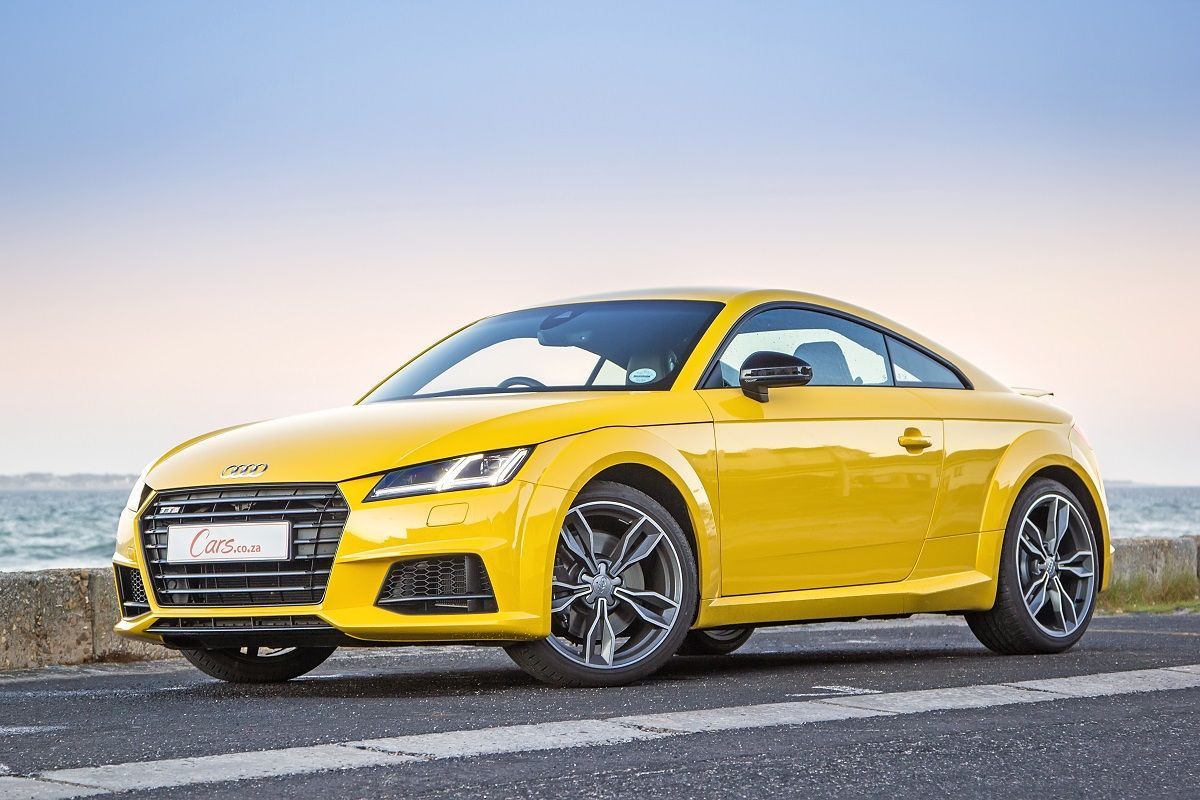
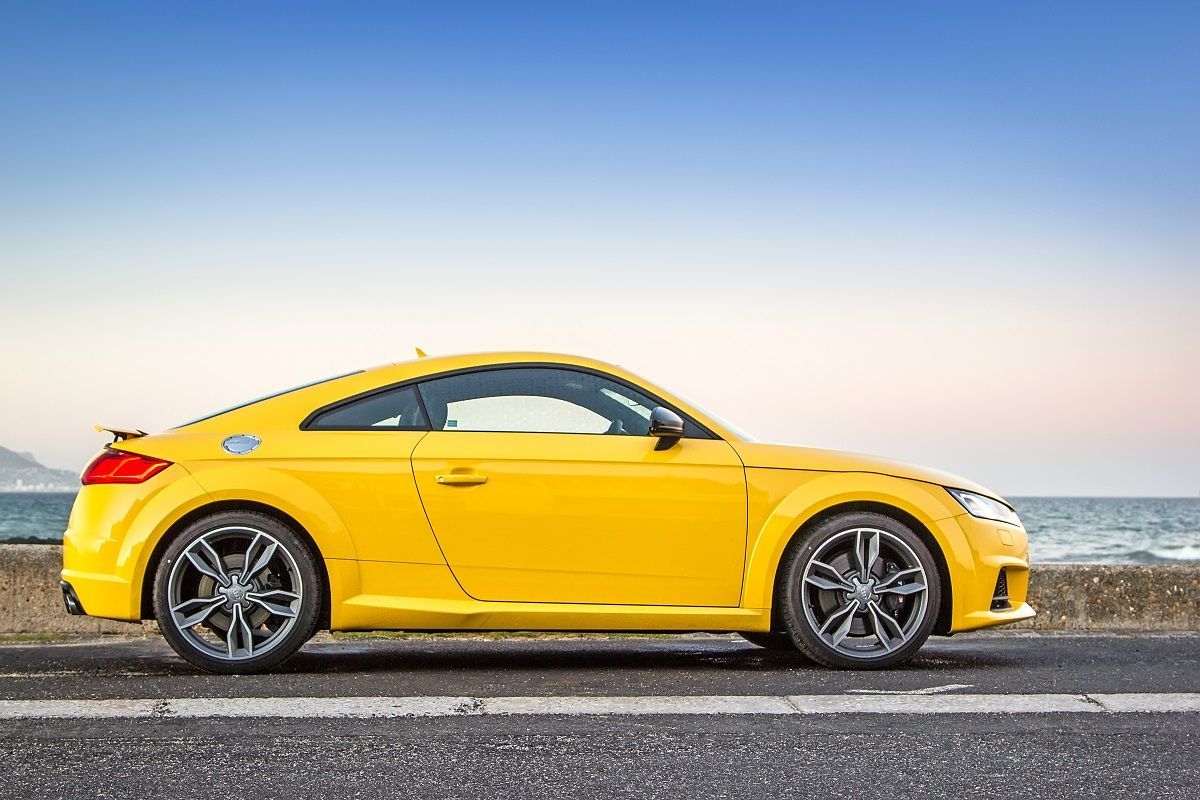
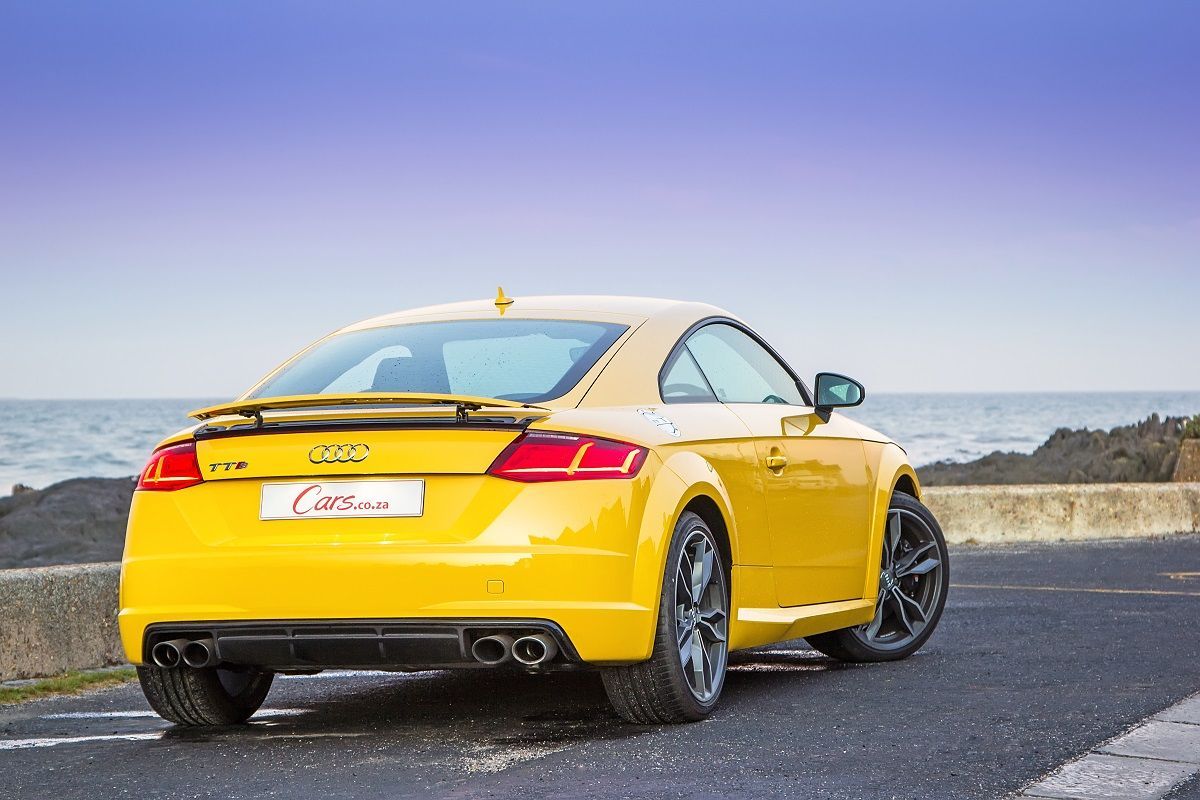
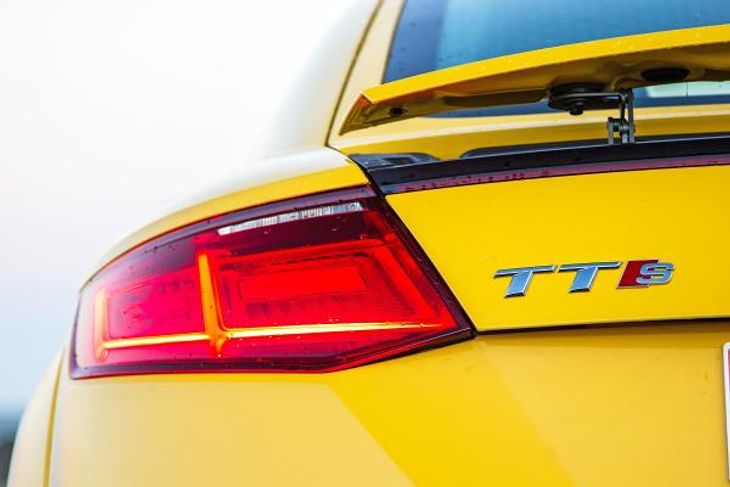
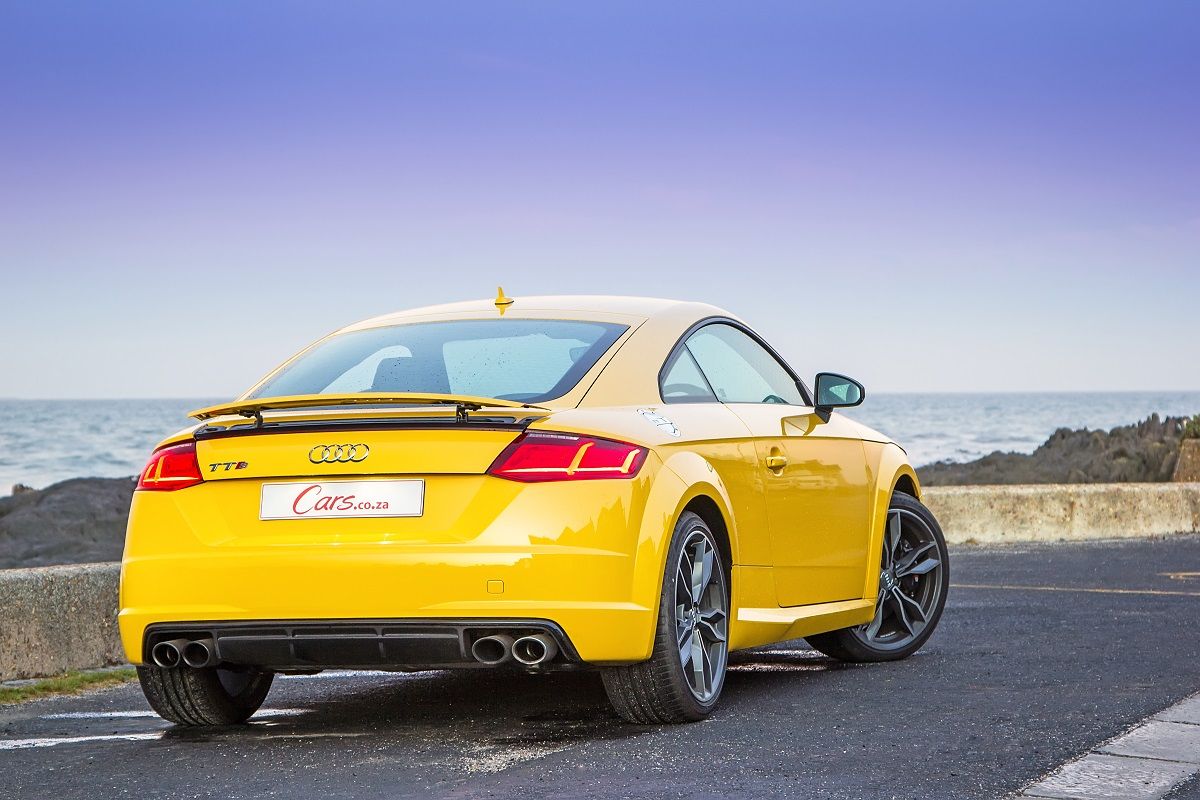
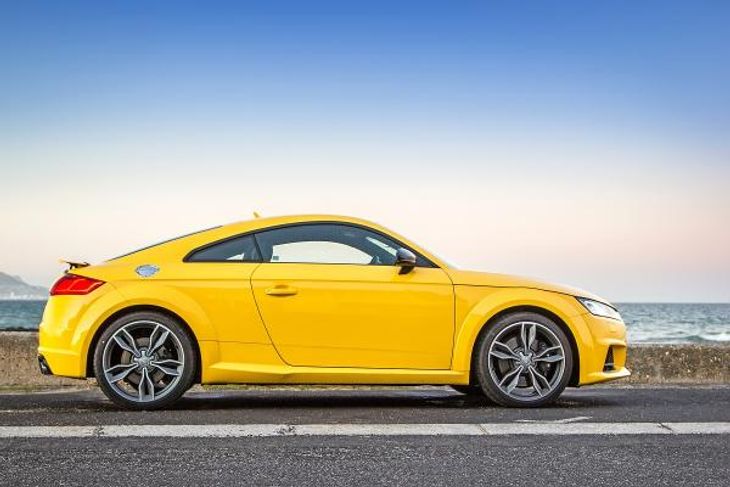
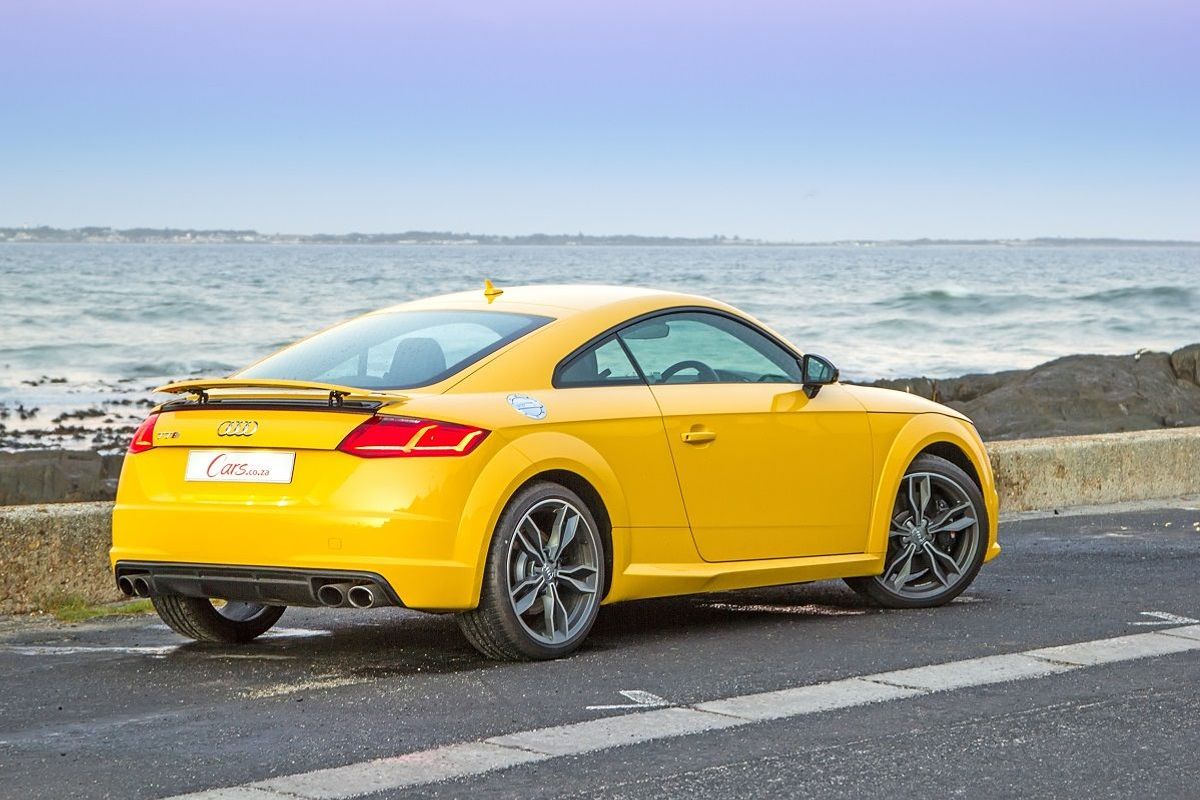
The Audi TTS cannot be mistaken for any of its brethren: it’s got bigger wheels, TTS badging on the front and rear, as well as a quartet of exhaust tips. This particular test unit was specced with a Vegas yellow paint job (a R2 500 option), which is highly eye-catching. It certainly looks racy with its rear spoiler extended; it's sleek and purposeful, as these pictures attest.

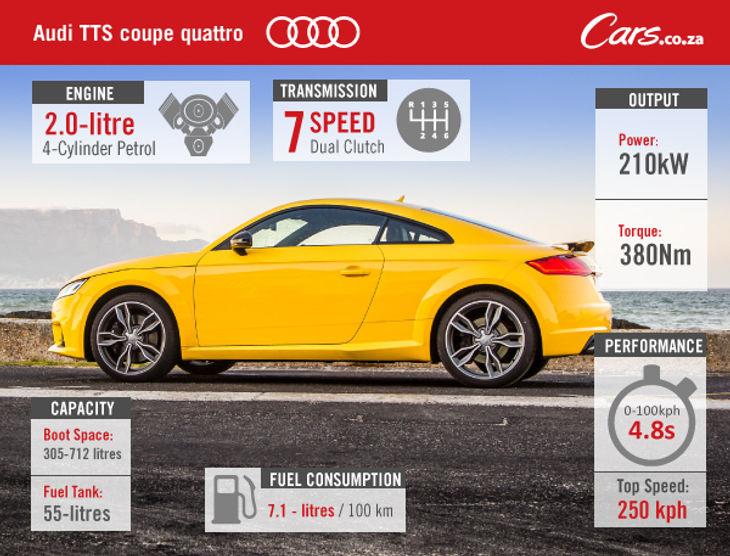
There’s a substantial power hike too. Although the displacement of the engine has remained the same as the 2.0T models, the power and torque outputs have increased to 210 kW and 380 Nm respectively. These gains (of 41 kW and 10 Nm) seem moderate (especially in terms of torque), but the TTS feels noticeably more eager and faster than standard Audi TTs.

How does it fare in…

Features and technology? 

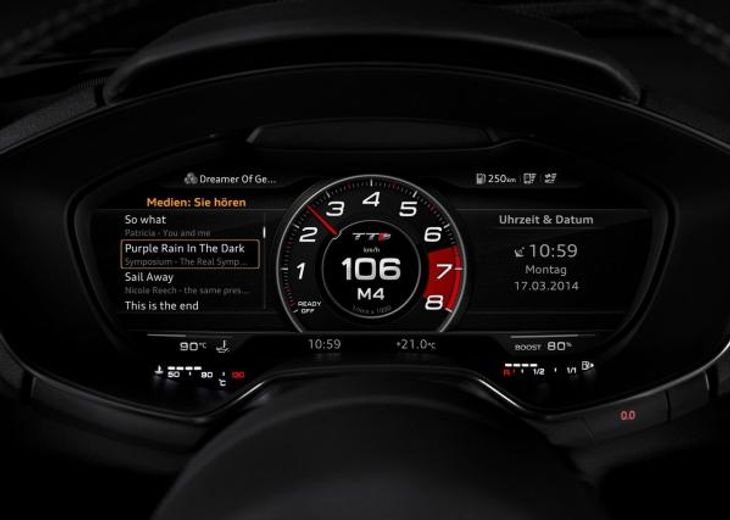
The minimalist interior of the Audi TTS is nothing if not a class act. The build quality is excellent and it can be argued that the Audi Virtual Cockpit and the climate controller ventilation pods have set a precedent for forward-thinking sportscar dashboards and instrument binnacles. In the TTS' application, the rev counter dominates the display, which adds to the sporty character of the car. There’s a satellite navigation function built into the Audi Virtual Cockpit too, and the system is very user-friendly. The seats are well-bolstered and although body-hugging, offer admirable comfort on the daily commute.

This TTS press unit was equipped with Audi’s Matrix LED headlights. While they cost R12 800 extra, they’re very effective.

Performance?   

As the TTS is a hotter version of an already sporty vehicle, its performance has to hit the mark. Audi claims a sub 5-second run from 0 to 100kph and with launch control activated, the all-wheel drive machine positively vaults off the line (it’ll go on to a limited top speed of 250 kph). Some team members remarked that a driver needs to push the TTS closer to its limits to really unearth its extra performance cachet and, other than the generic exhaust pop that accompanies up changes through the slick dual-clutch transmission, there’s very little in terms of extra aural drama. The upcoming TTRS will certainly address that…

The six-speed twin-clutch S tronic transmission is very well calibrated to the engine's performance characteristics –you can either leave the 'box to its own devices or actuate manual shifts by utilising the steering-wheel mounted paddles. It’s a superb transmission and effortlessly shifts cogs without any hesitation or jerkiness. 


A video posted by Cars.co.za (@carssouthafrica) on

Ride and handling?        

The Audi TTS is a fine-handling machine. Despite a relatively heavy kerb weight of around 1 400 kg (for such a compact car), it’s effortlessly agile and the quattro setup encourages novice drivers to press on with confidence. The TTS is forgiving in that it remains composed when a driver makes a mistake and particularly sure-footed in slippery conditions, but ultimately rewarding to drive with precision and zeal. The thick-rimmed steering wheel is a joy to use too; it's not overly light in feel and appropriately responsive. The all-wheel drive system cleverly balances power delivery between the front and rear axles, and if you time your throttle inputs correctly, 100% power can be sent to the rear, giving the TTS that proper "driver’s car feel".

The Audi TTS’ driving modes are worth mentioning: you can change from Comfort to Eco (when you want to optimise efficiency while you're travelling in peak-hour traffic conditions) and when you’re in the mood to drive enthusiastically, Dynamic. Your best bet is to select Individual and customise the settings in the Drive Select settings… We found that selecting Dynamic (to sharpen up engine and transmission behaviour), but Comfort (to make the suspension more supple) was the best balance. Herein lies one of the Audi TTS’ shortcomings. The adaptive suspension is a treat, but when you activate Dynamic mode, it’s simply too firm for South African back roads and the jarring, which seems to emanate from the rear suspension, can induce winces over bigger bumps. In Comfort, the ride's pliant enough for most road conditions.

Value for money?              

Whereas the TTS offers enough to justify its price premium over its lesser siblings, it’s priced in a bracket where customers want a bit more, not only in terms of performance, but also snob appeal. A well-specced Audi TTS costs near the R800 000 mark, which is enough to bag you a Porsche Cayman PDK – a supremely accomplished sportscar. The Audi TTS would probably thump the Cayman in terms of straight-line performance, but there’s no denying the prestige of the Porsche badge.

What’s alarming is that outside of the Volkswagen Audi Group family lies a rival that boasts more power, but crucially, comes in at under R600 000. Admittedly, when the BMW M235i DCT is specced up to the Audi TTS' level, it will cost about the same. The BMW M235i is a proper hands-on driving machine and rear-wheel driven, which some purists prefer. It outguns the Audi TTS in terms of power outputs too, with 240 kW/450 Nm as opposed to 210 kW/380 Nm.

Verdict

While the Audi TTS is unquestionably a fast, stylish and composed sportscar, it ultimately suffers because it is "a sportier", as opposed to "the sportiest", TT (given that a TTRS is in the pipeline). It would have benefitted from a more aggressive exhaust note and then there’s that price. As mentioned above, it sits in an awkward place in the German hierarchy of small performance coupes. A Porsche Cayman is definitely in the ballpark, and the BMW M235i promises more thrills for less.

What the TTS does well is provide a multitude of driving experiences, as well as the smartest, well-built interior in its class. The Audi's willing to offer up a hard-edged experience and carve up mountain passes without breaking a sweat, but will happily creep through bumper to bumper traffic ever morning. It's an all-rounder TT, which is its forte, as well as its drawback.  

Audi TTS price in South Africa

The Audi TTS is priced from R728 500, with this particular unit costing R757 820. It had three optional extras fitted: Matrix LED headlights R12 800, Fine Nappa leather-trimmed seats R9 520 and a Black styling package R7 000.

Team opinions

"Although Audi S models never get the credit they deserve, they arguably offer the best balance of performance and comfort at the higher end of their ranges. Those who regard the TTS as a moderate step above the 2.0T models, as opposed to a flagship model, won't be disappointed, but they'll have to be willing to make peace with its firm ride quality." Mike Fourie 

Compare the Audi TTS to the BMW M235i and Porsche Cayman PDK here.

Browse (new and used) Audi TT models on Cars.co.za

The Audi TT – Why it won Fun Car of The Year

Audi TT Review

Mercedes-AMG GLE 63 Video

Imagine shoving a 5.5-litre biturbo motor into an SUV. The predictable result would be hilariously good fun, and this is what Mercedes-AMG has done with the new GLE SUV. It's called the GLE 63 and it's simply bonkers. Not only is it fast, but it's also outrageously loud. Despite its hooligan tendencies, it's still a Mercedes-Benz GLE at heart which means you're still getting tons of comfort, tech and premium features. Watch this video to see the Mercedes-AMG GLE 63 do all the things.

Once you're done watching how the Mercedes-AMG GLE 63 performs around the city of Cape Town and listening to that addictive engine note, watch the GLE 63 AMG S coupe take on a BMW X6 M on a drag strip. It's one German powerhouse taking on another. Which will win the battle of the super SUVs?

Subscribe to our Youtube channel here

Interested in a new Mercedes-Benz GLE? Find one here

Interested in a used Mercedes-Benz GLE / Mercedes-Benz ML? Find one here

For a detailed spec sheet of the Mercedes-AMG GLE 63 in South Africa

Read our first test drive review of the Mercedes-Benz GLE here

See Mercedes-AMG GLE 63 pricing in South Africa here

Hyundai i20 1.4 Sport (2016) Review

Hyundai South Africa has added a sportier top-of-the-range model to its i20 lineup, but is it worth the extra outlay? We spent a week with the upgraded Hyundai i20 1.4 Sport.

The Hyundai i20 is a small hatchback that we believe sells reasonably well in South Africa. We put it that way because even though Hyundai SA doesn’t release its sales figures, we see a multitude of these vehicles on local roads. They are evidently very popular, but it's not difficult to fathom why. The Korean brand offers a substantial warranty (which is now even more comprehensive – read about that here), the car’s pleasant to drive and its standard specification is quite adequate. Having said that, for those who regard driving as more than just a means to get to (and from) work, the Hyundai i20 is a little dull…

Hyundai South Africa is well aware of this and, until recently, there was a lack of passionate and performance-orientated in the lower end of its line-up. The Hyundai Veloster and Veloster Turbo add some spice, but they’re twice the price of an i20.

Let’s get sporty

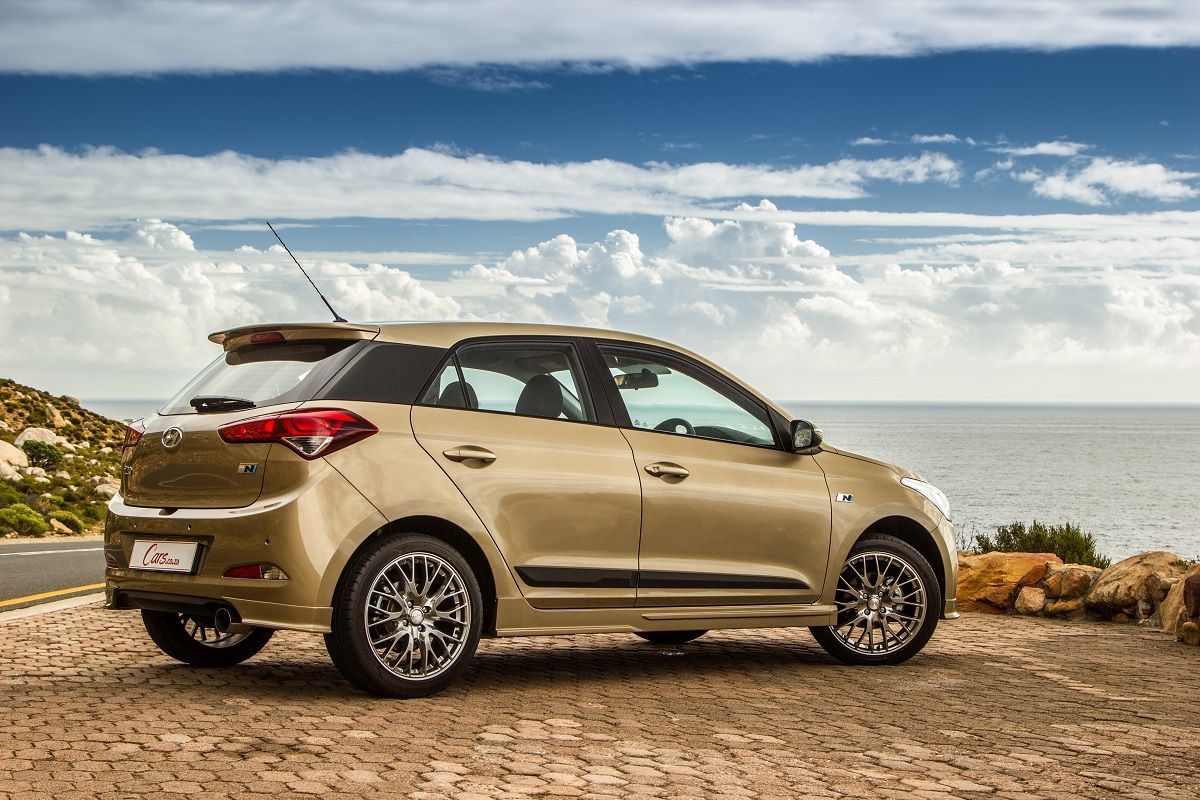
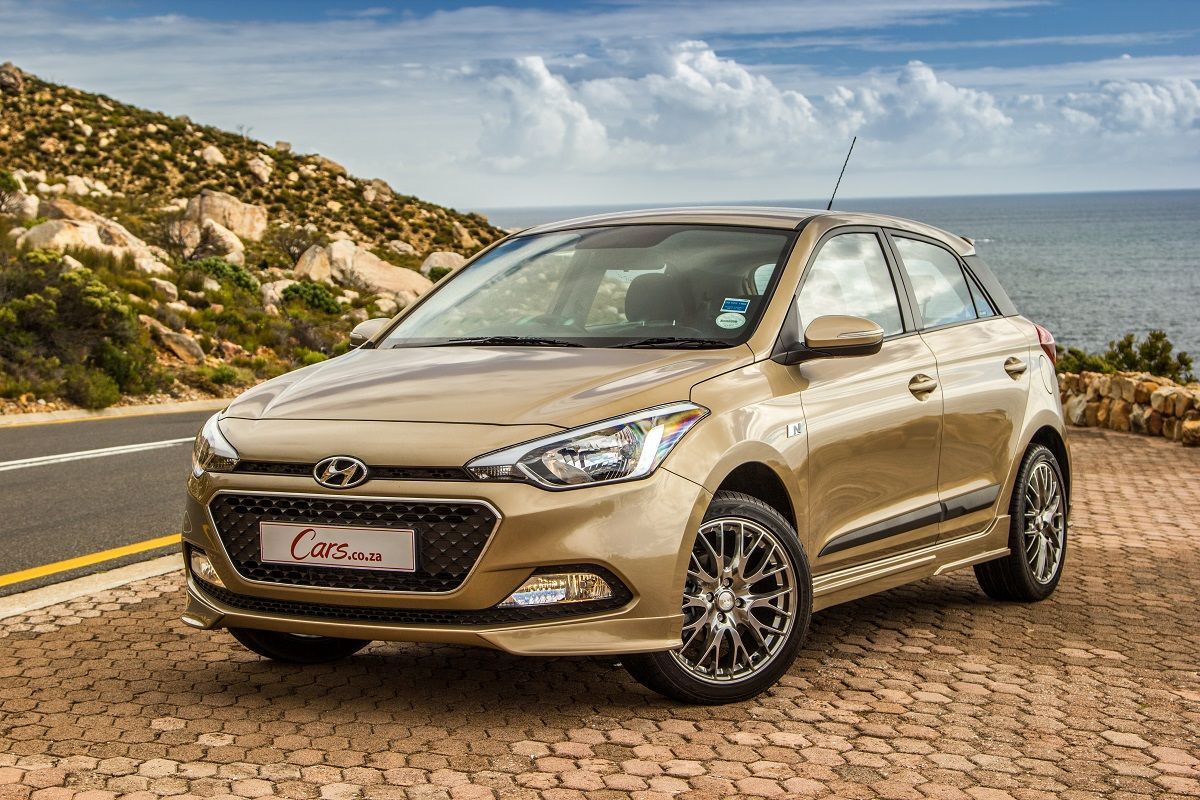
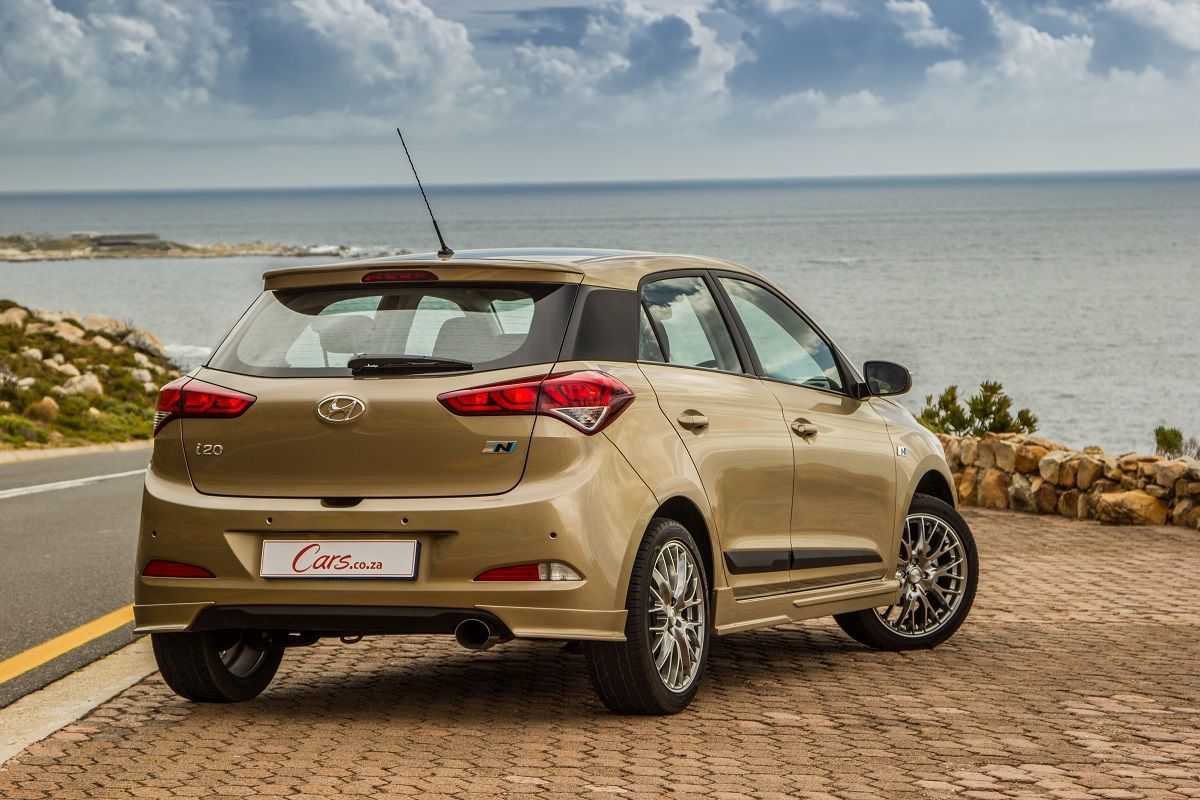
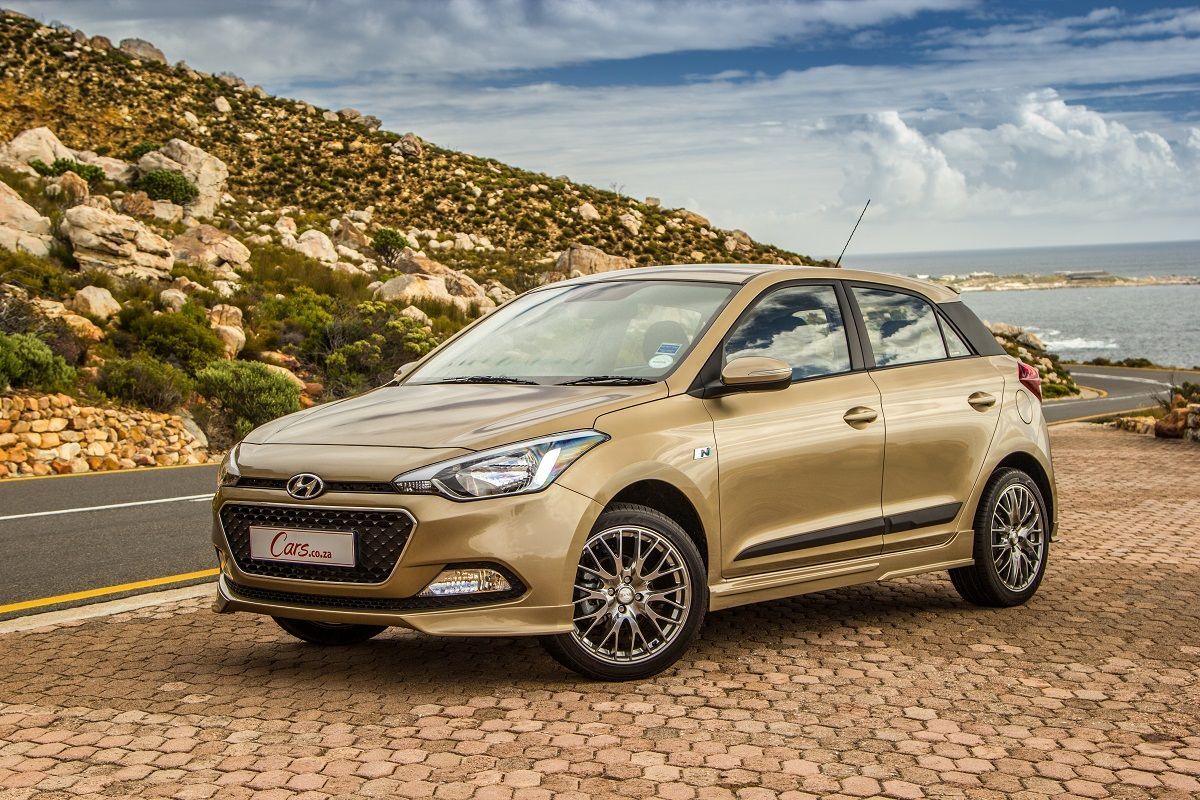
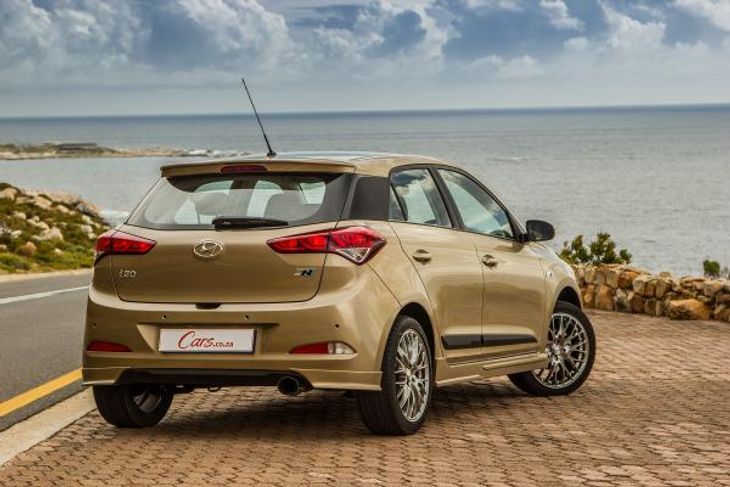
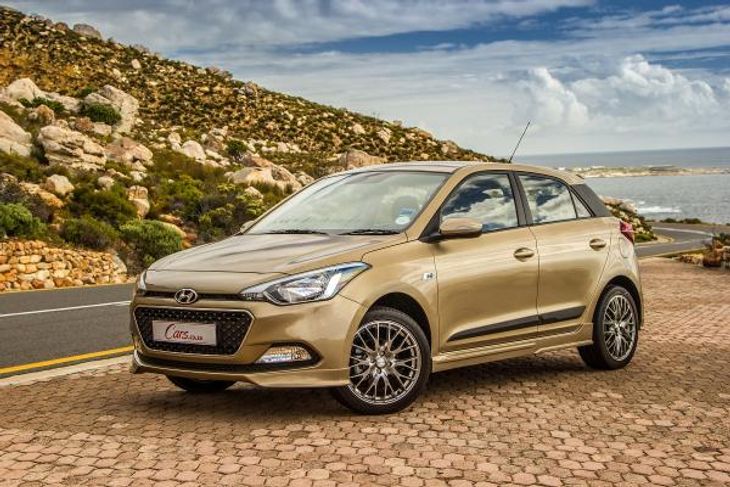
Meet the Hyundai i20 1.4 Sport. The exterior has been reworked and looks a little racier thanks to a sporty bodykit and 17-inch alloy wheels. The bodykit is comprehensive and includes side skirts, revised bumpers and a spoiler mounted atop the tailgate. The wheels are particularly attractive and, to top if off, there are some neat N-Sport badges on the flanks and rear.

Mechanical changes

You’ll notice in the pictures that the Hyundai i20 Sport sits low to the ground (at least compared with its standard sibling). There have been alterations to the suspension setup; a stiffer set of springs give the Hyundai i20 Sport a firmer ride and mildly sharper handling. It’s borderline overkill for a vehicle like this, but we can appreciate the thought that’s gone into it.

You’ll also notice a rather large exhaust protruding from the rear bumper. It’s not just for show as this exhaust is a full stainless steel free-flow unit. Some motorists may be concerned that the large-bore tailpipe could be overly noisy when the i20 Sport's at full throttle and the biggest worry is an annoying drone at highway speeds, but more on that later on.

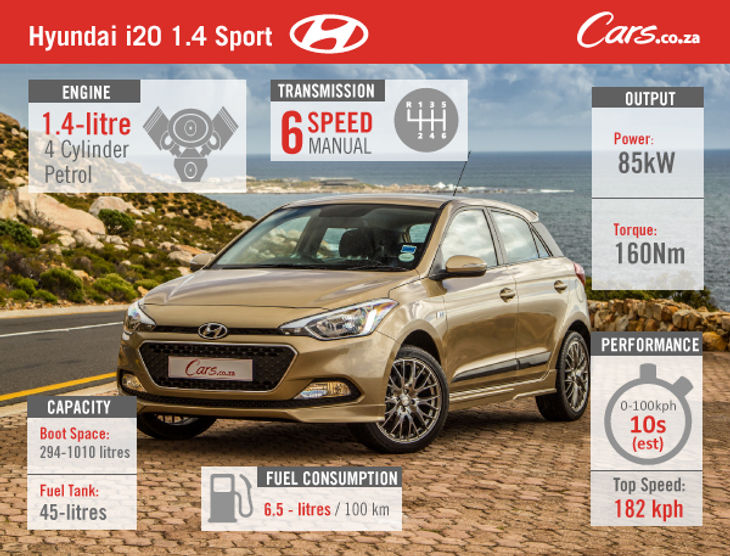
The engine's control unit (ECU) software has been remapped. That, in conjunction with the exhaust modification, realises higher outputs. The standard i20 produces 74 kW and 133 Nm, but this Sport derivative offers 85 kW and 160 Nm, which is impressive considering the 1.4-litre capacity. Power is directed to the front wheels via a six-speed manual transmission.

Hyundai claims the standard i20 1.4 Fluid will reach 100 kph from standstill in 11.6 seconds and we’d estimate that the 1.4 Sport will do the same sprint in about 10 seconds. It certainly feels sprightly enough.

Interior and features

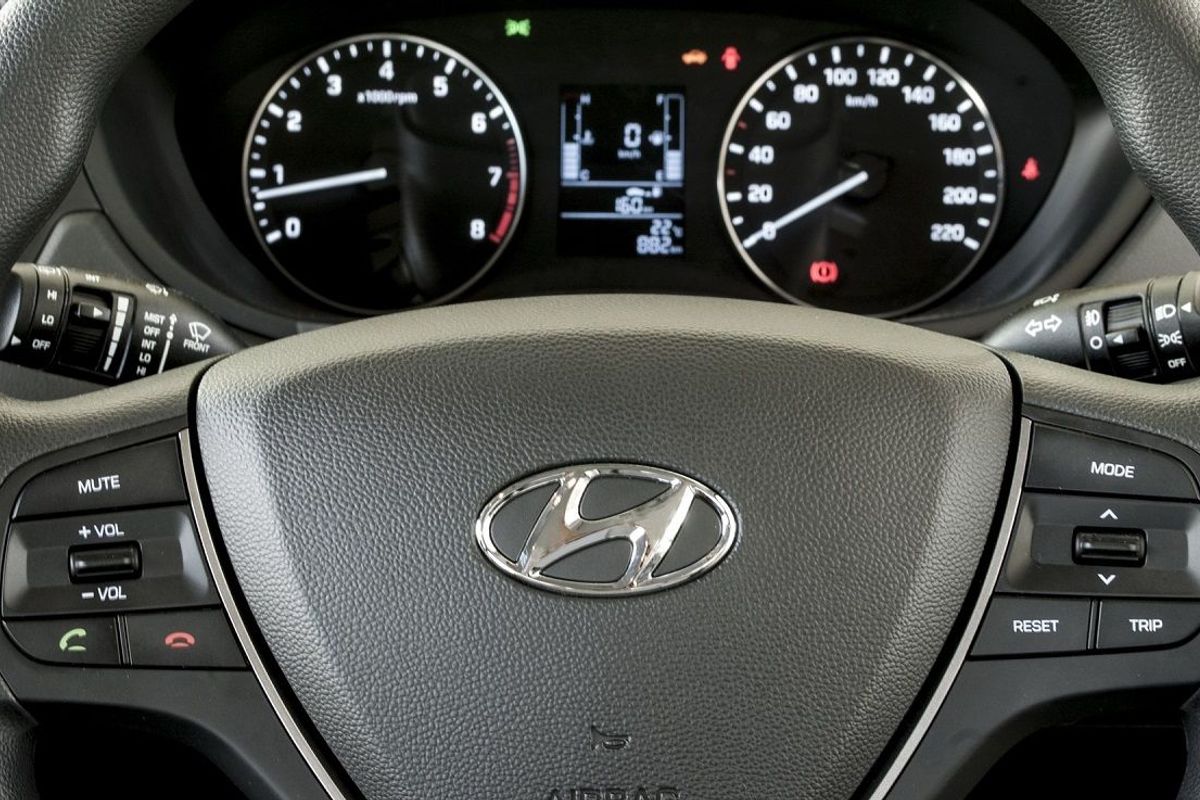
The cabin remains the same as the current Hyundai i20 and it comes with a wealth of standard specification, at least of modern conveniences. You get a reasonable audio system with Bluetooth connectivity, USB and auxiliary inputs, a rake- and reach-adjustable multifunction steering wheel, single-zone climate control and electric windows.

It has basic safety covered too thanks to anti-lock brakes with electronic brake force distribution. These brakes are of the ventilated disc variety at the front, while the rear wheels have solid discs. There are driver and front passenger airbags, but the i20 Sport's competition provides more than two airbags and it’s surprising to find a lack of ISOfix child seat mounts. In fact, two of the Hyundai's rivals not only offer additional airbags, but stability control as well. 

What’s it like to drive?

Its demeanour is certainly a lot more entertaining than that of non-Sport Hyundai i20s and the boisterous exhaust note is certainly indicative of the model's performance intent. There’s a bit more urge (the rev pickup is appreciably better) and the combination of pleasant gearshift action and the responsive engine makes for a sporty driving experience.

The engine makes an entertaining, rorty noise thanks to that exhaust, but it's not boomy. In fact, the resonance emitted by the 1.4 Sport is tolerable when cruising on highways at the national speed limit. Things get louder when you’re pressing on, when continuous high revs make the car quite noisy. However if that's what you want, you won't be disappointed.

The suspension modifications are overkill for a vehicle like this, but they do lower the centre of gravity and curtail body roll. The 1.4 Sport feels markedly wieldier than its brethren. What's more, the best part of these suspension and big wheel upgrades is that the ride quality has not been overly compromised. We’d go as far as to say that’s still pretty comfortable.

Conclusion and summary

The i20 Sport brings some much-needed excitement and zest at the more affordable end of Hyundai’s product lineup. The package is not 100% perfect, but it’s definitely the most spirited and entertaining the i20's ever been. Bear in mind that these modifications are factory-fitted and, therefore, are covered by Hyundai’s already comprehensive warranty.

Rivals are abundant in this segment, and established players are packing modern 1.0-litre turbocharged three-cylinder motors with similar outputs. They may not look as exciting, but for the same money, Ford’s Fiesta EcoBoost 1.0 Titanium and (for slightly less) Opel Corsa 1.0 Cosmo are hard to beat, especially in terms of safety equipment and general specification. They don't have the Hyundai's kerb appeal or boy-racer soundtrack, however, which could be decisive.  

Overall, the Hyundai i20 Sport has a distinct character; it turns far more heads than the basic i20 1.4 Fluid. It depends on how much value you attach to better looks and a louder vroom; as a runabout, there’s little wrong with the standard i20.

Hyundai i20 Price in South Africa

The price of the i20 Sport is R235 500, which includes the Hyundai warranty and Roadside Assistance for 5 years or 150 000 km, and a service plan for 3 years or 60 000 km.

Test Team Opinion

"It's about time that Hyundai leverages its motorsport endeavours by adding cosmetic and performance upgrades to its volume-selling cars (where appropriate). The 1.4 Sport certainly looks the part and it will suit certain consumers' images to a tee. The performance is less than phenomenal, but I don't think that matters much." Mike Fourie

We Like: Novelty factor, looks good, adds some spice to the range

We Don’t Like: Exhaust can get a little booming when pressing on, lack of safety features

Also Look At: Ford Fiesta 1.0 EcoBoost, Opel Corsa 1.0, Volkswagen Polo 1.2 TSI

Hyundai i20 Sport Specs

Compare the specifications of the 1.4 Sport with the Ford Fiesta 1.0 Titanium and Opel Corsa 1.0T Cosmo

Search for a used Hyundai i20 on Cars.co.za

Volkswagen Caravelle Highline 2.0 BiTDI 4Motion DSG (2016) Review


The Volkswagen's T-Series people movers have proved perennially popular in South Africa, but does the premium-priced Caravelle offer enough value over its competitors? We spent a week with the top-of-the-range Highline model to identify its strengths and weaknesses…
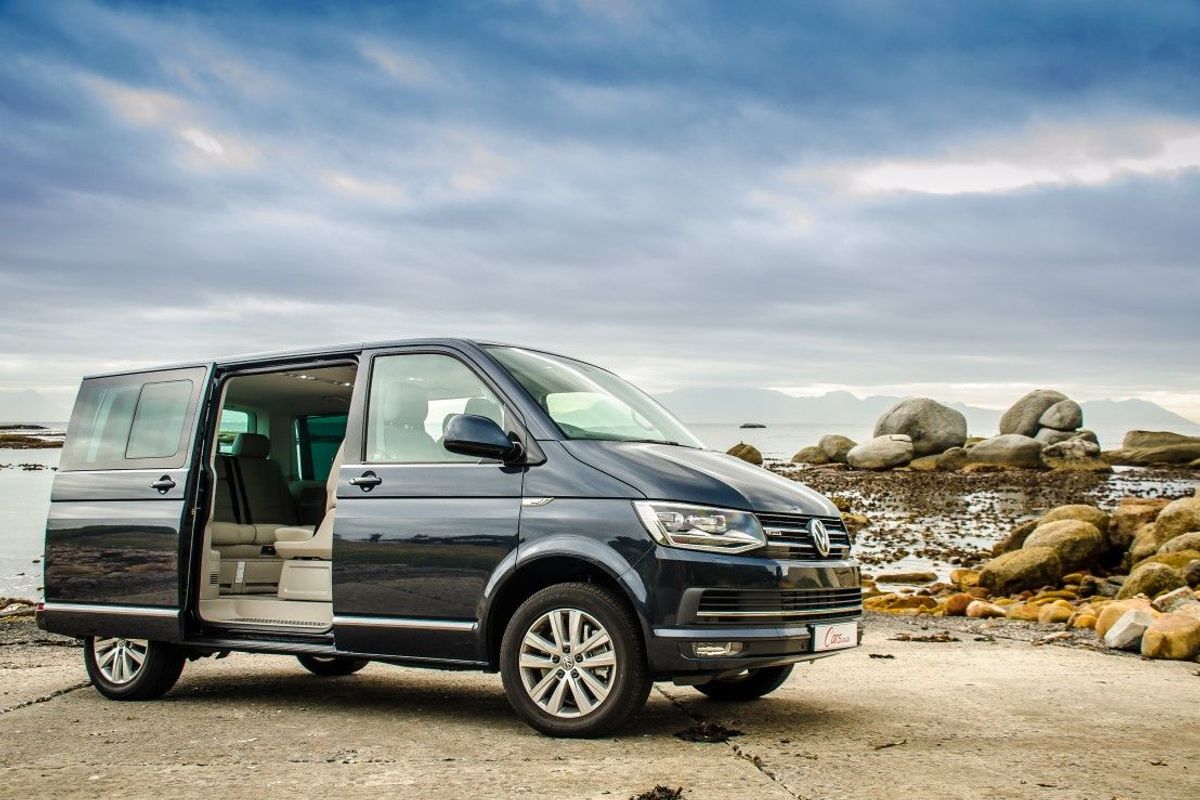
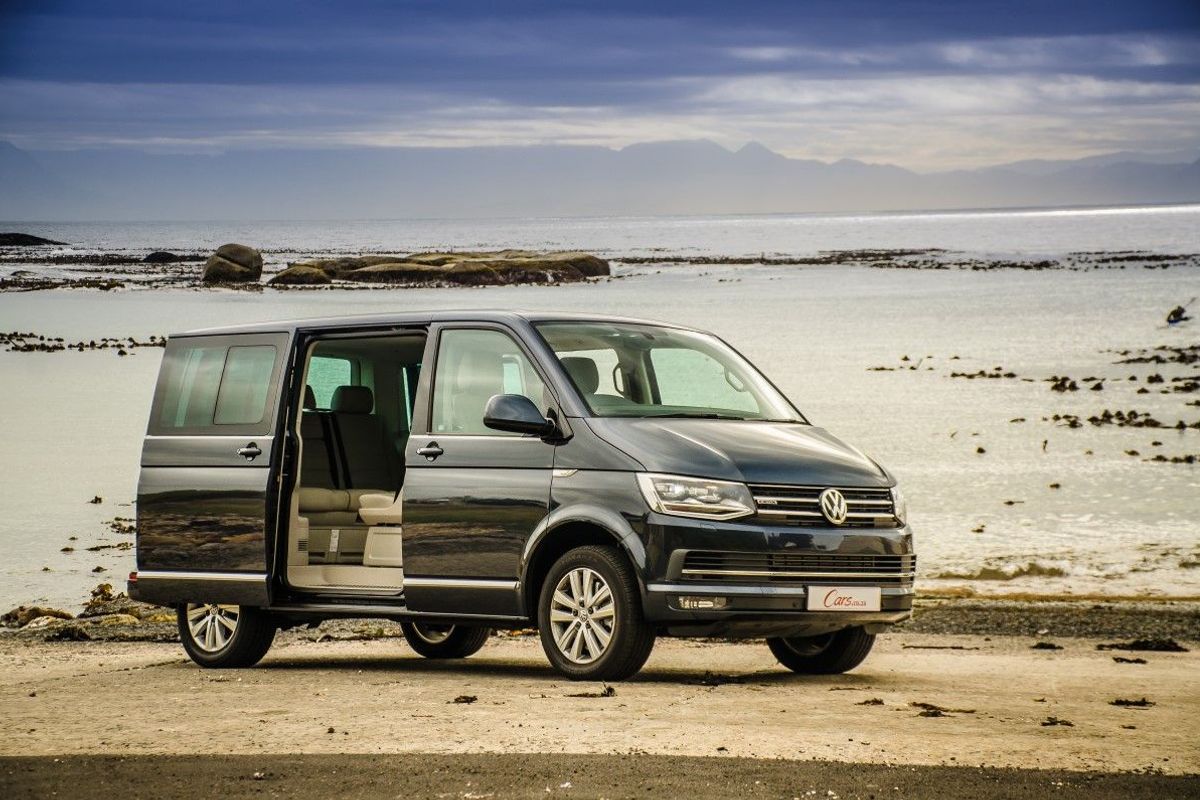
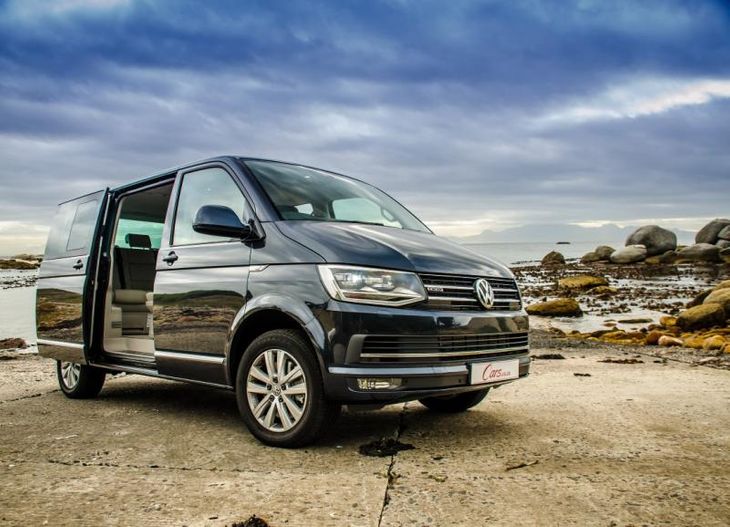
The Volkswagen Kombi/Caravelle is an indelible part of South African automotive history; Volkswagen's venerable bus inspires nostalgia in motorists, which explains why previous incarnations remain highly sought-after in the used car market. The new Caravelle pays homage to the rich heritage of its predecessors – it can even be had in a two-tone colour paint finish that tips a hat to the past. Yes, times have certainly changed and the latest, sixth-generation example is significantly modernised and equipped with a host of safety and convenience features. 

The new Caravelle has much to offer buyers looking for a modern and versatile vehicle that can not only transport people in comfort and luxury, but also haul goods when the need arises. Although it would certainly appeal to wealthy private buyers, we believe the Highline model would also be very suitable for premium tour operators and owners of business class shuttle services.  

Versatile Interior

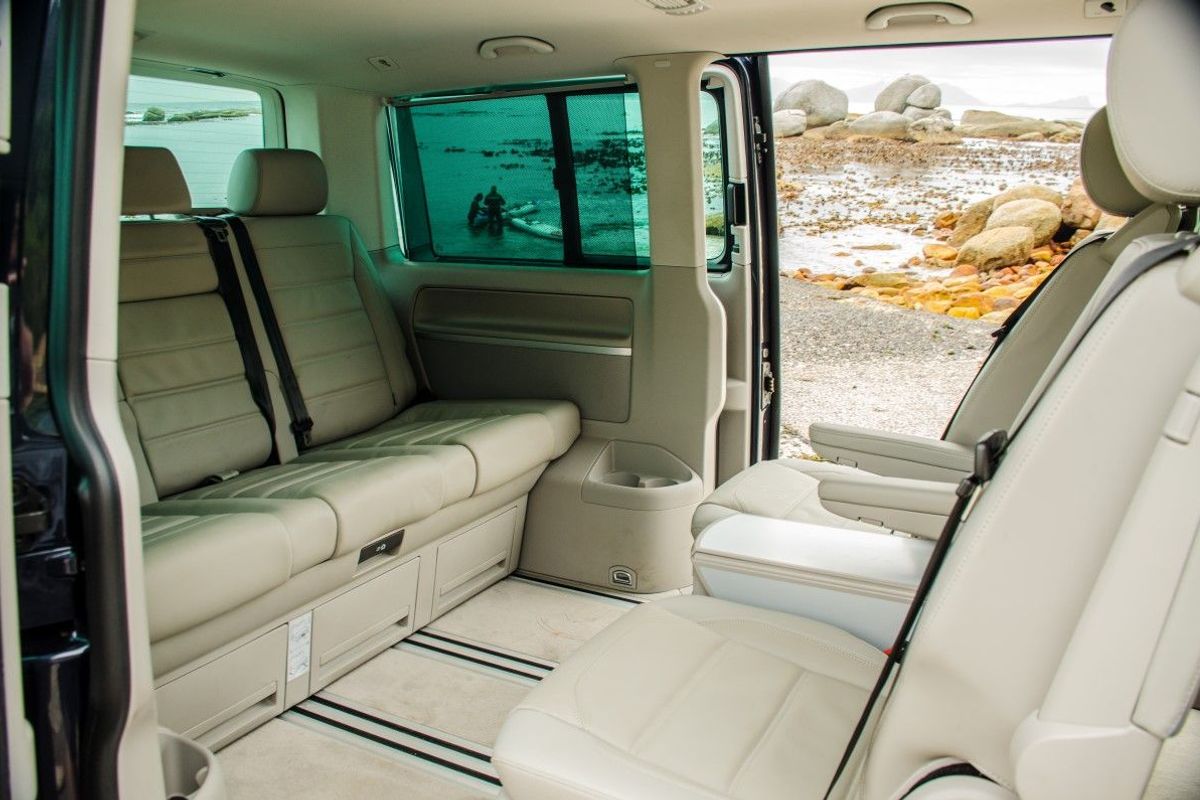
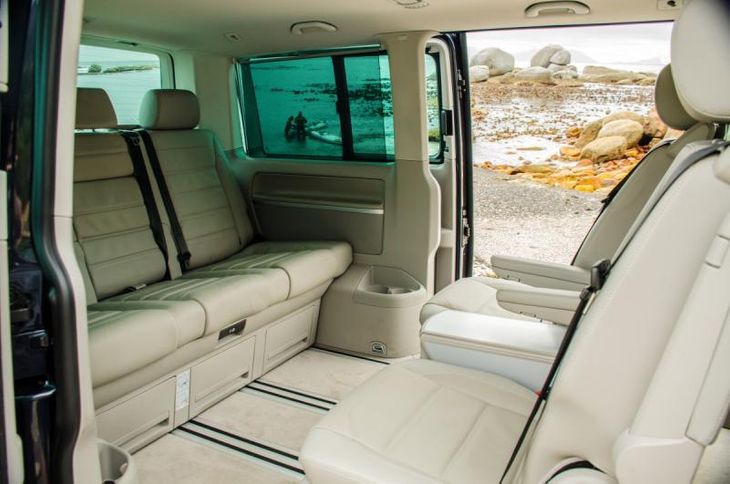
The Caravelle's major strength is its versatile interior. It’s a 7-seater with two individual seats in the second row and a reclining 3-seater bench in the third row. Accessing the rear cabin is easy: there are two sliding electric doors on either side of the vehicle and both can be opened and closed by using the key fob. The tailgate is also electrically powered. Once inside, the second row's seats can swivel around to either face forwards or backwards and all of them can be shifted fore and aft as required. If you need more space for carrying goods, you can either slide the third-row bench forward to increase boot space or you can take all the seats out for maximum loading capacity. Bear in mind, however, that the seats are quite heavy; you will need help to remove/replace them.

For rear passengers there’s more than enough space to stretch out and relax on those long family road trips. Nappa leather is standard on this Highline model, while Alcantara trim is offered as an option. ISOfix child seat anchors are provided on all the seats.

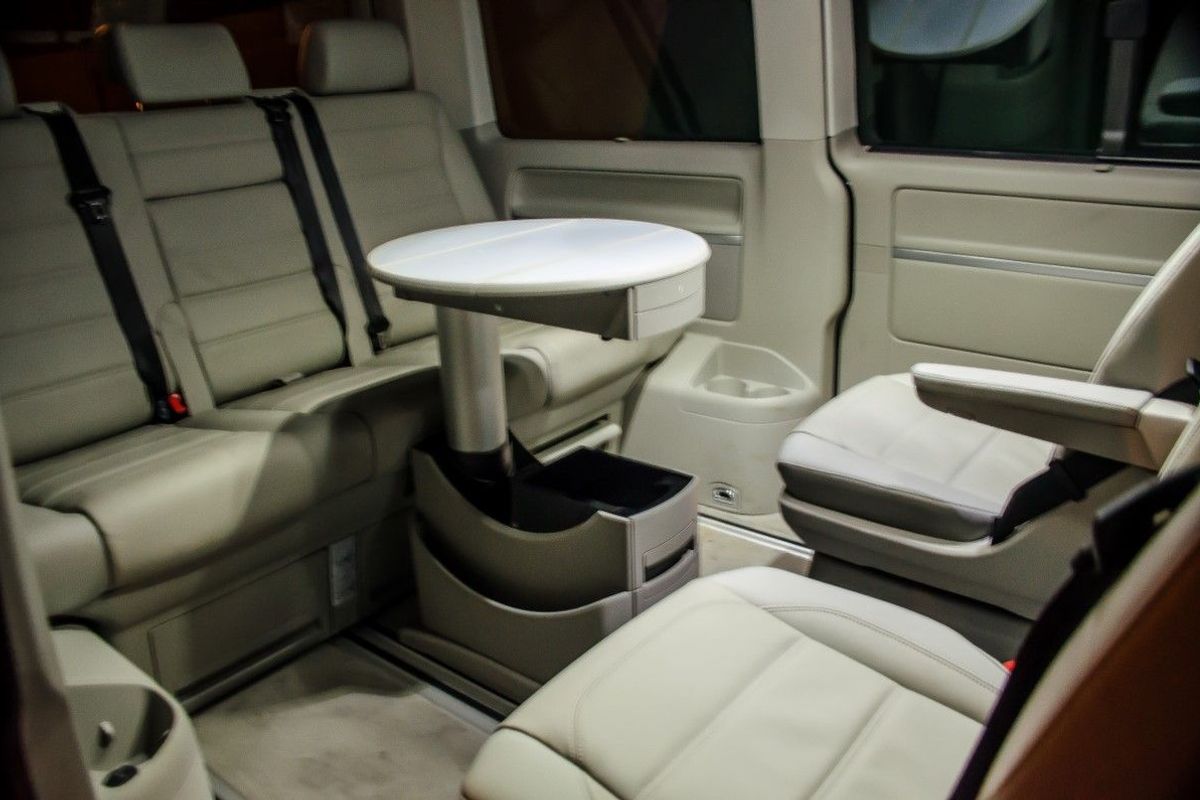
For added convenience, there are beverage holders for rear-seat passengers with storage drawers under all the rear seats (a removable rubbish bin is also included). A handy feature in this Caravelle is a collapsible table that sits between the second-row seats and can be shifted fore and aft with relative ease. Although it’s a nice addition, we found the build quality of the table assembly marginal: some of its panels didn't fit securely. Nonetheless, it’s a useful feature and kids will find it particularly handy for playing cards or board games, while adults can use the Caravelle as a mobile boardroom, for example… We hasten to add it appeared the test unit supplied to us had undergone vigorous testing before we took delivery of it, so we won't judge the trim niggles too harshly.

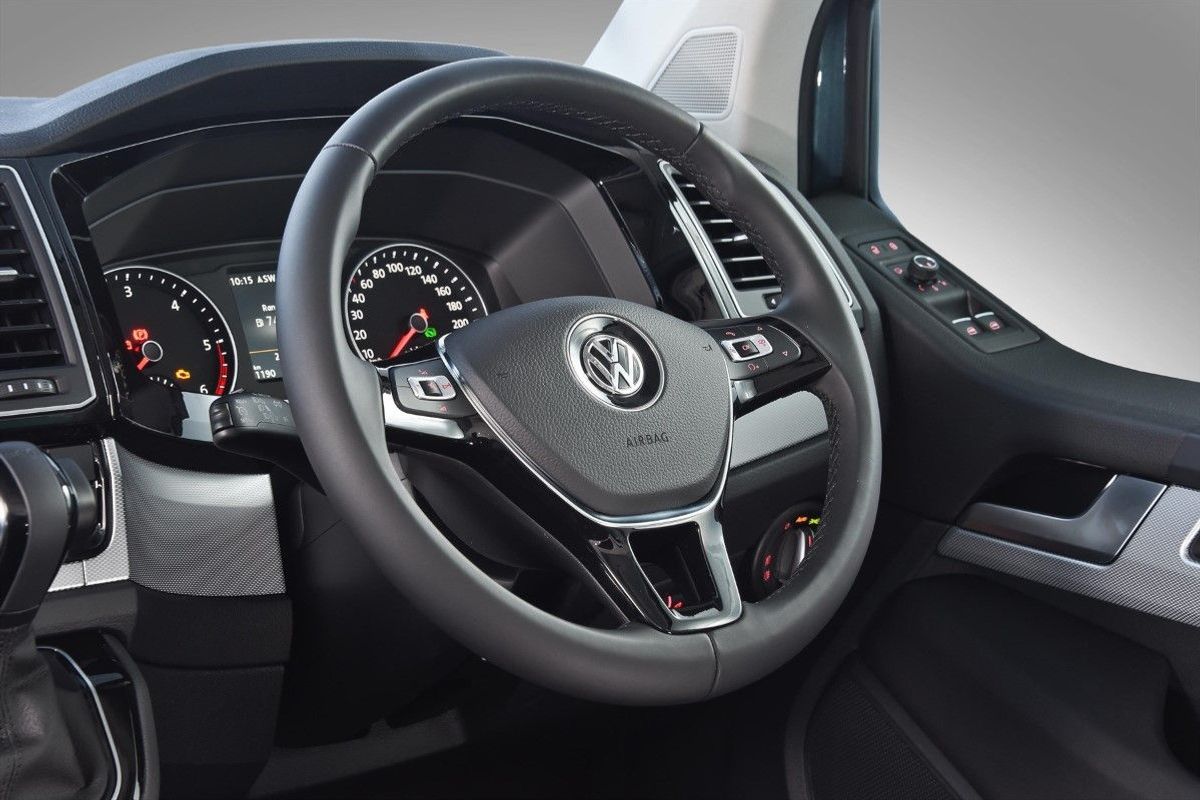
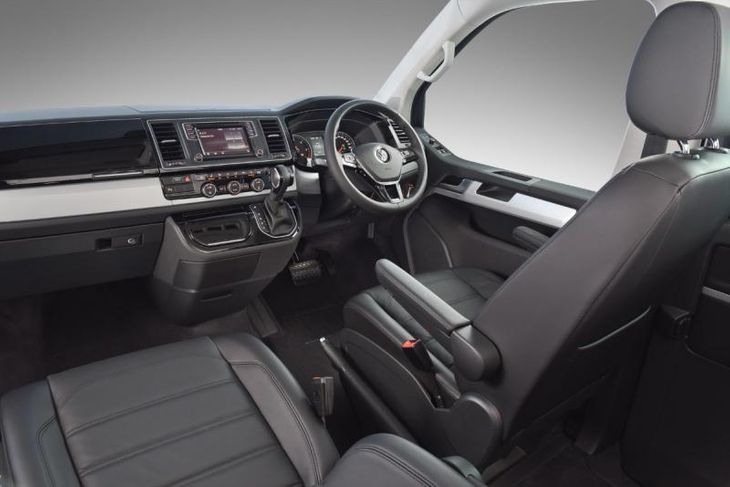
The driver and passenger are well catered for with 12-way electrically adjustable seats with armrests, lumbar support as well as heating. The three-spoke multifunction leather-trimmed steering wheel gives the driver easy access to the infotainment system, as well as vehicle-related information shown in the instrument cluster. The steering wheel is also adjustable for rake and reach. This top-of-the-range model is equipped with a Discover Media navigation touchscreen as well as USB and Aux ports for connecting your media devices. There is also plenty of storage space upfront, including handy pull-out cupholders for the driver and front passenger, while the three-zone climate control system ensures passengers can set the HVAC to their preferences.

The test unit's light-coloured interior proved a drawback, because it tended to get dirty very easily. We advise opting for a darker interior that will hide dirt and stains; it should be more practical for leisure applications. Optional features fitted to this test unit include a sunroof (R11 150) and metallic paint (R5 400).

How does the Caravelle drive?

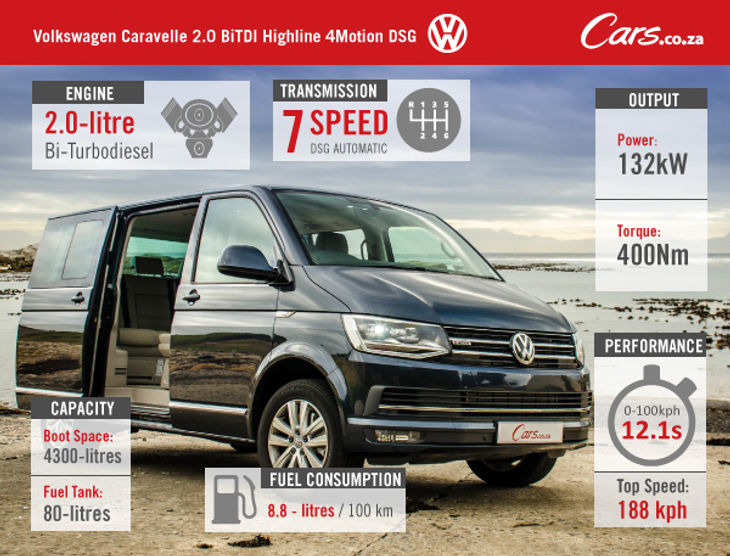
All the derivatives in the Caravelle range are powered by a 2.0-litre bi-turbodiesel engine that produces 132 kW and 400 Nm of torque. A 7-speed DSG transmission powers all four wheels in this top-spec 4Motion model and it’s the only transmission available for the Caravelle range.

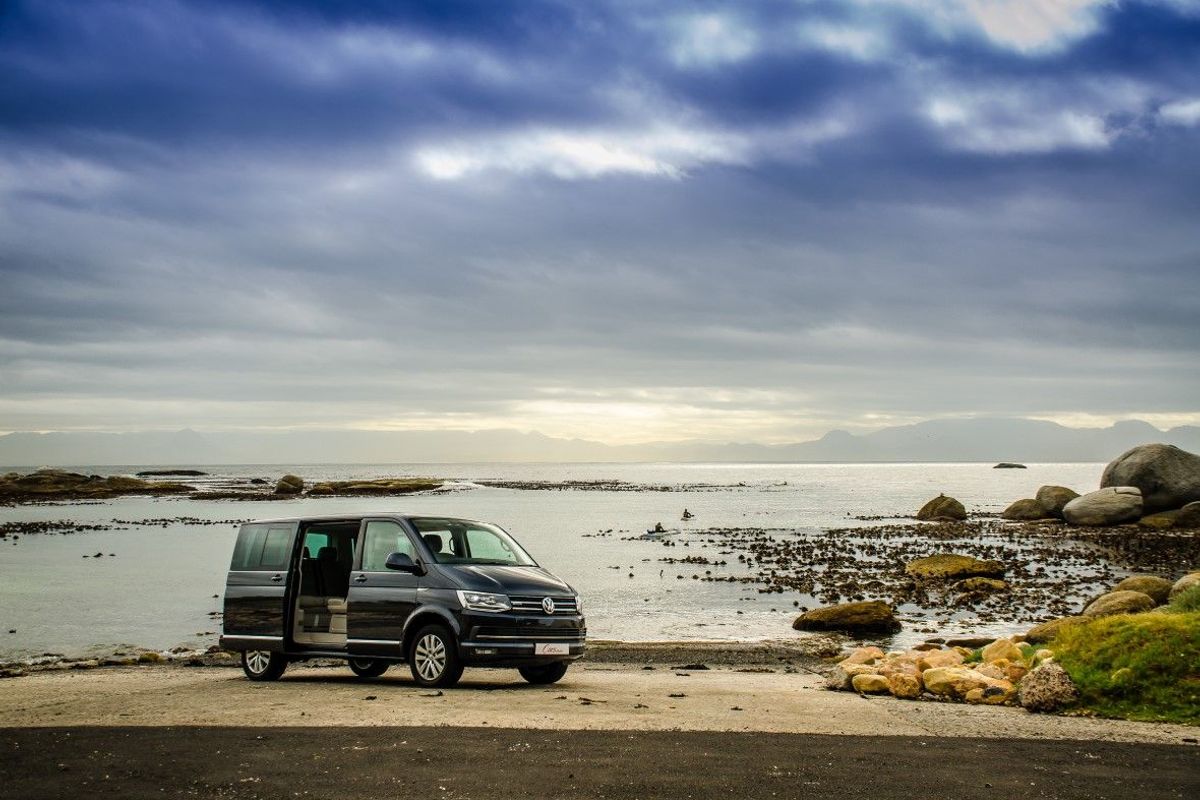
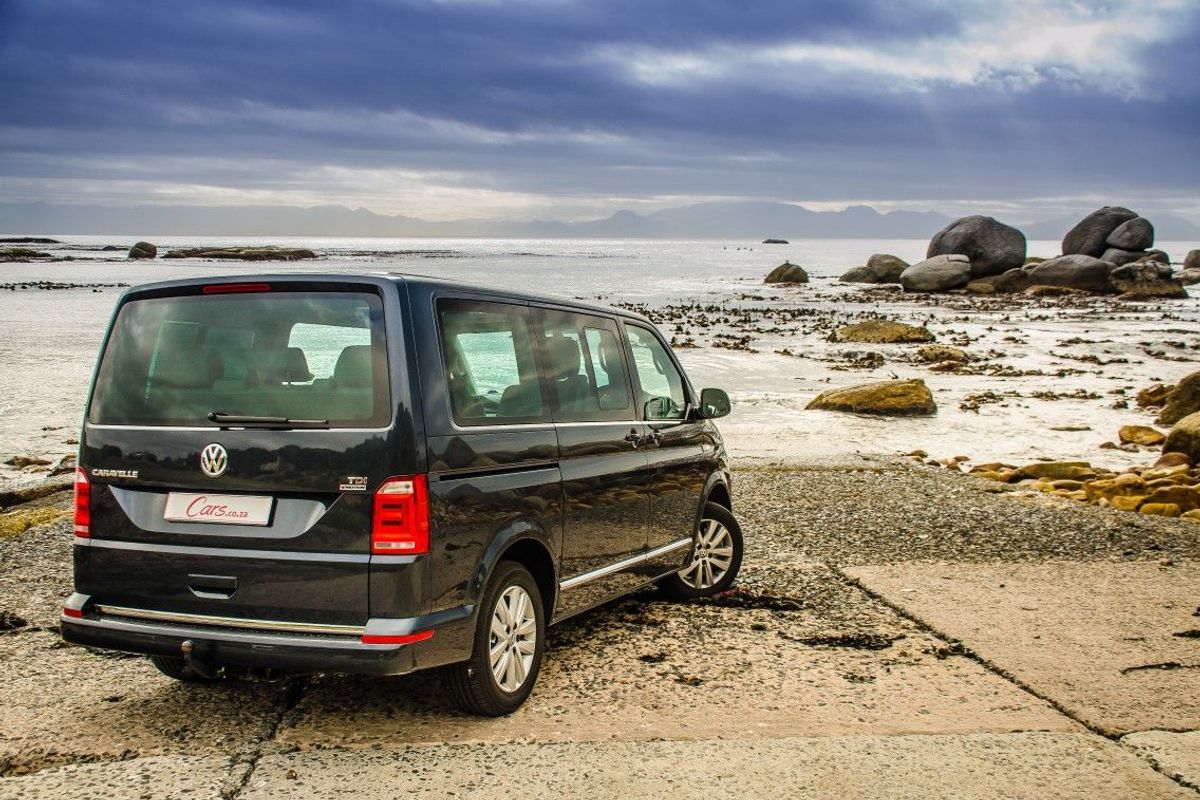
As part of our test, we packed the Caravelle with gear and undertook a surfing adventure around the Cape Peninsula. The ride quality in the Caravelle is good, but the suspension's responses to undulations in the road can be quite exaggerated. With only a driver and front passenger on board, the Caravelle's ride can be a jittery on uneven road surfaces. Otherwise, the Caravelle is very comfortable to drive, its steering is light, which makes manoeuvring easier.

Overall, power delivery is sufficient, but the Caravelle laboured on uphill sections (a kerb weight of 2.1 tonnes did not help matters) and the shifts of the DSG transmission felt a bit sluggish. However, once the Caravelle gots up to speed, momentum helped with overtaking and the performance improved somewhat.

Volkswagen claims 8.8 L/100km for the Caravelle and the lowest figure we managed to achieve during our test period was 10.2 L/100km. 

In terms of safety, the Caravelle comes well equipped with six airbags, ABS with EBS, an Electronic Stability Program, traction control and front- and rear park distance control. The Caravelle also features a Multi-Collision Braking System that automatically applies the brakes after an accident to minimise the risk of a secondary collision. A Driver Alert system is also fitted and this tells the driver when to take a break from driving by monitoring steering patterns and gives an audible and visual warning if the driver deviates from the normal pattern.

Volkswagen Caravelle price in South Africa

This Volkswagen Caravelle 2.0 BiTDI Highline 4Motion DSG is priced from R873 500 and is sold with a 3-year/120 000 km warranty and a 5-year/60 000 km maintenance plan. A 12-year anti-corrosion warranty is also included.

Verdict

The latest Caravelle has been vastly improved and it looks more distinguished than ever before. It comes packed with new features that take care of safety, entertainment and comfort for the driver and passengers and buyers will appreciate its interior versatility. Even so, the Caravelle faces stiff competition from the Mercedes-Benz V-Class, which is perceived to be more premium, both in terms of build quality and all-round refinement. We also recently tested the Kia Grand Sedona and we were hugely impressed by the versatility and value for money it offers, all for considerably lower price than the Caravelle.

The Caravelle finds itself in a difficult position. As it stands, this Caravelle is very expensive and unless you are a die-hard fan of the Volkswagen brand, the temptation of having a Benz badge on the nose of your bus (or the opportunity to save a large whack of cash with the Grand Sedona) cannot be ignored. Although the Caravelle offering has improved substantially, it’s not the wisest buy, especially when the V-Class and Grand Sedona have so much more to offer in terms of perceived quality and value for money respectively. But if you must, never look back because this is a Caravelle and it's still awesome…

We Like: Modern styling, convenience features

We Don’t Like: Overpriced, average build quality

Also Consider: Mercedes-Benz V-Class, Kia Grand Sedona

Compare the Volkswagen Caravelle with its competitors: VW Caravelle vs Mercedes-Benz V-Class vs Kia Grand Sedona

Test team opinion

"Unless there's a very good reason to have all-wheel drive, I'd rather go for the R30k cheaper two-wheel drive. Either way, this is a dream car for family men like me. I do, however, think that the V-Class offers better value, and the Grand Sedona is not to be ignored either." – Hannes Oosthuizen

Volkswagen Caravelle 2.0 BiTDI Highline 4Motion DSG – Quick Specs