Opel Adam S (2016) First Drive
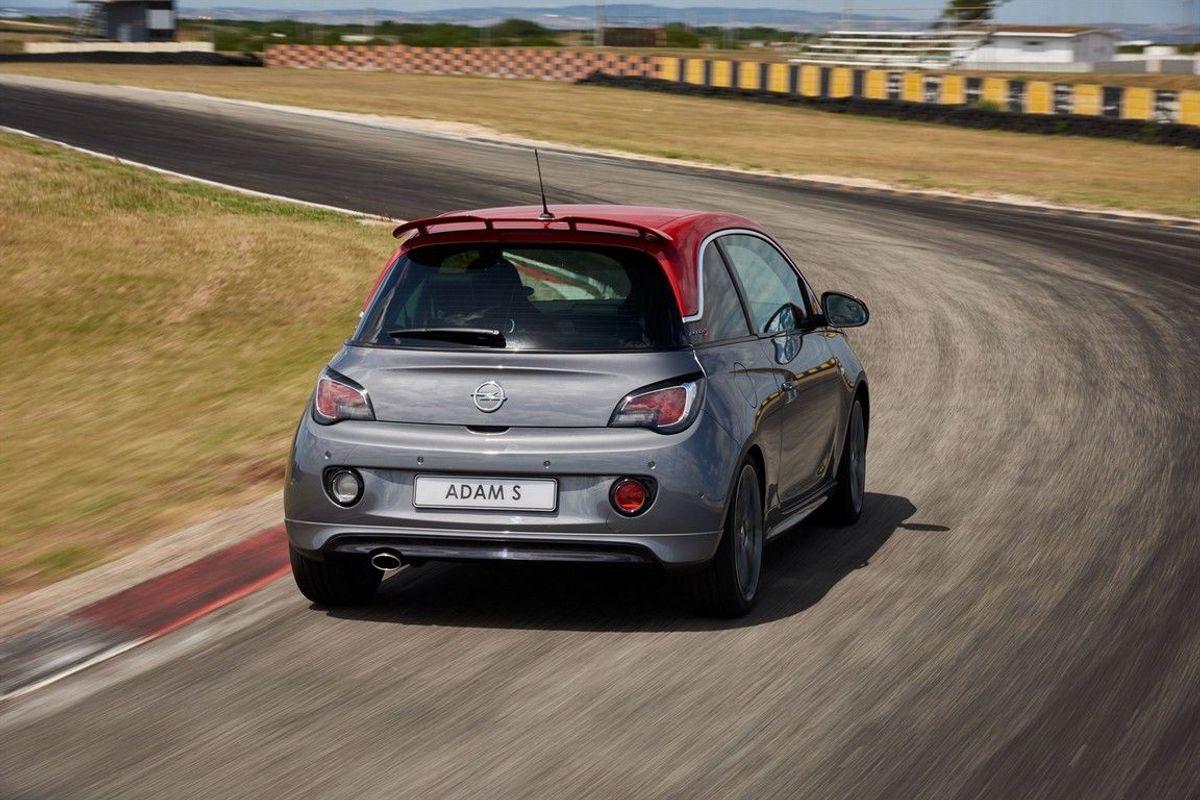
 

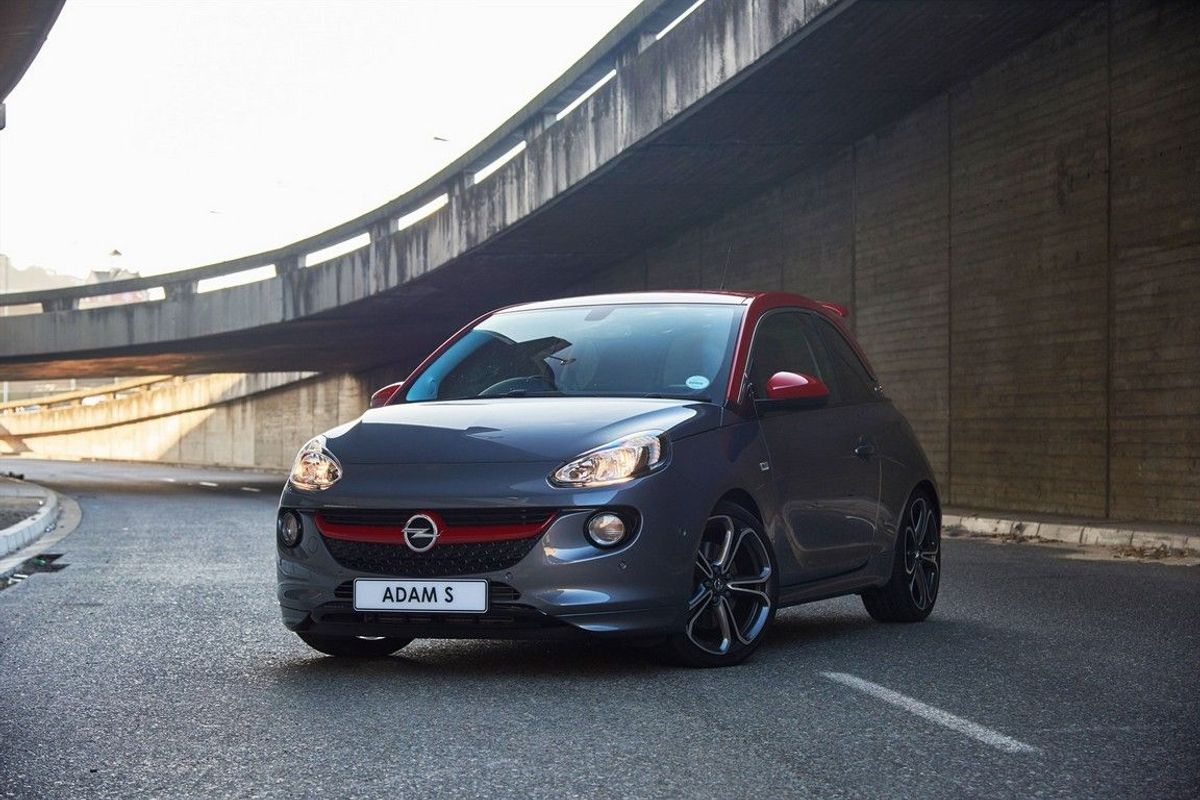
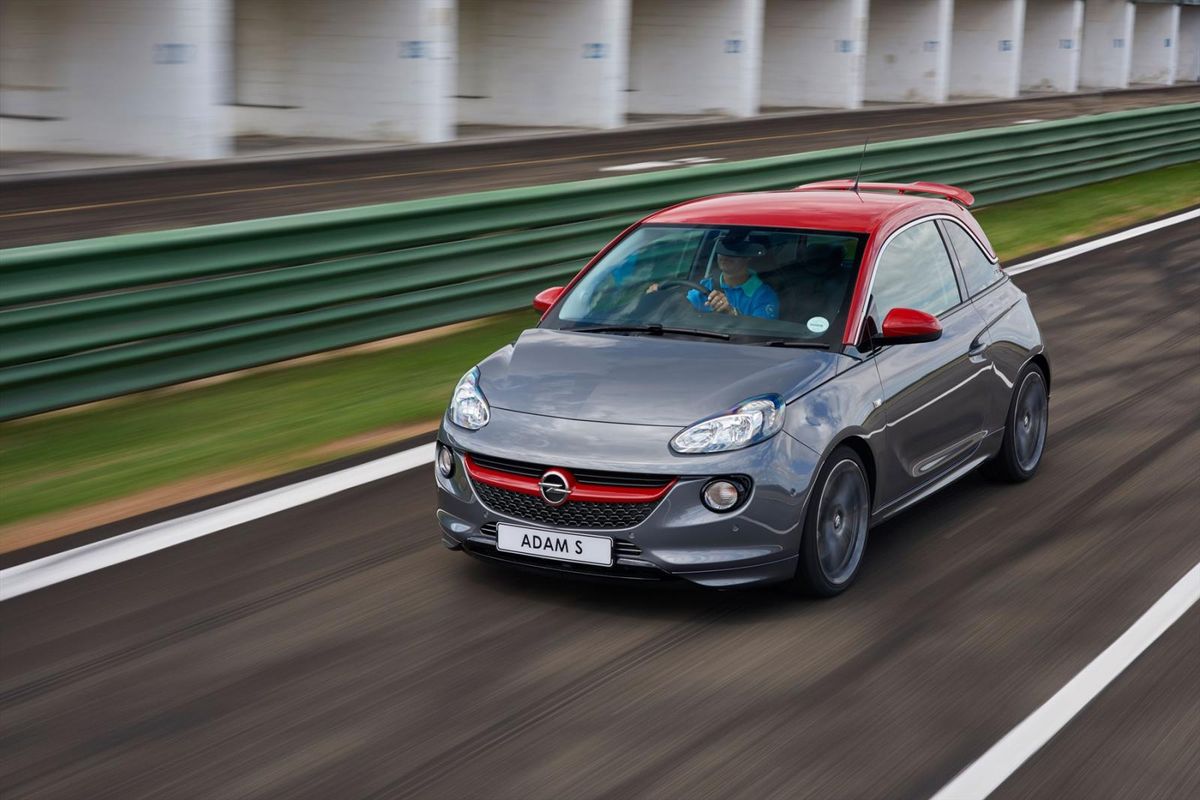
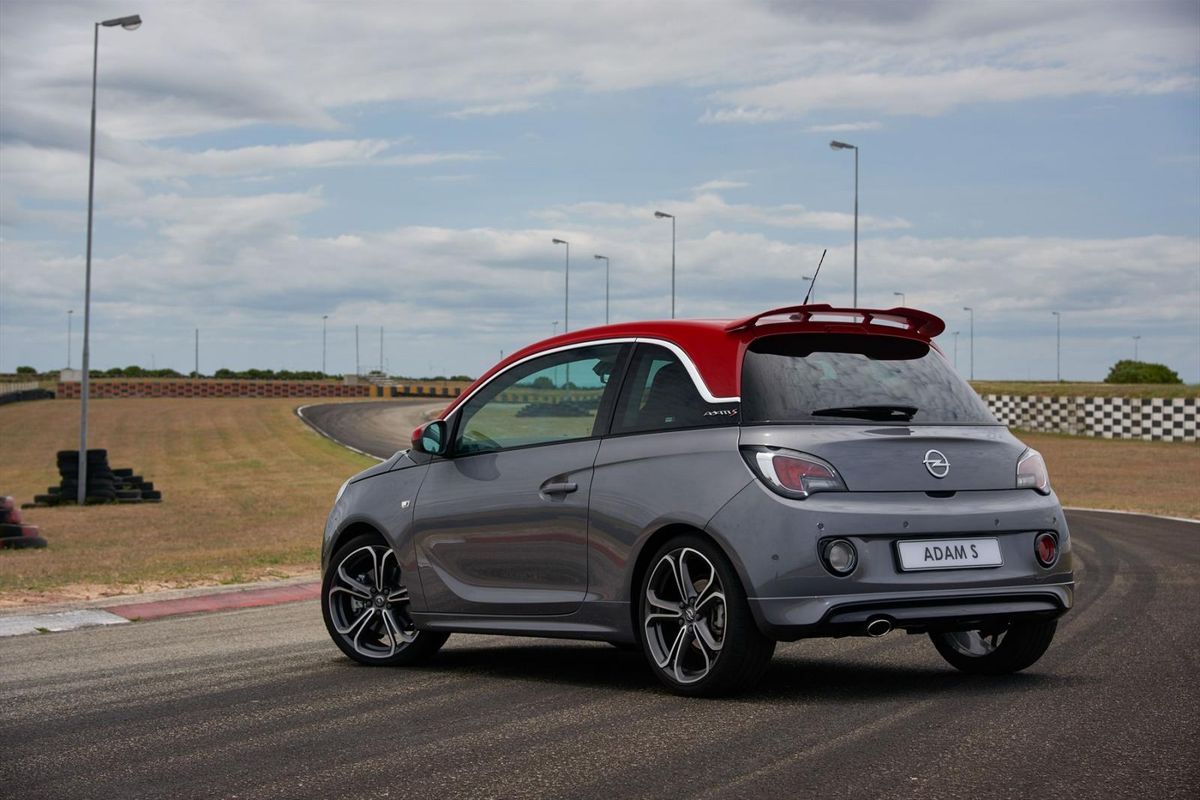
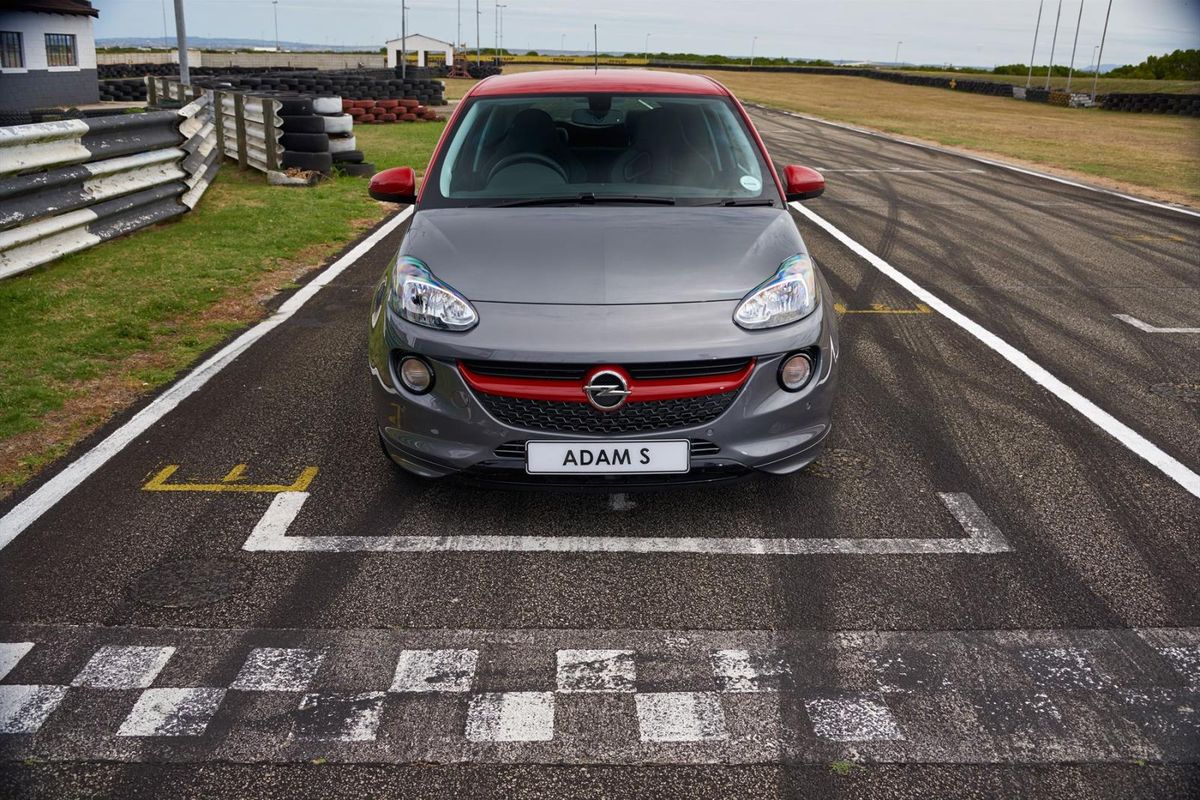
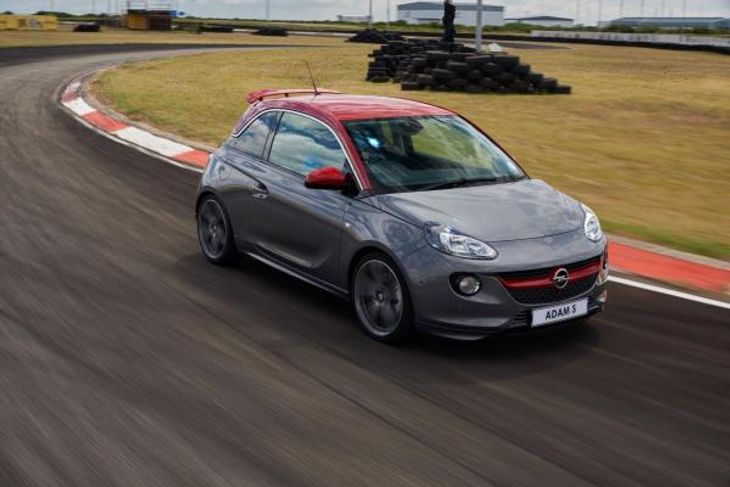
The Adam S is the third variation of Opel's boutique light hatchback to land on our shores, after the standard Adam and Adam Rocks crossover. It’s the sportiest Adam currently available and ushers in a new engine and some neat little upgrades to enhance the handling and appearance.

The go faster bits

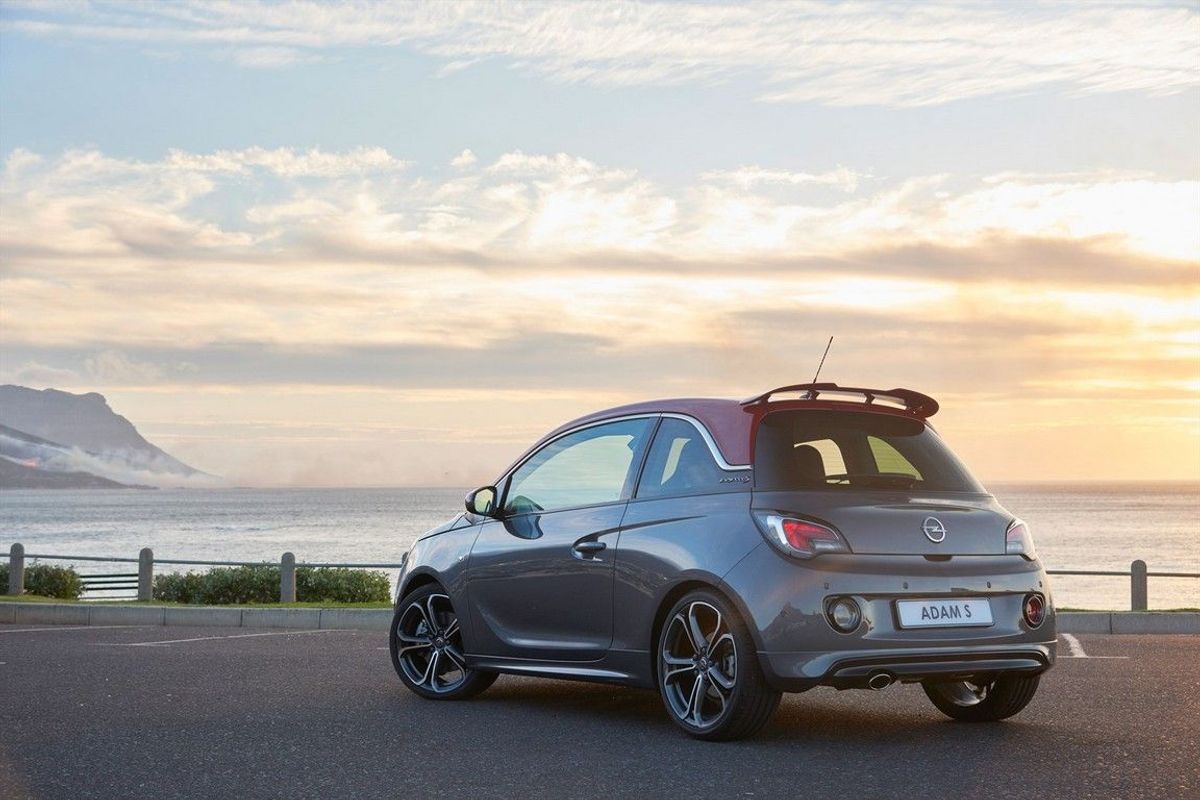
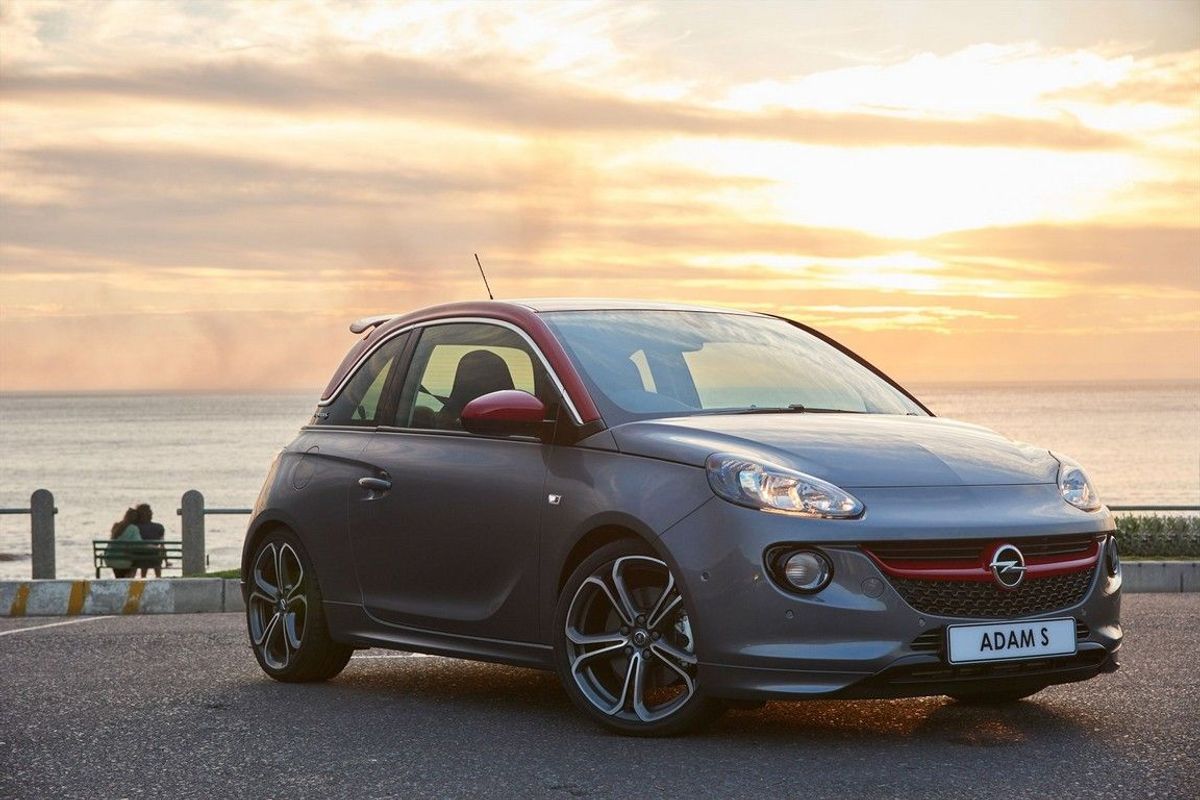
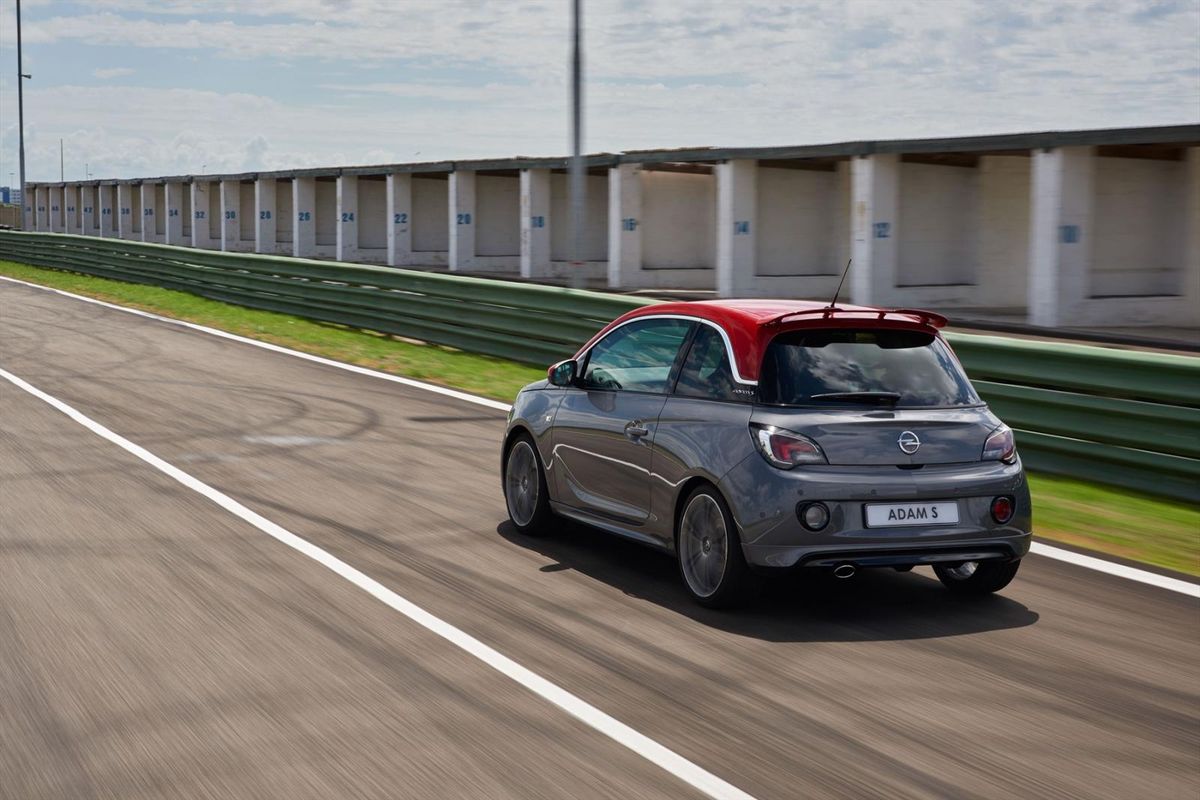
The exterior of the Opel Adam S has had the compulsory sporty upgrade to match its S badging. Adornments that make the S model special include red brake calipers, bulging side skirts and the lip on the front bumper, while at the rear, there’s a sports bumper and an enlarged, chrome-finished exhaust tip. The rear roof spoiler is arguably the most obvious cosmetic upgrade and the wheel size has been increased to 18-inches.

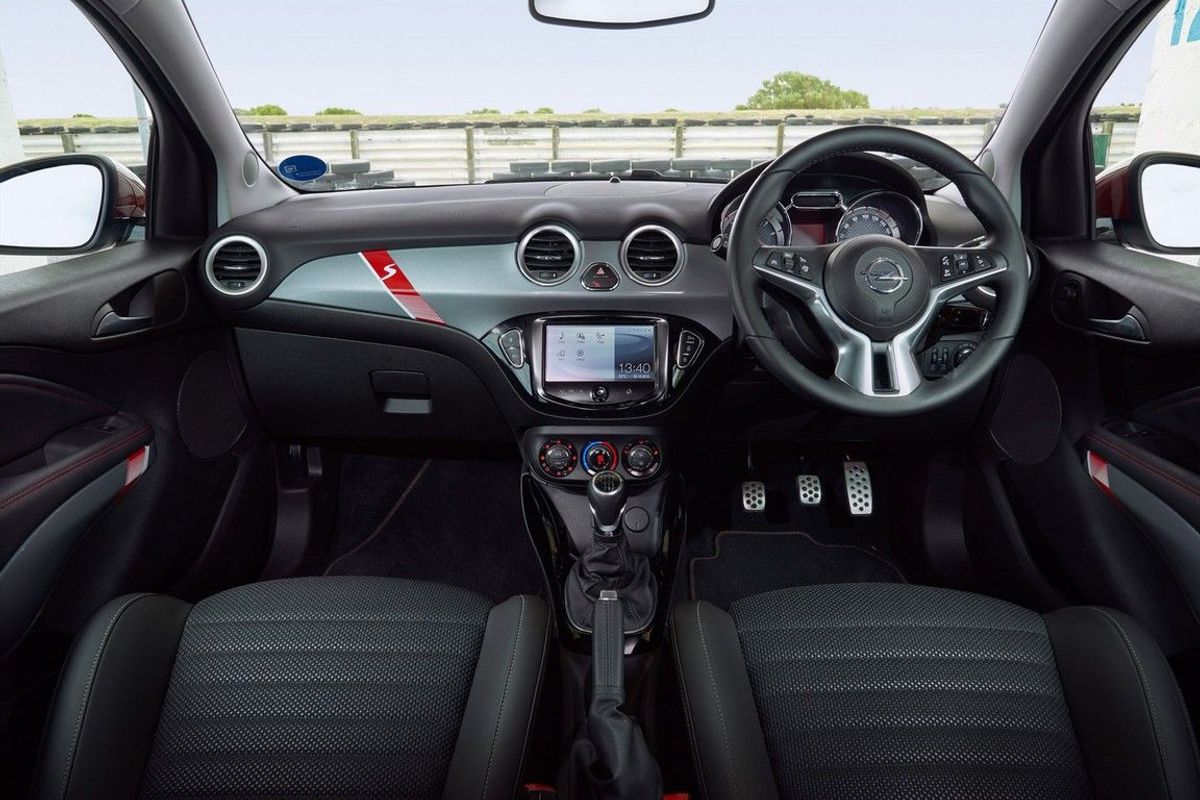
As for the interior, the Adam S gains some extremely supportive and comfortable bucket seats, a red gear knob and an S badge on the dashboard. It doesn’t sound like much, but the upgrades make the Adam S feel more special than its siblings. The newcomer's specification list is the same as the Jam's, so there's a good complement of connectivity- and safety equipment. Opel offers the advanced park assist system, which can park the Adam S for you. as standard.


A photo posted by Ashley Oldfield (@ashleyoldfield) on

New engine

The Adam S uses a 1.4-litre four-cylinder turbocharged petrol engine with outputs of 110 kW and 200 Nm. The beefier motor hasn’t made the S a lightning fast hot hatch, but there’s enough grunt to satisfy burgeoning driving enthusiasts. Zero to 100 kph takes 8.5 seconds, but what really makes the Adam S fun is its handling characteristics. The engineers have tinkered with the Adam's suspension and anti-roll bar to make the S handle better in the bends.

On-track prowess

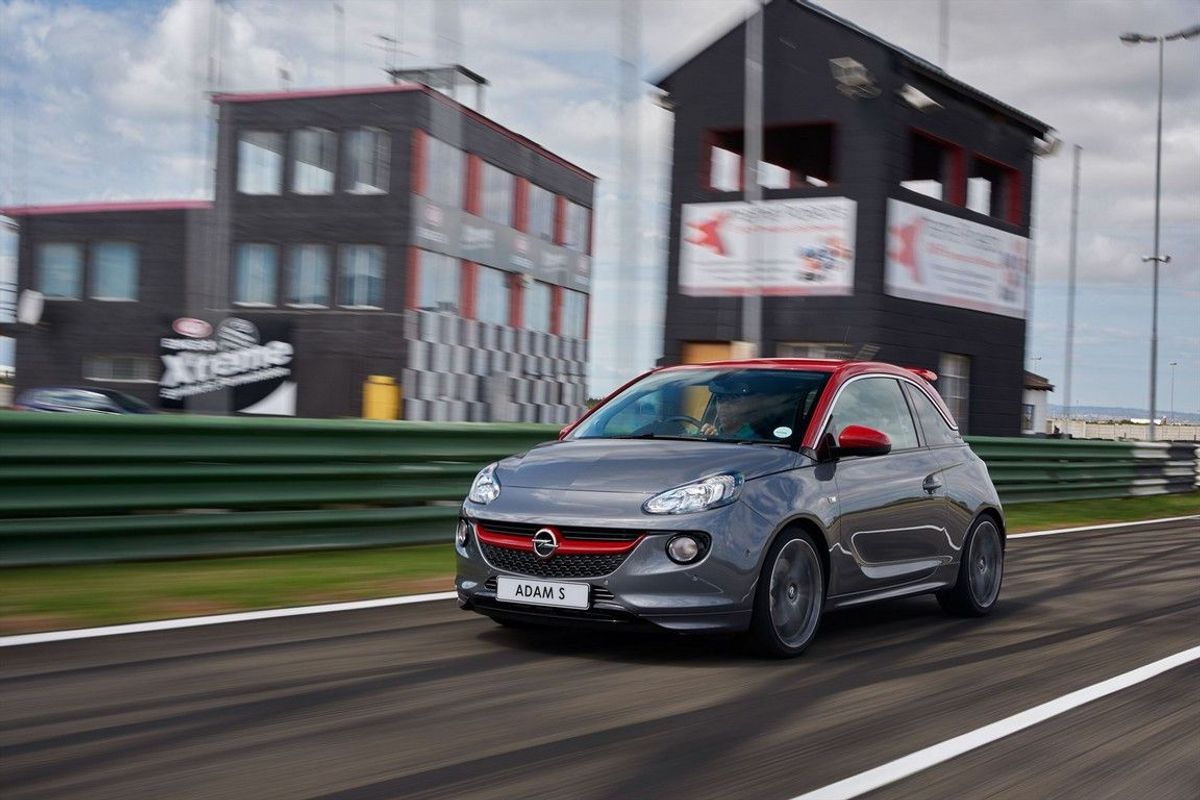
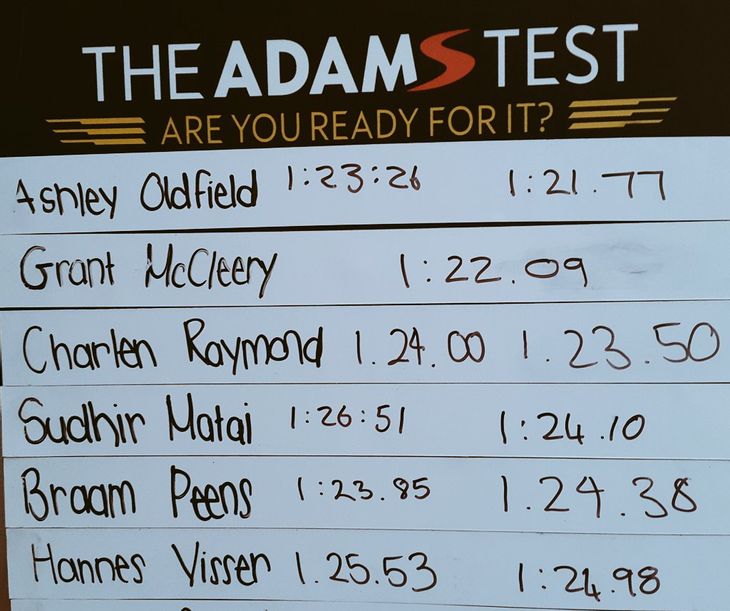
The Adam S's springs are stiffer (as are the anti-roll bars) and the brakes have been enlarged. The brakes were plucked from the now-discontinued Corsa OPC and work well on track. During our track sessions, the Adam S’s brakes held up surprisingly well considering the constant hammering they took at the Aldo Scribante circuit. The handling is agile; it changes direction quickly. It was fun to hustle around the track and even after multiple laps we were still finding lap-time improvements. The stopwatches came out and we were set a benchmark of 1m22.0 by ex-production car driver Grant McCleery. With a session to learn the track in the morning, the Adam S had its neck properly wrung in the afternoon as we went in search of faster lap times. We didn't have a chance to test the Adam S on road conditions, but I imagine the stiffer springs and bigger wheels may make it quite harsh on our rugged roads.
Pricing

The Opel Adam S is a limited edition vehicle (there are only 50 cars available in SA) and exclusivity comes at a price, R330 000. It's expensive when you consider that it's not actually much car for your money… The boot is small and it only has two doors, but if you want a peppy fashion accessory then the pricing seems on par. The Mini Cooper S starts at R376 847 and a Citroen DS3 Sport is R358 400. The only cheaper competitor is the Alfa Romeo Mito at R322 990, although the hot QV version costs R347 990. The Adam S comes with a 5-year/120 000 km warranty and a 3-year/60 000 km service plan.  

Opel Adam S Launch Video

Search Cars.co.za for Opel Adam models for sale

Search Cars.co.za for Mini Cooper S models for sale

Search Cars.co.za for Citroen DS3 Sport models for sale
Search Cars.co.za for Alfa Romeo Mito models for sale
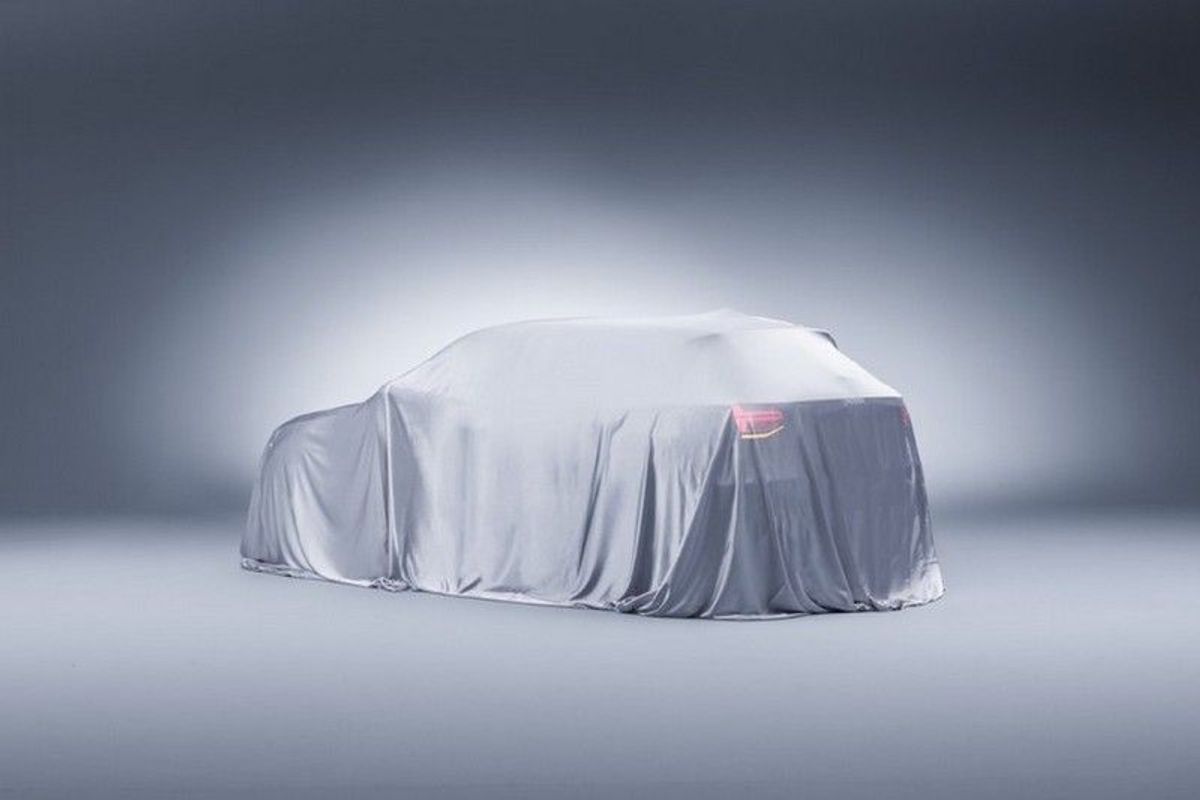
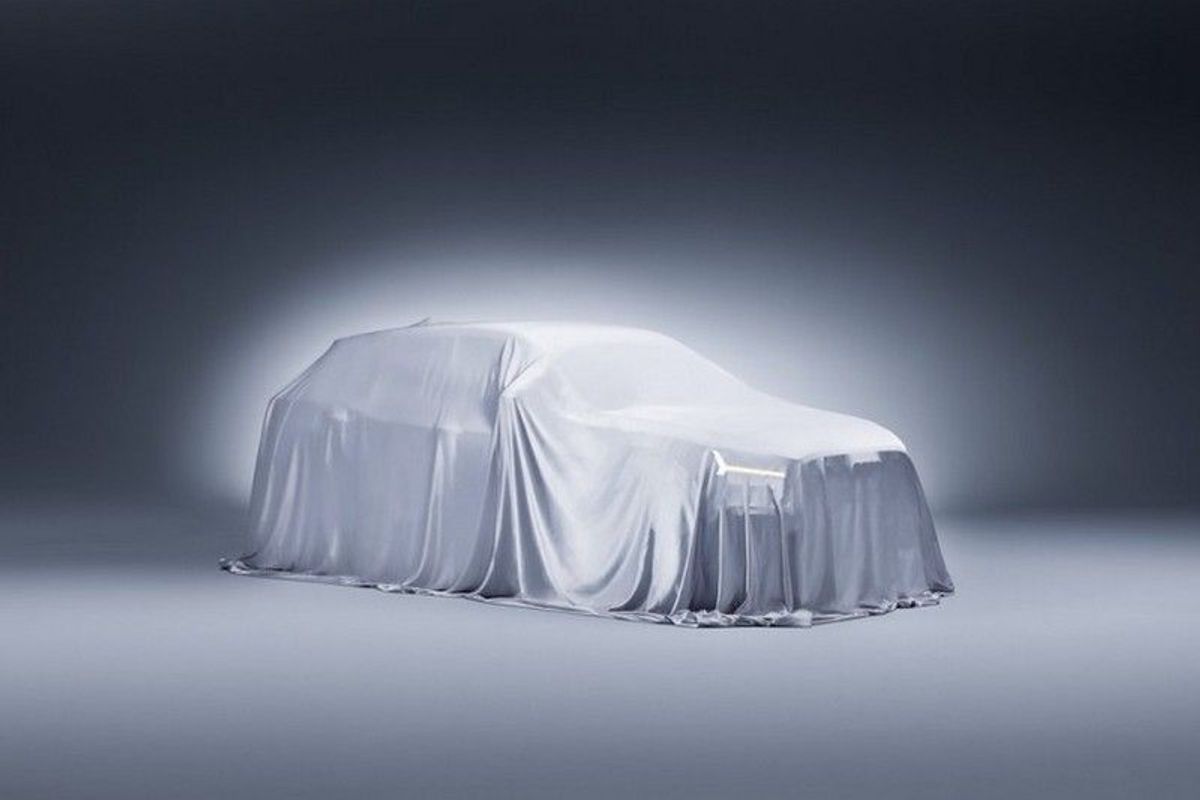
Teased: Audi Q2

There have been many rumours that Audi plans to introduce a Q2 crossover in the near future and the Ingolstadt-based brand has released a few teasers ahead of its predicted reveal at the 2016 Geneva Motor Show.

These two images suggest what the vehicle will look like, including a hint of the trademark Audi daytime running lights. The name is confirmed as the Q2 and despite a legal battle with Fiat Chrysler Automobiles over the name, the vehicle is due to be revealed in Geneva in March 2016. The Audi Q2 will utilise the successful MQB platform, which is what the Volkswagen Golf 7, Audi A3 and many other products from the Volkswagen Group are based on.

The range should be quite comprehensive… There will be turbopetrol and turbodiesel motors in the line-up as well as all-wheel drive quattro variants. Rumours are rife that a plug-in hybrid and even a performance version (such as an SQ2) will follow on later in the model's lifespan.

If all goes according to plan, we'll see the Audi Q2 making its South African debut around the middle of 2017.

For more information on Audi's product offensive over the next five years, click here.

Lexus LC500h Revealed


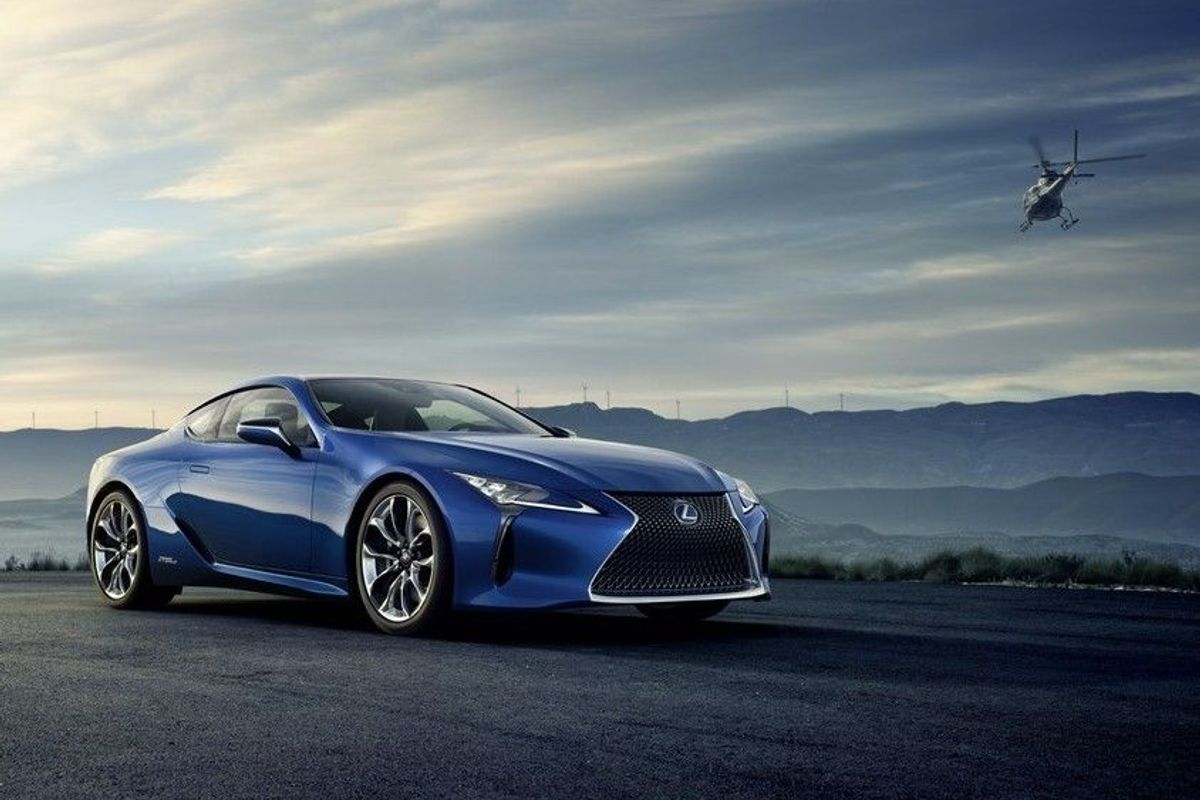
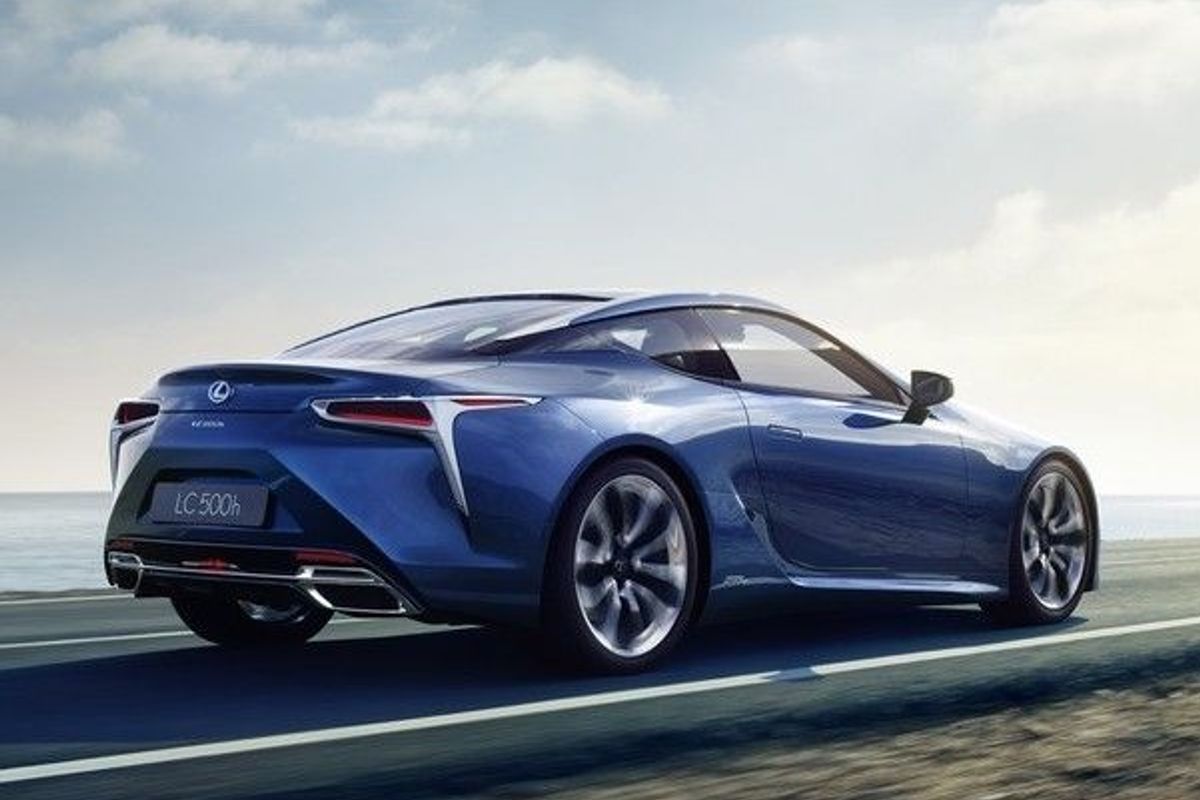
Lexus is readying a hybrid sportscar of its own. It will introduce the LC500h at the 2016 Geneva Motor Show.

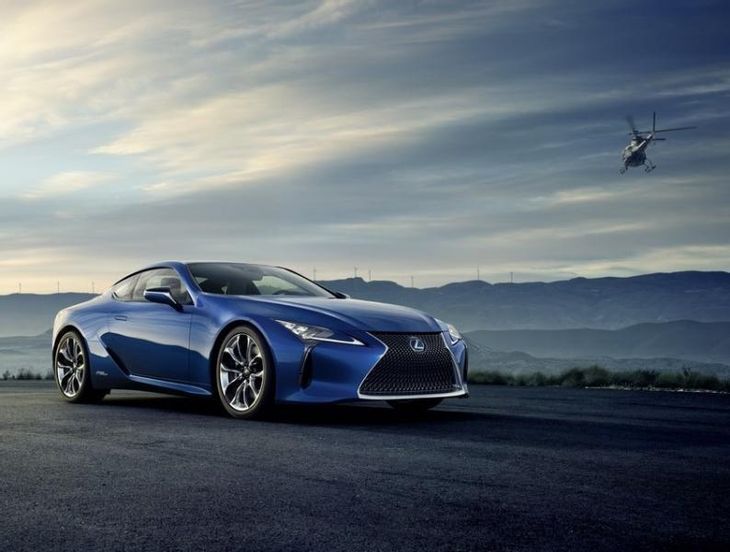
Last month, Lexus revealed its flagship LC500 Coupe at the Detroit Motor Show and we think it’s quite a striking vehicle. Now, Lexus is set to expand the range with a hybrid version known as the LC500h. The vehicle will be officially revealed in Geneva on 1 March 2016.

Hybrid power

Stylistically speaking, the LC500h seems to be identical to the LC500 shown last month, but this time it is dressed in attractive blue hue. The LC500h will showcase Lexus’s all new Multi Stage Hybrid System that “promises enhanced driving pleasure, more performance, and greater efficiency.”

Official details have yet to be revealed, but speculation suggests that the LC500h will be powered by a 3.5-litre V6 engine in conjunction with an electric motor. The V6 should be good for 230 kW while the electric motor may contribute as much 162 kW, taking the combined output up to about 350 kW. In comparison, the LC500 is powered by a 5.0-litre V8 that produces 348 kW and 527 Nm of torque.

Further details will be revealed closer to the LC500h’s debut at the Geneva Motor Show and we will keep you updated with any additional information when it becomes available. 

As it stands, Lexus South Africa has confirmed that the LC500 Coupe will launch locally at the end of 2016 or early in 2017. 


GWM M4 1.5 (2016) Review


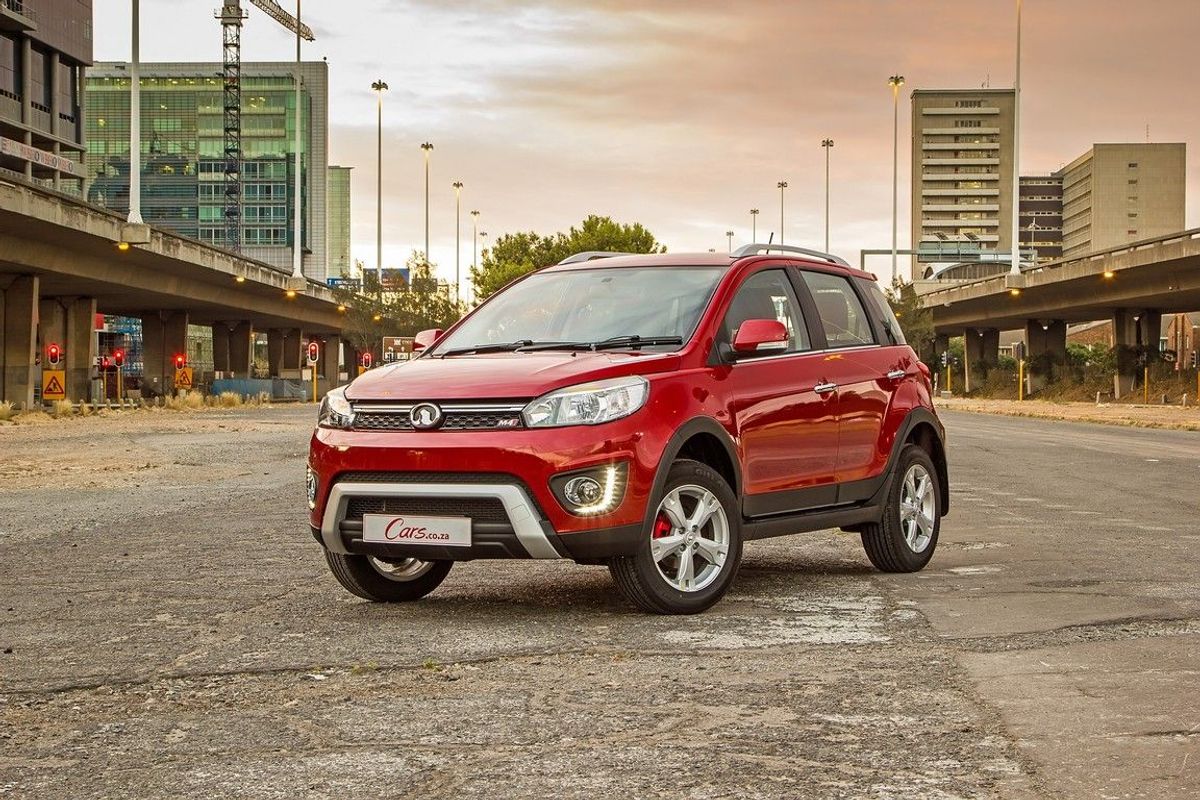
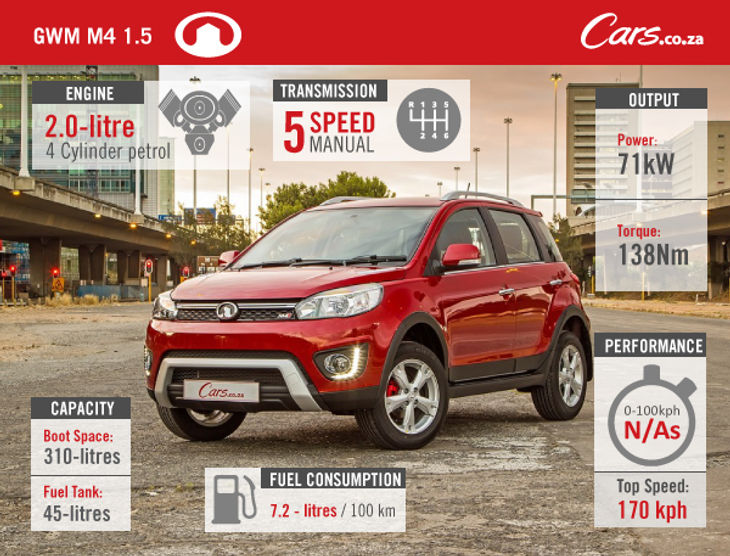
The GWM M4 has nothing in common with BMW’s tarmac-searing sportscar… apart from its name. But the Chinese-made light crossover, which competes with the Renault Sandero Stepway, Toyota Etios Cross and Polo Vivo Maxx, underwent a revamp early in 2016. Here’s what it’s like…

Sharper styling

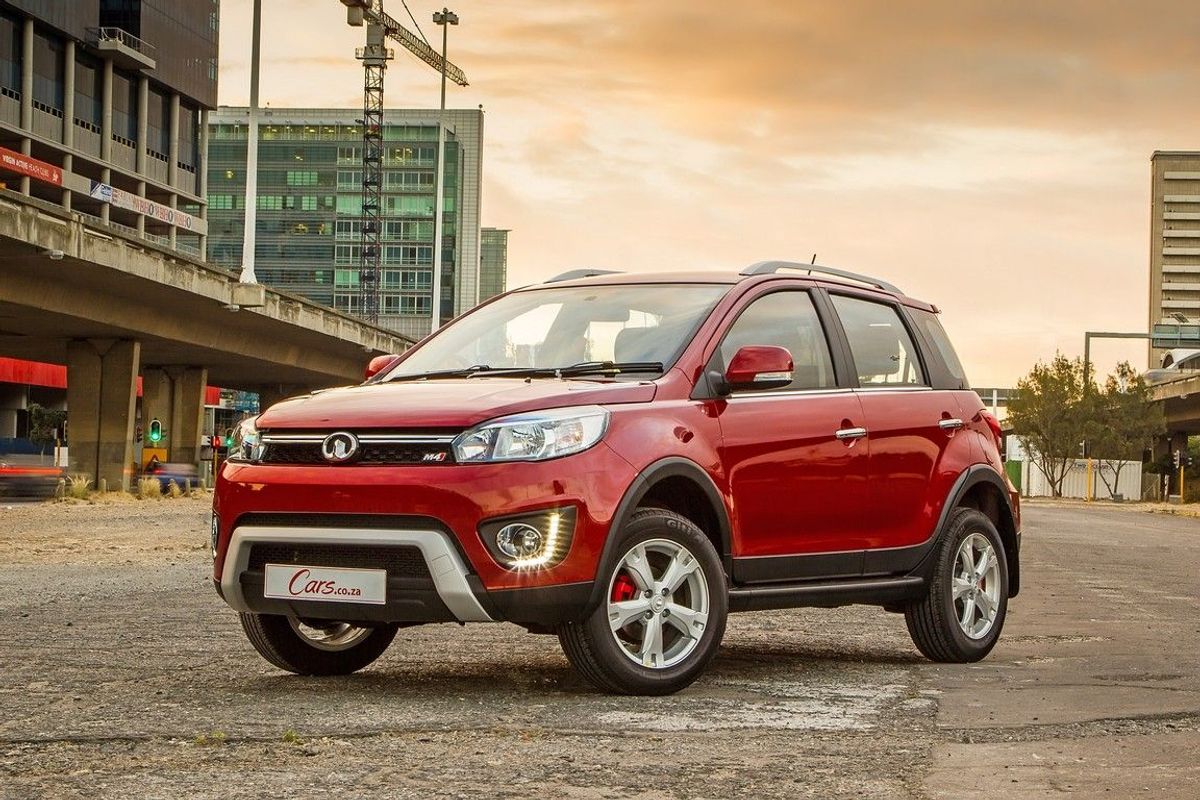
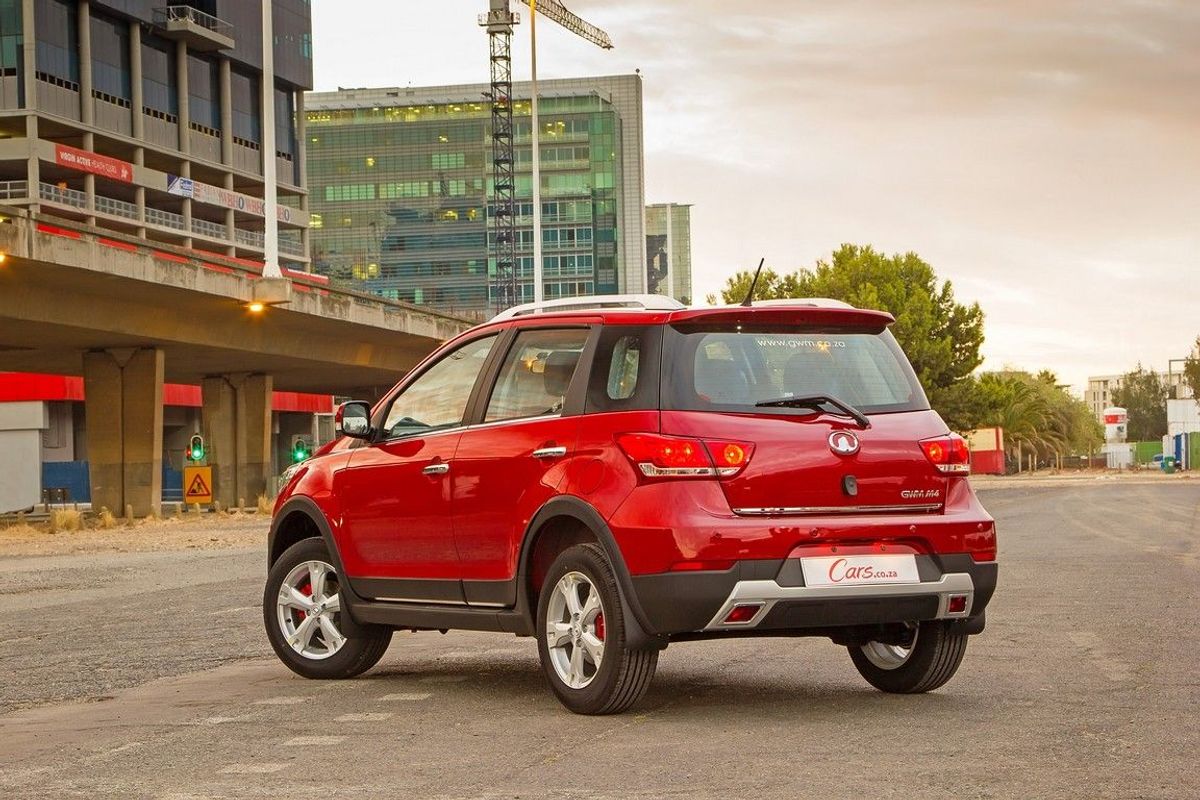
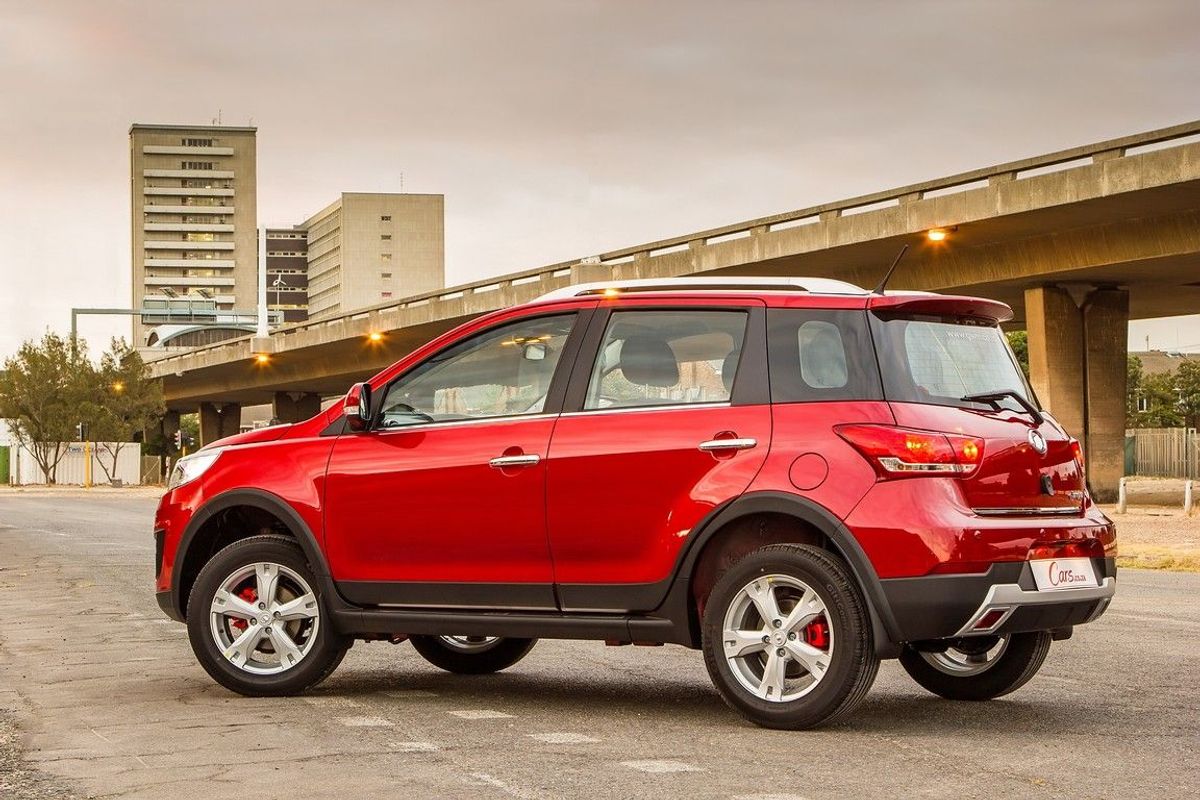
The GWM M4’s exterior appearance represents a marked improvement over that of its predecessor. The M4 is marketed as a cool-looking baby SUV for trendy, single urbanites — as opposed to merely a raised hatchback with rugged-looking addenda — and it’s equipped with numerous SUV-like adornments. It has a more rugged appearance, replete with moulded black bumpers and side sills as well as a band of grey trim around the front bumper’s air intake grille. Standard daytime running lights and front and rear fog lamps set the M4 apart from the competition. Overall, it looks like an attractive pavement hopper.

Under the bonnet

In China, the M4 is nicknamed the Speed because of how quickly it sells in its native market. Under the GWM’s bonnet, however, you won’t find a source of tremendous speed. The 1.5-litre naturally aspirated petrol engine (producing 71 kW and 135 Nm) compares favourably against those of its aforementioned rivals, but maximum power is developed at 6 000 rpm, meaning that you have to rev the motor hard before you feel its extra grunt. The rivals develop power and torque at lower revs than the M4 and that results in lower fuel consumption. The M4 is quite thirsty for a budget-conscious vehicle. Claimed consumption is 7.2 L/100 km in a segment where around 6 L/100 km is the average. The engine is therefore not the strong point of the M4’s arsenal but, if you’re happy to potter around at a gentle pace then the M4’s performance is adequate, if not particularly frugal.

Inside the cabin


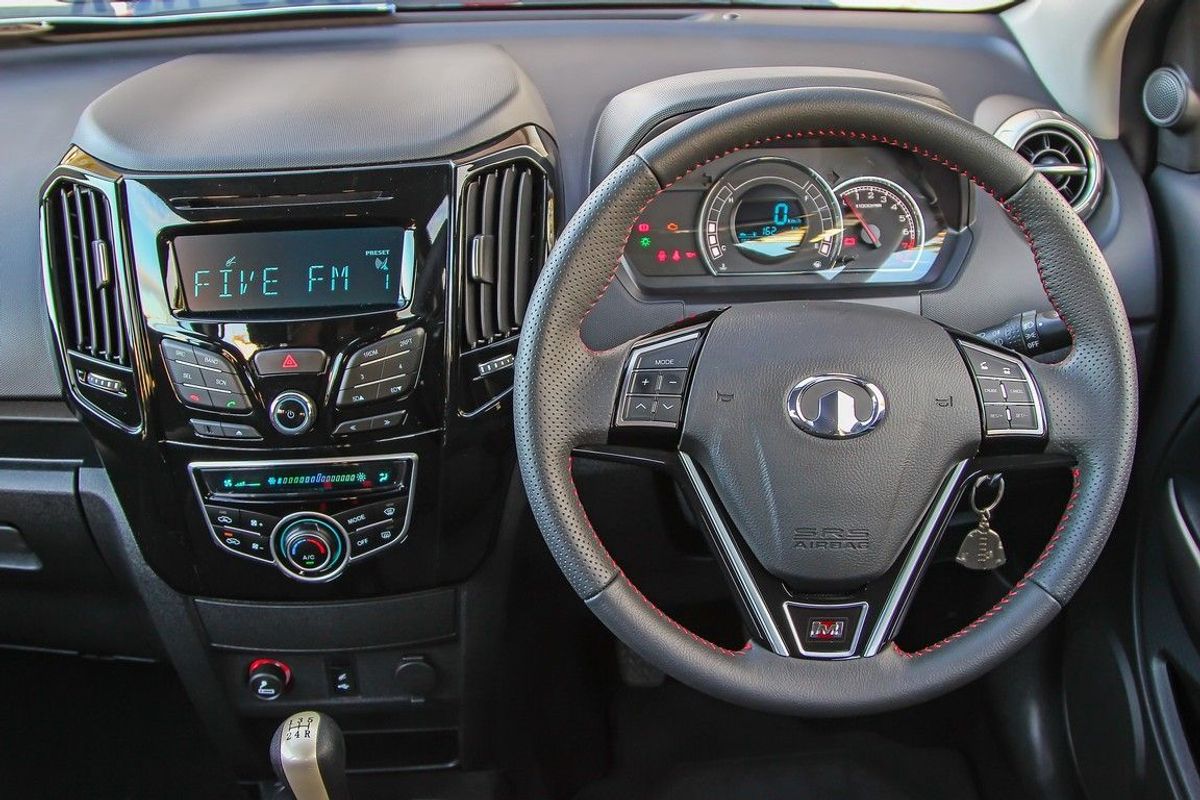
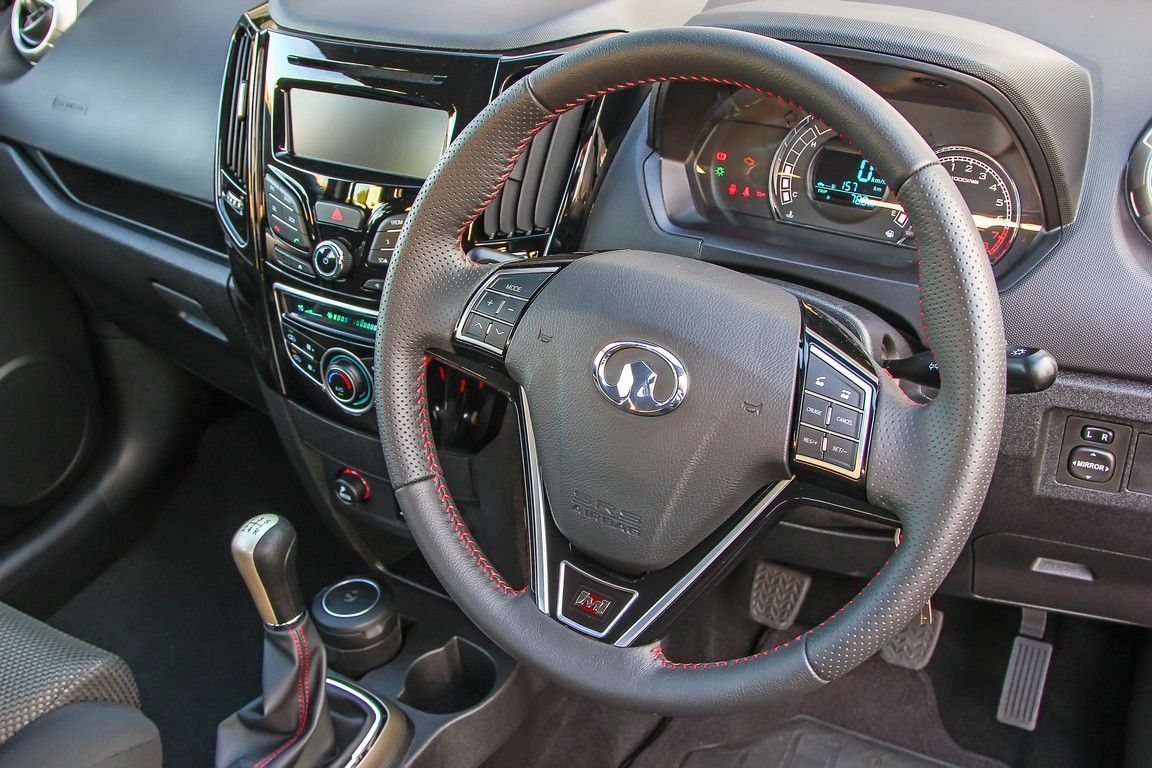
GWM M4 cabin is well made and quite upmarket in appearance and finish. 

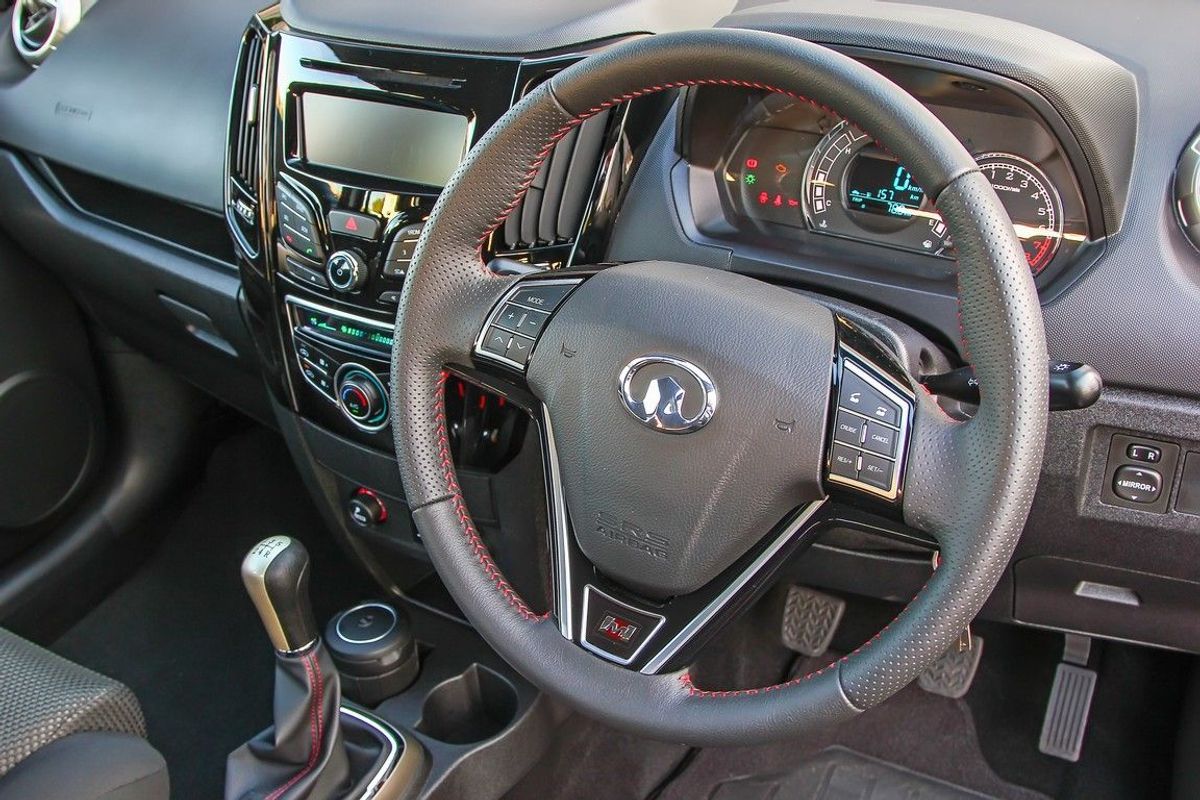
Chinese brands haven taken a lot of flak for utilising cheap-looking cabin materials with less than impressive levels of fit and finish. The GWM’s interior, although not particularly sophisticated in design, features a number of impressive upmarket fitments. The leather-clad steering wheel with red stitching (and an “M” badge at the bottom), and digital speedo, combined with the analogue rev counter, are easy on the eye. The audio system has a rather plain digital display, but offers USB and auxiliary input sockets as well as Bluetooth connectivity. The facia is even clad in piano black trim — a rare sight in a vehicle that costs less than R200k. Overall, the facia materials are respectable and the build quality looks impressive in terms of shut lines and the rigidity of the fittings.

There is a slight ergonomic issue, however. Taller drivers will probably struggle to get comfortable behind the M4’s steering wheel, which can be adjusted for rake (up and down), but not enough to get out of the way of the driver’s legs. It becomes annoying when your leg brushes against the wheel every time you release the clutch or move your foot to the brake pedal. It should be noted, however, that shorter members of the Cars.co.za test team didn’t have a problem with it. Cabin space is acceptable up front and would suit smaller passengers in the back, but the luggage area, which is equipped with a retractable cover, measures 310 litres, which is fair — but less than capacious.

Ride and handling

It appears that GWM spent all its research and development money on upgrading the light crossover’s interior and forgot about improving its indifferent ride comfort. The M4 is shod with handsome 16-inch alloys but rides quite harshly on rippled roads and over speed bumps; it becomes tiresome to be jostled about in the cabin. The M4 has a slightly raised ride height and has a ground clearance of 183 mm. It’s by no means an off-roader but will hop onto a pavement (if you can’t find a conventional parking spot) or travel down a gravel road with ease. The added height does make the M4 feel a little top heavy and it leans when you corner or tackle a roundabout quickly.

Verdict

The GWM M4 has improved inside and out, and quite considerably so. The exterior design is quite appealing and pulls off the rugged, baby SUV-look aptly. It is a generously equipped light crossover (it even includes front and rear parking sensors as well as cruise control) and its cabin quality looks comparable to that of the Sandero (and it’s arguably better than that of the Etios). The weak points of the package lie in the engine and chassis. The petrol engine needs revving to build up a head of steam and it is thirsty in comparison to the competition. The M4 is not particularly great to drive when the road gets bumpy or if you’re a tall driver, but its exterior packaging and spec should find favour with its target market. 

Watch the GWM M4 Video Review below


GWM M4 pricing

There is only one model in the GWM M4 range right now and it costs R189 900. There is a standard 5-year/100 000 km warranty and an optional 5-year/60 000km service plan.

Team opinion

"The M4 offers great value for money in a stylish, compact package. However, that driving position does not suit taller folks (like me), which is a drawback." David Taylor 

"Although practicality is not the M4's strong suit, the GWM should be viewed as a stylish hatchback for urban commuters rather than a multi-purpose crossover." Mike Fourie

We like: Improved styling, interior design and decent build quality, specification

We don’t like: Thirsty on fuel, unrefined ride  

Also consider: Renault Sandero Stepway, Toyota Etios Cross, VW Polo Vivo Maxx

Click here to compare the M4 to the Stepway and Etios Cross

Search Cars.co.za for GWM M4s for sale


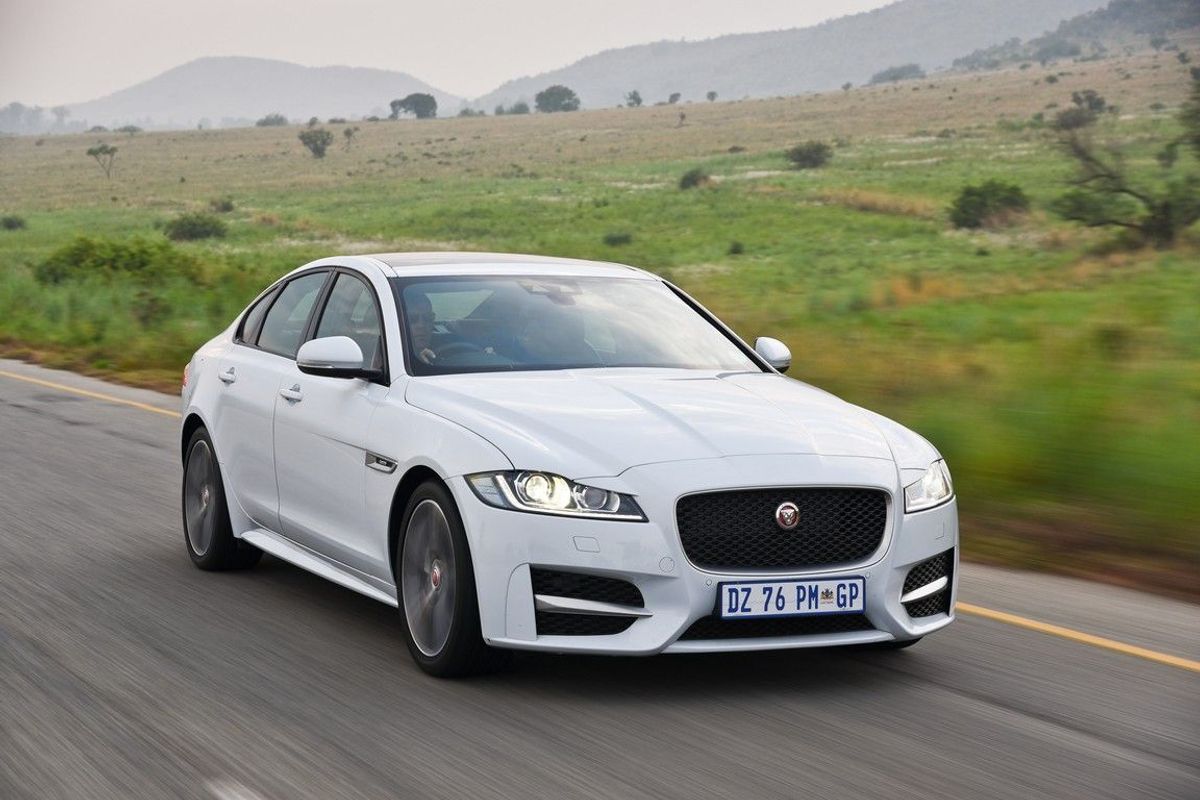
Jaguar XF (2016) First Drive

We headed to Johannesburg to sample the latest generation of Jaguar’s executive sedan. The previous XF sold reasonably well and, like its predecessor, the newcomer faces stiff competition from German rivals. How does it fare?

Jaguar’s XF has always been a distinctly left-field choice in a market dominated by products such as the BMW 5-Series, Mercedes-Benz E-Class and Audi A6. Each of the German sedans has an appeal of its own, in the case of the BMW it is dynamism, E-Class refinement and Audi build quality, and Jaguar is hoping to combine dynamism and refinement in equal measures with the new XF.

What’s new?

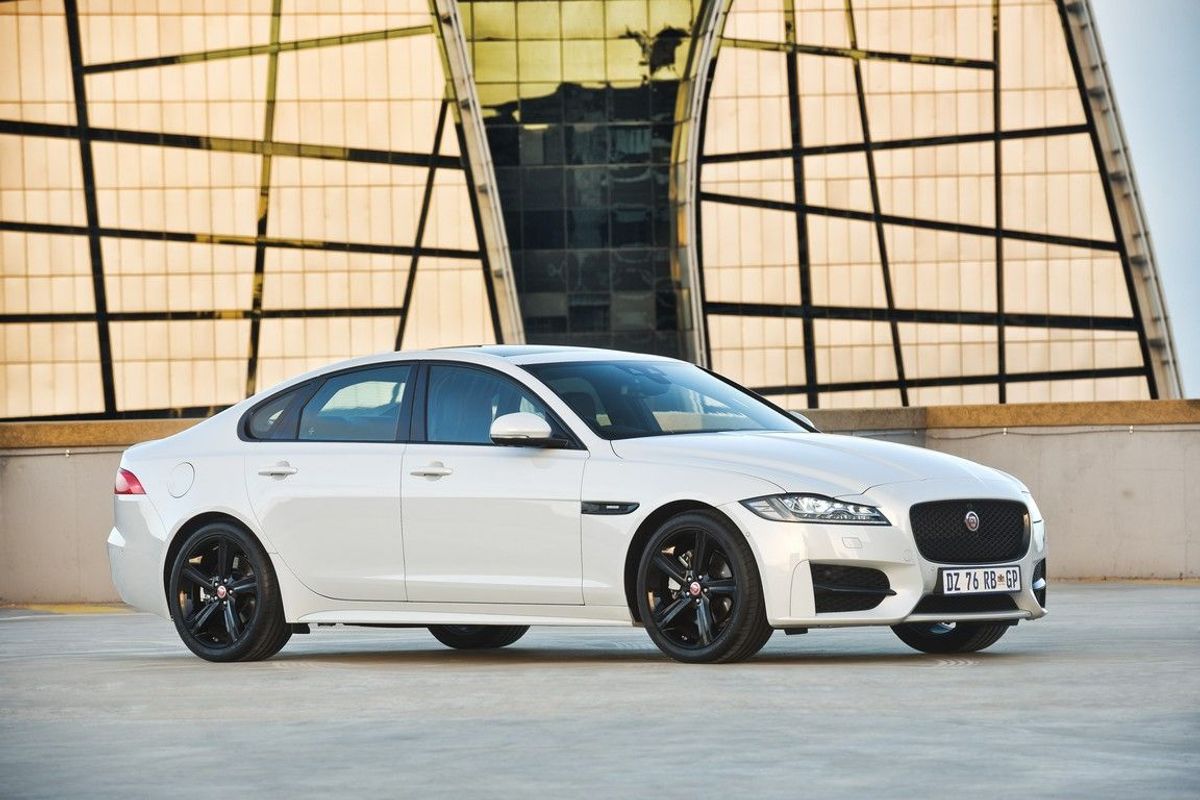
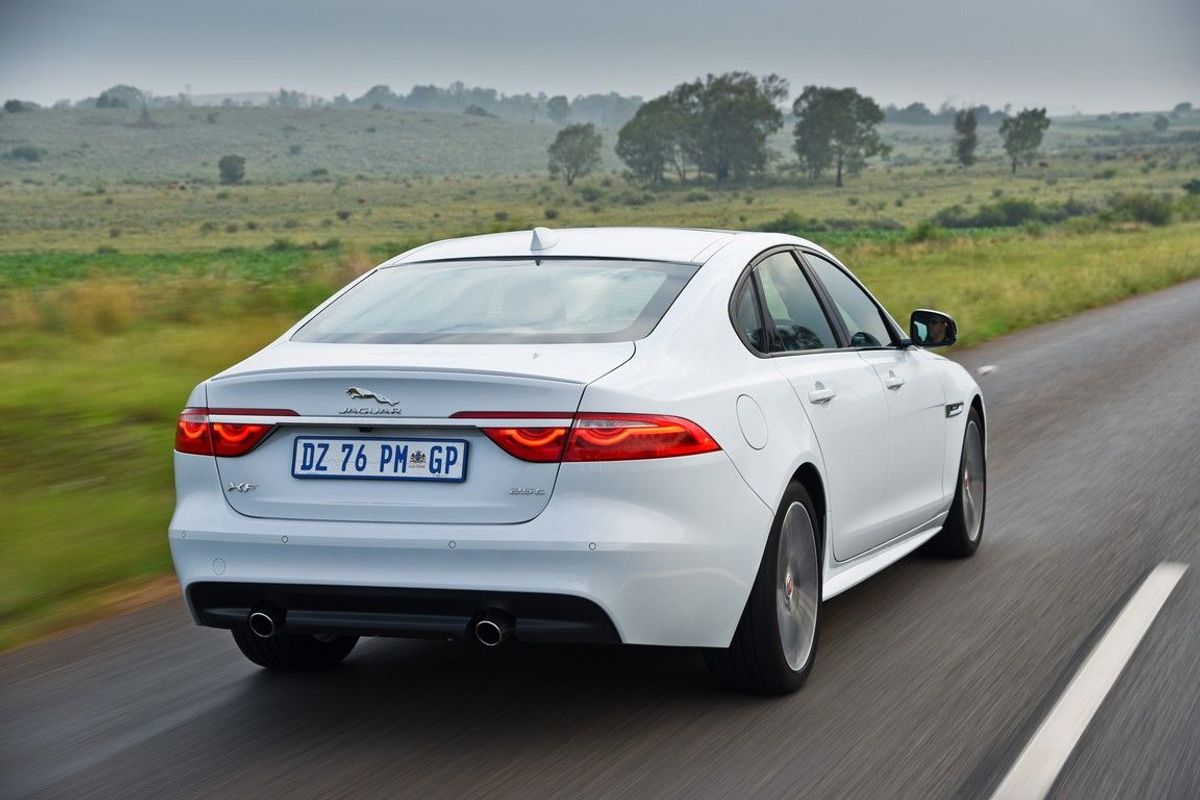
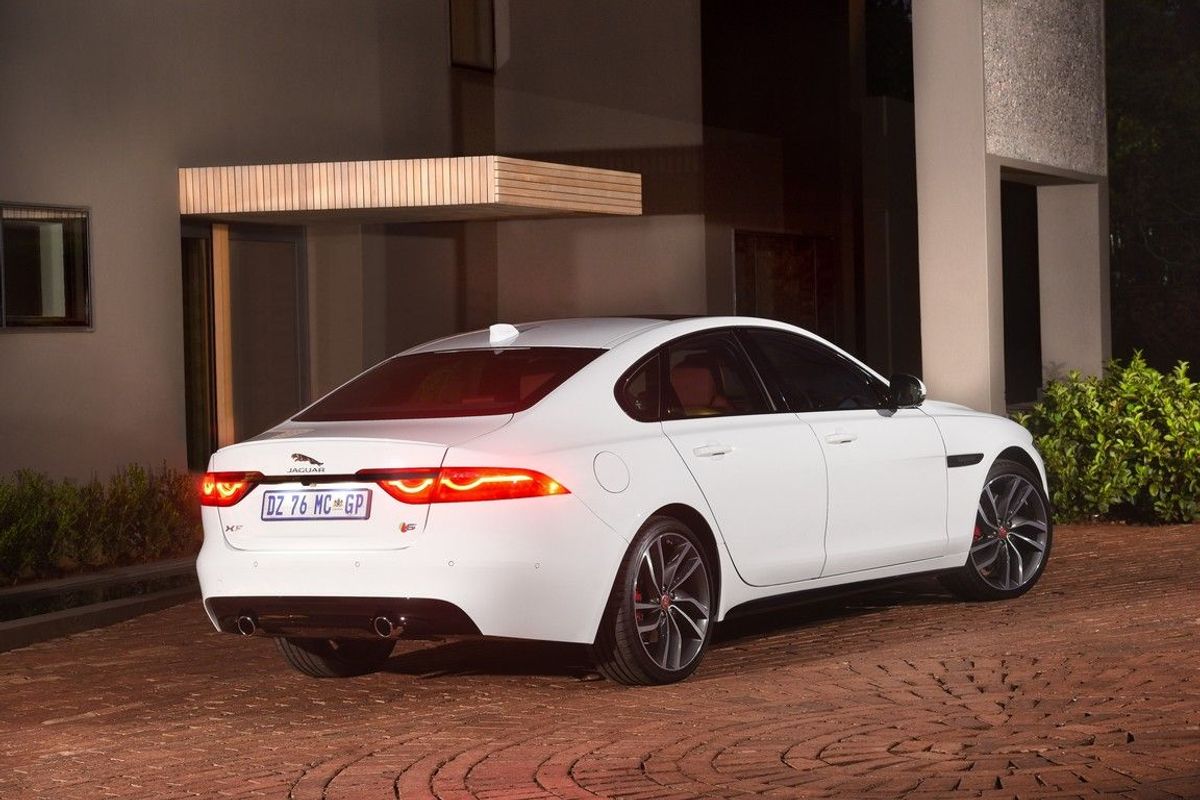
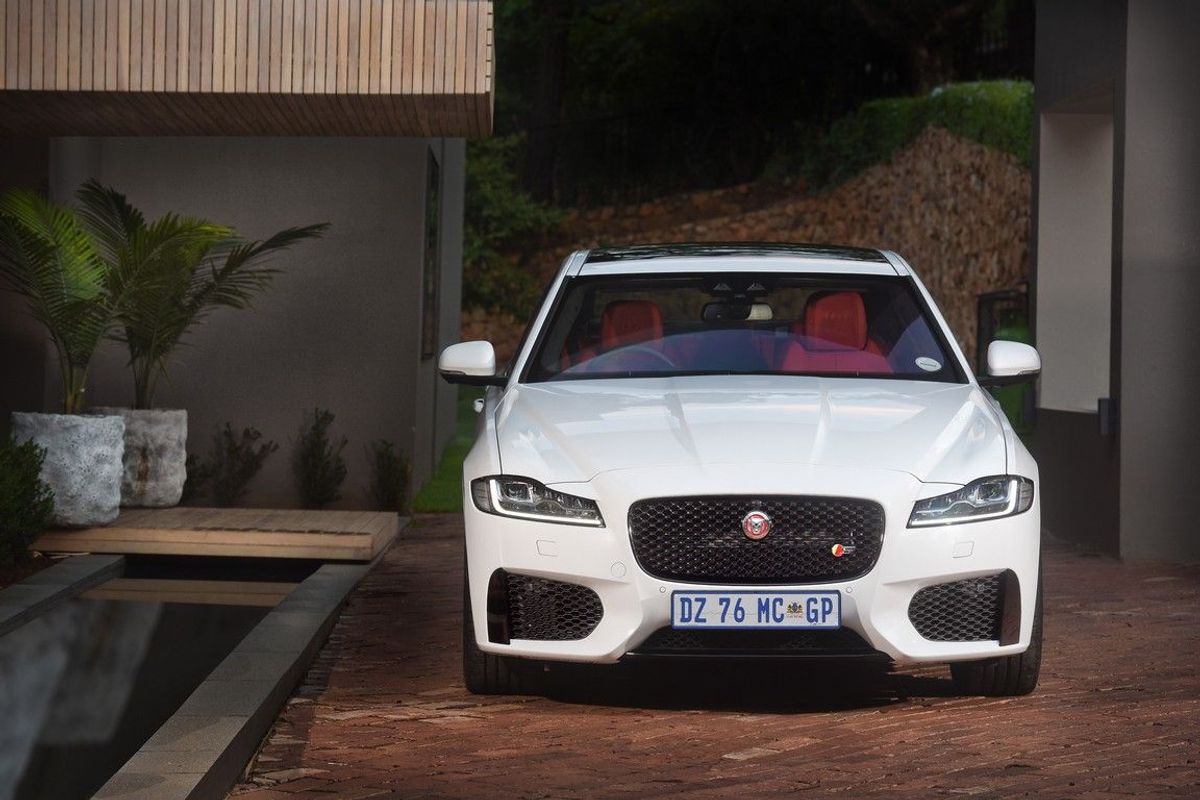
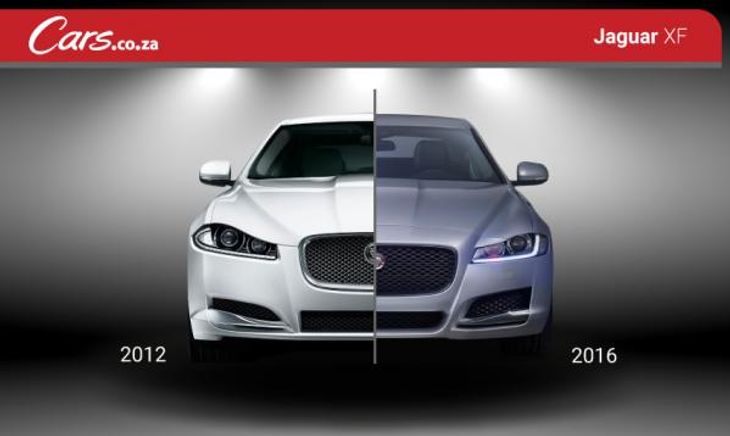
Although some may regard the XF as merely a larger version of the compact XE sedan, the newcomer certainly looks the part. The frontal styling is not too different to that of its predecessor, but the rear features reshaped tail lights similar to those of the XE and F-Type sportscar. Not a radical restyle, then.

Most of the new bits are under the sheet metal. There’s extensive use of aluminium in the chassis and bodywork and thanks to a complete redesign of the platform, the new Jaguar XF is shorter and lower than the previous generation. However, through a wheelbase extension and clever packaging, there’s actually more space in the cabin, particularly in the rear. At the launch, we tried out the rear cabin and the 1.9m tall author can attest there’s ample space.

There are three engines to choose from. The range begins with the most economical model, a 2.0-litre turbodiesel (claimed to consume 4,3 L/100 km), the first petrol engine is a 2.0-litre turbo that produces 177 kW and for those who want a splash of sparkling performance from their XF, there's a brawny 3.0-litre supercharged V6 available in two states of tune: 250 kW or 280 kW. 

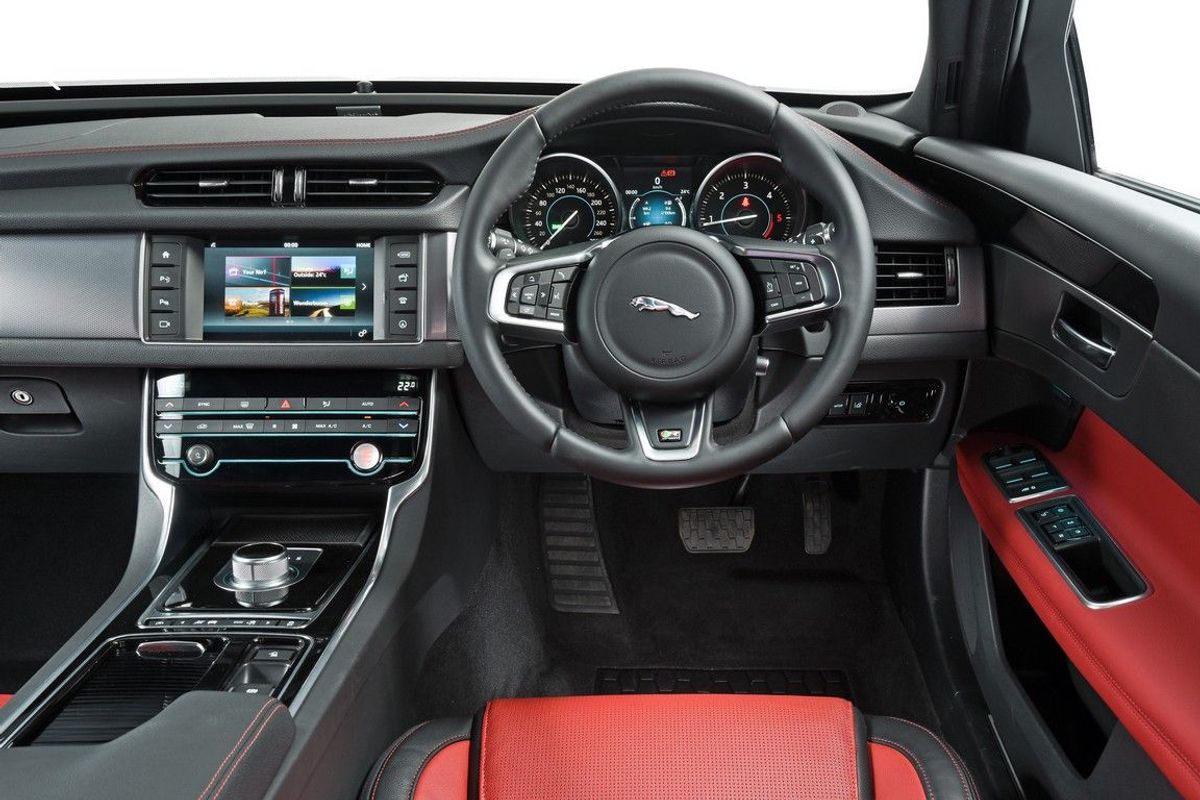
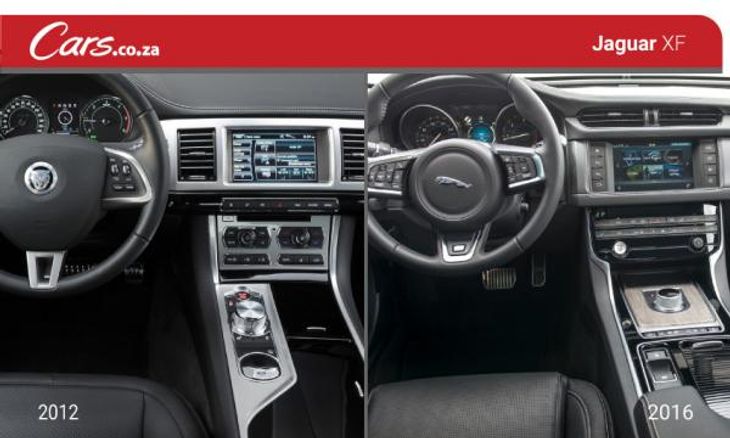
In the cabin you’ll find the improved infotainment system sourced from the Land Rover Discovery Sport and Jaguar XE. While it’s not perfect, it’s much better and more intuitive than the previous setup. It looks and responds in a manner not too dissimilar to that of a tablet, which will please tech-savvy users.

What's it like to drive?

The first model we drove was the 2.0-litre diesel in XF R-Sport trim. For more info about the different trims and to see specifications, click here. This Ingenium diesel engine is by far the finest oil-burning motor that the Jaguar/Land Rover group has produced and while it’s not as refined as we'd hoped, it delivers reasonable outputs and economy. With figures of 132 kW and a mighty 430 Nm available from only 1 750 rpm, there’s plenty of effortless urge.

However, to get the best performance from the car, you’ll need to be in manual transmission mode and utilise the shift paddles. The ZF-sourced gearbox has eight speeds and for a car that has a narrow power band (as is the case with most turbodiesel-engined vehicle), it tends to kick down too many ratios too often when in full automatic mode. As long as you’re not in too much of a hurry and are only using light throttle applications, the vehicle is an effortless and capable cruiser that’ll reward you with superb economy. Despite brisk driving on the launch, we averaged in the high 5s which is excellent in this segment.

The second model we drove was the 3.0 supercharged R-Sport. While it wasn’t the full 280 kW S, it still offers capable outputs of 250 kW and 450 Nm. Jaguar claims a 5.4 sec zero to 100kph sprint time and thanks to that supercharger working its magic right from the get go, the 3.0 feels as urgent as its outputs and manufacturer's claims suggest. It too has the 8-speed transmission with paddles behind the wheel and these work well, particularly when in Dynamic mode. The only downside from this engine/gearbox combination is the noise, or lack of it. The Jaguar F-Type uses this combination and sounds lovely. Why no active exhaust button, Jaguar? The 3.0 V6 supercharged engine is claimed to consume just 8.3L/100km, but seems a bit optimistic.

Both cars we drove displayed very good driving manners. Road noise is kept to a minimum and the refinement is right up there with the best. The chassis and handling feels luxurious, but responds well when you decide to get playful with it. The adaptive damping is a real treat and you can feel the car sharpen and firm up in dynamic mode. Go for the supercharged V6 model and tick that box marked Configurable Dynamics which will let you personalise your settings for damping, engine responsiveness and how briskly the gearbox shifts cogs.

Jaguar does claim that the new XF is 190 kg lighter than the outgoing model and when pressing on, you can feel that it is quite agile and nimble. How many owners willing to throw their XFs around a corner remains to be seen.

How’s the tech?

Jaguar is well aware that the competition offers a multitude of high-technology features and has specified the XF to suit. As mentioned earlier, the infotainment system received that much-needed upgrade and the new one is significantly better.

Other technology featured in the range include full LED headlights, a head-up display, adaptive cruise control, lane keep assist and the car is able to park itself both in a parallel scenario and an alley-docking situation. For added convenience, it can automatically exit the parallel parking bay too.

Summary

The Jaguar XF is a refined product and we think it's worth your attention if you’re shopping in the premium sedan segment. It demonstrates superb weight-reduction techniques and the engine selection for our market is good. It’s pleasant to drive and happens to look like a proper Jaguar too. Surprisingly, the pricing isn’t as steep as we expected (thanks to the Rand's weak exchange rate) either. However, both the BMW 5-Series and the Mercedes-Benz E-Class, arguably the segment leaders, are due to have international debuts in 2016. We’ve already seen what the new E-Class will offer (check it out here) and the BMW is likely to demonstrate serious technological developments, several of which debuted in the new 7-Series.

The Jaguar XF will have its work really cut out for it then, but for now, it’ll enjoy some successes in our market in 2016 before these two giants arrive.

Jaguar XF Price in South Africa (February 2016)

Model Price
2.0D Prestige R714 800
2.0D R-Sport R782 700
2.0 Prestige R749 100
2.0 R-Sport
R816 900
2.0 Portfolio R850 200
3.0 S/C R-Sport R1 037 500
3.0 S/C S R1 178 800


Opel Adam S (2016) Specs & Price

The Opel Adam S adds some firepower to the Opel Adam range. Packing a 1.4-litre turbocharged engine, this feisty little number has just arrived in South Africa, albeit in limited numbers.

The Opel Adam has proven to be quite the hit among the younger market thanks to its peppy 1.0-litre engine and cute looks. The range was expanded to include the Adam Rocks (click here to read a review of the model), a pimped up, two-tone city slicker, but the range lacked a model with a performance bent. Introducing the Opel Adam S, the new range topper and performance variant of the Adam family. 

Packing a punch

Thanks to the 110 kW and 220 Nm produced by its well-known 1.4-litre turbocharged Ecotec engine, this little Opel Adam S is claimed to hit 100kph from standstill in 8.5 seconds and will go on to a top speed of 210 kph. With brakes sourced from Opel's OPC division, stopping prowess should be impressive too. There are some changes under the skin as well, with revised suspension and steering settings to cope with the S's extra power and performance. It's not all about performance either, as the Adam S is said to return just 5.9L/100km in terms of fuel consumption. 

The racy looks

The Opel Adam S comes in three vivid colour combinations with equally amusing names. How does Saturday White Fever, Shiny Rock and Red ‘n’ Roll grab you? There are 18-inch "Propeller" wheels with red brake callipers clearly visible, as well as a suitably meaty exhaust tip. The rear wing is not just for show… Opel claims it produces downforce that will keep the car stable at higher speeds. 

“The Opel ADAM S has been designed and engineered for people who want to enjoy a sporty driving experience in a car with a unique and individual look. To achieve this, Opel engineers came up with a powertrain that would give its best across a broad rev range. With the strong inherent torque characteristics – maximum torque in on tap from 3 000 rpm – and the use of a six-speed gearbox, the driver will always enjoy instant response,” said Brian Olson, Vice President Vehicle Sales and Marketing at GM South Africa.

Cabin and features

The cabin gets the full race treatment and there are splashes of red, which means red detailing on the gear shift lever, steering wheel and the handbrake. Best of all are the Recaro sport seats that provide great support when the Adam S is being driving enthusiastically. The base car is essentially an Opel Adam Jam, which means you get a generous helping of standard specification, including climate control, height and reach adjustable steering column, electric windows, cruise control and a split/foldable rear seat for added practicality. You also get Advanced Park Assist, Side Blind Spot Alert, Intellilink and Siri Eyes Free with the package.

Pricing and availability

Here's the kicker. Opel South Africa is only bringing in 50 of these hotter Adams and they're not cheap. Then again, you're likely to get a very special vehicle. The Opel Adam S costs R330 000 and comes with a standard 5-year/120 000 km warranty, roadside assistance, and 3-year/60 000 km service plan. 

Click here to find more articles on the Opel Adam 

Search for an Opel Adam for sale on Cars.co.za
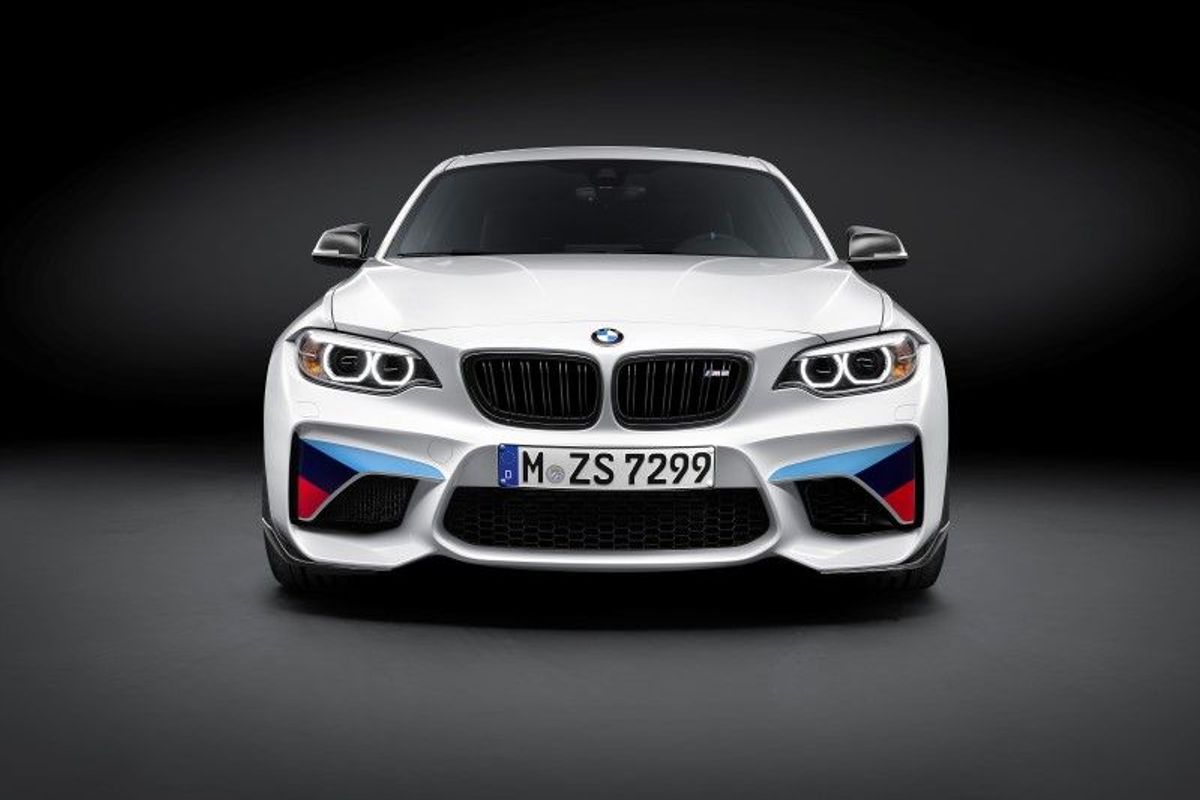
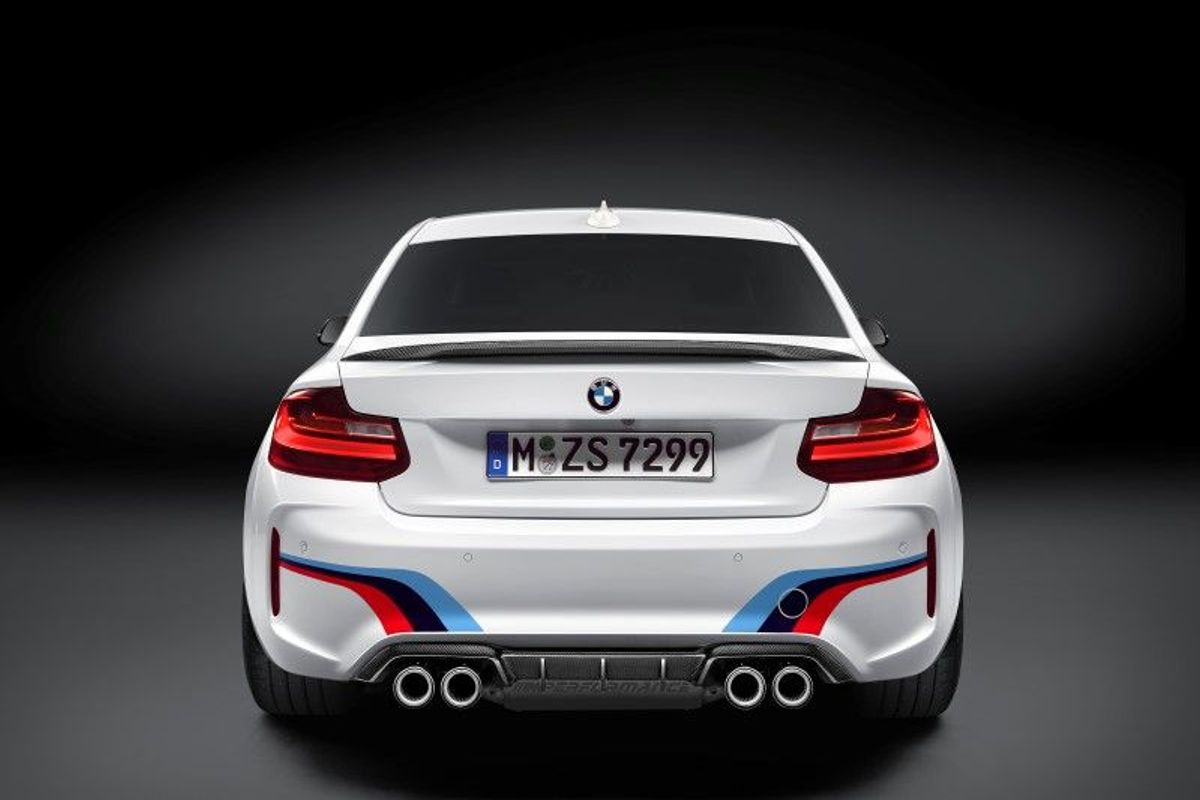
BMW M2 Coupe gets M Performance Parts


BMW’s high-performance M2 Coupe will be offered with M Performance Parts to enhance its visual appearance and dynamic ability.

The highly anticipated BMW M2 Coupe is due for launch in South Africa in April 2016 and BMW has announced the availability of M Performance Parts to enhance the look and performance of the model. The range of M Performance Parts includes components for aerodynamics, engine, interior and suspension. Let’s take a closer look at what’s on offer…

Also see – UPDATE: BMW M2 Pricing in South Africa (Video)

Aerodynamics

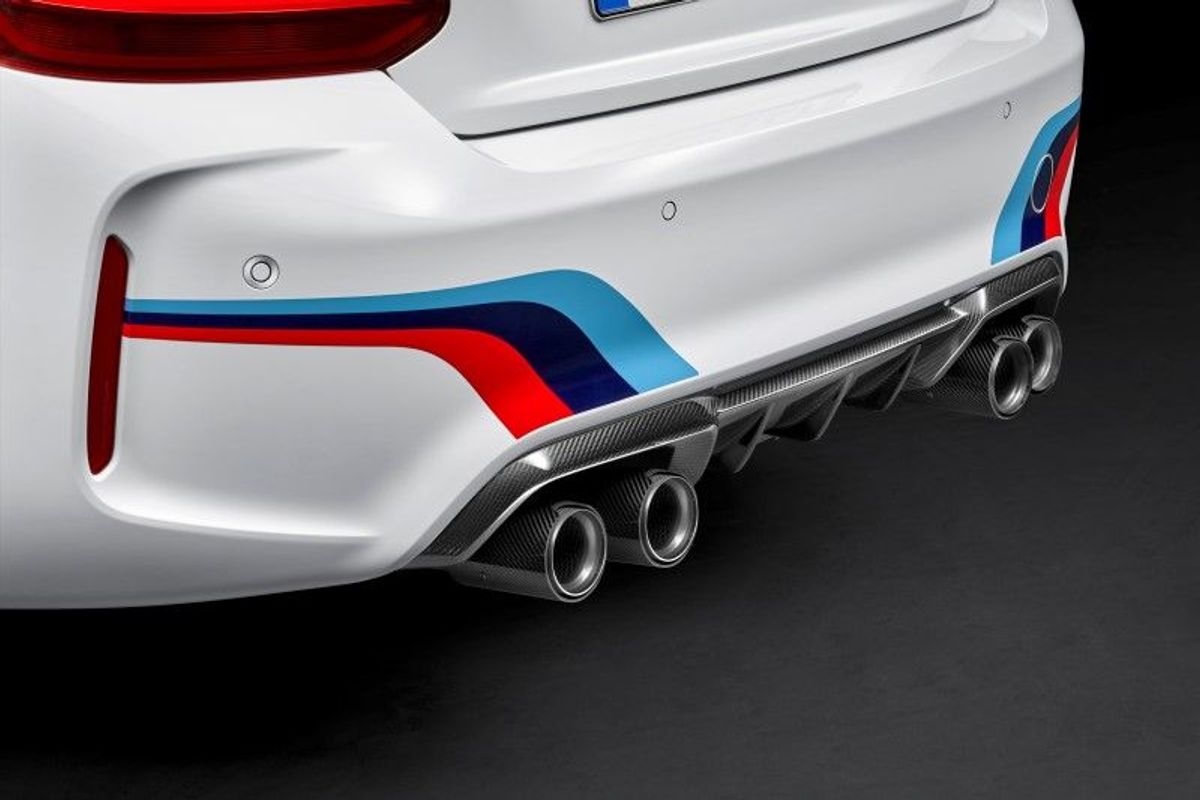
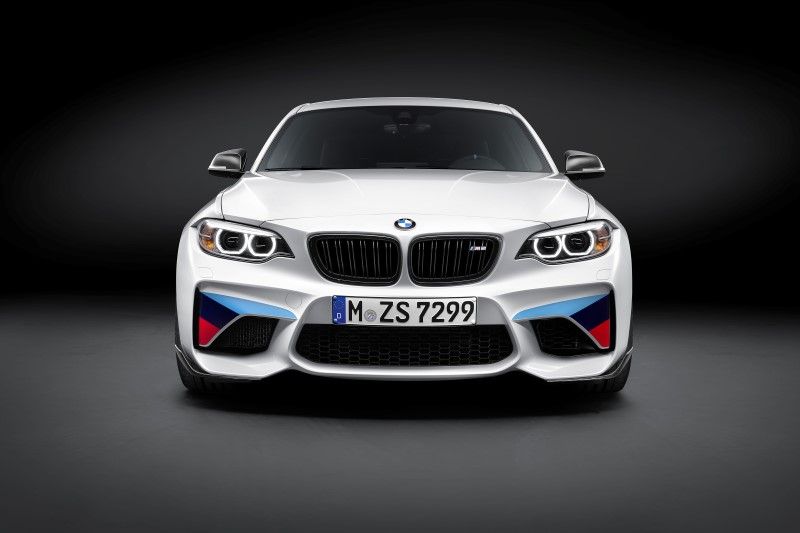
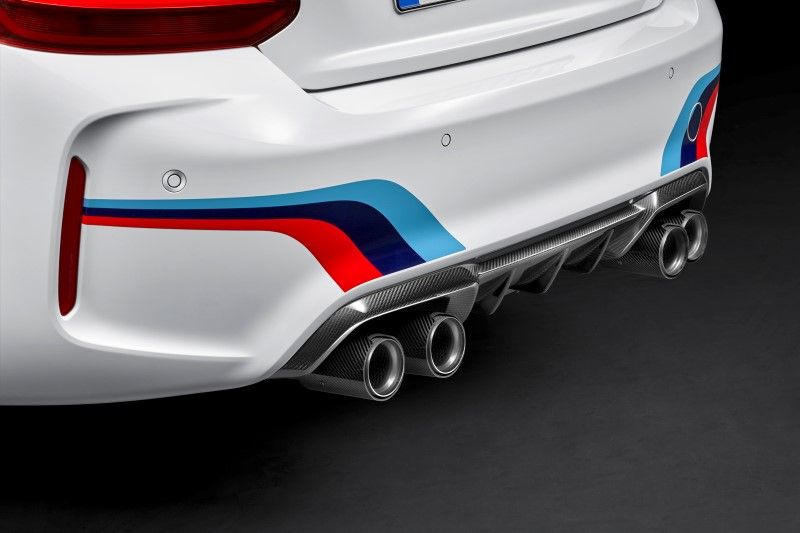
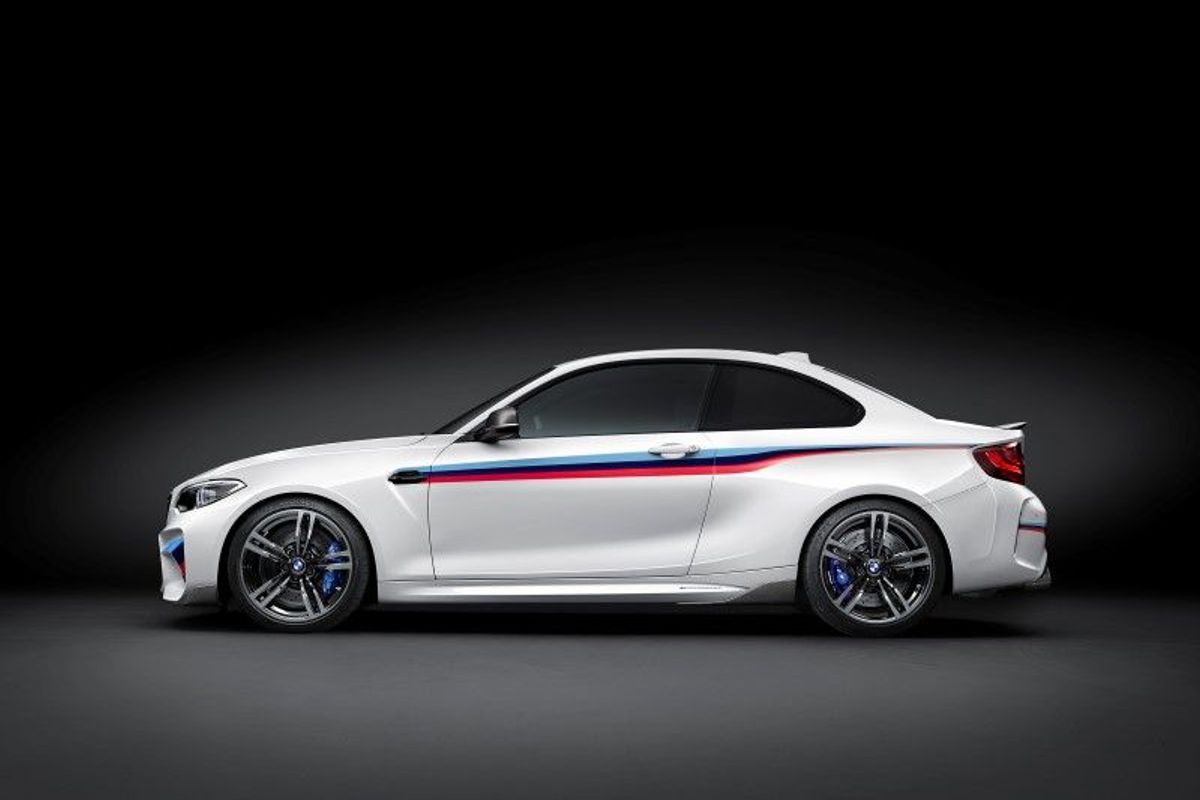
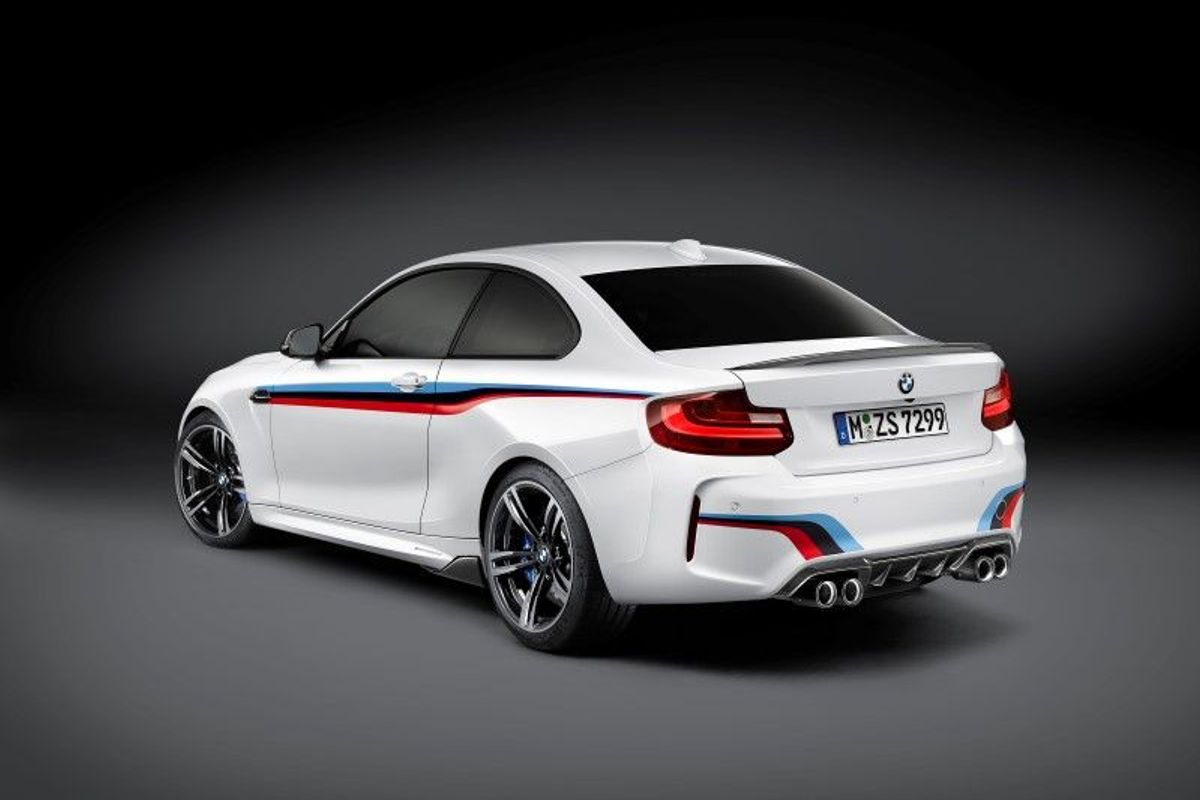
A number of aerodynamic components will be available for the BMW M2 Coupe. The components are made from carbon-reinforced plastic (CRFP) or carbon fibre and include front and side sill attachments, a rear diffuser and mirror caps.
Apart from enhancing the appearance of the M2, the sill attachments and diffuser are designed to enhance and optimise airflow around the vehicle. This in turn improves handling and overall performance. The enhanced M2 also features an M Performance grille with an integrated BMW M logo in traditional BMW Motorsport colours.

Engine, brakes and suspension enhancements

For increased aural pleasure, the M2 Coupe can be fitted with a flap silencer system that enhances the perception of the engine sound. The sound varies depending whether you are engaged in Sport or Track mode, which can be selected using a Bluetooth remote control. In Sport mode, the M2 delivers a sporty thrum while Track mode creates a more intense sound with more volume and character. Visually speaking, the exhaust flap system is finished in high-gloss with an embossed M- Performance logo while the 80 mm diameter tailpipe features a perforated inner section. Buyers can also opt for carbon fibre tailpipe elements fitted to the 93 mm diameter M Performance exhaust system with an integrated BMW M logo.

For the suspension, an M Performance coil spring suspension can be fitted to improve handling and grip. With this suspension fitted, the vehicle is lowered 5 mm when compared with the standard suspension and can be further lowered by an additional 20mm. The driver is also able to adjust the shock absorber settings to suit the driving situation.

For enhanced braking, BMW is also offering M Performance brakes pads suited for track use and higher levels of active safety. These brake pads are more resistant to thermal stress and don’t exhibit fading tendencies, even under extreme use. The M Performance brakes pads offer improved braking with more direct response compared with the standard braking system.

Interior enhancements

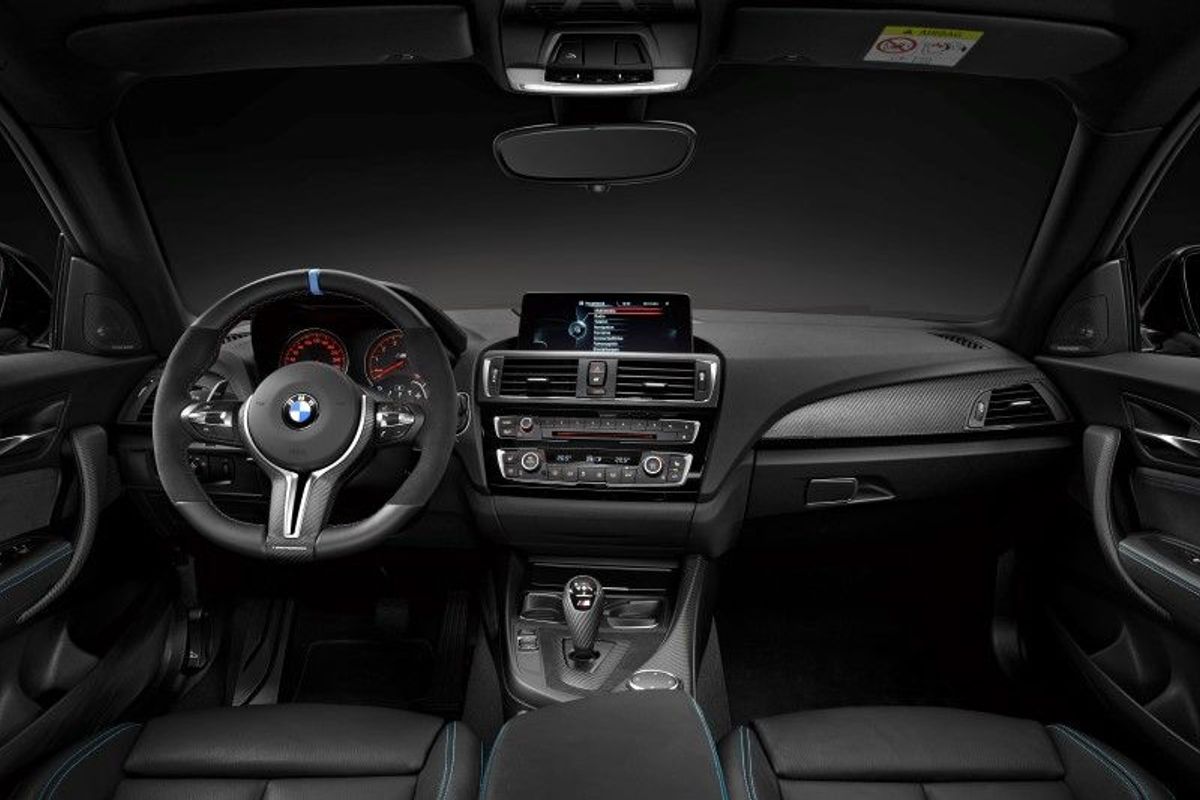
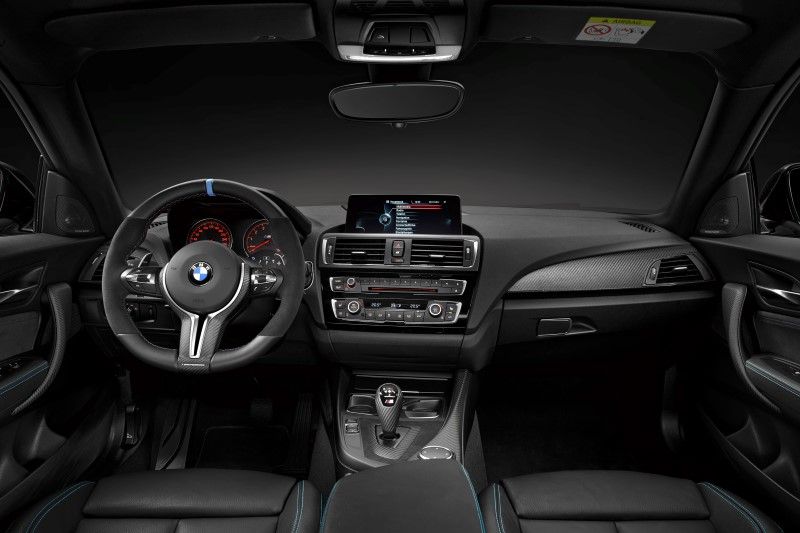
For the interior of the M2 Coupe, buyers can have LED door sill cover strips fitted for the driver and passenger side. M Performance mats can also be had with a non-slip grip surface made of rubber and textile fibre. Stainless steel pedal covers with rubber accents helps prevent slip when working the brake and clutch pedal.

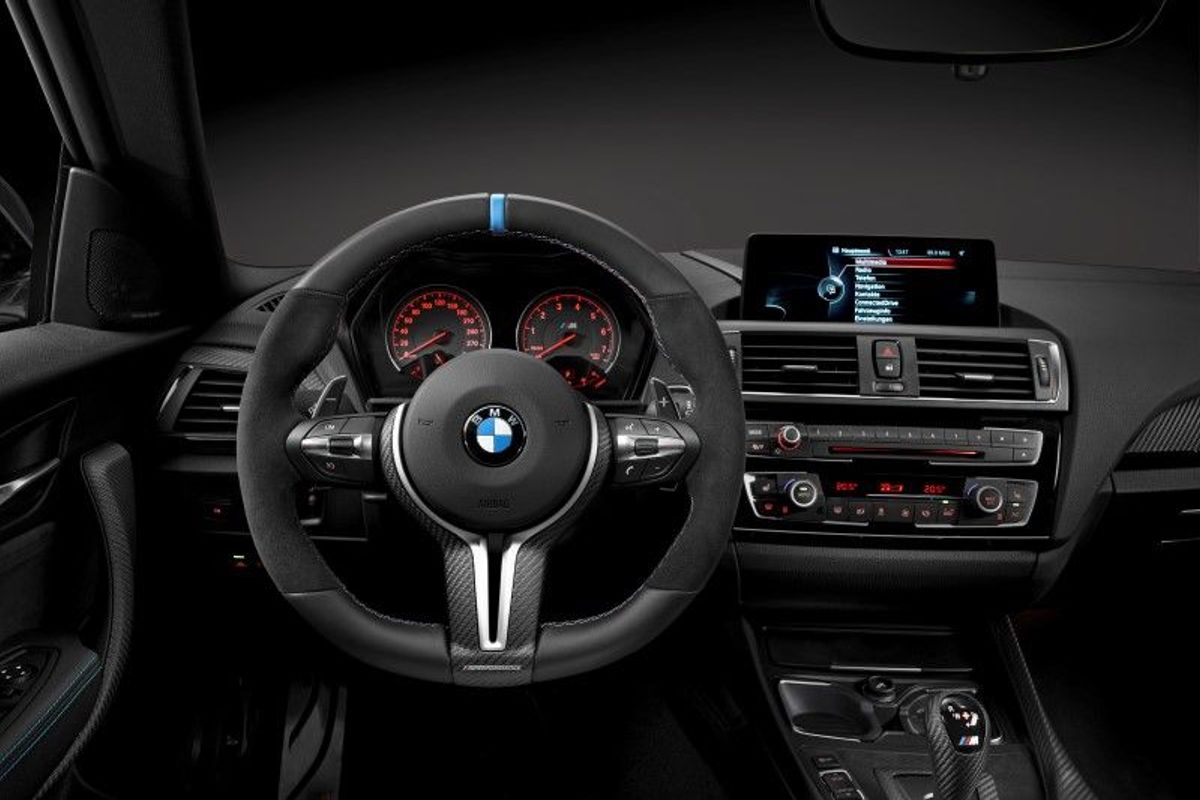
There are also two M Performance steering wheels on offer. The first is the M Performance Pro steering wheel that comes with Alcantara in the grip areas and harder foam for a more precise steering feel. This steering wheel also features a light blue central marker and three-colour M seam and open-pore carbon fibre trim element with an M Performance inscription.

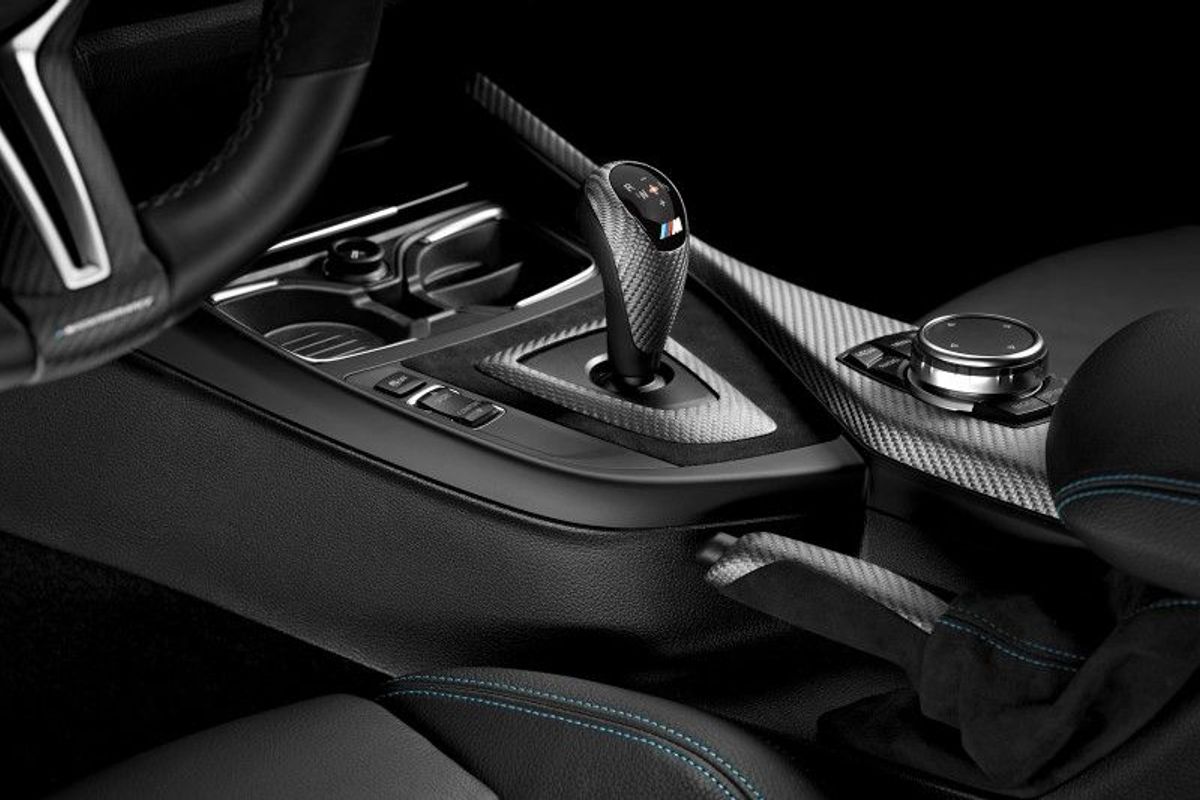
The second steering wheel is the standard M Performance wheel with a race display and carbon fibre trim. This steering wheel features an integrated display on the upper rim, relaying driving information to the driver. Menu buttons are found in the thumb recesses and the wheel also features a gear shift indicator with two bi-colour LED lights strips. An M Performance Interior Kit Carbon will also be on offer and this package includes trim elements for the gear lever, centre console and handbrake lever. M Performance interior trim finishes in Alcantara and carbon fibre round off the look. 

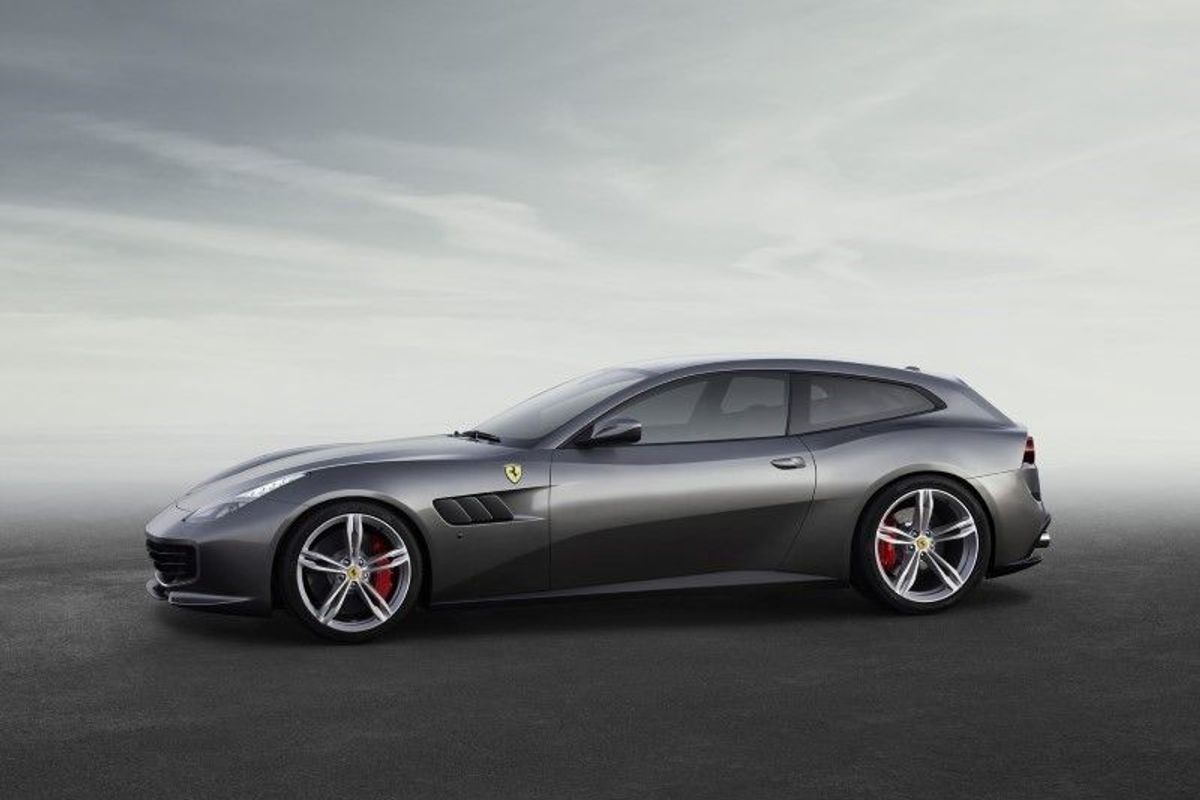
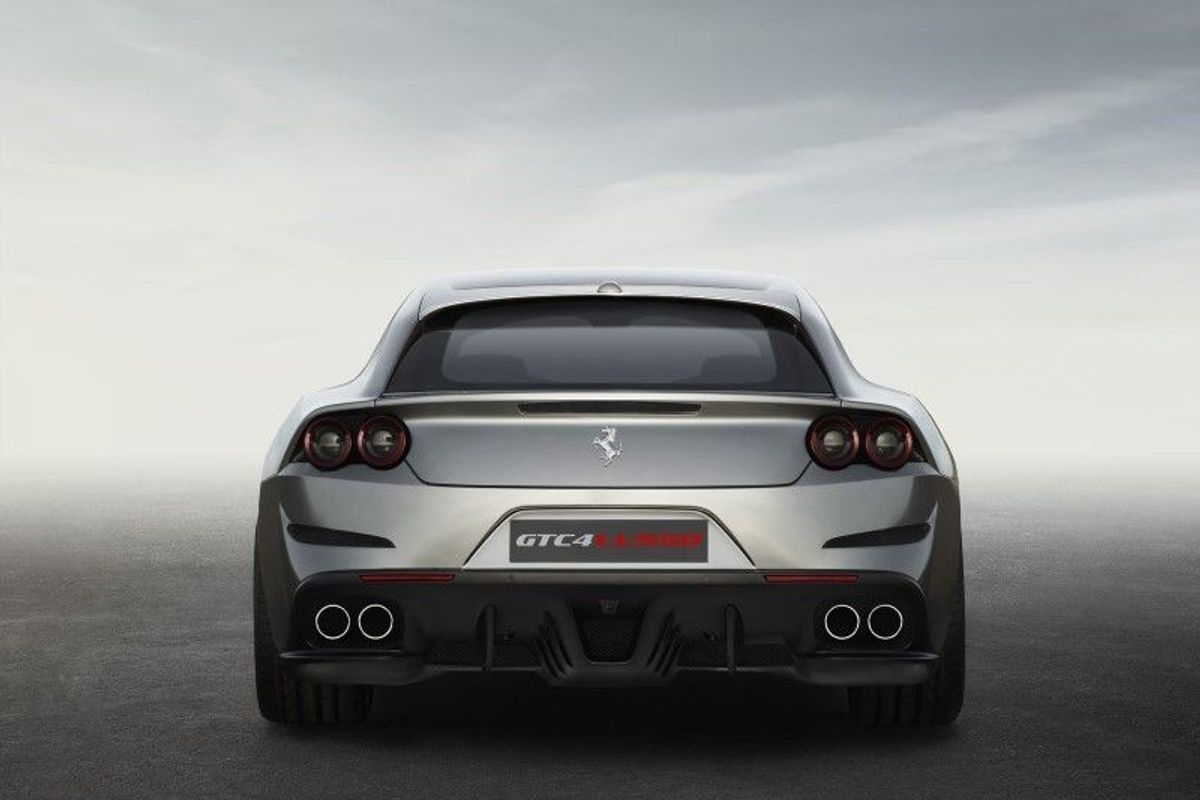
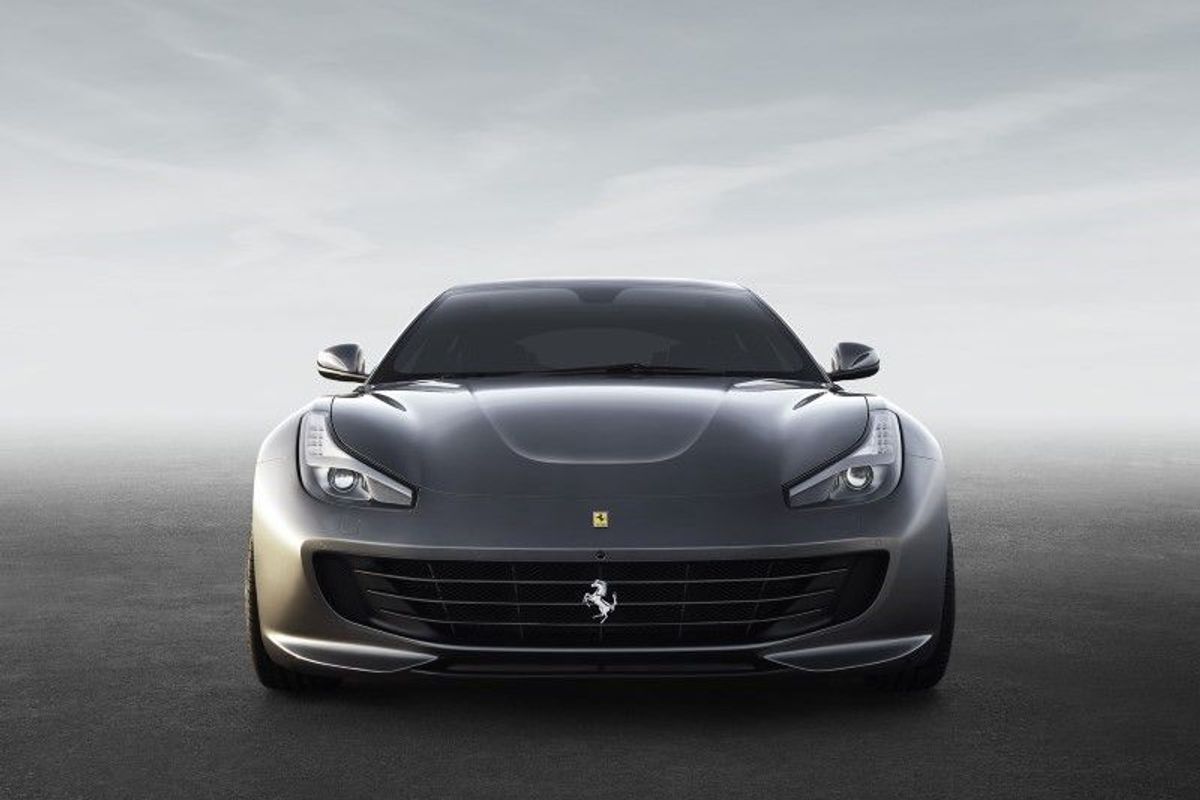
Ferrari GTC4Lusso Introduced


Ferrari has introduced a new four-seater to its range and it boasts integrated rear-wheel steering and four-wheel drive for the first time.

Ferrari will showcase its latest addition, the GTC4Lusso at the upcoming Geneva Motor Show. Using the concept of the Grand Tourer as a base, the GTC4Lusso combines rear-wheel steering and four-wheel drive for the first time, ushering in higher levels of versatility and usability. The name itself makes reference to previous Ferarris such as the 330 GTC, 330 GT and 250 GT Berlinetta Lusso while the ‘4’ refers to the four seats offered in the GTC4Lusso.

Engine Power

The Ferarri GTC4Lusso is powered by a 6.3-litre V12 engine that develops 507 kW and 697 Nm of torque. The GTC4Lusso is capable of achieving 0-100 kph in 3.4 seconds before reaching a top speed of 335 kph.

Thanks to its 4RM Evo four-wheel drive system and rear-wheel steering combination, the GTC4Lusso can be driven with confidence in a wide range of situations. The combination allows for increased control and stability in wet, snow and low-grip conditions. The new patented system is known as 4RM-S and is an evolution of Ferrari’s Slip Slide Control 4.0 and incorporates the electronic differential and SCM-E dampers which, further improves performance on rough surfaces while also enhancing ride comfort.

Performance enhancing elements such as the new front grille with integrated air intakes, air vents, roof mounted spoiler and a new triple-fence diffuser have made the GTC4Lusso even more aerodynamic than the Ferrari FF.

Interior Features

The GTC4Lusso features a ‘Dual Cockpit’ design which Ferrari says “enhances the shared driving experience for both driver and passenger, with the latter having its own generous optional display with a plethora of functions.” That aside, the GTC4Lusso features a bespoke handcrafted interior that includes four wraparound seats.

The GTC4Lusso will also show a new infotainment platform for the first time which utilises a 10.25-inch high-definition screen with capacitive touch technology. The steering wheel is more compact due to housing a smaller airbag and it features integrated controls.

What do you think of the new Ferarri GTC4Lusso? Share your comments with us in the section below. 

Jaguar XF (2016) Specs & Price

The new Jaguar XF has arrived in SA and is currently being launched to the media. The new XF brings the mid-size Jaguar up to date with segment rivals such as the Mercedes-Benz E-Class and Audi A6. Here are some of the key specs of the Jaguar XF.

  • Extensive use of Aluminium has resulted in a reduction of up to 190 kg over the previous model.
  • The interior for the XF has been made larger now that the Jaguar XE fills the entry Jaguar role. Row-two occupants gain 15 mm more legroom, 24 mm more knee room and up to 27 mm more headroom.
  • The infotainment system has had an entire remodel and is the same system currently being used in the Jaguar XE and the Land Rover Discovery Sport. It’s an eight-inch touchscreen with full Smartphone integration and navigation capabilities.
  • The rear suspension design of the XE has also been copied into the XF and supplies it with better handling and ride comfort.
  • XF offers modern technology including full-LED headlights, a laser head-up display, adaptive cruise control with queue assist, lane keep assist, intelligent speed limiter and semi-automated parking.

The all-new XF range will consist of: XF Prestige, XF R-Sport, XF Portfolio, XF S.

The powertrain range will consist of: 132 kW 2.0-litre turbocharged diesel; 177 kW 2.0-litre turbocharged petrol; 250 kW and 280 kW 3.0-litre V6 supercharged petrol. All engines are mated with an eight-speed automatic transmission.

Pricing

2.0D Prestige 2.0D R-Sport 2.0 Prestige 2.0 R-Sport 2.0 Portfolio 3.0 S/C R-Sport 3.0 S/C S
R714 800 R782 700 R749 100 R816 900 R850 200 R1 037 500 R1 178 800


Jaguar XF 2.0 diesel 132kW

ENGINE & TRANSMISSION


Engine capacity (cc)

1 999

Cylinders

4 in-line

Power (kW)

132 @ 4 000rpm

Torque (Nm)

430 @ 1 750-2 500rpm

Transmission

8-speed automatic

DIMENSIONS


Length (mm)

4 954

Width inc./ excl. mirrors (mm)

2 091/ 1 880

Height (mm)

1 457

Wheelbase (mm)

2 960

Track front/ rear (mm)

1 605 / 1 594

Kerbweight (kg)

From 1 595

Boot volume (litres)

540

Fuel tank; usable (litres)

66

PERFORMANCE &
FUEL ECONOMY


0-100km/h (sec)

8.1

Top speed (km/h)

229

Fuel consumption (litres/100km) EU combined

4.3

CO2 emissions (g/km)
EU combined

114

Jaguar XF 2.0 petrol 177kW

ENGINE & TRANSMISSION


Engine capacity (cc)

1 999

Cylinders

4 in-line

Valves per cylinder

4; DOHC, variable inlet and exhaust cam timing

Power (kW)

177 @ 5 500rpm

Torque (Nm)

340 @ 1 750-4 000rpm

Transmission

8-speed automatic

CHASSIS


Front suspension

Double wishbone

Rear suspension

Integral Link

Steering

Rack-and-pinion; electromechanical power-assisted

DIMENSIONS


Length (mm)

4 954

Width inc./ excl. mirrors (mm)

2 091/ 1 880

Height (mm)

1 457

Wheelbase (mm)

2 960

Track front/ rear (mm)

1 605 / 1 594

Kerbweight (kg)

From 1 590

Boot volume (litres)

540

Fuel tank; usable (litres)

74

PERFORMANCE &
FUEL ECONOMY


0-100km/h (sec)

7.0

Top speed (km/h)

248

Fuel consumption (litres/100km) EU combined

7.5

CO2 emissions (g/km)
EU combined

179

Jaguar XF 3.0 Supercharged petrol 250kW

ENGINE & TRANSMISSION


Engine capacity (cc)

2 995

Cylinders

6 in-vee

Valves per cylinder

4; DOHC, variable inlet and exhaust cam timing

Power (kW)

250 @ 6 500rpm

Torque (Nm)

450 @ 4 500rpm

Transmission

8-speed automatic

DIMENSIONS


Length (mm)

4 954

Width inc./ excl. mirrors (mm)

2 091 / 1 880

Height (mm)

1 457

Wheelbase (mm)

2 960

Track front/ rear (mm)

1 605 / 1 594

Kerbweight (kg)

From 1 710

Boot volume (litres)

540

Fuel tank; usable (litres)

74

PERFORMANCE &
FUEL ECONOMY


0-100km/h (sec)

5.4

Top speed mph (km/h)

250

Fuel consumption (litres/100km) EU combined

8.3

CO2 emissions (g/km)
EU combined

198

Jaguar XF 3.0 Supercharged petrol 280kW

ENGINE & TRANSMISSION


Engine capacity (cc)

2 995

Cylinders

6 in-vee

Valves per cylinder

4; DOHC, variable inlet and exhaust cam timing

Power (kW)

280 @ 6 500rpm

Torque (Nm)

450 @ 4 500rpm

Transmission

8-speed automatic

DIMENSIONS


Length (mm)

4 954

Width inc./ excl. mirrors (mm)

2 091 / 1 880

Height (mm)

1 457

Wheelbase (mm)

2 960

Track front/ rear (mm)

1 605 / 1 594

Kerbweight (kg)

From 1 710

Boot volume (litres)

540

Fuel tank; usable (litres)

74

PERFORMANCE &
FUEL ECONOMY


0-100km/h (sec)

5.3

Top speed (km/h)

250

Fuel consumption (litres/100km) EU combined

8.3

CO2 emissions (g/km)
EU combined

198

Ford Focus range expands in SA


Ford is now offering its PowerShift automatic transmission on the 1.0-litre EcoBoost derivatives.

The popular Ford Focus range has been bolstered with the addition of four new options for buyers to consider. Ford is offering its automatic transmission on the Focus 1.0-litre EcoBoost derivatives in both Ambiente and Trend specification levels for both the hatchback and sedan, bringing the total count of Focus models on offer to 14.

“By making the combination available on sedan and hatchback models, and in both Ambiente and Trend specification levels, these two great technologies are more accessible than ever. The Focus 1.0 EcoBoost Ambiente, in particular, offers exceptional value for money for private, company and fleet buyers alike,” says Tracey Delate, General Marketing Manager, Ford Motor Company Sub-Saharan Africa Region.

Engine Performance

Ford’s 3-cylinder 1.0-litre turbocharged engine offers 92 kW and 170 Nm of torque and achieves a claimed fuel consumption figure of 5.5 l/100km when paired with the automatic transmission. Other fuel saving technology includes auto-start-stop, active grille shutter and a regenerative charging system. It’s also worth mentioning that the Ford Focus 1.0T Trend is currently South Africa’s best compact car in the recent Cars.co.ca Consumer Awards.

If you are after a bit more power from your Focus, you can also consider the 1.5-litre EcoBoost Trend derivative that offers 132 kW and 240 Nm.

In terms of safety, the Focus comes well equipped with four airbags, ABS with EBD, emergency brake assist, electronic stability programme with traction control and hill launch assist. Ford MyKey also allows for personal settings on selected driving and in-car features.

Features

In Ambiente trim, the Ford Focus 1.0T comes fitted with electric windows and mirrors, electric power steering, trip computer with ECO mode, manual air-conditioning and a temperature gauge as standard.  An audio system with six speakers is also included while the 4.2-inch multimedia screen features Ford SYNC with Bluetooth and Voice control. There are also two USB ports for added convenience as well as an auxiliary input.

The Focus 1.0T Trend derivative gains 16-inch alloy wheels, fog lights, cruise control with speed limiter and all-round electric windows. This derivative also gets curtain airbags, taking the airbag count up to six.

Buyers can opt for a Styling Pack to personalise their Focus Trend model too, and this option includes 17-inch alloy wheels, rear spoiler, privacy glass, automatic headlamps, adaptive bi-Xenon HID headlamps with LED Daytime Running Lights, dual-zone climate control and heated and electrically folding side mirrors

A Driver Assistance Pack is also on offer as an option and this includes lane departure warning, lane keeping aid, active park assist, pull-out assist, active city stop, rear camera and front and rear parking sensors.

Ford Focus Prices in South Africa


Model

Price

Hatchback


1.0 EcoBoost Ambiente Manual

R233 900

1.0 EcoBoost Ambiente PowerShift Automatic

R246 900

1.0 EcoBoost Trend Manual

R255 900

1.0 EcoBoost Trend PowerShift Automatic

R267 900

1.5 EcoBoost Trend Manual

R287 900

1.5 EcoBoost Trend Automatic

R304 900


ST Hatchback


2.0 EcoBoost ST1 Manual

R403 900

2.0 EcoBoost ST3 Manual

R443 900


Sedan


1.0 EcoBoost Ambiente Manual

R228 900

1.0 EcoBoost Ambiente PowerShift Automatic               

R241 900

1.0 EcoBoost Trend Manual

R250 900

1.0 EcoBoost Trend PowerShift Automatic

R262 900

1.5 EcoBoost Trend Manual

R281 900

1.5 EcoBoost Trend Automatic

R299 900

All models are sold with a 4-year / 120 000 km warranty, 4-year / 80 000 km service plan and 3-year / unlimited km roadside assistance. A 5-year / unlimited corrosion warranty is also included.