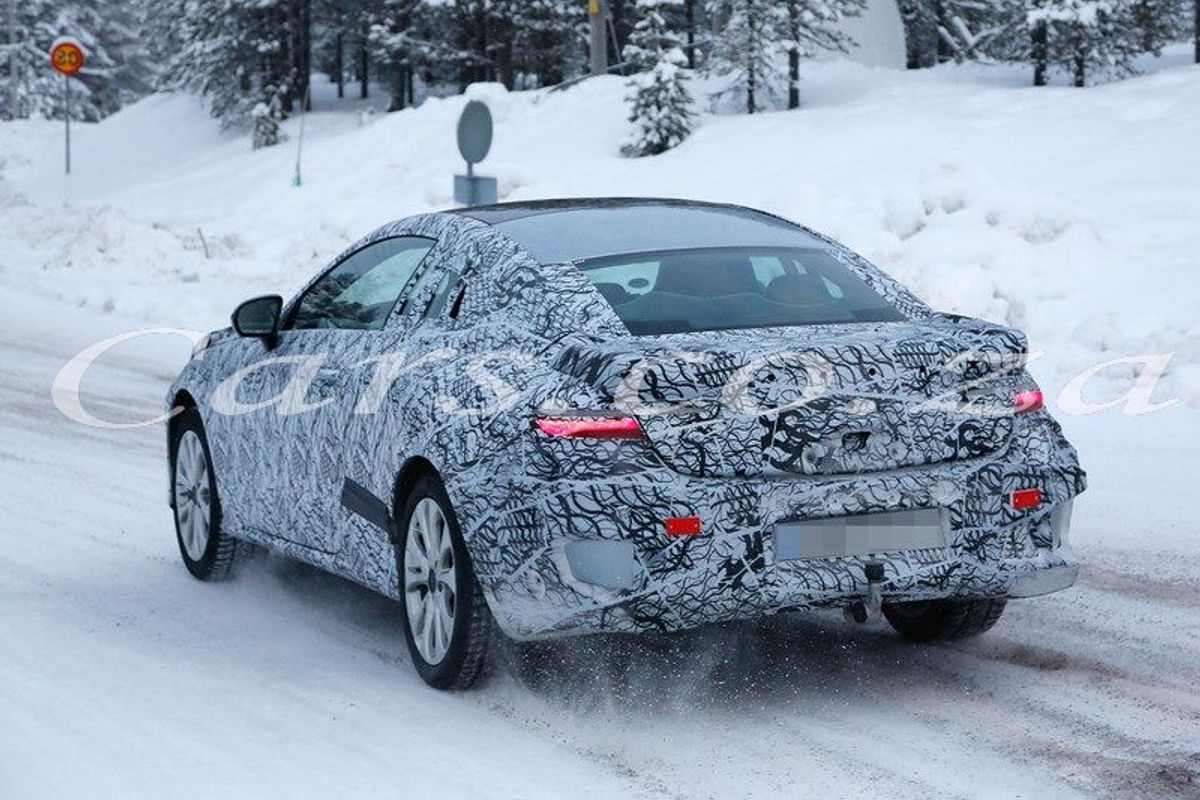
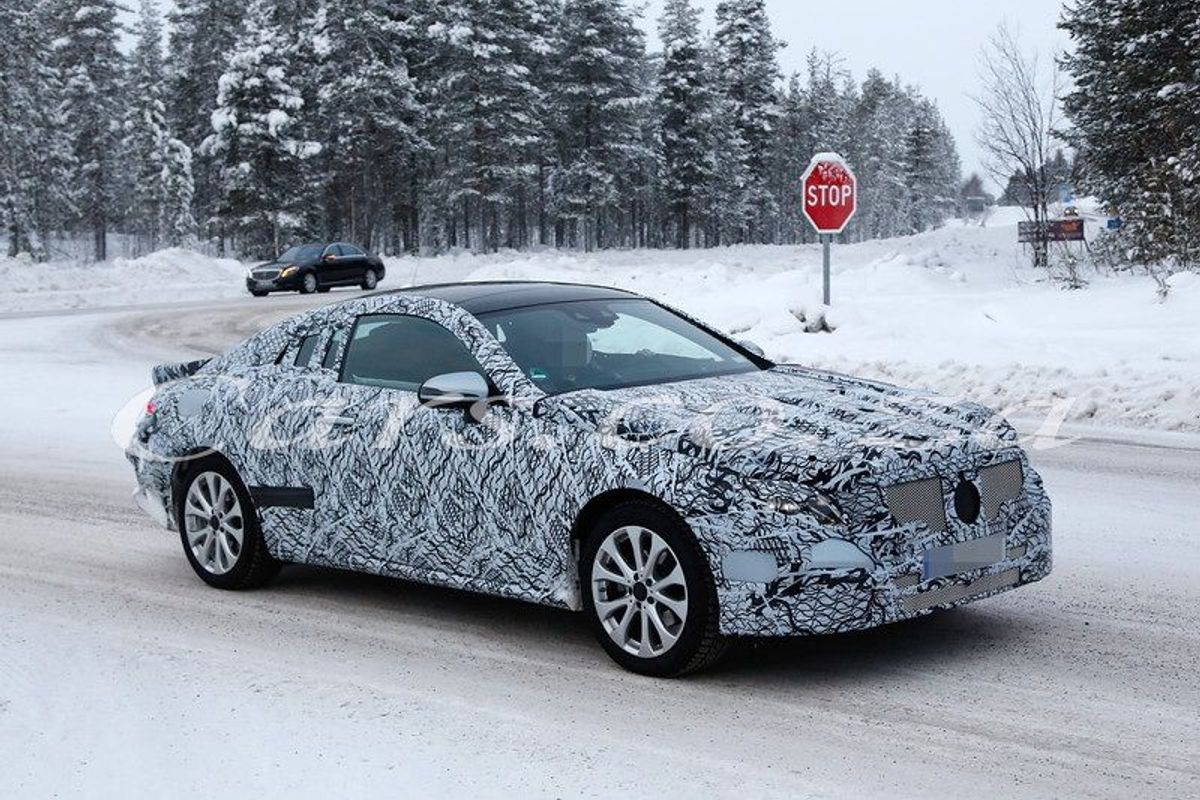
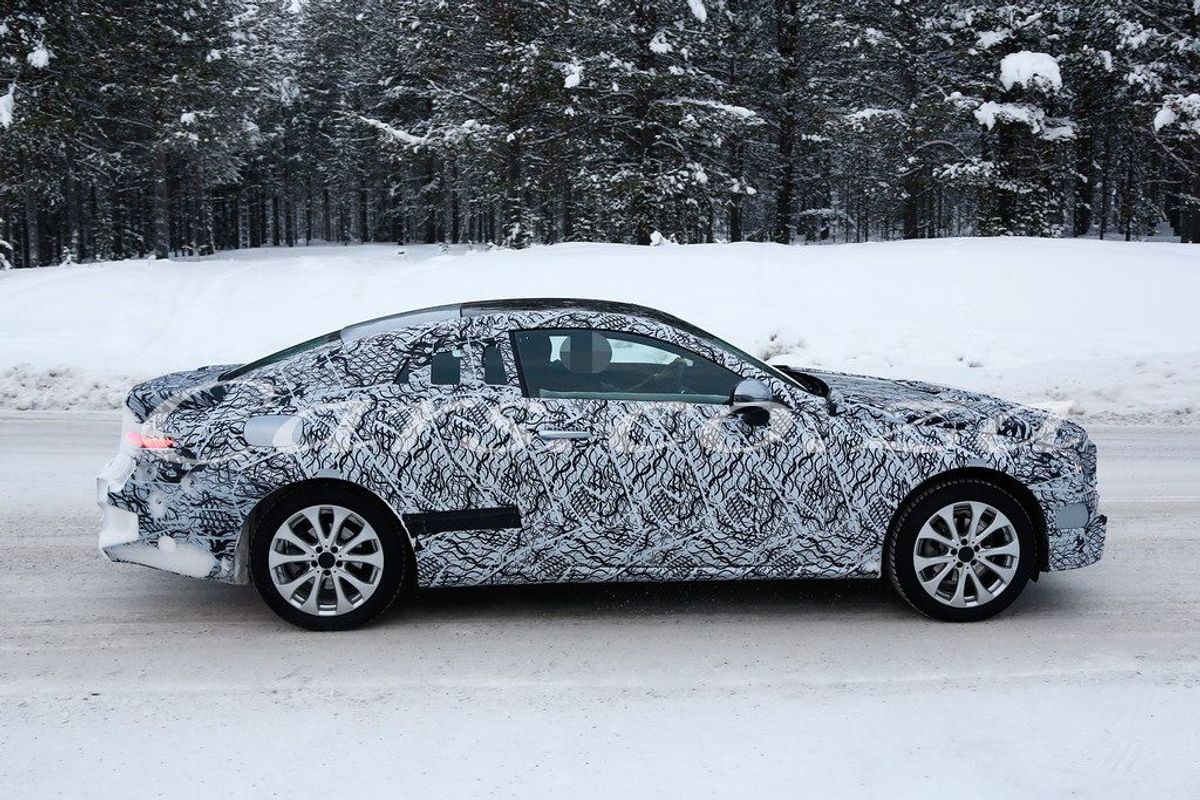
The Mercedes-Benz E-Class sedan has just been officially revealed and as expected, variants such as a coupe and a cabriolet are in the pipeline. Here's a first look at the new coupe.
This pre-production prototype was spotted in Scandinavia undergoing winter testing and there are very few clues that this is a Mercedes-Benz. It appears to be the coupe version and a convertible derivative is expected as well (we should see the newcomers make their public debuts in about two years time), so expect an arrival in South Africa around 2018.
The model line-up will feature turbopetrol, turbodiesel and petrol-electric hybrid powerplants as well as a raft of technology features and autonomous driving systems.
The standard Mercedes-Benz E-Class will be launched in February/March 2016 and we'll be attending the event in Portugal. Read more about the E-Class here.
Top Selling Cars – South Africa’s Favourites of 2015
Which vehicles did South Africans buy most in 2015? With the help of Lightstone Auto we can now reveal the top 20.
Monthly sales figures released by NAAMSA are certainly interesting, but they don’t accurately reflect the number of new vehicles sold to private buyers and fleets. The NAAMSA numbers usually include rentals, as well as cross-border sales to Namibia, Botswana, Lesotho and Swaziland, and only drill as deep as model ranges.
What follows here are the top 20 best-selling model derivatives of 2015, excluding rental sales and exports to the countries listed above. The data was supplied by Lightstone Auto.
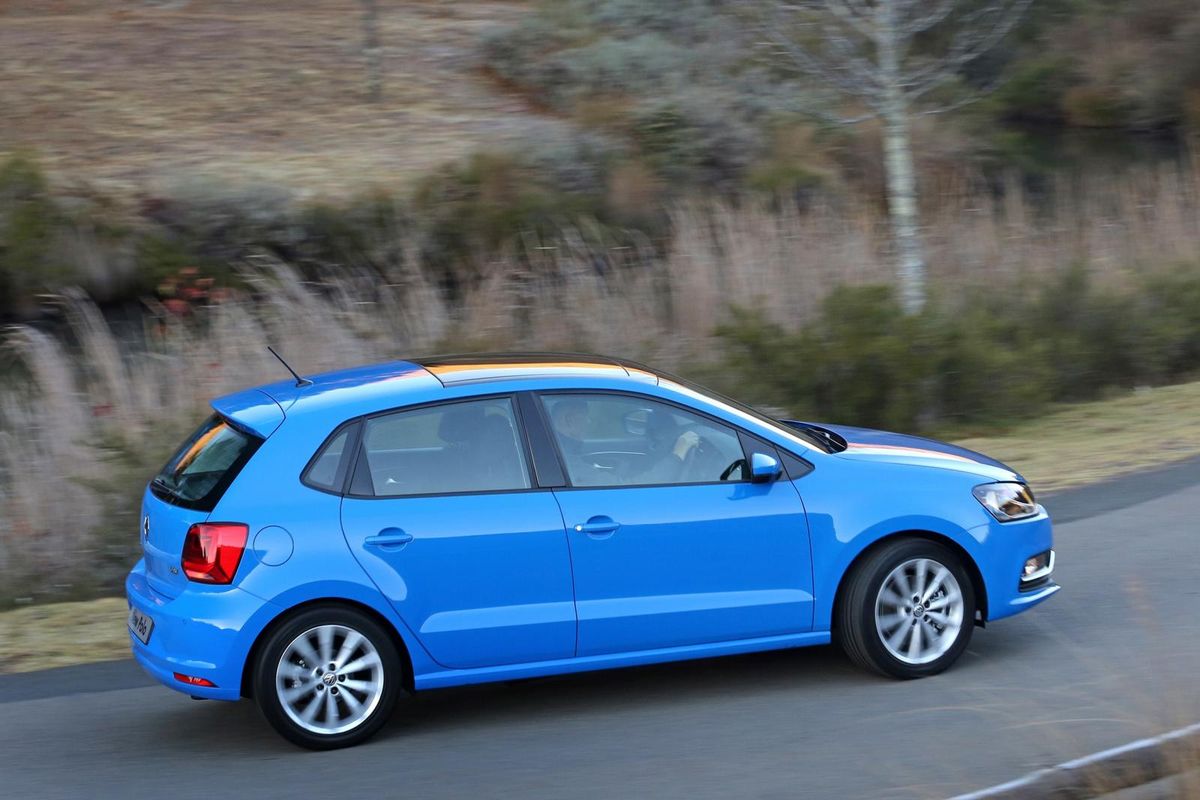
Volkswagen Polo tops the charts
With more than 10 000 sales in a single year, the Polo 1.2 TSI Comfortline (66kW) is comfortably the most popular vehicle on sale in South Africa at present. The top-selling sedan on the local market, and one that is clearly favoured by the likes of Uber operators, is the Toyota Corolla Quest 1,6, which sits at fifth overall.
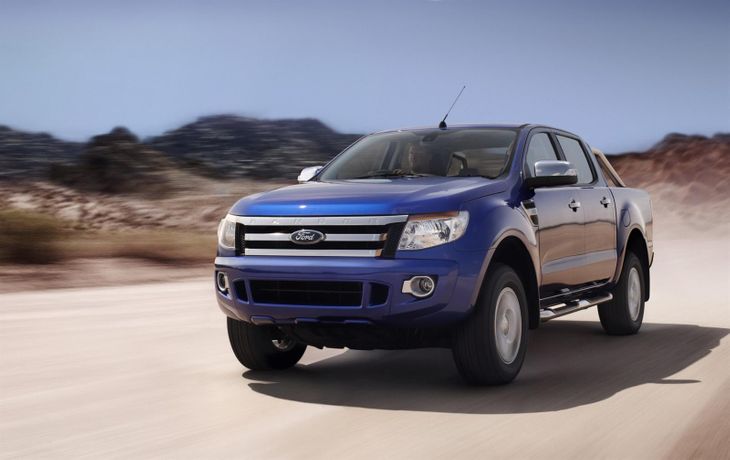
The top selling double-cab on the market is the Ford Ranger 2.2 HP XL (8 381 sales), which is significantly more than the second-placed double-cab, the Toyota Hilux Legend45 3.0 D-4D Raised Body Raider on 1 774 units.
South Africa's favourite Double-Cab is the Ranger 2,2 HP XL (Higher-spec shown on image)
The best-selling SUV/crossover is Ford’s EcoSport, which has two derivatives in the overall top 20. We’ve excluded single-cab and extended-cab pick-ups from this list, but the best seller in that segment is the Chevrolet Utility 1,4 Base AC (5 533 sales).
For the chart above, we’ve excluded rental sales, as well as sales to the following countries; Botswana, Namibia, Lesotho and Swaziland
For 2015, all Mercedes-Benz sales are estimated.
Single-cab pick-ups and minibus taxis have not been included
GWM and the AMH & AAD brands Chery, Daihatsu, Faw, Foton, Hyundai, Kia and Proton sales volumes, since August 2015, reflect estimates calculated from the aggregated volumes reported and financial data. The AMH 2006 volumes exclude Citroën.
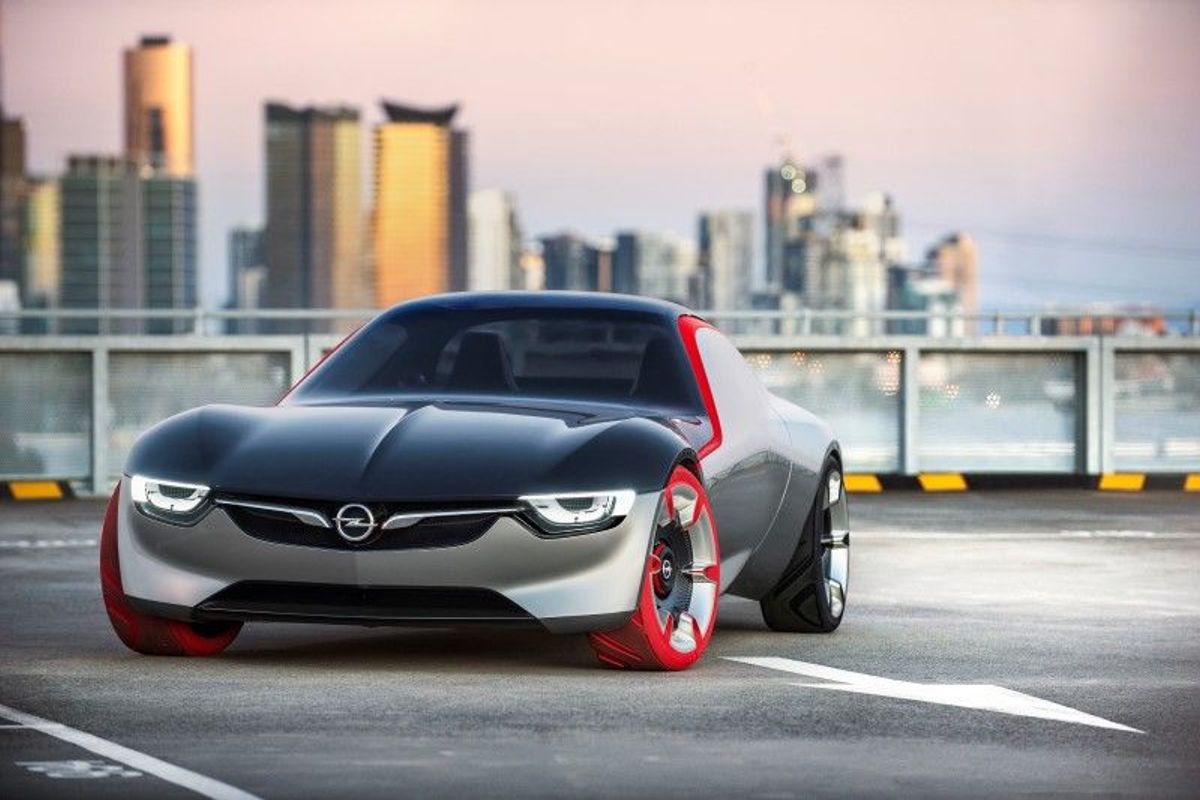
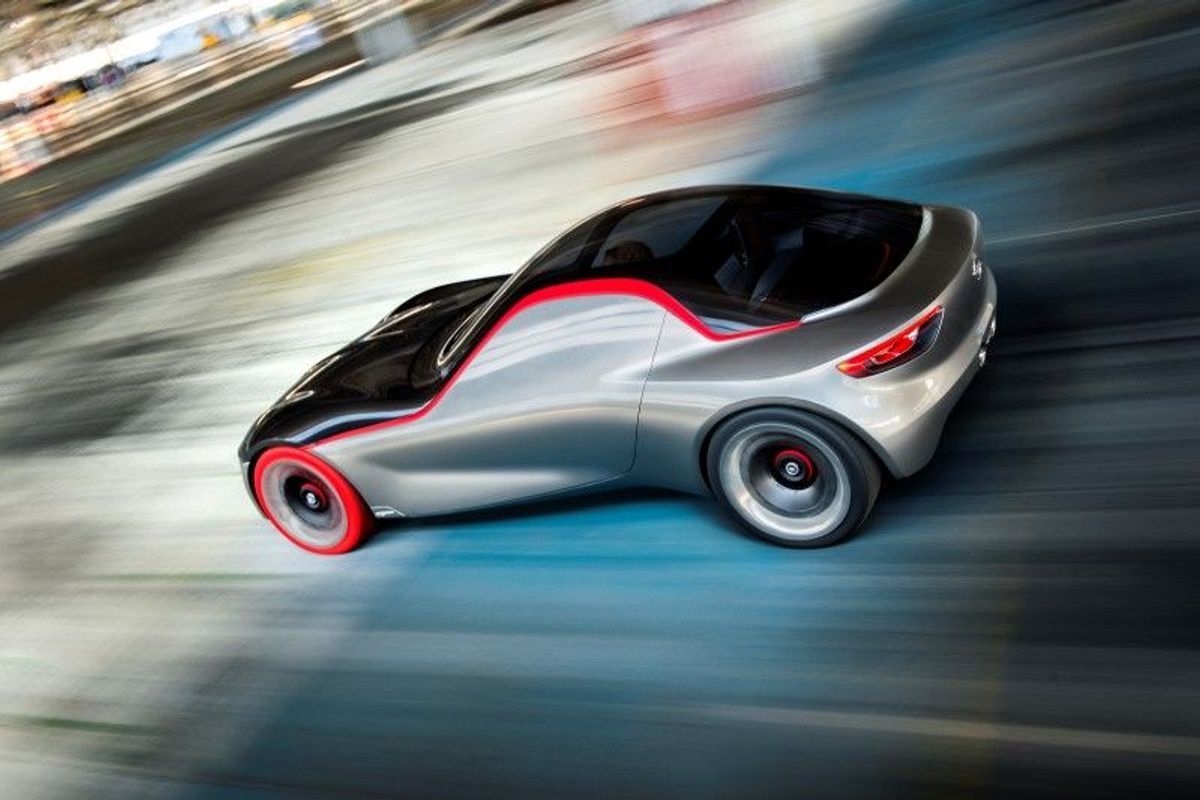
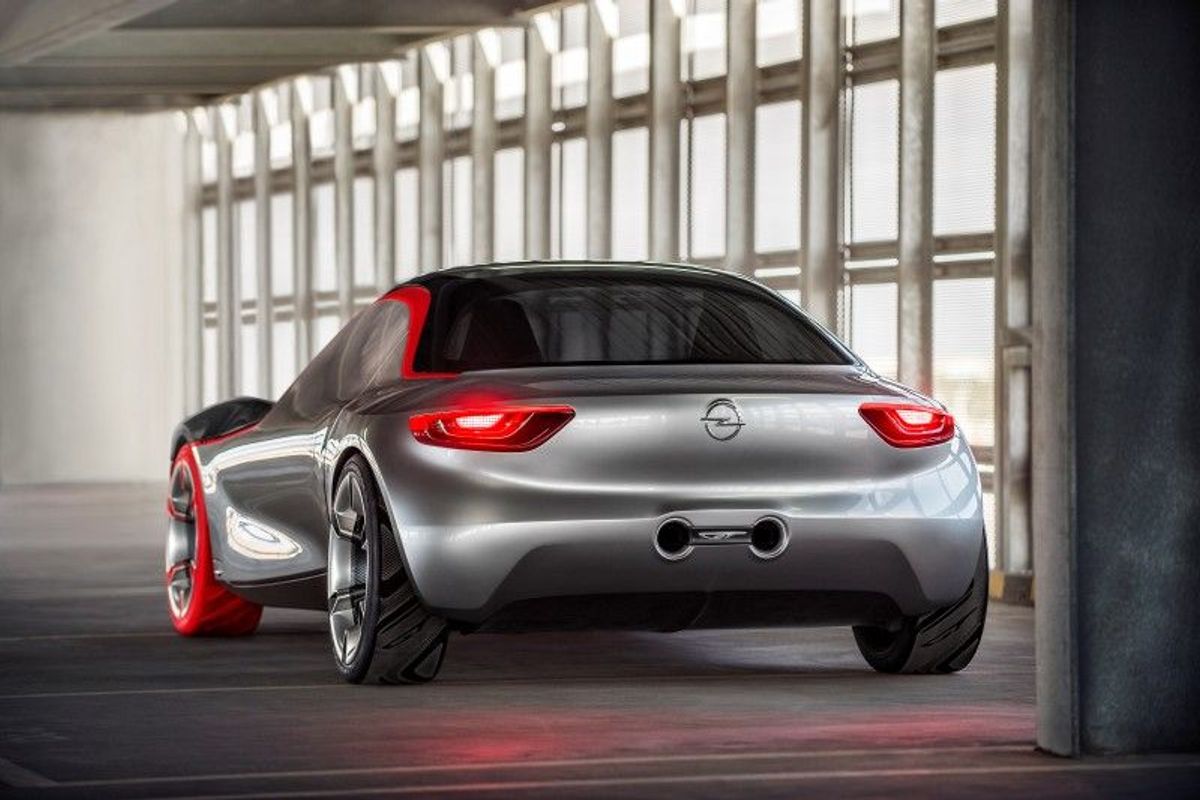
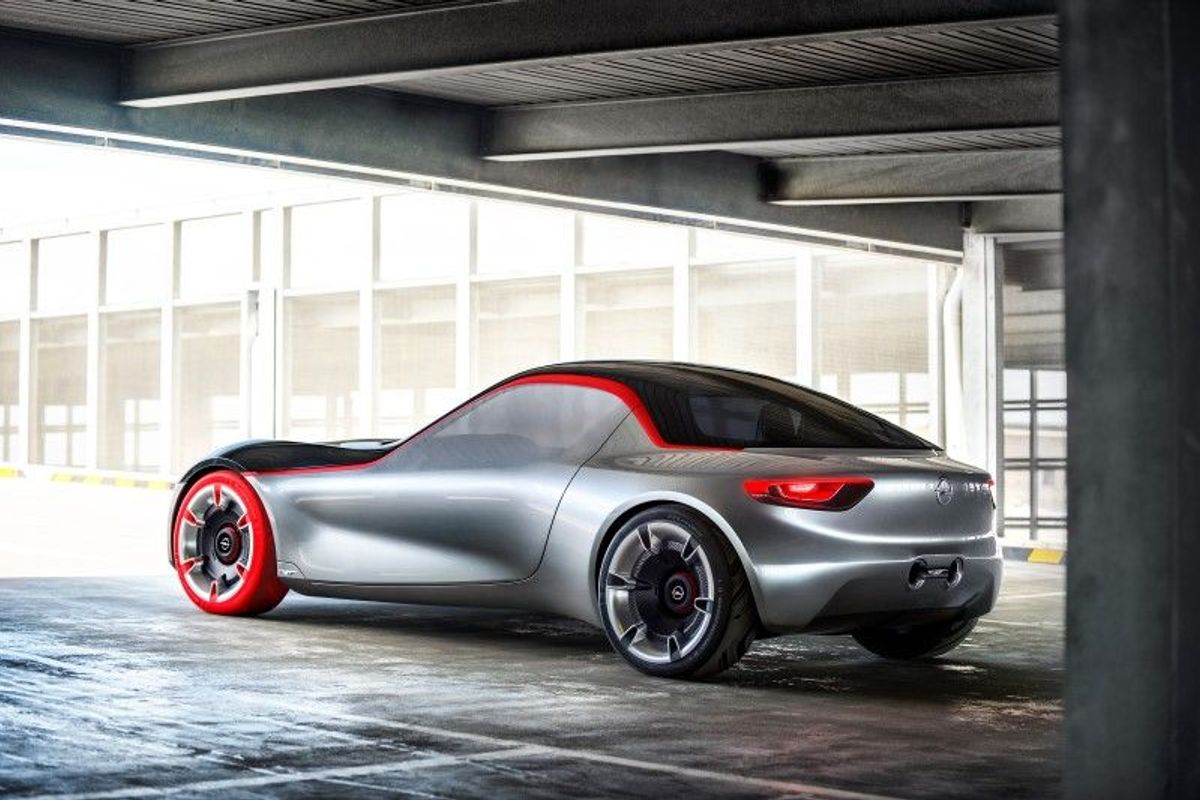
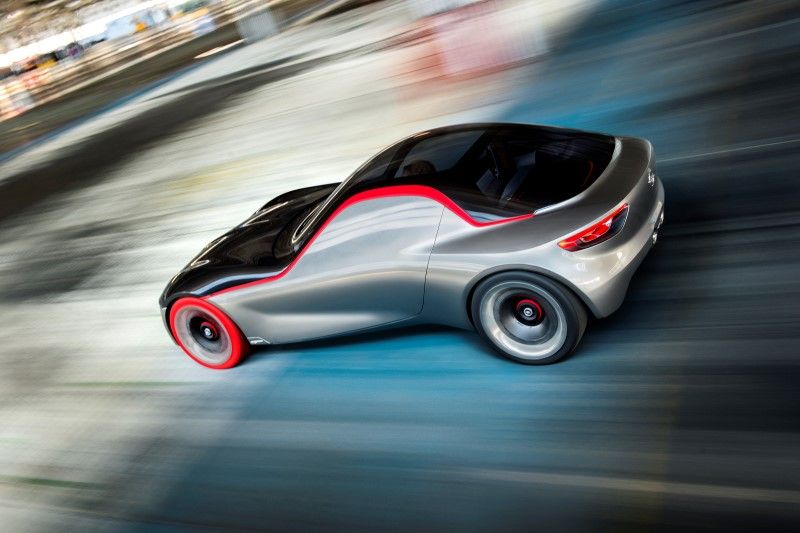
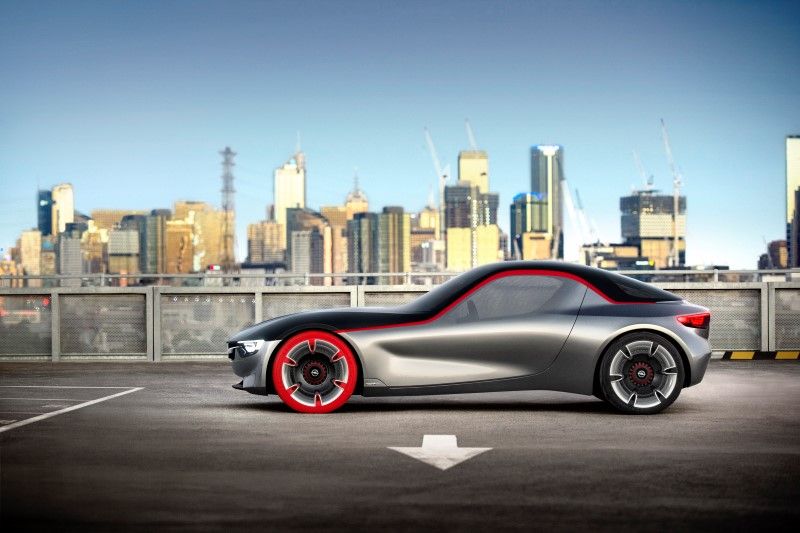
Opel will use the upcoming Geneva Motor Show to resurrect one of its most iconic cars, the GT.
Last week Opel teased us with a vague video of the GT Concept, and now most of the details have surfaced. According to Opel, the GT concept is a "direct descendant" of the iconic Opel GT and Monza Concept and will be shown at the Geneva Motor Show in March 2016. The front mid-engine, rear-wheel-drive Opel GT concept adopts the brand’s sculptural design philosophy with the intention of showcasing Opel’s pioneering spirit, which was so evident when the first GT hit the streets way back in 1968.
“We are taking the next step towards even more emotion and driving pleasure with the Opel GT Concept. The GT Concept shows what Opel stands for now. We are confident, ambitious, innovative and we want win over more customers with every new car,” said Opel Group CEO Dr. Karl-Thomas Neumann.
Futuristic Styling for the Opel GT Concept
The original Opel Experimental GT was first shown as a design exercise at the Geneva Motor Show in 1965 and it was such a hit with the public that Opel decided to put in into production three years later. Now, this very futuristic-looking GT Concept will also make its first appearance in Geneva and we can only wonder whether this GT concept will ever make production. We have our doubts…
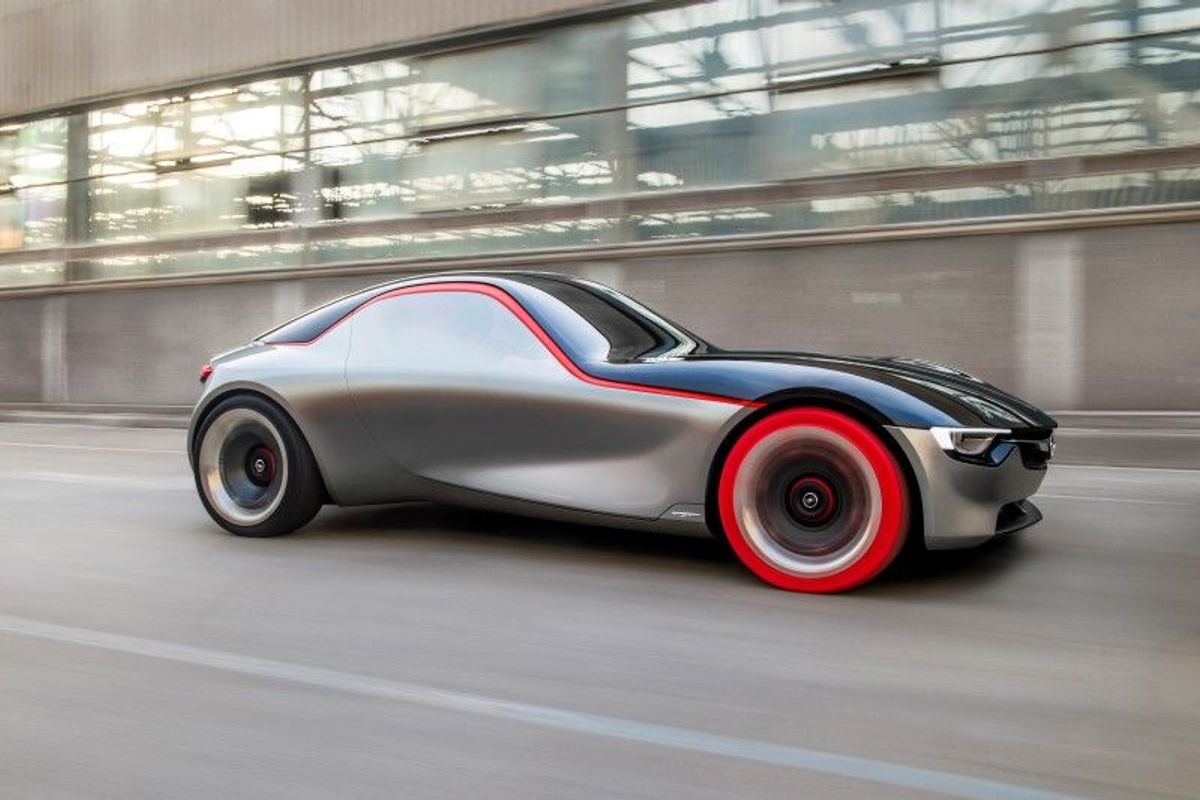
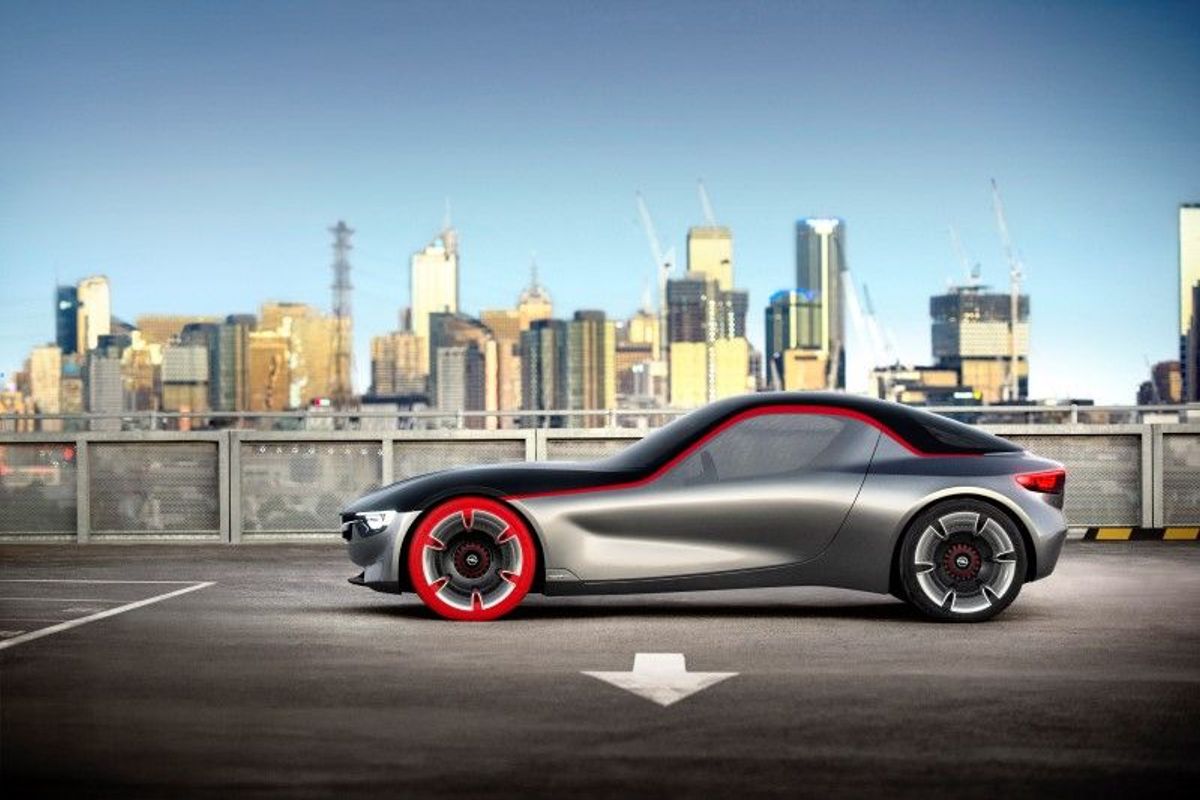
The Opel GT concept features a prominent red signature line and comes fitted with red tyres, both of which are references to the 1928 Opel Motoclub 500 motorcycle that also had red tyres. The only design elements linking this GT concept to the original GT is the long bonnet, absence of a boot lid, central dual exhausts, and its name.
"We created the GT Concept to capture the bold, emotional spirit of the Opel brand. It is dramatic, sculptural and full of innovations, which is our great tradition that we intend to continue. Back in 1965, Opel developed the Experimental GT, a thoroughly modern vehicle that also boasted a pure sculptural shape. It’s certainly difficult to reinvent an icon but just as the Experimental GT was avant-garde back then, so too is this GT Concept today – absolutely pure, minimalistic, yet bold and uncompromising. This coupé impressively demonstrates the continuous development of our Design philosophy – ‘Sculptural Artistry meets German precision’,” said Mark Adams, Vice President, Design Europe.
The Opel GT concept has no door handles on the large electric doors with integrated side windows. Passengers access the cabin by pressing a touchpad found on the red signature line on the roof. You will also notice that this GT Concept has no side mirrors. Opel have instead mounted two cameras behind the wheel arches which relay images onto two screens inside the cockpit. The windshield also blends into the panoramic glass roof which gives occupants maximum visual pleasure of the outside world.
The Opel IntelliLux LED matrix headlights on the GT Concept are quite unique too in that they feature ‘ultra-modern projection technology’ and shine three-dimensionally. They also allow for glare-free high-beam driving and are also found on the latest Opel Astra. The rear tail lights also feature a 3D design, giving the GT concept a distinct look when the sun goes down.
Small capacity engine
This Opel GT concept is fitted with a 1.0-litre 3 cylinder turbopetrol engine based on the 1.0-litre engine used in other Opel products such as the Adam, Corsa and Astra. This small capacity engine, which delivers 107 kW and 205 Nm of torque, powers the rear wheels via a 6-speed sequential transmission operated by shift paddles on the steering wheel.
With a total weight below 1 000 kg’s, the GT concept can achieve 0-100kph in under 8 seconds with a top speed of 215kph.
Does it live up to its predecessor?
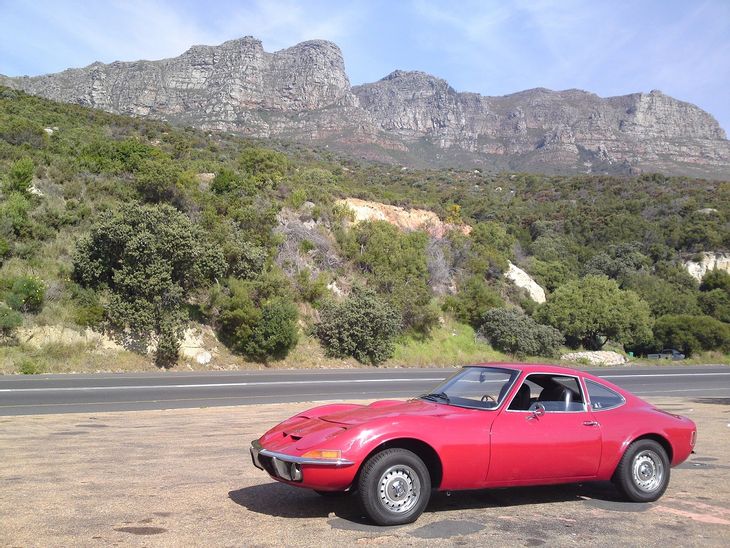
The original Opel GT relied on dramatically curvaceous looks to win over buyers. It was popularly referred to as a "mini-Corvette", as it resembled a downscaled version of that American icon. Underneath the exotic skin, however, it used a lot of Opel Kadett parts to keep costs down. It was produced from 1968 to 1973.
Cars.co.za's Consumer Experience Manager, Hannes Oosthuizen, previously owned a 1971 example of the Opel GT and is ideally placed to comment on the rebirth:
"Resurrecting a classic name can fall flat very easily if a new car is too far removed from the one that inspired it," says Oosthuizen. "Overall, however, I think Opel has done a pretty good job, and certainly much better than the 2007 attempted rebirth by rebadging the Saturn Sky.
"The combination of a long bonnet and short tail has been retained in this new concept, and even though the contemporary legislation doesn't allow Opel to copy the trademark rotating headlamps of the original, this new concept is pretty true to the original in overall appearance.
"I like it a lot more than I thought I would! It also appears to mechanically follow in the footsteps of the original, by using an engine from mainstream Opels and by keeping the weight down. They don't seem to have any plans to build it just yet… but I wish they would!"
Airbag recall affects 8 000 Mazdas in SA
Approximately 8 000 Mazda6 and RX-8 units (produced between 2003 to 2007) in South Africa are affected by Mazda's airbag recall campaign
Mazda has issued a formal global recall following investigative recalls by Mazda in Japan and North America for three different types of Takata Corporation manufactured airbag inflators. During the investigative recalls, no cases of abnormal deployment or dangerous flaws were found in any Mazda vehicles, but the concern has resulted in a formal recall campaign.
Some 8 000 units are affected in South Africa and the recall is limited to Mazda6 and RX-8 models produced from 2003 to 2007 with VIN numbers starting with JM6GG or JMZSE. The recall includes Mazda6 and RX-8 models fitted with the PSDI-4 driver-side airbag inflator, the SDI-160 driver-side airbag inflator and the SPI passenger-side airbag inflator.
Mazda Southern Africa stated: “The recall is due to an inappropriate production condition and storage of the propellant in the inflator. The density of the propellant may be insufficient on the inflator for the passenger-side airbag. This might cause the propellant to ignite abnormally at the time of airbag deployment and potentially result in extremely high inner pressure of the inflator causing a rupture of the inflator case. In a case of a rupture, the airbag might not deploy as designed and may lead to passenger injury.”
Mazda Southern Africa will initiate a repair procedure to replace the driver-side airbag and the passenger-side airbag inflator with an improved unit on the affected vehicles. Mazda also states that the number of affected vehicles is subject to further review and may change.
Mazda Southern Africa urges all owners with possibly-affected Mazda6 and RX-8 vehicles to make contact with the Mazda SA Dealer Network or call the Mazda SA Customer Care Centre on 0860 069 700 or email [email protected]
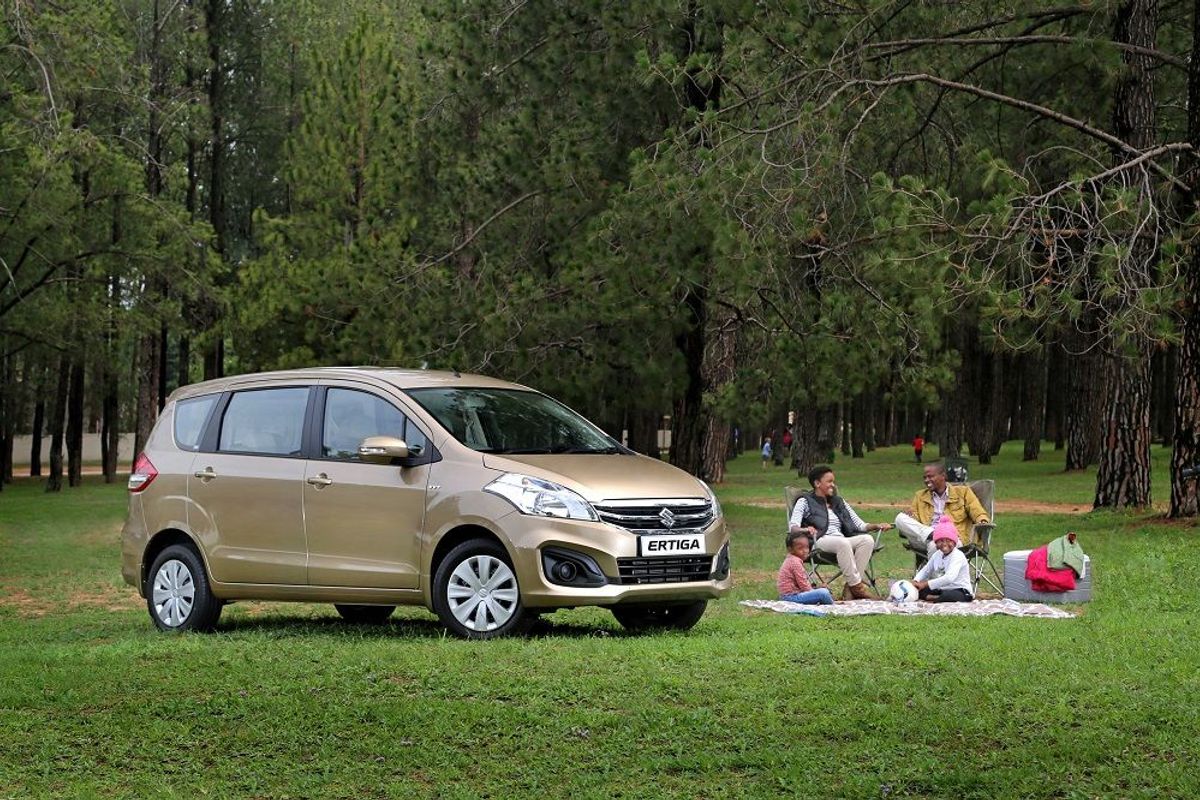
Suzuki Ertiga Receives Upgrades
The versatile Suzuki Ertiga has received a number of upgrades to make this light MPV even more competitive
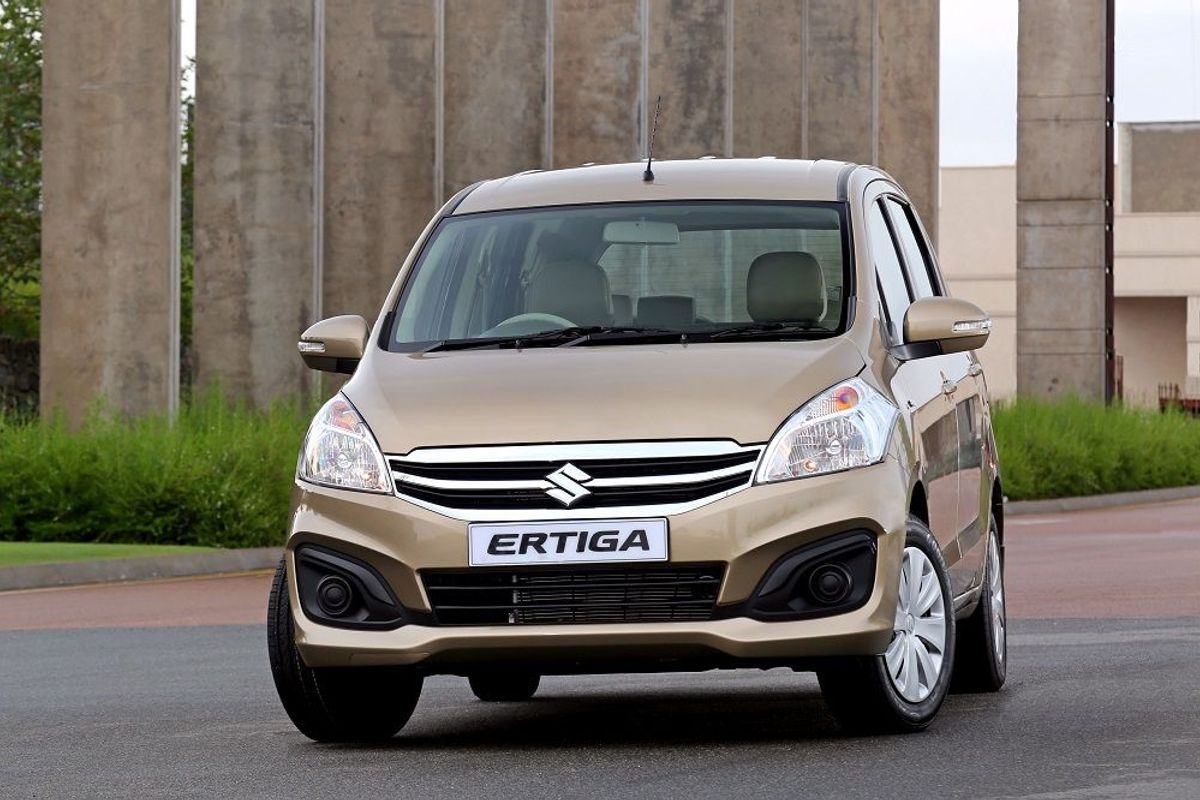
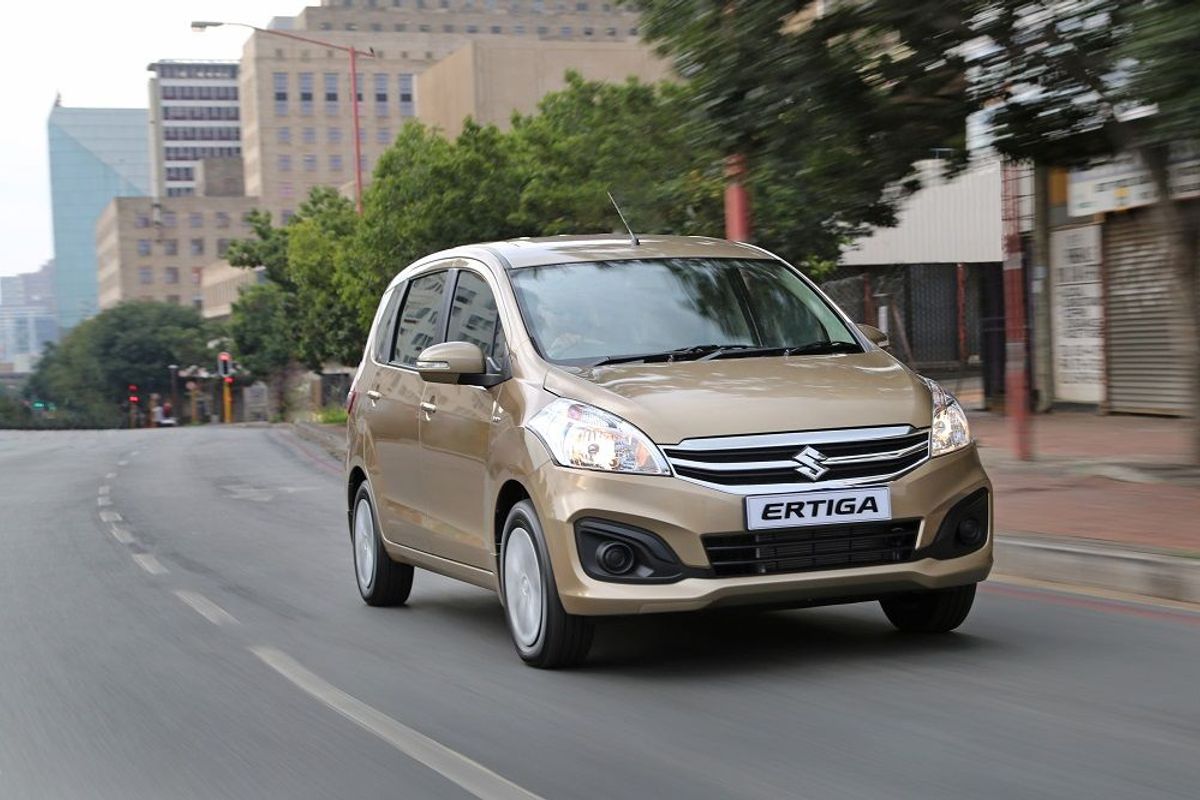
There's a lot to like about the Suzuki Ertiga. It's surprisingly spacious with a comfortable and practical interior, good ride quality and it comes reasonably equipped for the price. Thanks to its Suzuki Swift running gear and underpinnings, the Ertiga is rather pleasant to drive as well.
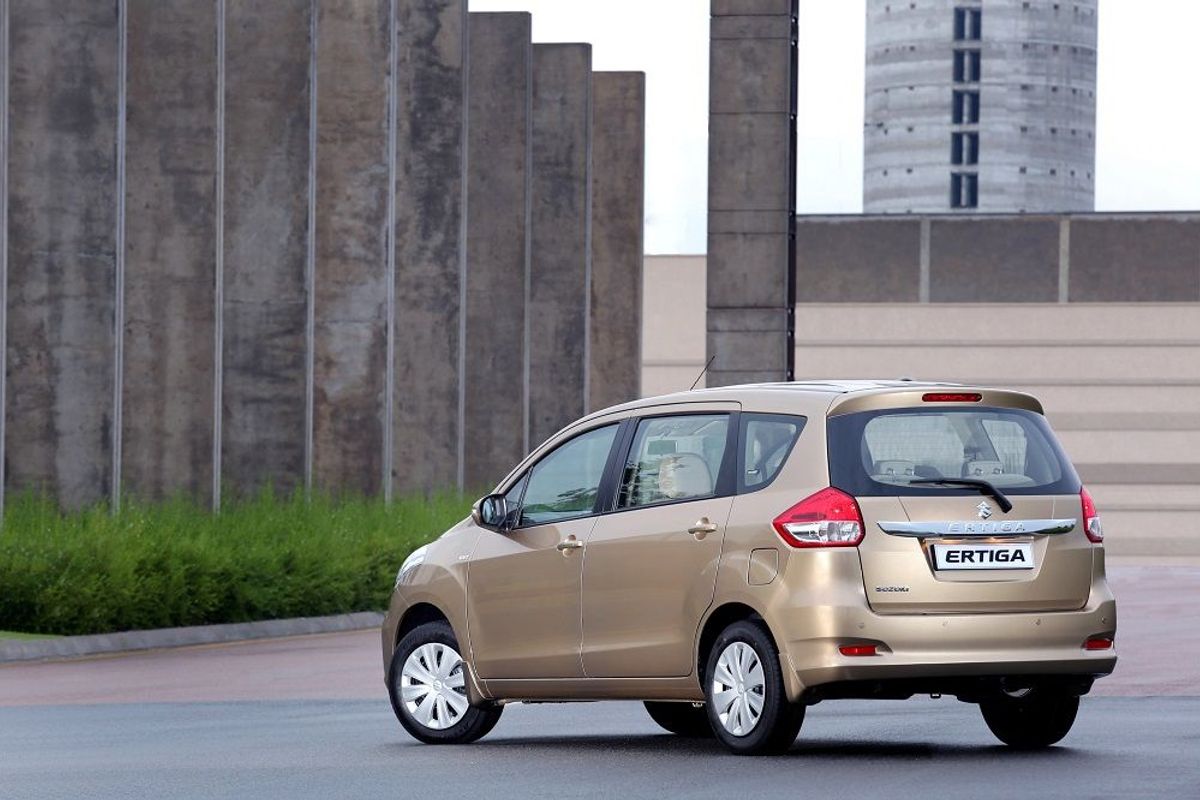
For the 2016 model year, the Suzuki Ertiga has been on the receiving end of some upgrades, both visual and features. On the outside, there's a new-look front grille and bumper, and rear end gains integrated reflectors. The GL models also receive chrome exterior trim, a new wheel cover designe and colour-coded electrically-adjustable folding side mirrors.
The interior receives a boost too, in the form of upgrades to the cabin trim. Suzuki claims the quality and feel of the upholstery and door panels have been improved. The audio system has been upgraded with Bluetooth functionality as standard along with the Mp3/USB/iPod connectivity.
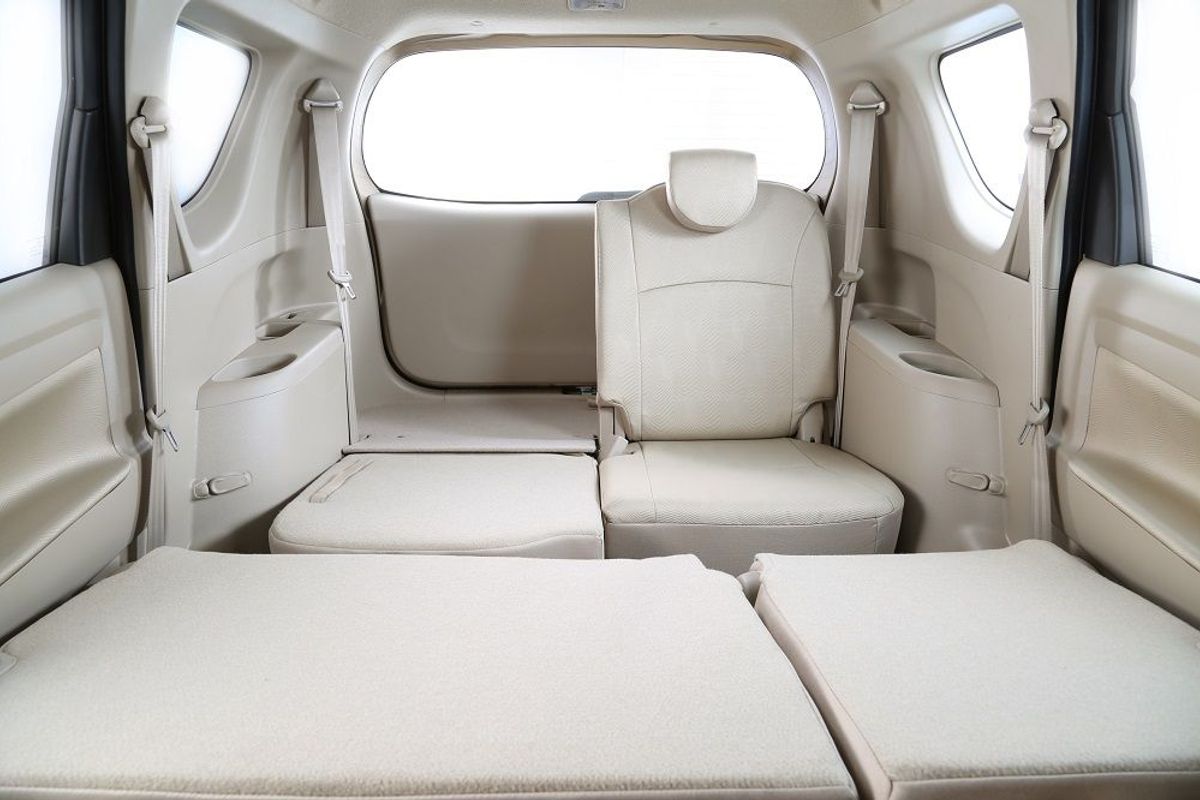
A handy convenience feature for the top-spec GL model is the addition of rear park distance control, while those in the second row of seats will benefit from the 12V socket in the centre console. For those who are practically-minded, the 3rd row of seats can now be folded in a 50/50 configuration as opposed to the outgoing model which was one single unit. For those customers who wish to tow a trailer, the Suzuki Ertiga now has an approved tow rating of 550 kg.
The Suzuki Ertiga's engine remains unchanged and that 1.4-litre powerplant offers 70 kW and 130 Nm. Power reaches the front wheels through a five-speed manual gearbox, but a four-speed automatic is available.
The Suzuki Ertiga comes with 4-year/60 000 km service plan and 3-year/100 000 km warranty.
Model
Price
Ertiga 1.4 GA Manual
R176 900
Ertiga 1.4 GL Manual
R202 900
Ertiga 1.4 GL Auto
R218 900
Ertiga 1.4 GLX
Discontinued
Used car sales climb in tough market conditions
The new vehicle market has taken quite a battering due to numerous factors, but while the outlook for the rest of 2016 isn't great, it's not all doom and gloom. Activity in the used car market has started to pick up…
2016 is going to be remembered as the year the South African new vehicle market was at the receiving end of some major punishment. Thanks to market forces such as an unstable currency and an increase in the prime lending rate, new vehicle sales are dropping. It's simple economics: many people cannot afford to buy new vehicles and those who have recently purchased a car will feel the effect of the interest rate hike in the shape of costlier monthly payments.
The forecast for the rest of the year isn't good. Despite the fact that some manufacturers such as Volkswagen, Toyota, Ford and BMW have manufacturing plants in South Africa, the credits they receive for producing vehicles locally are not enough to lessen the impact of the Rand's weak exchange rate, let alone the duties levied on (pricier) imported products.
To add insult to injury, the global oil price has come down dramatically, but our currency decline is preventing this saving being passed onto consumers. Read: Fuel Prices at the Mercy of Sliding Rand
Financing house WesBank has picked up on a trend in January 2016. Out of all the financial assistance applications that came in, 70% were for used vehicles with the remaining 30% being for new cars. On a year-on-year basis, new vehicle finance applications have dropped by 6.4%.
“The decline in new vehicle sales comes as no surprise in the current economic climate, with consumer and business confidence at very low levels as a result of a number of macroeconomic factors,” said Simphiwe Nghona, CEO of Motor Division at WesBank. “The spike in rental sales is an anomaly, most likely due to rental companies choosing to re-fleet ahead of new car price increases. Despite this positive activity in the rental market, total industry sales still saw a decline.”
According to the National Association of Automobile Manufacturers of South Africa (NAAMSA), new car sales weakened in line with predictions during January 2016, while export sales took a significant knock due to logistical and shipment issues
Toyota (Brand of the Year in Cars.co.za's inaugural Consumer Awards) came out on top as South Africa’s best-selling manufacturer, while the Volkswagen Polo Vivo took the top spot as the best-selling vehicle for the month of January 2016.
New car sales summary – January 2016
48 615 aggregate new vehicle sales down by 6.9% (3 613 units) compared with January 2015.
13 057 export sales down by 21.9% (3 652 units) compared with January 2015.
34 936 passenger car sales down by 6.1% (2 272 units) compared with January 2015.
12 074 light commercial vehicles down by 8.3% (1 090 units) compared with January 2015.
Top-selling car brands in South Africa January 2016
Brand
Total sales
Market penetration %
1. Toyota
10 888 (+1 771)
22.4%
3. Volkswagen
8 714 (-155)
17.9%
3. Ford Motor Company
6 524 (+179)
13.4%
4. Nissan
5 231 (+681) 3 616 (+581)
7.4%
5. GMSA
3 437 (- 1 804)
7.1%
Top selling new cars in South Africa – January 2016
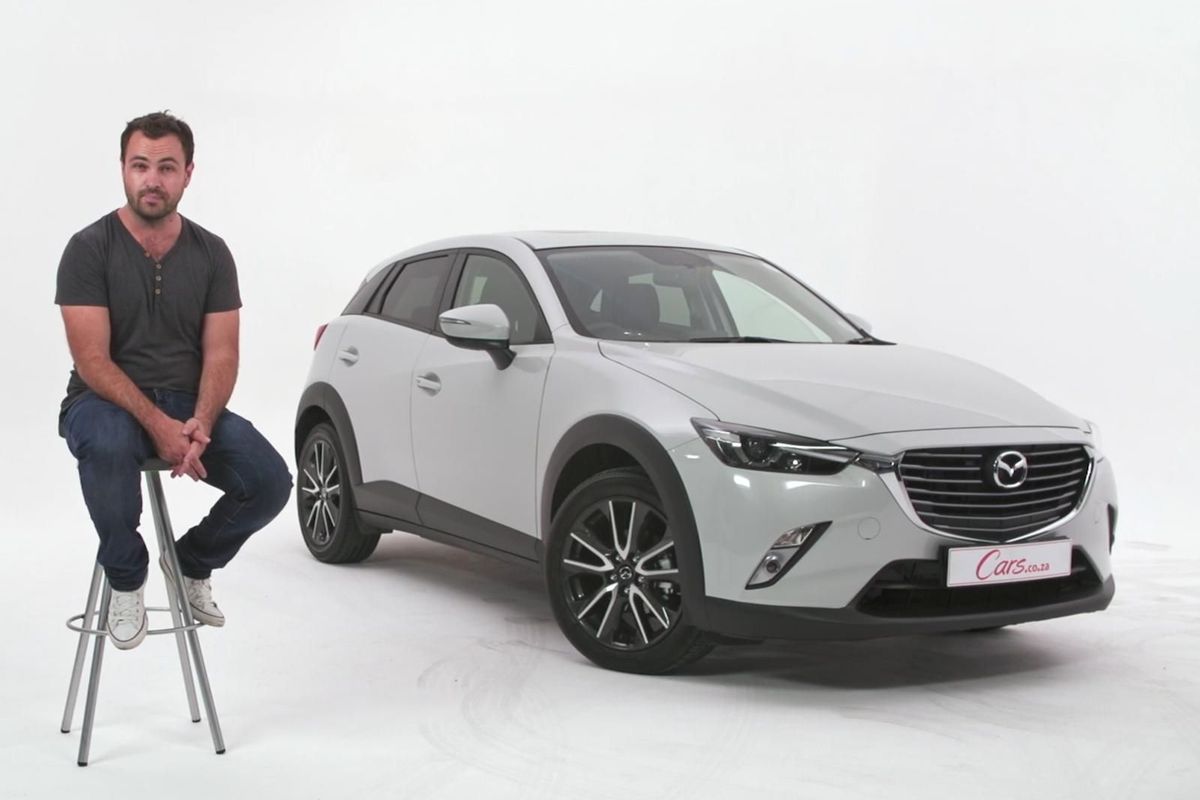
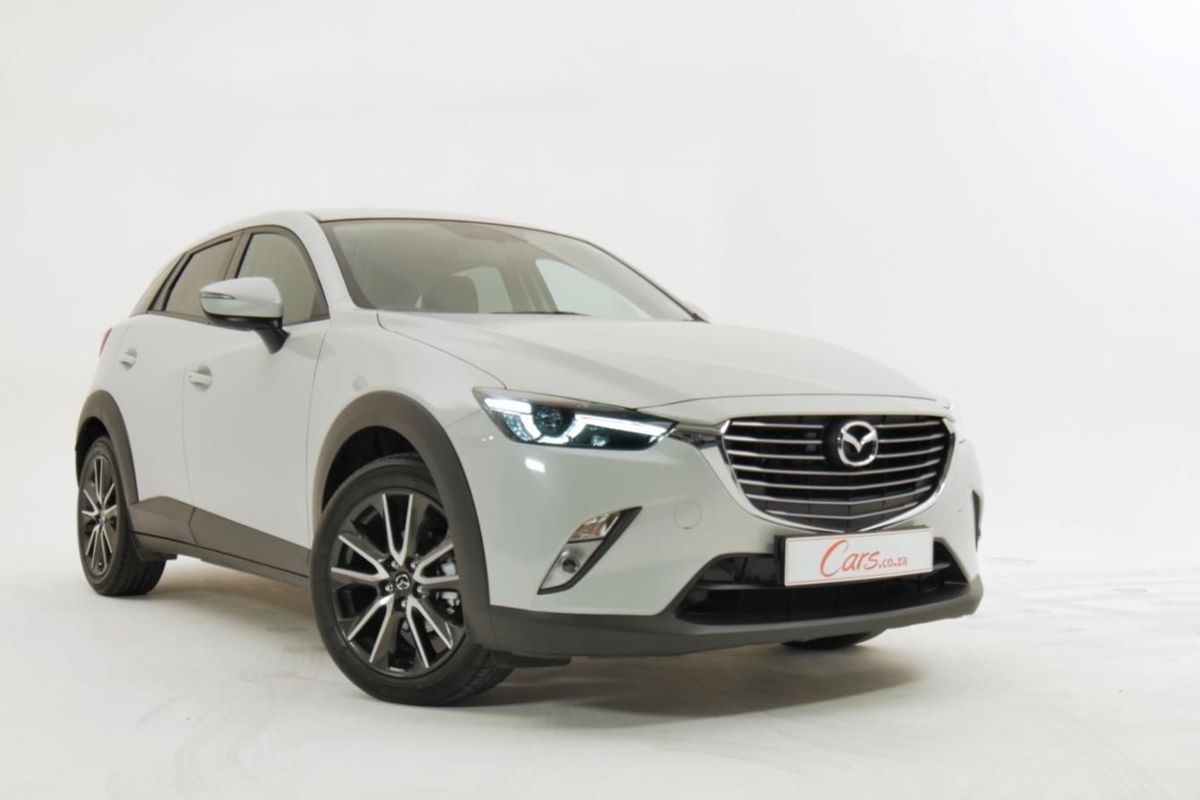
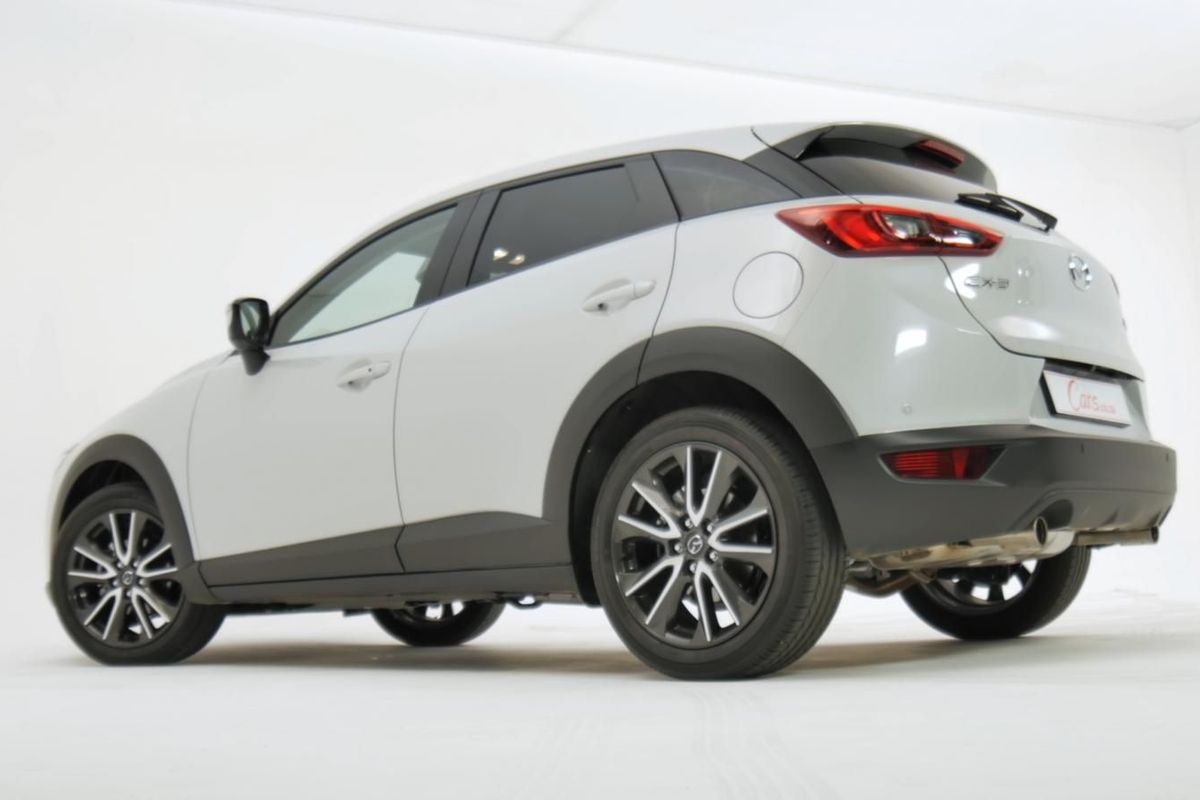
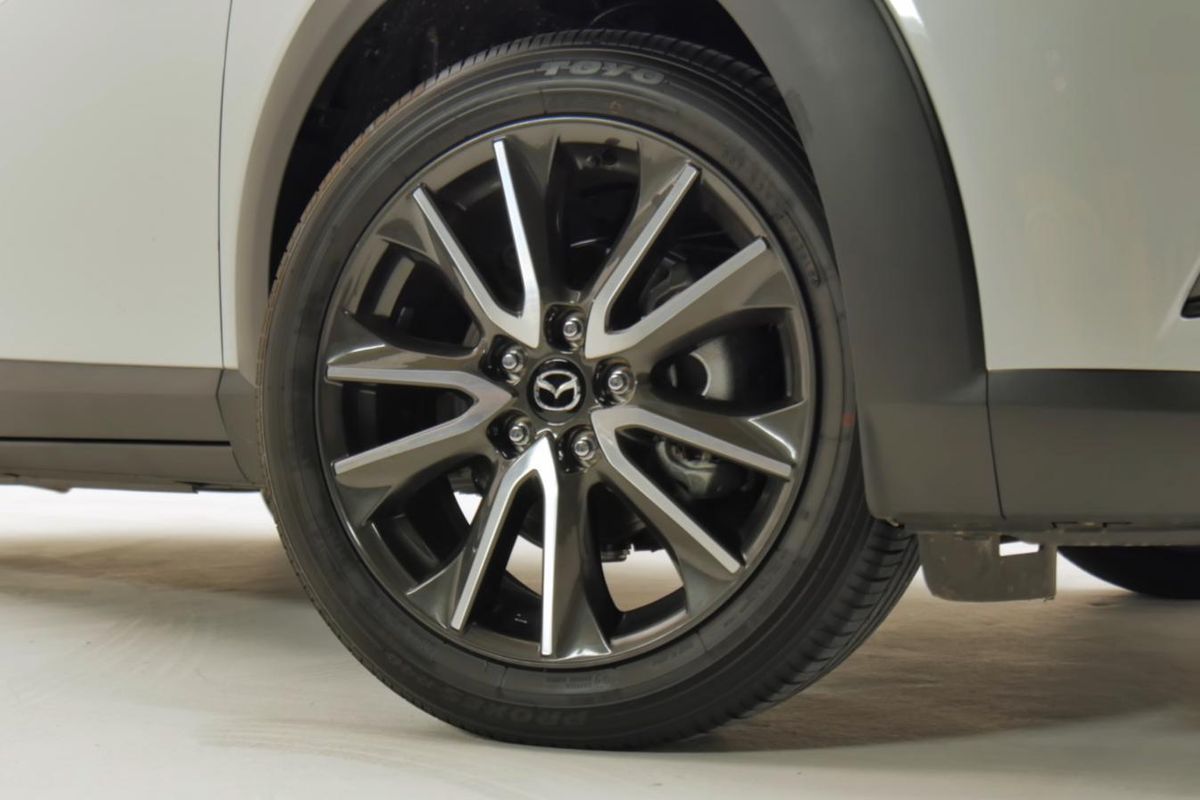
The Mazda CX-3 has finally been launched in South Africa and after reading the generous praise the compact crossover garnered in the international media, I was very excited to get to grips with the newcomer
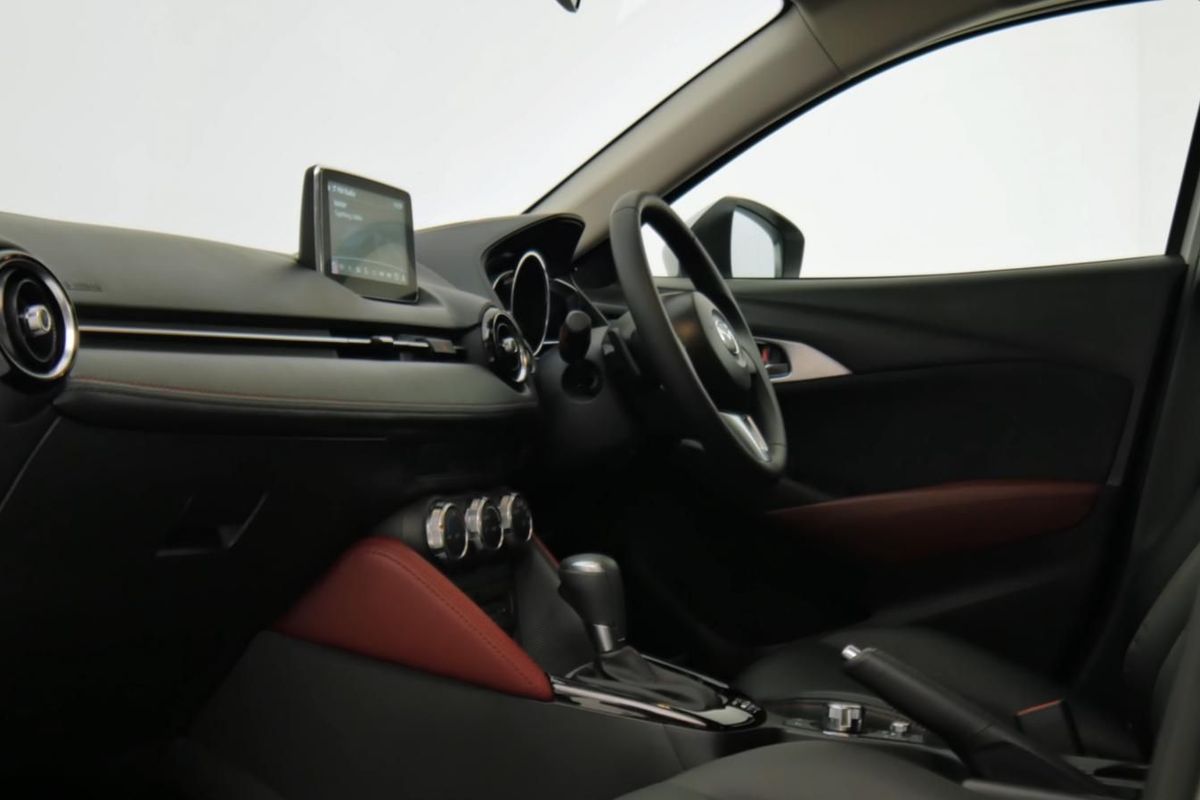
With an asking price of more than R320 000 for the top-spec model, the CX-3 commands a premium, but the Mazda does not disappoint. The interior is, for my money, the best in its segment. Everything from the extensive leather trim to the super comfy, plush seats is of an excellent quality.
In this video, we give you a detailed look at the newcomer, as well as comparisons to its close rivals, such as the Honda HR-V, Nissan Juke, Renault Captur and Jeep Renegade.
What you won’t see in the studio, however, is how the Mazda fares out on the road. Suffice it to say that the CX-3's ride quality is excellent; the Mazda achieves that sought-after mix of comfort and handling prowess which makes it both a nippy day-to-day vehicle as well as comfortable long distance cruiser.
Those sporty lines have their drawbacks however, which are best shown visually. Let us know what you think of the new Mazda in the comments below.
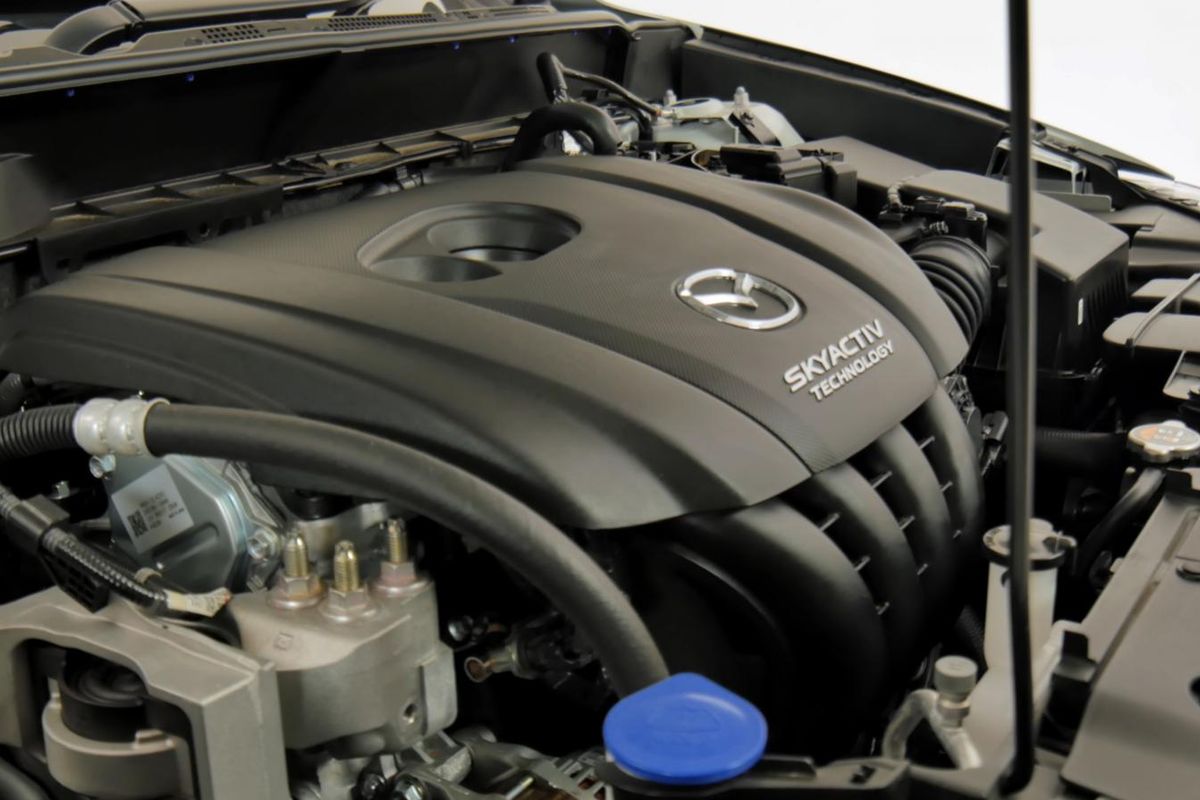
Mazda CX-3 prices and specifications
2.0 Individual Auto
Price
R325 900
Engine
2.0 naturally aspirated petrol
Power
115kW
Torque
204Nm
Gears
6-speed auto
0 – 100km/h
Not specified
Fuel economy
6.1l/100km
Boot space
264/1 260 litres (seats down)
Airbags
6
Stability Control
Std
USB
Std
Bluetooth
Std
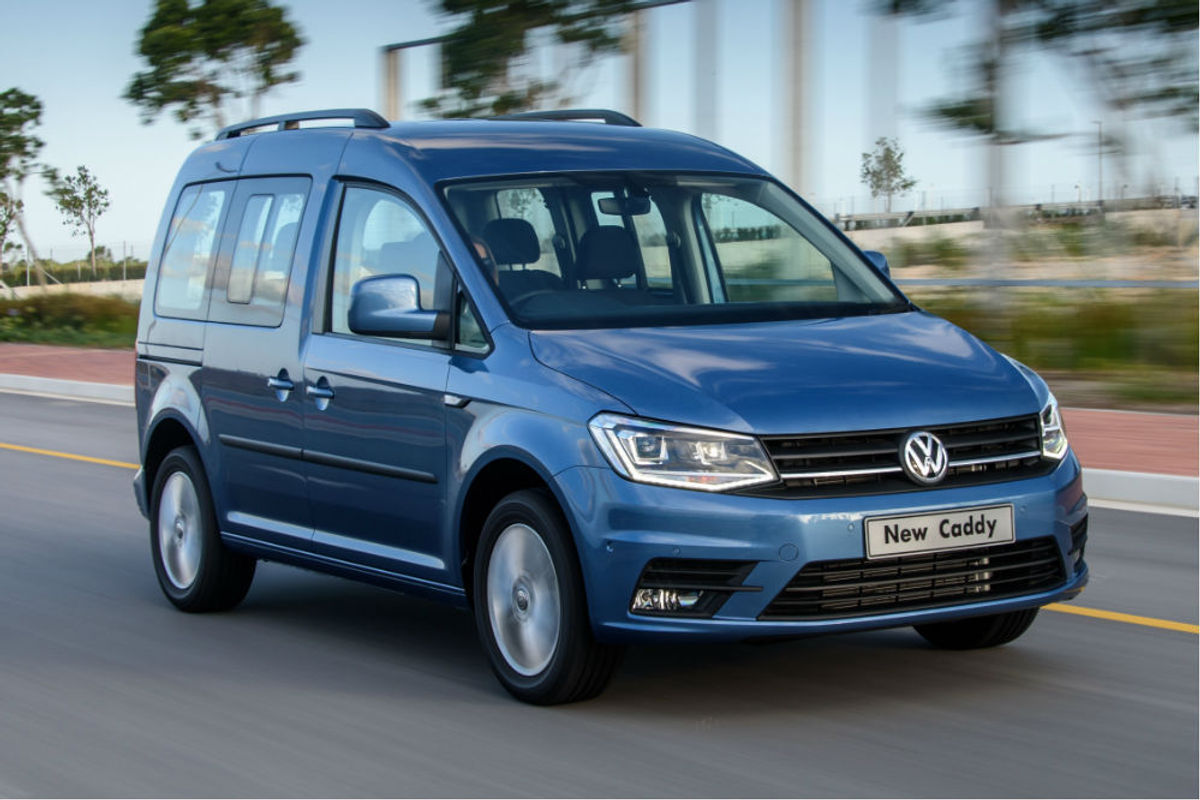
Volkswagen Caddy (2016) First Drive
We get acquainted with the latest iteration of the Volkswagen Caddy, arguably VW’s most "multi-purpose" MPV of the lot
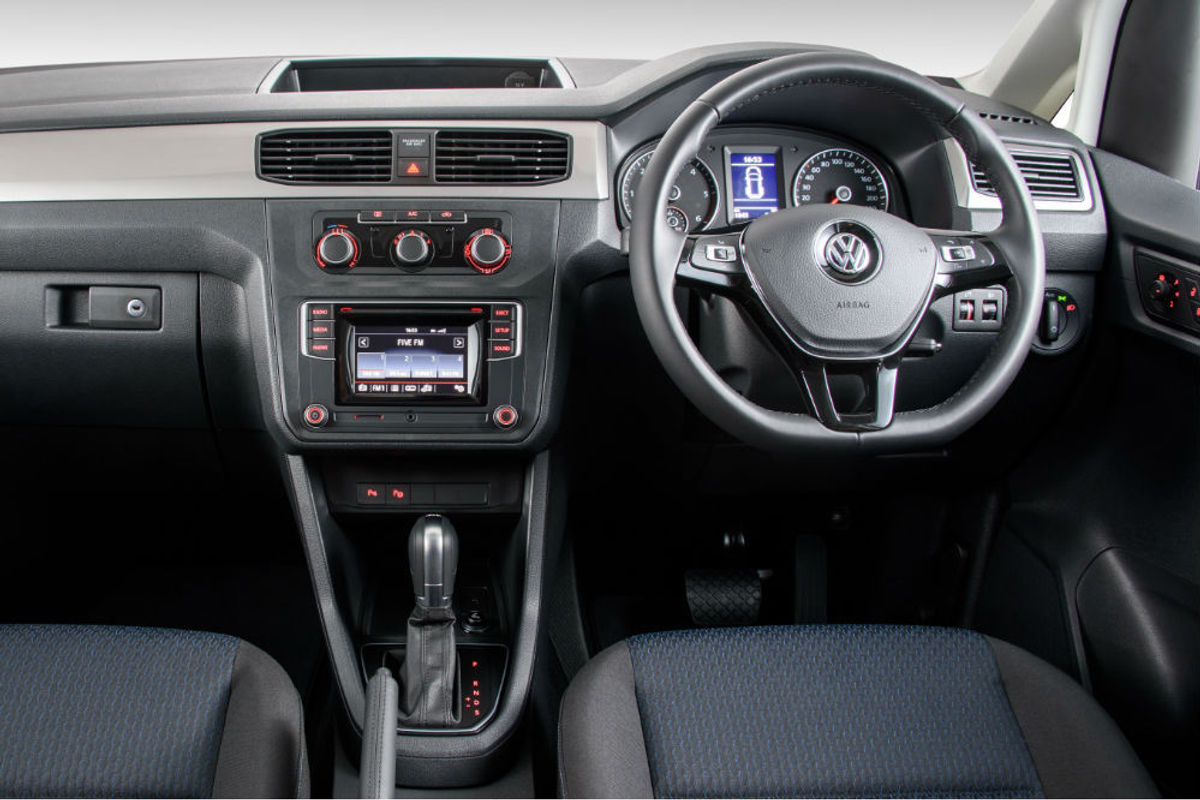
The Caddy has seen duty as a panel van, five-seater, seven-seater and a slightly rugged Cross Caddy. The newest addition, launched in KZN in January 2016, is an evolution of previous versions but VW has made a concerted effort to make the Caddy more appealing to the passenger car market (in other words, families). VW has also designed a new model to compete with the Toyota Avanza, Honda Mobilio and the Suzuki Ertiga. We had a chance to take it for a spin in the Midlands.
Engines
The engine lineup begins with a 1.6-litre petrol engine that produces more power (81 kW, as opposed to 75 kW) and 155 Nm of torque. Then there are two power outputs for the 2.0-litre turbodiesel. Turbodiesels with manual gearboxes produce 81 kW and 250 Nm, while the DSG-equipped versions deliver outputs of 103 kW and 320 Nm. We were able to test the turbodiesel engine in both states of tune and, even though neither Caddy was heavily loaded, the motors pulled smoothly with surprisingly little turbo lag. Fuel consumption is bound to be a massive factor for buyers looking to put the Caddy to work and the newcomer (in turbodiesel guise) is particularly efficient around town and in start/stop traffic. We saw an indicated return of 5.2L/100km after 170km of driving on day one and, on the following day, 7.1L/100km over 300km of freeway driving at a steady 120 kph.
Long and short
There are four models available in the new Caddy range – Panel Van, Crew Bus, Trendline and Alltrack (this model replaces the Cross Caddy). The first two are positioned as workhorses for the commercial customer, with the Crew Bus aimed at the taxi/Uber market.
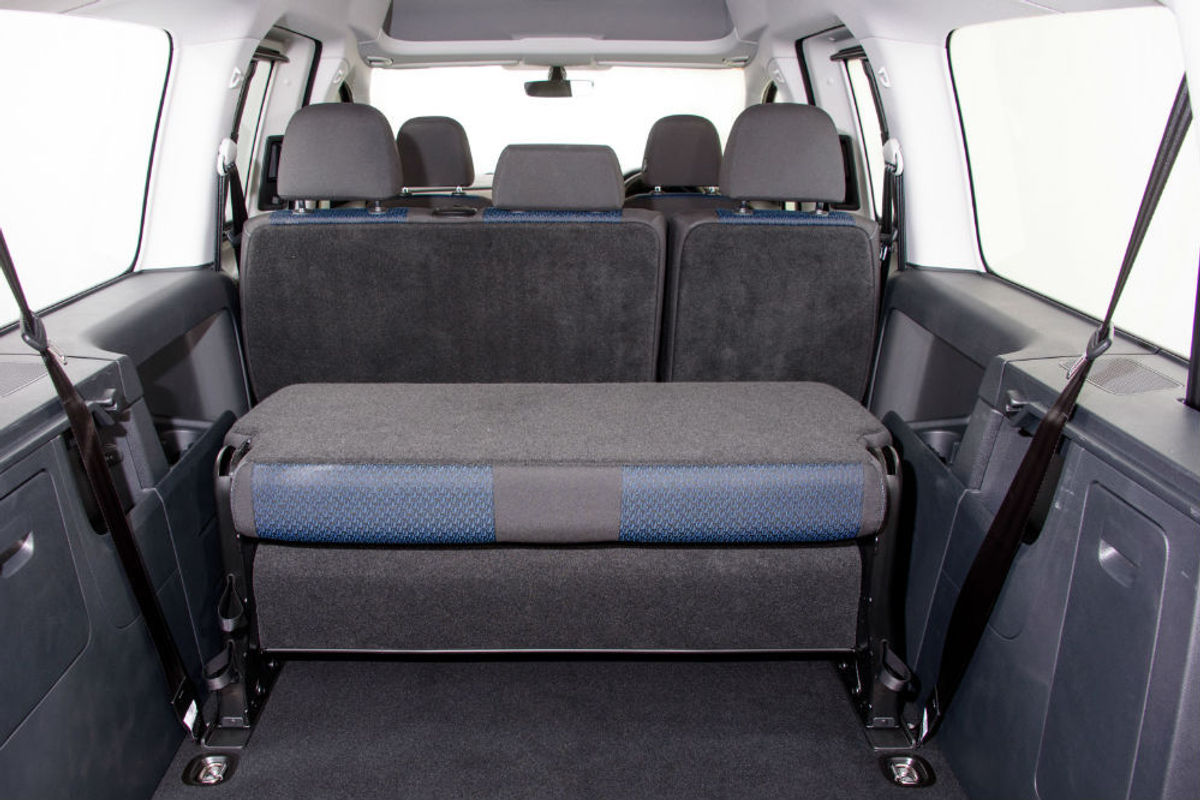
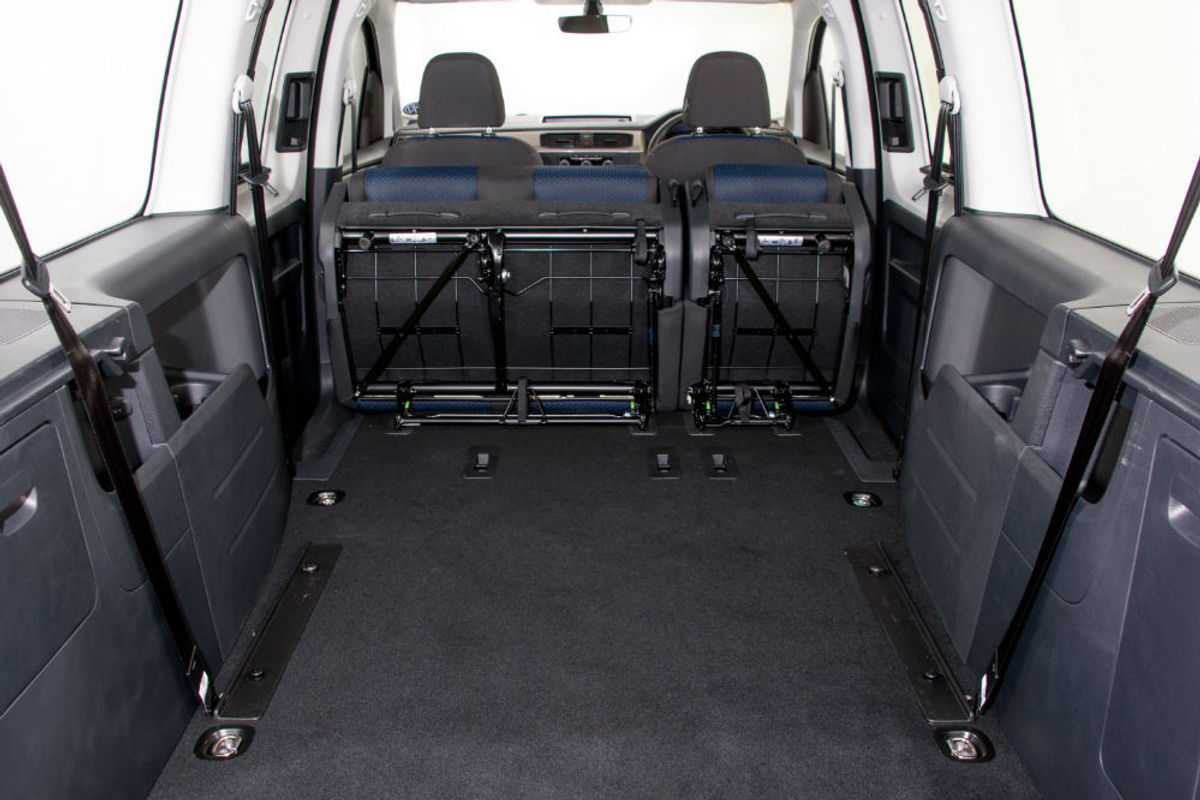
The Trendline and Alltrack are more for the private buyer. All models except the Alltrack are available in long wheelbase (Maxi) as well as short-wheelbase models. The longer wheelbase adds an extra 469 mm to the loading area and comes with seven seats. All seats can be folded, tumbled and removed with relative ease. The only thing the seats don’t do is fold flat so it’s best to actually take them out when they're not needed. Loading space, even in the seven-seater, is plentiful behind the final row of seats and legroom is decent for all rear passengers.
The look
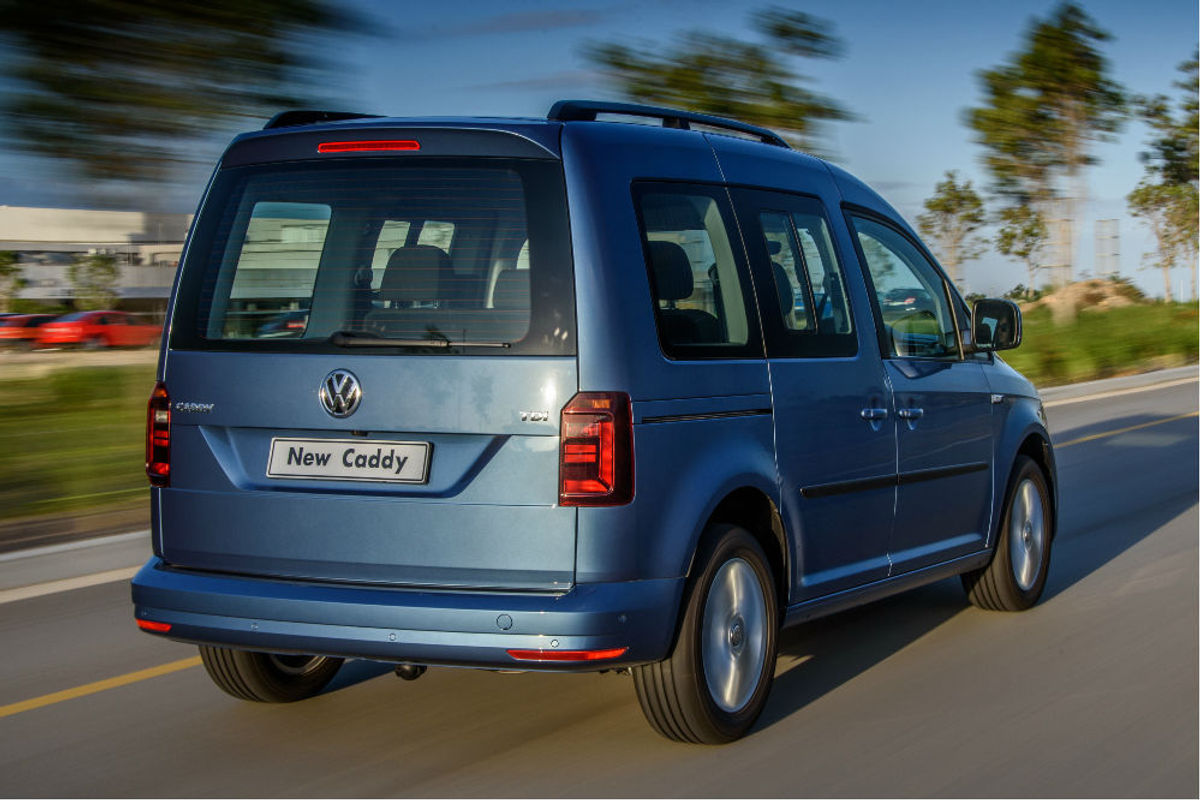
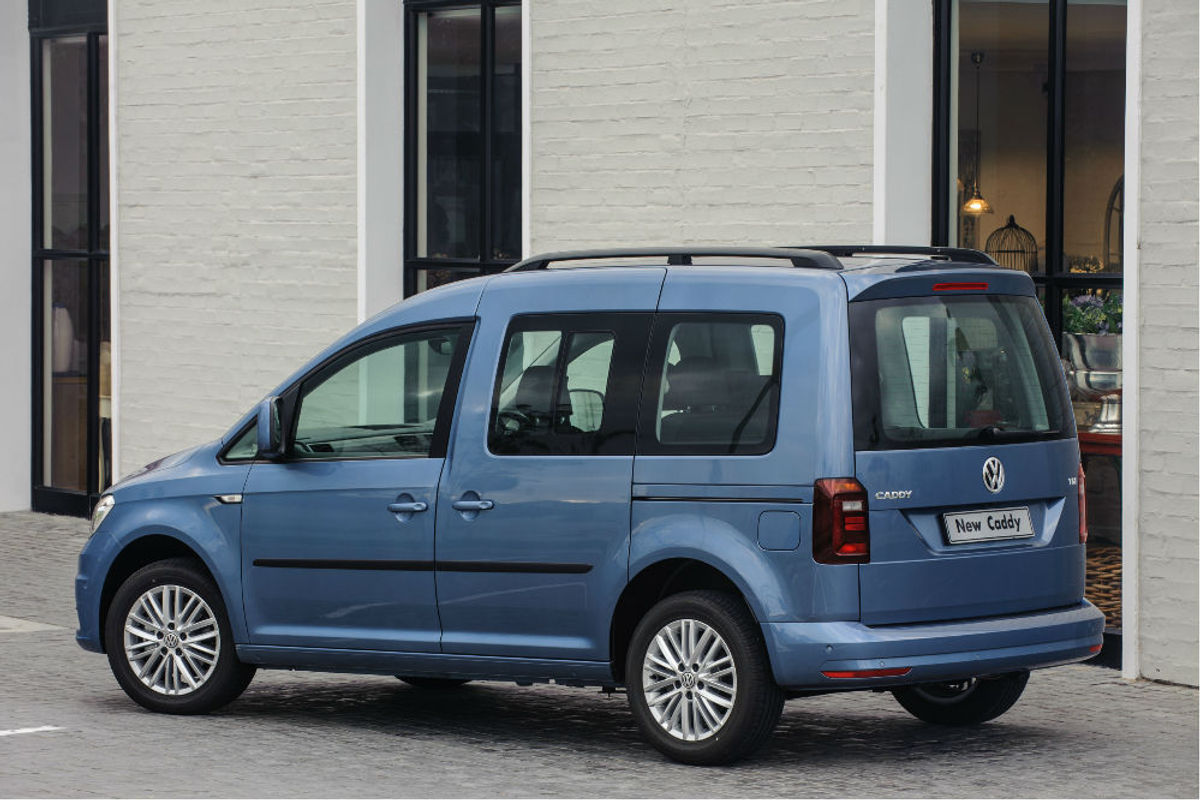
The Caddy isn't unattractive, but it still looks more like a commercial van than a fashionable people mover. However, passenger vehicle buyers will be buoyed by the fact that Volkswagen has engineered its newcomer to incorporate several passenger-car attributes.
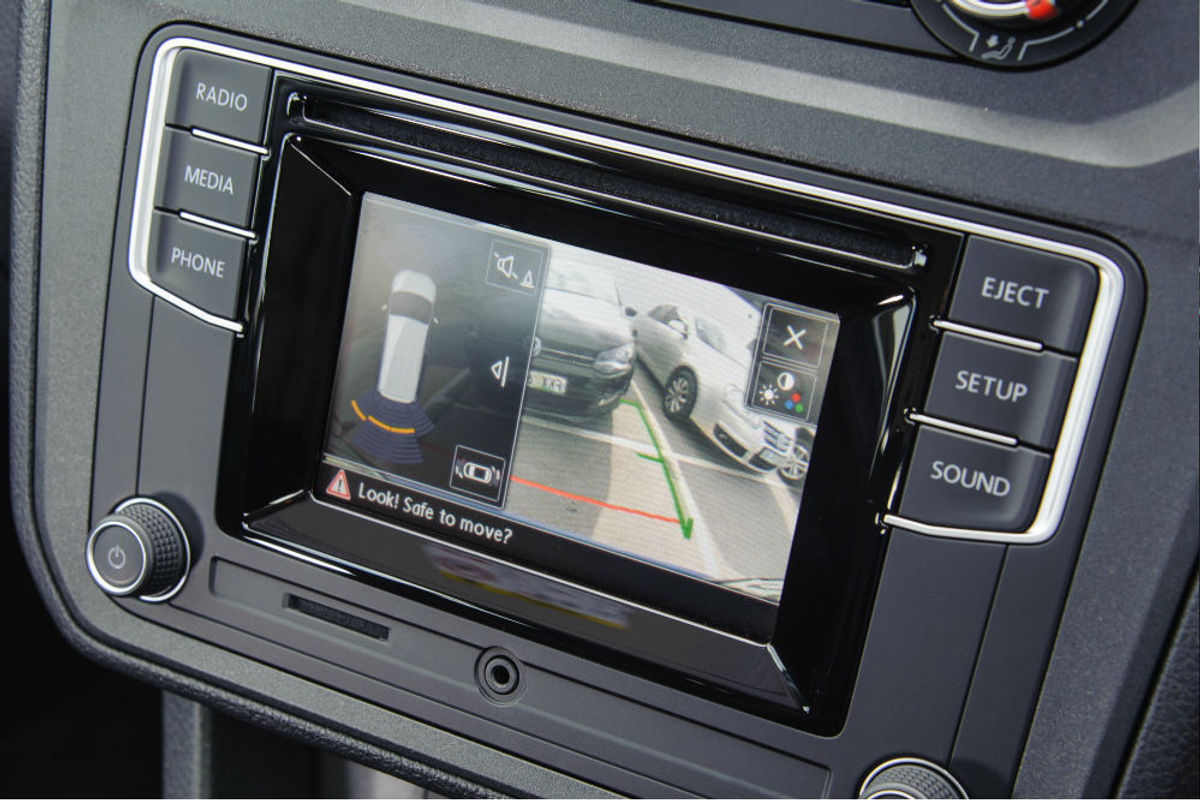
The front-end features the latest generation LED daytime running lights and xenon headlights are optional. The tailgate has some new creases designed into it to make it look less like a barn door, but the result is still unmistakeably van-ish. On the flipside, the Caddy is extremely versatile, spacious and drives as smoothly as a Golf. What's more, the VW can be specced with handy features such as a reverse camera and parking sensors, a fatigue detection system and additional airbags for rear passengers.
Peace of mind
The Volkswagen Caddy is available with a flexible warranty system that allows owners to decide whether they want to extend their vehicles' service plans and warranties. The new Caddy Panel Van and Crew Bus (except 1.6 with 81 kW – service plan optional) come standard with a 2 year/unlimited km warranty and a 3-year/60 000 km service plan. The Caddy Trendline (including Alltrack) comes standard with 3 year/120 000 km manufacturer warranty and a 3-year/60 000 km Service Plan.
Pricing
Panel Van
Caddy Panel Van 1.6i 81kW
R234 000
Caddy Panel Van 2.0 TDI 81kW
R265 700
Caddy Maxi Panel Van 2.0 TDI 81kW
R289 400
Caddy Maxi Panel Van Sport 2.0 TDI 81kW
R312 400
Caddy Maxi Panel Van 2.0 TDI 103kW DSG
R317 900
Crew Bus
Caddy Crew Bus 1.6i 81kW
R226 800
Caddy Crew Bus 2.0 TDI 81kW
R270 500
Caddy Maxi Crew Bus 2.0 TDI 81kW
R302 600
Caddy Maxi Crew Bus 2.0 TDI 103kW DSG
R331 100
Trendline
Caddy Trendline 2.0 TDI 81kW
R351 200
Caddy Maxi Trendline 2.0 TDI 81kW
R369 900
Caddy Maxi Trendline 2.0 TDI 103kW DSG
R399 300
Alltrack
Caddy Alltrack 2.0 TDI 81kW
R365 400
Caddy Alltrack 2.0 TDI 103kW DSG
R395 000
Farewell Land Rover Defender
Production of the Land Rover Defender has ceased, bringing an end to 68 years of automotive history.
The last Land Rover Defender has rolled off the Jaguar/Land Rover production line at the Solihull plant. Land Rover invited more than 700 employees, both current and former, to witness the last vehicle – a Defender 90 Heritage Soft Top – leave the line. It was destined to become part of the Jaguar Land Rover museum collection.
Since 1948, more than two million Series Land Rovers and Defenders have been manufacturered at the JLR's British plant. The vehicle has become the iconic offroad vehicle and Land Rover claimed it was "the most versatile vehicle on the planet".
There were several reasons why Land Rover ended the production run of this iconic model, such as the Defender's dearth of safety features and ever-stringent emissions laws.
It's not all doom and gloom, however, because Land Rover announced the new Heritage Restoration Programme, which will oversee the rebuilding of a number of Land Rovers sourced from around the world. These vehicles will be beautifully restored to full-working order and resold. The first model is expected to go on sale in July 2016.
Land Rover’s Heritage Restoration programme will be manned by a team of twelve experts. Ten of these Land Rover staff will be transferred from the current production line. The team is said to have 172 years of combined experience working on Defender or Land Rover production.