Range Rover SDV8 Vogue SE (2015) Review

How does one review a vehicle such as the Range Rover SDV8 Vogue SE? Does the target consumer even bother researching the capabilities of such a machine? Or is it bought simply because of its desirability? Indeed, we found it takes only one drive to make normal motoring considerations such as fuel economy, handling, quality and standard specification seem comically irrelevant.

Certainly, even after one week of testing, we were finding the full-fat Range Rover experience such a beguiling one that we could forgive this incredible car almost anything, even at the eye-popping price. Nevertheless, for those of you who want to base your dreams in reality rather than fantasy… this is how the Range Rover SDV8 shaped up.

Presence by the bucket load

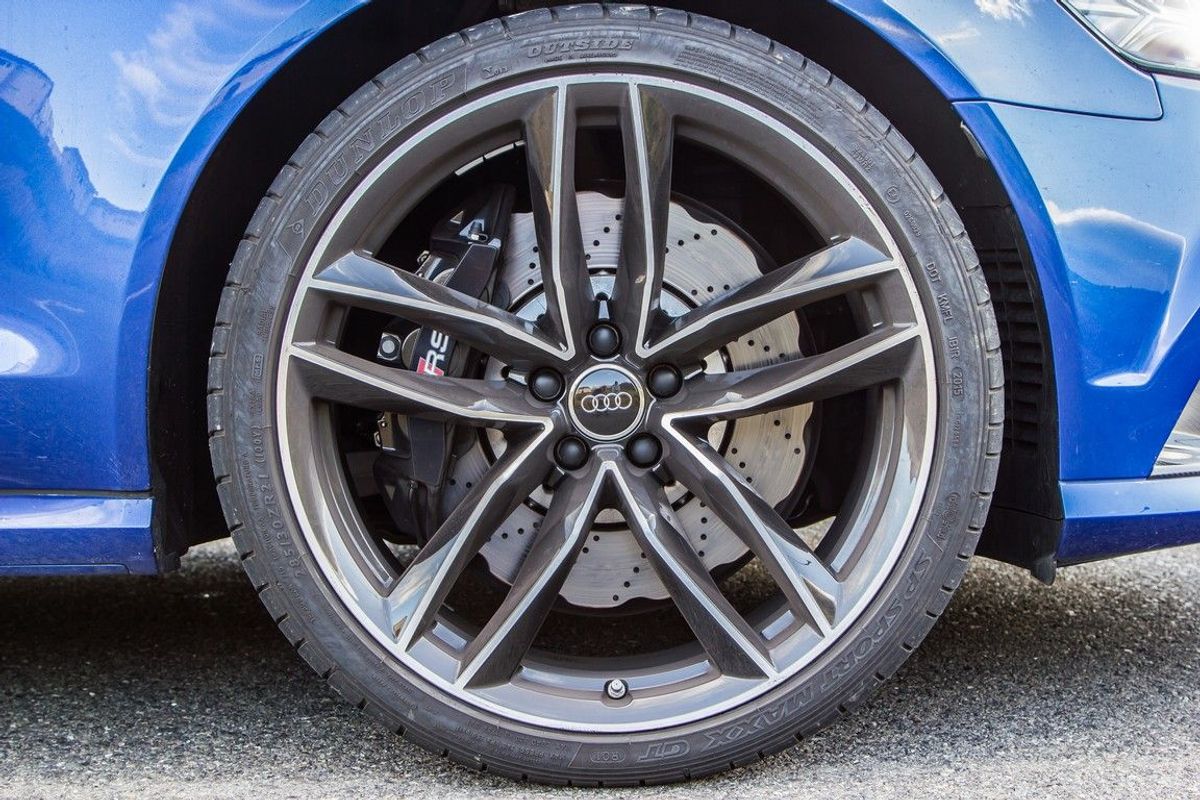
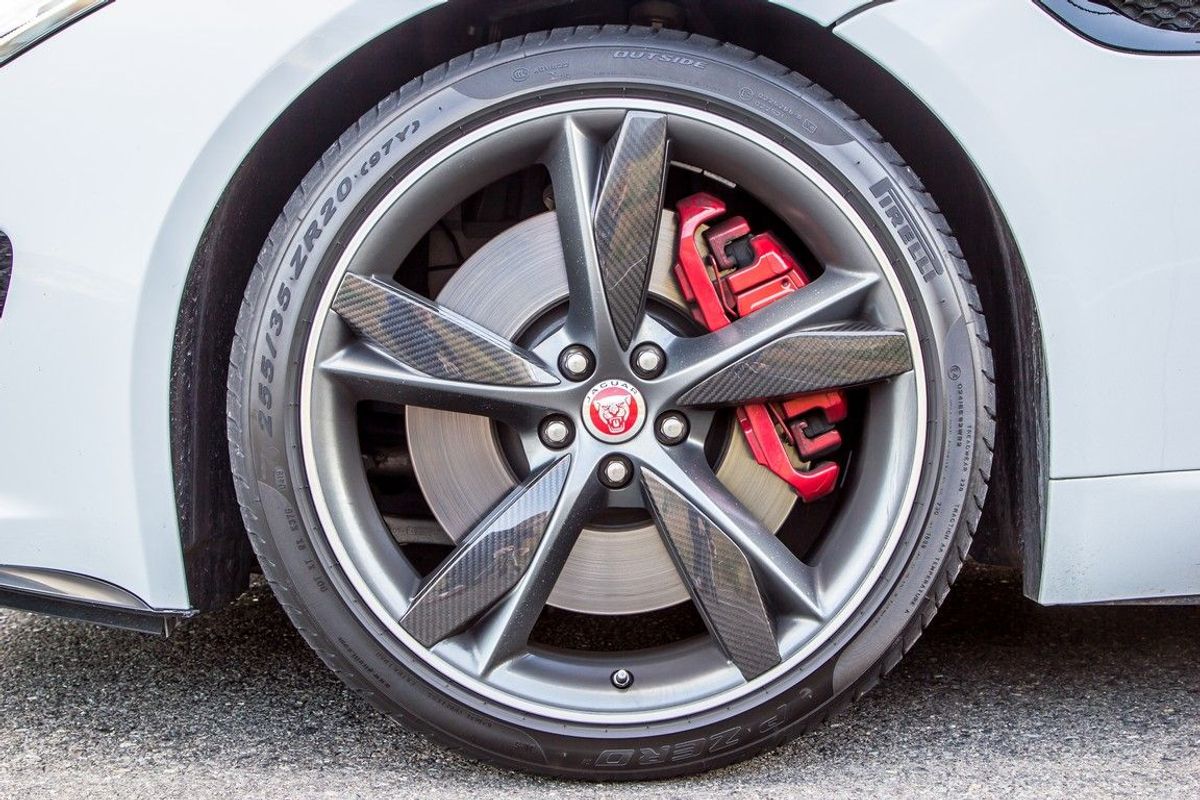
Measuring in at more than 5 metres long and riding on glitzy 20-inch alloy wheels as standard, the Range Rover is a bulky machine that casts a big shadow. But ultimately the Rangey’s imposing presence is not merely a consequence of its sheer size – the detailing of the exterior aesthetics play a big role, too.

Compared with its blocky predecessors, the current model – first introduced in 2013 – is a more rounded offering, but still carries instant brand recognition.

High-tech lounge interior

Step up into the cabin and you enter a world of first-class accommodation. Given the vast range of optional extras that are on offer, it is hard to figure out what is standard and what is not, but the attention to detail is such that even sitting in a “bare-boned” Range Rover is unlikely to leave you feeling short-changed.

It is the happy co-existence of traditional materials such as leather and wood and high-tech equipment (such as all-digital instrumentation and flush-fitting drivetrain control interfaces) that really grabs the attention. More old-fashioned owners will still feel welcomed by the charm of the cabin, while the tech fans will appreciate the bang-up-to-date tech toys.

One of the core attractions of a Range Rover drive has always been the driving position. You sit high, of course, and the rest of the cabin appears to be structured around that very positioning. You can rest your elbow on the windowsill, for example. You can see all the corners of the car, easily. And you can look lorry drivers straight in the eye as you glide past. It is the type of steering position that, subconsciously, make the driver feel successful. Superior, even. And that’s kinda the point of a Range Rover, isn’t it?

To delve into all the tech will take up far too many kilobytes of copy, so let’s just say this. Whatever is not standard, is available as an option. There are lots of toys to play with too. Range Rover’s Dual-View centre display screen remains a stunner – it allows the driver to view navigation or other important information, while the front passenger can watch a movie… on the same screen, and listen on earphones. There’s also a chilled storage box between the front seats. The steering wheel is heated. The seats are adjustable every which way (electronically, of course) and offer heating/cooling functionality, too. And the headrests are exquisitely soft and supportive like a proper pillow… Nodding off is a very real danger.

Those seated in the rear also have little reason for complaint. Our test unit was fitted a rear DVD entertainment system, so they could watch movies, too.

And what of boot space? We’re quite sure a large proportion of Range Rovers will go on holiday towing boats etc, so packing space is important. Access to the luggage compartment is via a split tailgate that opens electrically (both parts). The boot itself is large (505 L with the cover in place) and finished in very plush carpeting.

Torque… lots of it…

Tipping the scales at well over two tonnes, the Range Rover needs plenty of horses under that large bonnet. Fitted to this model is a turbocharged 4.4-litre V8 diesel that delivers 250 kW and a mammoth 740 Nm of torque, from as low as 1 700 rpm all the way to 3 000. The engine is mated with an eight-speed automatic transmission that delivers power to all four wheels.

First debuted on the Jaguar XF, the Range Rover also features the smart rotary “Drive Select” transmission controller. This stunning piece of design sits flush with a large piece of aluminium trim that stretches all the way back to the electronic park brake. In between there are the controls for the Terrain Response system, which now includes an Automatic mode, which scans the road surface and selects the appropriate off-road suspension and drivetrain settings.

Push the starter button and you’ll firstly be struck by the cool factor of the digital instrumentation panel, before you realise there’s a surprising lack of diesel clatter. Due in part to great cabin insulation, but also due to the inherently refined nature of the SDV8 powerplant, there is an almost eerie lack of engine noise.

Nevertheless, push your foot down on the throttle and the big Range responds with verve. It will reach 100 kph in just under seven seconds and has a top speed of 215 kph. But that’s almost laughably unimportant. It is the responsiveness that is most endearing, along with the silence in which the performance is delivered. The transmission does, of course, offer a Sport mode which sharpens things up even further.

Although there’s an advanced turbodiesel engine under the bonnet, this is still not a vehicle that one would buy when fuel economy is top of mind. That said, we found the Range Rover SDV8 quite economical, all things considered. The claimed combined cycle consumption is 8.7 L/100, and we averaged around 10.4 L/100, which is impressive. The fuel tank can take 105 L so stops at the gas station will not be frequent.

Don’t think you can. Know you can.

As mentioned before, the Range Rover features the latest version of Terrain Response which features all the expected modes such as “Sand” and “Mud and Ruts” etc., but now also an automated setting which does all the thinking for you. Coupled with a maximum ground clearance of 310 mm and 900 mm of wading depth, it goes without saying that this is a seriously capable off-roader. The reality is, however, that not many owners are likely to take these near-R2 million machines onto punishing terrain. But they can rest safe with the knowledge that they can. This is, again, core to the Range Rover appeal. Those of you who do intend going off-road, please mind the tyres…

On the road, where a Range Rover is likely to find itself nearly 100% of the time, this model is incredibly hard to fault. We’ve already mentioned the high-and-mighty driving position and superb comfort, but something else that needs to be highlighted is the quietness of the cocooned cabin and the sterling ride comfort. Not many vehicles manage to pull the combination of large wheels and air suspension off so impressively as this Range Rover. It simply glides over troubled surfaces. And yet it’s not all roly-poly in the corners. There are lots of electronic support systems in action and they deliver quite astonishing body control for a vehicle with such a high centre of gravity.

Conclusion and Summary

How do you judge a machine such as the Range Rover SDV8 Vogue SE? The question is made all the more difficult by the fact that it doesn’t appear to have any direct rivals. Does that, in itself, mean it is the ultimate? Think of it this way… When you put a Rolls-Royce Phantom next to the current (and excellent in every way) Mercedes-Benz S-Class, the price difference seems ludicrous and unjustifiable.

But… this is only because you are trying to measure a Rolls-Royce by what is measureable. Factor in the immeasurables, such as class, status and desire, and the comparison suddenly appears pointless. The Range Rover is the same. It is truly the Rolls-Royce of SUVs. Nothing else comes close.

Compare the Range Rover SDV8 Vogue with a Mercedes-Benz GL350 and Infiniti QX80 here

Range Rover SDV8 Vogue SE Price in South Africa

The Range Rover SDV8 Vogue SE costs R1 820 683 and comes with a three-year/100 000 km warranty and five-year/100 000 km Maintenance plan.

Team Opinion

Combining luxury and prestige with superior off-road ability, the Range Rover SDV8 can easily be called one of the world’s ultimate vehicles. Not only is it simple to drive, but it oozes charm and sophistication that few cars can match.-David Taylor

This is the one car to rule them all. There’s nothing the Range Rover can’t do and if you have the money there isn’t a competitor that can match it. Teamed with a diesel auto it makes driving a no hassle, nearly guilt-free adventure at every turn. -Ashley Oldfield

We Like: Status, Luxury, Off-road ability

We don’t Like: Slow infotainment system

Also consider: Mercedes-Benz GL, Lexus LX, Infiniti QX80

Range Rover SDV8 Vogue SE Specs

Specs

Audi A7 Sportback 3.0 TDI quattro (2015) Review

The Audi A7 Sportback was introduced back in 2010 when the German brands saw a gap in the market for large saloons with avant-garde styling, but without the impracticality. Rivals Mercedes-Benz and BMW have their own offerings, of course, in the CLS and 6-Series respectively. This facelifted A7 attacks with an all diesel lineup (sans S7 and RS7) aimed at the more discerning buyer looking for style, precision and unmatched fuel economy.

What’s new?

For 2015, Audi hasn’t changed much to the exterior of the A7 Sportback. It has the latest, edgier version of Audi’s grille up front, standard LED headlights and a few crease differences in the bumpers. The 3-Litre engines develop more power and there’s a triple-turbo in the top of the range diesel. That’s not the model we had on test though, we got to grips with the entry level (if that term can be used in a car that costs R950k) 3.0 TDI quattro.

The diesel side

If you’re looking for the best, most refined and smoothest turbodiesels, Audi is the right place to be. Nobody knows how to get the best out of a diesel engine like a manufacturer that has won Le Mans eight times with a diesel engine (three with a petrol). The 3.0 TDI in the A7 Sportback is a pearl, and develops 200 kW and 580 Nm of torque.

It doesn’t sound like a tractor when you idle and the power delivery is so linear that the surge starts from just above idle all the way until the seven-speed dual-clutch ‘box clicks over the next gear. In standard D mode, the gearbox is set to be as efficient as possible so it does have a tendency to shift earlier, and as a result requires multiple kickdowns if you want to power out of a corner. This is mostly rectified by running the gearbox in Sport mode, but you can kiss you fuel economy goodbye.

Speaking of fuel economy, Audi claims an astonishing 5.2L/100km for this engine on a combined run. While there’s almost no hope at all you’ll ever return that kind of figure, we did see it average 7.0L/100km over the week-long test. That’s pretty acceptable in a luxury coupe-sedan like this that weighs around 1.7-tonnes.

Luxury Interior

We stepped right out of the Audi S6 a week earlier and into this A7, so it was a nice feeling to not have to familiarise ourselves with the controls. It’s easy to live with an Audi in this respect, the switches and dials are easy to figure out and placed well within reach of the driver. The A7 Sportback we had was specced with heated seats, a luxury that’s going to be hard to live without in the cold Cape winter. There’s premium leather everywhere and a resounding aura of tranquillity as you waft along in your own “cocoon”.

Safety wise the interior has you covered and there are more than enough options if you want to upscale the safety package even further. Audi pre-sense is a great system that will warn a driver if a collision is imminent and if no action is taken, will brake itself. There is also a night vision option, adaptive cruise control and lane departure warning.

Ride and handling

With quattro as standard across the A7 Sportback range you know what you’re in for. The control and grip that you get from the system relays an inspiring drive. The A7 rides smoothly over bumps and road imperfections, it’s a proper long distance cruiser that’s comfortable and adequately dynamic. You can upgrade to the dynamic steering option and the quattro sports differential that distributes power in order to make the handling sportier but it’s good enough with all the standard settings in our opinion.

Verdict

It’s difficult to differentiate the products in this segment. All three Germans put forward a similar case of luxury business sedan with looks to match the opulence. In the end it will come down to visual appeal or what your preferred brand is. It’s hard to fault the A7 Sportback 3.0 TDI. It does the business sedan part of the equation extremely well and its looks match what the competition puts out there. It has an awesome engine and if you’re going to be doing a lot of miles and can afford the large R947 400 price tag, then this is where you should be looking.

Team Opinion

I’ve always been a fan of the Audi A7’s looks, so am happy that it hasn’t been fiddled with too much. Otherwise, it’s the engine that’s the stand-out factor here – it’s beautifully refined, punchy and economical. As ever, the build quality is simply superb, too. – Hannes Oosthuizen

The A7 is a class act, combining the best of Audi’s interior tech, terrific engines and graceful looks. It’s a tough product to fault, particularly in 3.0-litre diesel guise. It makes for a magnificent alternative to the standard luxury sedan too.– David Taylor

We Like: Engine performance and efficiency, ride, smooth kerb-side presence

We Don’t Like: Not much other than the price

Also consider: BMW 6 Series, Mercedes-Benz CLS

Compare the A7 Sportback with the 6 Series and CLS here

Audi A7 Sportback Specs

Specs

Renault Clio 220 Trophy Details Released

Renault announced earlier this year that it would be making a Clio Trophy and details were scarce. Now the car has been fully unveiled and we’ve got all the info surrounding this halo product.  Renault South Africa recently launched the Renault Megane Sport 275 Trophy, which is the brand’s flagship performance vehicle.

Clio 220 Trophy gets more power

It features a larger turbocharger and revised mapping compared with the 200 models, boosting the outputs of the 1.6-litre turbo engine by 15 kW and 20 Nm to 163 kW and 260 Nm, with a further 20 Nm available through the ‘Torque Boost’ feature in fourth and fifth gears.

There is also a revised air intake and exhaust system to minimise back-pressure losses. The rev limit has been raised to 6 800rpm from 6 500rpm in the 200 versions. Boost pressure has been increased from 0.96 bar to 1.03 bar. This all translates into a 0-100kph time of 6.6 seconds on the way to a top speed of 235kph.

Dual clutch update

Most complaints about the current generation Clio Sport are about the gearbox. Renault says it has addressed these issues by substantially recalibrating the unit found in the Clio 220 Trophy. It now delivers up to 50 per cent faster shifts and permits greater flexibility in Sport mode for more comfortable driving in built-up areas. The paddles have been revised with 30 per cent shorter travel in order to provide a more immediate and responsive feeling.  The higher rev limit along with new software calibration allows earlier down changes under heavy braking during track use.

Stiffer setup

The Clio 220 Trophy is lowered by 20mm at the front and 10mm at the rear. To put that into perspective, the Cup chassis on the regular Clio RS is only 3mm lower than the standard set-up. The dampers of the 220 Trophy are firmer and there are 40 per cent stiffer rear springs.

Special white matte colour

The Clio 220 Trophy is available with exclusive Frost White paintwork, a new and distinctive matte body colour.  This colour also comes with an optional gloss black roof and rear spoiler.  Glacier White, Deep Black, Flame Red and Liquid Yellow are also available.

Numbers are limited globally so SA is unlikely to make the short list, but if Renault plans to extend the limited run then we could see it in South Africa.

Renault Alpine Celebration Revealed in Le Mans

The Renault Alpine is set to become a sports car brand within the Renault brand and as a 60th celebration to Alpine it has released a sports car concept called the Celebration. The Celebration concept looks a lot more believable and possible than the A110-50 concept revealed back in 2012.

Alpine Celebration Details

Renault has been threatening to debut the return of the Alpine for a few years now and maintains that it’s on track for 2016. This sportscar concept forms the base of a two-seater coupe sports car with that harks back to the Alpine rally cars with its spotlights in the centre of the front bumper. Carbon detailing is used to highlight the high-tech features of the car’s body, from its spoiler to the side sills, diffuser, rear air intakes and mirrors.

The rear integrates air intakes built into the rear quarter panels to contribute to engine cooling. The engine cover – which can be spied through the louvered motifs of the rear window – reveals the mid-rear positioning of the power plant.

No details are available on the powerplant, but it is expected the Renault Alpine Celebration will dig into the Renault parts box for either the Clio 1.6 turbo or the Megane 2.0 turbo. With efficiency being so much of a factor these days it’s likely the Clio engine will be favoured. That’s not a bad thing though as the Alpine Celebration is said to weigh just over 1 000kg. Hopefully Alpine does away with the dual-clutch ‘box and goes for a straight six-speed manual which will keep the enthusiasts happy.

No release or debut date has been set but most pundits expect a real car to hit the show stands at Geneva Auto Show in 2016.

Ford Focus 1.5T Trend (2015) Review

Ford South Africa introduced the facelifted Focus to market earlier in the year, ushering in a host of improvements, both inside and out. Being a global best-seller, the Focus is an important model for the Ford brand and although it sells well in South Africa, it should do better. The Focus plays in a competitive space and Ford has put its best foot forward in an effort to up the stakes against the likes of the popular Volkswagen Golf. Does the revised Ford Focus have what it takes to win the hearts, minds and confidence of the South African public?

The unit on test here is the Ford Focus 1.5T Trend in Frozen White.

What’s New?

The most significant change is the introduction of the 1.0-litre and 1.5-litre EcoBoost engines to the Focus range. These engines should be well received in South Africa judging by the uptake in Europe.

Now sitting lower and wider than before, the new Focus has also received some beauty treatment in the form of a new bonnet, front fascia and grille as well a slimmer rear end and thinner tail lights. Ford’s magic wand has been waved on the inside too in an attempt to improve cabin quality and a number of under-the skin changes have been made to improve drive and handling too. From the outside then, the Focus actually looks pretty good, but let’s step inside.

Interior Antics

The interior of the Focus is mostly fitted with dark plastic surfaces, some of which are of very good quality, but there’s a definite lack of consistency when it comes to the grade of plastics used. We also noticed a large panel gap between the door and B-pillar which is disappointing for a car in this segment. The large soft-touch dashboard houses the infotainment system which is accessed via a 4.2-inch screen. The system is relatively easy to use, but does require a fair amount of button-pushing to get used to the functionality. We liked the adjustable center storage console which offers more space for smaller goodies and it does a good job of holding bottles firmly in place.

The fabric seats are comfortable and both the driver and passenger seat is height adjustable. The multifunction steering wheel is rake and reach adjustable and features audio, Bluetooth and cruise control buttons. The Focus is also equipped with not one, but two USB ports and an Auxiliary port, which is great.

In terms of dimensions, the Focus is larger than its competitors, affording it generous interior space and average size rear passengers should be happy with the leg and headroom available. The 316-litre boot offers decent space which can be expanded even further by folding the 60/40 split rear bench completely flat. Other niceties include electric windows all-round as well as vanity mirrors with lighting for the driver and passenger.

Drive Time  

The Focus on test here comes fitted with Ford’s new 1.5-litre Ecoboost petrol engine that produces an admirable 132 kW and 240 Nm of torque. Those figures outshine the competition by a healthy margin and are put to tar using a 6-speed manual transmission. We found changing gears to be quite pleasant as the lever requires minimal effort for shifting, which is always pleasing. There’s no wrestling the gear lever in this Focus.

You’ll also be happy to know that the Ford Focus performs very well out on the road and delivers its power with grace and composure. What we liked about the Focus is its driving flexibility. It’s an excellent car to drive conservatively in the city, but it also has the ability to perform when required. The engine has some gusto and in-gear acceleration is excellent which makes overtaking easy and somewhat fun.

In terms of ride and handling, Ford has done an excellent job. Thanks to revised steering, suspension and a stiffer chassis, the Focus soaks up bumps and imperfections easily, delivering a pleasantly smooth ride. The Focus feels solid and planted to the road even when you press on and it handles corners with precision and poise. The Focus inspires confidence and is a capable and fun car to drive on a daily basis.

In terms of fuel economy, Ford claims 5.5L/100km on the combined cycle and we managed to achieve 8.1-litres during the test period. With stop/start technology and a mindful driving style, figures between 7 and 7.5L/100km are certainly do-able.

On the safety front, the Focus is right up there with its competitors and offers a host of safety features including six airbags, ABS with EBD, Brake Assist, traction control and electronic stability control. Additional driver assistance systems are offered as an option and these include Perpendicular Parking, Active Park Assist, Cross Traffic Alert, Park-Out Assist, Active City Stop, Lane Departure Warning as well as front and rear sensors with a rear view camera.

Ford Focus Price in South Africa

This Ford Focus 1.5T Trend hatchback is priced at R271 900. Buyers can also opt for the smaller capacity 1.0T derivative with pricing starting from R217 900. The price includes a 4-year/120 000km warranty and a 4-year/80 000km service plan.

Verdict

The Ford Focus is a solid offering that delivers a decent dose of spec for the price while also offering excellent drive and handling. More than this, the new 1.5-litre EcoBoost engine is a star performer. Apart from an interior that’s lacking in pizzazz when compared to its competitors, you simply can’t go wrong with the latest Focus, it really is that good.

Compare the Ford Focus with the Volkswagen Golf and Renault Megan GT Line here!

Team Opinion

The 132kW turbo engine is the real star of the show. It’s a respectable output which gives the Ford Focus some excellent performance credentials, without forgetting the eco benefits. The ride is excellent and few cars in this class soak up the bumps as well as this Focus. However there are a couple of build quality issues in the interior such as panel gaps and poor quality plastics, but overall the Ford Focus is a good car. -David Taylor

At the price, this Focus makes a very convincing argument. Yes, the interior fit and finish is not quite up to scratch, and certainly not as good as in a Golf… or an Auris, but then the Focus is so much cheaper. The new engine is excellent and it rides beautifully. Hannes Oosthuizen

We Like: Engine Performance, excellent drive and handling, good safety features

We Don’t Like: Some interior quality issues

Also Consider: Volkswagen Golf, Renault Megane GT Line, Hyundai i30

Ford Focus 1.5T Trend Quick Specs

Ford Focus

Toyota Auris (2015) First Drive

Toyota South Africa has introduced the next version of its Auris hatchback to the media and we attended the Cape Town leg of its national launch.

The Auris is the Toyota brand’s rival to the Volkswagen Golf, the Ford Focus, Honda Civic and Renault Megane to name but a few competitors. The Volkswagen Golf and to a lesser extent, the Ford Focus are the segment champions and despite Toyota’s brand power in South Africa, the Auris hasn’t quite matched these two in terms of sales. That’s not to say it’s a bad car, it’s just that the other two seemingly offer a little more appeal.

2015 Toyota Auris Details

With lagging sales, Toyota has launched a refreshed Auris to the public and the changes are considerable. First up are some visual alterations, with sharper looks at the front end and a neatened up rear. Toyota SA has also launched two new colours, the Citrus you see here as well as a metallic Blue which was previously reserved for the hybrid model.

Underneath the metal surface, Toyota is claiming suspension improvements and soundproofing enhancements, which make for an uprated ride quality. The interior too gains some upgrades in the form of a smart-looking touchscreen infotainment system as well as interior quality improvements to the door handles and air vents.

These are just some of the changes to the 2015 Toyota Auris, you can read about them in detail here.

What does this mean in terms of an on-road experience? Toyota SA organised a launch with a difference where there was no pre-assigned launch route. This was an opportunity to put the new Auris through its paces on our terms. First up was a dynamic test through Chapman’s Peak, which highlighted a solid and sorted chassis.

Next up was some highway cruising at the national speed limit where road noise and vibration was minimal. Finally, a drive through the cobbled streets of the Bo Kaap was sure to highlight any faults in build quality. Despite some vigorous driving on some exceptionally bumpy roads, the Toyota Auris didn’t have any rattles or squeaks. Toyota build quality lives up to its reputation again!

In summary, the new Toyota Auris is a well-built and reasonably affordable hatchback. We still favour the more upmarket/premium appeal of the Volkswagen Golf 7 for now, but we’ll wait until we have had some substantial time behind the wheel for a full evaluation. Initial impressions are good though!

New Toyota Auris Price in South Africa

Toyota Auris X – R223 700

Toyota Auris Xi  – R249 100

Toyota Auris Xs – R259 800

Toyota Auris Xr – R287 700

Toyota Auris Xr CVT  – R301 700

The new Auris benefits from a three-year/100 000 km warranty. All Auris models come standard with a five-year/ 90 000 km service plan as well as 24-hour ToyotaCare Roadside Assistance.

Drag Race: New VW Polo GTI vs Ford Fiesta ST

SCROLL DOWN FOR VIDEO

It’s another Friday and we are thrilled to present Round 2 of our VW Polo GTI vs Ford Fiesta ST track shootout – but this time it’s a good old fashioned straight line drag race.

A fortnight ago, Ciro was curiously delighted to see the Fiesta ST take on the new Volkswagen Polo GTI, with its new 141 kW, 1.8-Litre turbo engine which on paper meant the plucky Ford was outgunned. With Ashley Oldfield behind the wheel, we knew it would be close.

You can watch our hot lap track race video here

But, sadly, very few owners will ever get to push their hot hatches around a circuit, so in some ways, the straight-line performance of these cars is more important.

Again, the new Polo looks much stronger here. It is has more power and roughly the same torque as the 1.6 turbo -powered Fiesta ST, but it is slightly heavier. However, as we’ve seen in our previous drag races, most notably the VW Golf 7 R vs Subaru WRX STI, the DSG gearbox is a huge advantage in drag racing, with almost no time lost changing gears up the strip. And fortunately for Ciro, almost no skill required either.

Which is why we put our very own ace racing driver, Ashley Oldfield, in the Fiesta ST, to give it the very best chance of giving the Polo a good run for its money.

And money, we reckon, is the most important and tangible difference between the two. The Polo is unquestionably the more premium product, but in terms of performance, is the R50 000 price premium worth it?

We were about to find out.

Interested in a new Polo GTI? Check it out here

Interested in a new Fiesta ST? Check it out here

For an ultra-detailed side by side comparison, visit our Compare page

2015 Volkswagen Polo GTI Ford Fiesta ST
Price R326 400 R275 900
Engine 1.8 litre 4-cyl turbo 1.6 litre 4-cyl turbo
Power 141 kW 134 kW
Torque 250 Nm 249 Nm
Fuel economy 5.6L/100km (claimed) 5.9L/100km (claimed)
0 – 100km/h 6.7 seconds 6.9 seconds
Top speed 236kph 220kph
Weight (kerb) 1190kg 1100kg
Transmission DSG Manual

 Drag Race: New VW Polo GTI vs Ford Fiesta ST

Suzuki Ciaz 1.4 GLX (2015) Review

Suzuki South Africa has been on a roll over the course of the past 12 months and has launched numerous products into multiple segments. The result is a small brand that’s punching above its weight in terms of sales and profitability. Now there’s yet another model in the lineup and this time it’s the affordable sedan market that’s being targeted. We spent a week with the new Suzuki Ciaz to see how it stacks up.

Suzuki is taking a bit of a risk here. Firstly, the sedan market is in a slight decline, with people favouring hatchbacks and light crossovers. Secondly, this segment is dominated by the likes of the Toyota Corolla/Corolla Quest and to a lesser extent, the Honda Ballade. In May 2015 alone, Toyota registered 1 400 Corolla/Auris/Quest vehicles, while Honda managed 168 Ballades. Suzuki mustered just 33 Ciaz… Both marques have impressive brand credibility plus resale, and it’s going to take a mighty effort from Suzuki and its Ciaz to make a dent in sales.

The Suzuki Ciaz is a modern and reasonably fresh-looking sedan. While it’s a far cry from the beautiful Ciaz concept we saw at the 2014 Delhi Motor Show, it still retains upmarket and semi-premium design touches. Our test unit came in a lovely shade of red, dubbed Merlot Red Pearl and had some smart 16-inch alloys which made it stand out in comparison to the usual white/silver which probably adds to this segment’s blandness. Let’s be honest here, sedans in this segment are purchased with a sensible head, with very little intervention from the heart. Words used to describe cars in this segment are functional, spacious, practical, reliable and perhaps most importantly, affordable.

Performance and Ride

Keeping a car under a certain price barrier while still offering value for money and loads of features is a skill Suzuki does very well. In this case, R200 000 gets you a spacious four-door sedan powered by a 1.4-litre engine delivering 70 kW and 130 Nm. Power reaches the front wheels through a five-speed manual gearbox and fuel consumption is claimed at 5.4L/100km. Those are the on-paper specs, but how does it drive in reality?

On the roads in an urban environment, the Suzuki Ciaz acquits itself well by offering reasonable in-town acceleration combined with a relatively slick gearbox. However, this was done with one person driving. Factor in two or three passengers plus an open road and things are less rosy.

The car, when loaded, is relatively underpowered on South African freeways and overtaking requires some planning, plus quickly gearing down. Thankfully the gearshift action is positive and slick. However, reverse gear can be a bit sticky and requires a few attempts before it slots in. The ride and handling quality was quite good, but the car did tend to be a bit crashy over poor surfaces at low speed. Braking prowess is generally good too. During its week with us, the Suzuki Ciaz returned 8.8L/100km. This is due to the engine needing a healthy dose of revs to get going.

As mentioned earlier, it’s the specification levels and value for money where Suzuki does well and the Ciaz is no exception. Interior space is also highly commended with both the boot space and rear legroom being larger than expected. Interestingly, the driver’s seating position is very high and even at its lowest setting, taller folk might feel awkward while driving.

Specification and Safety Features

Tested here is the Ciaz 1.4 GLX which comes with keyless start, rear sunblind, automatic air-conditioning, CD audio system, steering mounted audio & Bluetooth controls, leather seats, rear air conditioning vents, front fog lights and a 12V charging point. As generous as this spec is, we would have preferred split/folding rear seats and ISOFIX mounts instead of something gimmicky like keyless entry.
Ergonomics and interior build quality are simple, uncluttered and solid respectively. There are some clever touches too, such as the centre console storage area lighting up when its dark. The Bluetooth pairing system is easy to use, despite the basic LCD screen. The Suzuki Ciaz has basic safety ticked with a driver and passenger airbag, ABS (Anti-lock Braking System) with EBD (Electronic Brake Force Distribution) as well as brake assist.

Verdict

The Suzuki Ciaz plunges headlong into a competitive segment and we don’t think it’s quite good enough to beat the established competition. In some aspects, such as specification and interior space, it wins outright, but the lack of a punchy engine is a problem. The competition all boast bigger engines and a 1.4 70 kW motor might be inadequate for families, especially at altitude. If you’re on your own and don’t have much to carry, it’s acceptable.

On the plus side, it adds some much-needed personality into the segment and is undoubtedly the best-looking vehicle in its class. The boot at 495L is one of the more spacious and rear legroom is outstanding. There’s that generous specification too, which is always welcome. Ultimately, despite these positives, the Suzuki Ciaz is not going to be top of mind when it comes to buying a sedan and we’d always look to the Toyota Quest 1.6 as the segment leader, despite the great spec and 6 airbags of the Honda Ballade.

Suzuki Ciaz Price in South Africa

The Suzuki Ciaz retails from R179 900 for the base model. The 1.4 GLX manual tested here costs R199 900 and there is an automatic at R214 900. The price includes a 3 year/60 000km service plan as well as a 100 000km/3 year warranty. Service intervals are every 15 000km.

Test Team’s Comments

Not only does the Suzuki Ciaz have a difficult name to pronounce, it’s a difficult car to place. To drive it feels like a fleet car – nondescript – but then it’s fitted with leather seats, a privacy blind and alloy wheels. The seats don’t fold down but rear space is decent for passengers. The Ciaz then seems uncertain of which segment of the market it’s aiming at, plus the Corolla Quest is cheaper and equally as bulletproof. -Ashley Oldfield

My thoughts mirror fellow tester Ashley Oldfield’s. Inherently there’s not much wrong here, but the specification doesn’t seem right. If it is aimed at fleets, then it could lose some spec and price. If it is aimed at families, then it needs folding rear seats and possibly Isofix. Still, if you must have a sedan for whatever reason, then at least the Ciaz is a good-looking one. – Hannes Oosthuizen
We Like: Youthful looks, interior space, generous specification, low emissions tax

We Don’t Like: Underpowered if you’re carrying passengers, lack of folding rear seats

Also consider: Honda Ballade, Chevrolet Cruze, Toyota Corolla Quest

Compare the Suzuki Ciaz 1.4 GLX to the Honda Ballade 1.5 Trend and the Toyota Corolla Quest 1.6 Plus here.

Specs

Specs

Volkswagen Polo Vivo Eclipse Arrives in SA

Volkswagen South Africa is introducing a new Polo Vivo to the range, calling it a special edition Eclipse. With the introduction of special edition Polo Vivo Eclipse, Volkswagen has another derivative to help it sustain its segment leadership.

Polo Vivo Eclipse is available in both hatch and sedan styles. To make it a special edition, it is only offered in two colours, Pure White and Deep Pearlescent Black.

The special edition Eclipse is fitted with a 1.4-litre, 63 kW engine with 132 Nm of torque and is mated to a 5-speed manual transmission.

On the exterior, the Polo Vivo Eclipse’s is distinguished by silver side mirror housings, 16-inch Mistral alloy wheels, ‘Eclipse’ badges at the back and side, lowered suspension and a chrome strip on the boot and side. The interior features include the centre console that’s painted in steel graphite, partial leather on the steering wheel and gear lever and Global seat trim.

“Polo Vivo has been the dominant model in the local A0 hatch segment in spite of the new competitor models being launched on a regular basis. Its key product attributes such as affordability, German build quality, safety, space and comfort have a set an unparalleled benchmark in the segment. These attributes continue to re-affirm Polo Vivo’s unique offering of “affordable and accessible mobility” to South African customers,” said Petra Hoffmann, Director: Sales and Marketing at Volkswagen Group South Africa.

Volkswagen Polo Vivo Eclipse Pricing

1.4 63 kW Eclipse Hatch                          R168 600

1.4 63 kW Eclipse Sedan                         R174 600

Polo Vivo Eclipse come standard with a 3 year/120 000km warranty and a 6 year Anti Corrosion warranty. A 5 year/60 000km Volkswagen Automotion Maintenance Plan as well as a 5 year/60 000 km Service Plan are available as options. The service interval is 15 000 km.

Isuzu KB Serengeti Special Edition in SA

Isuzu is now offering the new KB Serengeti Special Edition in South Africa. The new special edition model follows on from the success of the Midnite Edition which was launched last year.

“Based on the flagship KB 300 LX Double Cab, the new SERENGETI Special Edition continues Isuzu’s heritage of special models in South Africa. Just as Isuzu’s toughness and reliability are legendary and well known to those who seek the ultimate adventure, the special edition reflects the essence of resilience of the brand. The new SERENGETI Special Edition has the looks and appeal to attract attention on the road and set its owners apart from the rest,” says General Motors South Africa Isuzu Brand Manager, Mlungisi Nonkonyana.

Special Features

The Isuzu KB Serengeti Special Edition features a bumper guard and side steps with silver accents. The B-pillar has been blacked out and this model also comes equipped with silver roof rails, a chrome sports bar and towbar. The Isuzu KB Serengeti Special Edition rides on 18-inch alloy wheels fitted with all-terrain tyres. The model also comes with decals and badging. A tonneau cover is available as an option.

On the inside, a combination of brushed silver, chrome and black trim give this special edition model an exclusive feel. The Serengeti Special Edition carpets and chrome door sill plates further distinguishes it from other Isuzu models. The leather seats are electrically adjustable too.

Isuzu KB Serengeti Special Edition is powered by the proven 3.0-litre D-TEQ diesel engine which offers 130 kW and 380 Nm of torque. Buyers can choose between a 5-speed manual or 5-speed automatic transmission for the 4×2 derivative, while the 4×4 derivative makes use of a 5-speed manual transmission only. Drivers can switch between rear-wheel drive (2H), four-wheel drive with rear differential lock (4H) and low-range (4L) using the Terrain Command rotary switch.  Towing capacity is rated at 3 500 kg.

Isuzu KB Serengeti Special Edition Price in South Africa

Isuzu KB Serengeti 300 LX Manual Double Cab  – R468 400

Isuzu KB Serengeti 300 LX Auto LX Double Cab  – R494 300

Isuzu KB Serengeti 300 LX 4×4 Manual Double Cab – R522 600