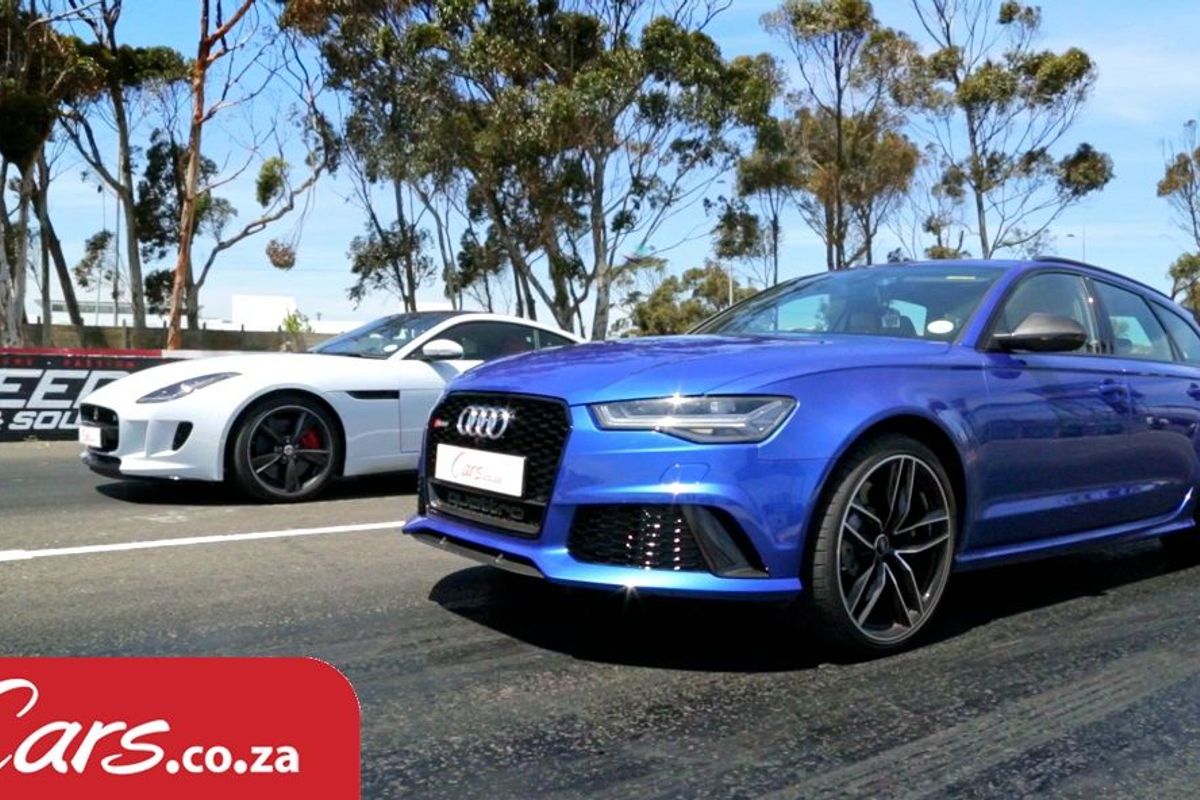
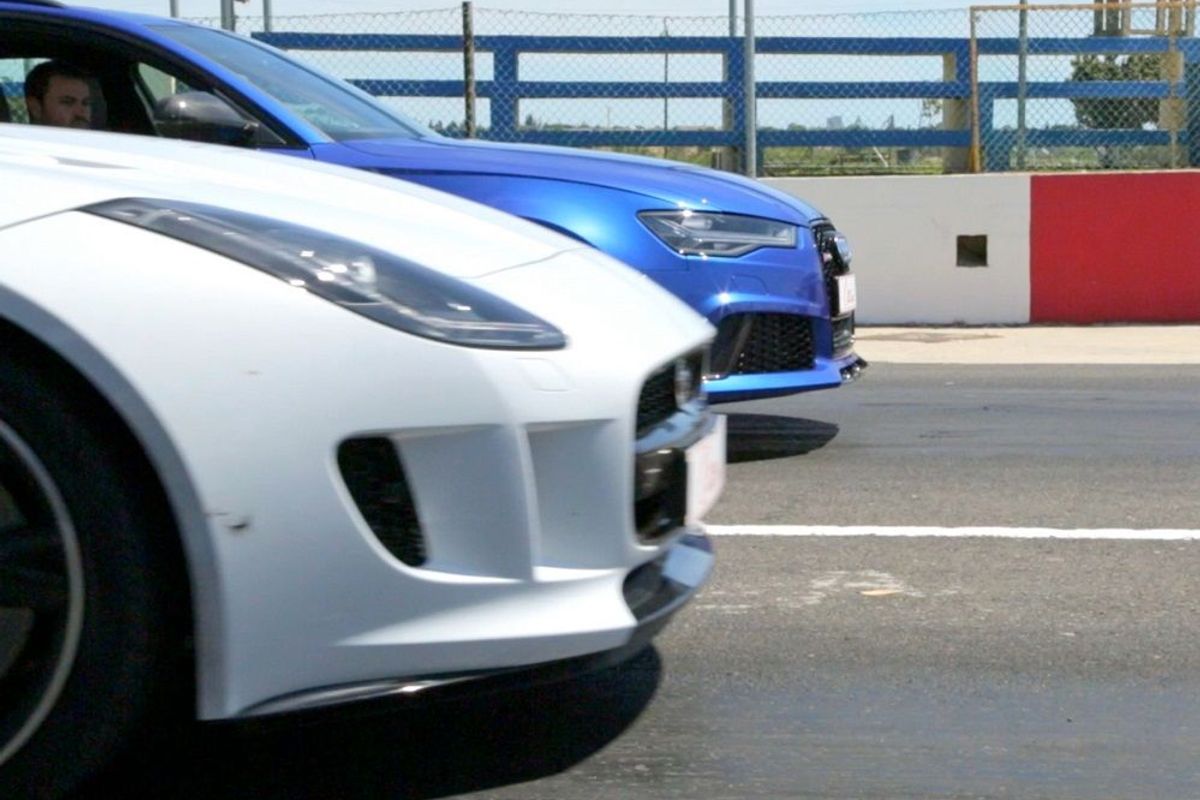
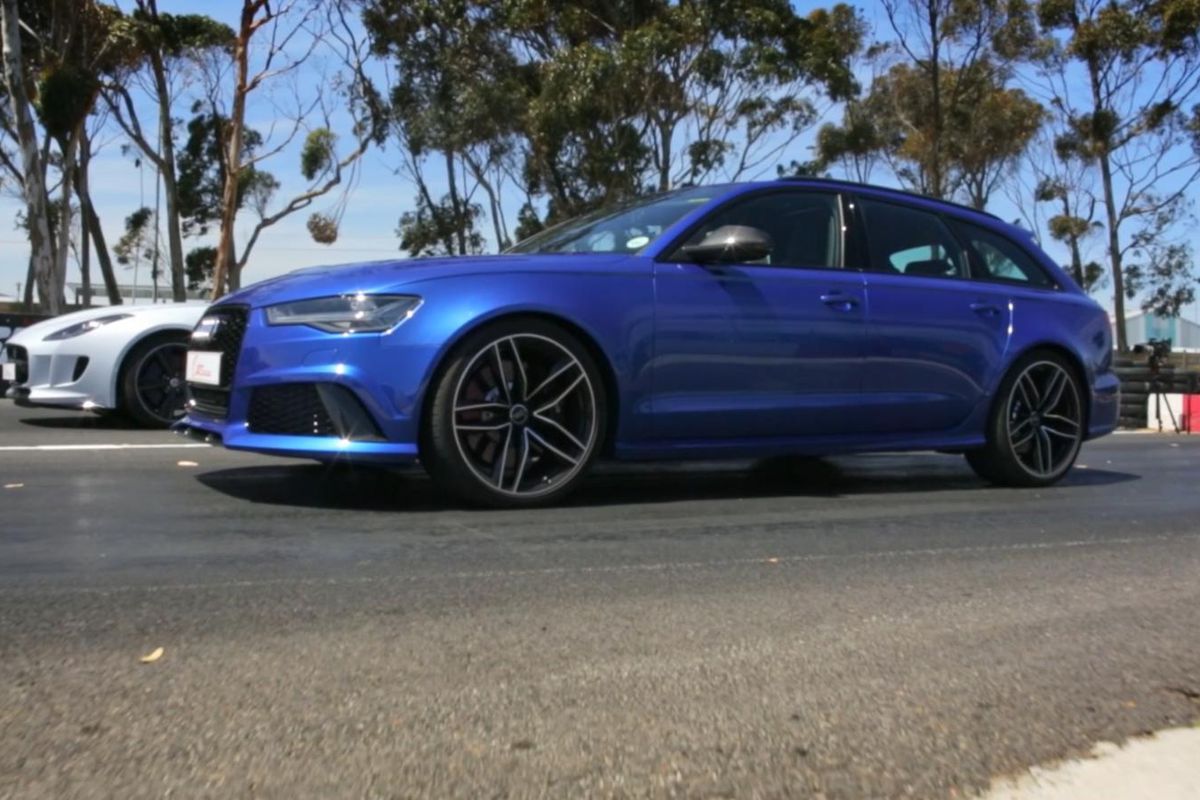
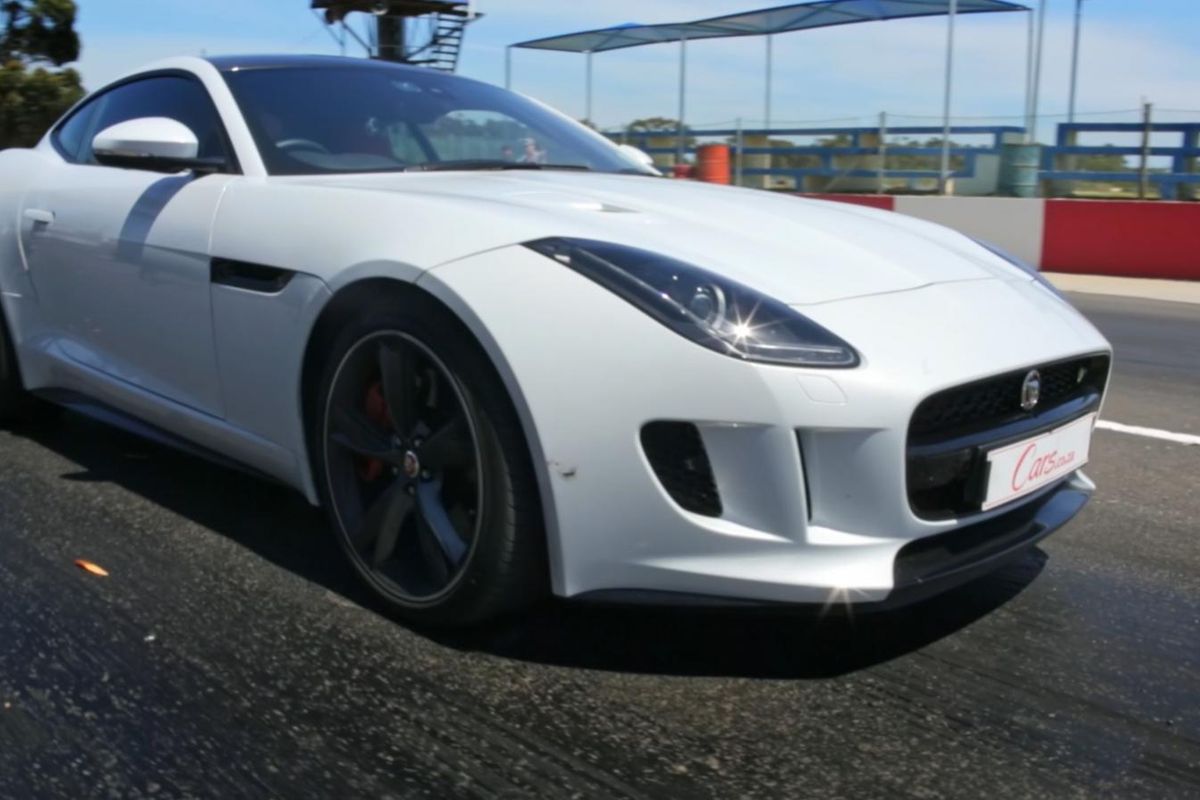
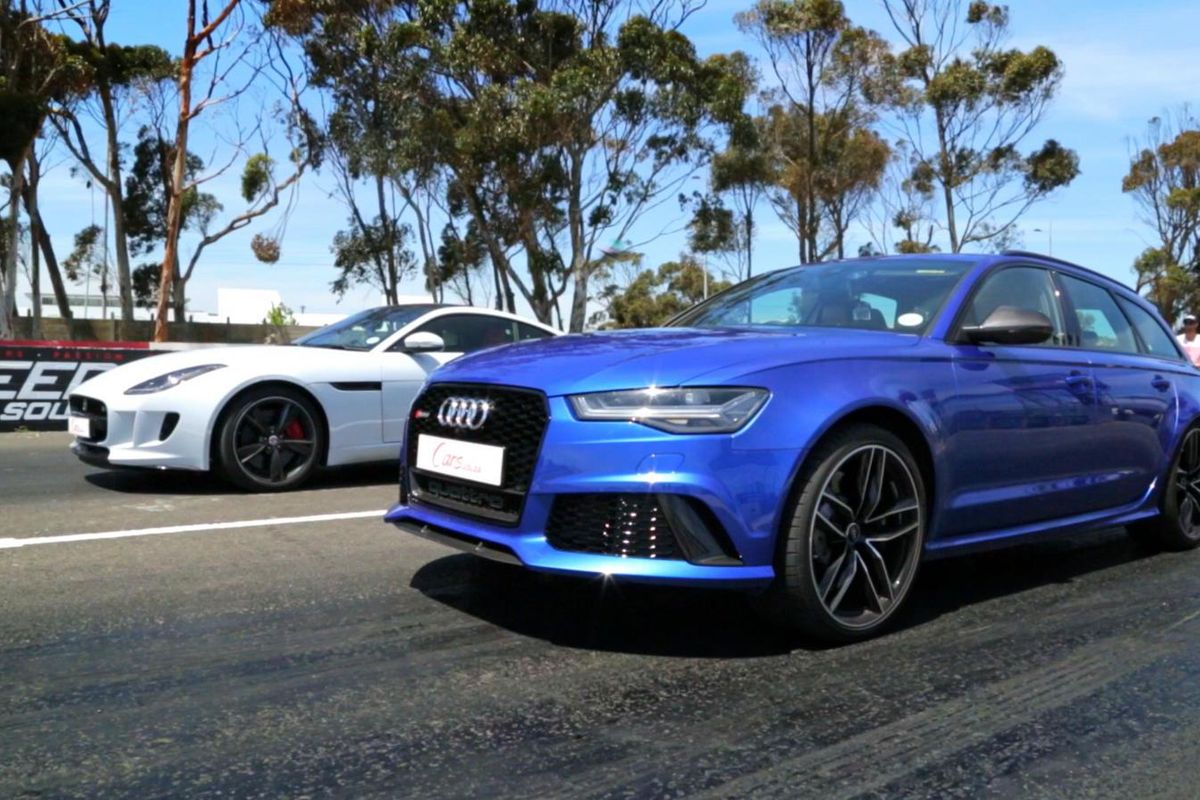
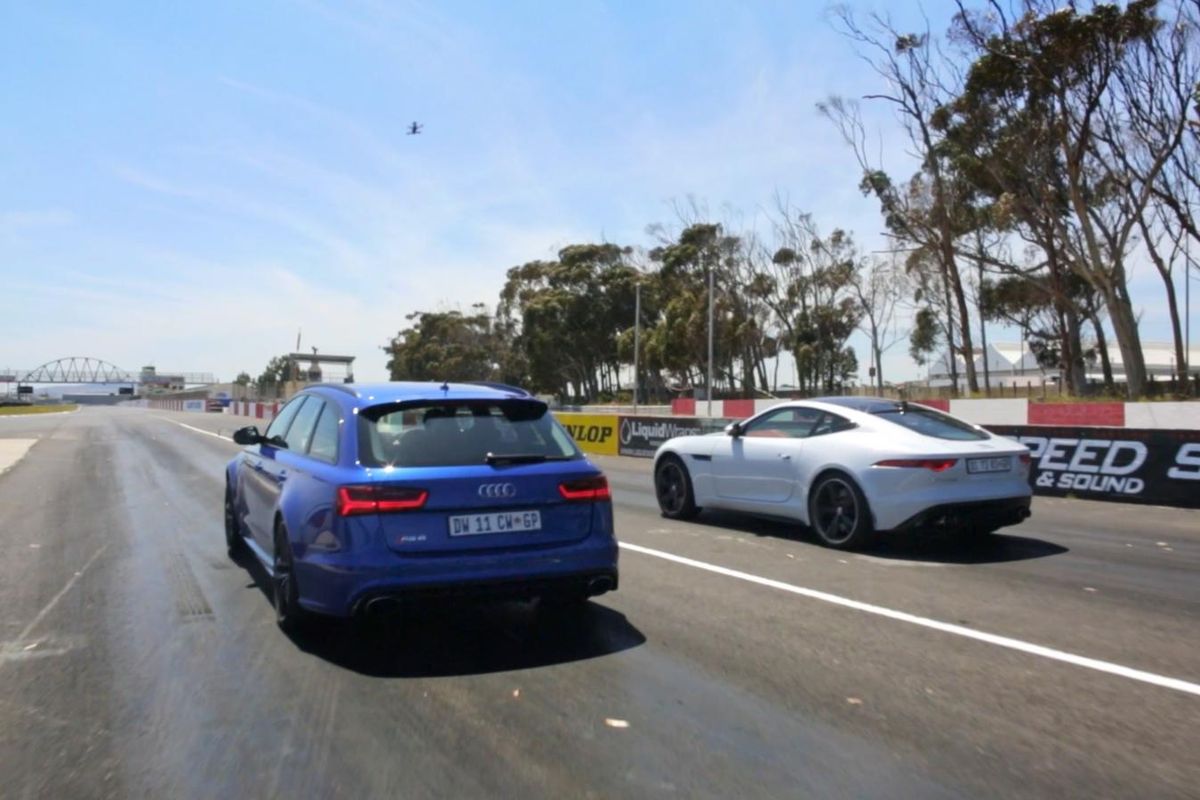
It’s round two of our rather unlikely head-to-head track shootout between the ballistic new V8 Audi RS6 Avant, and the new all-wheel-drive, V8 Jaguar F-Type R Coupe.
If you haven’t seen the track race you absolutely have to witness how close these two are in terms of standing-start hot laps. Our resident pedalist Ashley Oldfield threw the cars around the Killarney Racetrack while I did my best not to throw up, sitting in the passenger seat.
This race is a bit more simplistic: a good old fashioned quarter-mile sprint. A robot-to-robot dash in which the launch, traction and torque are all important; without any corners to show up the extra weight of the Audi, you’d have to say that the RS6, with its superior power figures, is in with a shout.
We’ve put together a full spec box for you to pore over below, take note of the incredible difference in kerb weights between the two cars.
Ashley took up the reins in the Jag while I hung on tight in the Audi, and the result is this video.
Enjoy!
2015 Audi RS6 Avant
2015 Jaguar F-Type R Coupe AWD
Price
R1 465 000
R1 760 187
Engine
4.0 litre twin turbo V8
5.0 litre supercharged V8
Transmission
8-speed automatic
8-speed automatic
Power
412kW
405kW
Torque
700Nm
680Nm
Torque peak
1750-5500rpm
3500prm
0 – 100km/h
3.9 seconds
4.1 seconds
Top Speed
250km/h (limited)
300km/h
Kerb weight
2025kg
1730kg
Fuel economy
9.8 litres/100km
11.3 litres/100km
Airbags
6 (opt 8)
4
Boot space
565 litres
324 litres
Volkswagen T-Series (2015) First Drive
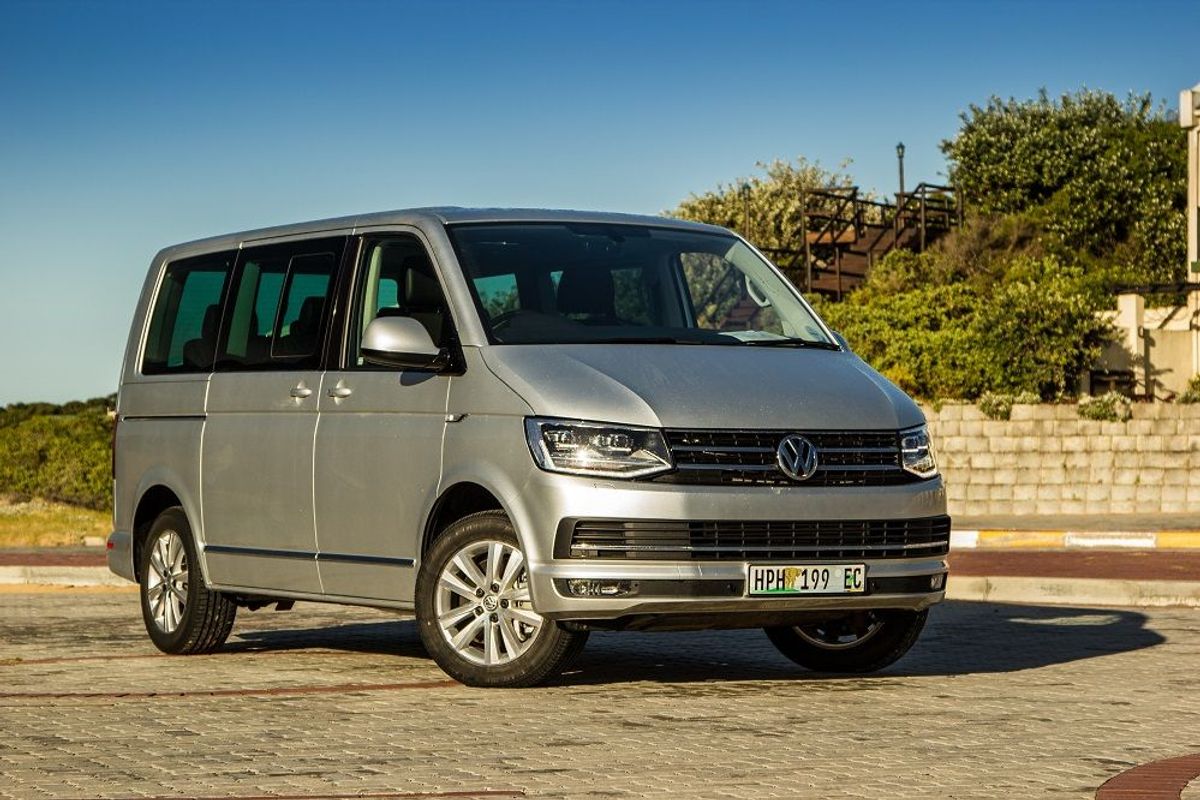
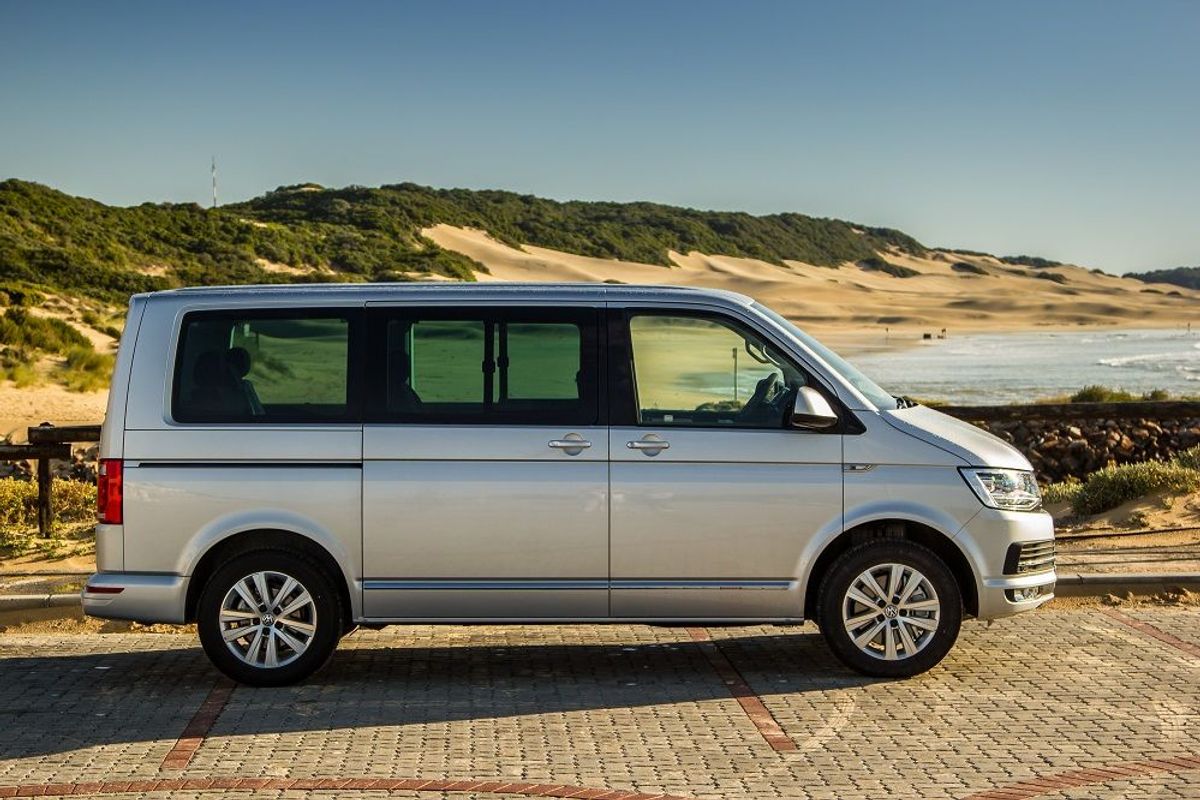
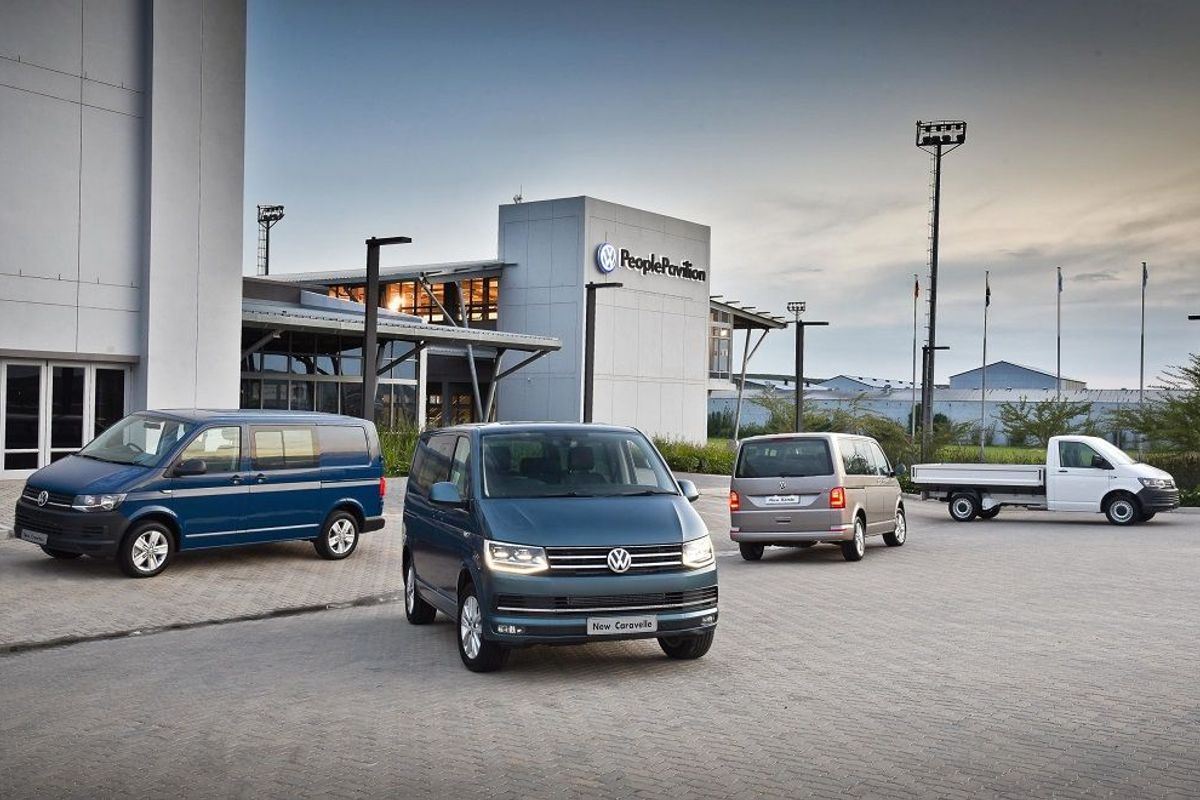
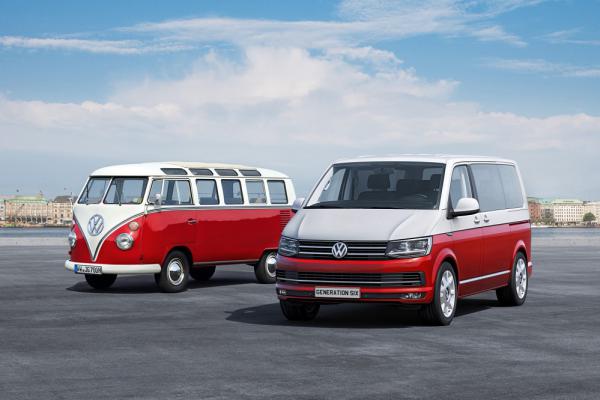
The Volkswagen T-Series, or Kombi as it is affectionately known on the street, has been replaced with an all-new model and we travelled to the Eastern Cape to drive it.
Highlights
– 6th generation of Caravelle, Kombi, Transporter and commercial vehicles now here
– Generous specification across the board
– Option of seven-speed DSG or manual gearboxes
– Bi-tone Heritage colours arrive in 2016
The Volkswagen van is something of a cult classic and the last generation alone racked up two million global sales. As it stands 23 400 of the previous generation T5s found homes in South Africa. The original came out 65 years ago and it was manufactured at Volkswagen’s plant in Uitenhage. Production ceased in 2002 but the vehicle has remained close to South African hearts. Remember the advertising campaign withDavid Kramer?
The Volkswagen T6 range is comprehensive – there’s a vehicle for every need. On the commercial side of things, there’s the Transporter pickup, Transporter crewbus and panel van. Private users can go for the Kombi or Caravelle which offer enhanced family practicality and premium features. You can really mix it up with the Transporter Crew Bus as it has the most options; take your pick from various gearboxes, engines and even short- or long-wheelbase versions.
What’s New for T6?
Starting off, the new T6 looks a lot sharper and modern at the front. On the higher spec models, there are very fresh-looking daytime running lights. The overall shape has not changed that much however, which is understandable as the key focus of this vehicle is practicality.
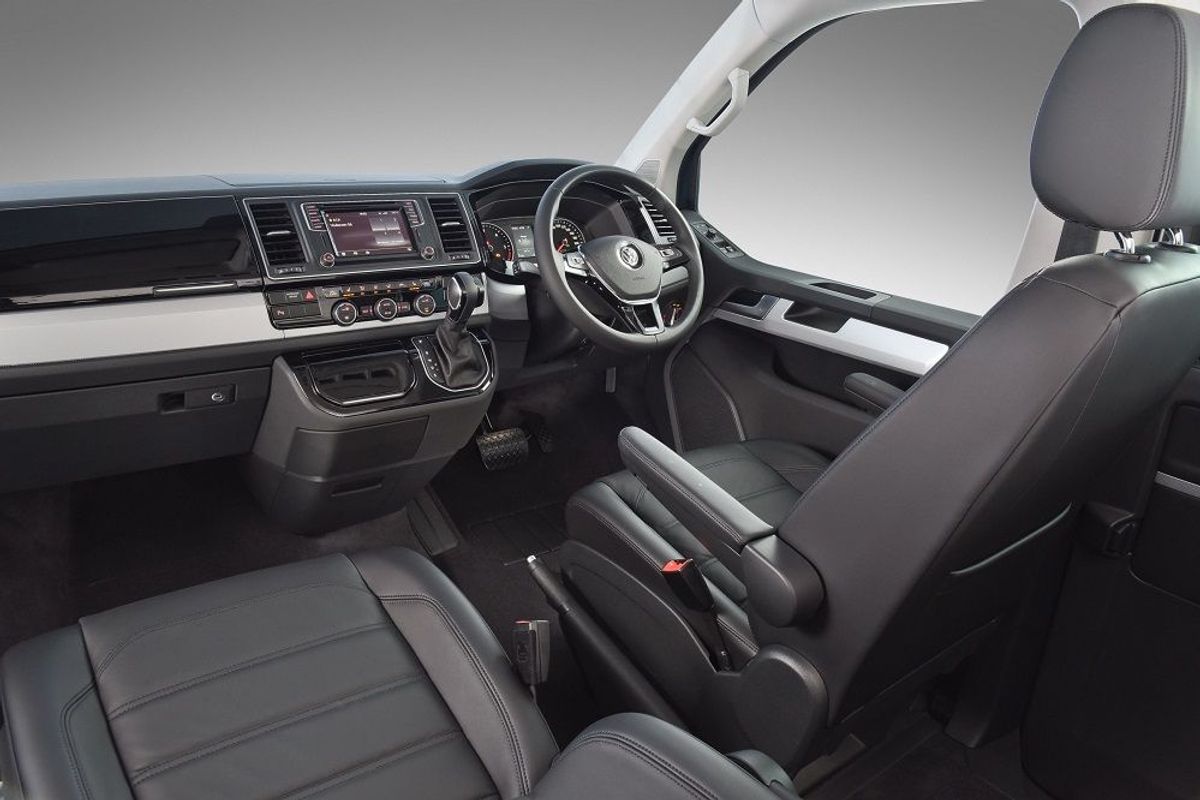
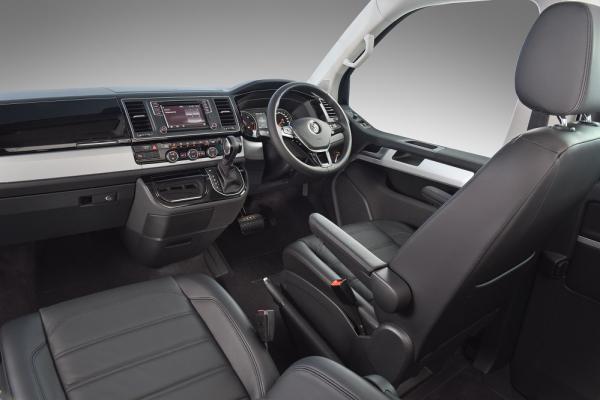
The interior has been on the receiving end of significant upgrades and the big news is the all-new touchscreen infotainment system which is smartphone compatible. The dashboard receives a more premium look and feel too, while practicality increases with redesigned storage bins. There’s also a new range of steering wheels.
The Engines
The engine line-up for the 2015 Volkswagen Transporter range has not changed and the brand continues to offer diesel engines in various states of output. Bottom of the pile is a 2.0-litre TDI motor with 75 kW / 250 Nm, while the top-spec engine is a 2.0-litre biturbo diesel with 132 kW and 400 Nm. Arguably, the best engine of the range is the 103 kW and 340 Nm which sits between the two.
In terms of transmissions, the low-spec 75 kW comes with a five-speed manual gearbox, while the 103 kW engine has the option of either a 6-speed manual or a 7-speed DSG. Finally, the Caravelle range comes only with a 7-speed DSG. 4Motion four-wheel drive is available as an option.
Fuel consumption is rated at 7.3L/100km, 8.0L/100km and 8.8L/100km for the 75 kW, 103 kW and 132 kW engines respectively.
Safety Upgrades
The Volkswagen T6 range has always been a well-equipped model in terms of safety with ESC, driver and passenger front airbags and electric seatbelt tensioners being fitted. Other features include SC (Electronic Stability Control), ABS (Anti-lock Braking System), ASR (Anti-slip Regulation), EDL (Electronic Differential Lock), TCS (Traction Control System), and Hill hold control. Most Volkswagen Transporters have six airbags and ISOFIX seat mounts. The 6th generation now receives multi-collision braking system and some Kombi/Caravelle models come with fatigue detection.
The Launch
Our launch took us out to the Eastern Cape and, cleverly, Volkswagen South Africa made it a partner event to highlight the practicality and spaciousness of the new vehicle. The Volkswagen Kombi with six people onboard is a comfortable ride, and we found the 103 kW / 340 Nm engine adequate when on the open road. The DSG transmission is as smooth as ever and it does a fine job of keeping the engine in the sweet spot for overtaking. The ride is quite refined too, but passengers in the third row will feel vibrations and bumps on uneven roads due to sitting on the rear axle.
We turned onto a dirt road which, thanks to some heavy rain, had become rather muddy. Our front-wheel drive Kombi initially battled and despite some minor eyebrow-raising low-speed sideways movements, we made it through. The ESP worked overtime to keep the vehicle in a straight line and at times we were kicking ourselves for not selecting a 4Motion vehicle, which had no traction issues whatsoever, of course.
The vehicle itself is a great exercise in practicality and comfort, with all six passengers reporting that they had plenty of space and room to stretch their legs. The boot swallowed everyone's luggage with ease too.
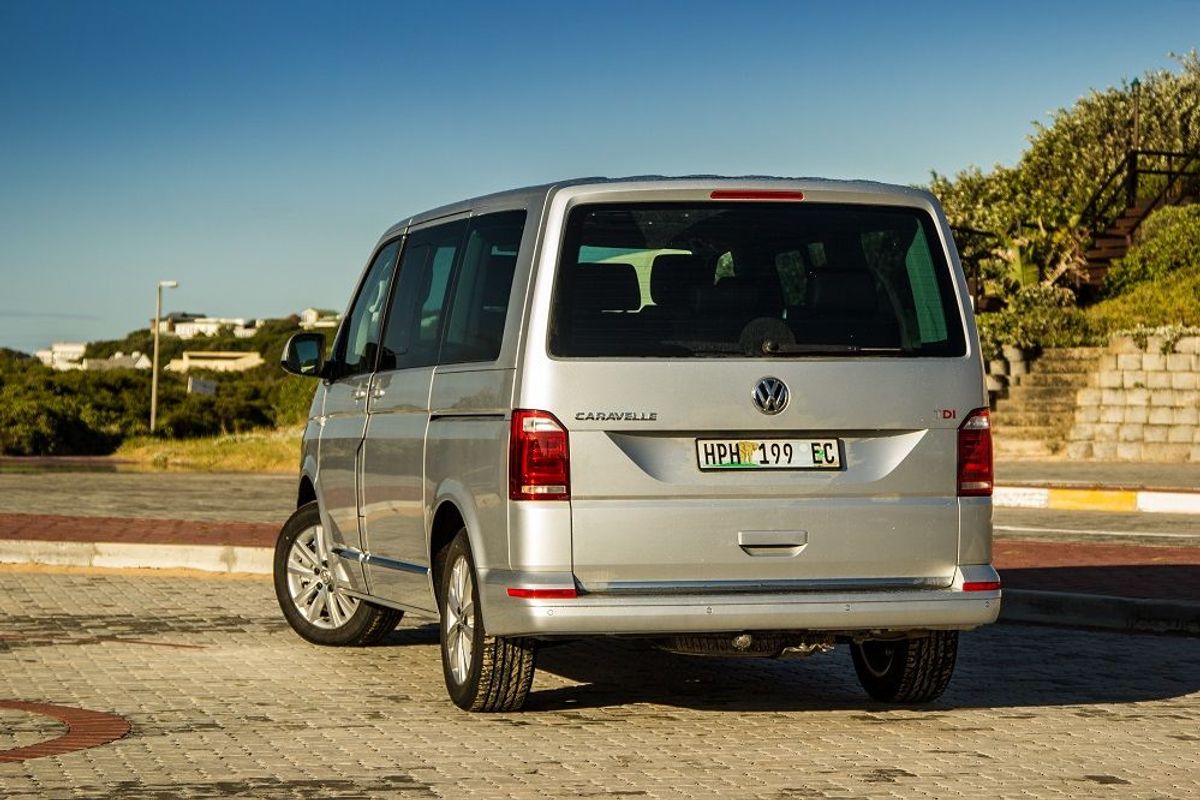
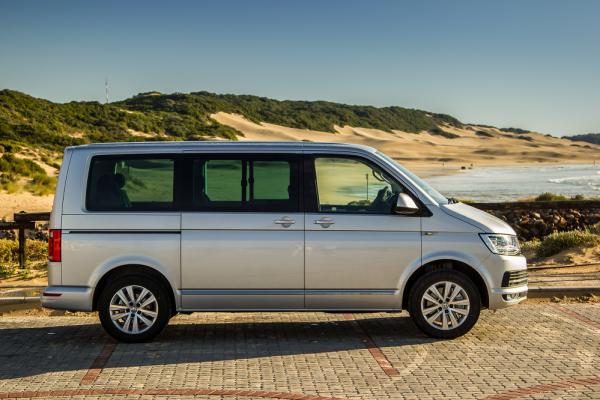
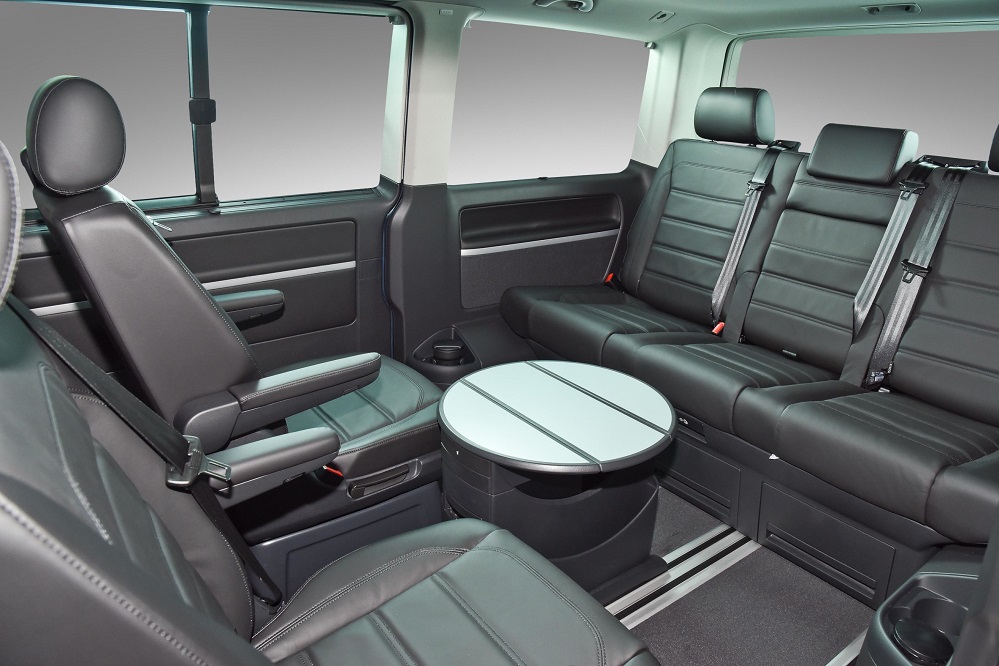
The following day we got behind the wheel of the premium Caravelle which you see pictured at the top of this article. It offers a lot more in terms of premium features and all seats are wrapped in Alcantara leather, with the driver gaining a 12-way adjustable seat with memory function. A very cool touch is the fold-out table in the middle of the vehicle which interestingly doesn’t get in anyone’s way. On the outside are LED head- and taillights which make the vehicle really stand out. For 2016, you’ll be able to specify bi-tone paint jobs which give the vehicle a retro look. It’ll set you back R30k, however.
In summary, the Volkswagen T6 continues to do what it’s always done. It’s practical, comfortable and offers generous specification no matter what you need. The ride and the cruising ability are good, with comfort and refinement levels being right up there. To rival the Caravelle, you need to fork out considerably more for a Mercedes-Benz V-Class. If you’re looking to run an airport shuttle business, or do the school run with your children and their mates, the Volkswagen Transporter series offers a solution for you. Volkswagen SA is pitching its latest T6 series against the Mercedes-Benz V-Class, Kia Grand Sedona, Hyundai H-1 and the Chrysler Grand Voyager.
Volkswagen Transporter (6th Generation) Price in South Africa
Retail Prices (VAT and emissions tax included – only on passenger derivatives)
Kombi and Caravelle models come standard with a 3 year/120 000 km manufacturer warranty and 5 year/60 000 km Automotion Maintenance Plan. Transporter models are offered with a standard 2 year/unlimited km manufacturer warranty and 3 year/60 000 km Automotion Maintenance Plan. All models have a 12 year anti-corrosion warranty and 15 000 km service intervals.
Transporter Pick-Up
2.0 TDI Single Cab Pick Up LWB 75kW R293 900
2.0 TDI Double Cab Pick Up LWB 75kW R332 800
2.0 BiTDI Double Cab Pick Up LWB 132kW R409 800
Transporter Panel Van
2.0 TDI Panel Van SWB 75kW R362 600
2.0 TDI Panel Van LWB 75kW R370 600
2.0 TDI Sport Van SWB DSG 103kW R432 600
Transporter Crew Bus
2.0 TDI Crew Bus SWB 75kW R421 100
2.0 TDI Crew Bus LWB 75kW R429 100
2.0 TDI Crew Bus LWB DSG 103kW R464 400
2.0 BiTDI Crew Bus SWB DSG 132kW R489 400
2.0 BiTDI Crew Bus SWB 4MOTION DSG 132kW R519 900
2.0 BiTDI Crew Bus LWB 4MOTION DSG 132kW R527 900
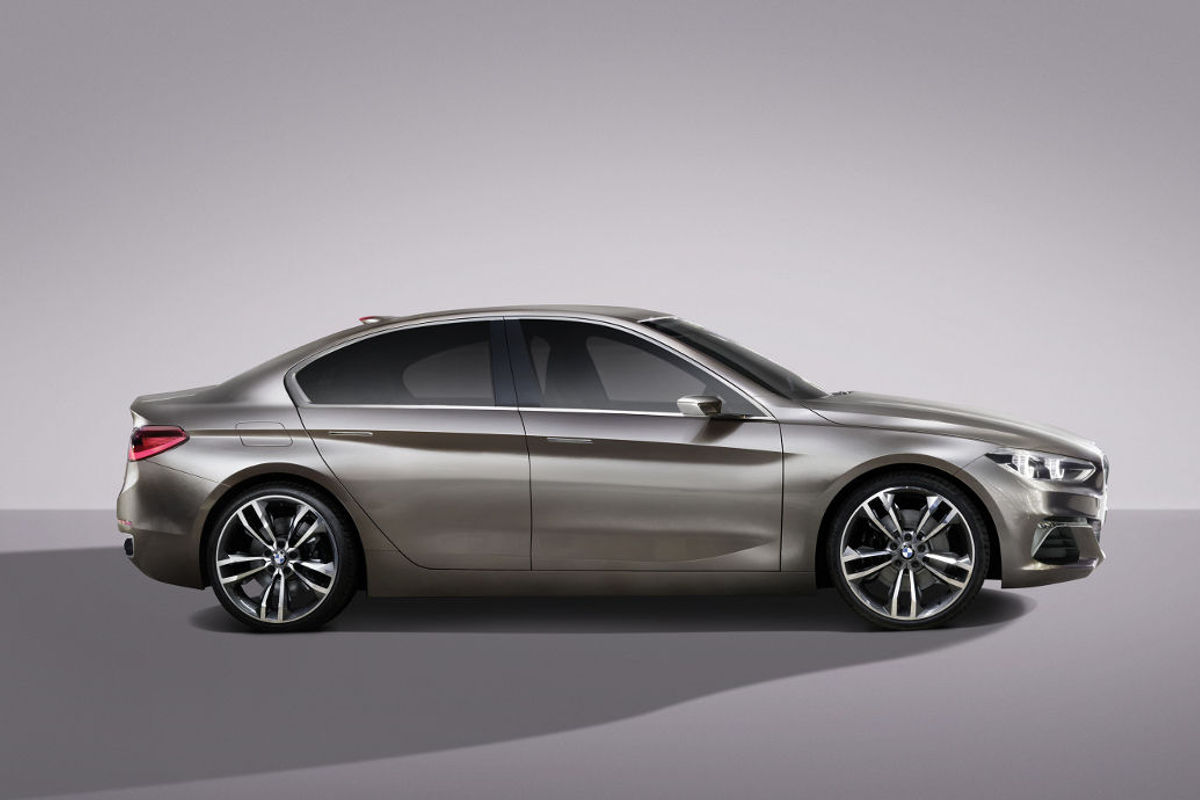
BMW has used the 2015 Guangzhou Motor Show in China to show off its latest concept, the 1 Series Compact Sedan concept.
Reports indicate that the production 1 Series Sedan model will be revealed in early 2016 and will be only be available to the Chinese market. Judging by the looks of the 1 Series Sedan Concept, BMW may be onto something good here and we can only hope that BMW considers offering the 1 Series Sedan in other markets, including South Africa.
Adrian van Hooydonk, Senior Vice President BMW Group Design commented, “The BMW Compact Sedan Concept reveals the potential we see in a compact sedan. It not only gives the driver and passengers generous amounts of space within a compact area but does so while providing the sporting ability you'd expect from BMW and an elegance otherwise only available in large BMW sedans. The quality and intrinsic value of the BMW Compact Sedan Concept are clear signals of our premium intentions for the car."
Special Features
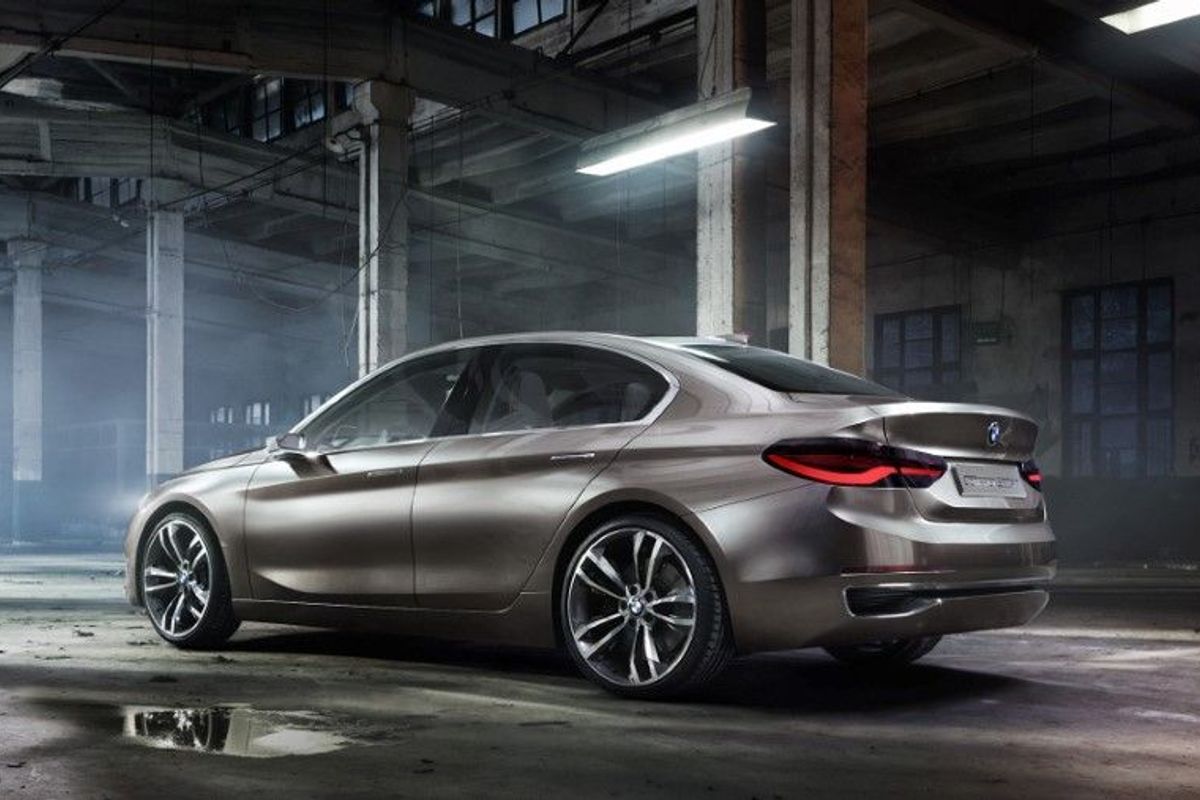
The BMW 1 Series Sedan Concept features an exclusive paint job called Liquid Metal Bronze and BMW says that ‘fine pigments in the paint shift between light and dark depending on the incidence of light’ for special effect. The 1 Series Sedan Concept is also fitted with 20-inch light alloy wheels with a double spoke design.
Up front, the kidney grille is flanked by twin circular LED headlights making it quickly recognisable as a BMW while the V-shaped central air intake gives the car a broad appearance. At the rear, L-shaped LED taillights are a distinct feature while a chrome insert adds a dash of class to the overall look.
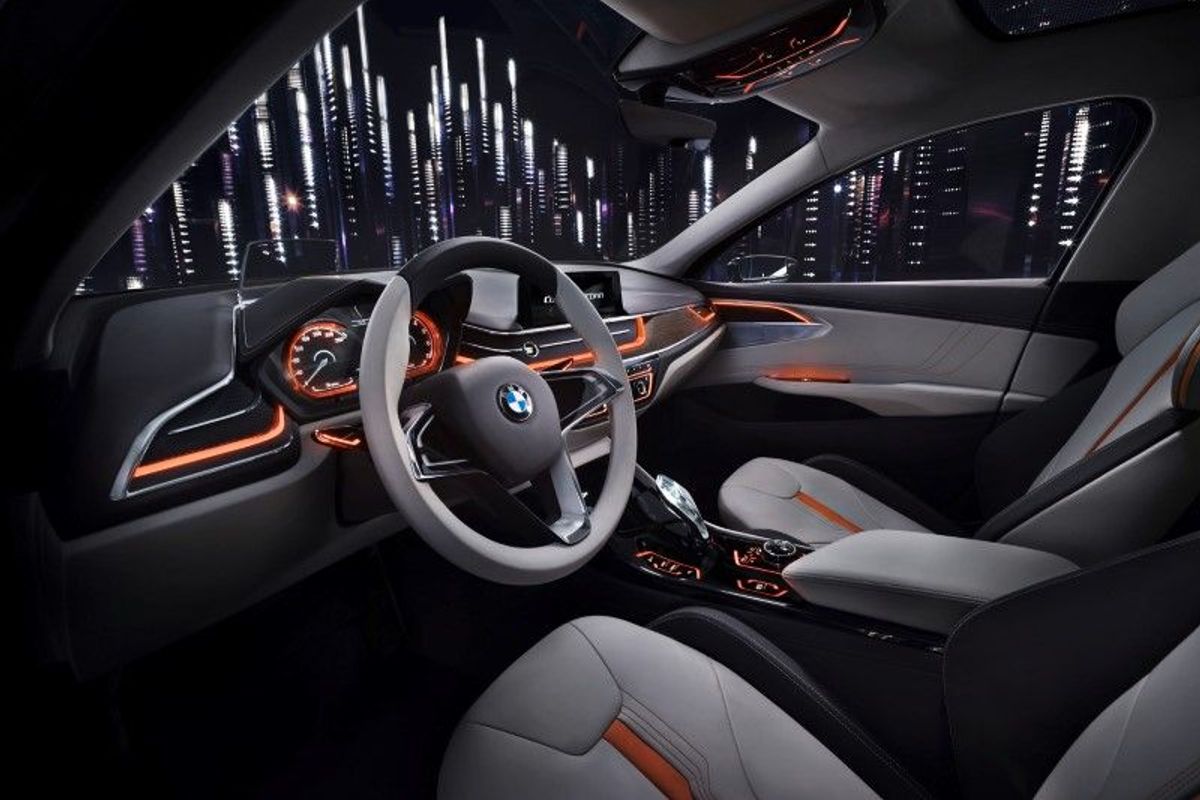
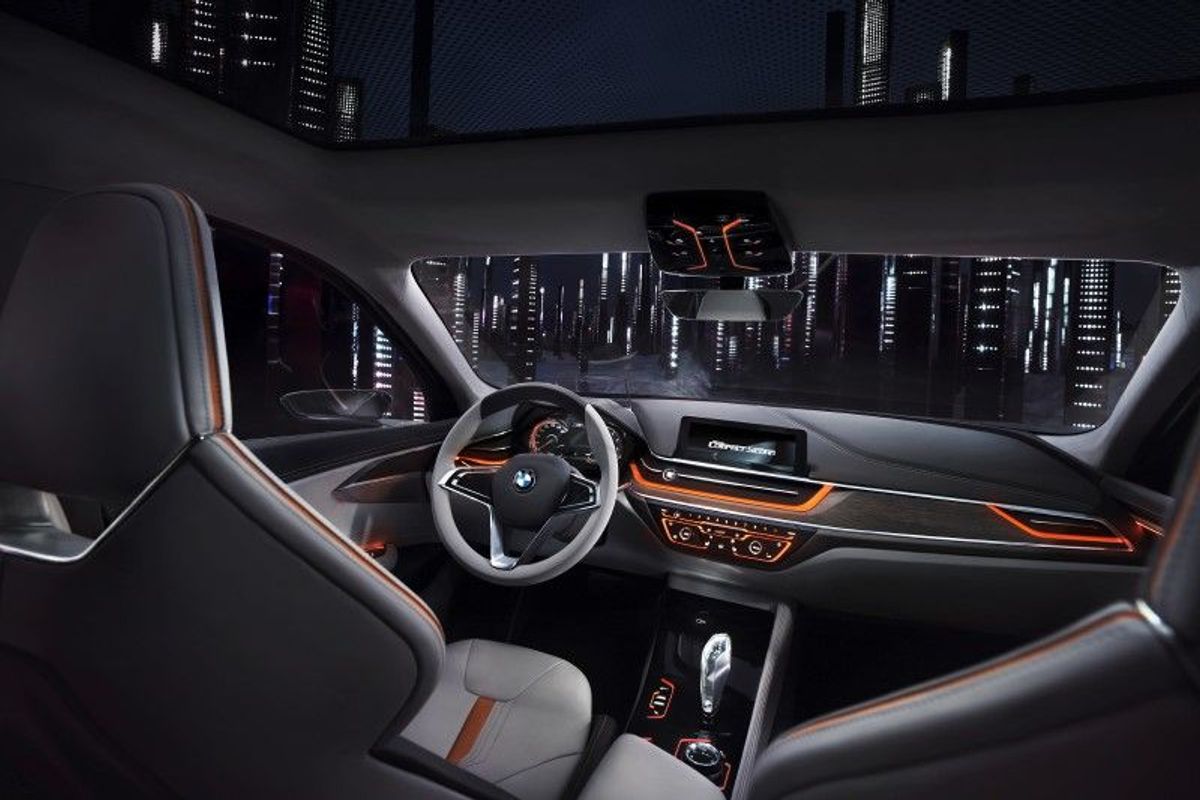
The interior is focussed on the driver with lines converging either side of the steering wheel creating what BMW calls a ‘cone of vision’ that tapers into the Head-Up Display. Nappa leather, open pore wood and brushed aluminium decorate the instrument panel which is also covered in leather with contrasting stitching. The familiar orange contour lighting adds further character to the interior at night and the feeling of space in the interior is further emphasised by a large panoramic sunroof. Vehicle information is provided by an 8.8-inch screen in the central information display as well as in the Head-Up display.
What do you think of the BMW 1 Series Sedan Concept? Share your thoughts with us in the comment section below!
New Ford Figo (2015) First Drive
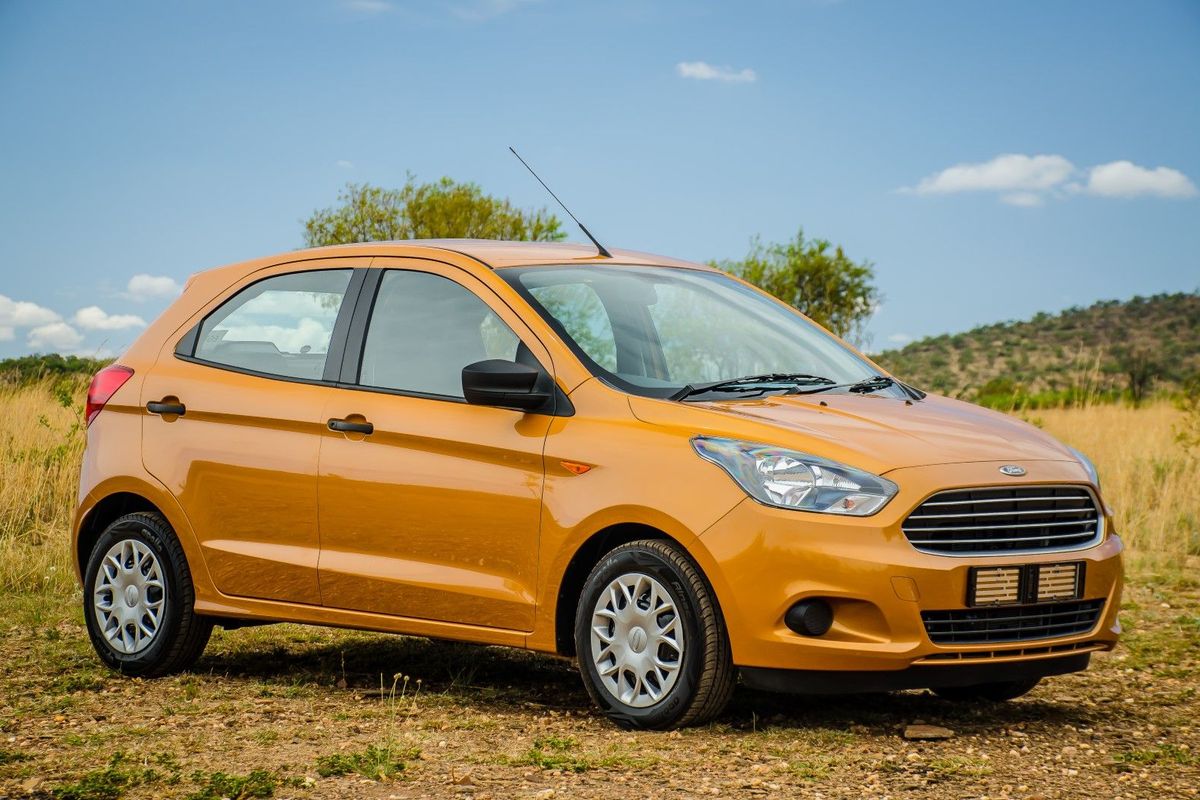
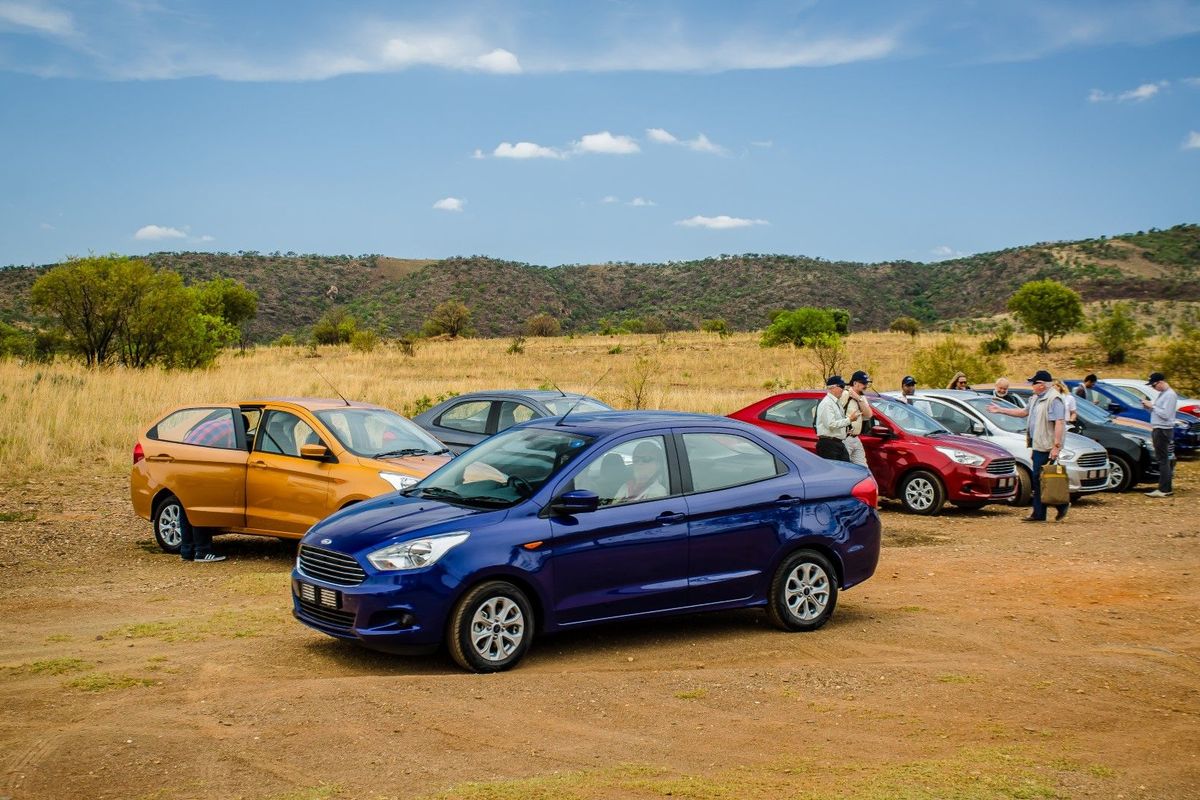
Ford has brought the new Figo to market in South Africa and it’s now available as a 5-door hatchback or 4-door sedan with petrol and diesel models on offer!
The new Figo is here to conquer the sub B-Segment and Ford is casting its net far and wide by offering the popular model in two body styles in petrol and diesel form and with a choice of manual or automatic transmissions. Customers can also choose between three trim levels to suit their needs and these include Ambiente, Trend and Titanium.
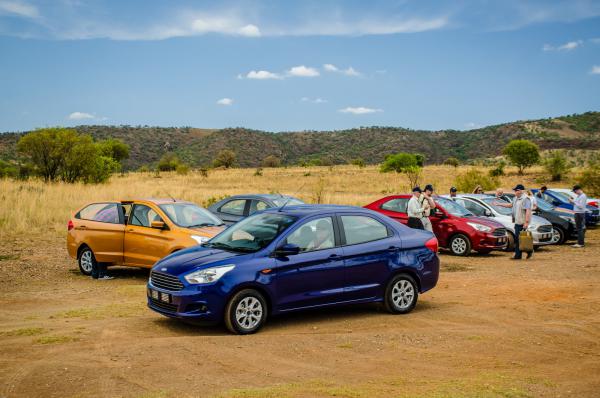
The launch of the new Figo took place on the outskirts of Johannesburg this week and we were there to give it a go!
What’s New?
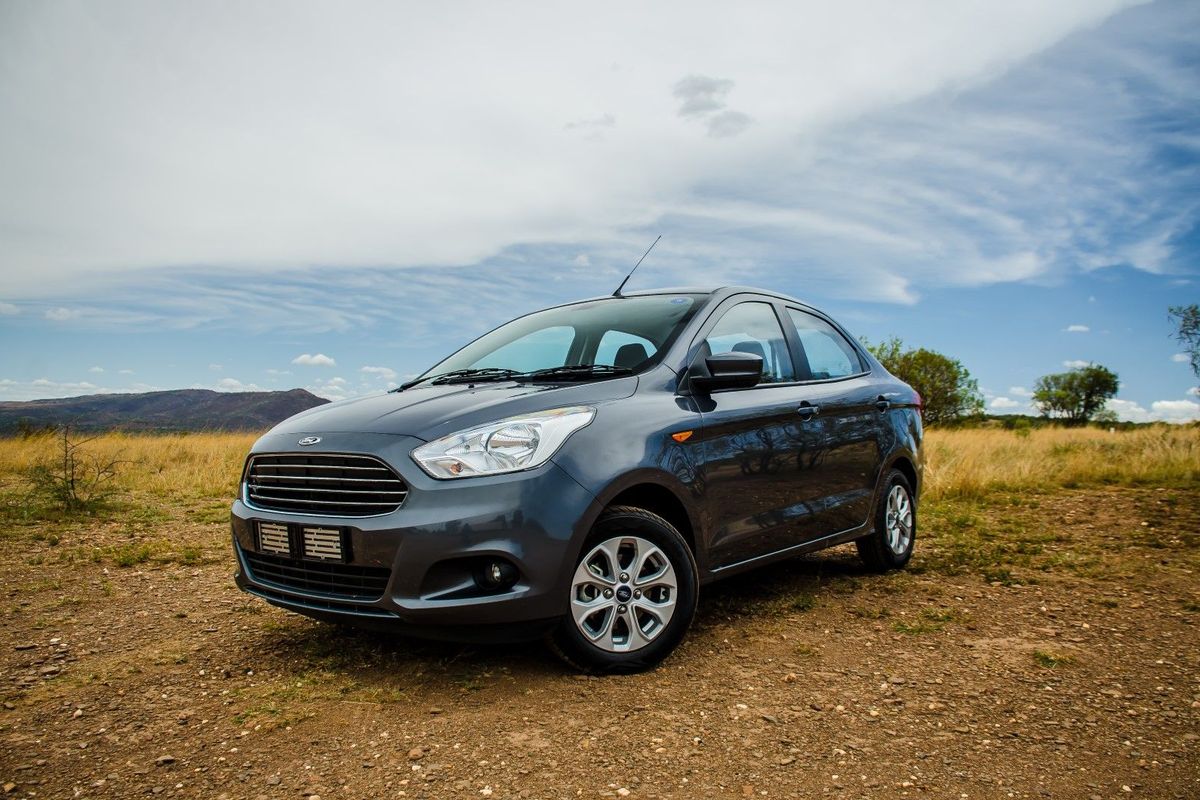
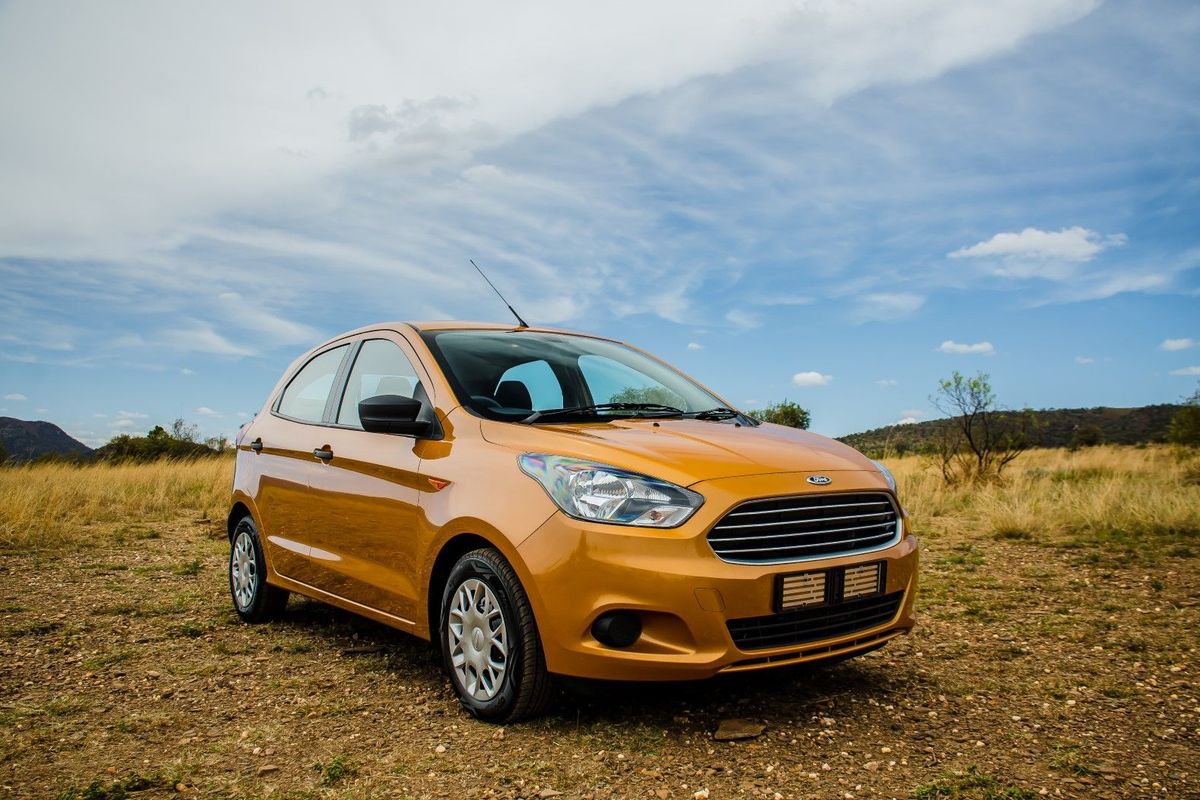
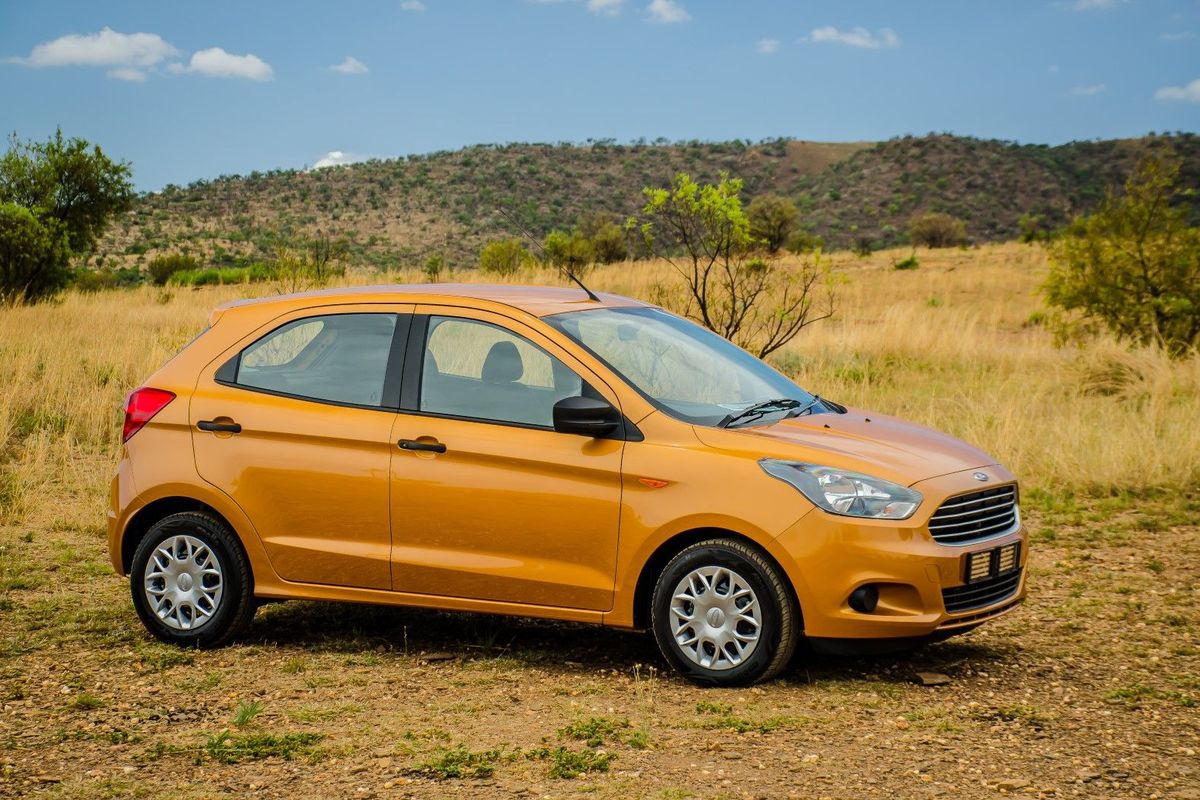
The most obvious design change can be seen up front with the new Figo wearing Ford’s Kinetic 2.0 design language with its distinctive trapezoidal grille, raked bonnet and elongated headlights. Titanium models get a touch of chrome detailing on the headlights giving the Figo a more premium look. The overall look has been further enhanced with curved lines and a swept-back windscreen and A-pillars that improve aerodynamic performance and fuel efficiency. 14-inch steel wheels with wheel covers are standard on Ambiente models while alloy wheels are fitted as standard on Trend and Titanium derivatives.
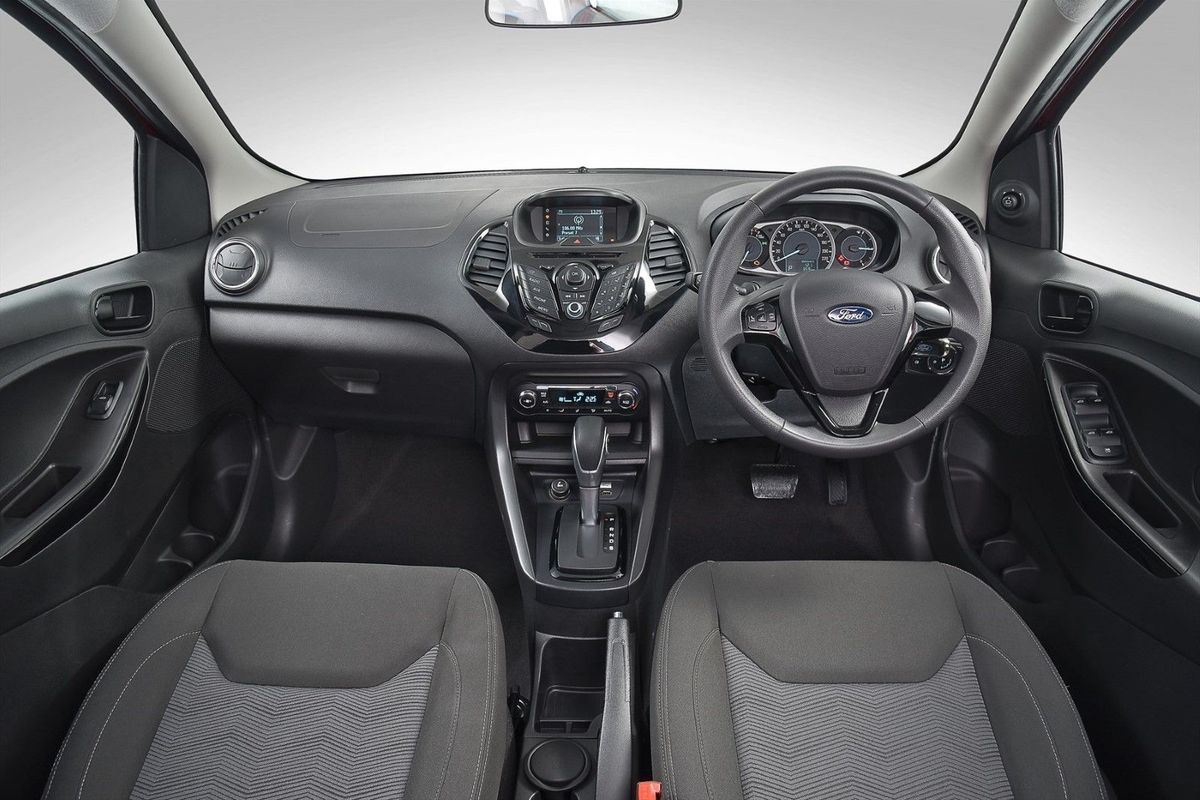
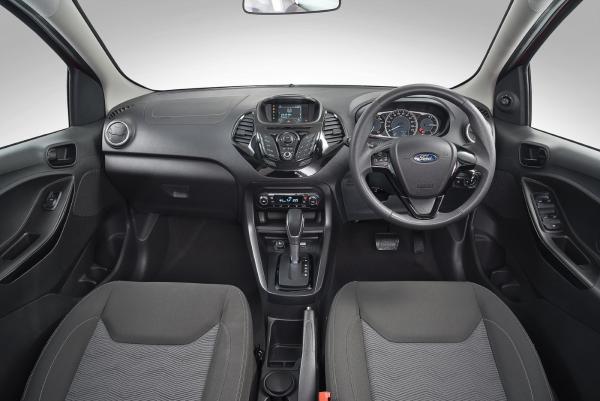
Ford has reworked the interior to offer higher levels of comfort and convenience. Air conditioning is fitted to cool you down on those sweltering days and automatic climate control is offered on Titanium models. Storage space in the cabin has been improved too and the Figo has at least 20 storage spaces dotted around the cabin for your convenience. These include two bottle holders in the front doors, three cup holders, rear passenger bin and a large glovebox. There’s also a hidden compartment on the driver’s side of the dashboard to keep smaller items safe and out of sight and can only be accessed when the driver’s door is open.
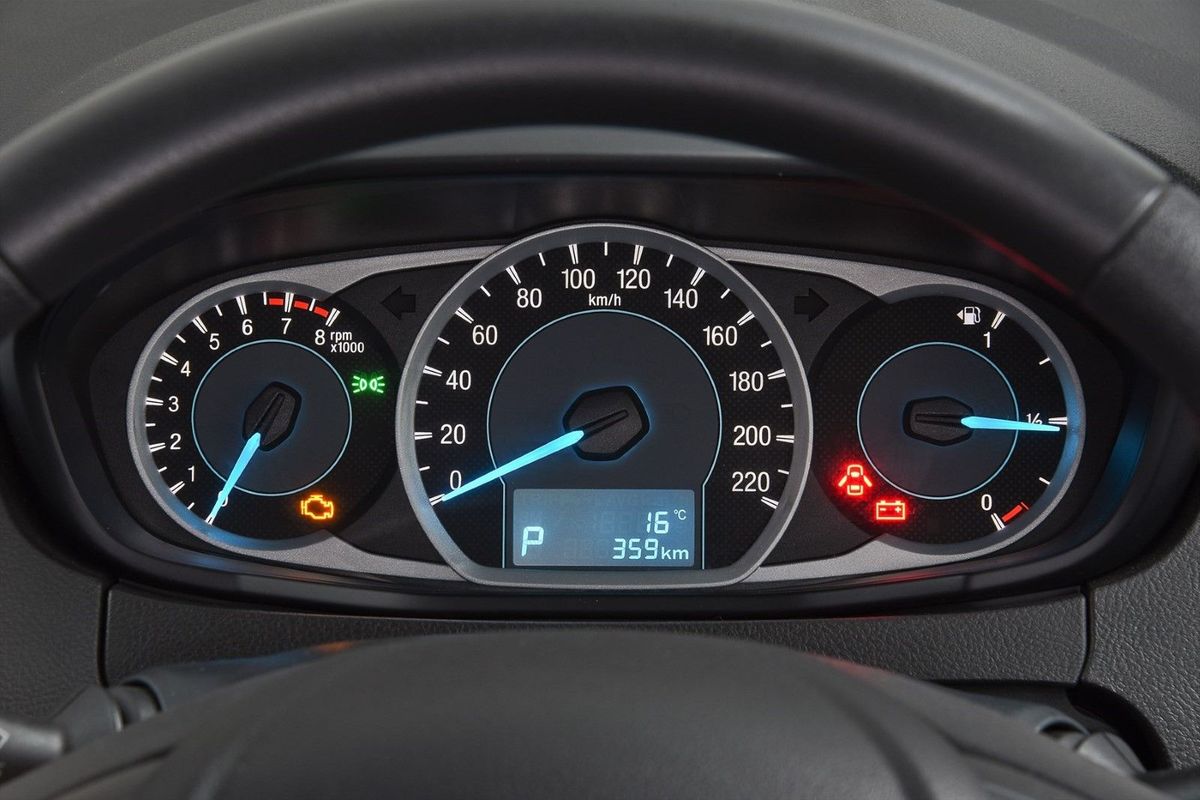
In terms of technology, the Figo Ambiente and Trend models are fitted with MyFord Dock for the first time and allows the driver to dock their mobile phones, MP3 players or satellite navigation systems which is then integrated into the car’s entertainment system. For higher levels of integration, Ford’s SYNC in-car connectivity system is available on Titanium models only. Standard features for Ambiente and Trend models include a four speaker Radio/CD player with MP3 and Bluetooth connectivity as well as USB and Aux ports. Figo Titanium further benefits from mounted audio controls on the steering wheel. Ford MyKey is also offered on Titanium models and allows the owner to set restrictions on things like maximum speed limit, radio volume levels and seatbelt warnings.
Under the Bonnet
Ford has done away with the previous 1.4-litre engine and replaced it with a four-cylinder 1.5-litre engine in both petrol and diesel form. In petrol guise, the 1.5-litre engine offers up 82 kW and 136 Nm of torque with a combined fuel consumption figure of 5.6L/100km.
The 1.5-litre diesel engine on the other hand offers 74 kW and 215 Nm of torque with a claimed combined fuel consumption figure of 4.1L/100km. The engines can be paired with either a 5-speed manual transmission or a 6-speed automatic transmission which is only available for Titanium hatchback and sedan models.
In terms of safety, the new Figo features a strengthened passenger cell with dual front airbags fitted as standard while the Figo Titanium is fitted with a total of six airbags. ABS is standard too and Titanium models benefit further from Electronic Stability Program (ESP) and Hill Launch Assist.
New Ford Figo – First Impressions
The launch route took us in the vicinity of Hartebeespoort Dam with the road surface being notoriously poor. We managed to sample the new Figo in both hatchback and sedan guise but we only had time to drive the petrol Titanium derivatives fitted with the 6-speed PowerShift automatic transmission. Unfortunately we didn’t get a chance to drive the manual and diesel derivatives.
Nonetheless, we managed to gain some insight. In both the hatchback and sedan, the 6-speed automatic did a fair job of scooting the Figo around. It was quickly noted that the engine takes strain under hard acceleration and the automatic transmission takes its time to decide what gear it needs to be in as the revs climb. By adopting a more reserved driving approach, gear changes evened out somewhat. The Figo automatic seemed to prefer being driven with a lighter foot and once up to speed, the Figo actually cruises along nicely. Don’t expect much in way of outright performance as the Figo automatic clearly isn’t built to be driven hard. For driver’s looking for a bit more engagement, the 5-speed manual may be better in terms extracting the most out of the engine. The automatic however will appeal to people looking for a relaxed, no-fuss solution for commuting in the city.
In terms of ride and handling, the Figo offers a good, comfortable ride. With its Electronic Power Assisted Steering (EPAS), the steering lightens up at low speed and gets heavier as speed increases. The steering felt direct and responsive out on the road making the Figo easy to drive and manoeuvre. On the bumpy roads around Hartebeespoort Dam, the new Figo managed to even out imperfections reasonably well and it felt composed despite poor road conditions.
Overall, our first impressions of the new Figo are positive and the extended offering across the range will in all likelihood boost customer interest and have a knock-on effect on sales going forward. We will hopefully have the new Figo on test soon to give it a thorough evaluation.
New Ford Figo Price in South Africa
Hatch
1.5 Ambiente – R158 900
1.5 Trend – R167 900
1.5 Titanium – R181 900
1.5 Titanium PowerShift Auto – R203 900
1.5 TDCi Ambiente – R189 900
1.5 TDCi Trend – R199 900
Sedan
1.5 Ambiente – R160 900
1.5 Trend – R169 900
1.5 Titanium PowerShift Auto – R205 900
Best Selling Brands in the World
The world's most popular automotive brands are vastly different to what you may expect them to be based on our own favourites. So, which car brands top the sales charts in other parts of the world?
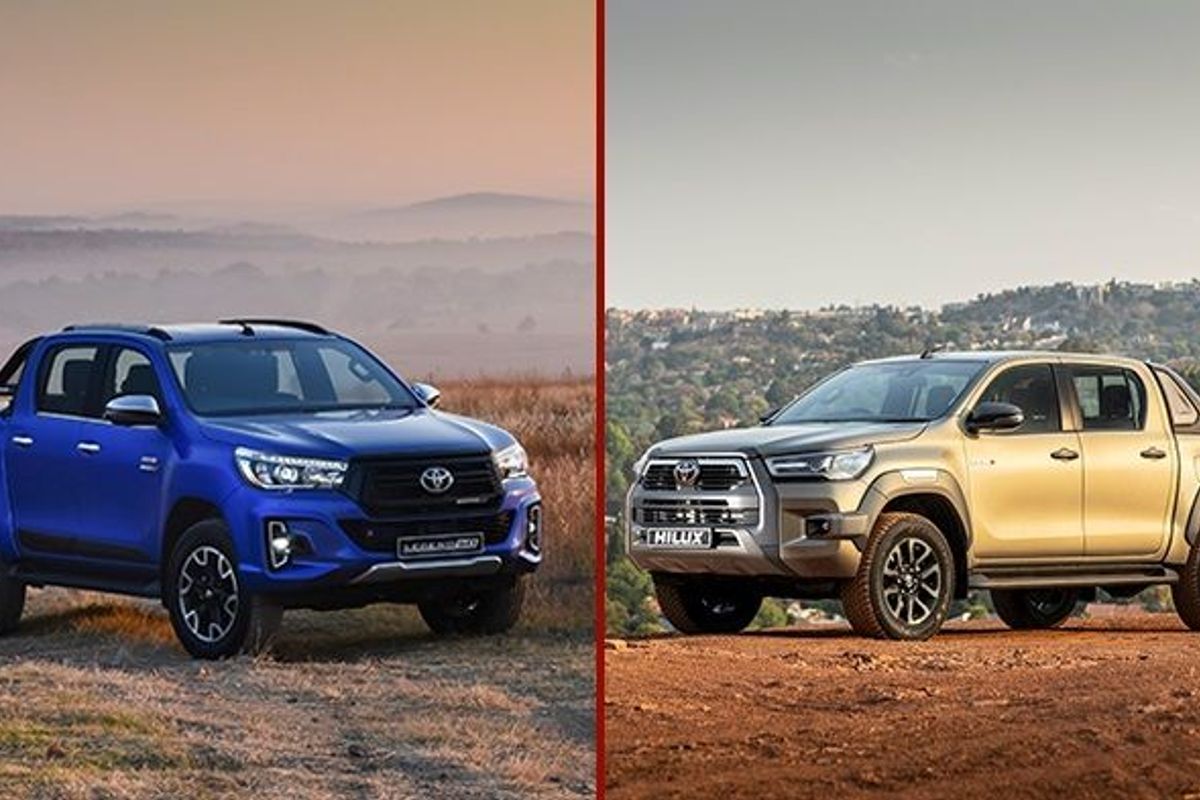
Every month we post a list of the best selling cars in South Africa based on car registrations. The outcome is generally the same however; there’s either a Toyota Hilux, a Ford Ranger or a Volkswagen Polo at the top, and then the rest. Our local market has been dominated by Toyota and Volkswagen for decades, but is it the same story in other countries?
On a global scale it would seem accurate, Toyota is the global leader with around 10.23 million vehicles sold. VW is second with 10.14 million and General Motors third with 9.92 million deliveries in 2014. But when we dig a little deeper into model specifics in certain countries, it’s interesting to see what brands other markets favour.
Best selling brands in Australia
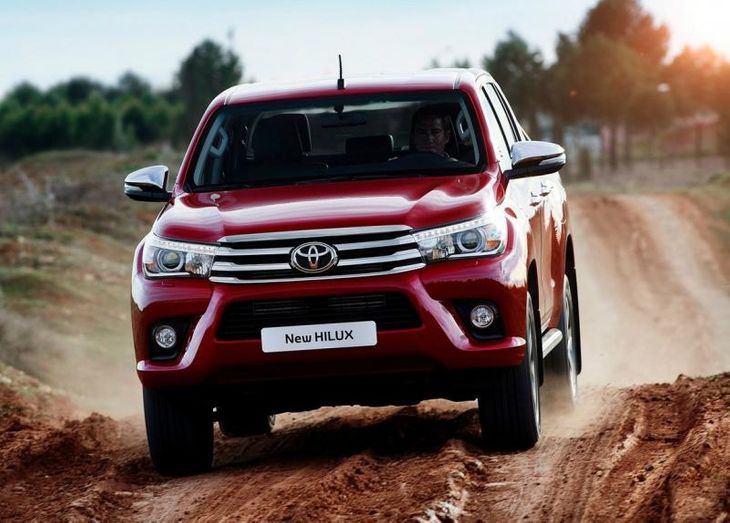
Much of the world is experiencing good vehicle sales growth in 2015 – South Africa not included. Australia is heading for an all-time sales high in 2015 and leading the charge down under is Toyota. Hyundai and Mazda are also firm favourites and round out the podium spots for total car sales. Just like our market, the Hilux is the top seller in Australia, with the new generation Hilux already topping sales charts in October 2015. Australia also seems to be a strong market for sedans asCorollaand Mazda3 are among the top three sellers every month.
Best selling brands in Brazil
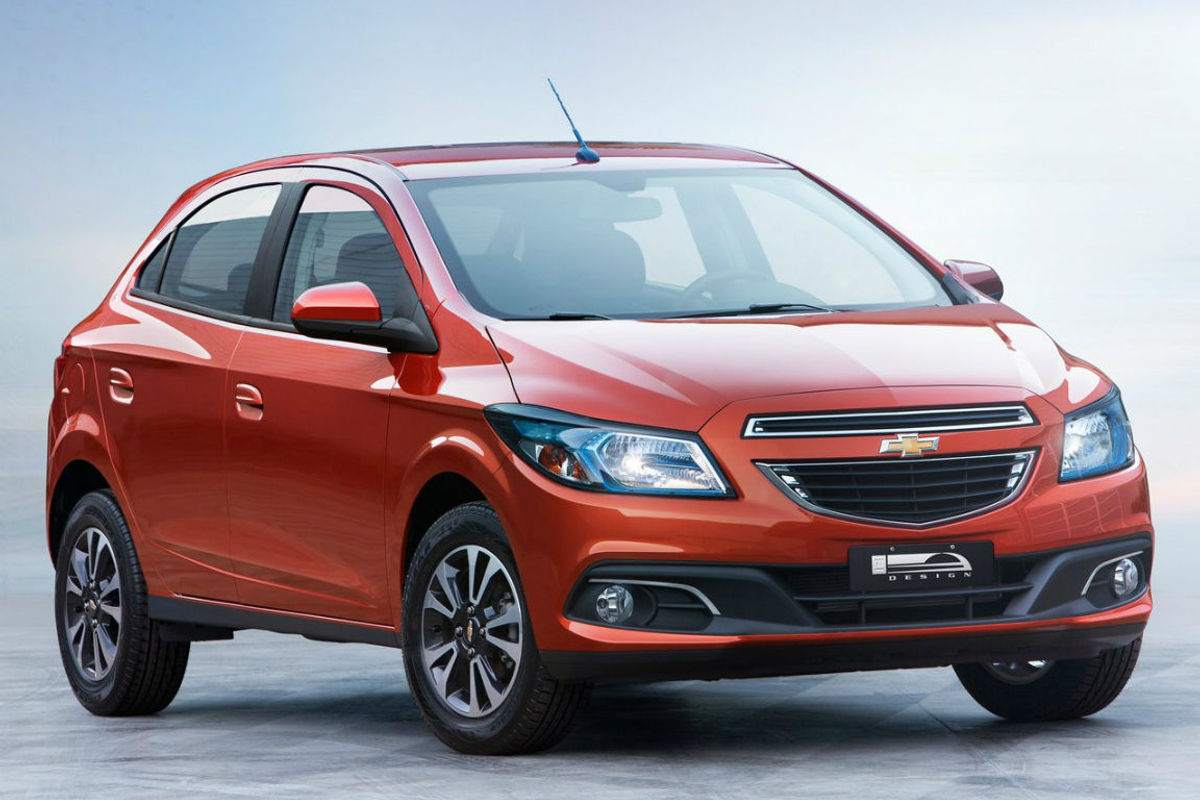
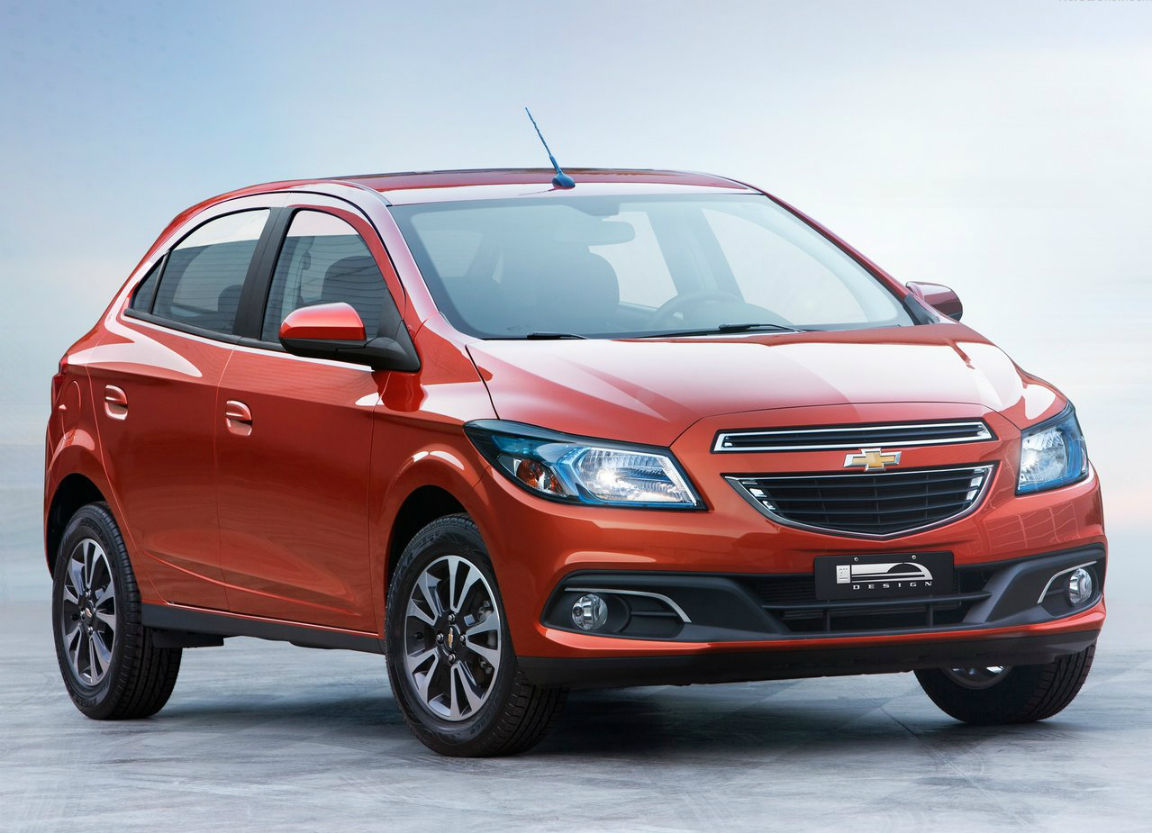
As of October 2015, Fiat is the biggest seller of cars in the Brazilian market. Like our market, Brazil's car market on a whole is in decline this year (23% down), but has sold over 2 million vehicles so far. Chevrolet has the second biggest market share with Volkswagen in third. Strangely, the top three selling cars in Brazil are not even sold in SA. Check out this Chev Onix below that was the top-selling car in October 2015. Other cars that sit on top of the sales charts are the Hyundai HB20 (Brazil-specific i20) and the Fiat Palio.
Best selling brands in France
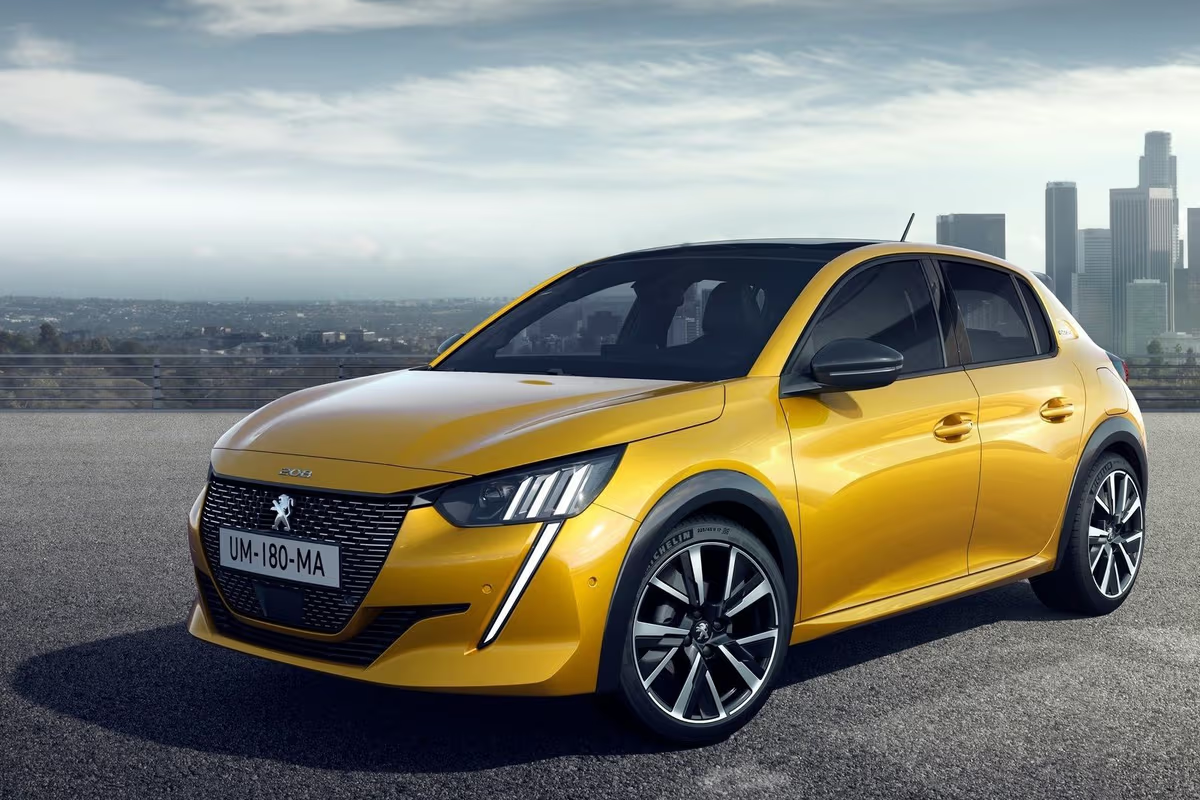
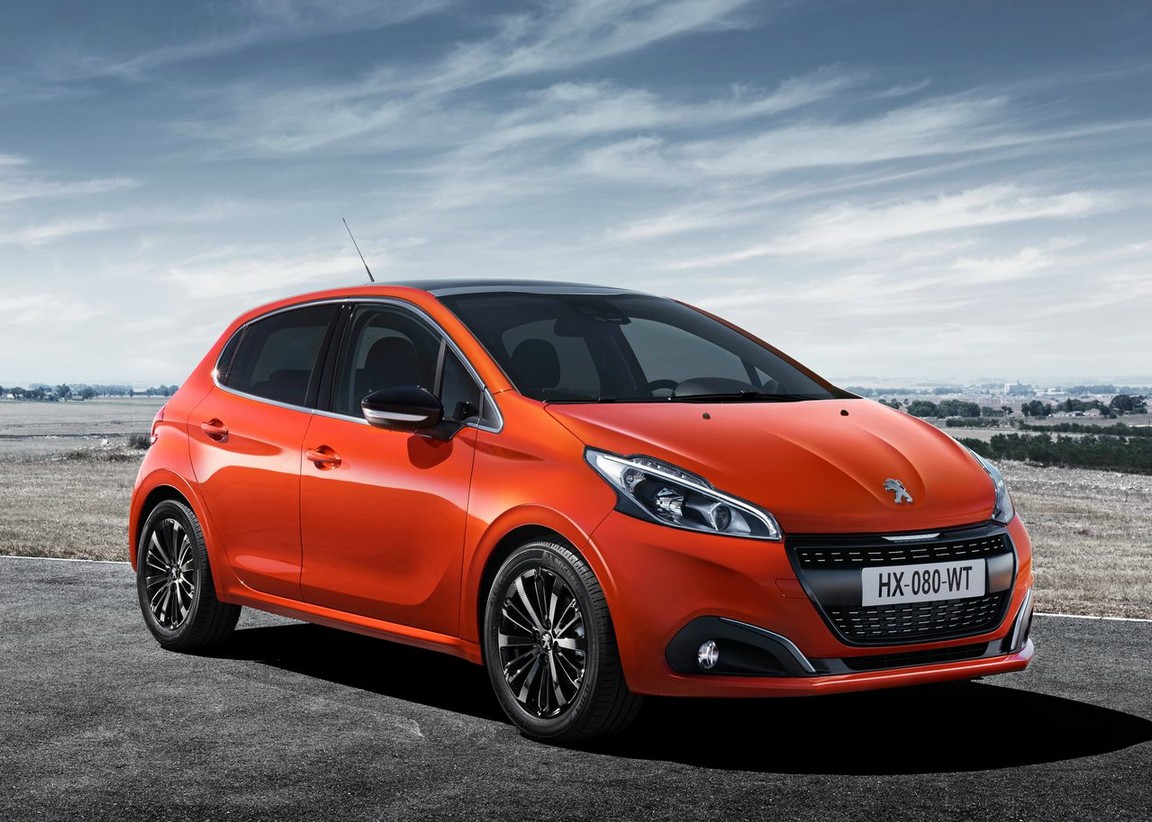
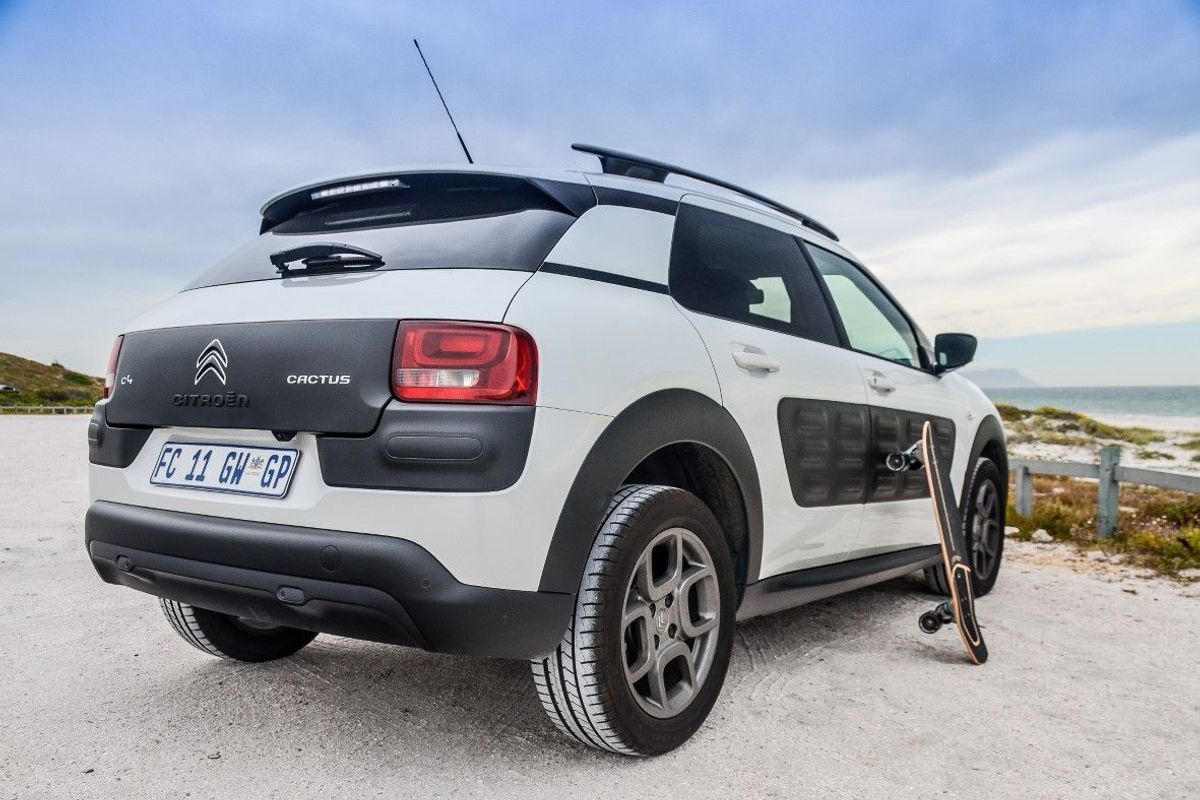
As you would expect, the French models top the sales chart in their local market. Peugeot and Renault consistently vie for top spot with Citroen in third. It is the Renault Clio that is the sales chart topper ahead of the Peugeot 208 and then the 308. The French really do love their small cars as the next three top selling cars are the Renault Captur, Peugeot 2008 and Citroen C3.
Best selling brands in Japan
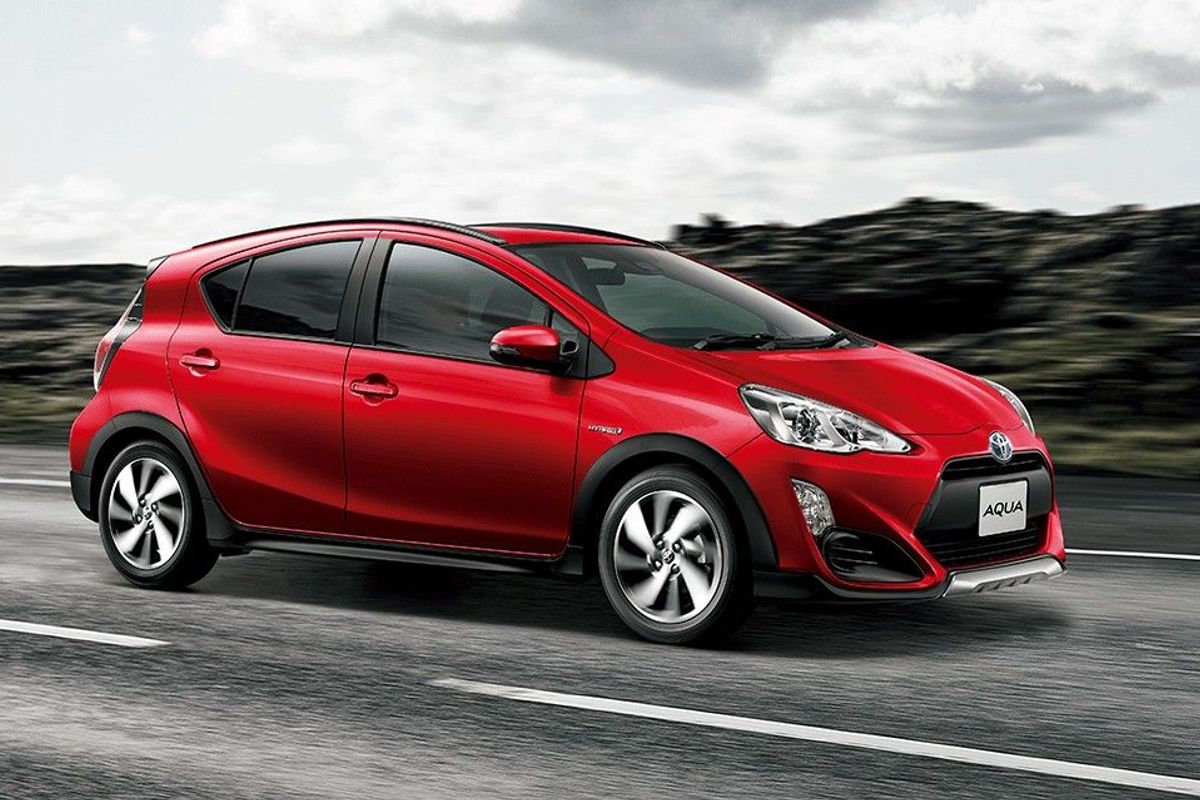
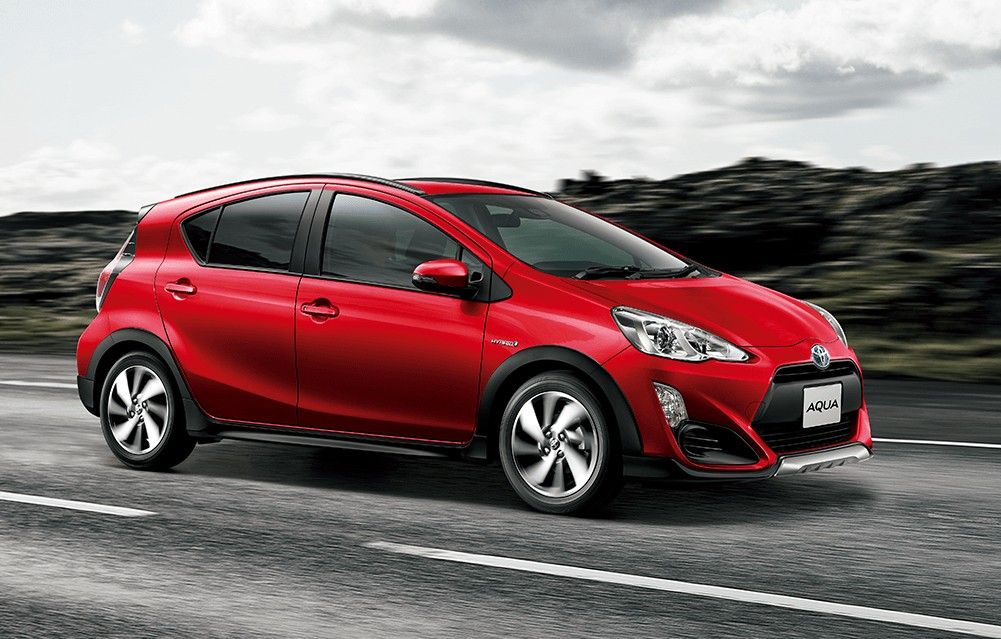
Japan is one of the other markets that is struggling globally with sales down around 9% year-on-year. This appears to be due to increased tax on ‘Kei cars’ (small cars). The Japanese are extremely loyal to their local brands as the top three sales leaders are Toyota, Honda and Suzuki. There are some very strange cars roaming about in Japan that are specific to the local market; the top seller for example is the Toyota Aqua (pictured below). Strong players are the Honda Jazz, Mazda Demio (Mazda2) and Nissan Note.
Best selling brands in the United Kingdom
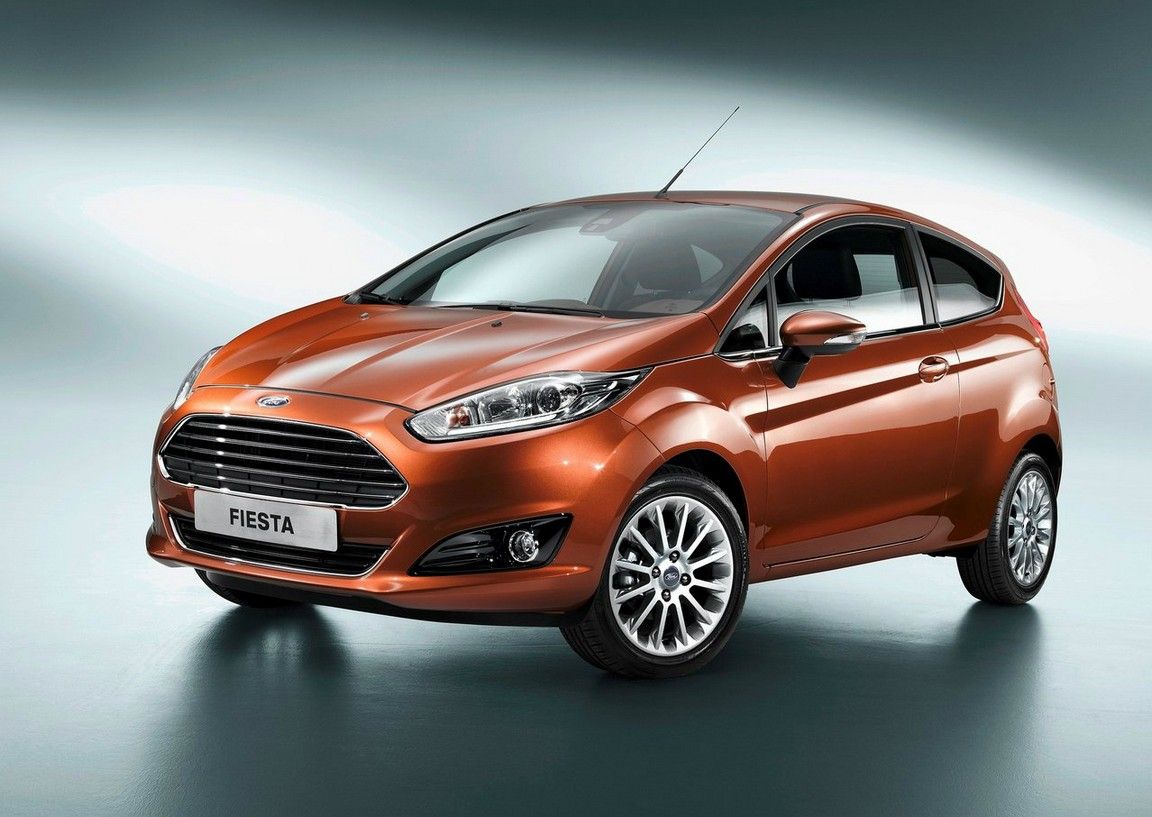
Ford and Volkswagen remain perennial favourites in the UK with the Fiesta, Golf and Focusin the top three most months. Other interesting cars to make the top 10 chart includes the Opel Mokka (Vauxhall), Hyundai Tucson and the Ford Ecosport.
Best selling brands in the USA
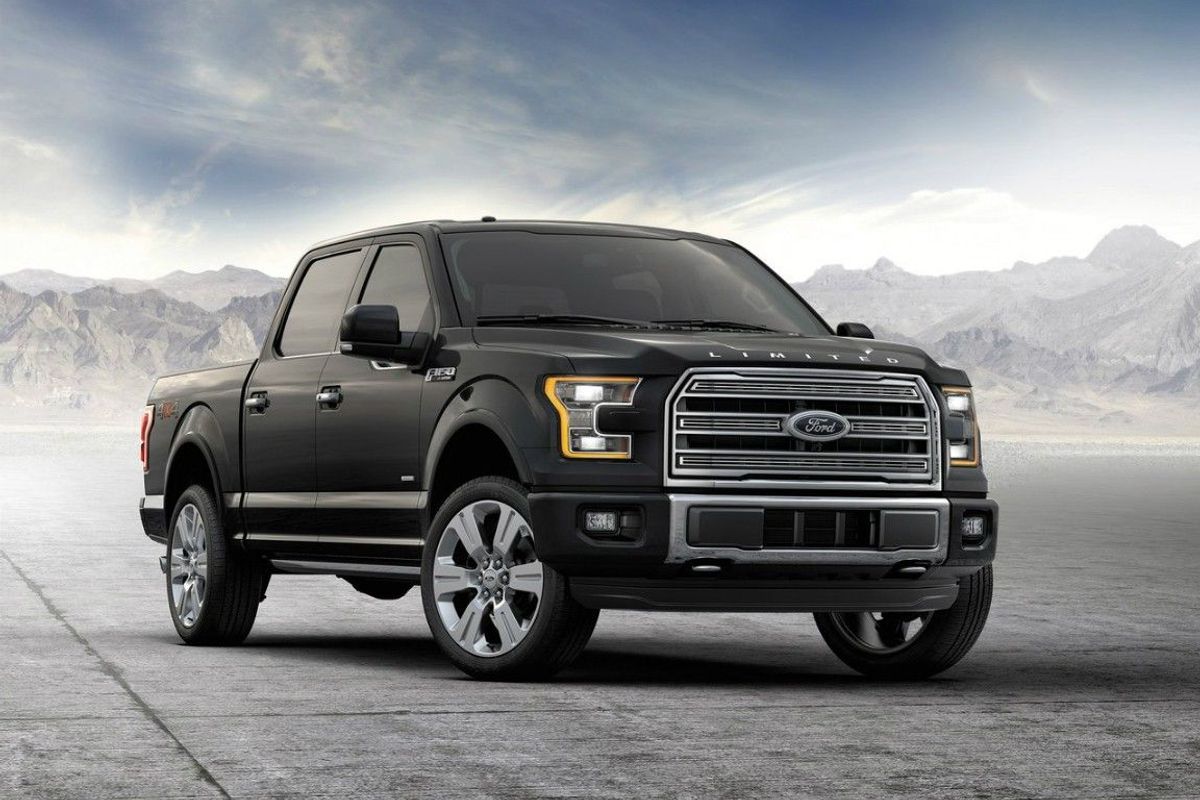
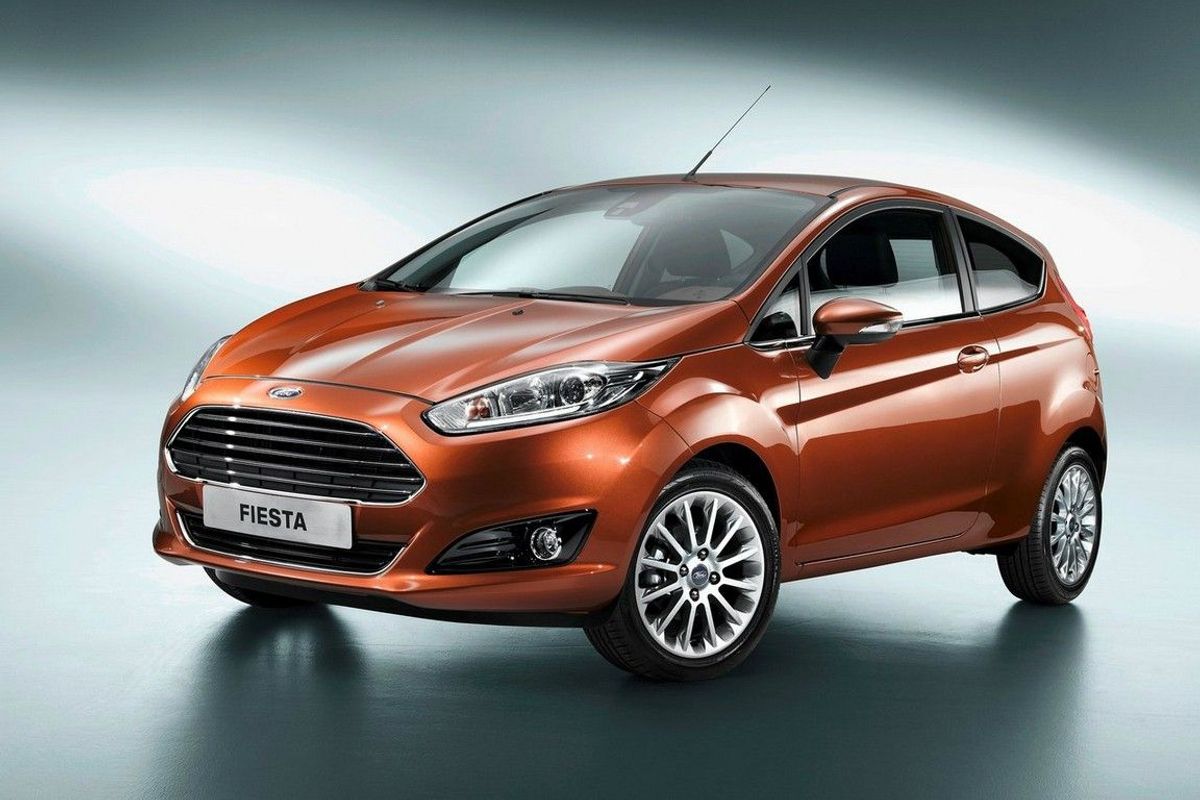
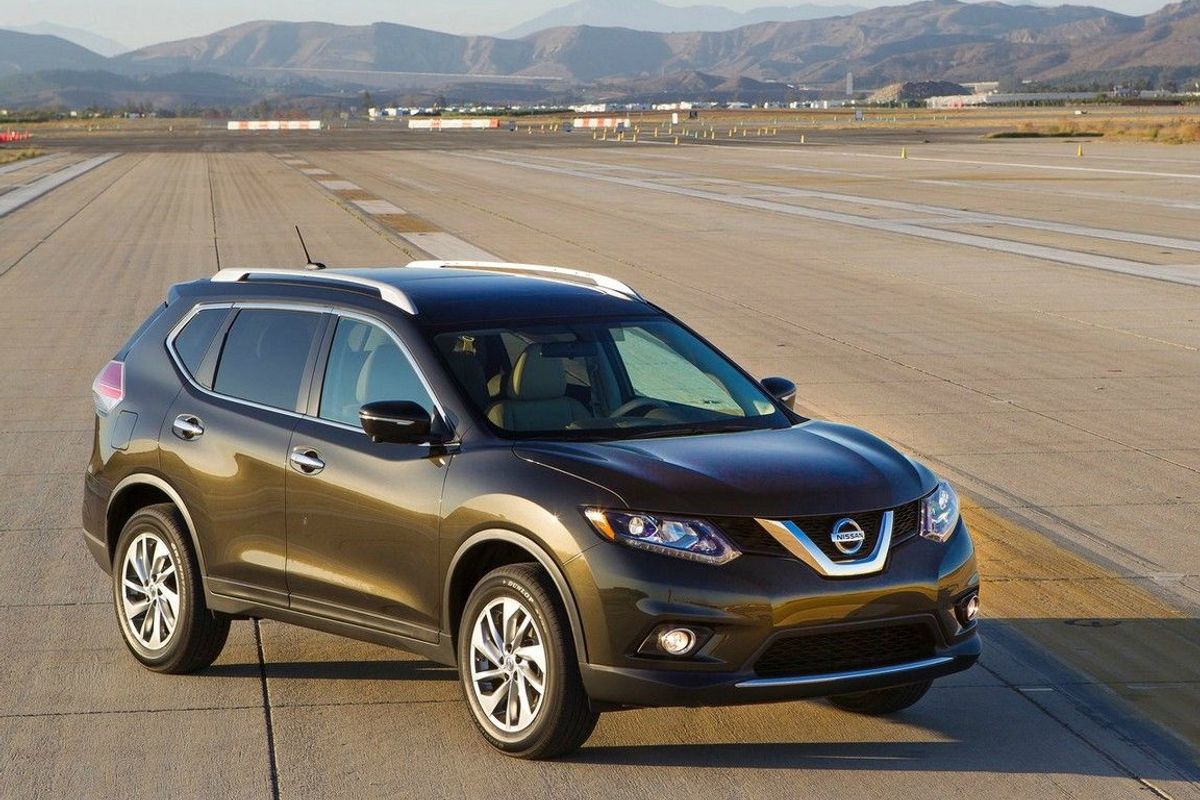
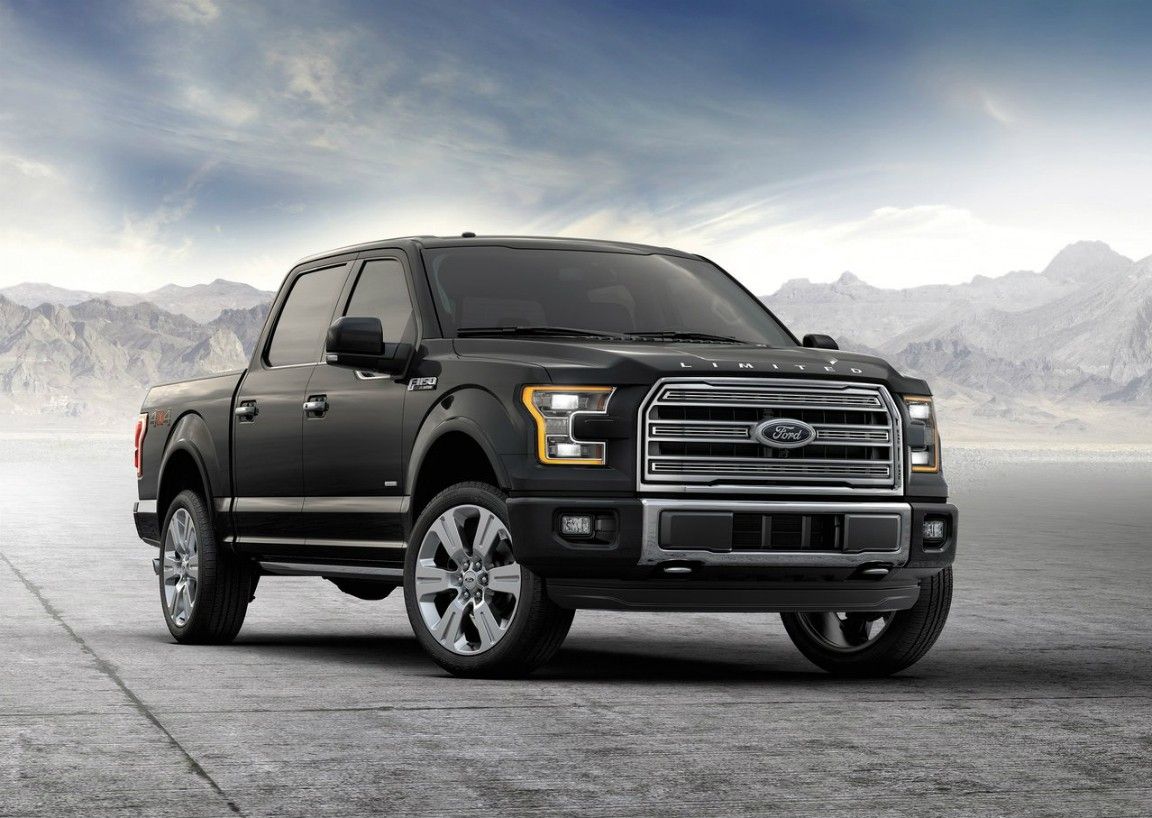
The USA has long been a market that buys and produces bakkies (pick-ups) by the hundreds and thousands. This year, the USA is set to break all records for car sales, a record that has stood since the year 2000. Apparently the sales growth is down to cheap fuel and low interest rates. At the top of the pile is GM, followed by Ford and Toyota in third. The Ford F-Series (pictured below) ranks as the top seller in the States followed by GM’s Chevrolet Silverado. Third place is another bakkie in the form of the Dodge Ram. There are also strong sales from the Toyota Camry, Honda CR-V and the Nissan Rogue (X-Trail).
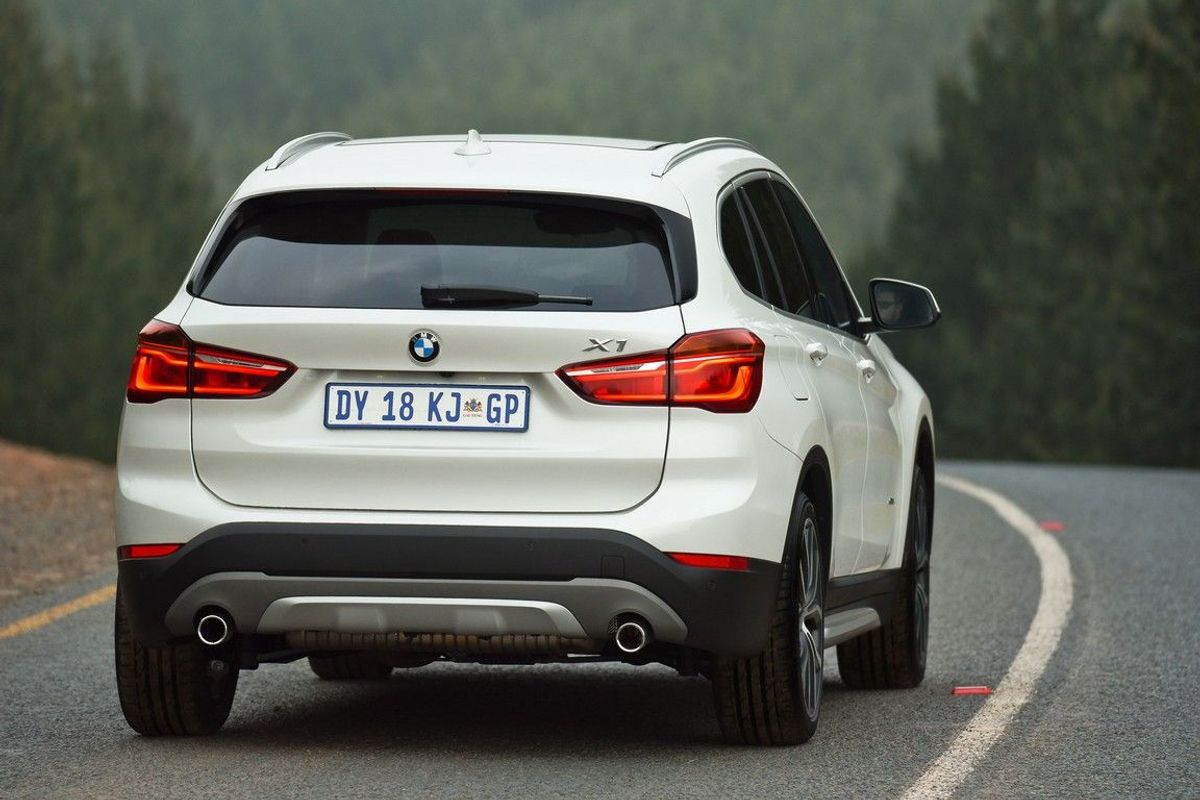
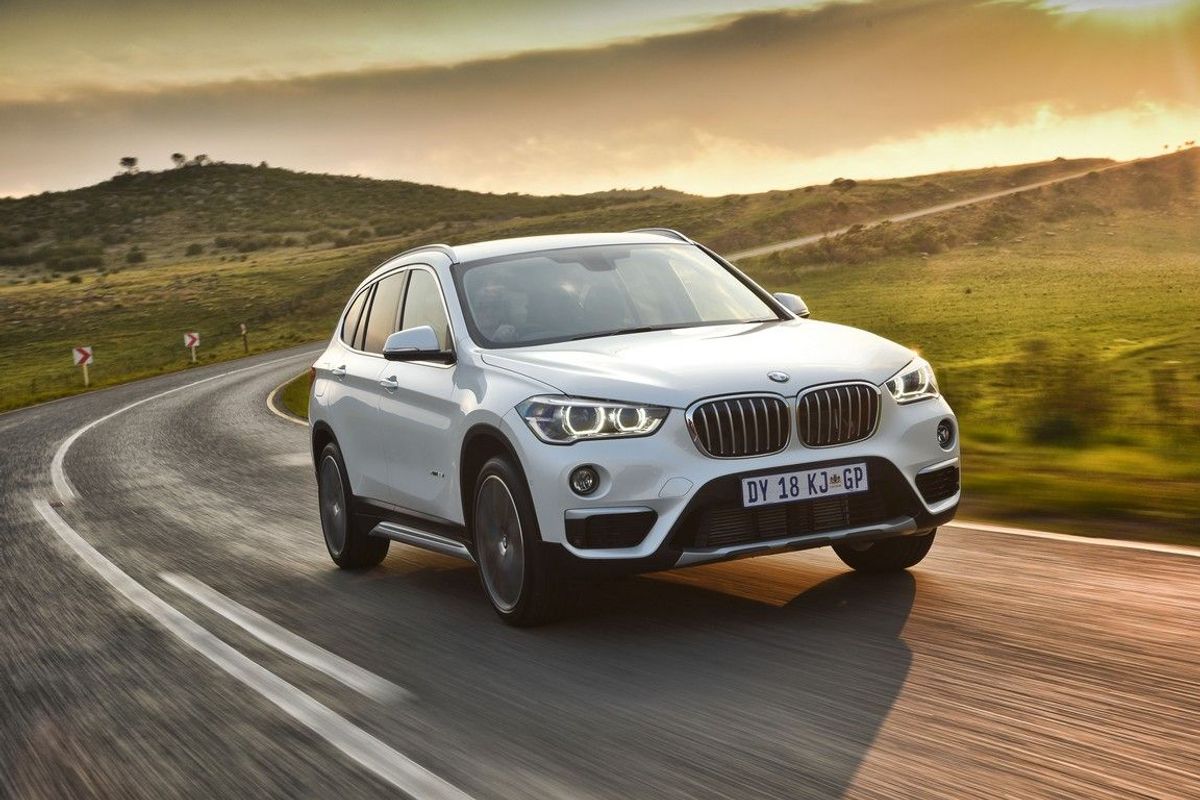
BMW X1 (2015) First Drive
BMW has just released its second-generation X1 in South Africa. The X1 is positioned as the smallest of all the X-labelled cars and the entry model into BMW’s ‘active lifestyle’ vehicles.
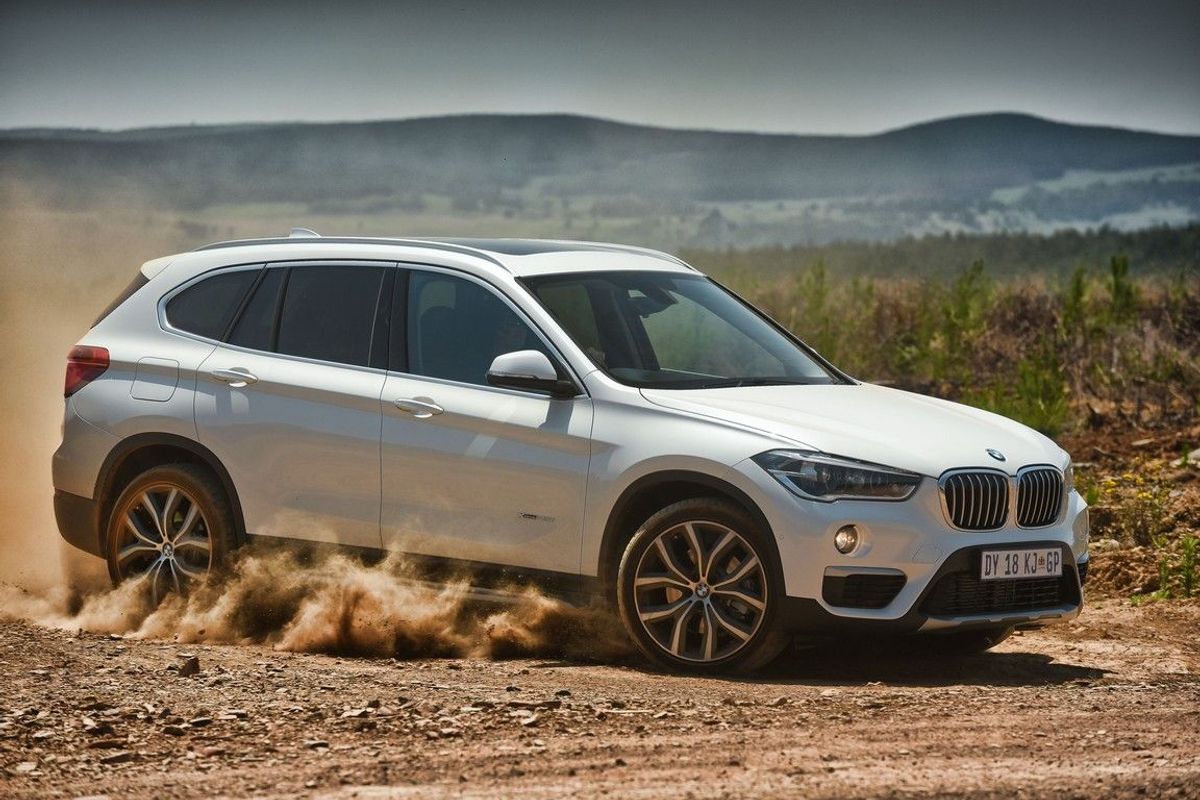
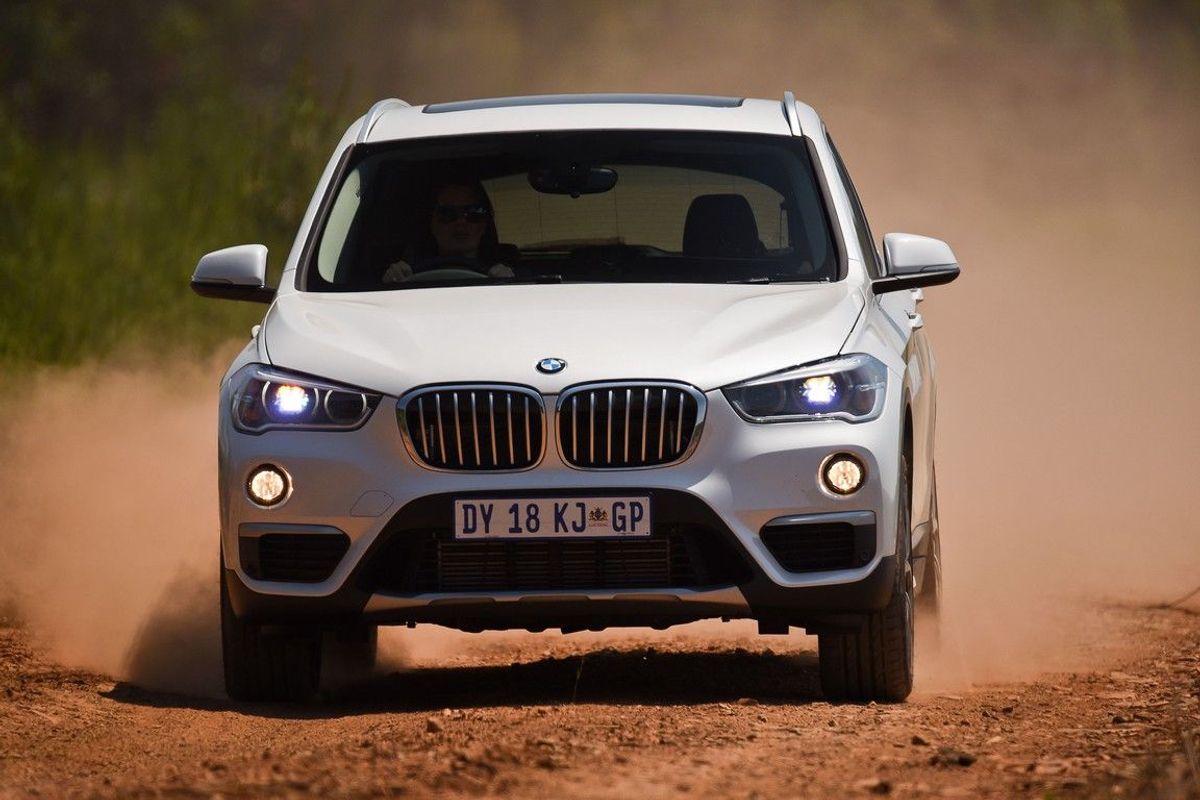
We attended the local launch where BMW was keen to show us the improvements it has made to the drive as well as the design – the first-generation X1 was often criticised for its awkward looks. Interestingly, BMW was also excited to show off the X1’s off-road ability with a vast amount of the 450km launch route taking place on gravel roads. More about that later though.
What’s new about the X1?
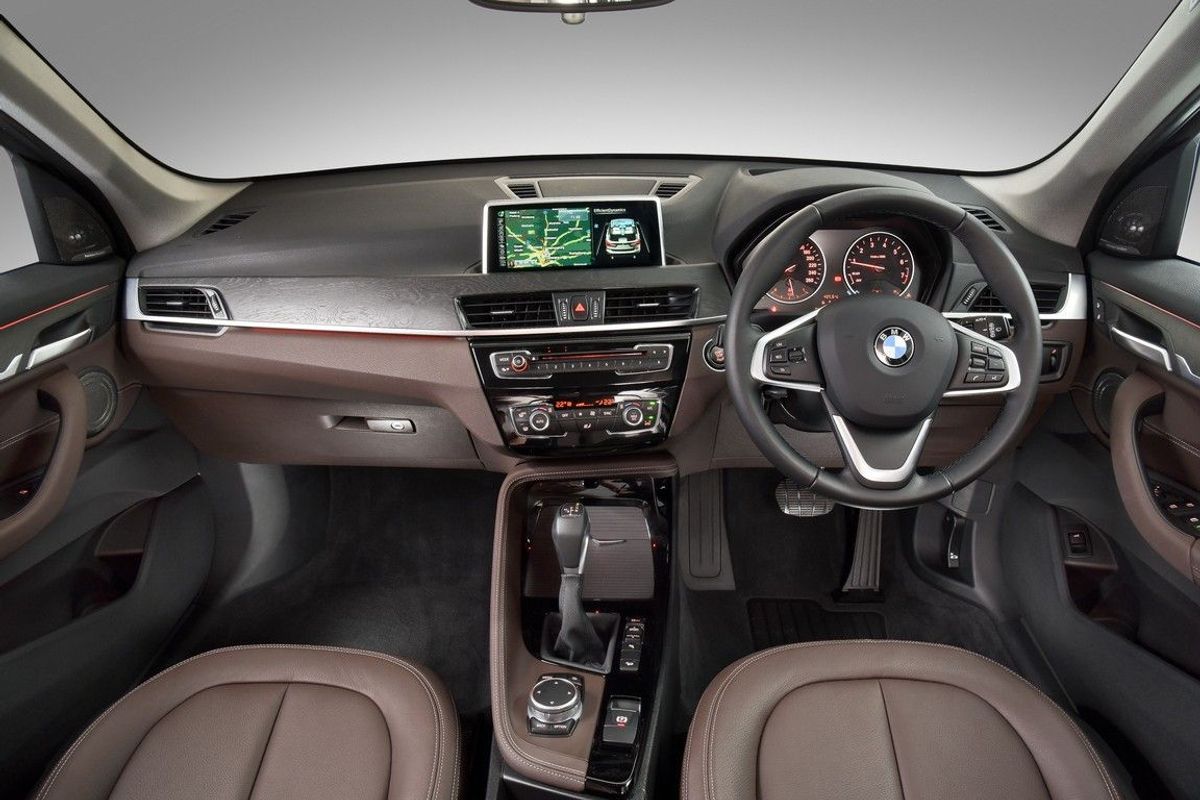
Physically the X1 is a little shorter than before but taller and wider. Despite only being 53mm taller than before the X1 looks more substantial and, in fact, more like a miniature version of the handsome X3, a definite improvement. The new X1 is built around BMW’s new front-wheel drive architecture with the option of all-wheel drive in the case of xDrive models. Despite its status as the entry level X model, the interior resembles the brand's more expensive offerings, and you can spot the generous use of 3 Series design, trim and controls. Powertrain-wise, the X1 offers a range of 2-Litre turbocharged engines and a new three-cylinder entry model.
The new engines
The three-cylinder engine that we’ve seen first in the Mini, and most recently in the 318i gets a run in the X1 sDrive 18i. It is only available in front-wheel drive and pushes out 100 kW and 220 Nm. This unit wasn’t available to test at launch and will only be available from dealers in the new year. It is mated to either a six-speed manual or automatic gearbox. The rest of the engine line-up consists of two-litre, four-cylinder variants, both in petrol and diesel format. The 20i derivative makes good use of 141 kW and 280 Nm of torque, using petrol for sustenance and can be equipped with all-wheel drive (xDrive). The 25i is only available in xDrive and is pumped up to 170 kW and 350 Nm. The lone diesel in the range is the 20d and makes solid power with 140 kW and a healthy 400 Nm of torque. The diesel we drove seemed to be the most reactive engine on offer and was surprisingly quiet as well. It was our pick of the four-cylinder variants we drove. The claimed fuel consuption on the new engines are impressive and this is certainly where BMW leads the charge. The 118i uses between 5.1 and 5.3L/100km, the 20i between 5.9 and 6.3L/100km, the 25i 6.4L/100km and the 20d between 4.5 and 4.9L/100km.
More space inside
Despite the new X1 being slightly smaller in length, the front-wheel drive architecture gives it a bit more room inside. Rear legroom for example has increased some 37mm and if you opt for the sliding rear seats, offers 66mm more knee space. The boot is bigger too, measuring 505-Litres (85-Litres more) and with the seats folded down it holds a decent 1550-Litres. The seating position is a touch higher and that makes it feel more like an SUV when you get behind the wheel. Previously the X1 felt like a slightly raised 3 Series. There’s plenty of spec to choose from on the new X1 with the option list full of BMW’s technology and features. Standard fare includes a few niceties such as a 6.5-inch infotainment screen that’s controlled by the iDrive system.
Wind noise and insulation is impressive through the cabin, with the only audible noise being the run-flat tyres that drone on coarse tarmac.The X1 dashboard and layout is typically well-built and a luxurious place to sit. BMW interiors are all very similar and the only thing that really differs is there are a few more storage bins around the cabin.
Out on the road and off
BMW prides itself on the sporty, premium feel of its cars. The X1 handles tarmac with ease and it’s quite rewarding once you push on a bit in the bends. The chassis is taught and the suspension favours the firm side but it’s plush over the road imperfections. If you have the dynamic ride system you can choose between Sport, Comfort and Eco Pro to suit your mood. The gearbox, engine and suspension all adapt to the chosen mode. During the long time we spent on gravel roads the X1 fared well. We had xDrive (all-wheel drive) to fall back on but the roads never got very tricky. The X1 can be a bit crashy and bumpy over washboard ruts or big holes but that seems more down to the lack of give through the run-flat tyres than the suspension. The run-flats also seemed to make a droning noise when out on the tarmac and if possible I would consider not having them.
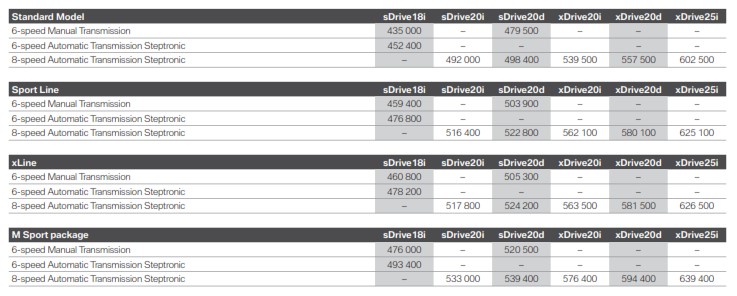
BMW X1 Pricing
The BMW X1 is available in four trim levels including the standard trim. There are Sport Line, X-Line and M-Sport to choose from. As far as competitors go, the obvious enemy is the Audi Q3. Others that may also be worthy of a look in are The Merc GLA, Honda CR-V and even something like a Jeep Rengade.
Track Race: Audi RS6 Avant vs Jaguar F-Type R AWD Coupe
Everyone likes an underdog. It's generally much more exciting rooting for the competitor that might win, rather than the dominant player. A bit like being a Japanese supporter at the recent Rugby World Cup: the surprise victory is somehow always sweeter than the foregone conclusion.
As far as underdogs go however, the 2015 Audi RS6 Avant doesn't seem to deserve that title. With 412 kW from a new twin-turbo V8 engine, the latest in a line of ballistic wagons from Audi not only looks demonic, but packs a devilish punch too.
And the noise. Goodness me, the noise. A bassy, aggressive growl that is a perfect aural match for the muscular flared wheel arches, 20-inch wheels and lowered carbon fibre front airdam. It is a car that is astonishingly practical, while delivering a sports-car-meets-muscle-car driving experience.
We were so impressed by the RS6 that we thought it might have a real chance of taking on a proper, more traditionally shaped sportscar. It would have to have a V8. It also had to have all-wheel drive. And more importantly, it had to be available on the exact day we had managed to book the Killarney racetrack. It had to be…the new Jaguar F-Type R AWD Coupe.
If there is a more striking car on the market right now, I can't think of it. The F-Type in white, with these wheels, leaves absolutely everyone in awe. It is a stunning car. And still, marginally better than looking at it, is listening to it fly past at over 200kph. That engine at full chat reduced our entire crew to a mess of blubbering imbeciles.
It would come down to a head to head: one standing-start hot lap of the Killarney circuit per car, with our ace driving champ Ashley Oldfield in charge of the fast stuff.
This is by far and away one of my favourite films we've ever made. Both cars are superstars by their own right, and I hope you'll enjoy watching this video as much as we enjoyed making it.
Special thanks to the team at the Killarney Raceway for helping us complete this film, to Jaguar and Audi for providing the cars (and the tyres!) and to the Workroom for making our films sound so incredible.
2015 Audi RS6 Avant
2015 Jaguar F-Type R Coupe AWD
Price
R1 465 000
R1 760 187
Engine
4.0 litre twin turbo V8
5.0 litre supercharged V8
Transmission
8-speed automatic
8-speed automatic
Power
412kW
405kW
Torque
700Nm
680Nm
Torque peak
1750-5500rpm
3500prm
0 – 100km/h
3.9 seconds
4.1 seconds
Top Speed
250km/h (limited)
300km/h
Kerb weight
2025kg
1730kg
Fuel economy
9.8 litres/100km
11.3 litres/100km
Airbags
6 (opt 8)
4
Boot space
565 litres
324 litres
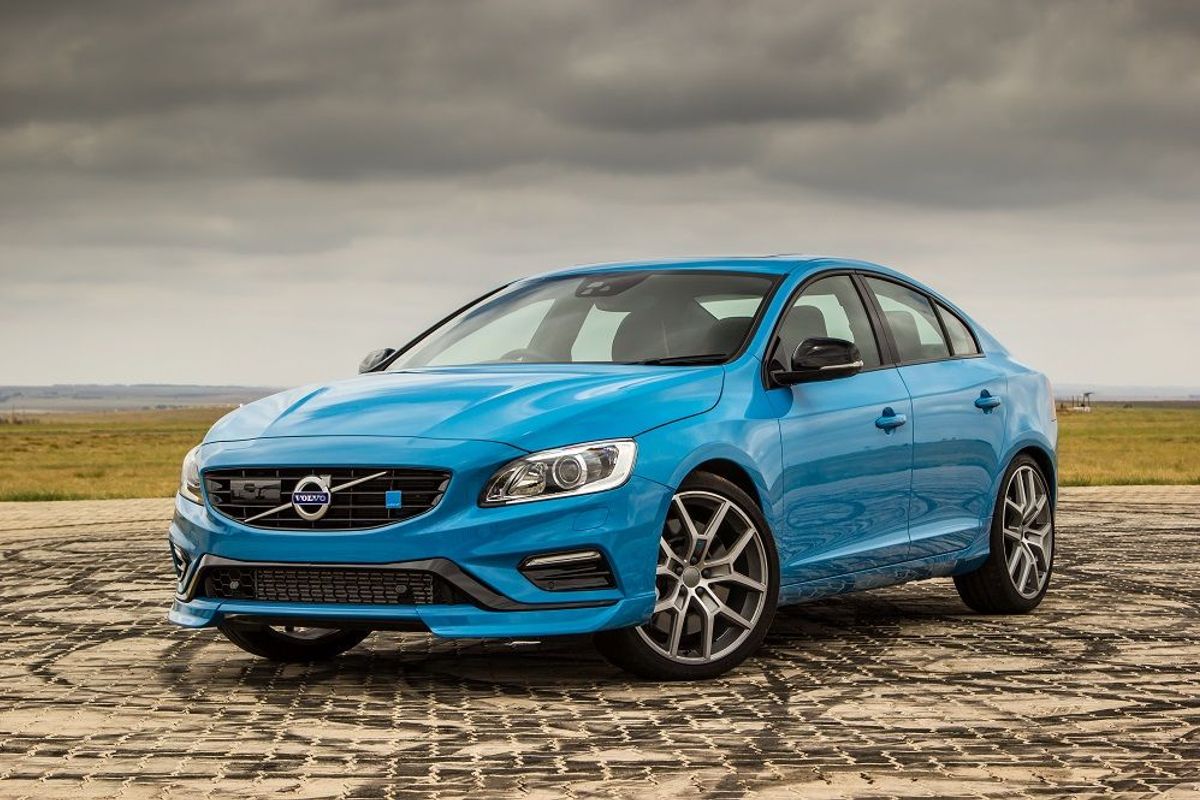
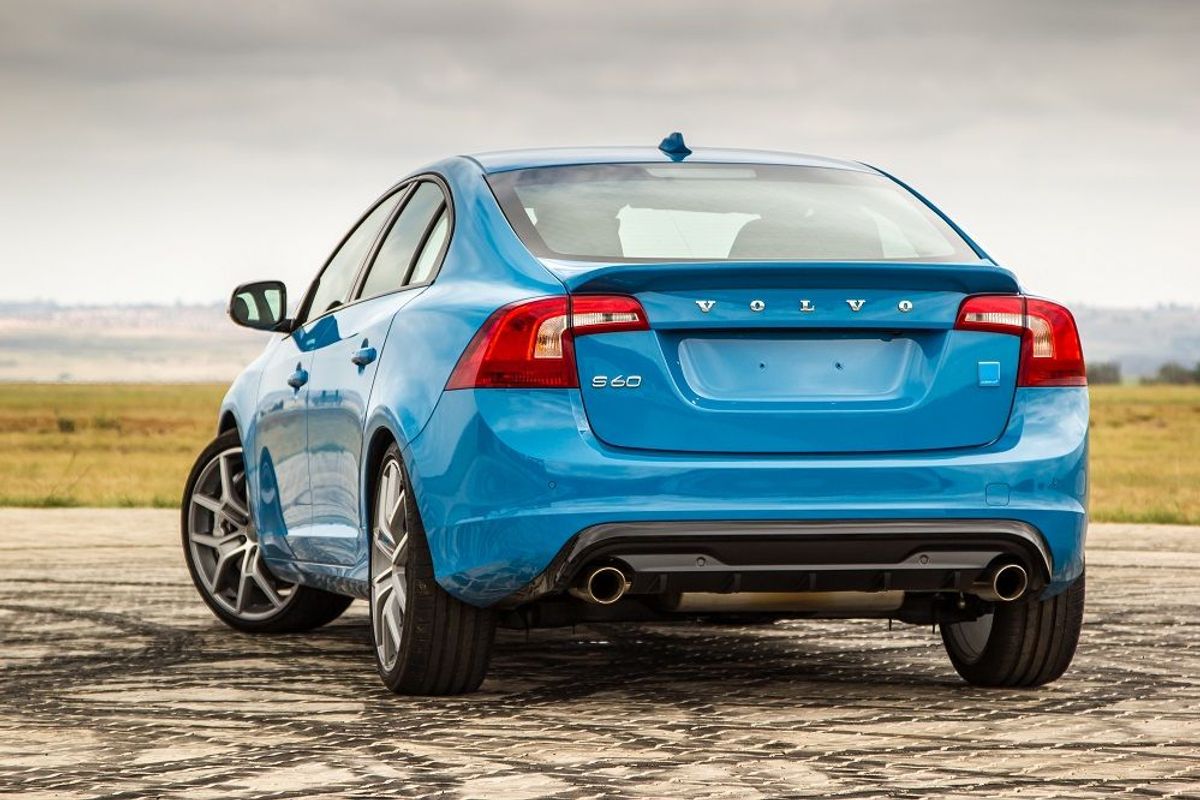
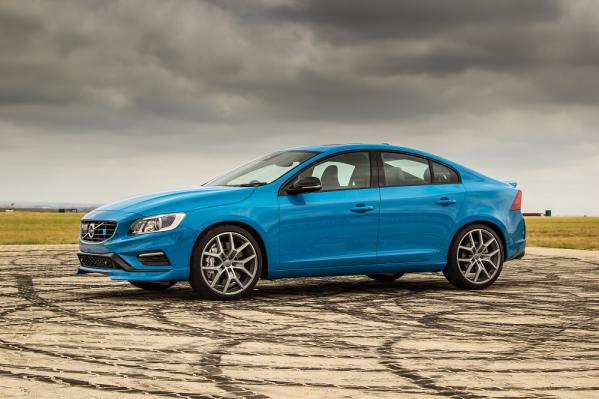
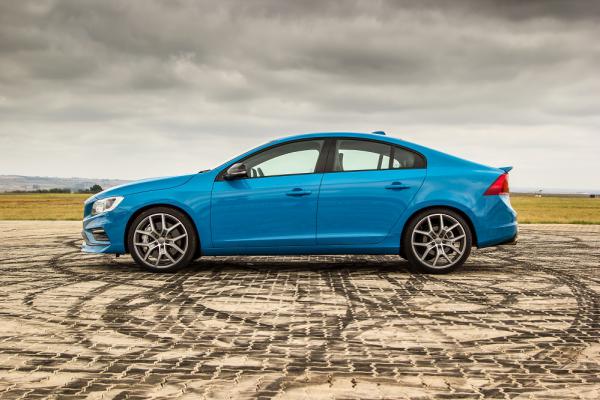
Volvo S60 Polestar (2015) First Drive
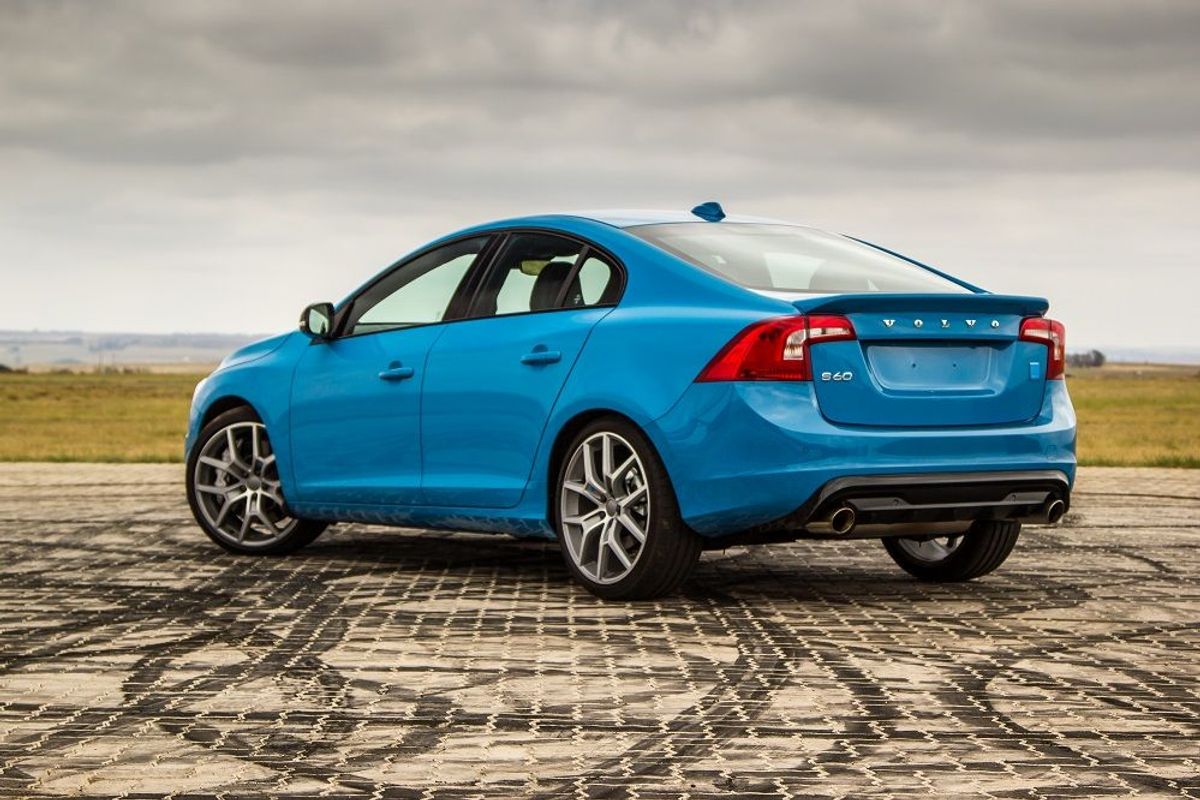
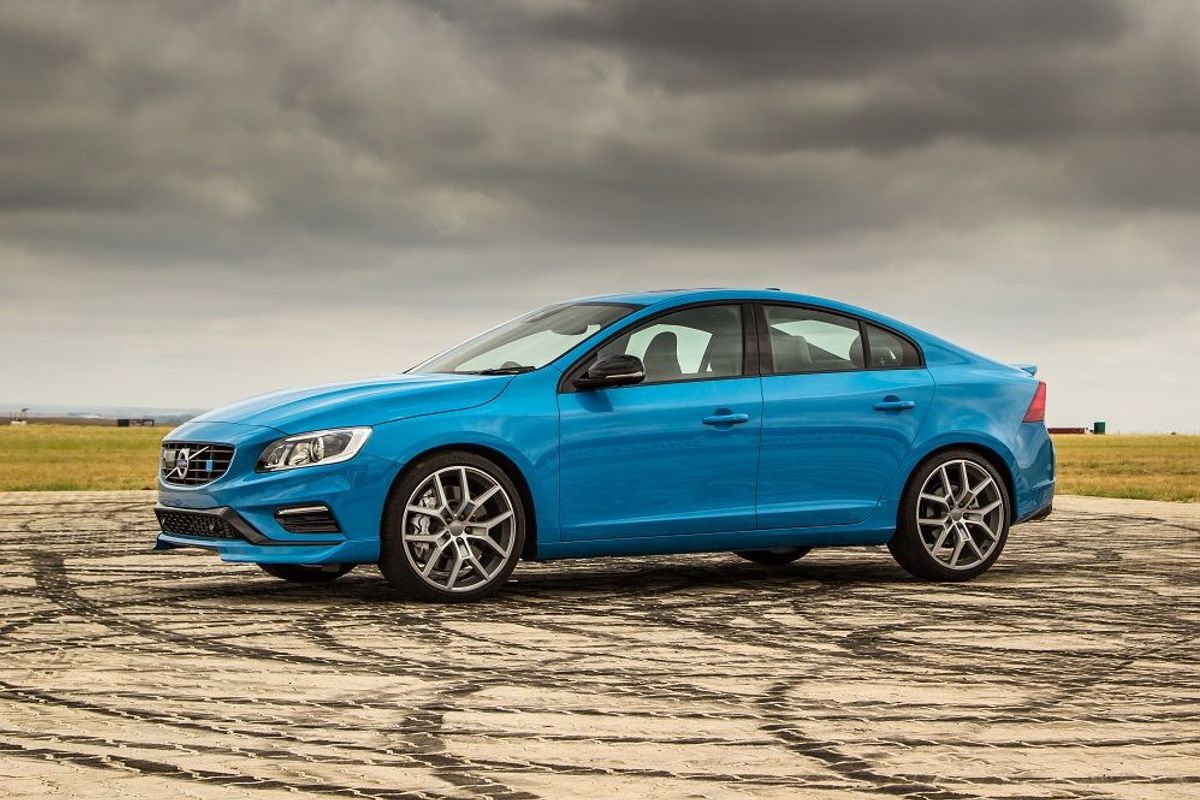
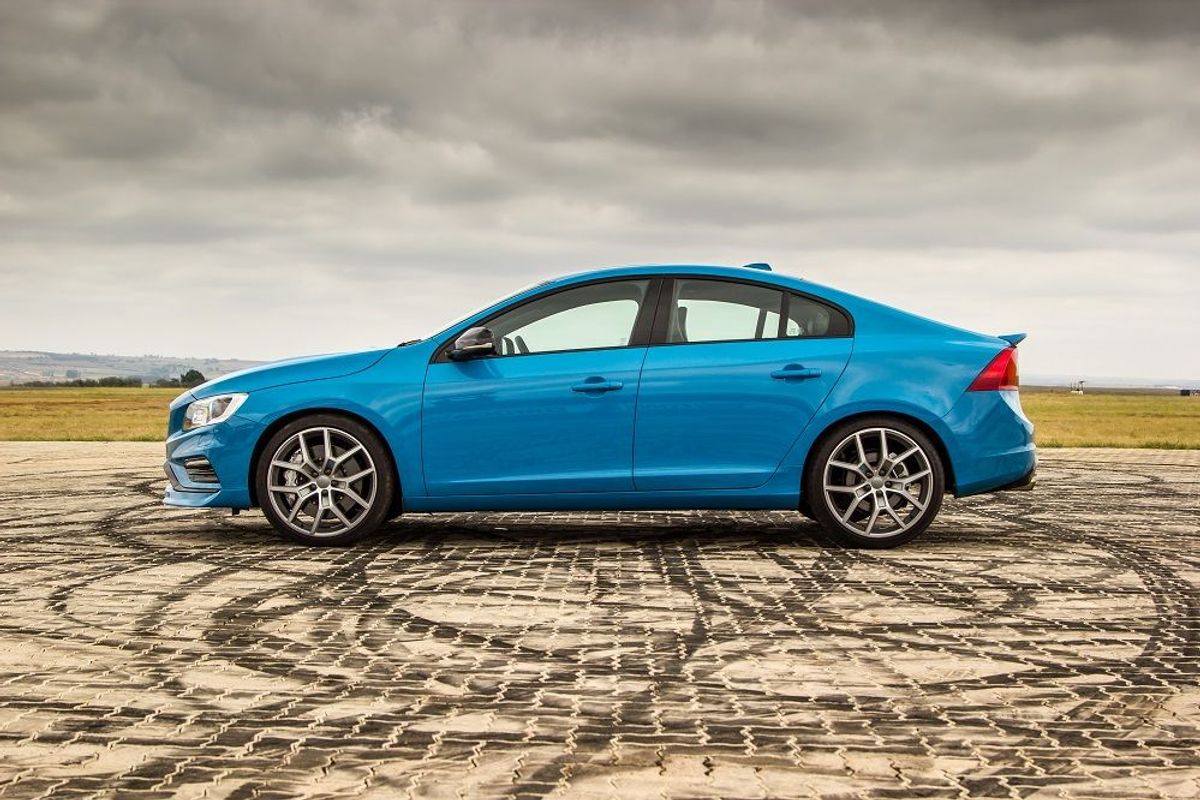
The fire-breathing Volvo S60 Polestar is here and, on paper at least, it offers credible performance figures. We manhandled it around the technical Red Star Raceway in Gauteng.
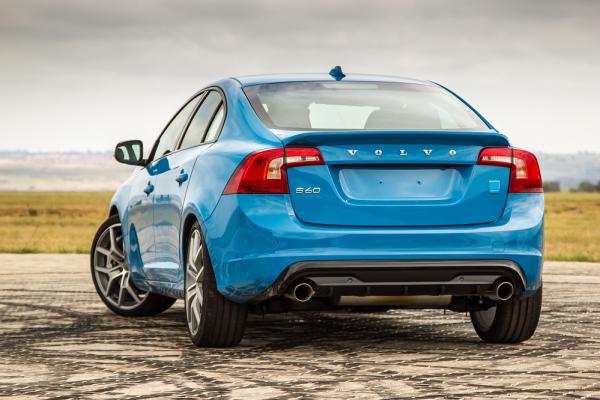
With the likes of BMW M, Mercedes-AMG and Audi RS having dominated our market for many years, it feels like Volvo is very, very late to the performance sedan party. Still… Volvo's counter, the Polestar brand, does appear to have some immediate cachet, with 25 buyers having opened their wallets and snapping up the S60 all-wheel drive blue monsters. So sadly there are none available…
Interestingly, the South African allocation was actually 28, but the additional three units are being used as media/marketing cars and it was one of these that we experienced on track.
What is Polestar?
The name is not well known and it is essentially Volvo’s motorsport division. The company was independent up until the middle of 2015 when it was snapped up. It makes perfect sense to bring that wealth of knowledge and Volvo expertise in-house where it can be used on future Volvo performance applications. Think of this then as a Swedish version of RenaultSport – a dedicated performance team working solely on motorsport and road-going cars.
What we have here is the final iteration of the Volvo S60 – a potent daily driver that offers typical Volvo comfort and features, while benefitting from the know-how that Polestar has in abundance. The S60 Polestar is not just a standard S60 with a power upgrade as it has been developed from the ground up by Polestar to be an out-and-out performer.
Engine and Powerplant
Let’s get down to business. For the Volvo S60 Polestar to make an impact, it has to produce power figures that offer some bar counter ammunition for the petrolheads. Interestingly, the latest generation of Volvo 2.0-litre DriveE engines were not selected and instead the 3.0-litre six-cylinder made the cut. This engine currently does duty in the S60 T6 all-wheel drive, but in Polestar application produces significantly more power.
The Polestar team replaced the turbocharger, intercooler and a few other bits, and this results in 258kW and 500Nm. Power reaches all four wheels through a six-speed automatic transmission and for those who are interested, it’s a Haldex all-wheel drive setup. Crucially, this puts it squarely in the realm of the new BMW 340i and Jaguar XE, cars which we recently compared in our video here. There’s also a reworked sports exhaust which emits a terrific noise upon full acceleration. It’s even more enjoyable when experienced from outside the car.
Other Mechanical Changes
Making a car go fast in a straight line is one thing, making it handle and go around corners is quite another. And that's not all. What about setting up a car's suspension to be good around a track without affecting day-to-day ride quality? Well that’s a dark art that all manufacturers are trying to master.
Polestar didn’t hold back in the handling department either and the chassis is more rigid, stiffer springs have been fitted, Ohlins shock absorbers bolted on and finally six-piston big Brembo brakes have been installed for extra stopping power.
Gearbox and Ride
Volvo opted for the old-school six-speed automatic transmission which is odd, considering the 8-speed unit in current products is exceptional. Nevertheless, Polestar got its hands on the 6-speeder and added a steering wheel-mounted paddle shift system and there are changes to the gearbox mapping too. A launch control feature has been added, too.
How does it drive?
Our launch took place at Red Star Raceway in Gauteng. Red Star is an enjoyable circuit with some tight corners which can be quite technical. For the occasion Volvo rolled out Thed Bjork, Swedish national racing champion and winner of multiple touring car championships. Under his guidance, we were shown the basics and were then given free reign.
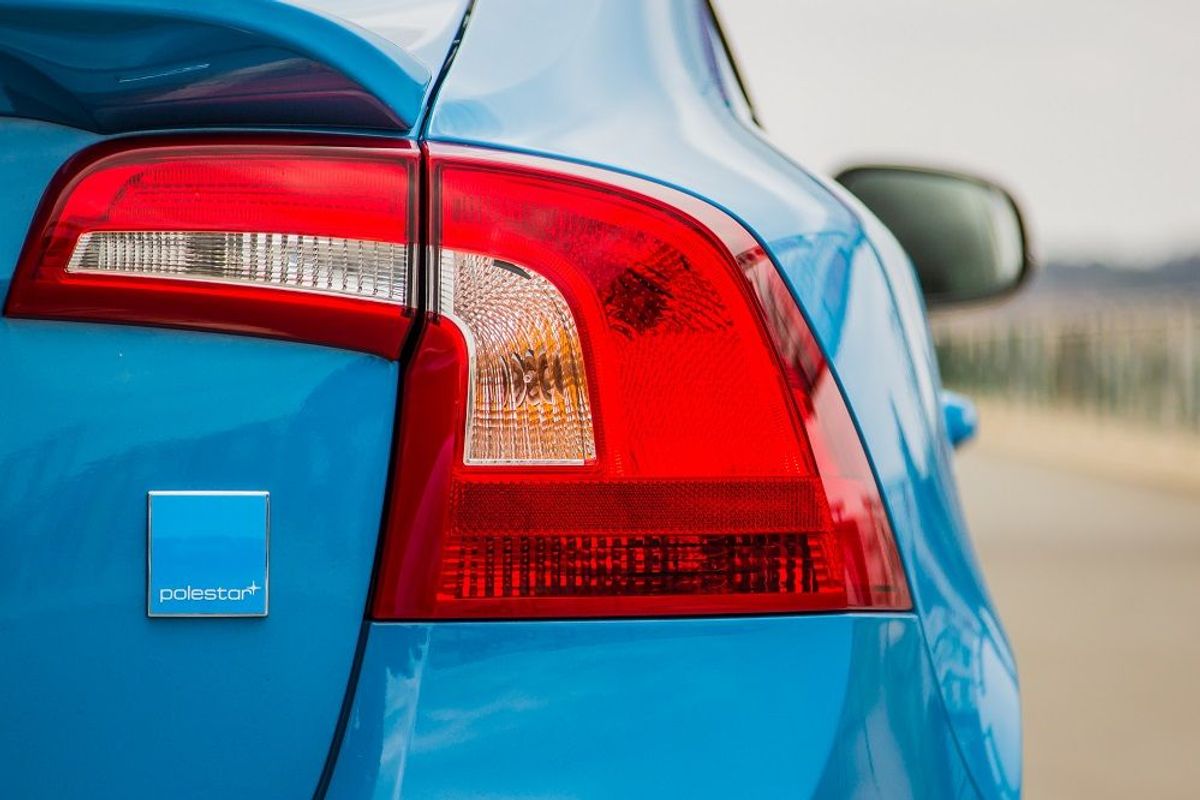
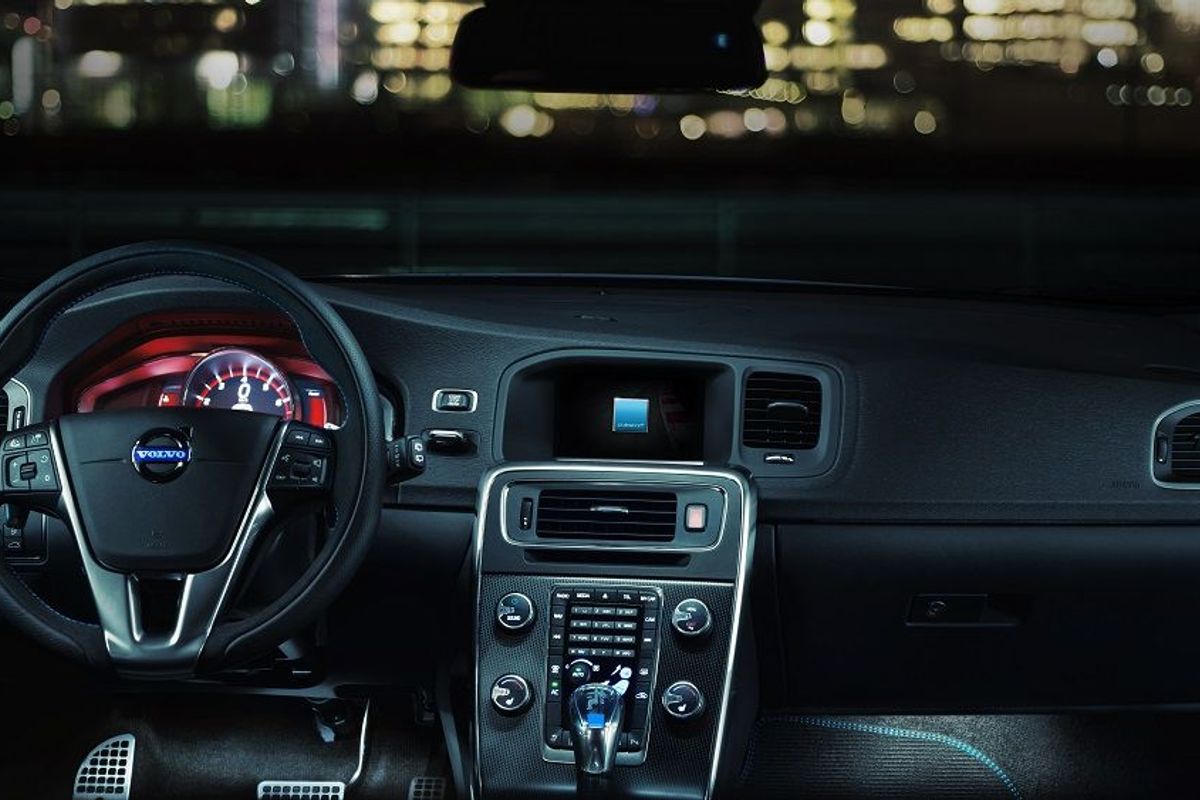
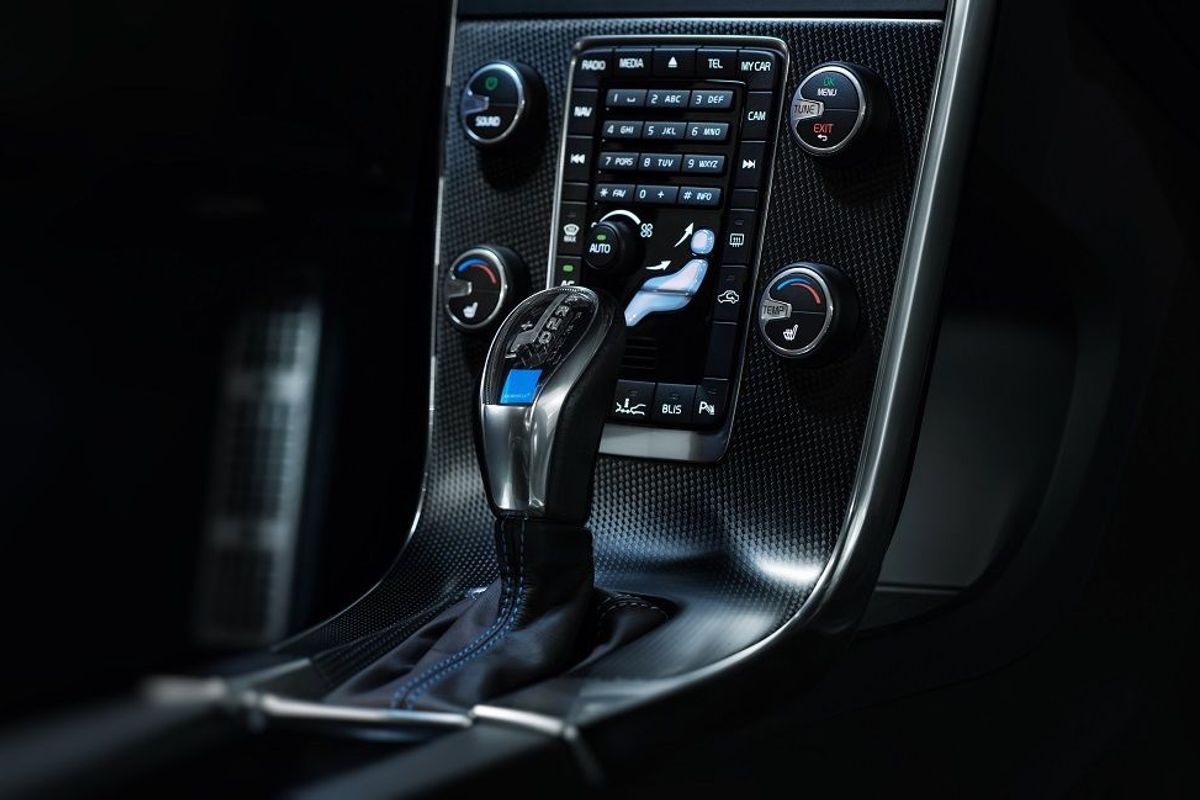
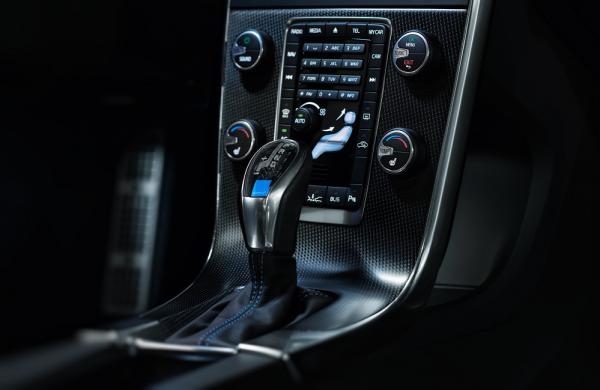
Once inside the cabin, it’s Volvo through and through and it’s only upon closer inspection that you notice you’re in something special. The transmission knob looks great and comes with a little Polestar logo. In fact there are Polestar logos everywhere and we counted 10 on the exterior alone! The interior colour scheme is typically grey, but keen-eyed people will spot delicate blue stitching around the steering wheel and on the seats.
Fire up the engine and there’s a muffled roar, just to remind you that you’re in something sporty. Once you’re moving, engage Sport mode by tapping the gearknob to the side. This then brings the steering-wheel paddles into play and you can sense the rest of the car "sharpening up". The engine note also increases in volume.
Performance is claimed at 4.9 seconds for the 100kph sprint, and while we didn’t get to test it, it certainly felt brisk off the line. It's on the track however, where the Volvo S60 Polestar shone. See, while many enthusiasts would prefer rear-wheel drive theatrics and a little oversteer here and there, this Volvo was having none of it and would use its all-wheel drive system to be as neutral as possible.
Coming into a corner flat out was confidence building as those brakes offered tremendous stopping power, despite the long pedal travel and you could start accelerating out of the corner without any worry as the all-wheel drive system kept things in check. It’s very reassuring to drive on track and the neutrality of it just encourages you to go faster. At the limit however, it does go into understeer – not too unpredictable and let’s be honest, Volvo isn’t a brand known for wild driving drama and theatrics. Simply: it’s a great car for the enthusiast and it’s so reassuring to drive, knowing it won’t bite your head off if you make a mistake.
Gripes? Well there are only 25 of them allocated for South Africa out of a rather small global production run of 1 500 and all have been snapped up. Also, the only colour available locally is this vivid hue called Rebel Blue. While it is a trademark colour and we’re big fans, it’s nice to offer customers some choice. Finally, that gearbox isn’t the sharpest around and while we’re happy to admit that we’ve been spoilt by the excellent twin-clutch transmissions, it was a little annoying to change down a gear and not have that near instantaneous shift response.
Still, the positives far outweigh these minor gripes and as far as enthusiast cars go, this is a good one. If you or someone you know has managed to get your hands on one, you're exceptionally lucky and you're in for a treat.
Volvo S60 Polestar Price in South Africa
The Volvo S60 Polestar will cost R735 000 and comes with a 5 year / 100 000km warranty and maintenance plan as well as a 5 year / unlimited mileage roadside assistance.
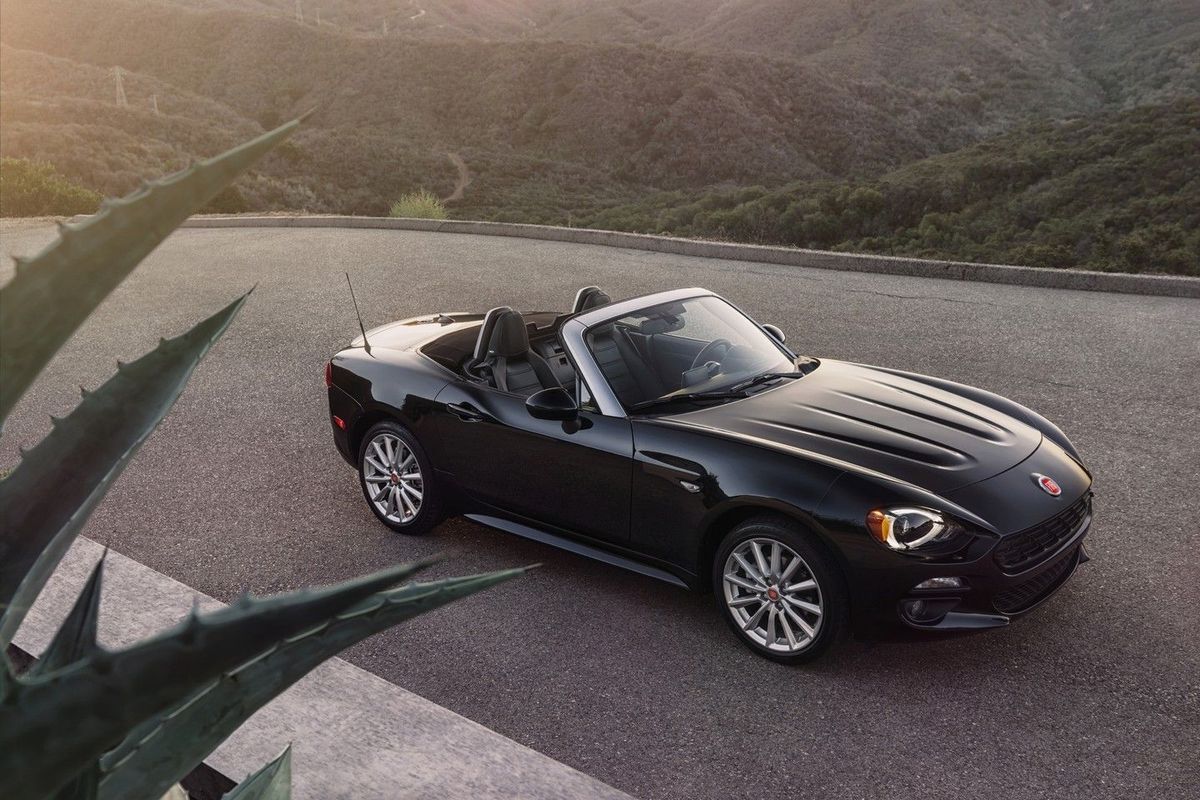
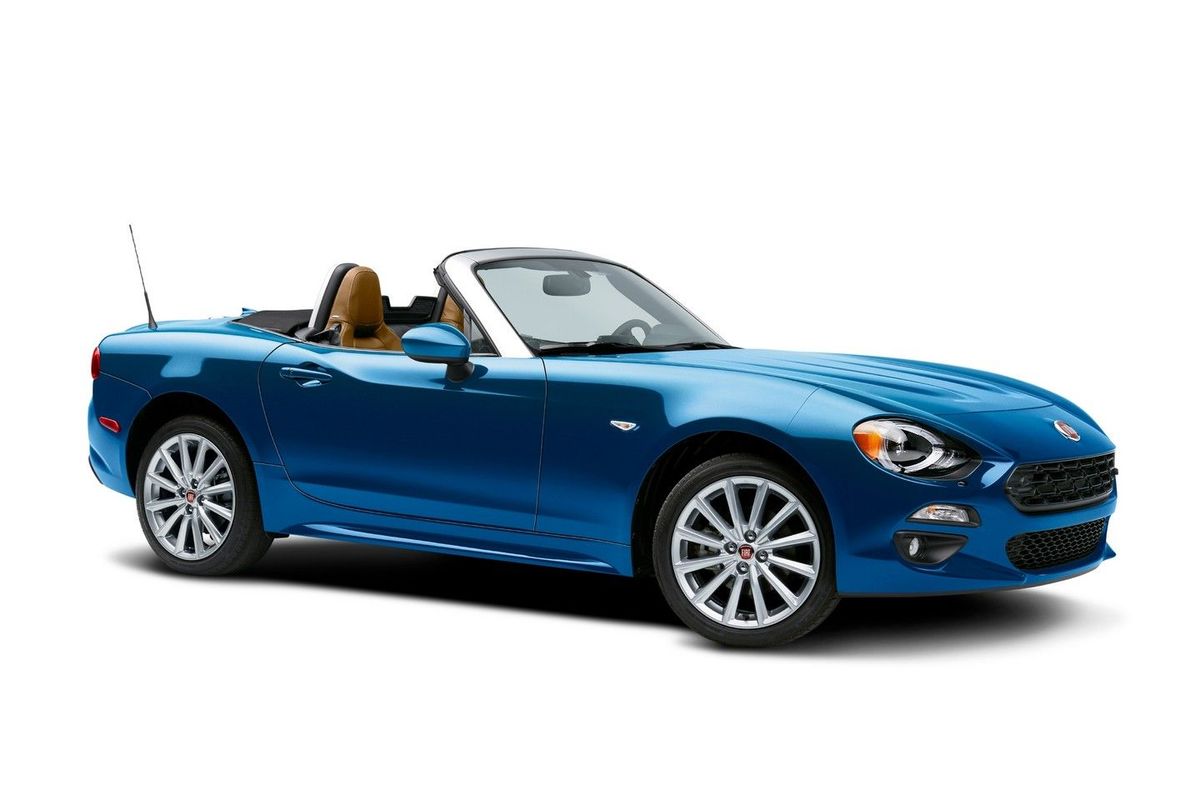
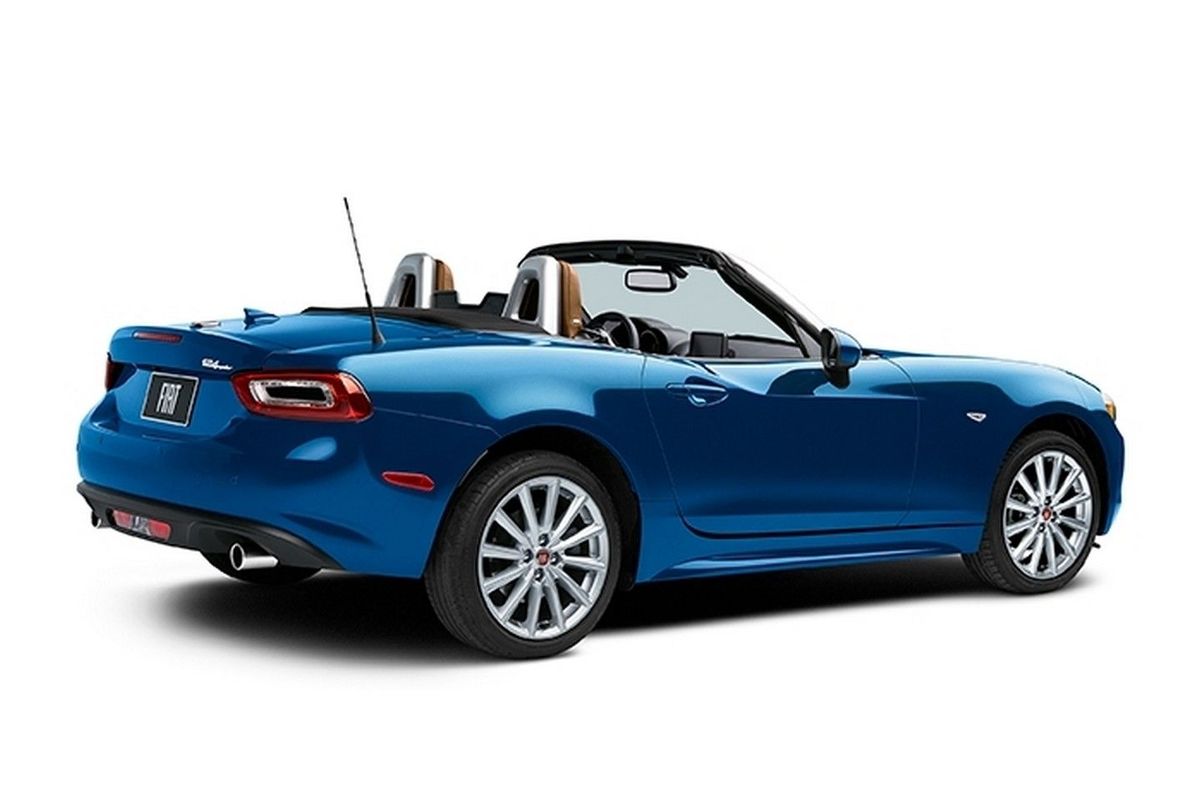
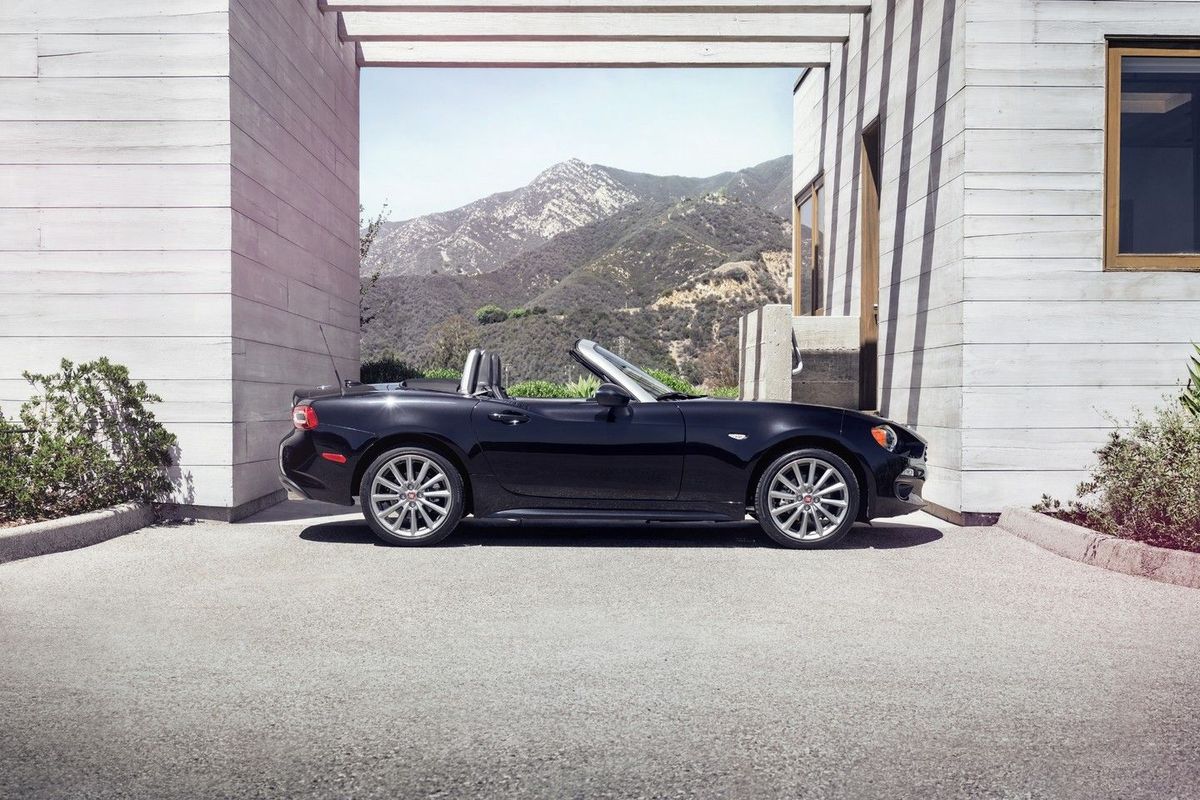
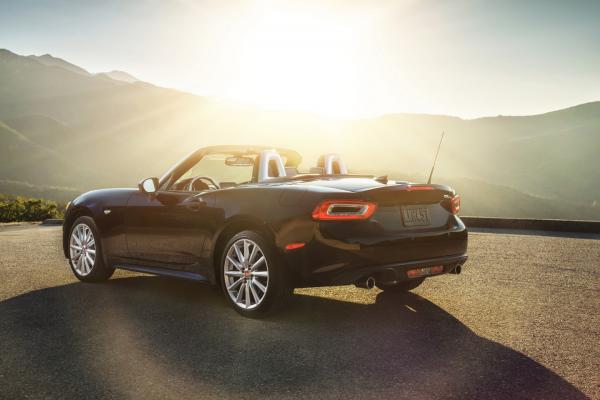
2017 Fiat 124 Spider Is An MX-5 Clone, But We Don’t Care
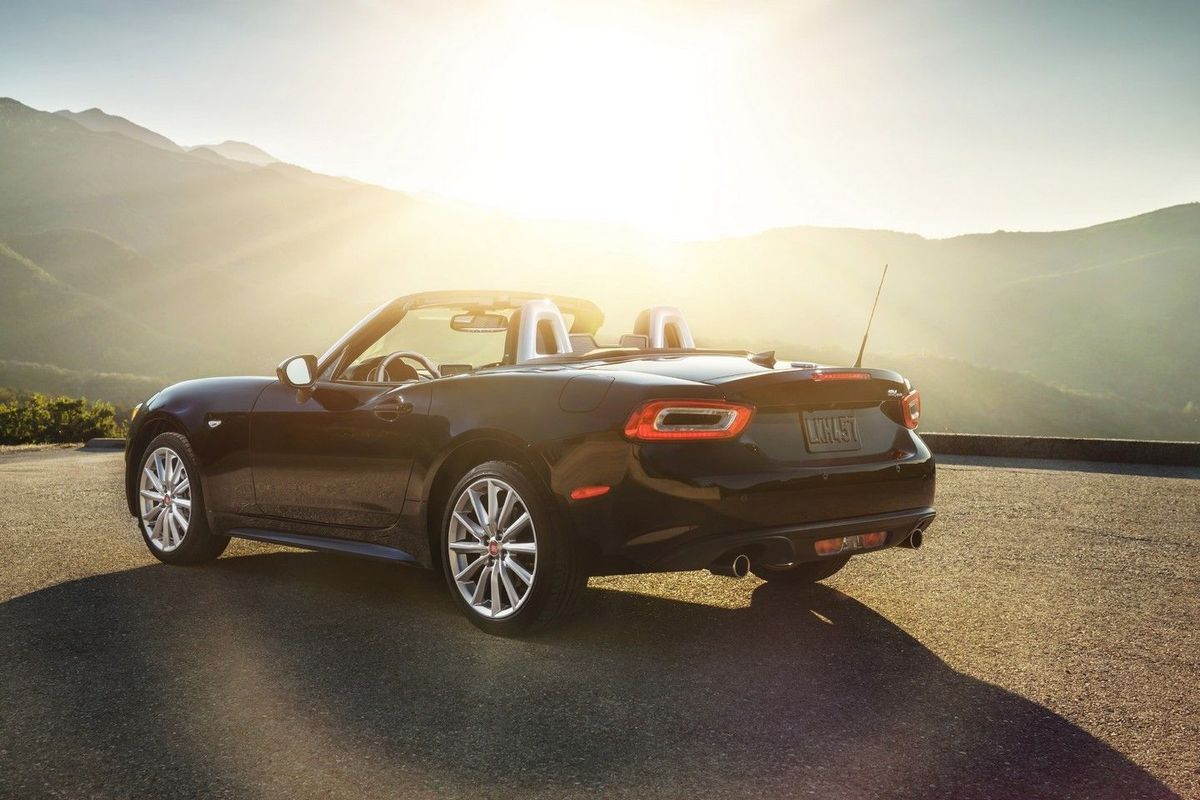
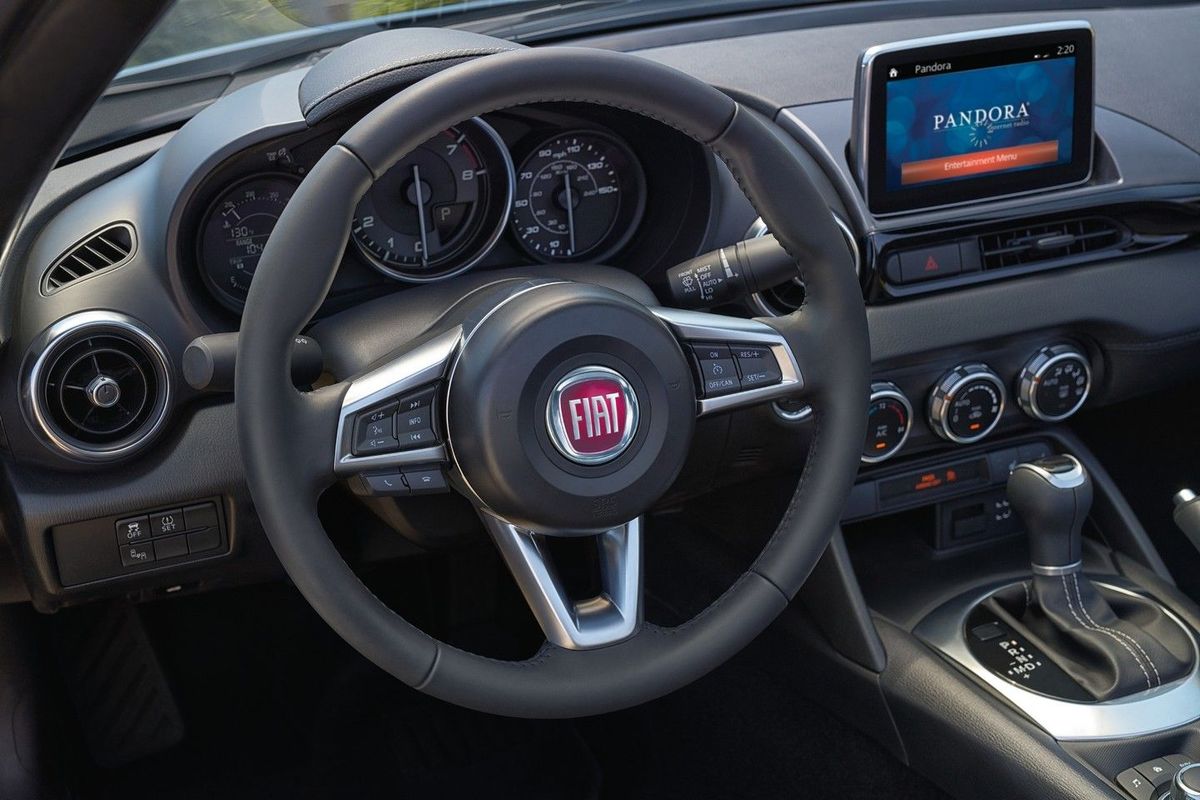
Fiat launches its new 124 convertible at the 2015 LA Motor Show and while it's essentially a rebadged Mazda MX-5, there are some crucial differences.
The news that Mazda and Fiat/Chrysler Group had been working on a convertible project car together is not exactly new. It appeared to be a perfect relationship, and Fiat would benefit from Mazda's expertise in the convertible sportscar segment. Fiat has a long history of little open top sportscars such as the cute Barchetta and it's been ages since we were last graced by the presence of such a vehicle.
The success of the Mazda MX-5 since its inception since 1989 has been phenomenal and the car has sold tremendously well over the years. The latest generation of MX-5 is in fact, parked outside our offices and our team are all extremely impressed by this model. One criticism of the car from petrolheads has always been a lack of power, something Mazda refused to address citing the MX-5 was never meant to be an out-and-out performer.
The Big News
Fiat has the answer to this problem and it's thanks to its range of compact turbocharged engines. Yes, finally, a Mazda MX-5 with factory turbocharged power! Sourced from Fiat/Chrysler, this engine does duty in numerous applications such as the Abarth 500, Alfa Romeo Giulietta and Fiat 500X. Power in the Fiat 124 is rated at 119kW, with torque coming in at 249Nm.
The new Fiat 124 is mechanically similar to its Mazda MX-5 twin as it too is rear-wheel drive and you get a choice of either six-speed manual or six-speed automatic transmissions. According to the marketing material, the Fiat 124 will be offered internationally in two trim options: Classica and Lusso. There are typical Italian-sounding colour schemes too with names like Rosso Passione (Red Clear Coat), Bianco Gelato (White Clear Coat), Nero Cinema (Jet Black Metallic), Grigio Argento (Gray Metallic), Grigio Moda (Dark Gray Metallic) and Bronzo Magnetico (Bronze Metallic).
The bottom line is that the Fiat 124 will offer much of the same driving experience that the Mazda MX-5 delivers so well. It'll be as light as the Mazda, involving to drive both on the limit and while cruising, and with the roof down, will be one of those perfect summer cruisers.
The name comes from the original Fiat 124 Sport Spider which was first built back in 1966. At the time of writing, we estimate that the Fiat 124 may make landfall around the middle of 2016. Assuming of course that the South African Rand doesn't take another nosedive and kill off any hopes of an Italian brand resurgance in our country.
Toyota Land Cruiser 200 (2015) First Drive
The refreshed Toyota Land Cruiser 200 is now available in South Africa and it’s equipped to make your 4×4 dreams a reality.
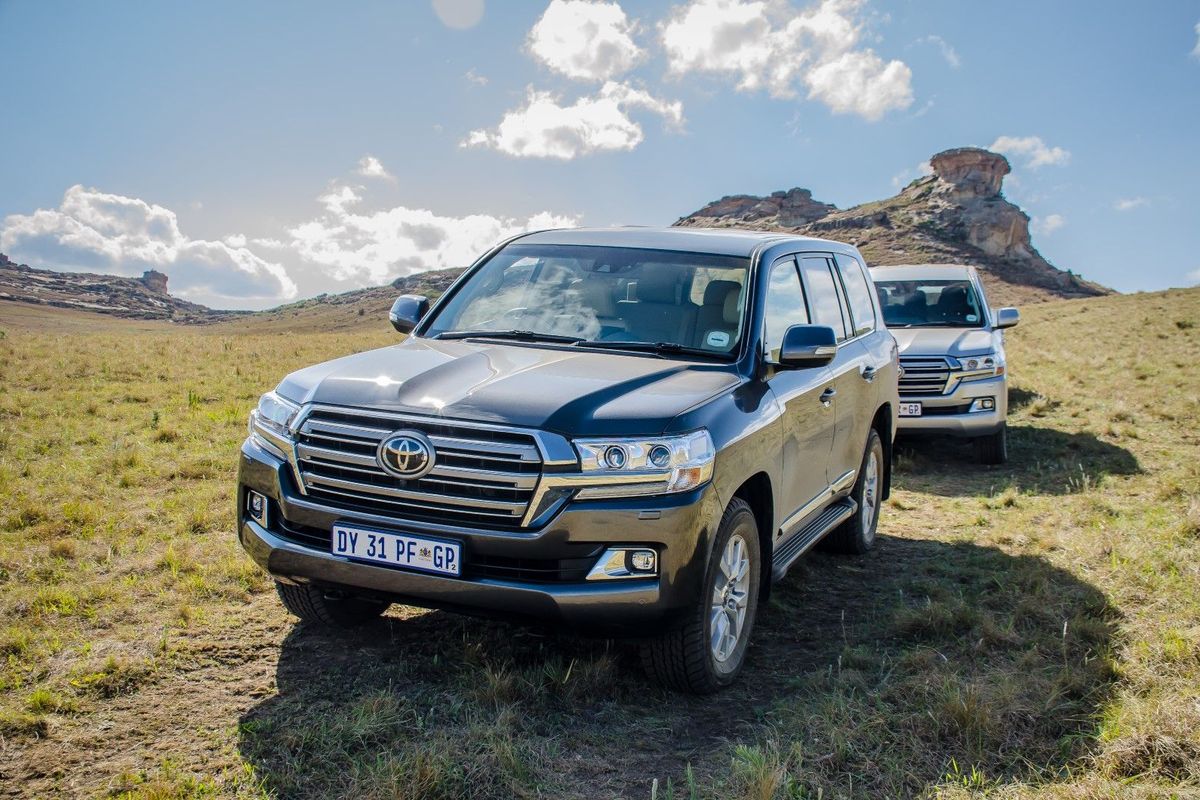
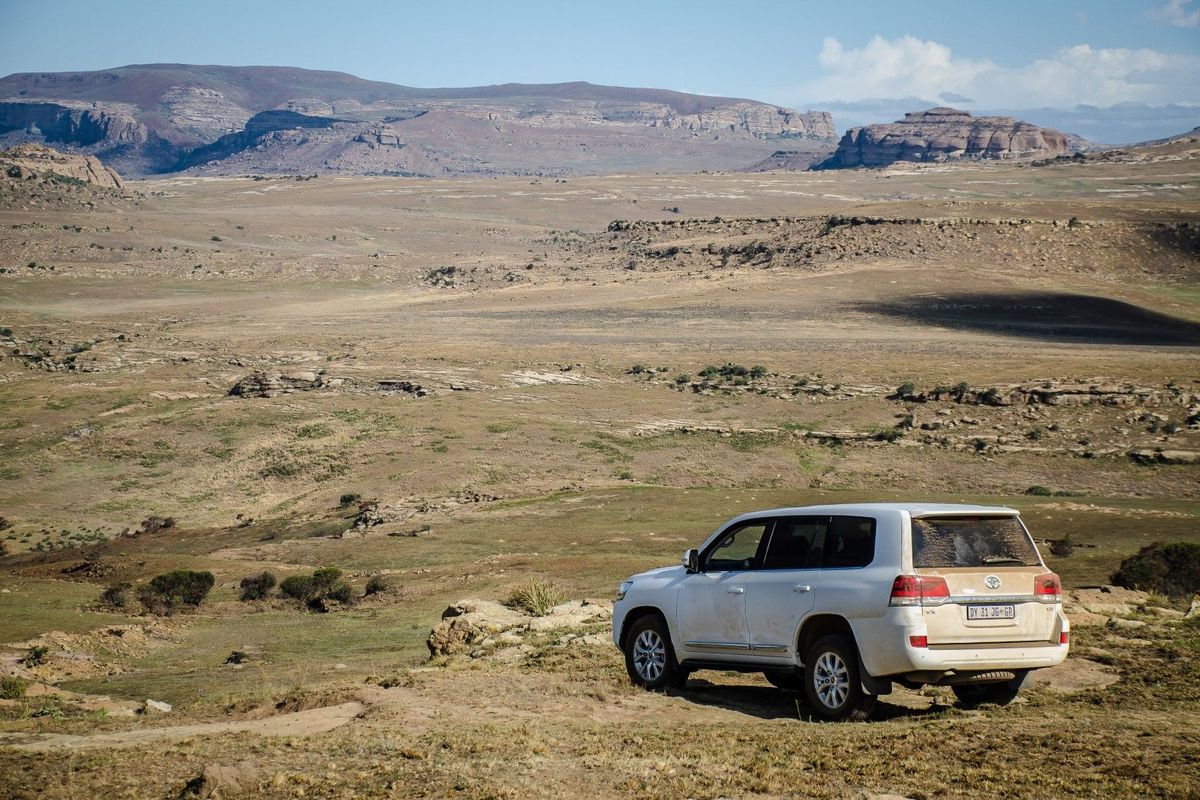
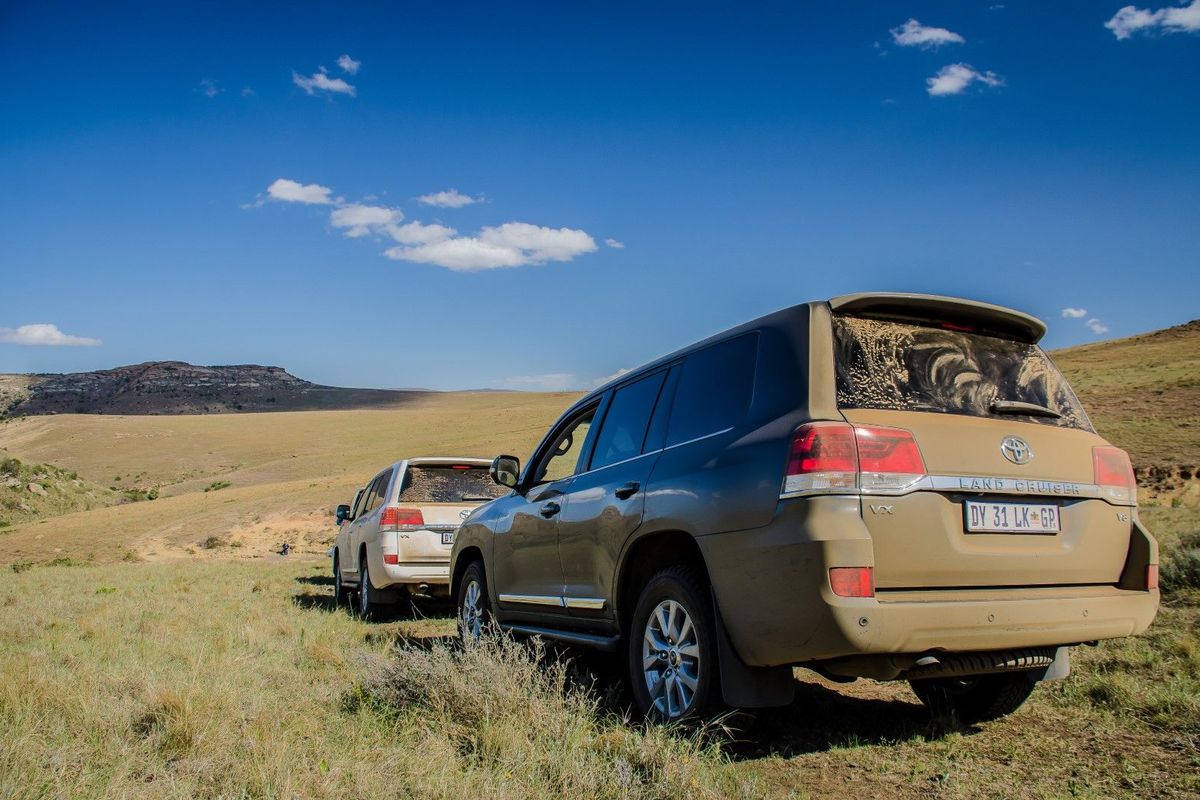
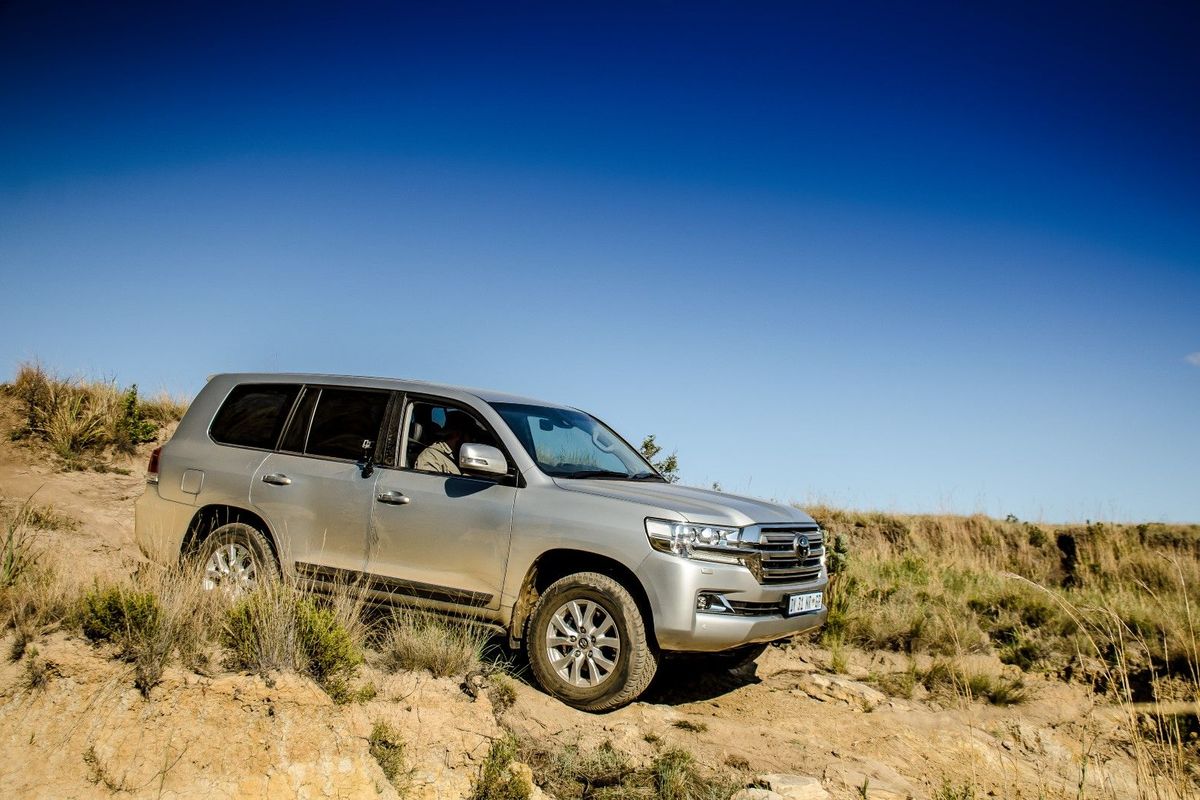
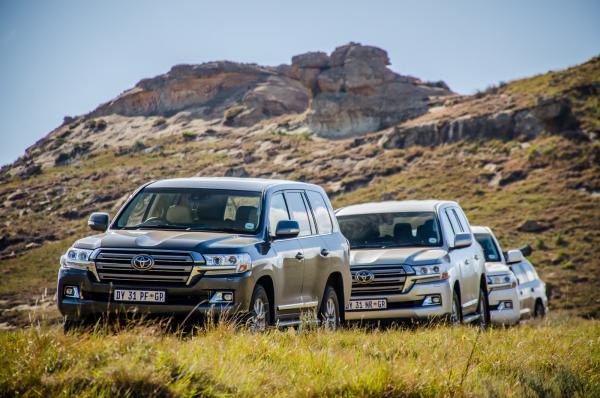
The Land Cruiser has long been known for its tough, go-anywhere credentials among 4×4 stalwarts and Toyota has now launched the refreshed Land Cruiser 200 with bold styling and a host of new features that not only make it more capable in the dirt, but more luxurious too. The launch of the Land Cruiser 200 took place in the scenic Golden Gate National Park in the Free State and we were there to give it a drive and to find out what this this brute has to offer.
Positive Change
From the front, the Land Cruiser 200 flaunts its power with a new, imposing chrome grille that’s flanked with integrated redesigned headlight clusters while the large sculpted bonnet adds a degree of machismo to the overall look. The headlights feature LED Daytime Running Lights and LED fog lamps are framed in chrome. The taillights are now larger and an integrated chrome garnish unifies the rear-end.
The Land Cruiser 200 is offered in two grades, namely GX and VX. The GX derivative is more of a rugged offering with an emphasis on simplicity while the VX derivative is equipped with a full suite of features with a focus on providing luxury and convenience. The GX rides on 17-inch alloy wheels while the top-spec VX benefits from 18-inch alloy wheels. The GX is distinguished with two rear opening ‘barn doors’ and is fitted with a snorkel. For the VX, the rear chrome tailgate is top-hinged and a rear roof spoiler further distinguishes this model.
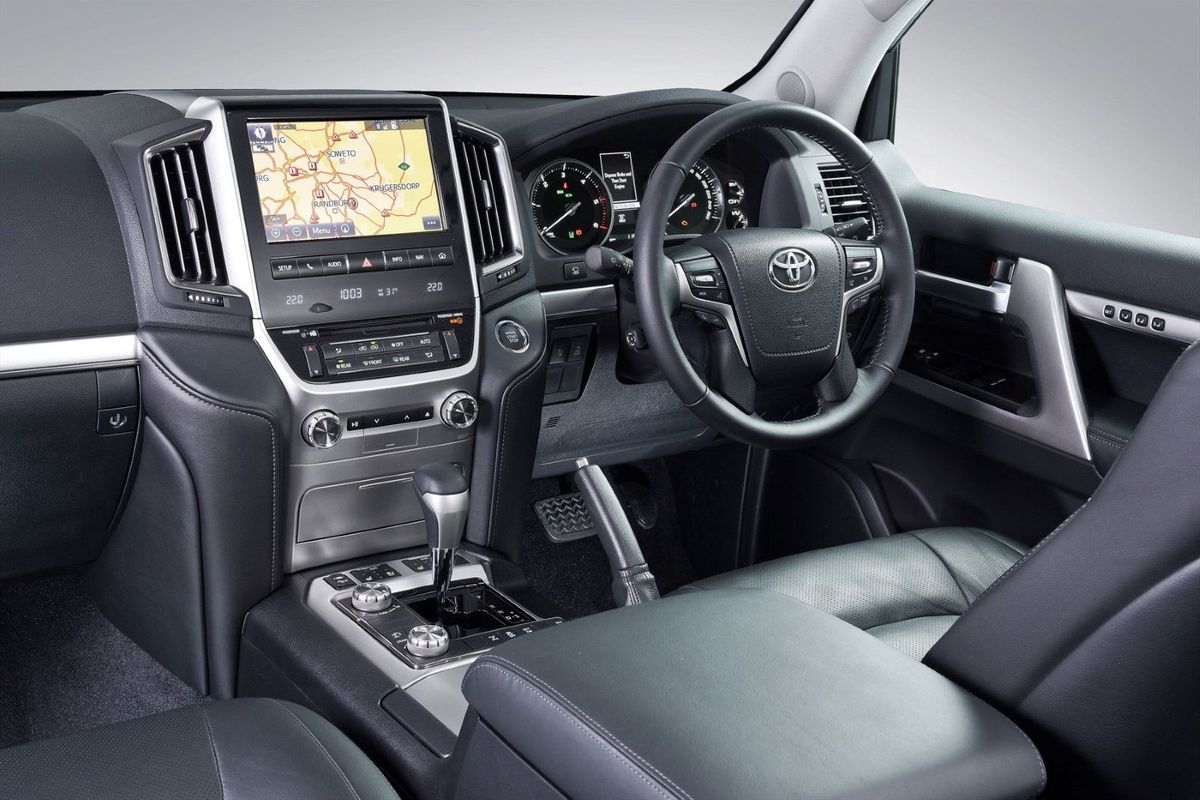
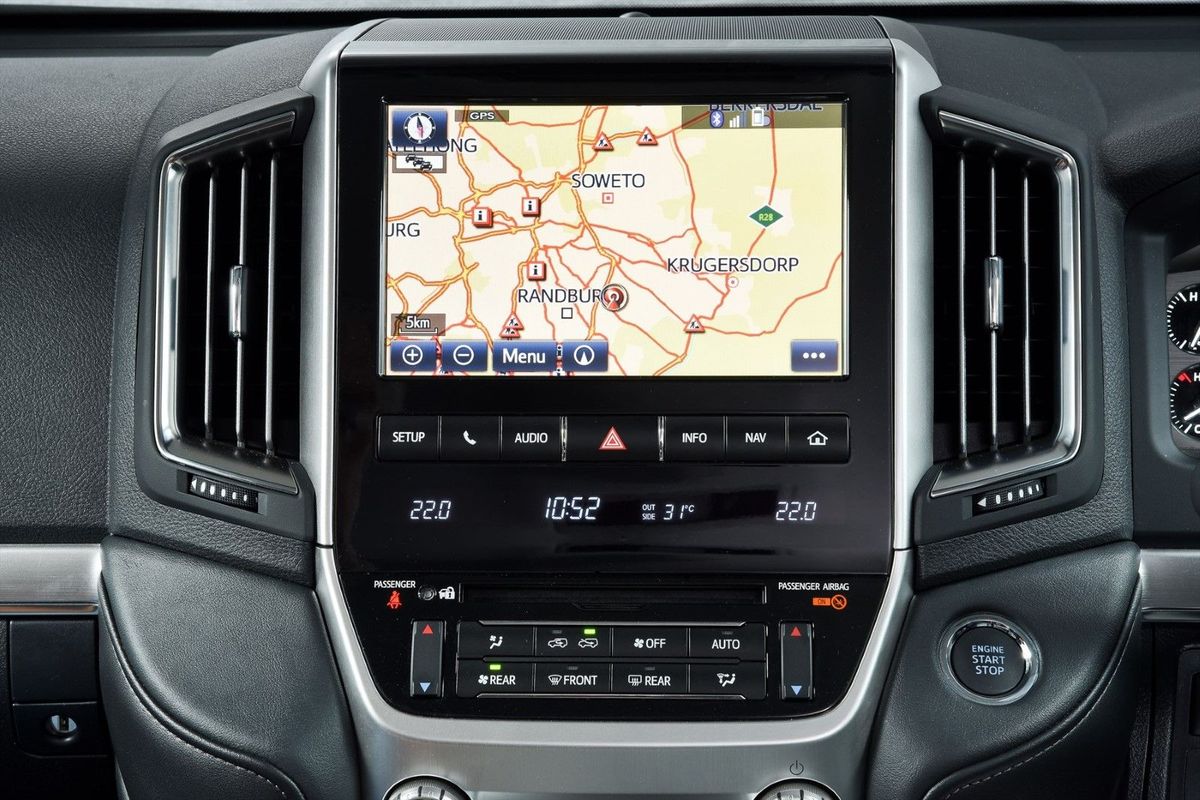
The interior has been reworked too and the buttons and controls are now conveniently positioned to improve usability. The VX derivative is fitted with a 9-speaker audio system with a 9-inch display framed in Piano Black trim. The GX on the other hand is fitted with a touchscreen audio system and both models offer satellite navigation.
A full colour TFT multi-information display provides vehicle feedback to the driver including trip information, economy, tyre pressure, audio and Bluetooth settings, all navigable via mounted controls on the steering wheel. The GX is kitted out in grey fabric trim while the VX is offered with a choice of two leather outfits including a Flaxen hue or black.
4×4 Feature Fest
The Land Cruiser 200 is fitted with a new Multi-Terrain Select (MTS) system that offers six different modes to suite varying terrain conditions. The modes include Rock, Rock & Dirt, Mogul, Loose Rock, Mud & Sand and Auto. A Crawl Control function is also integrated into the system, adding a further level of control when the going gets tough.
To enhance 4×4 capability even further, the Land Cruiser 200 is also fitted with a useful Multi-Terrain Monitor (MTM) that uses front, rear and side cameras to give the driver an all-round view of the terrain for safe navigation. An underfloor view is also particularly useful in that it records the ground surface prior to the vehicle passing over it, making it easy for the driver to pre-plan the positioning of the vehicle before tackling an obstacle.
Other useful features include Rear Cross Traffic Alert, Blind Spot Monitoring and Tyre Pressure Monitoring. The Land Cruiser 200 is also fitted with ABS with EBD, vehicle stability control, traction control, Pre-Crash Collision Mitigation, Lane Departure Warning and Adaptive Cruise Control. In the GX model, a total of 8 airbags are fitted while the VX model gains rear side airbags taking the total airbag count up to 10.
How does the Toyota Land Cruiser 200 Drive?
Under that large bonnet lies a 4.5-litre V8 diesel engine that offers 173 kW and 615 Nm of torque. For a car weighing 3 350 kg, those numbers are just about enough to haul all that metal around sufficiently. Performance on the road is adequate and the Land Cruiser 200 gets up to speed using a 6-speed automatic transmission that seemed to be well matched and smooth in operation. The engine is quiet and refined with very little engine noise making its way into the cabin and ride quality is good too. The suspension does a fair job of cushioning over bumps in the road and the ride is smooth and composed.
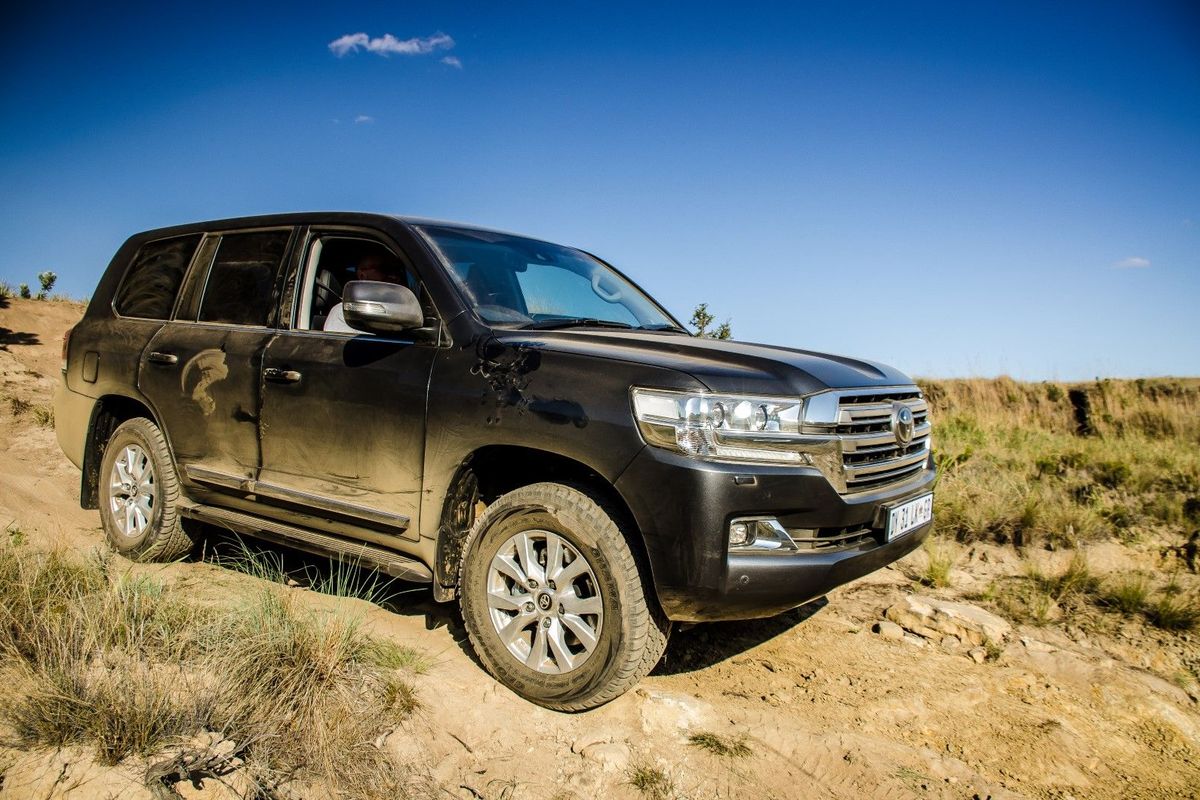
We took the Land Cruiser 200 VX on a basic 4×4 route in the Golden Gate National Park where we had the chance to test its 4×4 ability and as expected, it dealt with obstacles with ease. The Land Cruiser 200 felt indestructible and completely un-phased as it clambered over the rocky terrain. Low range is easily selected using a rotary dial and the Multi-Terrain Monitor came into good use on some more challenging sections while the Crawl Control function makes light work of steep inclines and declines. The systems are relatively easy to use once you familiarise yourself with the functionality and they give the driver that extra bit of confidence in tricky situations.
We spent all our time in the top-spec VX derivative and apart from offering impressive off-road capability, it also has all the niceties to make your adventure a bit more comfortable. The large centre-armrest doubles up as a refrigerator and rear passengers have loads of head and legroom as well as rear climate control. The VX is a 7-seater while the GX seats five passengers comfortably and boot space is significantly large to cater for your luggage and adventure items.
Overall, we were impressed by the Land Cruiser 200’s bullish looks and no nonsense off-road ability. We will have the Land Cruiser 200 on test soon to give it a thorough evaluation.
Toyota Land Cruiser 200 – Price in South Africa
Toyota Land Cruiser 200 4.5 GX – R850 000
Toyota Land Cruiser 200 4.5 VX – R1 141 700
Prices include a 5-year/90 000 km service plan and a 3- year/100 000 km warranty.