Honda has sent out a teaser picture of its new BR-V crossover which is set to premiere at the Indonesian Auto Show. The car in the image looks very futuristic, but if reports are to be believed, what you’re looking at is Honda’s next generation crossover utility vehicle.
Honda BR-V Details
BR-V stands for Bold Runabout Vehicle and potentially seating for up to seven people on three rows is possible. Developed by Honda Research and Development Asia Pacific Division based in Thailand, the BR-V looks likely to target the Asian market. In terms of engines, there will be a 1.5-litre petrol engine, but we wouldn’t say no to the rather excellent 1.6-litre diesel that we’ve sampled in the Civic.
Underneath that smart-looking body, we reckon the new BR-V will be based on the Brio/Mobilio which is a rugged platform. Honda says the BR-V will be solid and tough and will feature sleek roof rails, big alloy wheels as well as useful ground clearance. Safety features are generous and there will be a choice of two gearboxes.
The vehicle will be shown off in August at the Indonesian International Auto Show 2015, with a production version potentially going on sale in 2016.
Fuel Price Increase for July 2015
It’s another dark day in South Africa as motorists prepare for a fuel price hike with effect on 1 July 2015. The increase in fuel prices is a direct result of the weakening Rand against the US Dollar. According to the Department of Energy, the Rand lost around 40 cents to the US Dollar since the end of May 2015 as a result of negative sentiment on global emerging markets. The petrol price increased internationally due to strong demand in Europe and in the Asian market.
Here is what you can expect when the increase takes effect at midnight tonight.
Fuel Price in South Africa – July 2015
Diesel – Both grades of diesel will increase by 4 cents/litre.
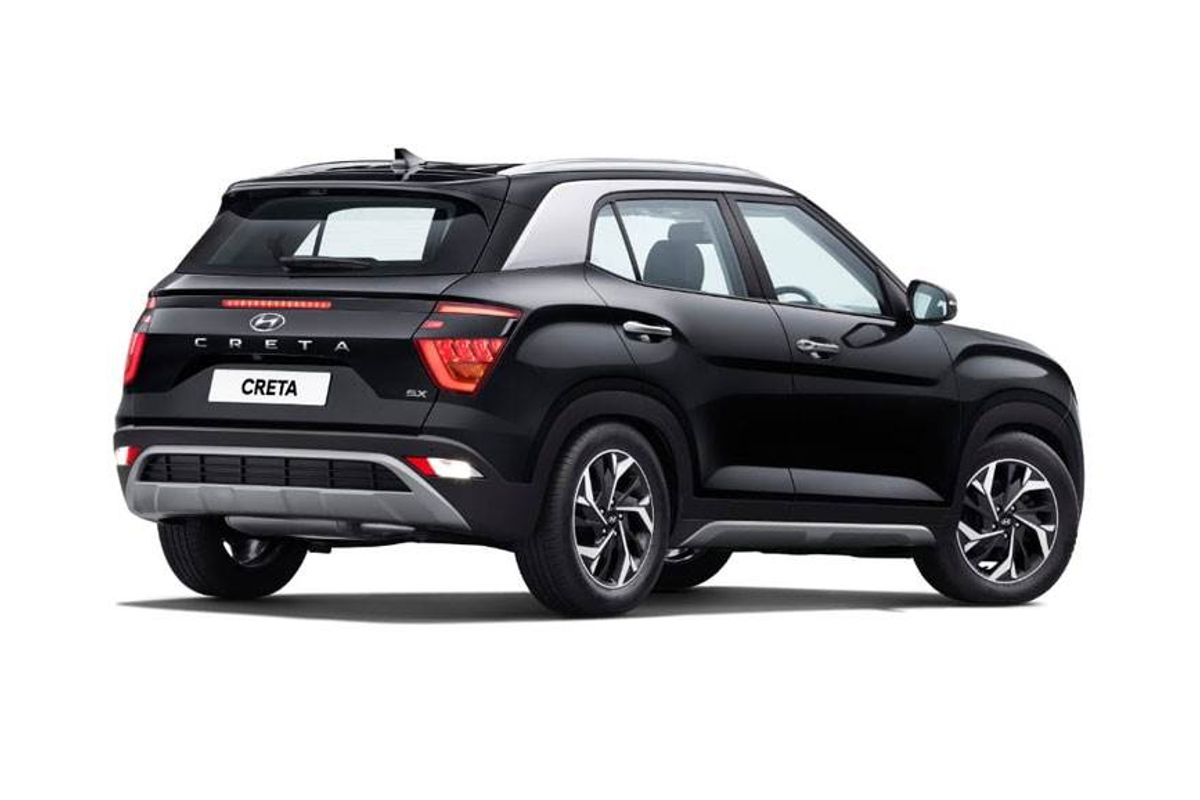
Hyundai has revealed that it will be making a compact SUV in the near future named the Creta. The name comes from the largest of the Greek islands and it is likely to be sold globally. The Creta is currently sold as an ix25 in China.
Hyundai Creta Details
The sub-compact SUV market is taking off at the moment with a flurry of vehicles being introduced recently. Renault has the Captur, Nissan has a Juke, Ford an Ecosport and Mazda will imminently introduce the CX-3. The Hyundai Creta will take the fight to this bunch with a new version of fluidic sculpture Hyundais design language.
The engine lineup for the Hyundai Creta includes three motors, two of which are diesels. The remaining petrol engine is a 1.6-Litre petrol that develops 90 kW and comes with a six-speed manual gearbox. There is a 1.6-Litre diesel available in automatic that will deliver 94 kW and a 1.4-Litre diesel however power details are not available on this version yet.
In order to further boost the Hyundai Creta’s market desirability it also offers projector headlamps with LED Positioning lamps, 17-inch alloys, 7-inch touchscreen and six-speaker sound system, push button start and six airbags (includes Sides & Curtains).
The Hyundai Creta is set to go on sale in July 2015 in India, but there’s no news about external markets yet. The identical IX25 is a vehicle which is potentially on its way to South Africa at some point during 2015. Whether we’ll get the IX25 or the Creta is yet to be determined.
2015 Audi A4 Revealed (Video)
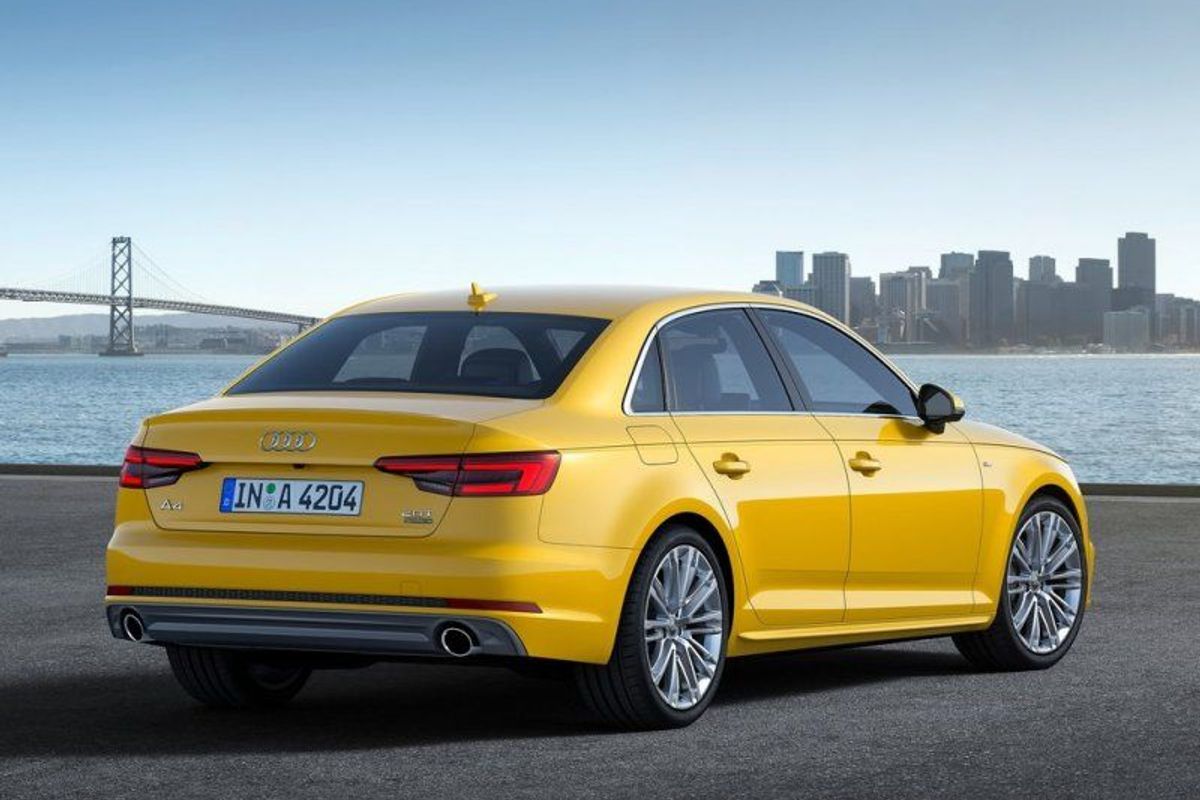
It’s been a long time coming, but Audi has finally revealed details of the new A4 in both sedan and station wagon form. Audi has placed significant emphasis on reducing CO2 emissions and the new A4 weighs up to 120kg less than the outgoing model and is up to 21% more efficient. Let’s take a closer look at what you can expect from the new 2015 Audi A4.
Audi A4 Styling
In terms of styling, the new Audi A4 features a horizontal line at the front and rear which emphasizes the car’s width. The front-end is dominated by a wide and low Singleframe grille, flanked by reshaped LED headlights and Matrix LED technology, which includes dynamic indicators. The A4 also features a sloping roofline and flared wheel arches while a high bootlid is found at the rear with LED taillights.
The new Audi A4 is bigger than before and stands 4.73 (+25mm) metres long, 1.84 (+16mm) metres wide and 1.43 meters tall while the wheelbase has been extended by 12 mm to 2.82 meters. This affords the A4 with a spacious cabin. The A4 Avant has a large boot capacity of 505-litres which expands to 1 510-litres with the rear seat folded flat. An electrically operated boot cover and tailgate are fitted as standard.
A range of technology is offered with the new 2015 Audi A4 and these include Audi Virtual Cockpit, head-up display, a new 8.3 inch MMI display with touchpad and rotary controller and a smartphone interface. Sound is delivered via a Bang & Olufsen Sound System with 3D sound. With MMI Plus, occupants will have Wi-Fi access to the internet while the driver makes use of Audi connect and there’s also an Audi tablet which makes rear infotainment that much more enjoyable.
Engine Choices
The 2015 Audi A4 and A4 Avant will be offered with a total of seven petrol and diesel derivatives.
The first is a 1.4-litre TFSI offering 110 kW and 250 Nm. With a seven-speed S tronic transmission, 0-100kph takes place in just 8.9 seconds with a top speed of 210kph. The corresponding figures for the Avant are 8.9 seconds and 210kph. Fuel consumption is rated at 4.9L/100km.
Buyers looking for more petrol power can also opt for the 2.0-litre TFSI (4.8L/100km) which can offer either 140 kW and 320 Nm of torque. Fitted with quattro drive and a 7-speed S tronic 0-100kph takes just 5.8 seconds with an electronically limited top speed of 250kph. The new A4 Avant has corresponding figures of 6.0 seconds and 250kph. The A4 with front-wheel drive and S tronic consumes just 5.7L/100km.
As an alternative this 2.0-litre TFSI can also develop 185 kW and 370 Nm of torque. 0-100kph in the sedan with a 7-speed S tronic takes just 7.3 seconds with a top speed of 240kph while figures for the Avant are 7.5 seconds and 238kph. Fuel consumption is rated at 4.8L/100km for the sedan and 5.0L/100km for the Avant.
In terms of diesel engines, there’s a 2.0-litre TDI (3.7L/100km) which develps 110 kW and 320 Nm of torque. With a 7-speed S tronic and front-wheel drive, the sedan will accelerate to 100kph in 8.7 seconds with a top speed of 219kph. Corresponding figures for the A4 Avant are 9.0 seconds and 213kph. When fitted with 6-speed manual, fuel consumption is rated at 3.8 and 4.0l/100km for the sedan and Avant respectively.
This engine can also be had with outputs of 140 kW and 400 Nm of torque which results in acceleration from 0-100kph in 7.7 seconds with a 7-speed S tronic transmission for the sedan while the Avant manages 7.9 seconds with top speeds of 237kph and 231kph respectively.
A six-cylinder 3.0-litre TDI engine will offer 160 kW and 400 Nm of torque with fuel consumption rated at 4.2-litres/100km for both the sedan and Avant. This engine can also be had with outputs of 200 kW and 600 Nm of torque. Here, 0-100kph is achieved in 5.3 seconds with an electronically limited top speed of 250kph. fuel consumption is rated at 4.9L/100km. Figures for the A4 Avant are 5.4 seconds to 100kph with a top speed of 250kph. Fuel consumption for the Avant is at 5.1L/100km. This high-end model is fitted with an 8-speed tiptronic transmission.
Audi will also introduce a g-tron version during the life cycle of the new A4, which will use natural gas or the sustainably produced Audi e-gas.
Safety Features
As is to be expected, the 2015 Audi A4 will feature a range of safety features and driver assistance systems. These include predictive efficiency assistant, active lane assist, Stop&Go adaptive cruise control, traffic-jam assist, parking assist, rear cross-traffic assist, exit warning, collision avoidance assist, turn assist and the Audi pre-sense systems. Camera-based traffic-sign recognition will also be available.
When Will It Come to SA?
At this stage we’re likely to see the new 2015 Audi A4 arrive in South Africa in early 2016.
2015 Audi A4 Video
Mercedes-Benz A45 AMG Refreshed For 2015
The next generation Mercedes-AMG A45 4MATIC has been revealed and promises to carry on with the sheer lunacy and hooliganism its become known for. The vehicle features more power, revised gearbox and some tweaks to the aerodynamics as well as new Dynamic Select driving modes.
It’s Faster
First up is the power increase. The A45 AMG now pushes out 280 kW and 475 Nm, up from the 265 kW and 450 Nm in the current model. Mercedes-AMG has changed the valve assembly as well as reconfigured the turbocharger and timing. The result is an even faster vehicle off the line, with a claimed 0-100kph time of 4.2 seconds, which is 0.4 seconds faster. Interestingly Mercedes-AMG claims fuel economy stays the same, despite the increase in power and you can get 6.9L/100km.
The gearbox has received some changes in the form of revised gear ratios for gears 3 and 7 which means faster in-gear acceleration. The additional benefit of closer ratios means smoother gear changes too. If handling and track days are your thing, then you can spec an optional front axle differential.
Aerodynamics and Interior
There are some aerodynamic changes to the A45 AMG in the form of AMG-specific cooling air inlets and spoiler lip under the front splitter, while the rear apron gets four vertical fins with diffuser as well as the boot-mounted spoiler. The headlights get the LED High Performance with daytime running light treatment and this is included as standard. The aerodynamics help generate additional downforce which will then improve the handling.
In terms of the interior, there’s a new multifunction sports steering wheel and some changes to the sports seats which now feature cushion depth adjustment. The A45 AMG now offers modern s
American Chevrolet Cruze Revealed
The Chevrolet Cruze has only just landed in South Africa and already a new model, specifically for America has rolled out of the factory. It is set to go on sale in the states early in 2016 and then be exported to 40 countries around the globe.
New Chev Cruze Details
Dont be entirely fooled by its good looks in these pictures, this Cruze is specced with RS kit that adds a few special touches. The RS trim level also comes with 18-inch wheels and a rear spoiler. The new Cruze rides on a longer platform with a larger wheelbase that improves rear legroom. The extra size hasnt affected the weight of the Cruze, which claims to have actually shed 113kg. Its also 27% stiffer than before and more aerodynamic according to its drag coefficient number.
Chevrolet will also be adding a new 1.4-Litre turbo engine to the range that works with either a six-speed manual or a six-speed auto. Claimed output is 113 kW and 240 Nm of torque, plenty for a family sedan. With this particular engine, Chev says the Cruze can get from 0-100kph in 8-seconds flat and use just 5.8L/100km on the combined cycle.
Inside the infotainment system has been enlarged to seven-inches with the option of eight-inches. The Cruze will feature new technical highlights like Apple CarPlay and Android Auto, theres also the Chev MyLink system and navigation built in.
Nissan Juke-R 2.0 Revealed
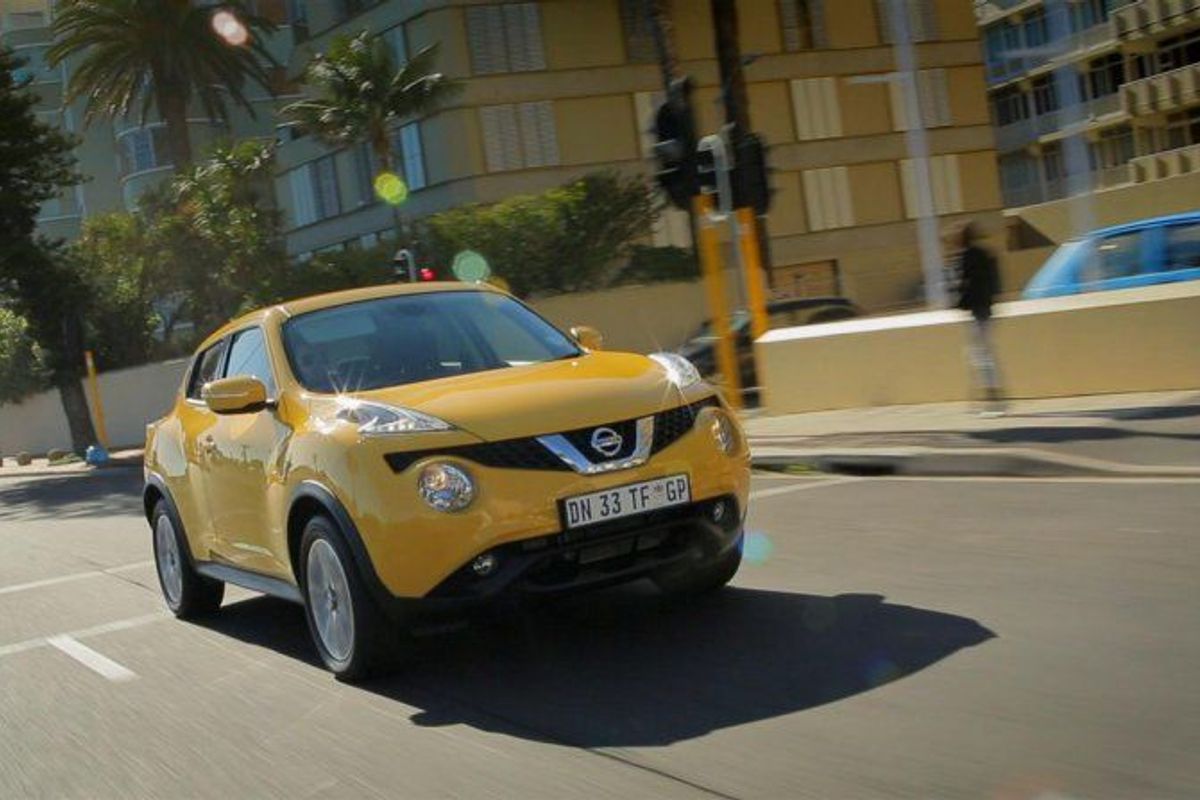
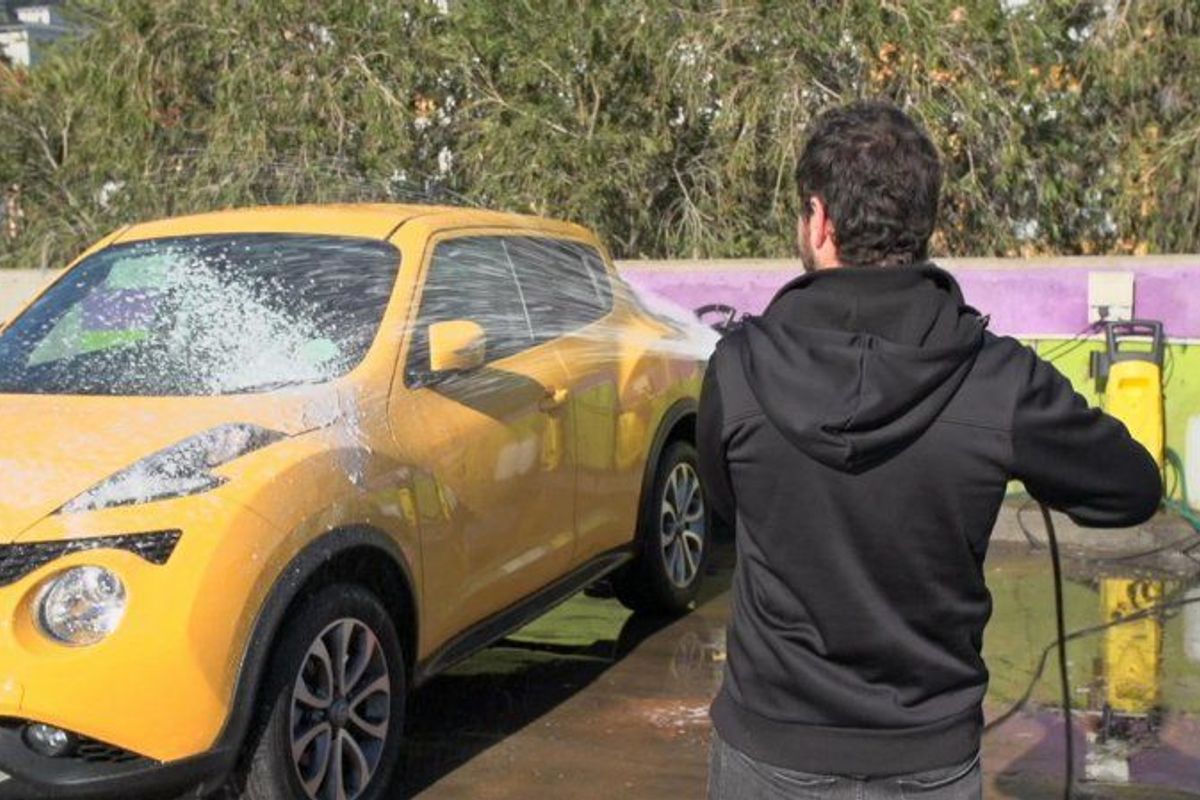
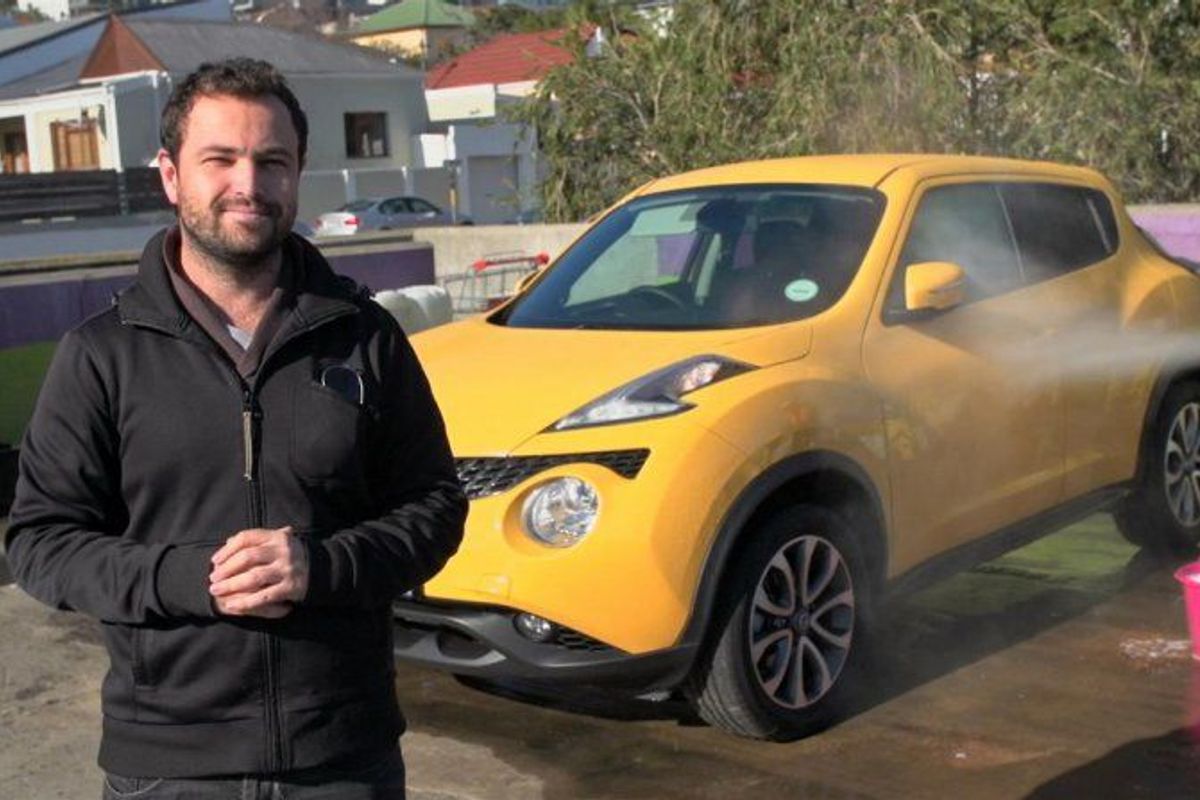
Nissan will unleash the Nissan Juke-R 2.0 at the Goodwood festival of Speed on Thursday 25 June. The original Juke-R made use of a Nissan GT-R motor to develop 362 kW in the tiny Juke chassis. Some technical wizardry went on to get it to grip and handle which it just about did and the car was used globally as a marketing tool for Nissan and Nismo.
Nissan Juke-R 2.0 Details
Visitors at Goodwood, will witness the Juke-R 2.0 make its dynamic debut on Goodwood’s Hillclimb on all three days of the event, driven by Nissan GT Academy graduate and Le Mans 24 Hours driver, Jann Mardenborough.
Based on the updated Nissan Juke launched in 2014, the Juke-R 2.0 has been injected with further levels of GT-R testosterone to now reach 441 kW.
The exterior has been modified to make it look more aggressive including a new carbon fibre front bumper. In hot weather, the original Juke-R used to suffer with overheating and a leaf-blower was often used to cool it down between runs. Engineers have now tried to overcome this issue by including larger air vents in the bumper. The rear lights have also been pulled from the latest Juke.
Gareth Dunsmore, Marketing Communications General Manager for Nissan Europe said, “The Juke-R has become an iconic Crossover supercar and with the launch of the latest Juke model last year, it was the natural choice to upgrade the original Juke-R with added power and even bolder styling. The Juke-R 2.0 is a perfect crossover’ of the best bits of Nissan – real innovation showcasing our Crossover prowess fused with the excitement of the GT-R supercar engine.”
Five interesting facts about the BMW i3
The BMW i3 is currently on test with us in the Cars.co.za garage. Whilst we get to grips with the Rex (range extender) model we thought we would take an in depth look at what BMW has done to make the i3 a cool electric car.
We already know that the i3 uses an electric motor to get around and in the Rexs case has a little petrol motor to charge the batteries when they get low on juice. What else makes the i3 different to other electric cars?
Five interesting facts about the BMW i3
1. Sustainable materials were used on the interior
The interior of the BMW i3 features door trim panels and a dashboard made from renewable natural fibres, naturally tanned leather, and open-pore eucalyptus wood sourced from renewable forests. Overall, 25% renewable raw materials and recycled plastics were used in the interior of the BMW i3. The textile upholsteries are made of up to 100% recycled polyester. A further 25 % recycled plastics are used in the exterior.
2. Factory powered by renewable electricity
The electricity for production of BMW i3 and i8 at the Leipzig plant also comes exclusively from renewable energy sources. Wind turbines were installed on site in order to supply electricity directly for the production process. In addition, the energy required for manufacturing at the carbon-fibre plant in the USA comes from locally generated hydropower.
3. Enhanced aerodynamics
Aerodynamics are a key element in enhancing efficiency and increasing range. BMW uses fully concealed under-bodies that prevent wind turbulence under the car, while aero-flaps improve the aerodynamics of the wheel arches and side sills behind the front wheels. This reduces wind resistance and the cars energy consumption, extending the range.
4. The battery is cooled as you drive
A cooling system keeps the battery at its optimal operating temperature at all times. Drivers can also activate economical driving modes at the push of a button, thus extending the range by around 30%.
5. Lightweight materials used
Chassis architecture, specifically designed for the development of electric cars, reduces the weight and increases the range. Carbon fibre and Aluminium combine to form an ultralight, strong design. The result: improved energy efficiency, extended range and greater safety.
Keep your eyes peeled for our full review of the BMW i3 coming your way soon!
New Chrevrolet Cruze: Buying Advice, Pricing & Rivals
If you dont like sedans, youre probably living in your own personal Golden Age of motoring. It feels like the choice of SUVs and Crossovers and MPVs and SAVs grows by the minute.
But if Toyotas Corolla sales figures are anything to go buy, there is still a significant number of South Africans who just like a bonnet, four doors and a boot thank you very much.
It was inevitable that a few other manufacturers would want a share of this corner of the market, and Chevrolet have had a very decent crack at it, with the Cruze.
Recently refreshed, it looks sharper and now includes touchscreen infotainment, and it keeps that very solid feel; in fact, I think this car feels better built than the venerable Corolla.
In this video, we take a detailed look at the new 1.4T Cruze Auto, which is an admittedly pricy option in the range. Well get a good look at the boot space on offer (generous), take you through the new MyLink touchscreen (exciting) and well even talk about engine options (not so exciting).
Well end off with a comparison between an equivalent Toyota Corolla and an equivalent Hyundai Elantra, in a bid to help you decide between the three.
See a full side-by-side comparison between the three click here:
UPDATE: Ford Focus RS Revealed, Coming to SA in 2016
The third generation Ford Focus RS was officially unveiled earlier this year after an online teaser campaignand Ford have now revealed output figures for the high-performance vehicle. With a 2.3-litre four-cylinder Ecoboost turbocharged engine sourced from the SA-bound Mustang, this new Focus RS will continue the legacy of fast Fords.
The first generation Ford Focus RS came to SA in extremely small numbers and was a bit of a handful to drive. Powered by a 2.0-litre Duratech turbo engine with 158 kW and fitted with a Quaife limited slip differential, this Ford Focus RS scared and enthralled those who drove it.
The second generation Ford Focus RS is what I call the Hulk, thanks to its rather vibrant green paint and muscular body kit. Coupled with a monstrously tuned version of the 2.5-litre turbo engine found in the Focus ST, this Focus RS boasted 224 kW and 440 Nm. Having driven that car, I can tell you that it was next level extreme. Not only was it fast, it was also excessively loud and felt like a racecar for the road with its rorty exhaust and turbo whistles.
Ford Focus RS Details
Welcome then, to the third generation of Ford Focus RS. Gone is the five-cylinder motor and in its place is an all-new four-cylinder turbocharged engine. Its a 2.3-litre and is the same motor that does duty in the Ford Mustang. Ford has now confirmed that the new Focus RS will offer 257 kW and 440 Nm of torque, with an additional 30 Nm overboost available.
This very special 2.3-litre EcoBoost unit will inspire drivers as they feel the surge of the turbo, and reward them as they take it to the red line all delivered with a visceral sound guaranteed to put a smile on your face.” says Dave Pericak, global director, Ford Performance.
More importantly, the new Ford Focus RS will feature all-wheel drive with torque vectoring, meaning cornering ability will be superb. Power is transmitted to all four wheels through a six-speed manual transmission, which will keep the enthusiasts happy. The all-wheel drive system is based around twin electronically controlled clutches, which simulate the same effect as a limited-slip differential.
This system then uses sensors to continuously monitor the current conditions and then sends the power from the engine between the front and back wheels. As much as 70% of the vehicle’s power can be sent to the rear. It can also send power to either side of the rear axle. This is most useful when it comes to sharp turning, where the outer wheel will receive added grunt which improves stability and turn-in. Ford claims that it will ‘virtually eliminate understeer’. We’ll have to take Ford’s word on that, for now.
Ford announced that Youtube star and rallycross driver Ken Block was a consultant on the Focus RS project, which should mean the car is dramatic and exciting. Ken Block will show off his talent in the new Focus RS at the 2015 Goodwood Festival of Speed. Ford South Africa confirmed that the new Ford Focus RS will arrive on our shores in 2016, and the vehicle forms part of a plan to deliver 12 performance vehicles by 2020.